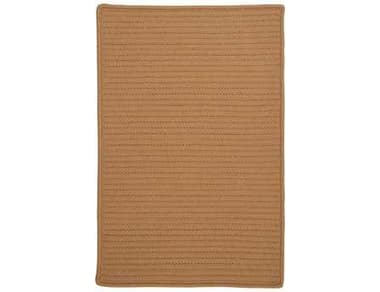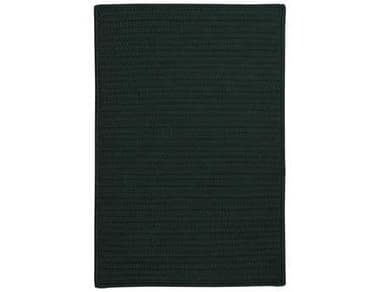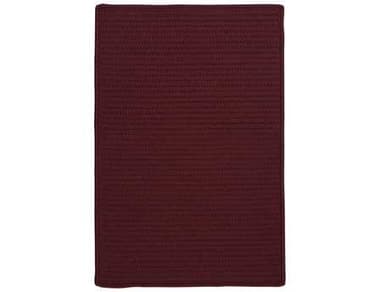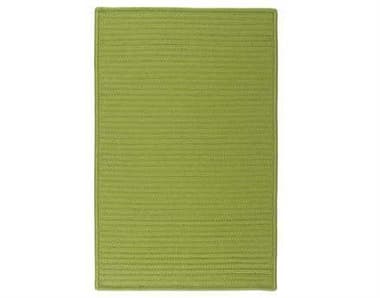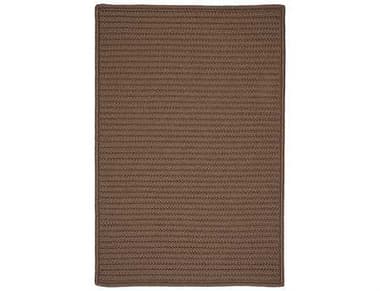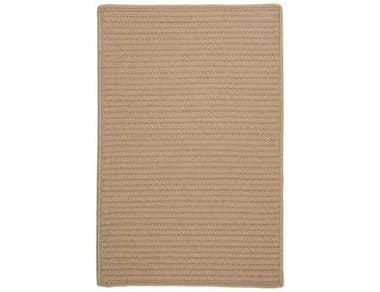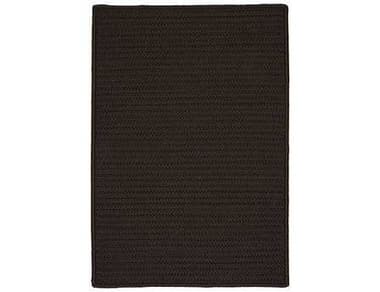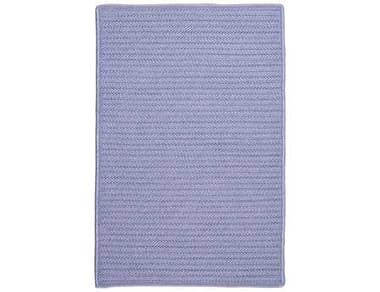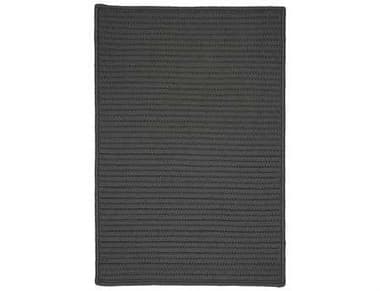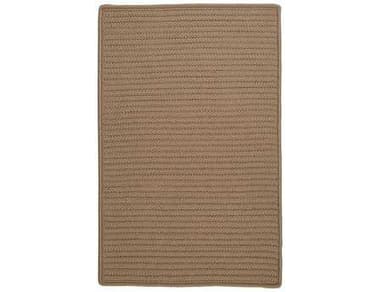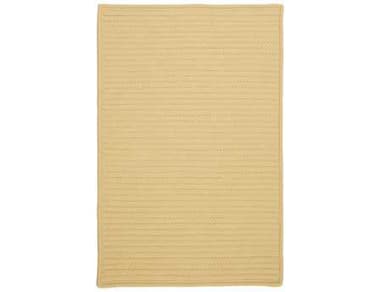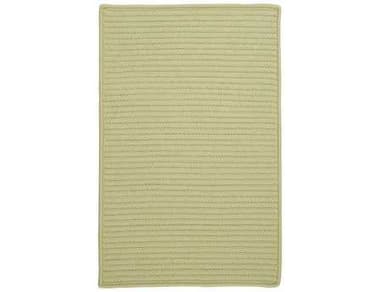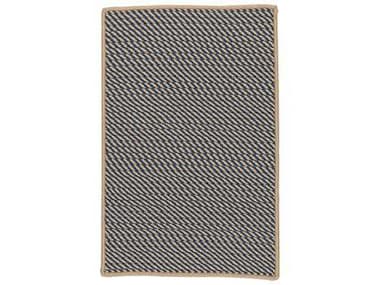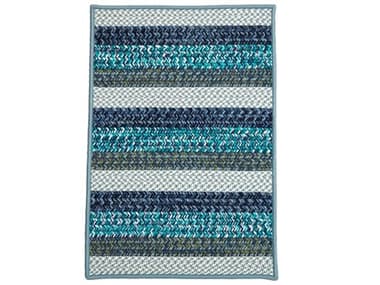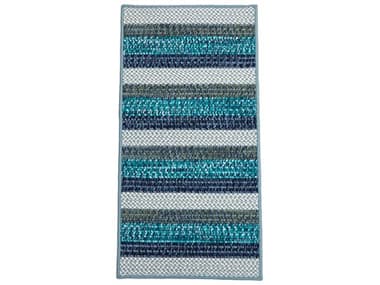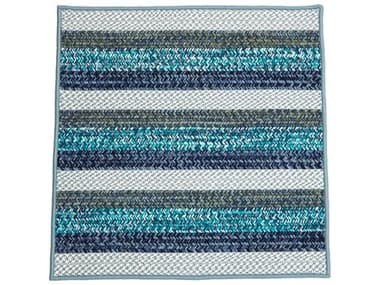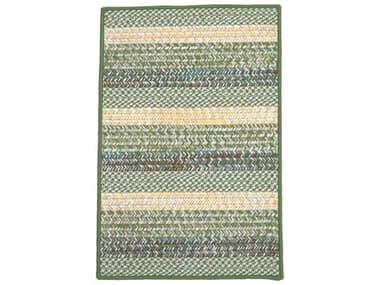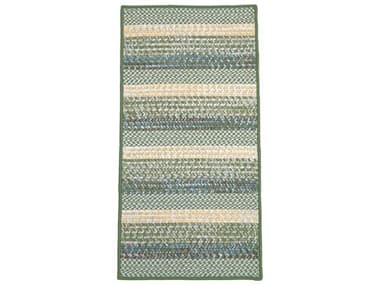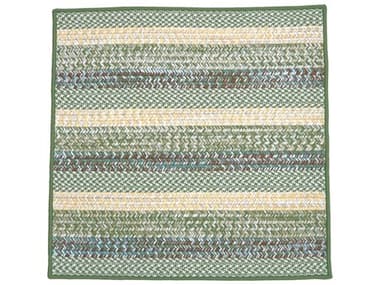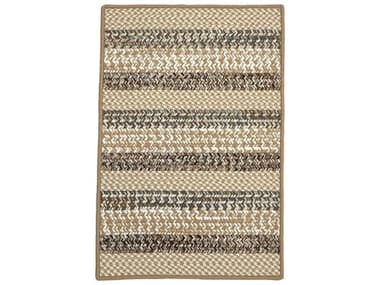
One of the finishing aspects that really make a difference to an outdoor setting is the flooring on a patio or outdoor hardscape. Cement and stamped concrete are often used, as well as wood platforms or fake-wood systems, but just by themselves, they seem bare.The regularly used and finished approach involves an outdoor rug, specifically fabricated for outdoor exposure and use. It makes a huge difference in appearance as well as function for your patio, balcony or yard hardscape.However, picking out the right rug can be complicated. There are lots of variations, and some better for specific situations.
Your use conditions are the primary factor. If you’re going to see a lot of traffic to your outdoor area, such as a patio dining spot regularly used for dinner or company, you’re going to want outdoor patio rugs that can stand up to heavy traffic. On the other hand, if your area is going to be private and you want a softer feel for barefoot walking, alternative outdoor area rugs for texture will be a better choice. Understanding what each type of outdoor rug category offers helps make this case-by-case application easier.
The primary factor in how an outdoor rug feels as well as its durability is defined by the core material used to make the rug. Outdoor rugs come in both natural and fabricated materials, which produce different effects in the finished product. Further, some materials handle the weather far better than others. Natural rug materials such as jute, hemp, seagrass and sisal provide significant feel and texture, but being organic they suffer breakdown from the elements faster, especially when exposed to moisture.
Synthetic materials such as plastic outdoor rugs or polypropylene mats will handle the elements much longer and with greater durability, but they have a fake fabric feel and don’t contribute positively to sustainability concerns. Cost-wise, natural rug materials tend to cost more than synthetic products, but the trade off is that natural rugs tend to look better in comparison.
Keep in mind your outdoor rug may not stay in place all year round. From a simple cleaning perspective, the rug should be moved and shaken out to remove the trafficked dirt and dust that will build up over time.
Even the cleanest of patios and backyard spaces build up grit over time just from what is blown in by the wind. Too big of a rug will be unwieldy and hard to lift or move. If that’s the case, you want a rug that you can clean off easily by washing it in place and letting it dry out. The shape of a rug should fit your outdoor space and compliment it. Too big of a rug, and you’re going to have ends and edges bunching up against furniture, posts or the edge of your hardscape.
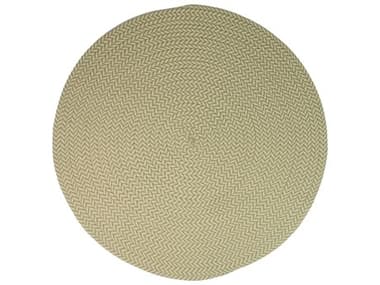
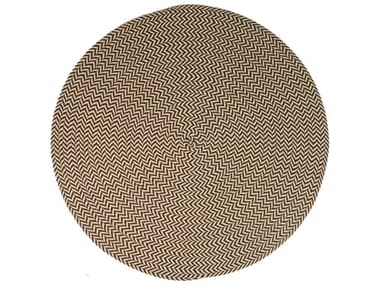
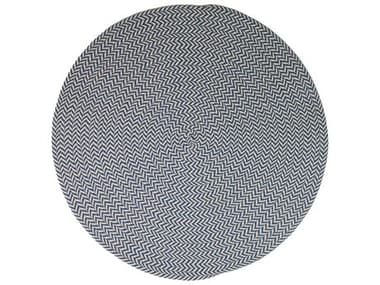
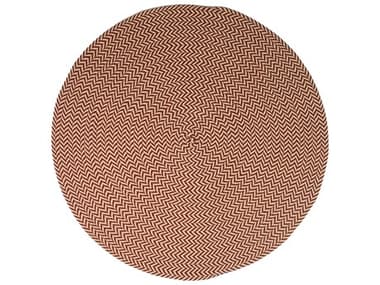
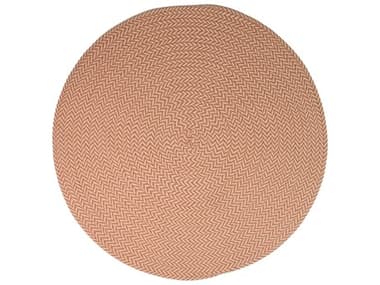
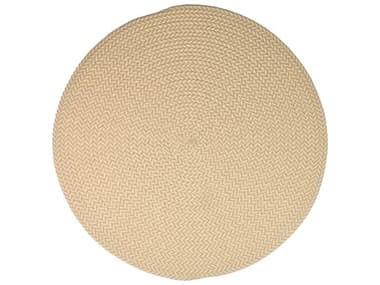
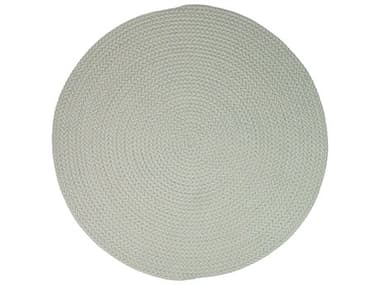
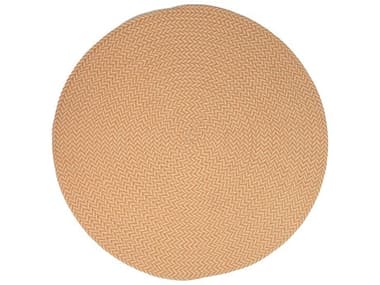
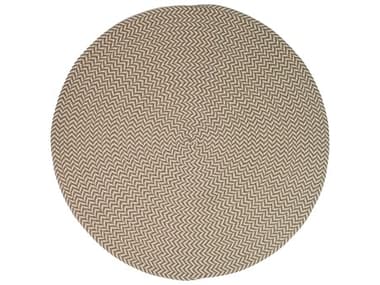
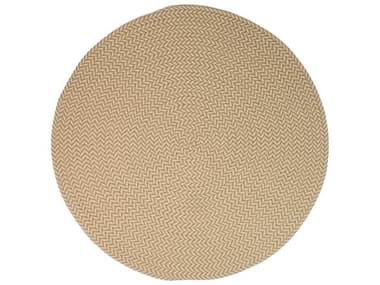
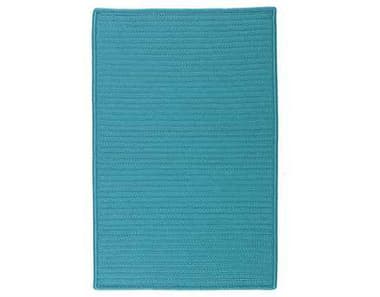
Too small of a rug and it won’t work well with your setting and could even become a tripping hazard. Ideally, the right size large outdoor rug should be big enough to accommodate all of the immediate furniture in the area and have a bit of a border area, maybe a foot-sized perimeter as well. Whether that’s a round outdoor rug, square, rectangle or similar depends on your spacing and what works best. The most common sizes tend to be an outdoor rug, sized 8x10 or an outdoor rug, sized 5x7.
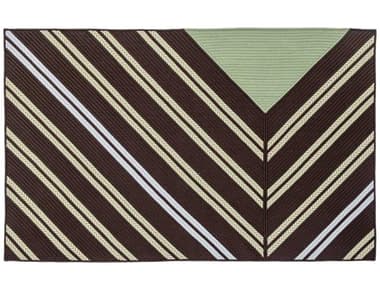
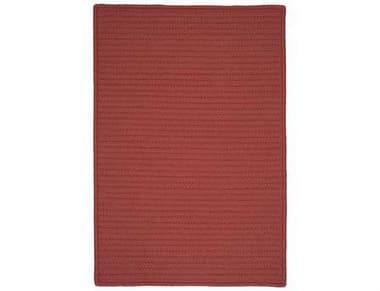
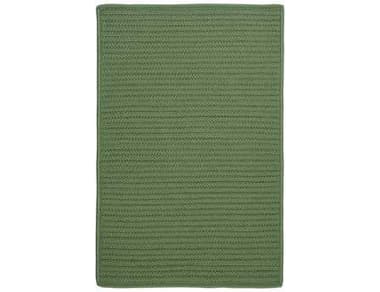
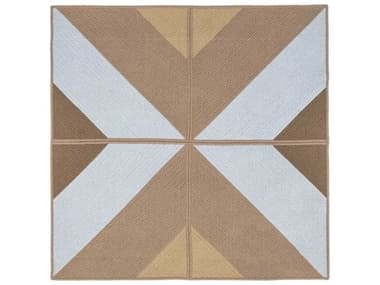
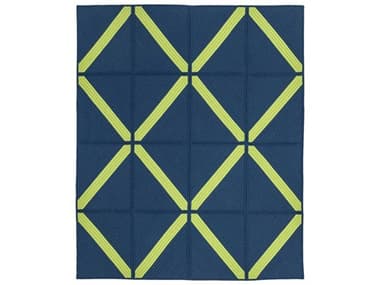
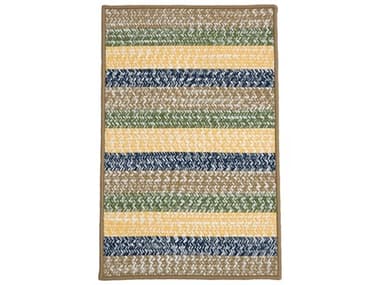
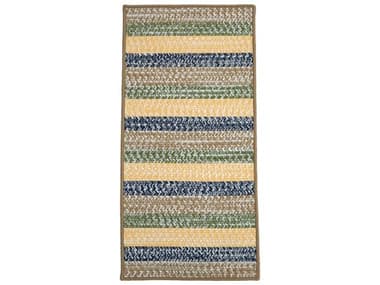
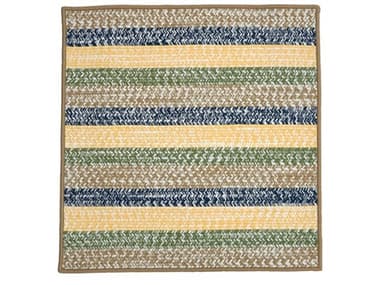
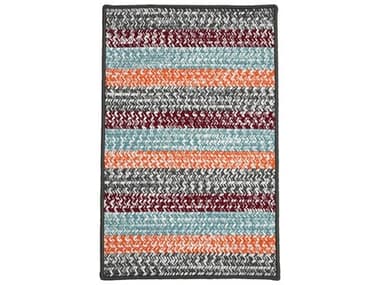
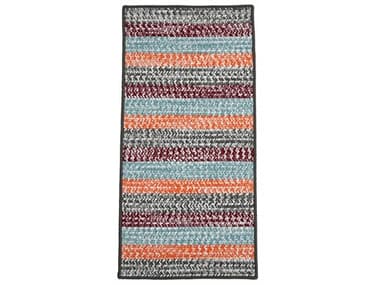
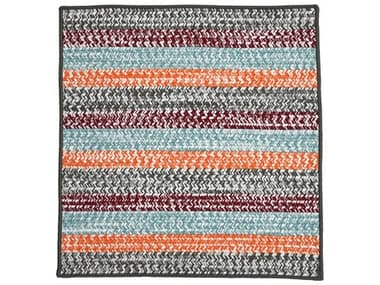
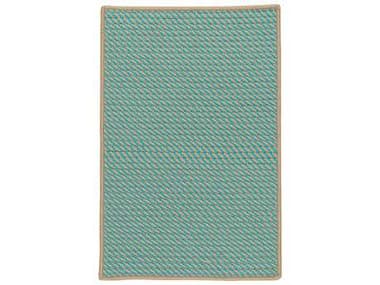
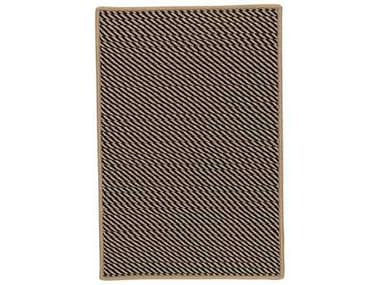
Probably the most aesthetic part of choosing an outdoor rug are the style and pattern of construction in the weave and choice of materials. Some come in bright colors while others are muted. Keep in mind, anything that is placed outside will, over time, become dulled from its original bright colors. So, thinking in terms of more neutral shades provides a realistic likelihood of how a rug will look over time. Additionally, patterns and geometric shaping can make a rug really pop for a setting. Rows and squares break up the visual and provide an interesting contrast against furniture that uses solid colors.
On the other hand, where the furniture and settings are varied, solid color or patterned rugs work better. Sometimes, just having a plane rug with a set pattern border on the perimeter really frames an appearance, like a picture within a wood frame. In every case, the rug should complement your setting, not work against it. Also, no matter whether a rug is organic or synthetic, its appearance is going to change overtime when exposed to the elements. What seemed to pop in the first season as a black and white outdoor rug choice will become muted by the second or third season. Ideally, one wants the traffic areas to blend with the rest of the rug versus stand out where it is wearing down.
The location where the rug will go in terms of the underlying ground or surface makes a big difference. Most times, people place their outdoor carpet or rug on hardscape of some sort, like cement or wood. Using an outdoor rug on grass is not a good idea, however. First, even an organic, breathable rug will block moisture and kill the grass underneath, even within hours. The same would go for direct contact with the ground as the carpet begins to be a barrier blocking moisture evaporating from the soil. That in turn can create mildew, mold and rot. Where a waterproof outdoor rug will be on a steel grating or plastic surfacing, you’ll want to watch out for moisture buildup underneath the rug. With metal, it can contribute to corrosion. Many folks use a type of aerating tile as a sub-surface and place the rug on top. This allows air flow and moisture to dry out underneath.
Wood and stained wood will be affected by the rug placement as well. This is a common issue for outdoor rug for deck placements. The rug material can interact with the staining, causing a color change, especially versus the wood that is exposed to the sun. Moisture again is a problem and it can cause rot in the wood.
The best step for anyone shopping is to use samples, look around a lot, and talk to folks about their experiences with an outdoor rug. The more you know, the better your own purchase choice will be for your situation and outdoor location. Don't be afraid to test and sample; you really won't know a good selection for sure until you experience an outdoor rug yourself. Shop our great selection today!
Related Categories
Outdoor Braided Area Rugs | Outdoor Machine Made Area Rugs | Synthetic Outdoor Area Rugs | Gray Outdoor Area Rugs