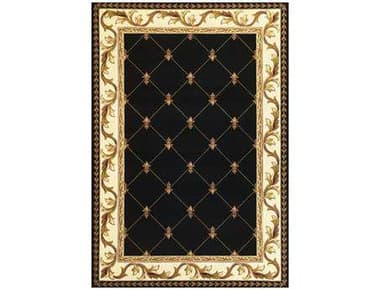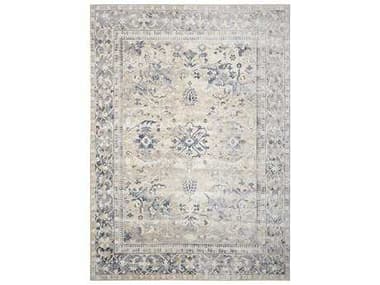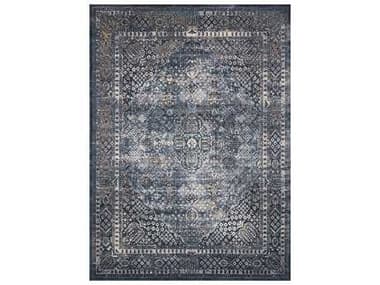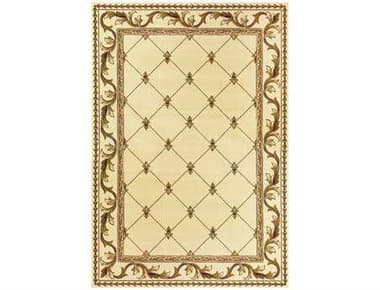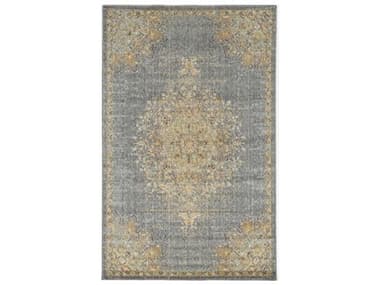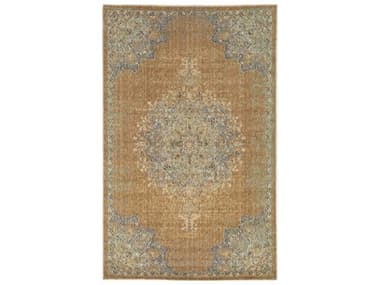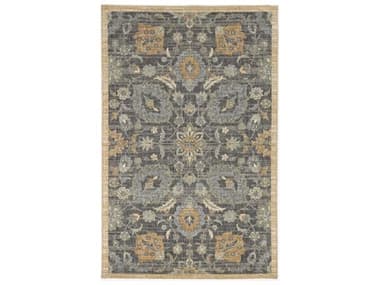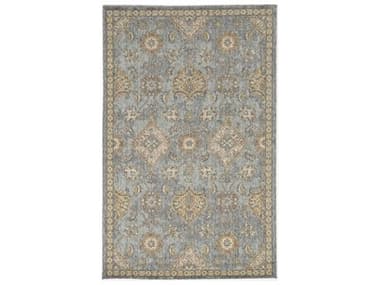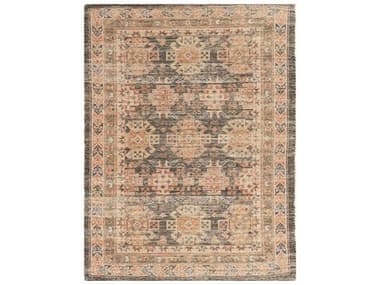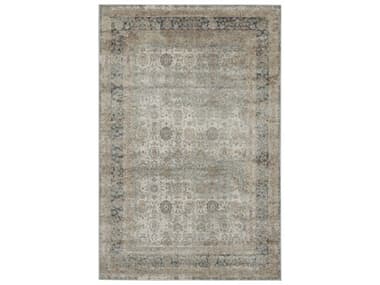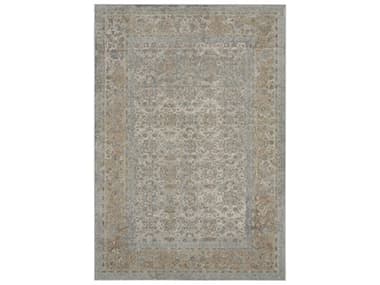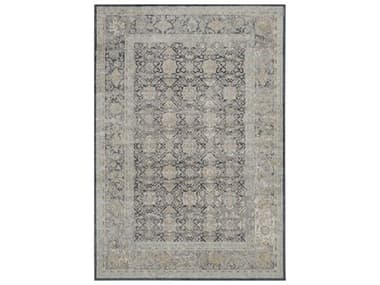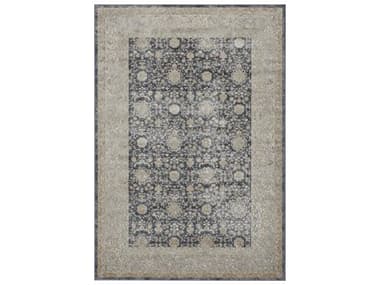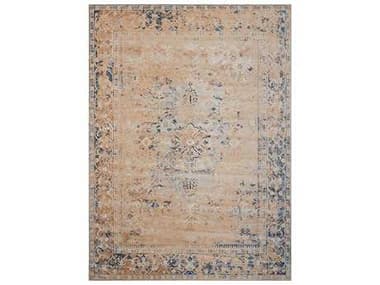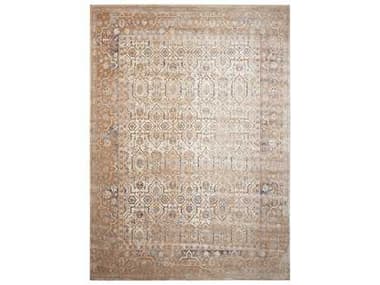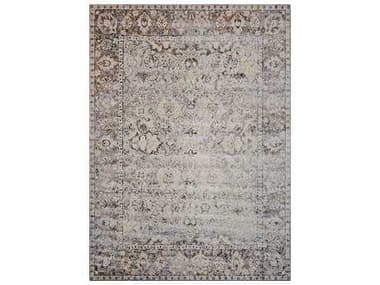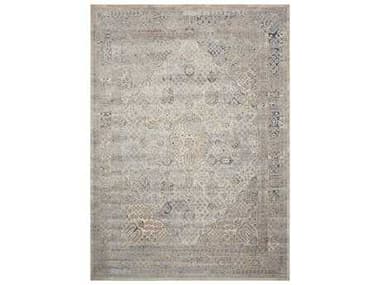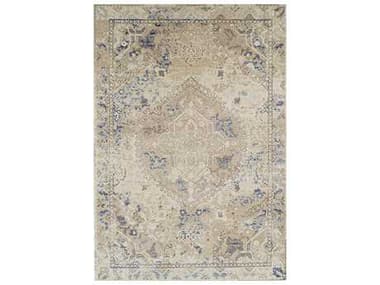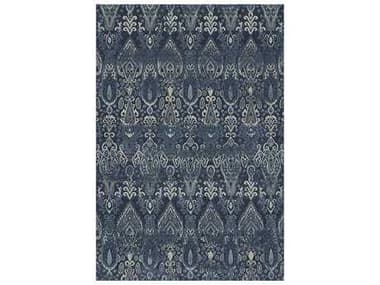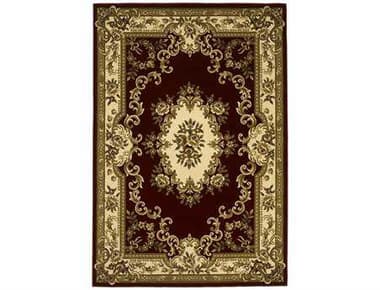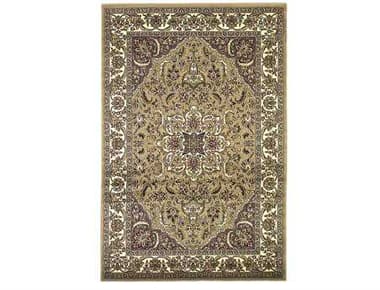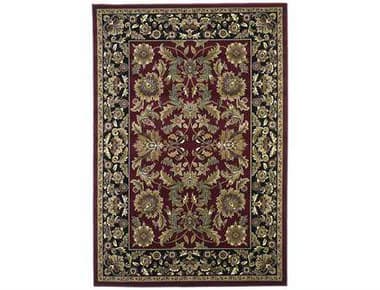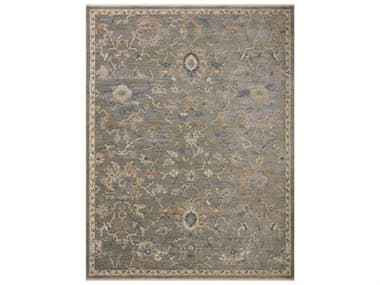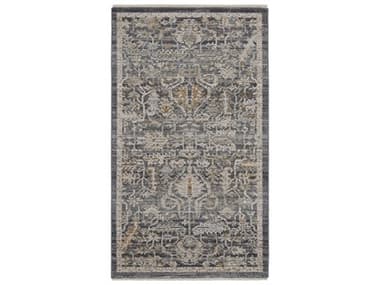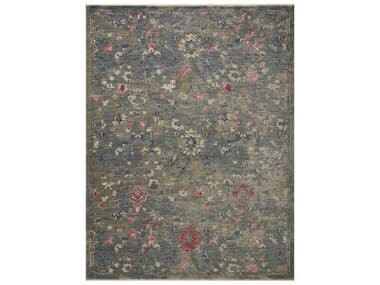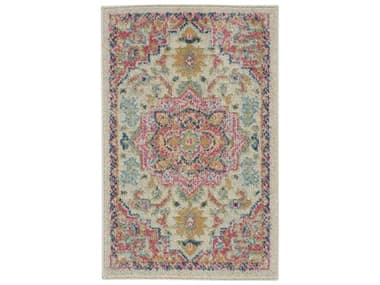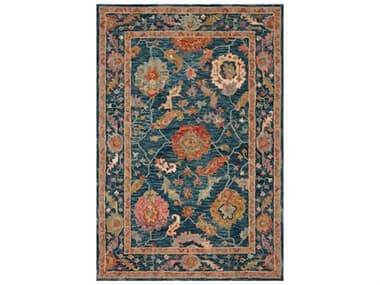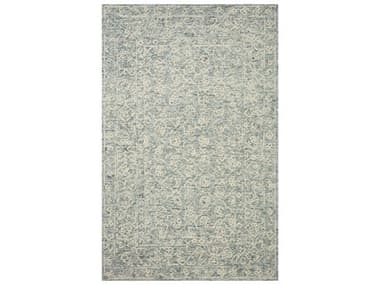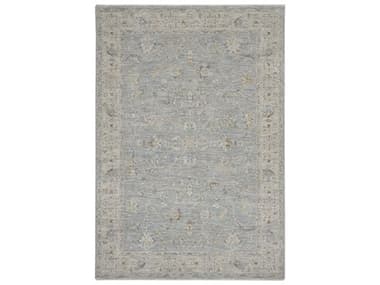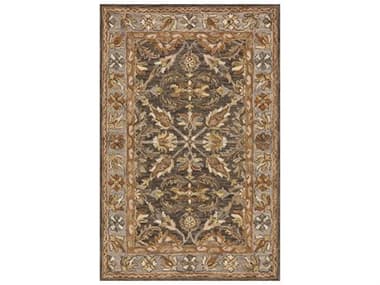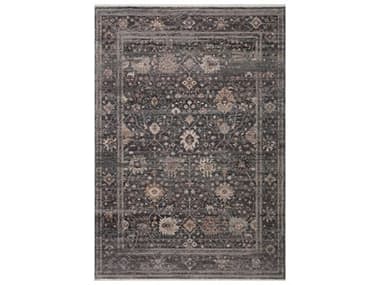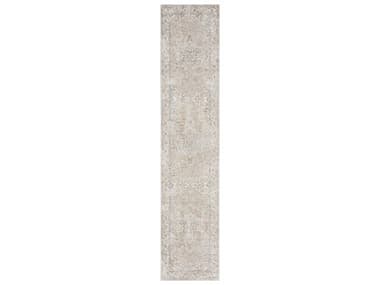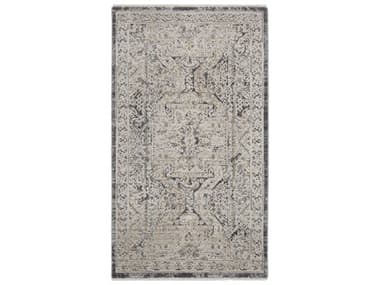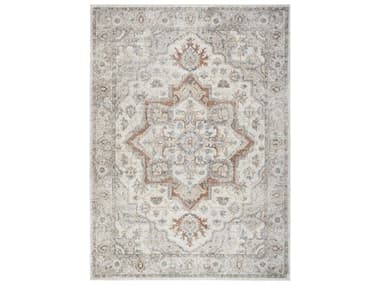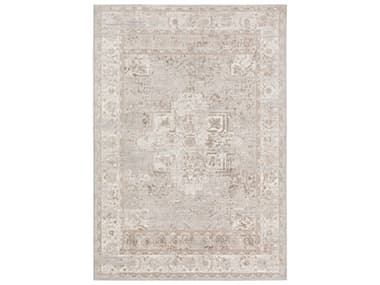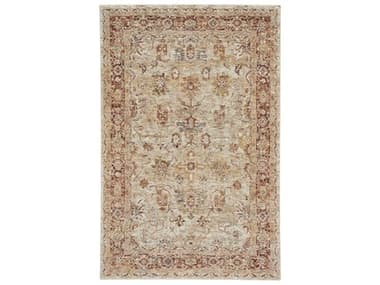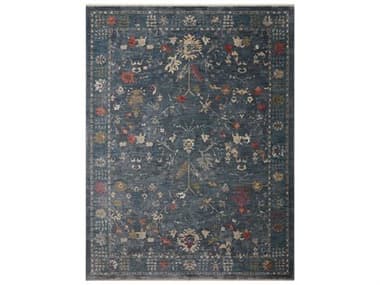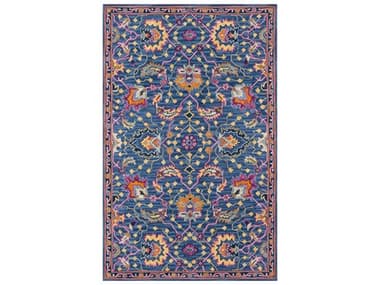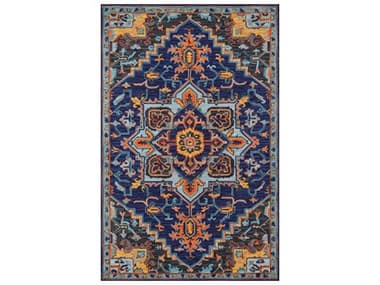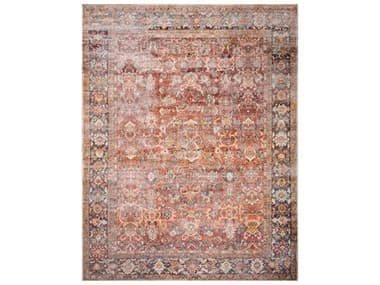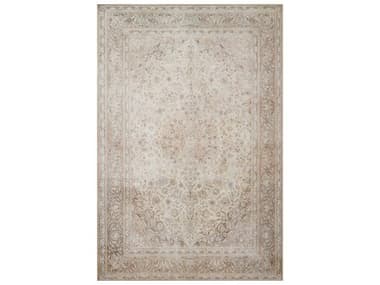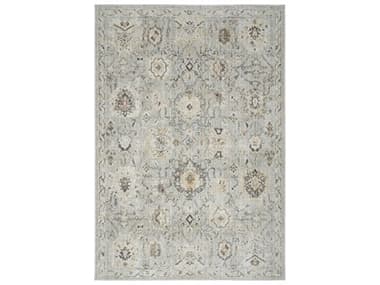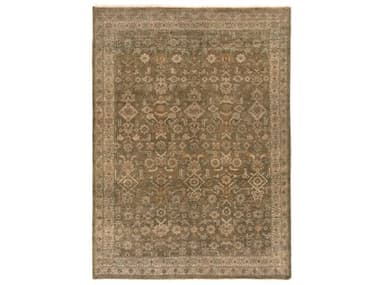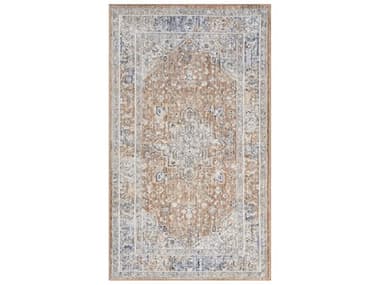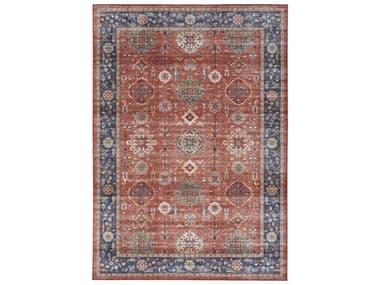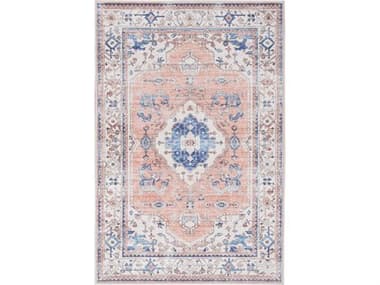


Traditional area rugs are an excellent choice for any room. Their timeless design and natural color palette allow them to blend in easily with your space. Are you looking for a rug that matches well with dark tones? Perhaps beige or brown would do the trick. Maybe a white or ivory rug would be a better fit for your room. No matter what you’re looking for, traditional rugs are the perfect solution to any design dilemma that may arise.
There are many options to choose from, and you want it to match the decor of your room. Thankfully, there is no need to stress. LuxeDecor has several selections to choose from, and we love traditional area rugs.
Choosing a budget for your rug purchase is a critical first step that can help you to stay within your spending range. Rugs come in a large range of prices and this is largely determined by their size, the materials used, and the popularity or uniqueness of the design.
A good way to make sure you have a reasonable budget is by deciding on a range of costs and making sure your rug falls within those limits. You can also determine your budget by focusing on how good of an investment it will be.
If you want your rug to last a long time or hold up to foot traffic, kids, and pets, you may want to spend more money. This may ultimately save you money in the long run, since you won't have to replace your rug in the next couple of years.
There are several different types of traditional area rugs. For instance, sisal is considered a natural fiber that is perfect for warm climates and rooms that may be damp or humid because it absorbs moisture well without becoming moldy.
Traditional wool rugs are also excellent choices, since they're extremely durable and can handle high levels of foot traffic with ease. On the other hand, if you have pets or kids that are likely to damage your rug, a more durable option like nylon might be best for you.
Here are some features you may want to consider when choosing the perfect traditional rugs for your home:
Pile is the depth of the fibers that cover your rug and can vary depending on what kind of fiber is used. For example, a sisal-style pile typically has longer strands but a shorter height than wool carpets. The longer it is, the more plush and soft your rug will feel underfoot. However, if it's too high, this could cause tripping hazards.
What size rug do you need? Make sure to measure the space where it will go, and if there is furniture on top of that area, make sure it can fit. You'll also want to consider the shape of your rug. Rectangular rugs are the most common, but you can also find square and round ones as well.
Traditional rugs come in a wide range of colors, but what color scheme works best for your home? Will beige, black, and white work well with your existing decor?
What type of traditional area rugs do you want to use in your home? Do you like braided or tufted styles? Since rugs take up a large amount of visual space in a home, remember that the style will greatly impact the feeling and aesthetic of your home.
Traditional area rugs come in a variety of patterns, such as geometric prints that will make your room pop or floral designs for more casual spaces. This is one way to add personality to any space without needing to paint the walls.
The texture of your traditional area rugs will help to define how good it will look in the room you've chosen for it. For example, a wiry natural fiber rug would look great in a rustic space like the kitchen or dining room because it matches the rugged style and feel of those spaces.
The texture will also affect how the rug feels. Finer textures will feel nicer for those who want to sit on the floor or for children playing.
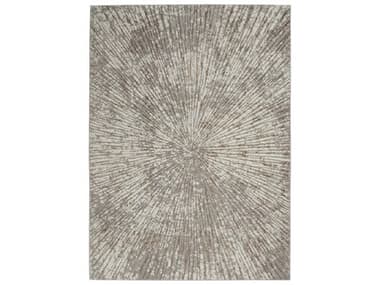
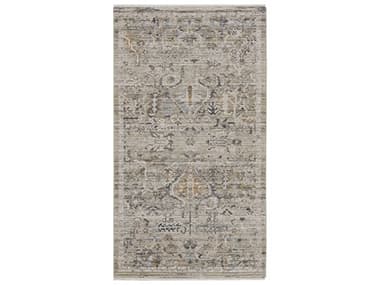
Here are some great options for your home:
When choosing your traditional rug, you'll want to first decide which room it will go in. Traditional rugs for living room use are usually larger, rectangularly shaped, and made out of durable material. If you're adding a traditional rug to your bedroom, you'll want to choose a smaller, round rug with soft pile.
A traditional runner rug will be long and narrow, whereas a traditional area rug for the dining room will be larger and square. If you're going to put your rug outside, choose one that is made of weather-resistant materials like sisal or nylon.
You'll also want to consider the color, texture, and style of the traditional rug you want. This will help to define what kind of room it is going on top of as well. What effect on the room do you want the rug to have? A rug with intricate patterns will stand out, whereas a solid-colored rug will blend into the background. Make sure that these style choices are a good compliment to your current furniture and decor.
Traditional area rugs are a great way to add personality and warmth to any space. From cozy bedrooms to rustic kitchens, traditional area rugs can help you define your home style without needing a lot of stylistic changes in the room itself. They also add comfort and warmth to a room, making it great for both play and relaxation.
Finally, they help to protect your floor from damage. Traditional area rugs are a great way to enhance any room without needing much change at all! LuxeDecor carries a wide range of traditional area rugs to meet any style or need.
You can also check our new collection of transitional animal print area rugs.
For more information about area rugs, including rug construction, styles, care, and rug placement tips, read LuxeDecor's comprehensive Rug Buying Buying Guide.
Related Categories
Traditional Rectangular Area Rugs | Traditional Square Area Rugs | Traditional Round Area Rugs | Traditional Oval Area Rugs