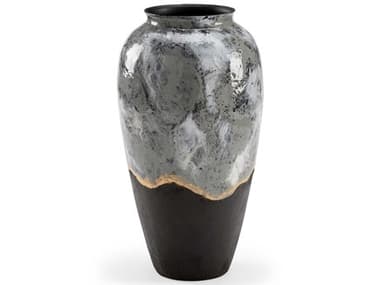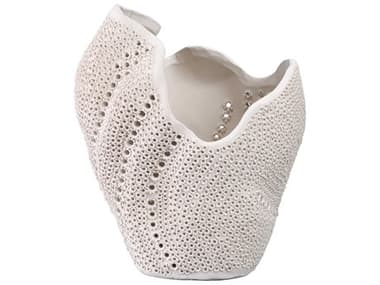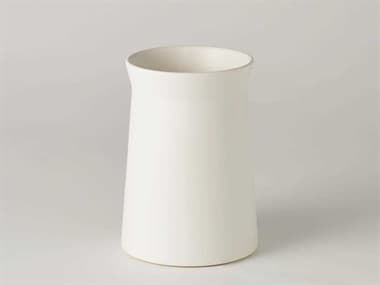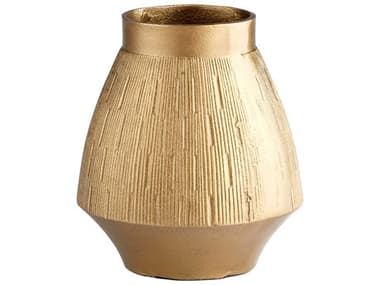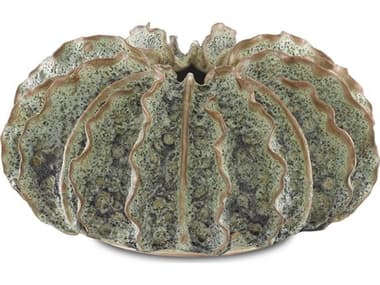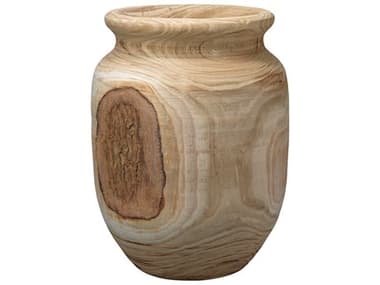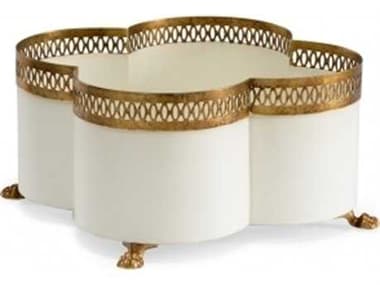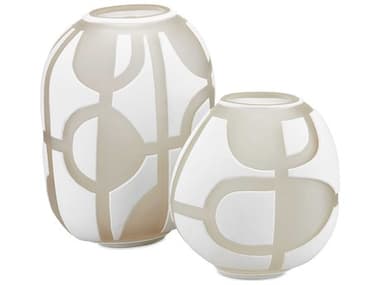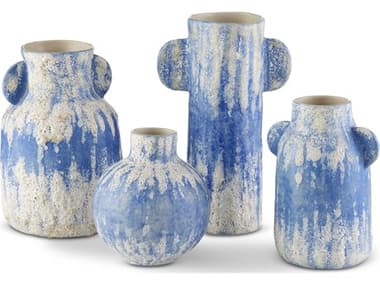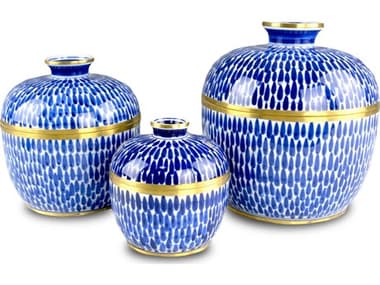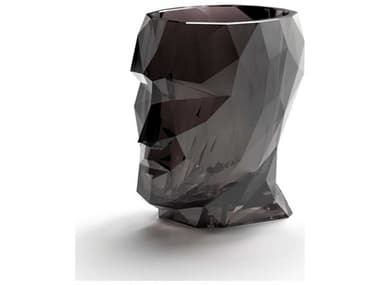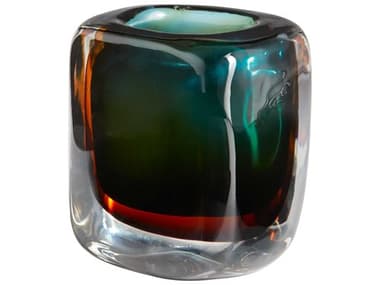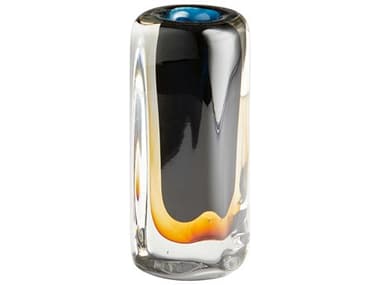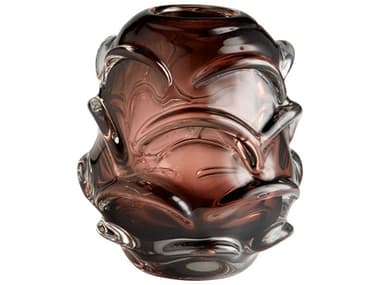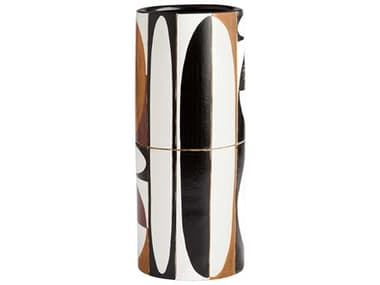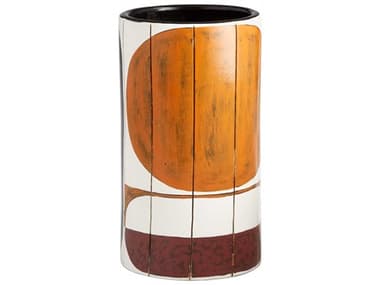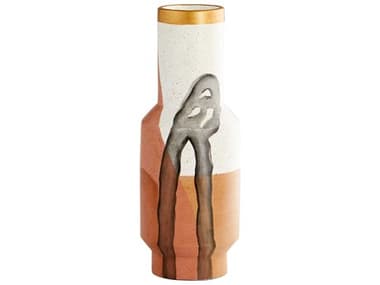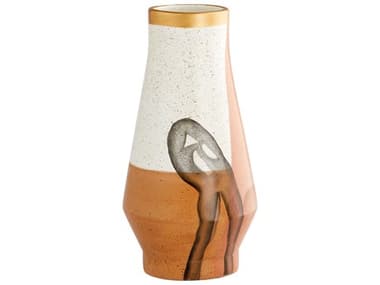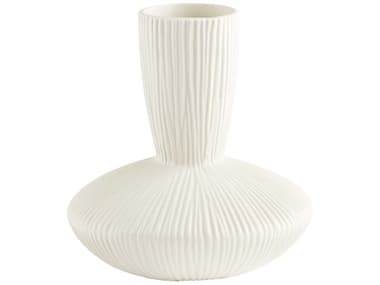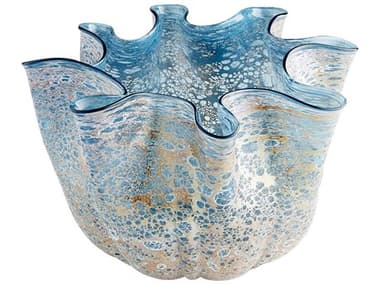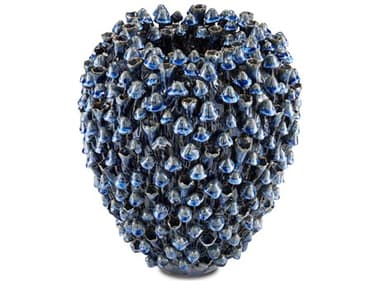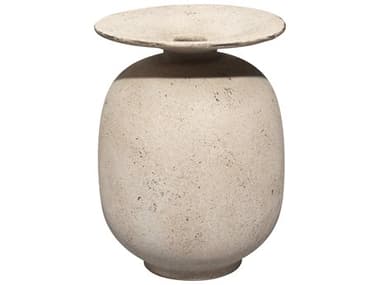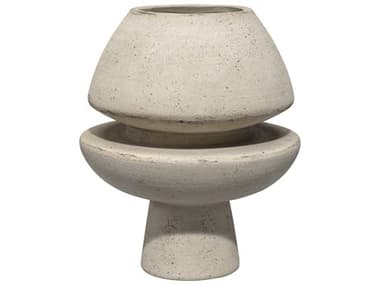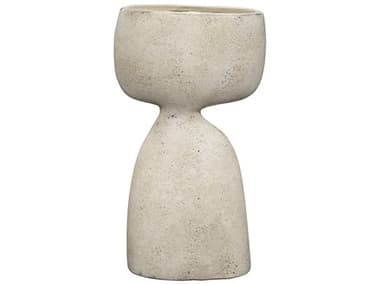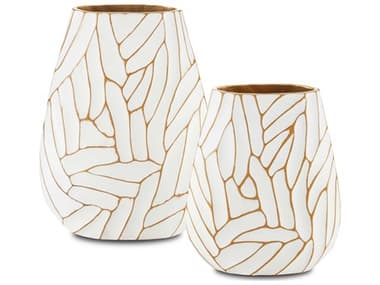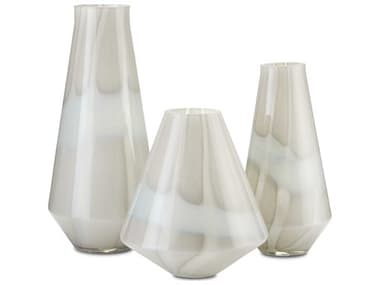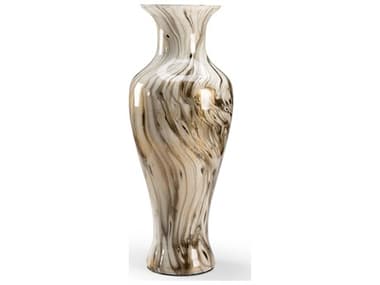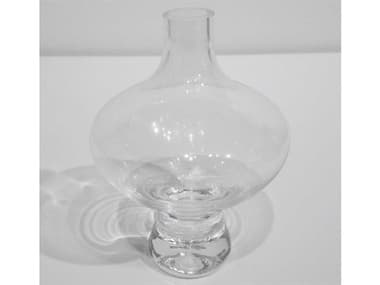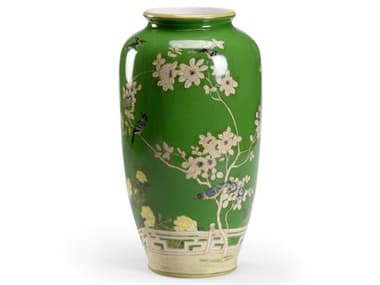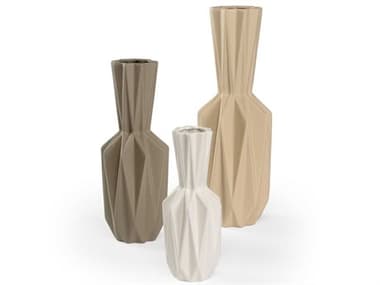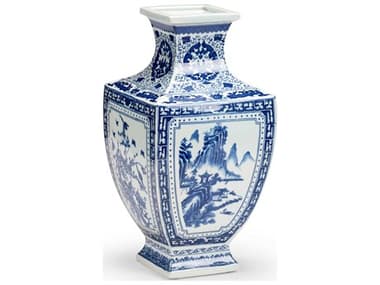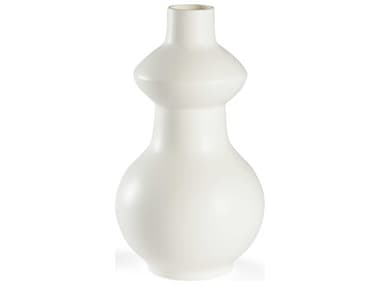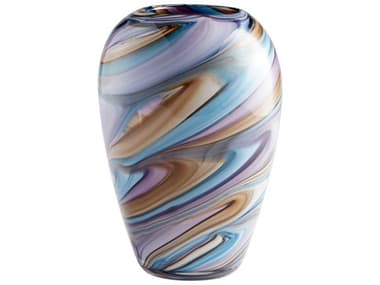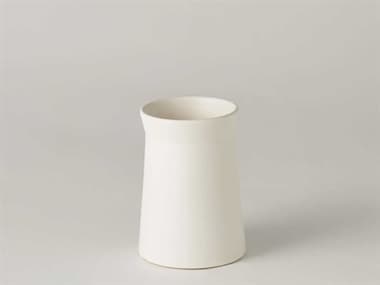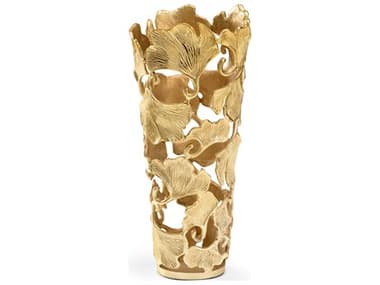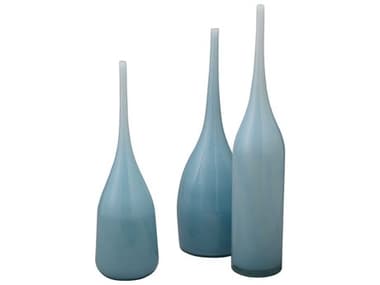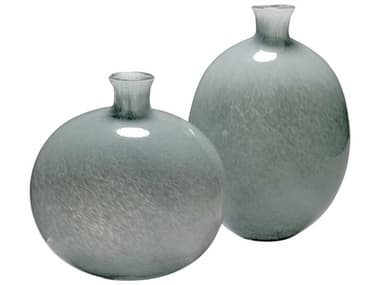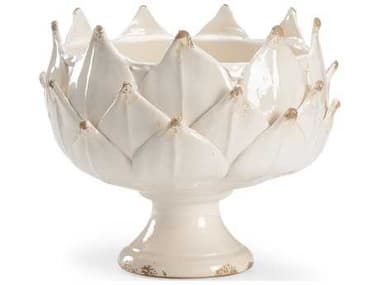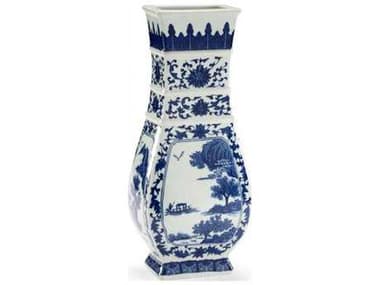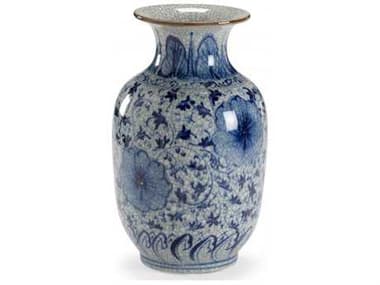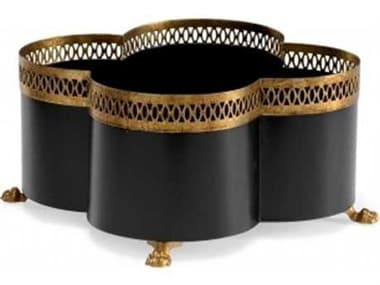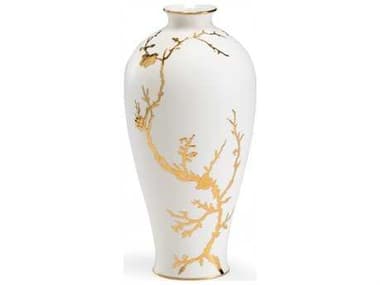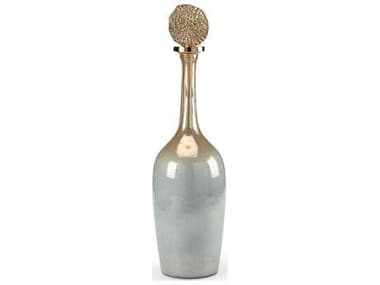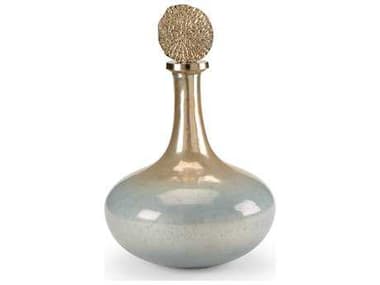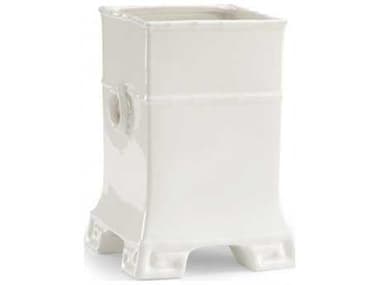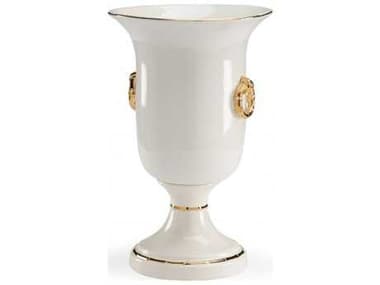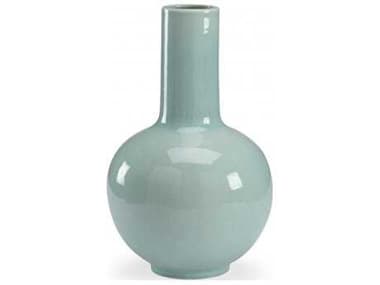
Decorative vases are an elegant way to make a room stand out. Whether you are looking for contemporary, traditional, or something in between, we have the finest selection made from the highest quality materials. We offer a variety of colors and sizes so whatever your needs, there is sure to be a perfect decorative vase for you!
Vases can be affordable as well as expensive, depending on their materials used, the manufacturer, and size. You'll want to make sure you plan your budget before you start shopping so that you know how many vases you can buy and which types are going to be possible given your budget.
Decorative vases come in a variety of colors, so you can find one that matches your decorating preferences and moods. You'll want to think about the color of your walls, furniture, curtains, or other items before deciding on what kind of decorative vase will work best for you. Decorative vases come in a variety of colors, from traditional white all the way to red and blue. There is sure to be something in stock for your tastes.
There are many different styles of decorative vases. You'll want to think about the style of your home and what you're trying to accomplish before making a decision on which kind is best for you. If you like artistic accents in your home, then a decorative vase with an artistic flair would be perfect. If you like something more traditional, then there are plenty of options for that as well.
If you want to make a big statement, it's always best to buy more than just one decorative vase. You can mix and match the number of vases for different areas or purposes in your home. For example, if you have a living room that feels too formal, then adding some colorful accents with two smaller vases will go a long way.
Two vases are also a great way to balance a space. For example, you could place a large vase in the center of a room and then place two smaller ones on either side. The effect is harmonious, balanced, and attractive to the eye.
If you're not sure how many decorative vases would work best for your space or home decorating preferences, start by purchasing one or two at a time. Once you see the vase in your home, you'll have a much better sense of how many you will want overall.
Decorative vases are an elegant and attractive way to complement your decorating style. You want to make sure the focal point of your home's design is not compromised or overshadowed by a decorative vase that doesn't match its surroundings.
On the other hand, your vase may be the pop of design in the room and serve as the focal piece itself. There are beautiful intricate designs on porcelain vases that easily attract attention and can add some style if you have a neutral or minimal home.
Decorative vases typically have a reflective surface, so it's important to think about the lighting in your room before you purchase one. If natural light is blocked by curtains or furniture, then consider purchasing an artificial plant light for your decorative vase. This will ensure that the centerpiece of your home remains beautiful and stands out.
Decorative vases are made out of a variety of materials, so you'll want to think about what your needs or preferences may be before making a decision. For example, if durability is an important factor, then metal might be the best option for you. On the other hand, if style and elegance are more important, then porcelain could work best.
If you're looking for a vase that will last, metal is an excellent choice! It's durable enough to handle the wear and tear of life without losing its luster or form. Metal vases come in many different colors, so they work well with any decorating style. They also can be used as centerpieces or accent pieces.
If you're looking for a decorative vase that will stand out and have an elegant look, then porcelain is the best choice! The transparent quality of this material allows light to shine through it beautifully while still being able to see what's inside your container. Porcelain has several different colors to choose from, so it's perfect for any type of decorating style.
Glass is another excellent option for your decorative vase! It has a delicate, clean look that can complement any kind of decorating style you may have in the home. The transparent quality allows light to shine through beautifully through the large glass vase while also being able to see what's inside your container. Glass comes with many different colors as well, so it's perfect if you're looking for a versatile and stylish accent piece.
Stone vases are durable, sturdy, and come in an elegant style that is perfect if you have a more natural-inspired home decorating style or theme. Stone vases are heavy and relatively durable, but be sure not to place them in a high-traffic area as they could hurt someone if knocked over.
If you're looking for a decorative vase that features natural beauty and style, wooden vases are a perfect choice! They come in many shapes and designs to complement any style of home decorating, from elegant, modern design to rustic country décor. Wooden vases also offer an earthy appeal which can be perfect if you're looking for something natural-inspired.
When you have pets or kids, it's always best to make sure that your decorative vases are sturdy and able to withstand any unwanted bumps from those family members! Always check the manufacturer guidelines for more information on what kind of materials they use in their items. For example, if you have an active pet, then you may want to pay attention to the scratch-resistant capabilities of your decorative vase before purchasing it.
If you already have a certain style in mind for your home or if there is a specific space that needs an upgrade, then make sure to start with those two things when deciding on what kind of decorative vase is best for you. If that space has a lot of warmth, then it would be best to go with an elegant white or black decorative vase instead!
Decorative vases are the perfect way to make your home stand out, whether you're looking for a traditional or contemporary style. They come in many different colors and styles, so there is something for everyone's tastes! LuxeDecor offers a wide selection of high-quality decorative vases to choose from.
Related Categories
Statues And Sculptures | Bookends | Picture Frames | Jewelry Boxes | Decorative Urns | Decorative Plates | Serving Trays