Loading products
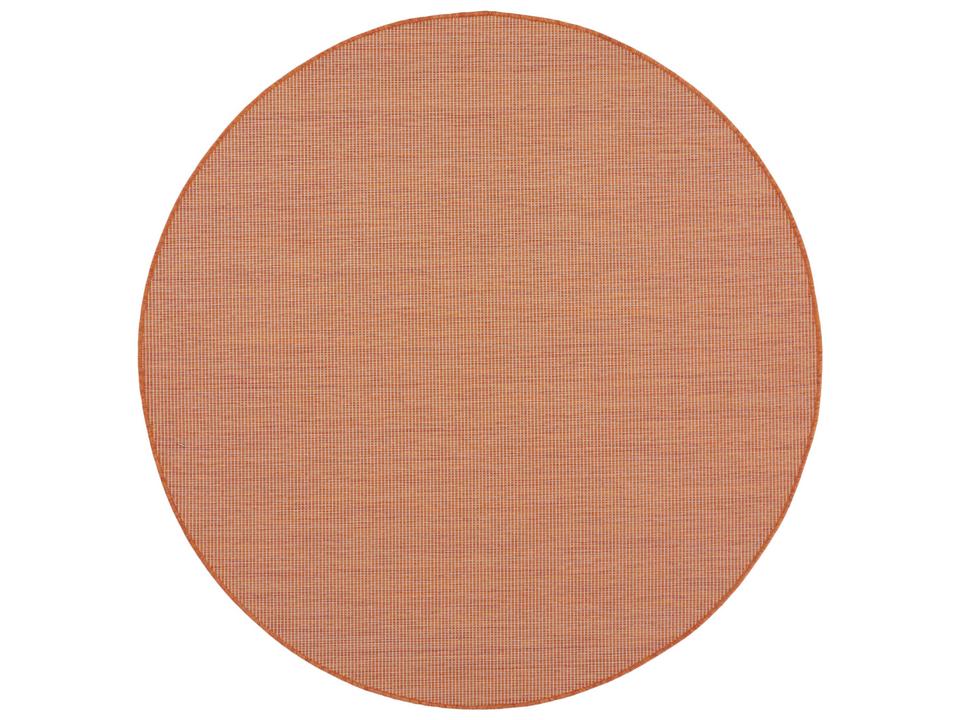
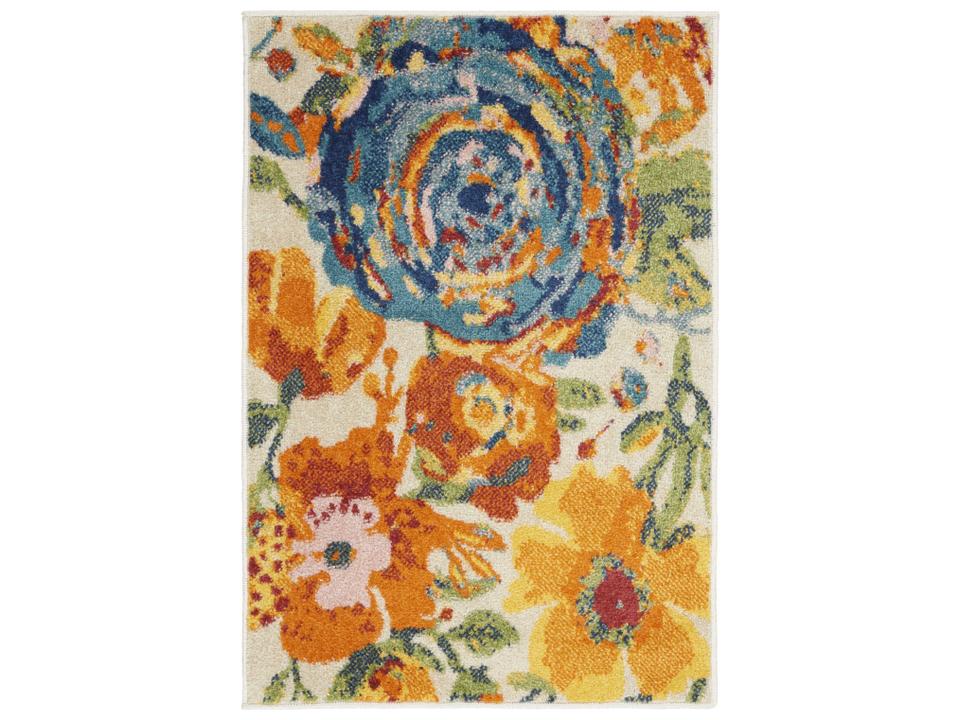
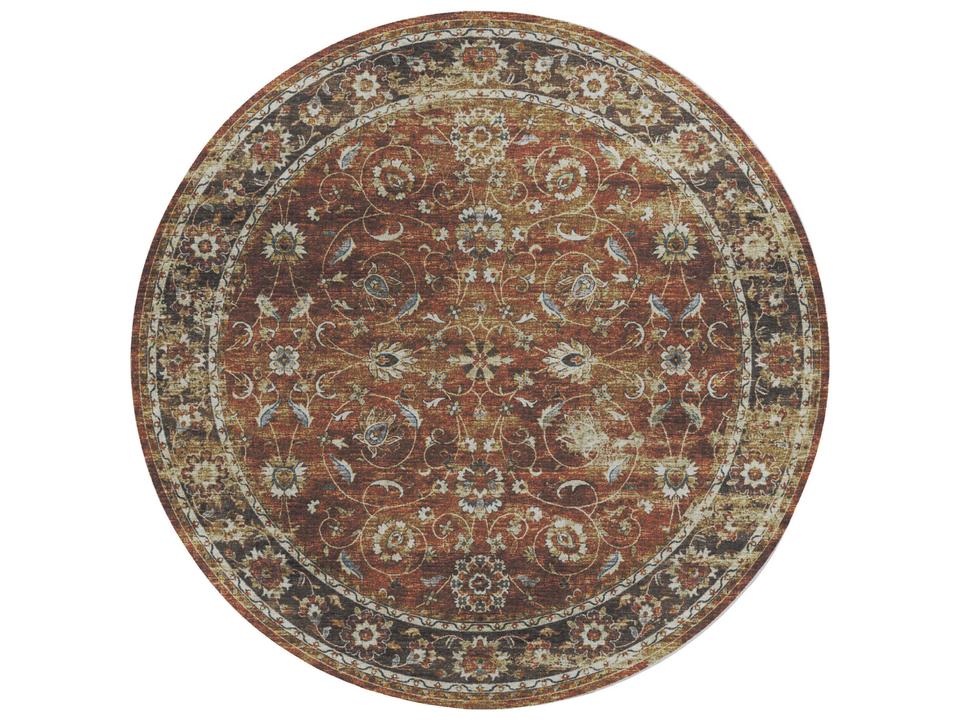
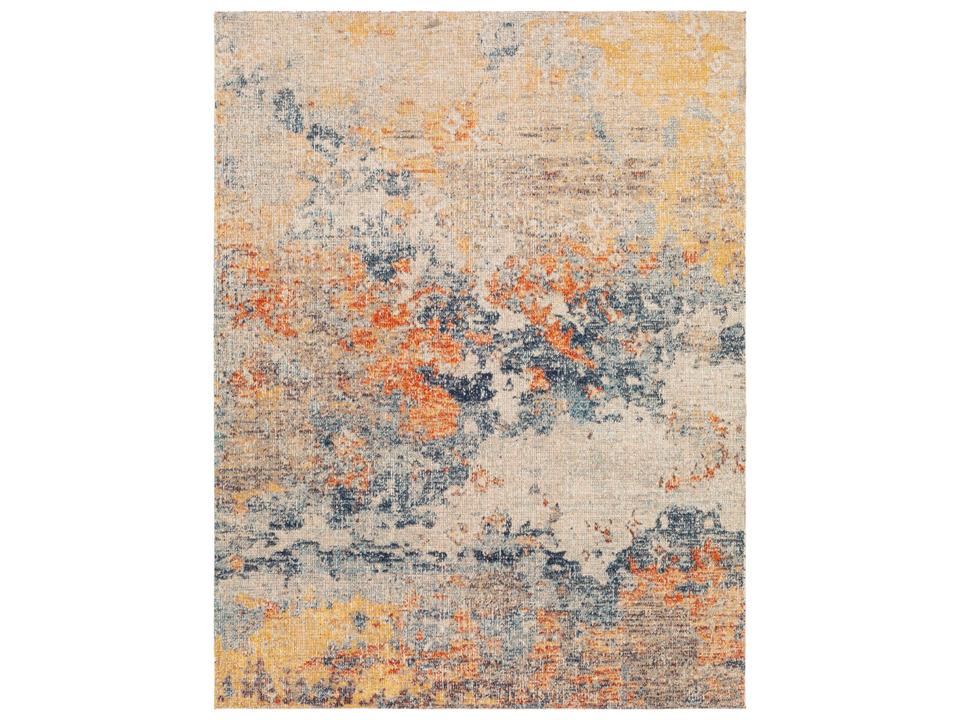
Orange is one of the widest-ranging color families in area rugs. Bright tangerine commands a room. Burnt orange and terra-cotta blend quietly with wood tones, leather, and warm-toned walls. Softer shades — apricot, cantaloupe, peach — suit bedrooms and reading nooks where you want warmth without high energy. Knowing where you fall on that spectrum narrows the search fast.
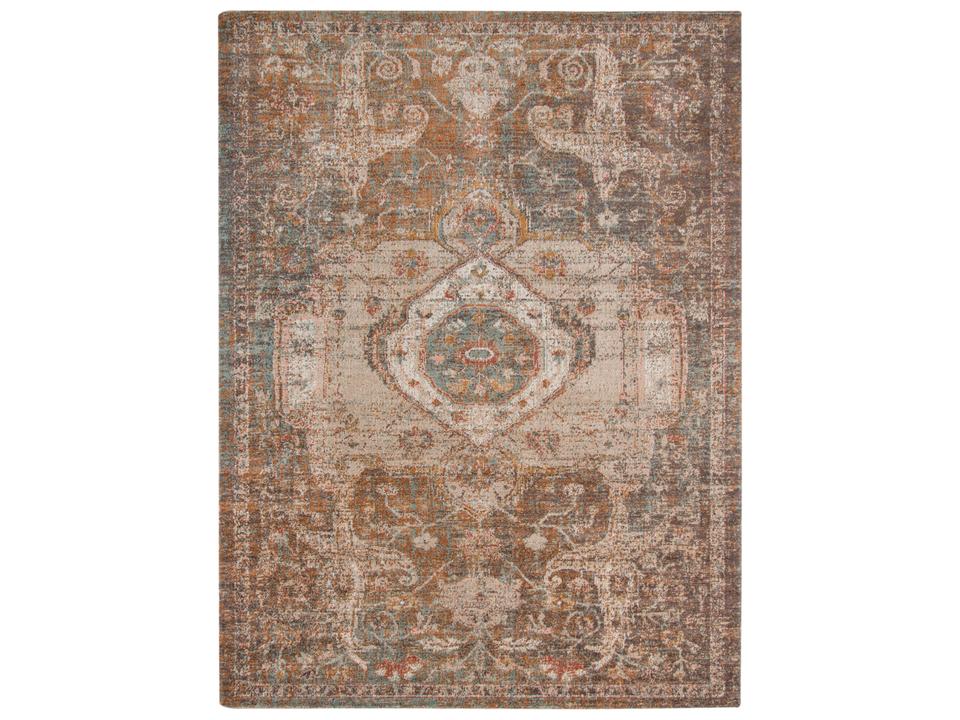
Luxury orange rugs come in hand-knotted wool, silk, synthetic blends, and indoor-outdoor polypropylene. Wool holds dye richly and develops a soft patina over years of use, making it a strong choice for living rooms and dining rooms. Silk and viscose catch light differently depending on the angle — orange becomes particularly dynamic in these fibers. For kitchens, mudrooms, and covered patios, flat-weave or machine-woven polypropylene handles moisture and traffic without fading.
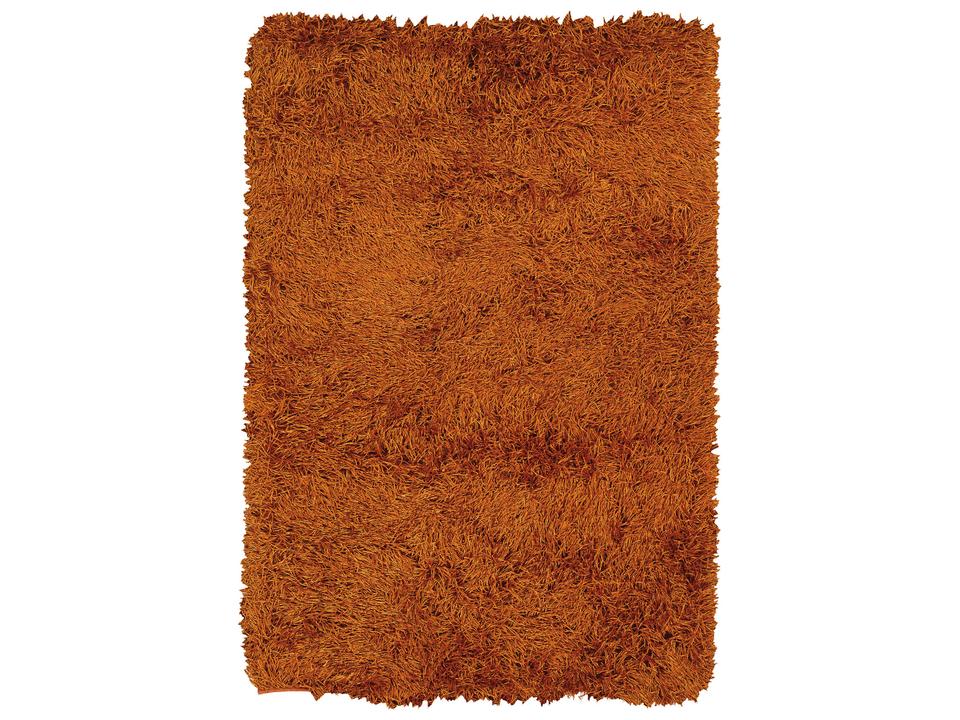
Pile height matters too. A thick shag in burnt orange feels plush underfoot but traps crumbs in a kitchen. Low-pile and flat-weave constructions clean easier and hold up better in high-traffic zones. In bathrooms, stick with flat weaves and non-skid backing to prevent mold and slipping.
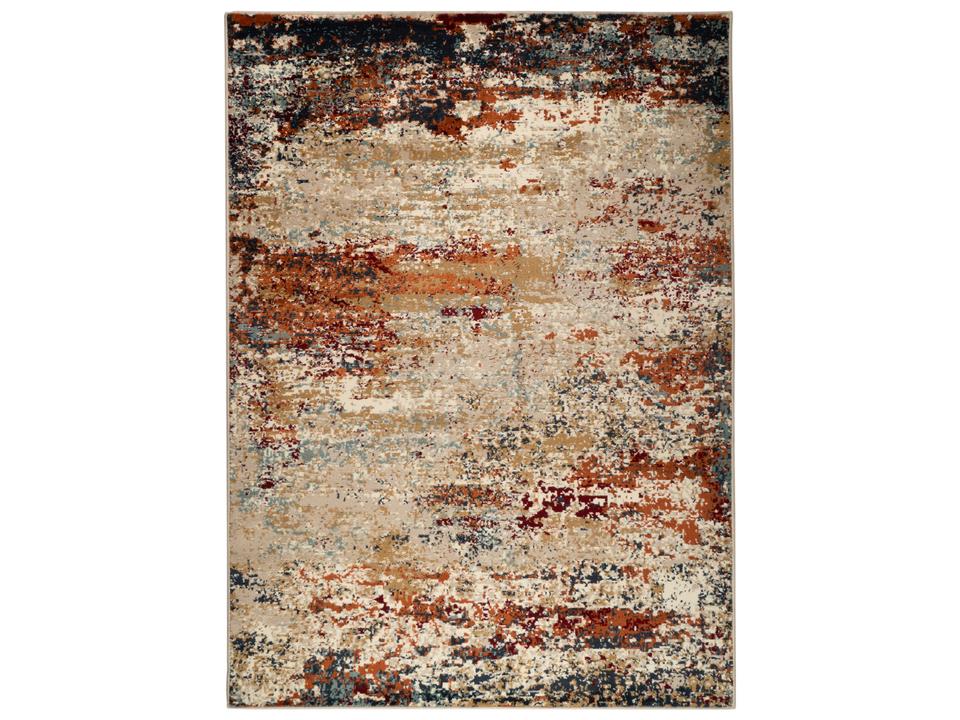
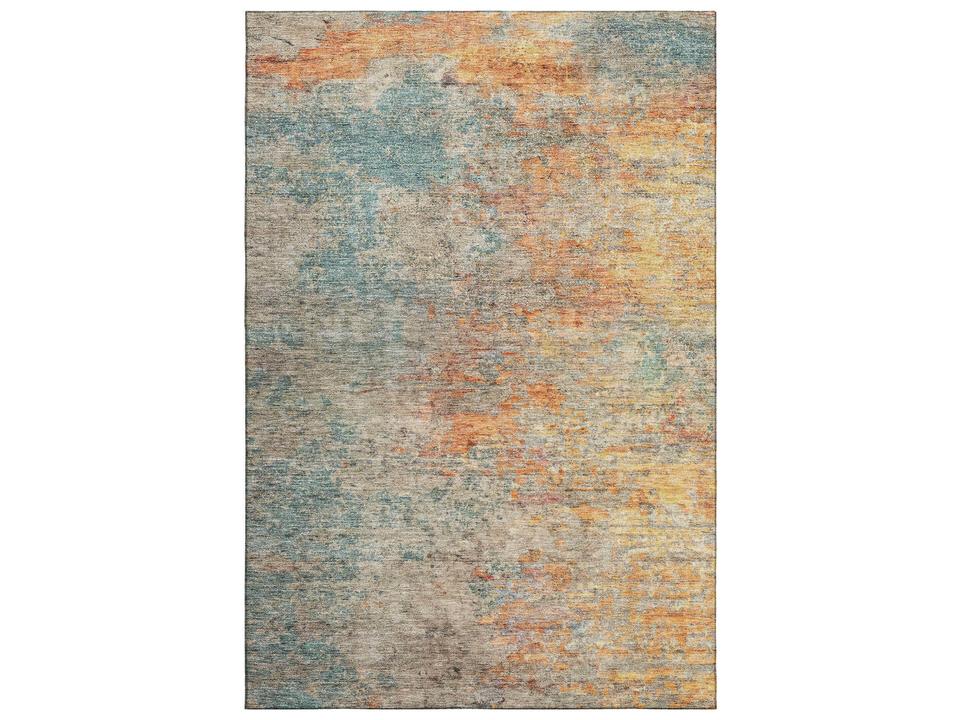
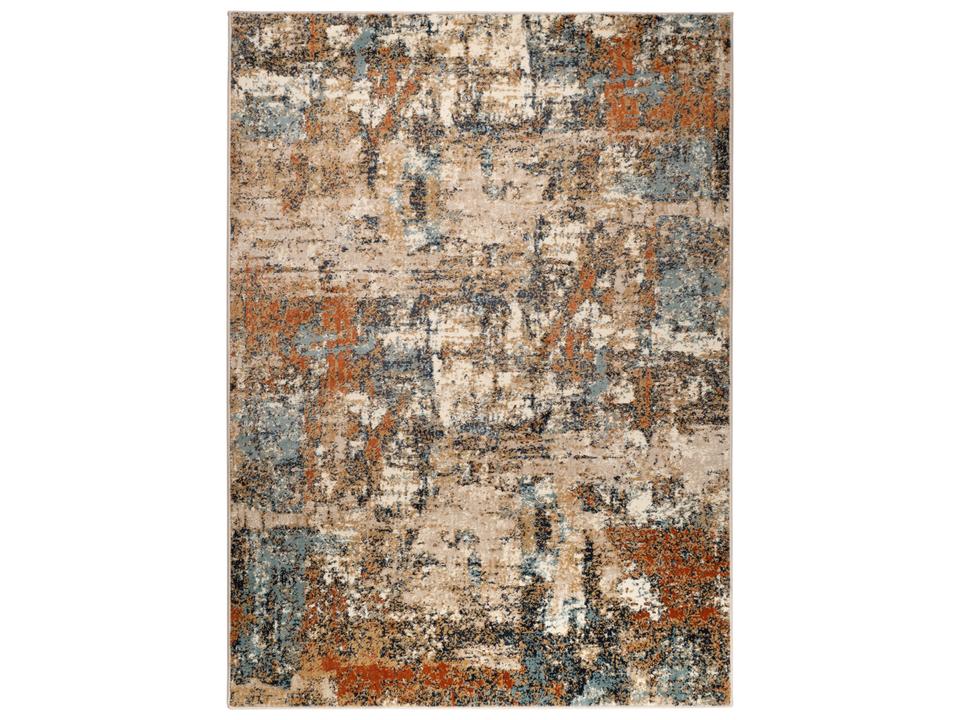
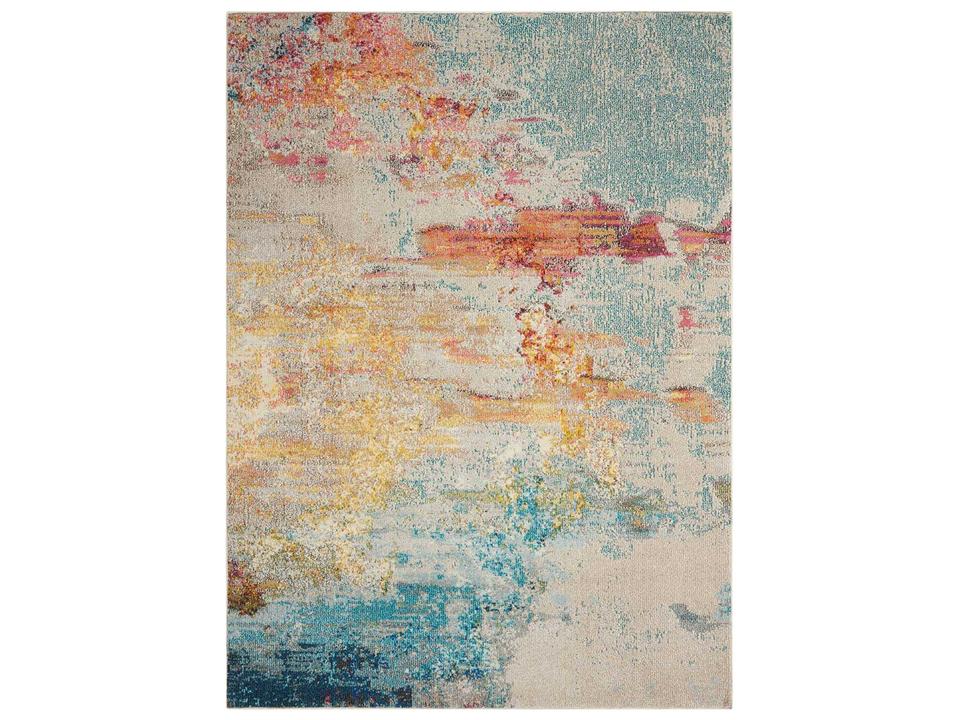
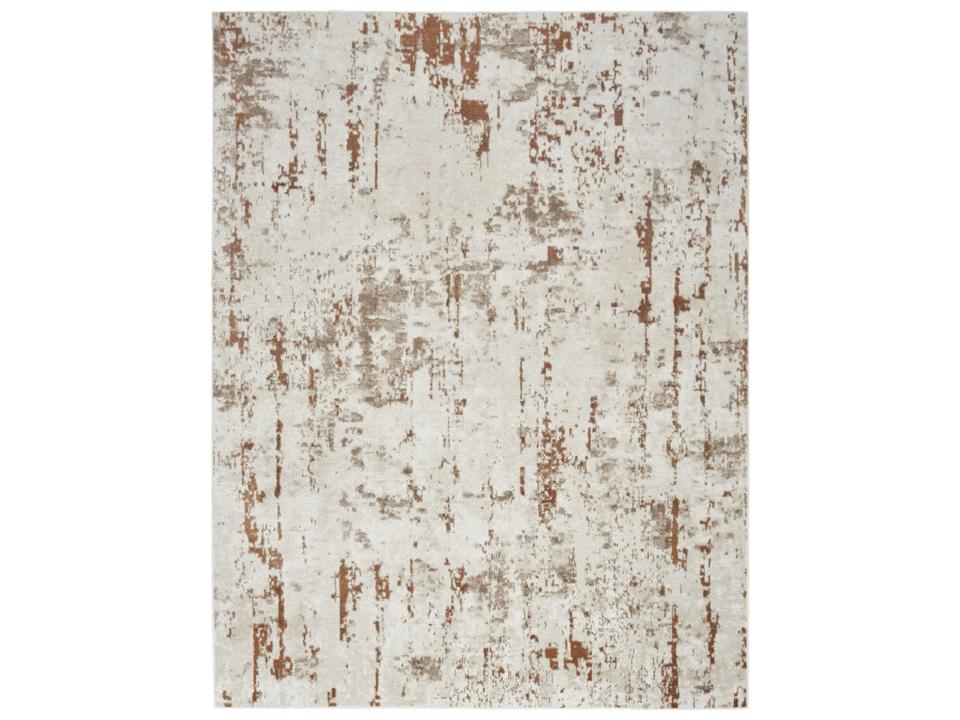
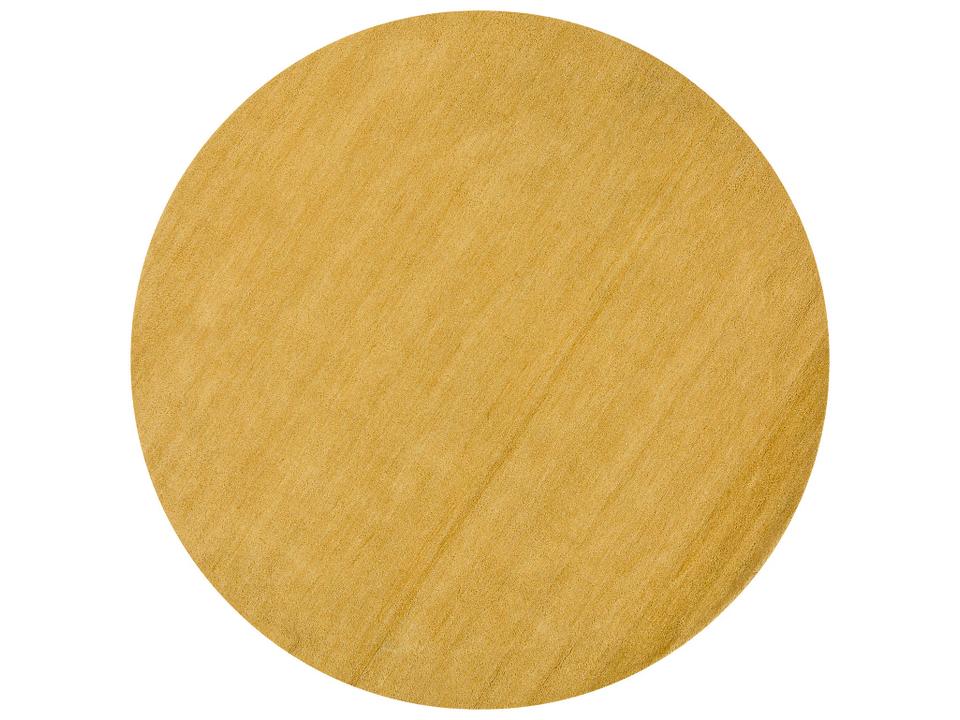
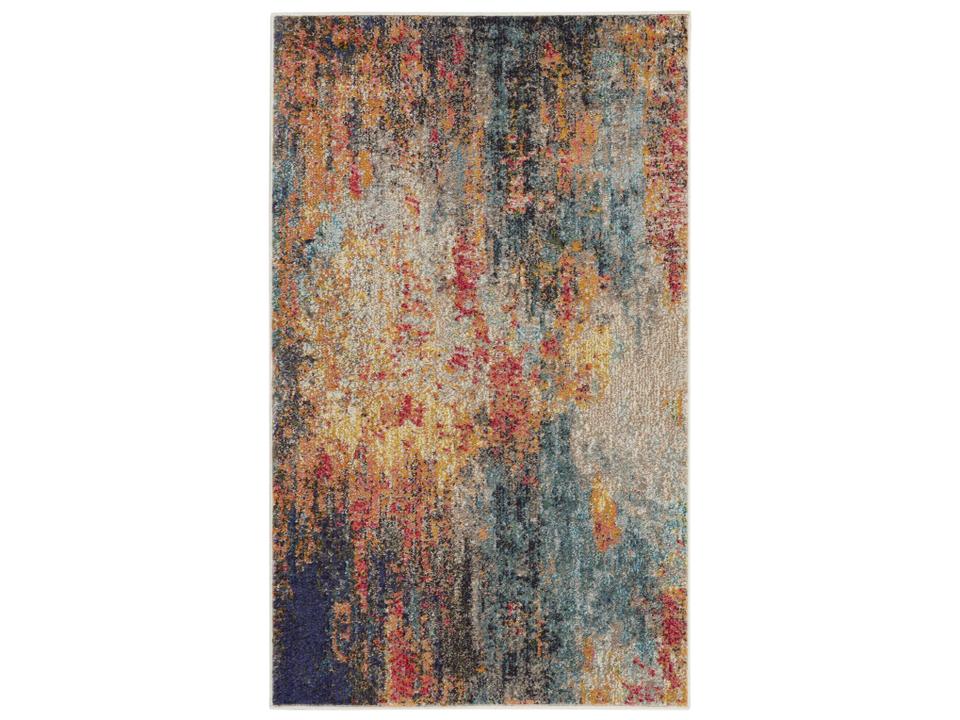
In living rooms and dens, orange pairs naturally with navy, charcoal, cream, and forest green. The Nourison Celestial Atlantic Rectangular Area Rug, with its layered orange accents, introduces warmth without overwhelming a room anchored by neutral furniture. Want something bolder? A solid burnt orange area rug against dark hardwood creates immediate contrast.
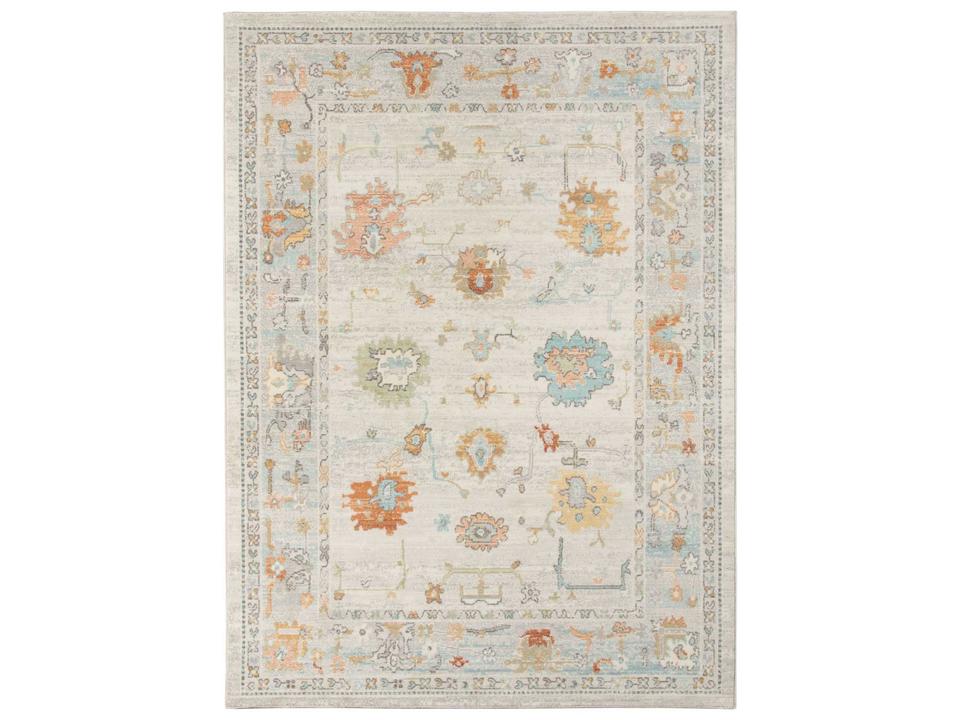
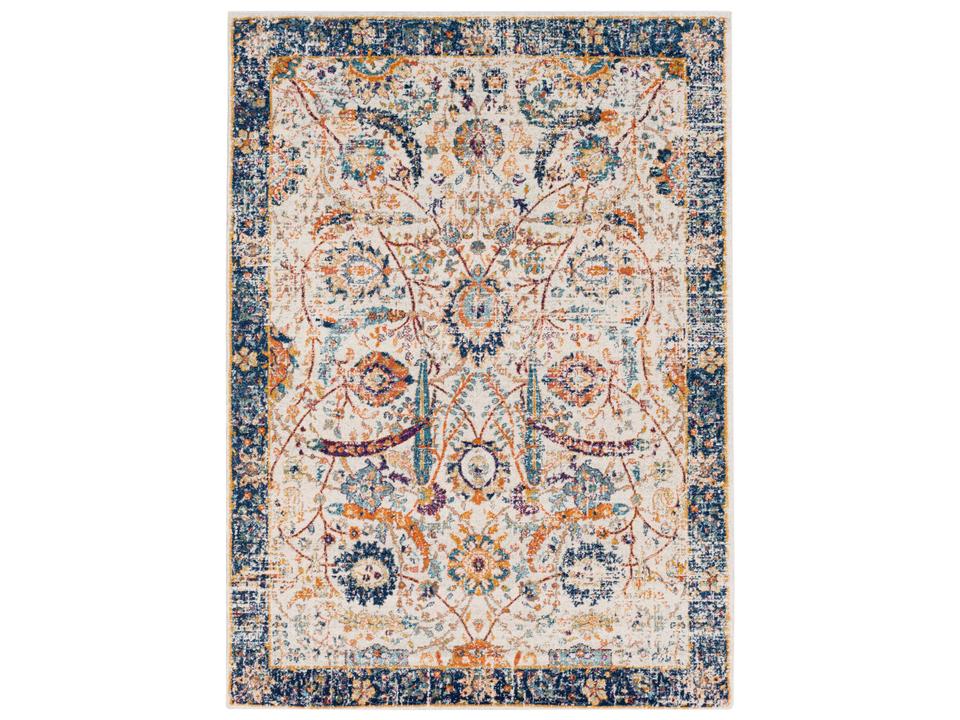
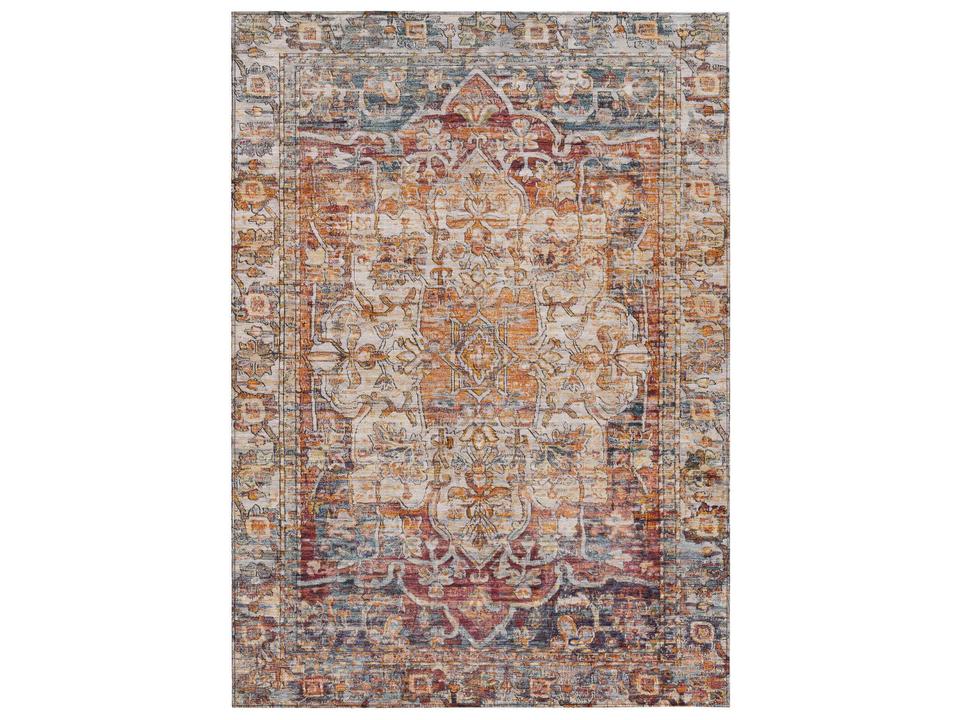
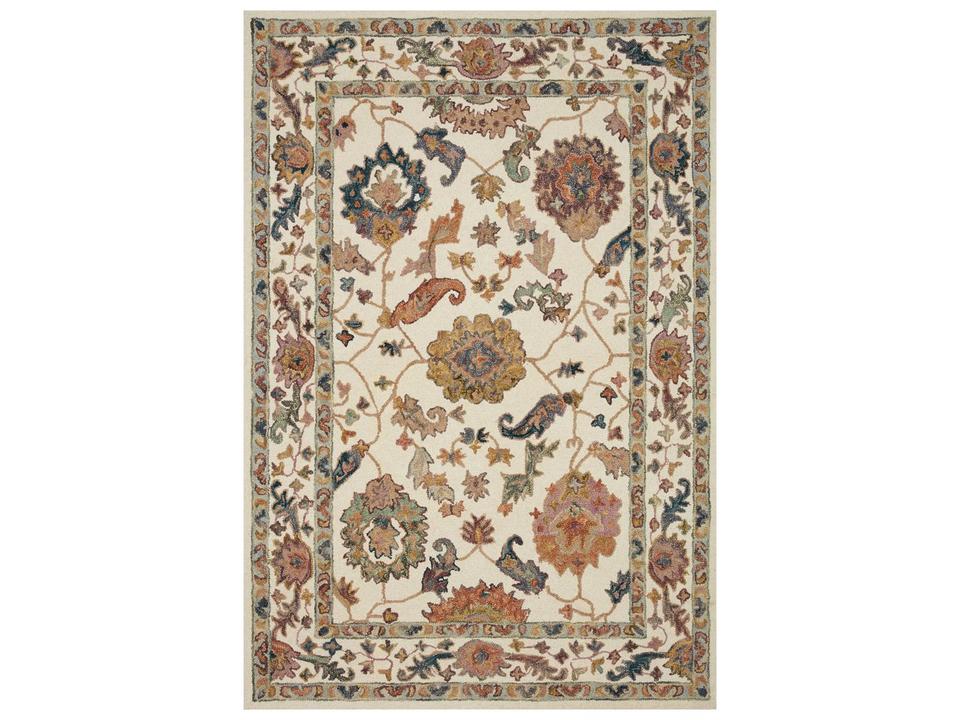
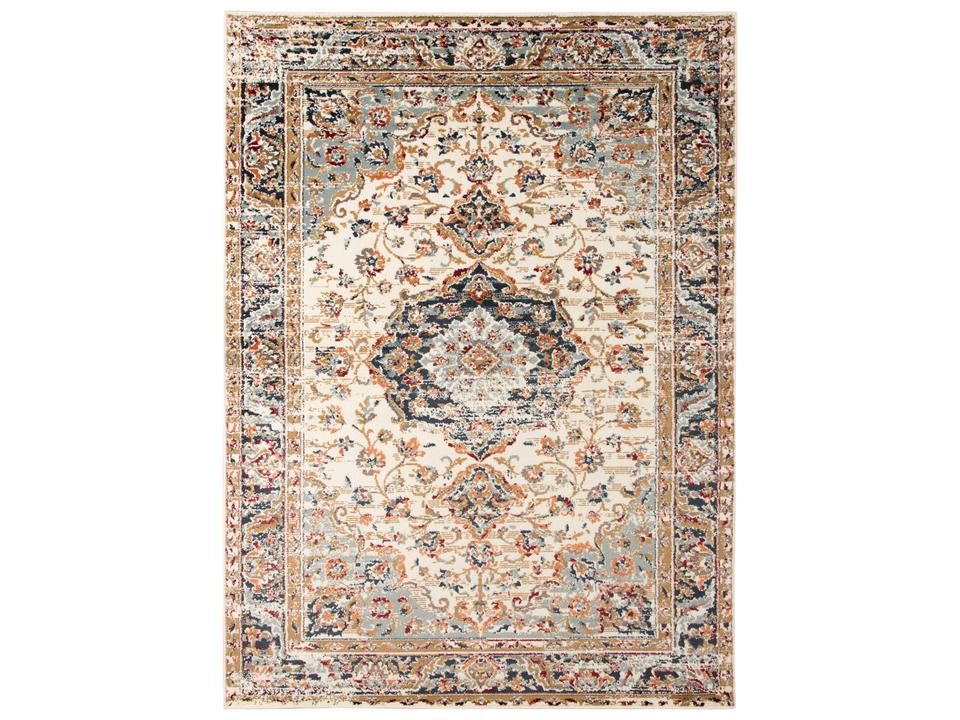
Bedrooms call for restraint. Sherbet, apricot, and peach tones keep orange's warmth while staying relaxed enough for sleep. Traditional patterns like the KAS Rugs Corinthian Ivory Fleur-De-Lis Area Rug balance multiple orange tones with cream and blue, so no single shade dominates.
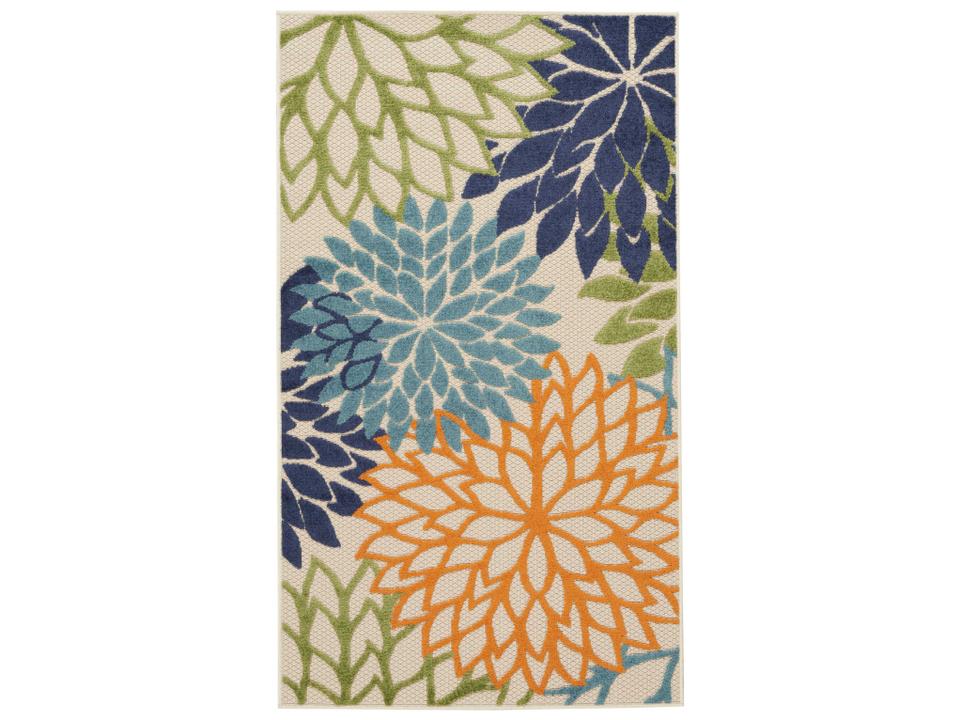
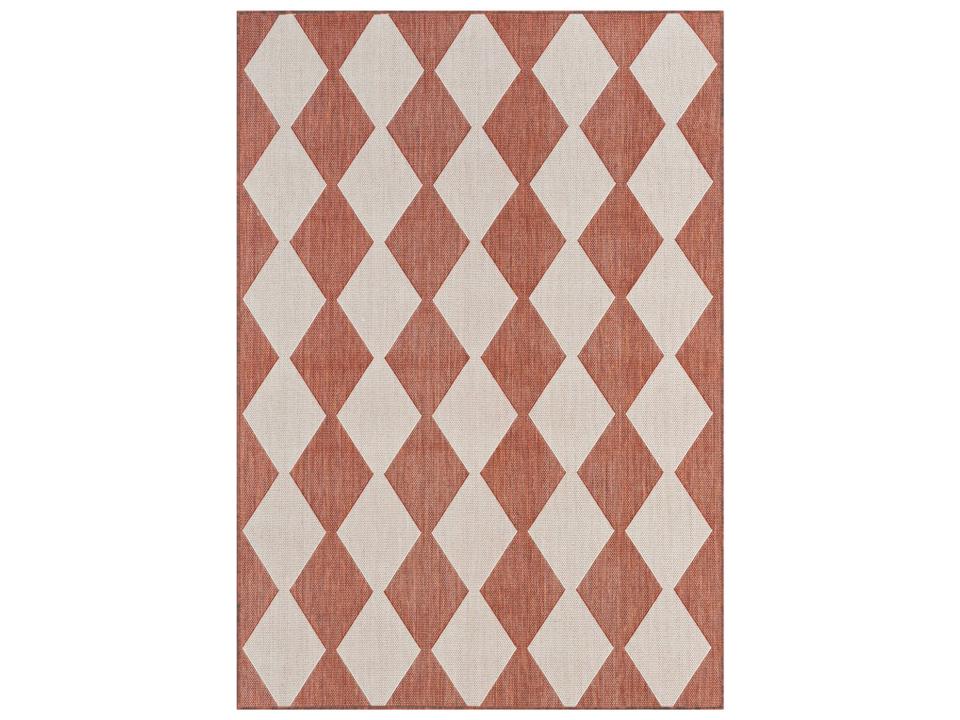
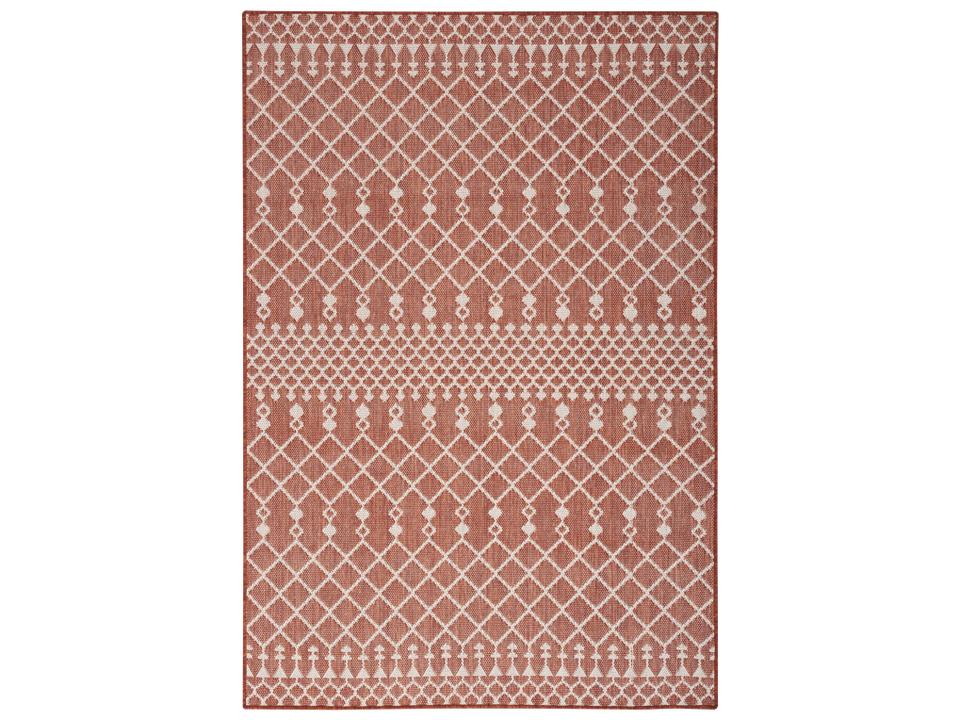
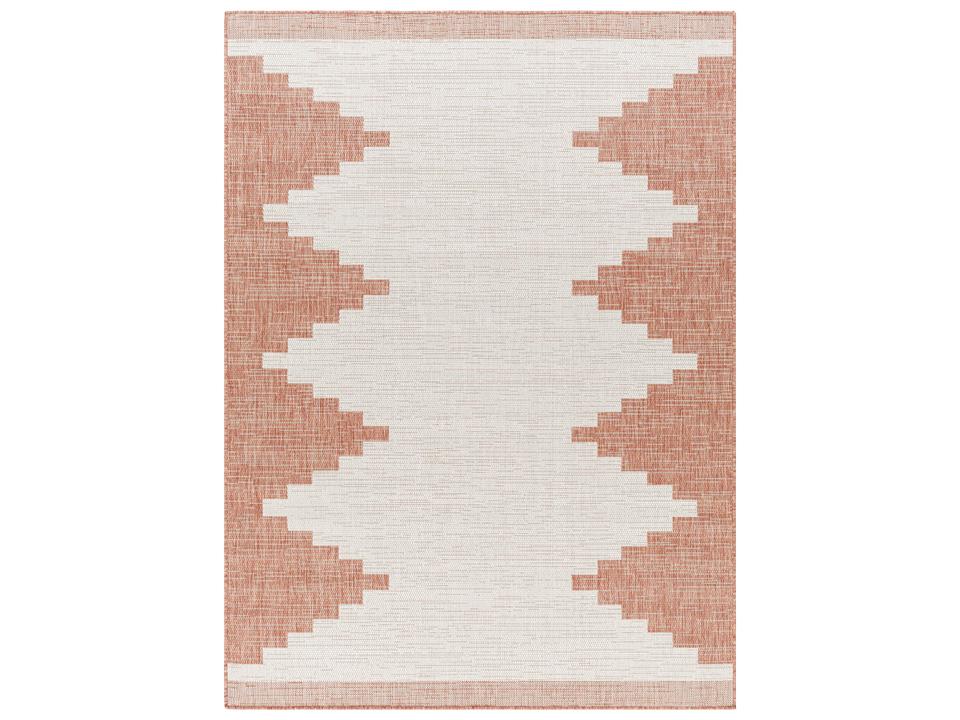
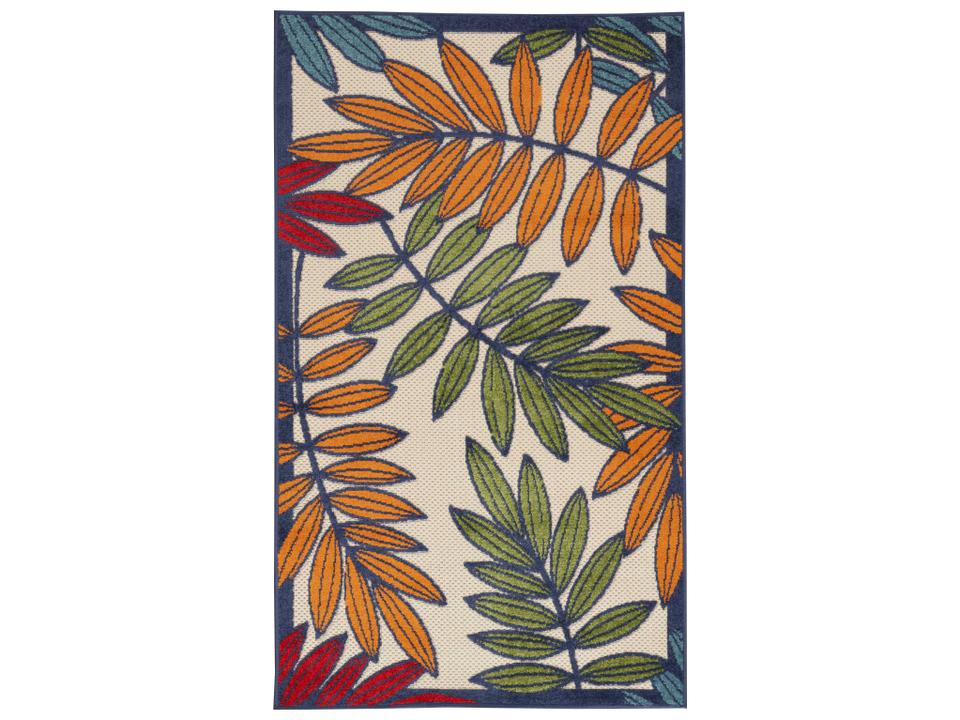
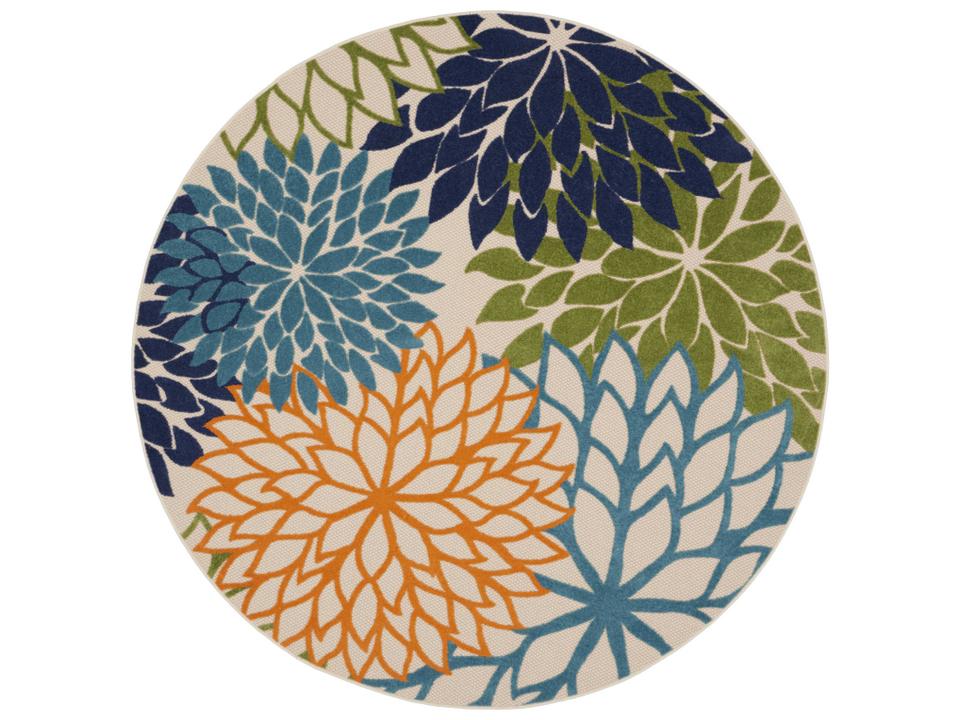
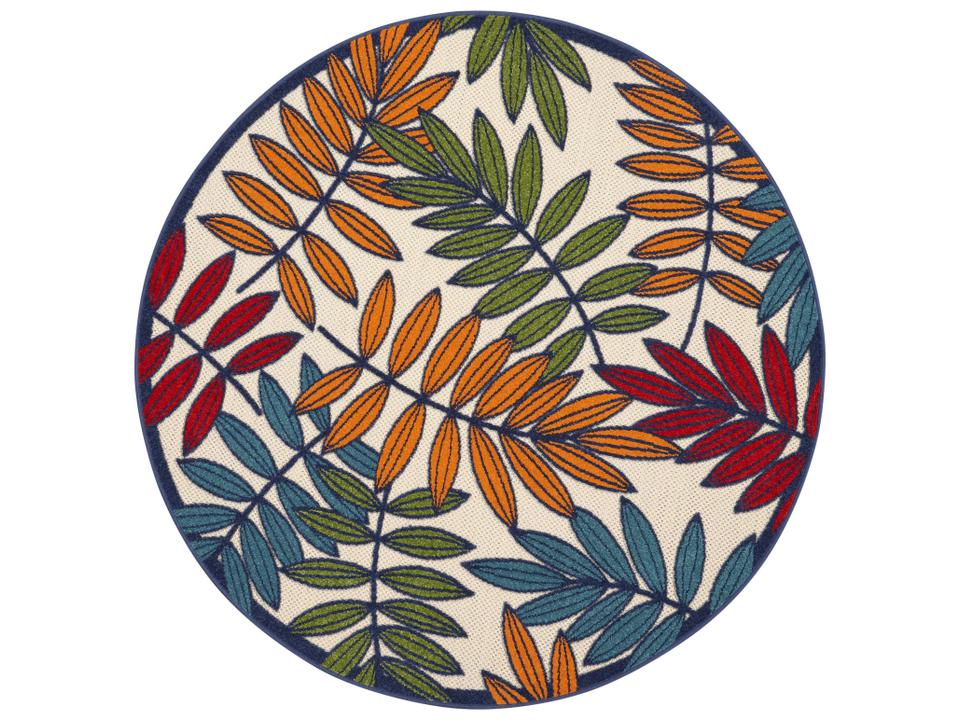
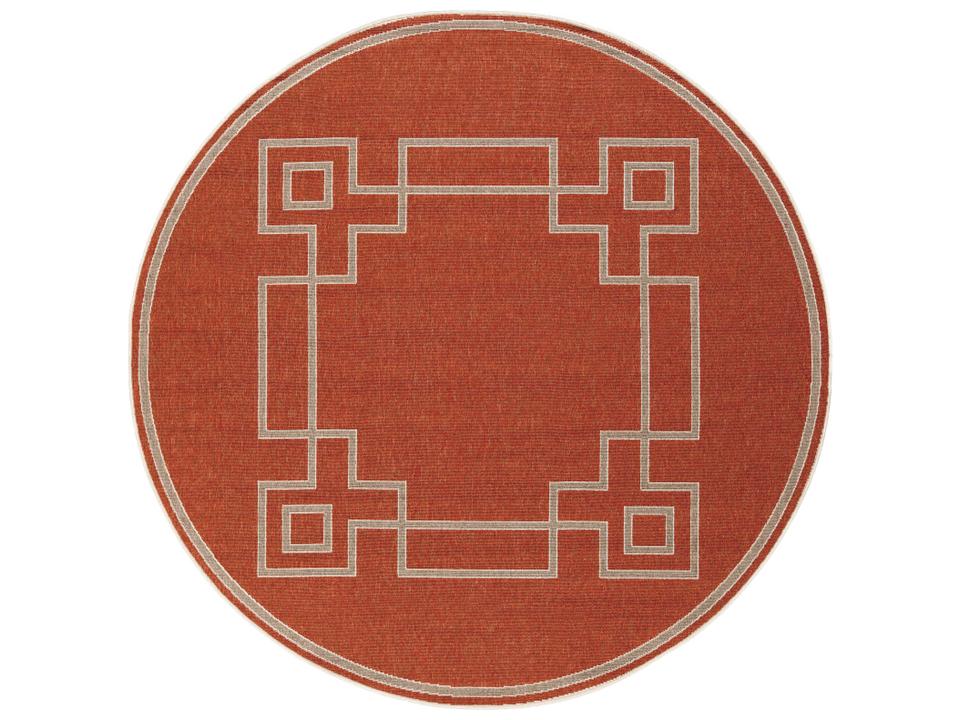
Kitchens and entryways need durability above all. Keep kitchen rugs small enough for machine washing, and lean toward darker orange mixed with grey, brown, or dark blue to hide soil. Outdoors is where orange comes alive — a large outdoor rug in orange and cream defines a seating or dining zone and stays visible in low evening light.
Size the rug to the furniture grouping, not the room. Front legs of your sofa and chairs should rest on the rug. Under a dining table, allow at least 24 inches beyond each side so chairs stay on the rug when pulled out. Runners should extend the full length of a hallway with a few inches of clearance at each end.
Regular care extends the life of any luxury rug. Vacuum weekly and rotate every six months for even wear and consistent sun exposure. Wool and silk pieces benefit from professional cleaning once a year. Synthetic and polypropylene rugs can be hosed down and air-dried — a real advantage in kitchens and outdoor settings. A quality rug pad adds cushion, prevents shifting, and protects both the rug and your floor.