Loading products
Wool holds dye differently than viscose or polypropylene — and that distinction matters more with green than almost any other color. A luxury hand-knotted wool rug in forest green develops subtle tonal variation over time, while a machine-woven synthetic holds a uniform emerald shade consistently for years. Viscose and art silk blends land in between: they accept deep jewel-tone greens beautifully but need placement away from heavy foot traffic.
Construction type affects both durability and texture. Hand-knotted rugs offer the densest pile and longest lifespan — often decades with proper care. At a lower price point, hand-tufted options deliver similar softness, though they won't hold up as long in high-traffic hallways. Flatweave dhurries and kilims in green work well in kitchens, sunrooms, and covered outdoor spaces where a low-profile rug is practical.
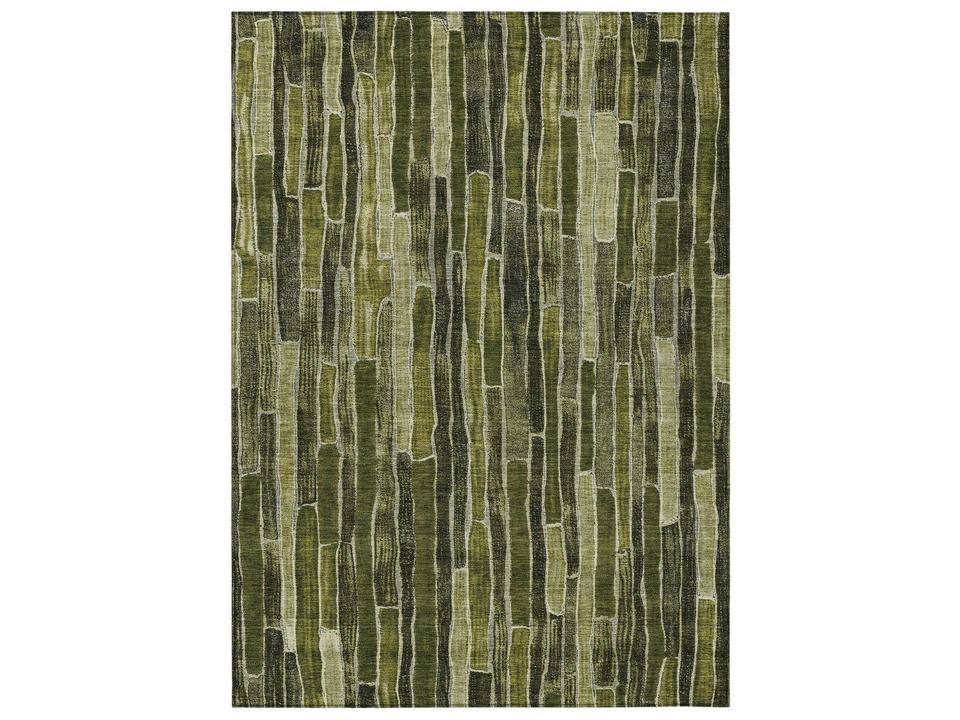
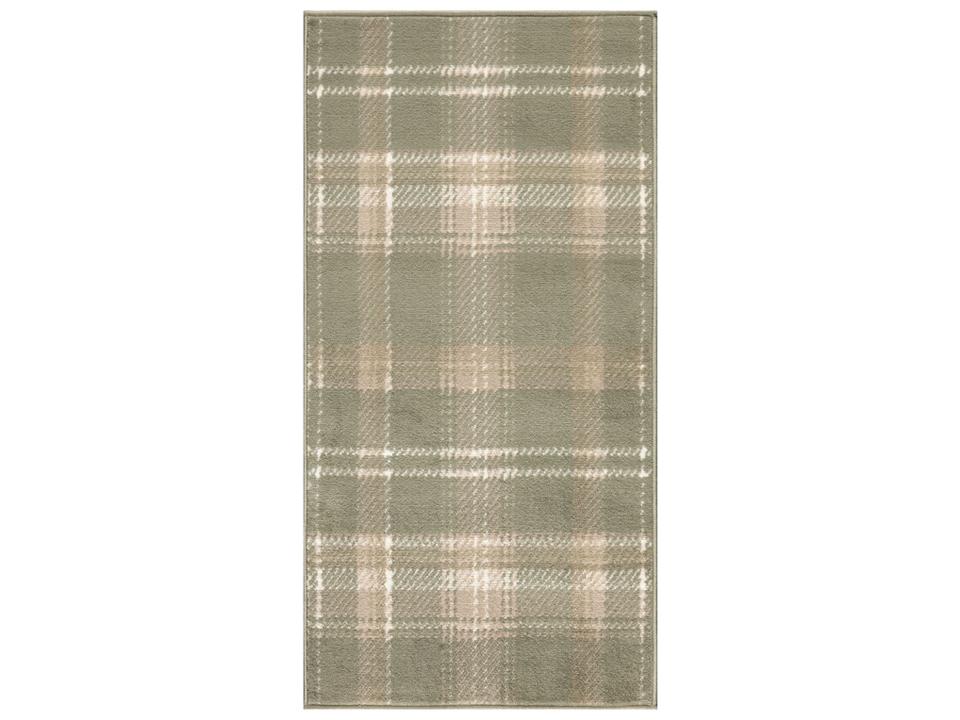
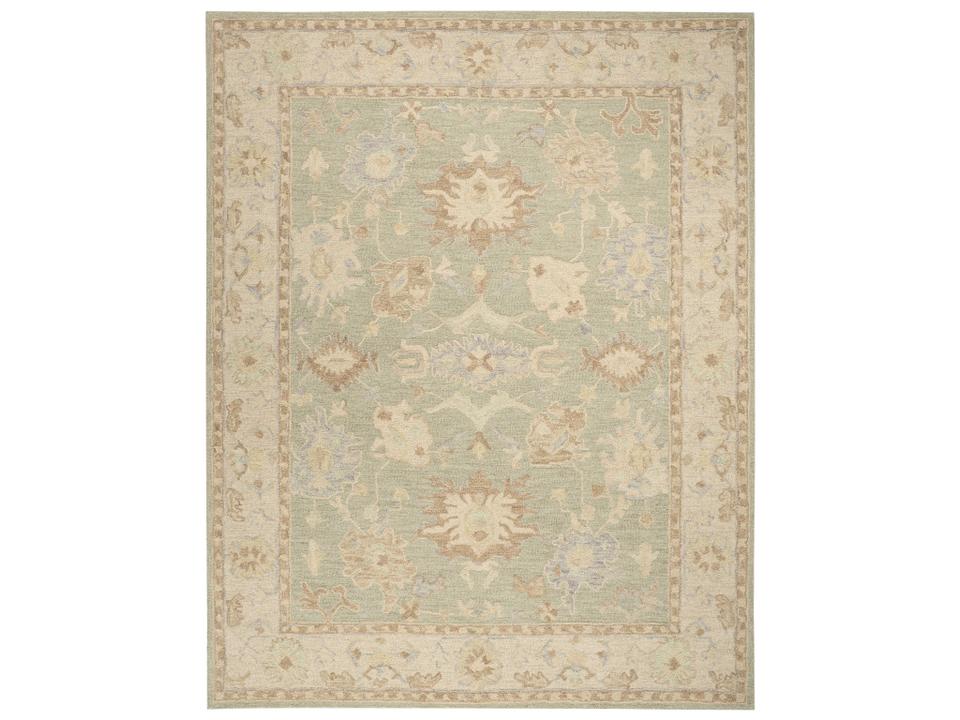
Green spans an enormous range. The shade you select determines whether a rug reads as a bold focal point or a quiet background layer.
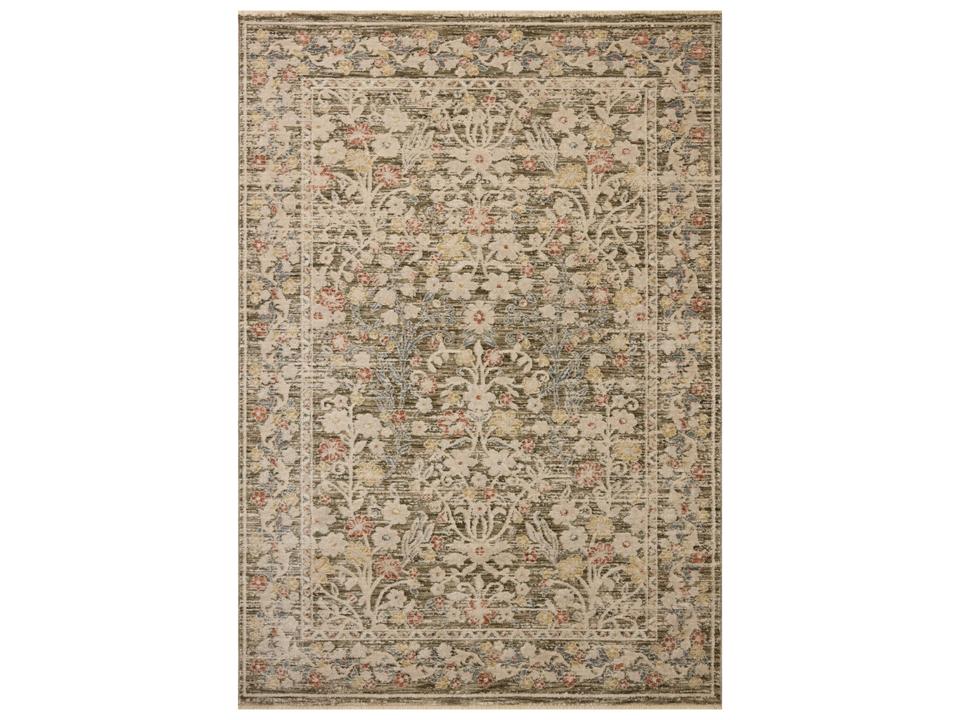
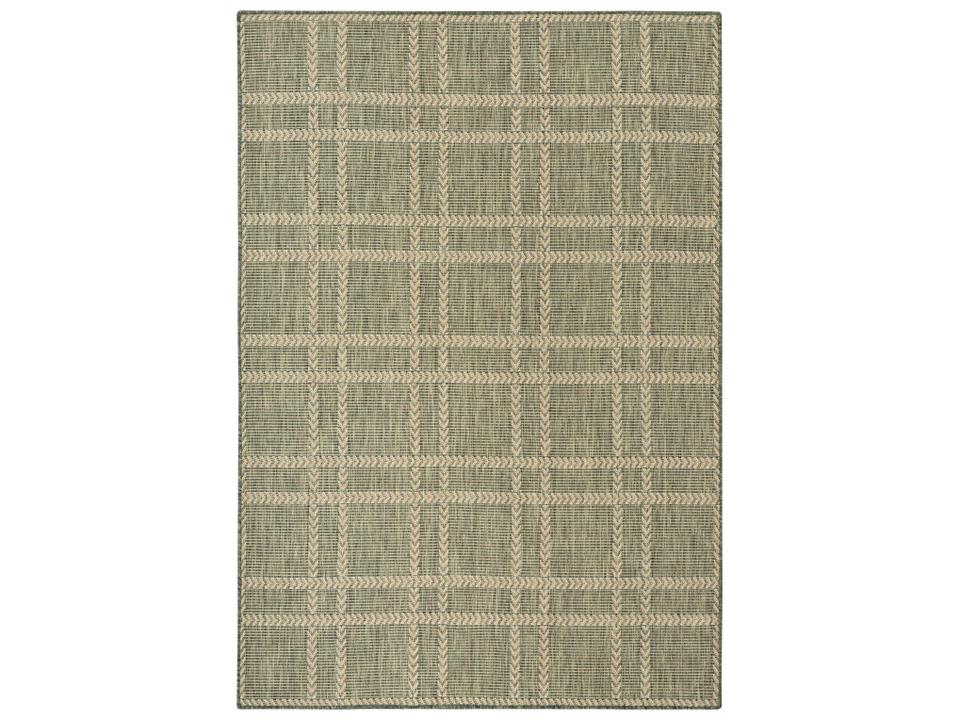
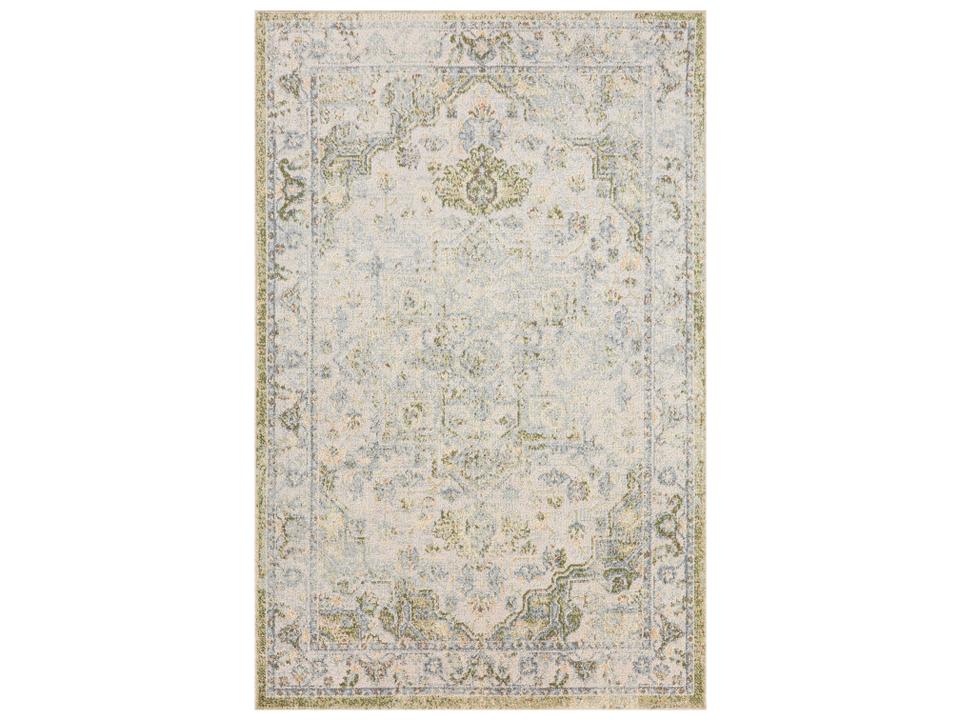
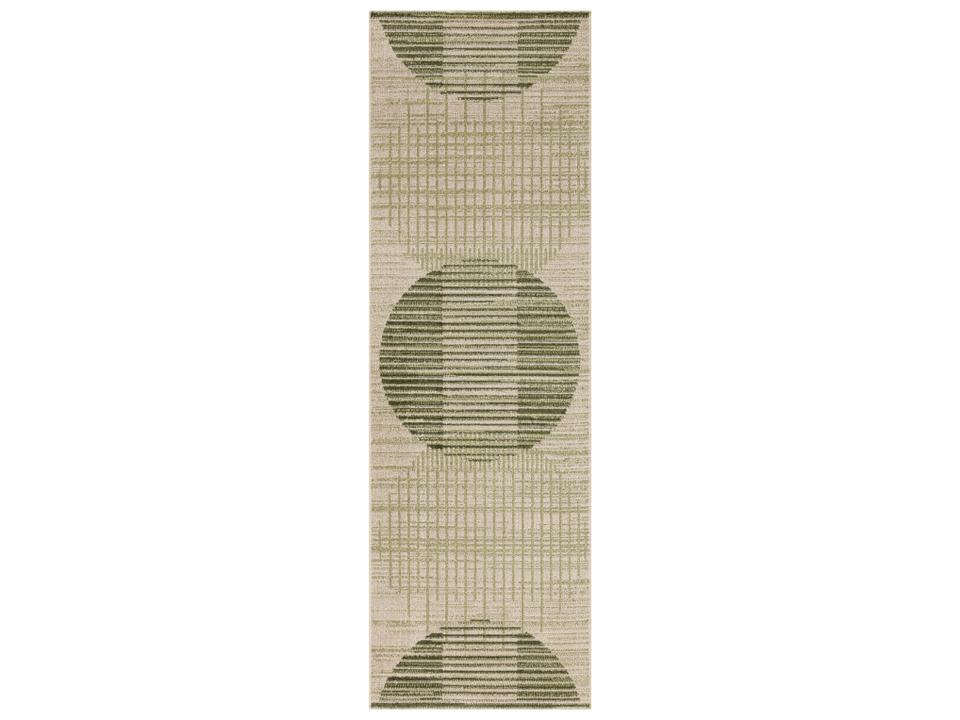
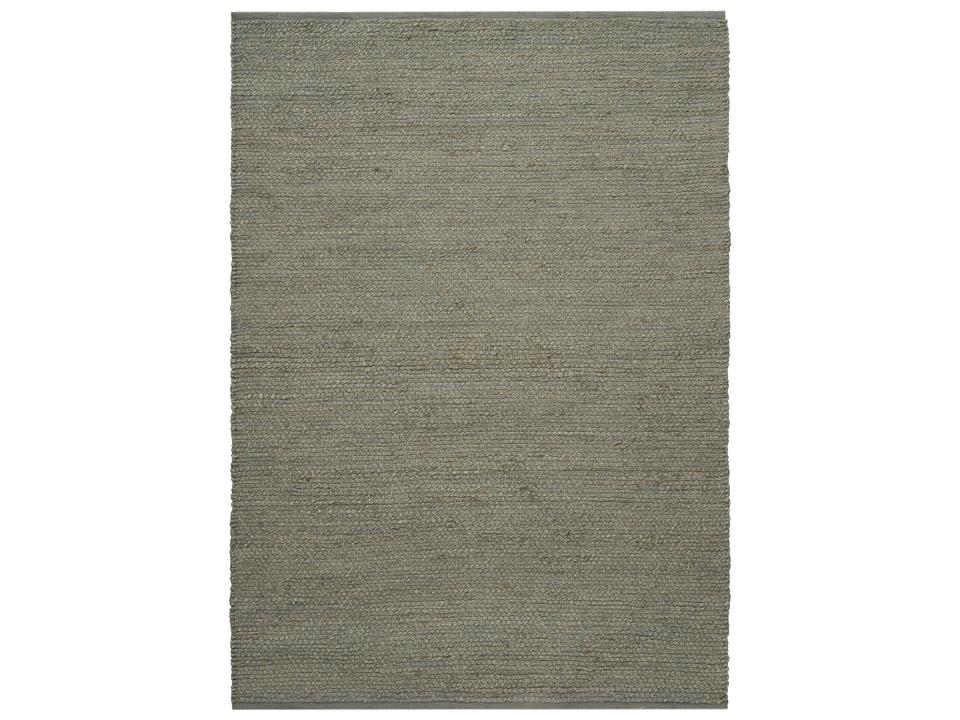
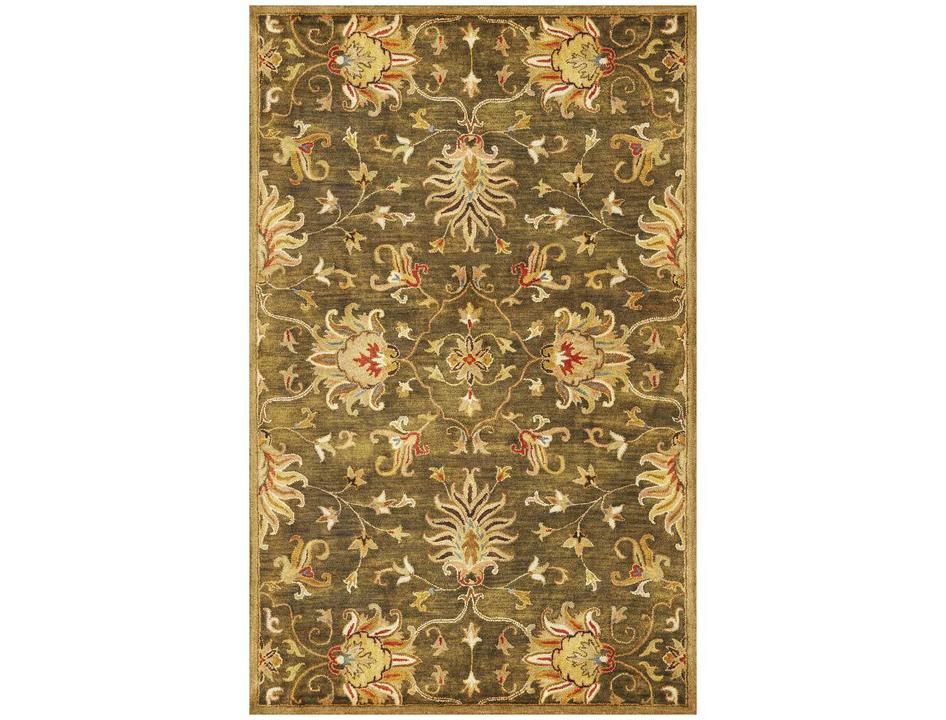
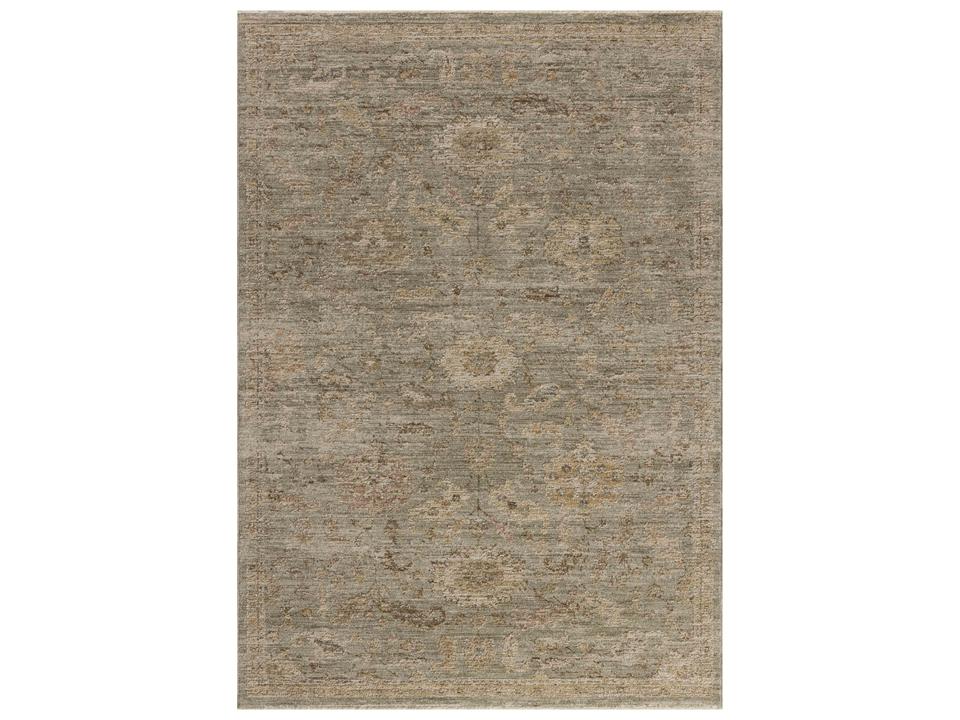
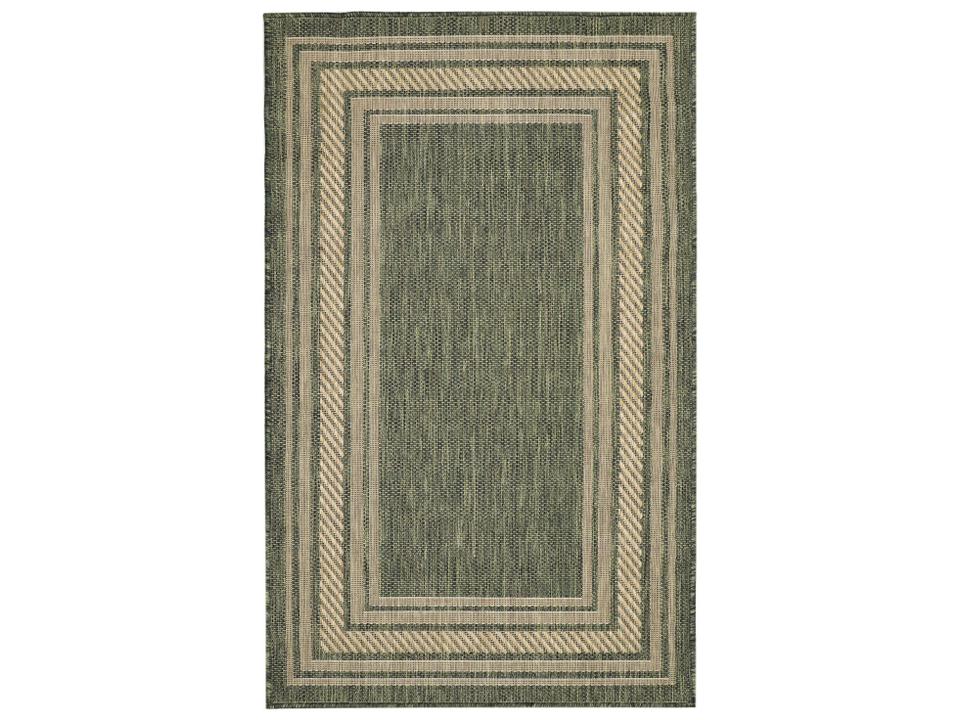
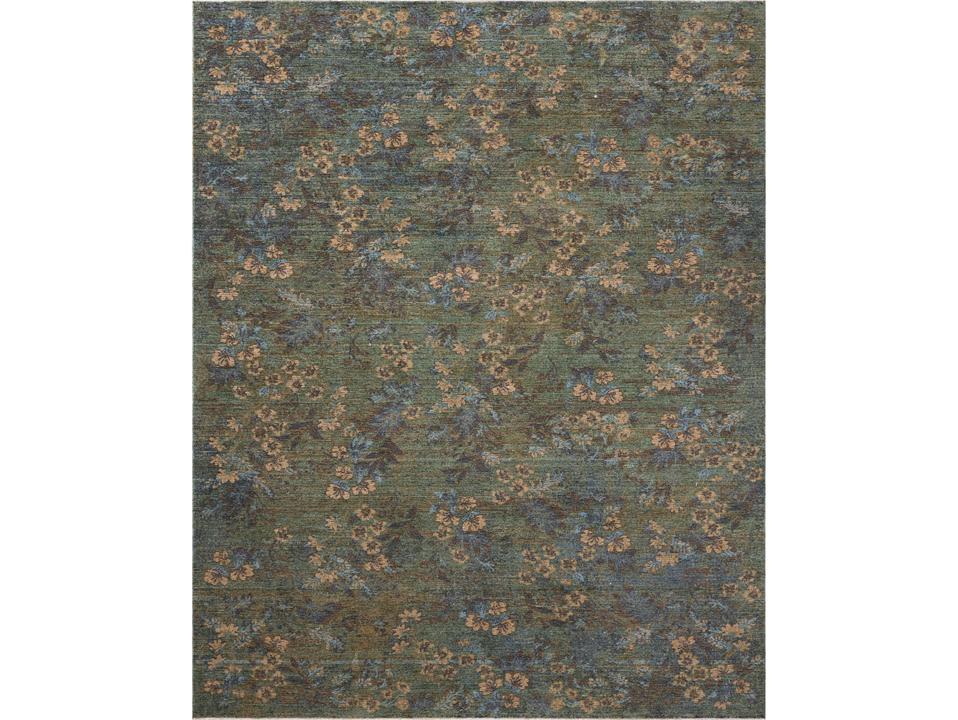
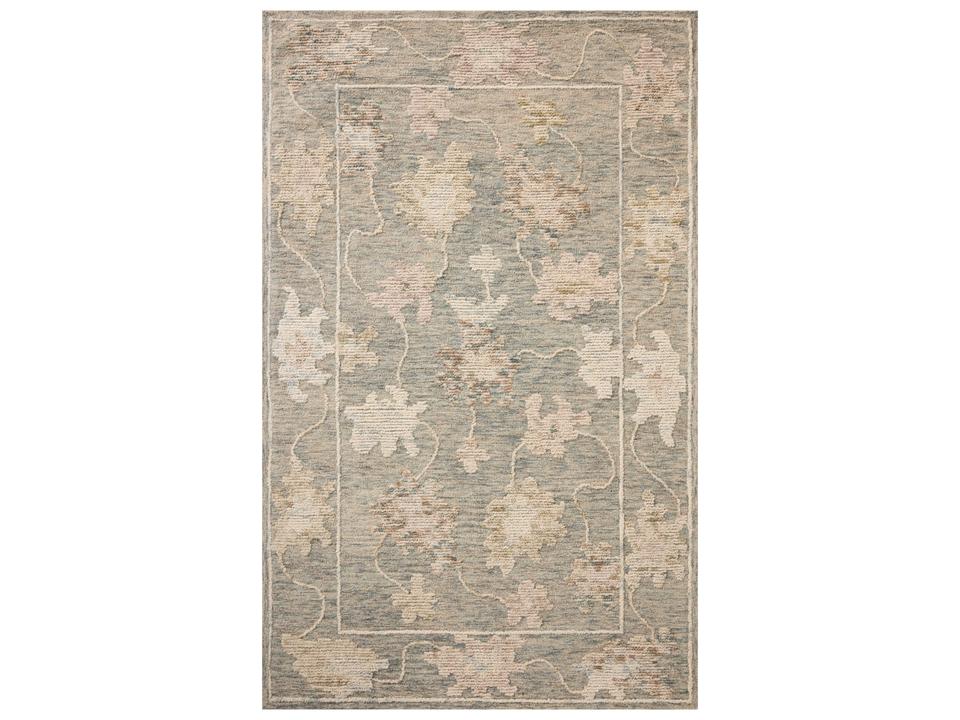
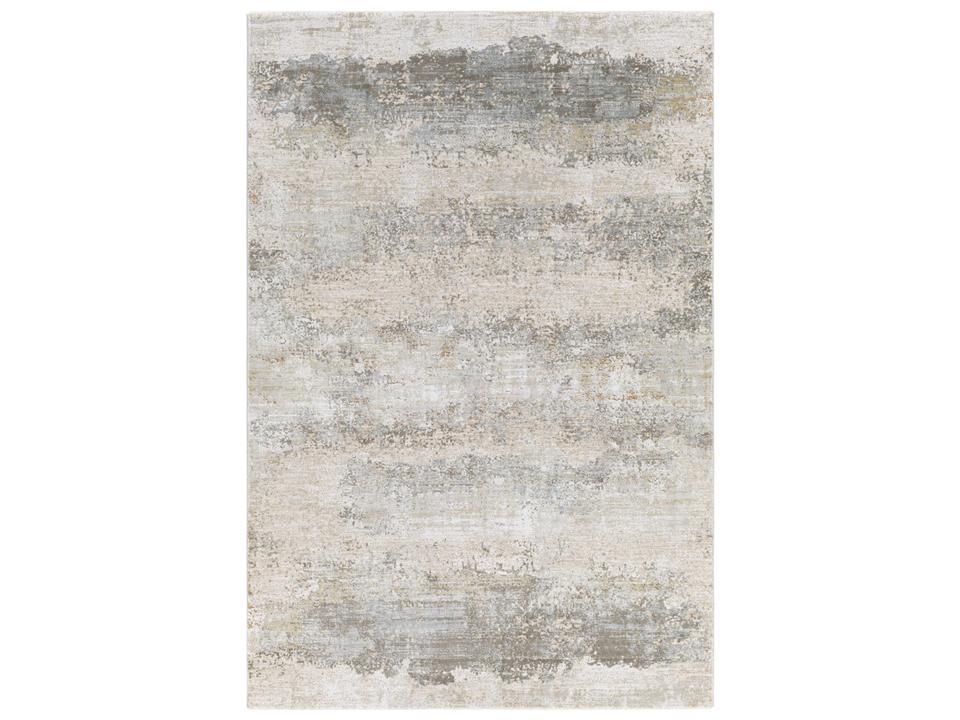
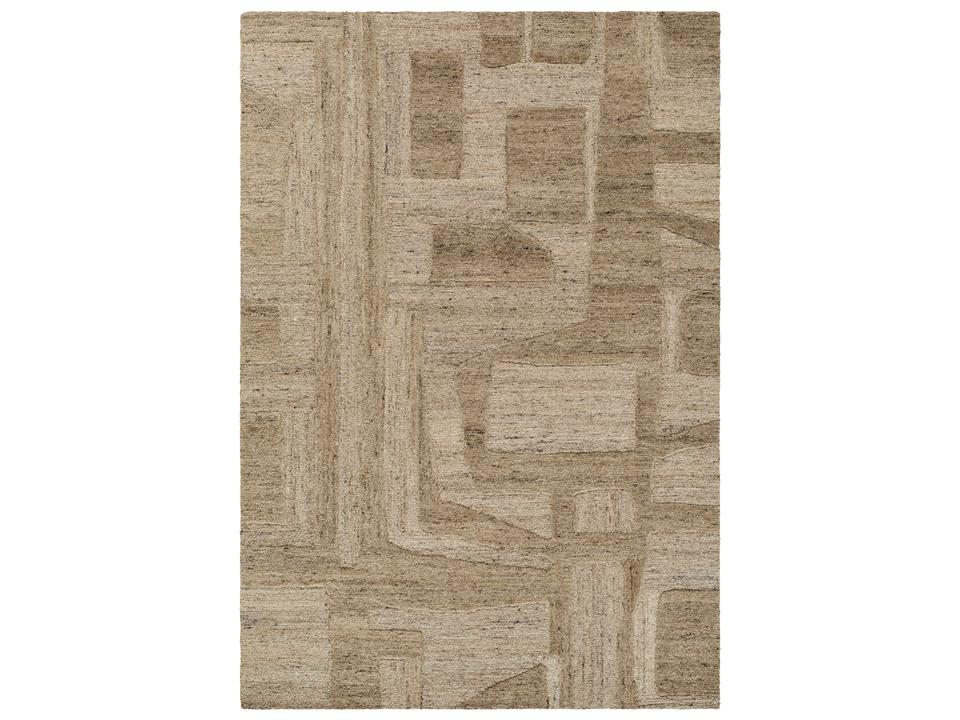
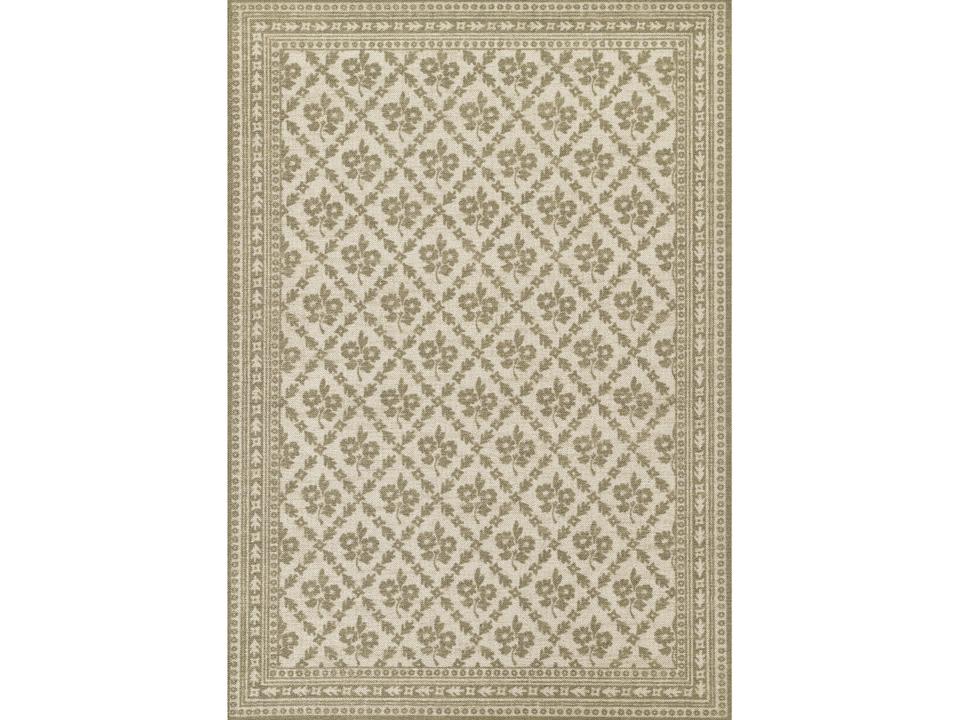
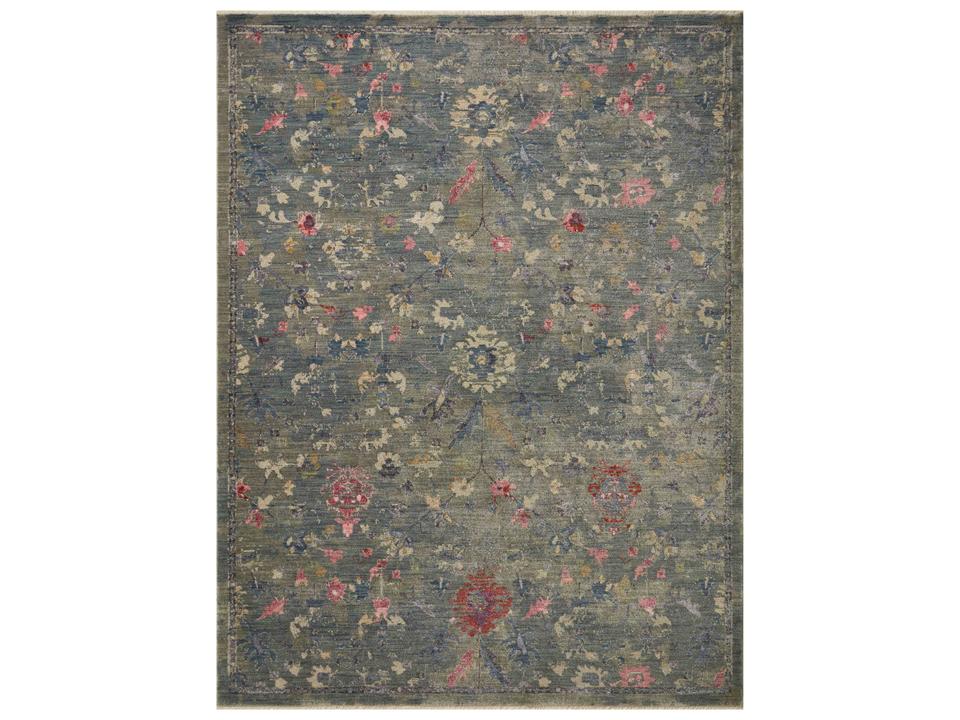
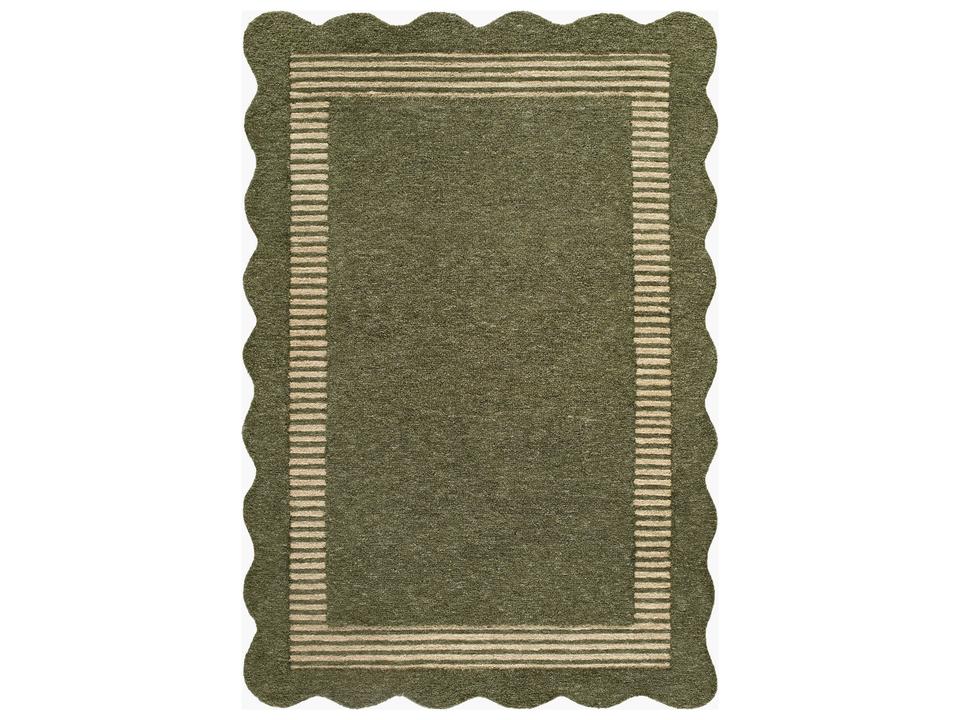
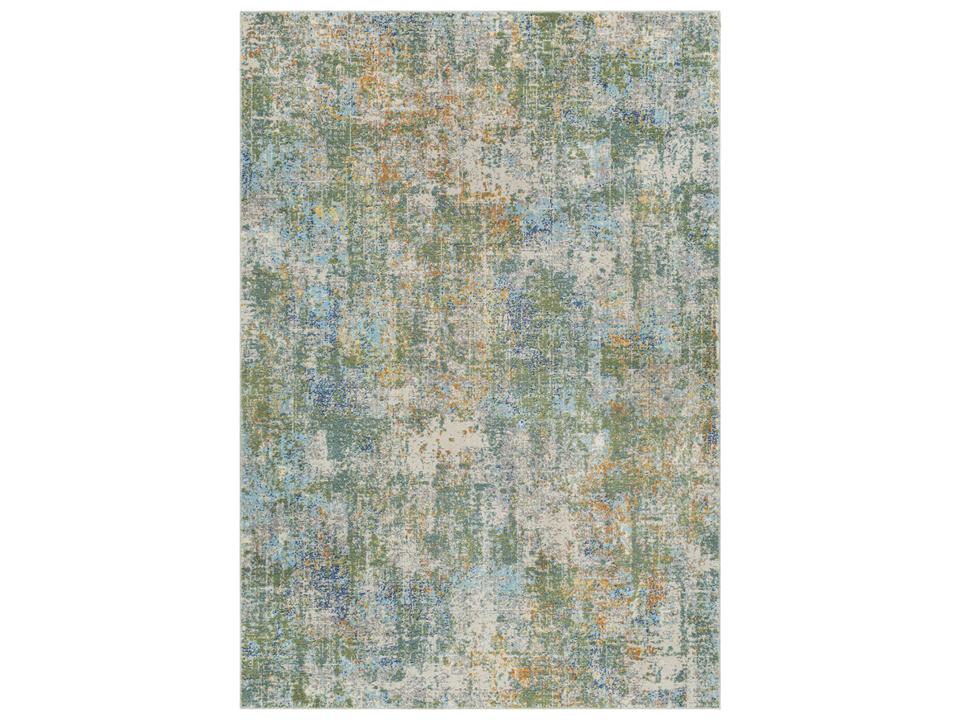
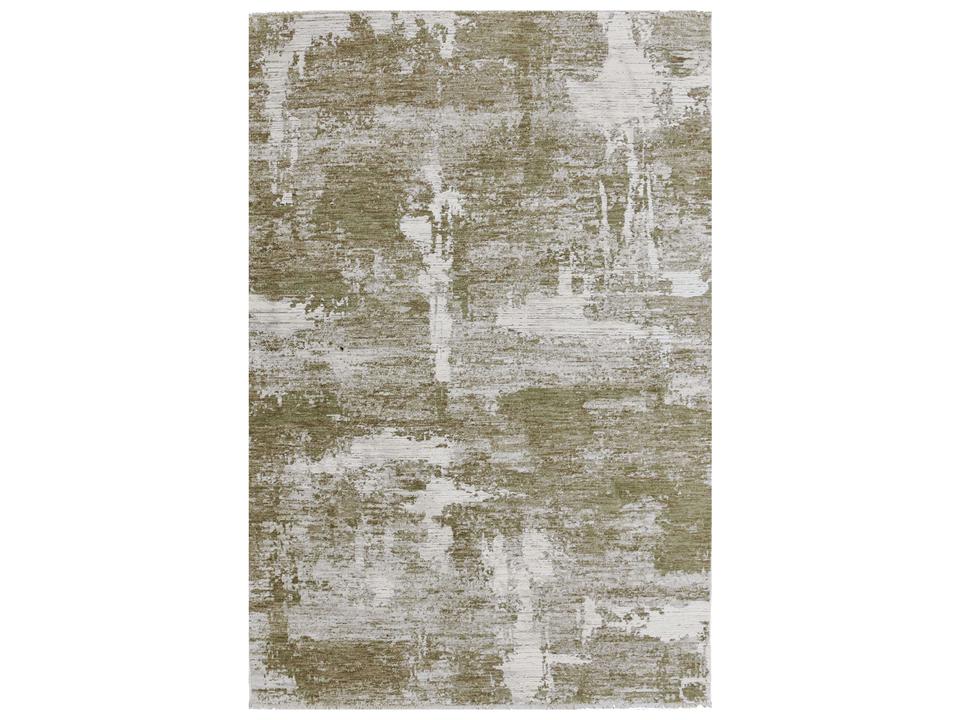
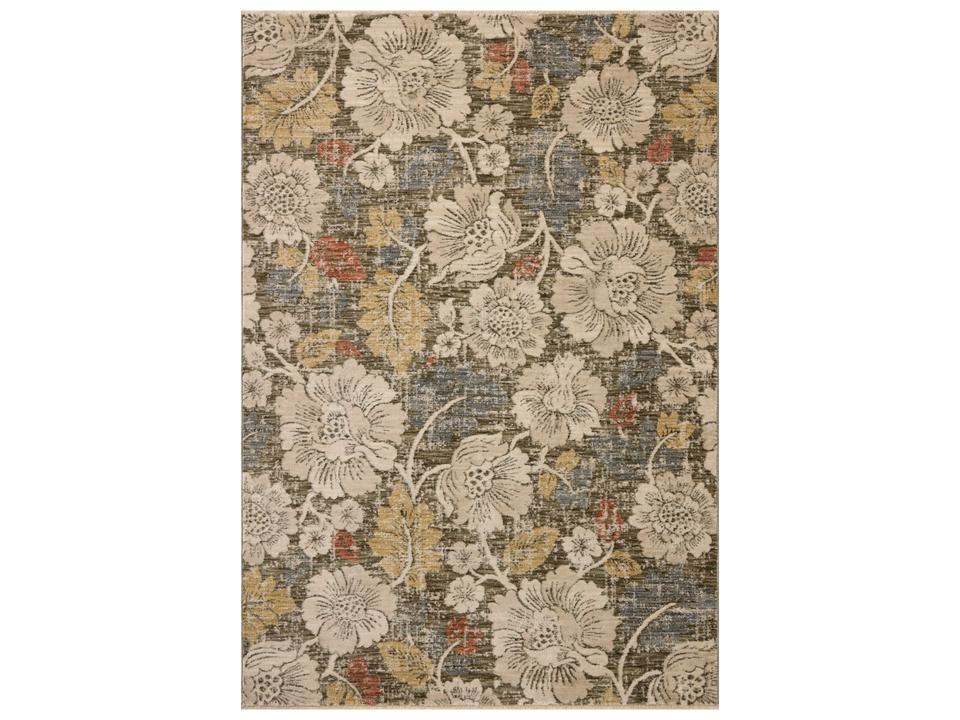
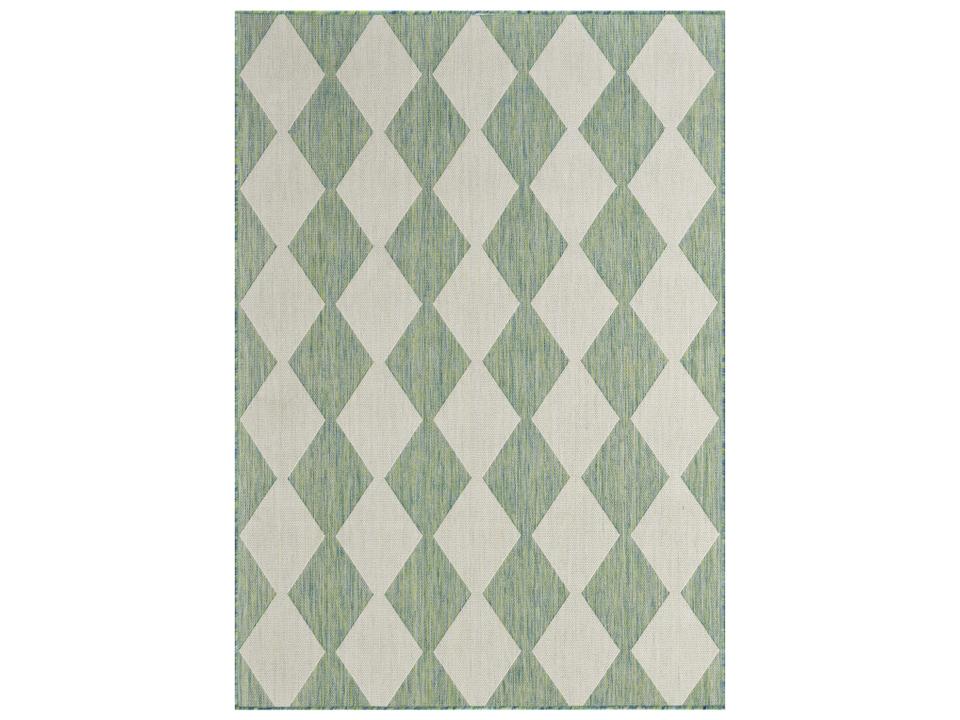
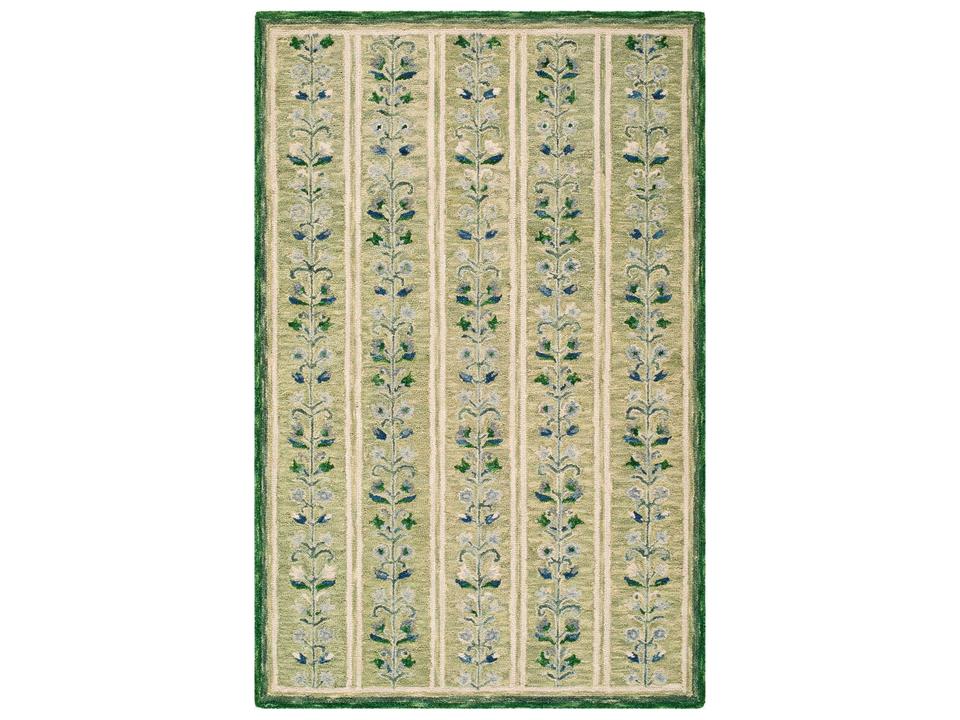
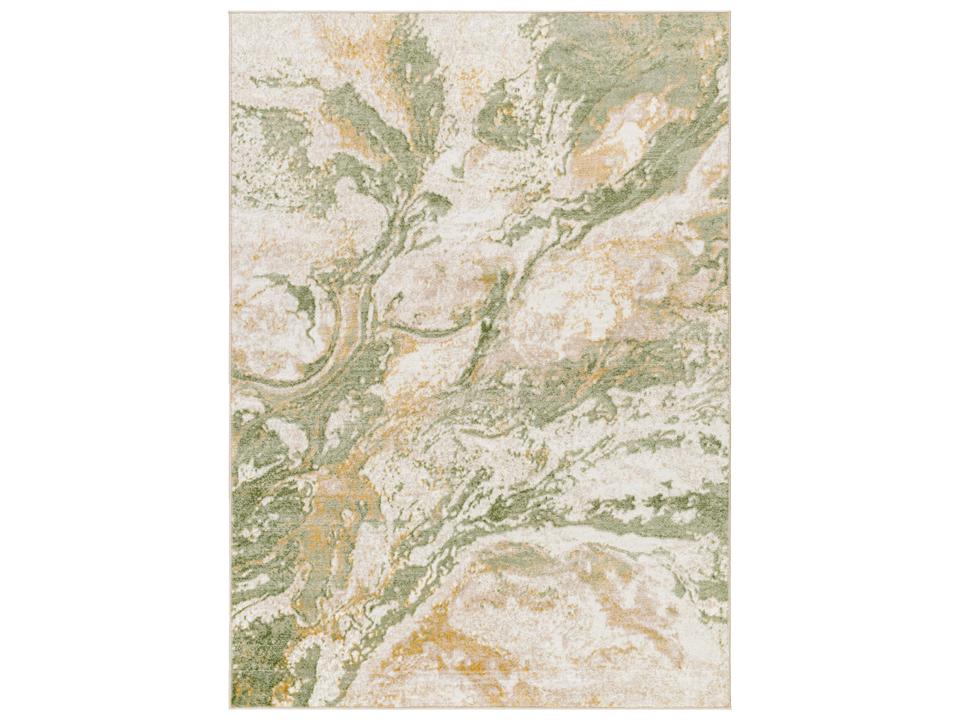
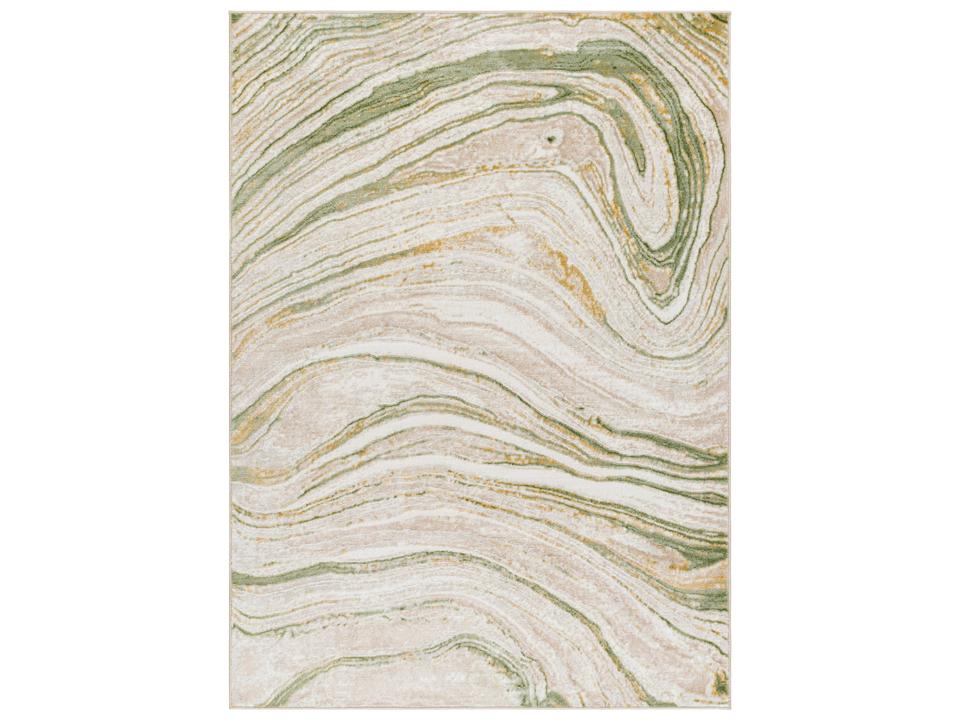
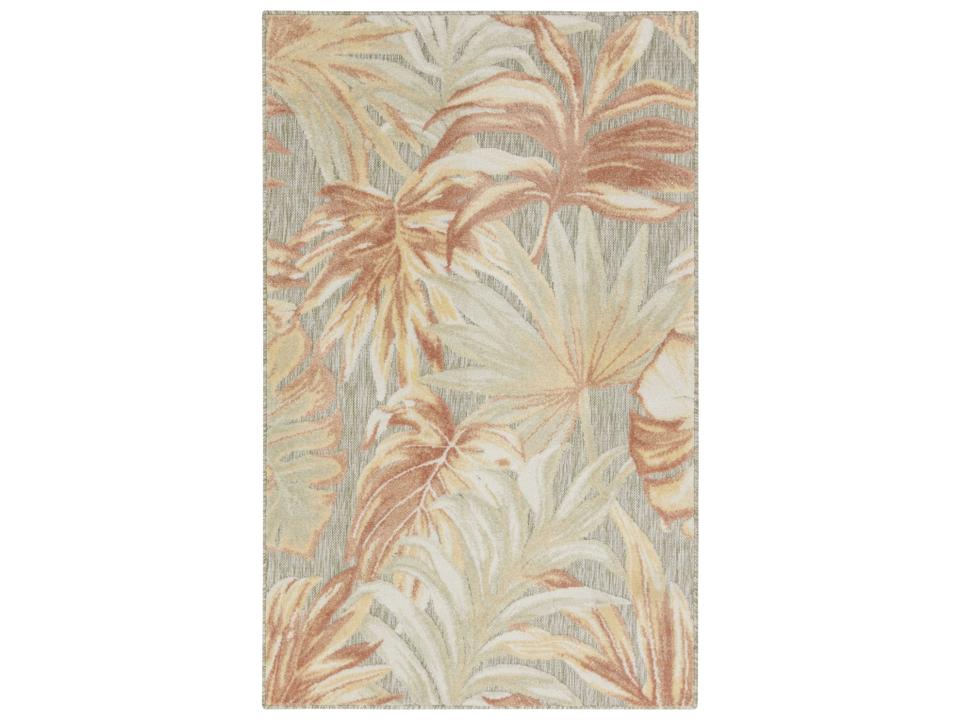
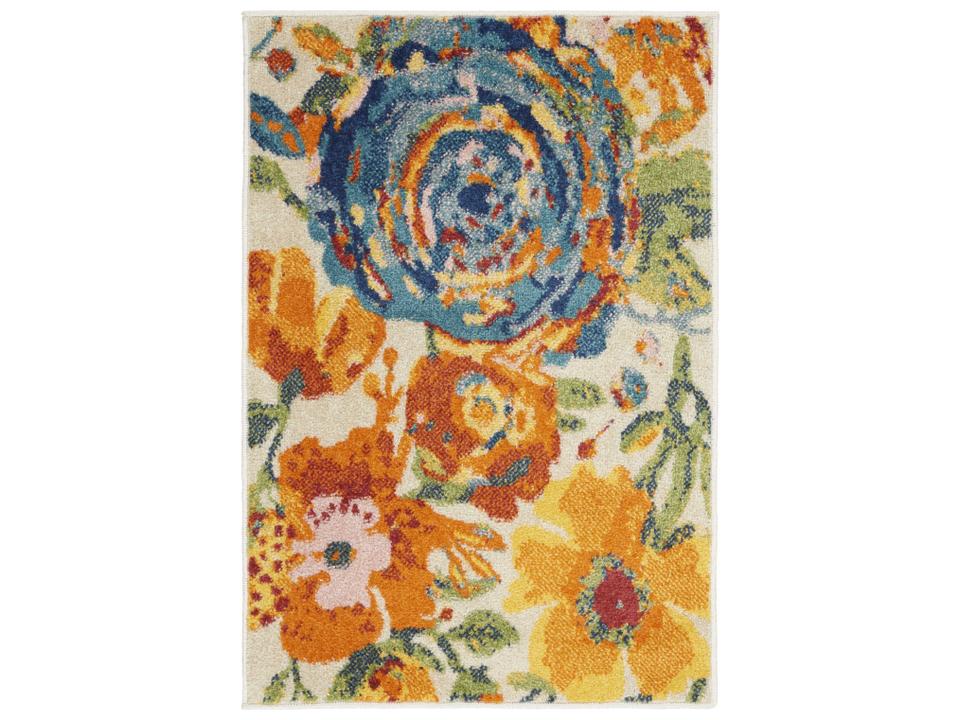
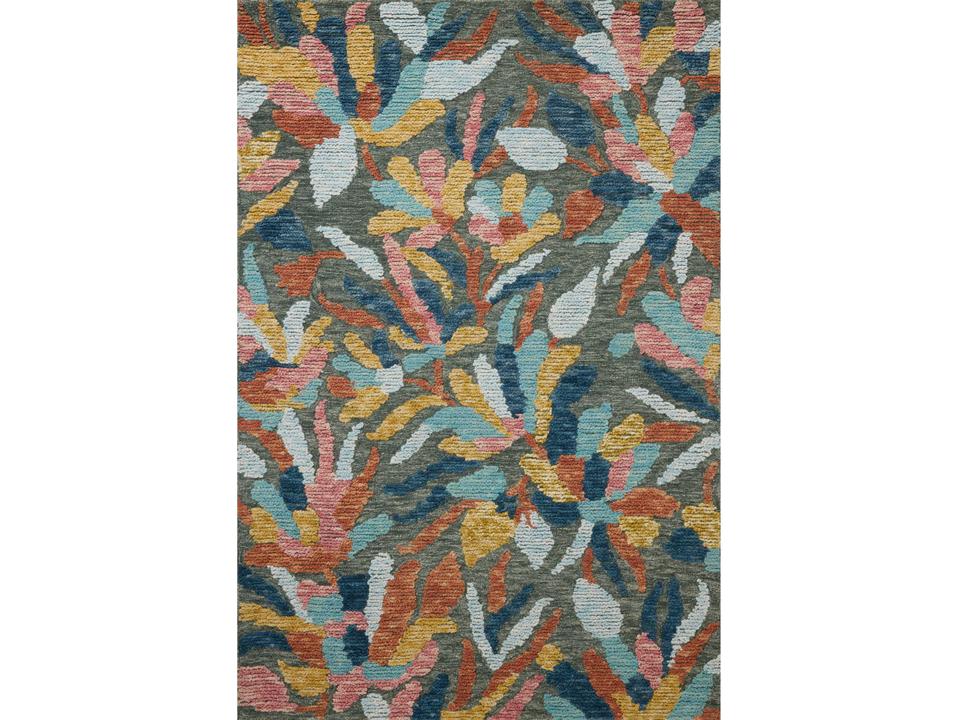
Green area rugs come in solid weaves, botanicals, geometrics, medallions, and abstract watercolor designs. A solid green rug anchors a room without competing with patterned upholstery or wallpaper. Floral and botanical patterns lean into green's natural associations — useful when you want organic texture without actual plants.
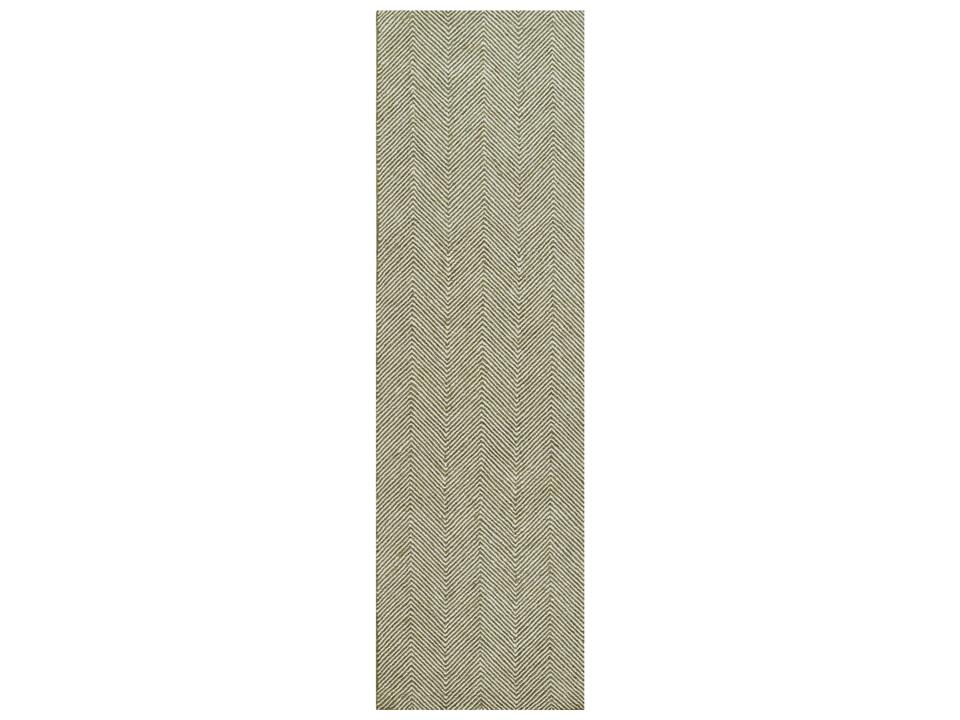
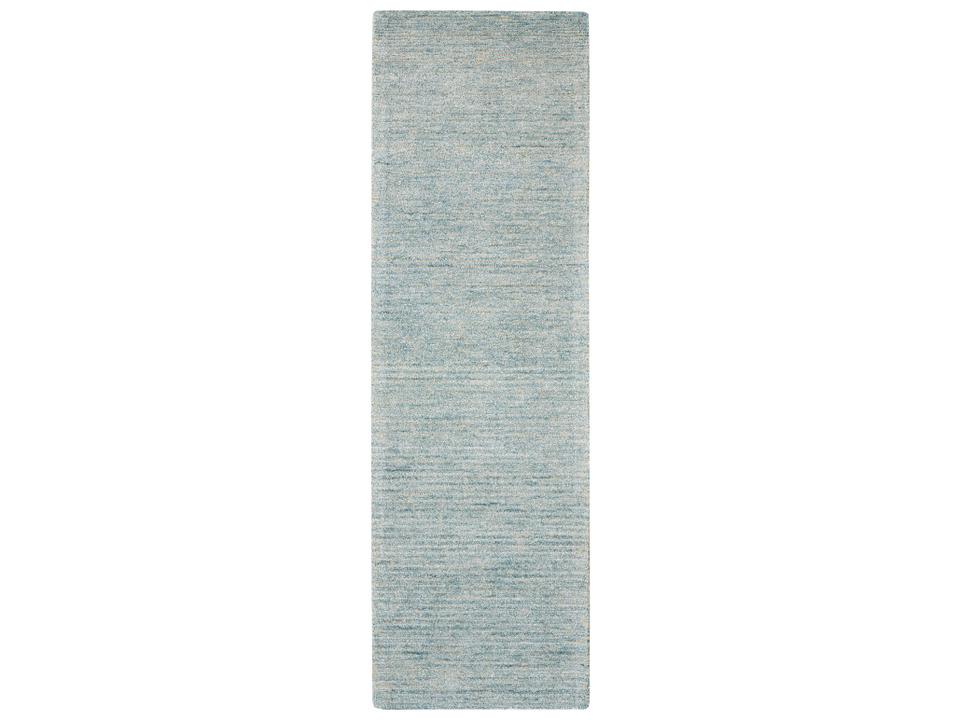
Size matters more than most buyers realize. A rug that's too small for a seating group looks disconnected; all front legs of your main furniture should sit on the rug at minimum. For dining rooms, extend at least 24 inches beyond the table on all sides so chairs stay on the rug when pulled out. Runners typically measure 2 to 3 feet wide and 6 to 14 feet long — ideal for hallways, galley kitchens, or behind a sofa in an open floor plan.
Green is one of the most versatile colors for a luxury rug because it bridges warm and cool palettes equally well. A sage rug can sit beneath blues and grays without clashing. An emerald rug under a walnut dining table with brass pendant lighting creates a refined, layered setting. In bedrooms, a plush green shag at the bedside introduces texture and warmth underfoot first thing in the morning.
For maintenance, vacuum regularly and rotate every six months to distribute wear evenly. Wool and viscose benefit from professional cleaning once a year; synthetics can often be spot-cleaned or hosed down depending on construction. A premium rug pad underneath prevents slipping, protects your flooring, and adds cushion that extends the rug's lifespan.