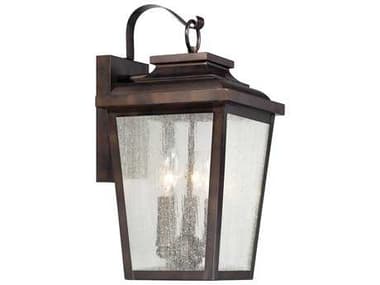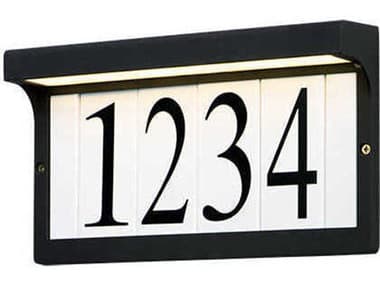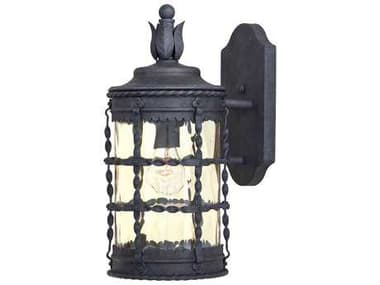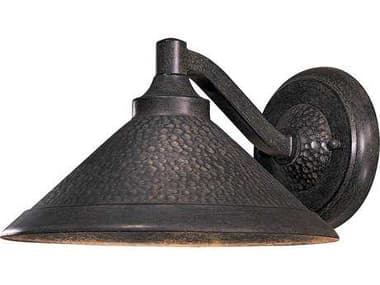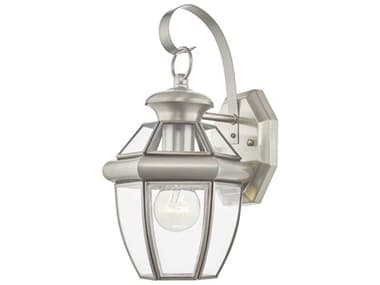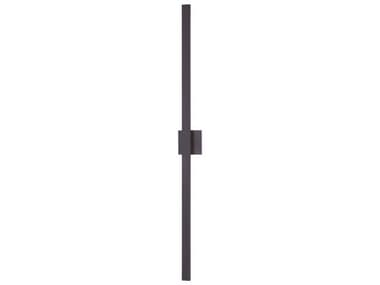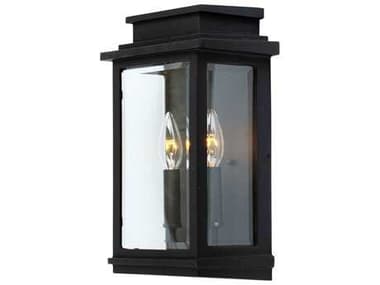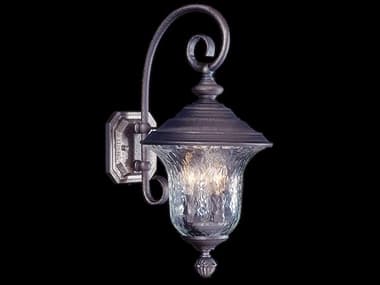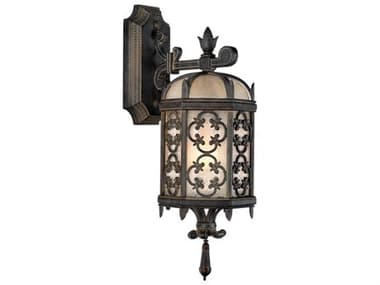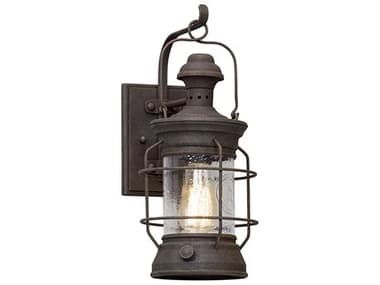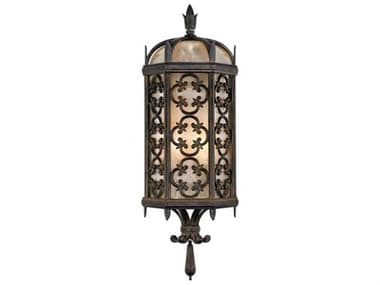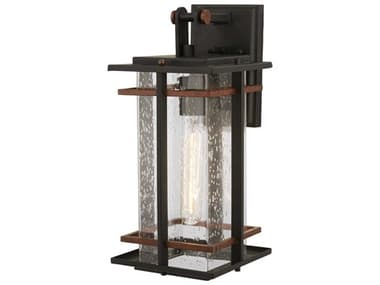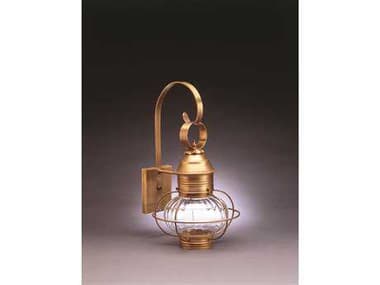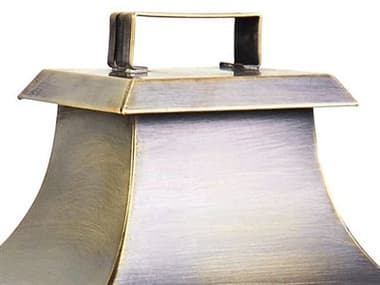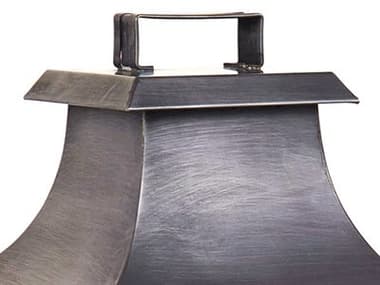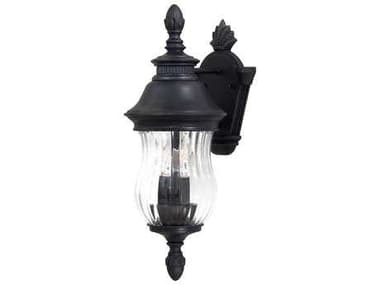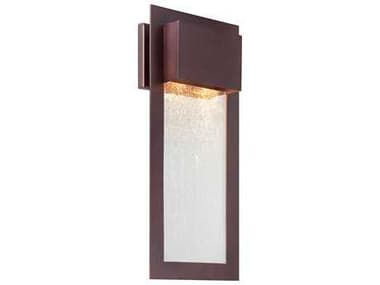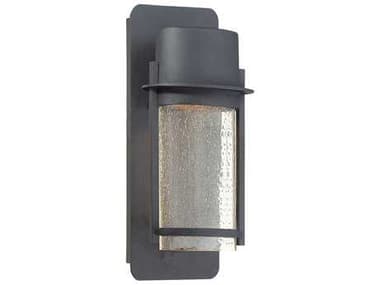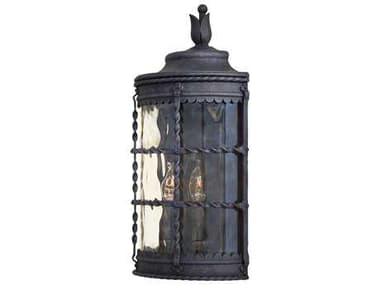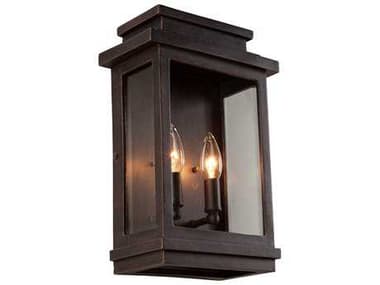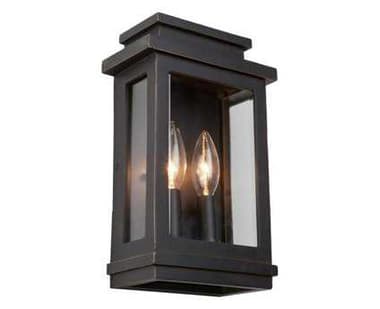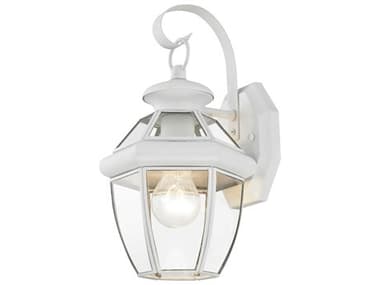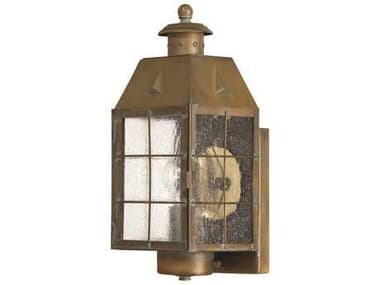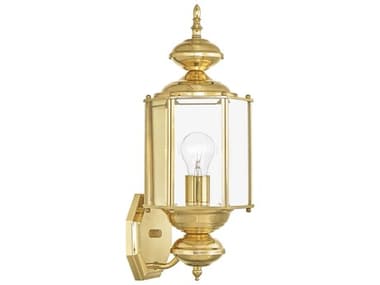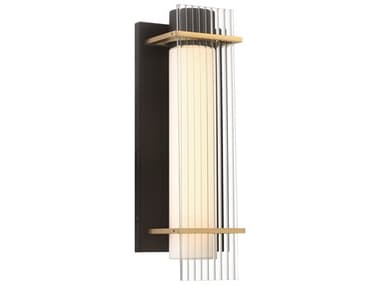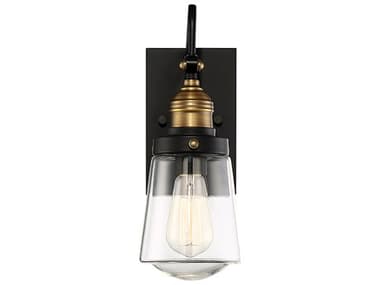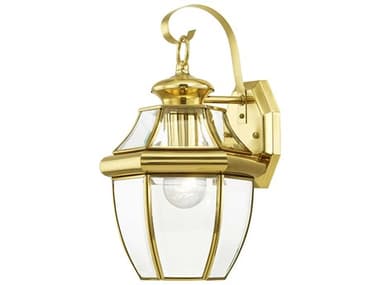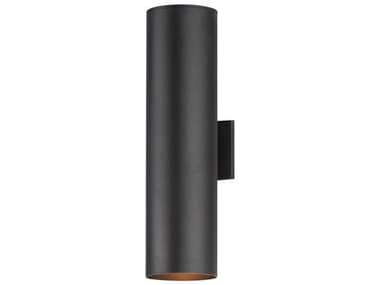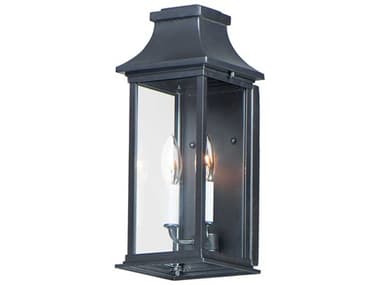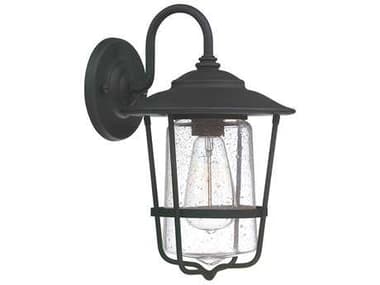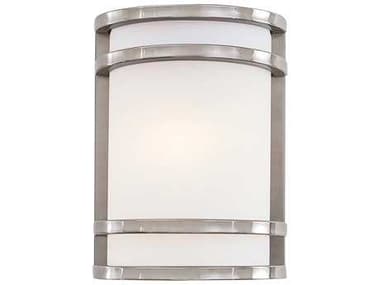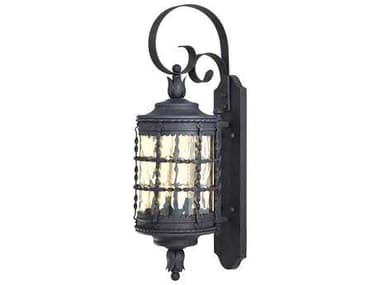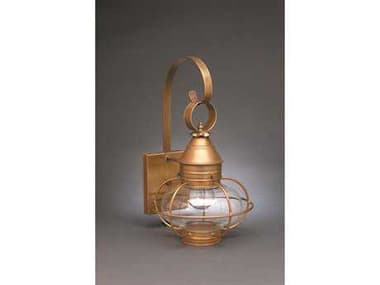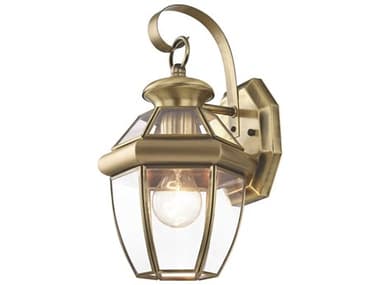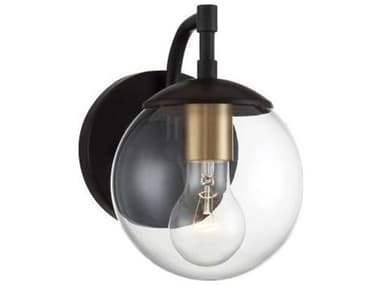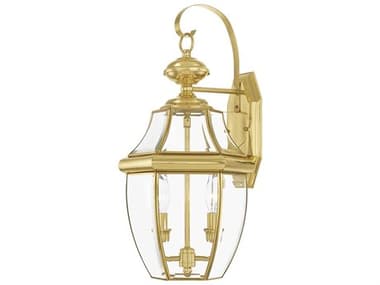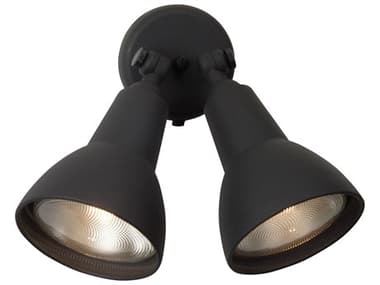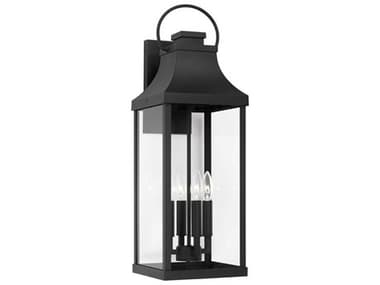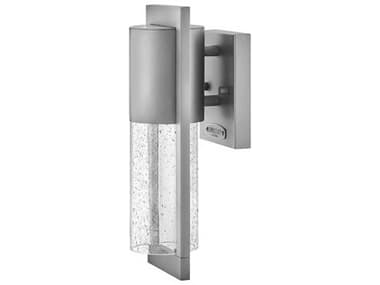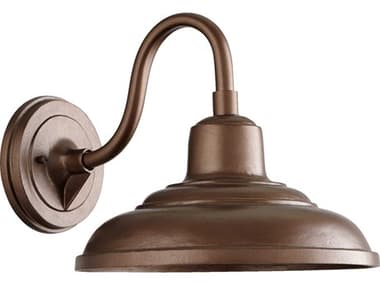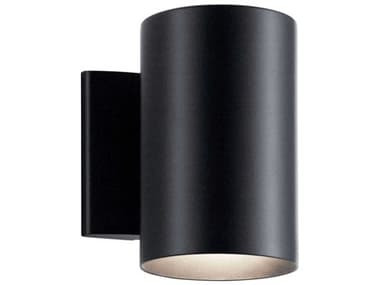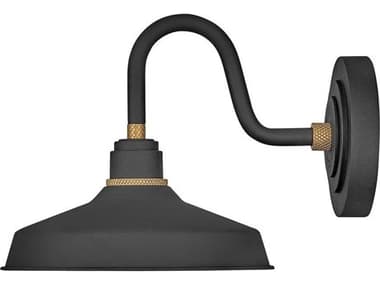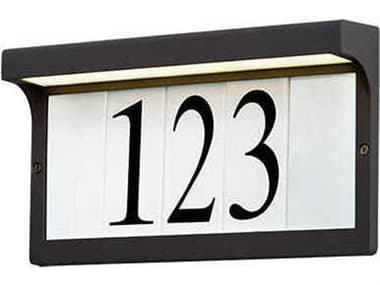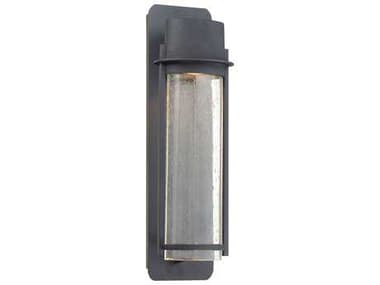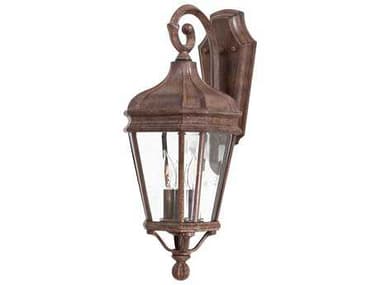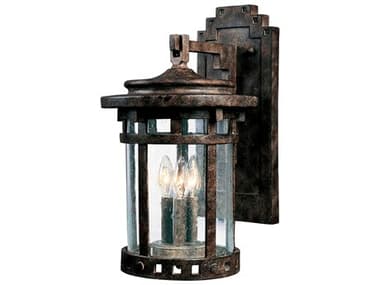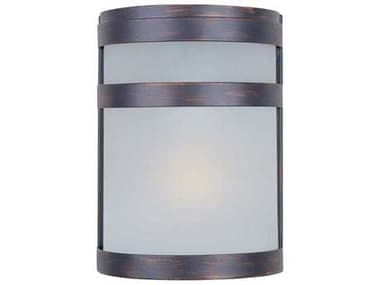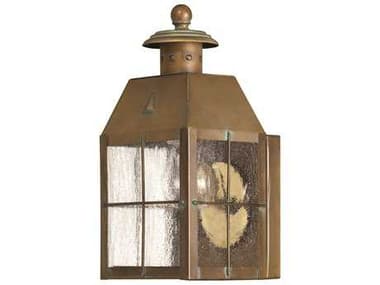


Wall lighting is a type of outdoor lighting that can be used to illuminate the exterior walls of your home. This not only gives your house an elegant and welcoming feel, but it also provides security for you and your family. Wall lights are perfect for illuminating walkways, as well as areas around trees or plants in the yard. They come in many different styles, so there is sure to be one that will fit with your décor.
Outdoor wall lighting ranges in cost, but there are plenty of options that will work for any budget. The price range varies depending on the type and amount of light you want to provide your home with, as well as whether or not you need a plug-in option for power. Your budget will also be determined by how large your lighting is, the materials they're made out of, and how many fixtures you need.
The location is also important when deciding which outdoor wall lighting fixture to purchase. For example, wall lights that are going to be in an area with a lot of moisture or high humidity levels should have a higher quality material construction. If you're considering installing outdoor wall lighting on the outside corners of your home, it's important to make sure they are not tall enough for someone to reach and easily knock over or disrupt.
Finally, the style of your home will have an effect on which outdoor wall lighting you choose. For instance, if you're looking for a more modern look or contemporary feel to your house, metal and glass fixtures may be best suited for this type of design. On the other hand, homeowners who are interested in rustic or traditional styles can find fixtures that are made out of materials such as copper or stone.
Lights with motion sensors are designed to automatically turn on when someone is nearby. This function can be really helpful for outdoor wall lighting that will be in areas with a lot of foot traffic, such as front porches or the walkway down to your garage.
When considering outdoor wall lighting options, you may find some fixtures that come with an electrical outlet so that you can plug them in for power. Plug-in wall mount outdoor lights can be a good choice because they can provide more light than solar-powered outdoor wall lighting.
There are two different types of outdoor wall lights you can choose from, post and wall-mounted fixtures. Generally, the posts are taller than the walls, but both options offer various benefits depending on your needs and preferences. Wall-mounted fixtures have many advantages over posts, including not having to worry about the post being knocked over. The downside is that you have a small range of motion for the light and they are more difficult to install than posts.
You'll want to consider whether or not you need a dimmable outdoor wall light fixture. This will allow you the ability to lower the amount of light as needed, which is helpful for security purposes as well as ambiance around your home.
Lighting that has Dark Sky compliance is designed to not interfere with the astronomy in your area. This type of outdoor wall lighting will prevent light pollution, which also contributes to a more serene home and neighborhood.
LED lighting is the most energy-efficient of all light types, and it also has a long life span. LED outdoor wall lights are ideal for those who want to enjoy their new fixtures for years without having to replace them often.
Wall lights come in many different styles, so it is important to make sure you are choosing one that will best suit your home. There are also options for matching the style of your wall light with other exterior decorating choices. You should pay attention to what kind of fixture you want and how much space it takes up on a wall.
Some common fixtures include:
Pendant lights hang from a cord and can be mounted on the ground or ceiling. People prefer them because they are not as bulky and take up less space on a wall.
Wall lights that have recessed lighting fixtures can shine down into the area in front of them, making it seem like there is light coming from out of nowhere. There may be multiple options for this type of fixture that come in different shapes and sizes.
These outdoor wall lights are designed for illuminating large areas, making them perfect for a walkway or tree in the backyard. They can be attached to walls and light up trees from below. You should get landscape lighting fixtures if you're looking for something with more power.
These fixtures have a design that projects light onto the wall and are great when you want to show off art or decor on your walls. They can be installed directly into bricks, brickwork, concrete surfaces, wood paneling, stucco-covered walls, plaster or drywall.
Many people prefer to use solar lights because they are environmentally friendly and don't require a power outlet. They can be mounted on the ground or hung from trees, so make sure you take into account whether or not your outdoor space will accommodate this type of fixture!
Some other types of outdoor wall lights:
When you're ready to make the decision and invest in outdoor wall lighting, there are a few things to consider. You'll want to make sure the fixtures will be appropriate for your needs, that they have features you need or want, and also how much space it takes up on the wall/in the yard.
Make sure that the lighting is easy to self-install, has features that are important to you, and is for the right purpose. You'll want to choose lighting fixtures with a design that's appropriate for your home decorating style, too!
Outdoor wall lighting is a great way to brighten up your home and yard. It can also come in handy for security reasons, or to help with ambiance around the house. Having a variety of fixtures that you can pick from is important so you are able to find one that suits your needs! LuxeDecor has a wide selection of outdoor wall lighting for you to choose from.
To learn more information about outdoor lighting, including different types and constructions, read LuxeDecor's comprehensive Outdoor Lighting Buying Guide.
Related Categories
Outdoor Hanging Lighting | Outdoor Floor Lighting | Outdoor Ceiling Lights | Outdoor Post Lighting | Outdoor Spot Lighting | Landscape Lighting | Outdoor Path Lighting