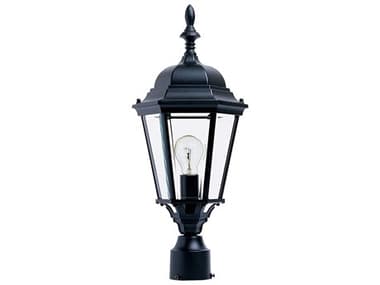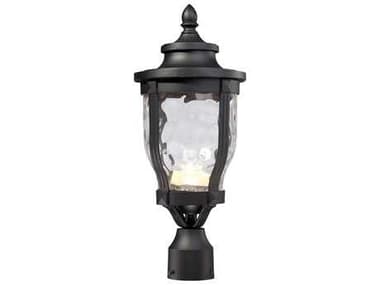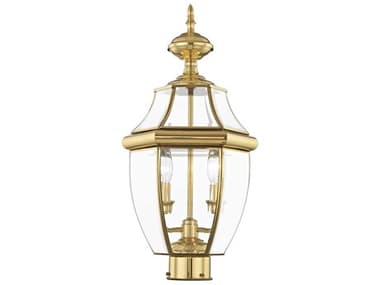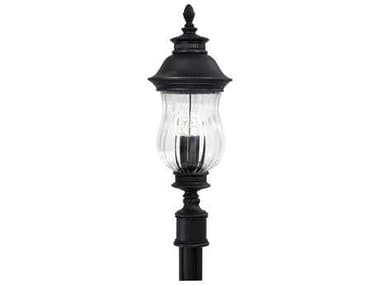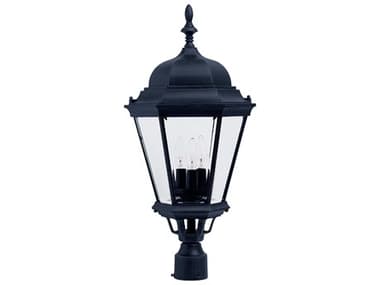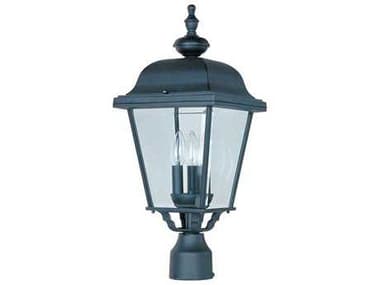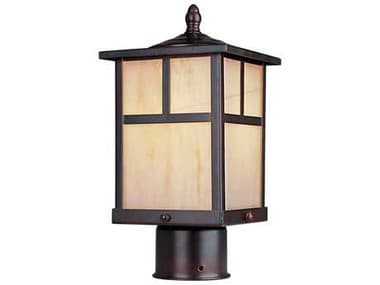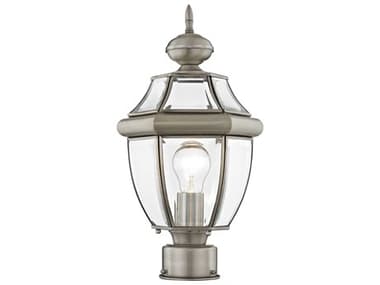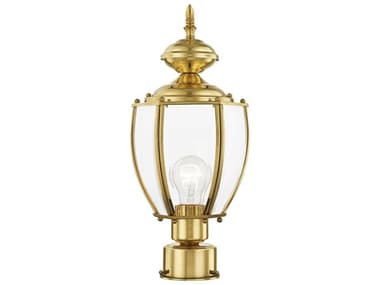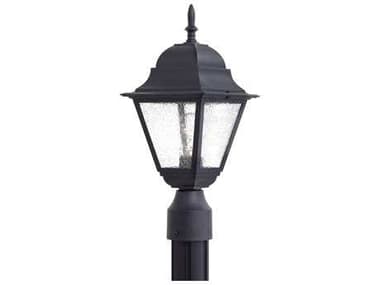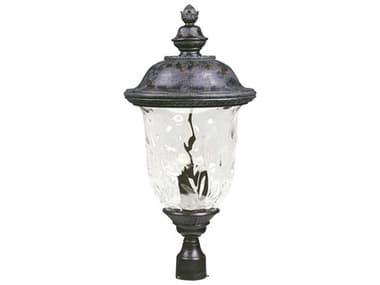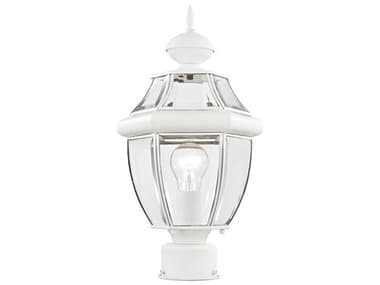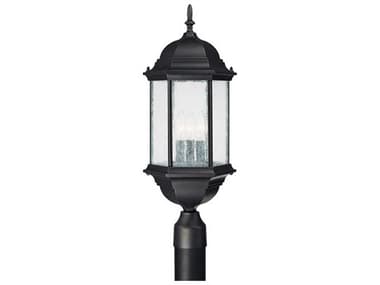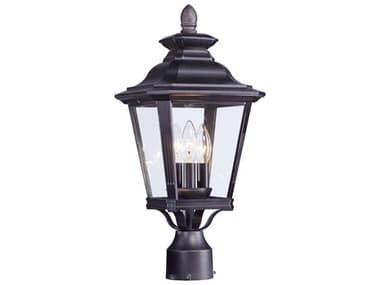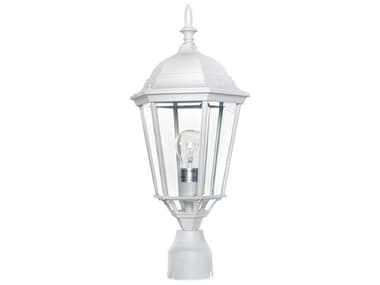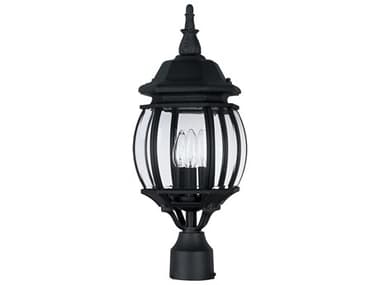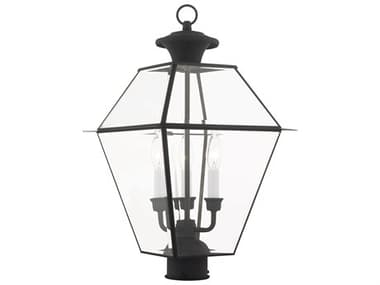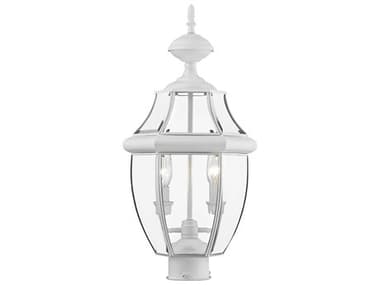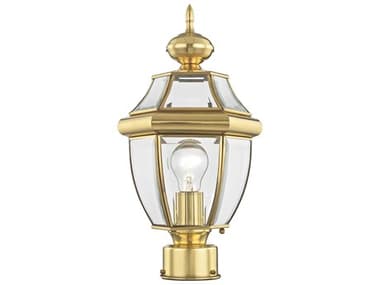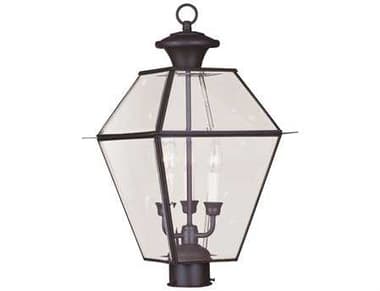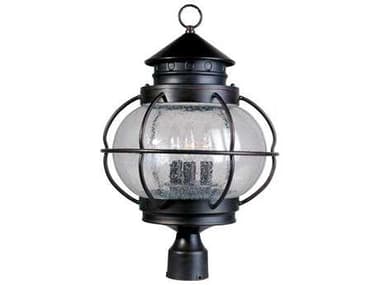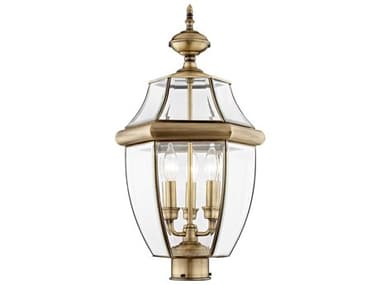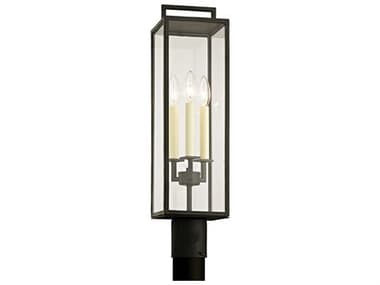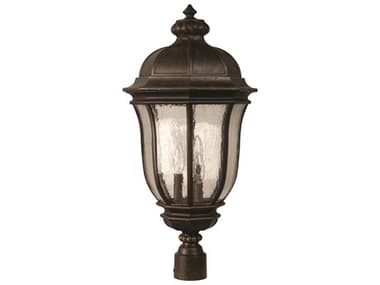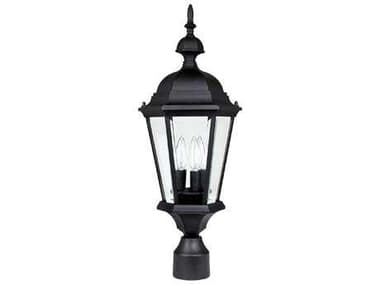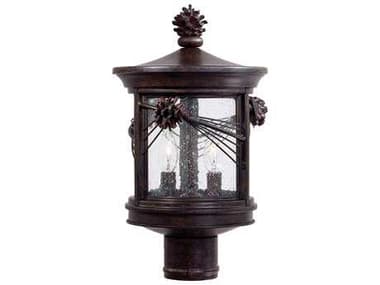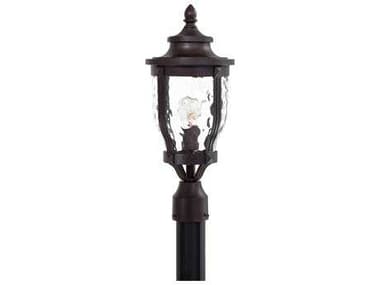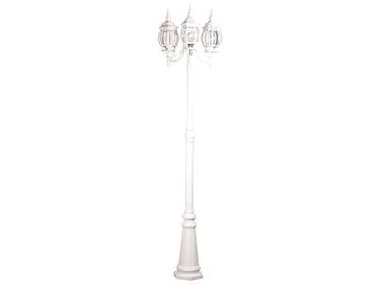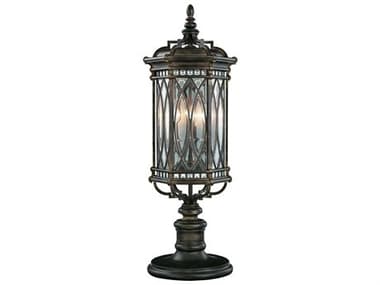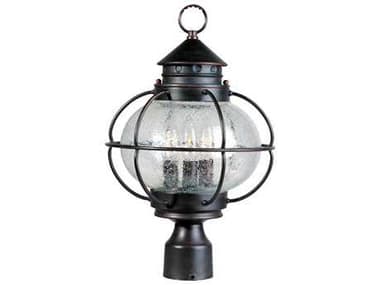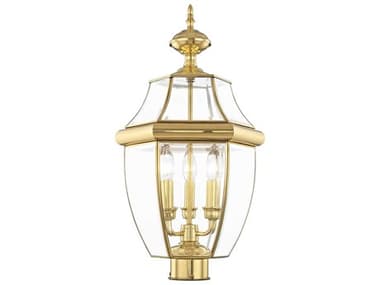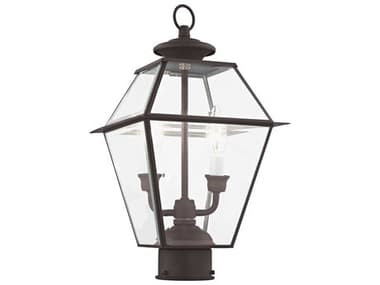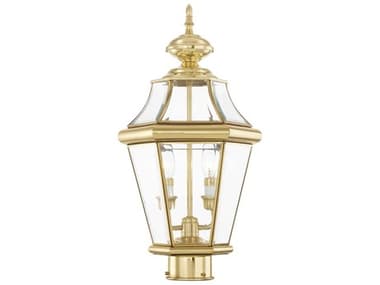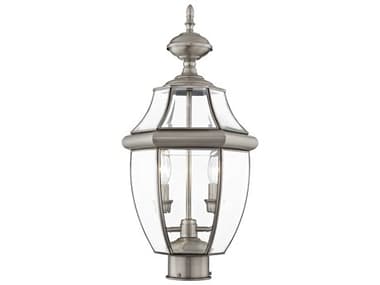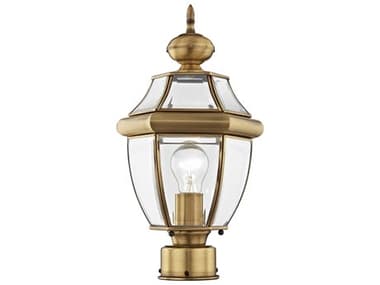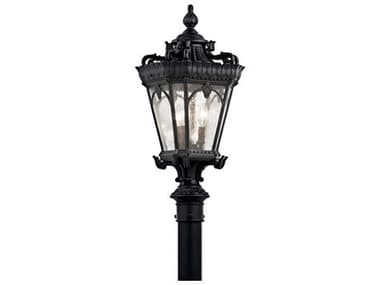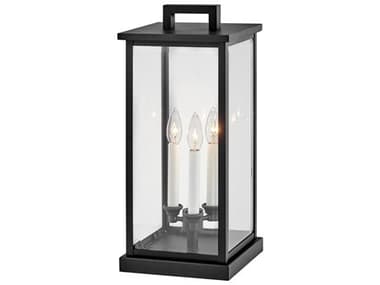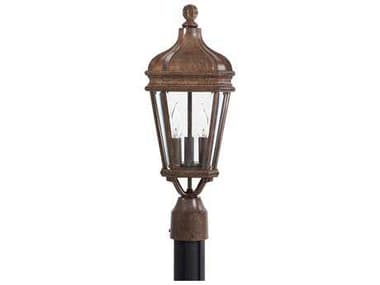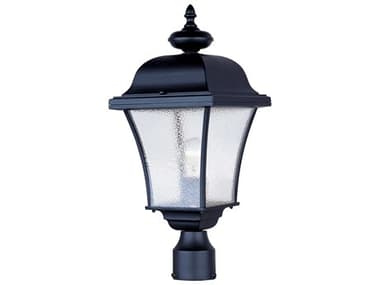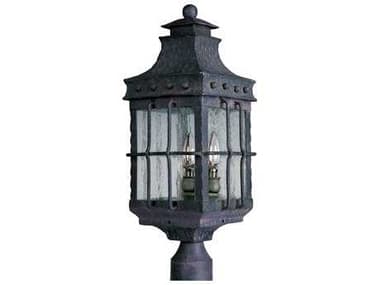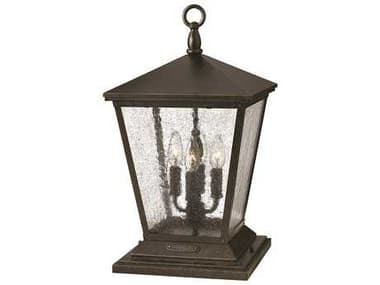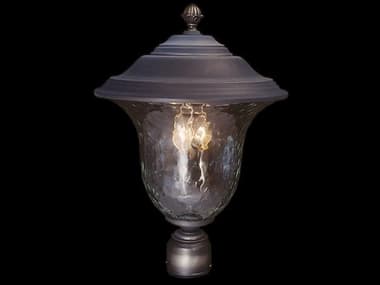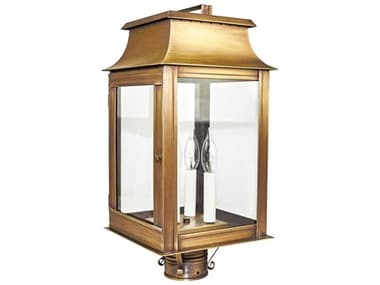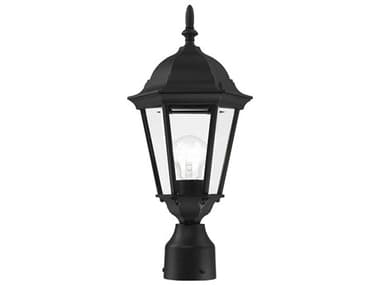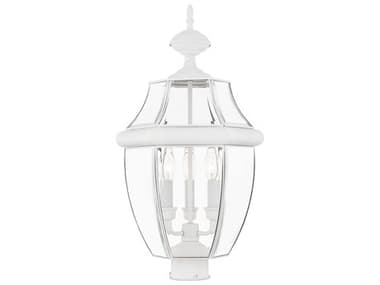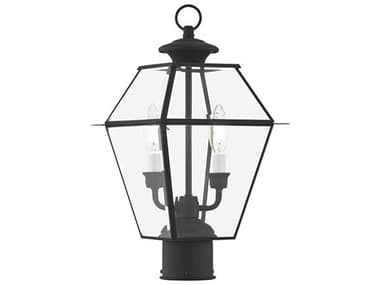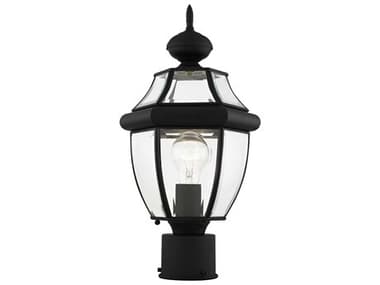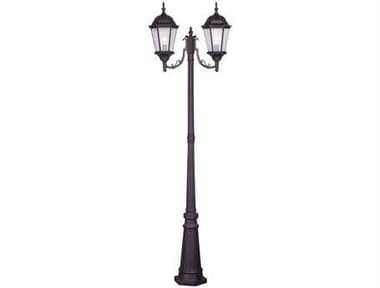
Outdoor lighting provides light that is functional and offers added safety and security for your home. Additionally, outdoor post lights are a unique addition to highlight your landscaping and home's architecture. These lights come in various styles, designs, and finishes. Outdoor post lamps are similar to lights you would find on a turn of the century street corner, while others are more modern. Lamp posts vary in design, including multiple angles, eras, and colors.
Typically, your outdoor post lights will illuminate your yard in all directions and, if best, when centered in a space, such as near the driveway or close to the center of your front lawn. To ensure you have enough illumination in your yard, you may want to install multiple post lights, near the driveway, along the pathway, and close to your front door.
The market is full of outdoor post lamps designed to help illuminate your space. When shopping for post lamps, there are many different things to consider. Some of these things to consider include:
Modern outdoor post lights come with many features and added benefits. When shopping for outdoor post lights, consider shopping for ones with the benefits you desire your outdoor lighting to have.
Motion sensor lights are those that turn on at night when they sense movement in the area. This feature is perfect for saving energy because the light is not turned on unless it is needed. Additionally, motion sensor lights provide added security to the exterior of your home because they turn on when someone walks near your home.
Light sensor post lamps turn on when the sun goes down and turn off when it senses the sun rising.
Outdoor post lamps can be equipped with timers to turn the lights on at a specific time and turn them off in the morning. These are common for those who want their lights to turn on and off when they are not home or ensure the lights are on when they come home after dark.
Some lamp posts have electrical outlets at their base to provide additional electricity to remote sections of your yard. These lights are perfect for running electrical items in the middle of your yard or when hanging holiday lights around the year.
There are many types of post lights to choose from when shopping for outdoor lights to add to your home and yard. The lights you choose depends significantly upon your style and the design of your home's exterior.
Single post lights are those with a single light at the top of the post. These are the most common post lights used in yards and along driveways.
These post lights have multiple lights, generally hanging from arms extending out from the pole. The most common multi-head light for outdoors is the dual light fixture; however, some outdoor pole lights contain more lights creating a unique and dramatic effect on the yard.
Outdoor lantern pole lights are those that hang down from an arm extending out from the pole. These are reminiscent of the old candle streetlamps found along cobbled city streets.
This single post light has a round glass globe over the light at the top of the post. These are very common in residential areas, and many homeowners use them on either side of their driveway.
Cage lights have a metal and glass cage designed around the light bulb for a unique and classic look. These are some of the more commonly thought of post lamps when people start shopping for outdoor lights.
With so many post lamps to choose from, where does one start when shopping for a new outdoor light? First, take time to figure out what you want from your outdoor light, which features you want, and if you have any design or style preferences.
Select a light that will serve a purpose for your home. For example, look for one that will fully illuminate your outdoor space and provide security for your home.
Find a light that is perfectly sized for your yard. You do not want one that is too big; it looks out of place or too small, it cannot illuminate your yard fully.
Shop for an outdoor post lamp that matches the style of your home's exterior as well as any existing outdoor decor and lighting already installed. You want the exterior of your home to flow and look like everything's meant to be displayed together.
There are many outdoor post lamps to choose from, and when it comes time to shop for one, check out our catalog and see what we have available.
To learn more information about outdoor lighting, including different types and constructions, even high outdoor lighting read LuxeDecor's comprehensive Outdoor Lighting Buying Guide.Also we recommend you to check other types of luxury ceiling lamps.
Related Categories
Outdoor Wall Lighting | Outdoor Hanging Lighting | Outdoor Ceiling Lights | Outdoor Path Lighting | Outdoor Spot Lighting | Outdoor Floor Lighting | Landscape Lighting