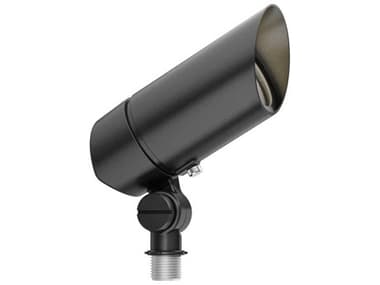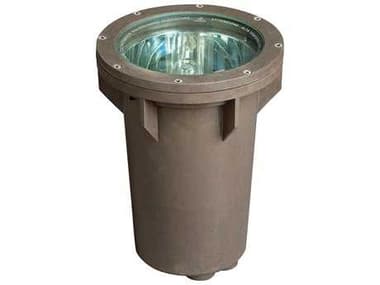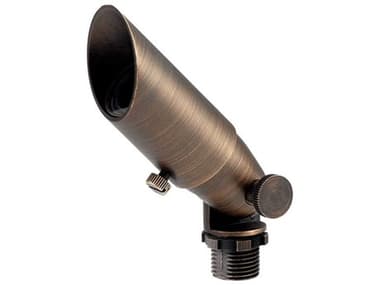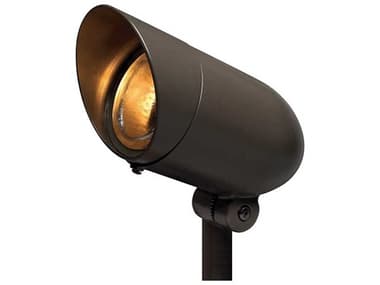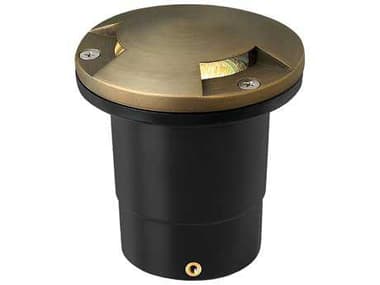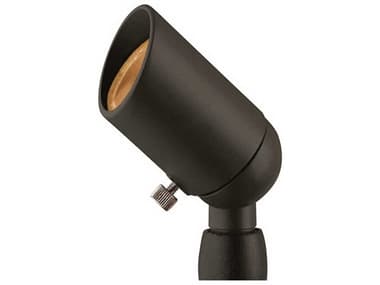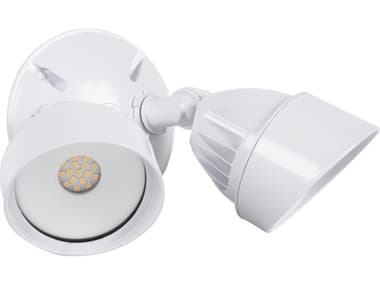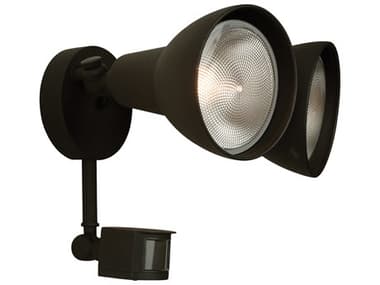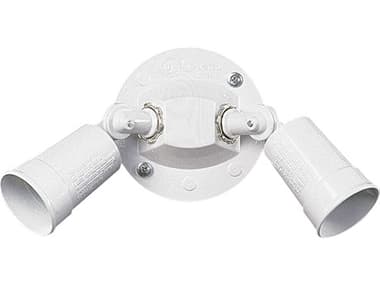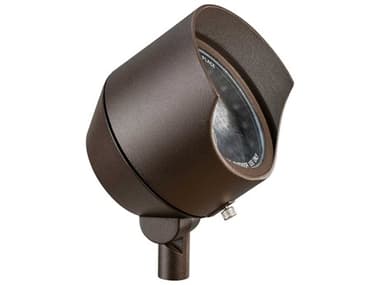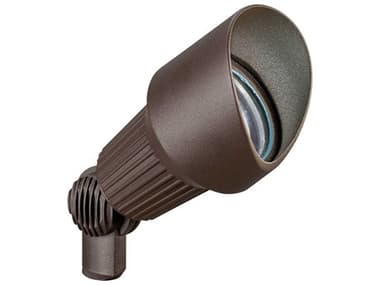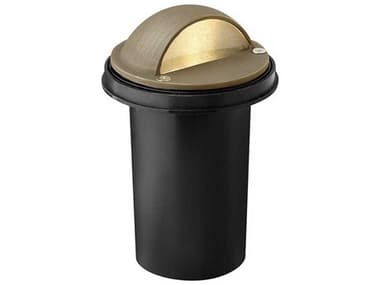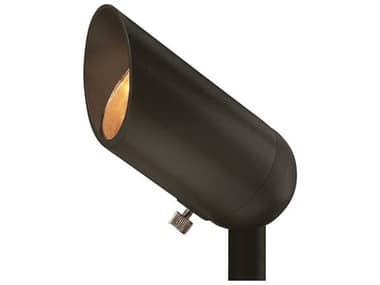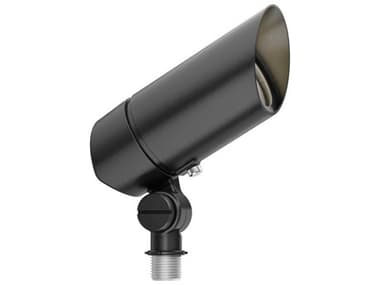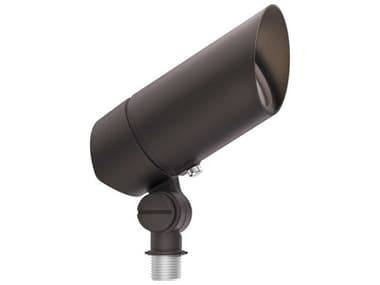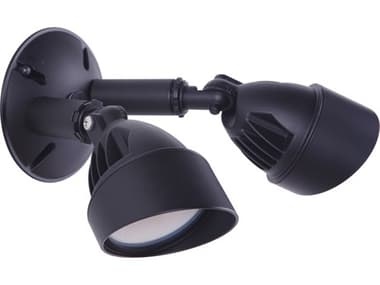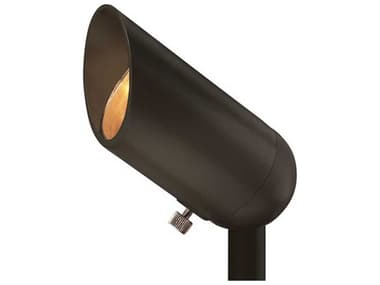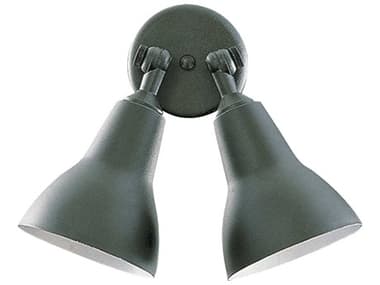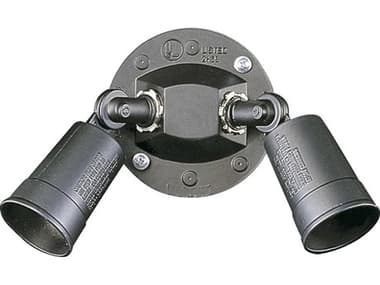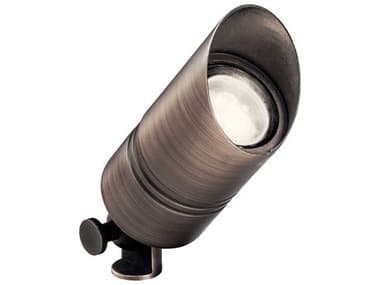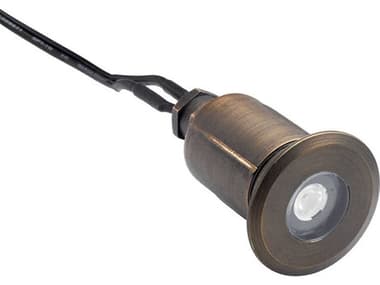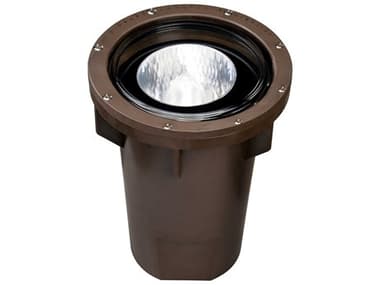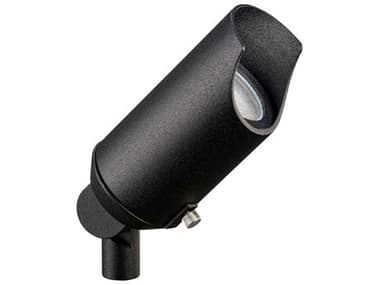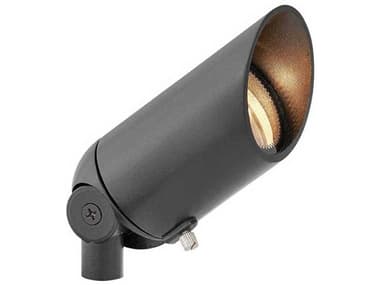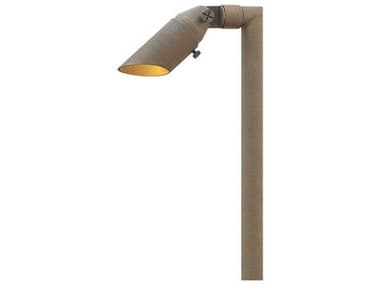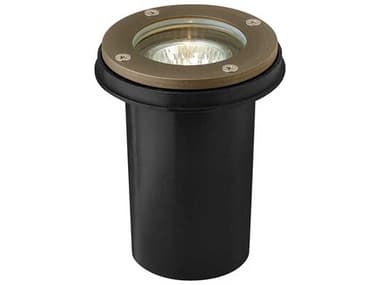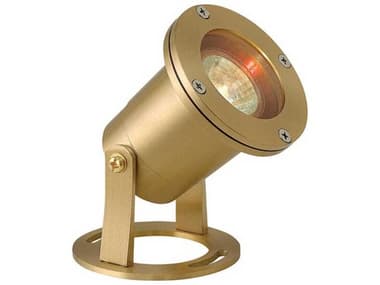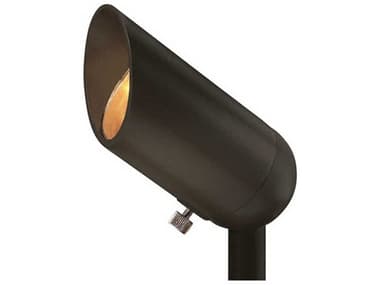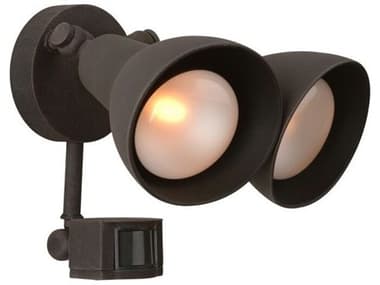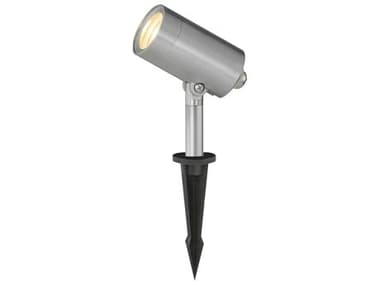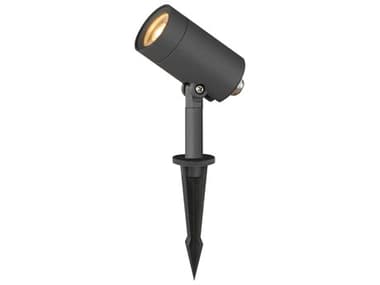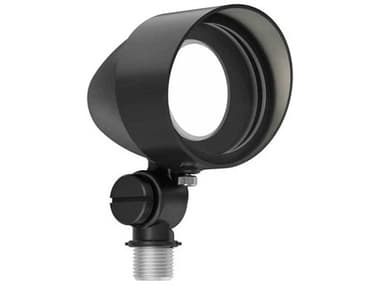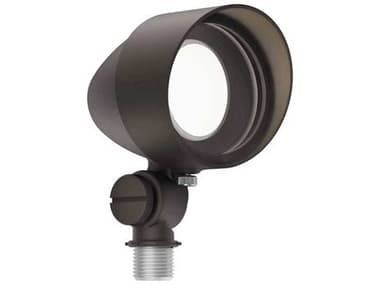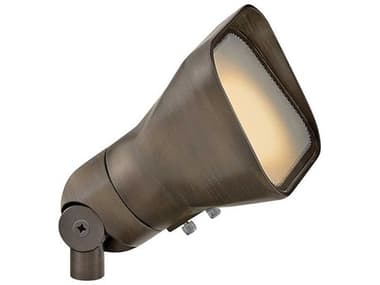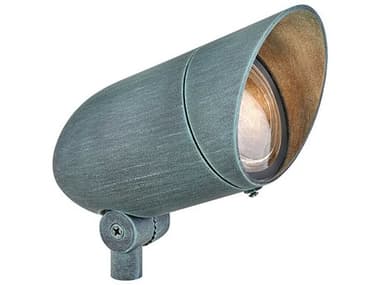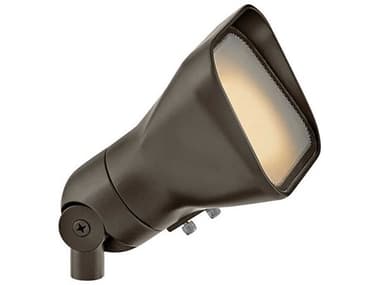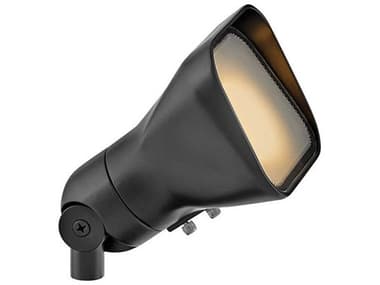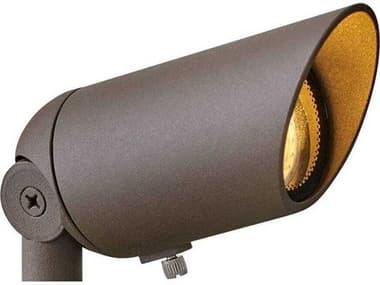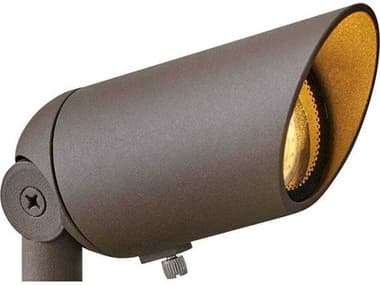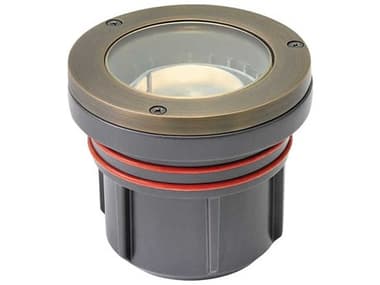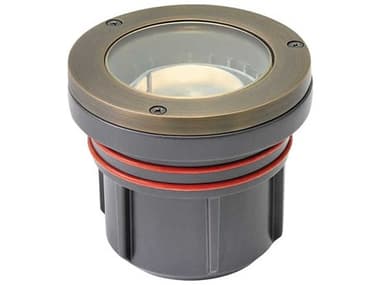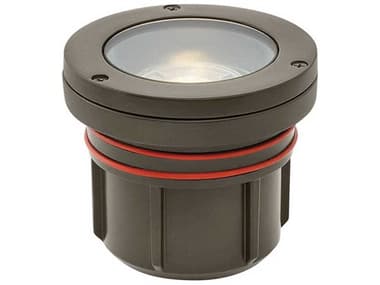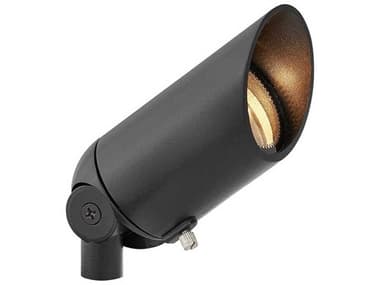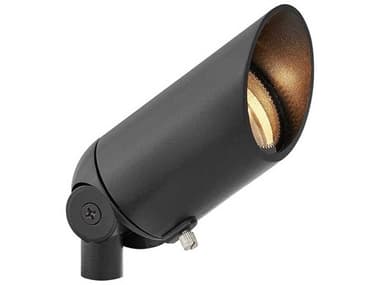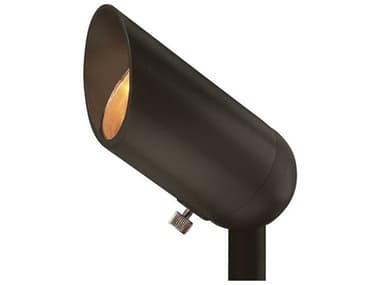
Outdoor house spotlights are lights designed to light up a specific area of your yard. They can be used for security or aesthetic purposes, depending on the needs of the homeowner.
The number one way people use outdoor spotlights is as an additional layer of safety around their home after dark by having them illuminate certain parts of their property. If you're looking to do this, then it's important that the spotlight is bright enough for your needs and can reach faraway areas around your home.
Before you buy any new outdoor spotlights, there are a few things worth considering. First of all, what is the size of the spot you want to light? Are you looking for something that can illuminate a whole yard or just one particular area? There are smaller spotlights that just offer directional light, while others will fill an entire space with light.
Next, how strong do you need the wattage of the light to be? A spotlight’s wattage will determine how far it can reach and its overall brightness. Last, do you want to be able to adjust the direction of the spotlight? Some outdoor lights will allow you to move them around so they point in different directions, while some lights are more immobile and only point in one direction.
You'll want to consider the features you need when purchasing an outdoor spotlight. Some popular features include:
Some types of spotlights include:
Before purchasing your outdoor spotlights, you'll want to consider the following:
You'll also want to decide on a budget when purchasing your outdoor spotlights. These items are relatively inexpensive and it's most likely that you will be purchasing several at once to create a balanced lighting effect outside of your home.
Will you invest in a pair of spotlights, or will you buy 10? Do you want to get the same kind, or will you place different lights in different areas of your home? Will you purchase an indoor spotlight as well? These decisions will help you to determine the overall cost.
Outdoor yard spotlights come in many materials, including glass, metal, and plastic. The material you choose will largely depend on the overall look of your home. If it is an older home, then metal or glass spotlights are a great choice. They can also work well in modern homes that have sleek designs and straight lines to balance out other fixtures inside the house.
There are also different glass types as well, which can create different types of illumination in your home. LuxeDecor offers clear, seeded, and tempered glass.
What kind of installation would you like? Some spotlights come with brackets, screws, or other hardware that's needed for a fast and efficient installment process. Others may require professional help in order to put up your new outdoor lights successfully. If you're not looking forward to dealing with this type of hassle, then spotlights that come with hardware, which may be a better option.
LuxeDecor offers a variety of outdoor spotlights that are great for any yard. We carry many styles, shapes, and makes that help you to create a well-rounded lighting effect on your home - all at an affordable price. Browse our catalog to find the spotlight of your dreams today!
Related Categories
Outdoor Wall Lighting | Outdoor Hanging Lighting | Outdoor Ceiling Lights | Outdoor Post Lighting | Landscape Lighting | Outdoor Floor Lighting | Outdoor Path Lighting