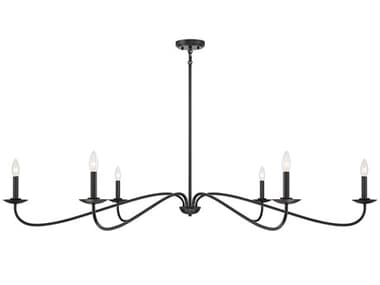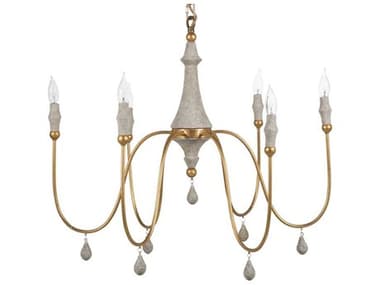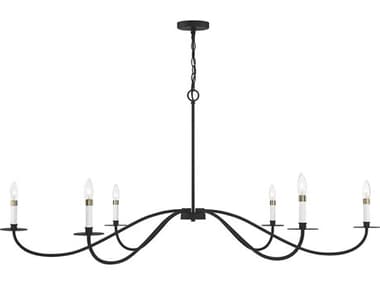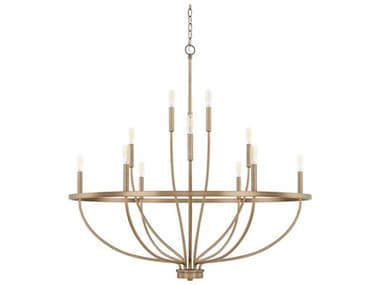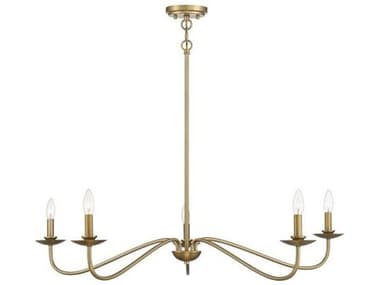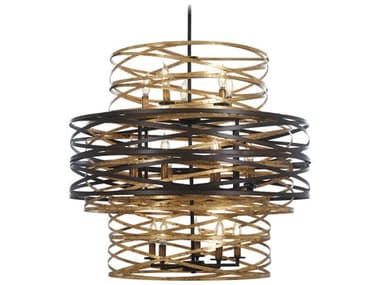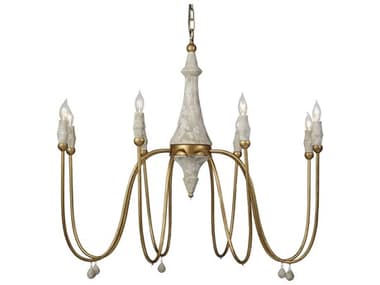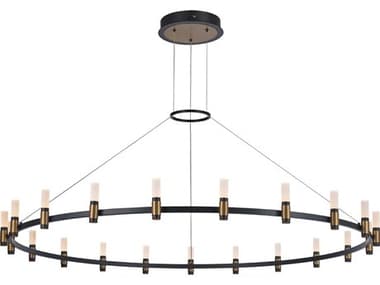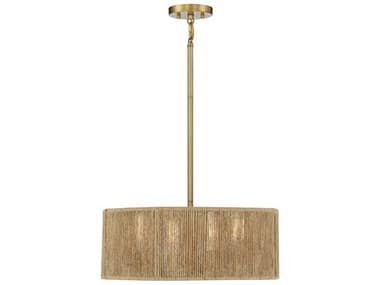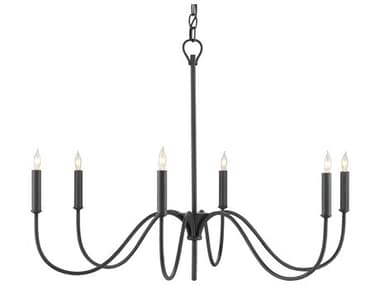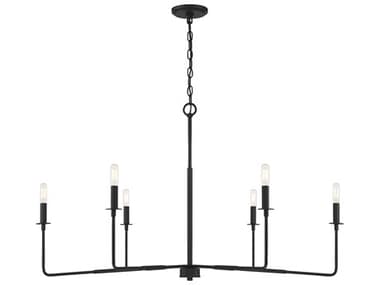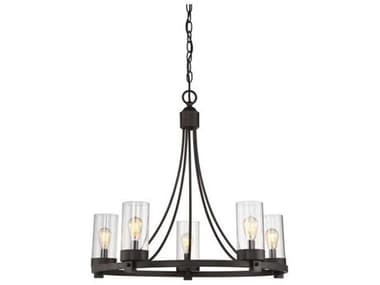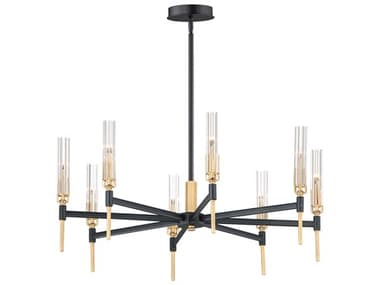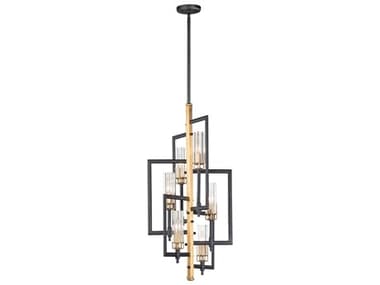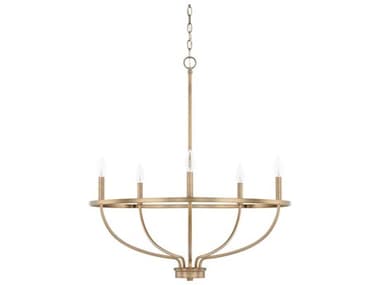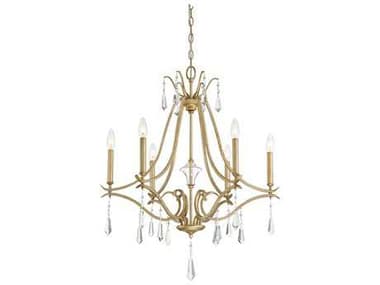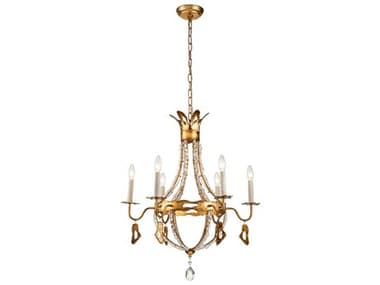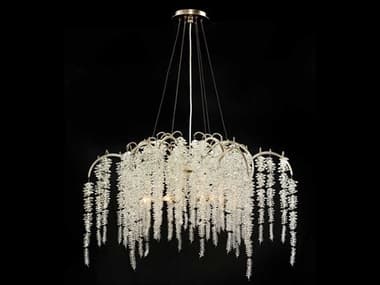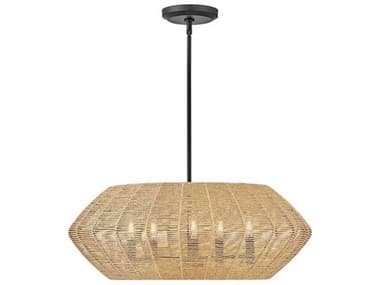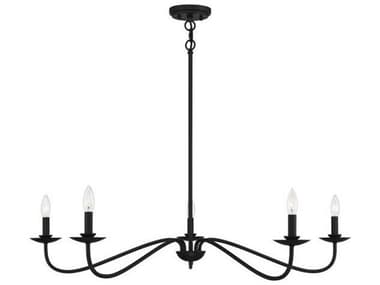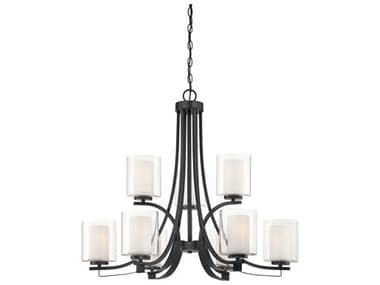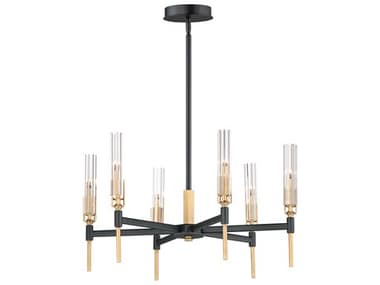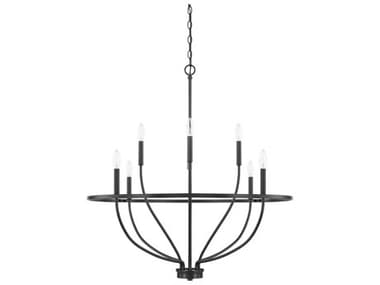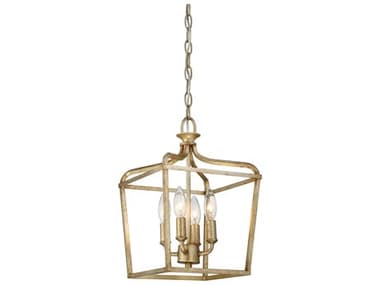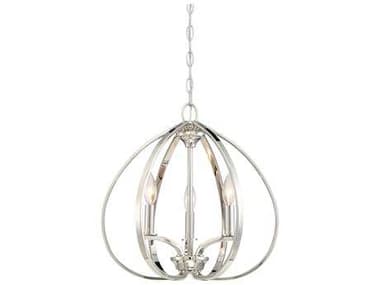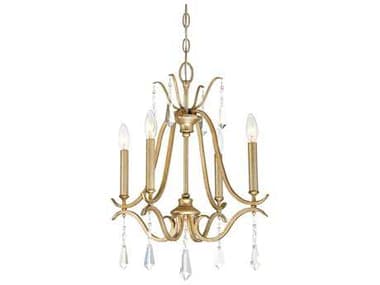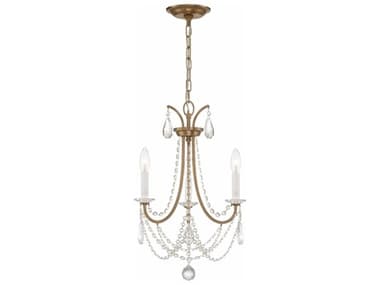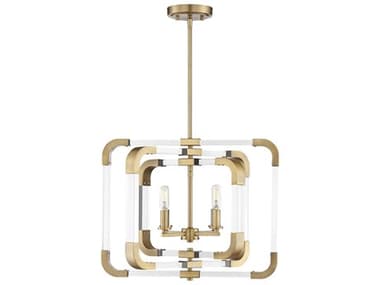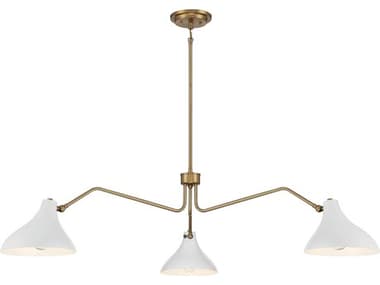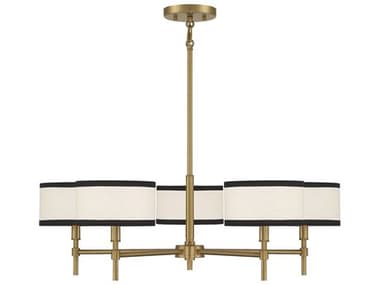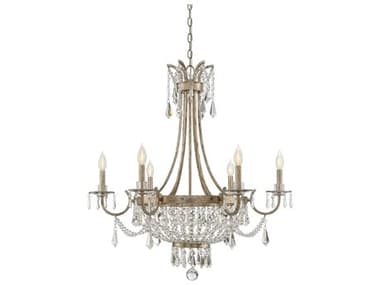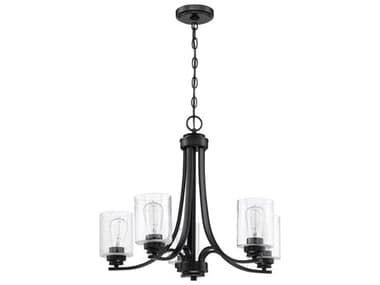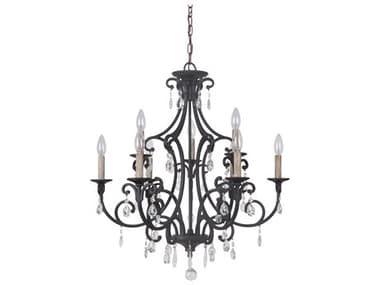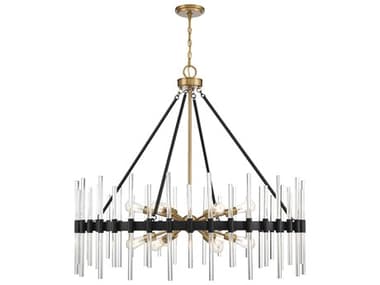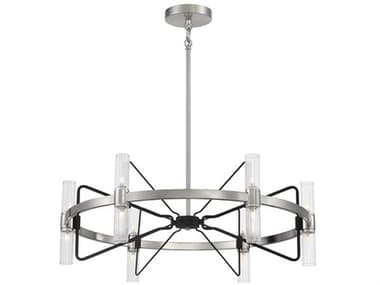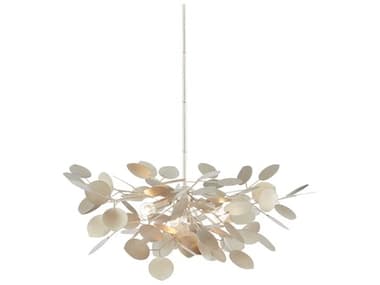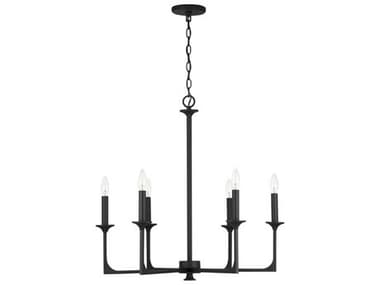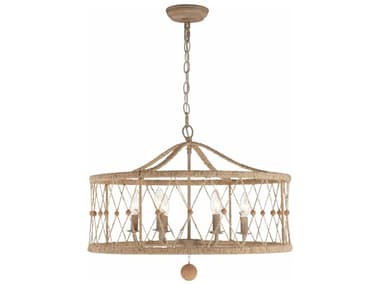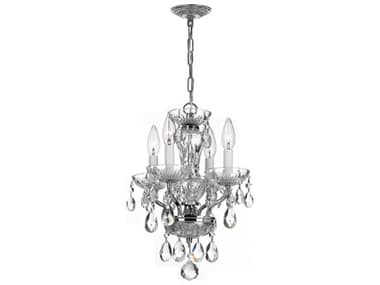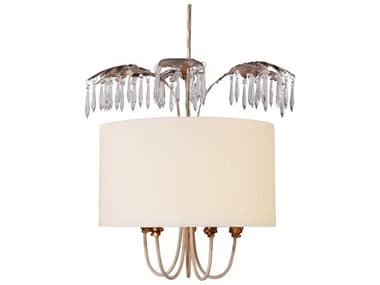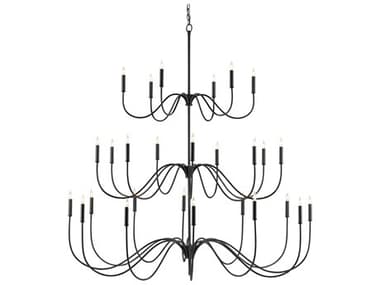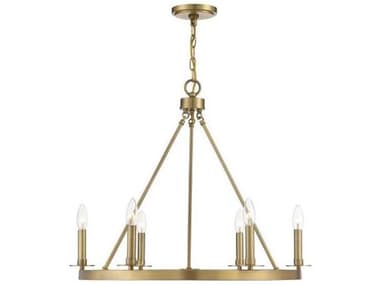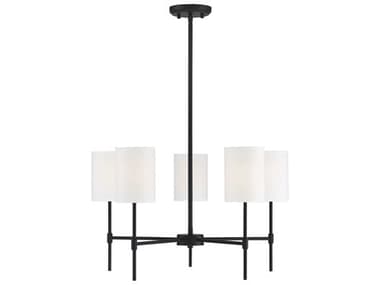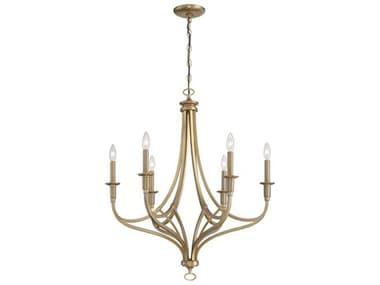
Material choice shapes everything about a dining room chandelier — how it catches light, how it sets the mood, and how it pairs with the rest of your room. Crystal chandeliers throw prismatic light across walls and ceilings, making them a natural fit for formal dining rooms with higher ceilings and reflective surfaces. Glass options — blown, etched, or frosted — deliver softer, more diffused illumination that works in both casual and dressed-up spaces. Metal-forward designs in wrought iron, brass, or blackened steel lean architectural, adding structure and presence without as much sparkle.
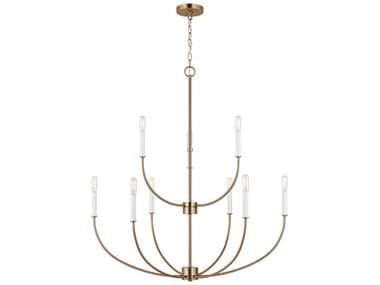
Most luxury dining chandeliers combine two or more of these materials. A brass frame fitted with crystal drops. A linear iron fixture with hand-blown glass globes. These hybrids let you balance warmth and formality in one piece, and knowing which material leads the design helps narrow your search fast.
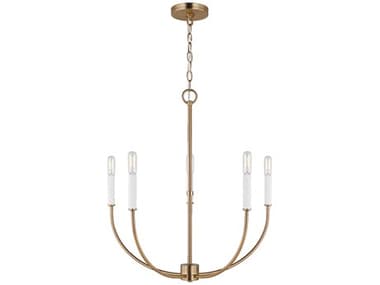
Getting the scale right matters more than any other decision here. A reliable starting point: add the room's length and width in feet, then convert that sum to inches for approximate chandelier diameter. A 12-by-14-foot dining room calls for roughly a 26-inch fixture.
Height is equally important. Hang the bottom of the chandelier 30 to 36 inches above the tabletop for standard 8-foot ceilings, and add about three inches of hanging height for every additional foot of ceiling. Over rectangular tables, a linear or oval chandelier that mirrors the table's shape tends to look most intentional — or consider a pair of smaller fixtures spaced evenly along the table's length.
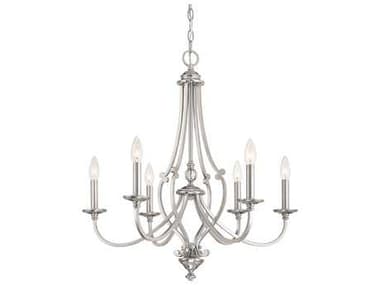
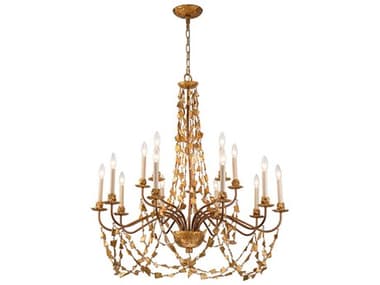
LuxeDecor carries luxury dining room chandeliers across a broad style range. Traditional designs feature tiered arms, candelabra-style bulbs, and crystal accents — typically in polished nickel, antique brass, or oil-rubbed bronze. Modern chandeliers strip back ornamentation: clean geometric frames, integrated LED panels, matte black steel, or satin gold tubing.
Transitional fixtures split the difference, pairing classic forms with cleaner lines and updated finishes. Rustic and industrial options bring in reclaimed wood elements, exposed filament bulbs, and heavy blackened iron. Browse brands like Gabby Chandeliers for designer options that bridge traditional and contemporary tastes.
One practical note on finishes: match or complement your existing dining room hardware. If cabinet pulls, door handles, and buffet hardware run warm — brushed gold, antique brass, copper — a warm-toned fixture will feel cohesive. Cool-toned rooms with chrome or polished nickel hardware benefit from fixtures in the same family.
A dining chandelier is one of the few fixtures every guest notices. Install yours on a dimmer so you can switch between bright, even light for meals and soft ambient glow for evening conversation. Dimmable LED bulbs at 2700K color temperature give the most flattering warmth over a dinner table — anything above 3000K starts to feel clinical.
Crystal and glass fixtures stay brilliant with periodic cleaning. A spray of one part isopropyl alcohol to three parts distilled water, left to drip dry, works for most designs. Metal frames usually need nothing more than a soft dry cloth. For detailed guidance on mounting, construction, and long-term care, visit LuxeDecor's Chandelier Buying Guide.