Loading products
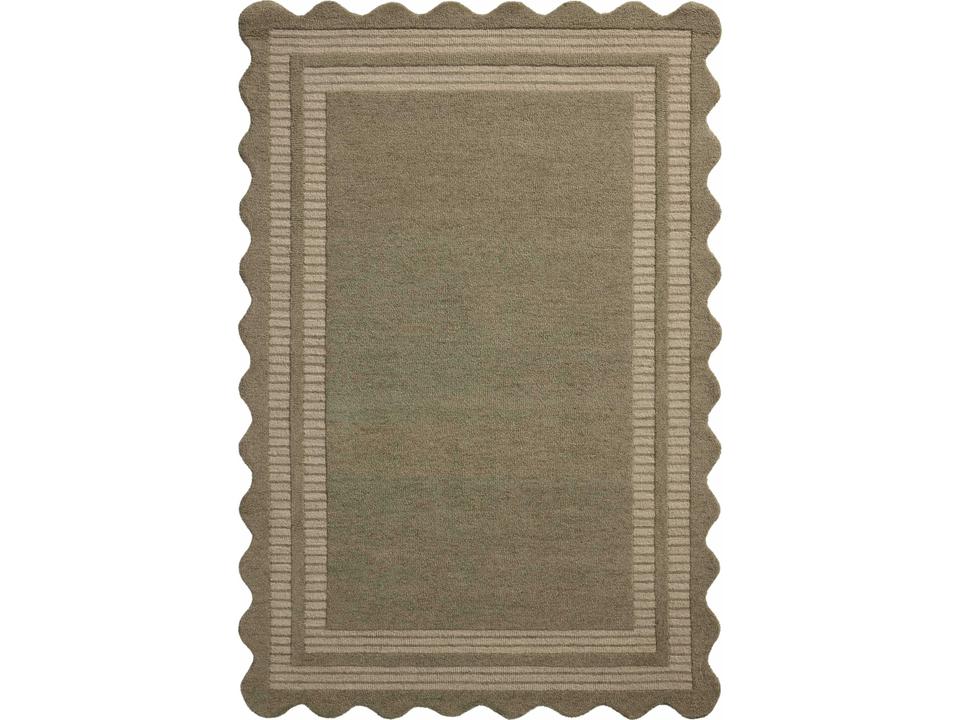
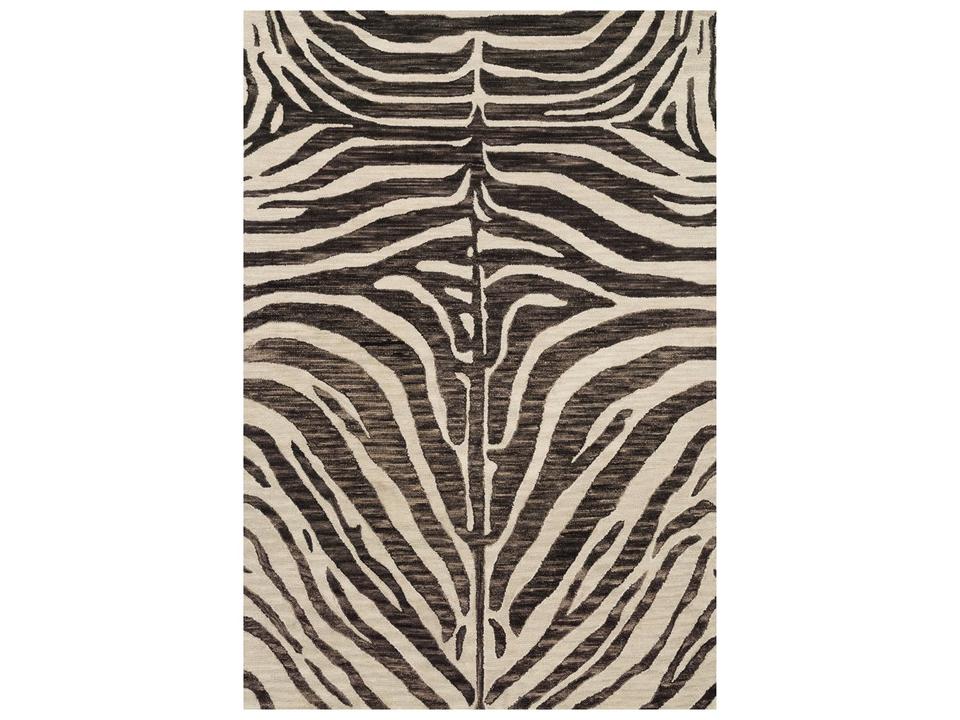
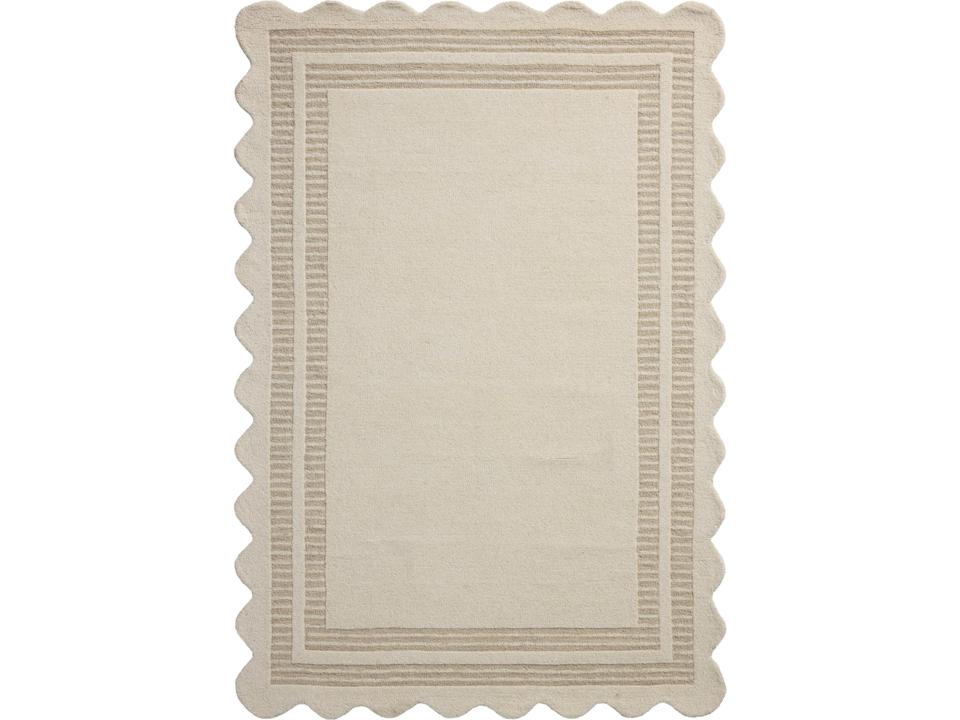
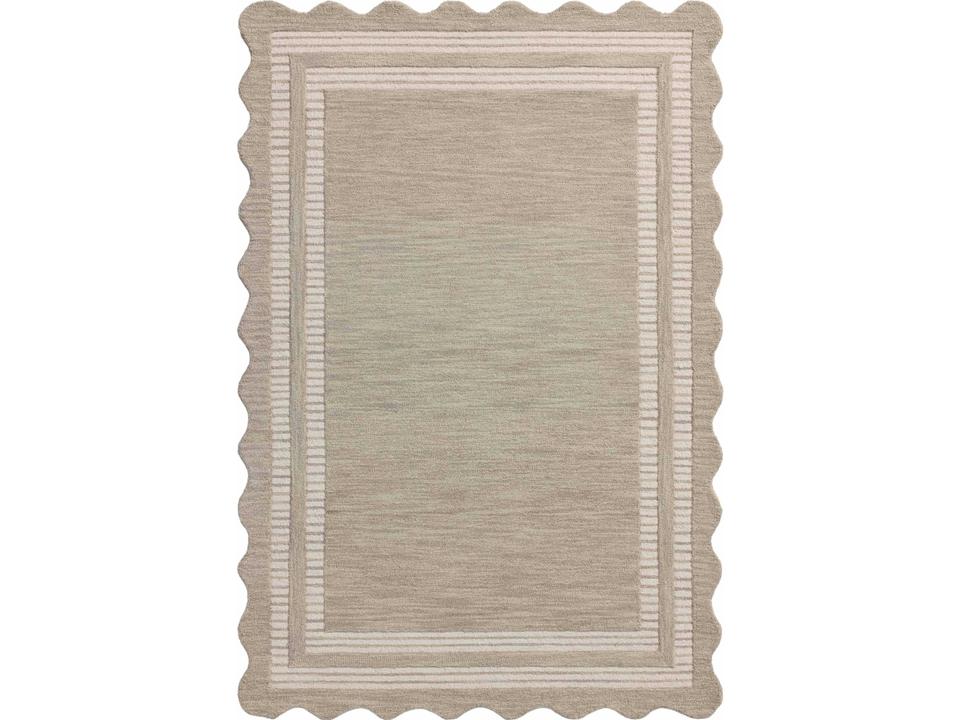
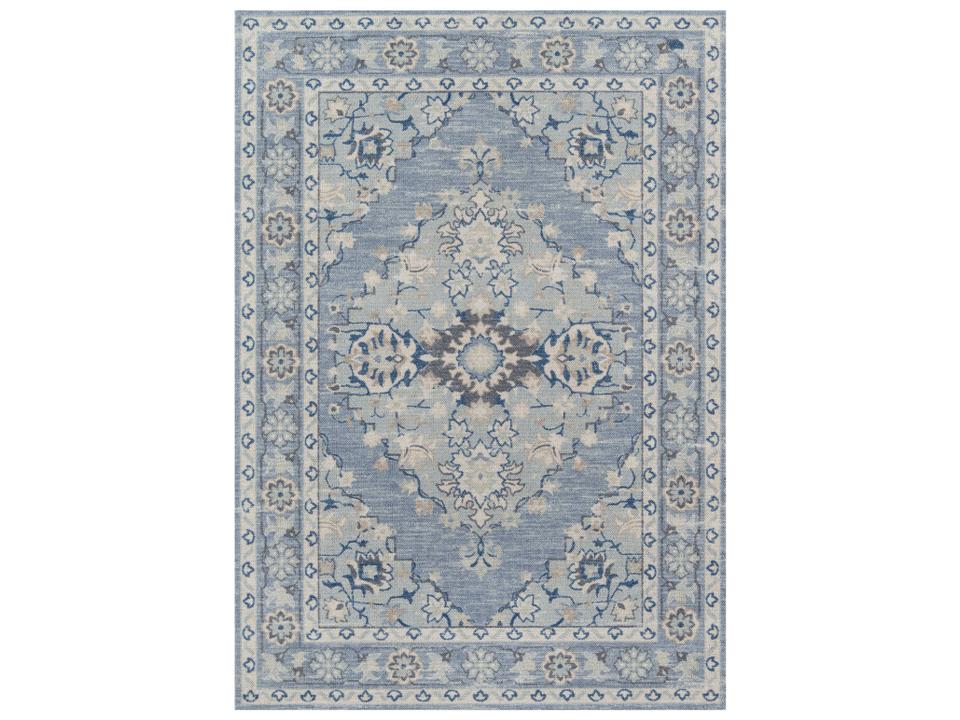
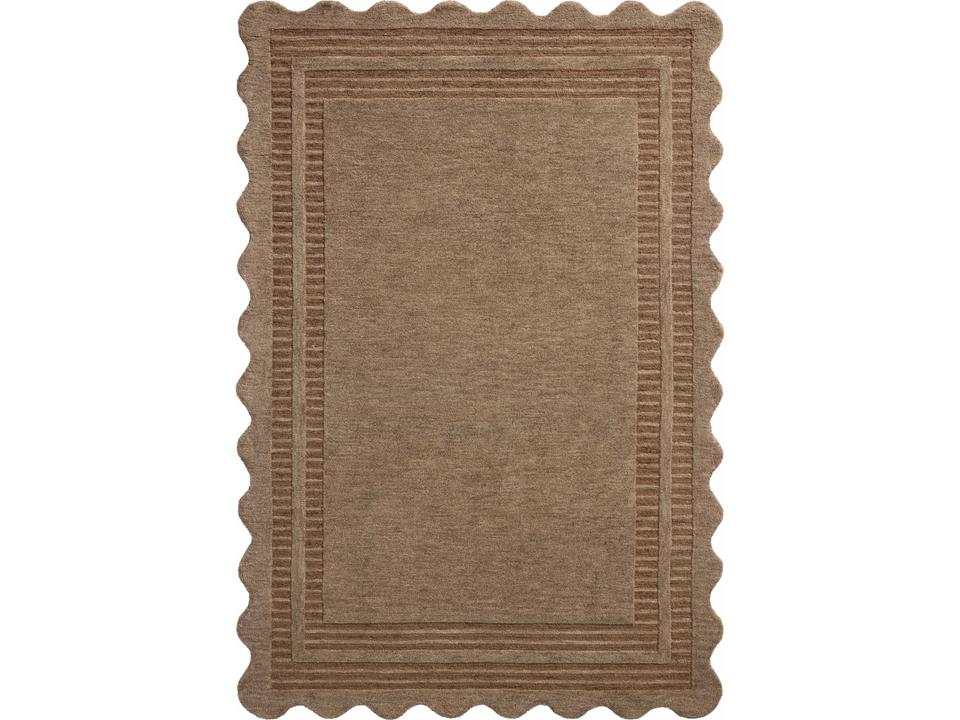
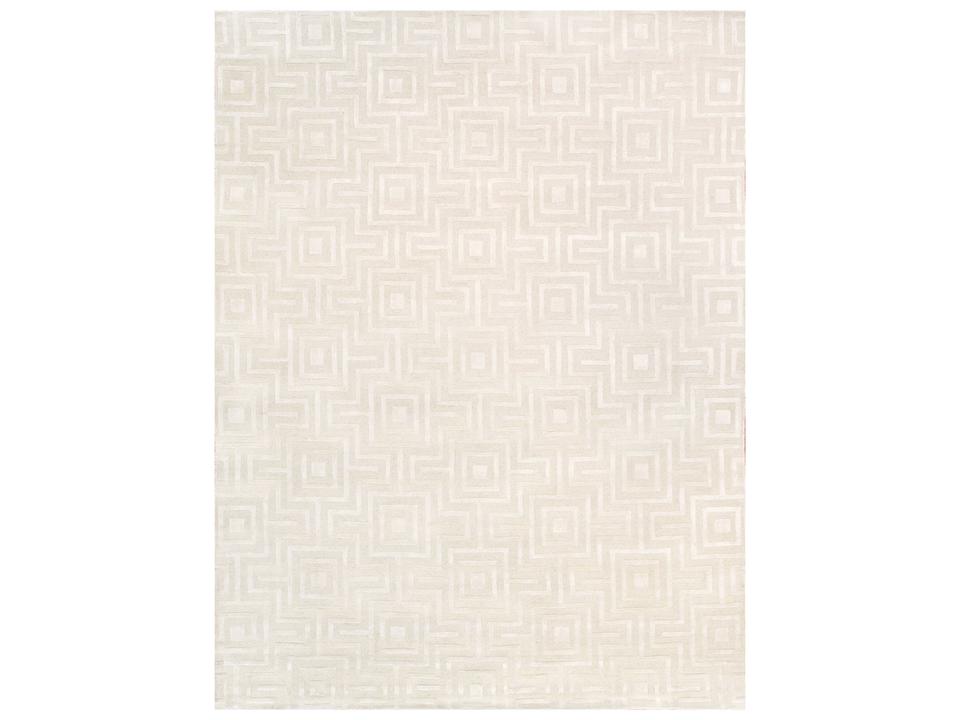
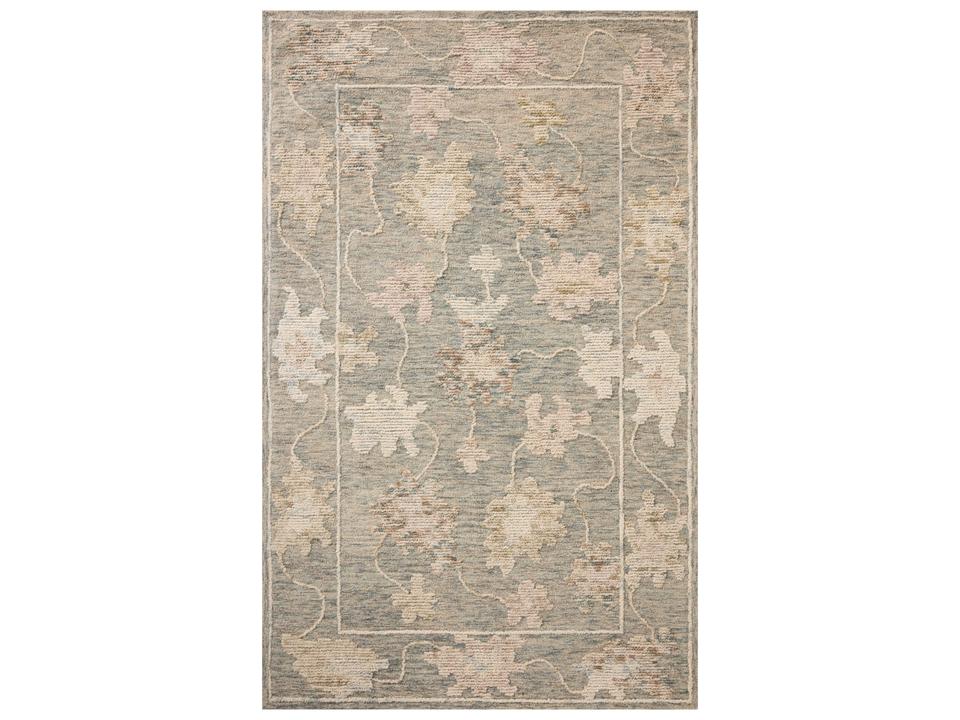
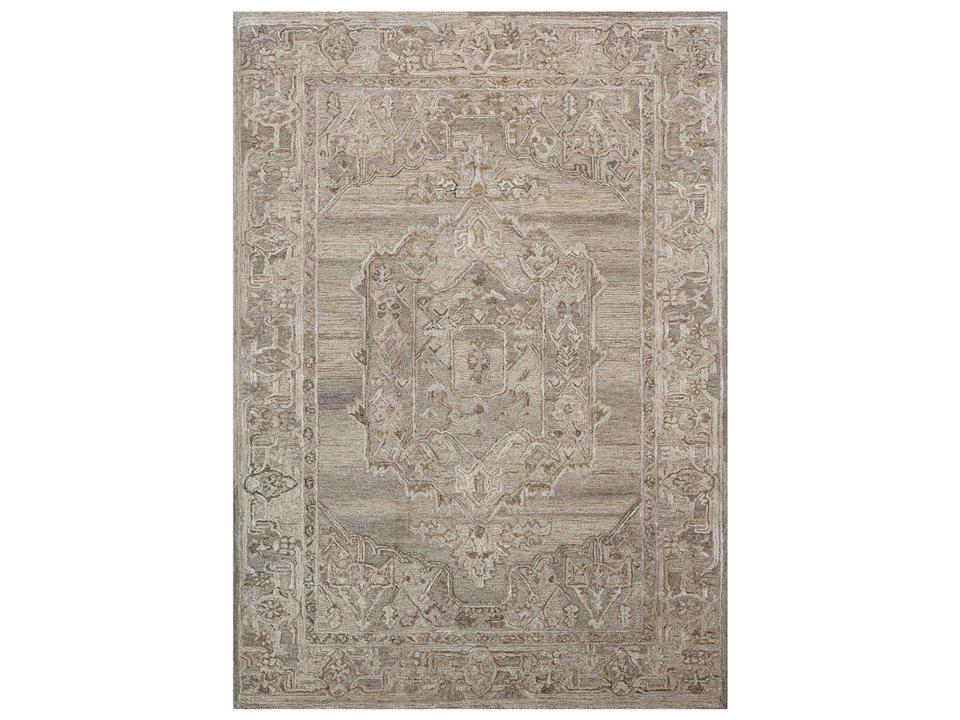
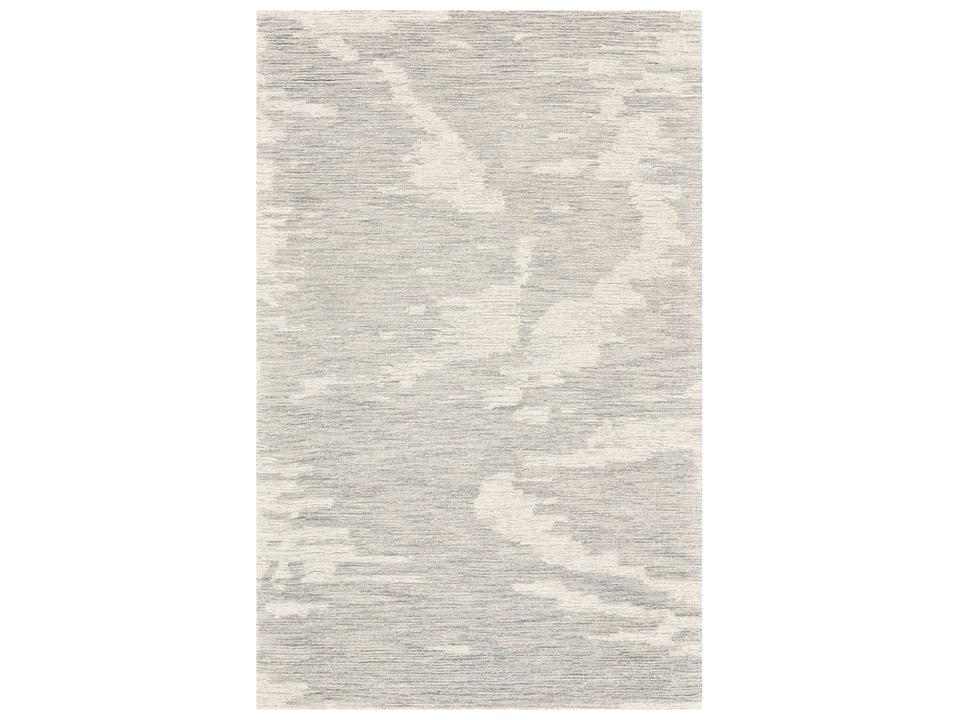
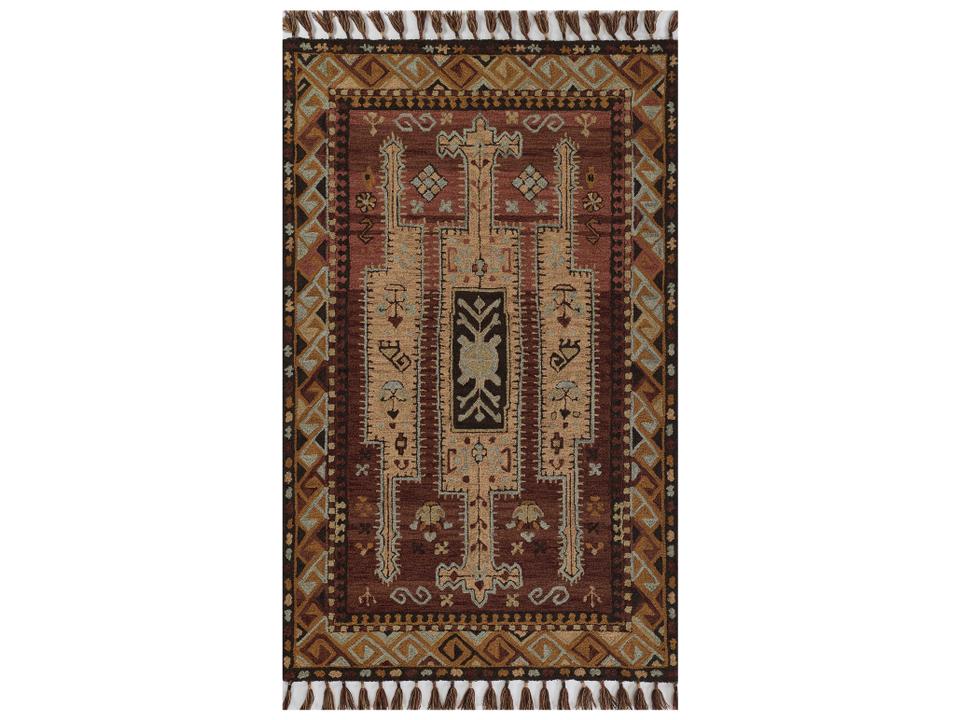
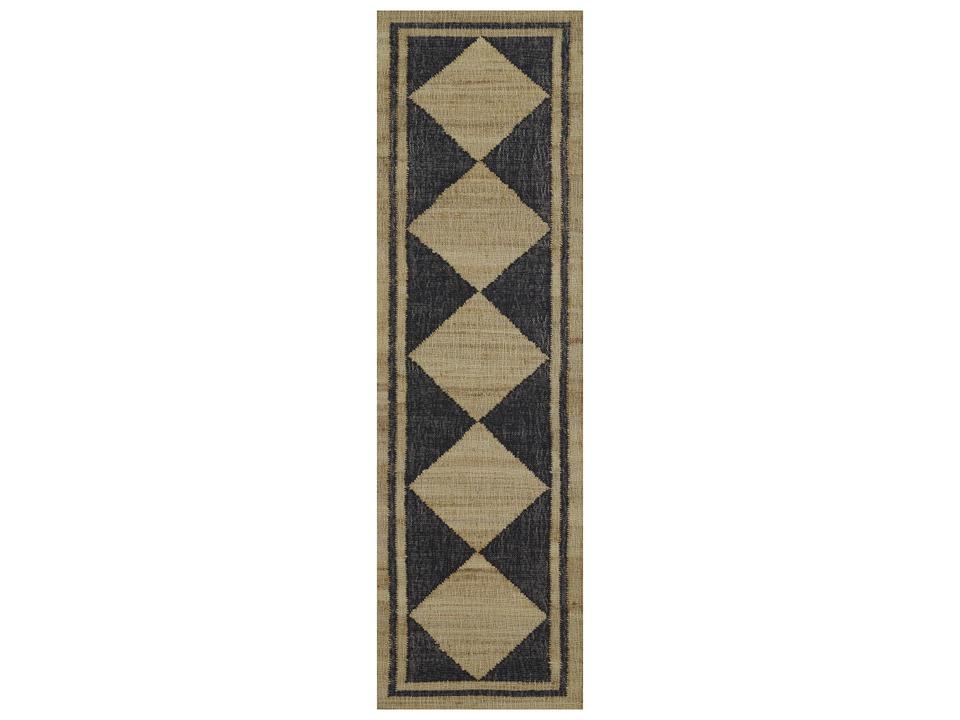
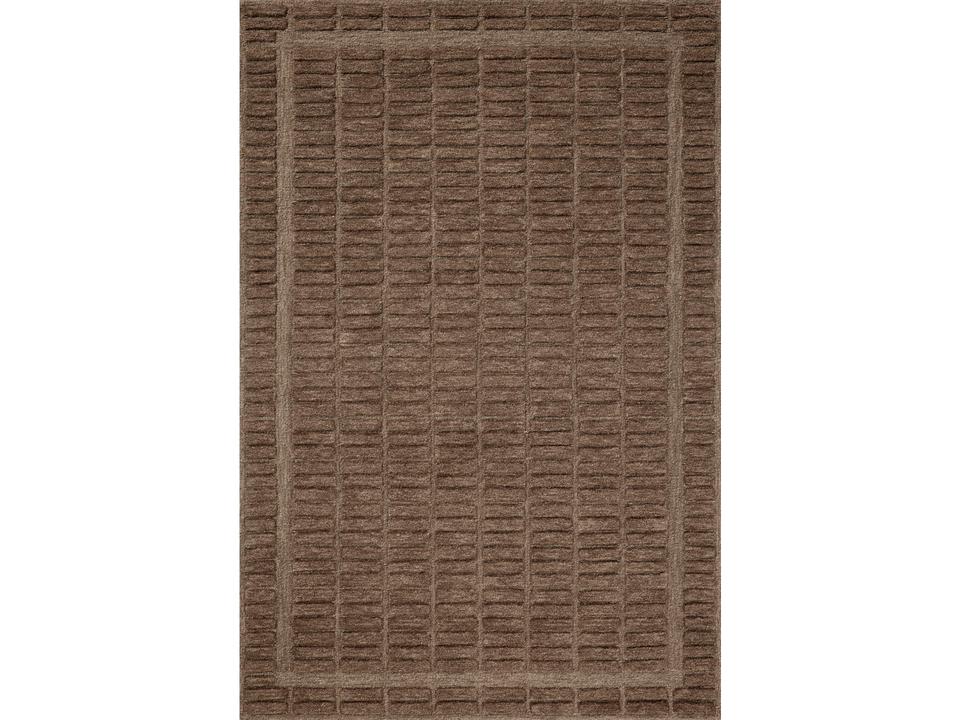
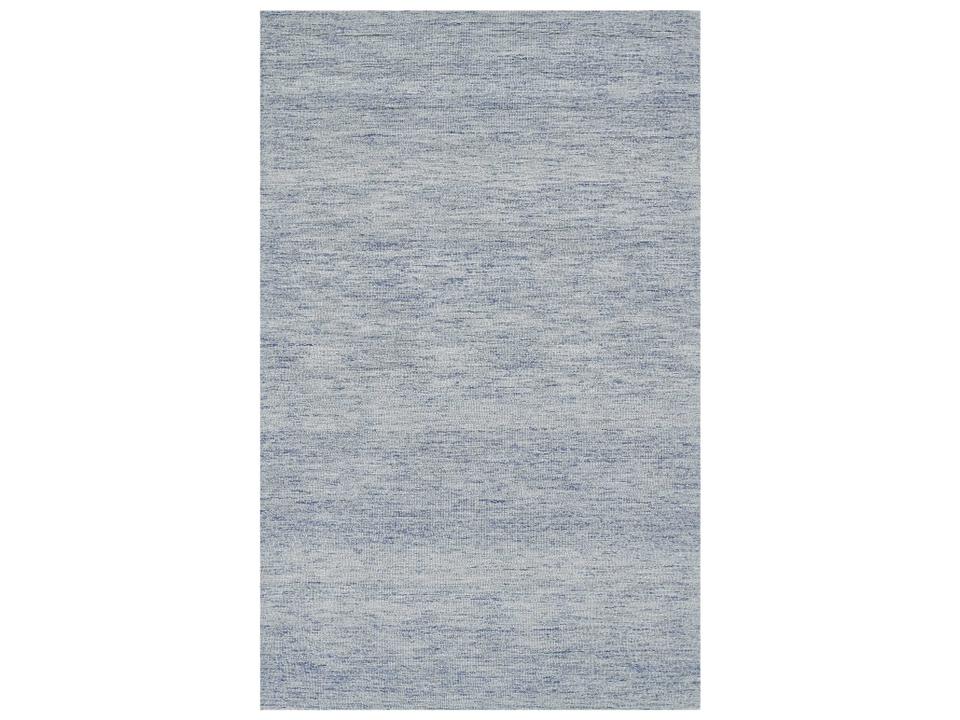
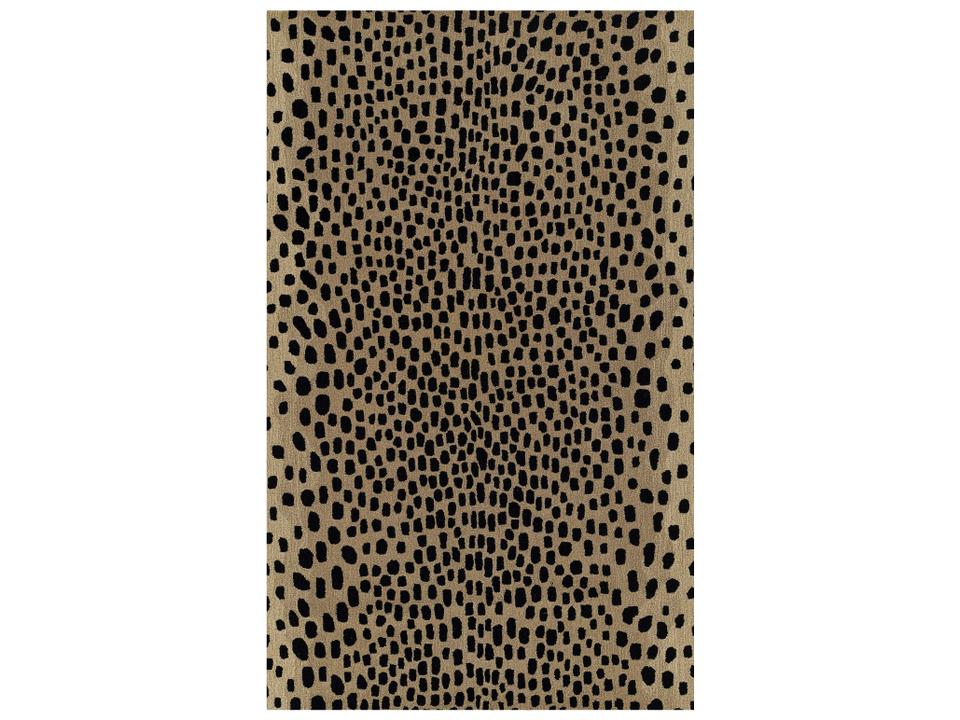
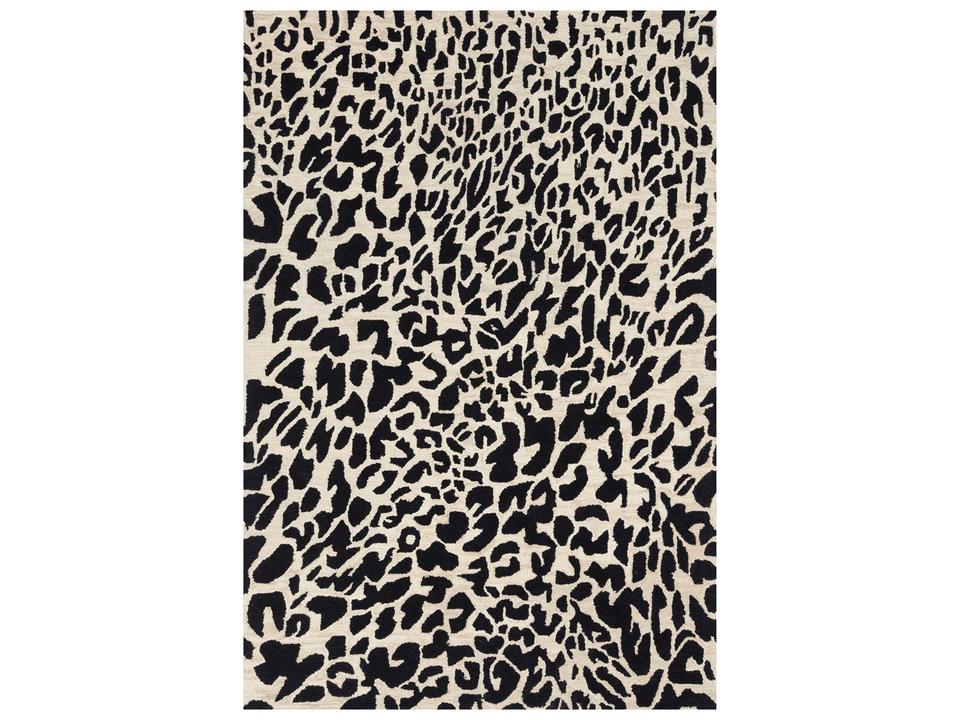
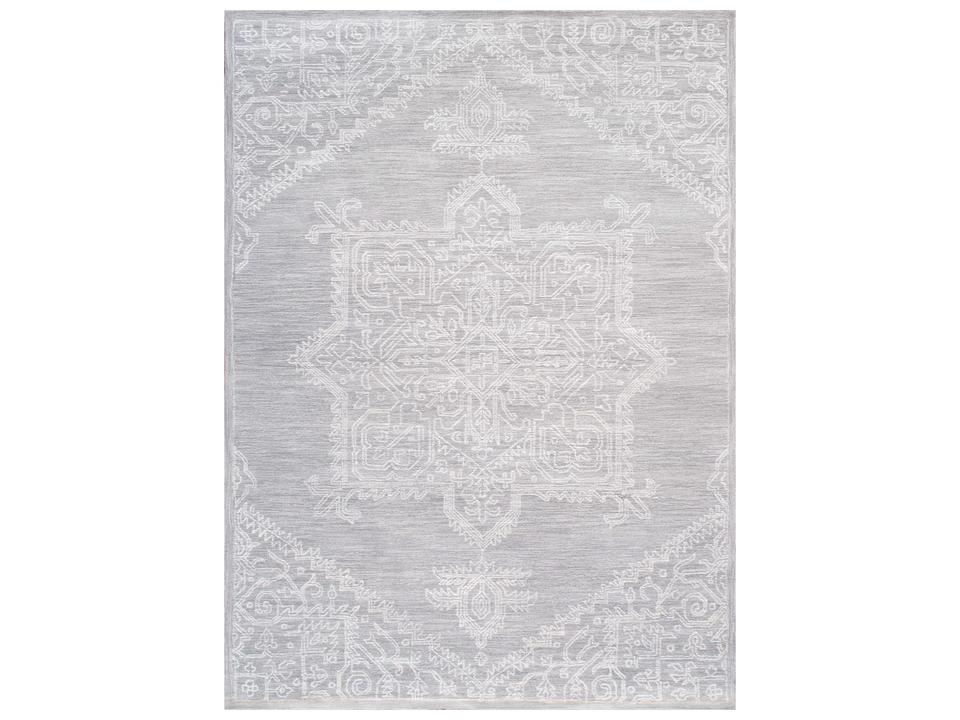
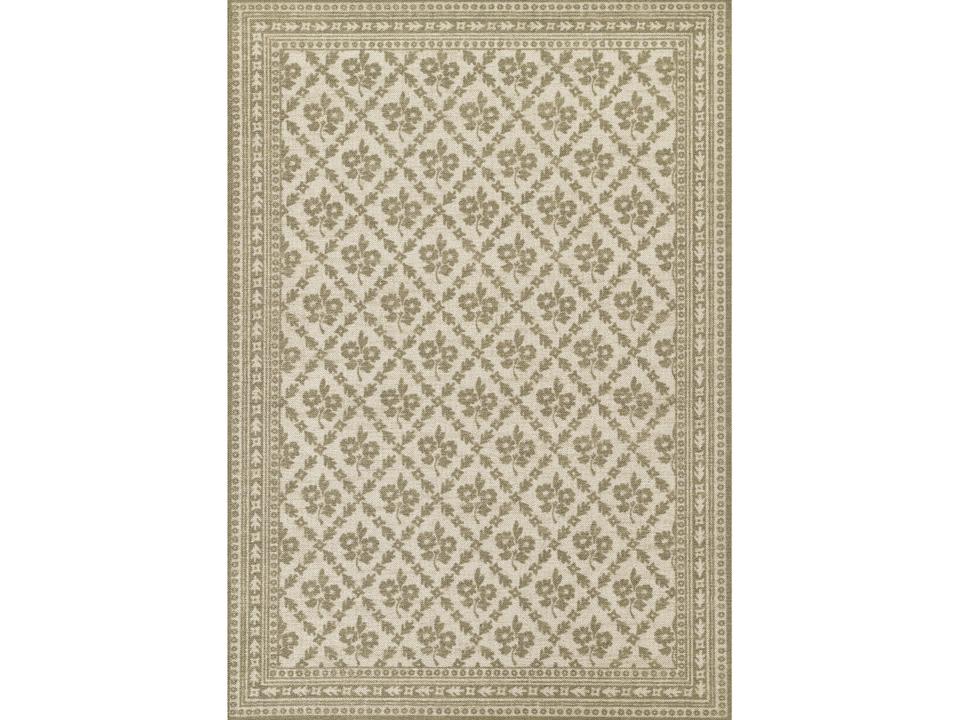
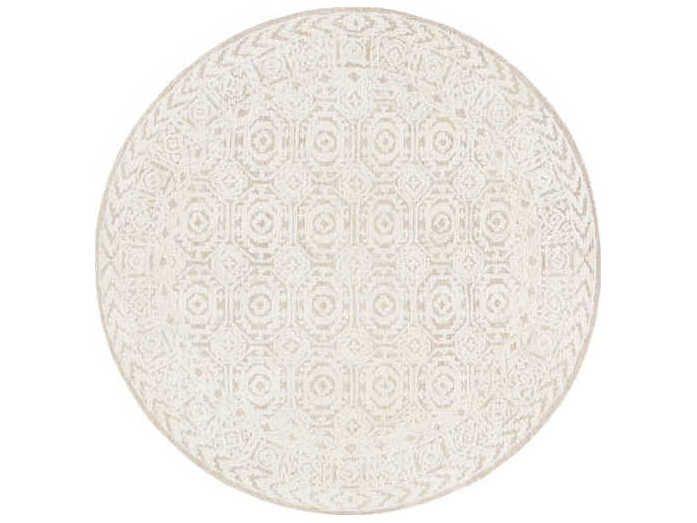
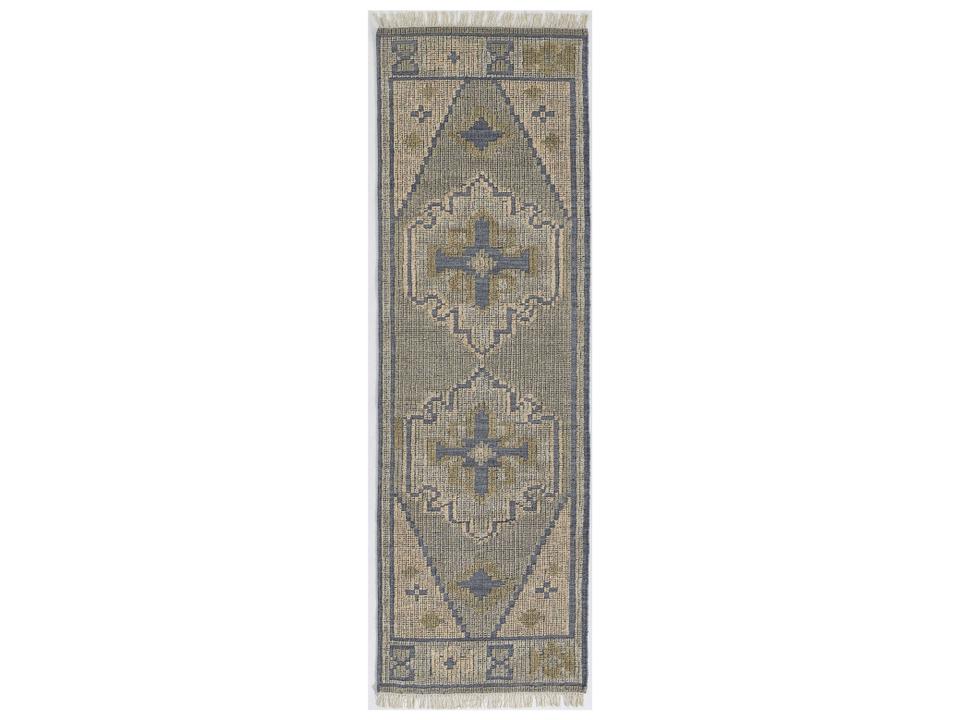
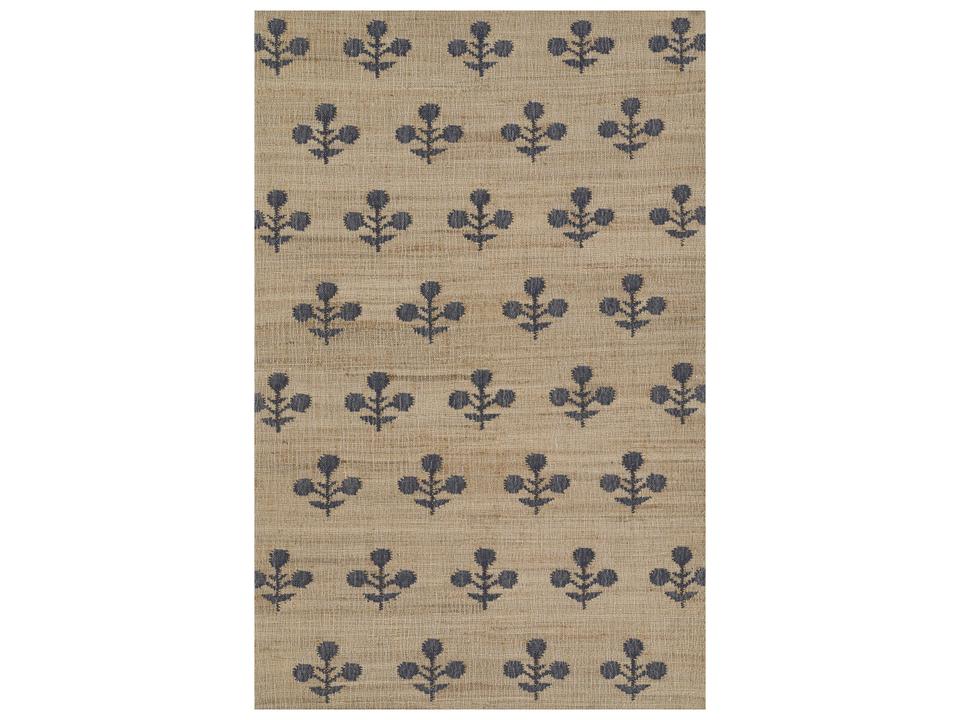
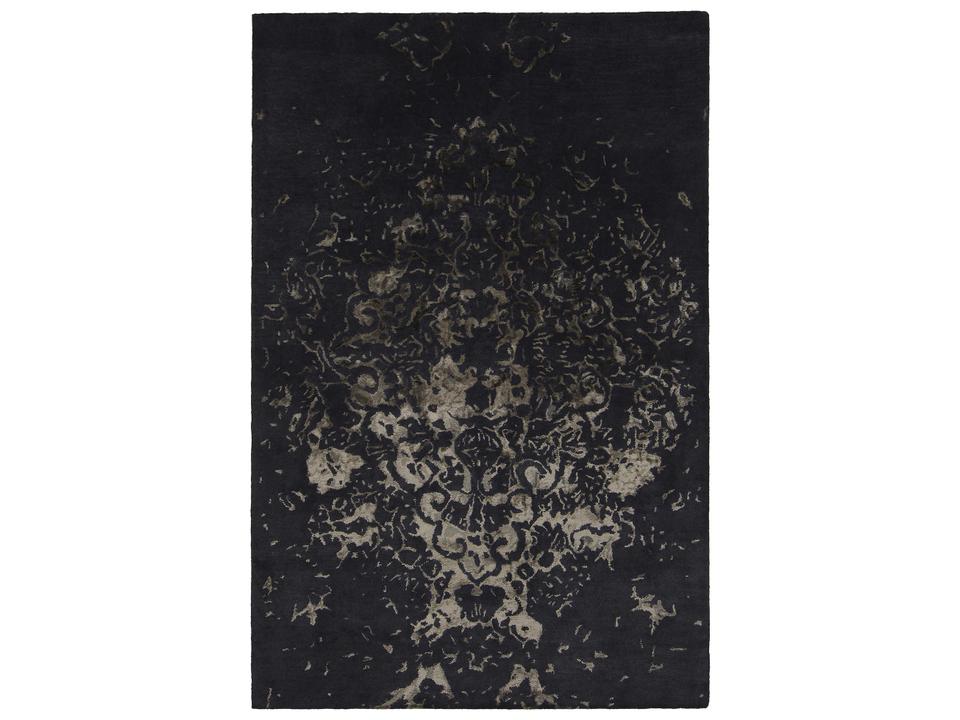
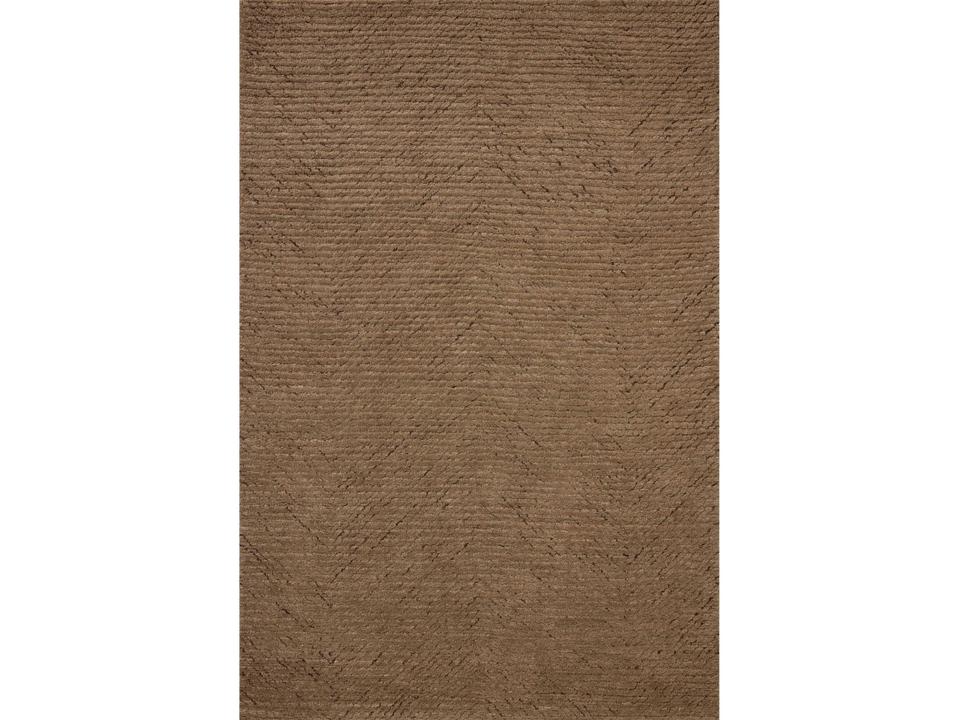
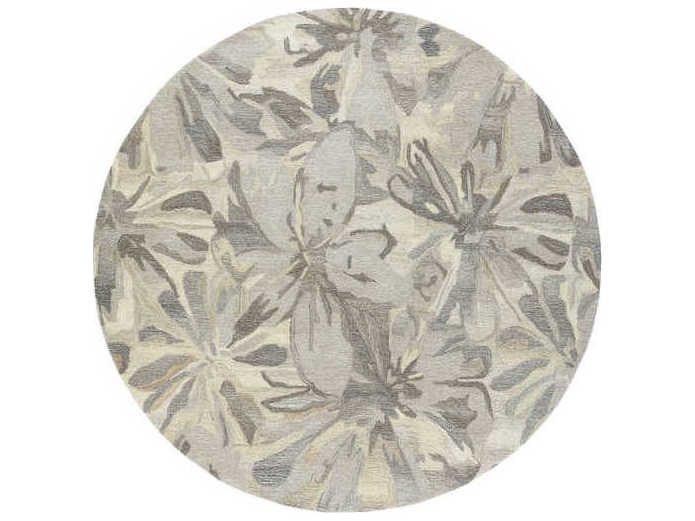
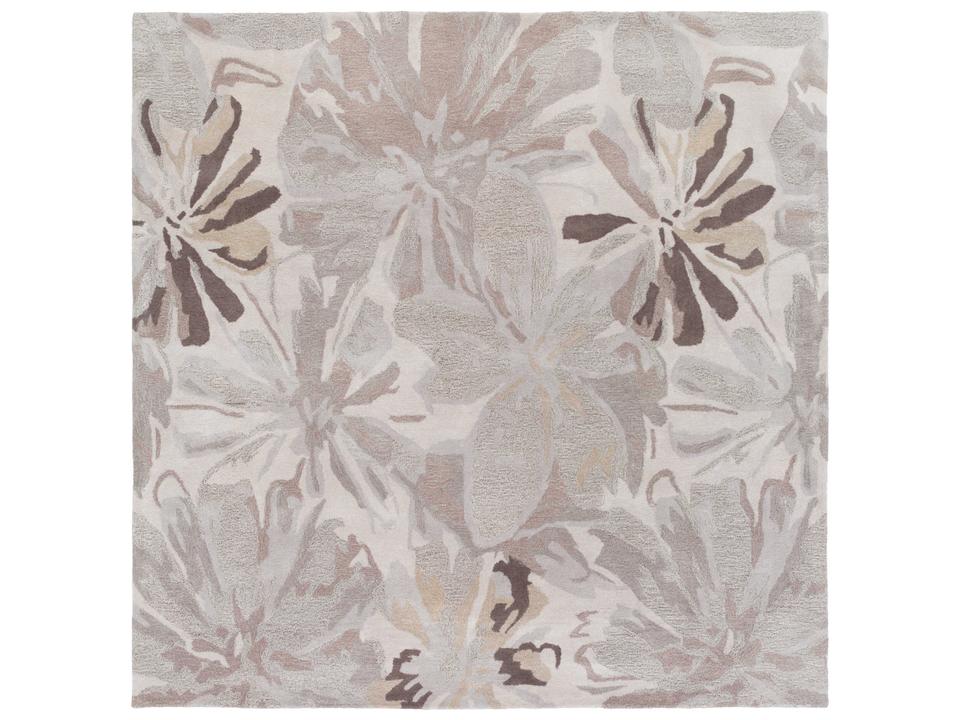
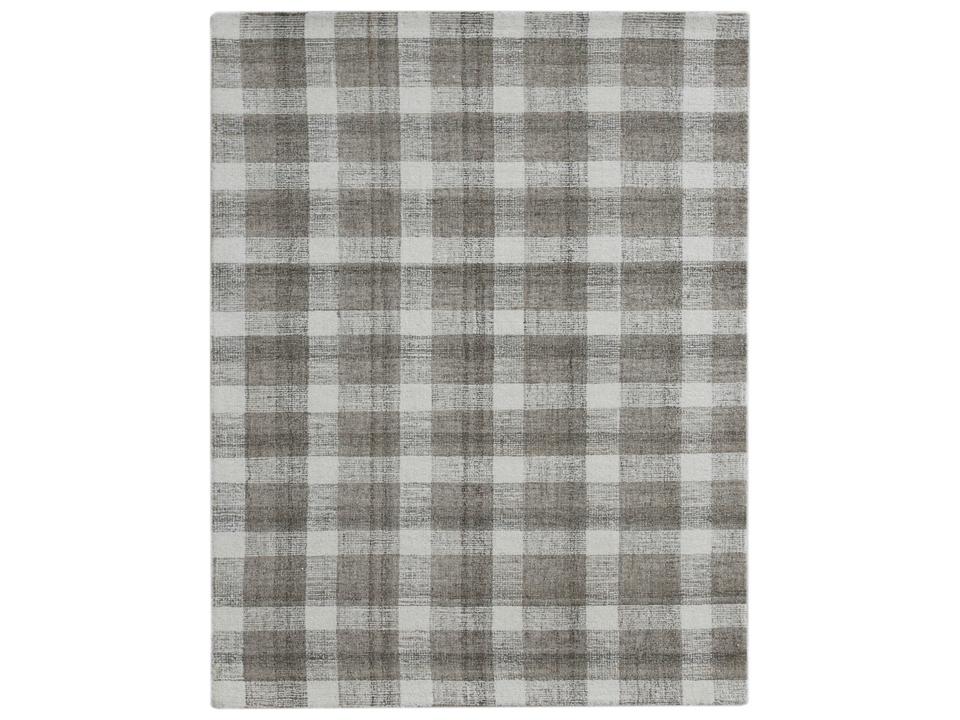
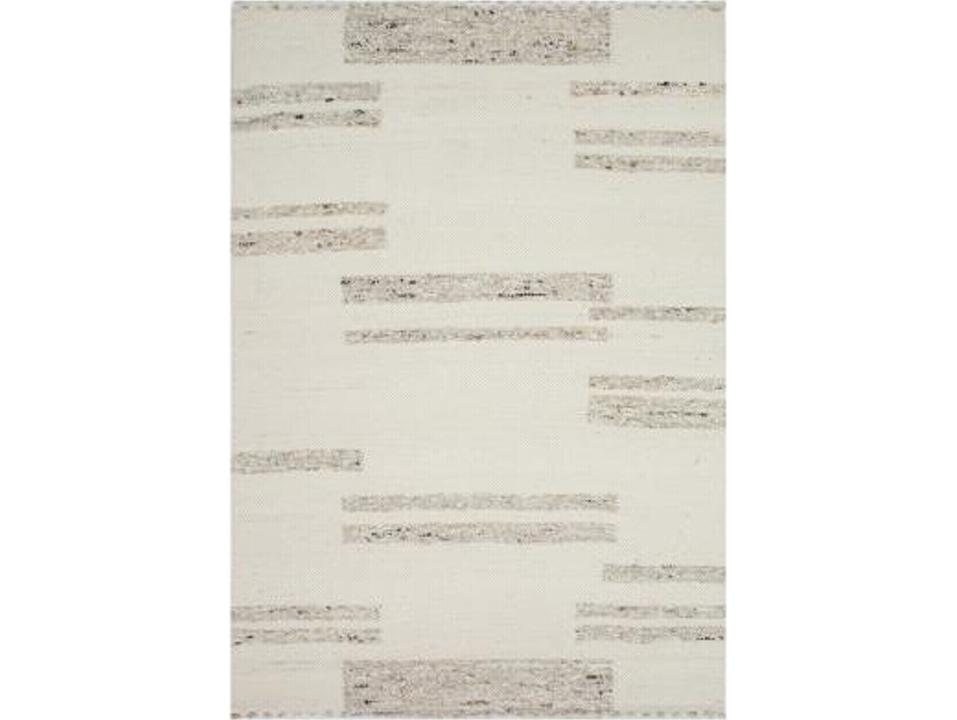
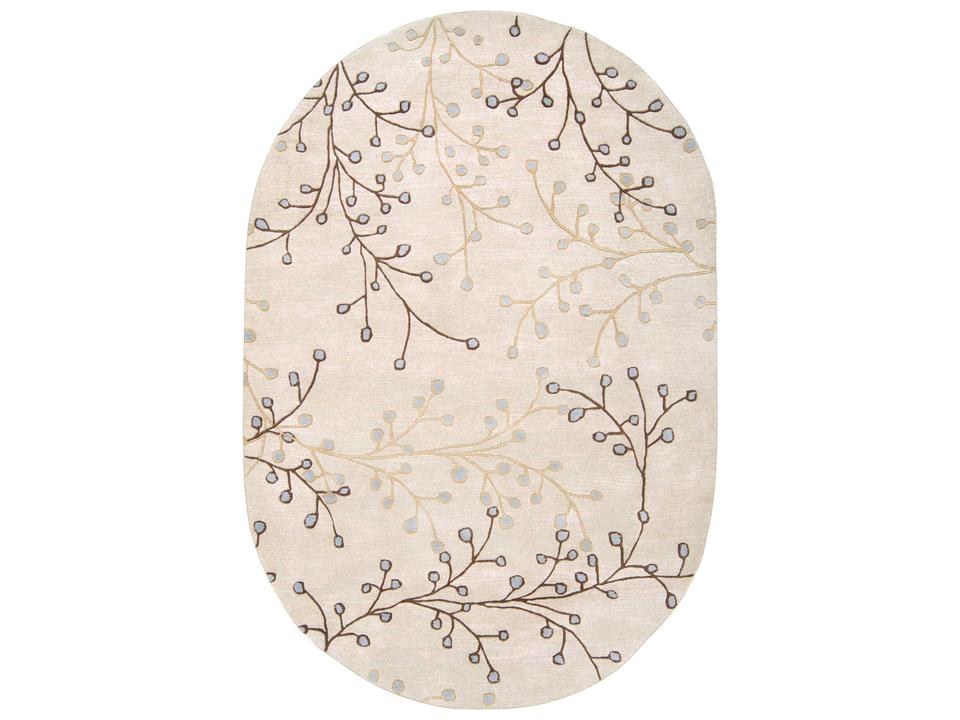
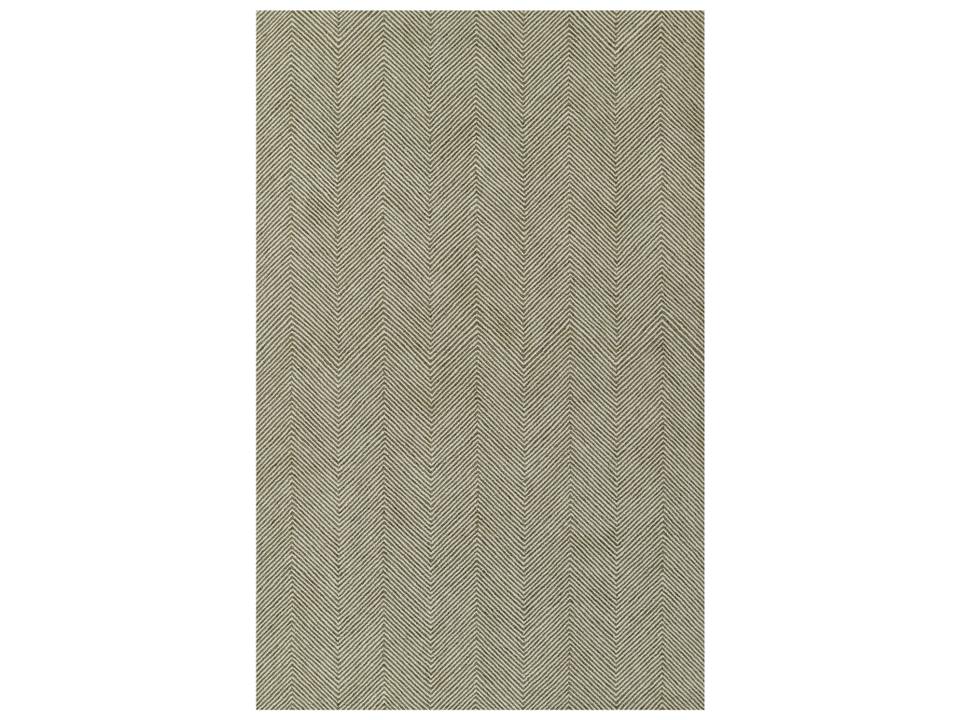
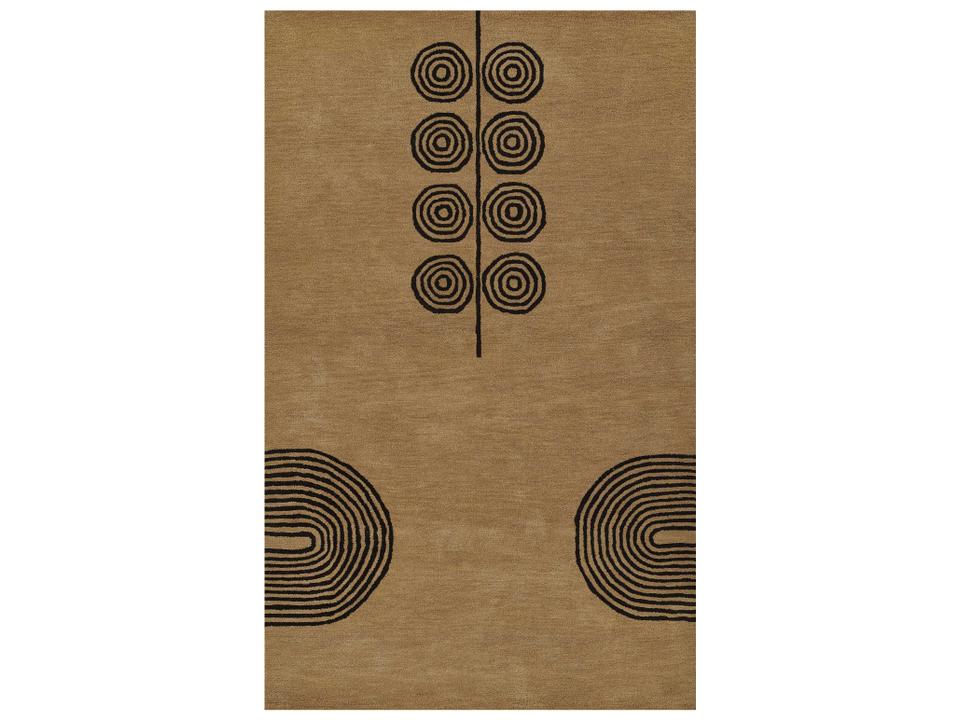
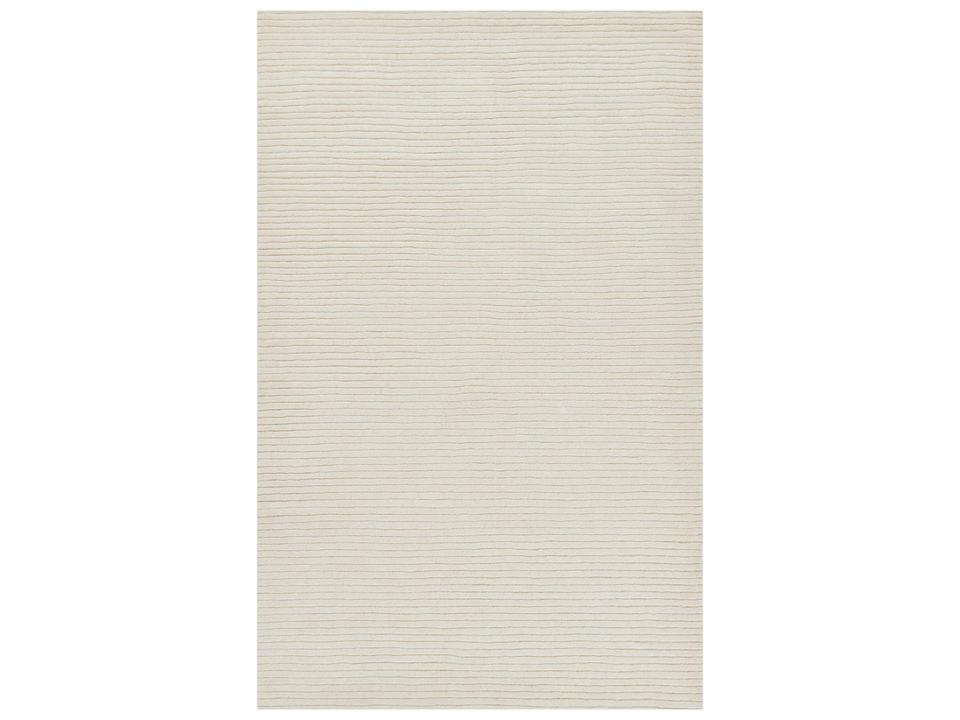
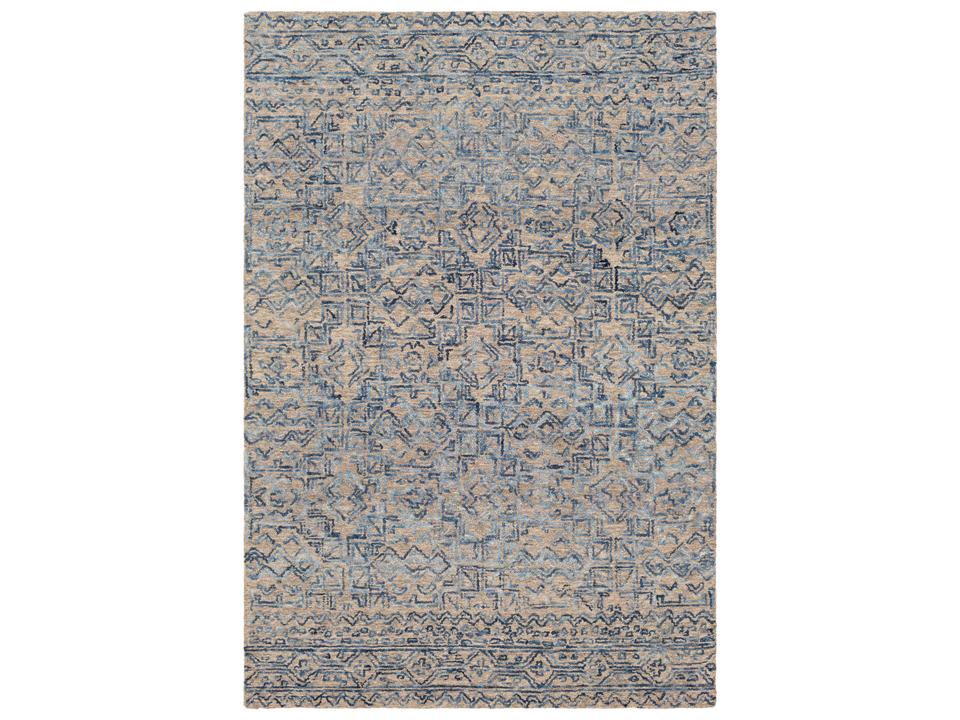
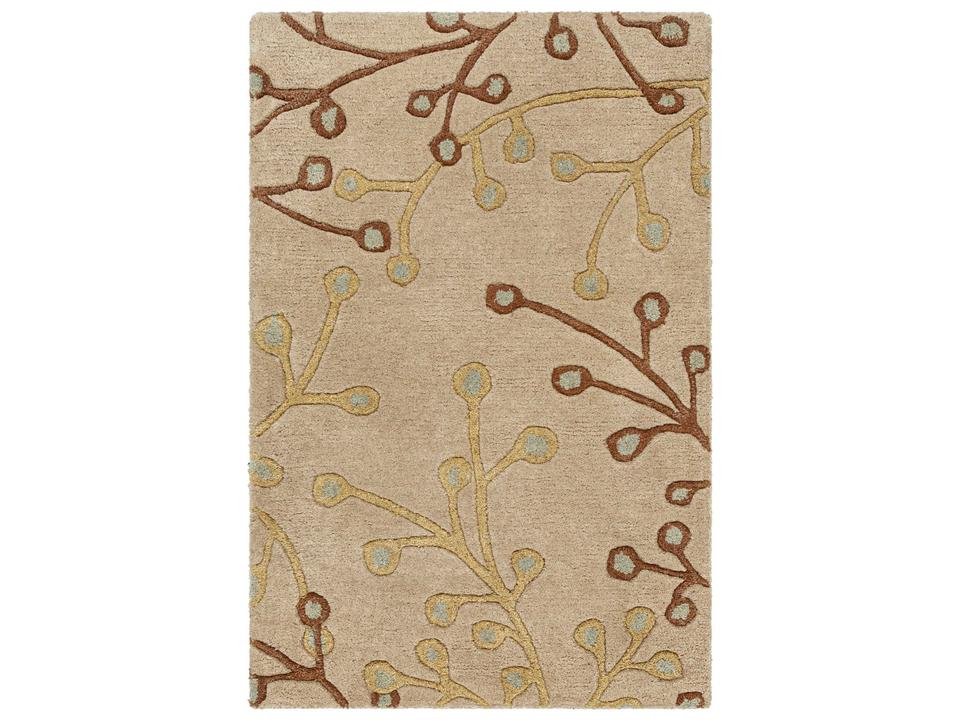
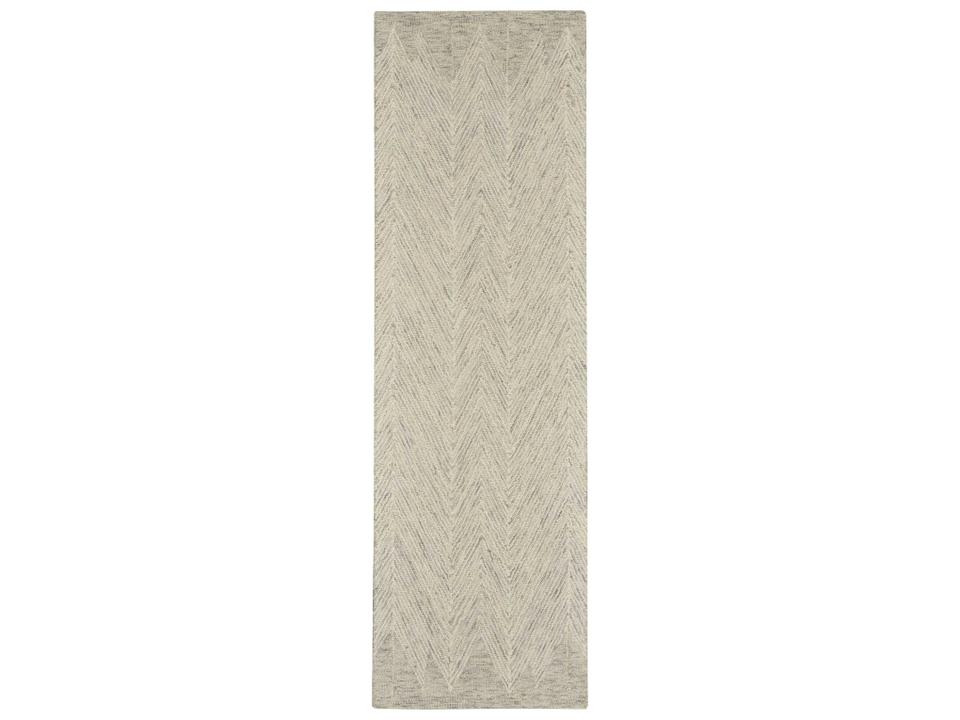
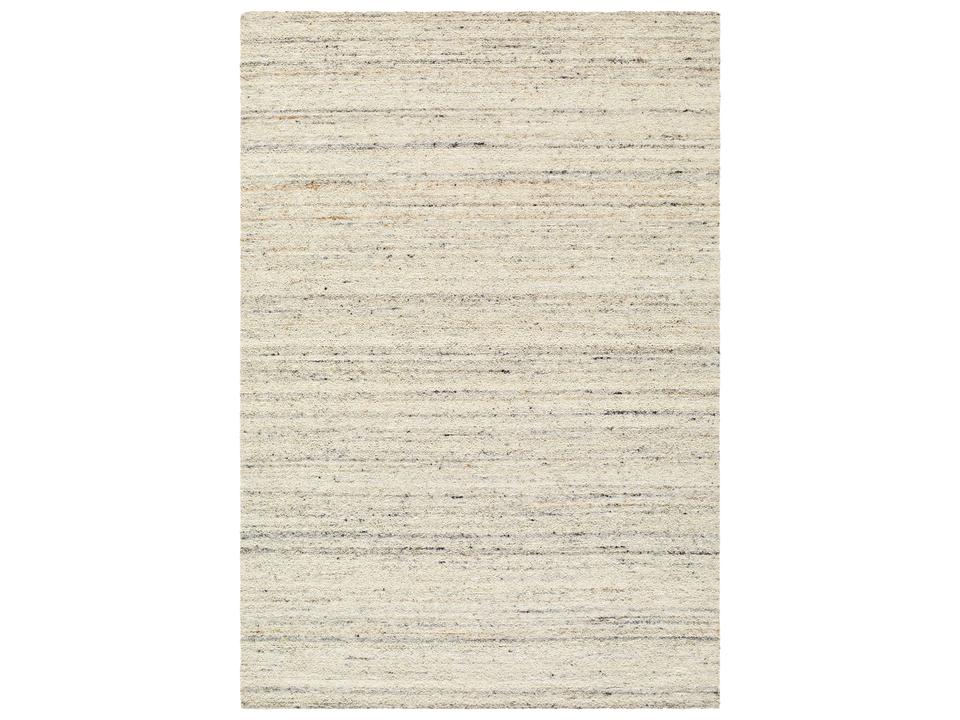
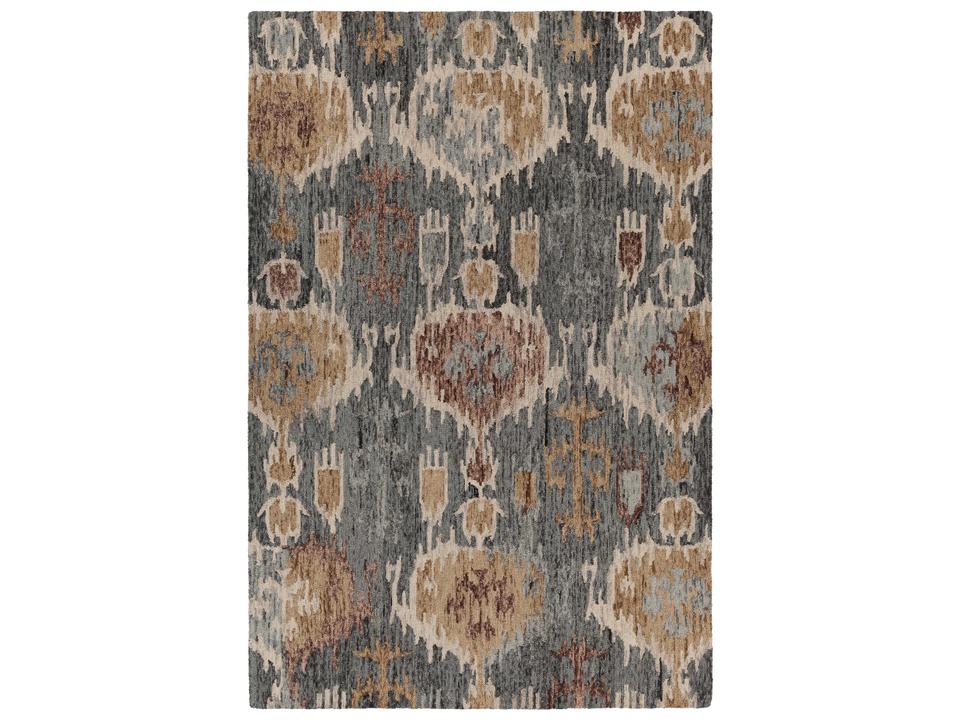
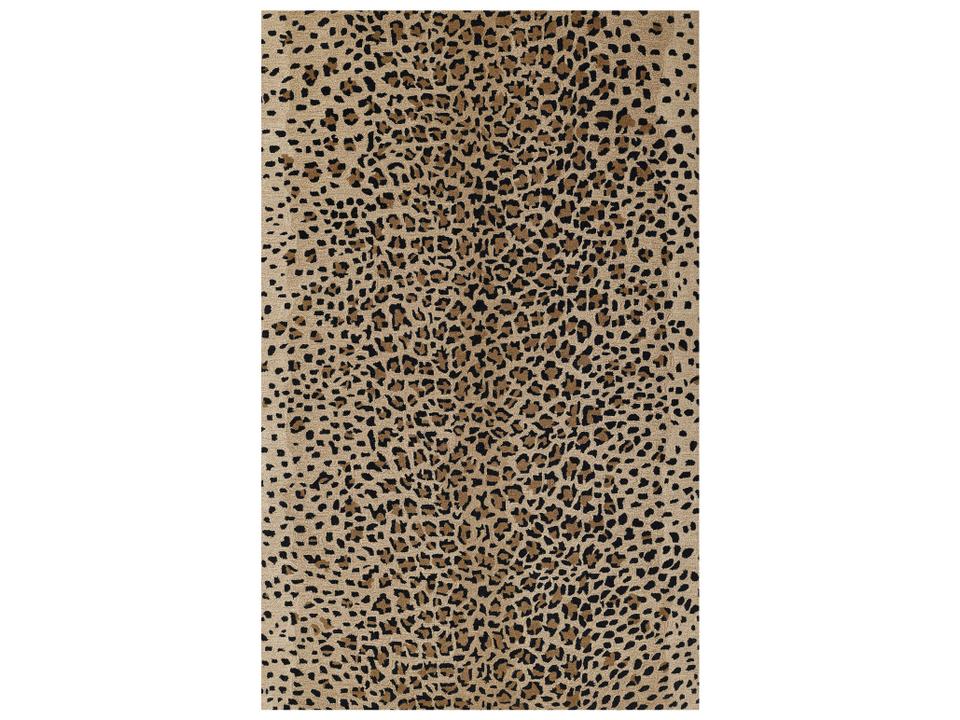
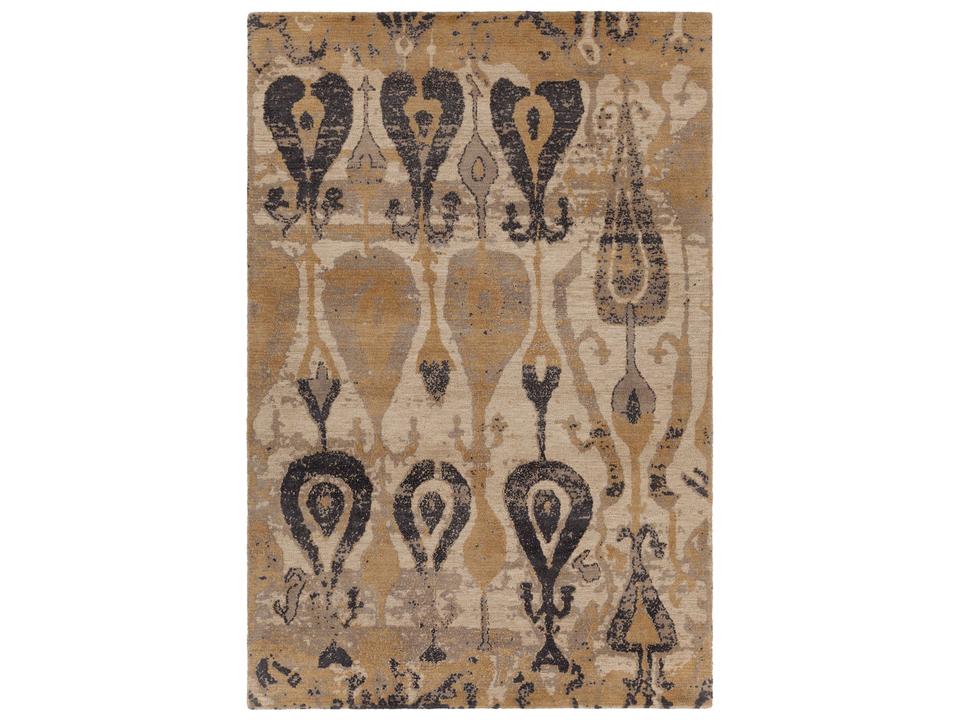
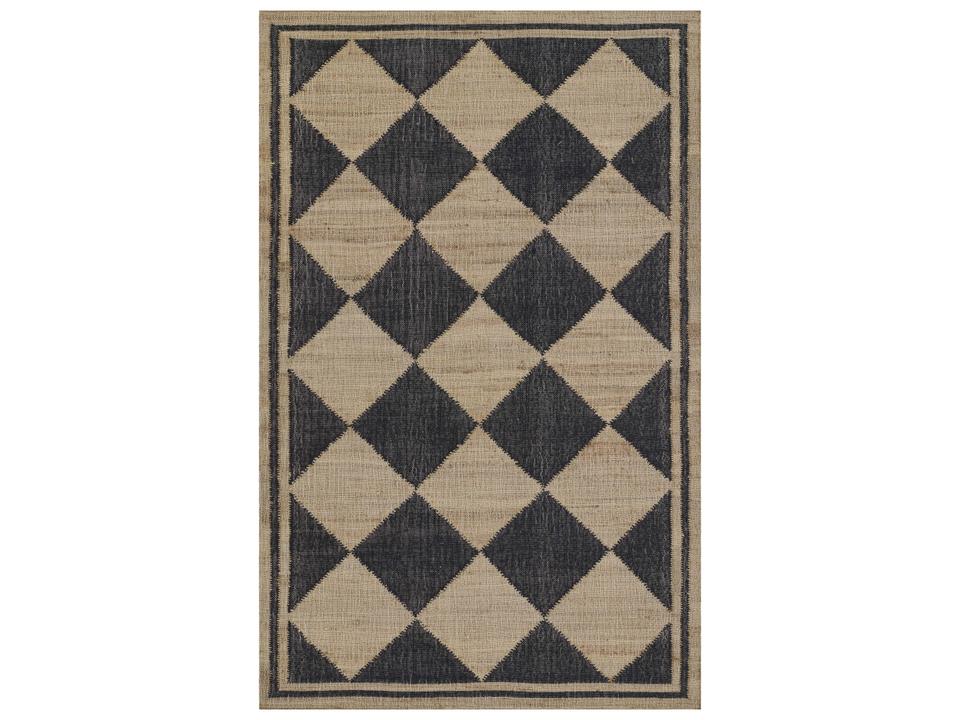
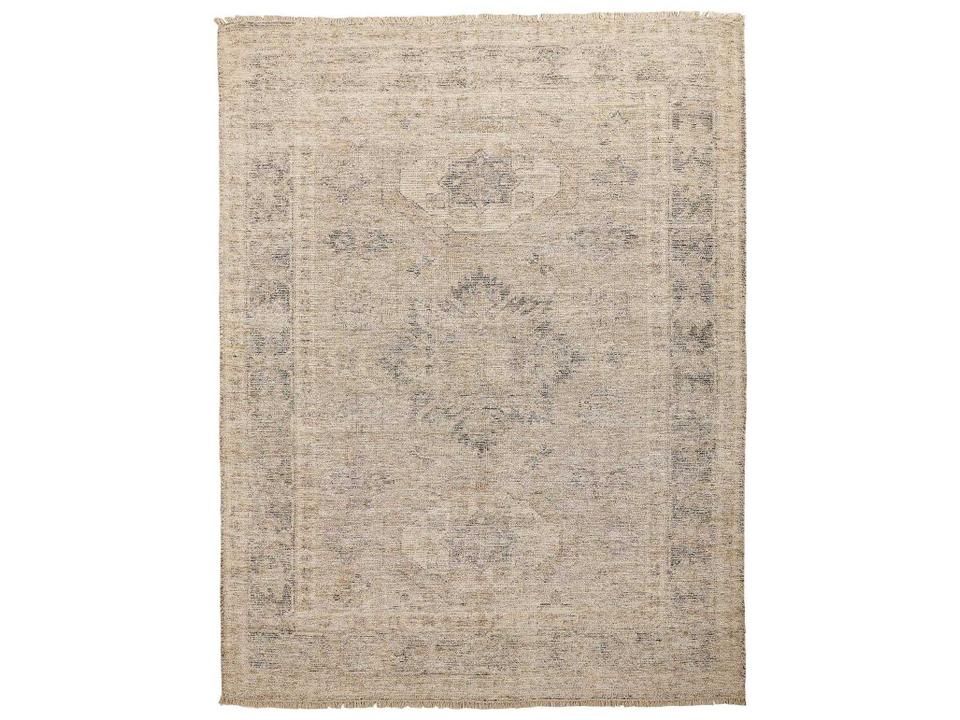
You've got a traditional dining table surrounded by contemporary chairs. Or a modern sectional facing inherited end tables. Wool transitional area rugs handle exactly this scenario — their patterns split the difference between ornate traditional motifs and clean contemporary geometry, and wool's natural texture keeps them from reading too stark or too busy. Place one under a mixed-era living room arrangement, and it ties furniture together without forcing a single aesthetic on the room.
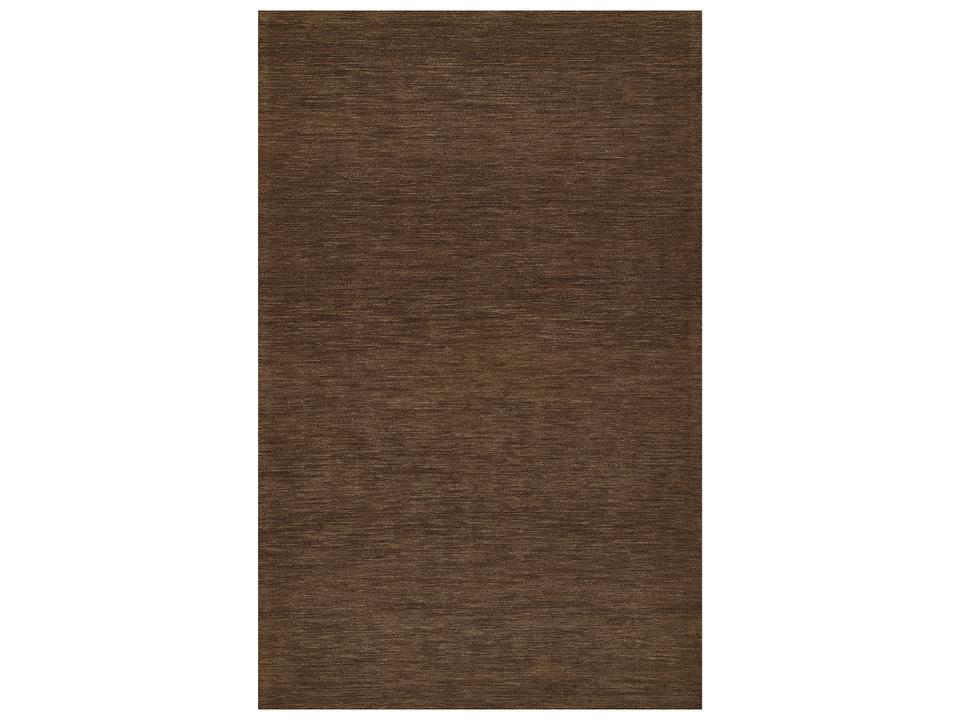
Wool naturally resists staining because each fiber carries a protective lanolin coating that repels liquid before it can absorb. A spilled glass of wine beads on the surface rather than wicking into the pile immediately. Wool is also resilient — the crimp in each fiber acts like a spring, bouncing back from foot traffic and heavy furniture legs. Transitional patterns often feature mid-tone palettes (taupe, sage, slate, warm gray) that show dirt less than solid whites or deep blacks, making wool transitional area rugs especially low-maintenance for entryways, dining rooms, and family rooms.
Beyond durability, wool is naturally hypoallergenic. Its fibers trap airborne particles — dust, pollen, pet dander — within the pile rather than releasing them back into the room. Regular vacuuming removes what wool catches, meaning cleaner air for allergy-prone households.
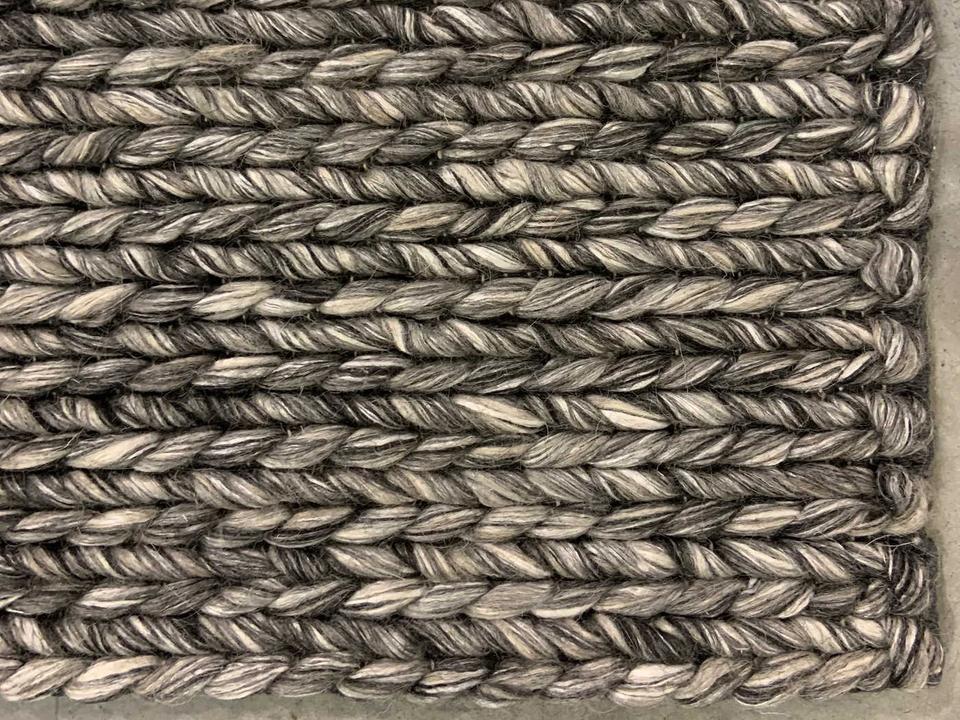
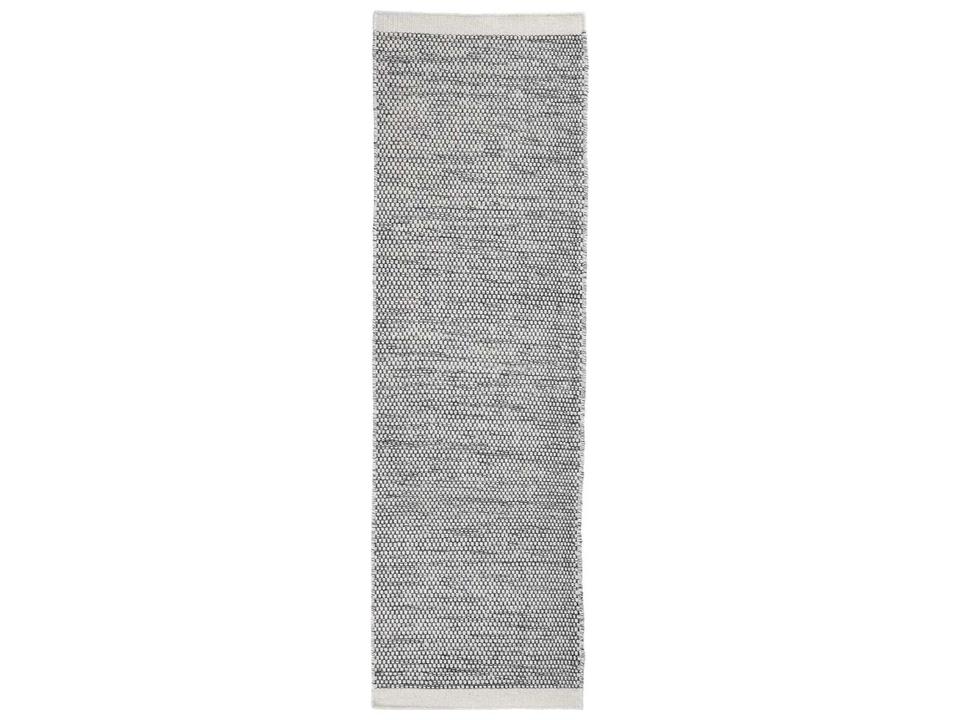
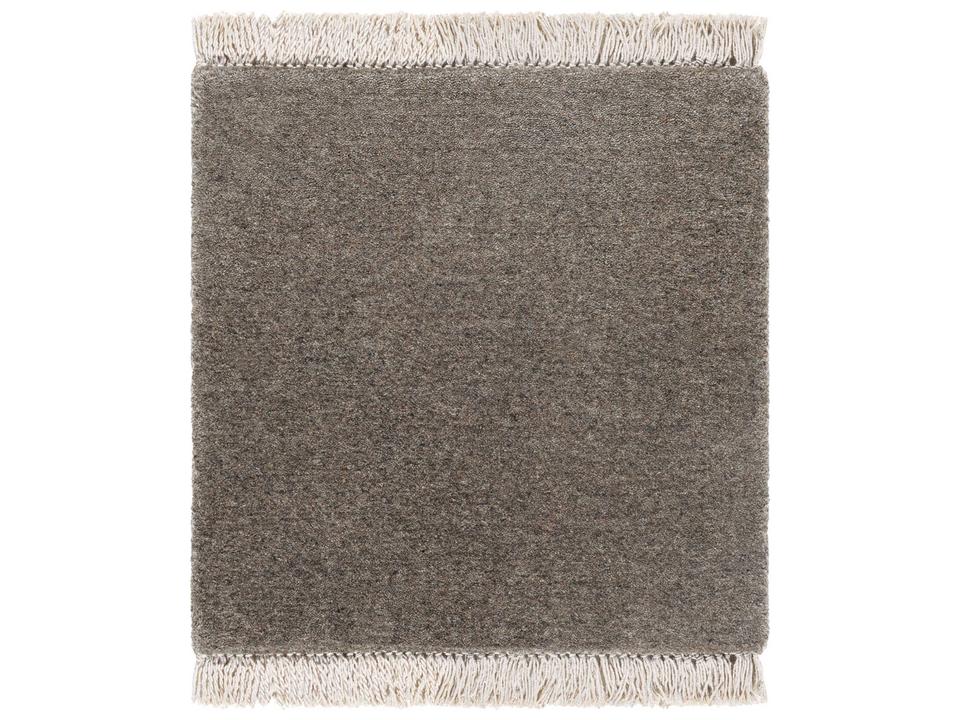
Wool transitional rugs come in several construction methods, each suited to different needs:
Size is the most common mistake buyers make with area rugs. A rug that's too small floats in the center of a room and makes furniture look disconnected. These guidelines work consistently:
Pair any luxury wool rug with a quality felt or felt-and-rubber pad — it adds cushion, prevents slipping on hard floors, and reduces wear on the rug's underside. The right combination of size, construction, and pattern density gives you a rug that anchors your room for years of daily use without losing shape or color.