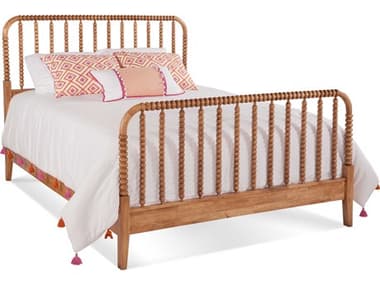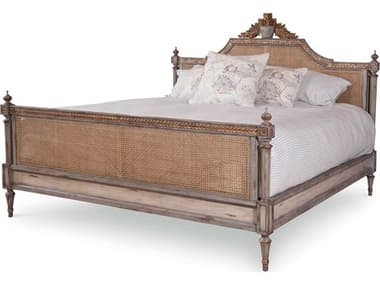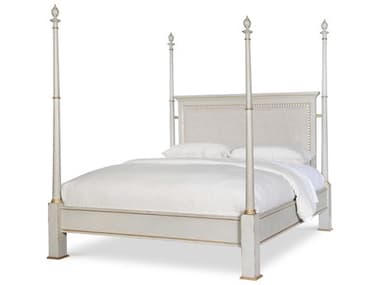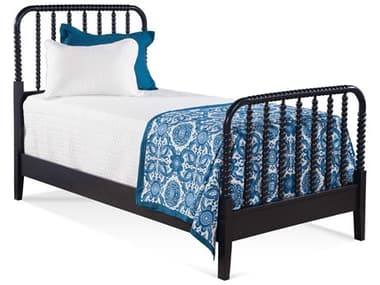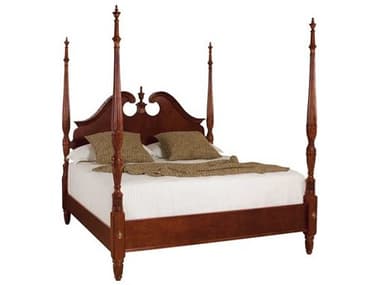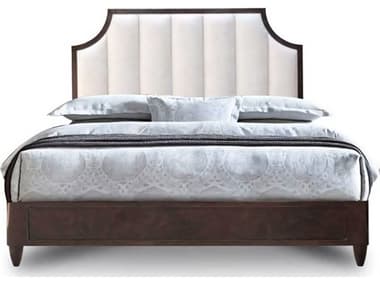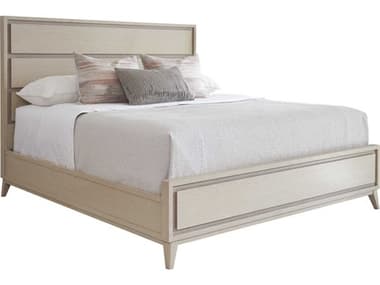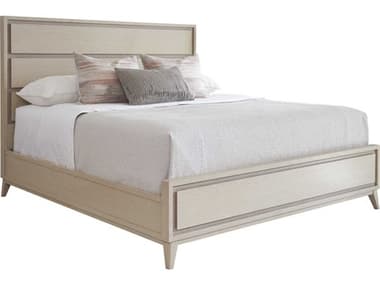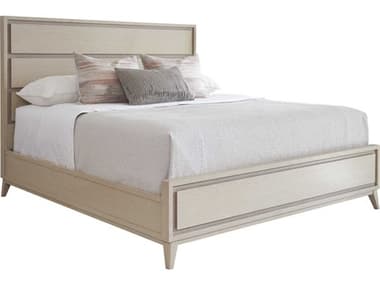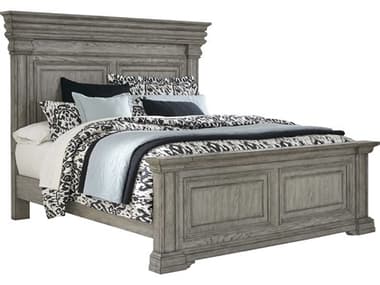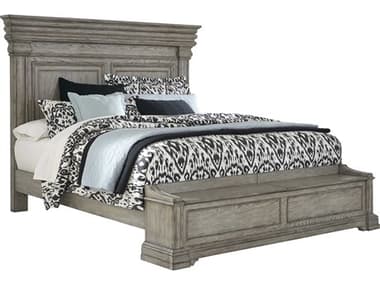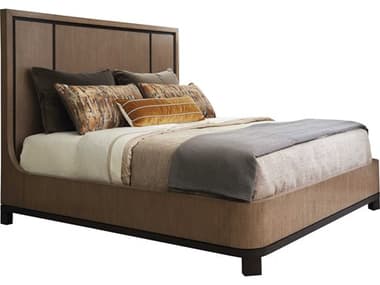
Introduction to Wood Beds
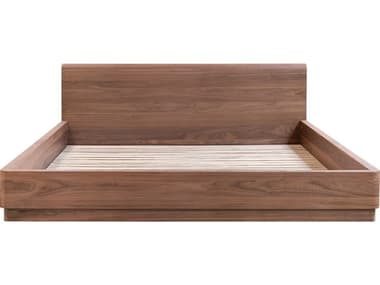
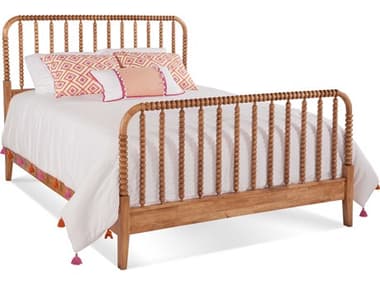
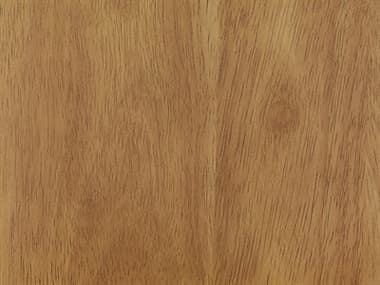
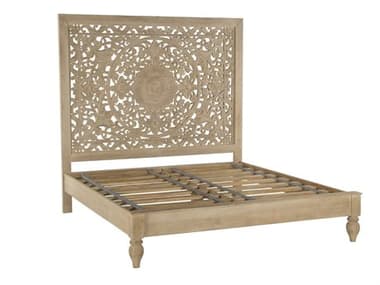
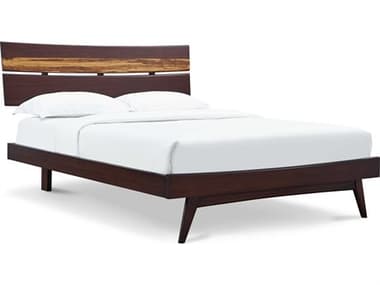
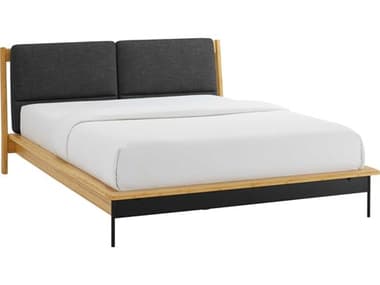
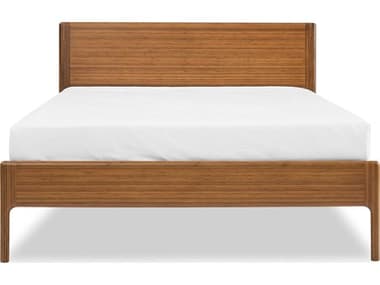
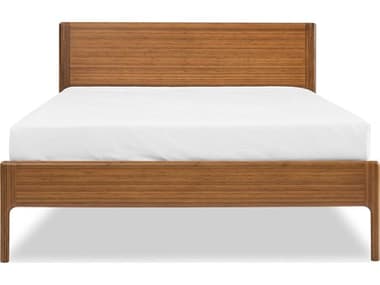
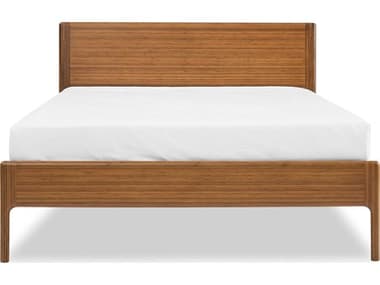
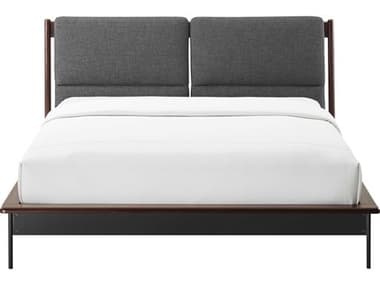
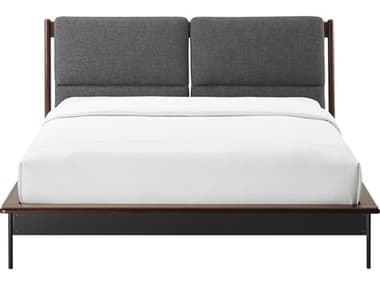
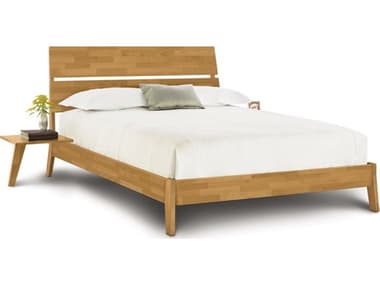
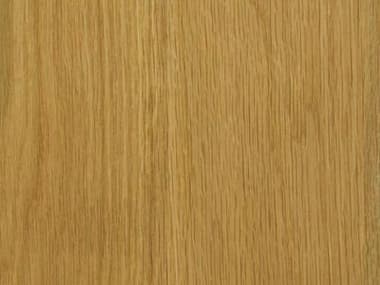
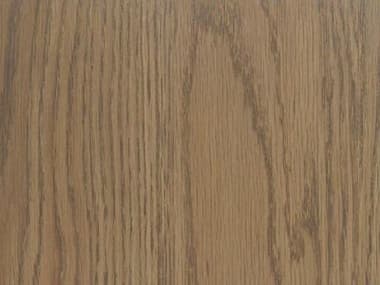
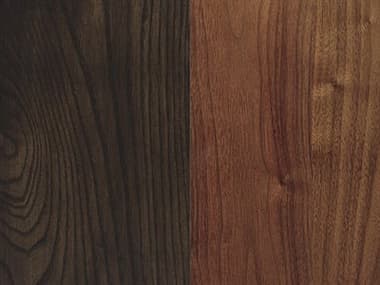
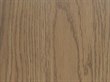
Purchasing a bed frame is probably the most important piece of furniture you will buy for your bedroom. It not only provides a stylish foundation for your bedroom’s aesthetic, but lends support to your mattress to bring you well-rested sleep. Wooden beds and wooden bed frames are a popular choice to transform the look of your bedroom, while providing a comfortable setting to sleep in. The color of wooden bed frames varies greatly based on the type of wood used. Common wooden bed frames can be constructed from oak, mahogany, maple, pine, and cherry, and carry different advantages. At LuxeDecor, you’ll find plenty of different styles, sizes, and types of wooden bed designs to suit any aesthetic.
Different Styles and Types of Wood Beds
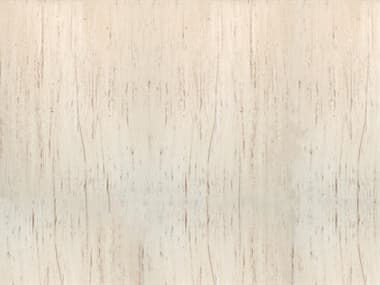
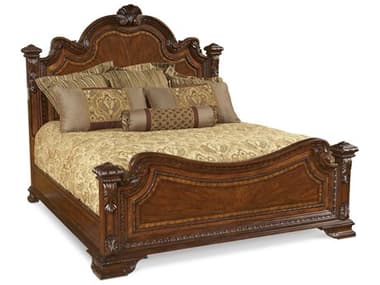
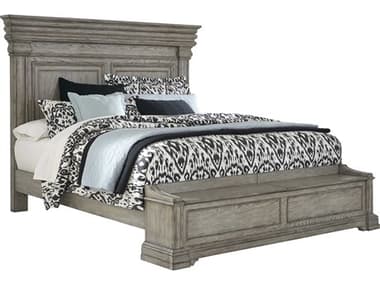
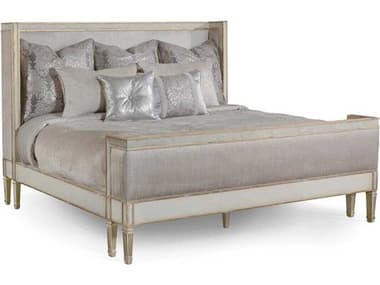
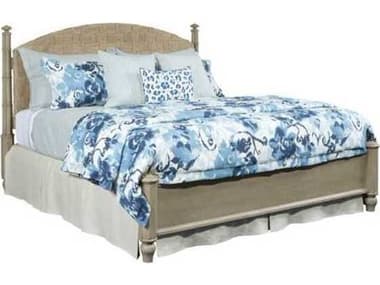
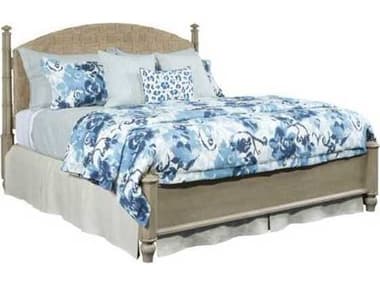
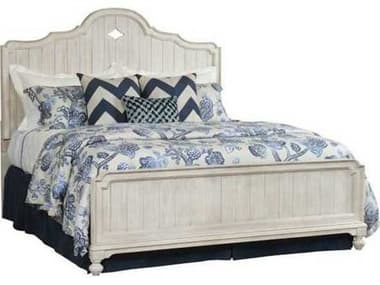
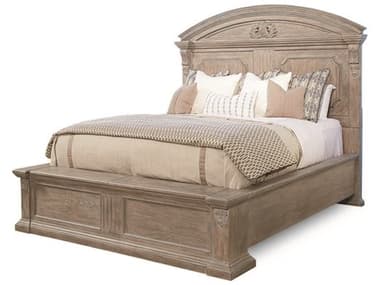
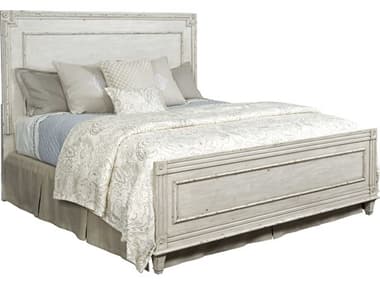
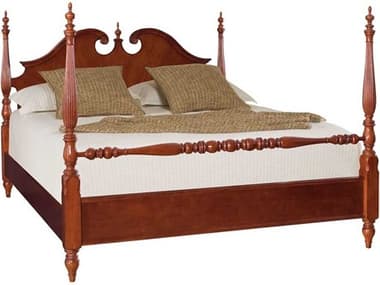
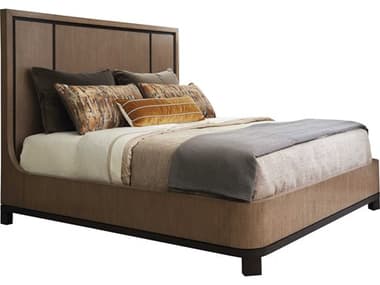
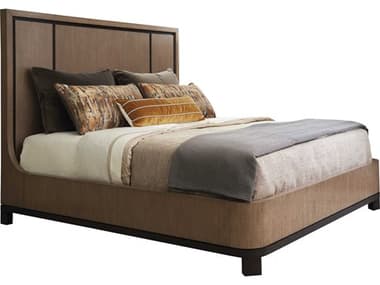
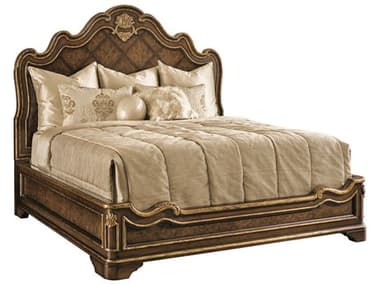
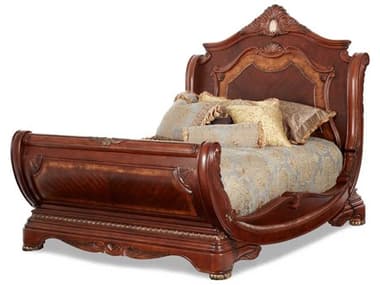
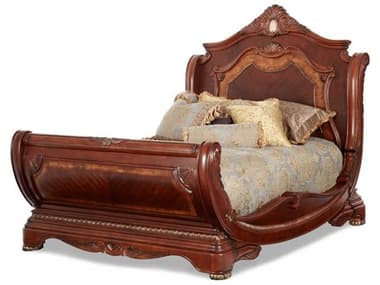
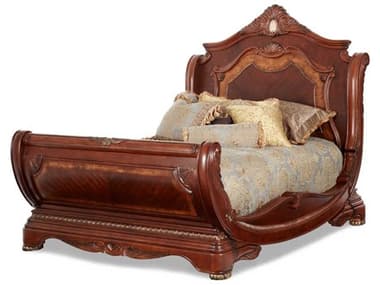
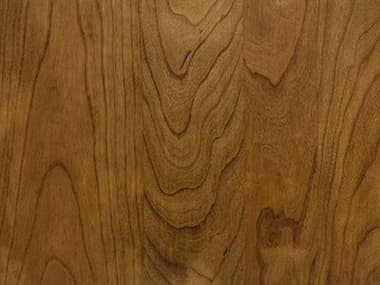
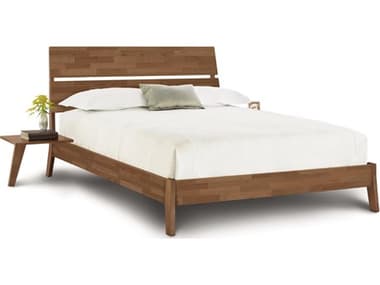
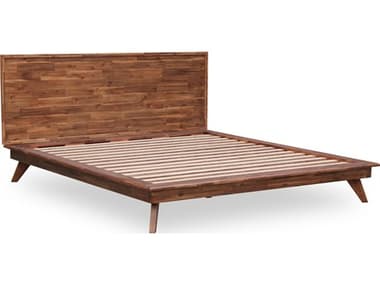
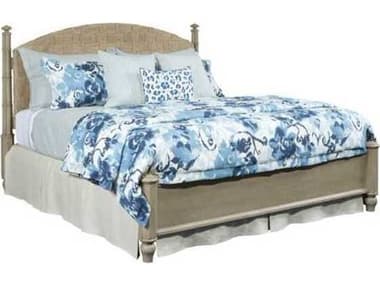
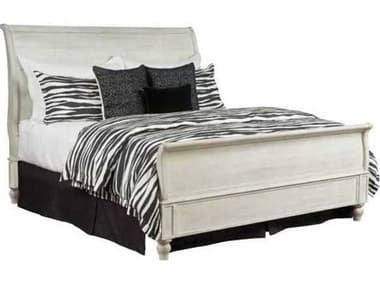
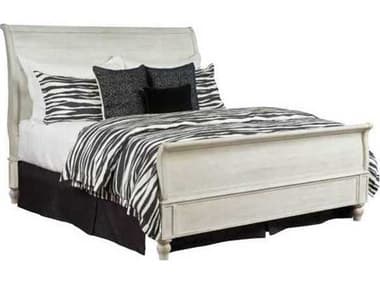
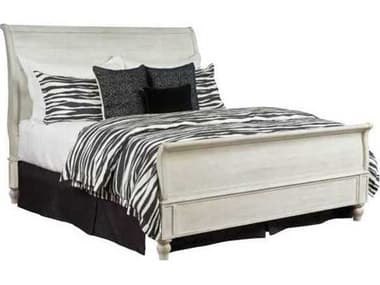
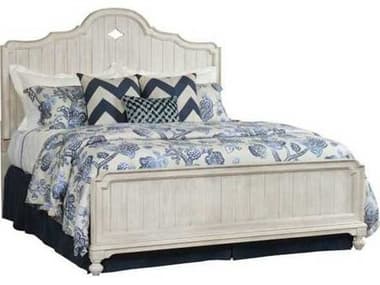
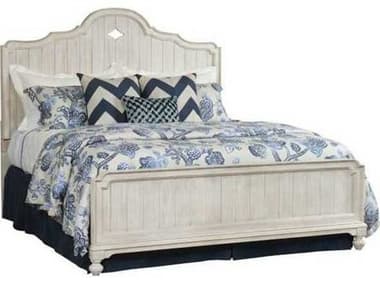
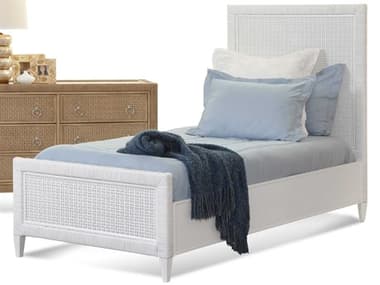
Whether you’re searching for a twin size bed for your children’s bedroom, or a California King size bed for your master bedroom, you can browse LuxeDecor’s extensive selection of over 800 wooden beds by the best home brands in the industry including Stanley Furniture, A.R.T. Furniture, Hooker Furniture, and Tommy Bahama. You will find wooden beds in numerous designs and finishes to complement any aesthetic, for example good quality wood king beds. For those who prefer traditional style, wood beds constructed from cherry wood offer a beautiful sienna finish and resists warping and shrinking. The “Reprise Collection Sleigh Bed" by Universal Furniture features a stately, classic design with cherry wood finish for a handsome design that that is the perfect fit for a master bedroom. If you’re looking to bring pastoral charm to your sleep-time retreat, white wooden beds bring plenty of fresh, country charm to your bedroom. The Stanley Furniture “Coastal Living Resort Panel Bed" is a popular white wooden bed frame with bed frame planks made to look like wooden barn panels.
Decorating with Wood Beds In Your Home
Many buyers find the natural and organic look of wooden beds adds an appealing look to their bedroom retreat. Besides classic woods, such as mahogany, oak, and maple woods, pine has proven to be a popular choice among contemporary designers for its sustainability, soft texture, and aesthetic appeal. While displaying the benefits of more expensive woods such as its resistance to warping, swelling, and shrinking (which can occur with other wood types during temperature changes), pine bed frames are also more cost effective. No matter which aesthetic appeals to you, you’ll find plenty of stylish options available at LuxeDecor.
For more information about different bed frames available, including materials, sizes, and styles, read LuxeDecor's Bed Frame Buying Guide.
For more information about wood types, including finishes, craftsmanship, and care, read LuxeDecor's Wood Furniture Buying Buying Guide.