Loading products
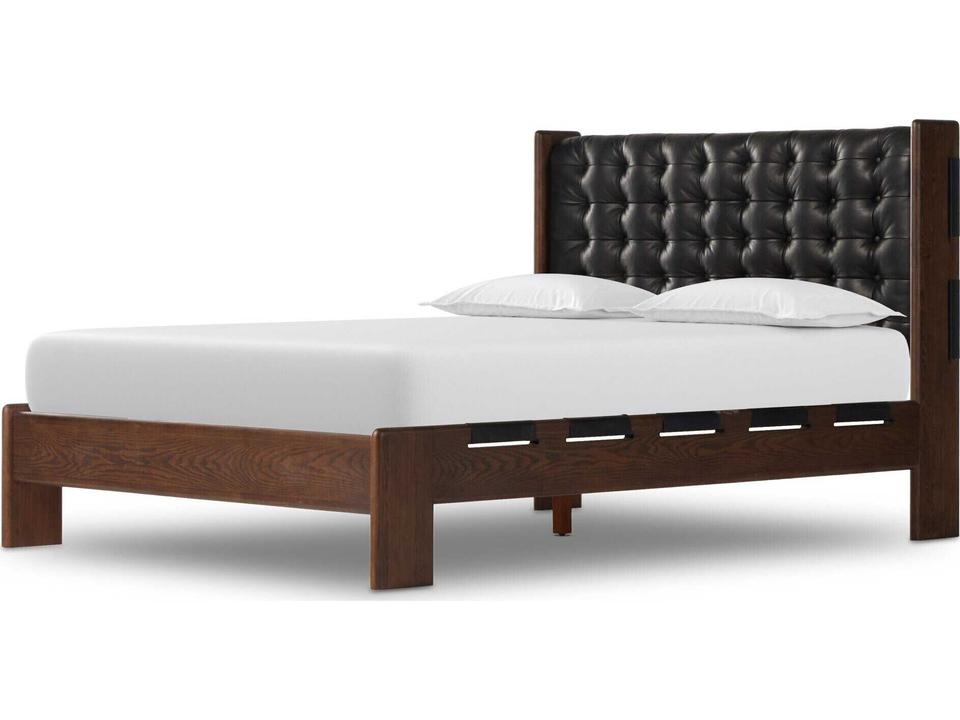
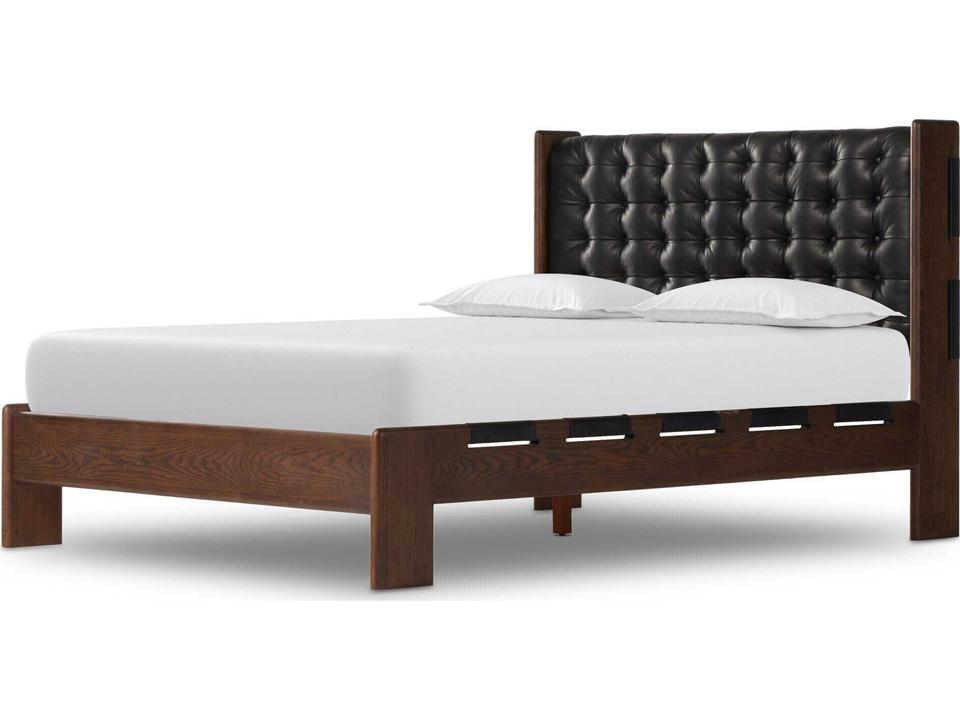
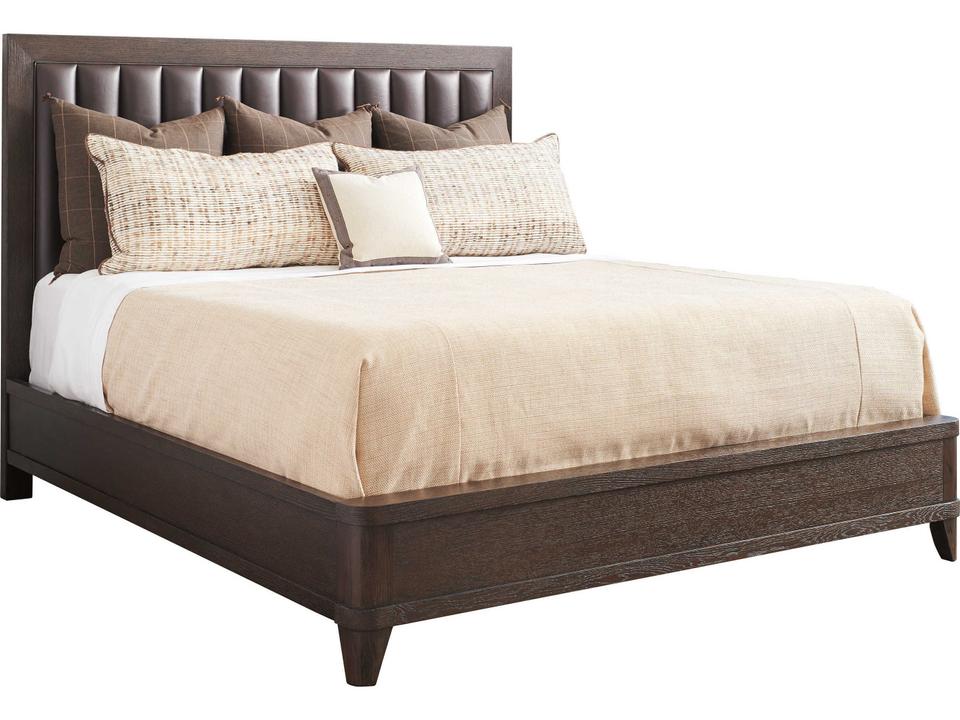
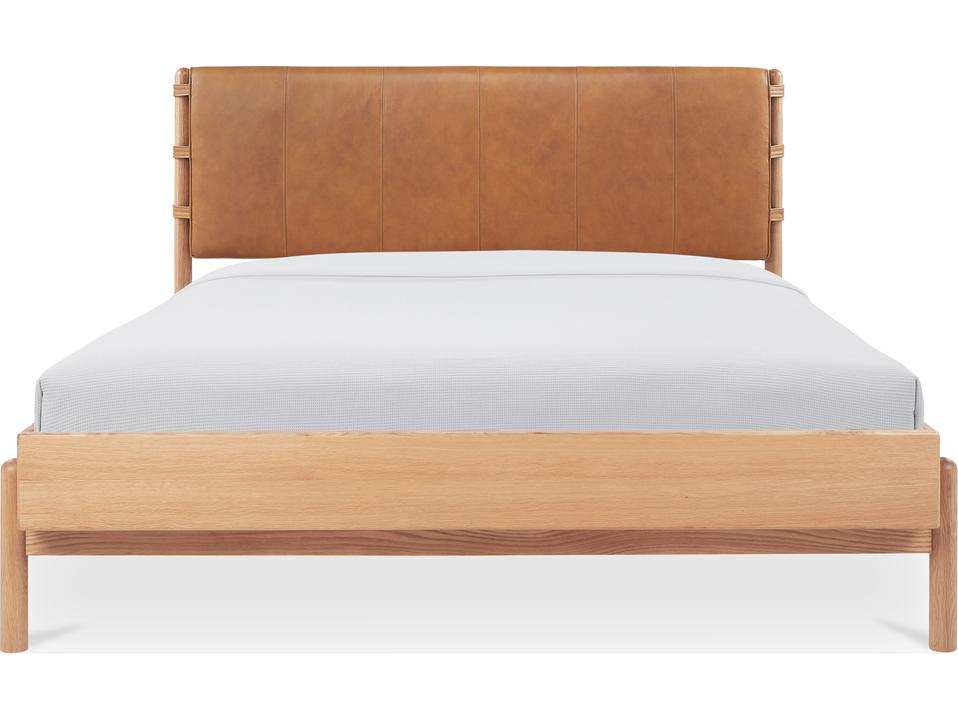
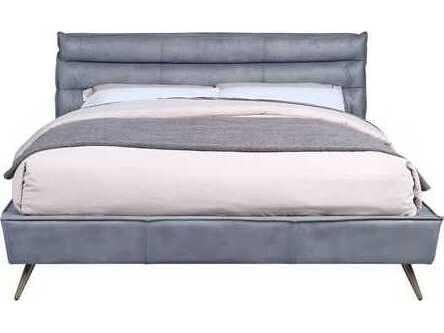
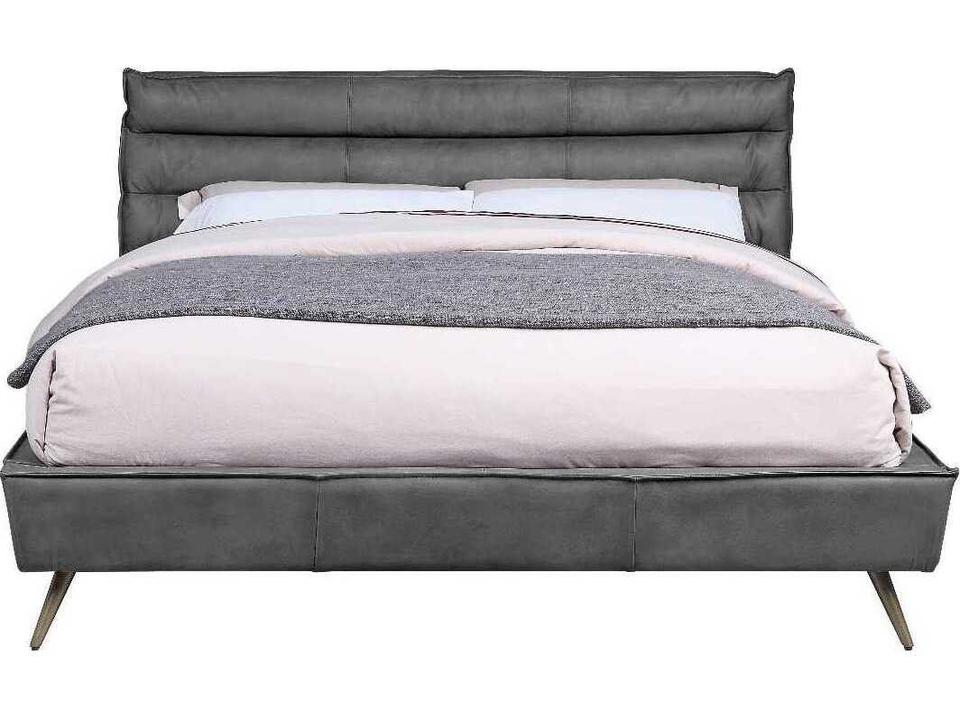
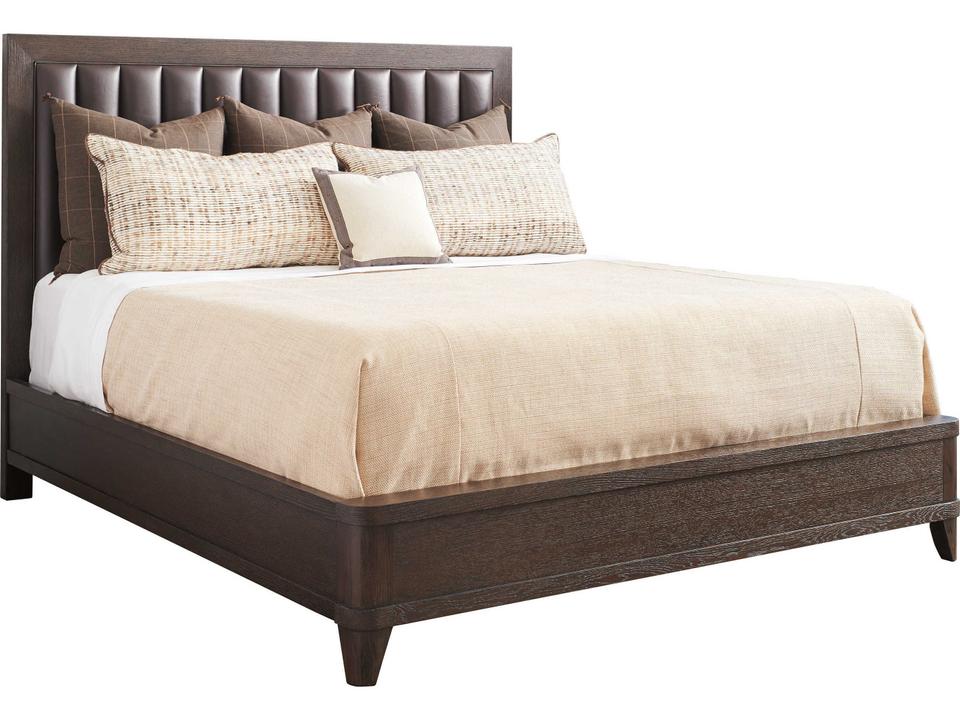
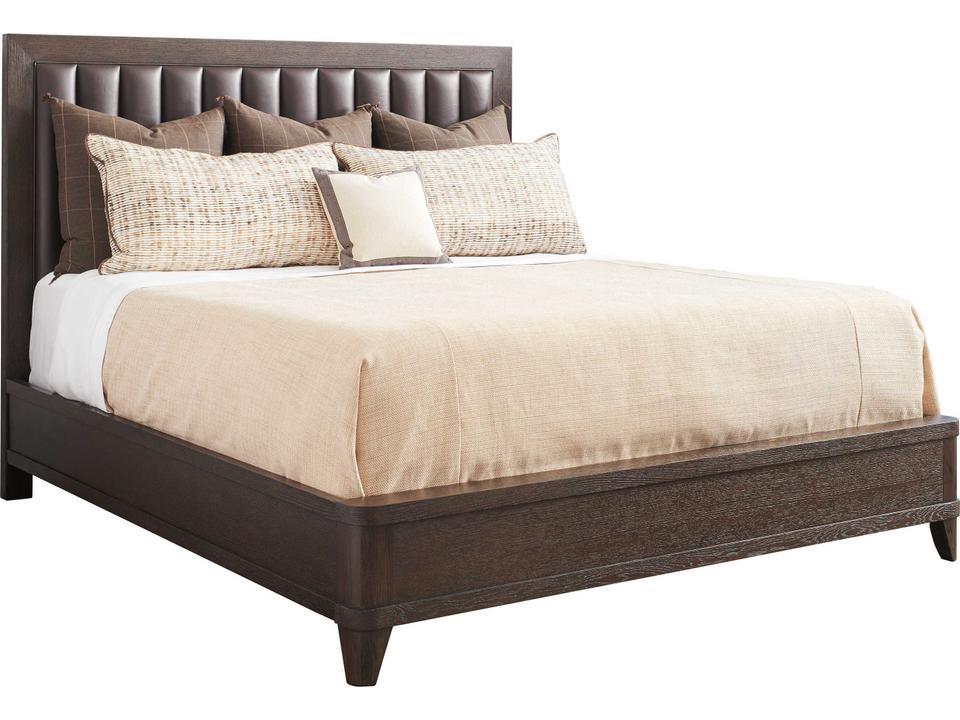
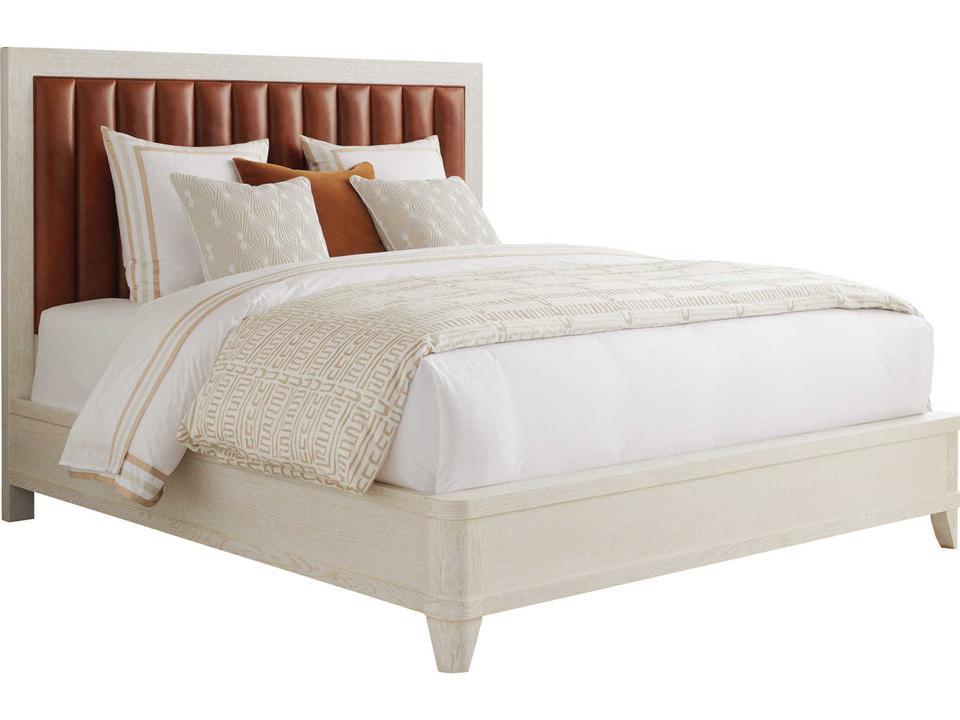
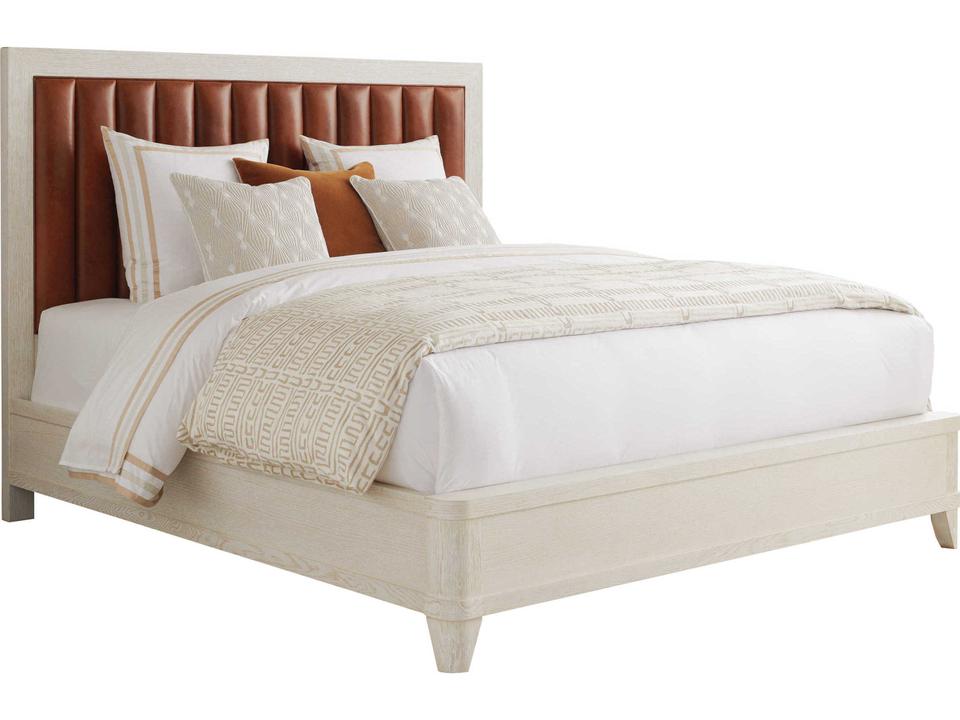
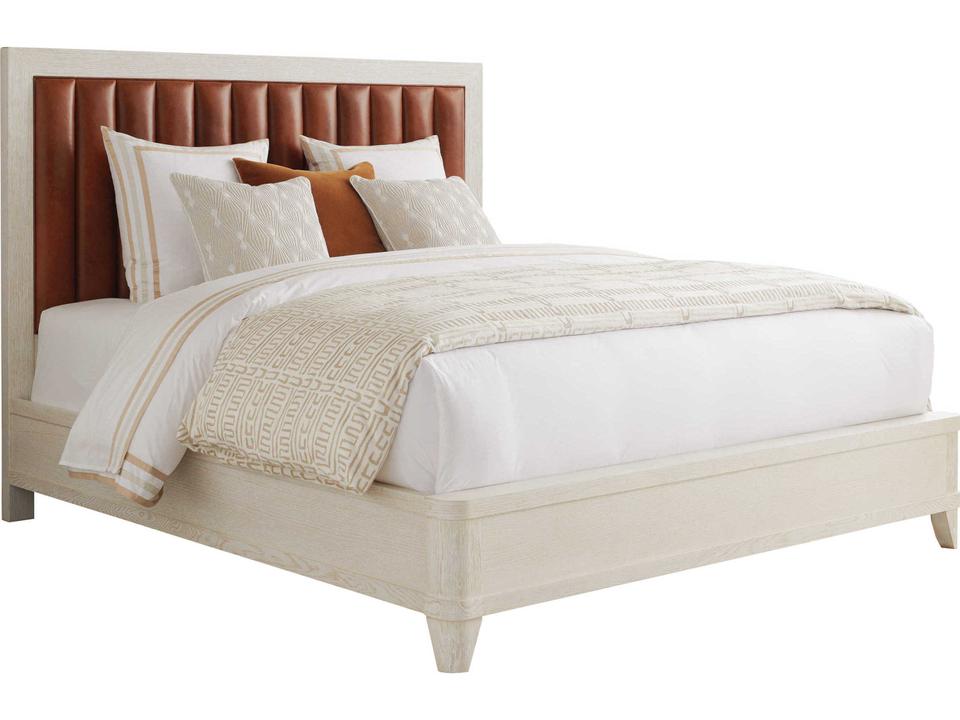
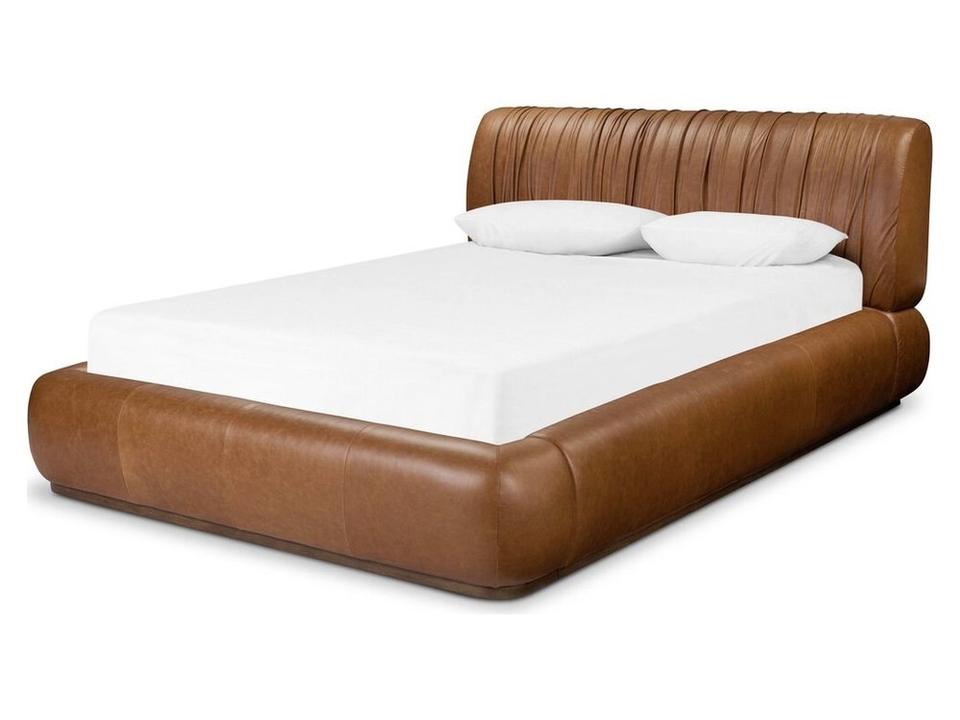
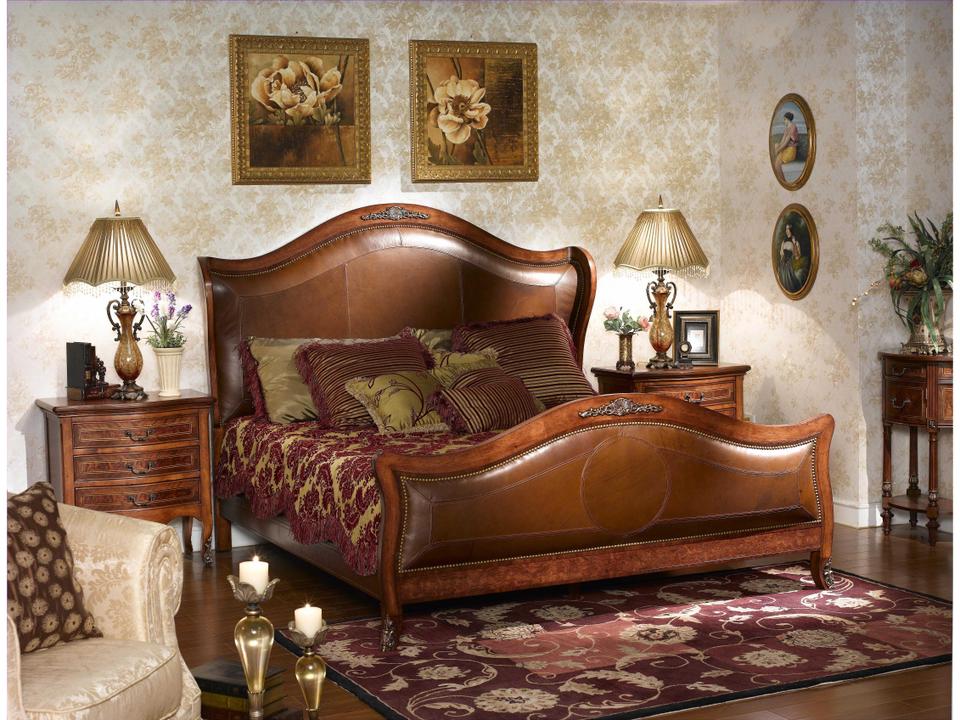
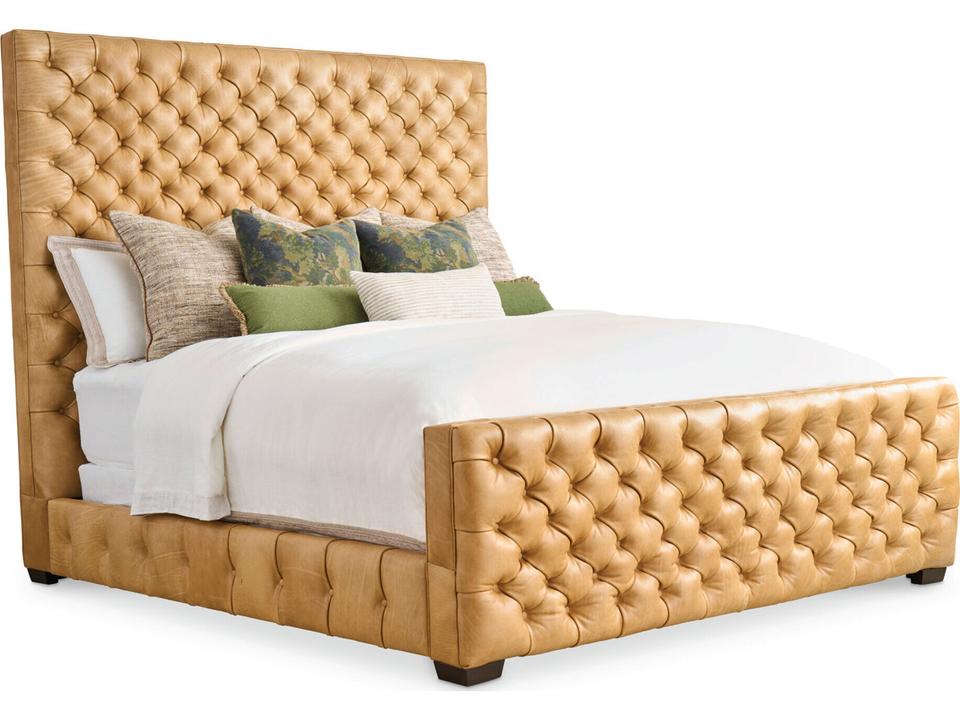
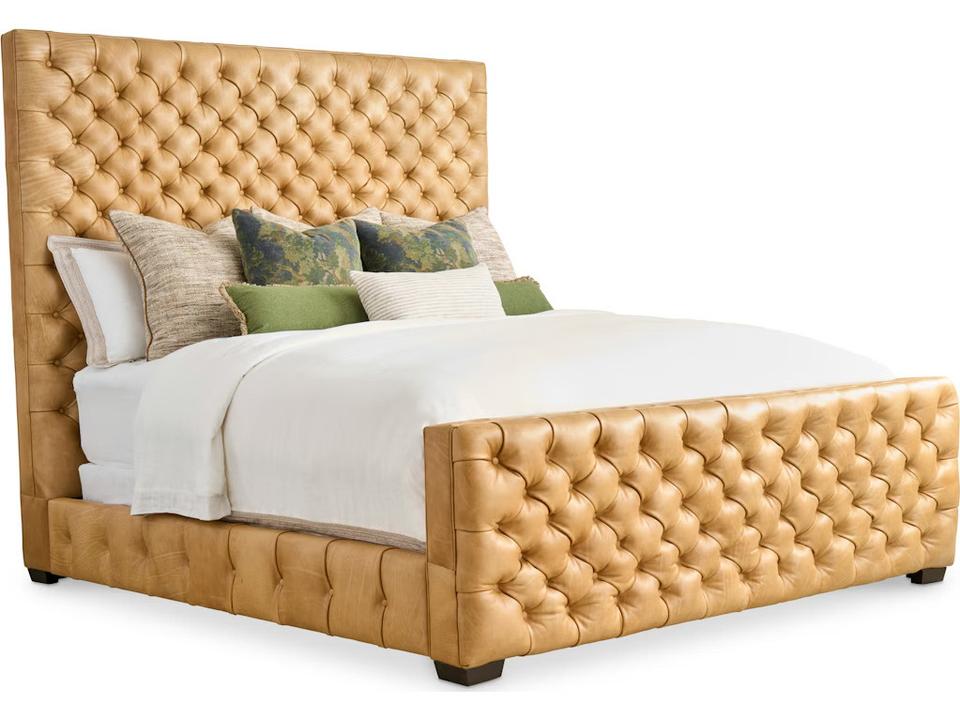
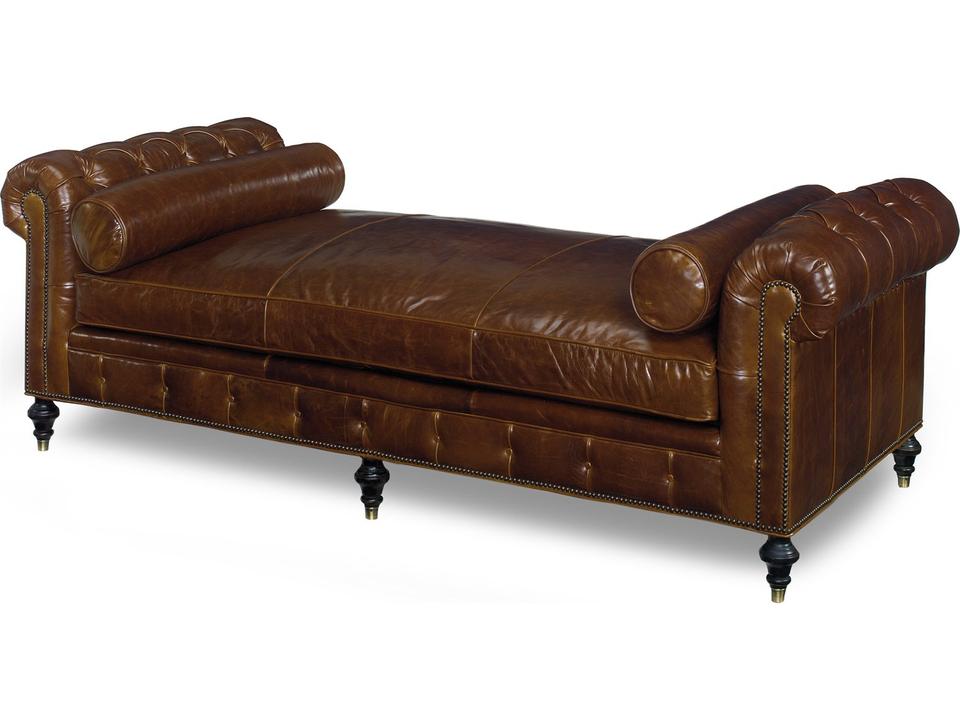
Run your hand across a leather headboard and you notice it right away — the surface is cool at first, then warms to your touch. That tactile quality is what separates a leather bed from fabric or wood alternatives. Genuine and top-grain leathers develop a subtle patina over years of use, softening with time. Bonded and faux leather options deliver similar visual richness at a lower price point, with easier maintenance in households with kids or pets.
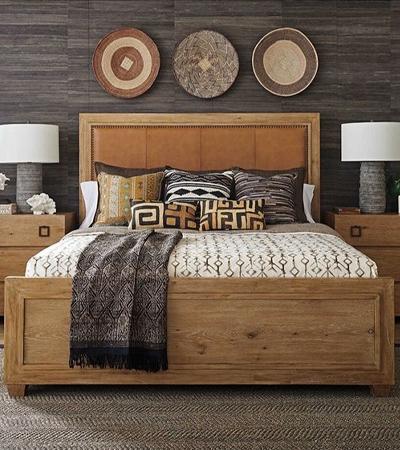
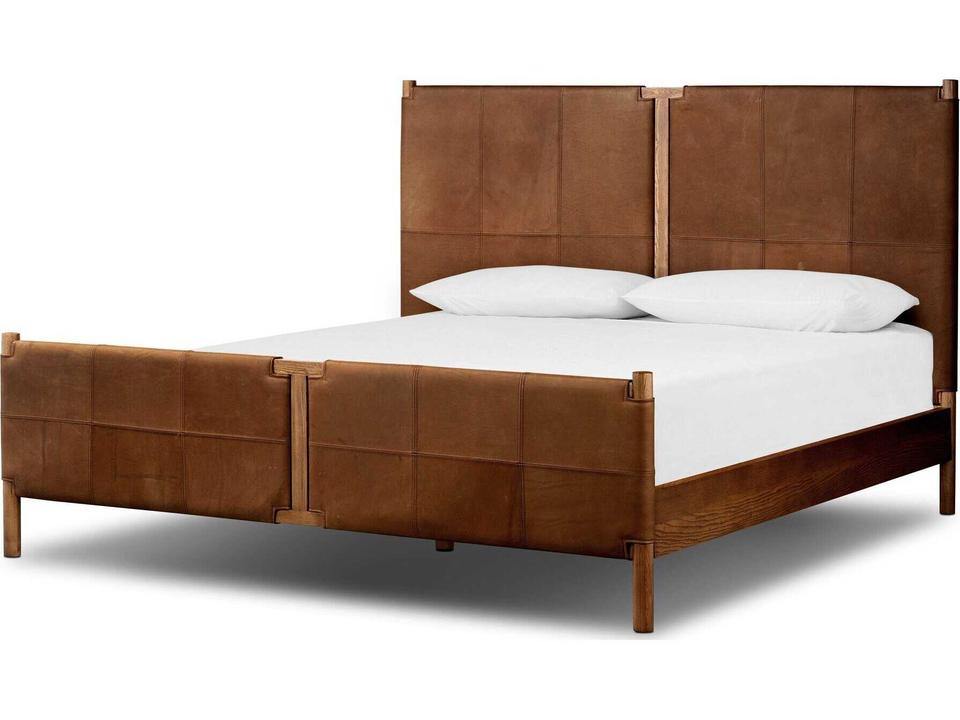
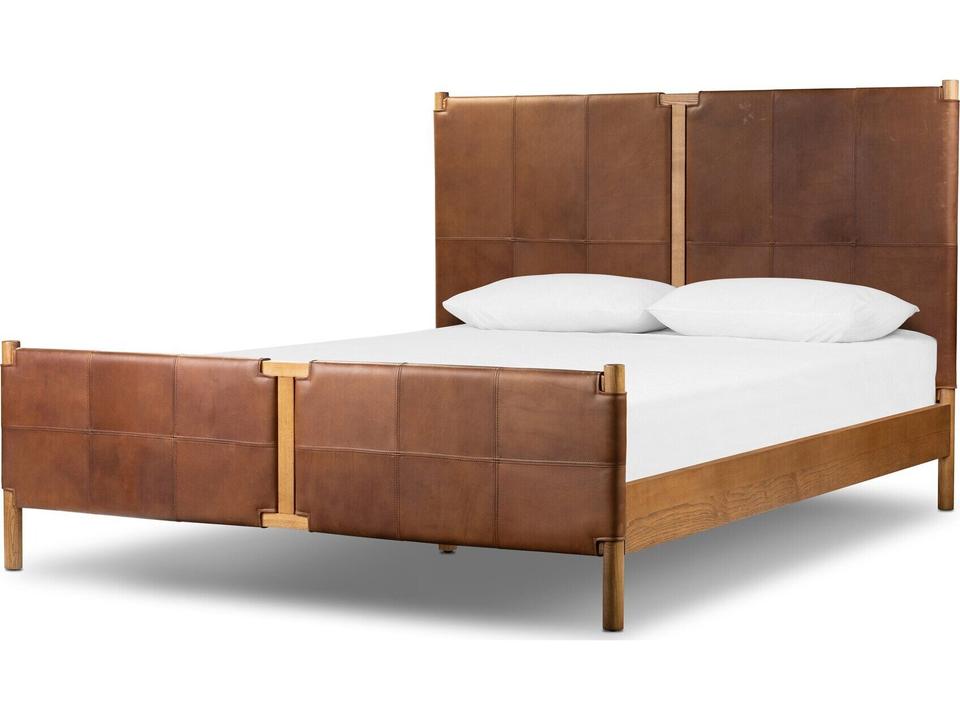
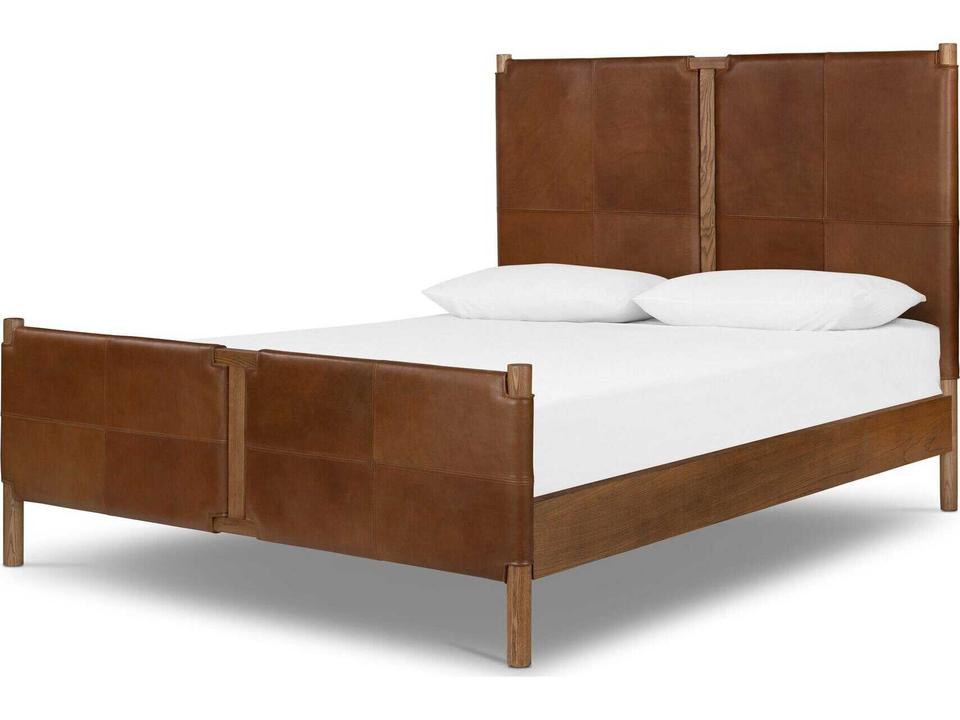
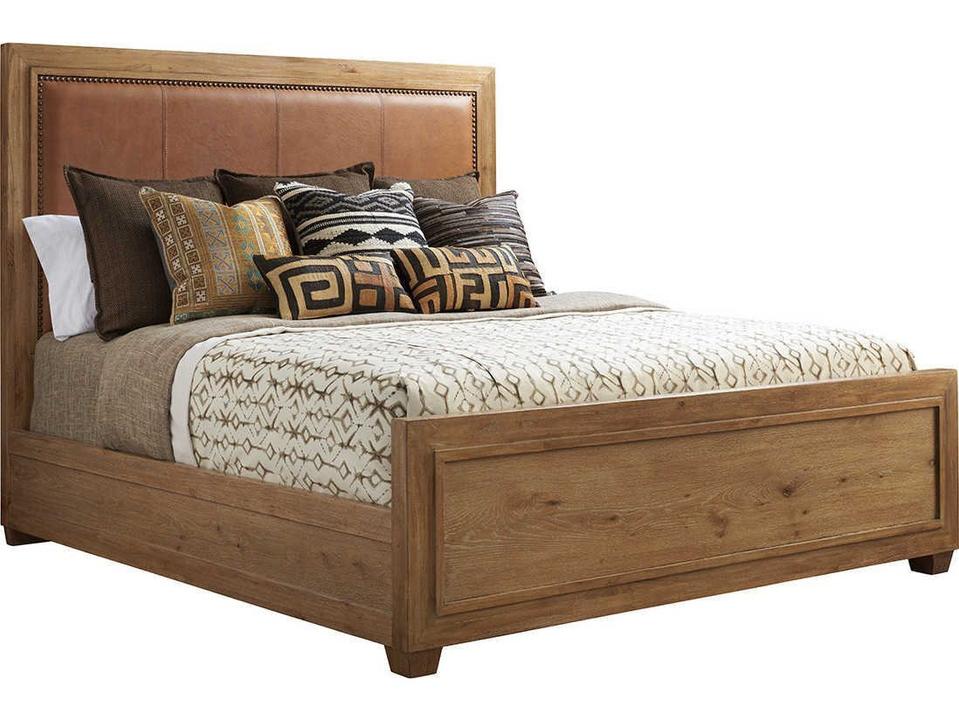
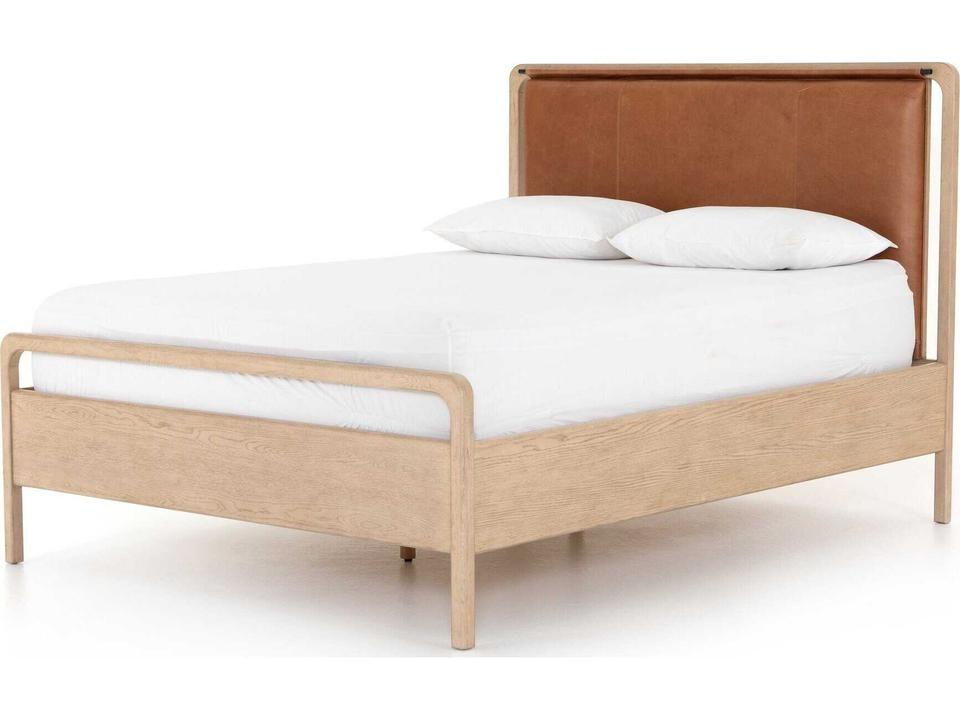
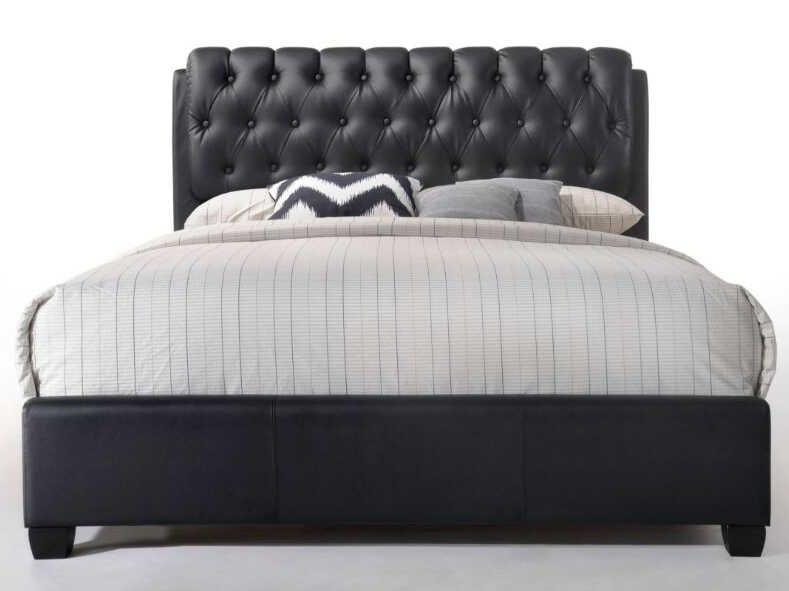
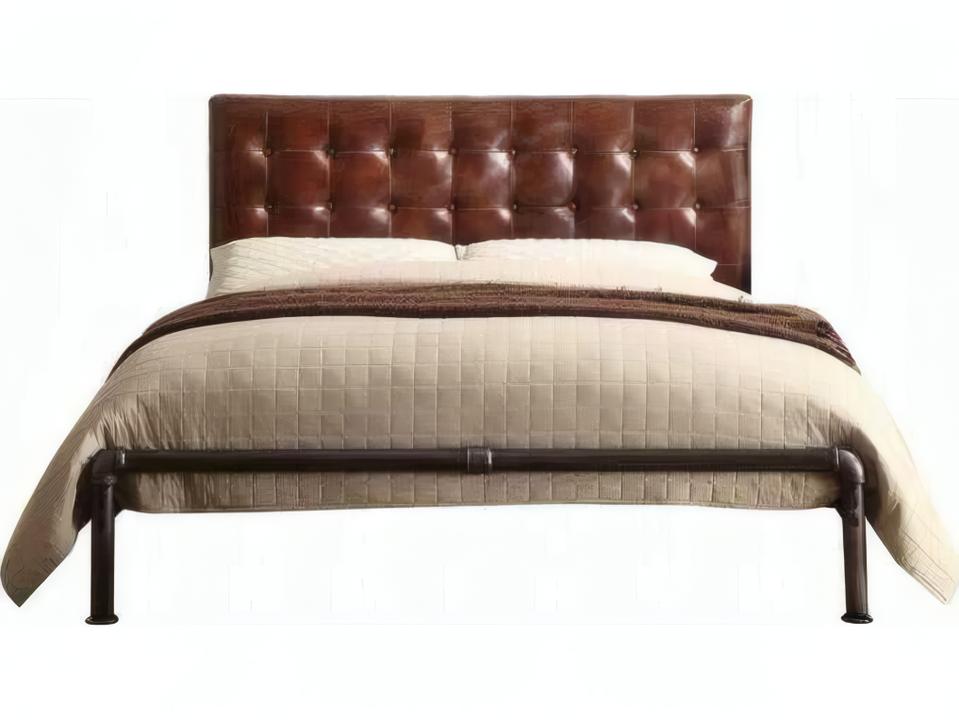
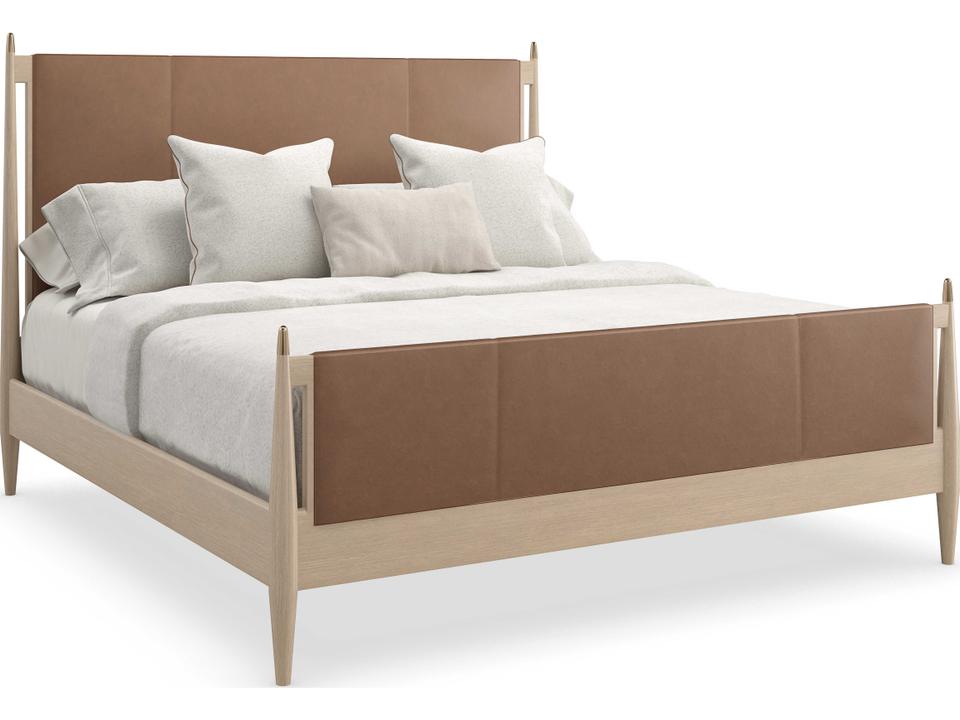
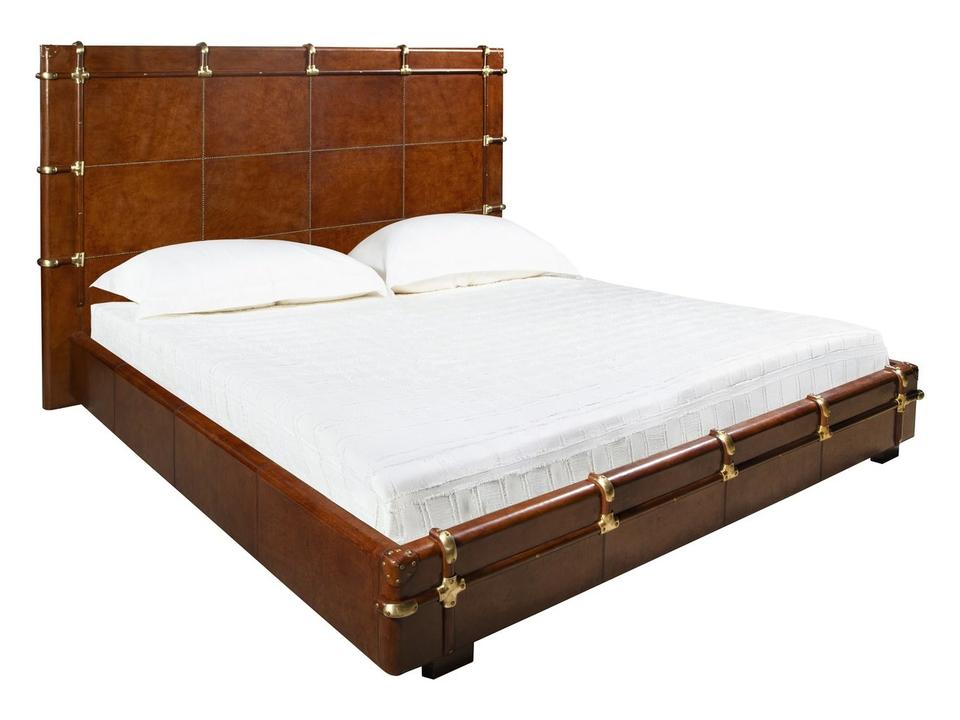
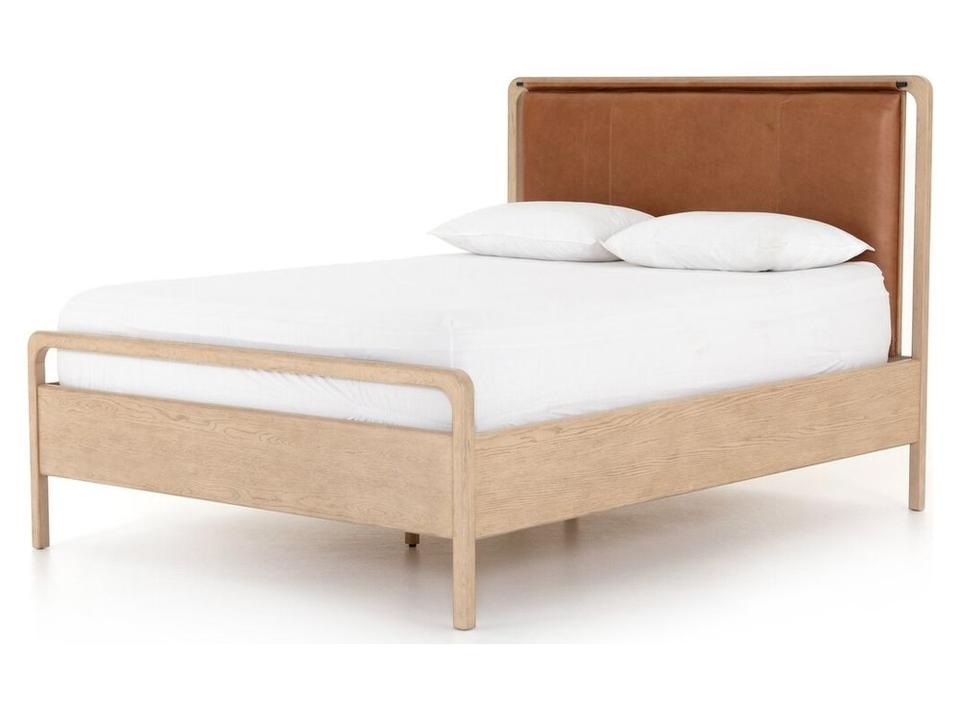
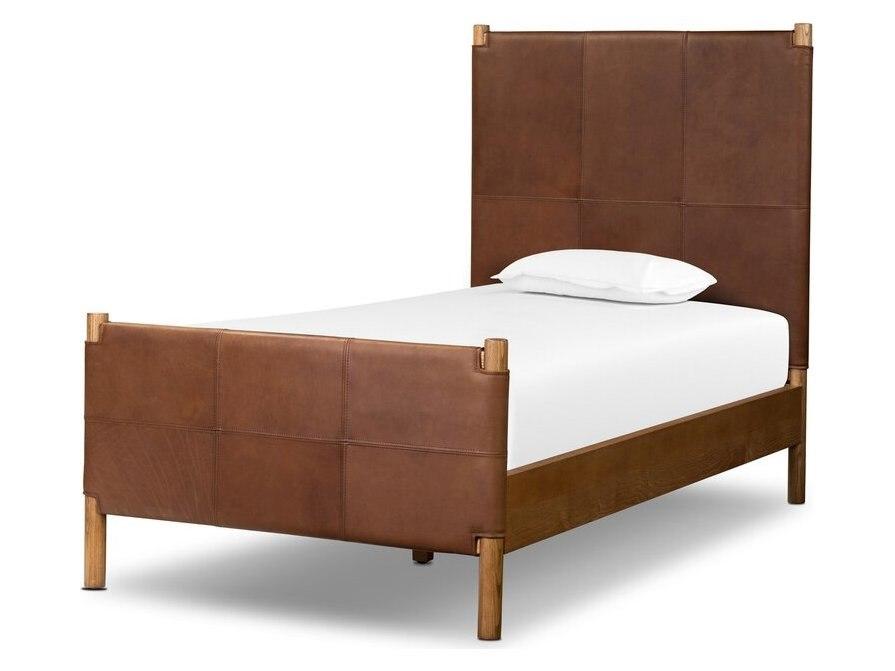
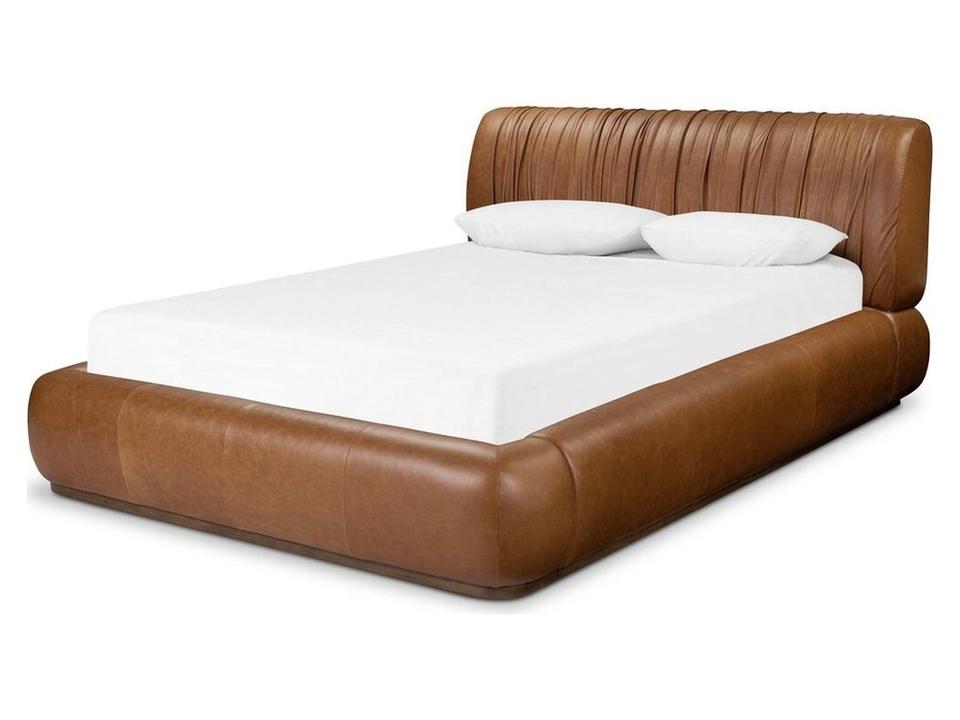
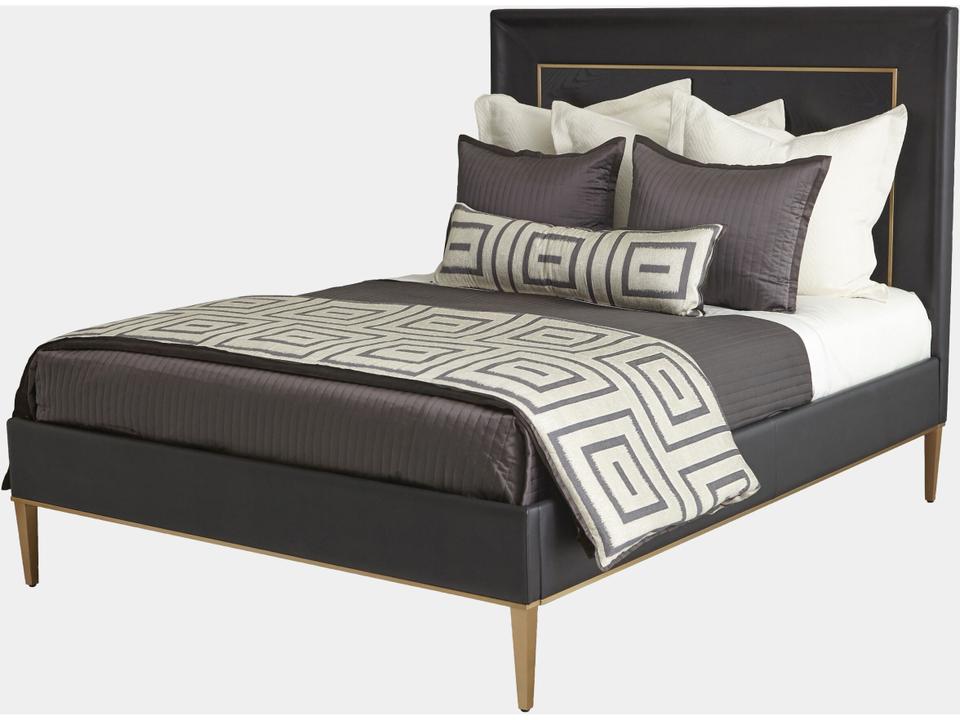
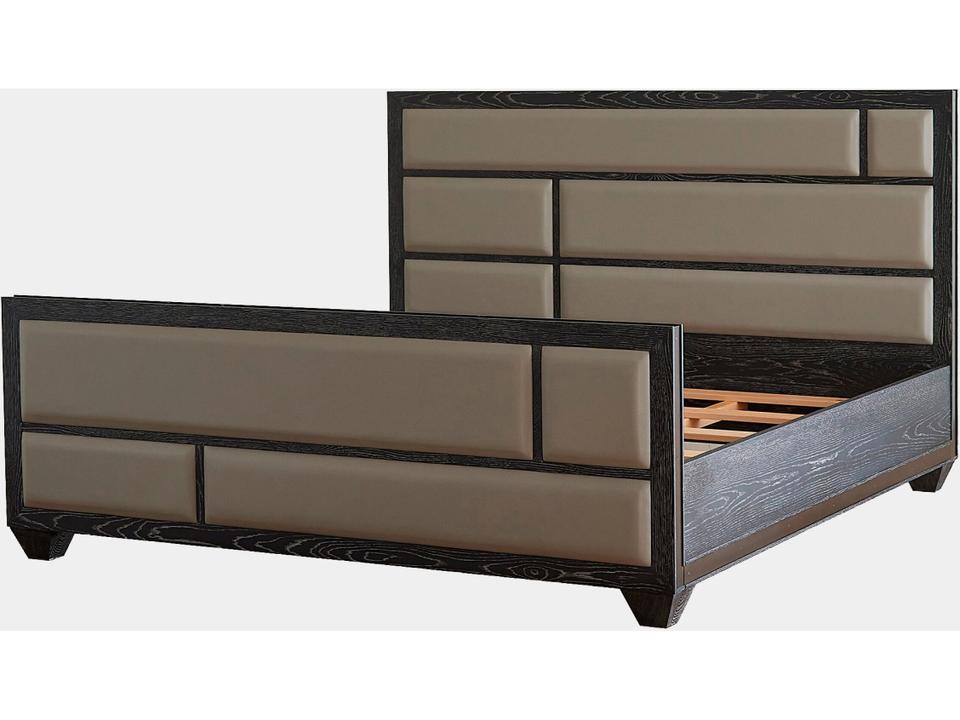
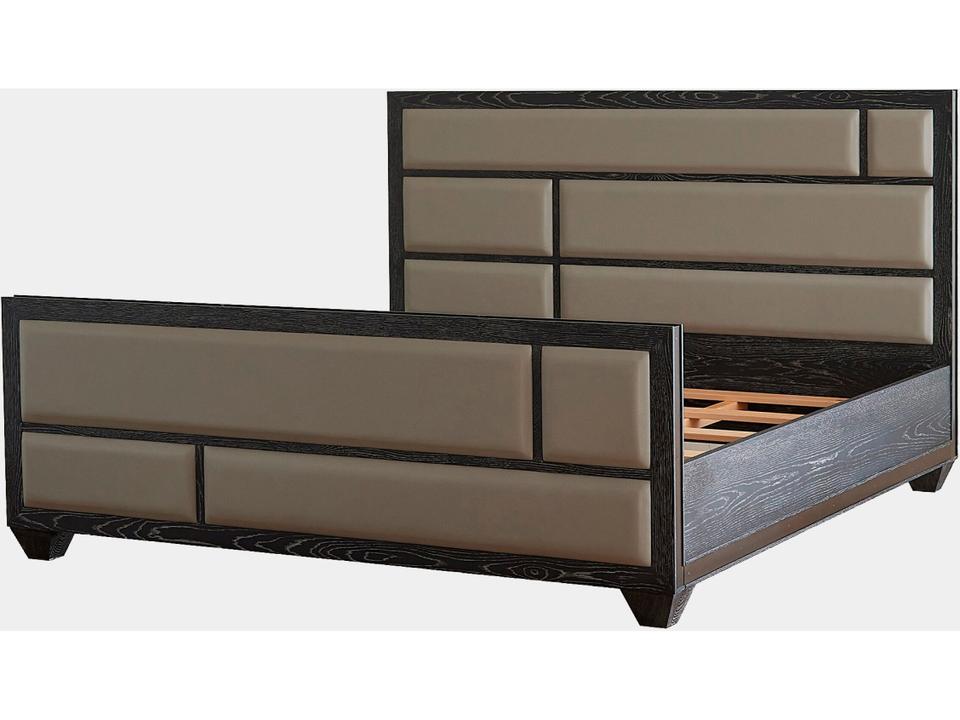
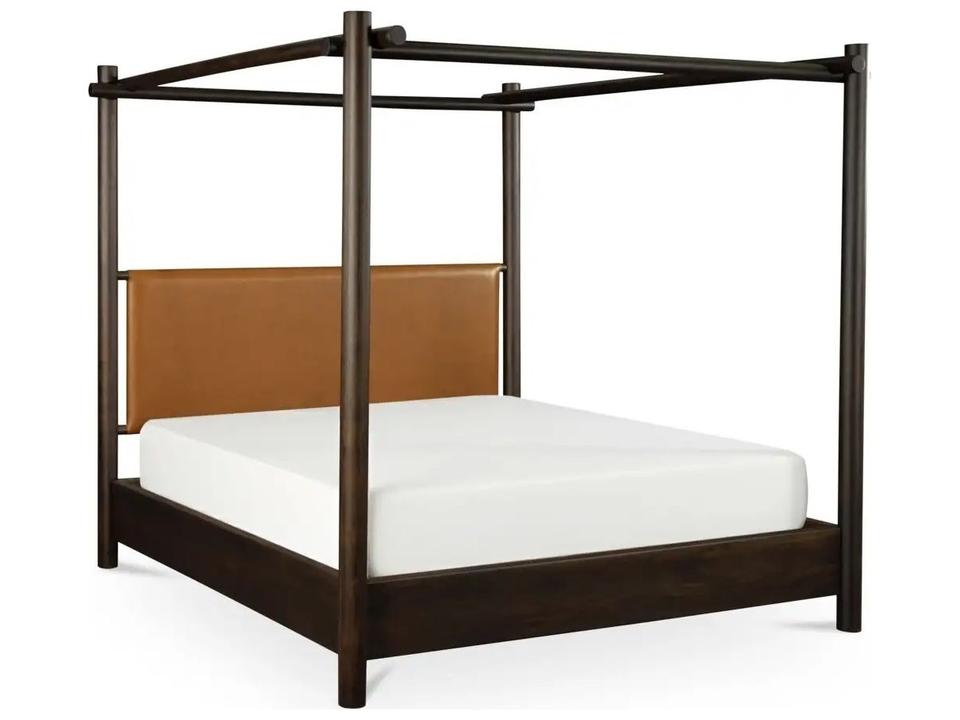
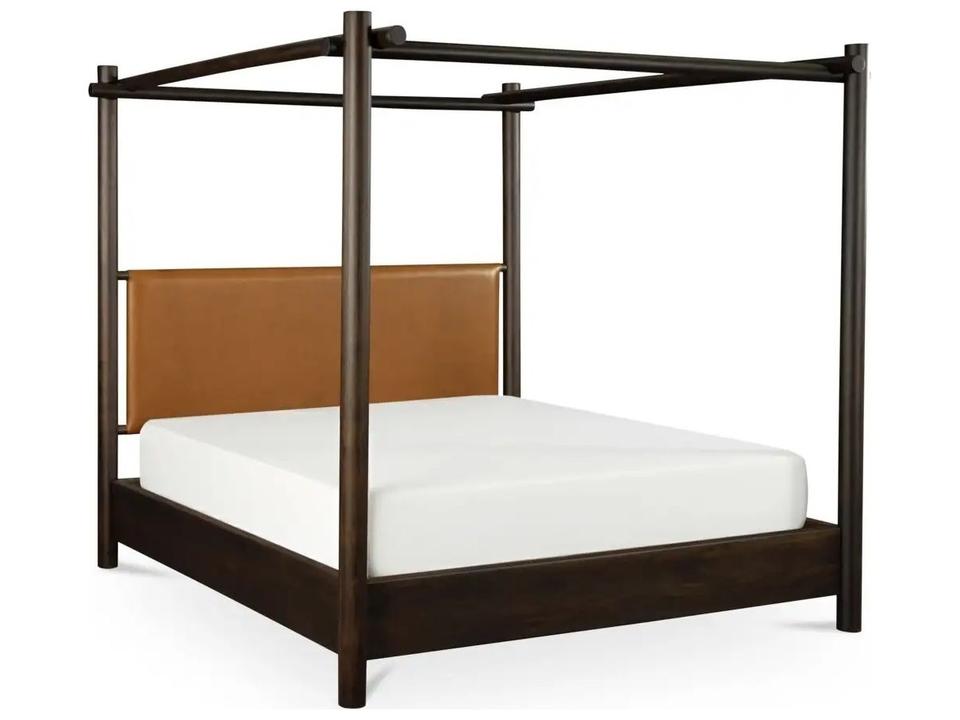
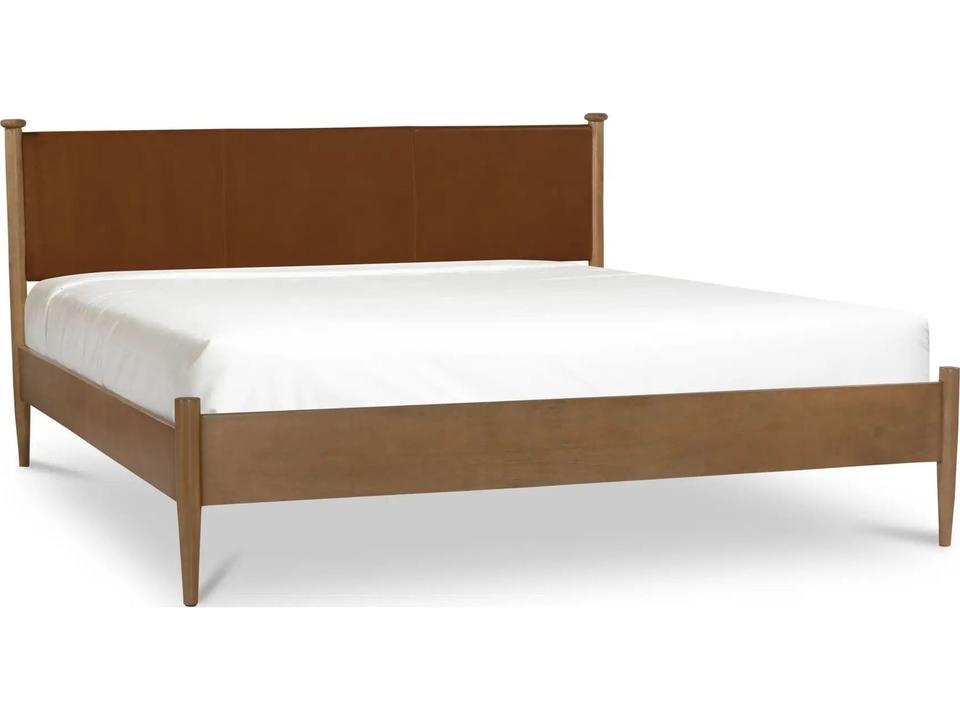
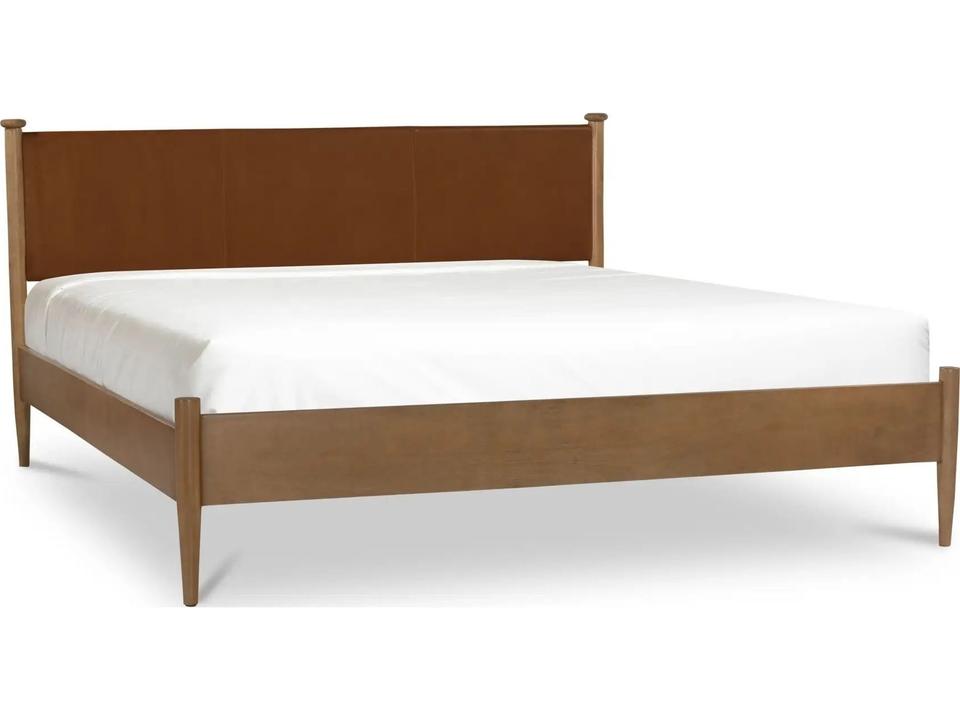
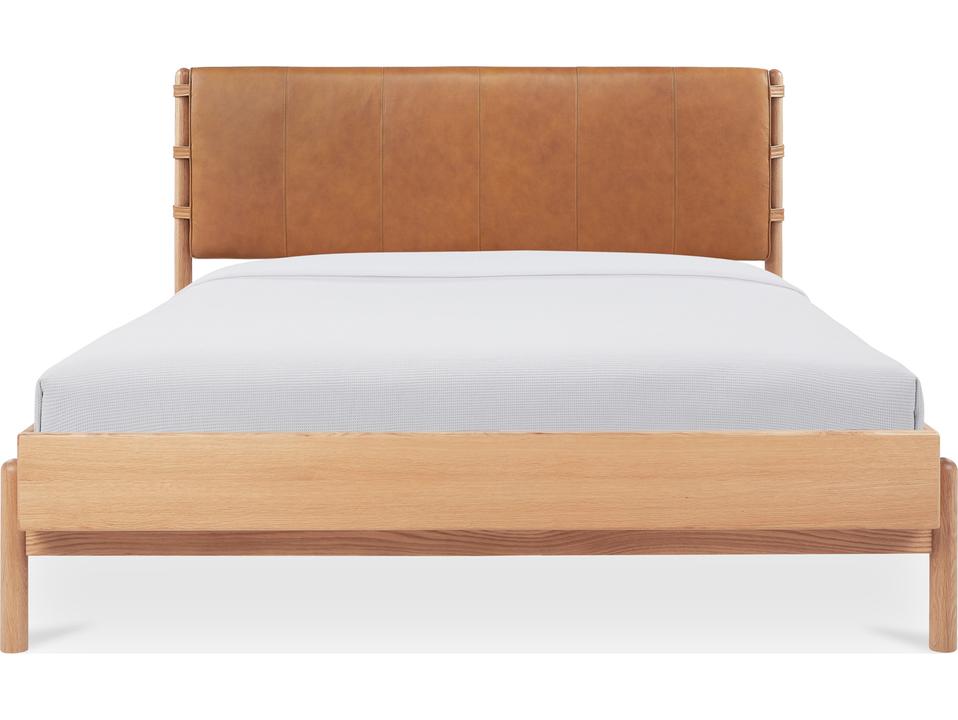
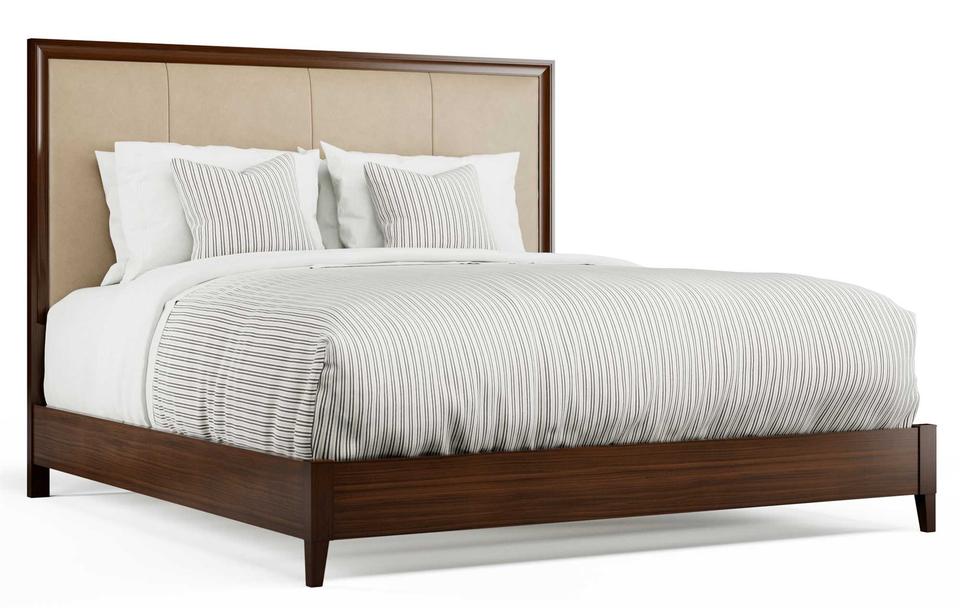
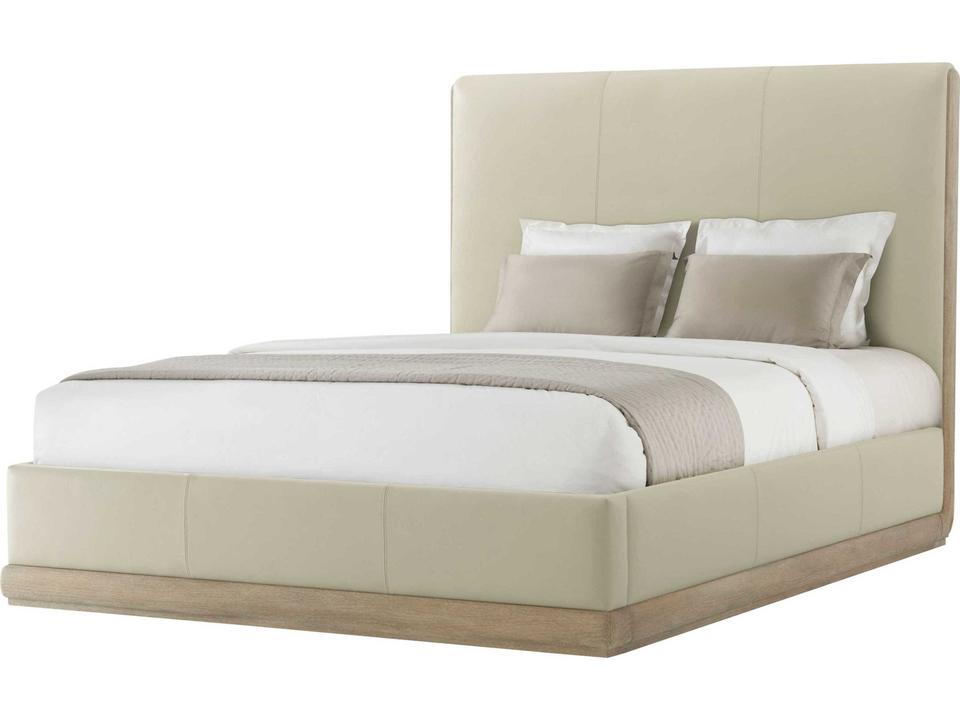
Most luxury leather beds use a mixed-material frame. A hardwood or steel internal structure handles the weight-bearing work, while the visible surfaces — headboard, side rails, sometimes the footboard — are upholstered in leather or a leather alternative. Look for kiln-dried hardwood frames or welded steel for lasting rigidity. The upholstery attachment matters, too: hand-applied leather panels with tight, even stitching hold up far better than glued coverings that can peel or bubble over time.
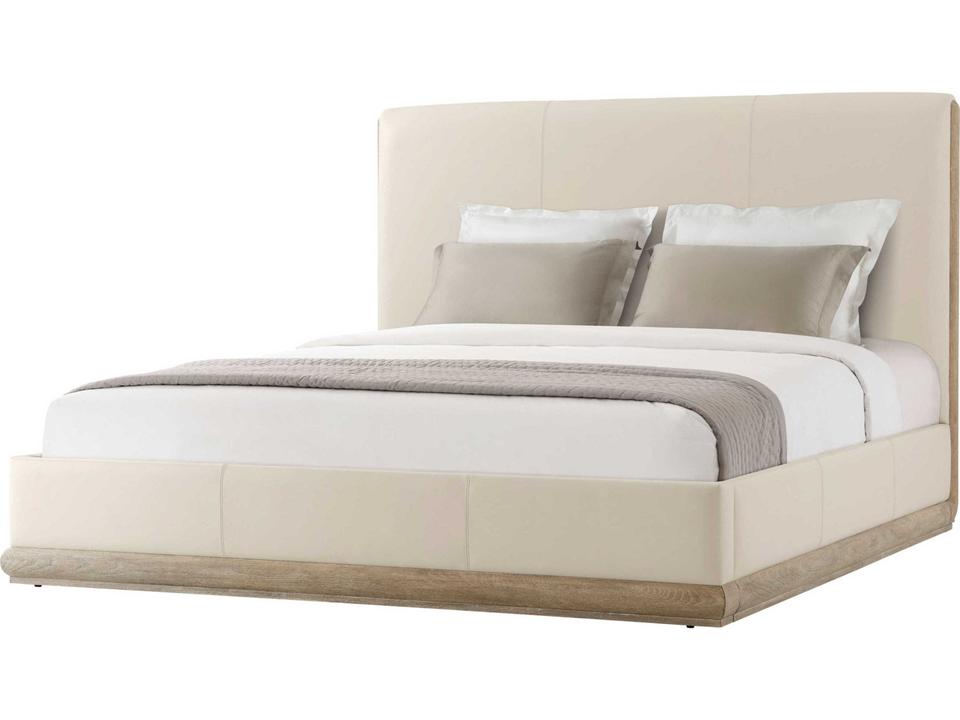
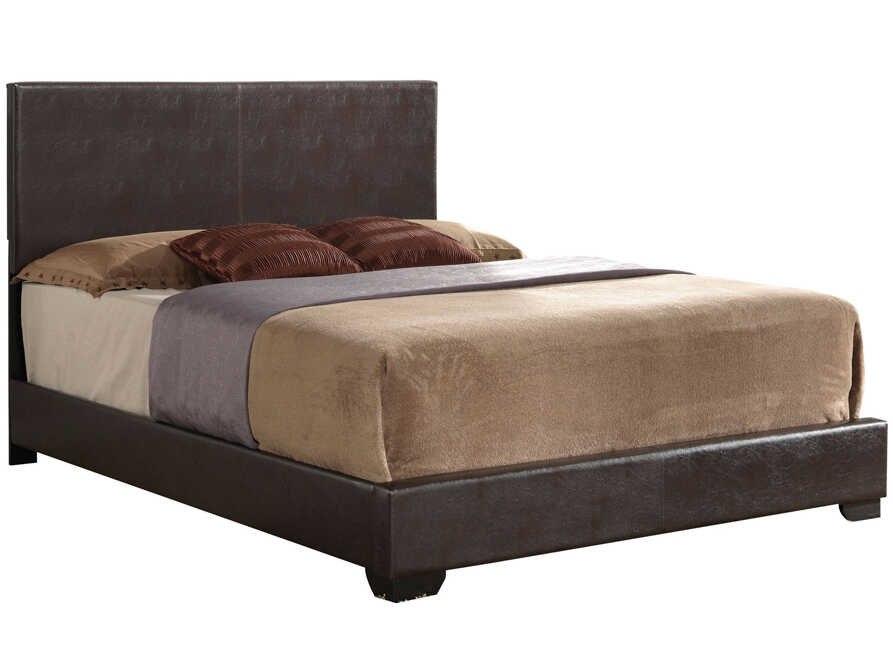
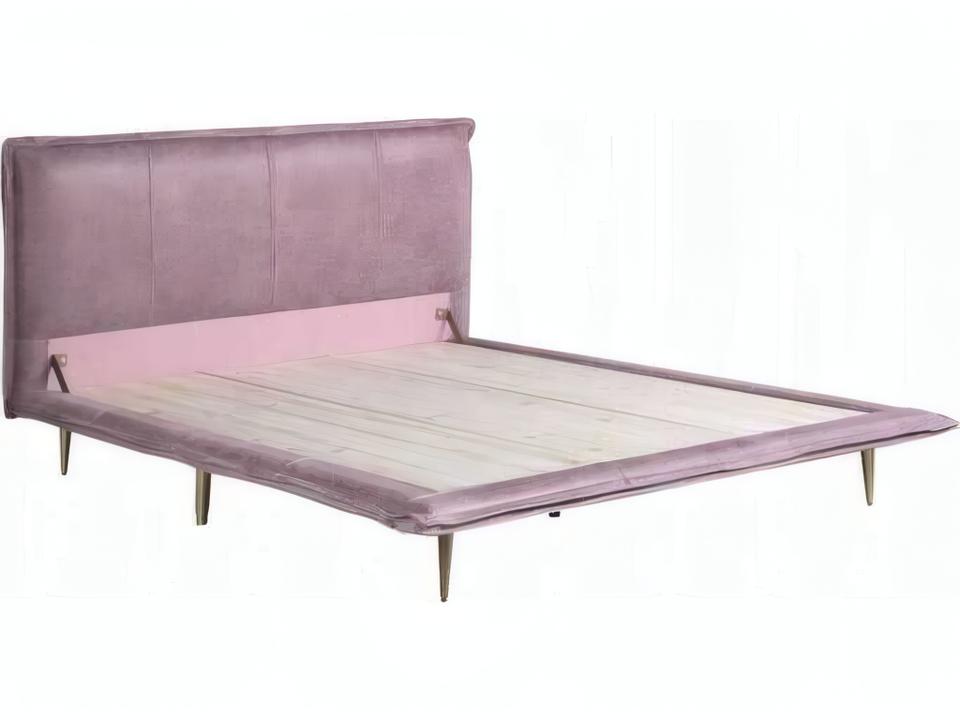
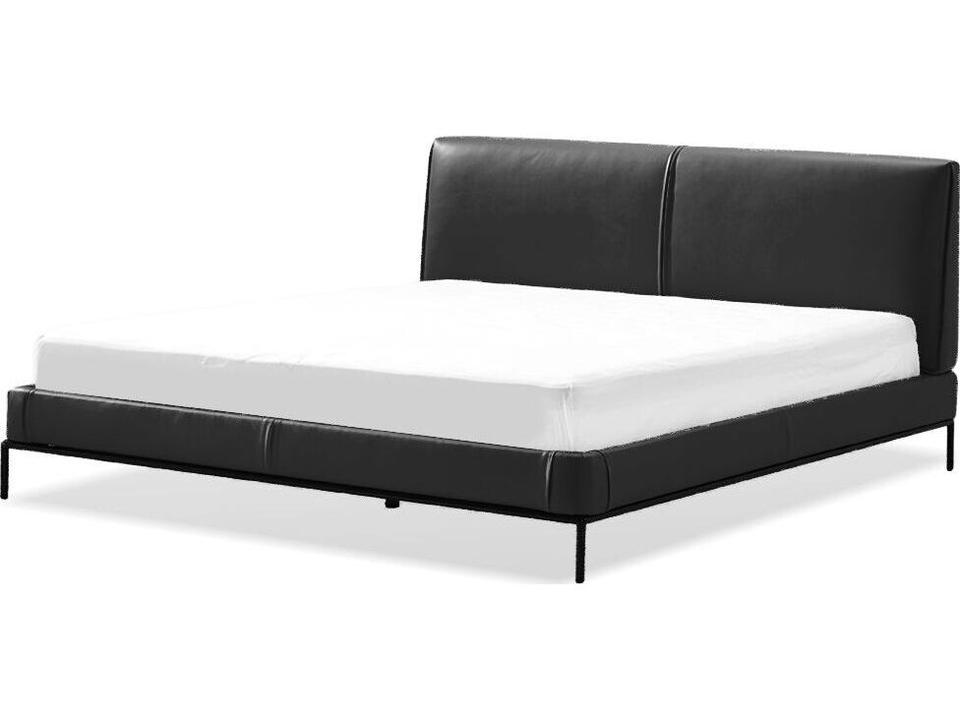
Platform leather beds support your mattress on slats, eliminating the need for a box spring and lowering the overall profile. This gives the bed a modern, streamlined look. Traditional panel and sleigh bed frames pair with a standard box spring for added height and a more classic presence in the room.
Common frame styles:
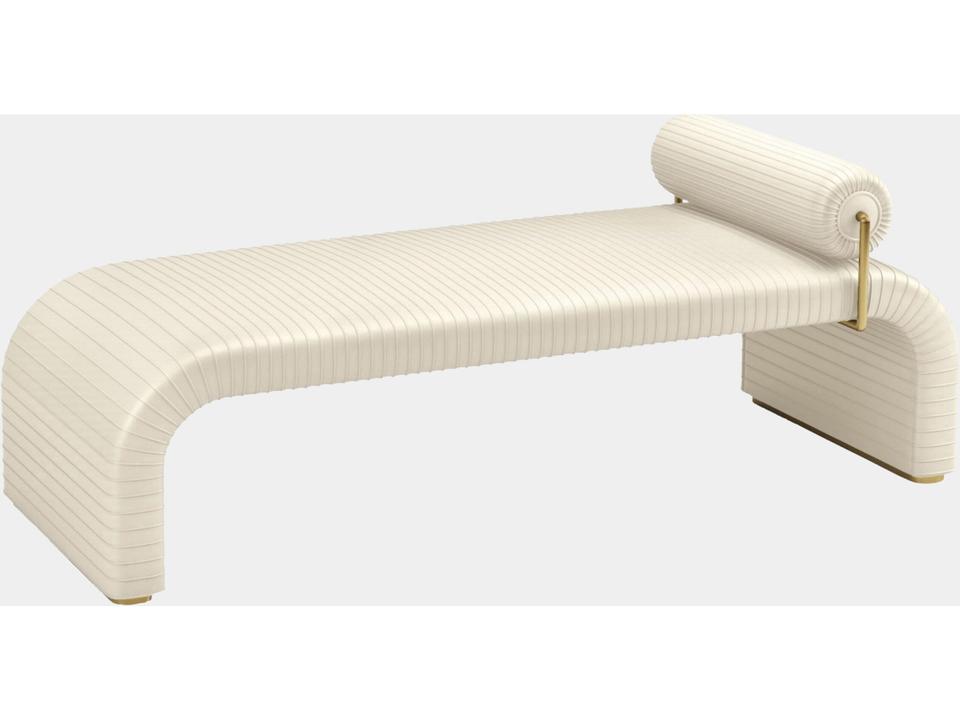
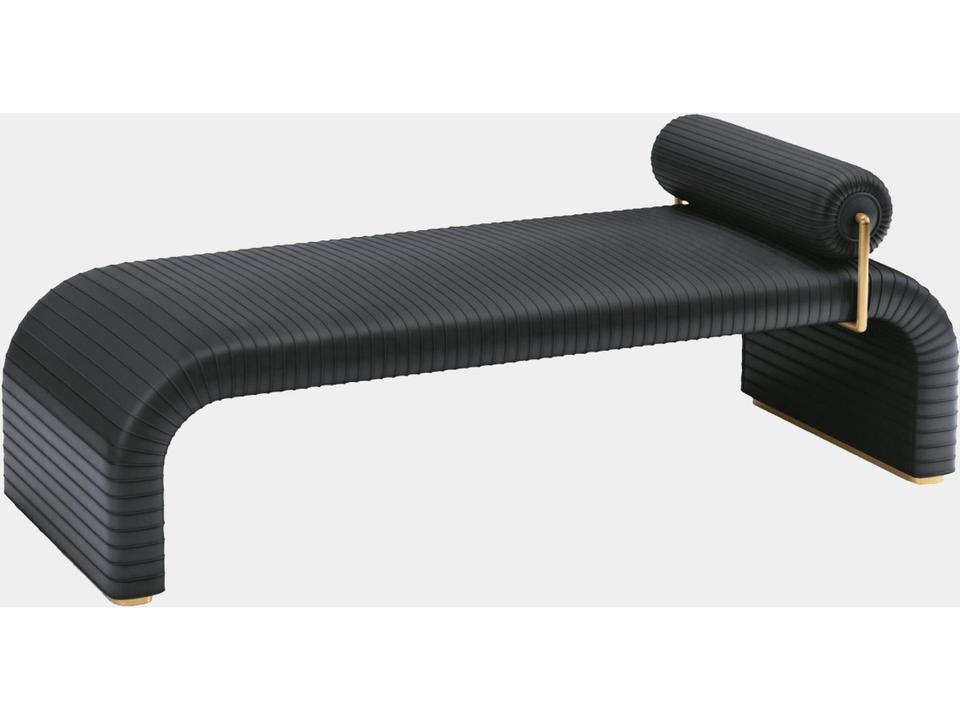
Leather beds come in queen, king, and California king sizes — well-suited for master bedrooms where the bed is the primary focal point. Dark tones like espresso, black, and deep brown read bold and grounded. White and cream leather opens a room visually, pairing well with airy, lighter palettes. Cognac and caramel split the difference, bringing warmth without dominating the space.
On the material side, genuine and top-grain leather offer the most character. They breathe, they age, and no two hides look exactly alike. Faux leather (often labeled PU or bicast) is worth considering if you want the look without the upkeep — it wipes clean and resists scratching, though it won't develop the same natural patina. For a deeper look at leather grades, finishes, and care, see our Leather Buying Guide.
Comparing frame materials? Our Bed Frame Buying Guide covers wood, metal, and upholstered options side by side. If solid wood appeals to you, browse our collection of wood beds as well.
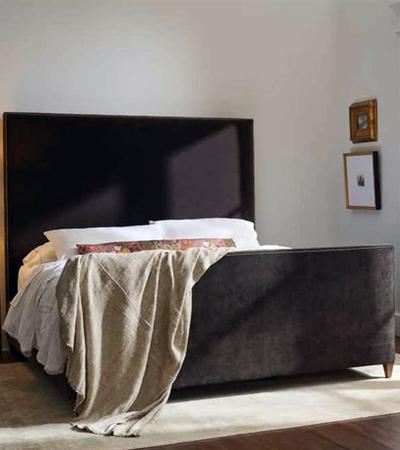
A luxury leather bed carries enough visual weight on its own, so the surrounding pieces can afford to be lighter. Crisp white bedding against a dark leather headboard creates immediate contrast. Layer in texture — a chunky knit throw, linen shams, a textured bolster — to keep the look from feeling too slick or monotone.
Nightstands in natural wood or brushed metal complement leather without competing with it. A bedroom rug in soft wool or a hand-tufted pattern adds warmth underfoot and balances the smooth leather surface above. The result is a refined, layered bedroom that feels sophisticated without trying too hard.