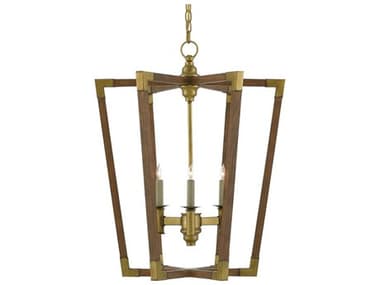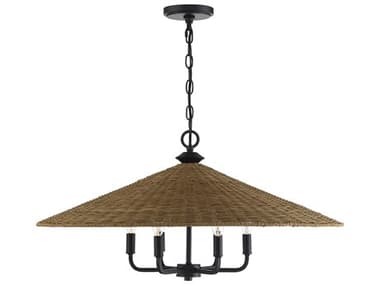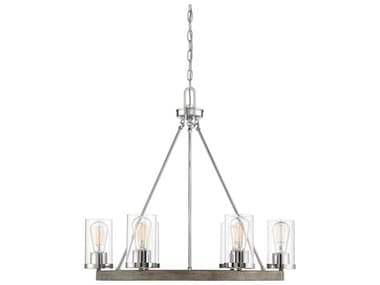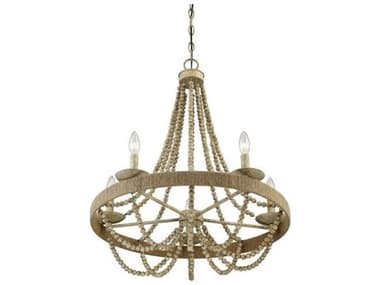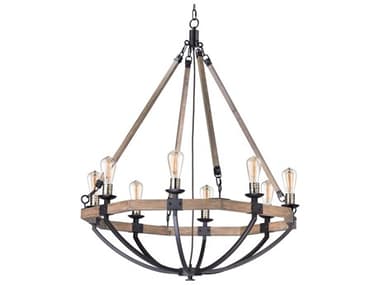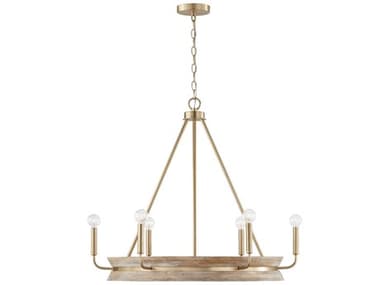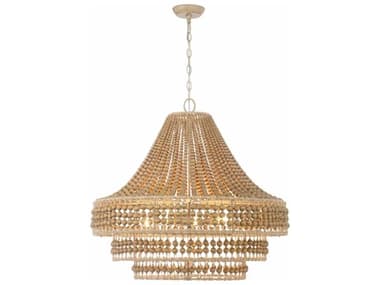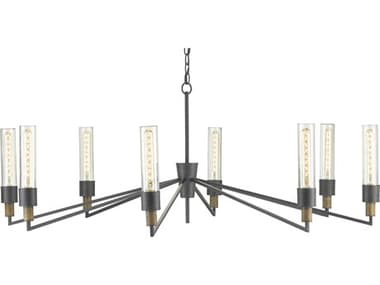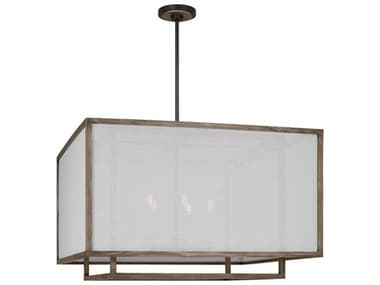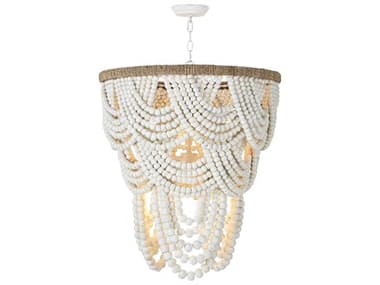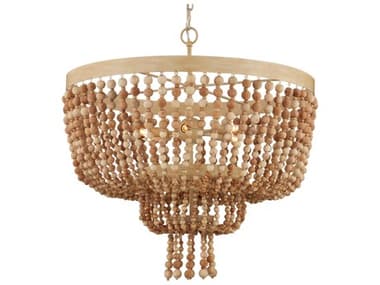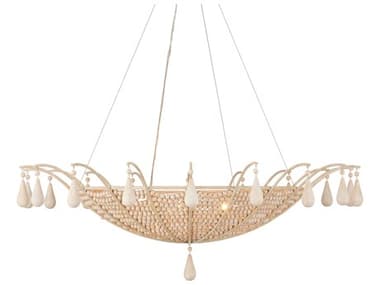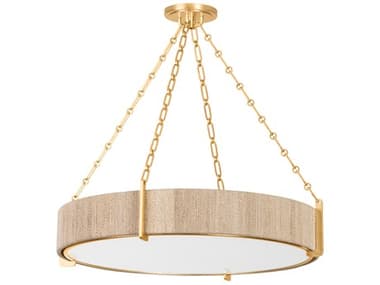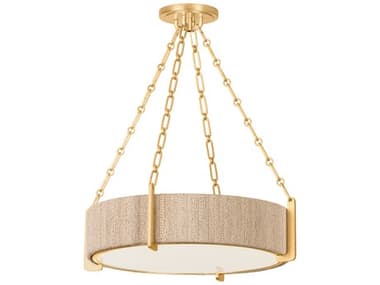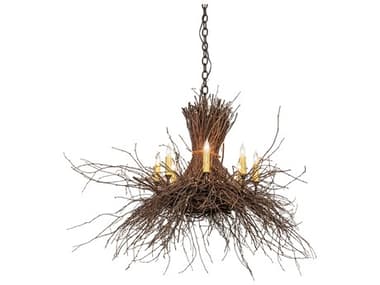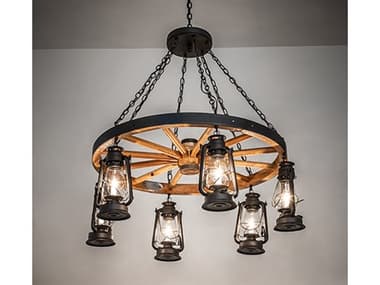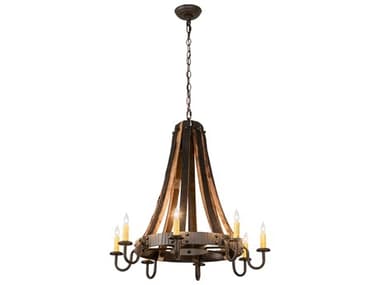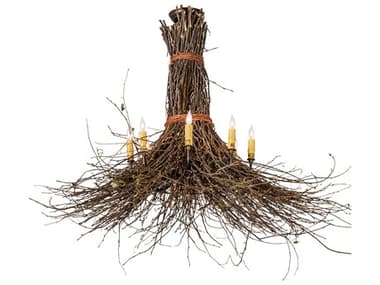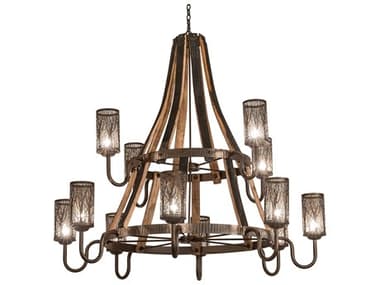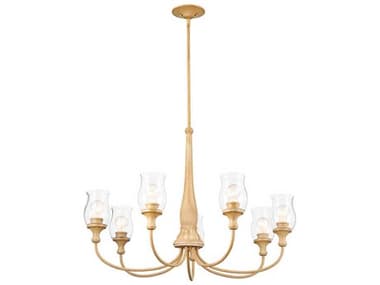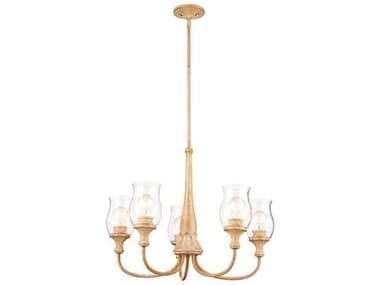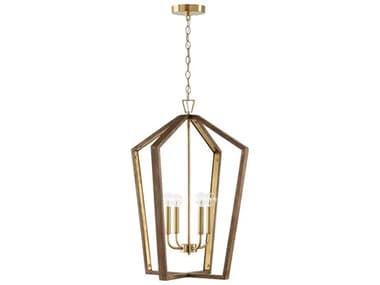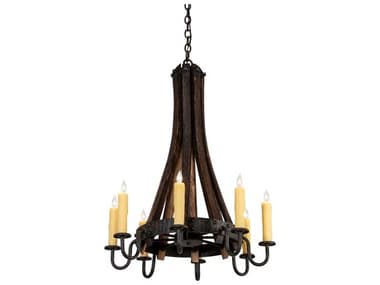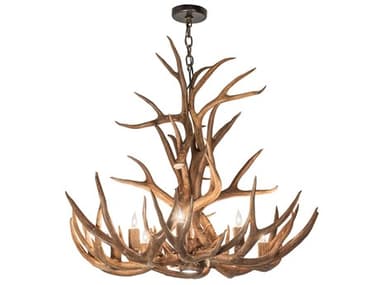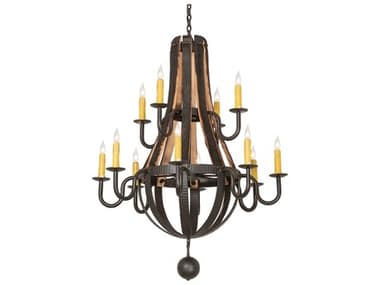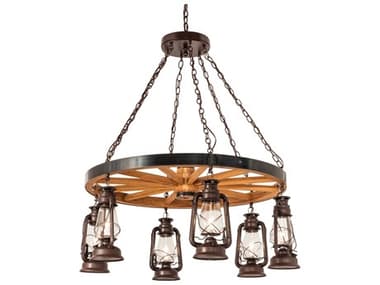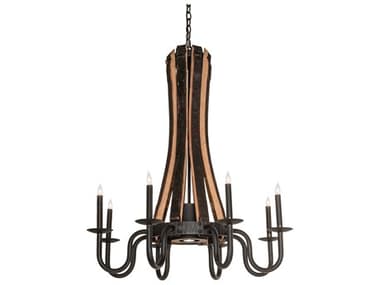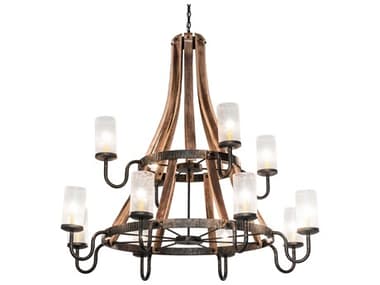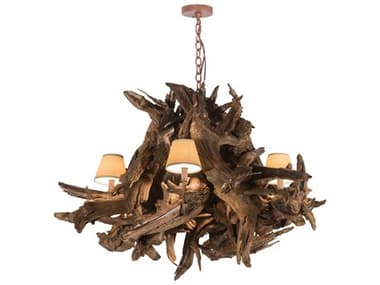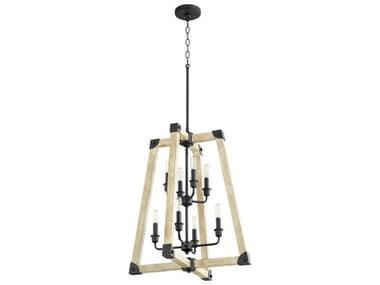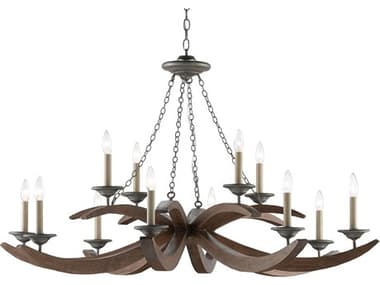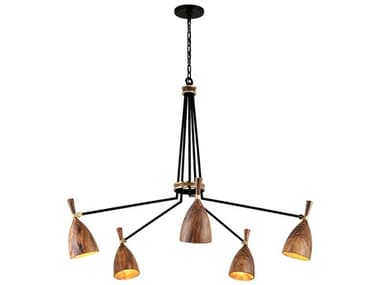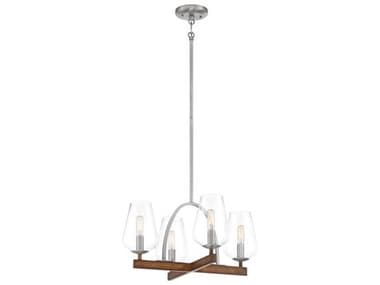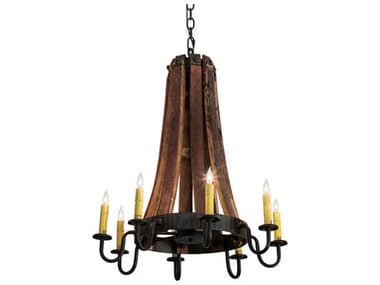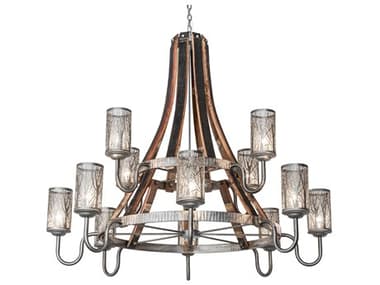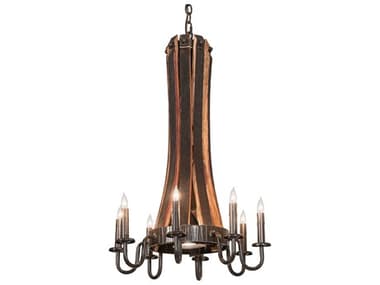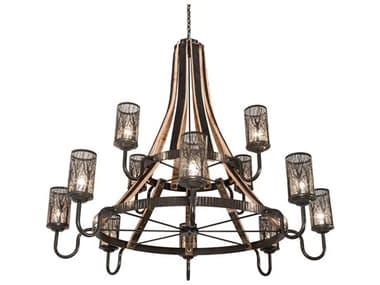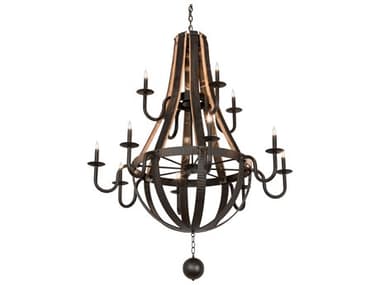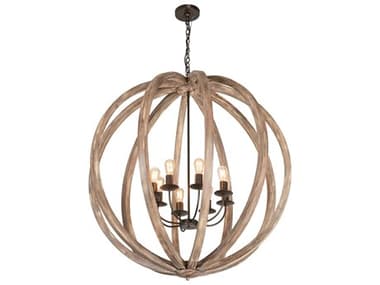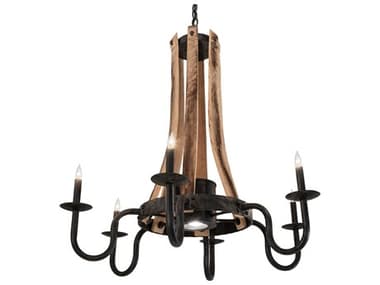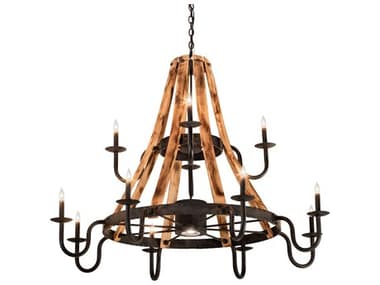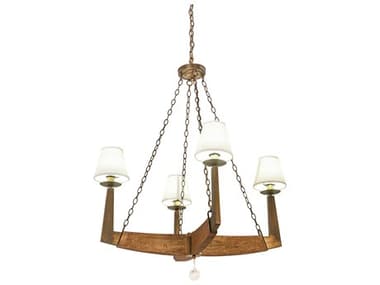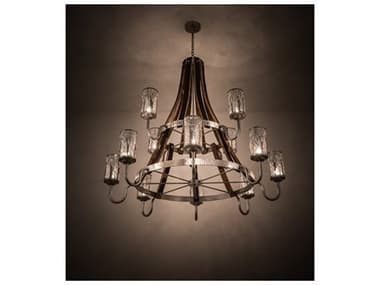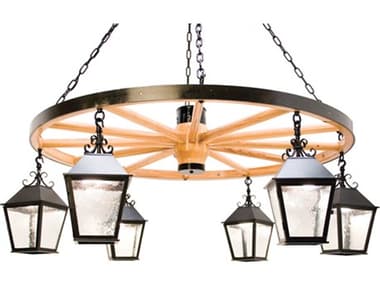
A wood chandelier changes the character of a room the moment it's installed. Where metal and crystal fixtures read polished and formal, wood introduces something warmer — a raw, tactile quality that softens overhead light and draws the eye upward. Whether it's a weathered driftwood ring above a coastal dining table or a dark walnut sputnik in a modern foyer, the material itself carries visual weight that other chandelier materials simply don't.
Our collection of luxury wood chandeliers spans rustic, farmhouse, transitional, and contemporary styles. You'll find fixtures built from reclaimed barn beams, hand-turned hardwoods, carved mango wood, and whitewashed pine — each with a grain pattern and finish that makes it genuinely one of a kind.
The wood species and finish treatment determine the chandelier's overall feel. Reclaimed wood — often sourced from old barns, fences, or industrial structures — carries natural distressing and patina that suits farmhouse and rustic-industrial spaces. Driftwood fixtures lean coastal. Their bleached, organic shapes pair well with linen, natural fiber rugs, and neutral palettes.
Mango wood and teak offer rich mid-tones and pronounced grain, making them well-suited for transitional and bohemian interiors. Walnut and oak, with darker, more uniform grain, work in mid-century and modern settings where clean lines dominate. Many fixtures combine wood with iron, brass, or steel accents — a mix that lets you tie the chandelier to existing hardware and finishes throughout the room.
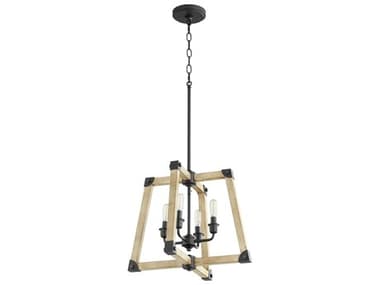
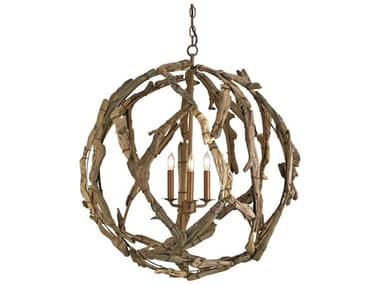
Wood chandeliers tend to be visually heavier than their metal counterparts, so getting the scale right matters. A common sizing rule: add the room's length and width in feet, then convert that number to inches for the fixture's diameter. A 12-by-14-foot dining room calls for roughly a 26-inch-wide chandelier.
Over a dining table, hang the fixture 30 to 36 inches above the tabletop. In an open foyer or two-story entry, the bottom of the chandelier should sit at least seven feet above the floor. Consider the fixture's visual mass as well — a wide beam-style chandelier can overwhelm a small breakfast nook, while a narrow pendant-style wood fixture might disappear in a great room.
A wood chandelier naturally anchors a room's palette. Start by matching or contrasting the fixture's wood tone with your flooring, cabinetry, or furniture. A light whitewashed fixture against dark hardwood floors creates sharp contrast; a walnut chandelier above a matching dining table reads cohesive and grounded.
Bulb choice matters more than most buyers realize. Warm Edison-style bulbs (2200K–2700K) complement the natural material and cast a soft amber glow. Cooler temperatures above 3000K can clash with warm wood tones. If the fixture uses candelabra-style sockets, flame-tip LED bulbs maintain the traditional silhouette while running far more efficiently.
Pair your luxury wood chandelier with natural materials throughout the room — linen drapery, jute or sisal rugs, stone or ceramic table accents — and the fixture becomes a natural part of a larger textural layer rather than an isolated accent.