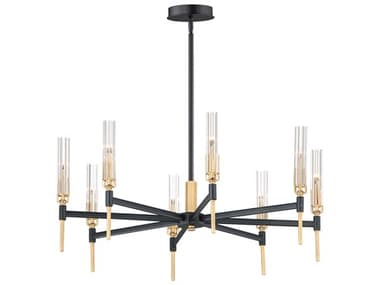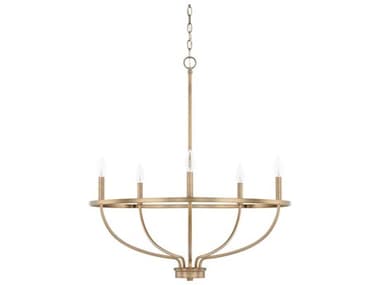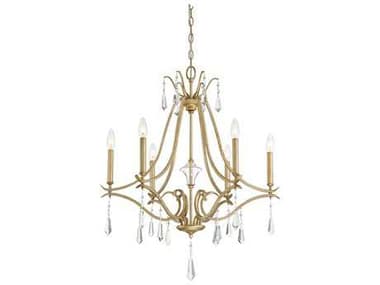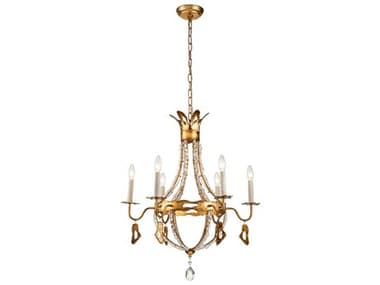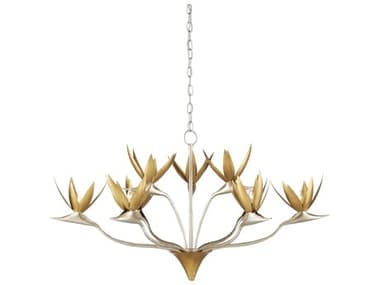
Introduction to Standard Chandeliers
Chandeliers have been a staple in the lighting industry for centuries. These beautiful fixtures have been ruling our hearts since the 18th century for their matchless beauty and timeless grace. Chandelier lighting can make even the most ordinary room look special, and adding a chandelier to your space instantly adds a level of sophistication. You can’t go wrong with chandelier lighting and LuxeDecor has a wide array of designs and styles to choose from to fit every budget.
Different Types of Standard Chandeliers
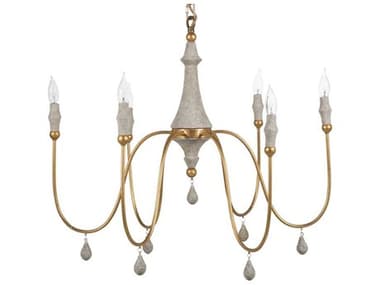
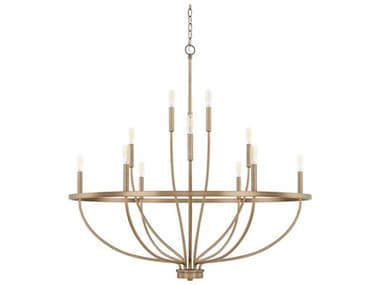
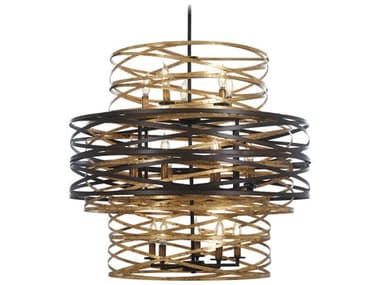
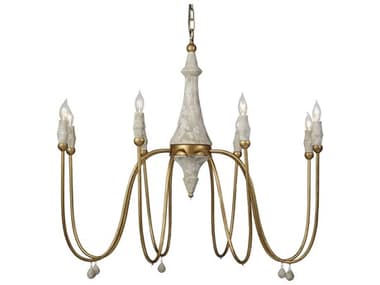
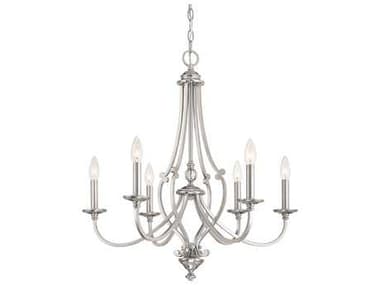
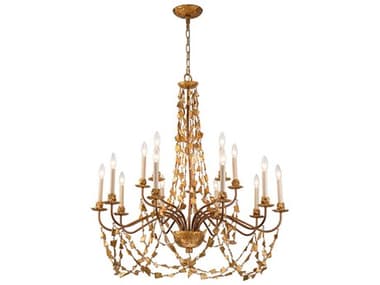
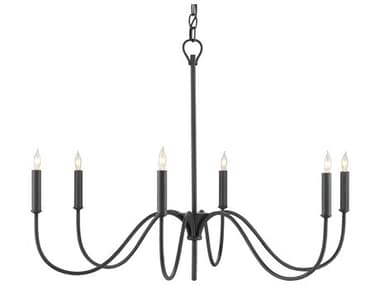
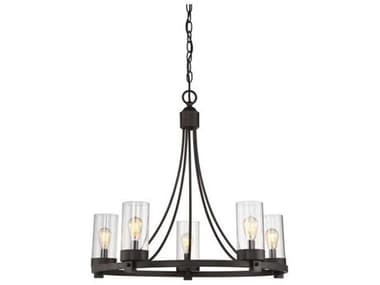
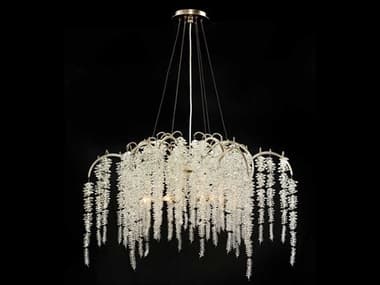
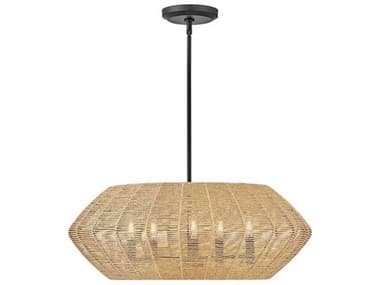
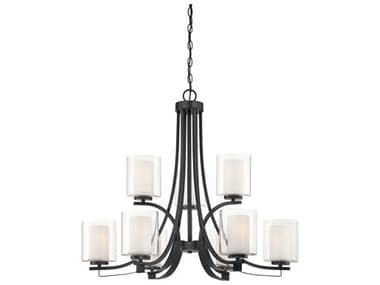
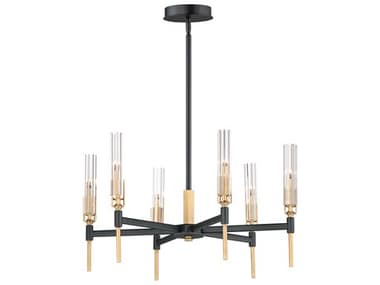
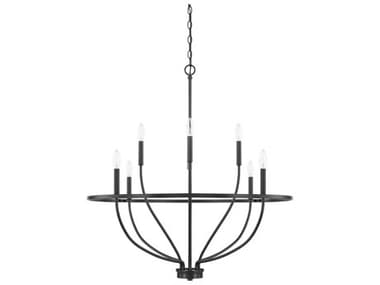
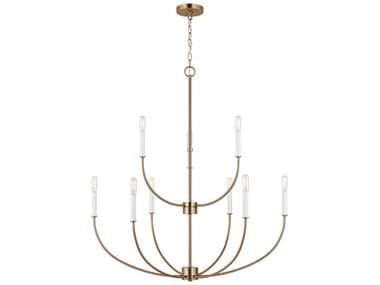
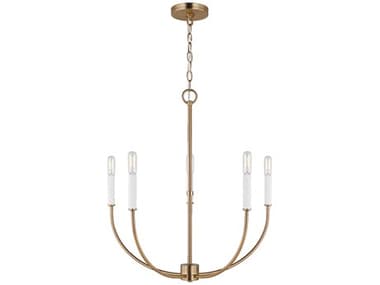
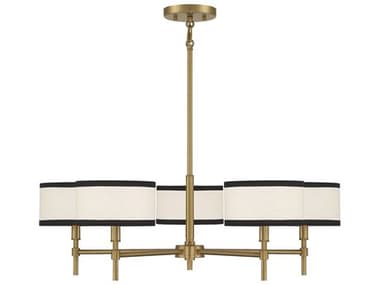
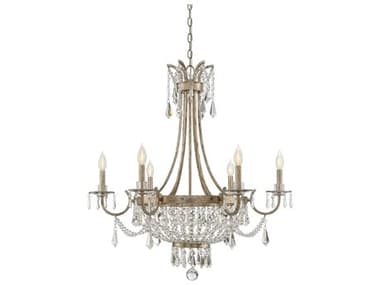
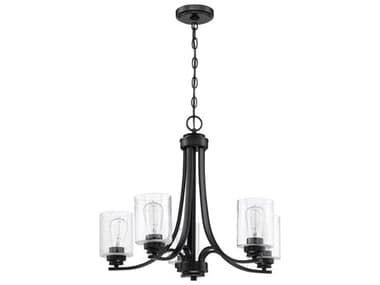
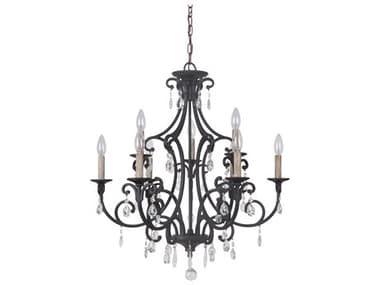
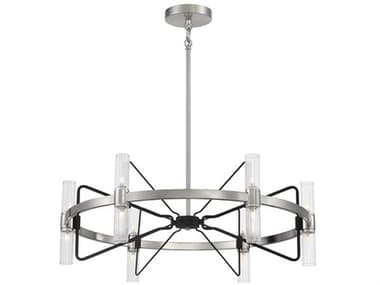
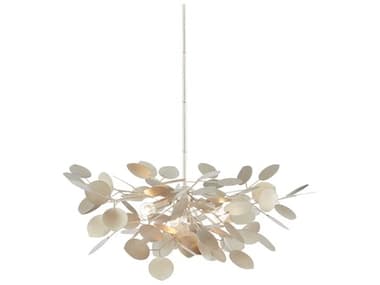
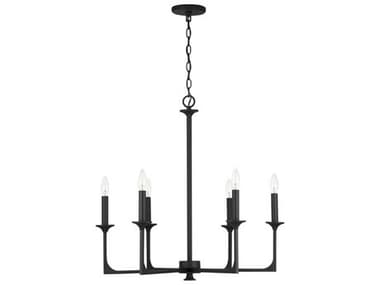
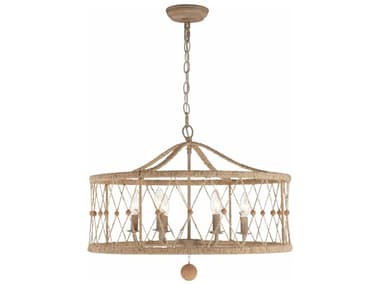
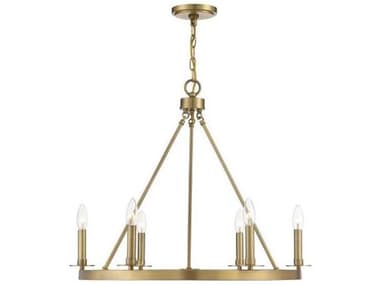
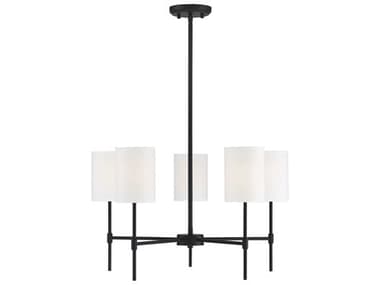
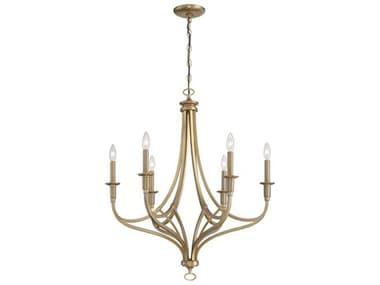
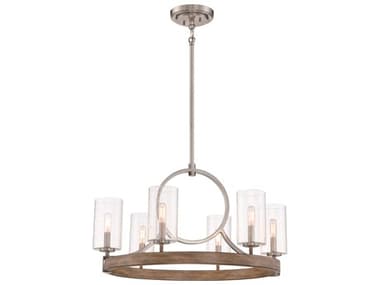
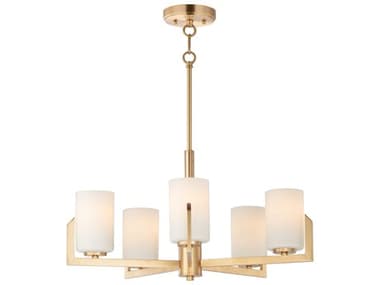
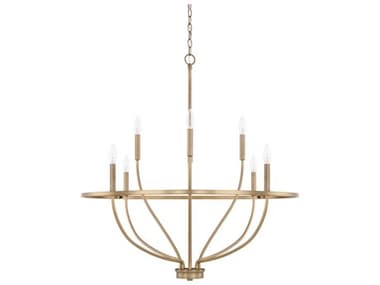
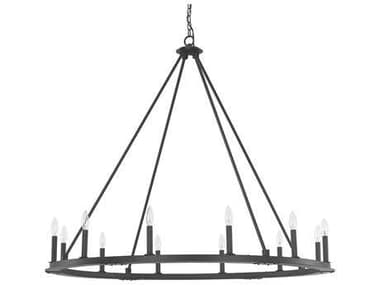
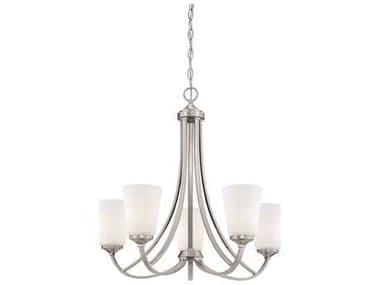
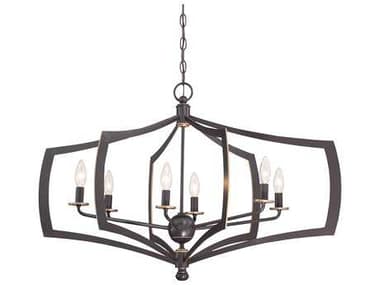
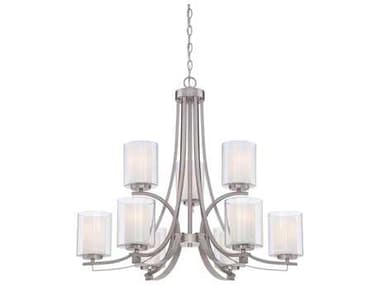
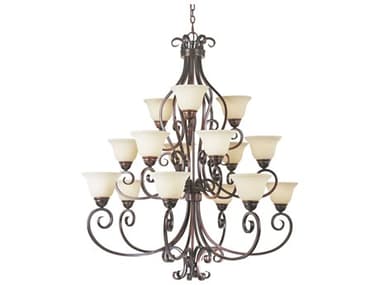
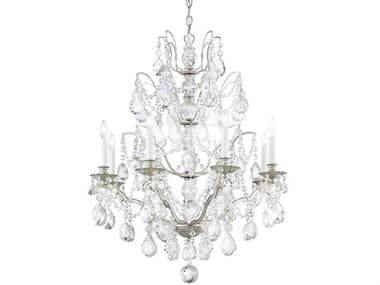
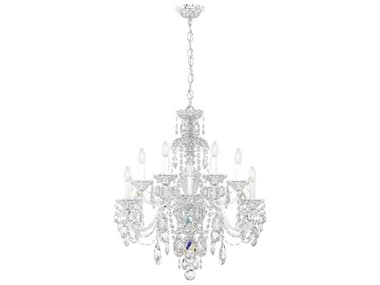
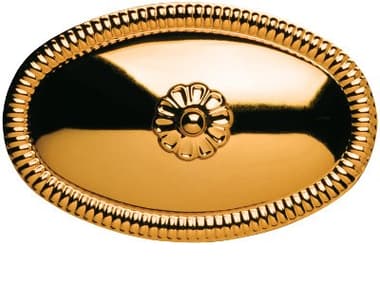
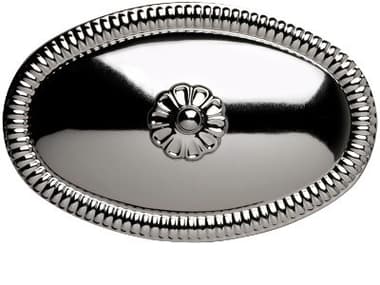
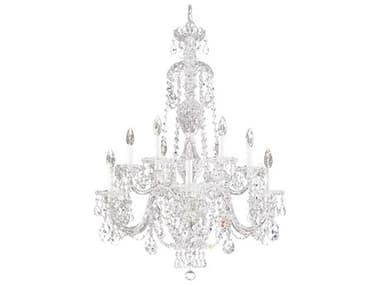
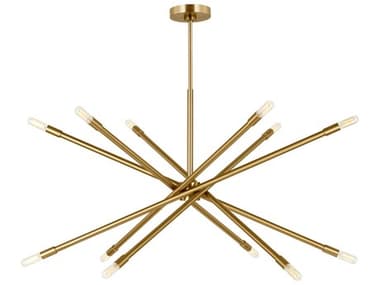
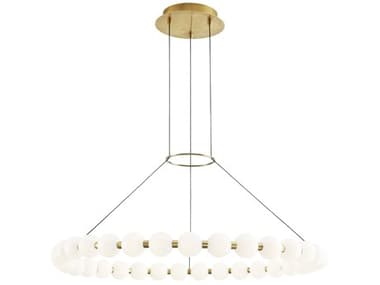
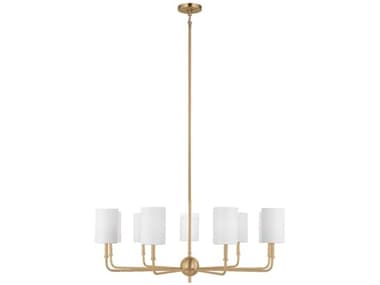
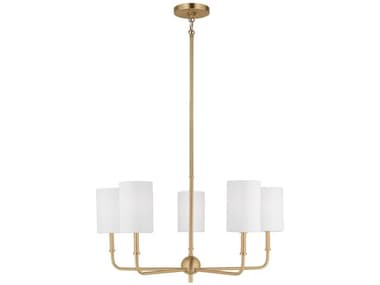
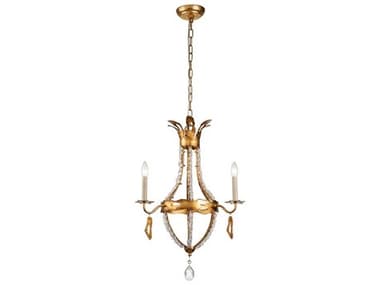
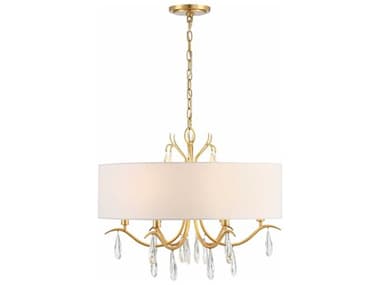
There are many different styles and types of standard chandelier lighting available at LuxeDecor. “Standard" refers to the size of chandelier, right in between mini and grand chandeliers. Standard chandeliers are perfect for average size spaces and will be the best choice for most rooms in your home. Chandelier lighting is available in many styles including modern, traditional, rustic, industrial, and more options you can see in Currey & Company lighting, Metropolitan chandelier etc. These fixtures are available in many variations from chandeliers with one light to chandeliers with 11 lights or more. Finish options are also customizable and include options such as silver, gunmetal, gold, copper, pewter, and many more.
Decorating With Standard Chandeliers In Your Home
There are endless ways to incorporate standard chandeliers into your space. These fixtures look stunning placed as a focal point in the center of a bedroom, living room, or home office. Depending on the length of your hallway, standard size chandeliers can also be placed in a row down hallways. Typically one standard size chandelier should be appropriate for your dining room. Depending on the size of your table, one fixture can act as a centerpiece in the middle of your table, or if your dining table is extra long you can equally space and hang two standard sized chandeliers above the table for balanced lighting. Typically we recommend grand sized chandeliers for entry ways but if your home's entryway is on the medium to smaller size a standard chandelier can fit well there too. No matter what room in your home you are shopping for, you are sure to find the perfect standard chandelier for your space at LuxeDecor. We have also wide range of different brands of the mini chandeliers that can be perfect for your home like George Kovacs, Global Views, Hubbardton Forge, Hudson Valley Lighting, Jamie Young Company, John Richard, for example John Richard chandeliers, Justice Design Group, Kichler Lighting, Livex Lighting and much more.
For more information about chandeliers, including construction, placement, and care, read LuxeDecor's Chandelier Buying Guide.