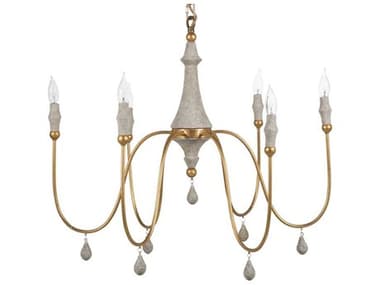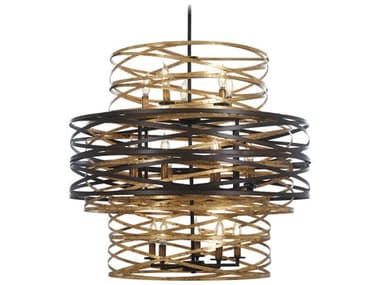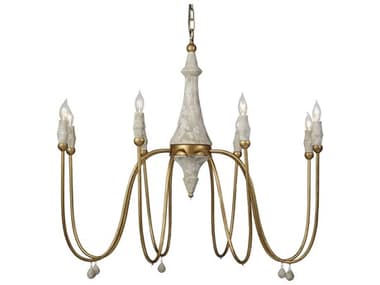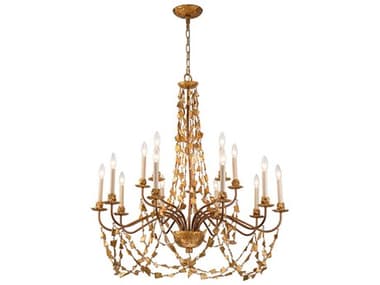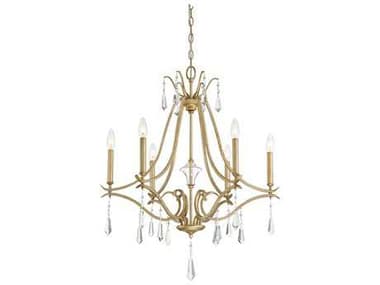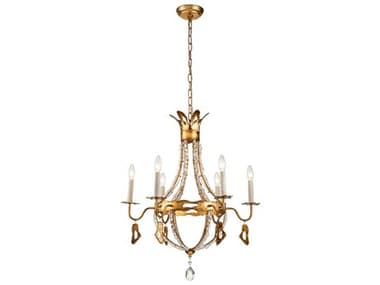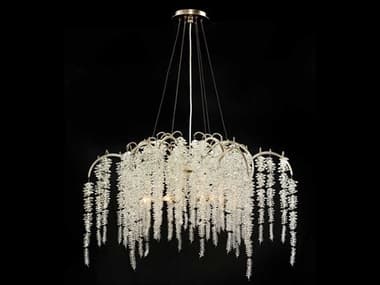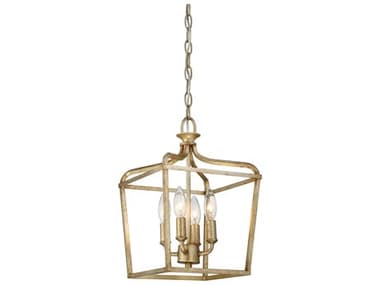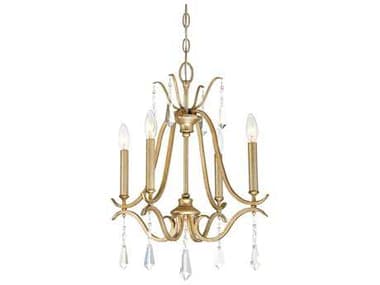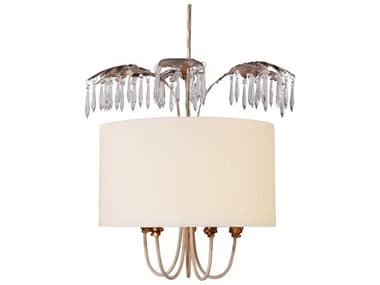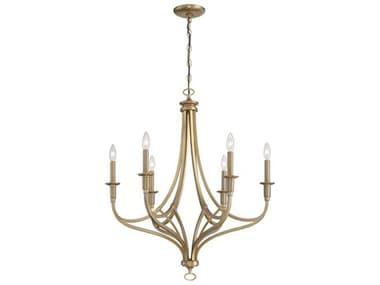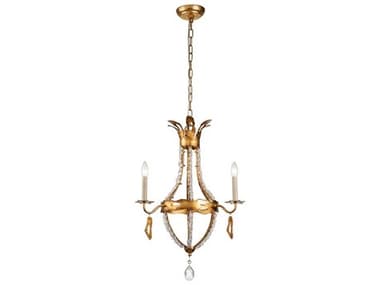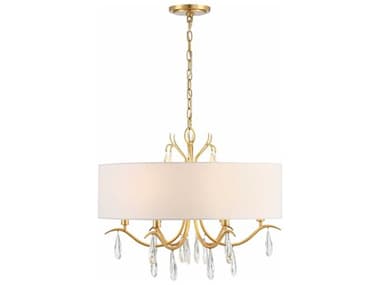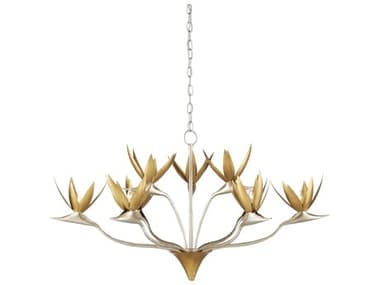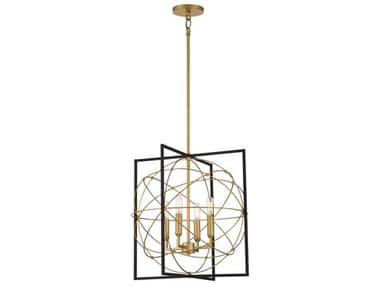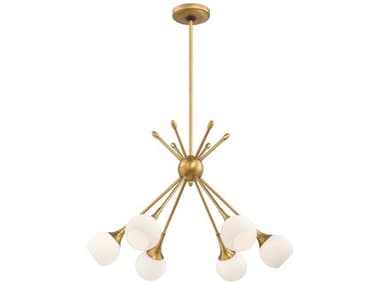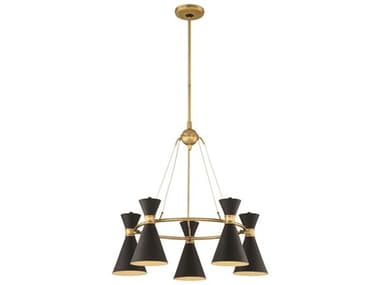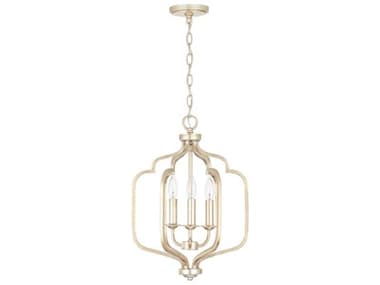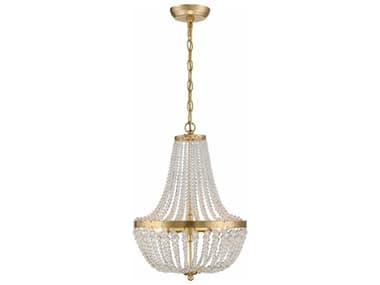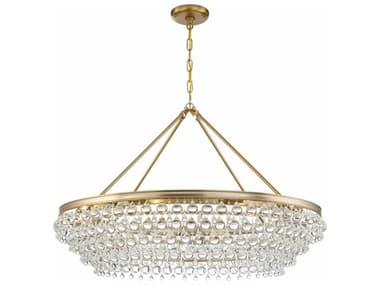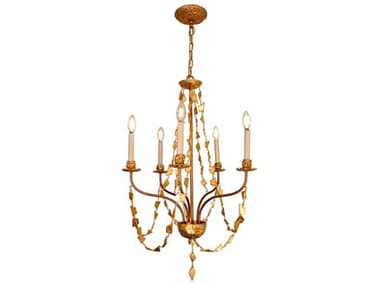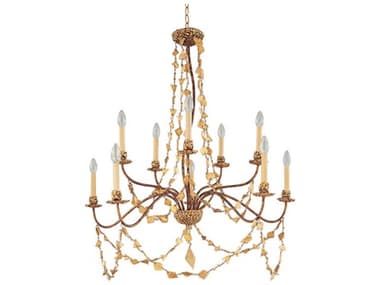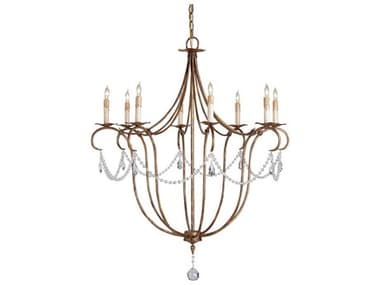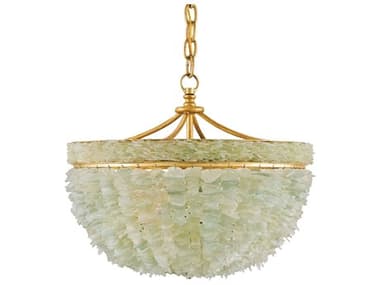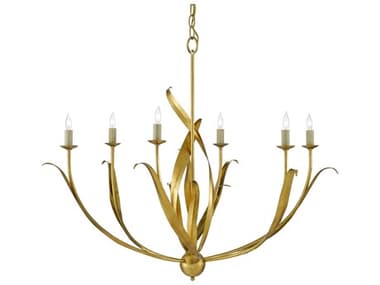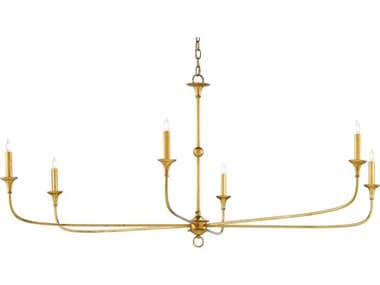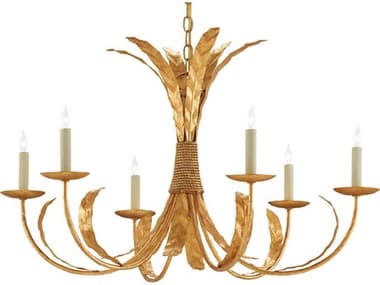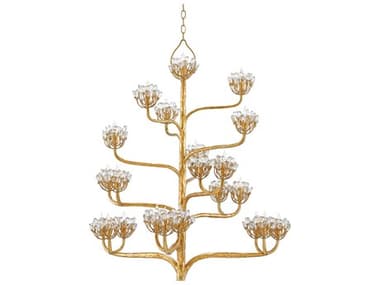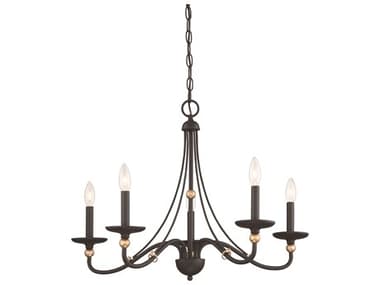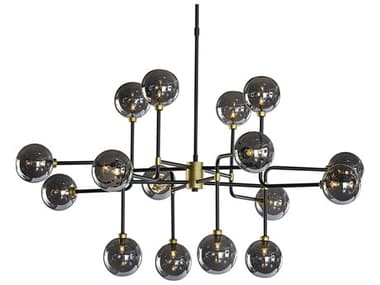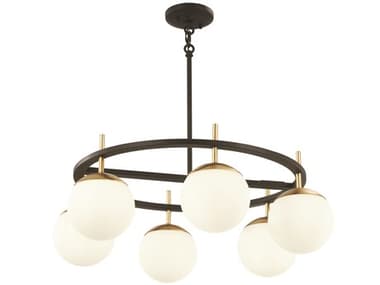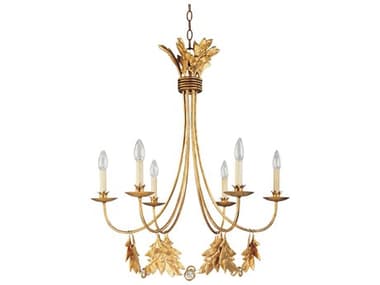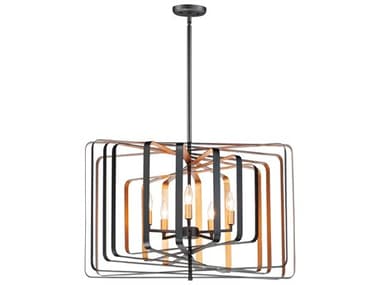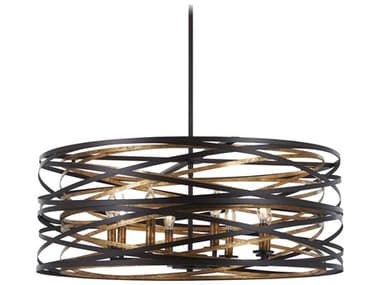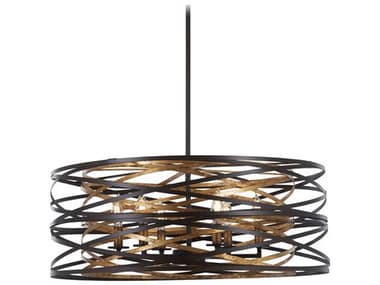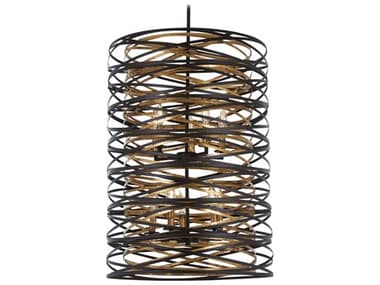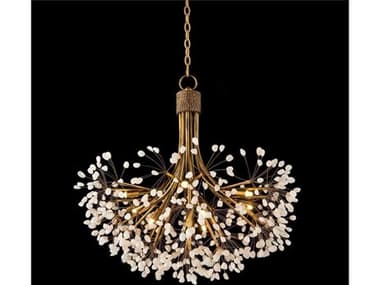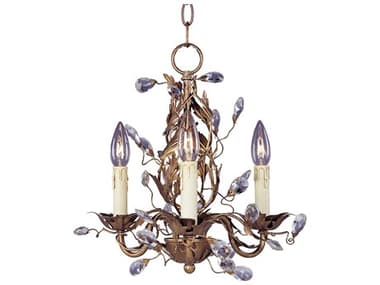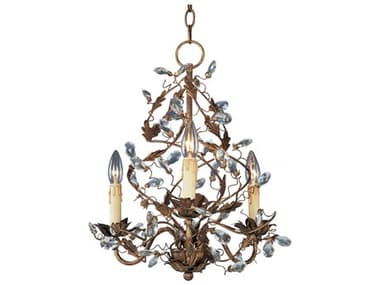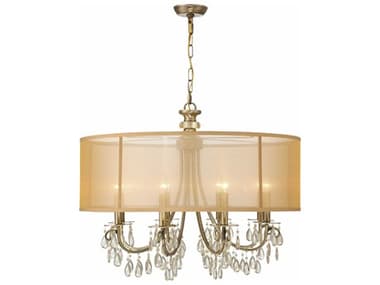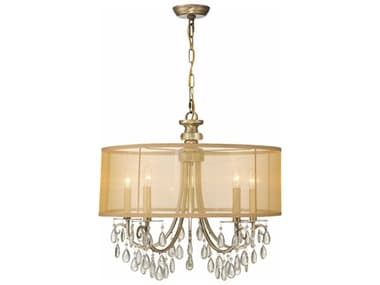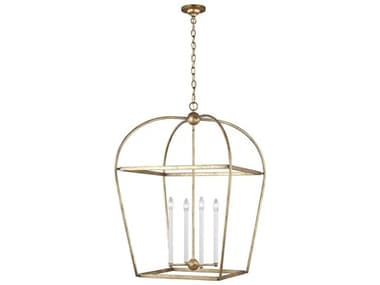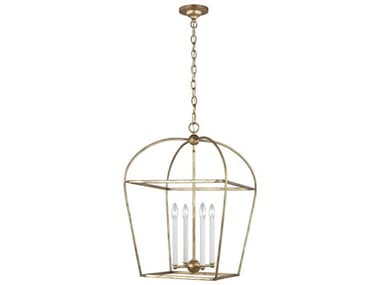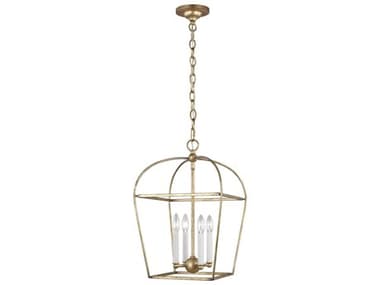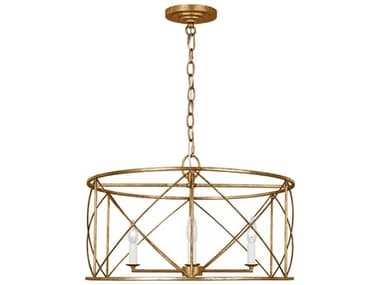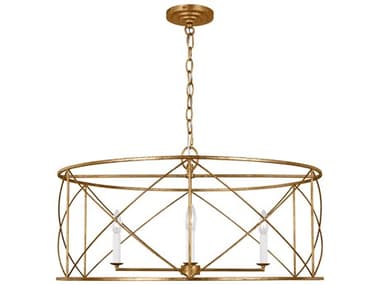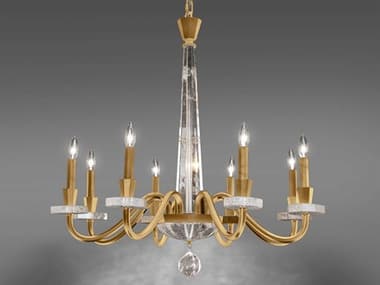
Some items are just effortless in making a room feel more majestic and grand than it already is. The simple addition of these items transforms a room and takes it on the next level. One such item are gold chandeliers.
Although they’re not as cheap, the design and grandeur justifies its price point. Seeing a gold chandelier dangling inside a room is enough to add value to events or places where it’s located.
Considering that people have different tastes when it comes to decors, the trend revolves around the color of the chandelier itself. Whether it’s of a classic style or the modern touch, any lamp or chandelier in gold will fit this trend.
A great way to decorate with this is to start with the chandelier itself and slowly add fixtures and furniture according to the one you chose—that way everything is complementary. Remember to match the colors and the style to create a cohesive ambiance.
At our store, a huge catalogue of gold chandeliers will suit a variety of tastes. From classic designs to modern, minimalist ones, there are tons of choices for the discerning eye. Chandeliers of all shapes, sizes, and styles can be found here through the simple sorting option all shoppers have.
With this convenient method, shoppers prefer our store for their ease of shopping. If you’re looking for gold chandeliers for sale, give this website a visit and enjoy their free shipping as well and reasonable price range as well.