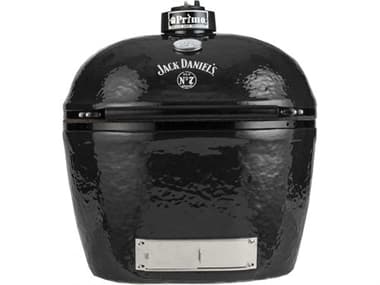
Introduction to Smoker Grills
BBQ smokers are a great addition to any patio with help you cook food at a specific temperature for an extended period of time. Smoker grills are essential for achieving even heating. Smoker bbqs are great to have on your patio to achieve a delicious smoky flavor on your barbecue. BBQ Smokers can be powered by a variety of fuel sources such as electricity, propane, wood, charcoal or pellets. In addition to smoke, they radiate heat to barbecue food, with the burning of wood creating the smoking effect.
Different Styles and Types of Smoker Grills
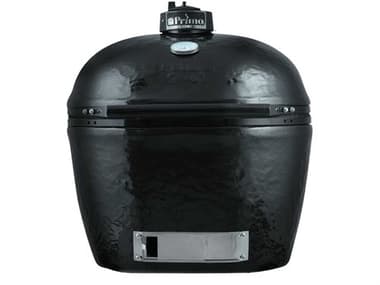
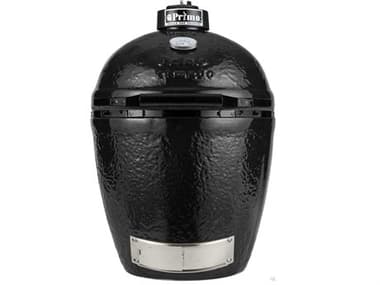
LuxeDecor carries several types of smoker grills to appeal to a wide range of grilling enthusiasts. BBQ Smokers are available in a variety of materials including steel and ceramic. Depending on what style you are looking for, there are many different smokers to choose from. LuxeDecor is proud to carry smokers from the Primo brand which are made in the USA and are backed by a 20 year warranty. LuxeDecor also sells smokers from Fire Magic which are stainless steel meaning they are rust resistant and will withstand the elements.
Benefits of Smoker Grills
BBQ smokers can be used to cook a wide range of foods including chicken, turkey, steaks, pizza, fish, vegetables, and more. Smoker bbq grills have a longer cooking time, but many say the taste is well worth the time and process. Meat that is smoked has a unique and delicious flavor, and smoked meat is typically more tender than grilled meat. LuxeDecor has a wide range of grill accessories to complement your bbq smokers including grill extension and racks, griddles, and dividers.
To learn more information about grills, read LuxeDecor's Grills Buying Guide for information about grill types, power, features and safety.