Loading products
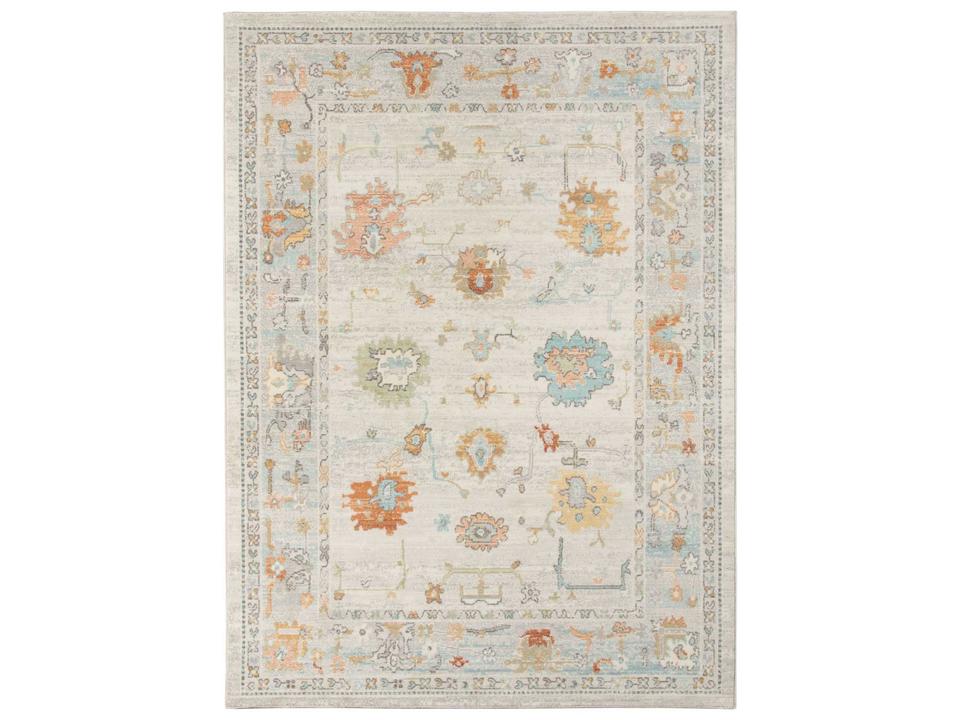
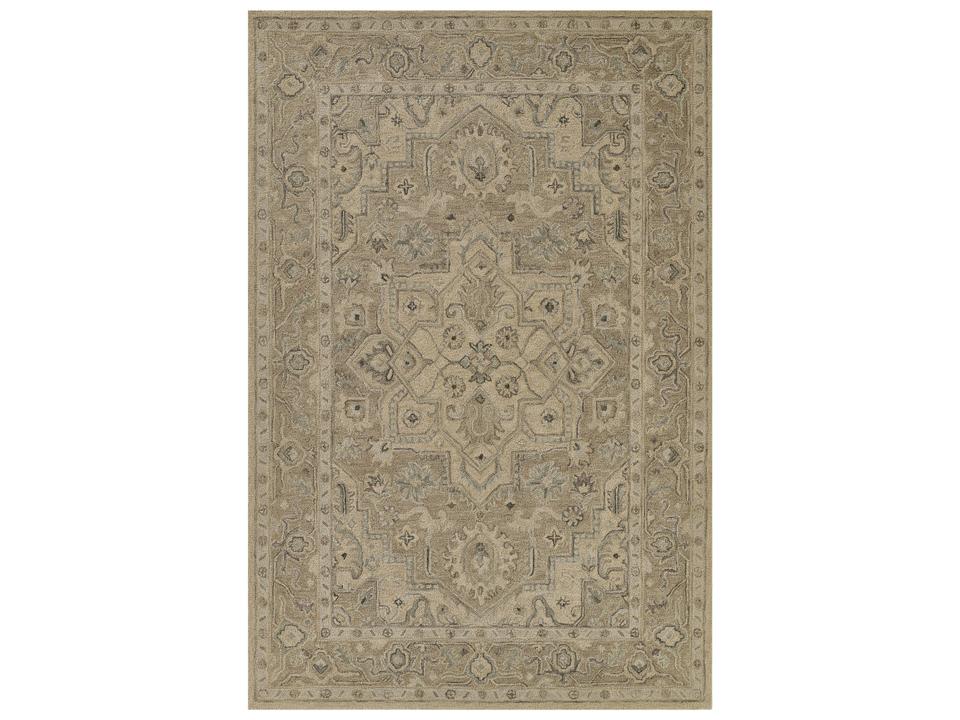
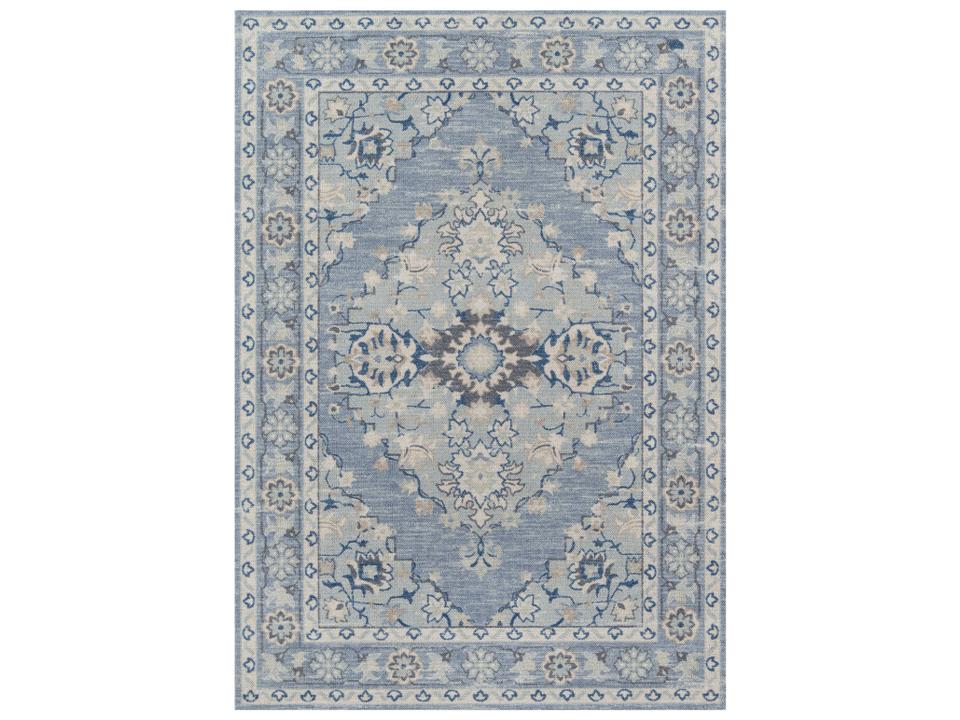
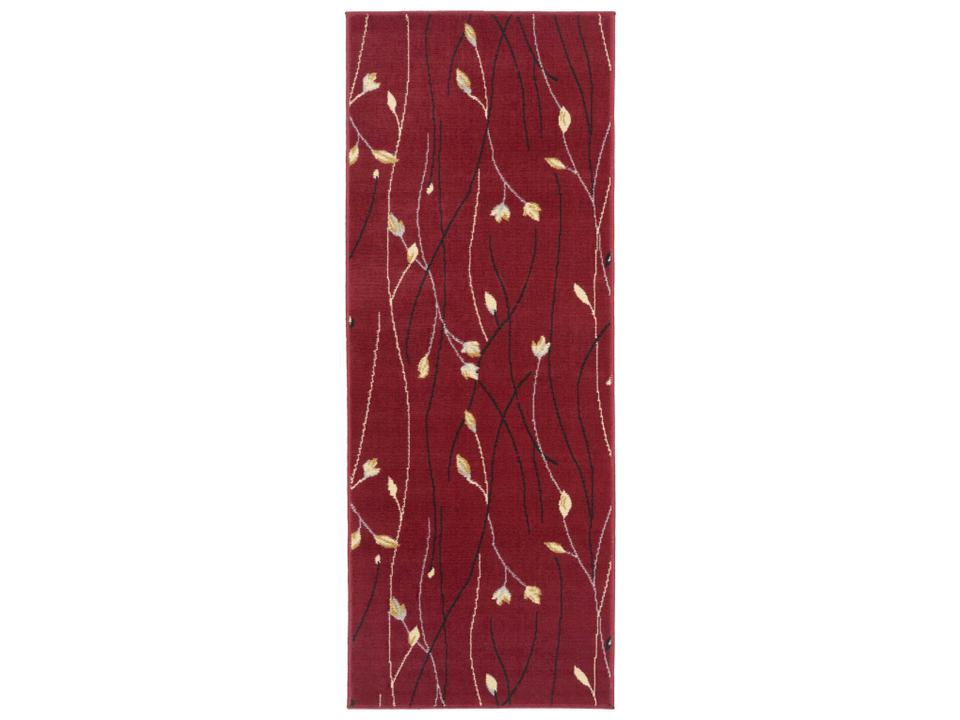
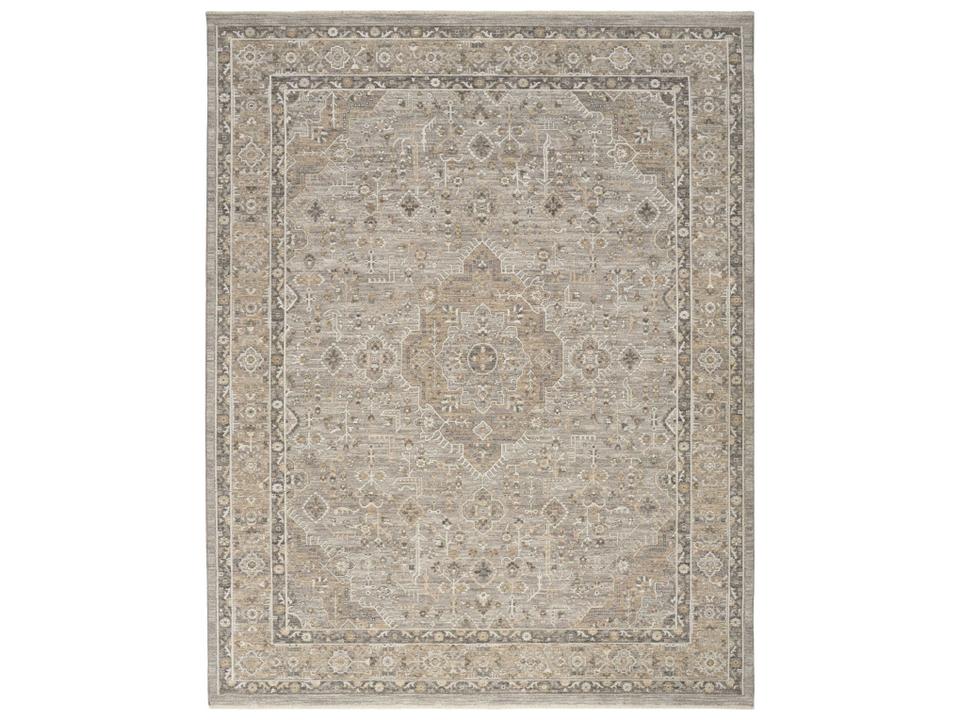
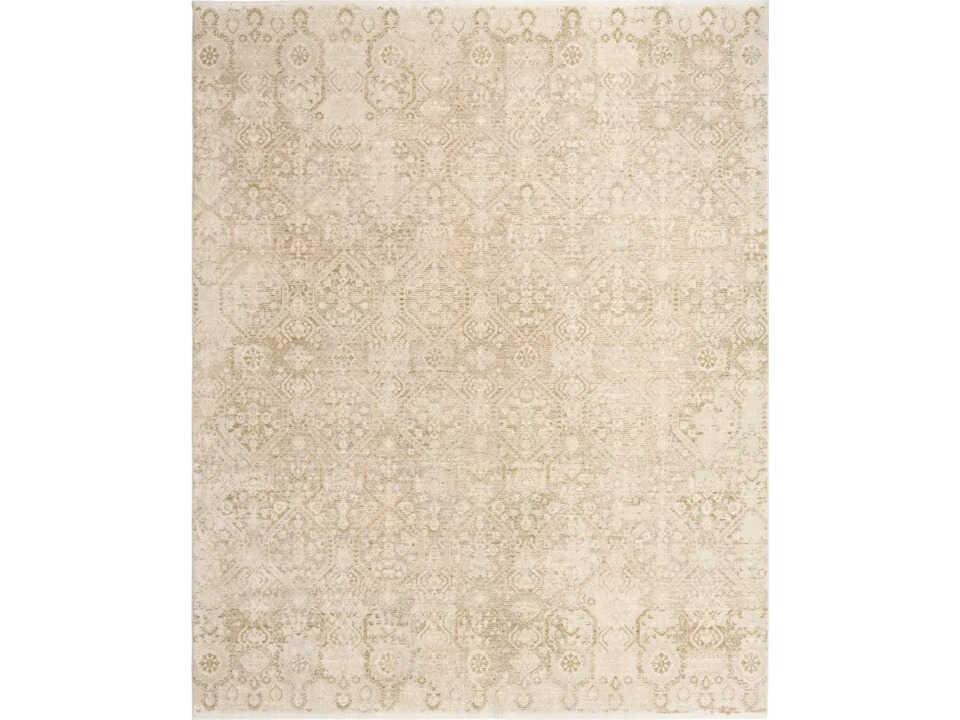
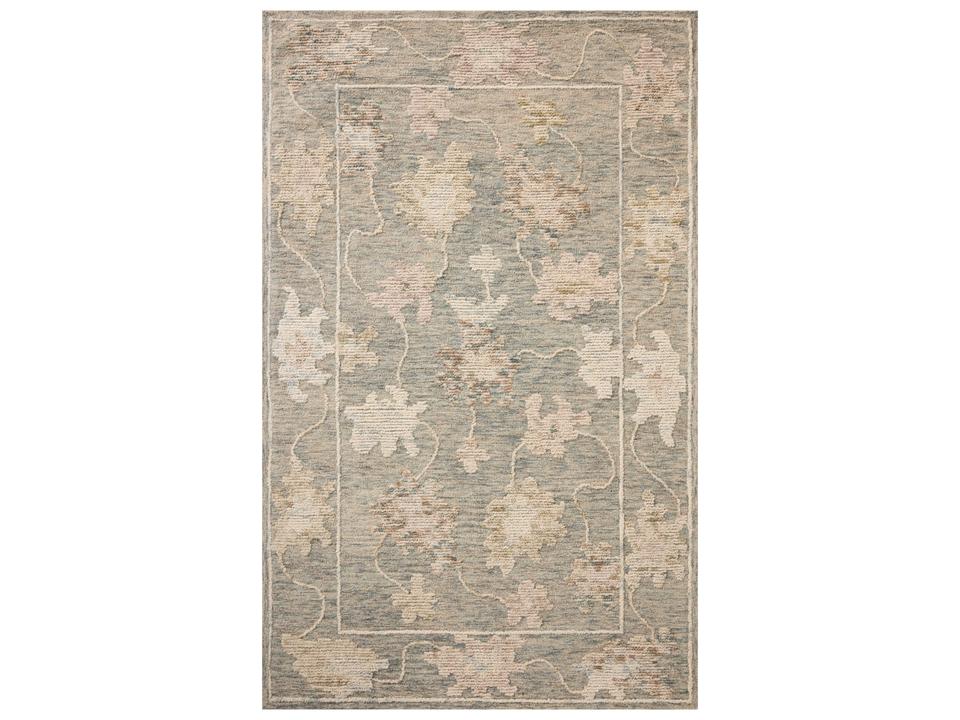
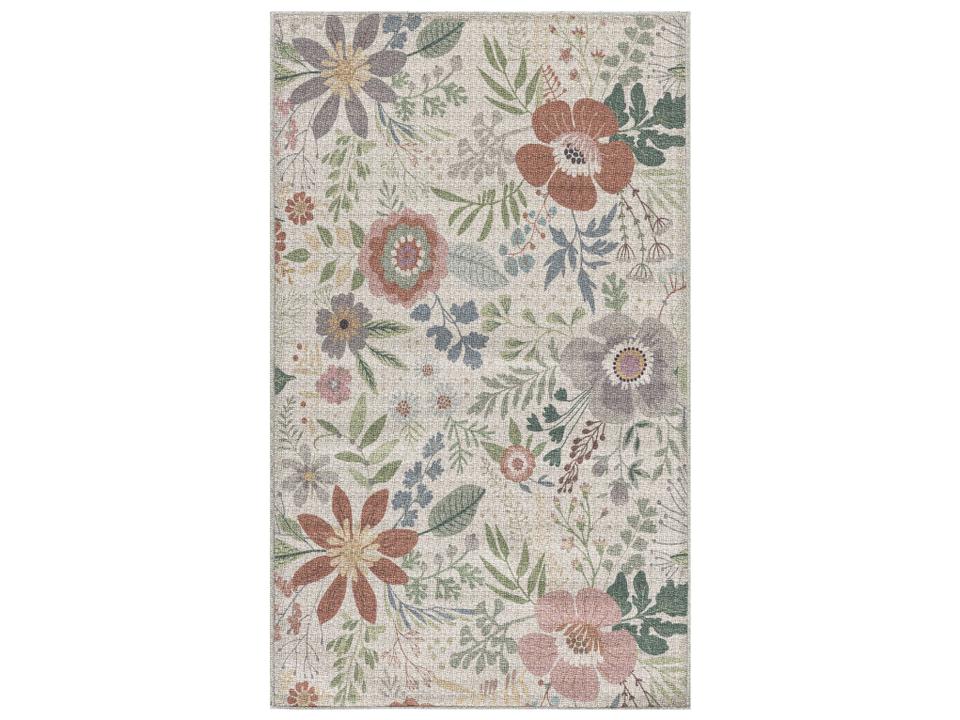
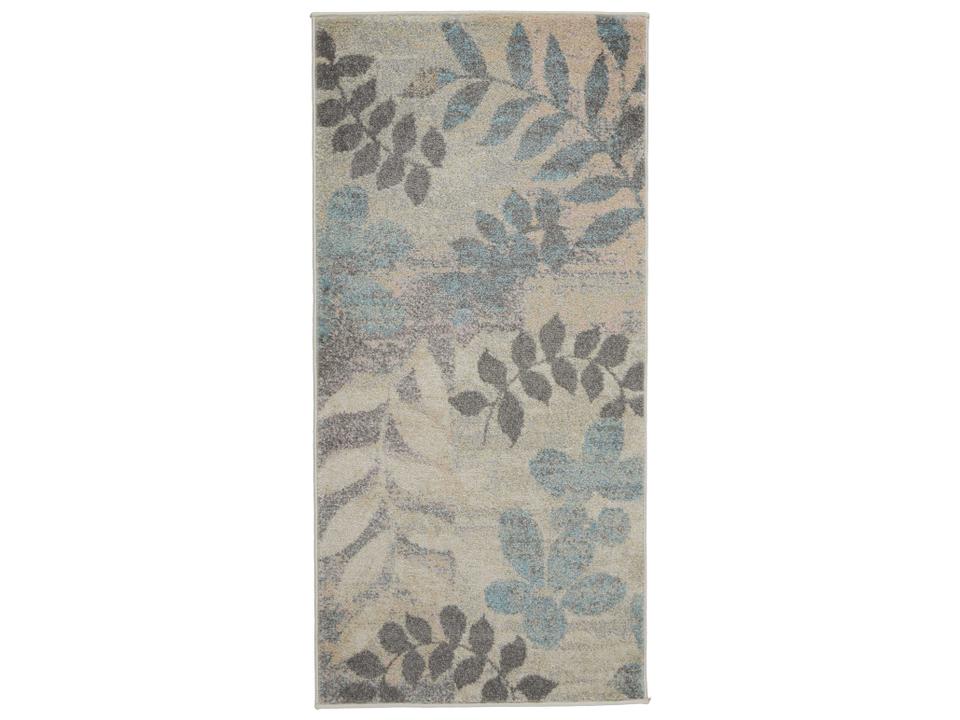
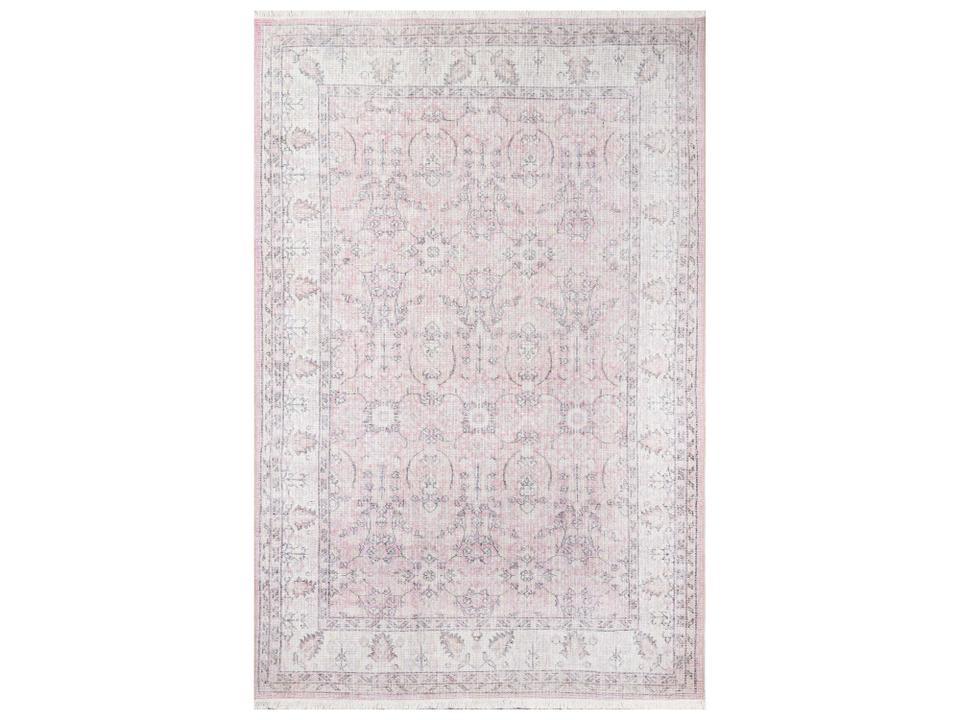
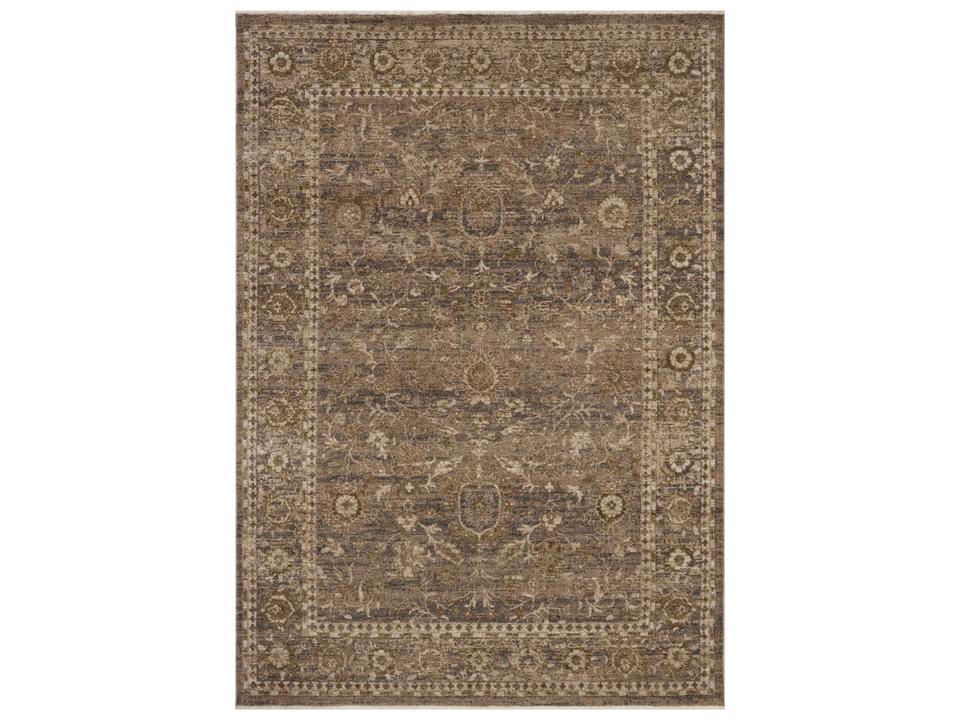
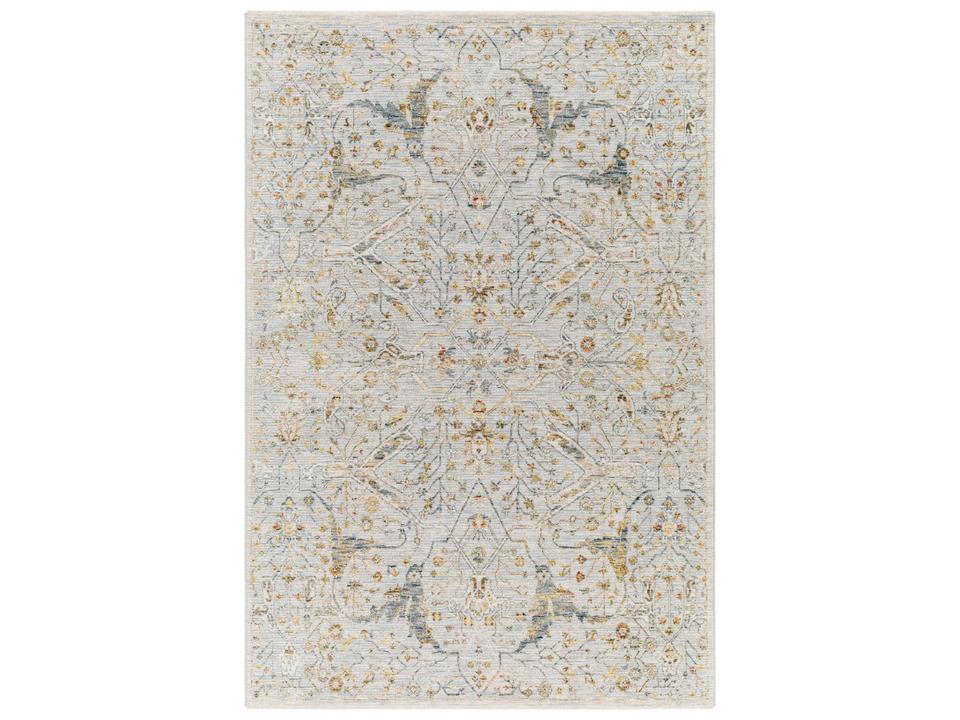
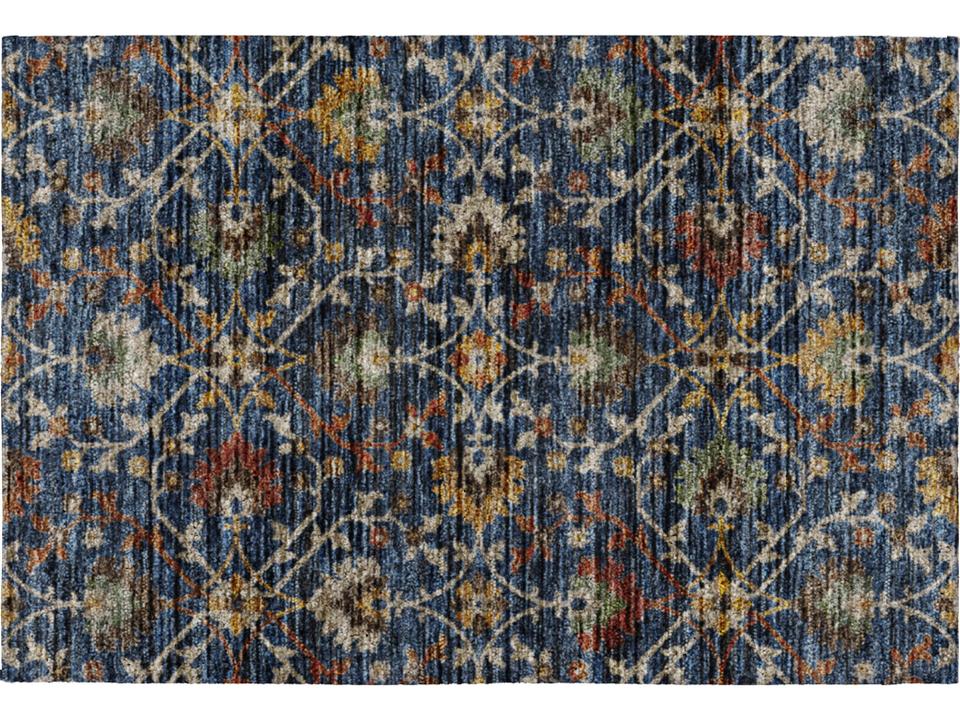
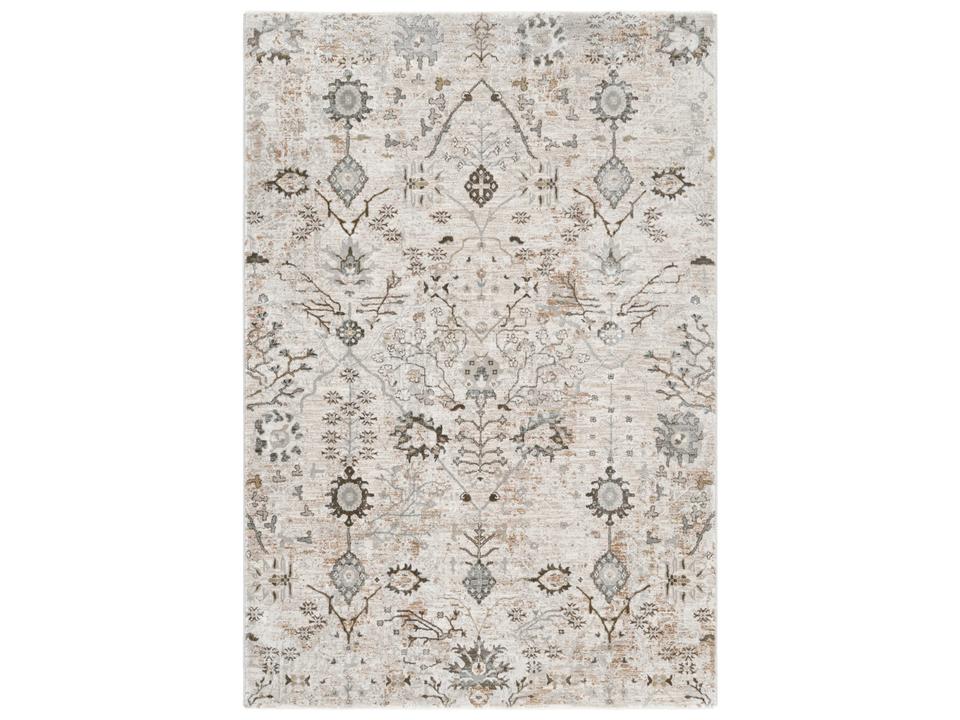
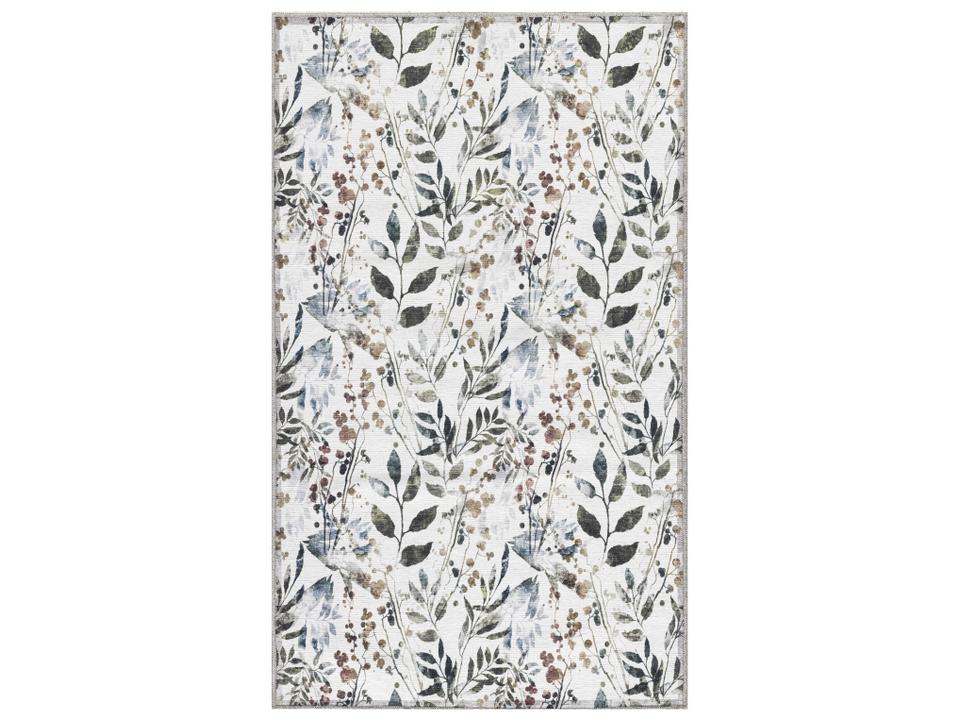
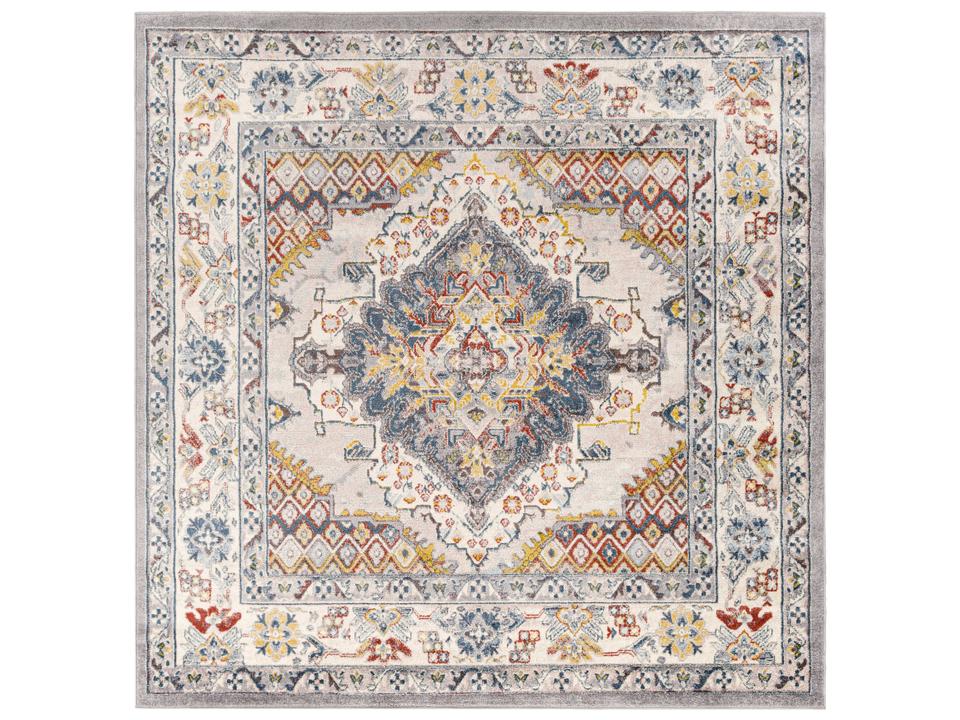
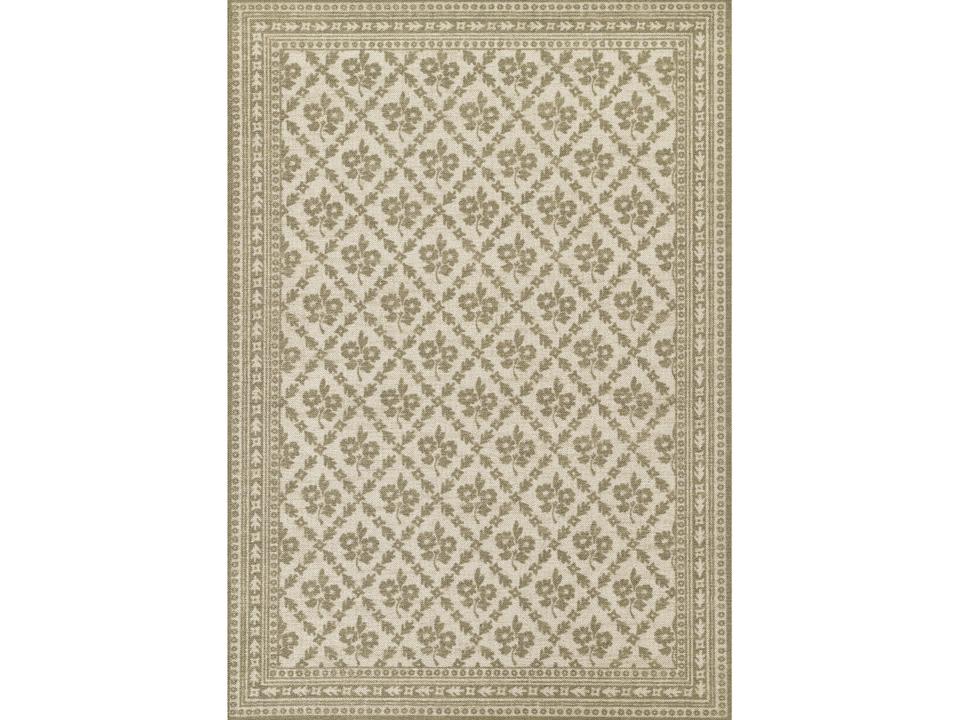
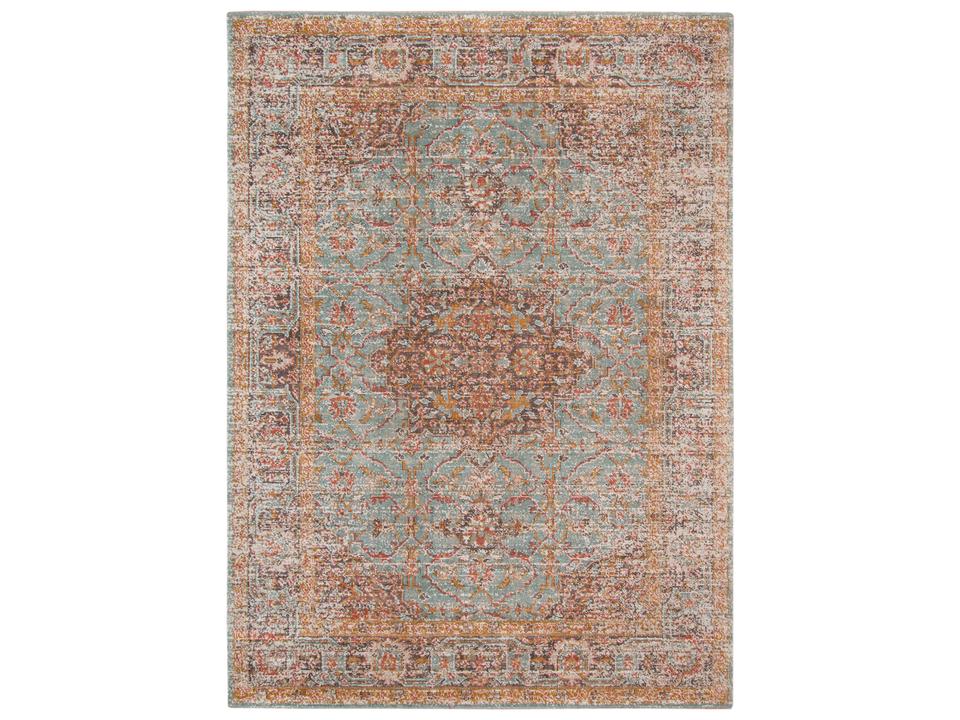
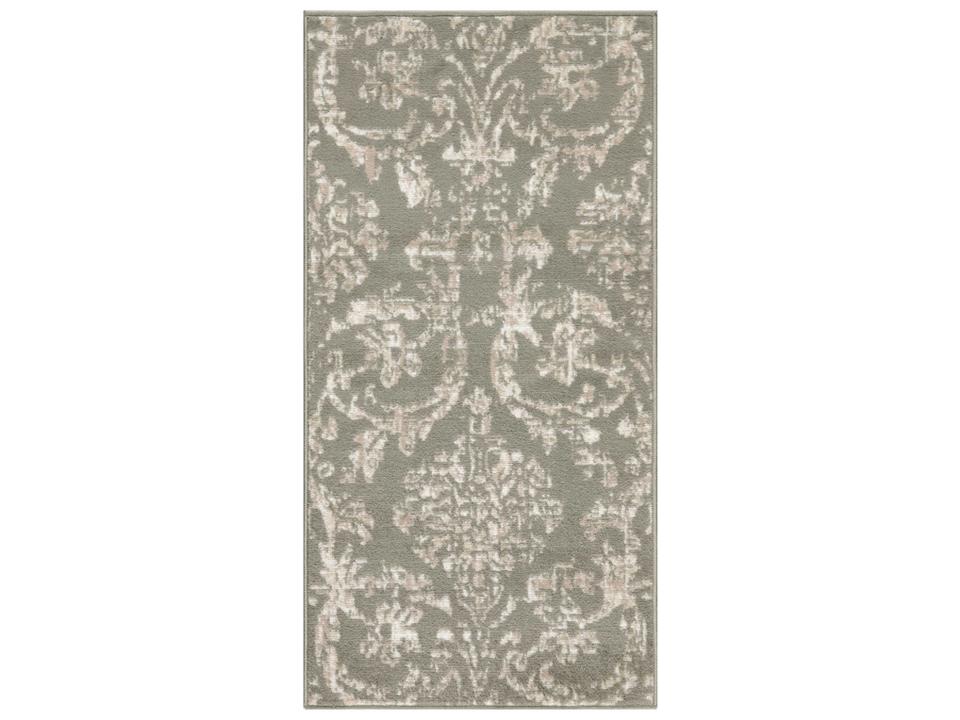
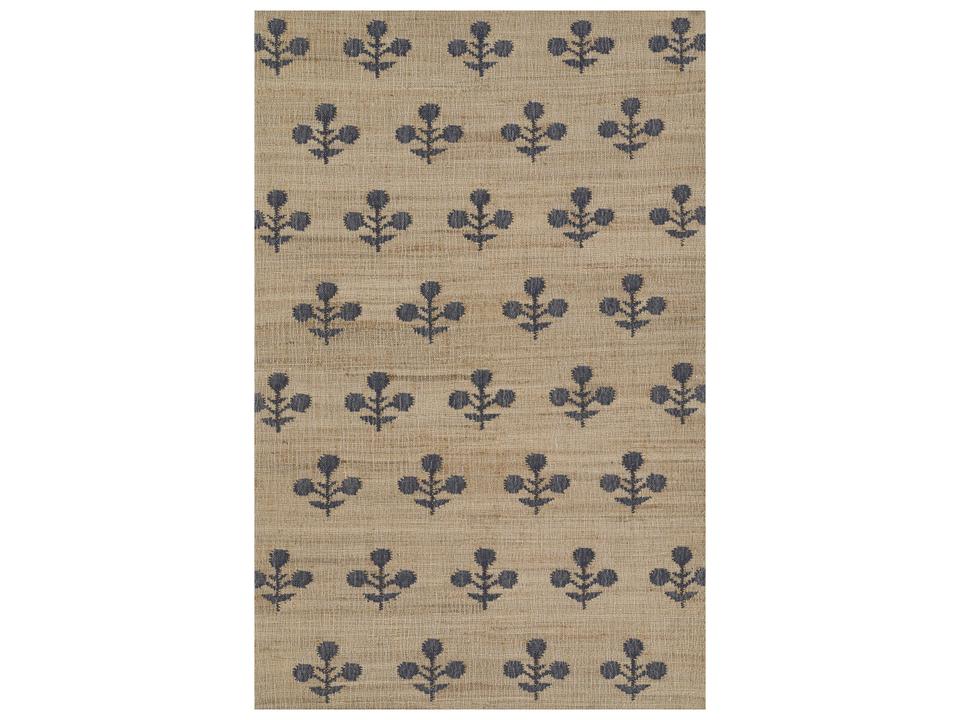
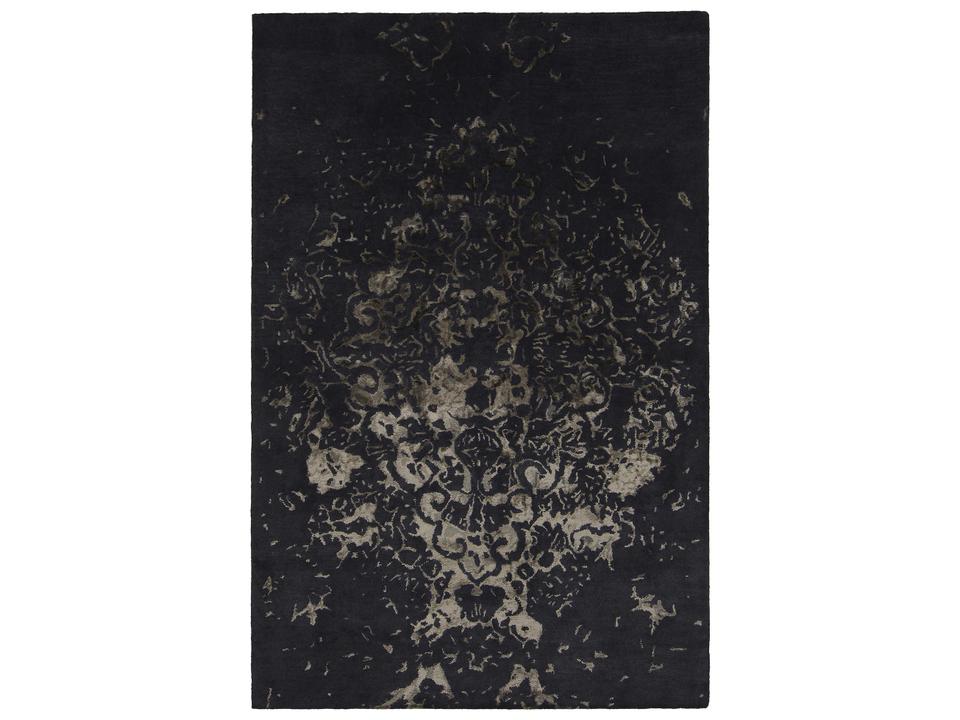
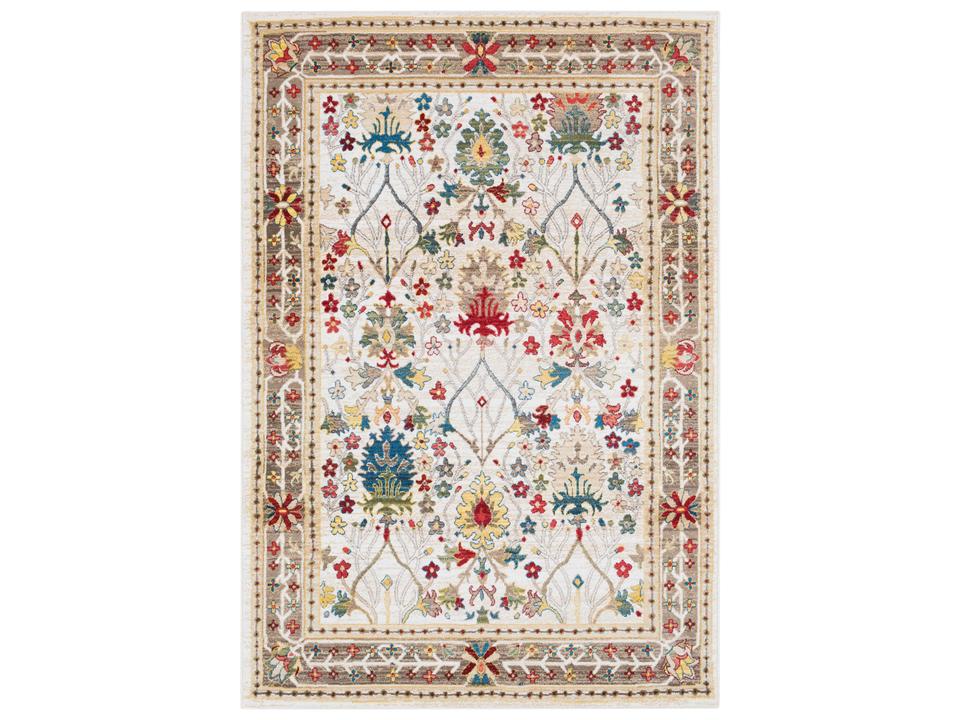
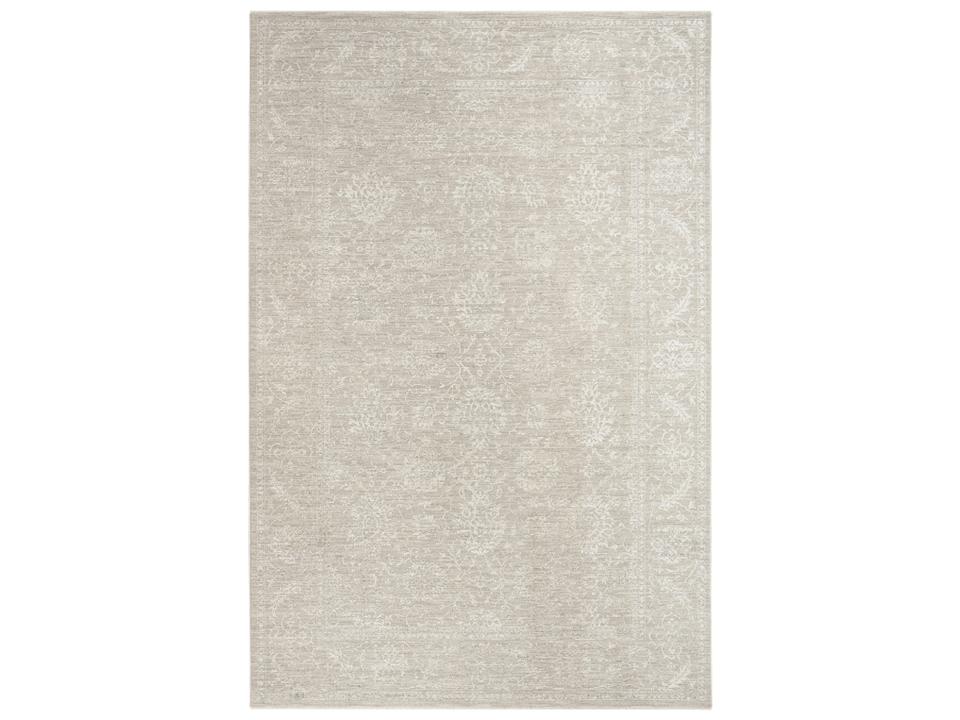
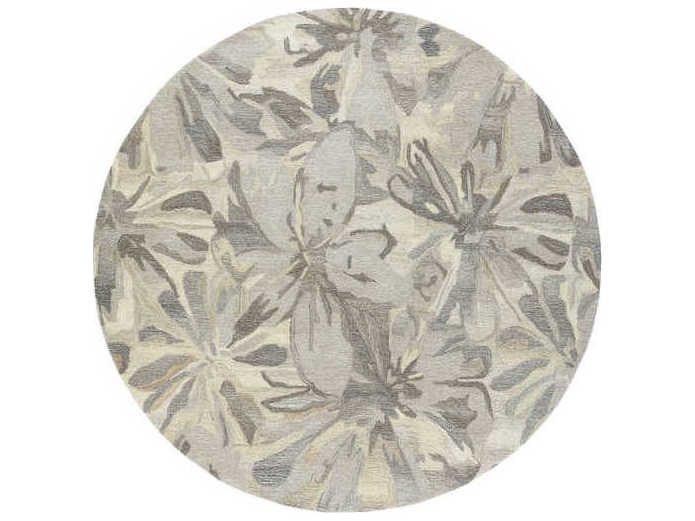
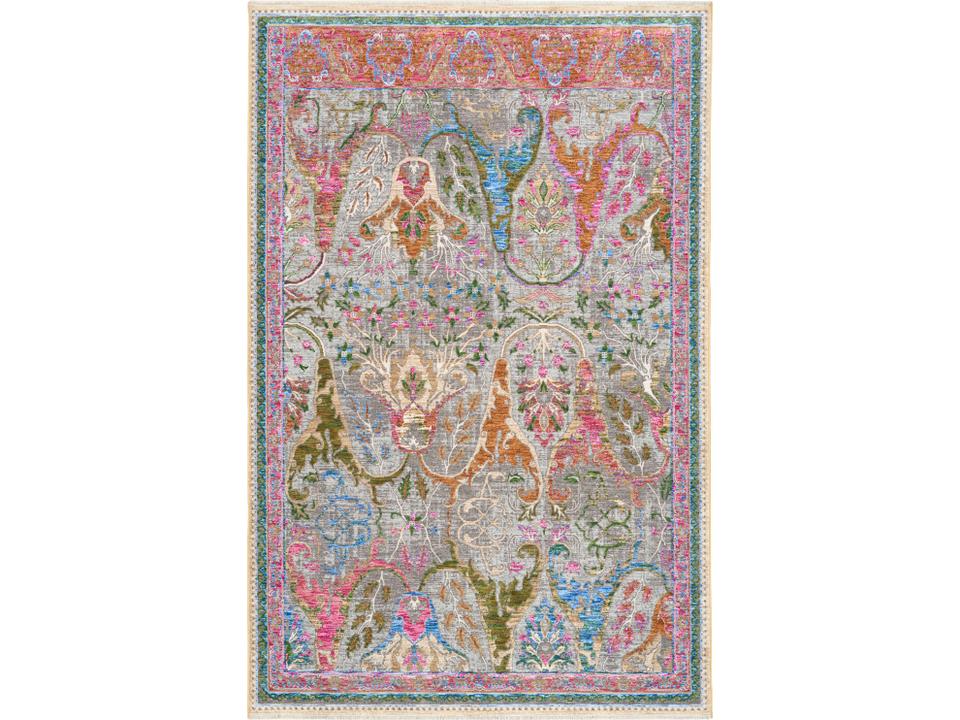
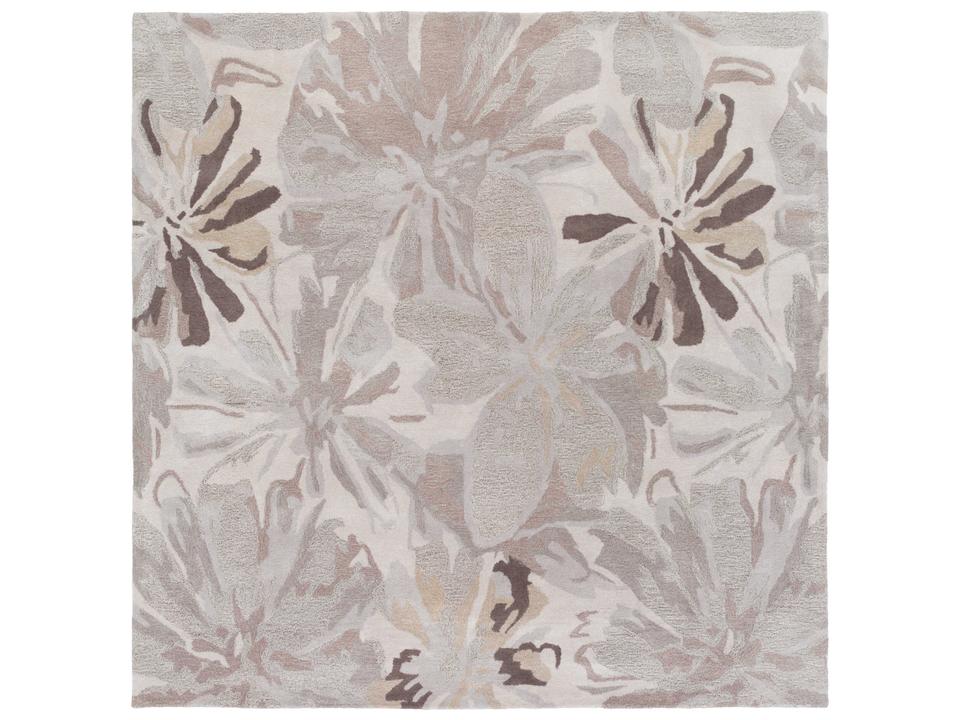
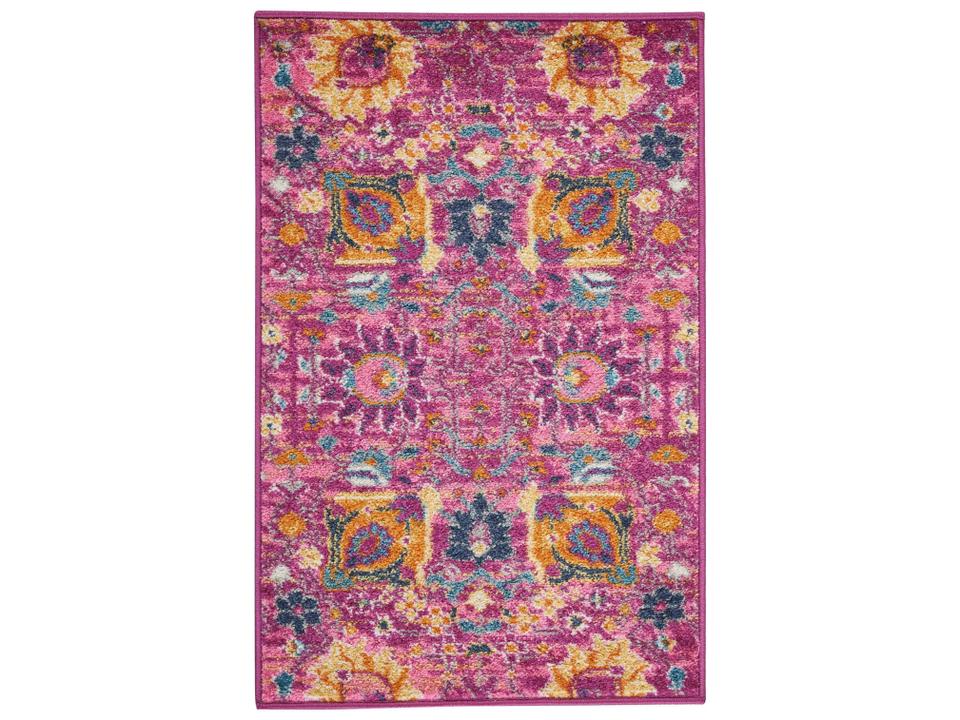
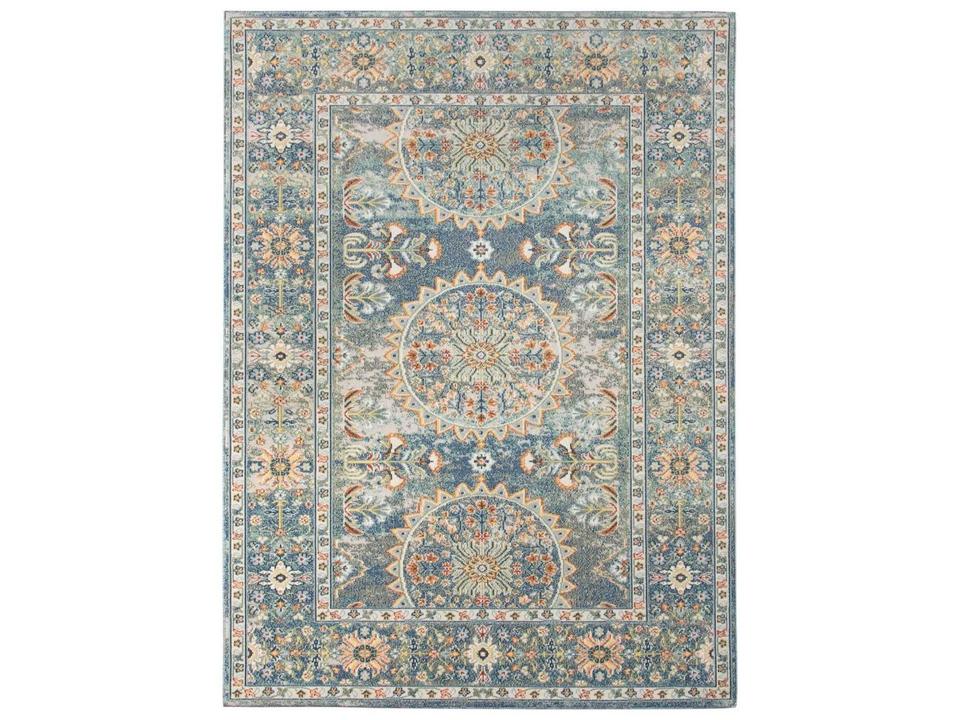
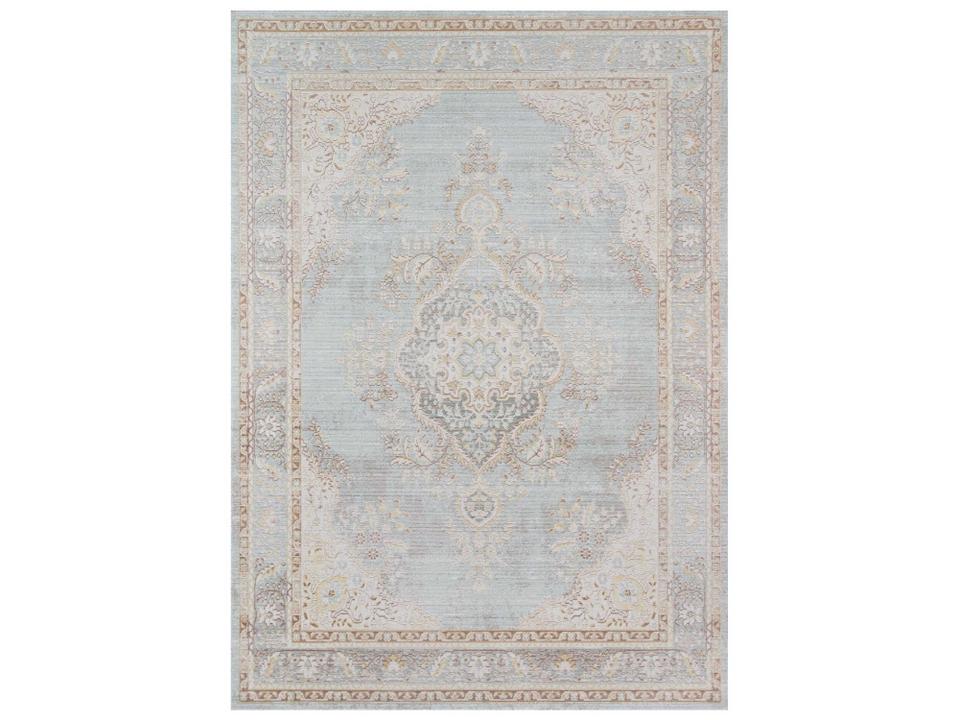
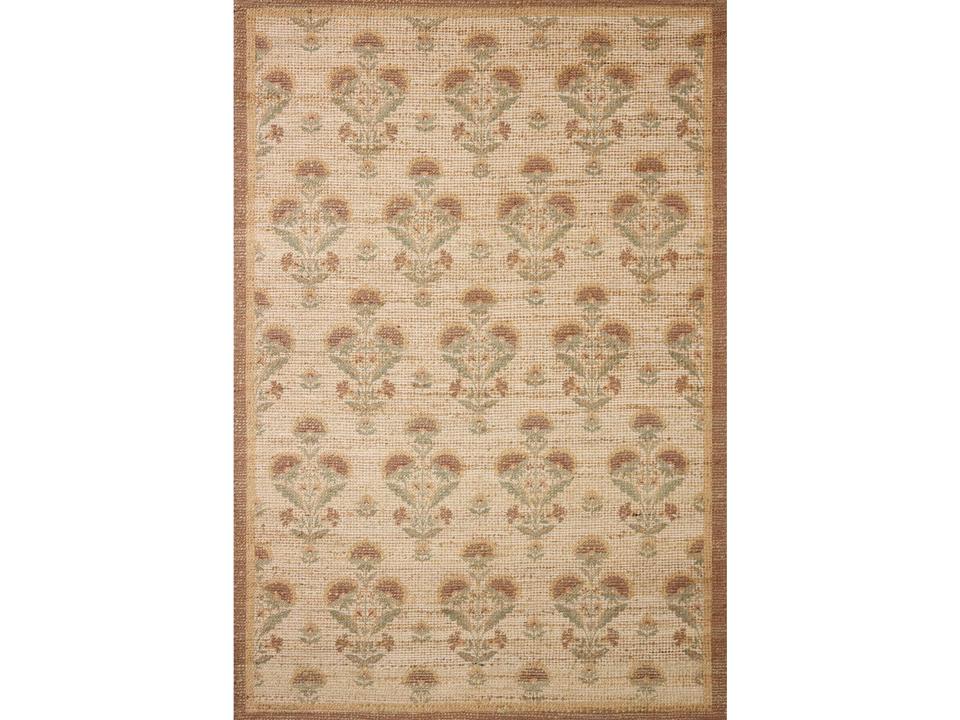
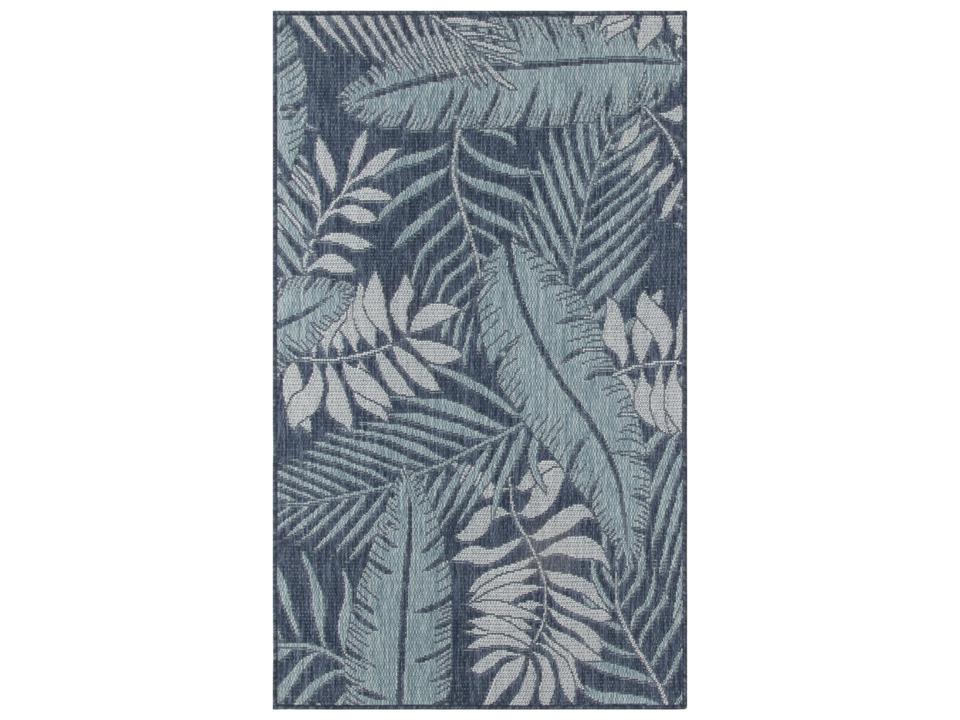
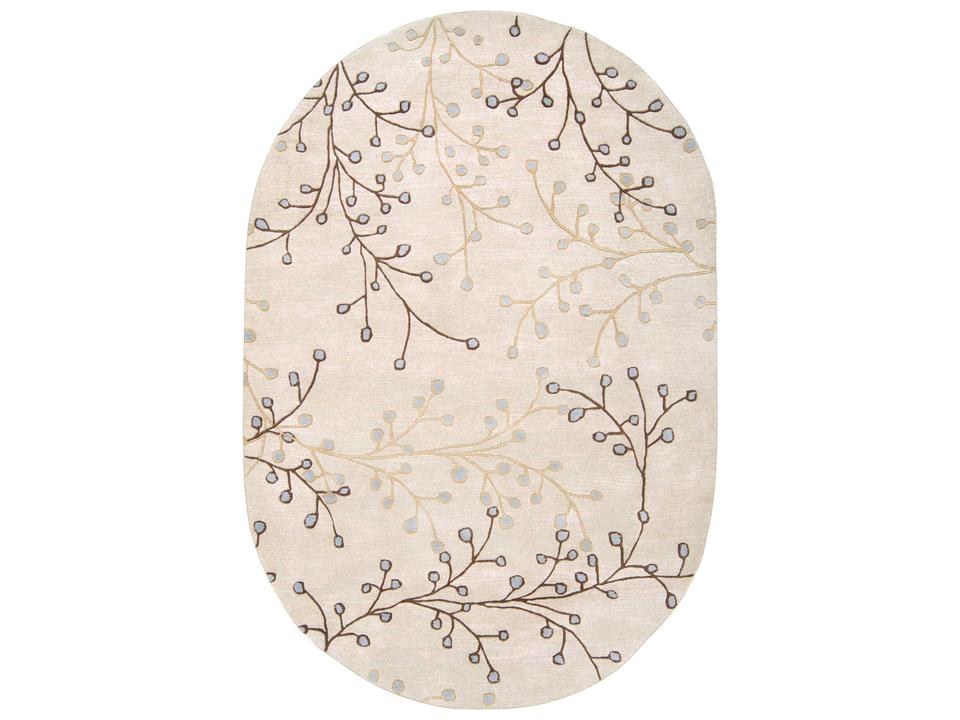
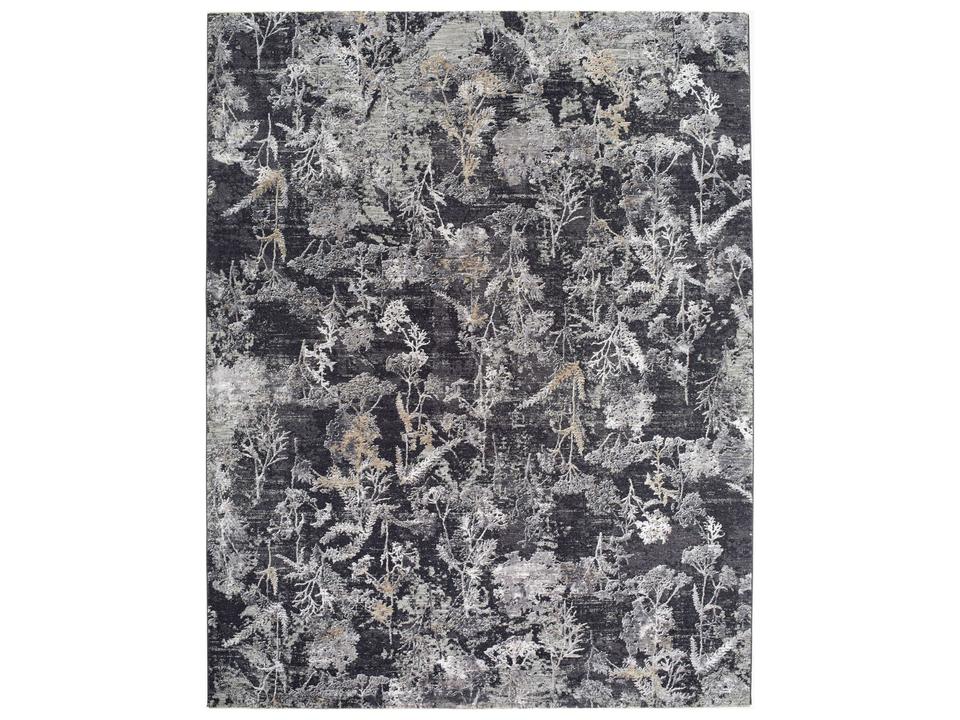
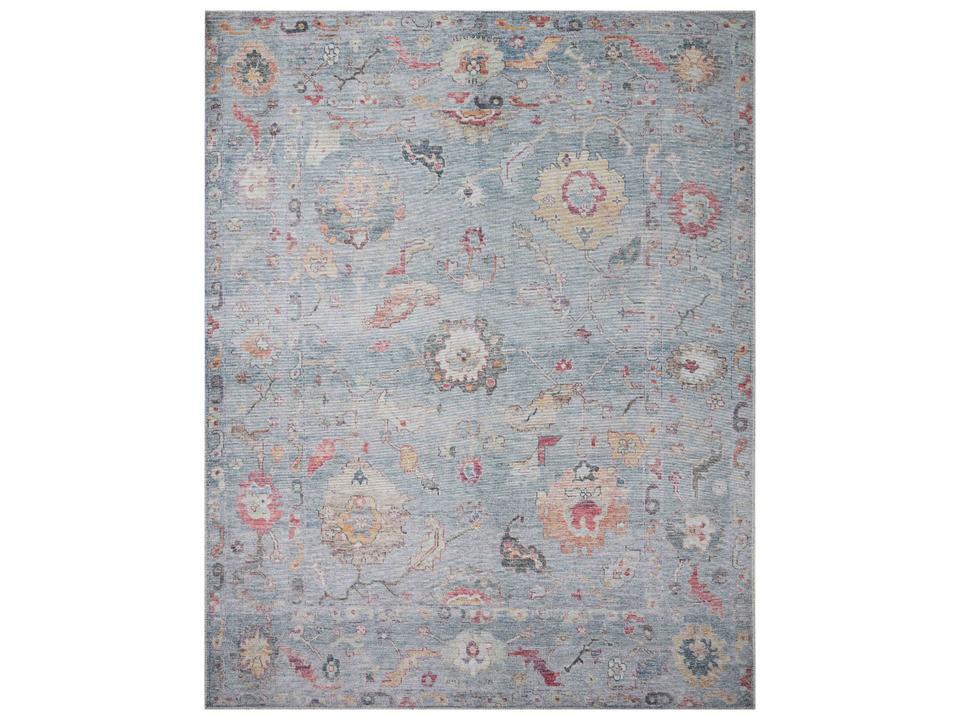
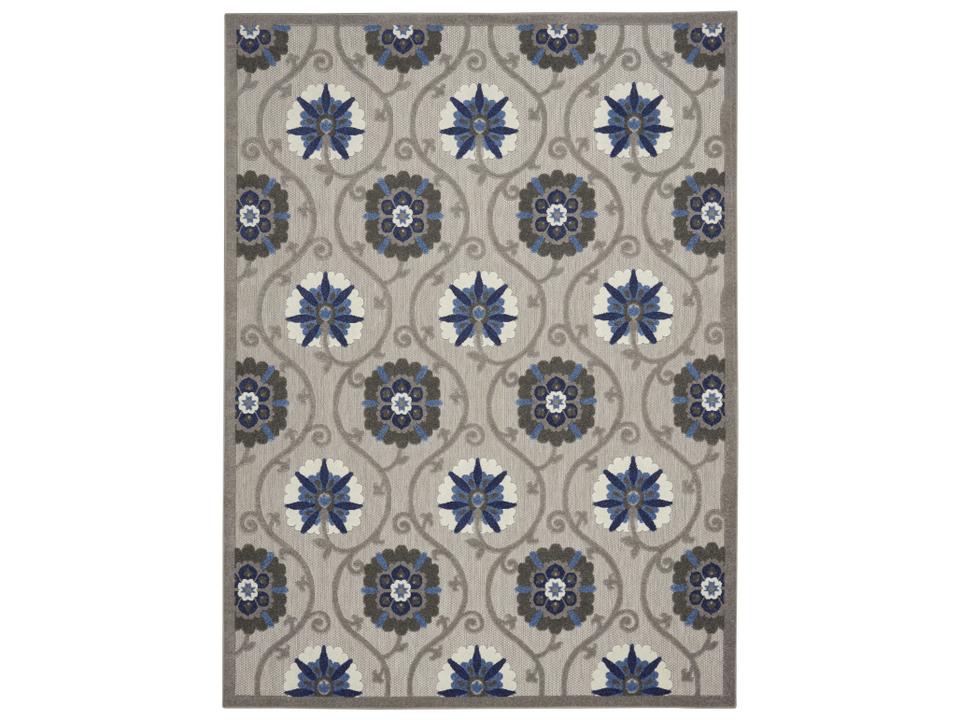
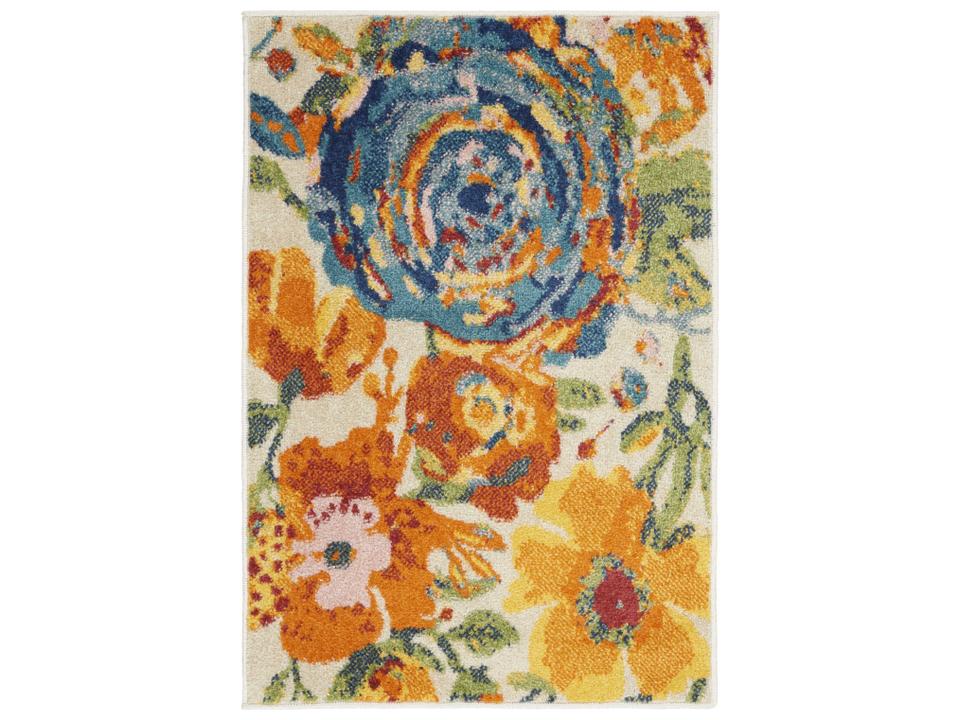
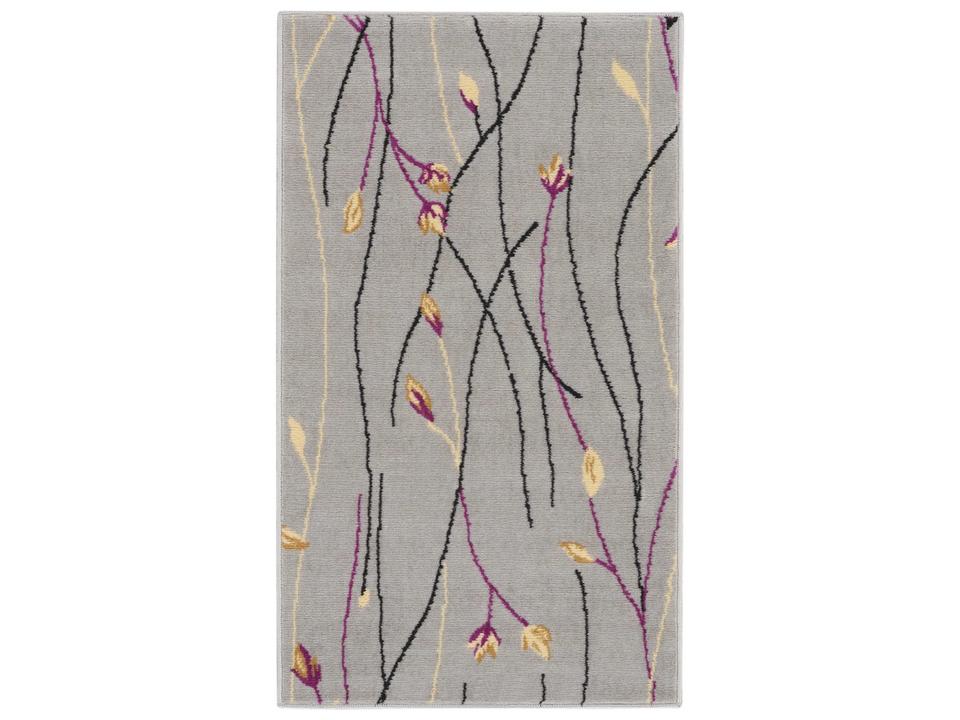
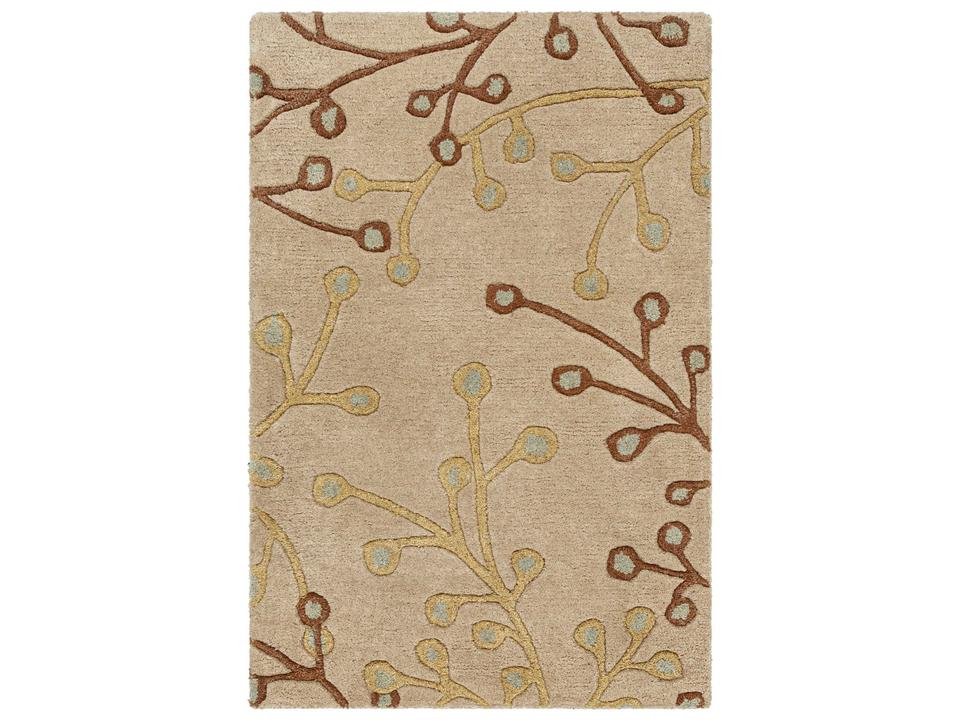
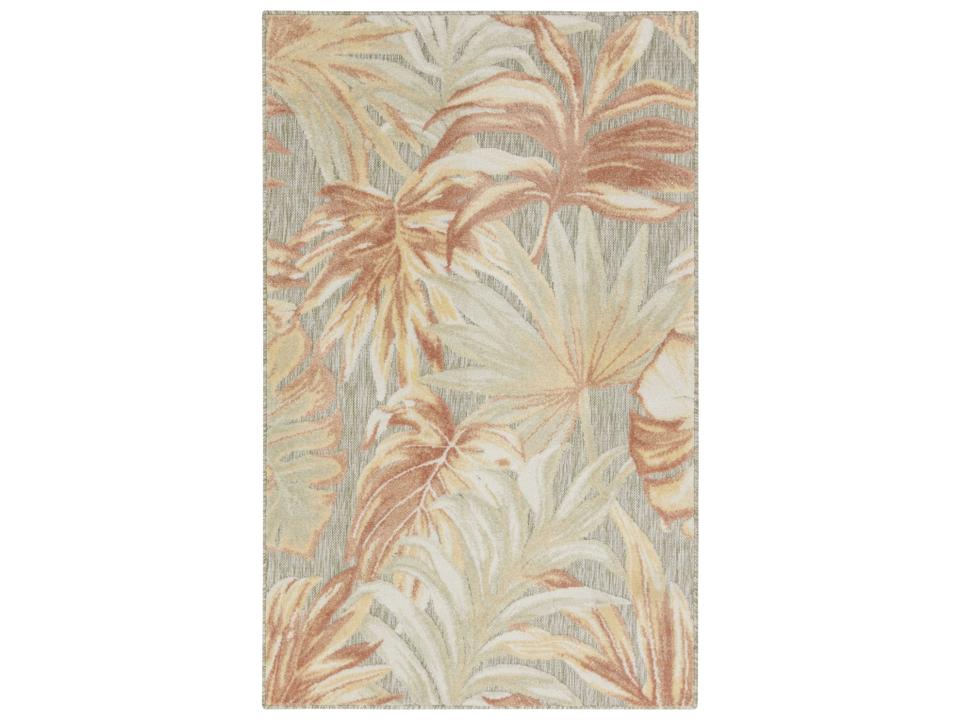
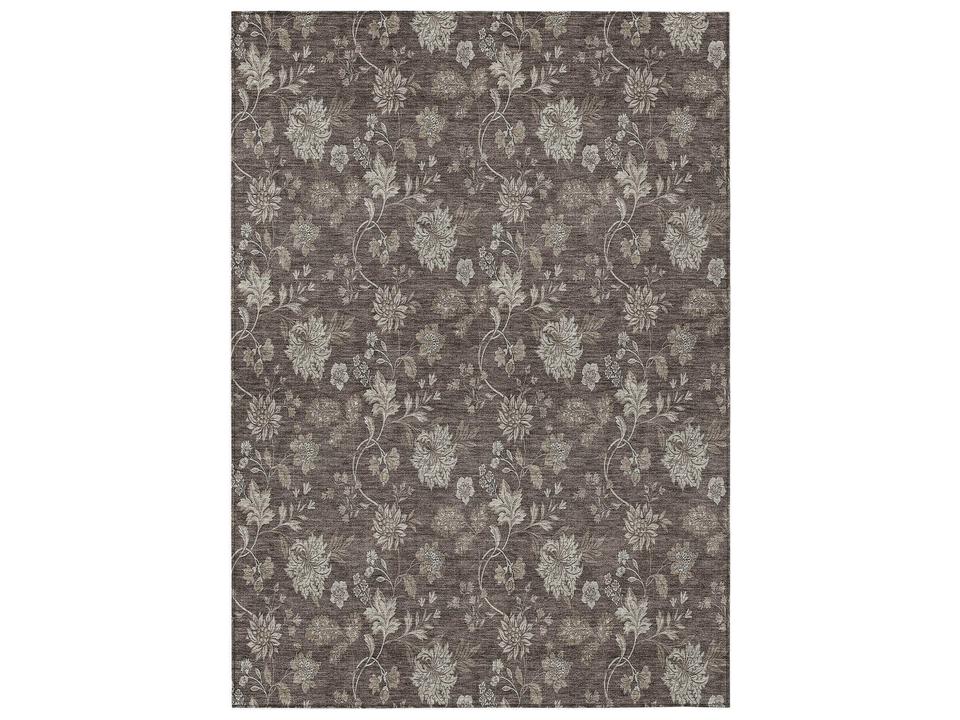
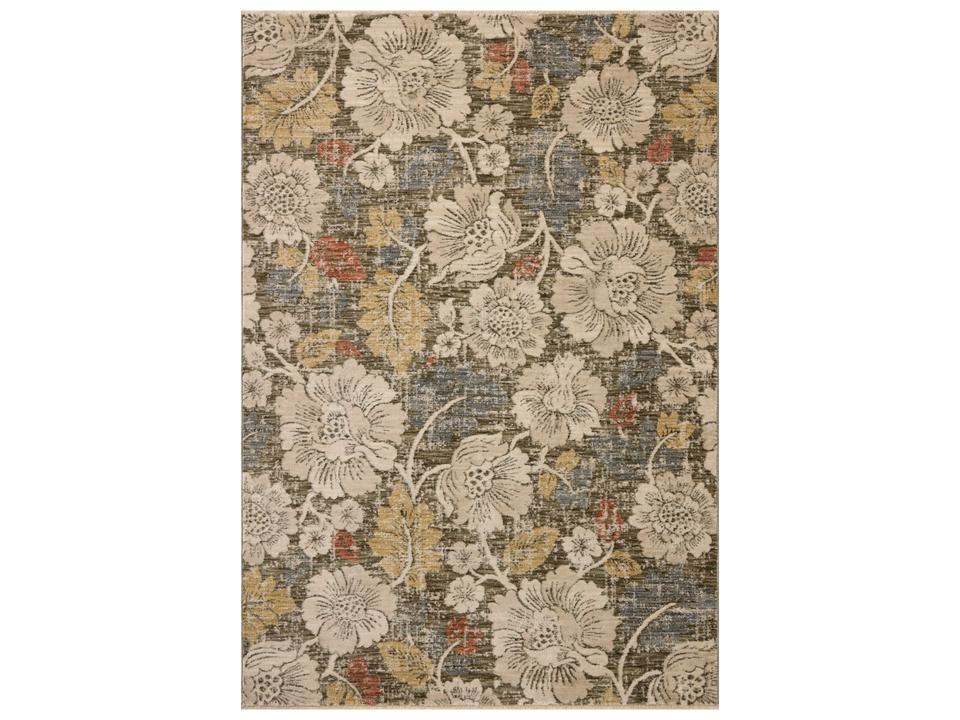
Transitional floral botanical area rugs span a wide range of looks. Some feature dense, hand-knotted construction with trailing vine motifs in muted earth tones. Others lean modern — overscale blooms rendered loosely in saturated navy, blush, or charcoal with open negative space between them. The "transitional" designation means these luxury rugs sit comfortably between classic and contemporary interiors without committing fully to either direction.
Weave construction varies as much as pattern. Flat-weave options lie thin and smooth — ideal under dining tables where chair legs need to slide freely. Braided styles add texture and a slightly relaxed hand. Handmade pieces (hand-knotted or hand-tufted) carry more depth of color and a dimensional quality that machine-woven rugs don't replicate, though premium power-loomed designs now achieve impressive detail at more accessible price points.
Wool dominates this category for good reason. It resists staining naturally, holds dye beautifully, and develops a soft patina with age. Silk or viscose blends add luminous sheen, though they perform best in low-traffic spaces like bedrooms or formal sitting rooms. Synthetic fibers — polypropylene, polyester, nylon — deliver strong stain and fade resistance, making them practical choices for family rooms, kitchens, or covered porches where spills happen.
Pile height affects both comfort and upkeep. Low-pile and flat-weave botanical rugs vacuum easily and resist trapping debris in the fibers. Higher piles feel plush underfoot but show furniture impressions more readily and require regular grooming to maintain an even surface.
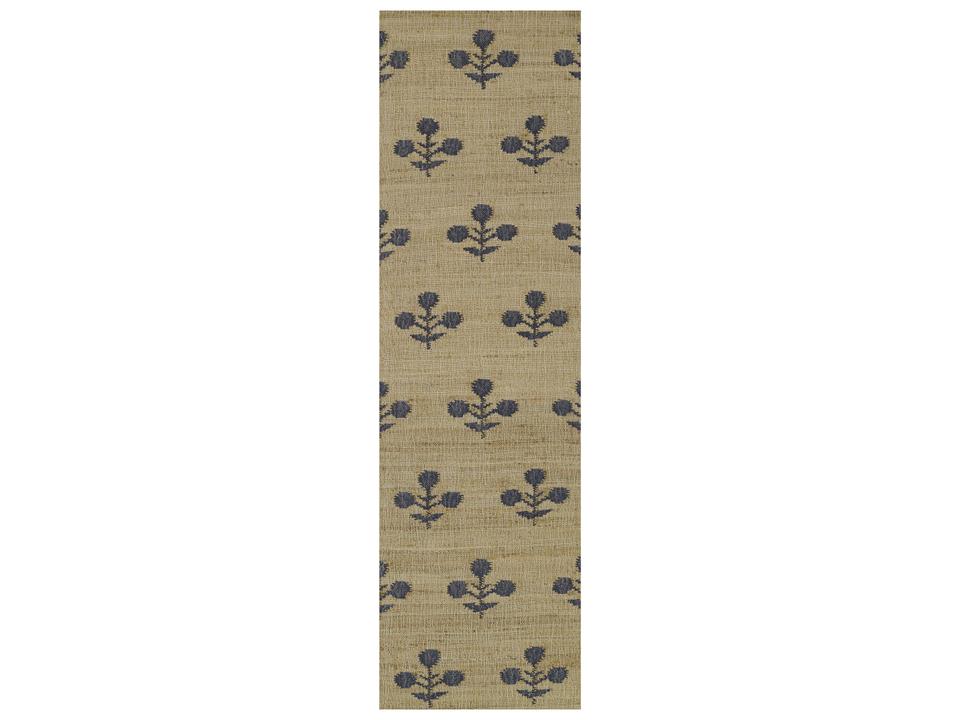
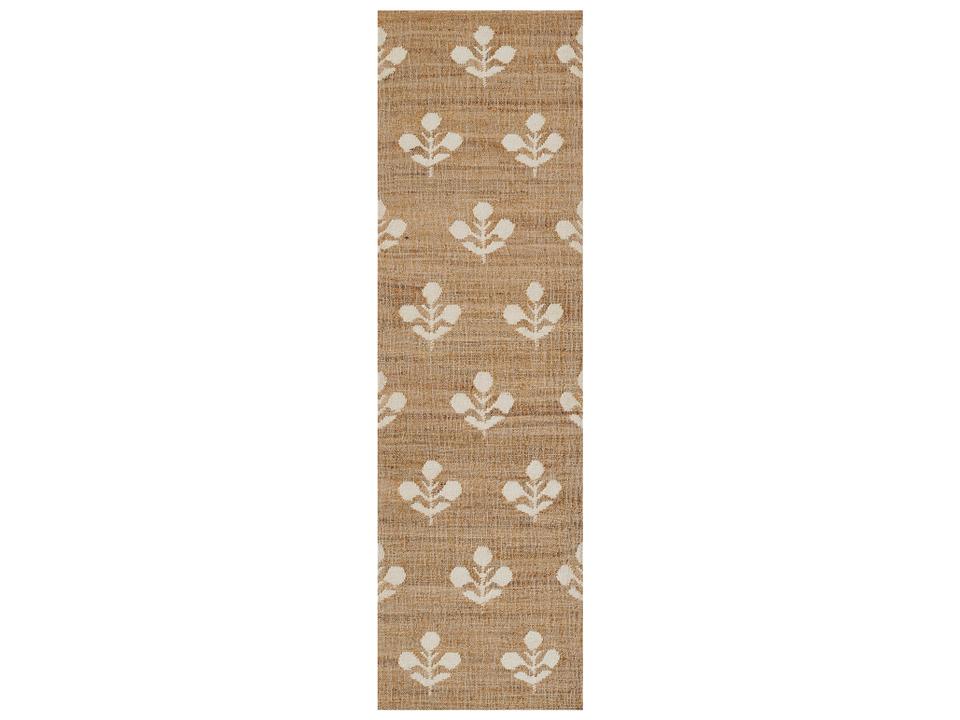
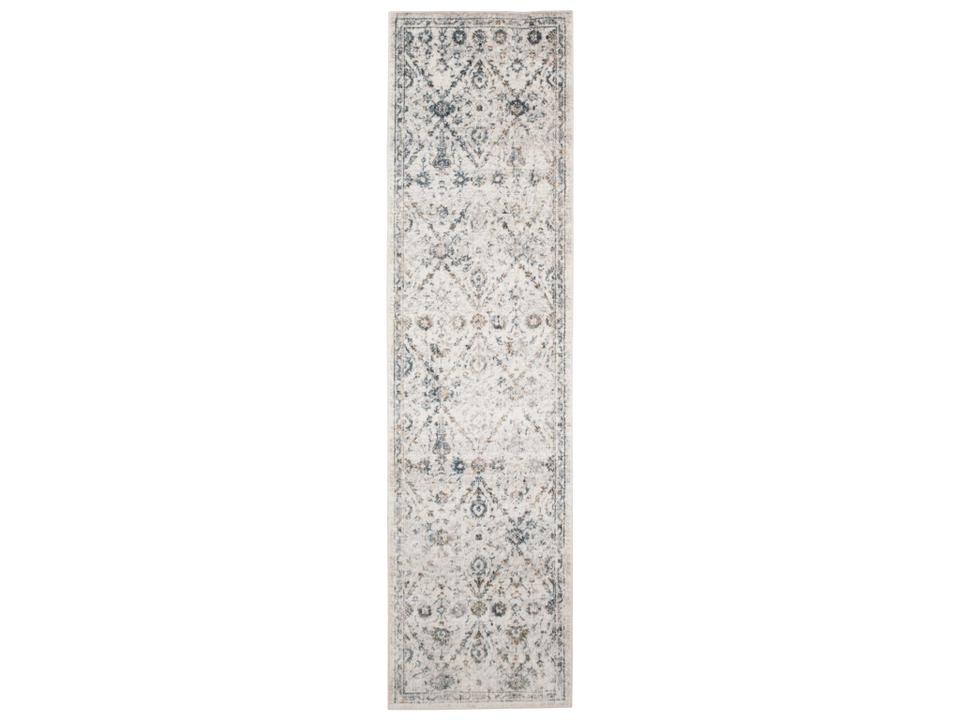
Size matters more than pattern when anchoring a room. In a living area, the rug should extend under the front legs of all seating at minimum. Dining rooms need at least 24 inches beyond each side of the table so chairs remain on the rug when pulled out. Runners suit hallways and galley kitchens, where a repeating botanical motif creates visual rhythm along the length of the space.
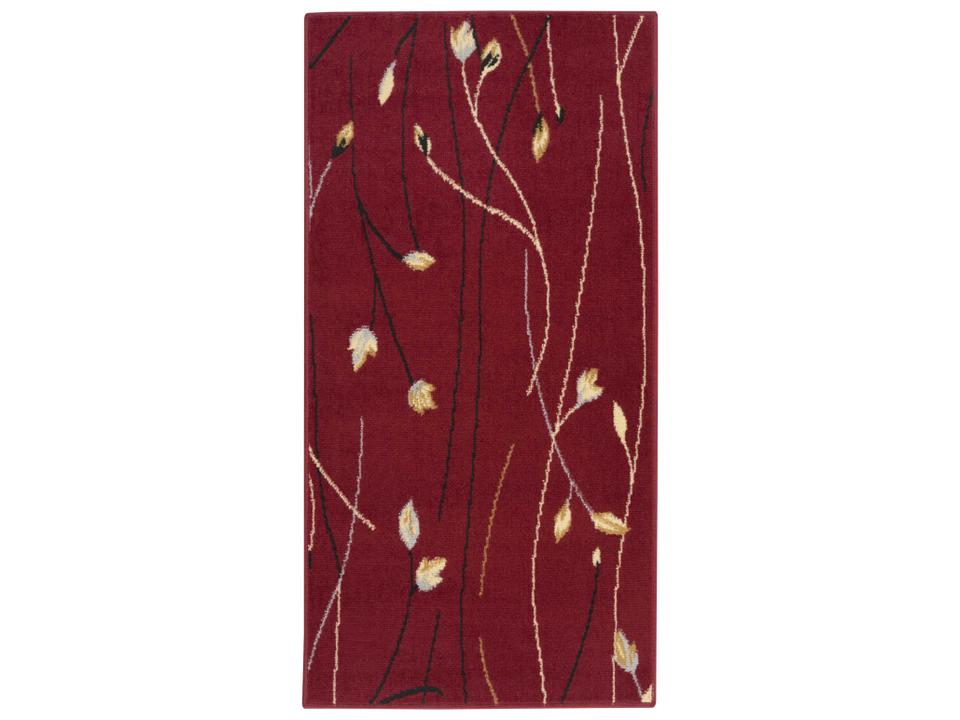
Color is where transitional florals show real flexibility. Faded or muted palettes — sage, ivory, soft gold, dusty rose — integrate into nearly any existing décor without competing. Bolder grounds in deep teal, burgundy, or black become a room's anchor instead. A practical rule: if your upholstery is solid and neutral, a saturated rug works well. If your textiles already carry pattern, keep the rug subdued.
Pair a luxury floral botanical rug with clean-lined furniture and let the pattern provide the visual interest. A simple linen sofa, a walnut coffee table, and a patterned rug underneath — the room feels layered and considered without competing elements. In bedrooms, position a large rug so it extends at least 18 inches beyond the sides and foot of the bed for a grounded, cohesive look.
Browse our full area rug collection for additional styles, or explore traditional area rugs if you prefer more formal, heritage-driven patterns. These transitional floral pieces work equally well layered over natural-fiber bases or placed directly on hardwood — just add a quality rug pad underneath to prevent slipping and protect your floors.