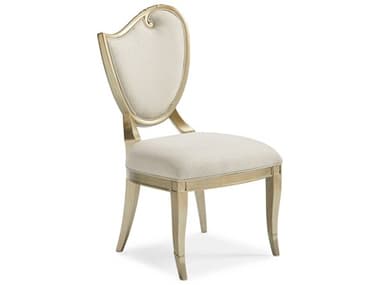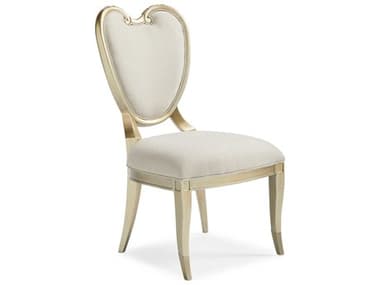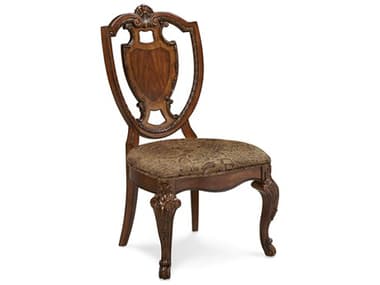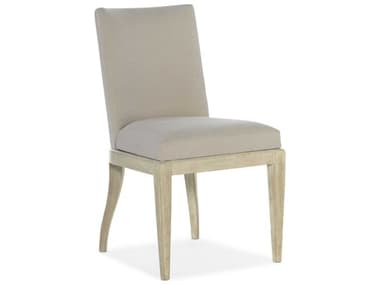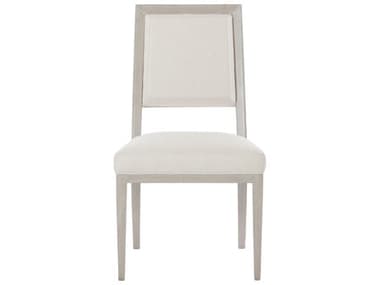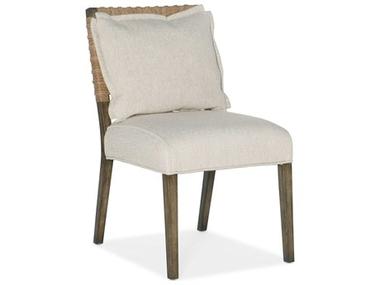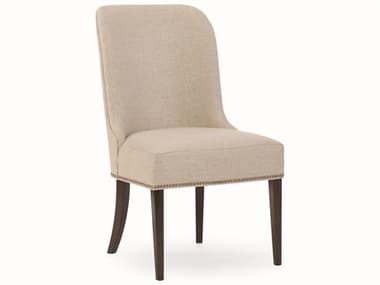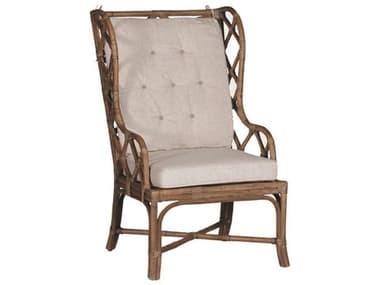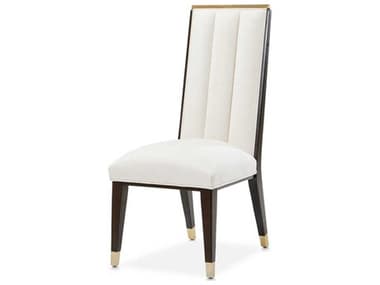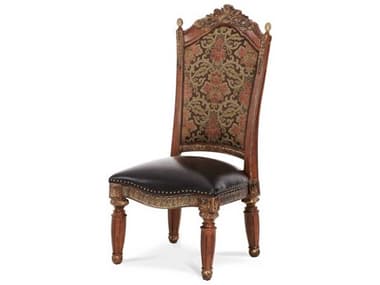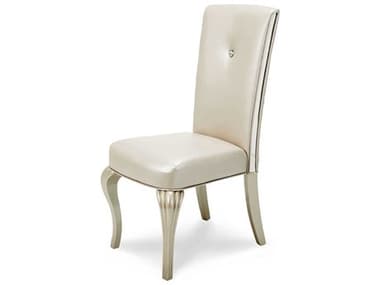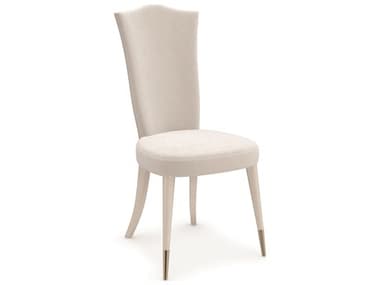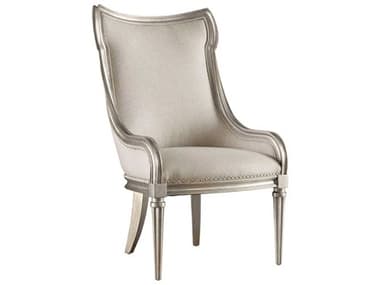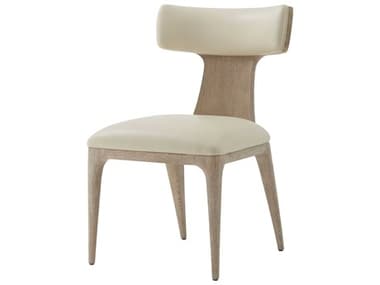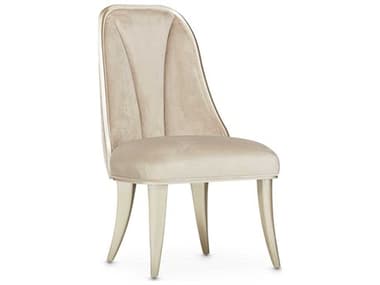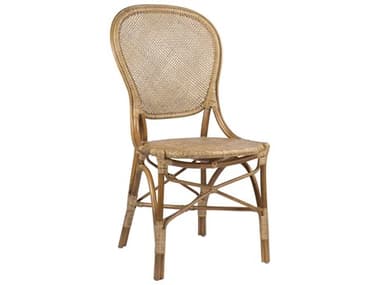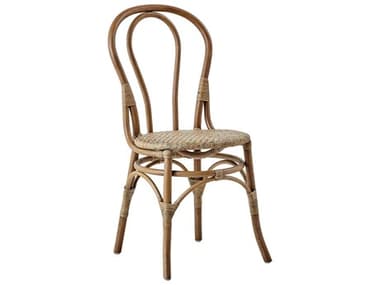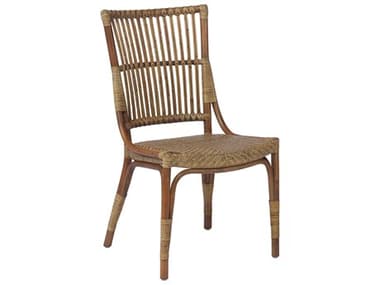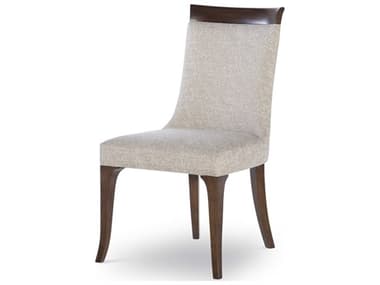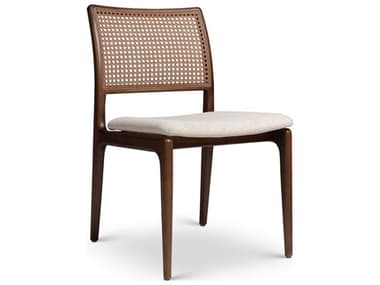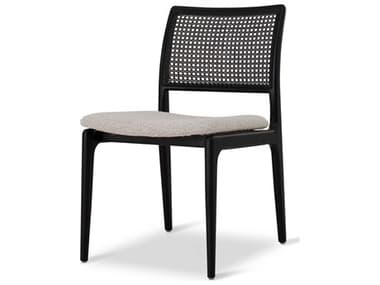
Introduction to Dining Side Chairs
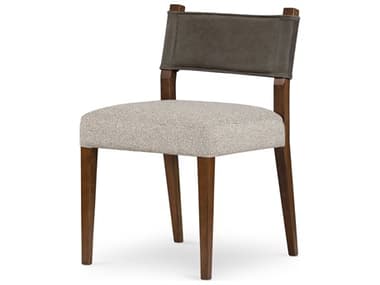
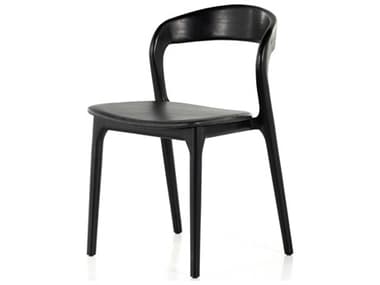
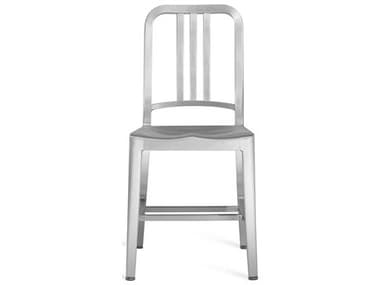
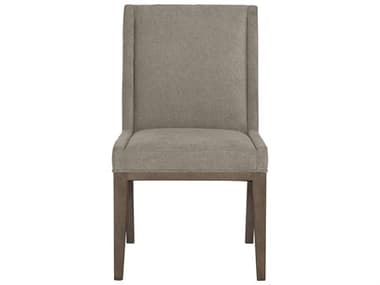
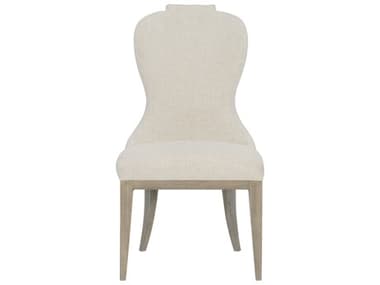
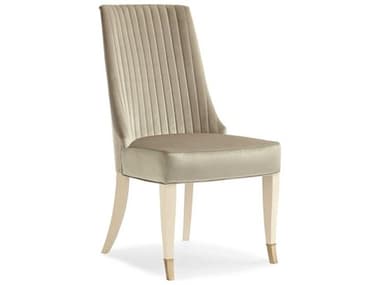
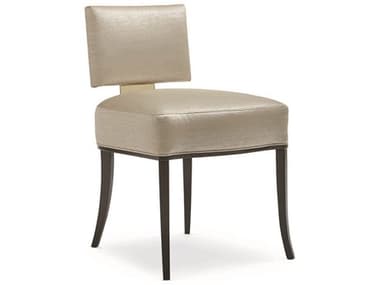
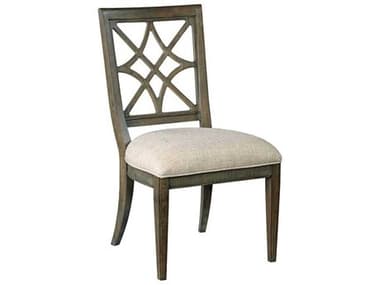
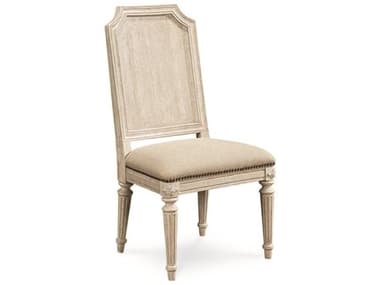
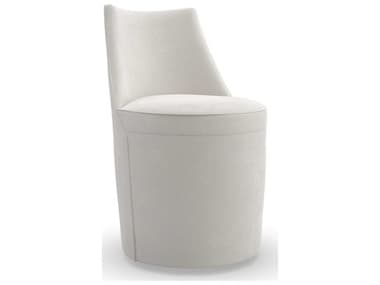
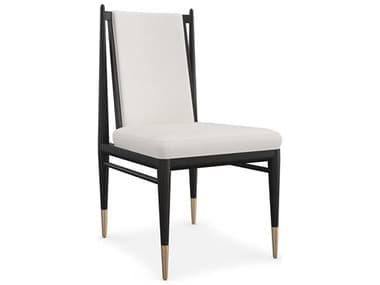
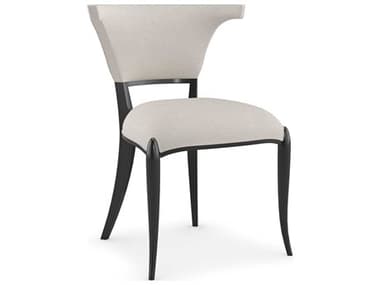
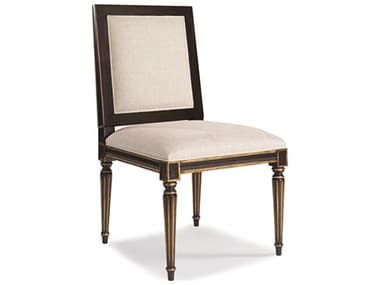
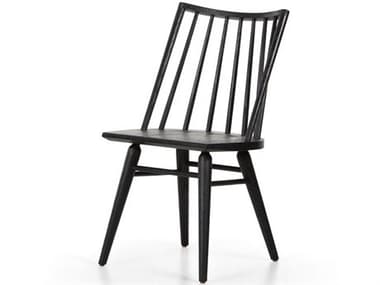
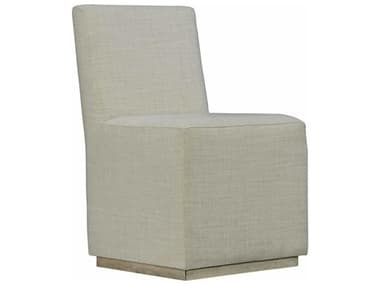
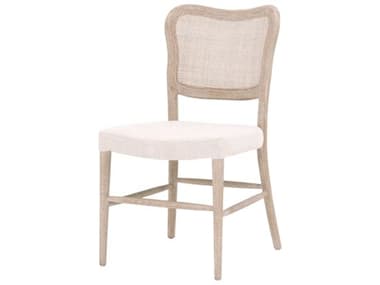
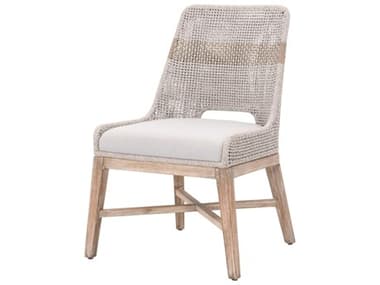
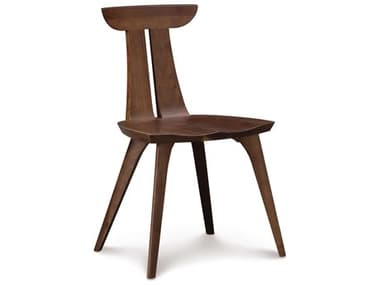
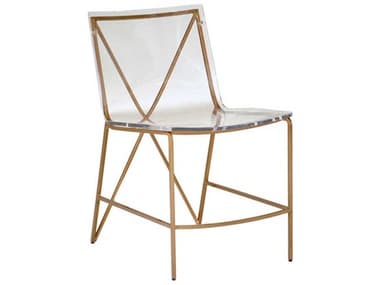
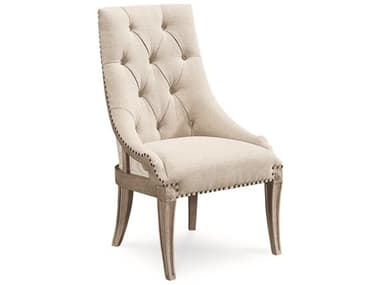
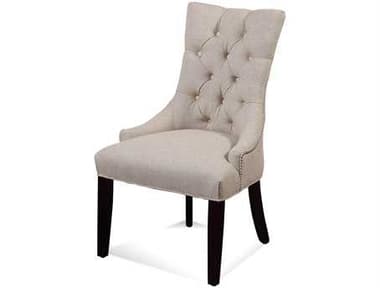
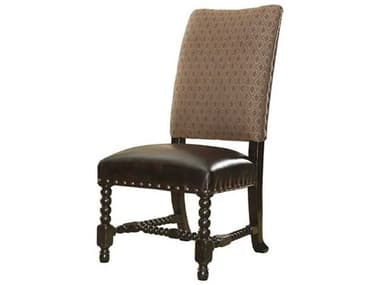
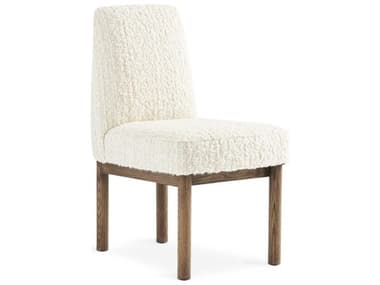
Dining side chairs, which are designed without prominent armrests, bring function and style to any mealtime gathering space, and are a perfect addition to many dining room sets. While dining arm chairs are used at the end of a dining table, dining side chairs bring practical seating around the sides of a dining table. Their practicality is well-suited for guests sitting side by side, and their design enable easy mobility between guests. While dining side chairs can be purchased in sets for a well-coordinated look, side chairs can also be purchased individually for a customized look. From fabric dining room chairs to unupholstered designs, there are many different styles of dining side chairs to choose from at LuxeDecor that will make a huge impact on the success of your entertaining.
Different Types and Styles of Dining Side Chairs
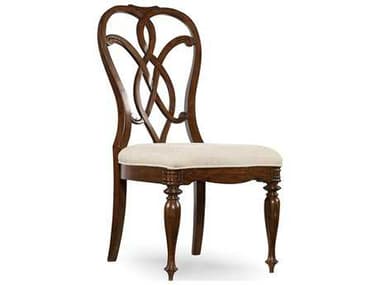
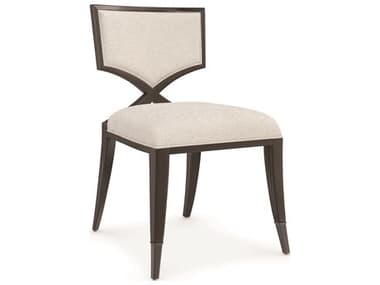
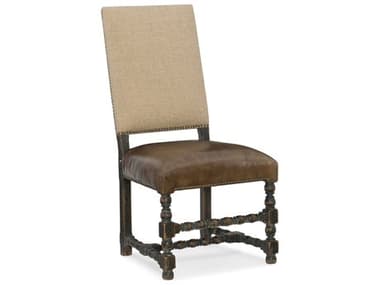
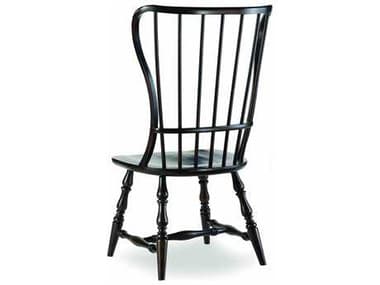
At LuxeDecor, you’ll find over 1,800 options for dining chairs to suit any style and comfort level you are searching for, and that complements your dining room aesthetic. Available styles include traditional, casual, and modern style dining room chairs designed to coordinate with any dining setting and configuration by the best home furniture brands including Armen Living, Orient Express Furniture, Stilnovo, and Hooker Furniture. Whether you’re searching for stationary dining room chairs to place around a traditional dining room table, or are searching for more casual options that feature convenient motion features such as swivel, rolling, reclining and adjustable dining room chairs, LuxeDecor has plenty of stylish choices to fashion the perfect dining look. Because dining side chairs are designed with no armrests, dining side chairs can be coordinated by material and the style of backrest. Traditional dining side chairs feature wooden backs of various carvings. If you’re looking for more comfort, upholstered dining chairs offer great comfort and style. Browse through LuxeDecor’s vast inventory of dining side chairs to find a complementary dining look that provides plenty of style and function.
Decorating with Dining Side Chairs In Your Home
Pairing dining side chairs with your dining room arm chairs provides a well tailored look for any mealtime gathering space. Because dining side chairs are designed without prominent armrests, these types of chairs provide plenty of functional value and can be easily moved around for easy access for your guests and family members. The versatility of dining side chairs means you can place them anywhere, and can be used as accent side chairs that don’t necessarily need to be pulled up to a dining table. Try flanking a console table with side chairs in your hallway or foyer for convenient seating. Fabric dining room dining chairs also provide an opportunity to introduce texture, color, and pattern to your décor for perfect accent seating that is equal parts stylish and functional. Wherever you place these handy chairs, you will find plenty of fabric dining room side chairs in chic styles at LuxeDecor by the best brands in home furniture.