
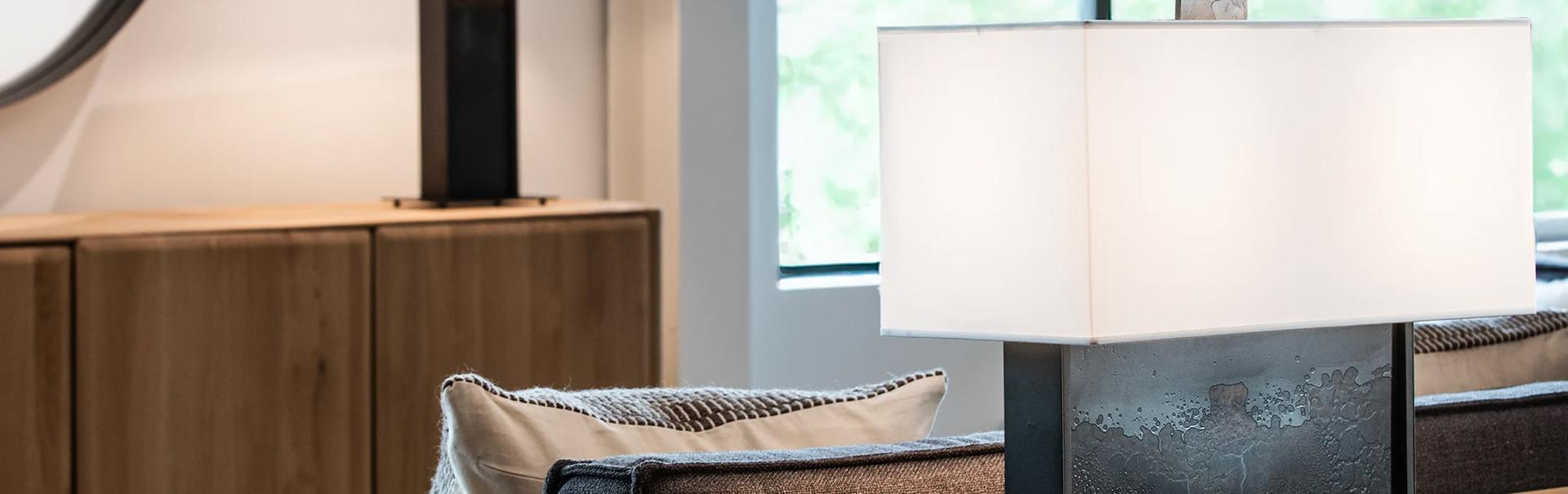
Luxury Floor & Table Lamps
How a Lamp Changes the Character of a Room
Flip on an overhead fixture and a room goes flat — every surface lit the same way, no depth, no warmth. Switch to a well-placed floor lamp or table lamp and the space immediately gains dimension. Pools of light define reading corners, illuminate artwork, and draw people toward conversation areas. That shift from harsh to layered is what good lamp placement delivers.
Our collection of luxury floor and table lamps spans hundreds of styles — from slender arc lamps with brushed brass stems to hand-glazed ceramic table lamps with linen shades. Whether you need ambient light for a living room, task lighting for a home office, or a sculptural accent piece for a console table, you'll find options here in materials and finishes that pair with any décor.
Floor Lamps: Styles and Placement
Floor lamps anchor corners and fill vertical space that furniture alone can't reach. A few common configurations:
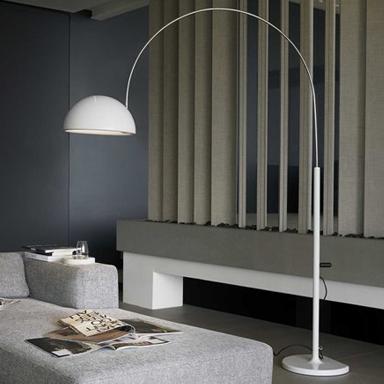
- Arc lamps — extend over a sofa or reading chair without taking up end-table space. Look for weighted bases in marble or steel that keep them stable.
- Torchières — direct light upward for soft ambient illumination. Ideal next to bookcases or in narrow hallways.
- Tripod and sculptural lamps — function as decorative objects in their own right. These work well in rooms where the lamp is visible from multiple angles.
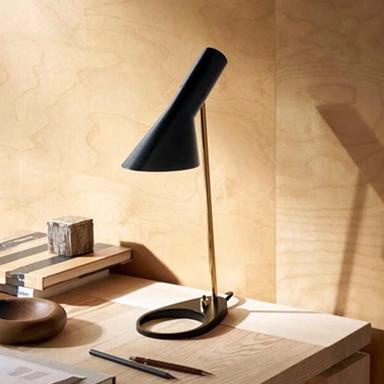
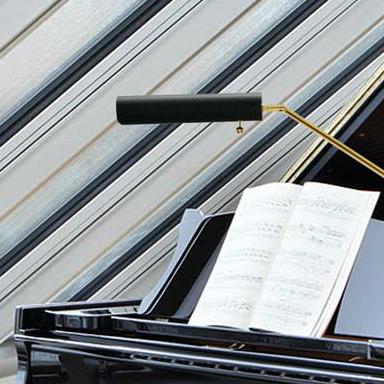
- Pharmacy and task floor lamps — adjustable arms and directional shades built for reading or detail work.
Height matters. A floor lamp shade should sit at roughly seated eye level — about 58 to 64 inches off the ground — so it illuminates without glaring into your eyes.
Table Lamps: Scale, Shade, and Material
A table lamp that's too small for its surface disappears; one that's too large overwhelms. As a general guide, the combined height of lamp and table should bring the bottom of the shade to about 38 to 42 inches from the floor — roughly eye level when seated on a sofa.
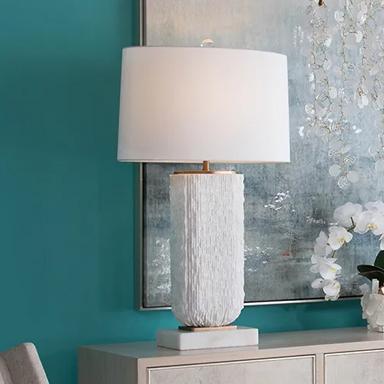
Shade material determines how light disperses. Opaque shades (metal, dark fabric) direct light down and create a focused pool. Translucent shades (white linen, silk, frosted glass) diffuse light outward for a softer glow. If a lamp's primary job is ambiance, go translucent. For task lighting on a desk or reading table, opaque or directional shades work harder.
Base materials range widely: hand-blown glass, solid crystal, turned wood, forged iron, glazed porcelain, and polished metals. Each catches and reflects light differently. A mercury glass base adds shimmer even when the lamp is off. A matte ceramic base keeps the profile quiet, letting the shade do the work.
Choosing and Styling Your Luxury Lamps
Start with function. Identify where you need light and what kind — ambient, task, or accent. Then match the scale. A sofa flanked by end tables typically calls for a pair of matching table lamps, while a single statement floor lamp can balance a reading nook without additional fixtures.
Don't feel locked into matching metals. Mixing brass with matte black, or polished nickel with antiqued bronze, adds depth across a room. The key constraint is finish temperature: warm metals (brass, gold, copper) coexist easily, as do cool metals (chrome, nickel, pewter). Crossing those groups takes more intention.
For bulbs, LED options now replicate the warmth of incandescent light at 2700K. Choose dimmable bulbs wherever possible — it's the simplest way to shift a room from daytime function to evening atmosphere. Three-way sockets and integrated dimmers give you that same flexibility built into the lamp itself.
Browse our curated selection of blue table lamps for a refined accent option, or explore the full collection to find luxury floor and table lamps that suit your room's proportions, finish palette, and lighting needs.