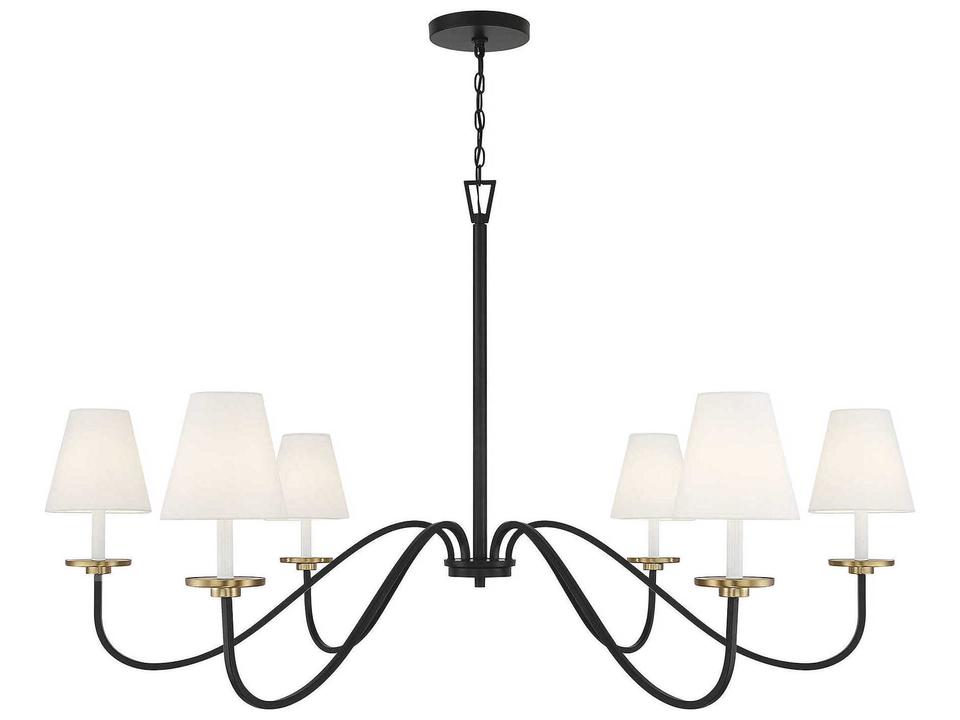
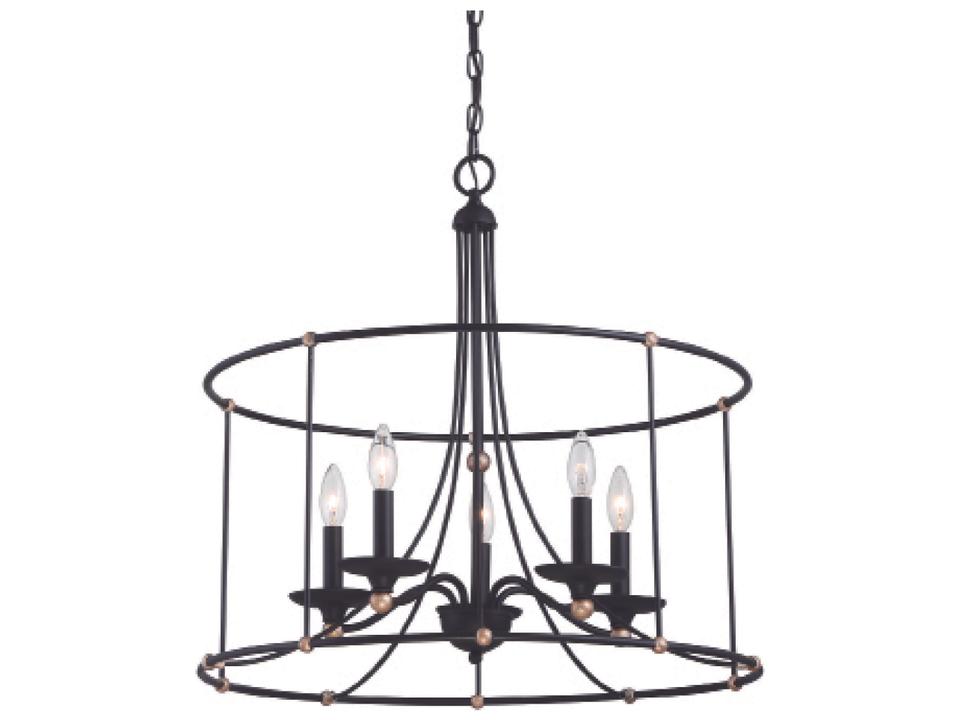
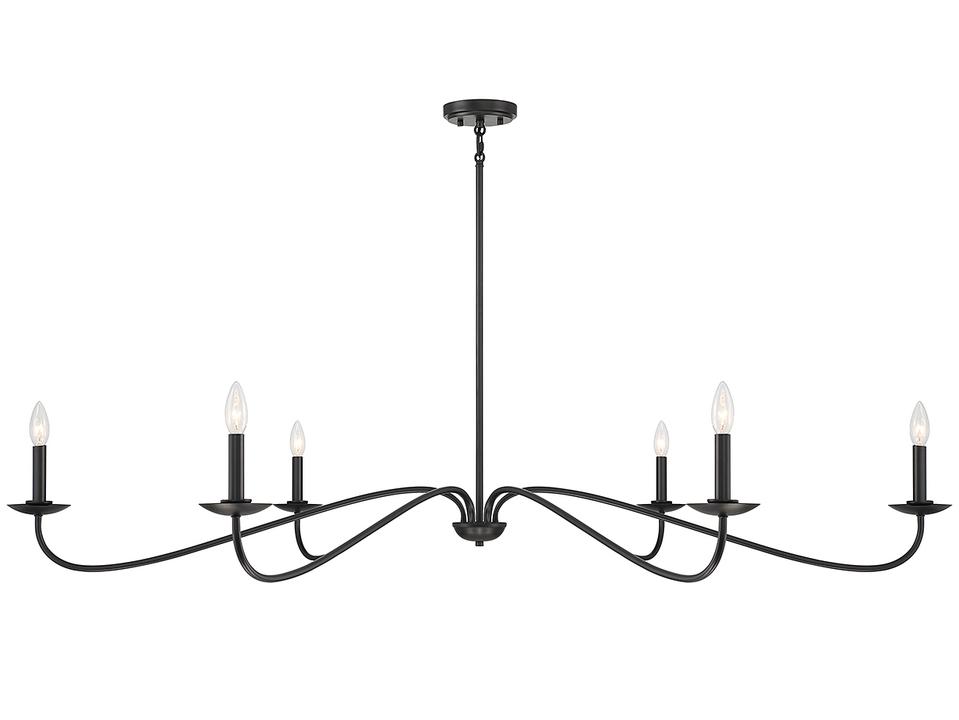
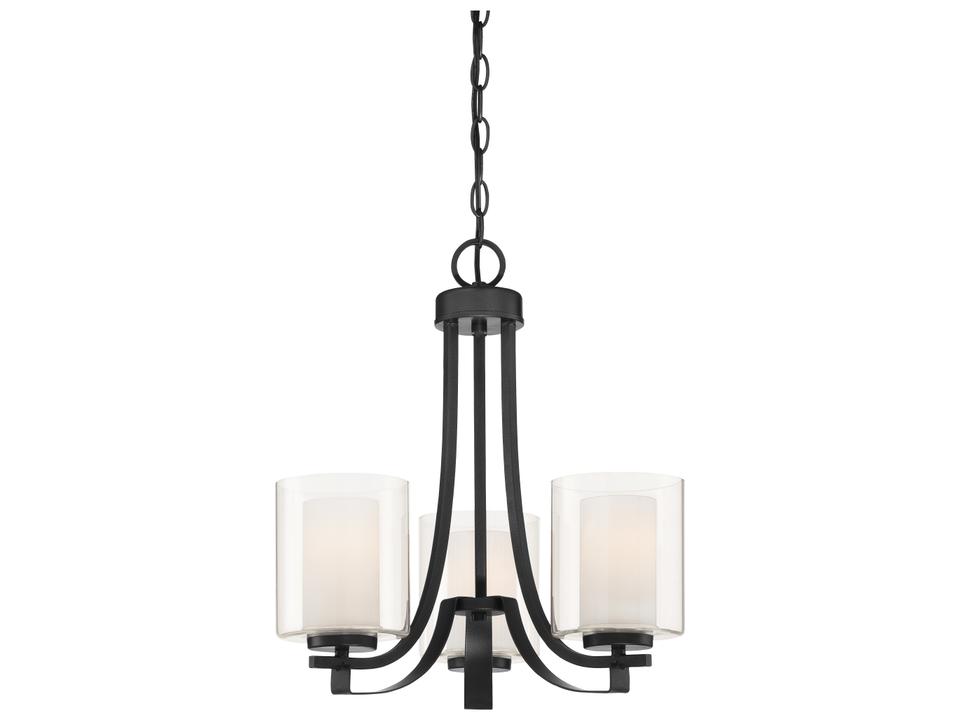
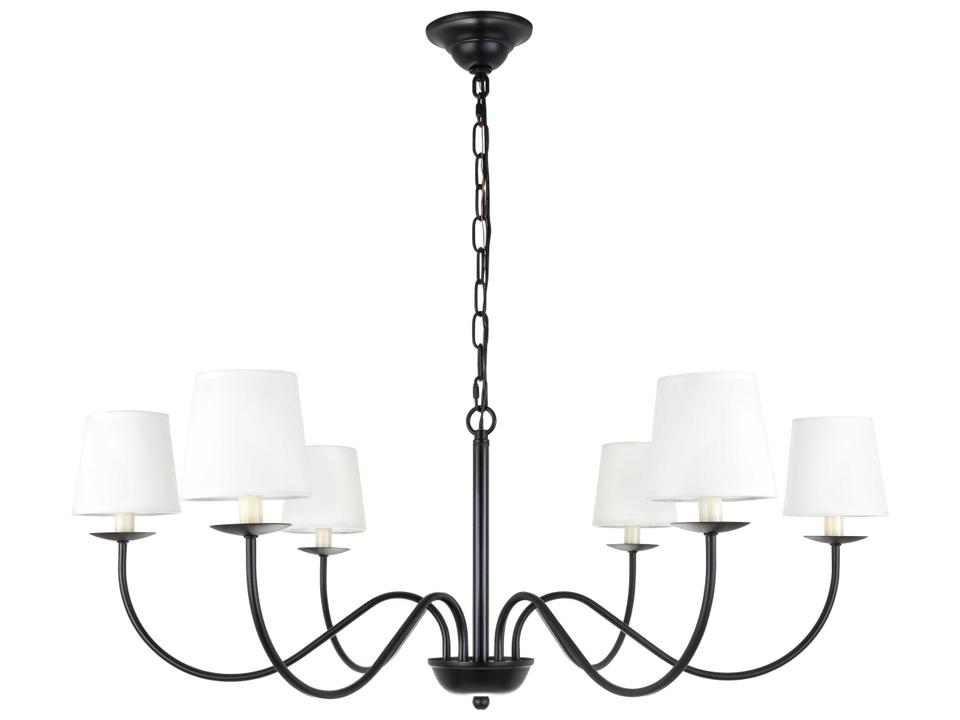
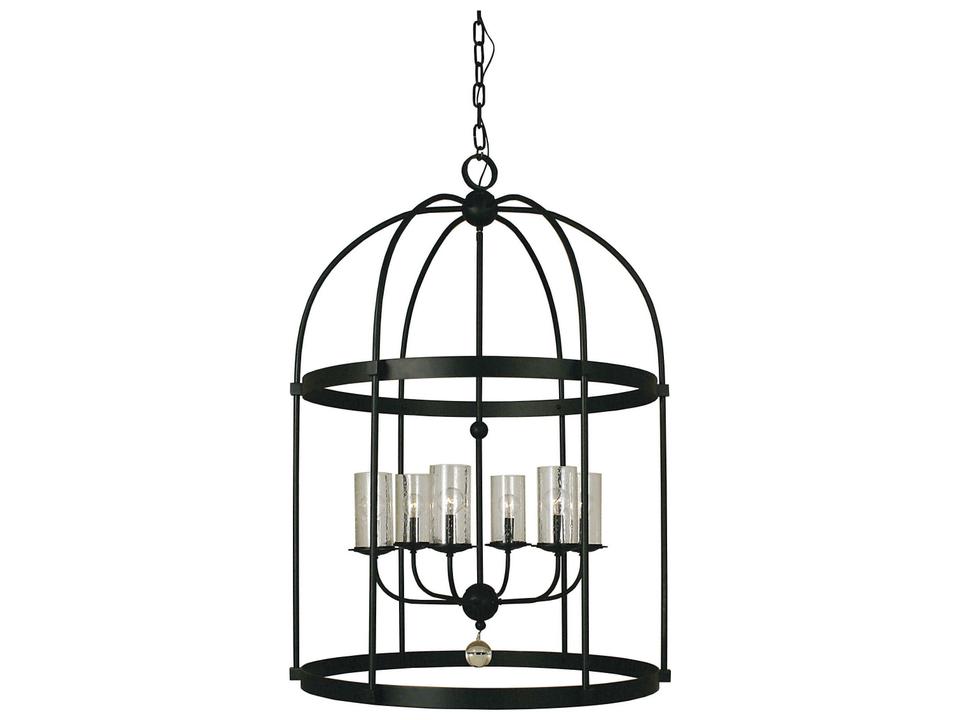
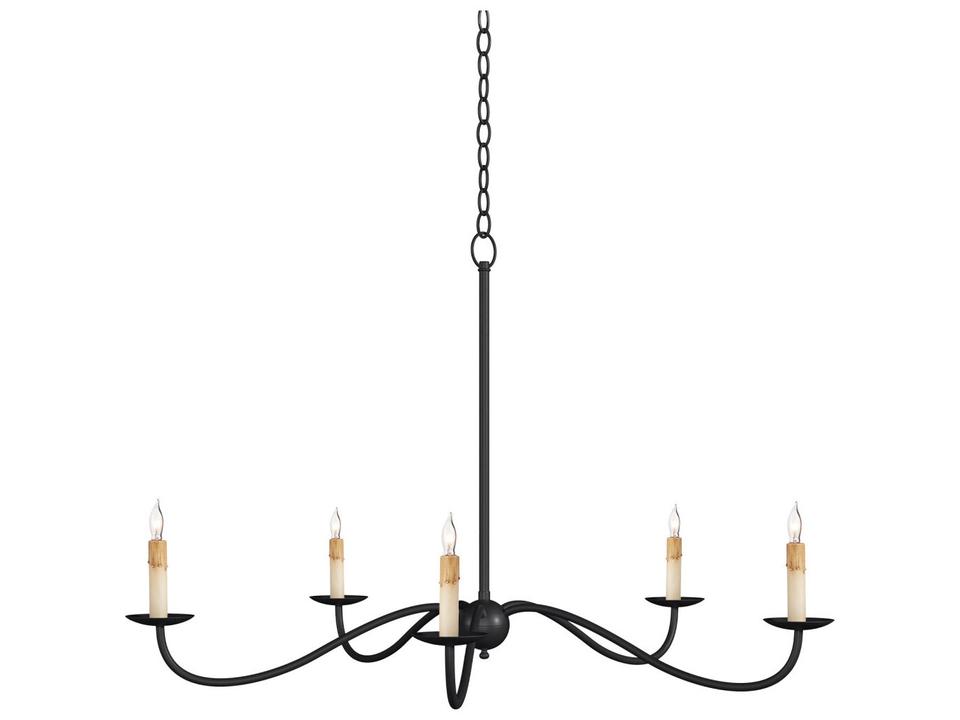
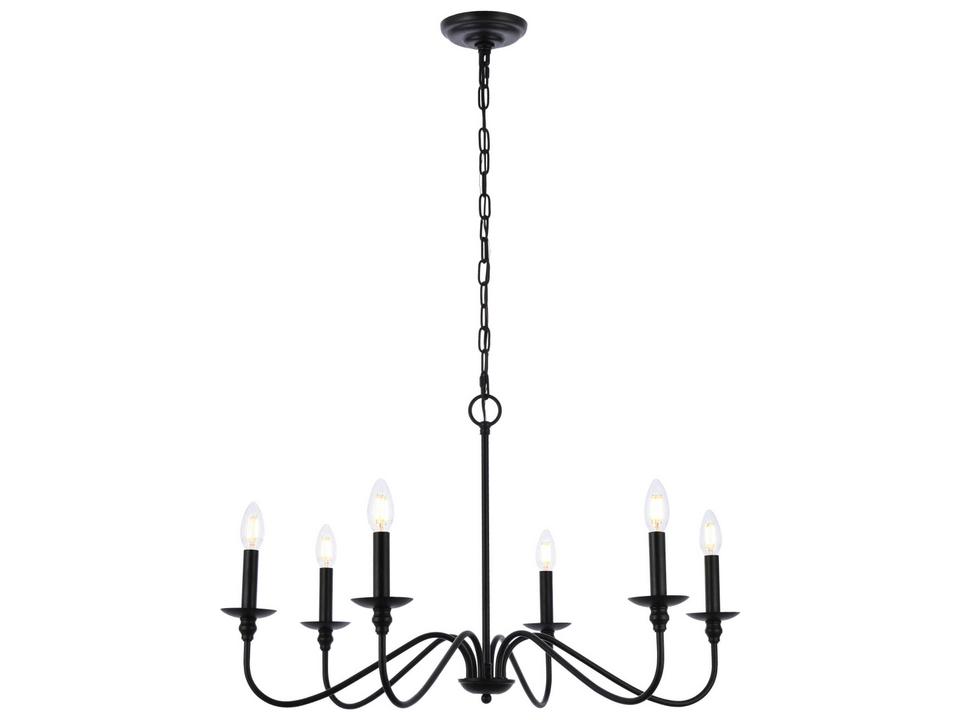
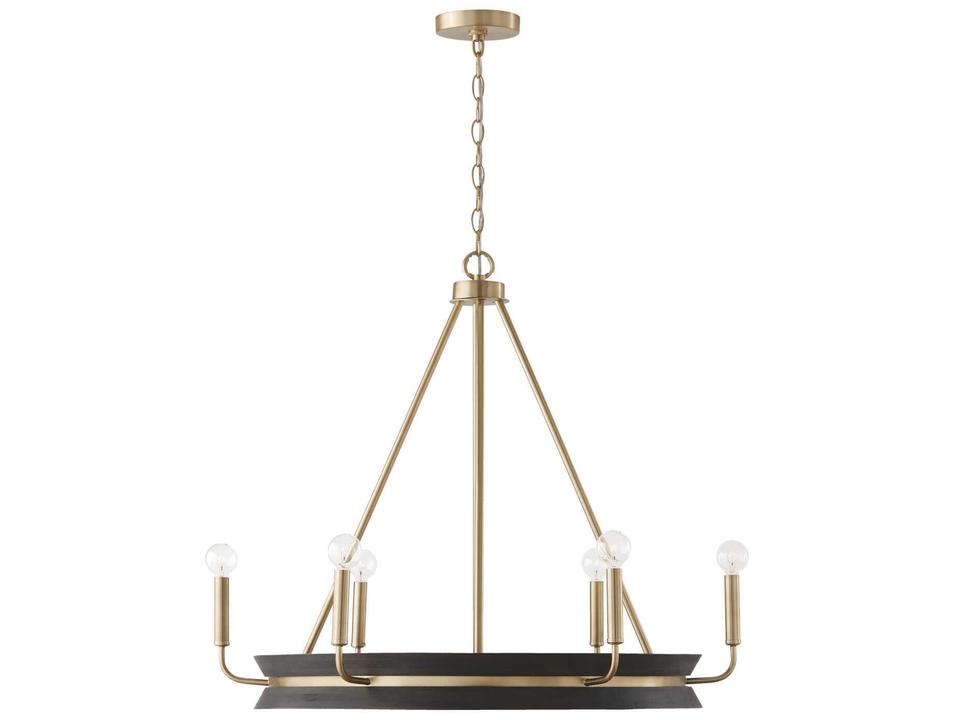
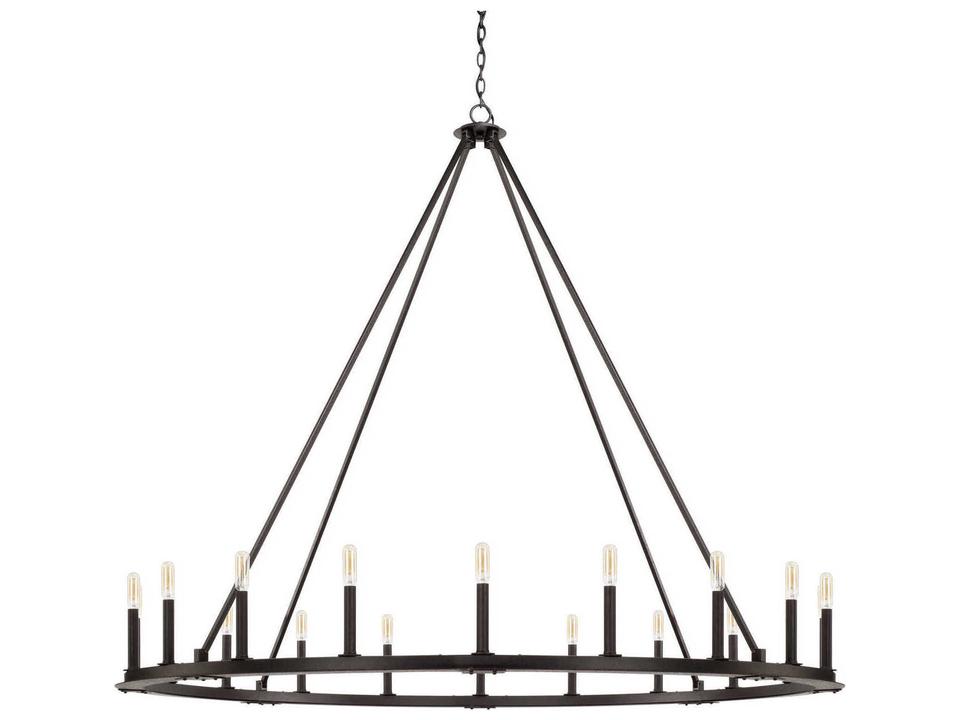
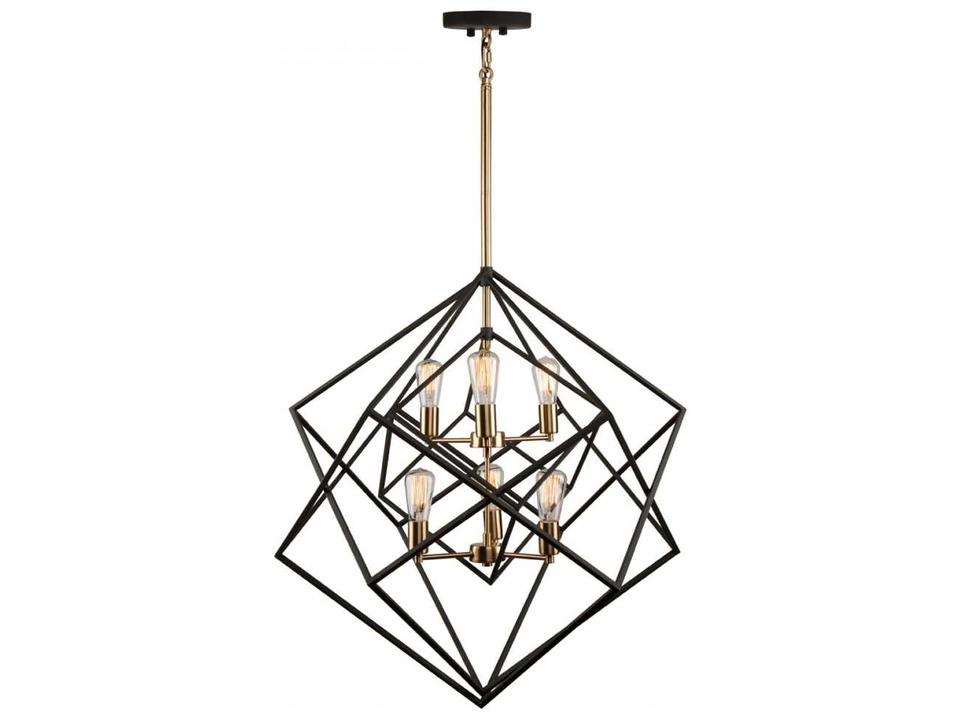
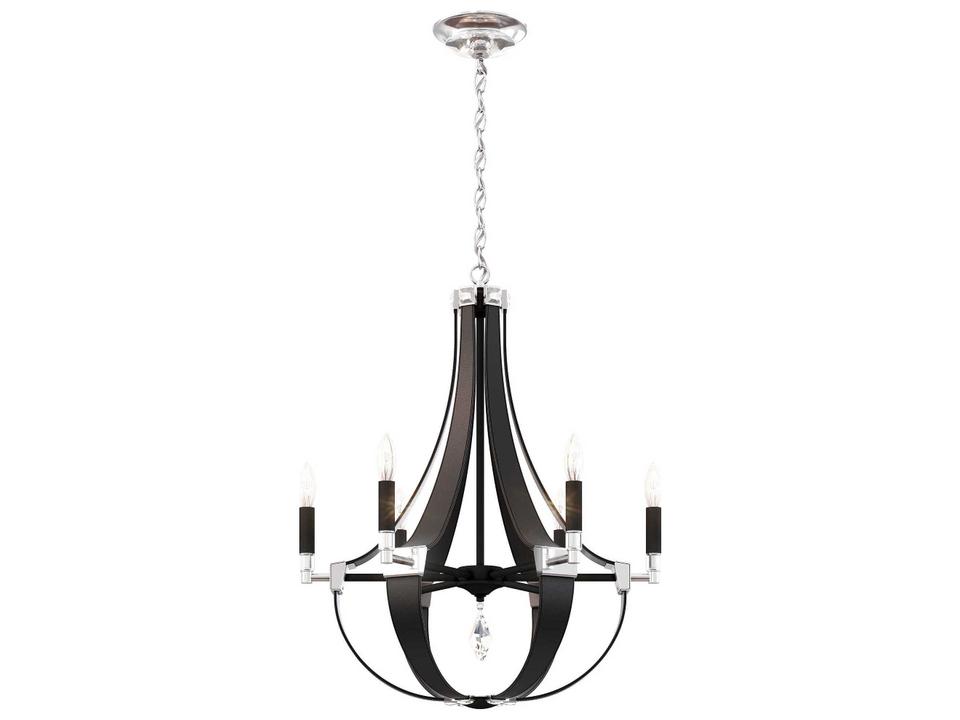
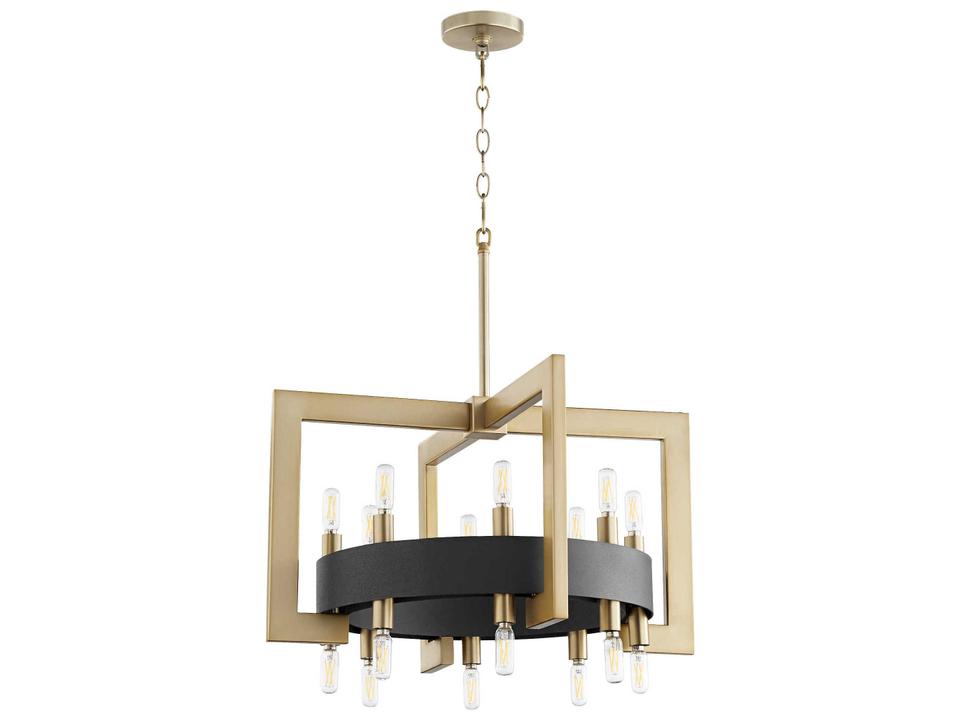
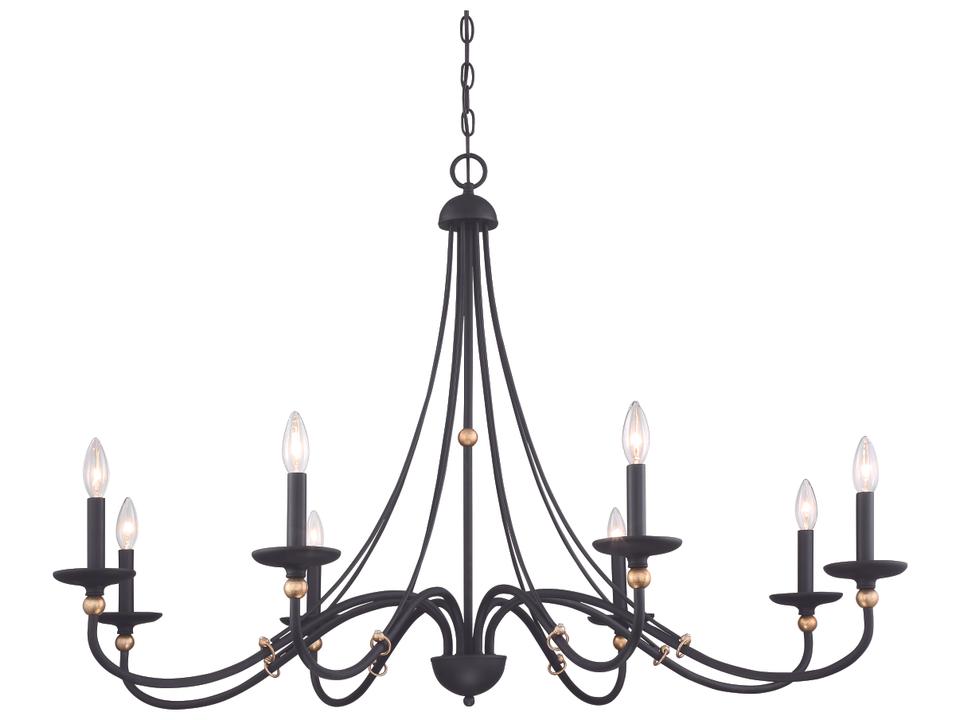
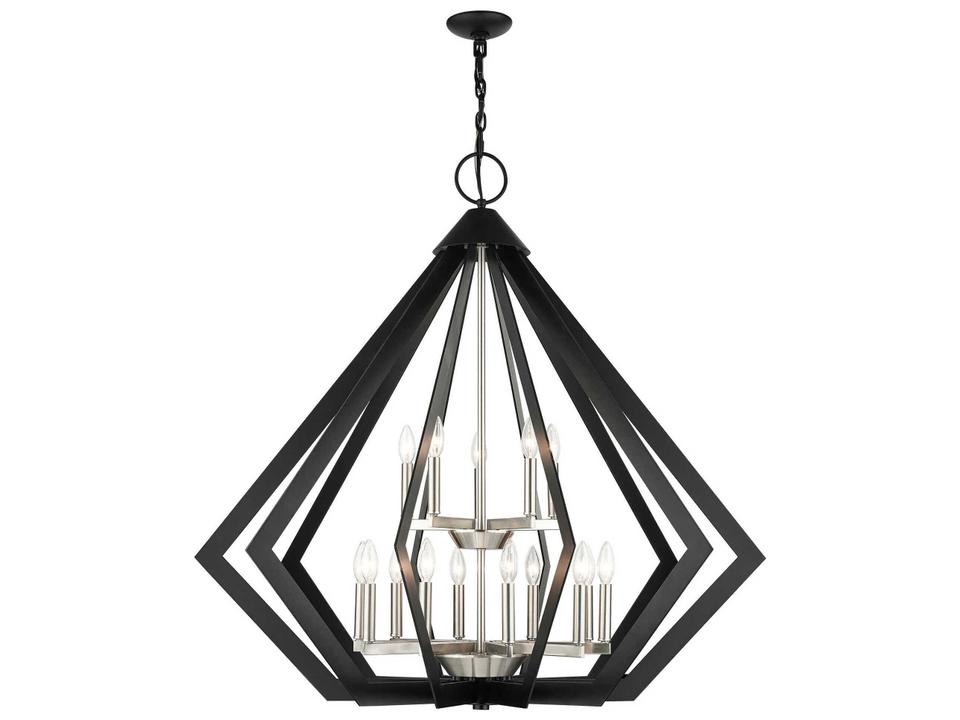
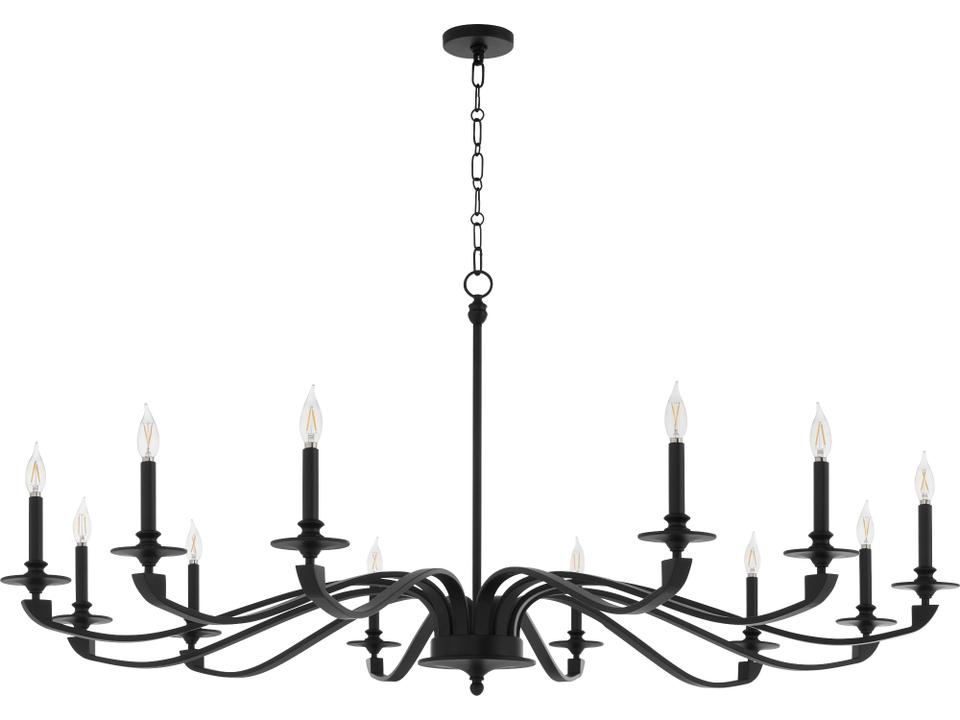
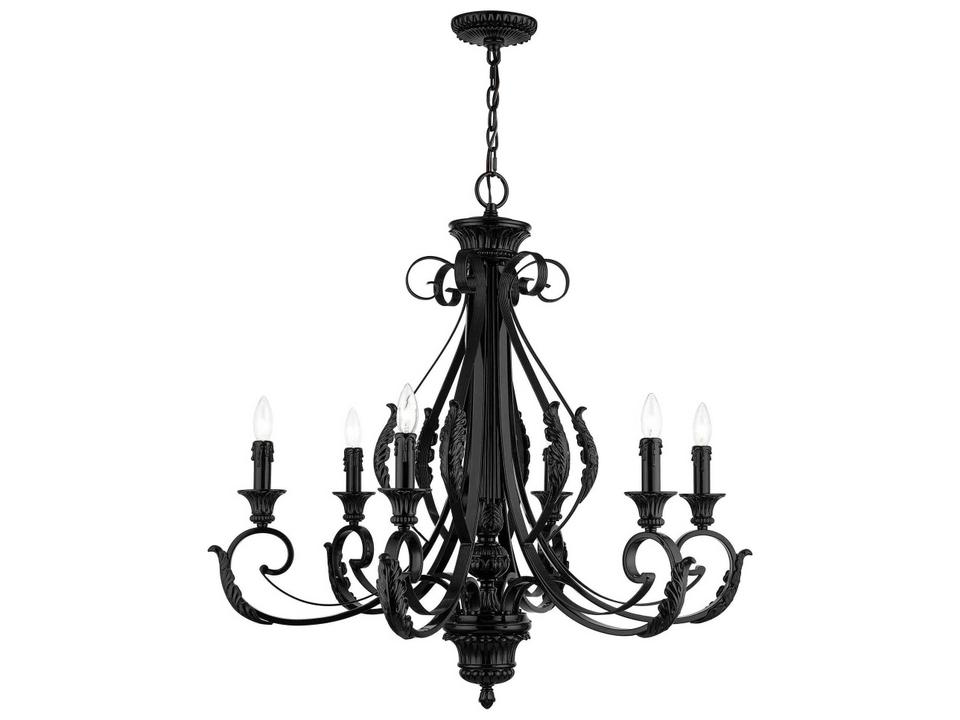
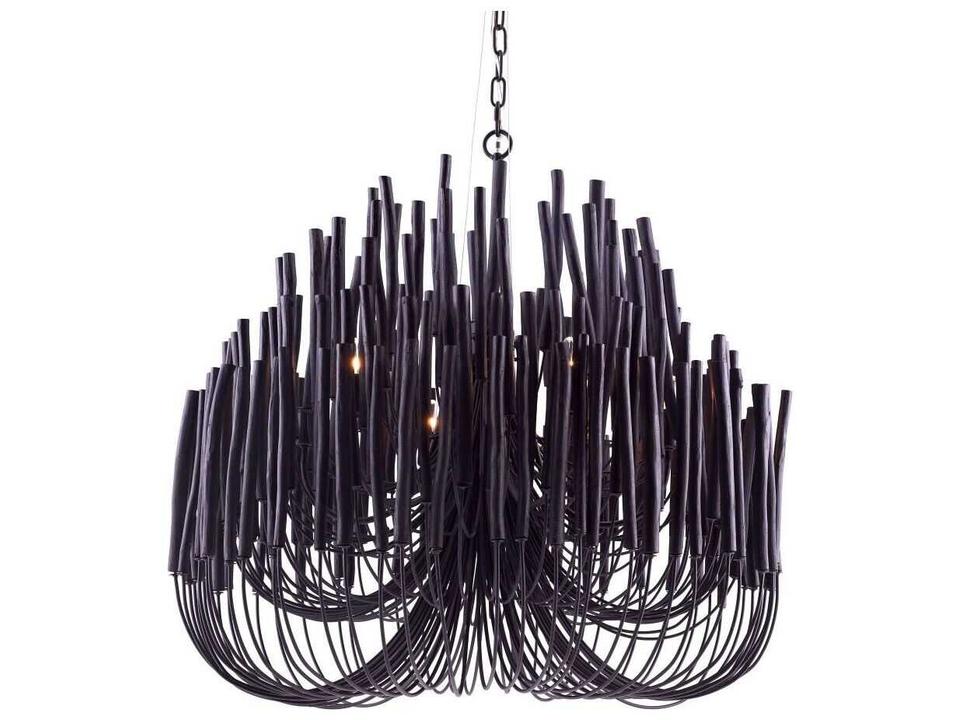
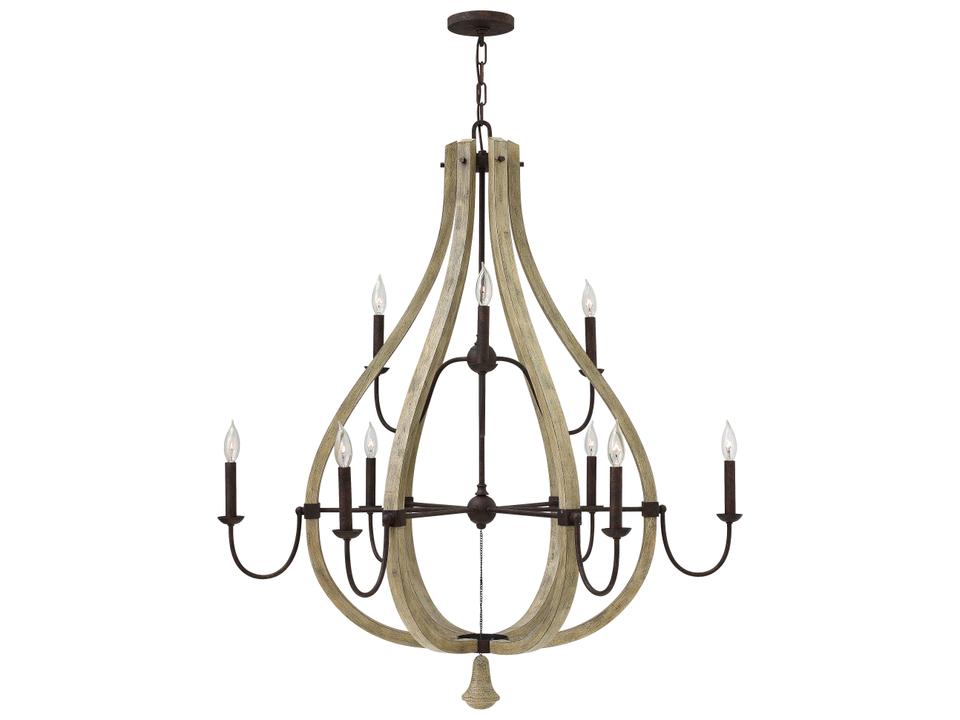
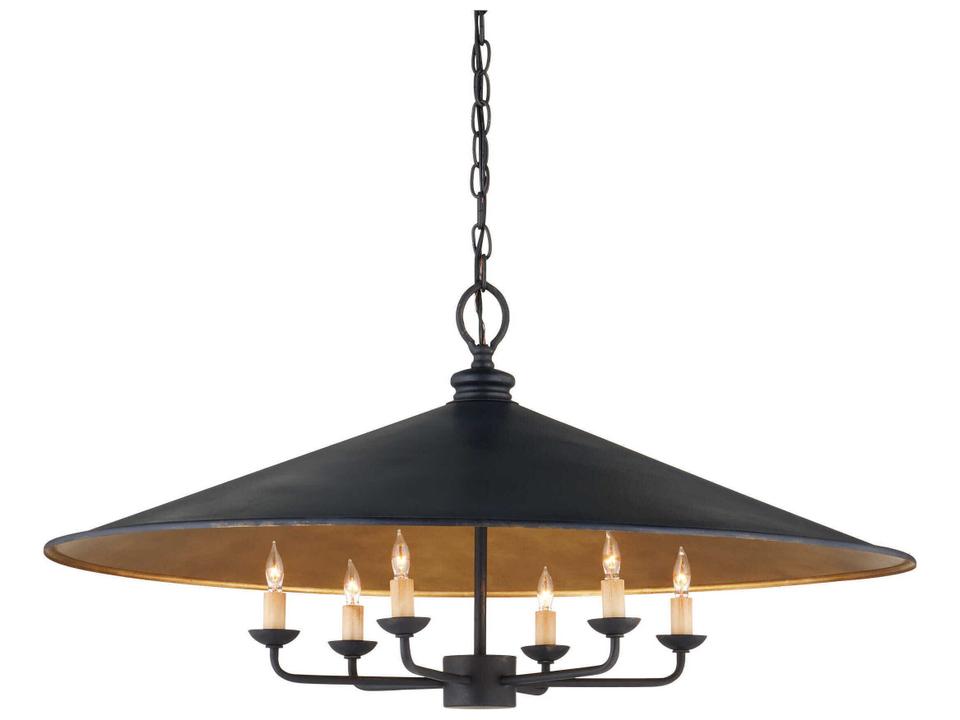
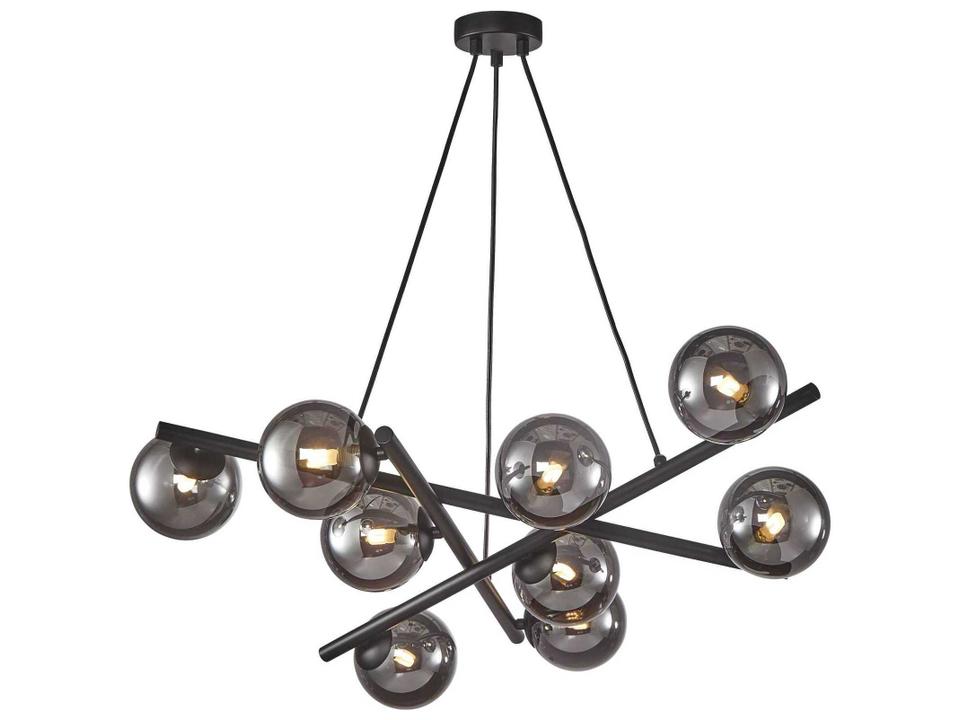
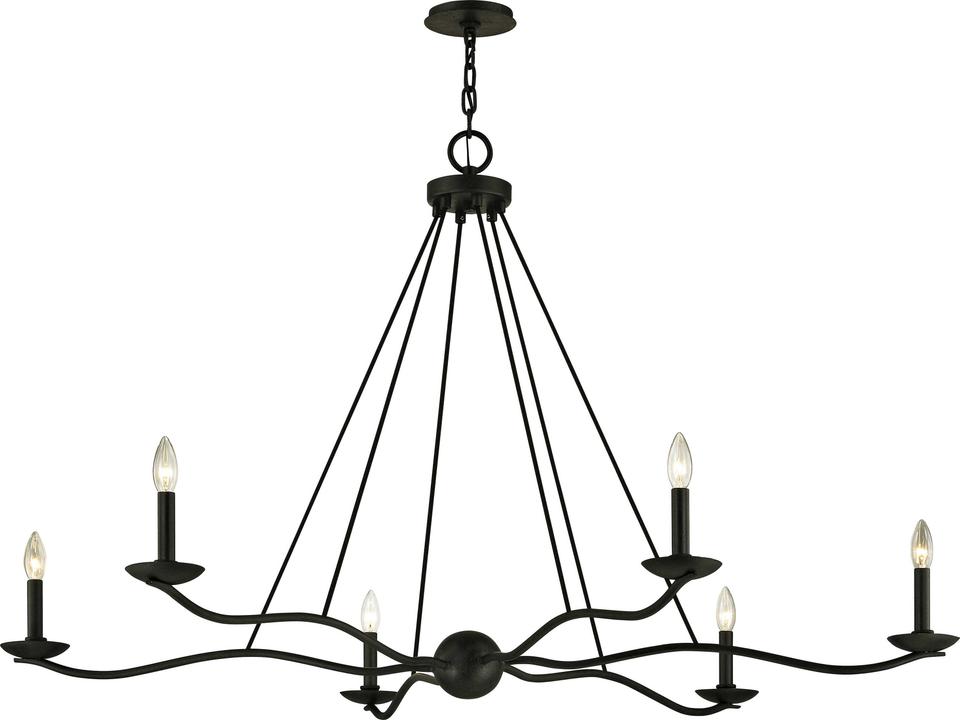
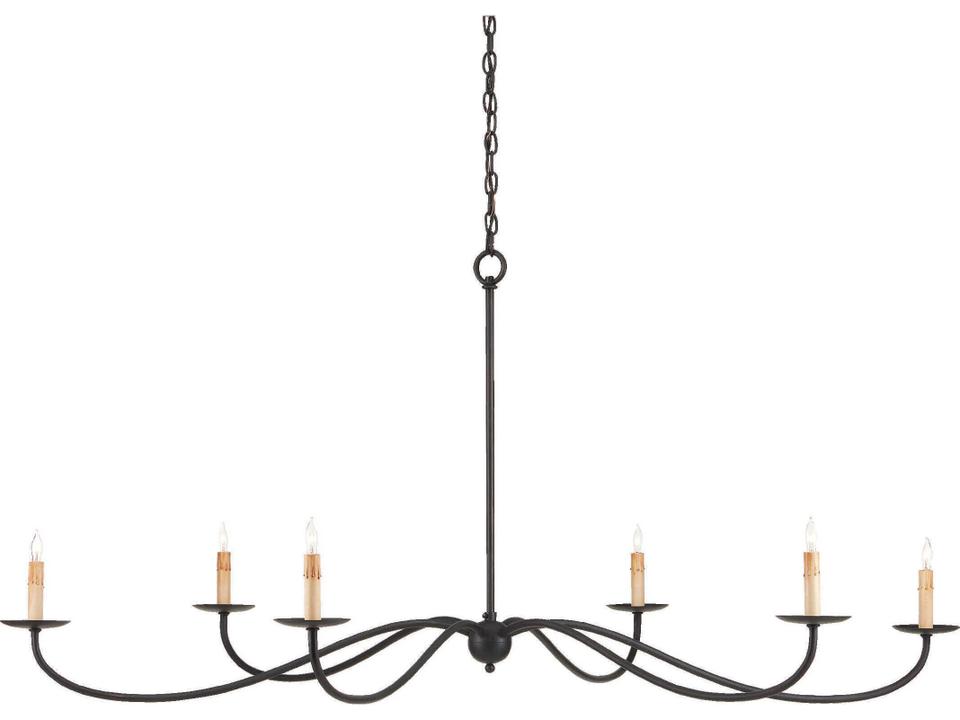
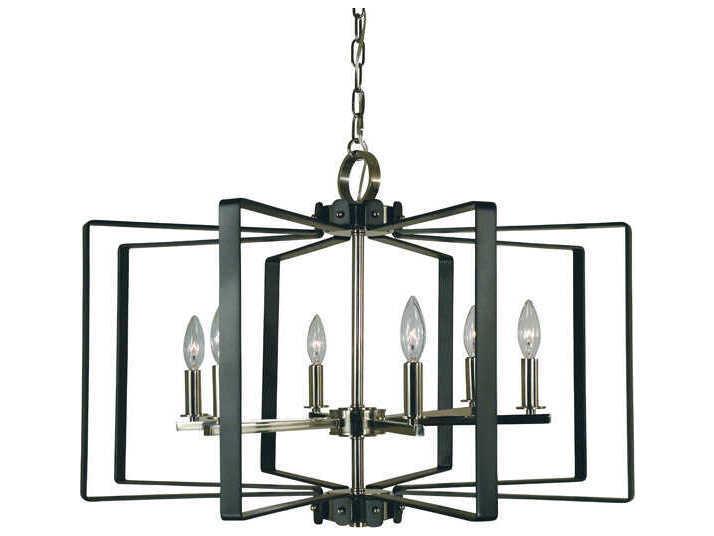
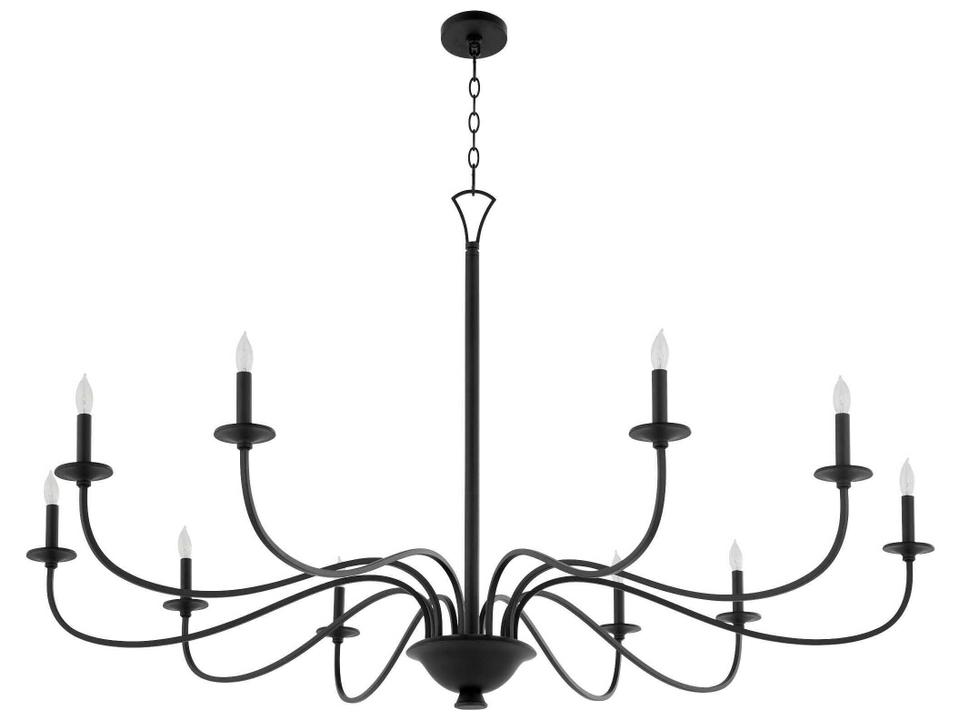
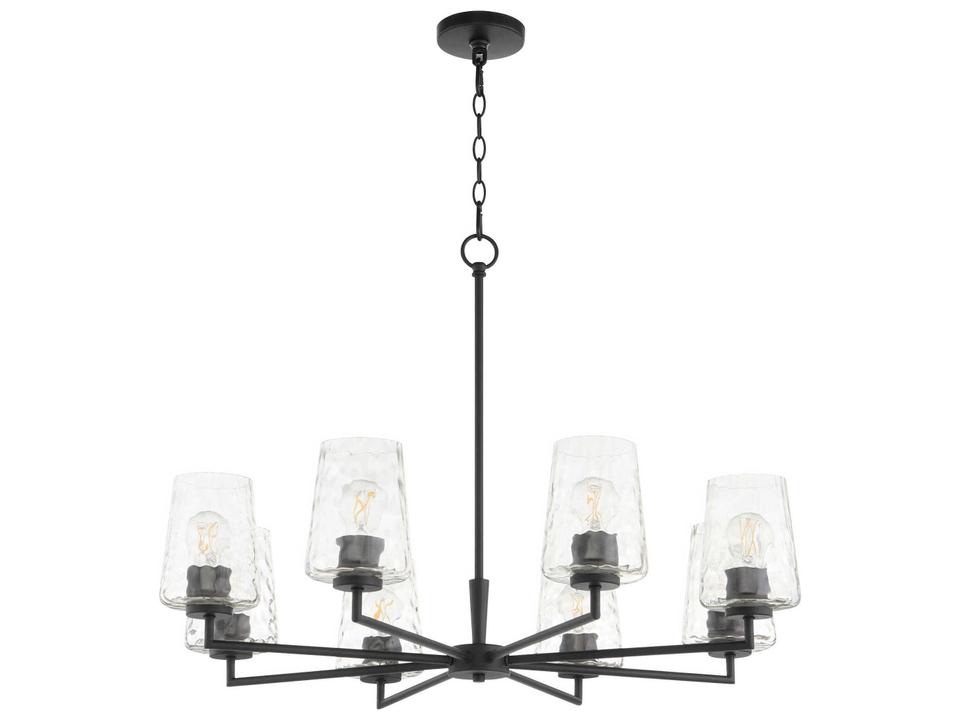
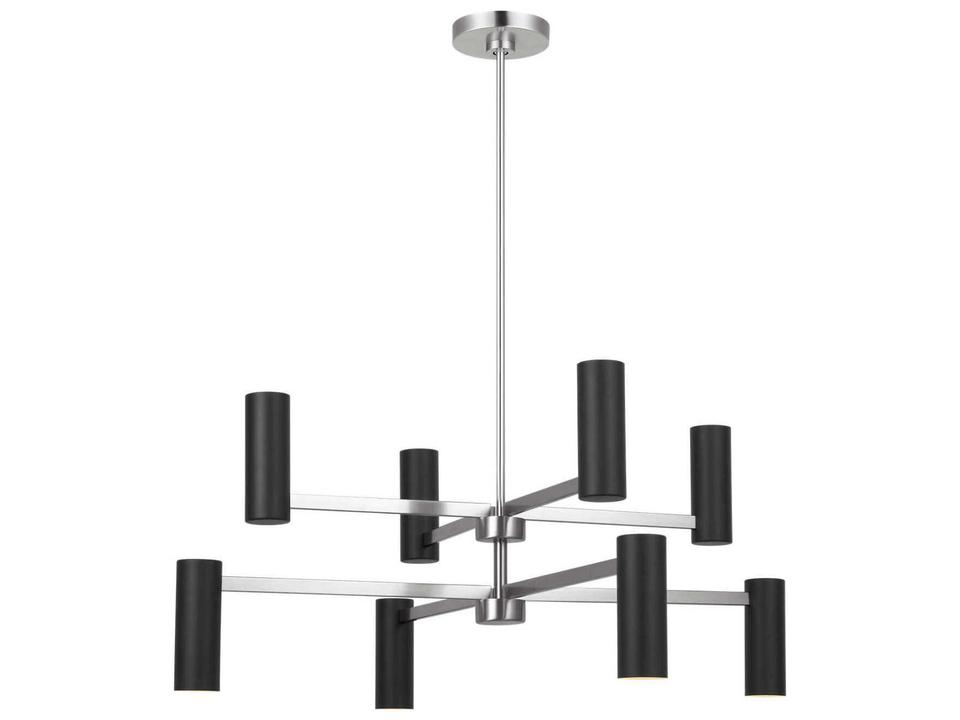
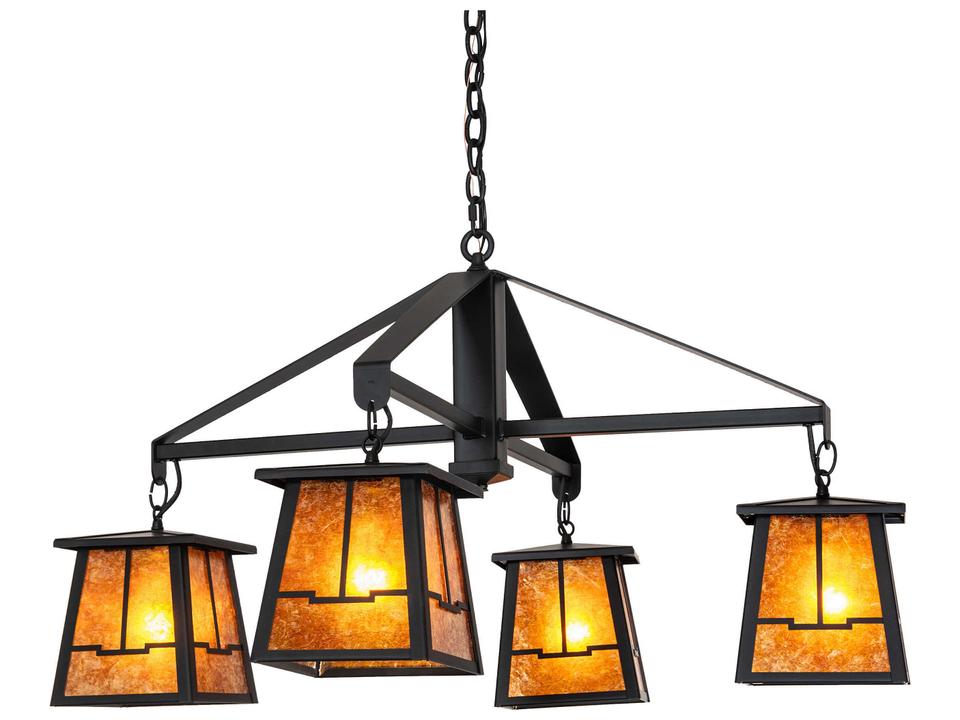
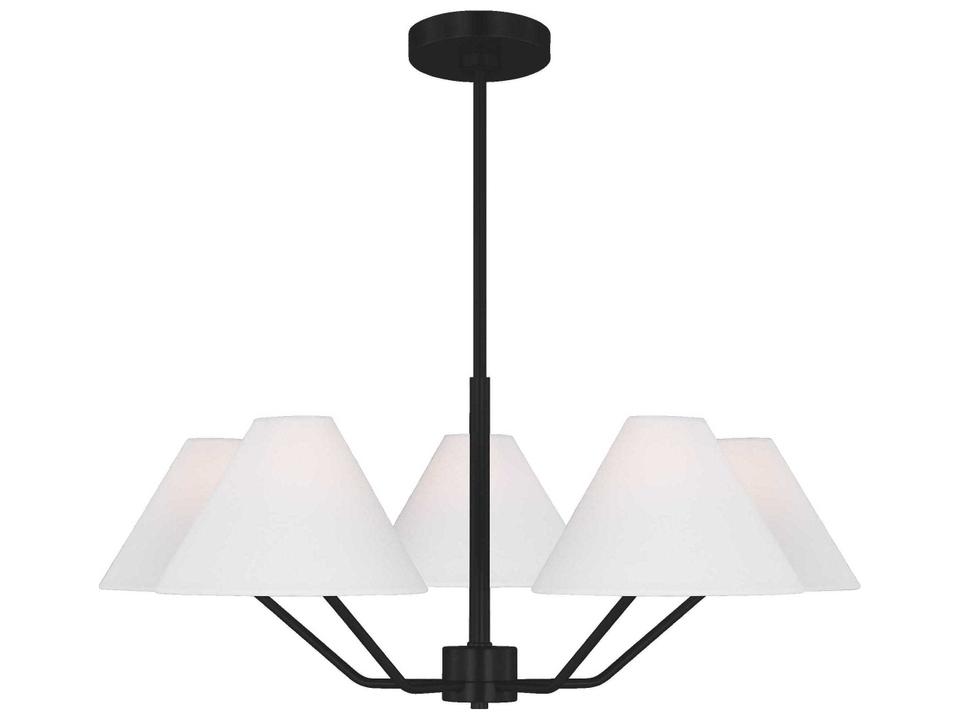
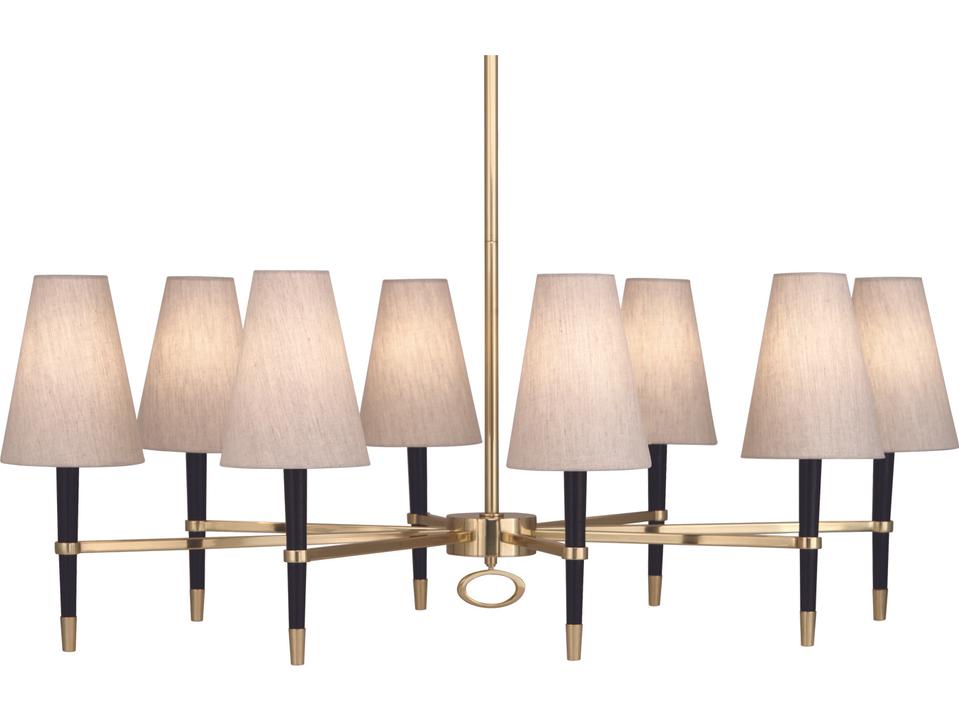
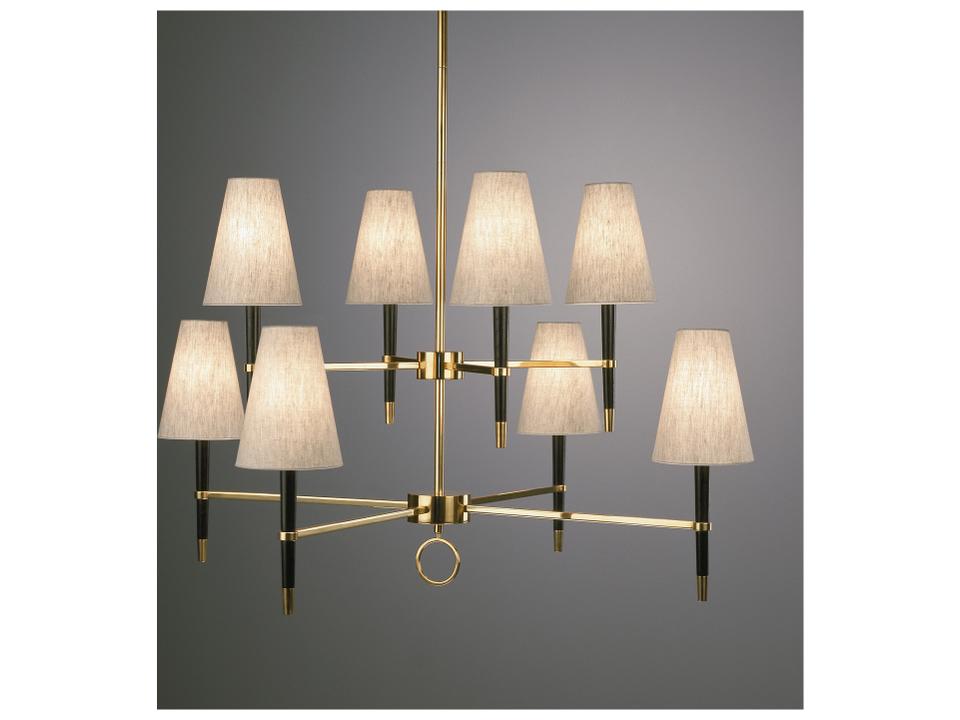
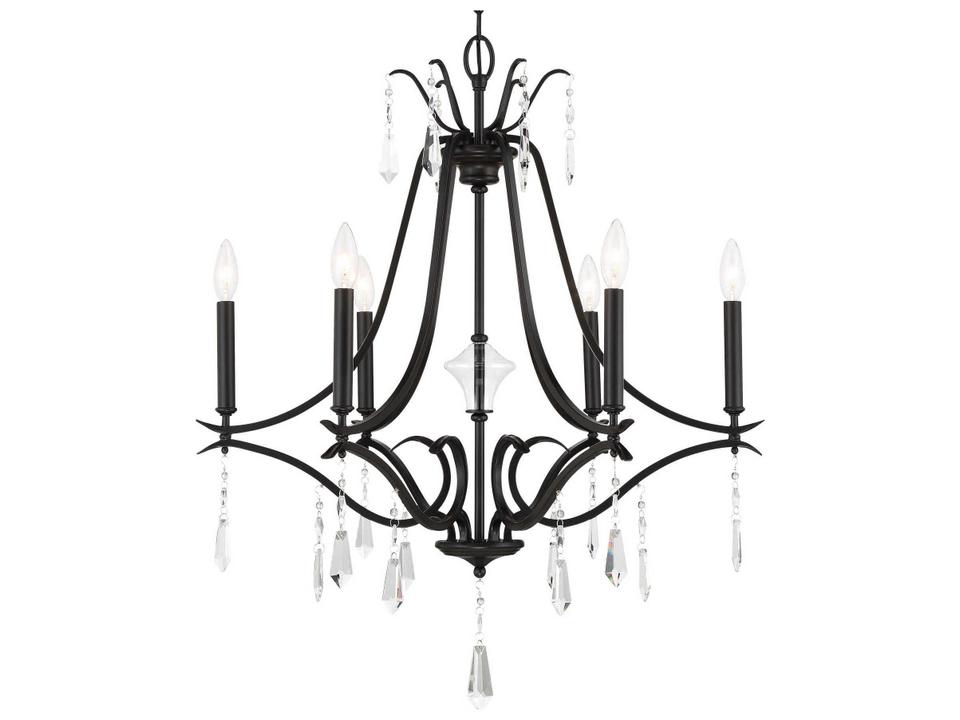
Black chandeliers come in three primary material families, and each delivers a different effect. Wrought iron fixtures lean traditional and rustic — heavier, often hand-forged, with a textured matte surface that absorbs light rather than reflecting it. Steel-framed chandeliers with powder-coated black finishes read contemporary: clean lines, thinner profiles, a uniform satin or matte surface. Crystal chandeliers with black frames or smoked crystal elements split the difference — the dark structure provides contrast while faceted glass refracts light across the room.
Your choice between these materials shapes everything from how the fixture interacts with natural daylight to how much visual weight it carries in a space. Iron dominates. Steel recedes. Crystal sparkles against its own dark frame.
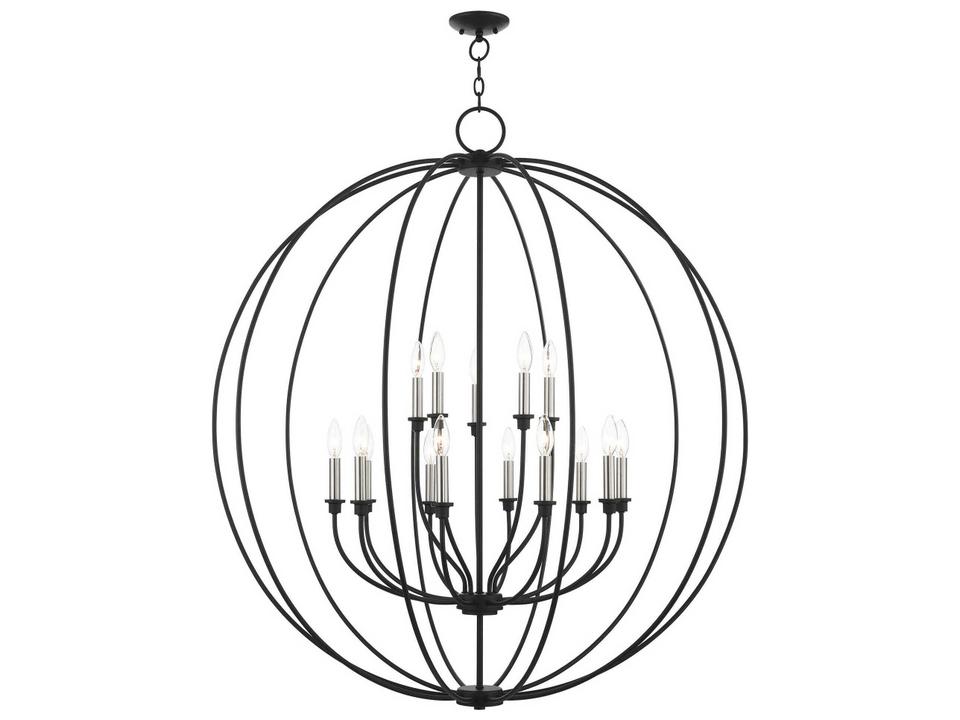
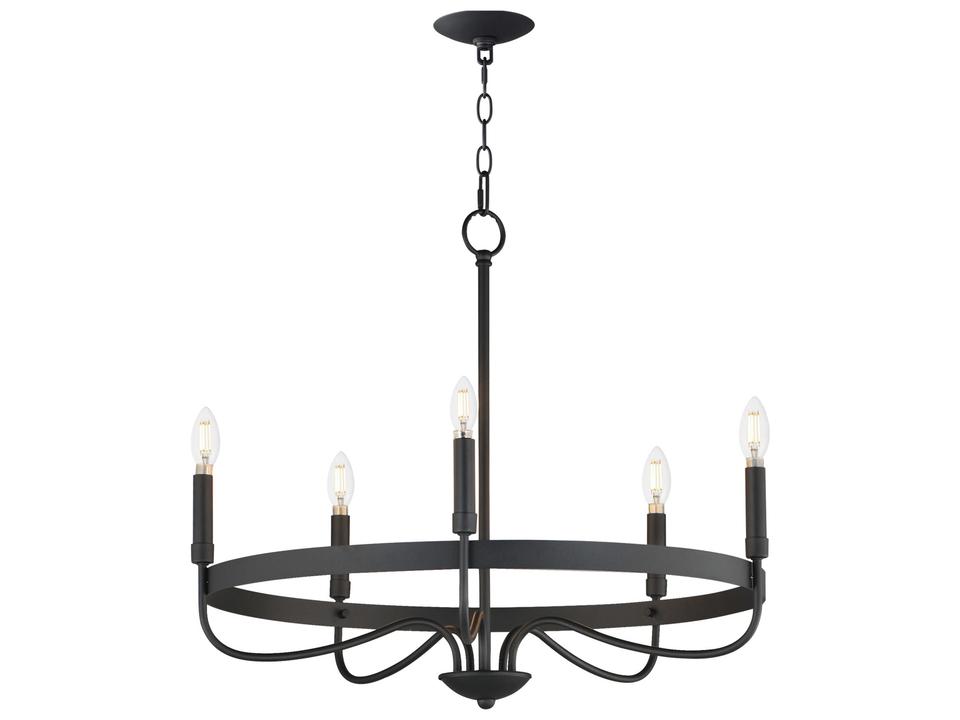
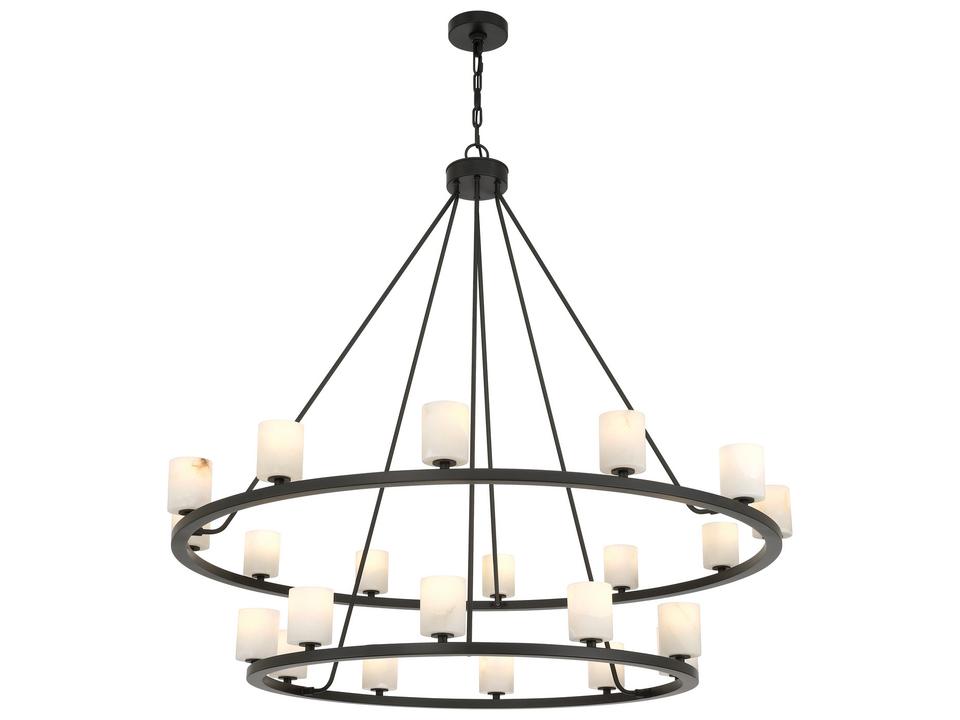
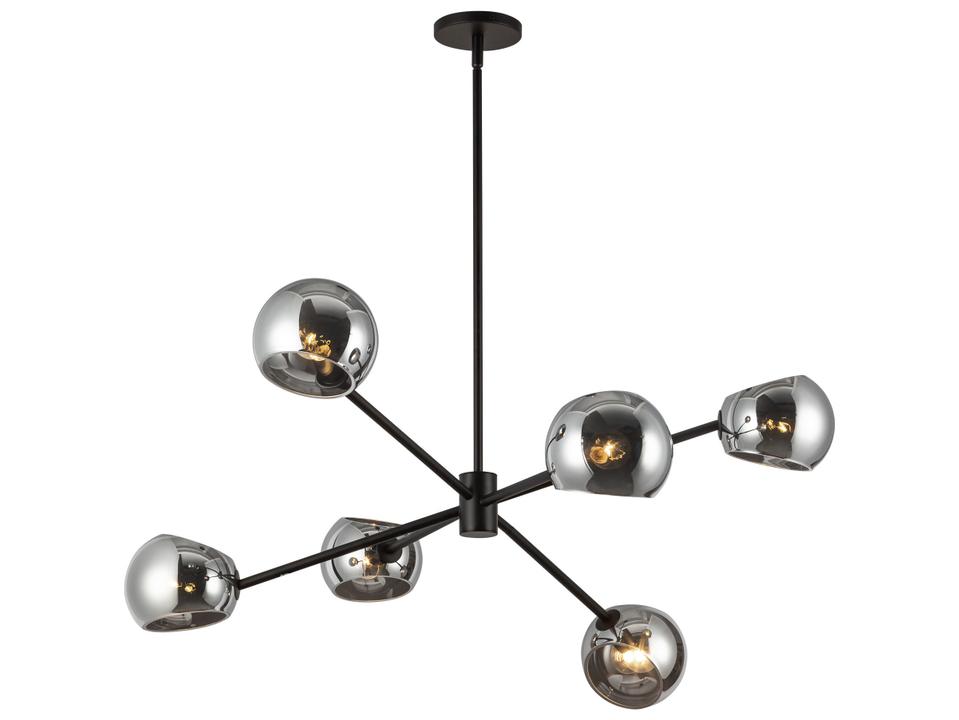
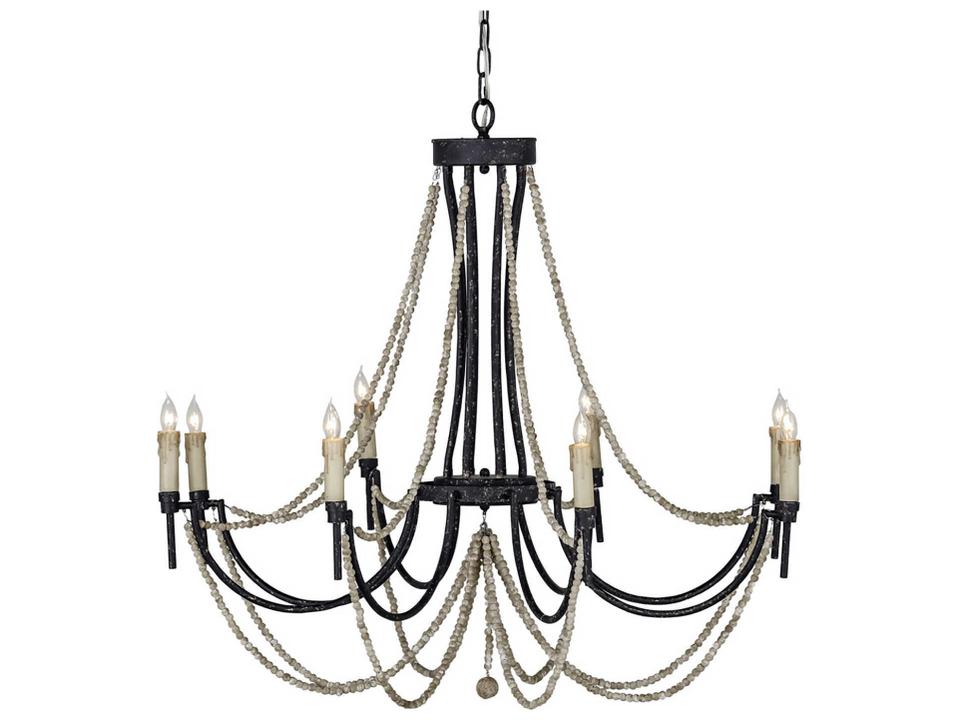
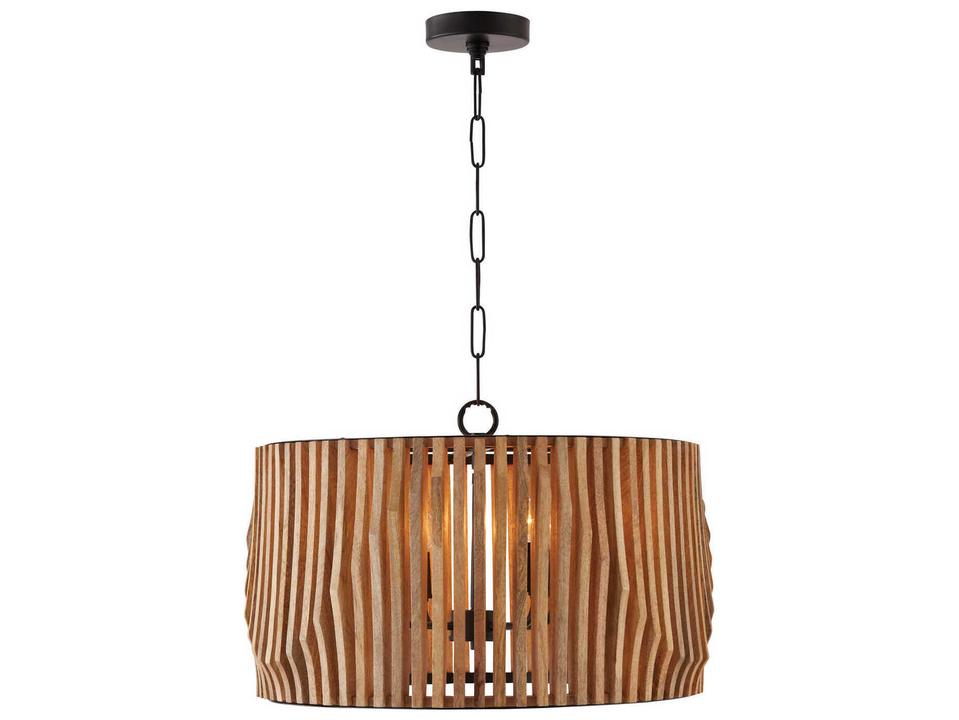
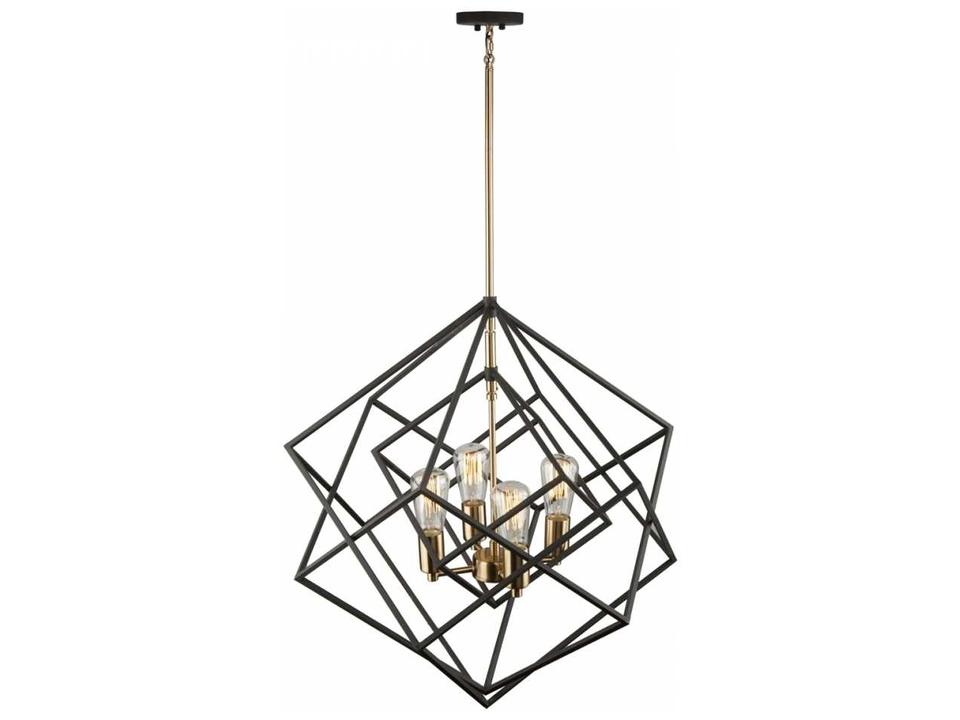
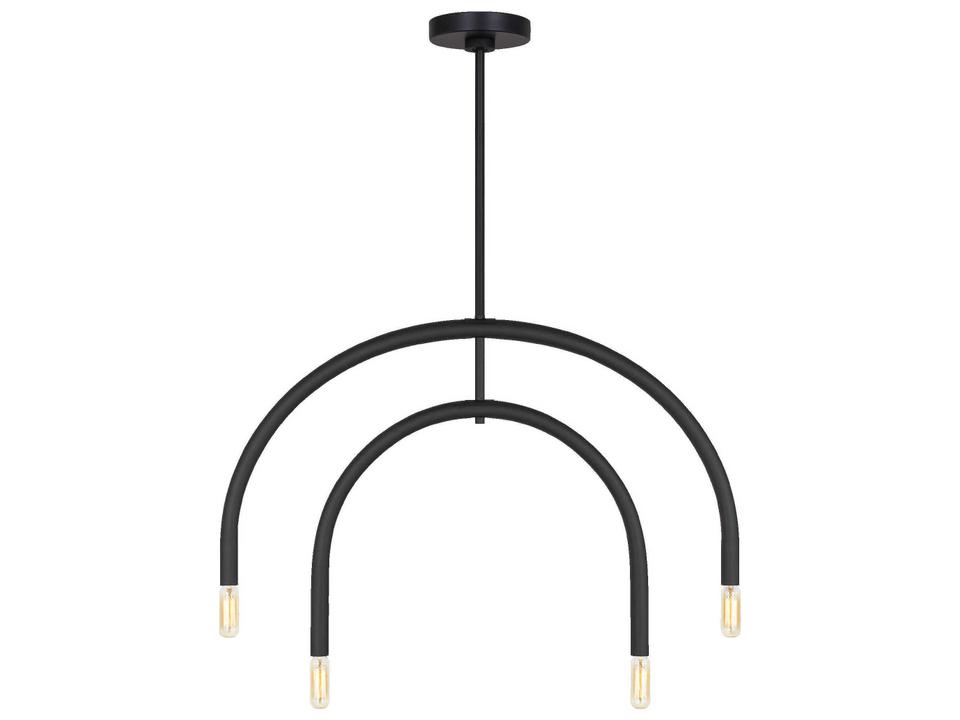
Our luxury black chandelier collection spans tiered candelabra designs, minimalist geometric cages, sputnik-style arms, and modern drum shades. Traditional buyers gravitate toward multi-arm iron fixtures with candle-style lights — these anchor formal dining rooms and grand entryways. For something more streamlined, globe or cage-style fixtures in matte black metal read modern without being stark.
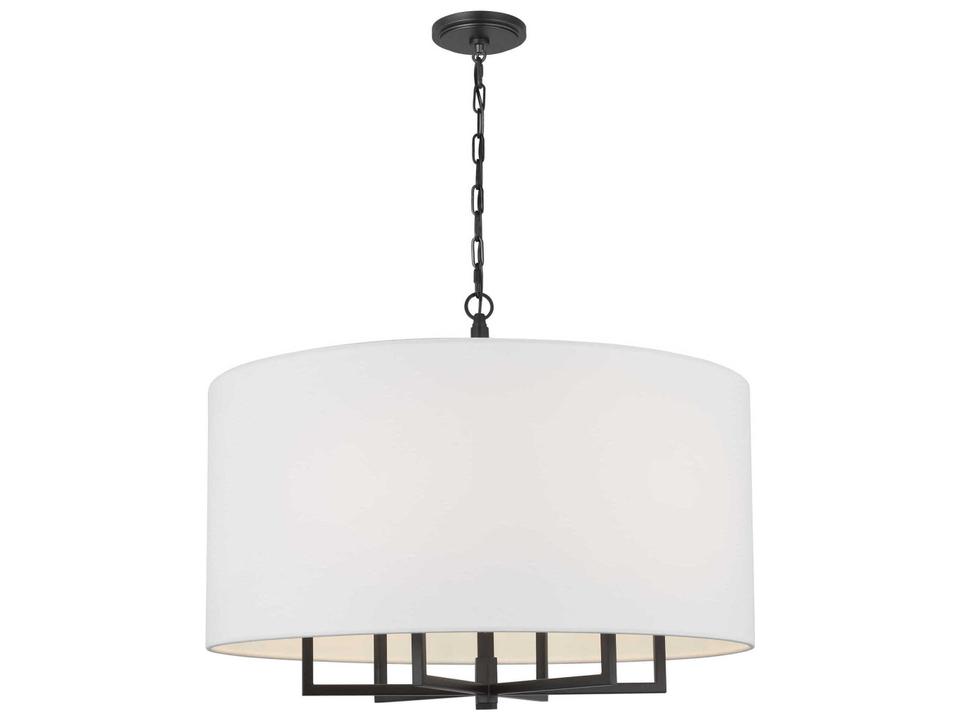
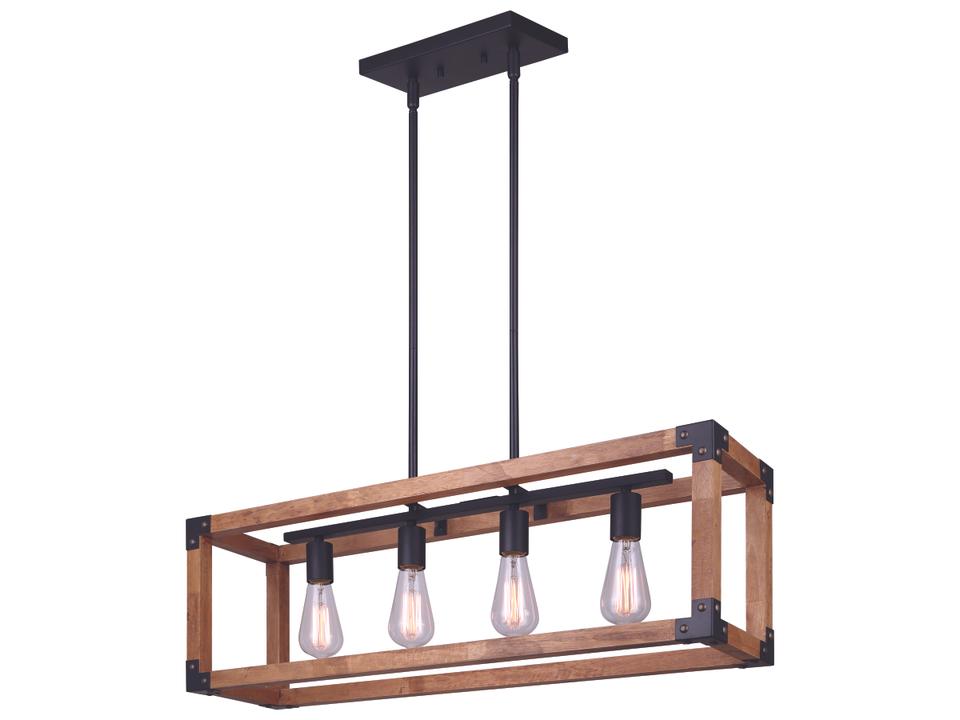
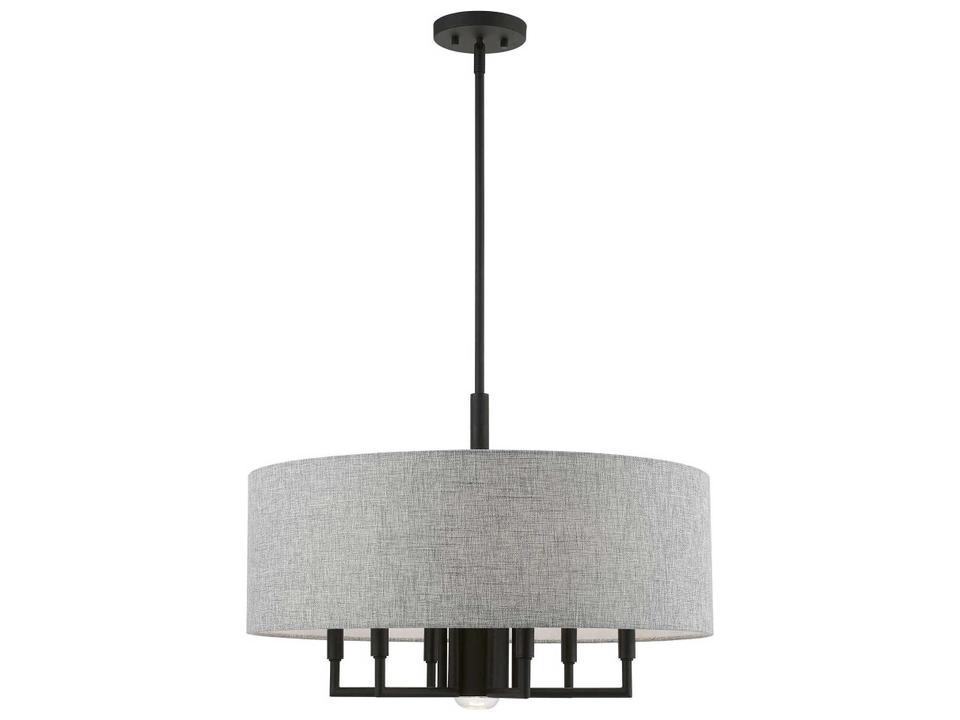
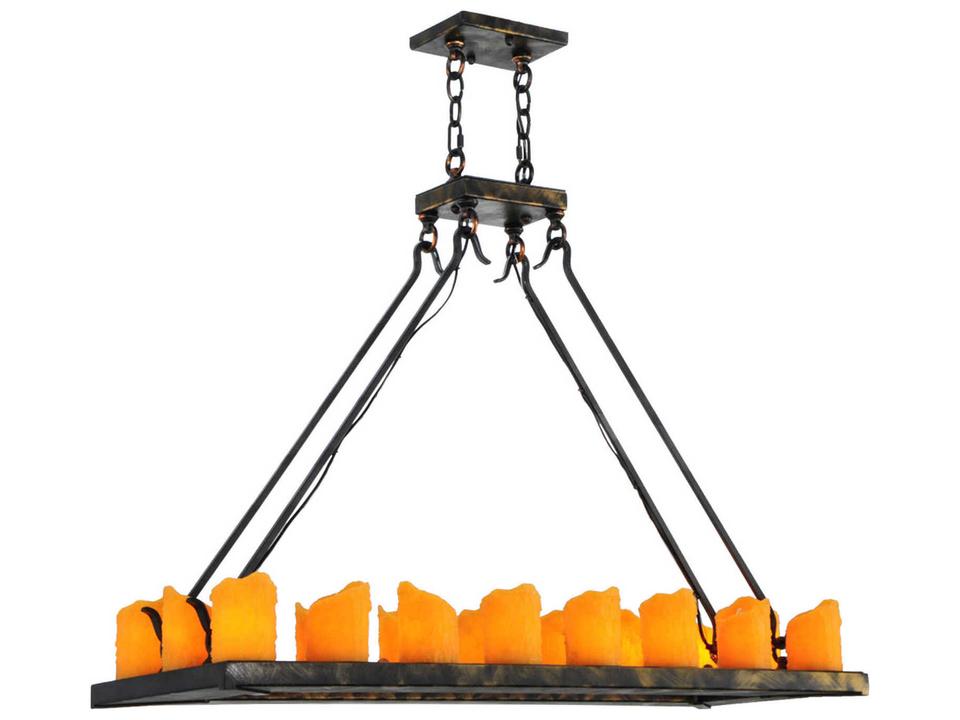
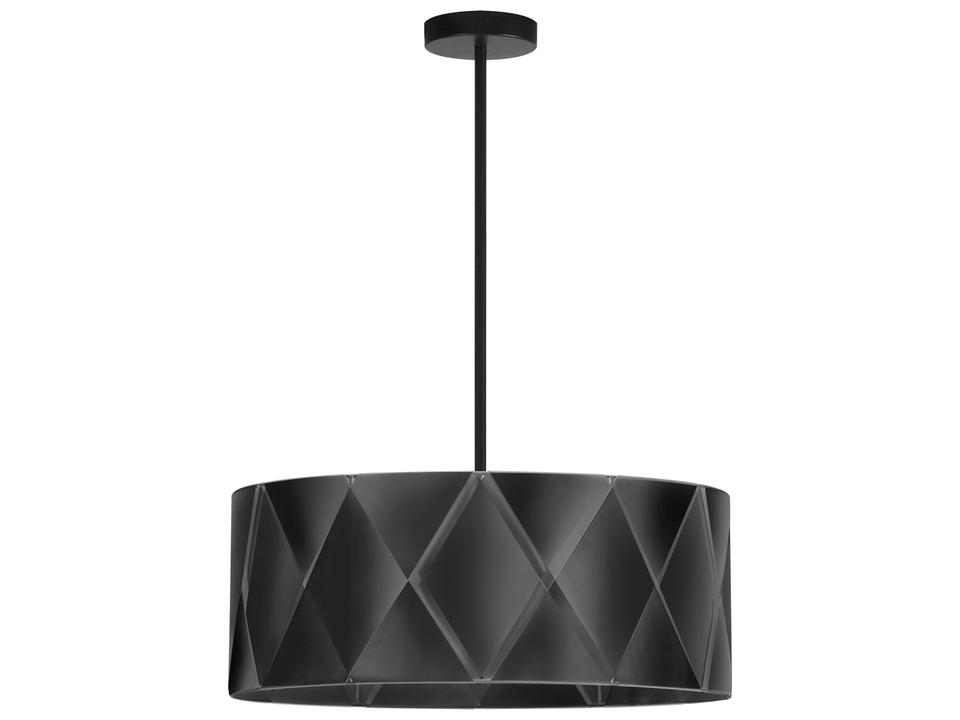
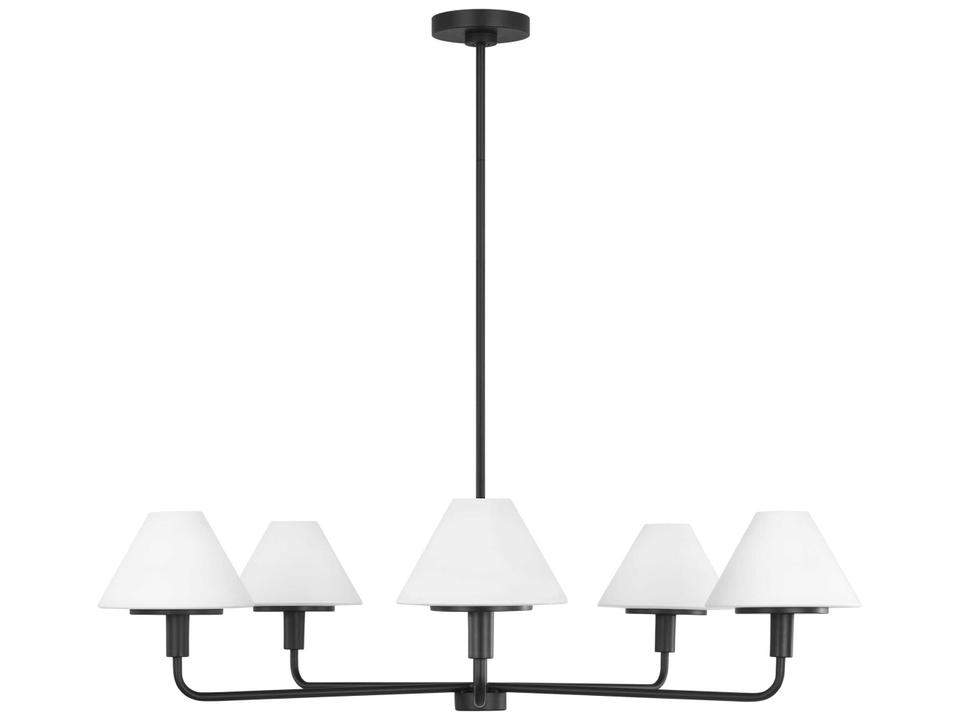
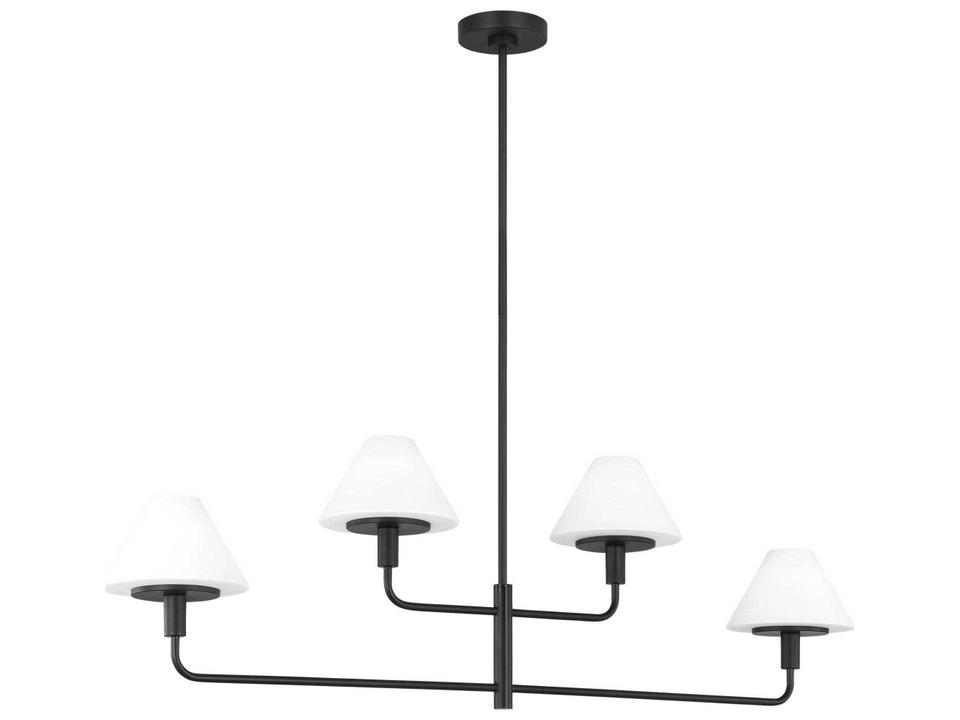
Drum chandeliers wrapped in black fabric shades deliver diffused, even light that works especially well over tables and in bedrooms. Linear or rectangular chandeliers — sometimes called island chandeliers — distribute light across a wider area while keeping visual weight horizontal rather than vertical. They're a strong choice above kitchen islands or long banquet tables.
Size often matters more than style. A reliable starting rule: add the room's length and width in feet, then convert that number to inches for an approximate fixture diameter. A 12×14-foot dining room calls for roughly a 26-inch chandelier. Ceilings below 8 feet favor flush or semi-flush mounts; anything above 9 feet gives you room for a full hanging fixture with chain or rod.
Over a dining table, position the bottom of the chandelier 30 to 34 inches above the surface. In an entryway or foyer, keep it at least 7 feet from the floor. One detail buyers overlook: black fixtures visually recede against dark ceilings and pop against white ones. Consider your ceiling color and wall tones before choosing between matte, satin, and glossy black finishes — the sheen level changes how much presence the fixture commands.
Black works as a through-line in nearly any palette. In all-white or neutral rooms, a black chandelier becomes the primary contrast point, grounding the space without competing with furnishings. In rooms with darker walls or rich jewel tones, the fixture blends into the architecture and lets form do the talking rather than color.
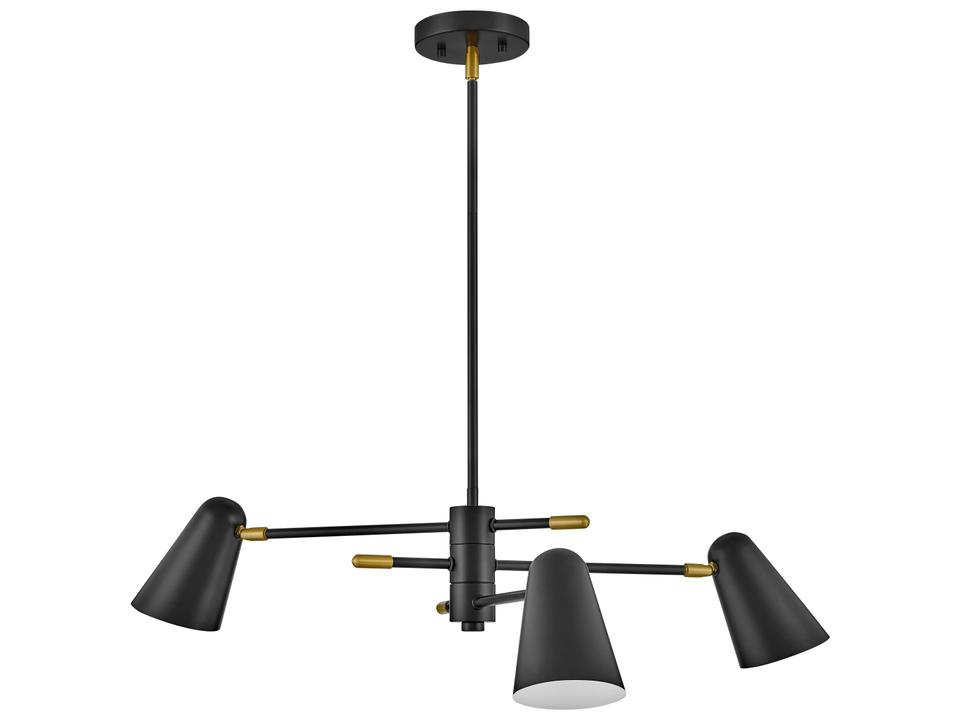
Pair wrought iron chandeliers with natural materials — reclaimed wood tables, linen upholstery, sisal rugs — for an organic, grounded feel. Steel and glass fixtures complement lacquered surfaces, marble countertops, and metallic accents. If your room already features brass or gold hardware, look for black-and-gold two-tone options. Many designers now produce fixtures combining matte black arms with brushed brass sockets or canopy plates, tying mixed metals together naturally.
Whether you're lighting a formal dining room, a double-height foyer, or a primary bedroom, a luxury black chandelier provides a refined anchor that works across styles — from farmhouse to ultra-modern.