Loading products
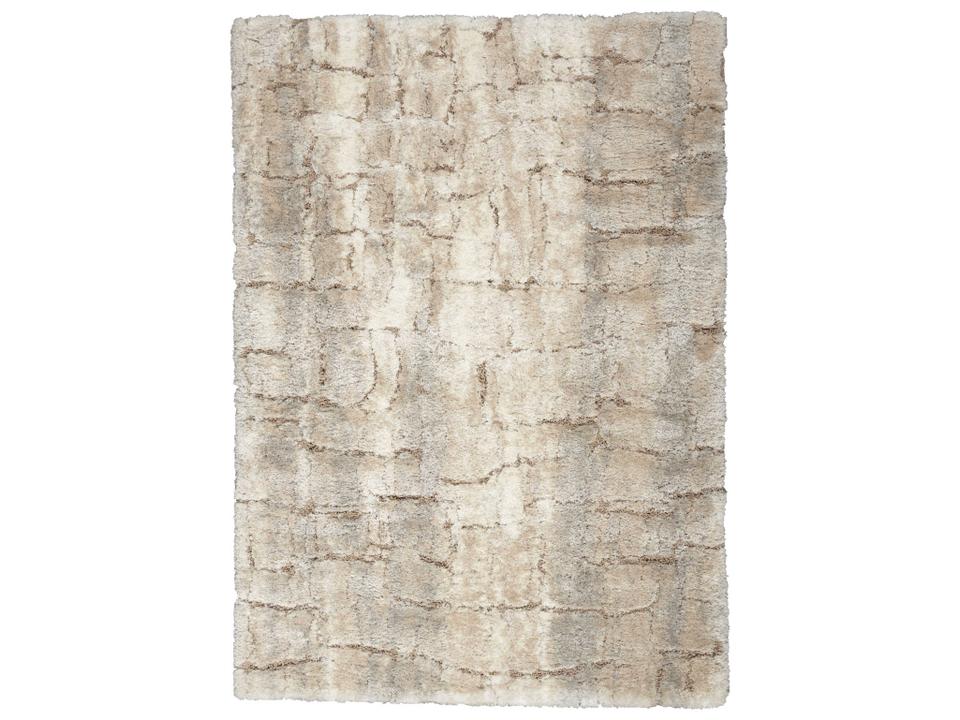
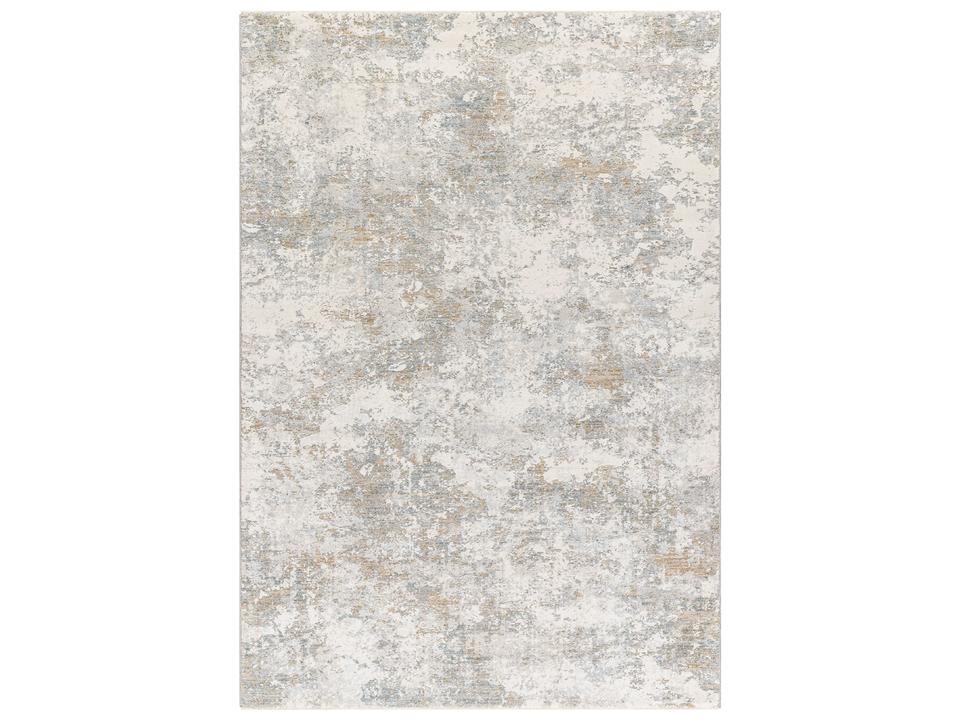
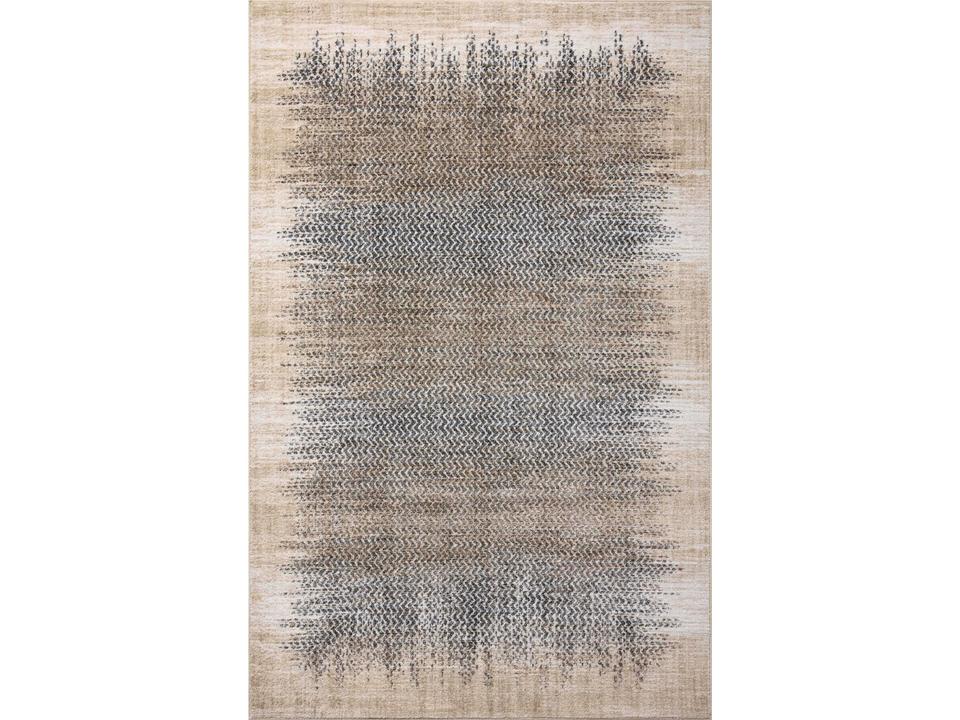
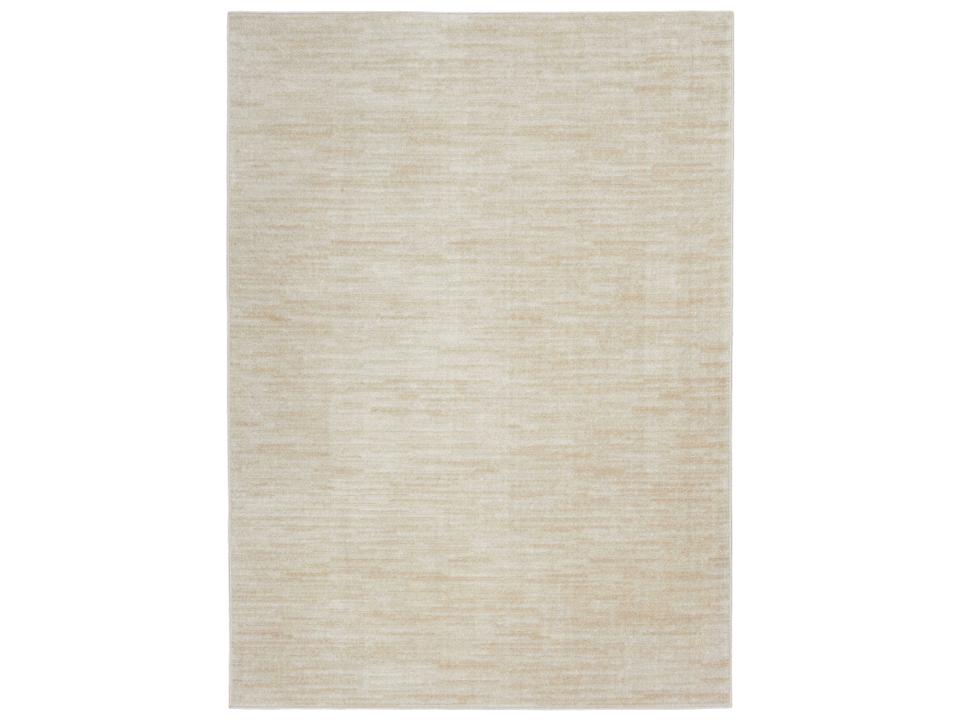
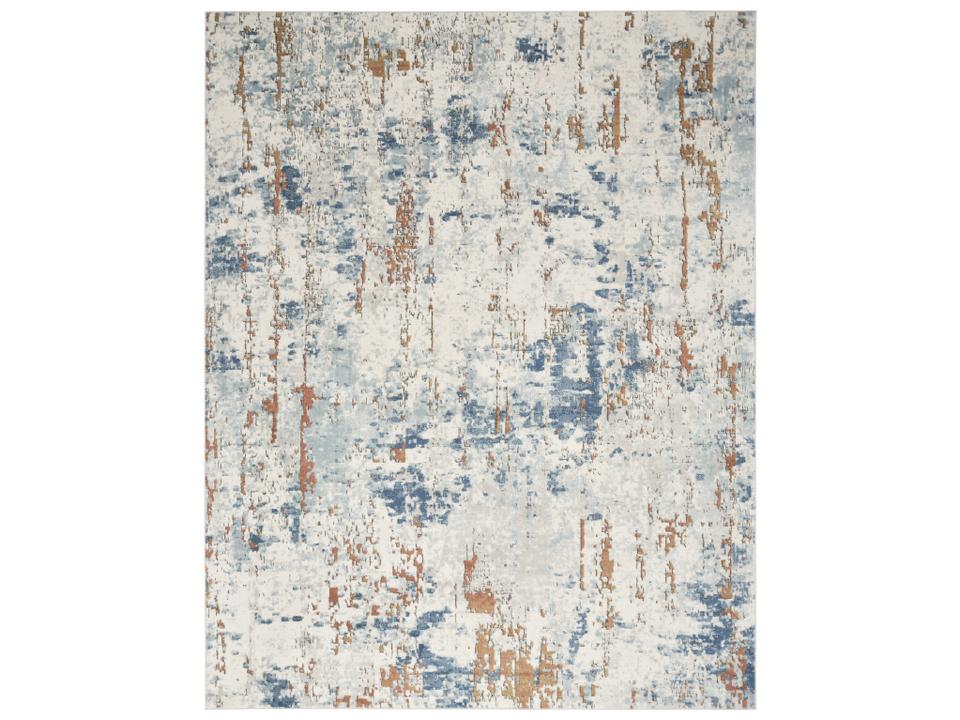
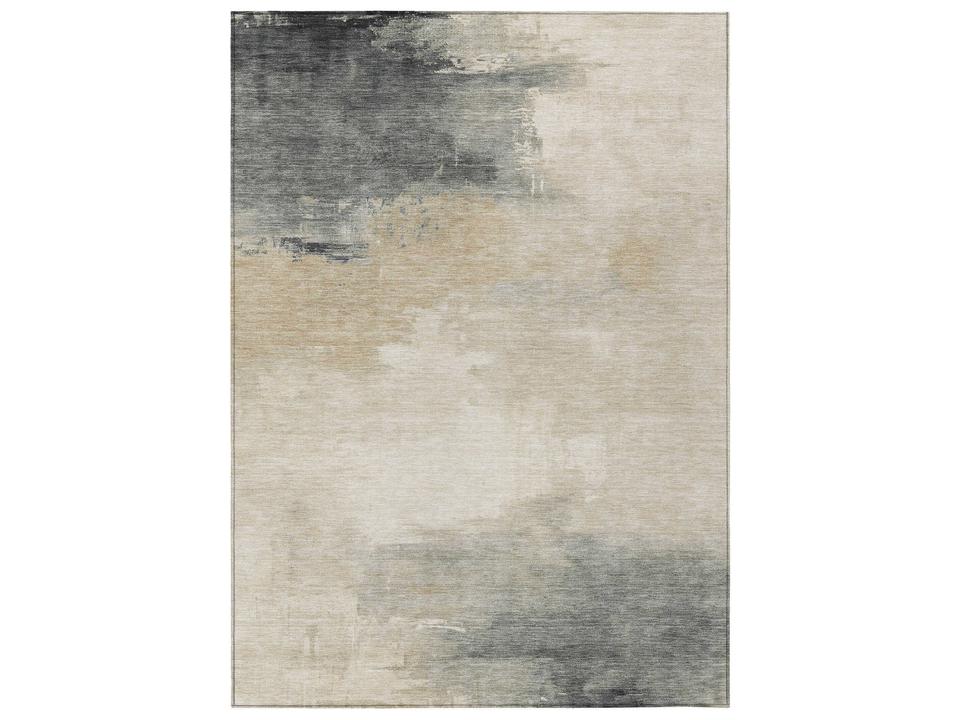
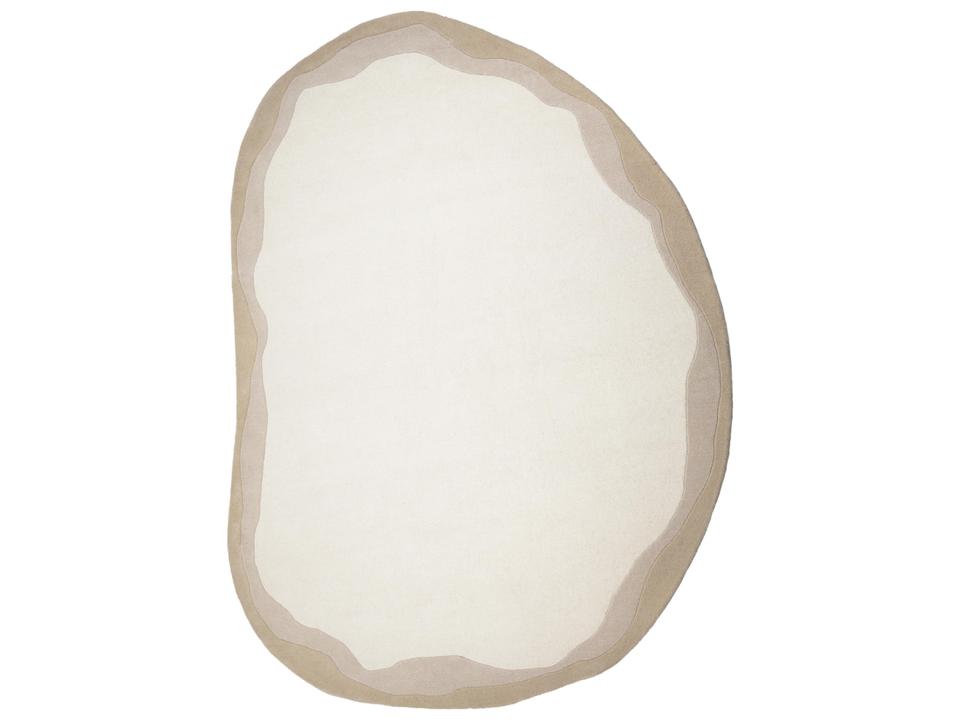
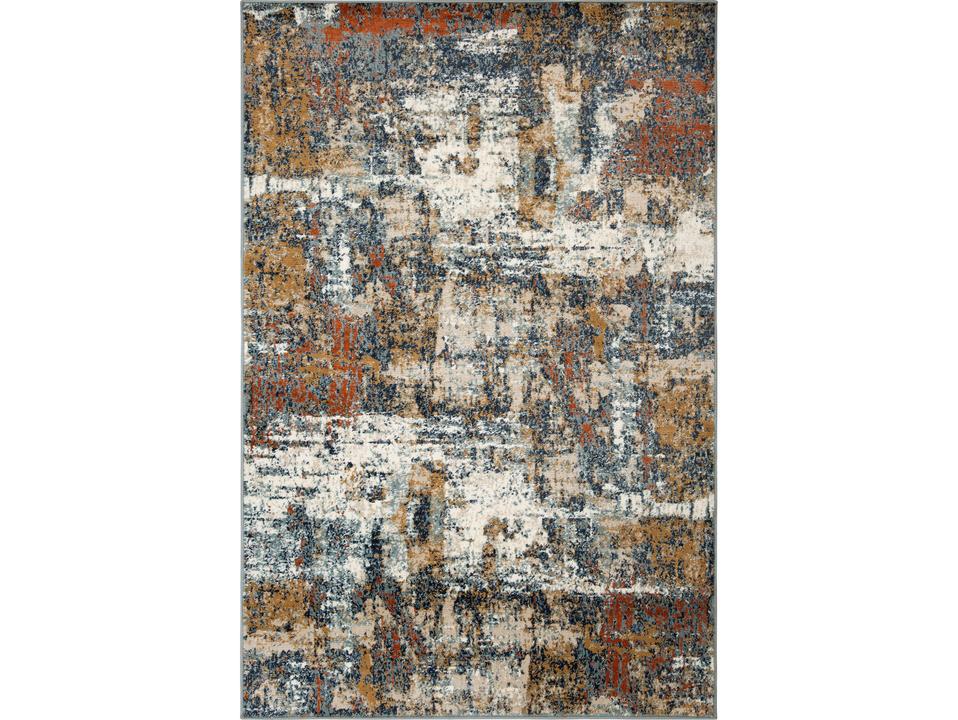
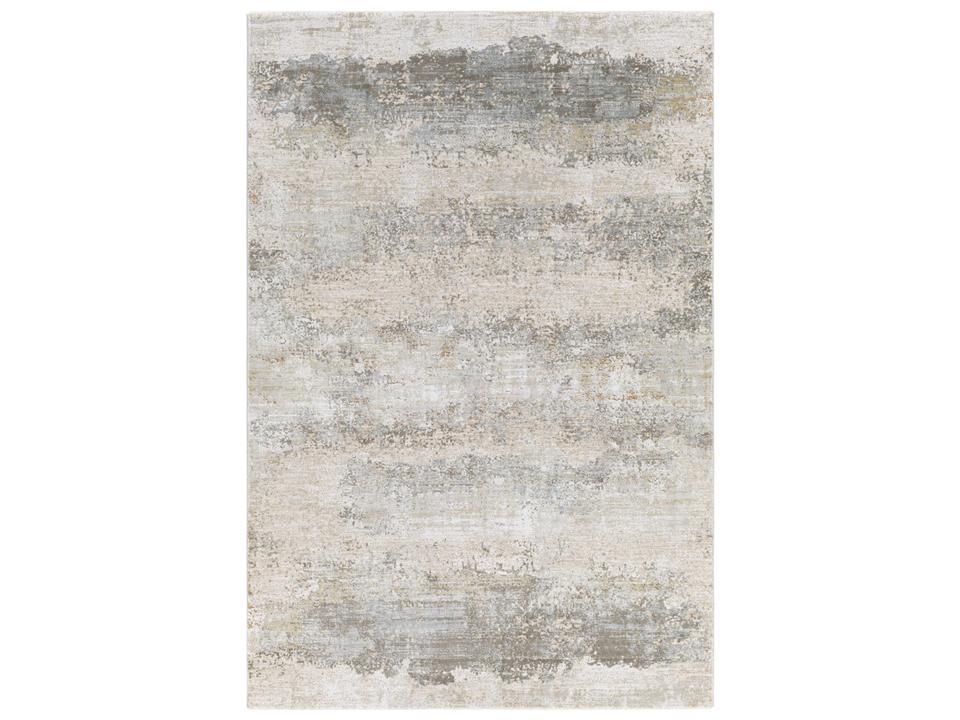
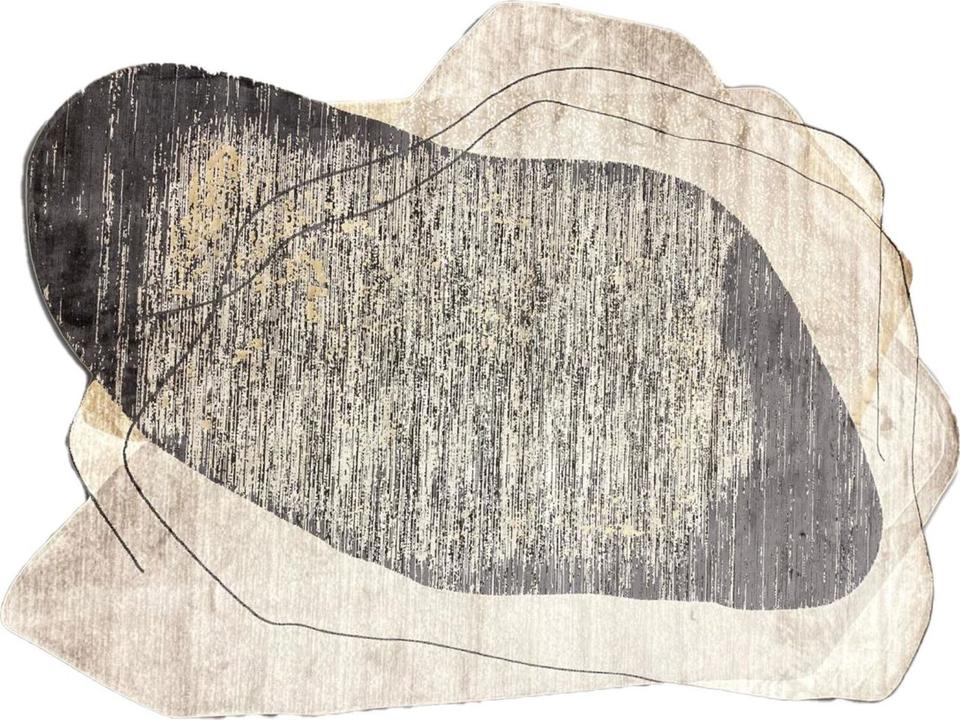
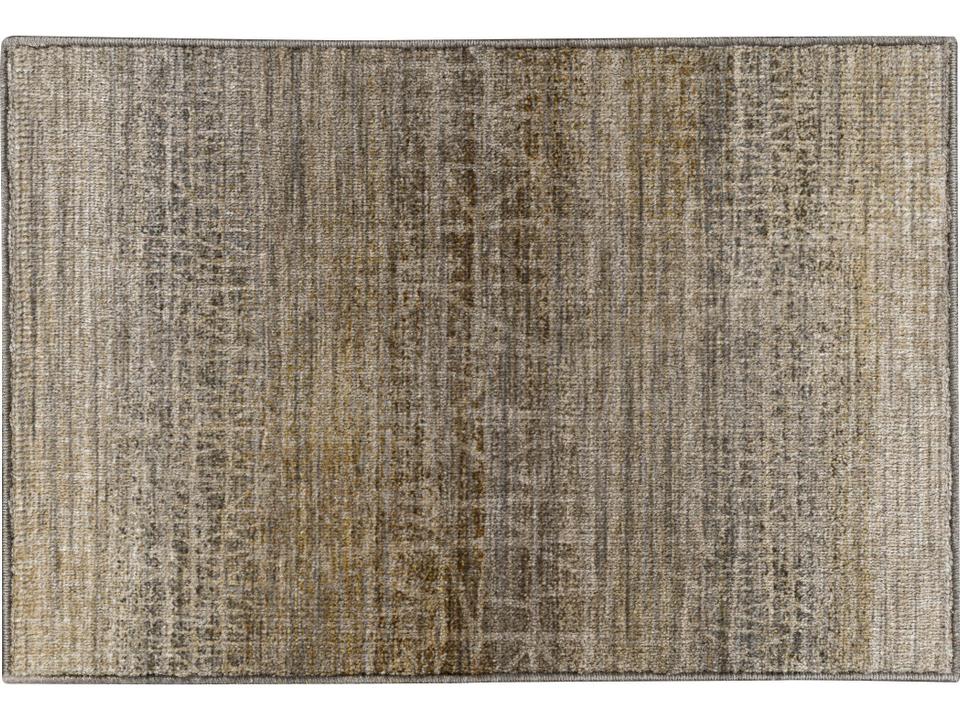
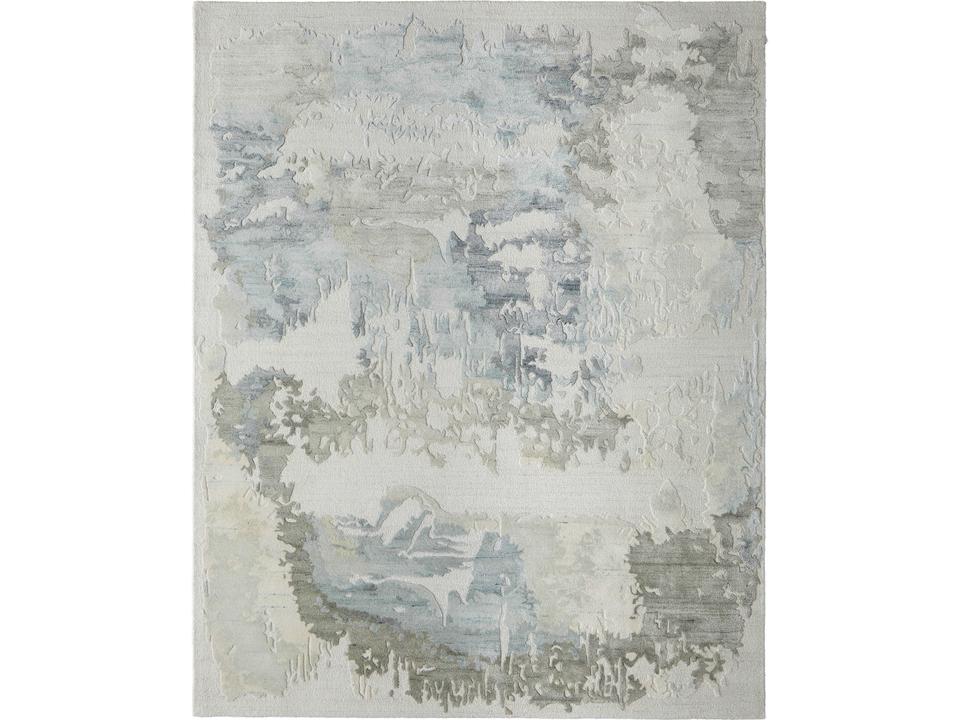
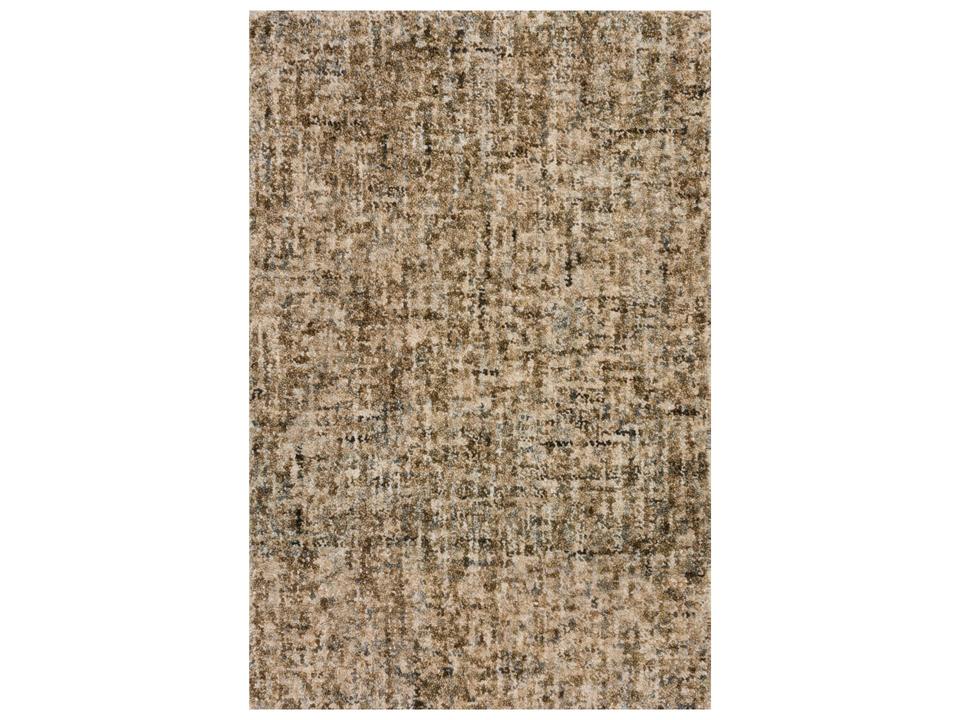
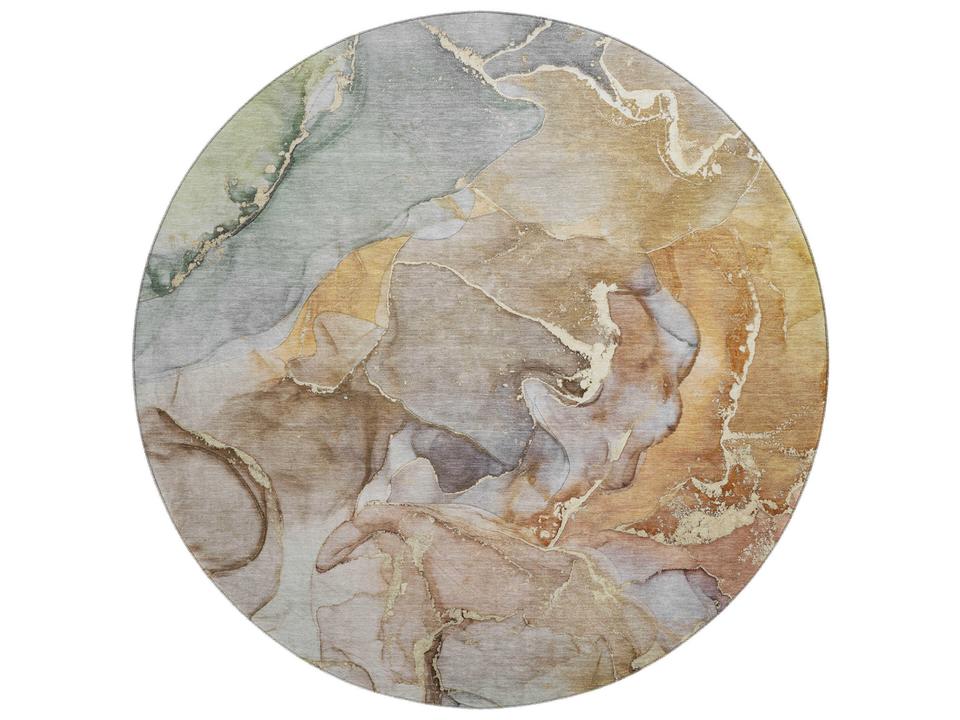
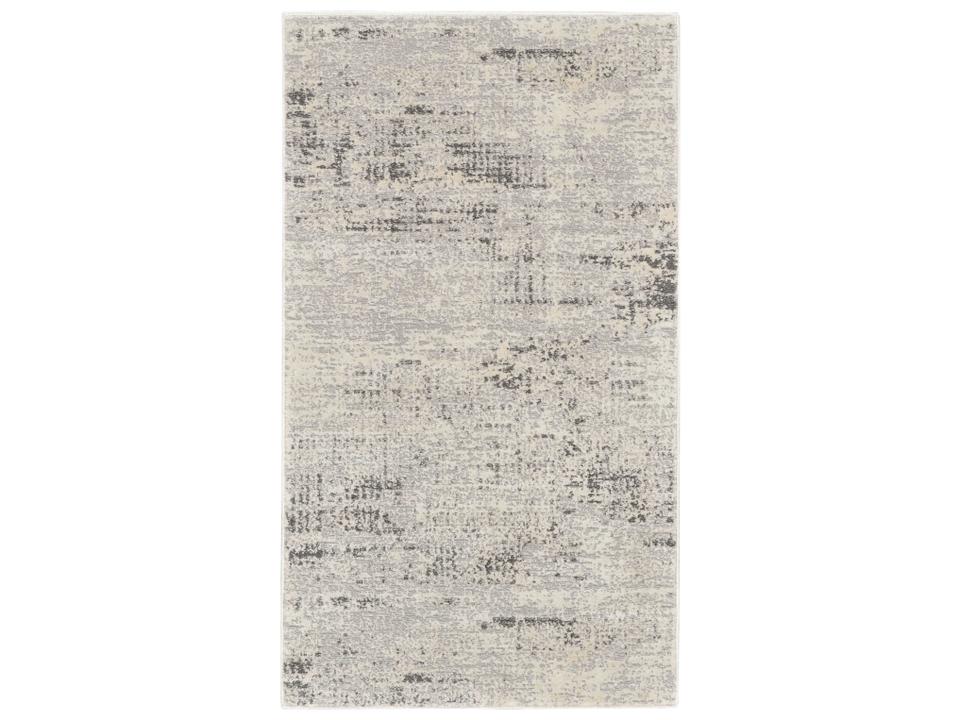
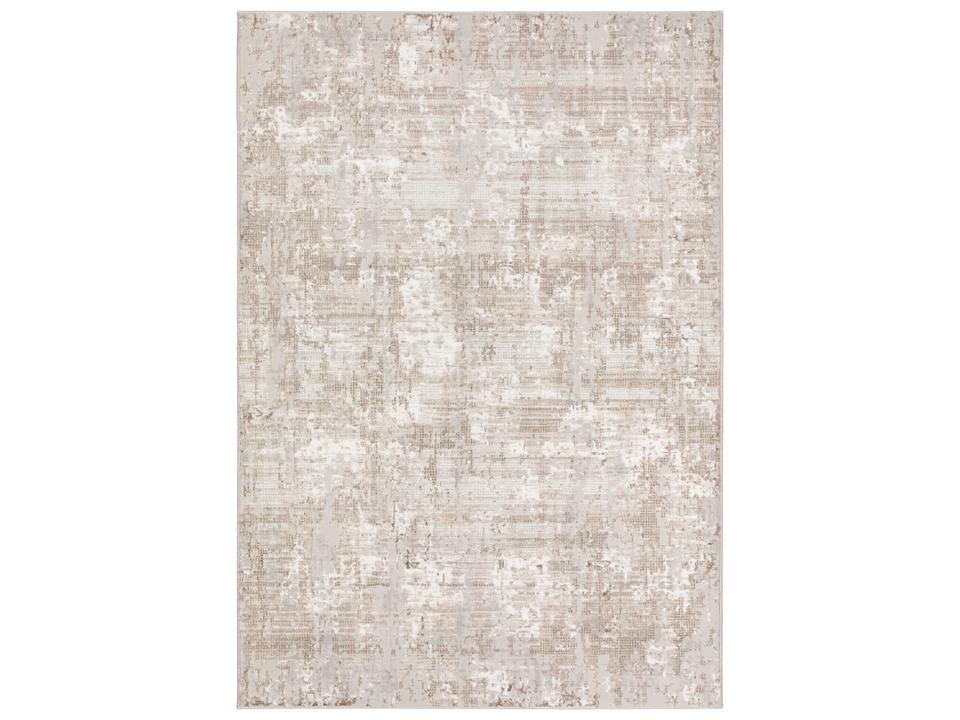
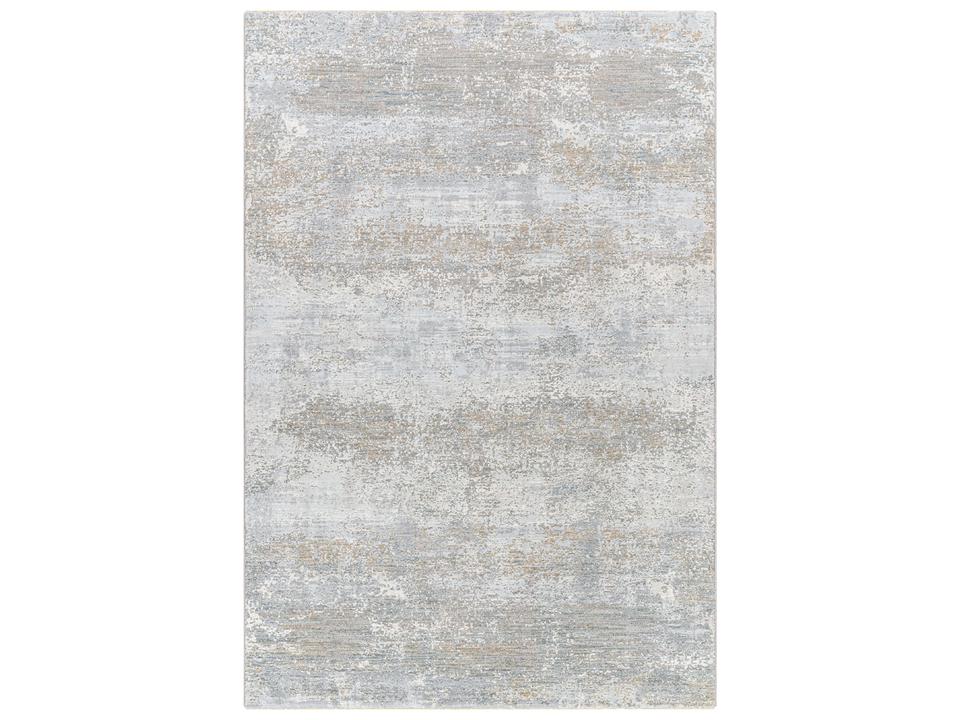
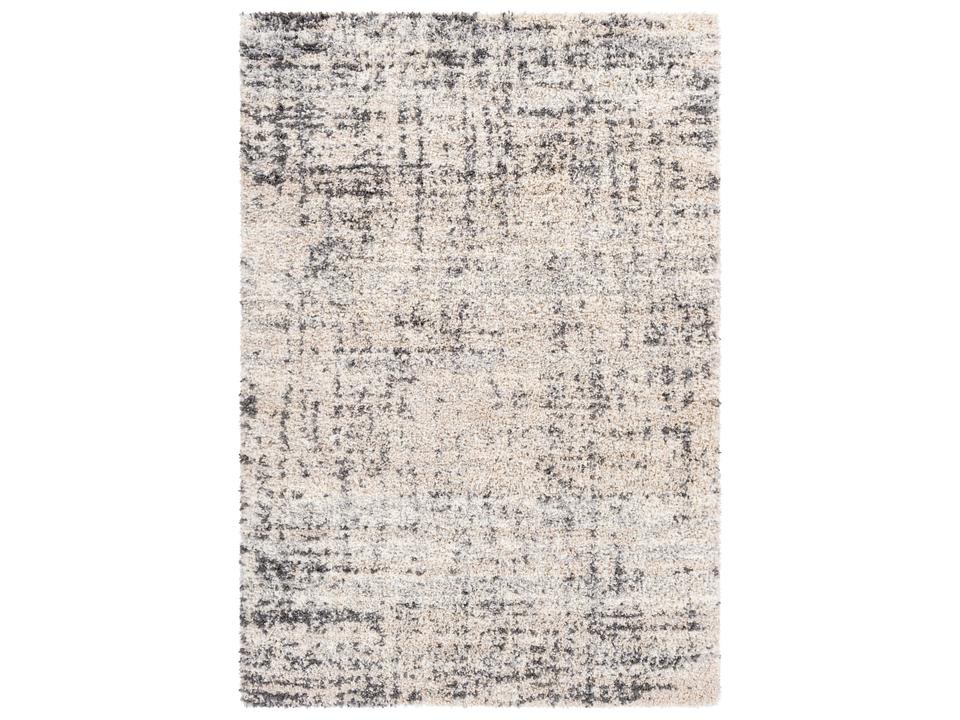
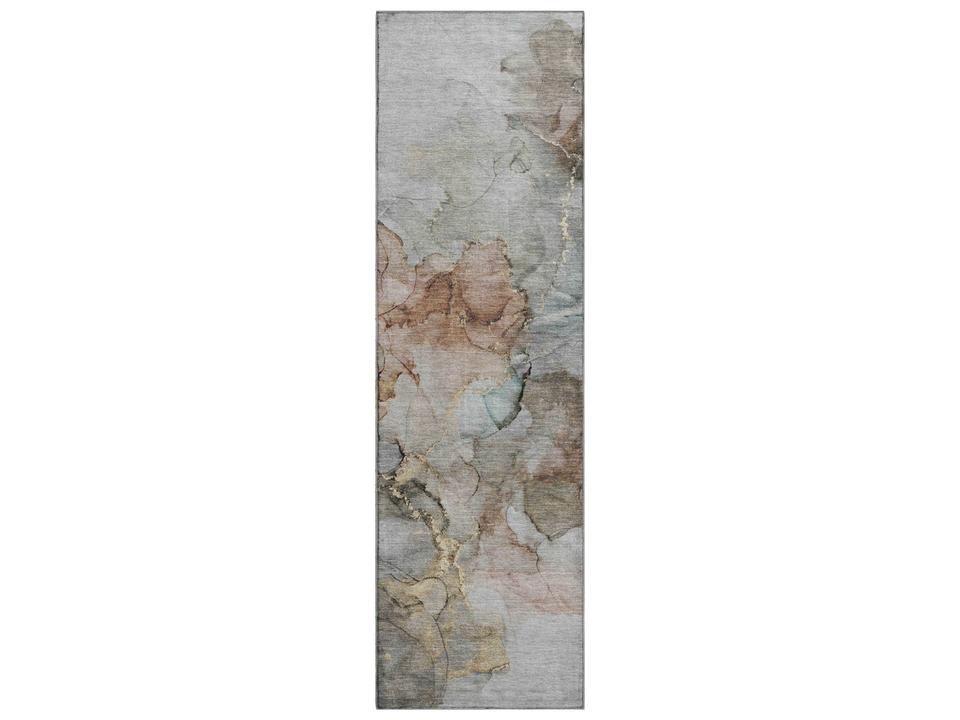
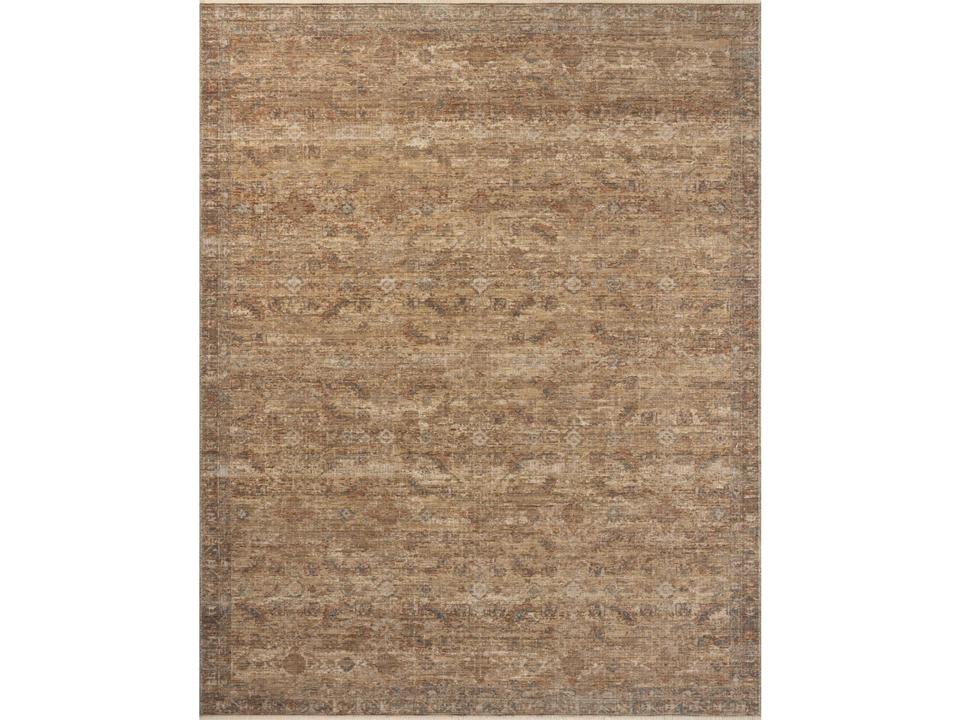
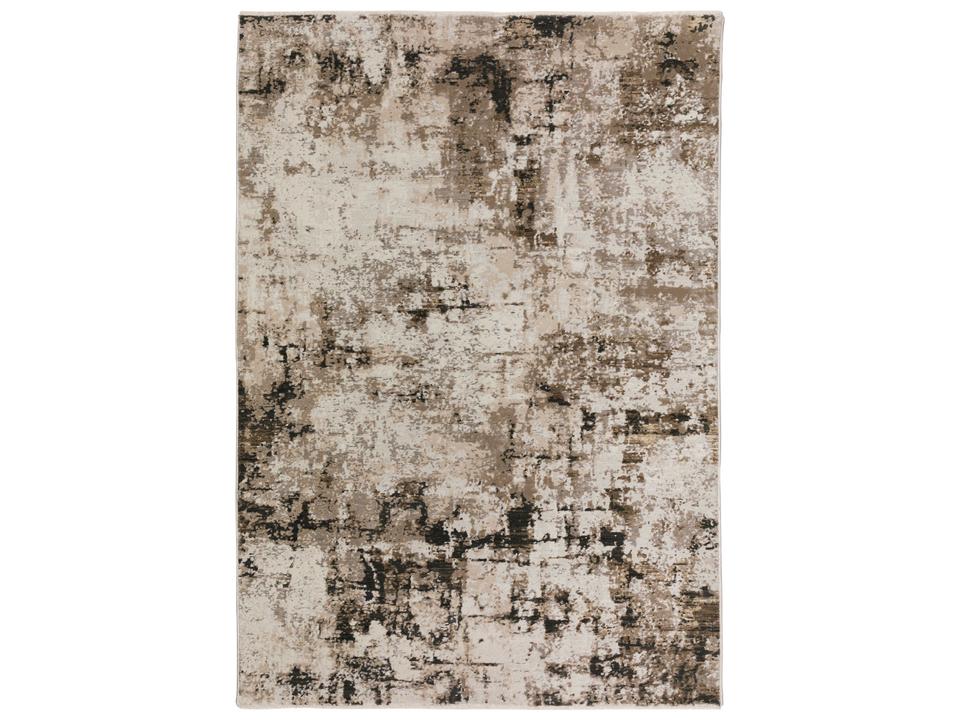
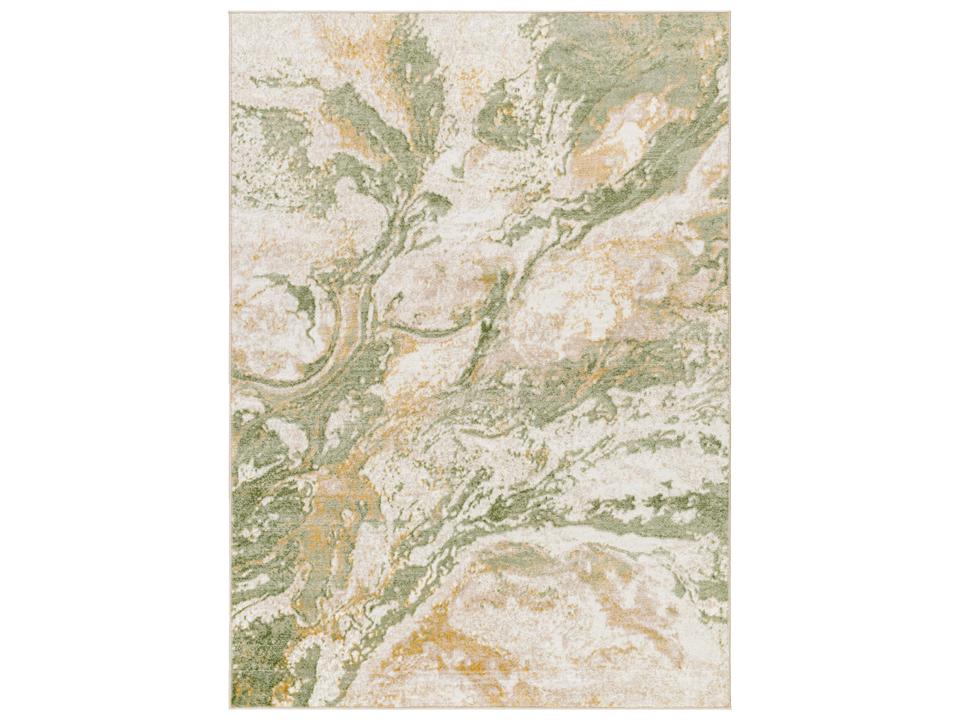
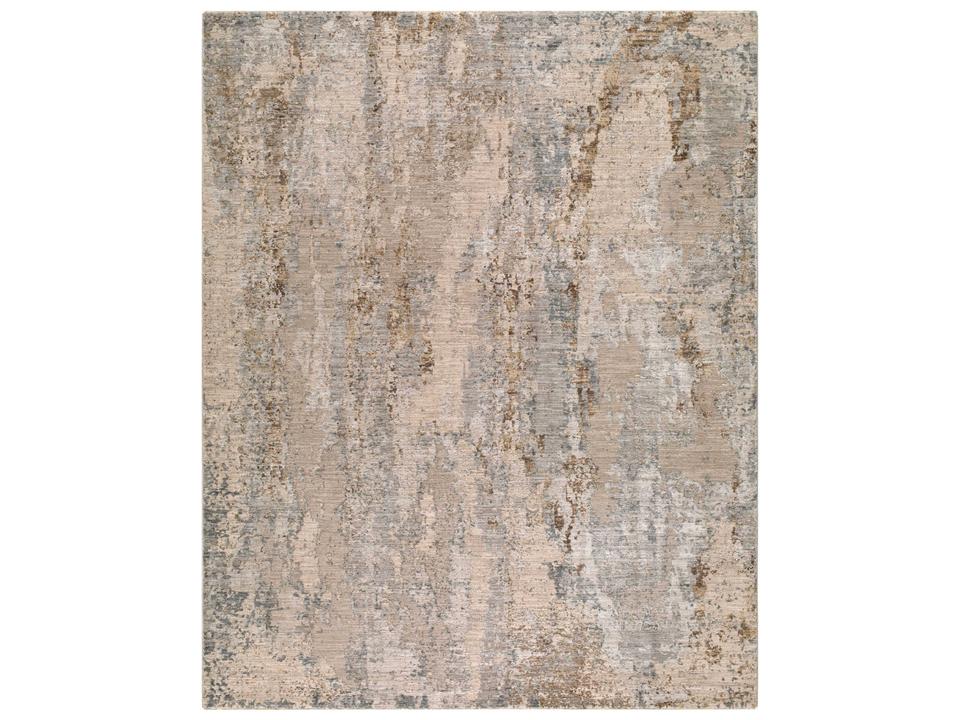
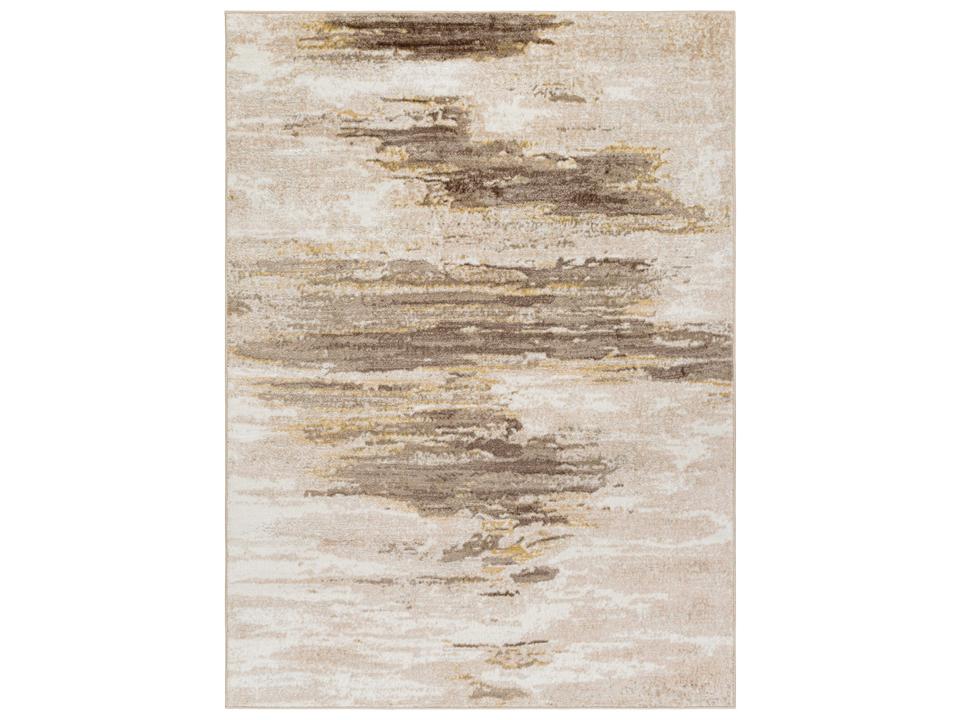
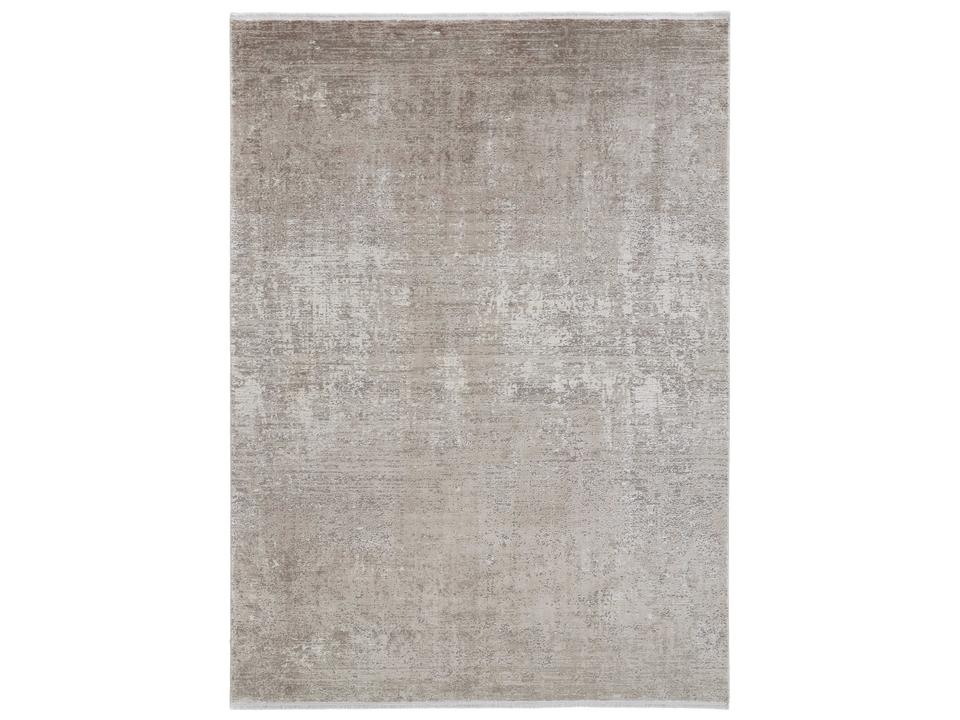
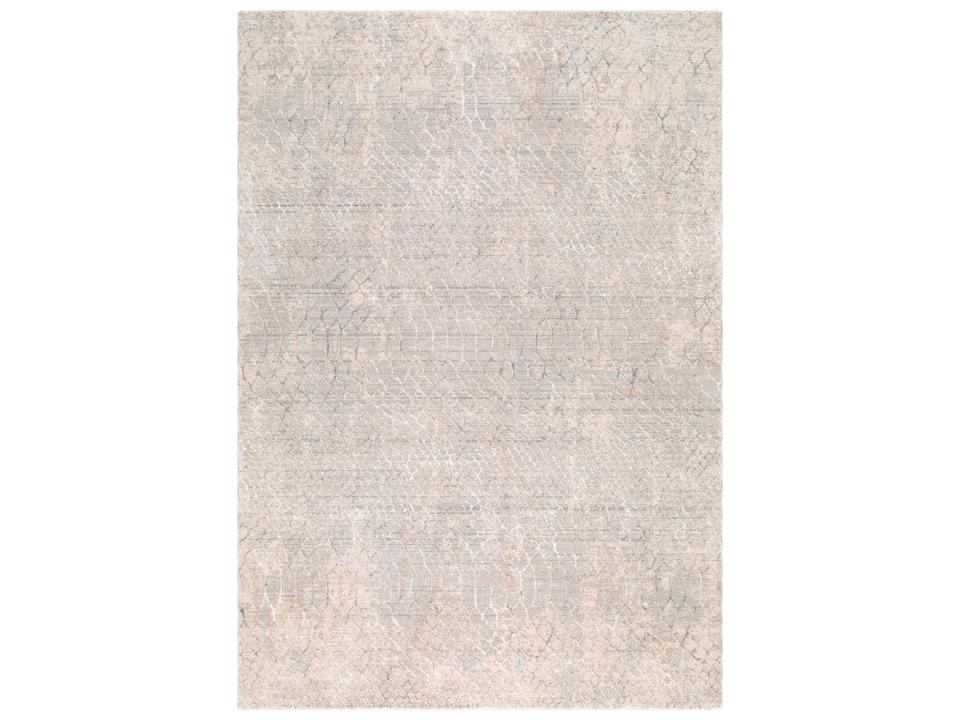
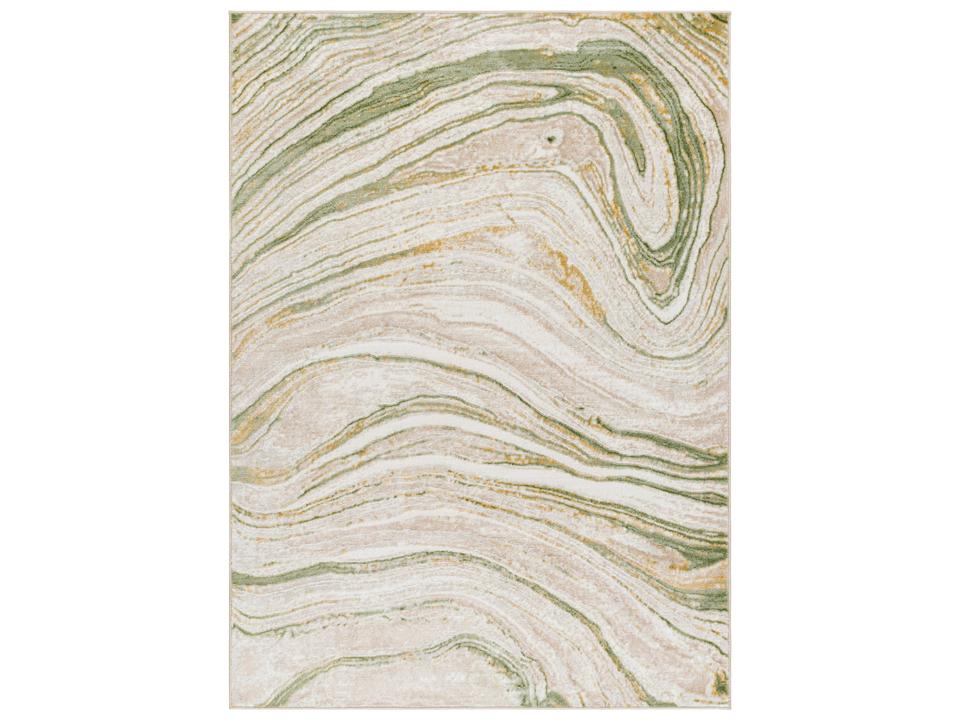
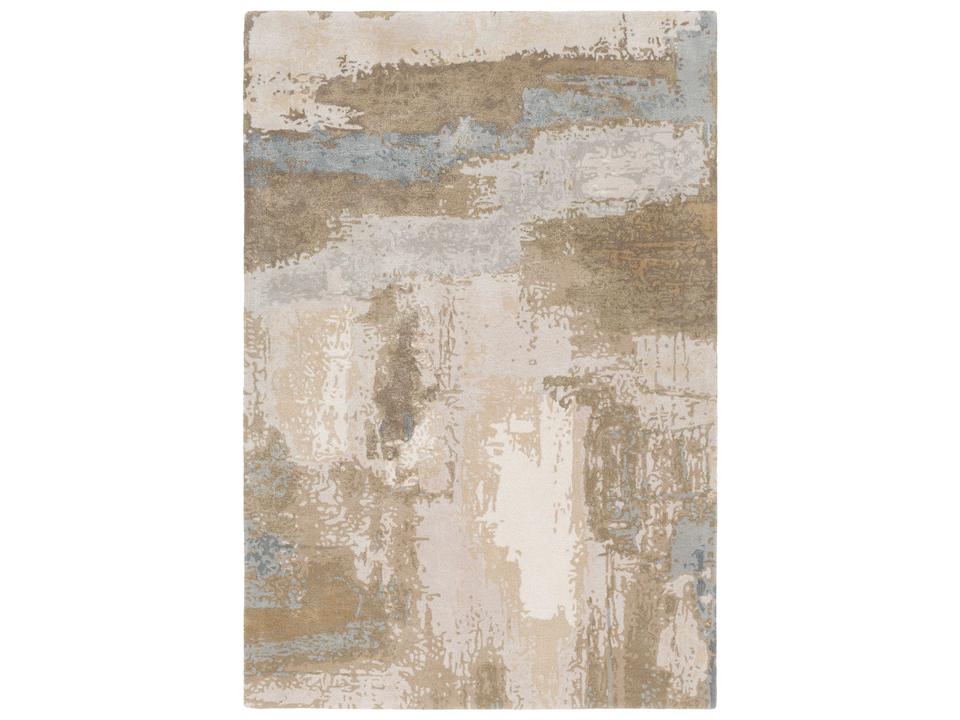
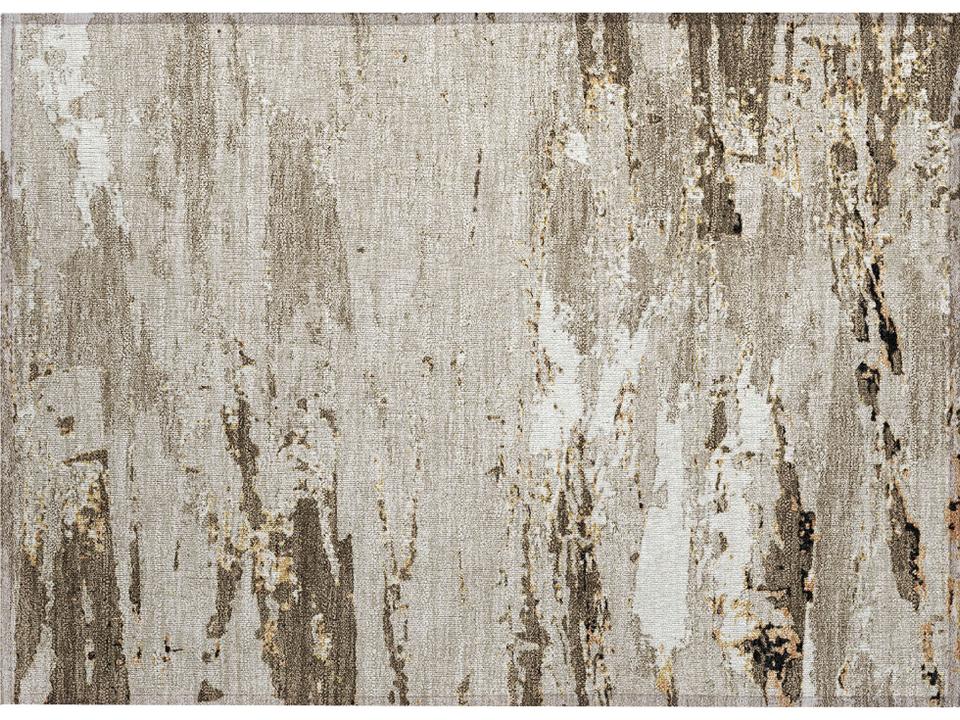
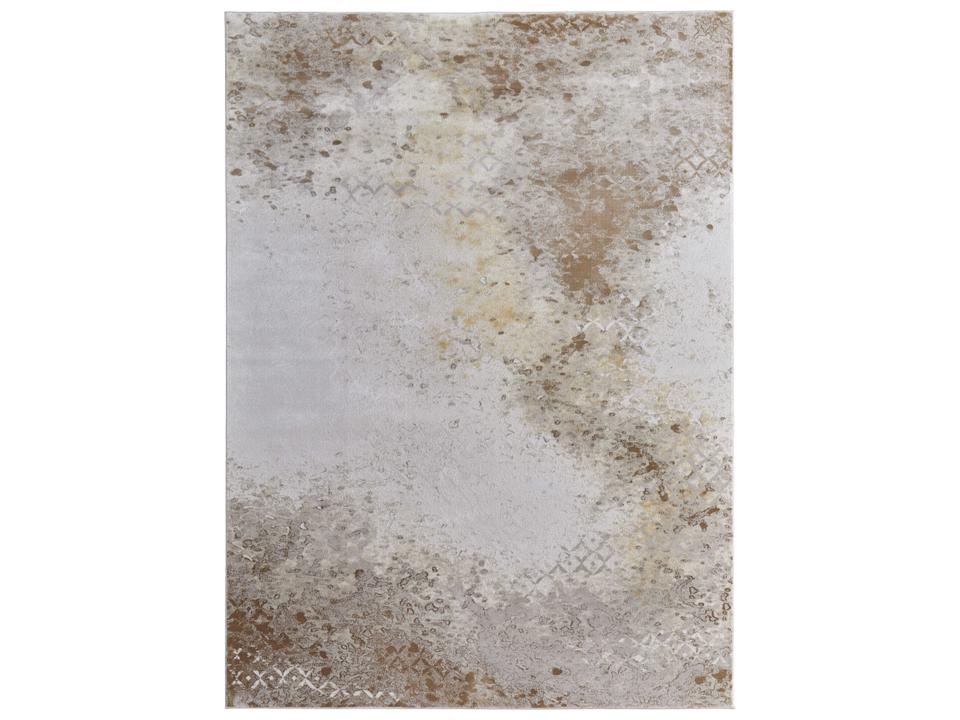
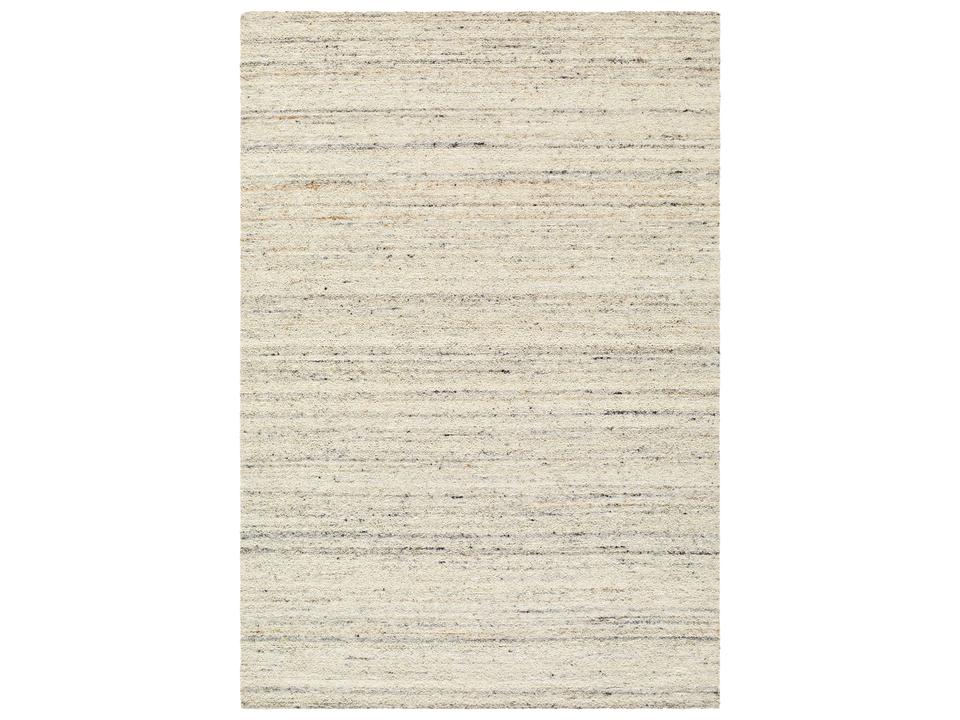
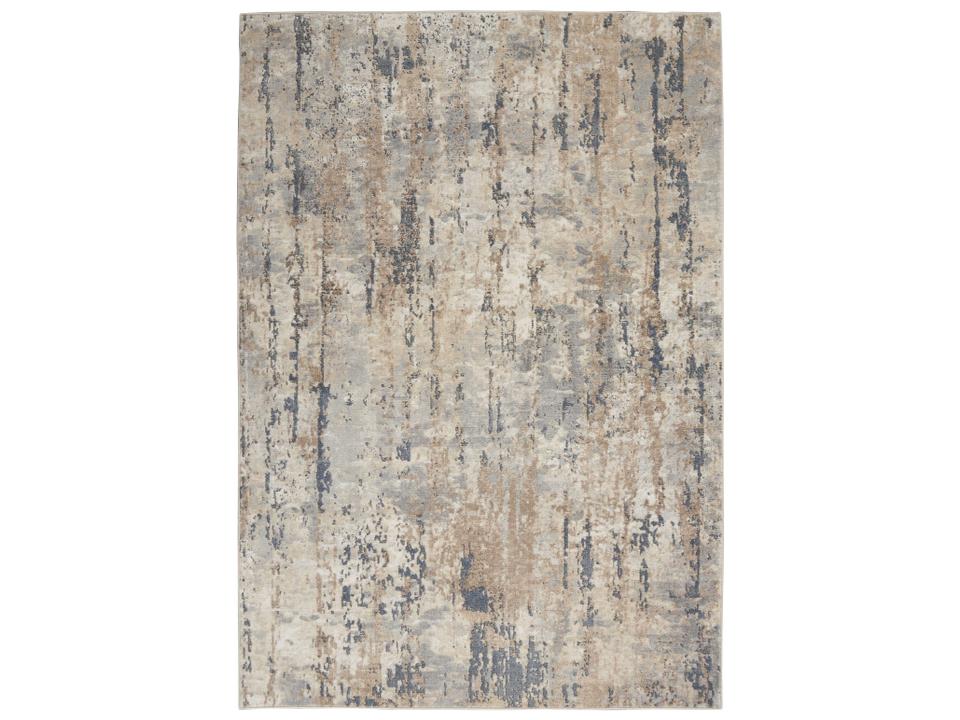
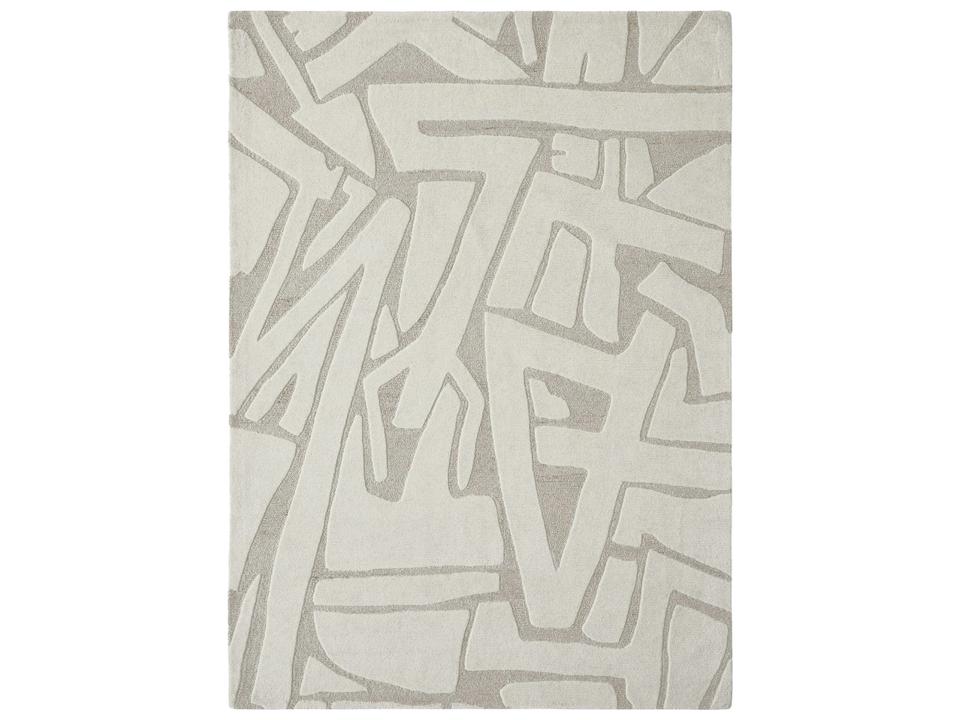
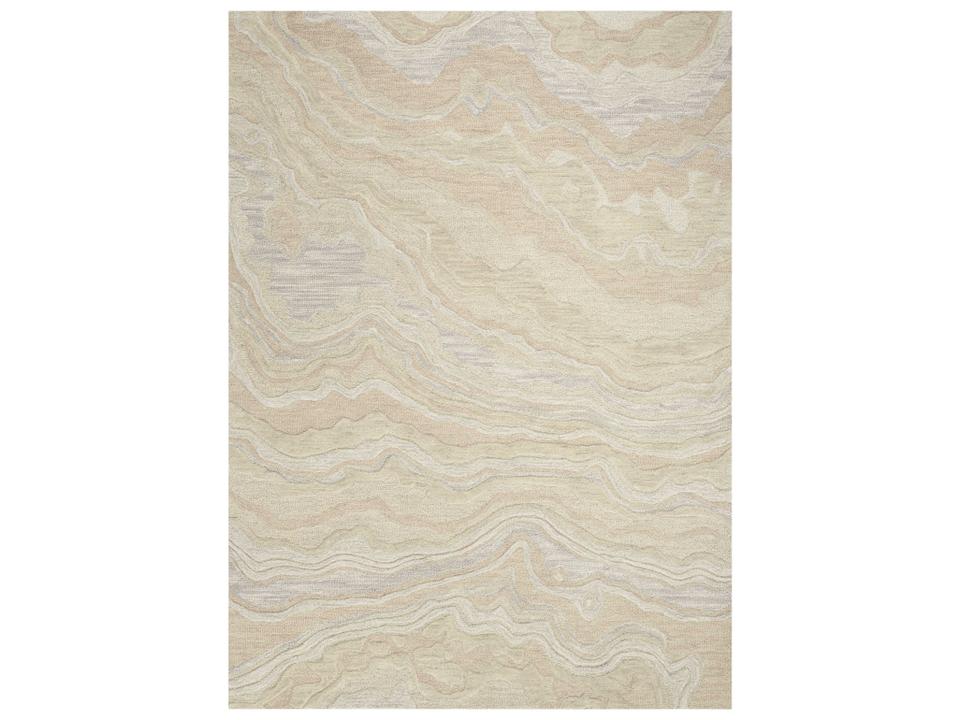
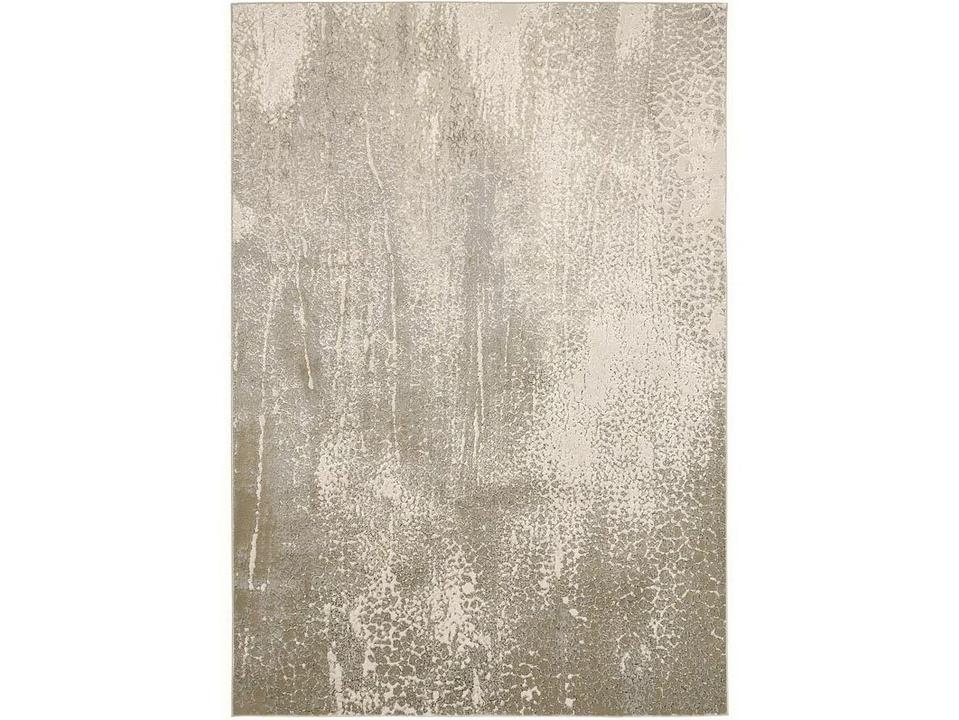
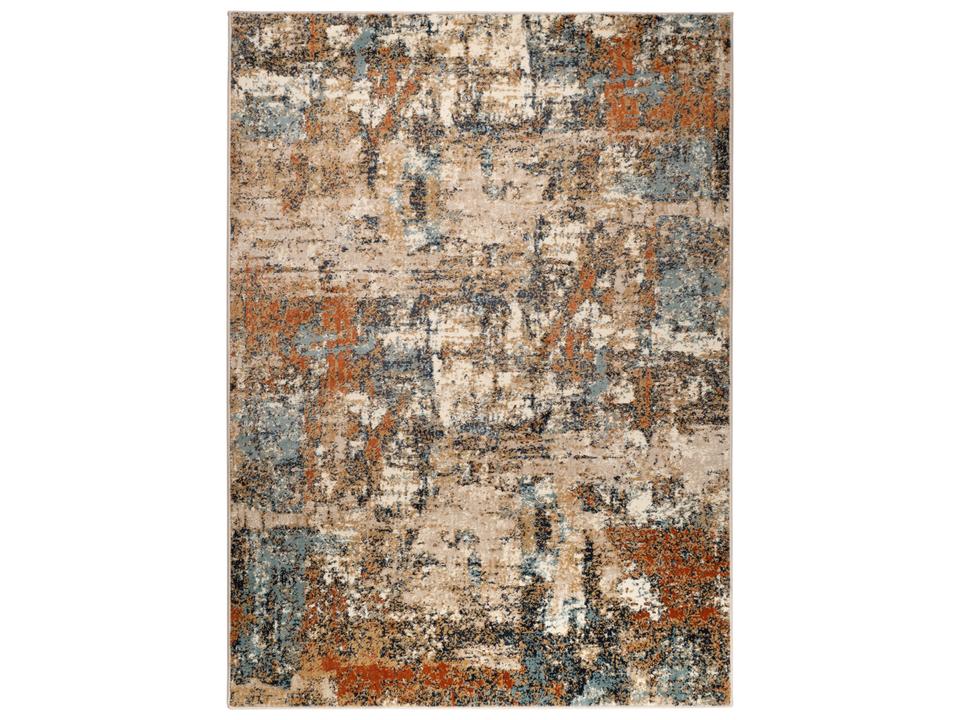
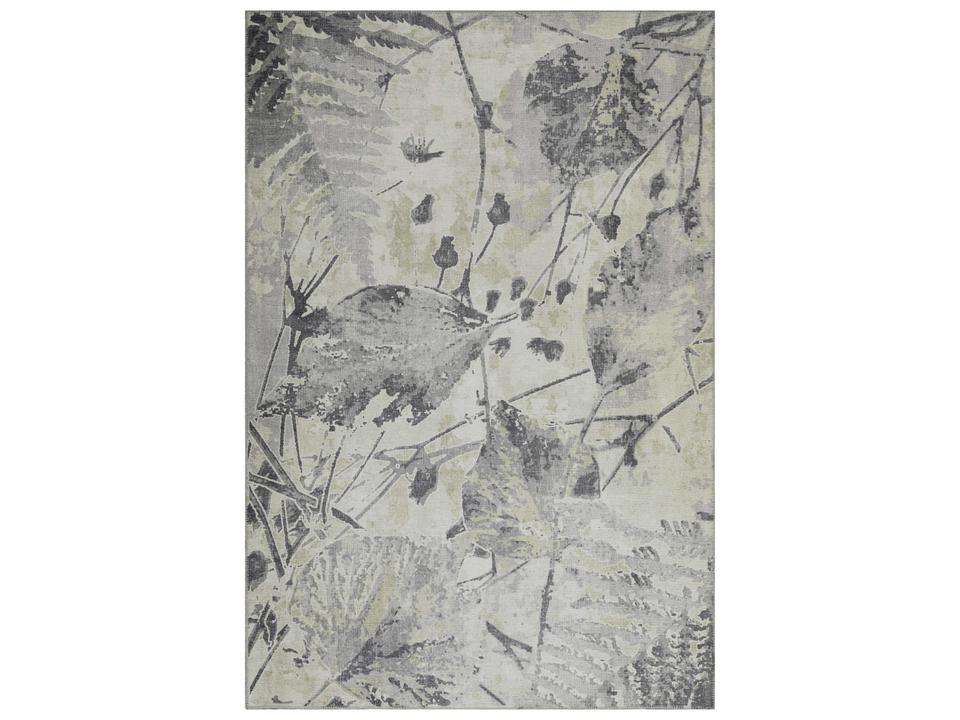
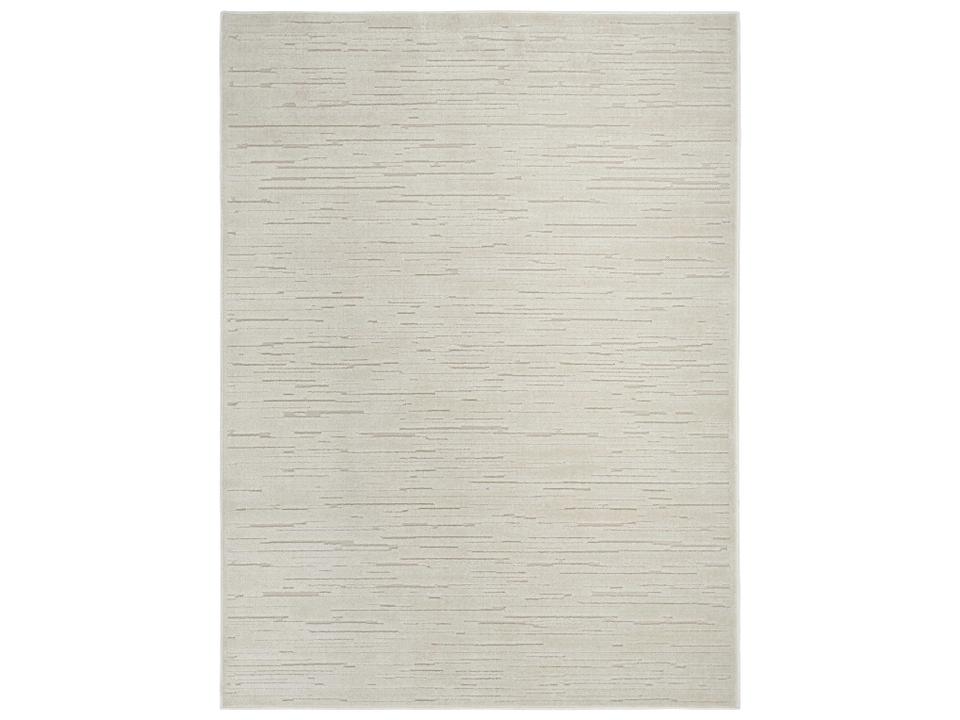
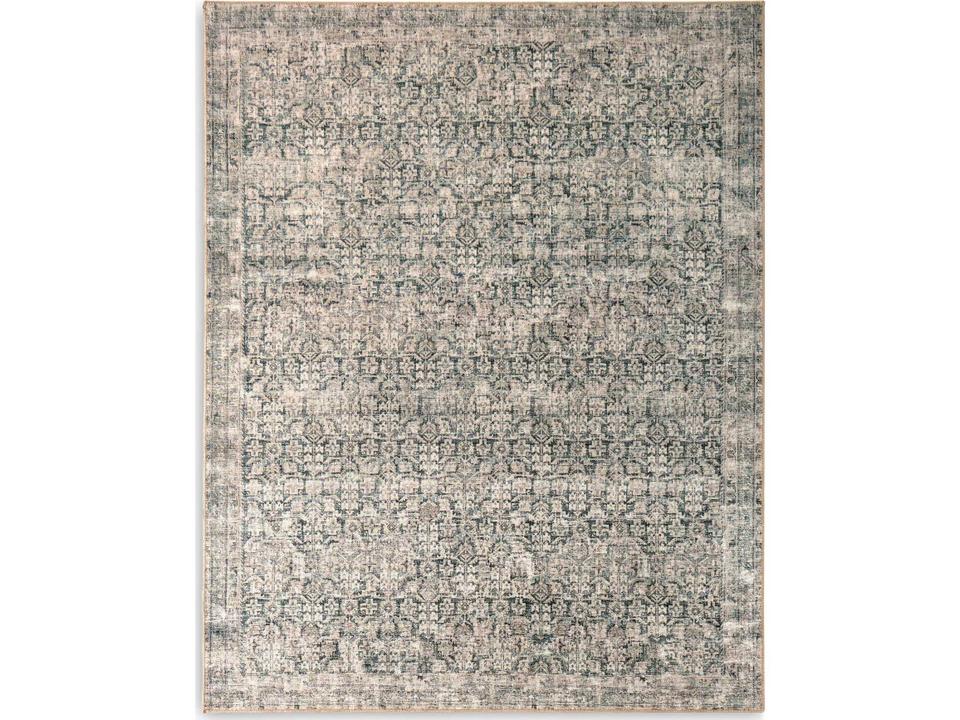
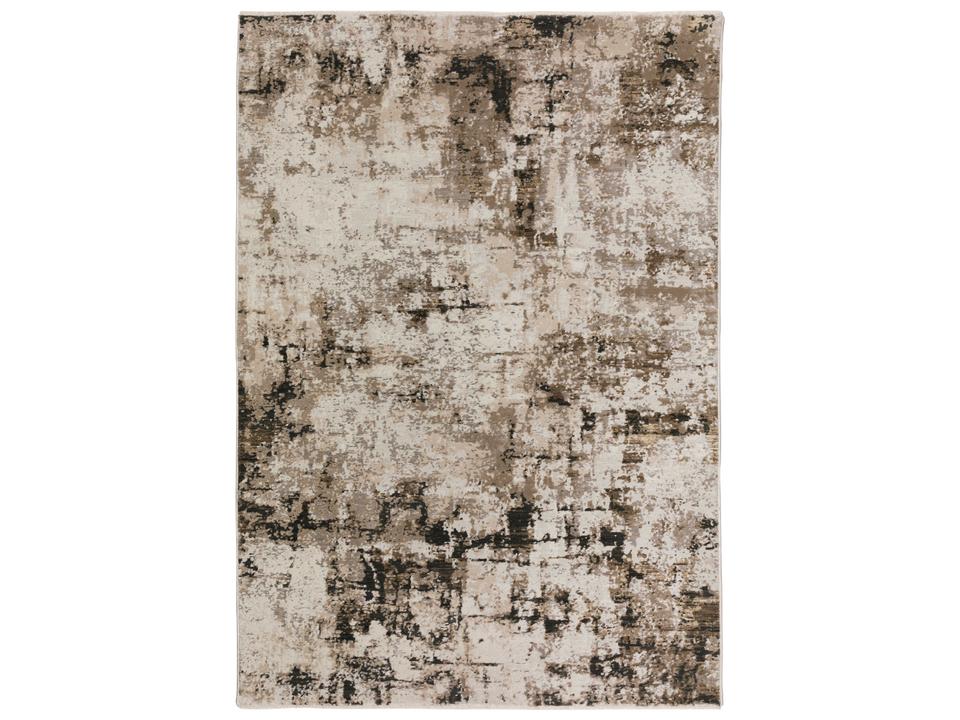
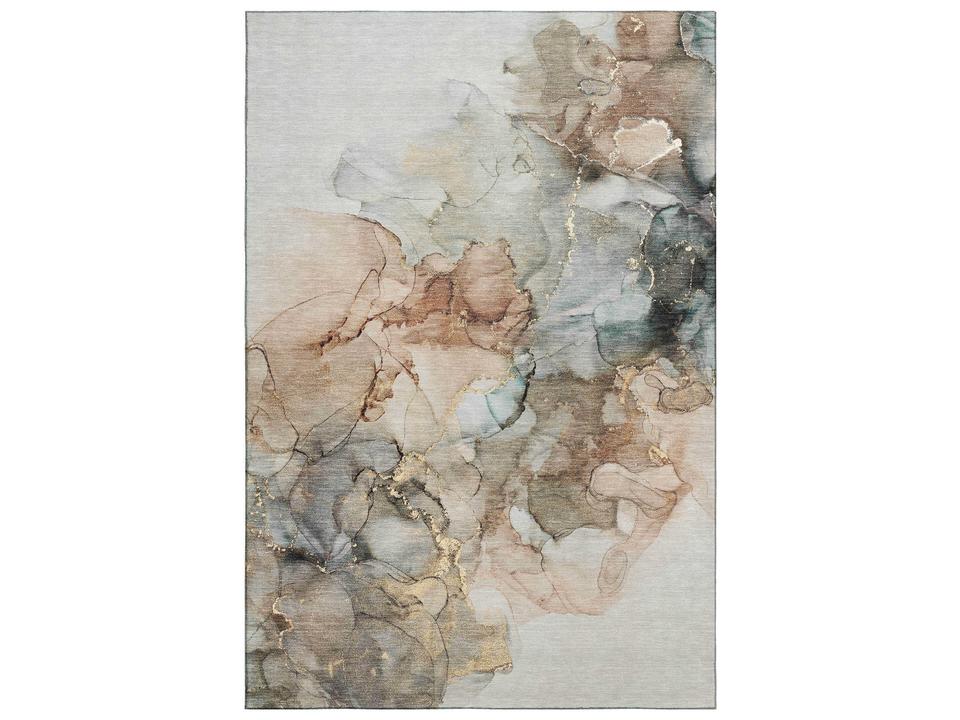
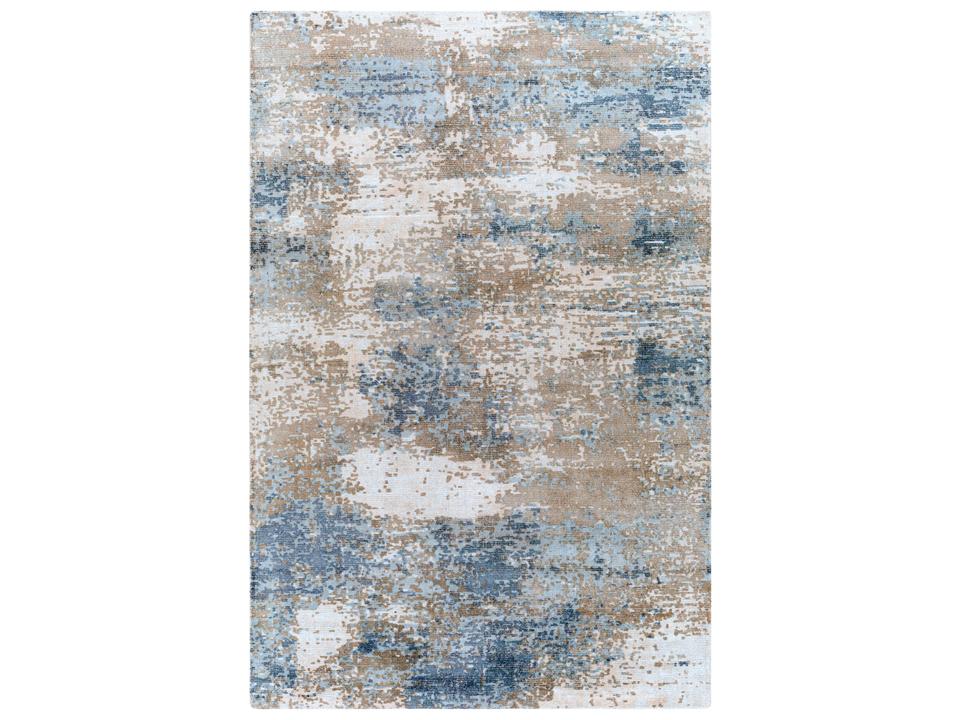
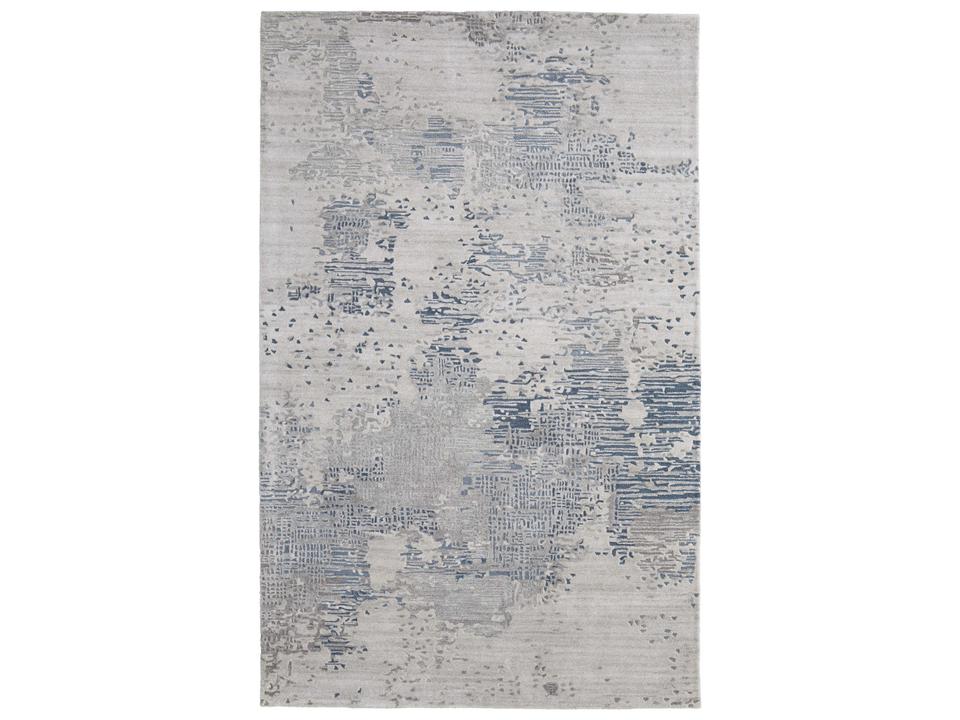
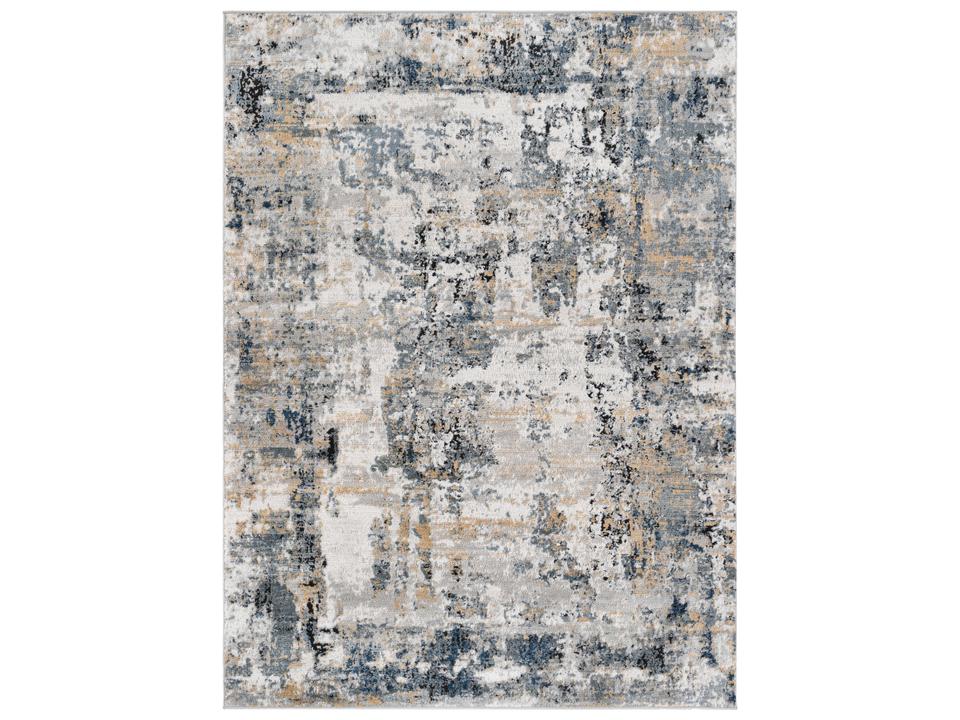
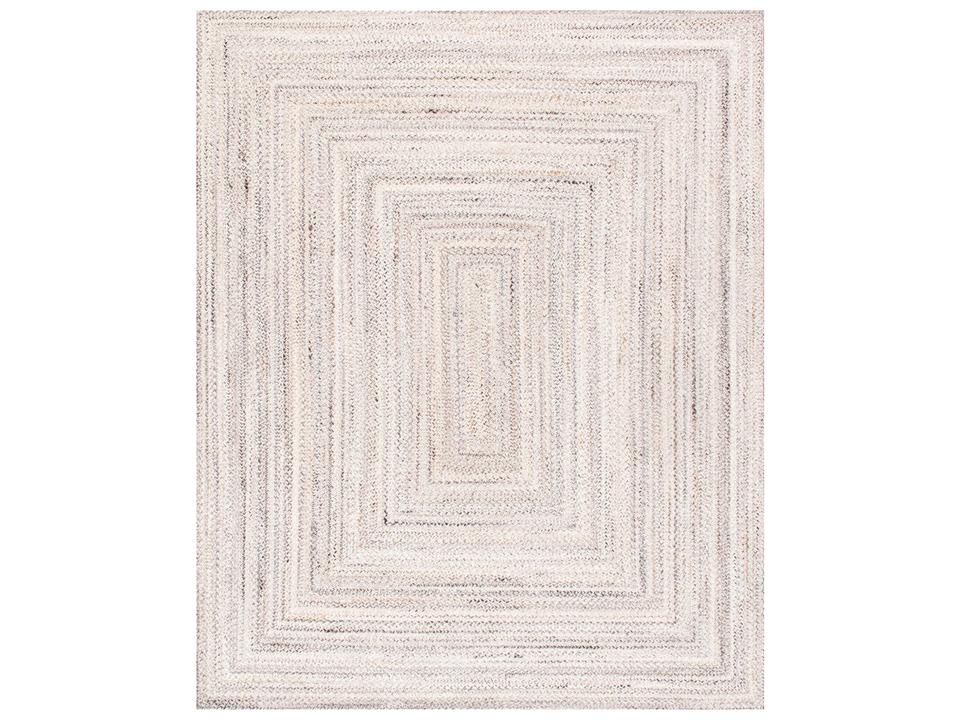
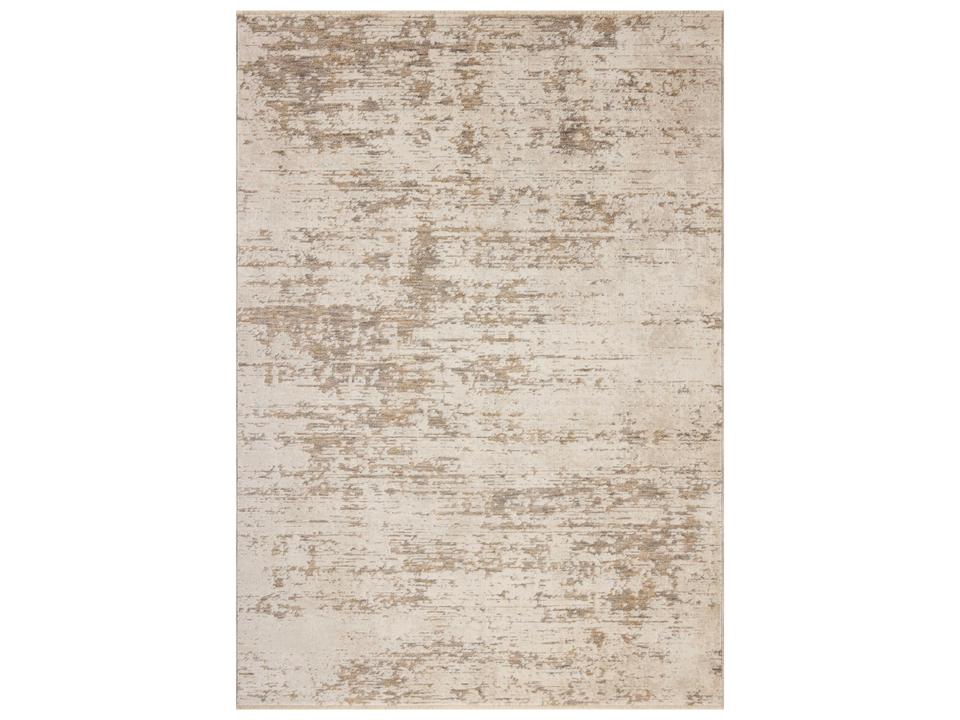
Beige abstract area rugs cover a wide range of looks. Some are barely tonal — layered cream and sand brushstrokes that read almost solid from across a room. Others pair beige with charcoal, rust, or muted gold in freeform geometric shapes that bring more energy to a contemporary layout. You'll also find watercolor-effect designs where beige bleeds into ivory and taupe for a soft, painterly feel. What they share is warmth without visual weight. A luxury beige abstract rug lets furniture and art hold the spotlight while contributing real texture and movement underfoot.
Fiber determines how a rug feels, wears, and cleans. Wool is the benchmark — resilient, naturally soil-resistant, and it holds dye well, so the beige tones stay warm rather than flat over time. Hand-knotted wool rugs offer the highest knot density and can last decades with regular care. Viscose and silk blends add a low sheen that catches light and gives abstract motifs more visual depth. These perform best in low-traffic rooms like bedrooms or formal sitting areas where foot traffic won't mat the fibers.
Polypropylene and polyester are practical picks for busy households. They resist moisture, clean up quickly, and hold their color even under direct sun. Machine-woven and power-loomed construction delivers consistent pattern detail at a lower price point than handmade options — a smart choice when you need a large-format rug for a family room or open floor plan.
Hand-tufted rugs split the difference. They have a handmade feel and a softer price than hand-knotted pieces, though they won't hold up quite as long under heavy daily traffic.
A rug that's too small reads as an afterthought. In a living room, choose a size that tucks under the front legs of all seating — usually 8'x10' or 9'x12'. For a dining room, add at least 24 inches beyond the table's edge on every side so chairs stay on the rug when pulled out. Hallways and galley kitchens call for runners in the 2'6"x8' to 2'6"x10' range.
Beige abstracts pair naturally with warm and cool palettes alike. They complement rich walnut and oak tones, leather seating, and brass hardware without clashing. In a mostly white or cream room, look for a rug with visible texture variation — a mix of high and low pile, or warm undertones that keep the space from feeling washed out. If your room already features printed pillows and bold curtains, a quieter tonal abstract helps balance the mix.
Looking for a bit more color? Explore our green abstract area rugs or teal abstract area rugs for options with stronger saturation in the same abstract styles.
Vacuum regularly — but turn off the beater bar for hand-knotted or hand-tufted pieces to avoid pulling fibers. Rotate the rug 180 degrees every six months so wear and sun exposure distribute evenly. Wool and silk rugs benefit from professional cleaning every 12 to 18 months. Synthetics can usually be spot-cleaned with mild detergent and warm water. Blot spills immediately; rubbing pushes the stain deeper into the pile.
A quality rug pad is worth the investment. It prevents slipping, cushions the rug's backing against hard floors, and adds a layer of softness underfoot. Use a felt or felt-and-rubber pad on hardwoods and tile, and a thinner rubber mesh pad when layering over carpet.