Introduction to Bed Coverlets
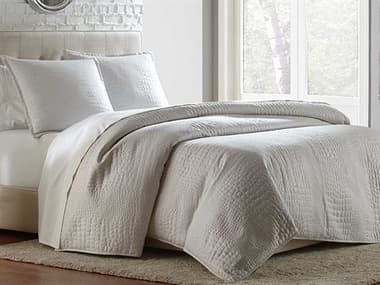
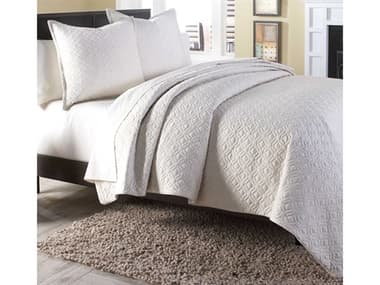
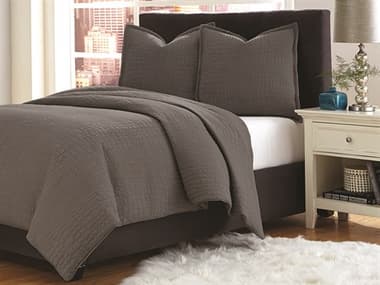
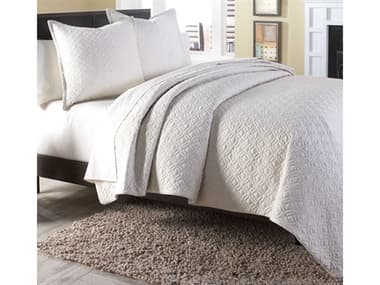
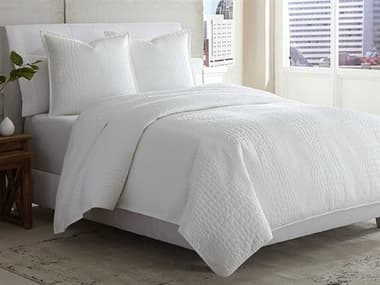
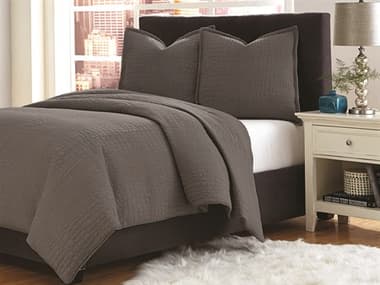
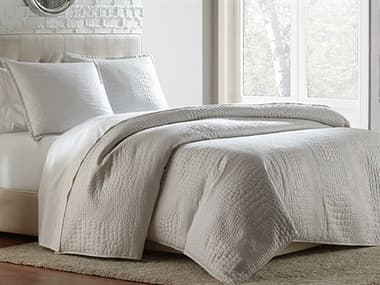
Coverlets are used as a decorative top layer on a bed and are a pre-filled quilted or woven bed cover that is lightweight and usually non-reversible. This type of bedding is classically designed to go over the exterior of your bed, extending part way down the sides and along the foot of your bed. A quilted coverlet is often used in conjunction with other bedding, typically placed over thicker bedspreads because of its thin layer of batting. It provides the perfect layer of insulation during in-between weather during spring and fall seasons, and is also appropriate for use as a stand-alone bed cover during the warmer months of summer. Coverlets prove to be an extremely useful and versatile type of bed cover that not only enhances the aesthetic look of your bed, but can also be used as throws on a sofa. Depending on what you’re looking for, LuxeDecor has a wide variety of options of coverlet bedding to choose from to suit your needs.
Different Styles of Bed Coverlets
LuxeDecor has this style of bedding in any size and has you covered with twin coverlets, queen coverlets, king coverlets, and even grand California king coverlets. With numerous options for customization and hundreds of items to choose from, LuxeDecor’s picks for lightweight bed covers make for a refined home brimming with aesthetic flair that’s sure to capture your personal sense of style. Numerous options for colors and styles make it easy to outfit your bed or sofa to keep your space looking fresh. Dozens of coverlet sets can be matched with coordinating boxspring and headboard slipcovers to maintain the harmony of the interior design of your room. Available premium fabrications include sateen, cotton, velvet, and linen coverlets, as well as, charming details such as tufting, silk flower appliques, and different embossed quilting techniques to give you fresh looking style whether you decide to go classic or contemporary. Our unbelievable soft covers have the power to transform your bedroom into a space that exemplifies comfort and relaxation, and are available by top-quality brands including Eastern Accents, Howard Elliott, Rizzy Home, and Surya.
Decorating With Bed Coverlets In Your Home
LuxeDecor offers a variety of bed coverlets in different colors including gray coverlets, white coverlets, blue coverlets, navy coverlets, and any color in between. With so many colors to choose from, at economical prices that won’t break the bank, it’s easy to pick the right one that will fit seamlessly with your existing décor. Because of their quilted and woven character, they’re a great way to add texture to a piece of furniture to layer more depth into your space, and their thin layer makes them super versatile. They look great on both formal, tailored beds, and more laid-back set-ups, for layered compositions or as a stand-alone textile. Make your bed an oasis with the comfy wares at LuxeDecor.
For more information about bed coverlets, read LuxeDecor's Bedding Buying Guide to style a perfect sleep time space.