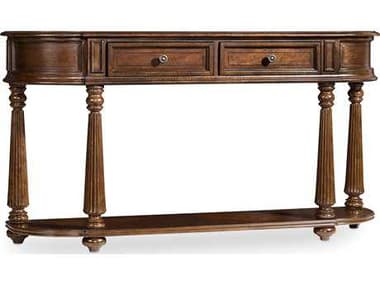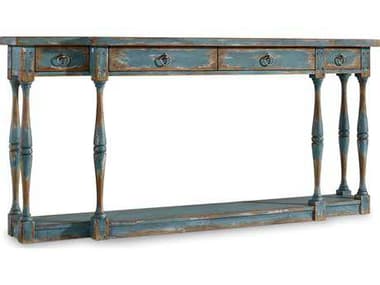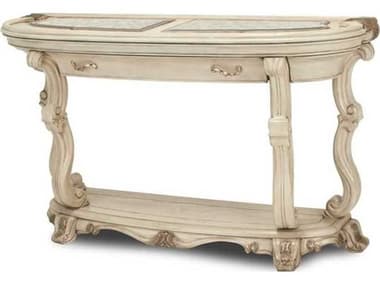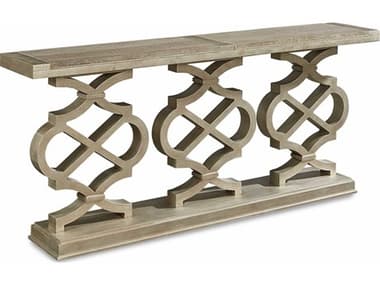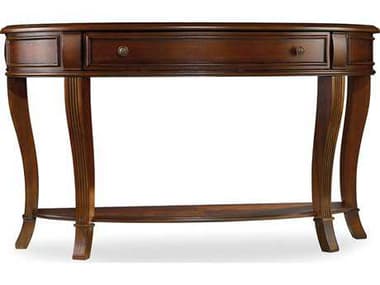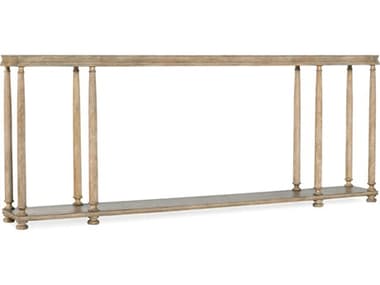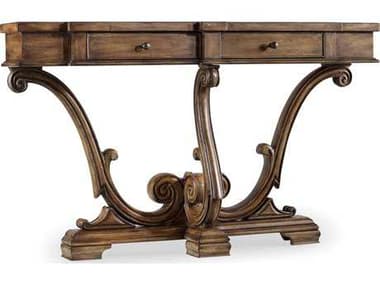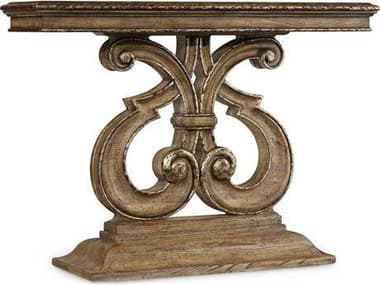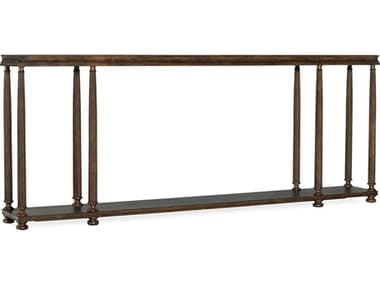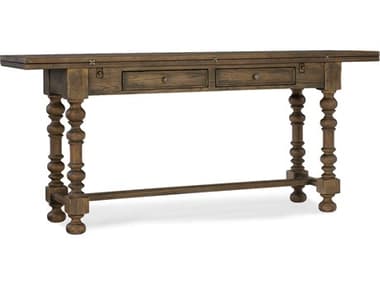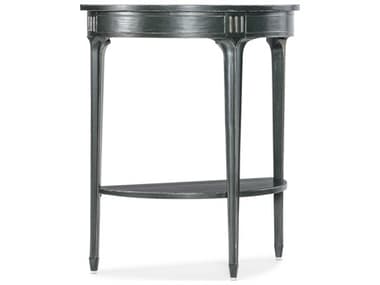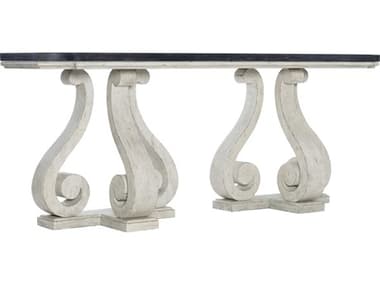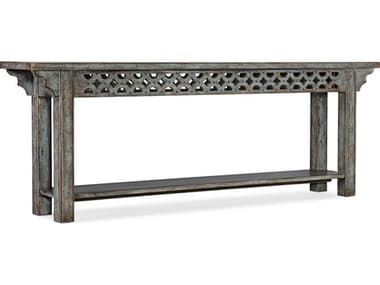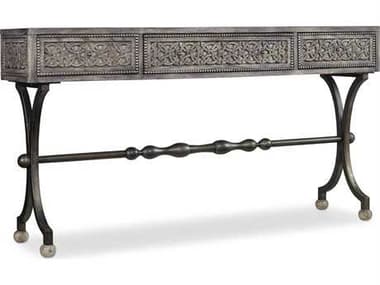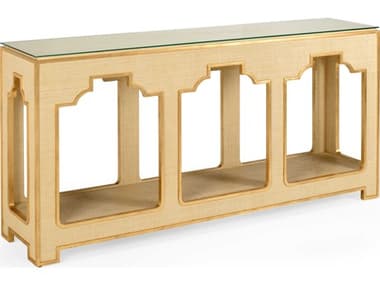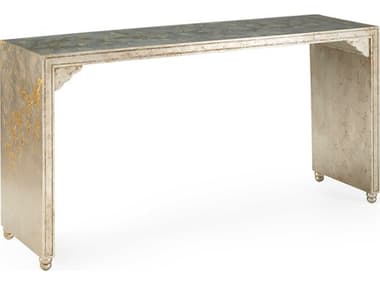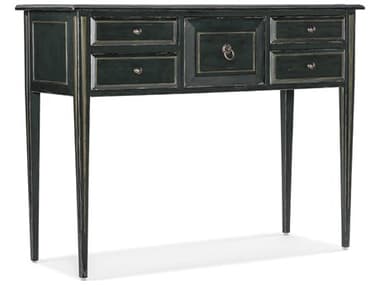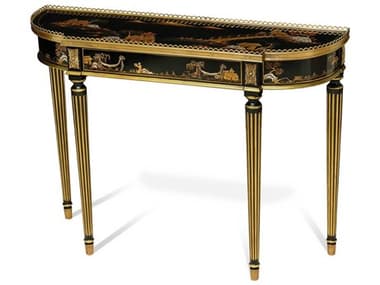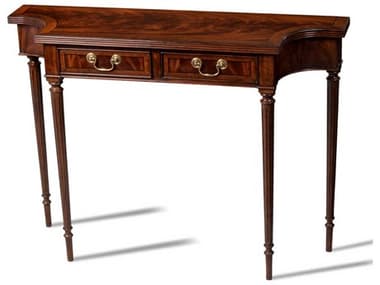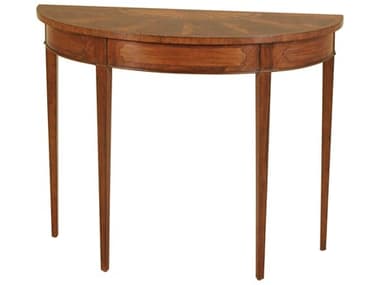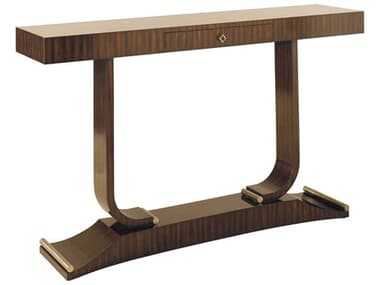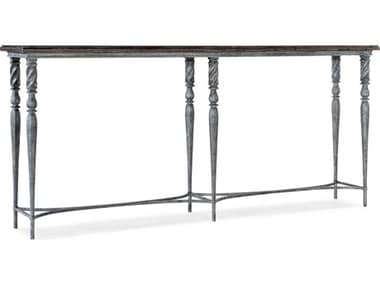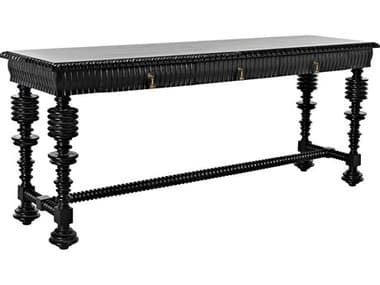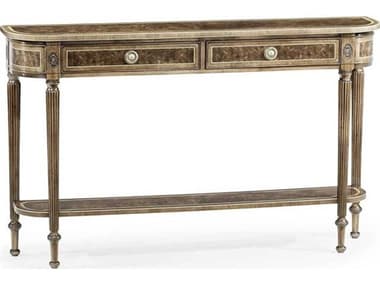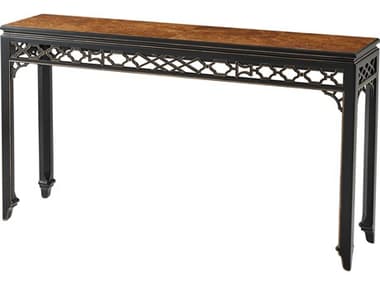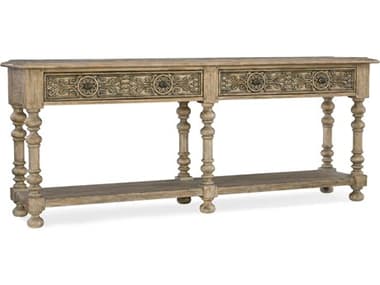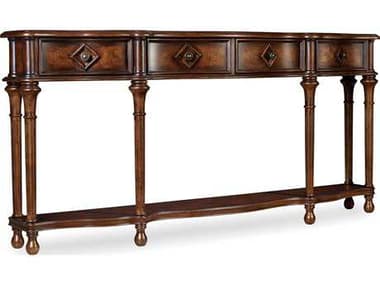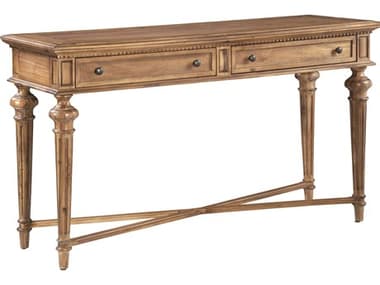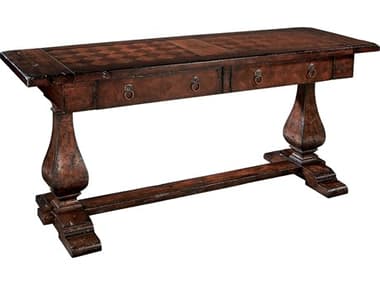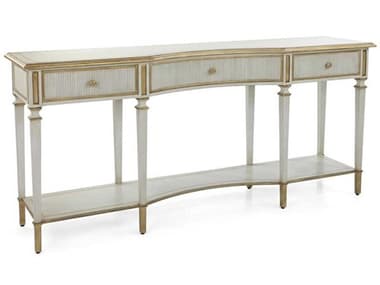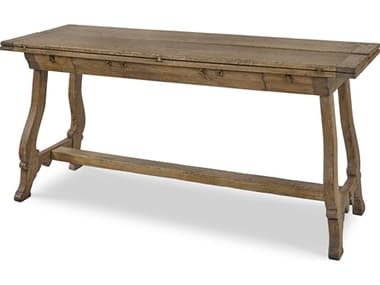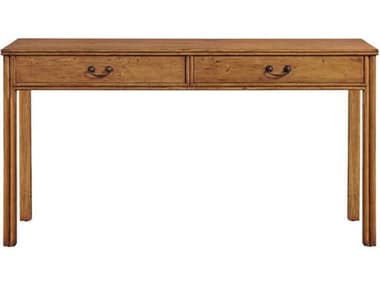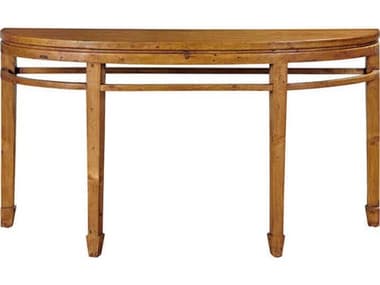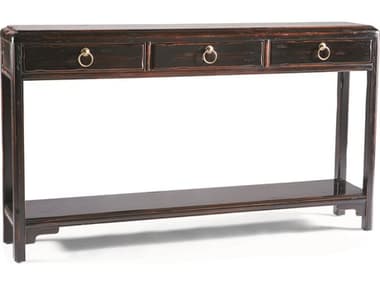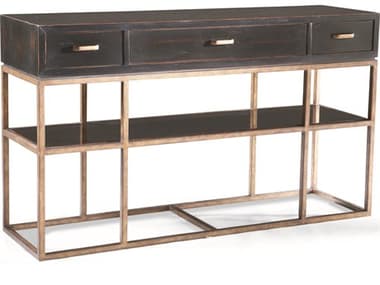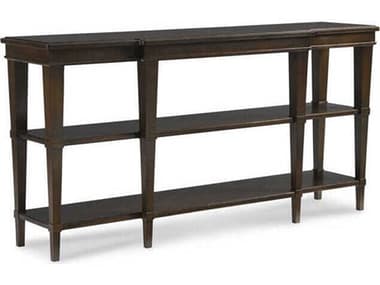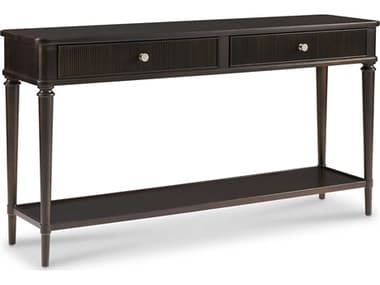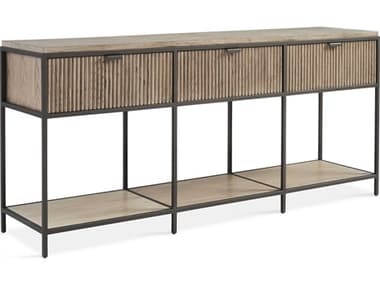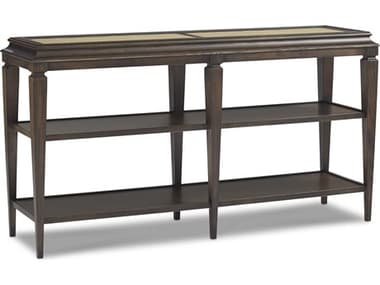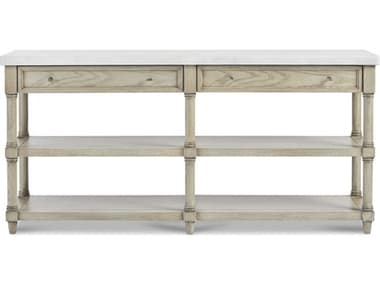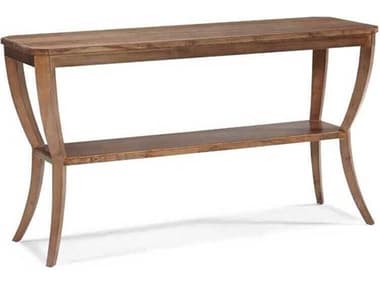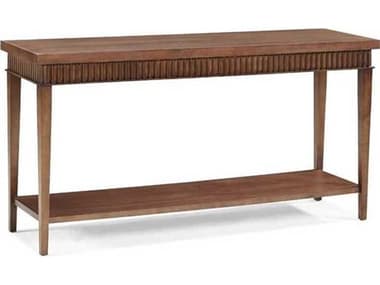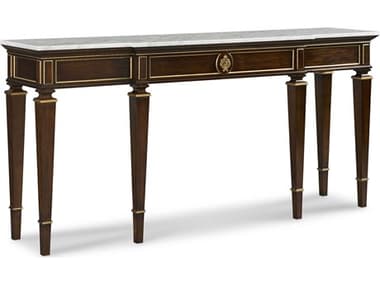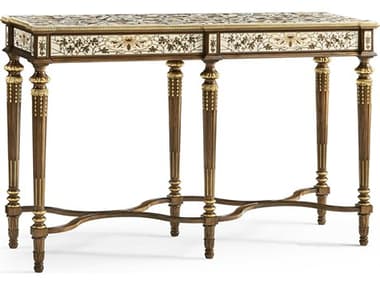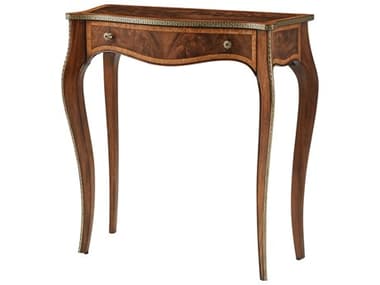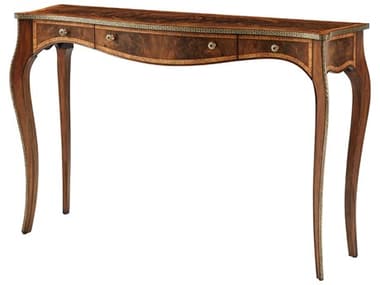
You might recognize a console table better by other names such as a buffet table or an entry table. They’re larger than a telephone stand but smaller than a writing desk or bistro table. Typically, rectangular and rather lengthy, they finish the décor in numerous rooms, from a study or conservatory to a library or dining room. Use the smaller styles of these traditional console tables as entryway tables to collect mail and keys or purses. The diversity of styles in the selection here at LuxeDecor includes those from great designers, including Jonathan Charles, Hooker Furniture, French Market Collection, and Lexington.
Although they are referred to as traditional console tables, you won’t find anything stuffy about these furnishings. The designers creating these tables use many fine materials for the tabletop and the legs. Our lamps are crafted from the following materials:
You can easily provide added space for books, collectibles, fruit bowls, etc. on these console tables. You can create a conversational corner with one of these tables and two occasional chairs or use a smaller console table in the entryway or foyer to provide a place for keys or groceries when entering the home. These tables have many uses: in the dining room for buffet dishes, the entertainment room to place a television atop, or in a bedroom for overflow books and magazines.
The LuxeDecor selection of traditional console tables offers more than 150 options. The half-circle designs work well against a wall while the long rectangular designs can go against a wall or behind a sofa or in front of a window. Some of these tables offer a mirrored glass back or tabletop. Others feature an inlay or carved legs and table lip. Expect to spend between $650 to $7,500 on one of these unique beveled mirrors.