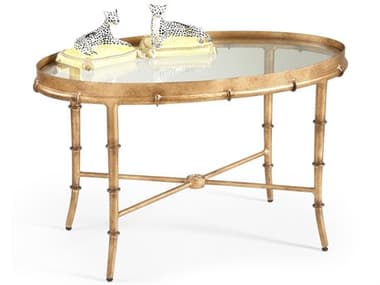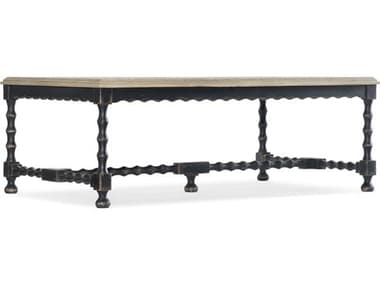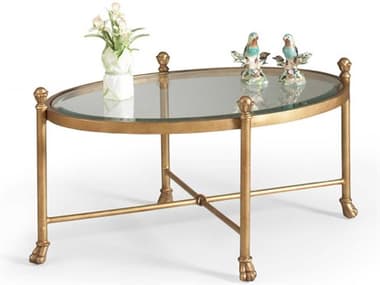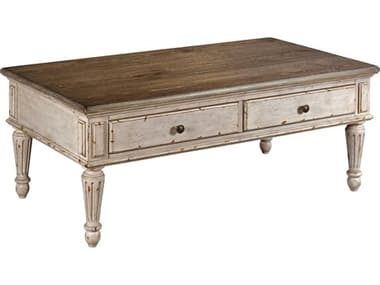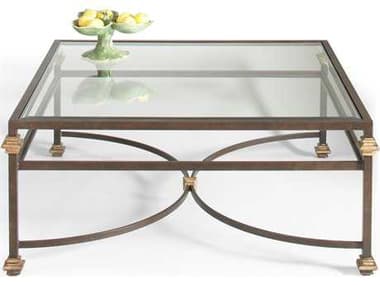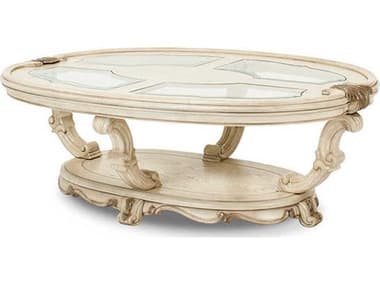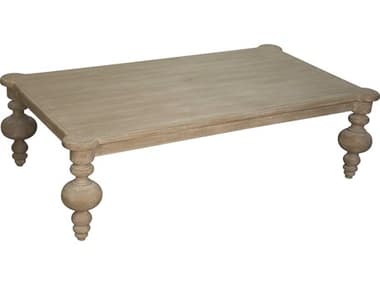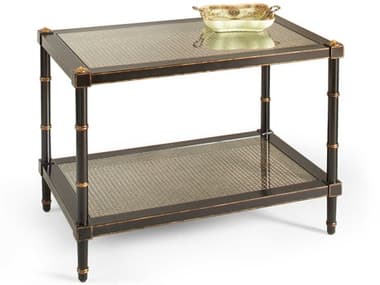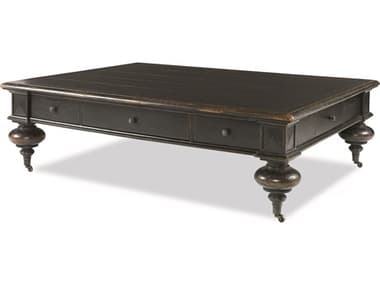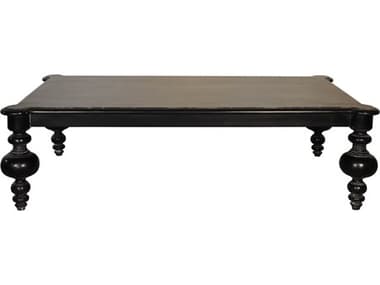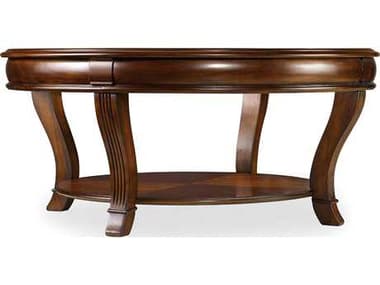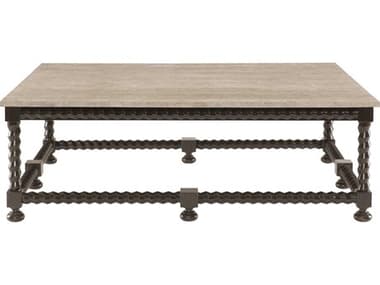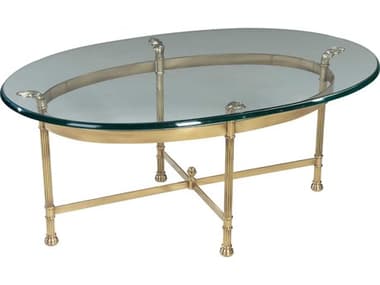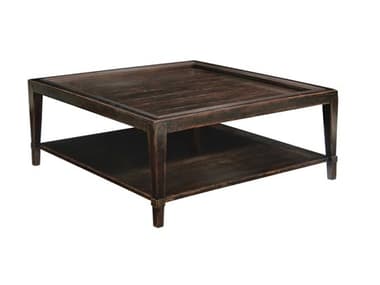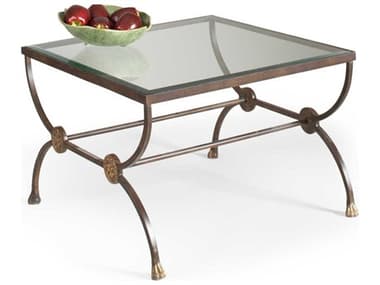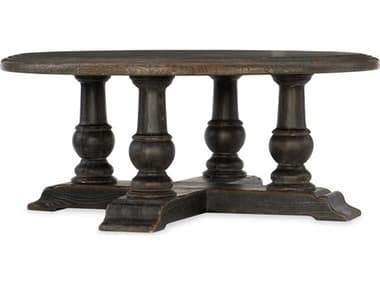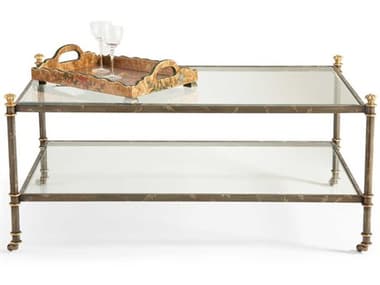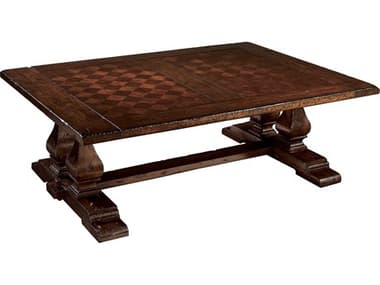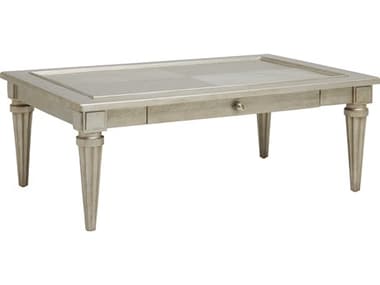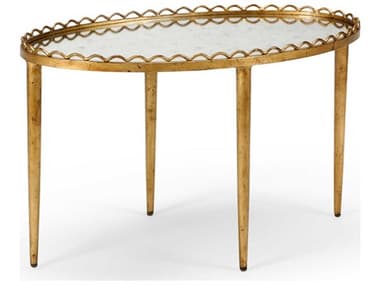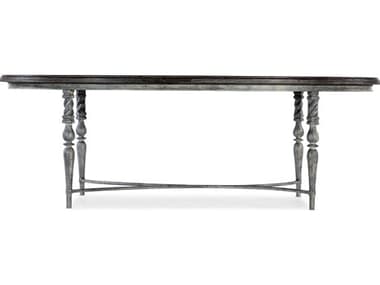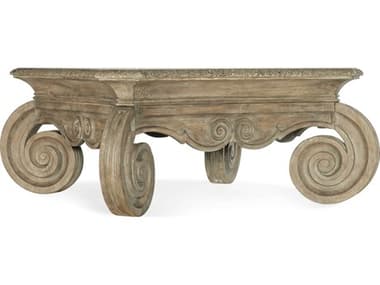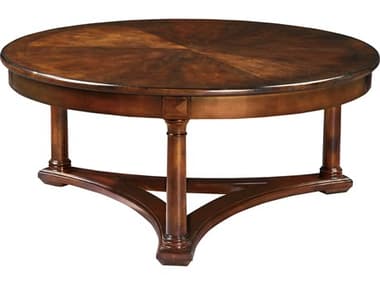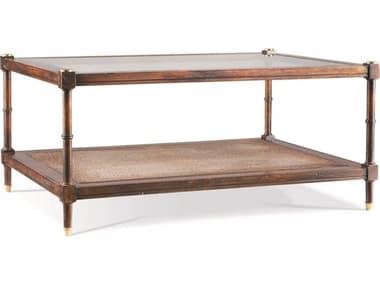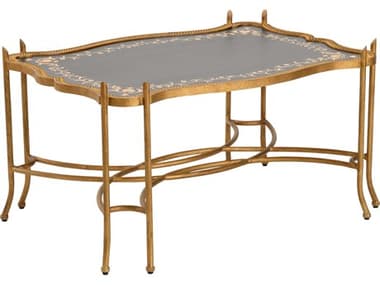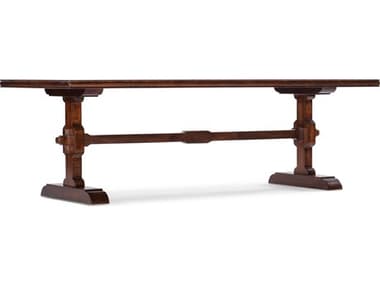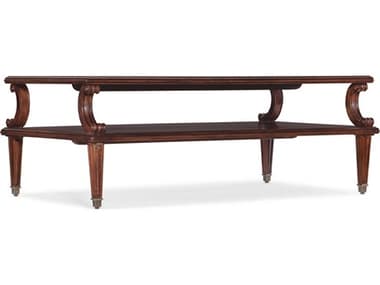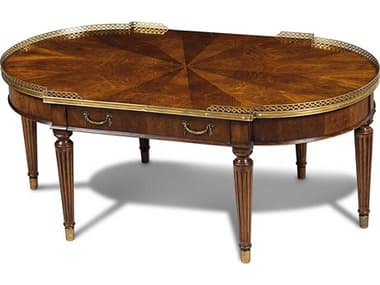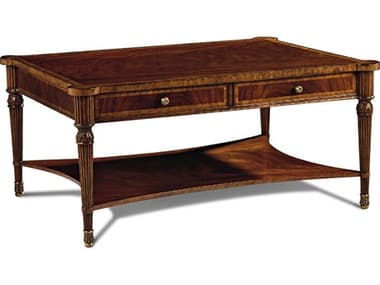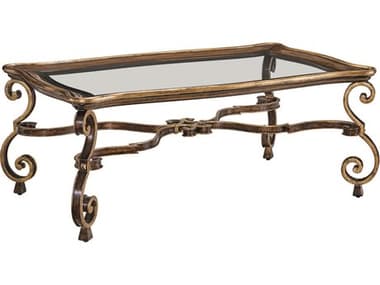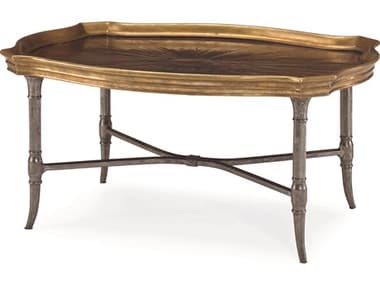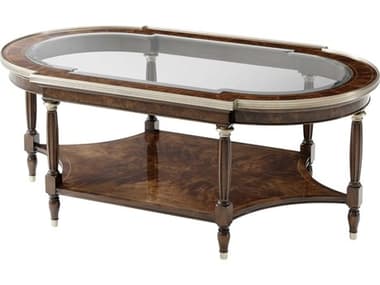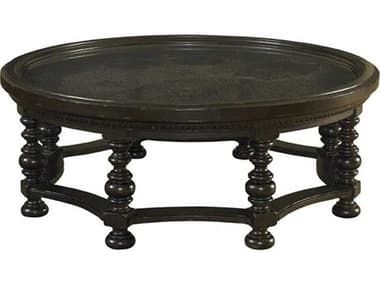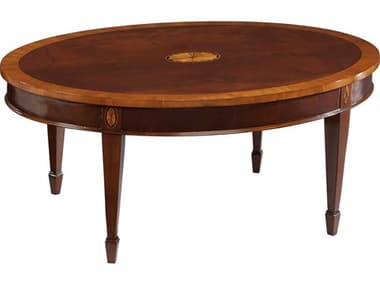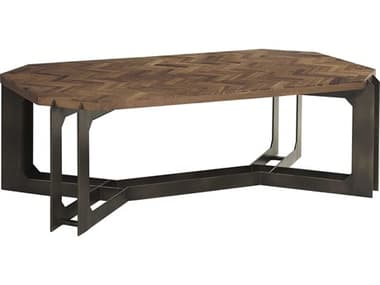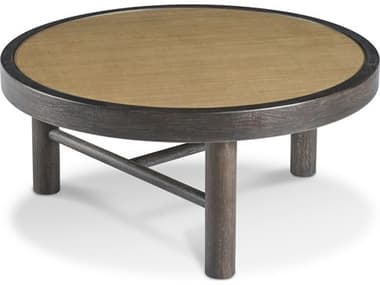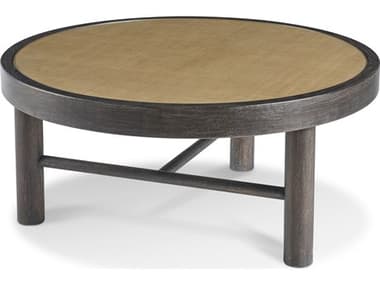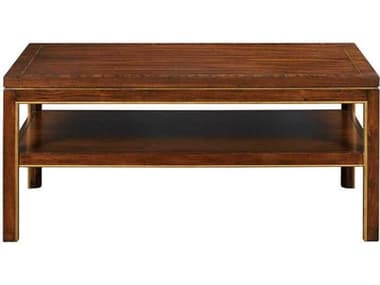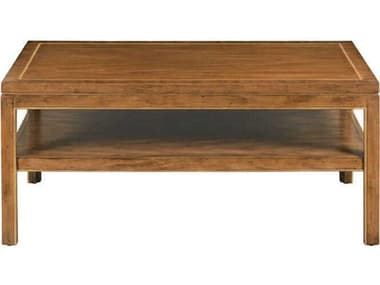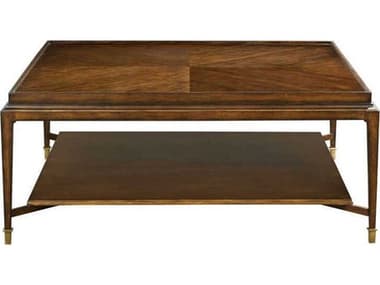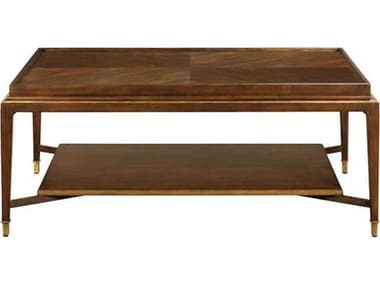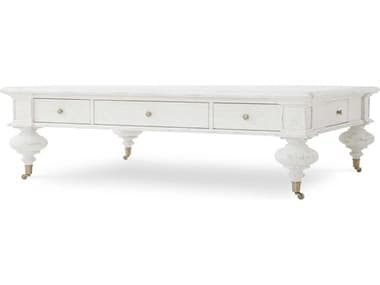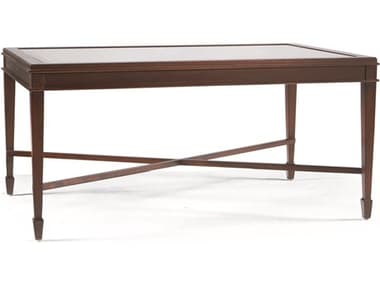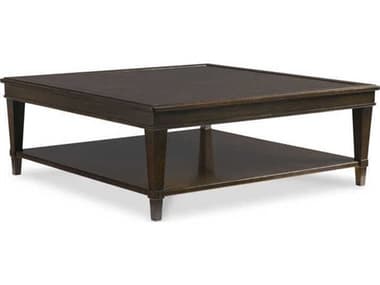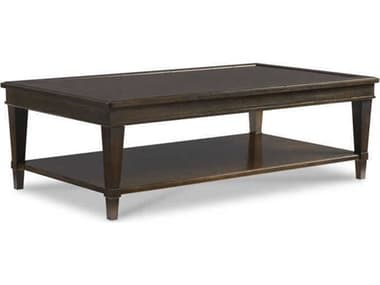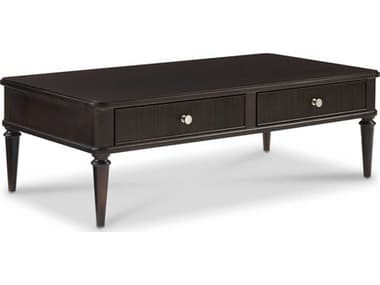
Traditional coffee tables cover more ground than you might expect. On one end, you'll find ornate rectangular designs with cabriole legs, carved aprons, and deep mahogany stains. On the other, simpler round tables with turned spindles and a lower display shelf. In between are glass-top versions that pair a traditional wood base with a clear or beveled surface — keeping the silhouette classic while letting the frame do the visual work. Distressed and antiqued finishes add a softer, lived-in quality, while high-gloss lacquers lean more formal.
Shape drives both the look and the function. Rectangular and oval tables suit longer sofas and sectionals. Round and square designs work well in compact seating arrangements or between two facing chairs. A round table also eliminates sharp corners, which matters in tighter rooms or homes with small children.
Luxury traditional coffee tables start with solid hardwood. Cherry, mahogany, walnut, and oak are the most common species, and each brings a distinct grain pattern and color range. Cherry deepens over time with light exposure. Walnut starts dark and stays remarkably consistent. Oak shows pronounced grain that takes stain well, making it versatile across finish tones.


Good joinery separates a premium table from a forgettable one. Mortise-and-tenon joints at the legs and apron indicate real structural integrity — a table built to hold up for decades. If the table includes drawers, look for dovetailed construction. Hardware is another quality signal: antique brass pulls, iron ring handles, and bronze knobs reflect period accuracy and a considered design approach.
For glass-top models, tempered glass at least 3/8" thick is the standard worth buying. Beveled edges add a refined finish that complements traditional bases well.
A well-proportioned coffee table sits 1–2 inches lower than your sofa's seat cushion. Most traditional sofas have seat heights around 18–20 inches, putting the ideal table height between 16 and 19 inches. For length, aim for roughly two-thirds the length of your sofa — a 90-inch sofa pairs naturally with a 54–60 inch table. Leave 12–18 inches of clearance on all sides for easy movement.
A few other practical details worth thinking through before you buy:
A luxury traditional coffee table grounds a seating area without overwhelming it. On a solid wood top, a simple tray with a candle and a short stack of books reads clean and intentional. Glass tops reveal more of the base below, so keep what sits on the lower shelf deliberate — woven baskets or a few bound volumes work better than loose clutter.
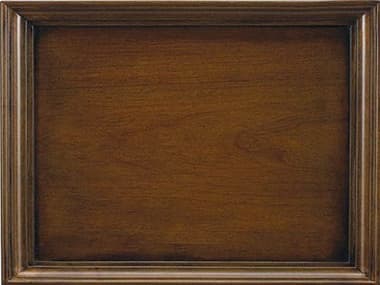
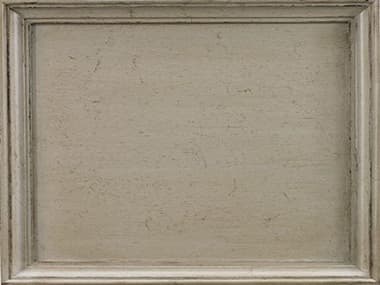
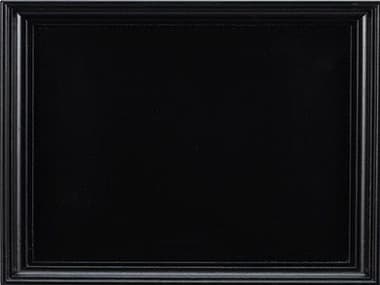
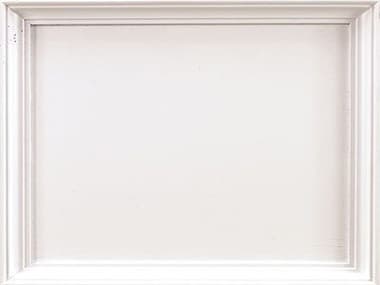
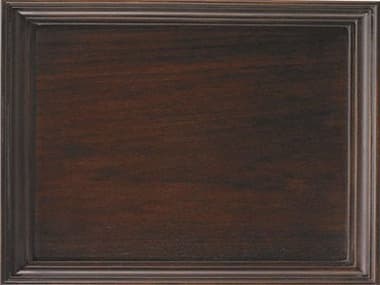
Darker finishes like espresso, aged walnut, or antique black pair naturally with upholstery in warm neutrals for a sophisticated, grounded feel. Lighter finishes — weathered oak, cream paint, antiqued white — complement rooms built around soft textiles and muted tones. If your living room already features substantial wood furniture, a glass-top traditional table can lighten the visual weight while staying within the same design language.