Loading products
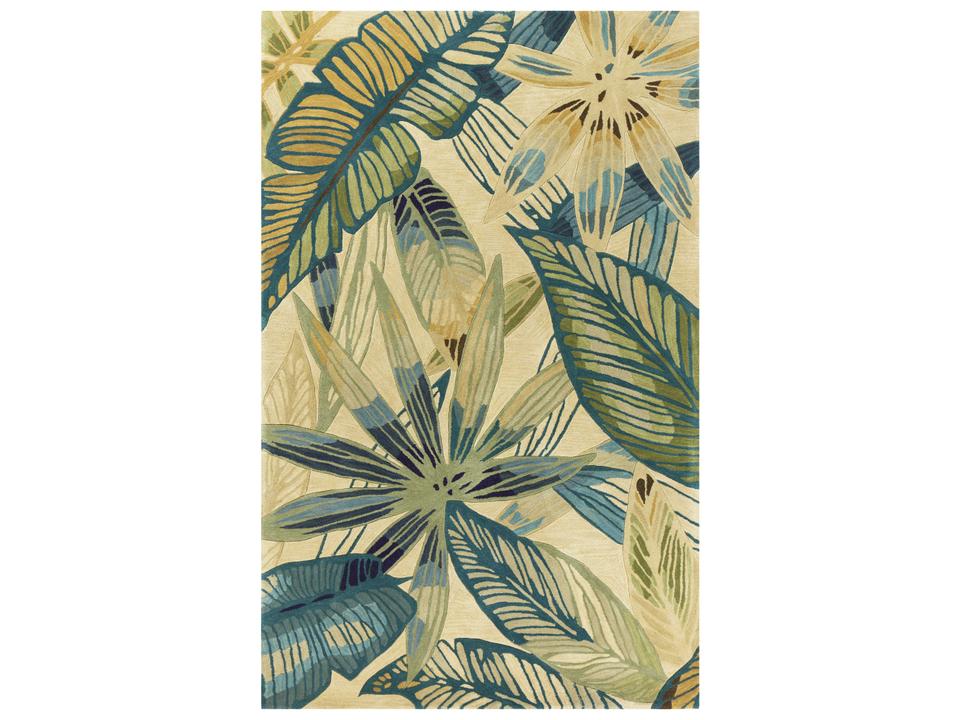
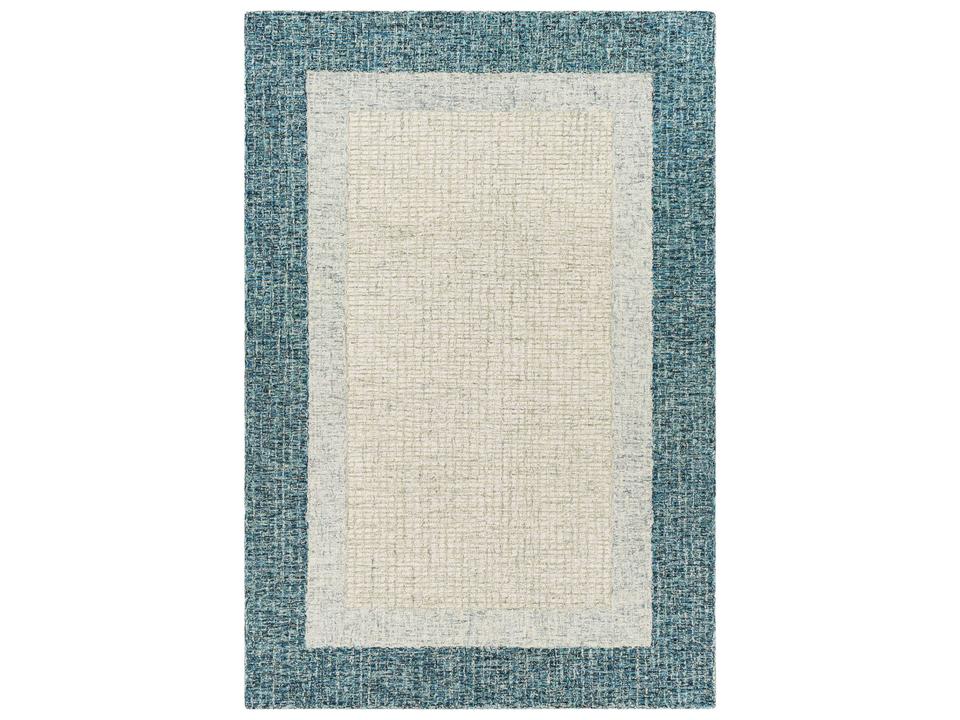
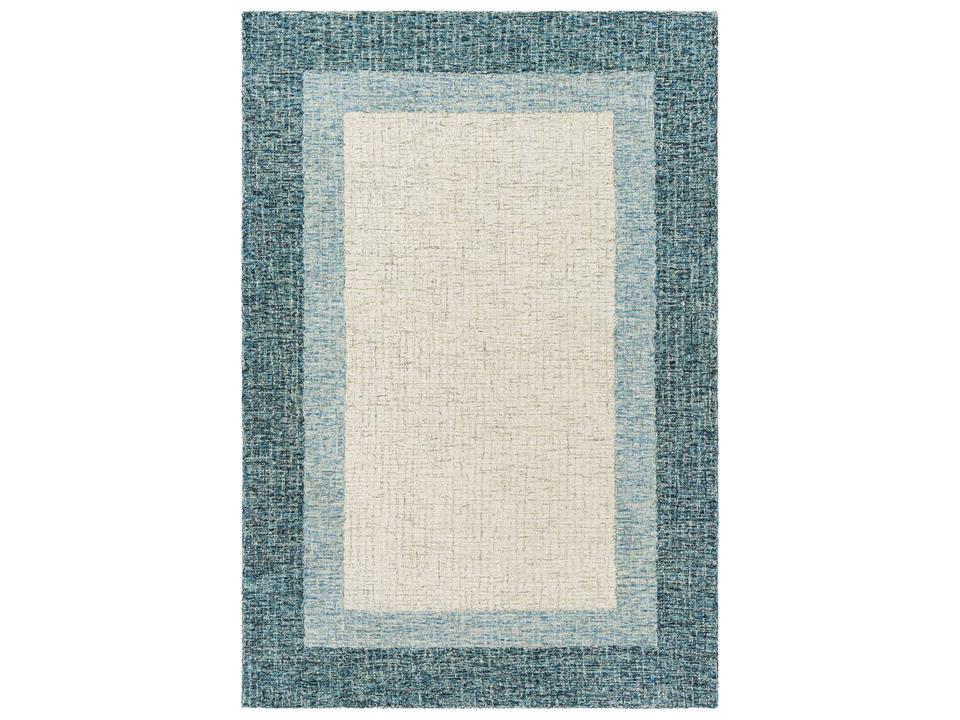
Wool fiber has a natural crimp and elasticity that synthetic materials can't replicate. Each strand springs back after compression, so a wool area rug recovers from foot traffic and furniture indentations far more readily than nylon or polyester alternatives. Wool also absorbs dye deeply into the fiber shaft — and teal, as a color, benefits enormously from that depth. On a wool rug, teal reads rich and saturated without appearing artificial. The color shifts subtly under different lighting: warmer by lamplight, cooler in daylight. Printed synthetic surfaces simply don't do that.
Not all wool rugs are built the same way. The construction method affects both durability and price, so it's worth understanding the differences before you buy.
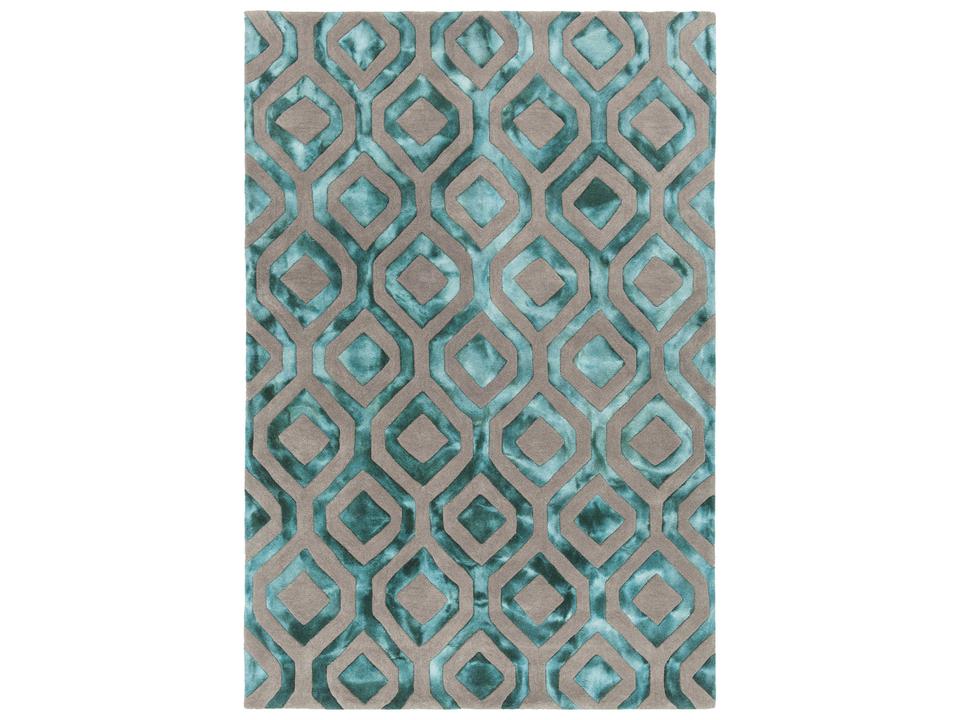
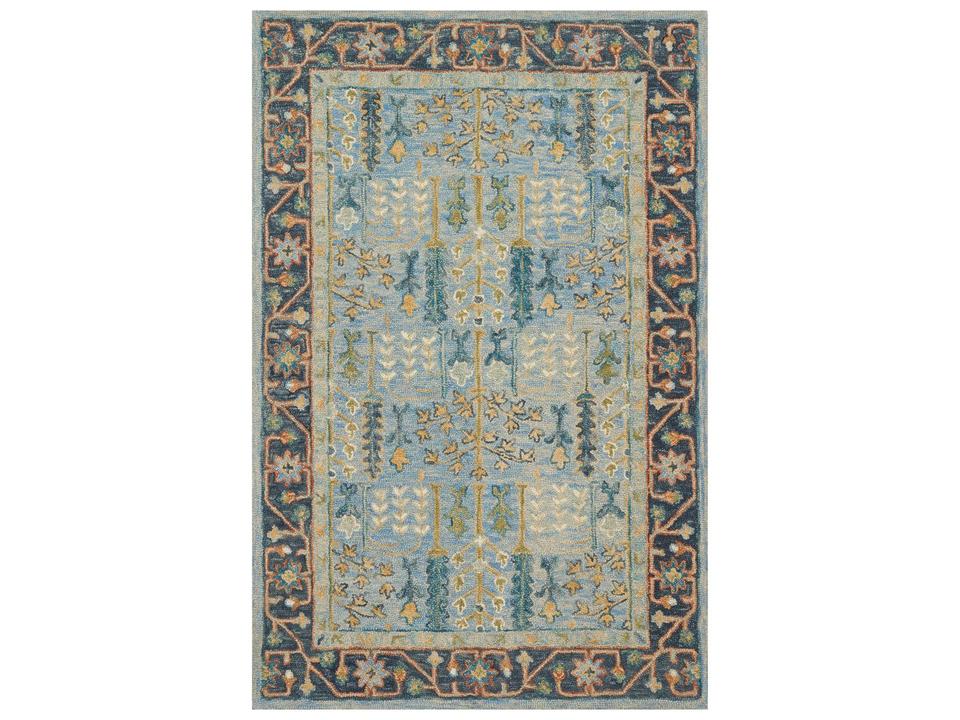
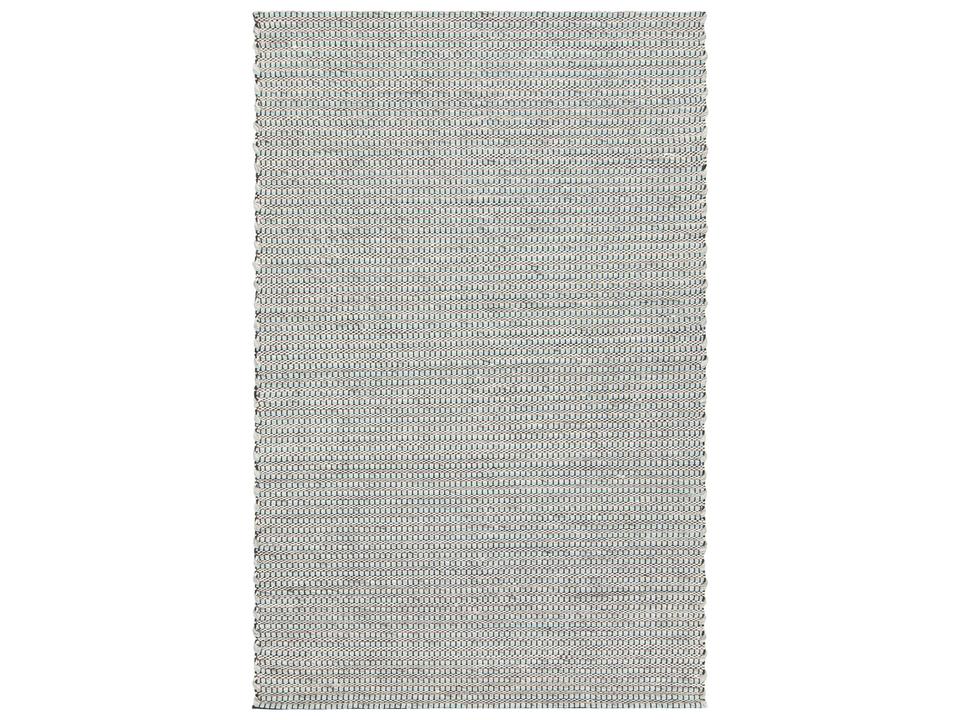
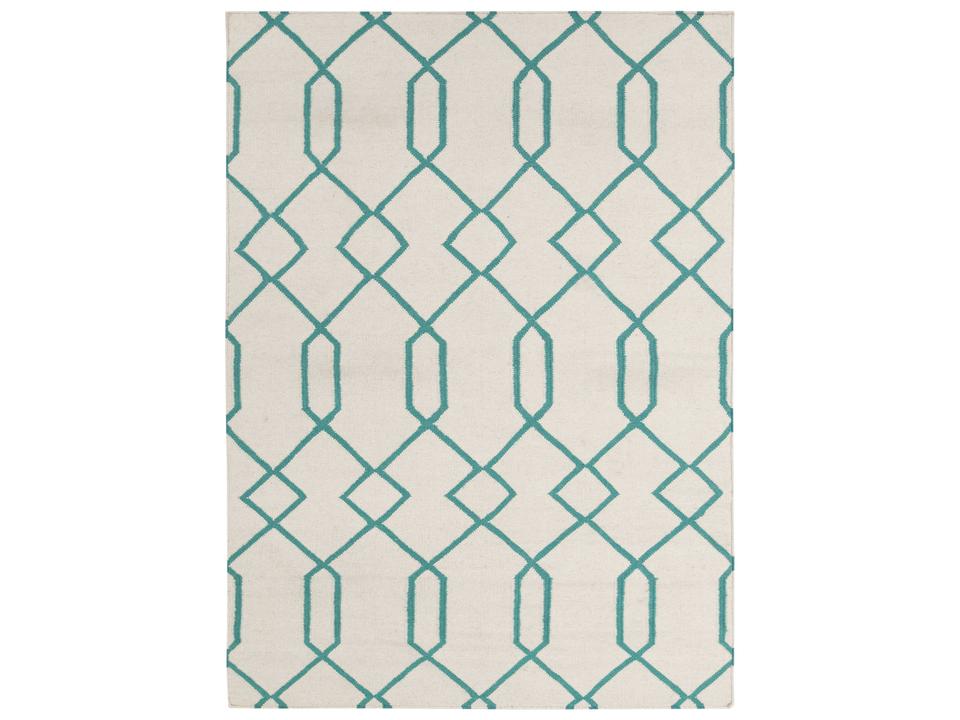
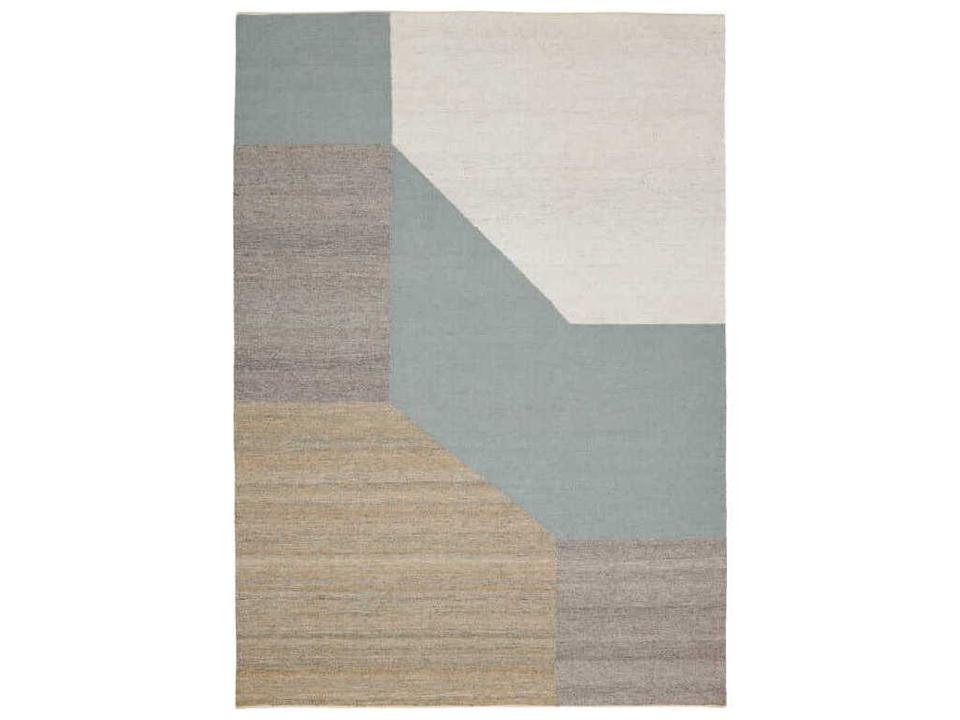
A hand-knotted teal wool rug makes a statement in a living room. A hand-woven flatweave works better as a grounding layer under a dining table where chairs slide back and forth daily.
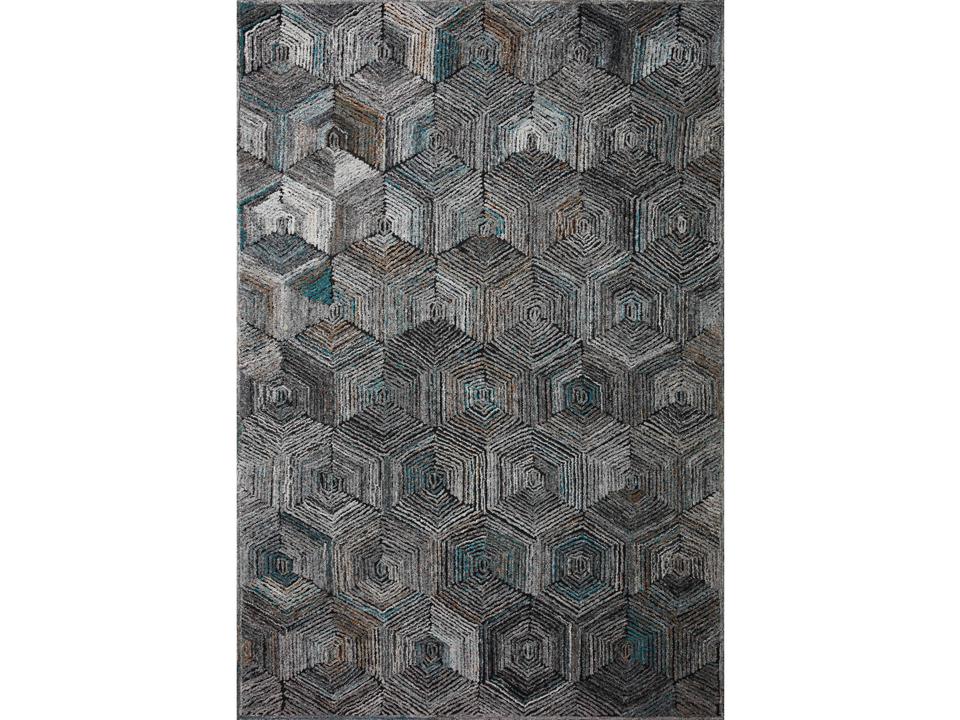
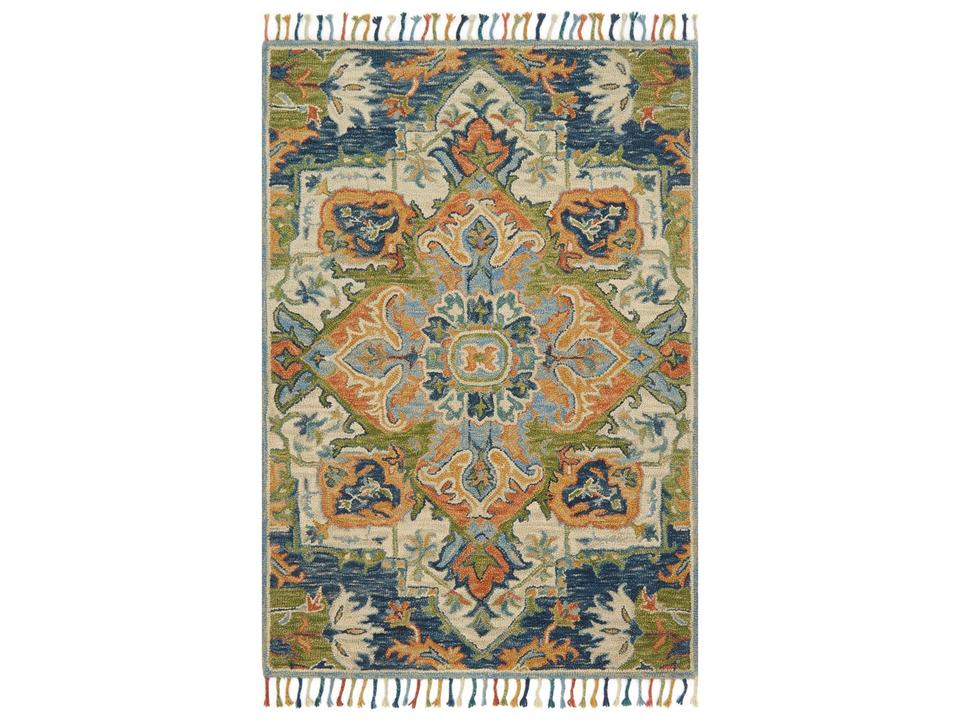
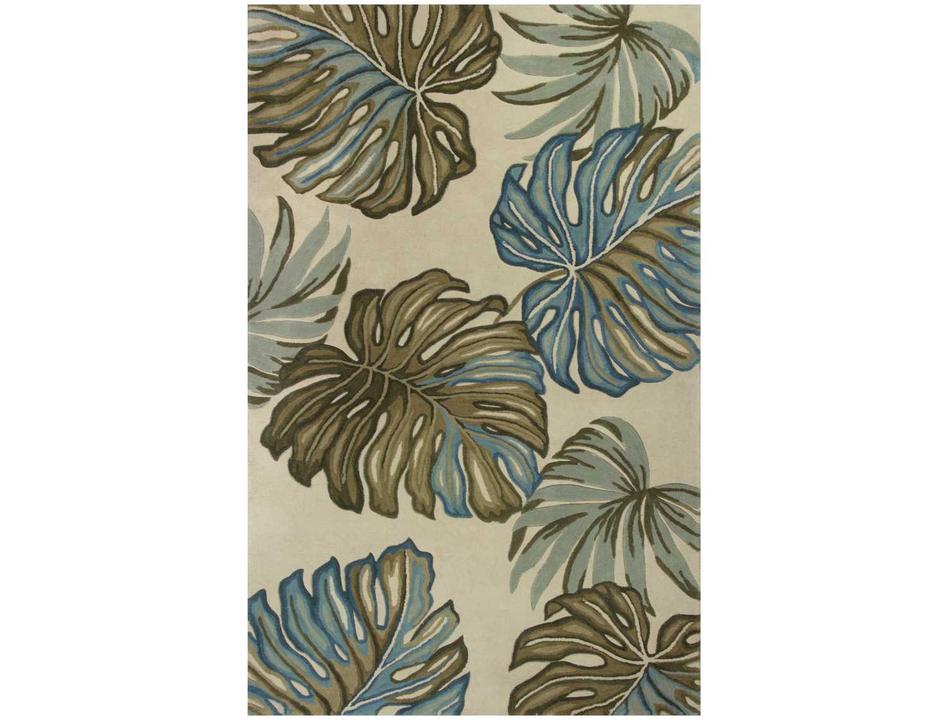
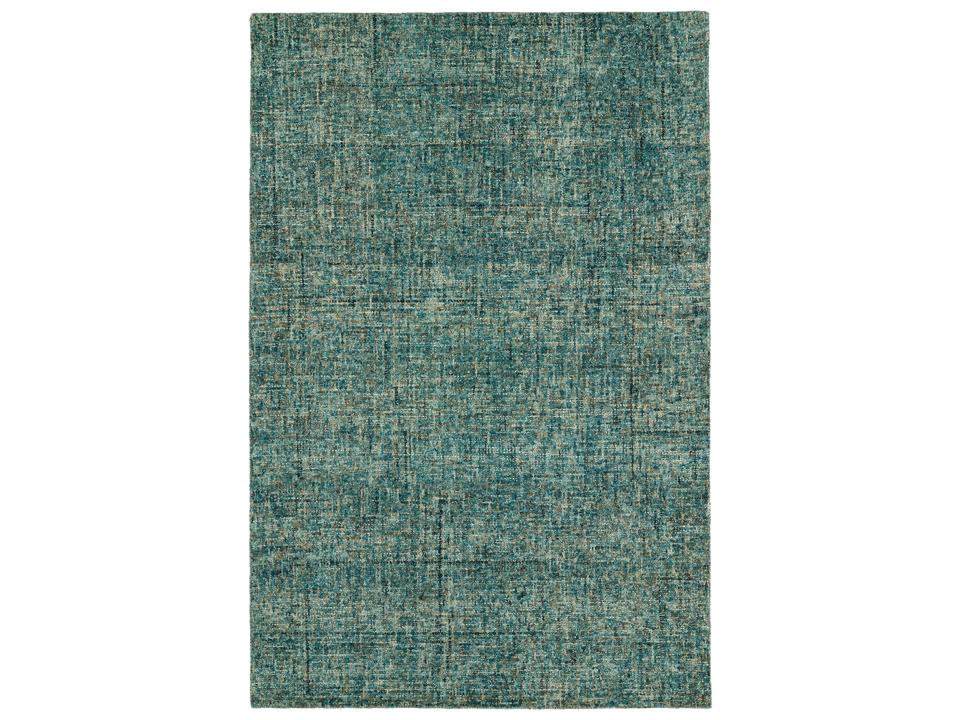
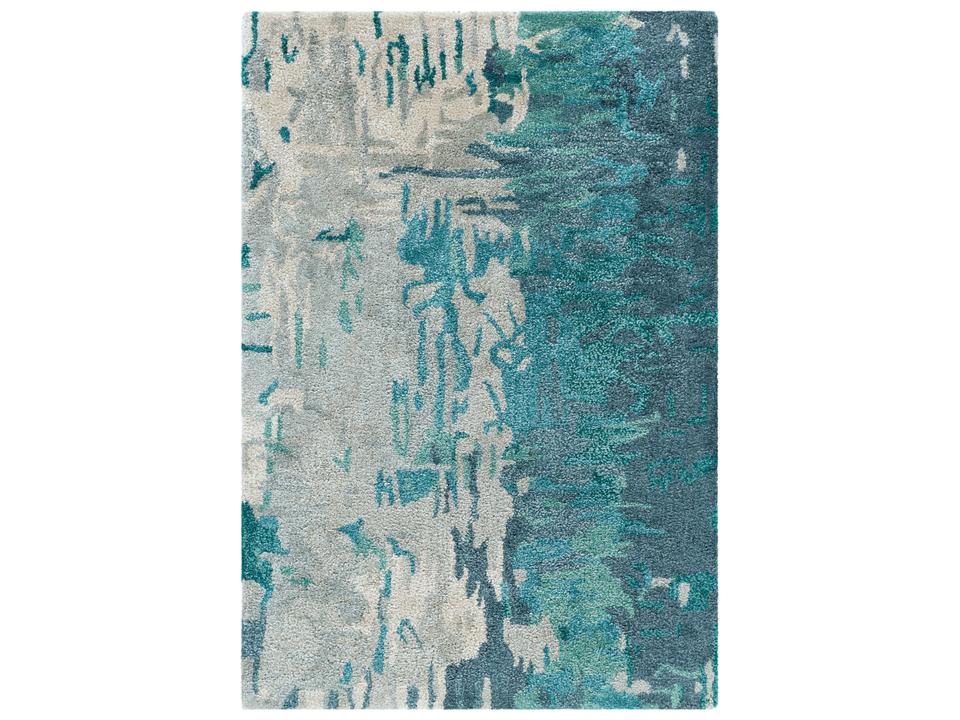
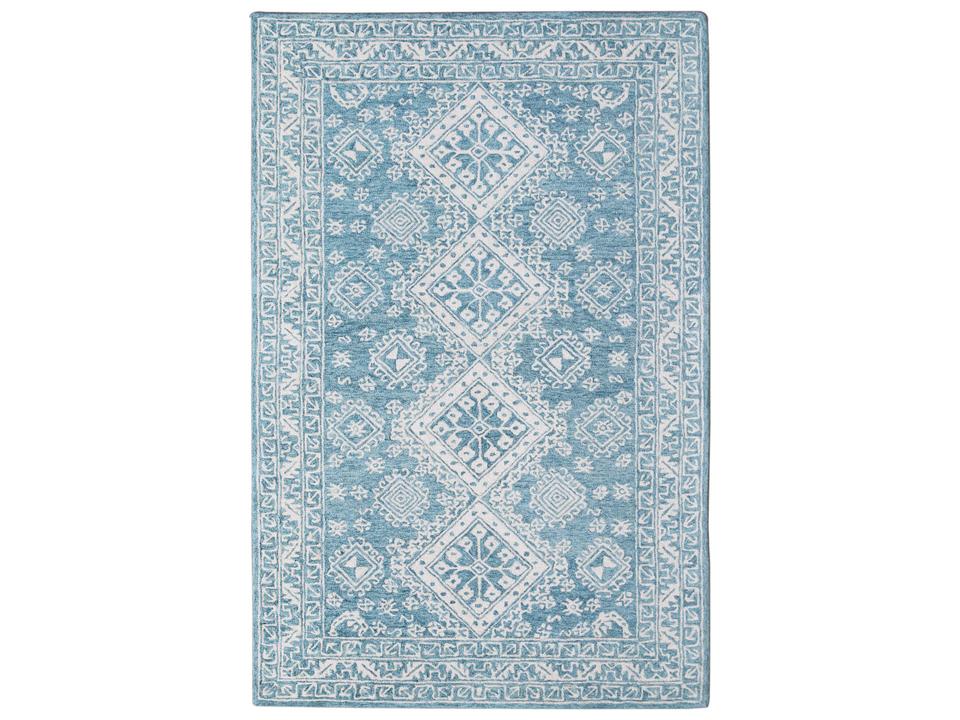
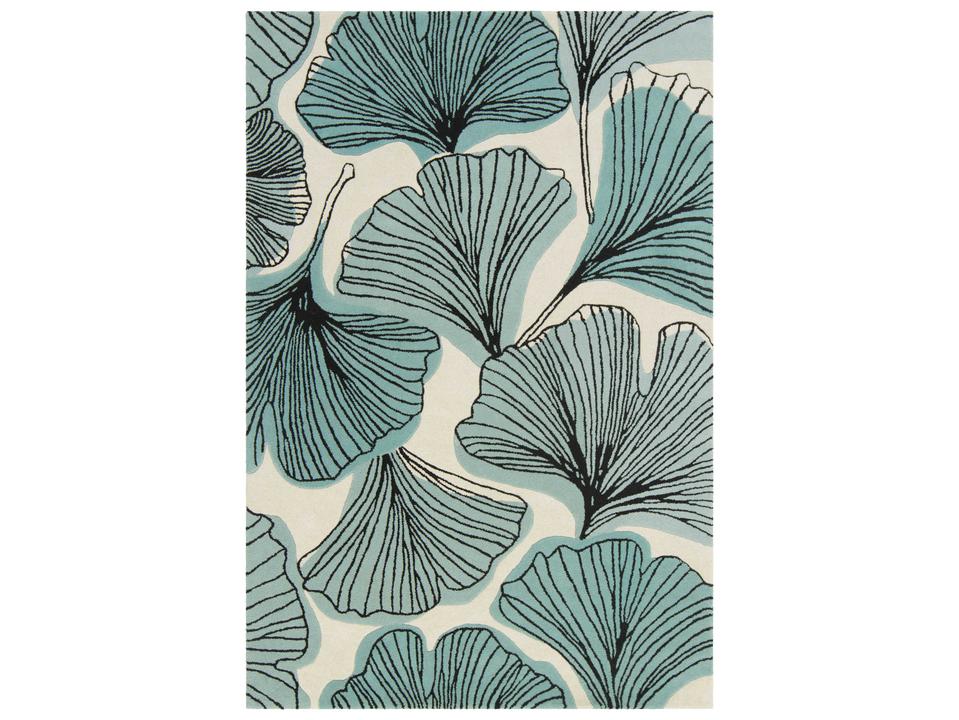
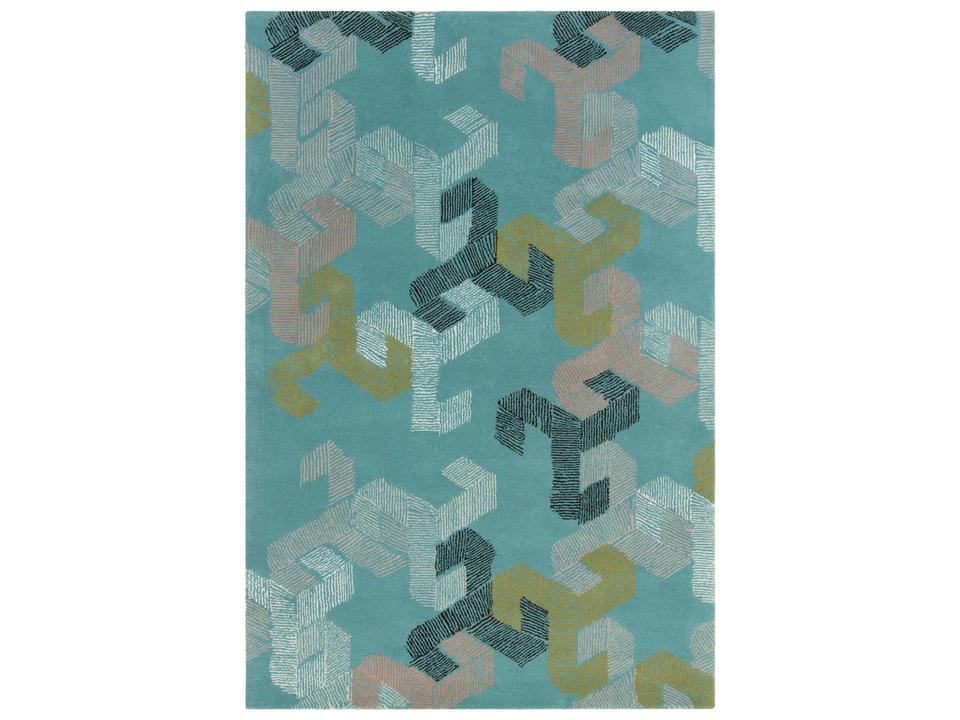
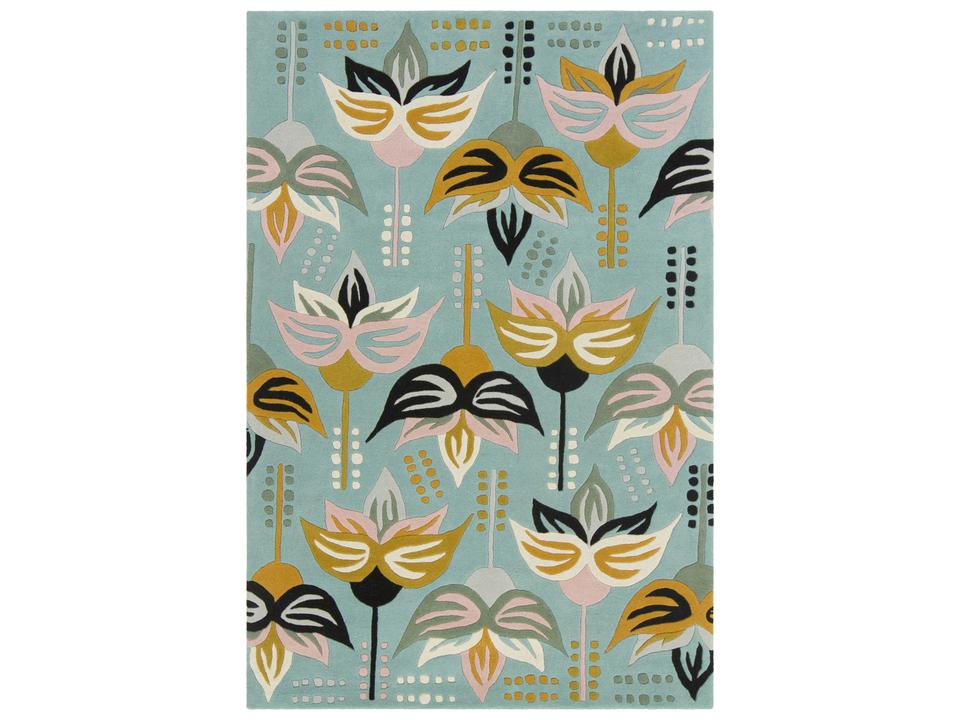
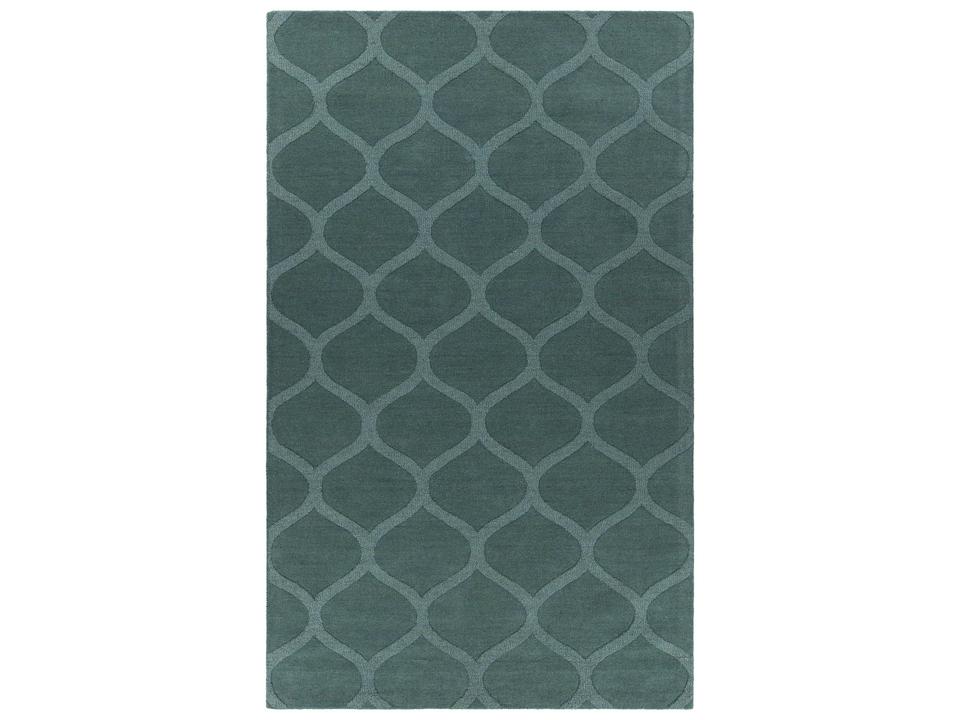
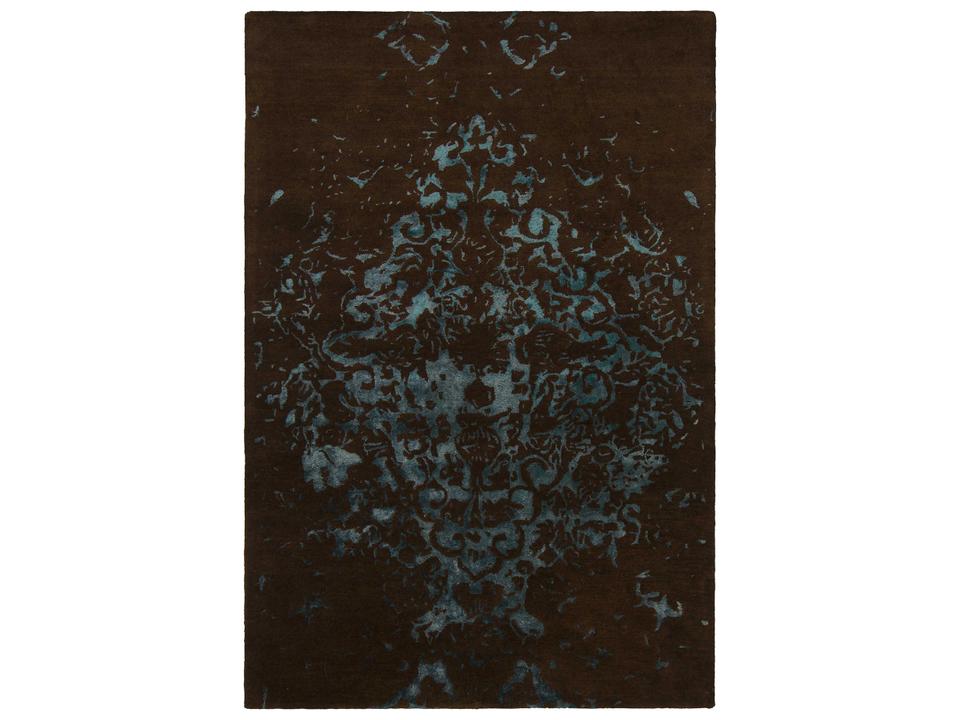
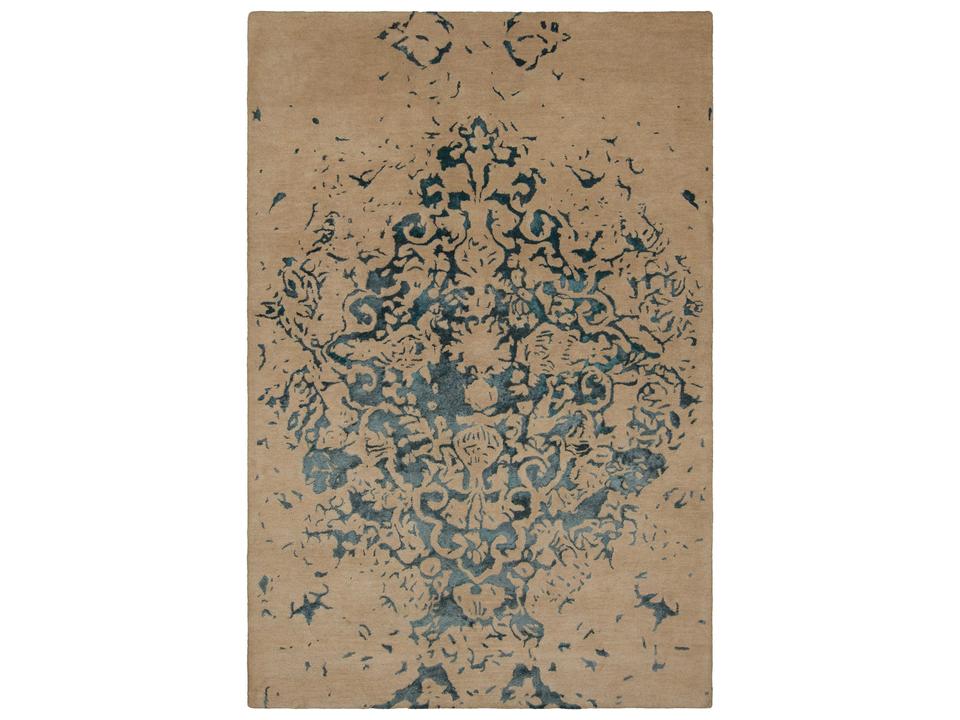
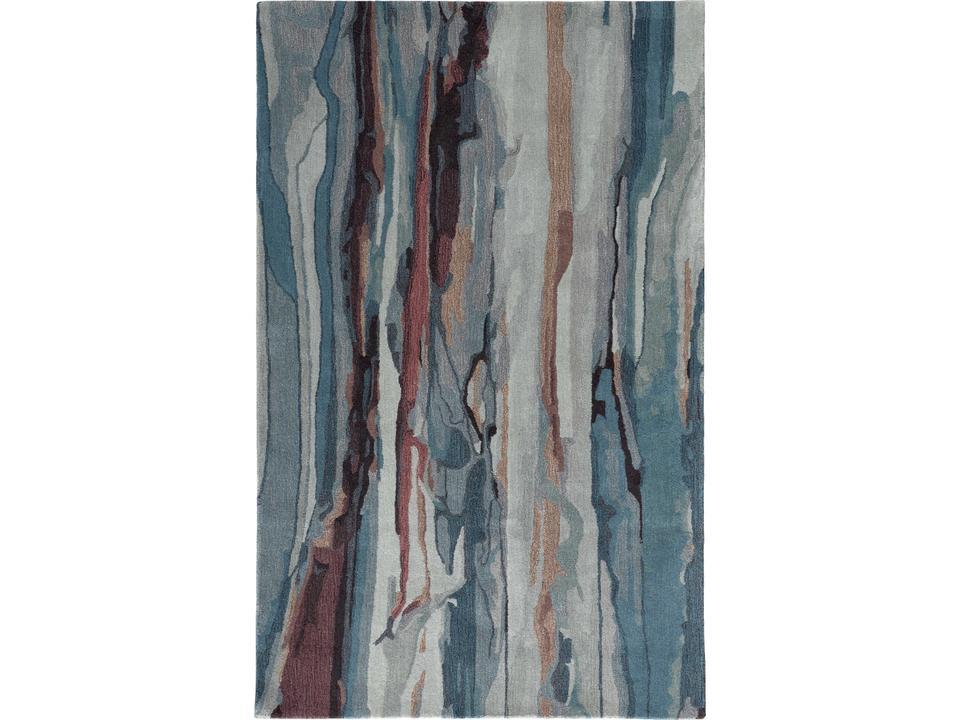
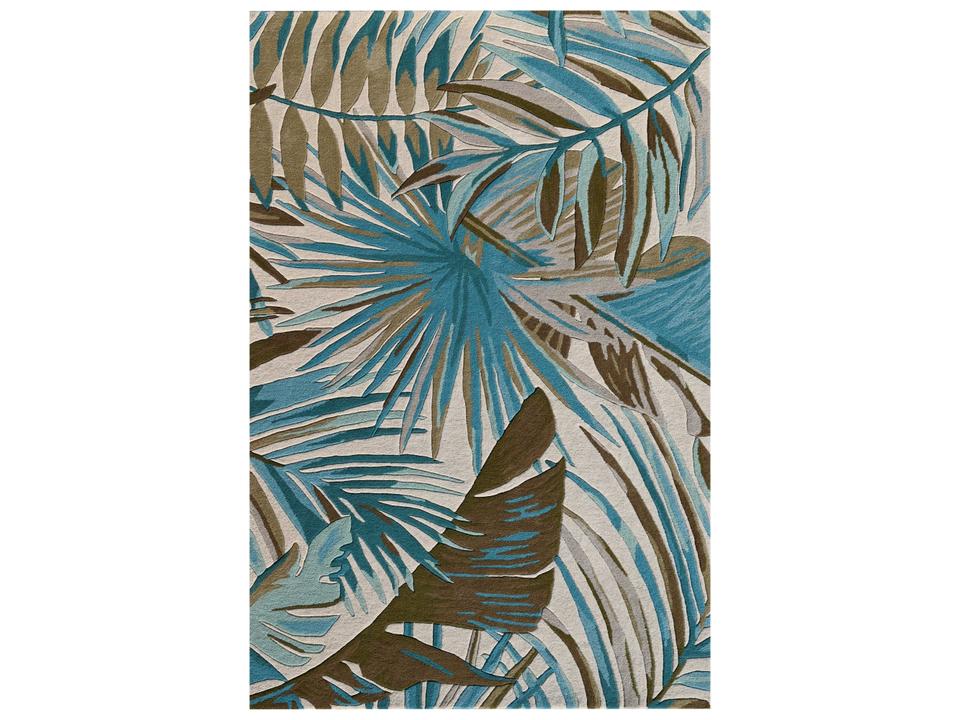
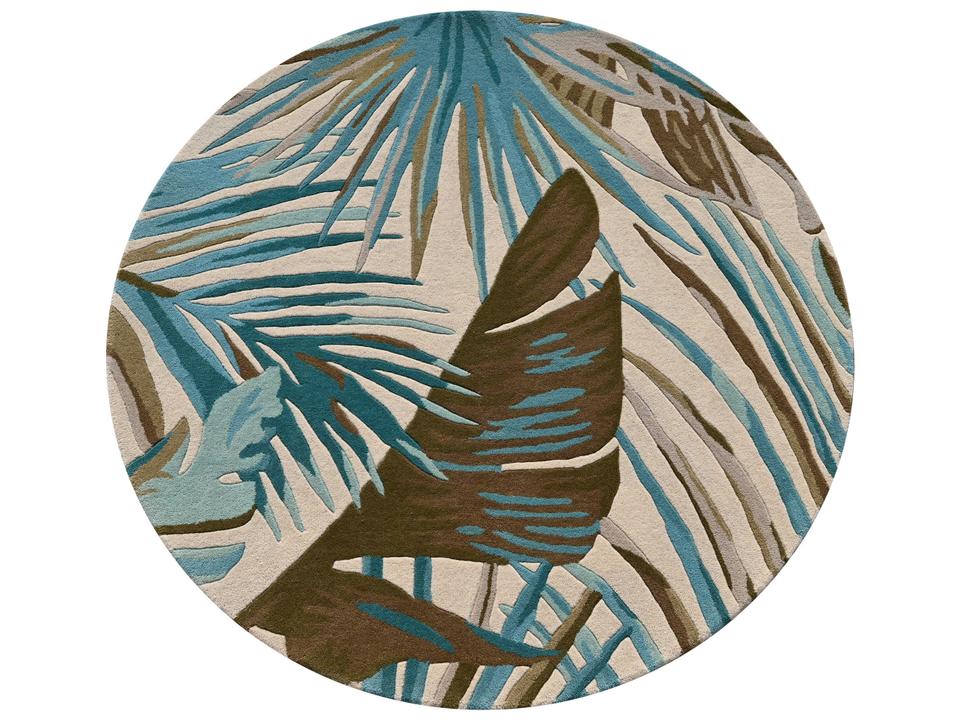
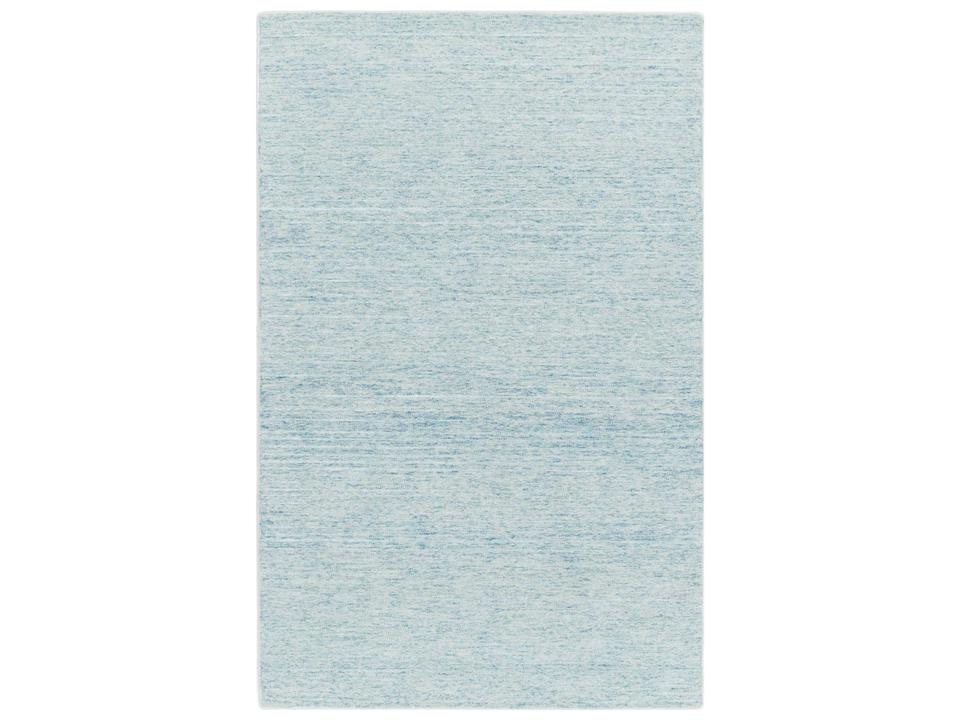
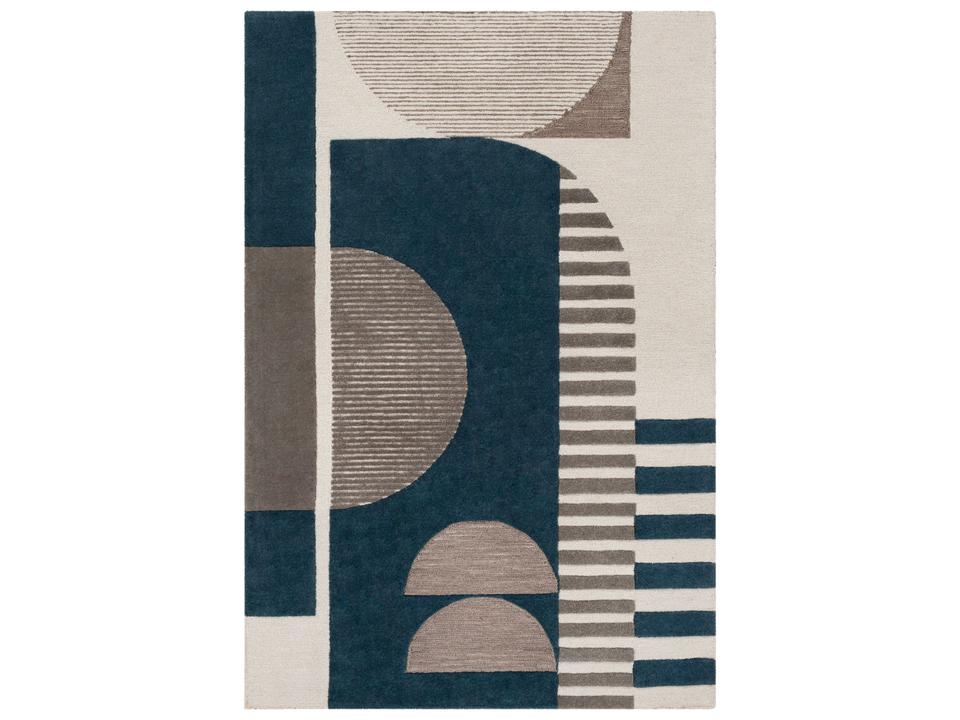
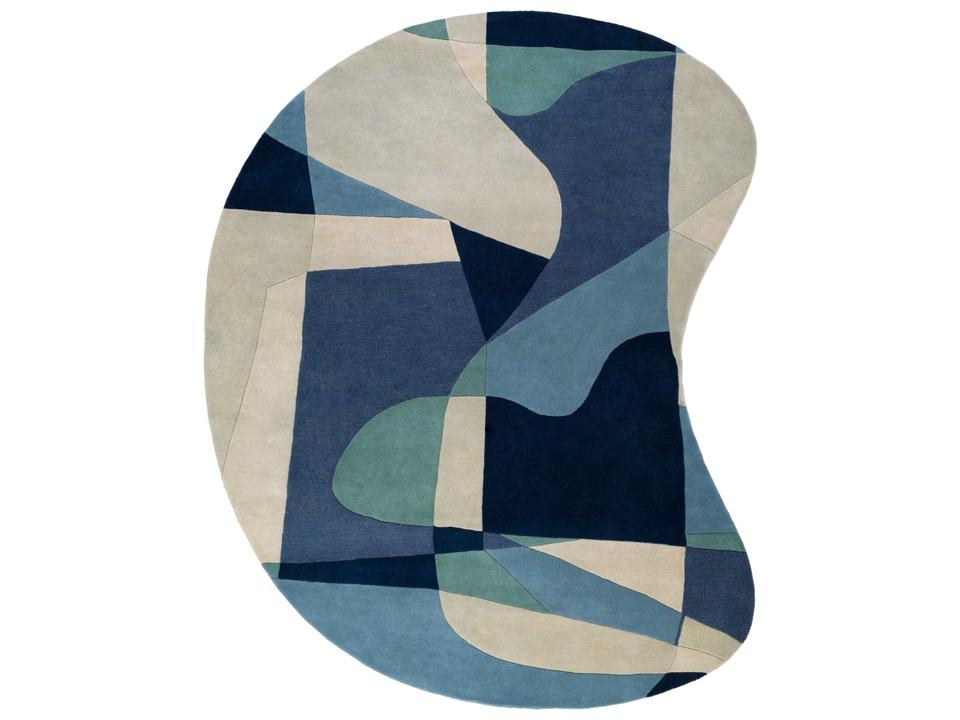
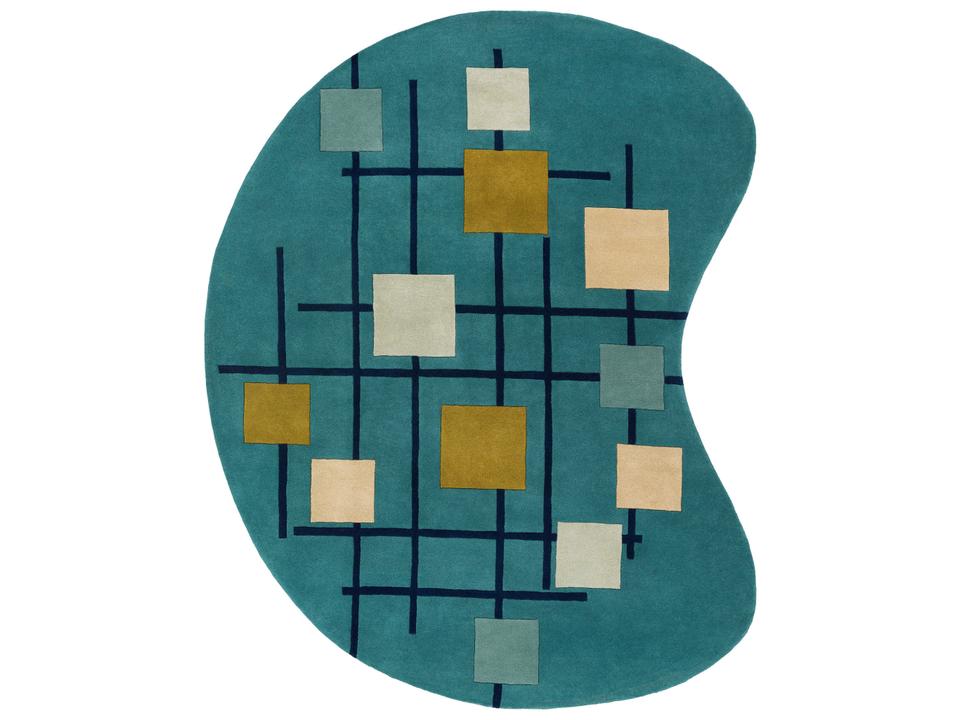
Teal sits between blue and green on the color wheel, which gives it unusual versatility. It pairs naturally with warm neutrals — cream, taupe, warm gray — and also holds its own alongside brass, gold, or burnished copper accents. In a living room, a teal wool rug anchors seating around a focal point without overwhelming the palette. In a bedroom, it introduces calm color without the starkness of a pure blue.
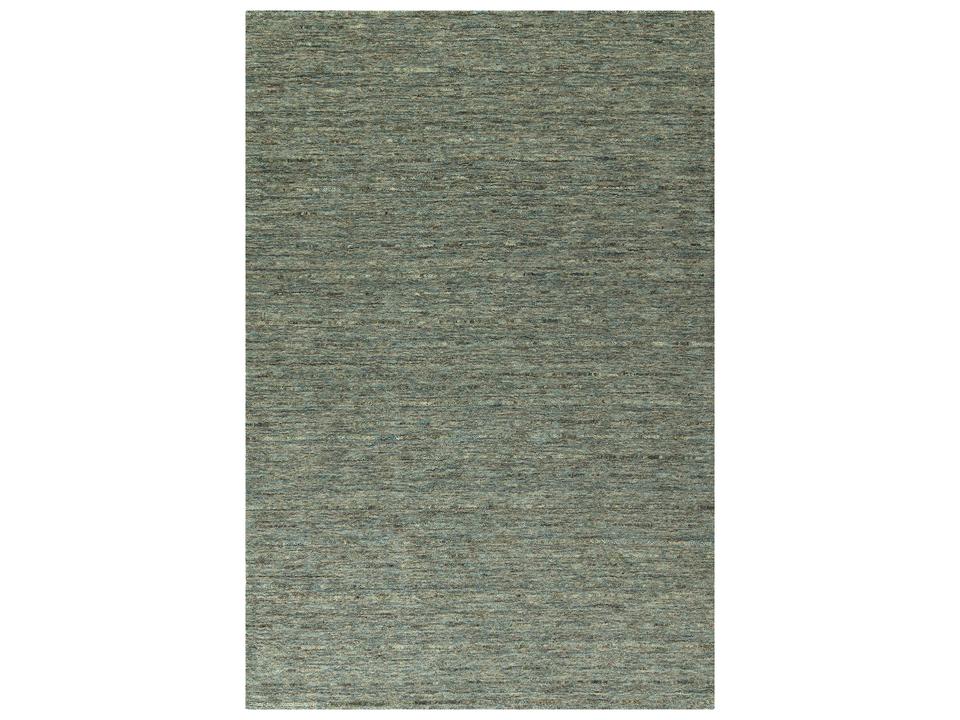
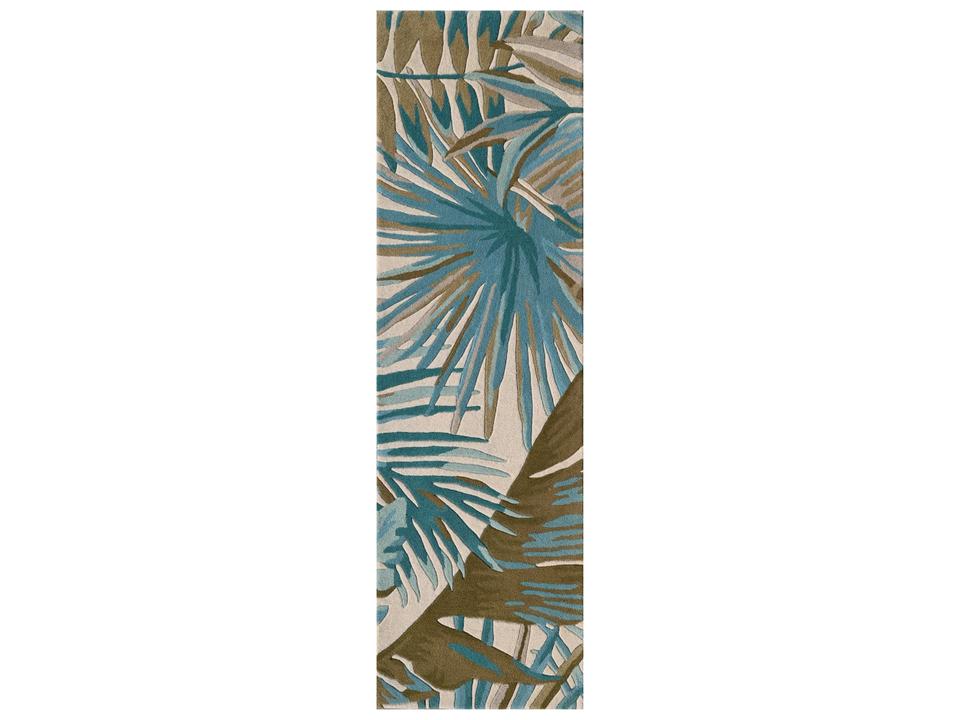
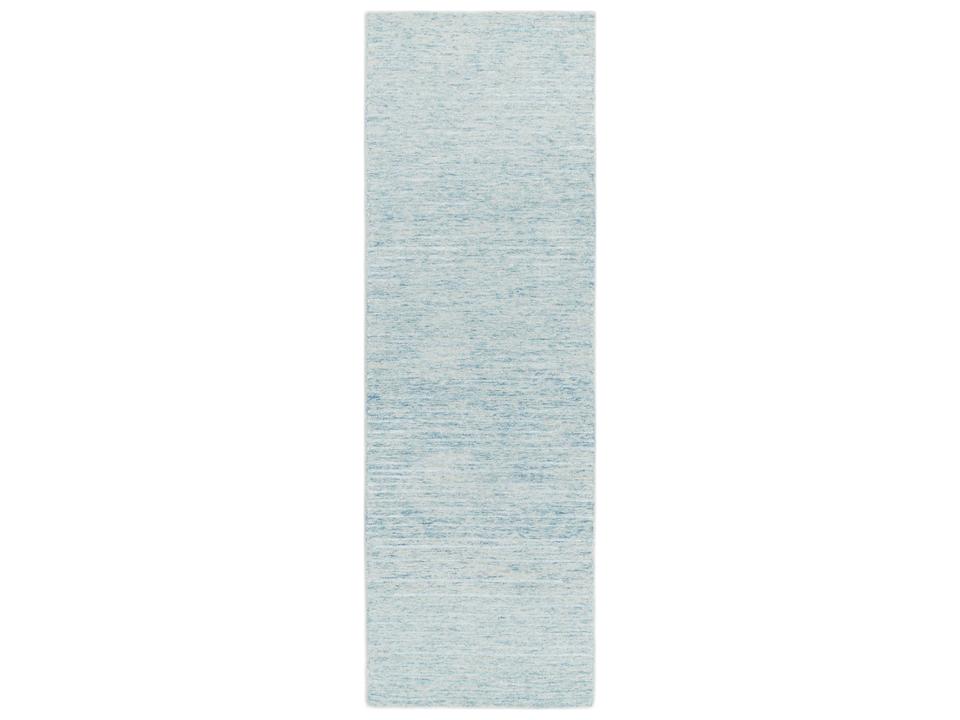
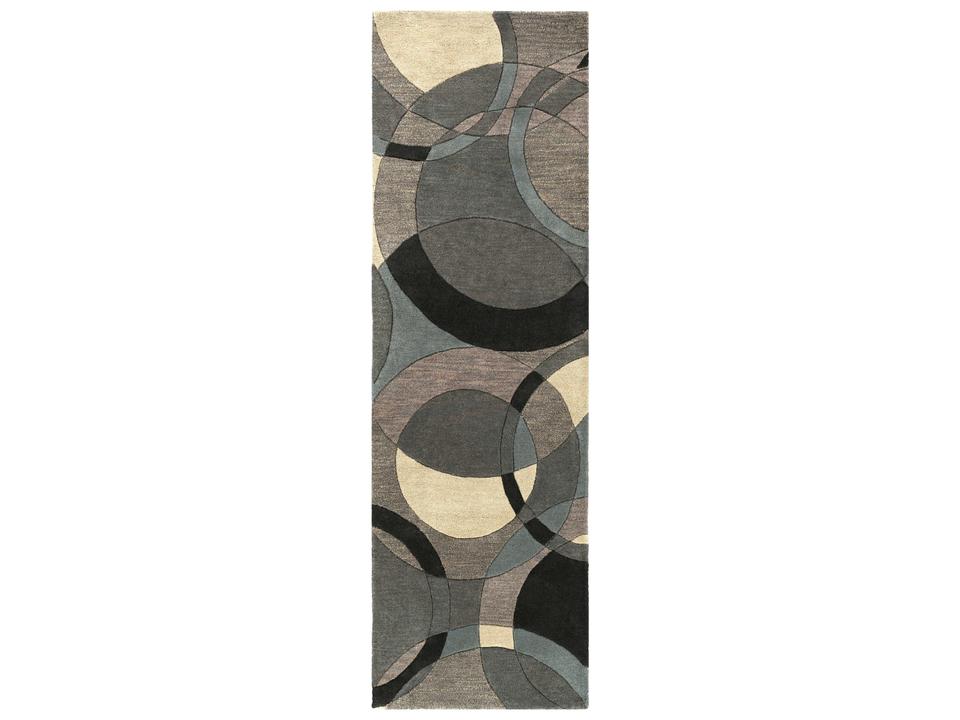
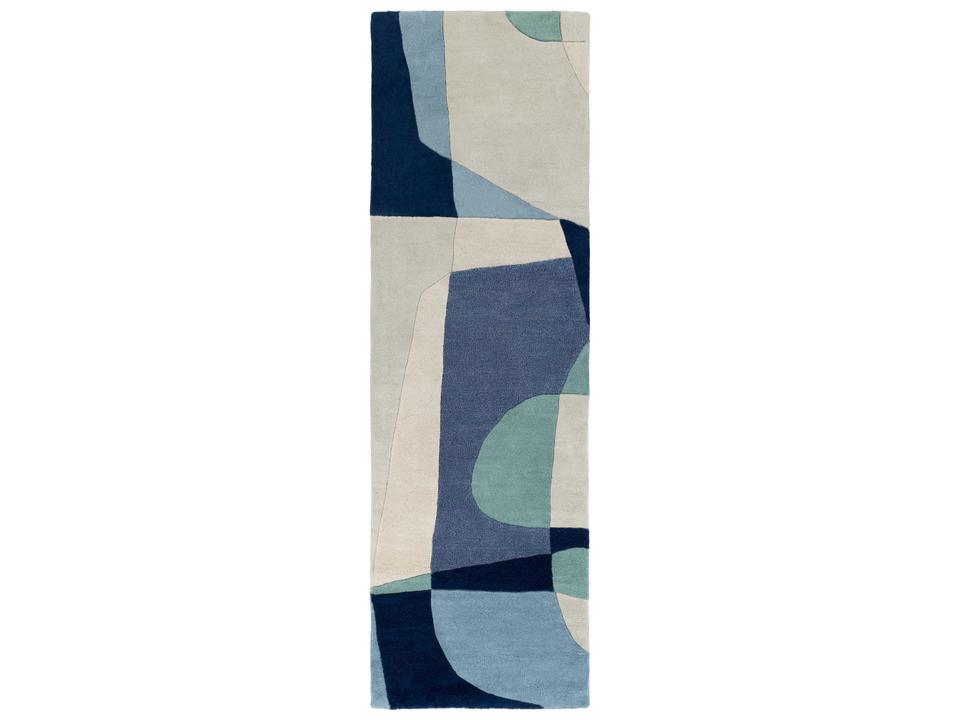
Pile height matters for your intended space. A plush, high-pile teal wool rug feels luxurious underfoot in a bedroom or study. A low-pile or flatweave option handles spills and chair legs better in a dining room. Runner formats add color to hallways — an often-overlooked spot where a bold teal makes an immediate impression.
Wool is naturally stain-resistant. Its lanolin content repels liquid on contact, giving you time to blot spills before they set. Regular vacuuming without a beater bar keeps dirt from working into the fibers, and professional cleaning every twelve to eighteen months restores the wool's natural luster.
One advantage that often goes unmentioned: wool is hypoallergenic. The fibers trap dust, pollen, and allergens within their structure, keeping particles out of the air until your next vacuuming session. For households with sensitivities, that's a meaningful benefit synthetic rugs can't match.
A well-maintained luxury wool rug actually improves over time. The fibers soften, and gentle foot traffic develops a patina that adds character rather than showing wear. That's the difference between a rug that lasts a few years and one that anchors a room for a generation.