Loading products
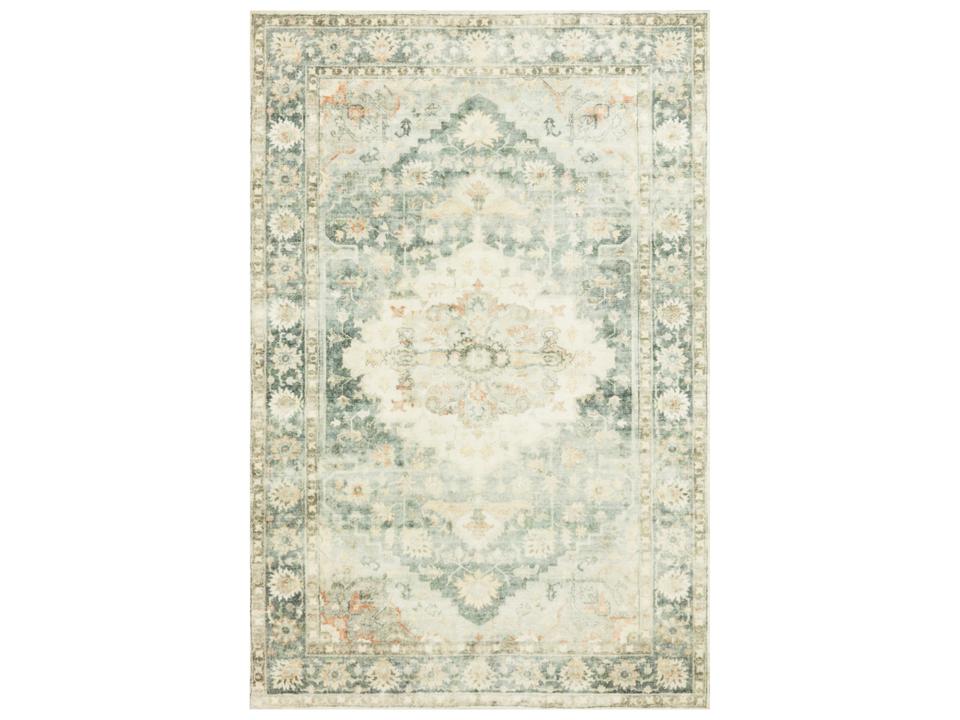
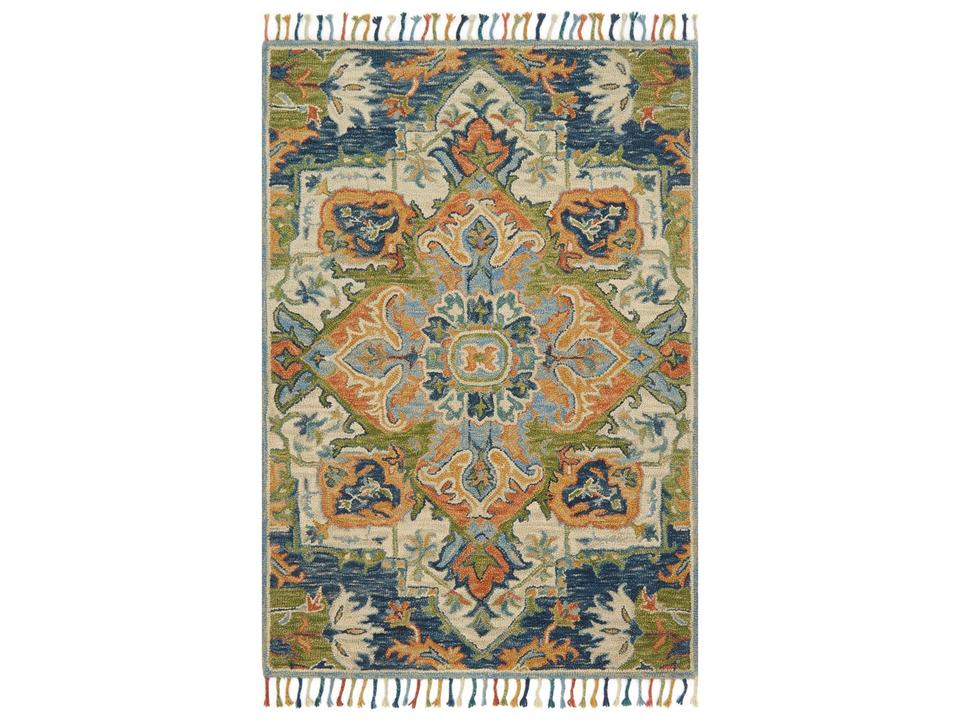
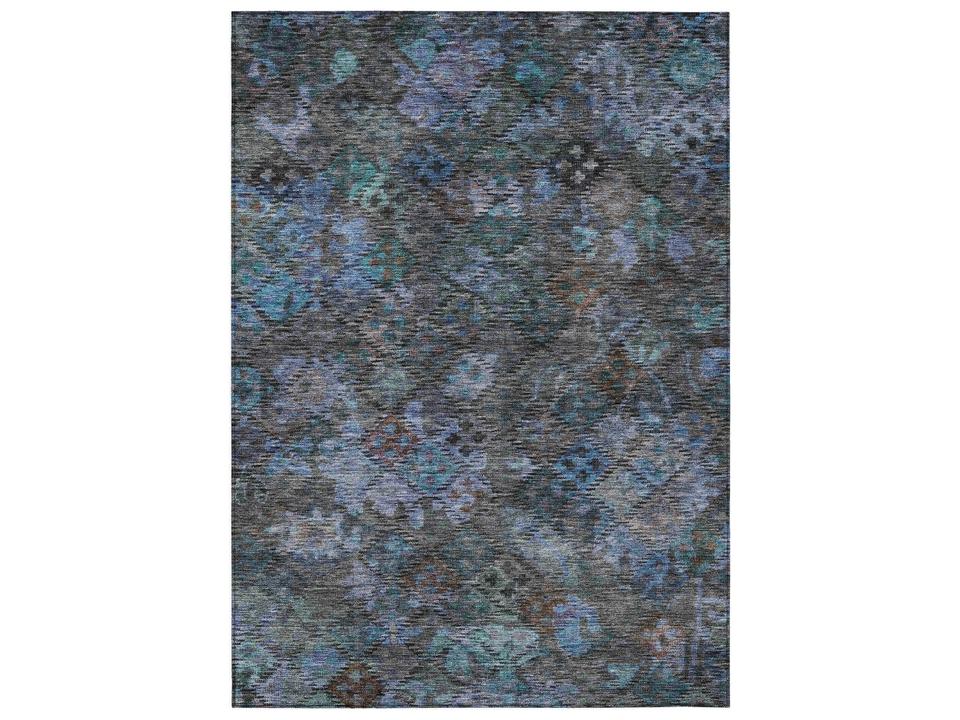
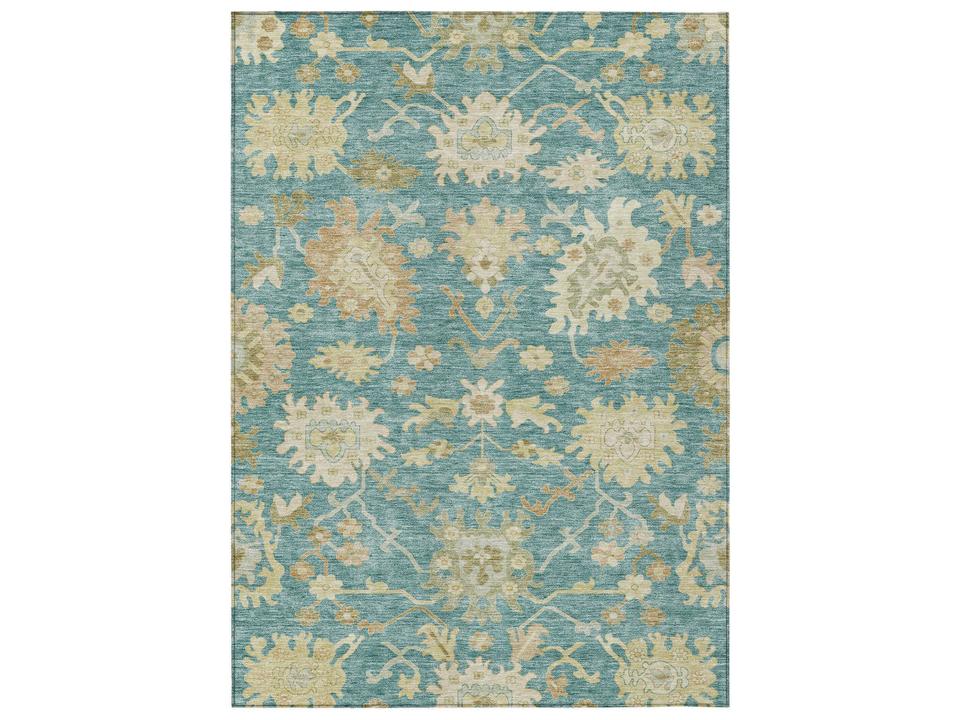
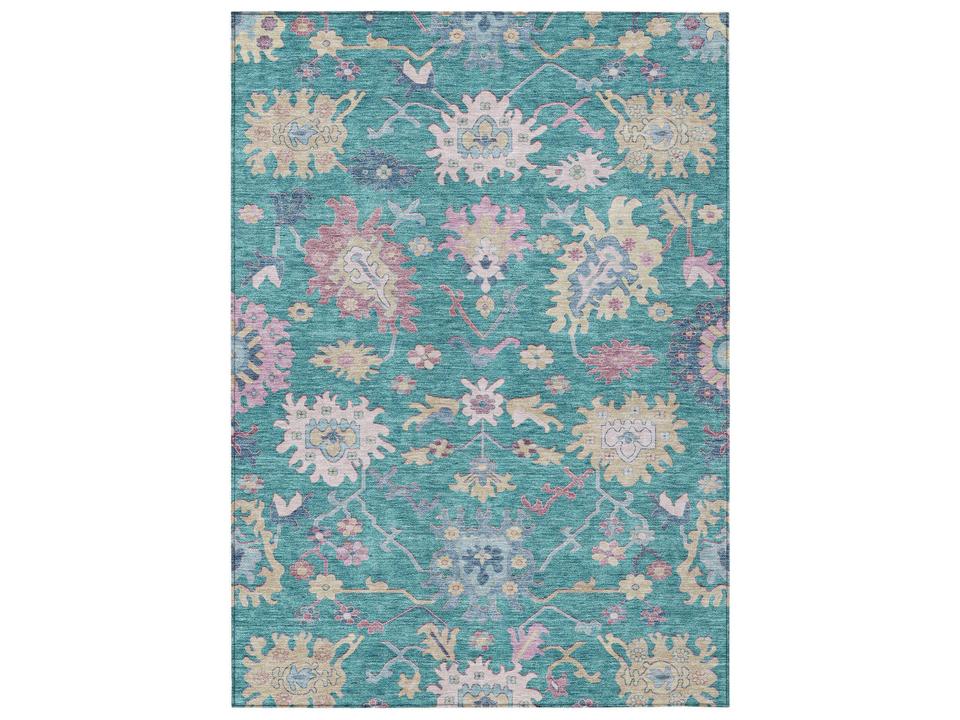
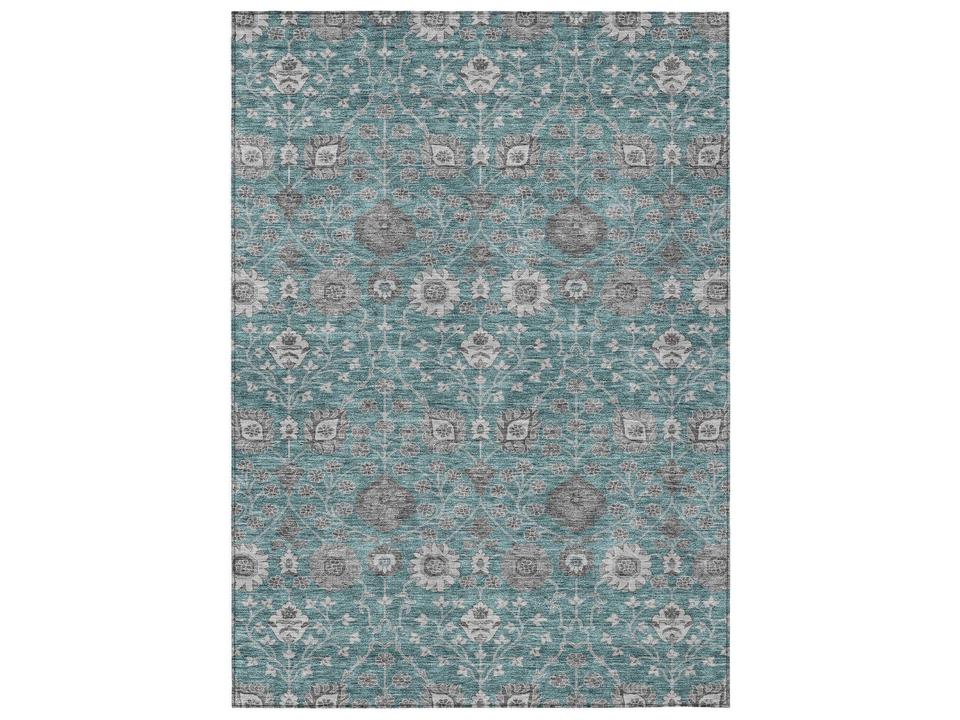
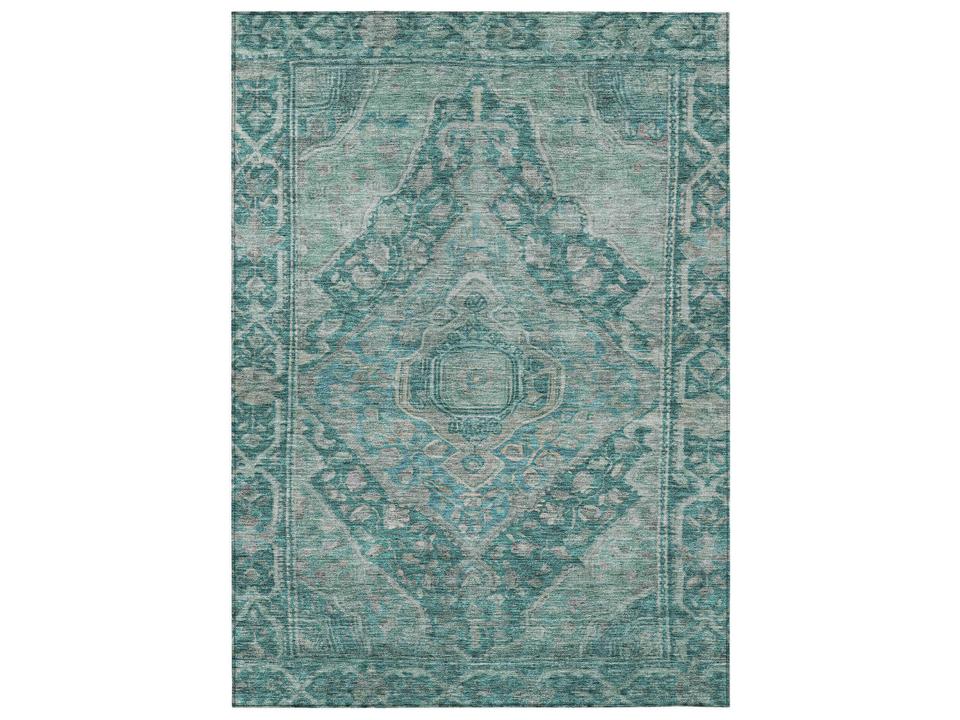
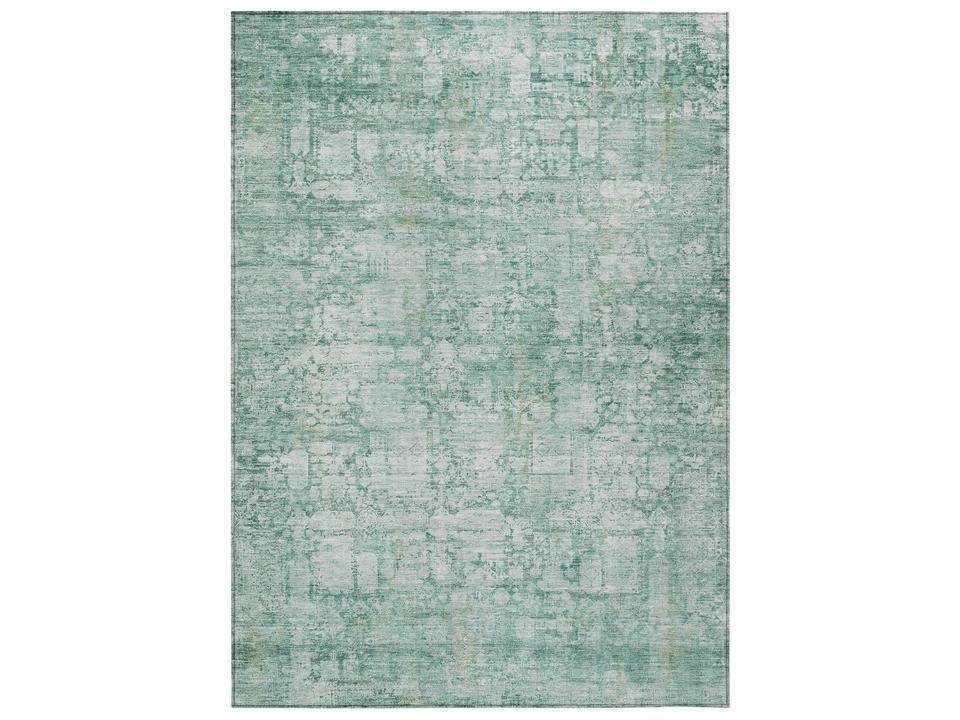
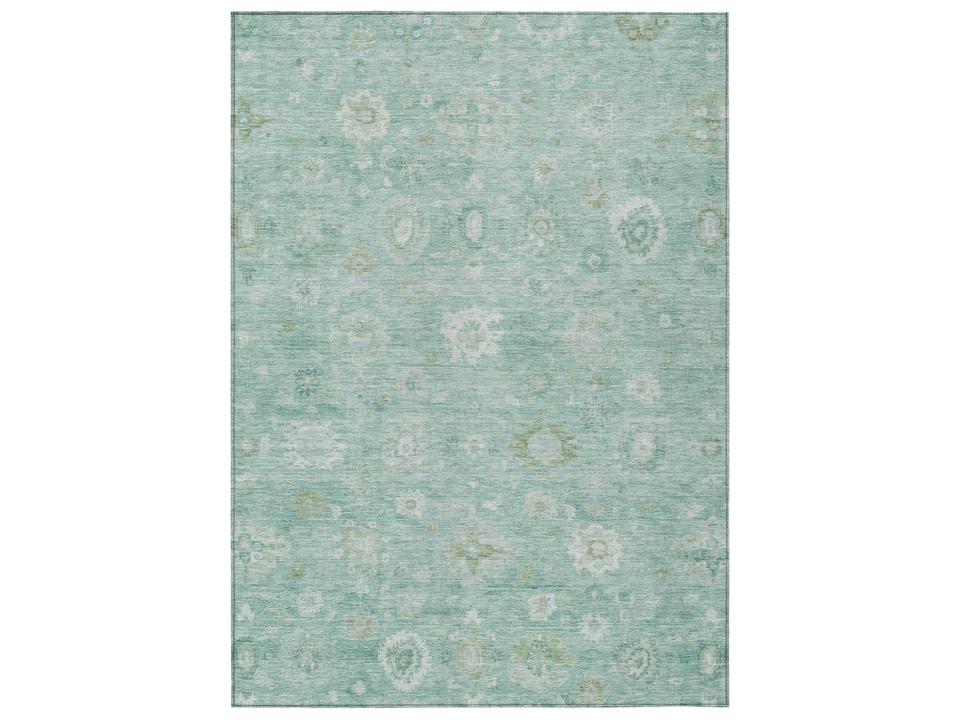
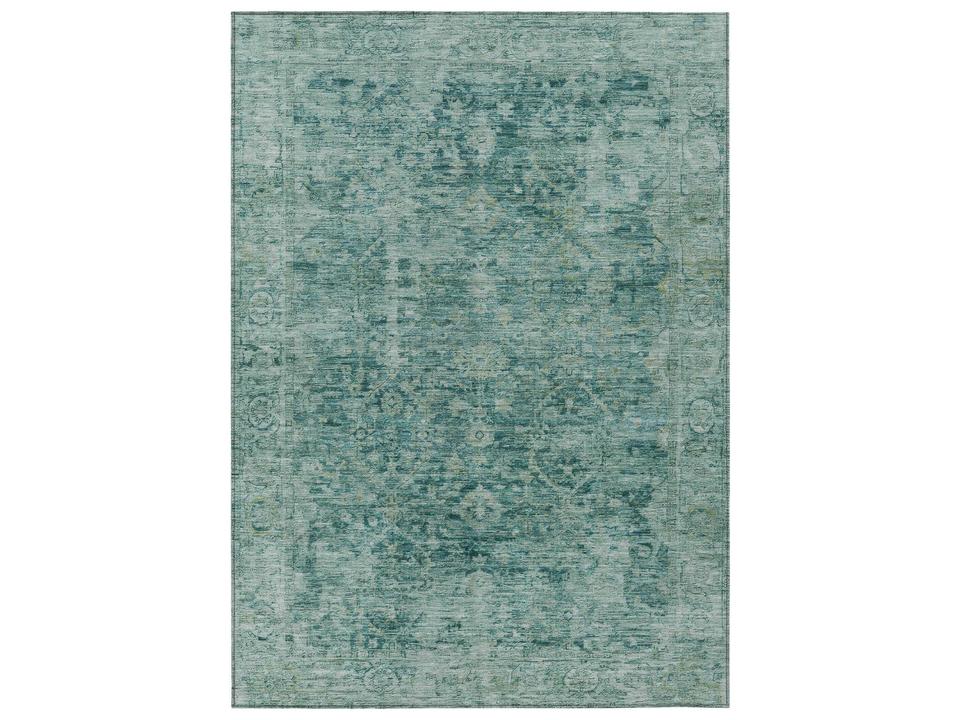
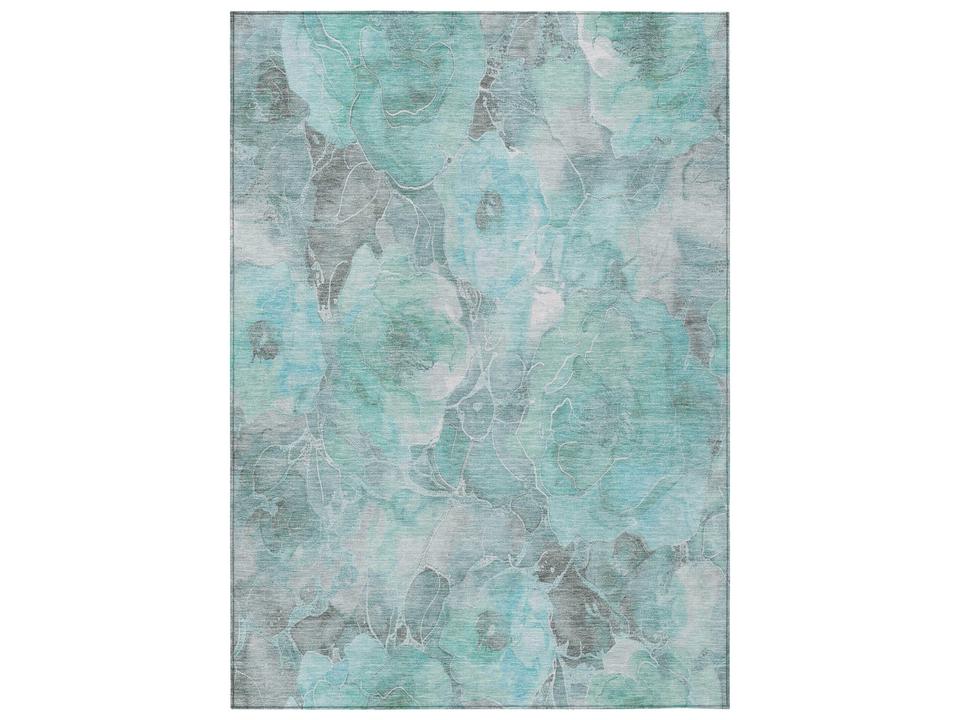
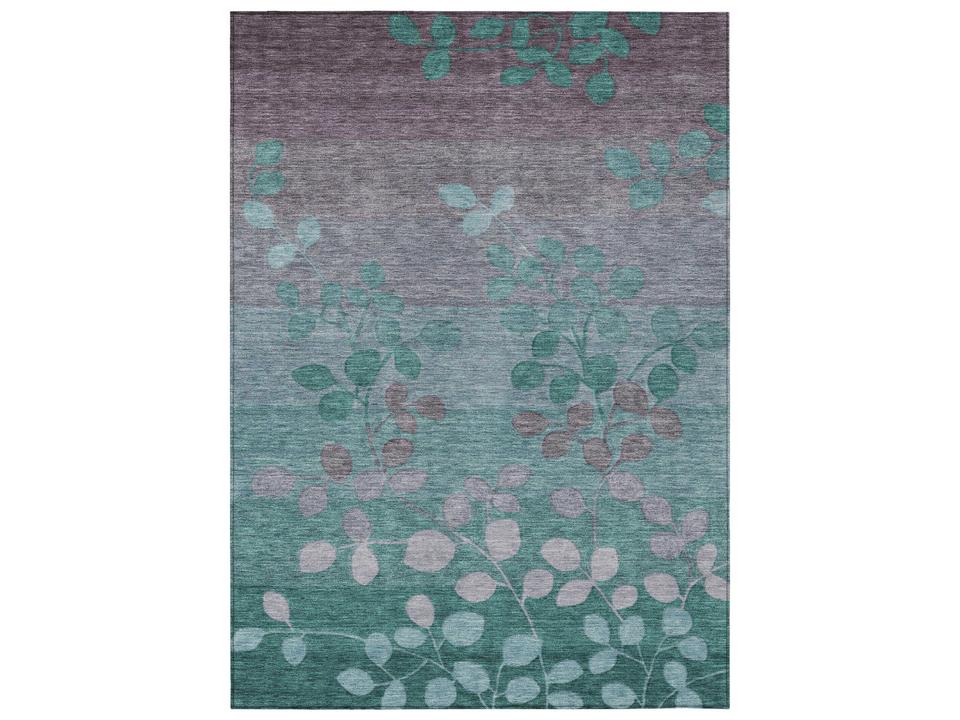
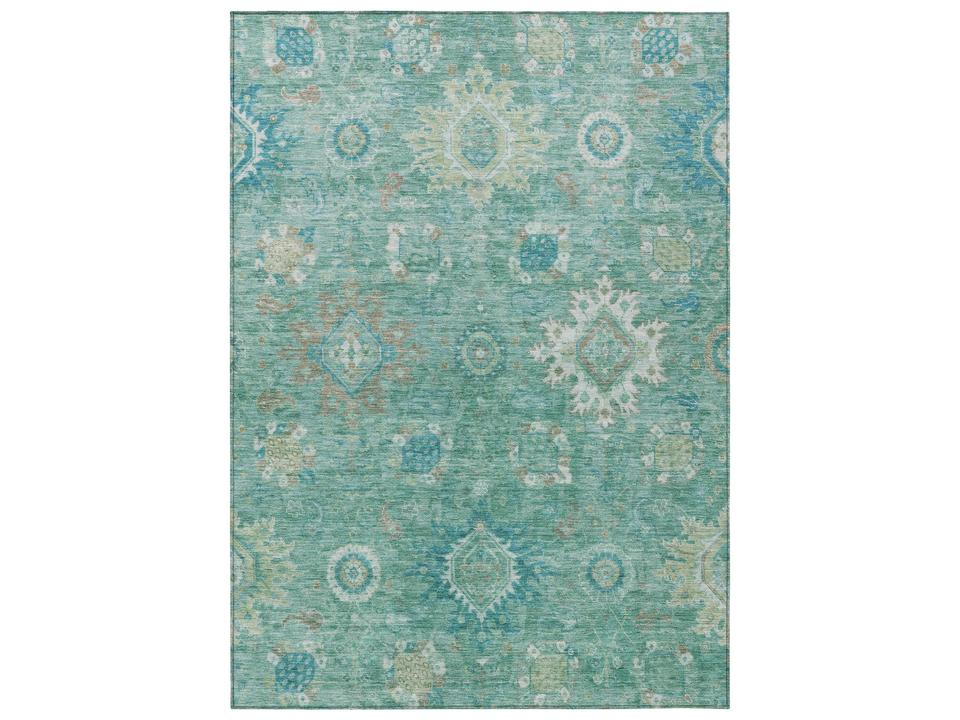
Most teal floral botanical area rugs come in either natural or synthetic fibers, and which one suits your space depends on where the rug will live. Wool is the premium choice — dense, naturally stain-resistant, and built to soften with age rather than break down. It holds teal tones with a subtle depth that synthetics can't fully replicate. Polypropylene and polyester deliver vivid color at a lower price point. They shrug off moisture, resist fading in sunlight, and clean up with nothing more than a vacuum and the occasional spot treatment. For entryways, kitchens, or homes with pets, a synthetic luxury rug handles daily wear without worry.
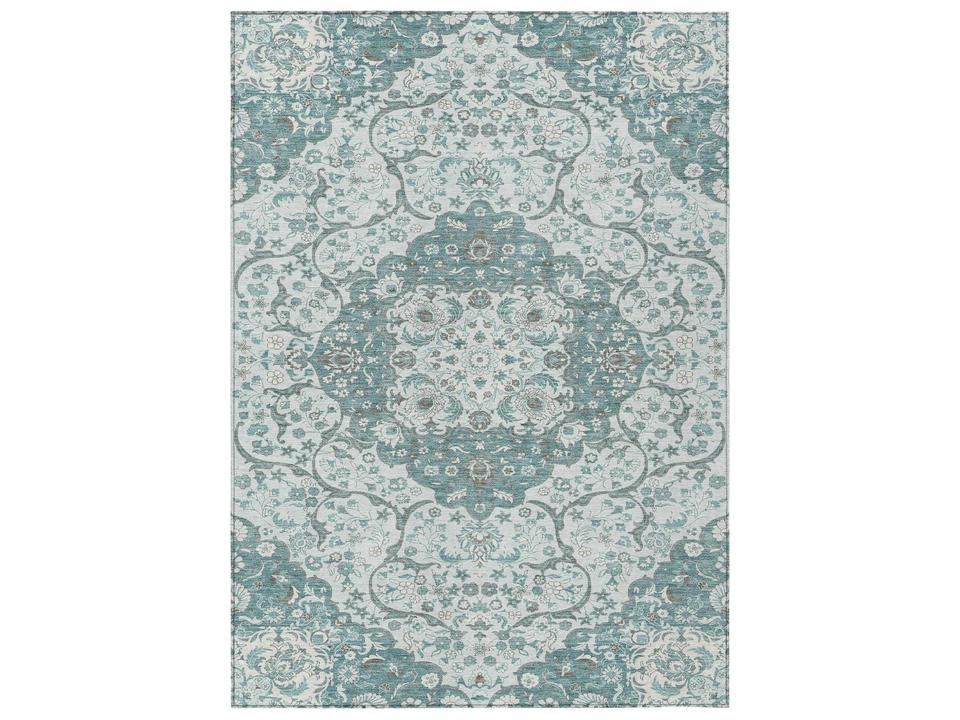
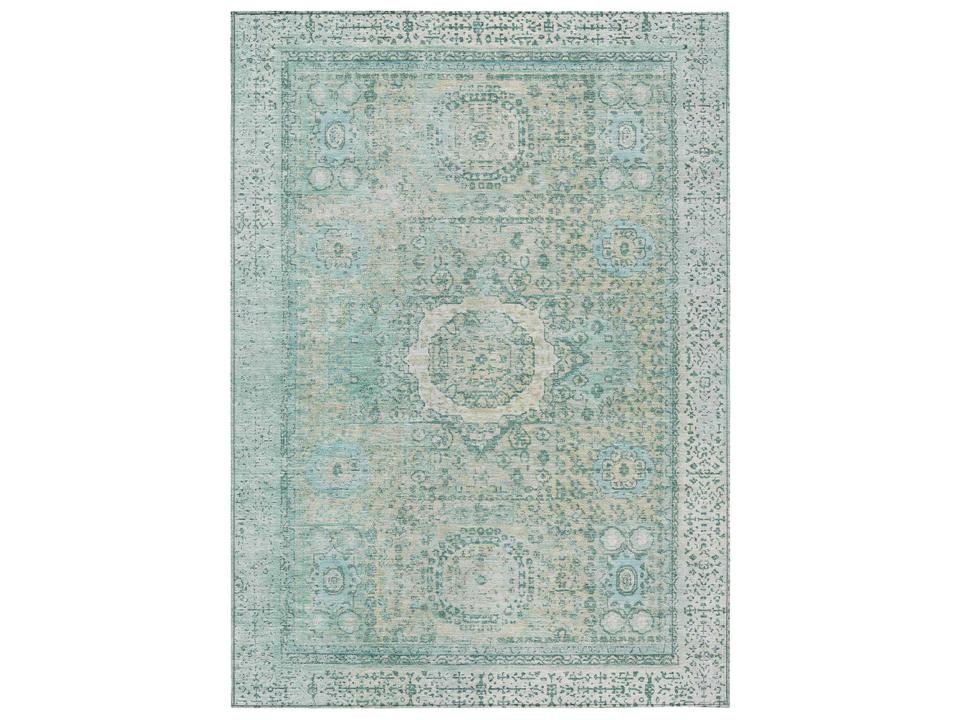
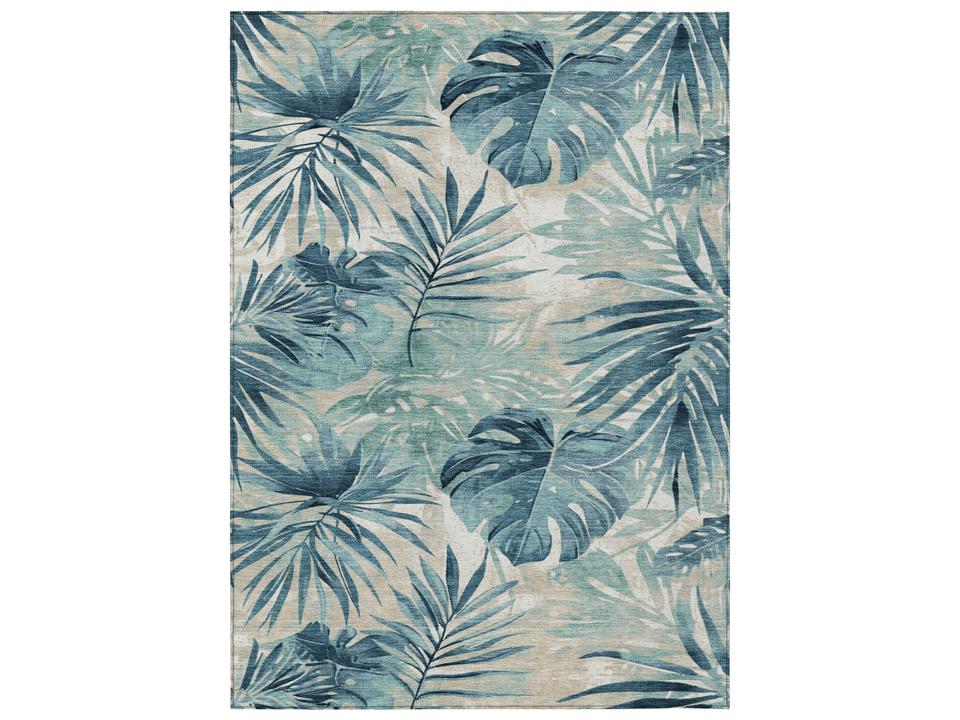
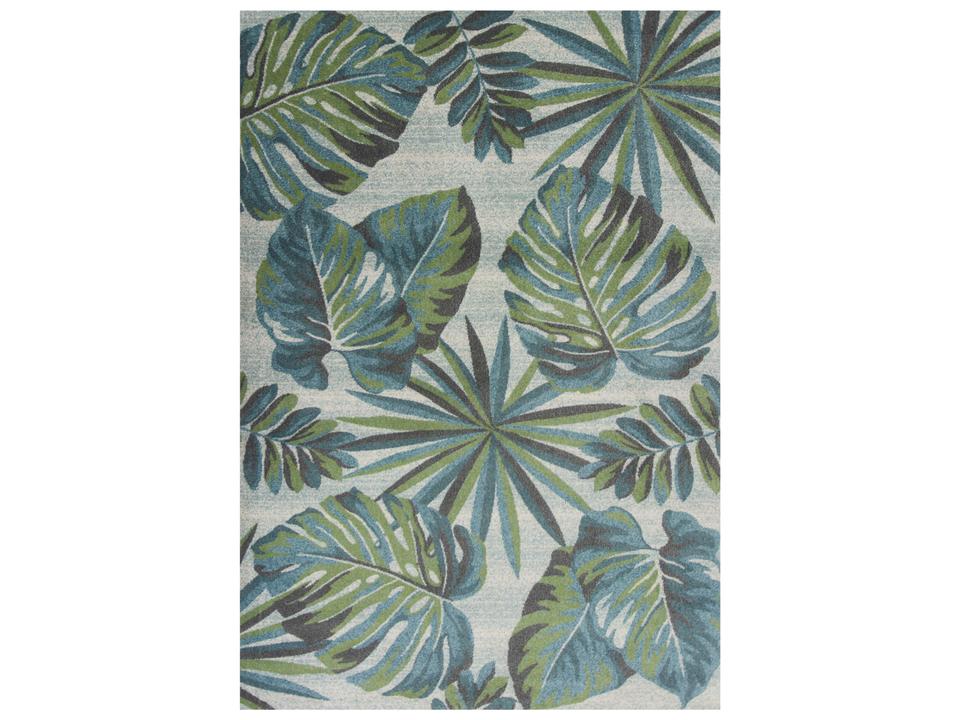
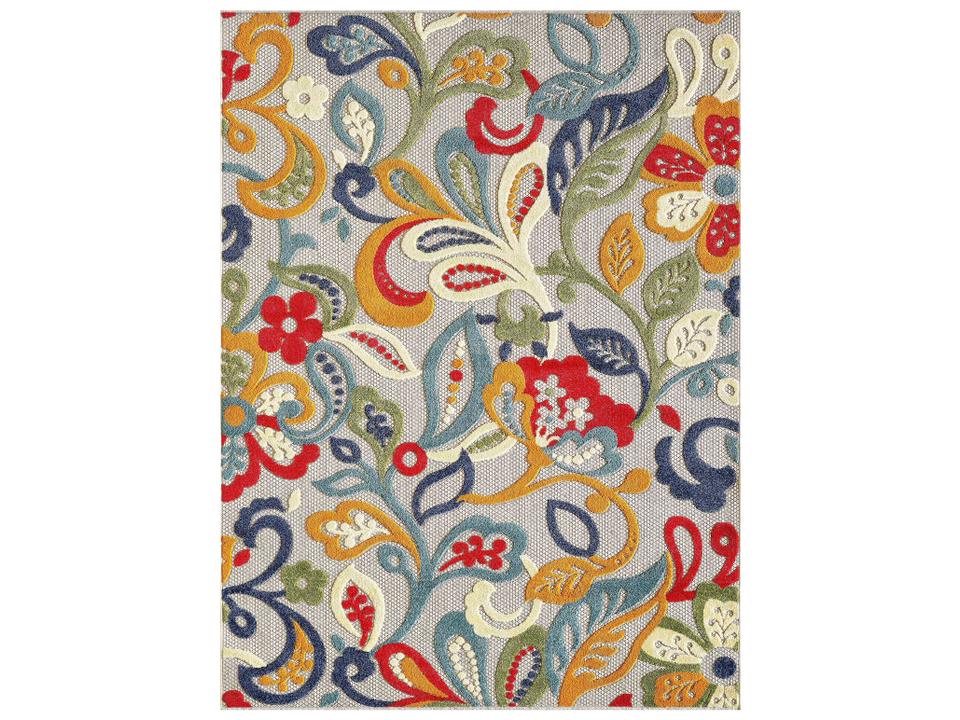
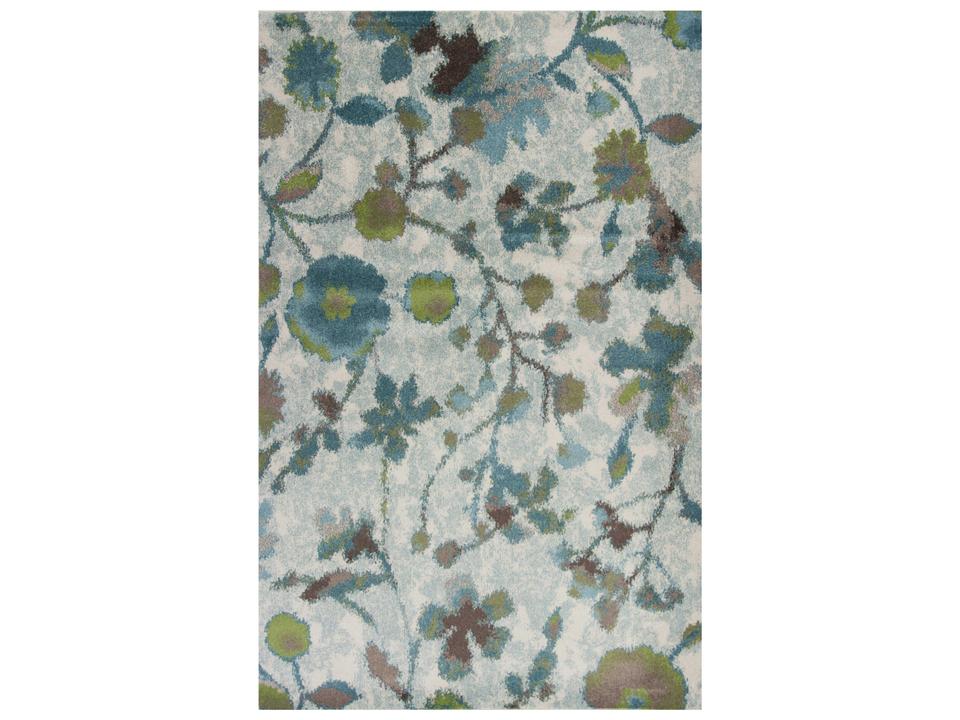
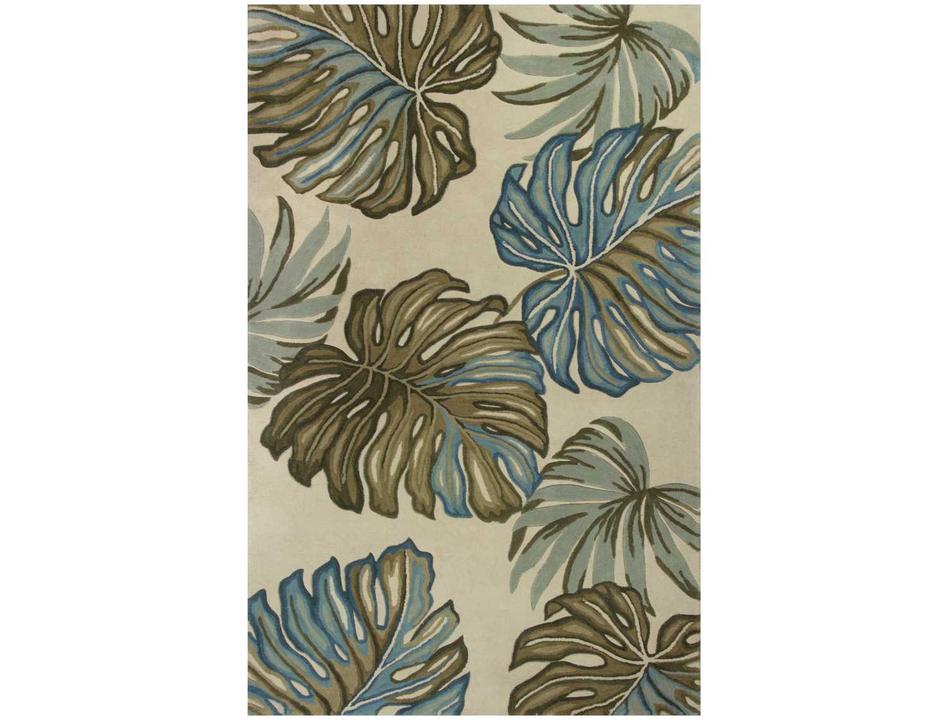
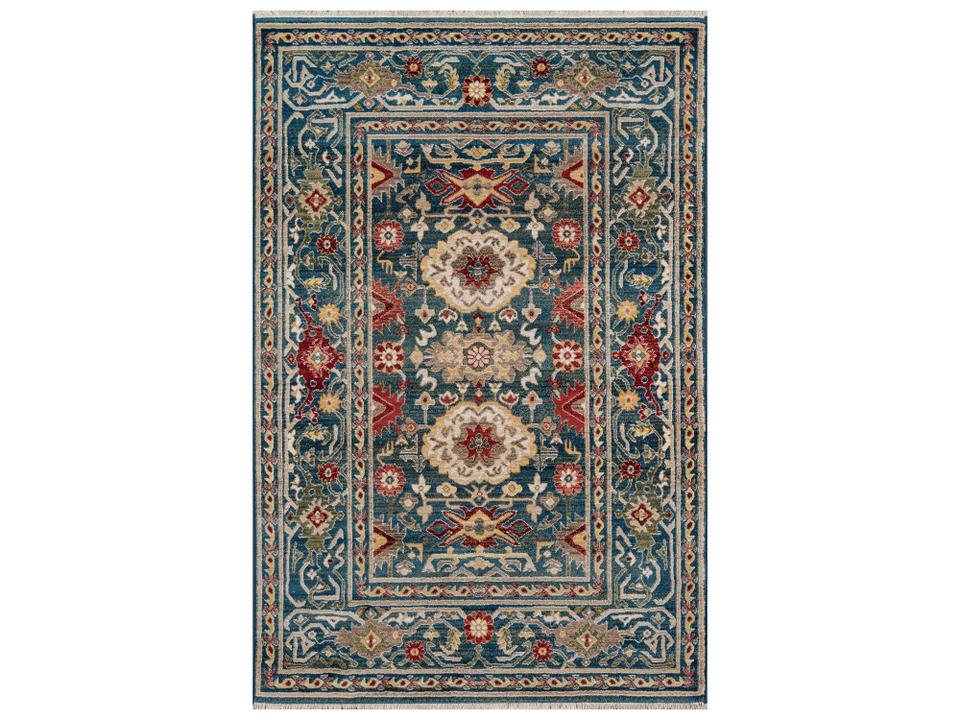
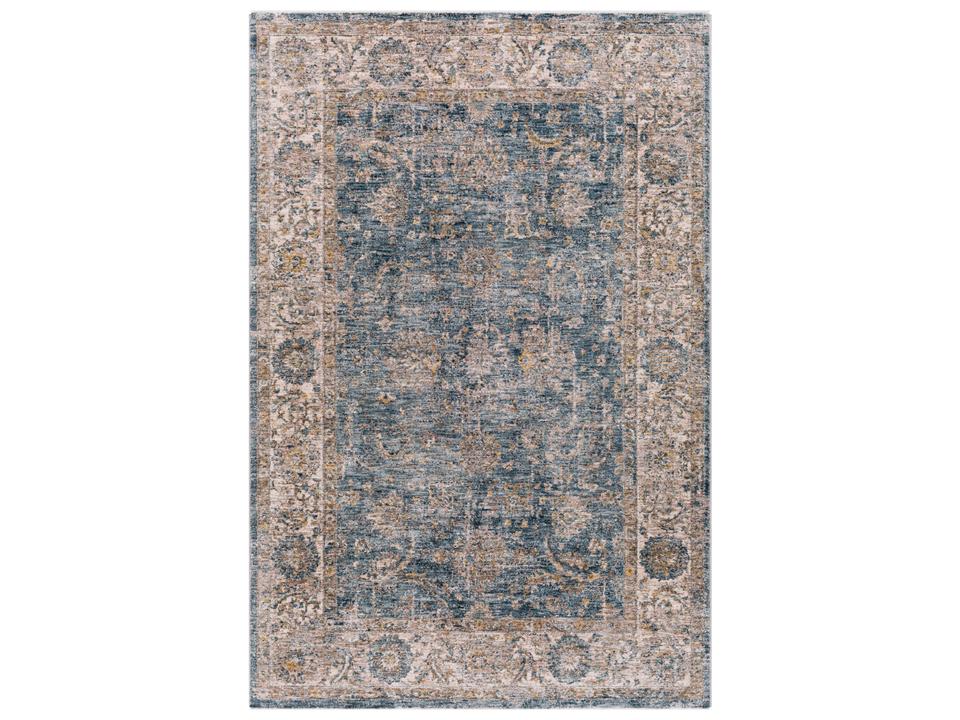
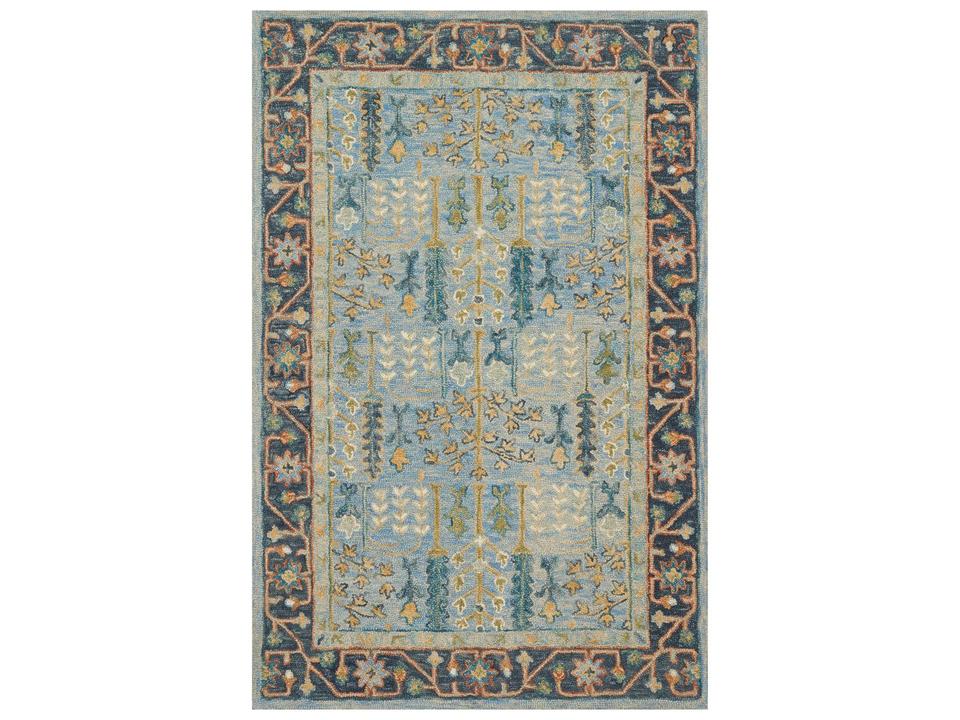
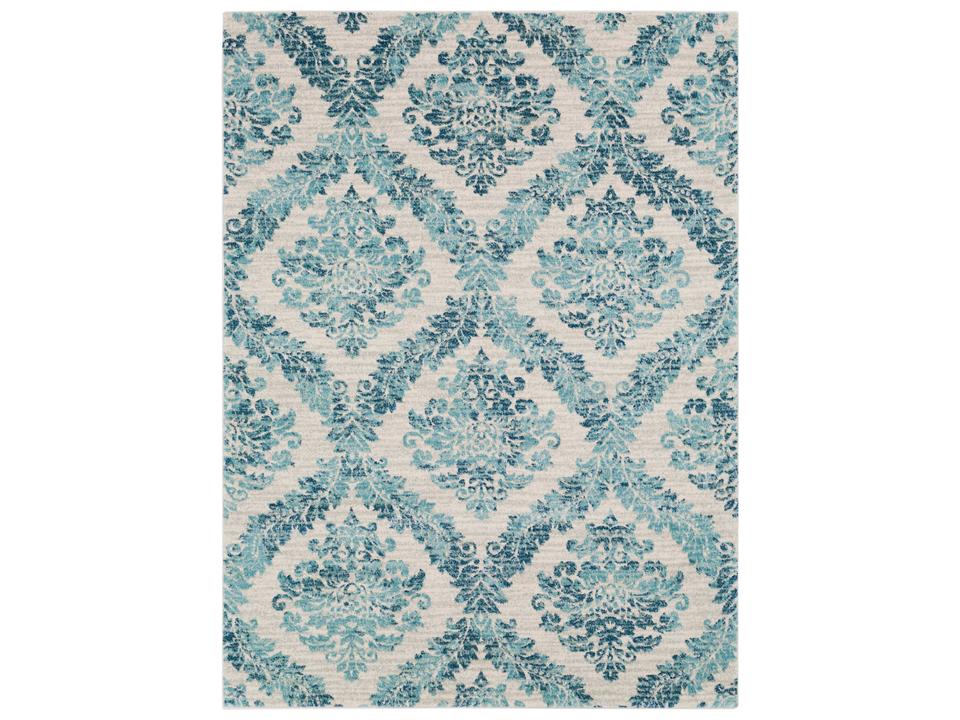
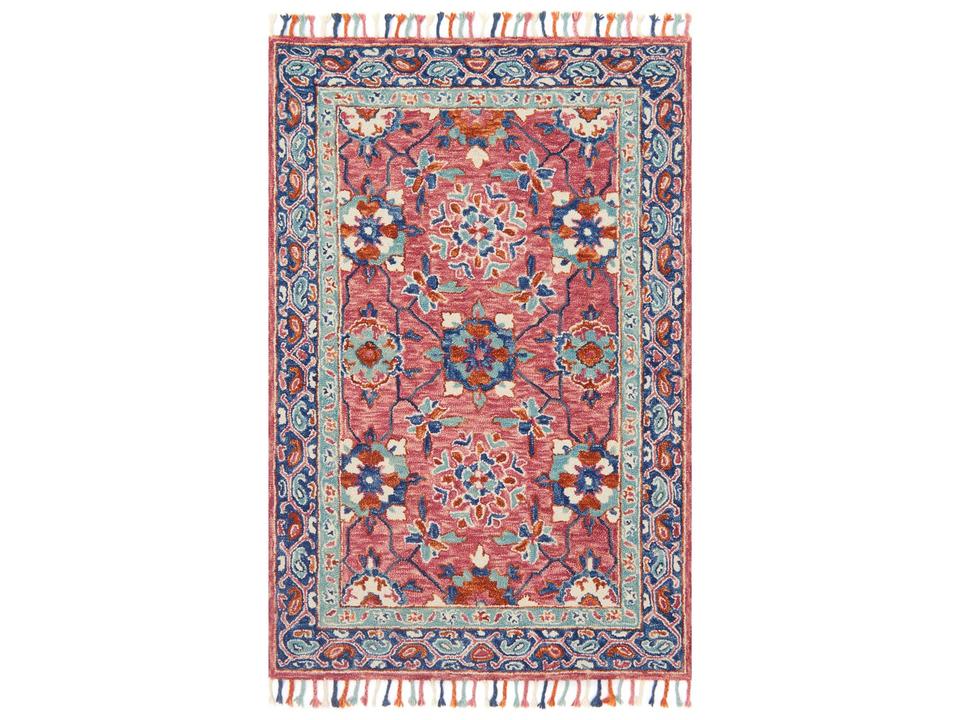
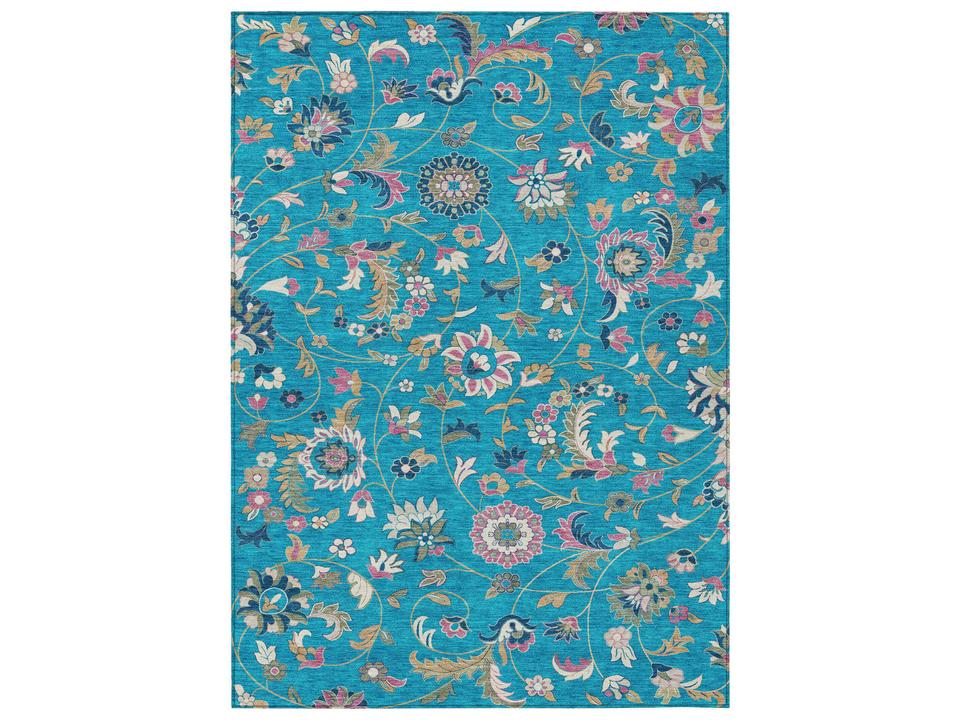
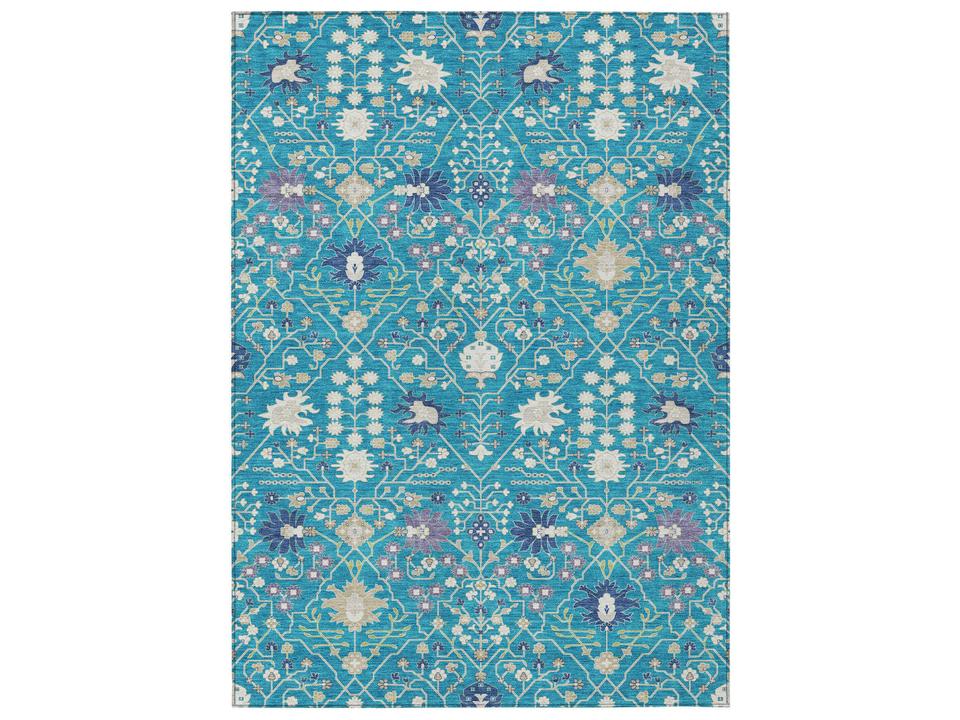
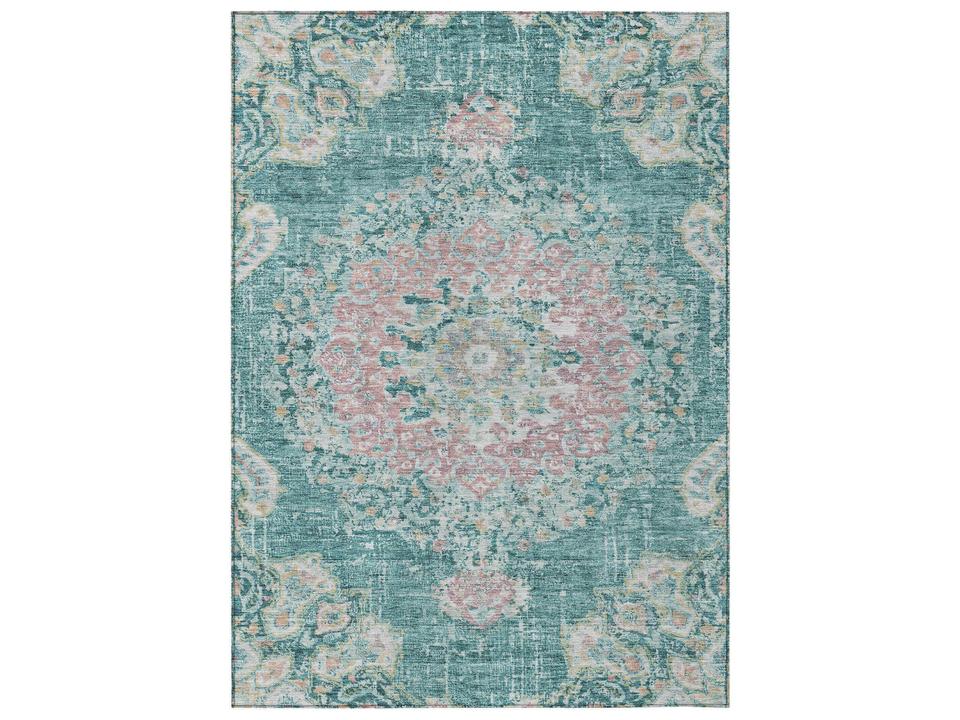
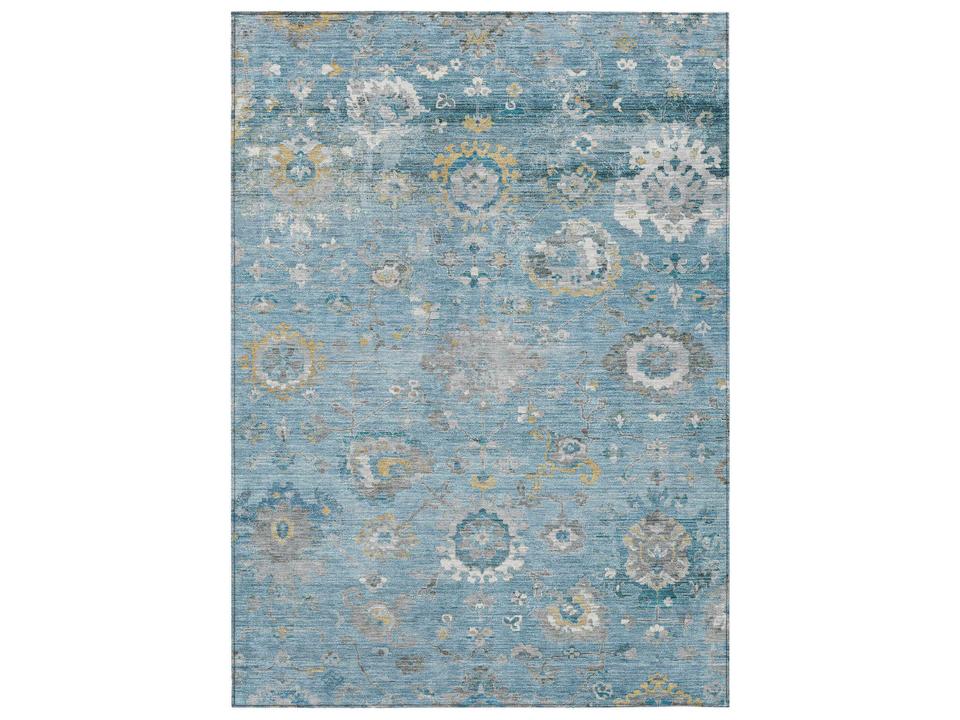
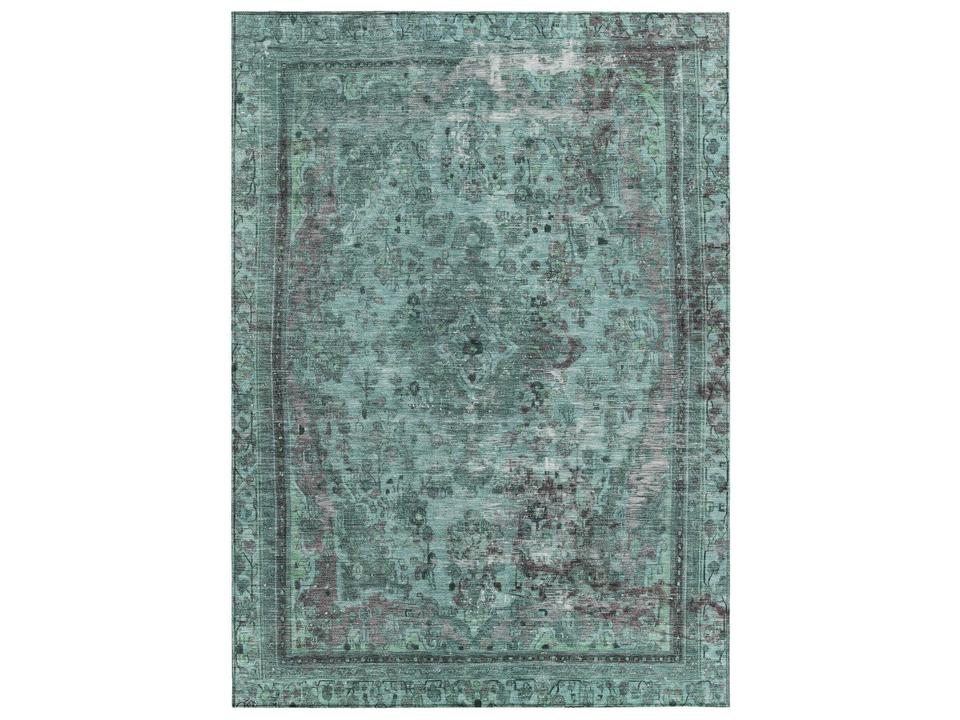
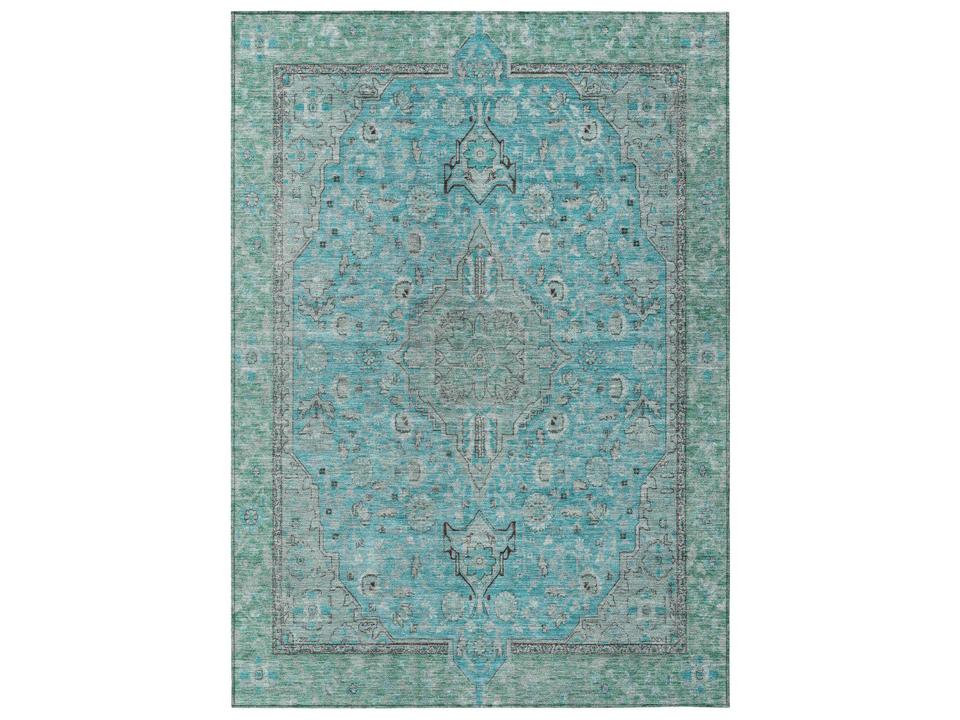
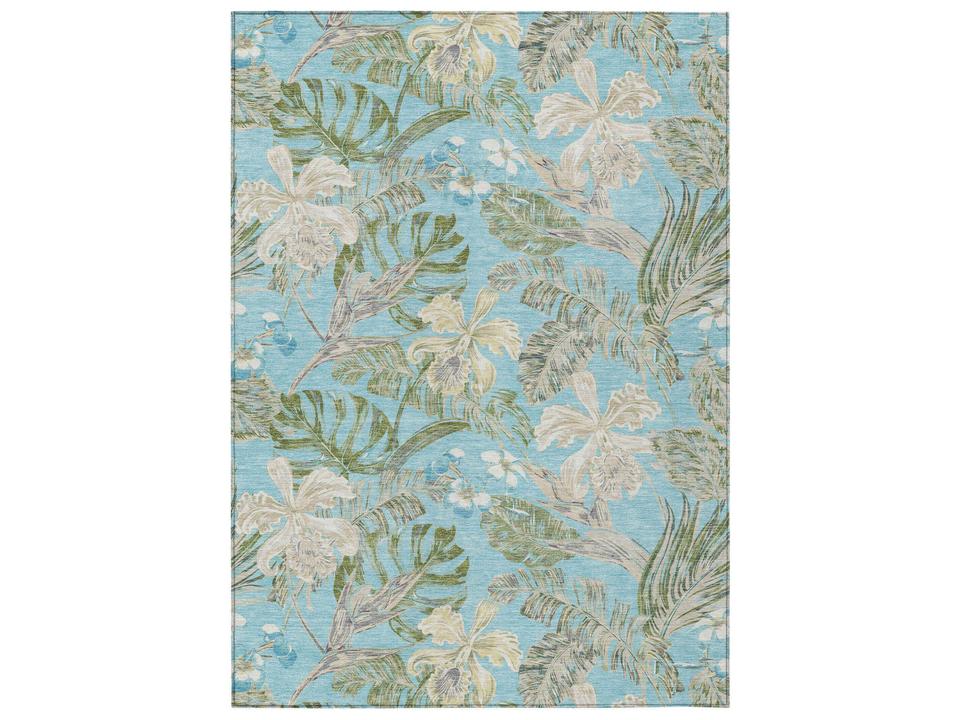
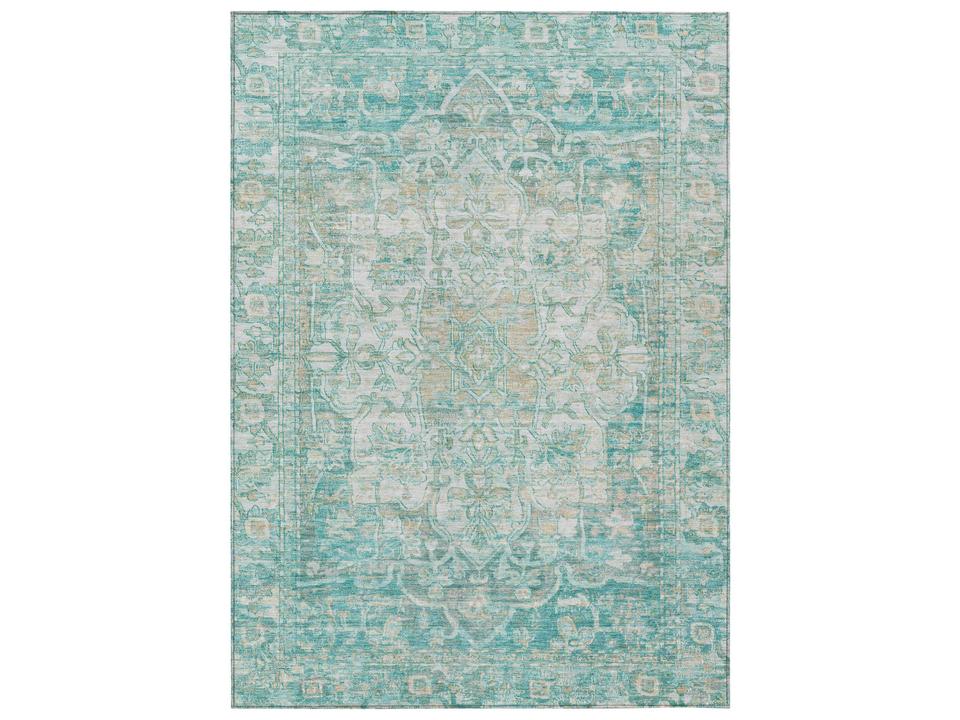
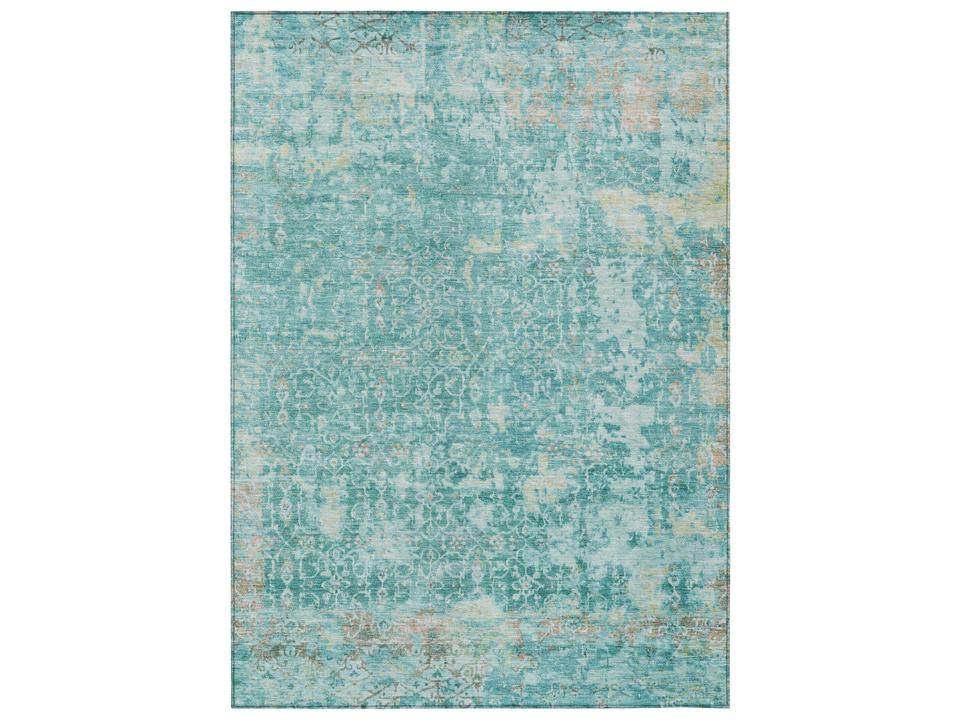
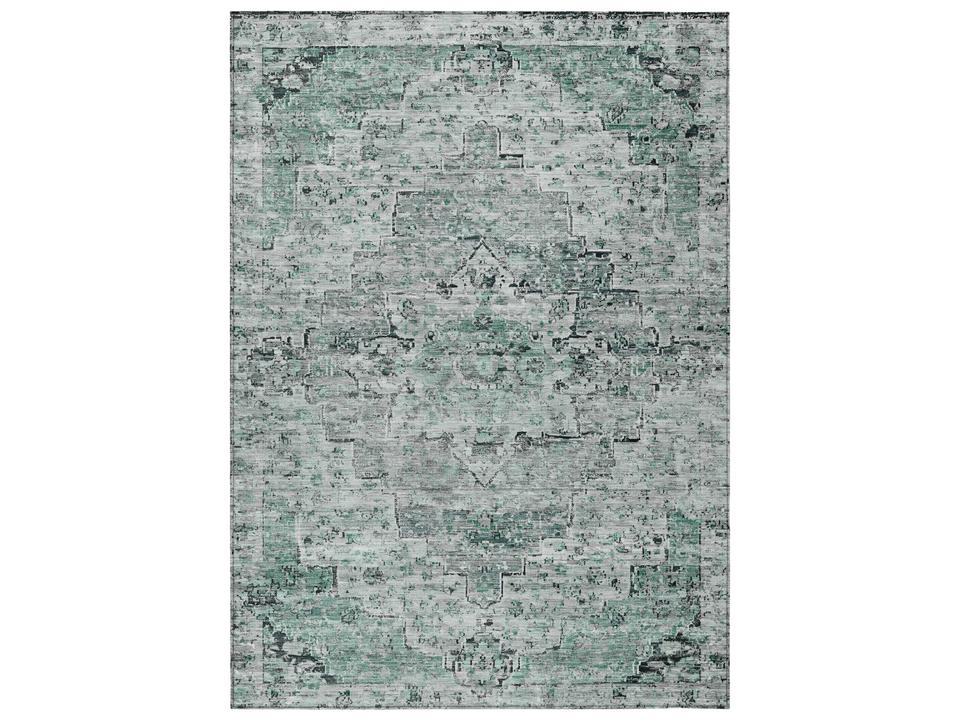
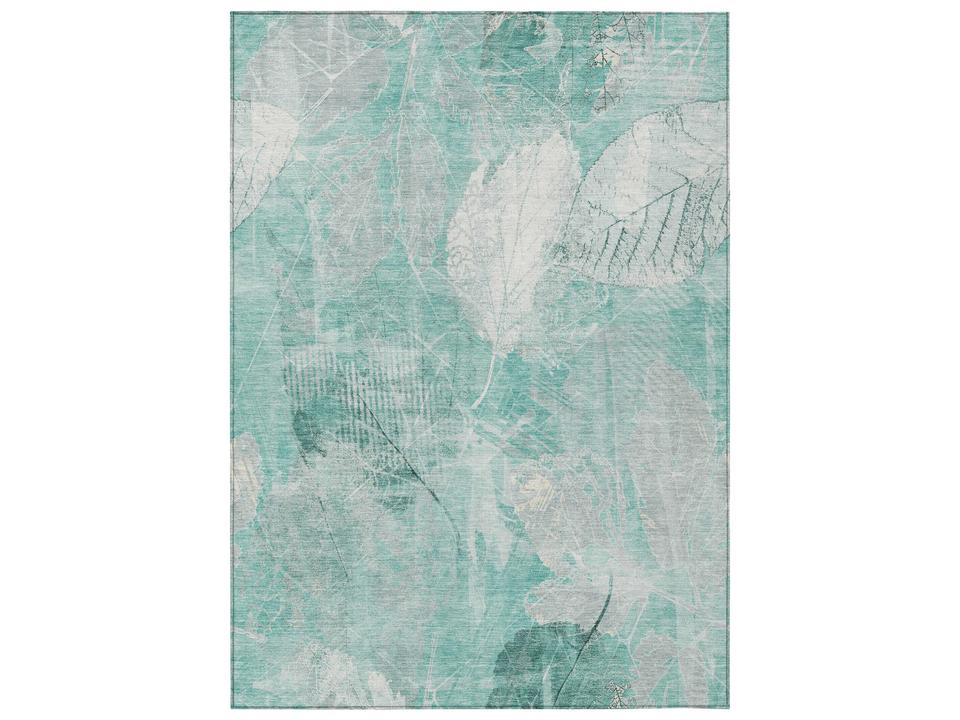
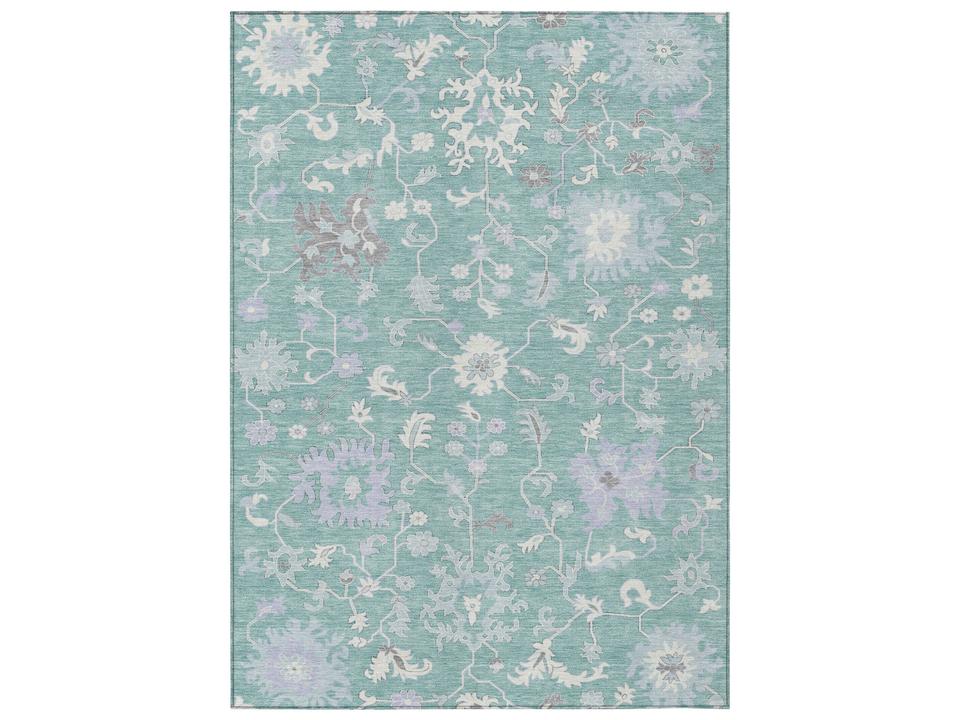
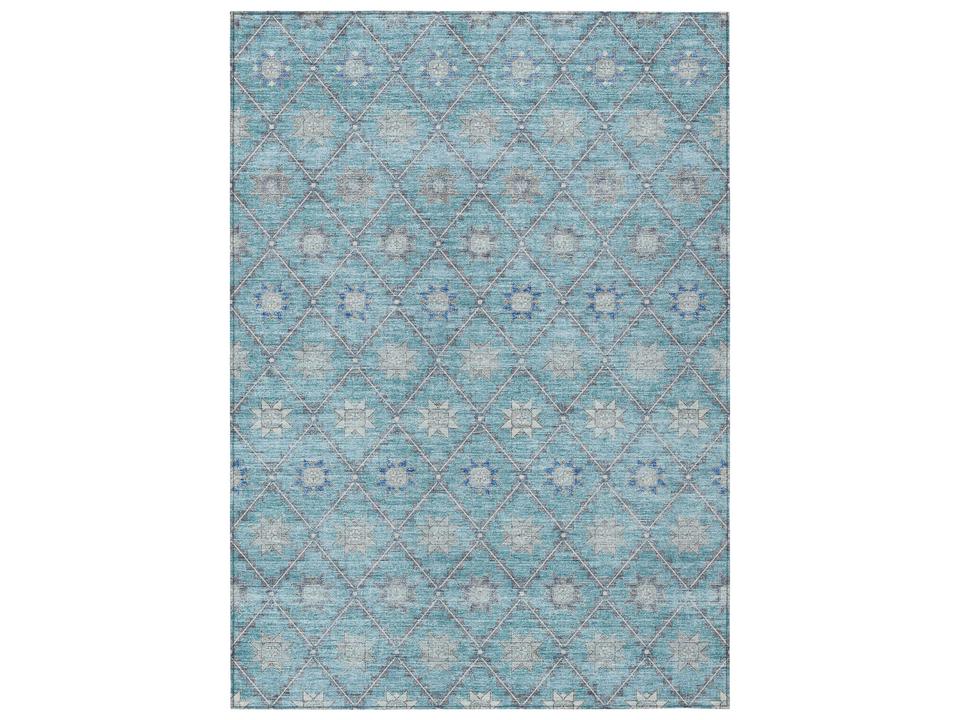
Teal sits naturally between blue and green, which makes it an ideal base for floral and botanical motifs. The pattern scale you choose should reflect the room it's in. Large tropical leaf prints or oversized blooms read as modern and need open floor space to make an impact — think a living room with low-profile furniture or a sunlit dining area. Tighter, more intricate florals lean traditional. They pair well with furnished bedrooms, studies, and sitting areas where the rug doesn't need to be the loudest piece in the room.
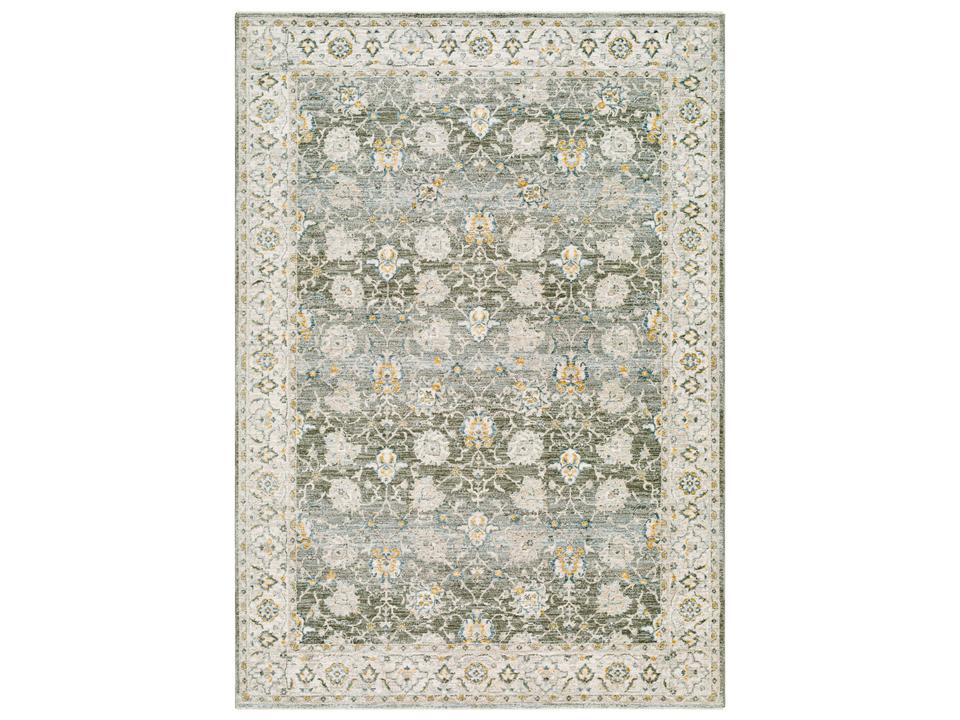
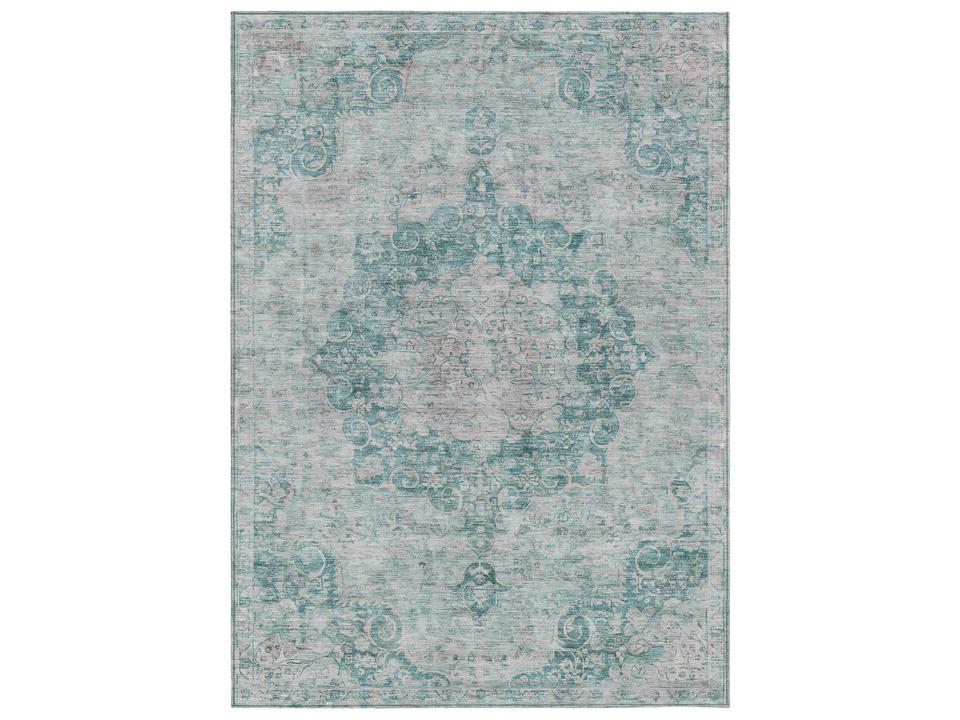
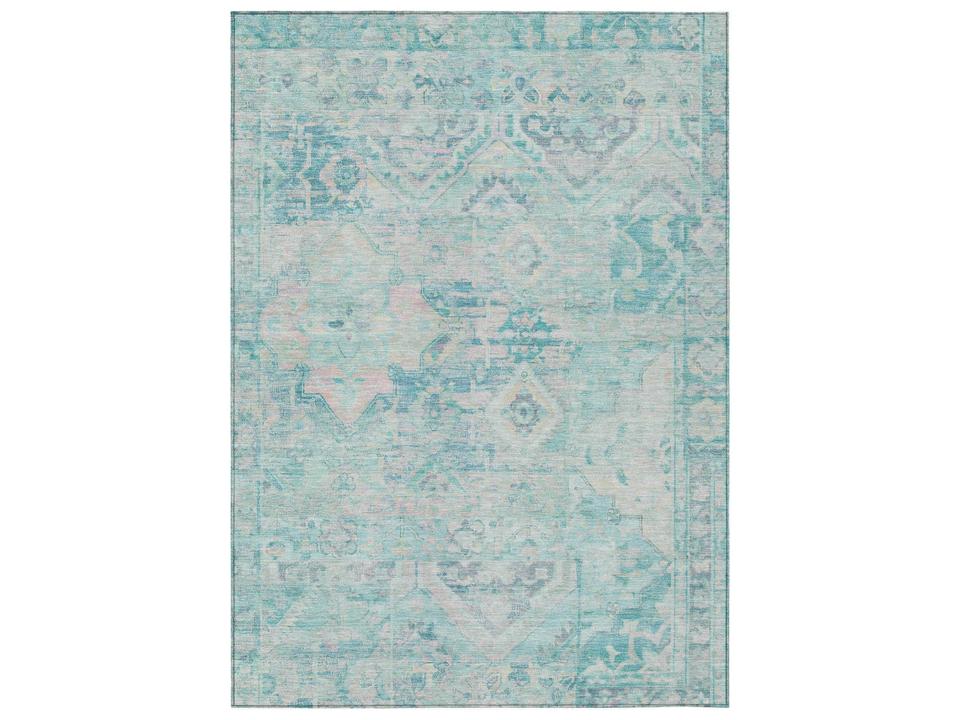
Consider your existing upholstery and window treatments. Rooms with patterned sofas or printed curtains benefit from a more restrained botanical rug — something with a muted teal ground and fine detail. If your furniture is mostly solid or neutral, you have room to go bold with a saturated teal and high-contrast floral design.
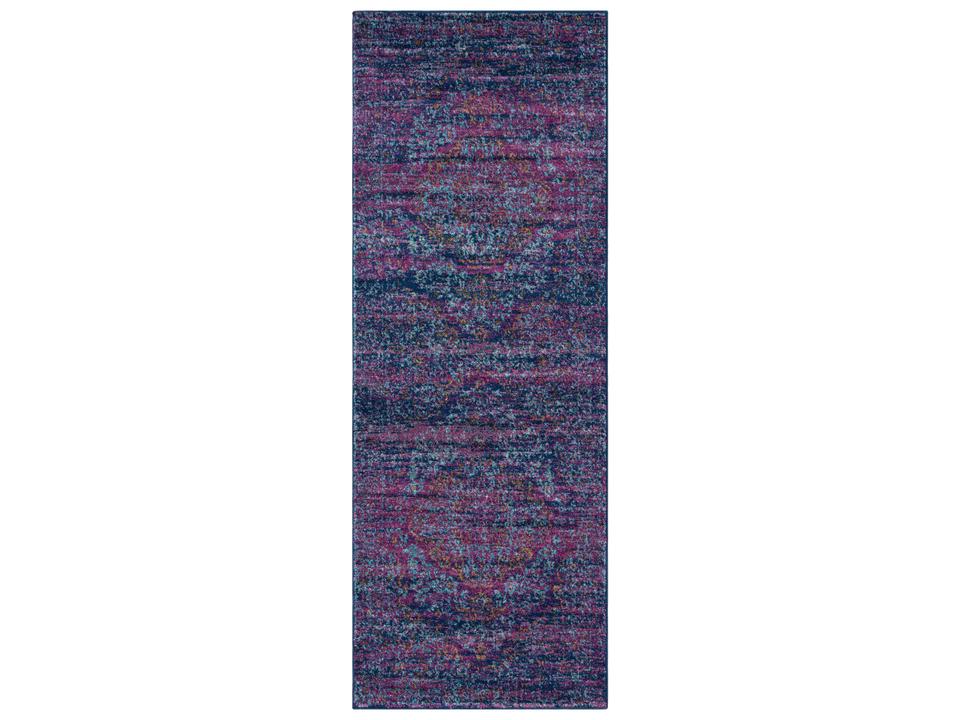
An undersized rug is one of the most common decorating missteps. In a living room, the rug should be large enough that at least the front legs of each seating piece rest on it — typically an 8'×10' or 9'×12' for a standard layout. For bedrooms, a 5'×8' placed at the foot of the bed or a pair of runners on either side keeps the floral pattern visible without overwhelming the space. Dining rooms call for a rug that extends at least 24 inches beyond each edge of the table, so chairs stay on the rug even when pulled out.
Pile height matters here, too. Low-pile rugs sit flat under furniture and allow dining chairs to slide easily. Medium-pile options feel softer underfoot in bedrooms and lounging areas. If comfort is the priority, look for a plush construction — just know that dense botanical patterns show best on low- to medium-pile surfaces where the design stays crisp.
Routine vacuuming once or twice a week keeps fibers upright and prevents dirt from settling deep into the pile. Rotate your rug every six months to even out foot traffic and sun exposure — teal is a stable dye, but consistent rotation keeps the color uniform across the surface. For spills, blot immediately with a clean cloth rather than rubbing, which can push liquid deeper into the backing.
Wool rugs benefit from professional cleaning every 12 to 18 months. Synthetic options are generally machine-washable if the size allows, or can be cleaned with a mild detergent and cool water. A quality rug pad underneath reduces slipping, cushions the pile, and extends the life of any luxury area rug by absorbing daily impact from foot traffic.