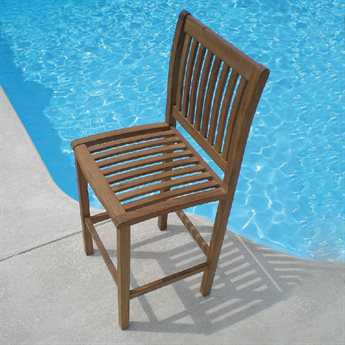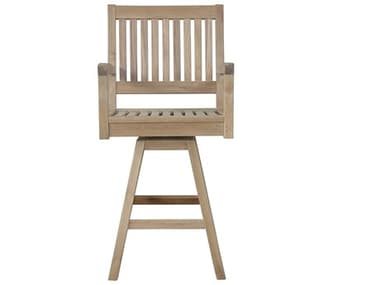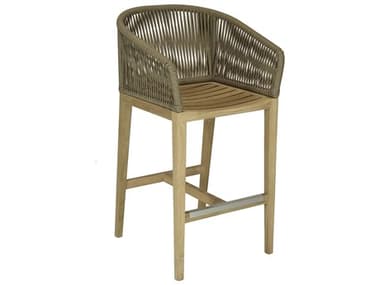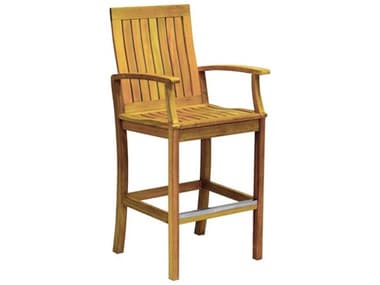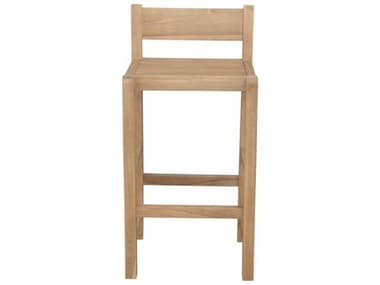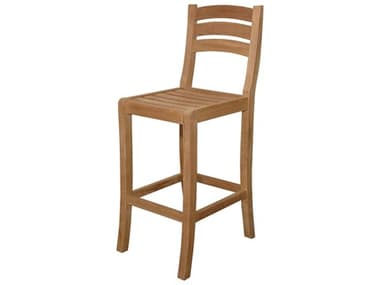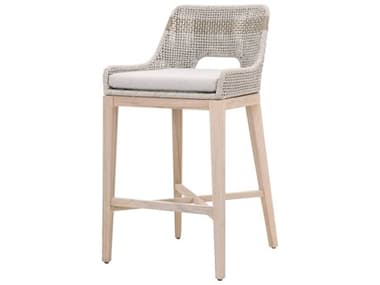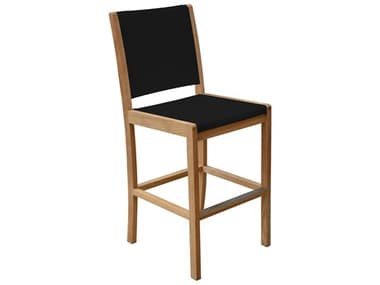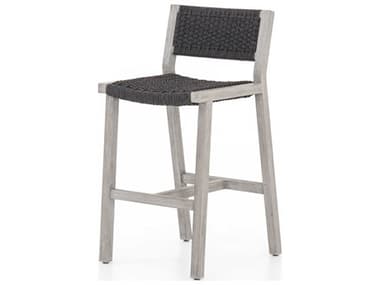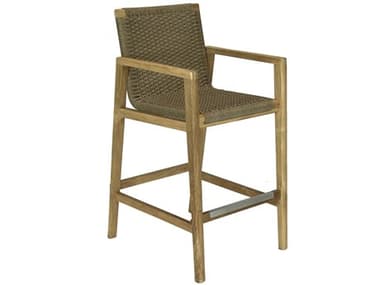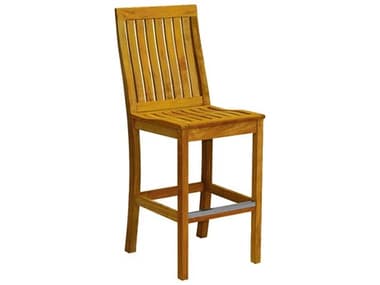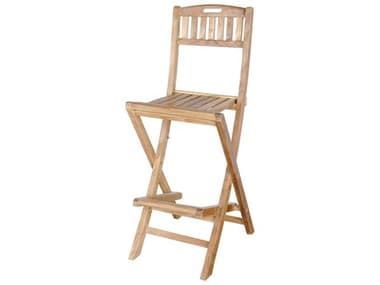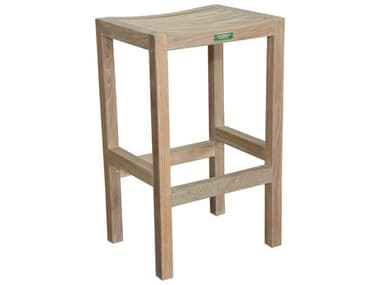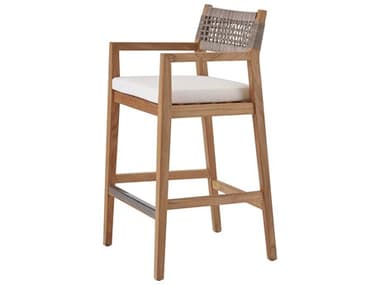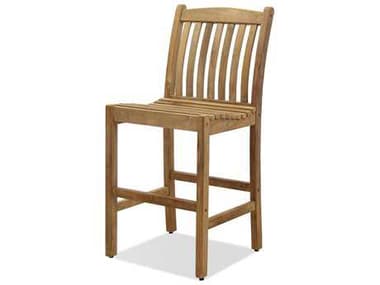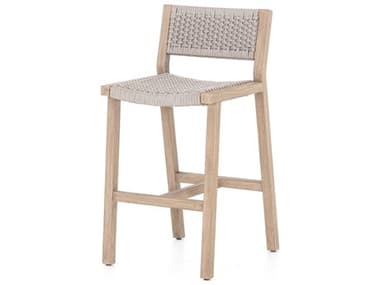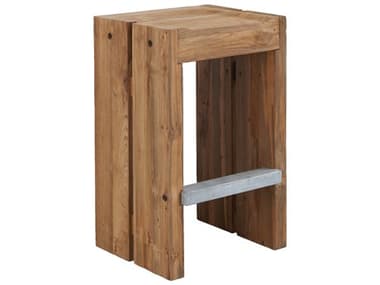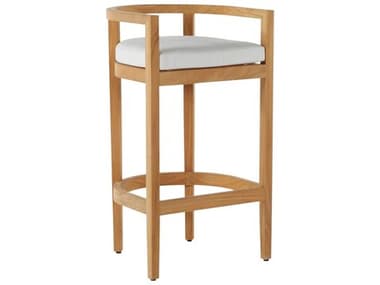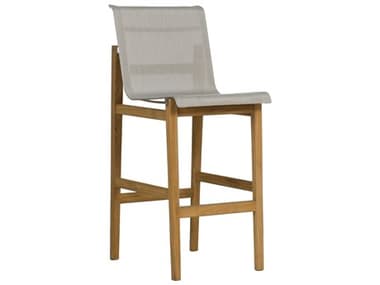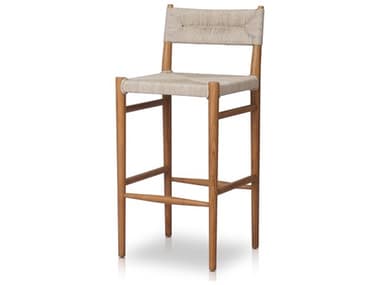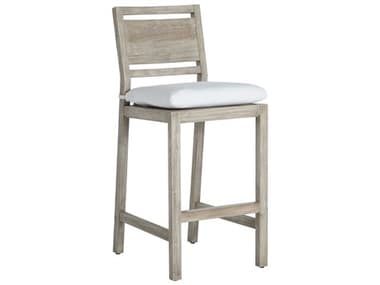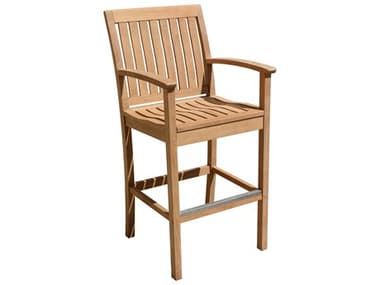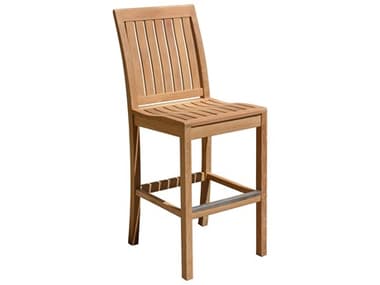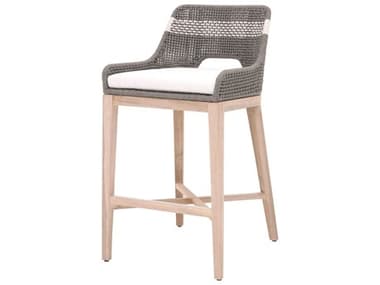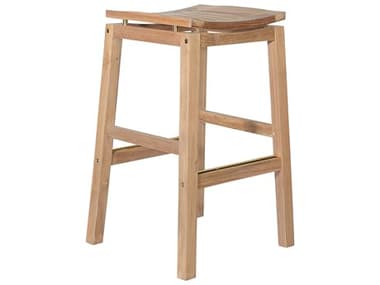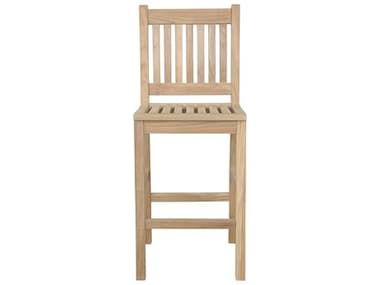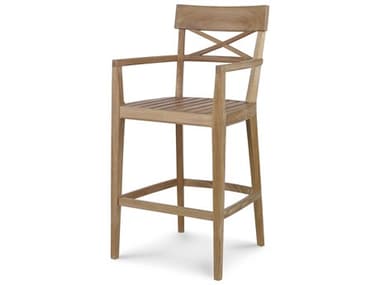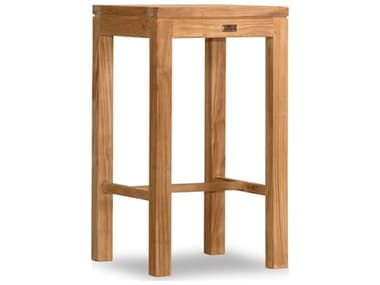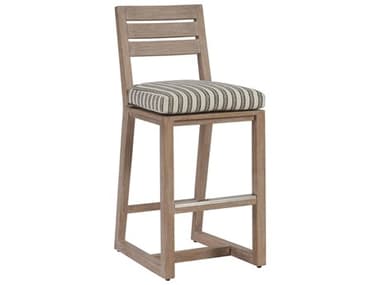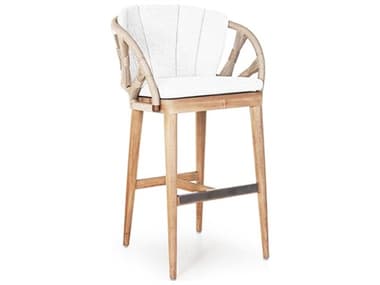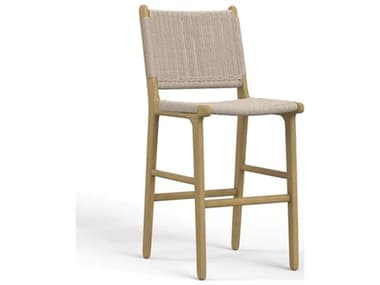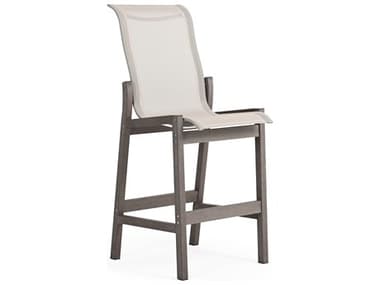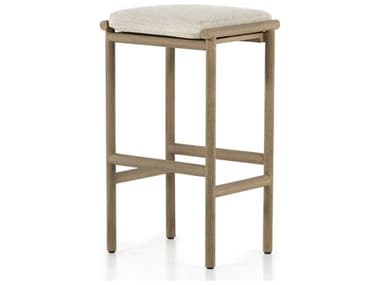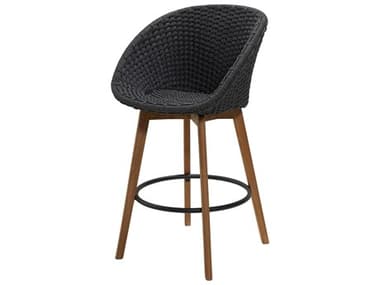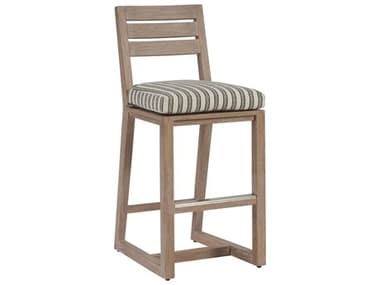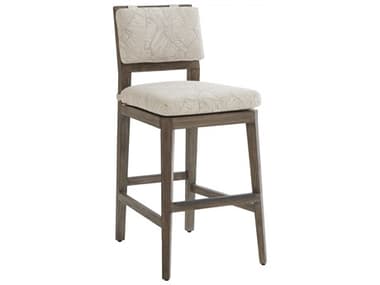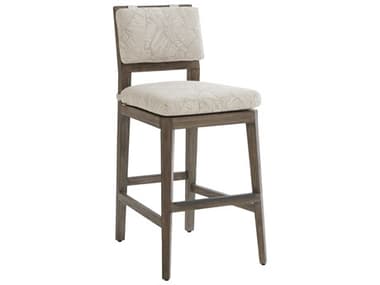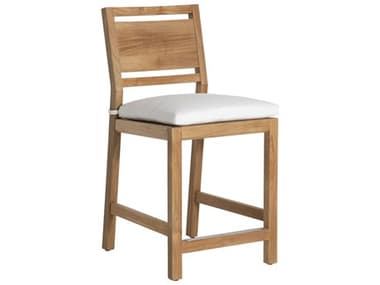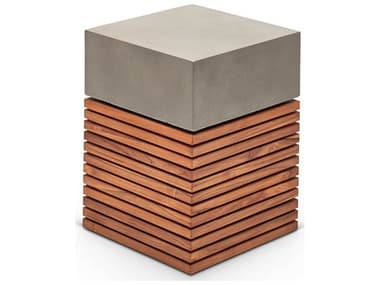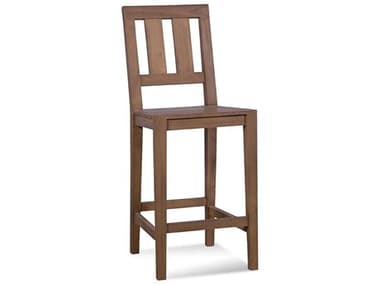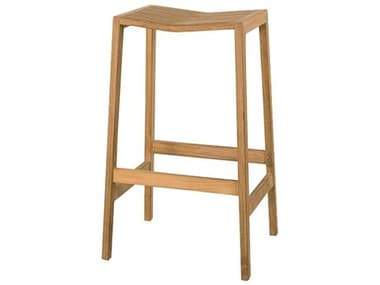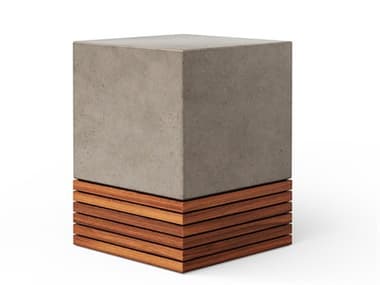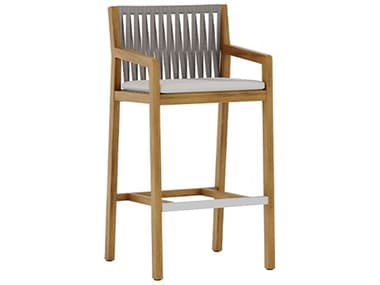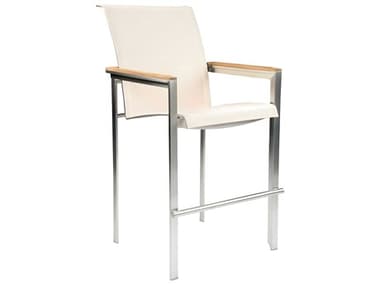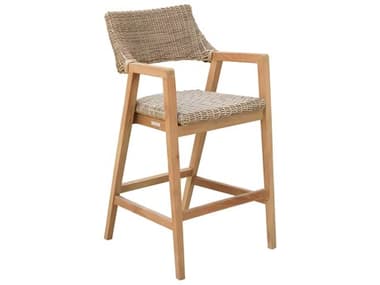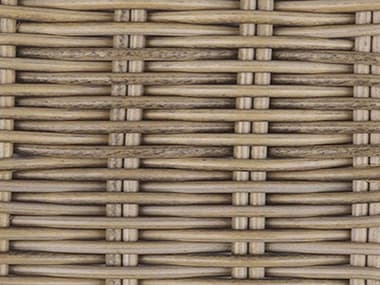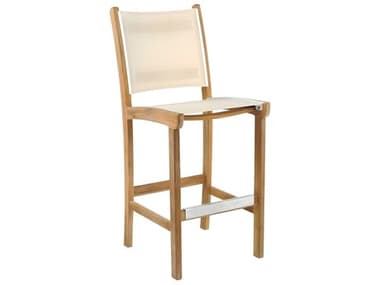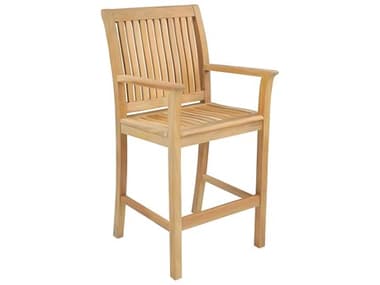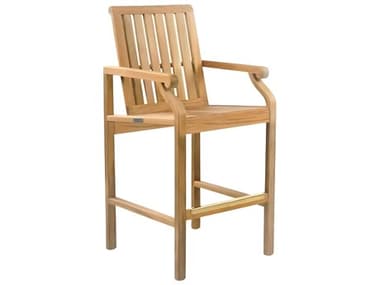

Add these teak outdoor bar stools to your outdoor living or dining area to provide stylish seating at your bar. You can count on teak to last for years and provide a classic style that complements many interior designs, including those used outdoors. The diversity of styles in the selection here at LuxeDecor include those by designers Anderson Teak, Royal Teak Collection, Sunset West, and Three Birds Casual.
Designers offer these teak outdoor bar stools in styles to match any décor from coastal themed to Asian-inspired. Some of these barstools feature upholstery attached seats. Other styles feature a solid teak design. One option uses reclaimed teak. You find these tables crafted in the following styles:
Providing bar seating lets those guests who prefer to sit alone do so. They use less space by sitting at the bar, since they do not take up a full table. In a restaurant setting, this option lets you save your two- and four-ups for larger parties. Their classic designs and styling continue to look great when you redecorate because their timelessness goes with anything.
These barstools offer a diversity of seating options, since you can choose stationery seating or swivel seats. If you want to encourage conversation, choose the swivel seats, but to make it easy to pull up to the bar and dig into dinner, choose an armchair or backless style. Some of these barstools fold for easy storage and they come in handy if you need portable seating. Others you can stack for storage, which makes it easier to find a spot for them in a closet or shed. LuxeDecor's selection of teak outdoor bar stools offers more than 25 options. You can spend between $300 to $2,160 to purchase these stylish teak barstools.