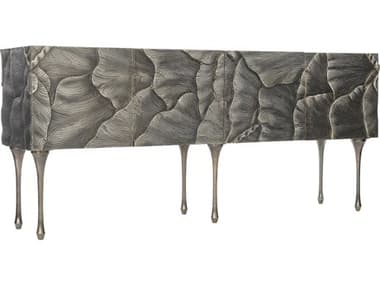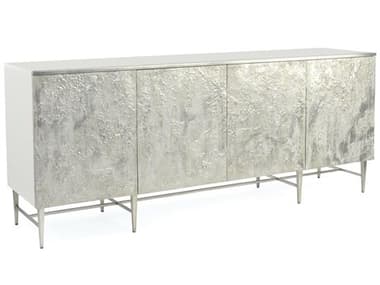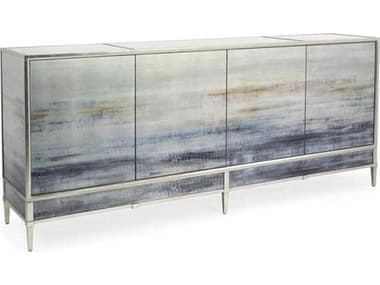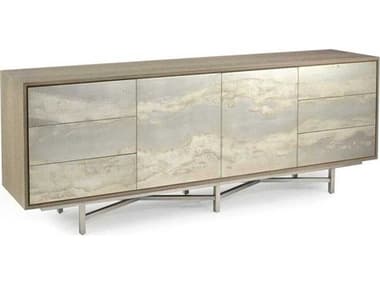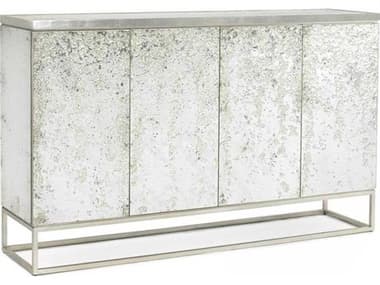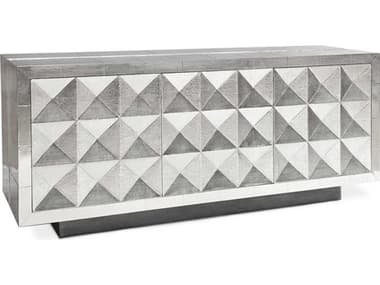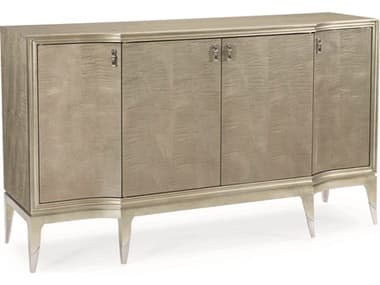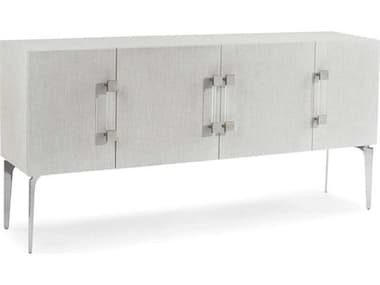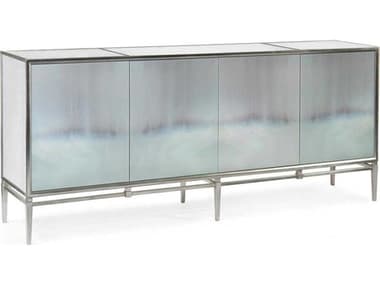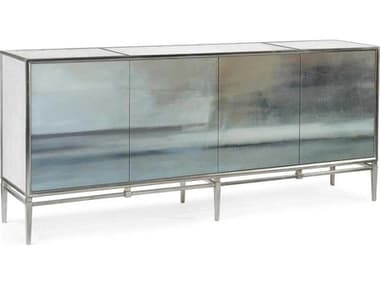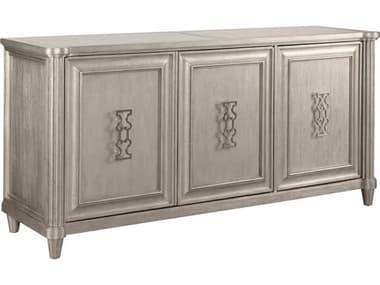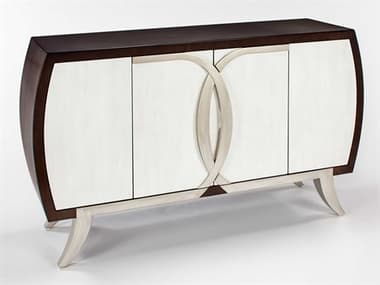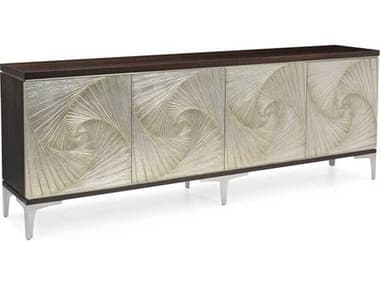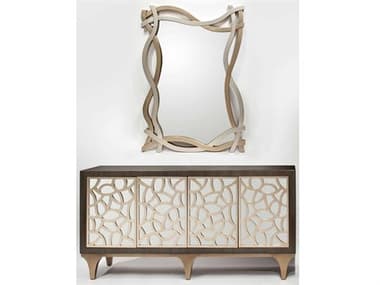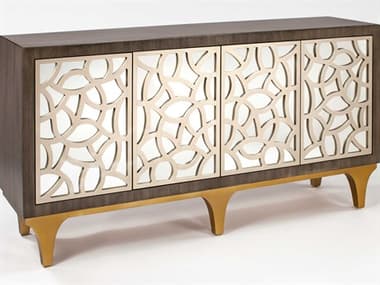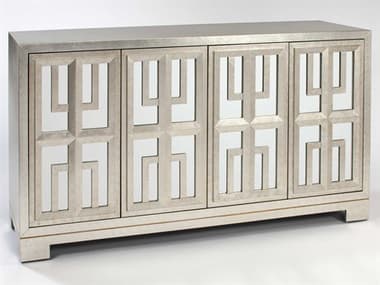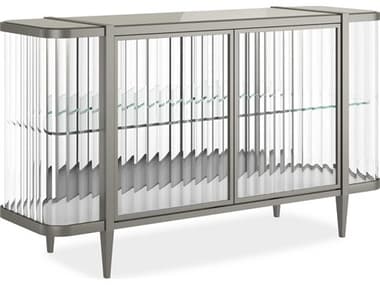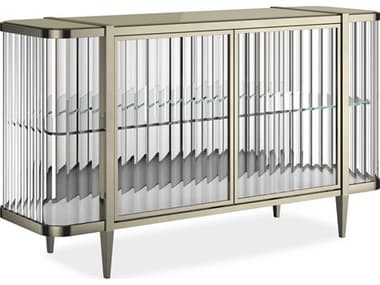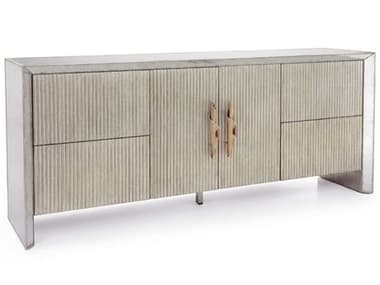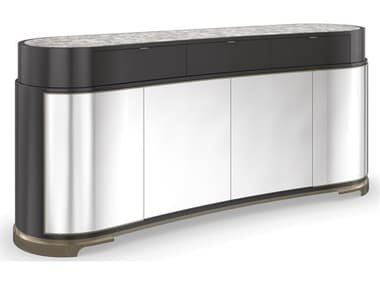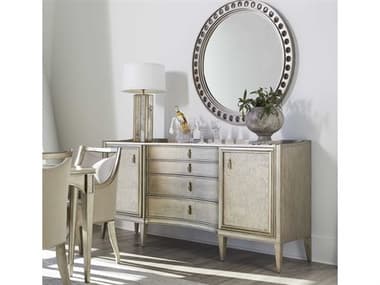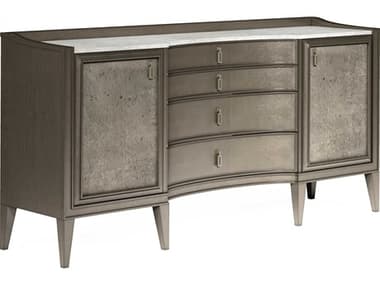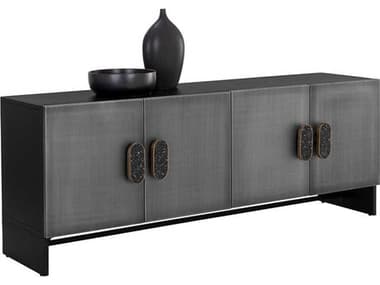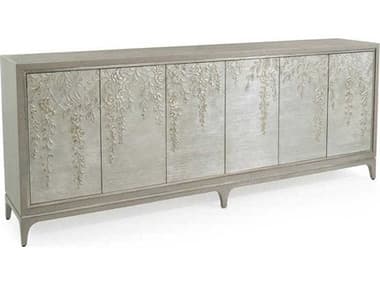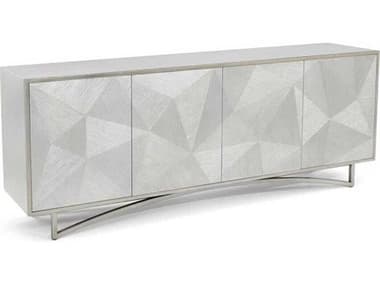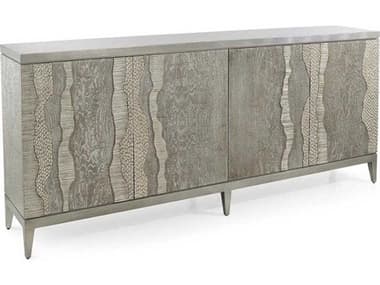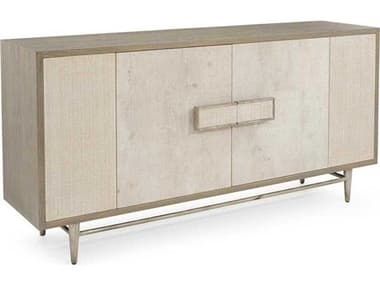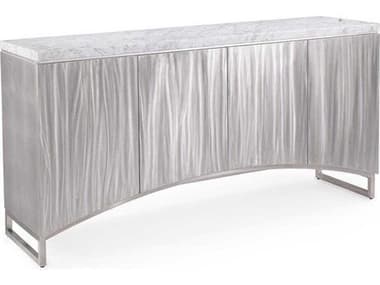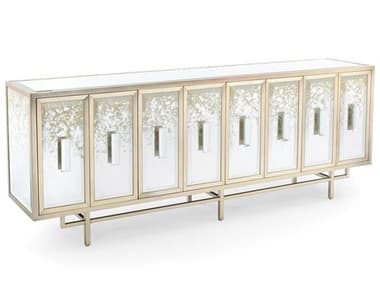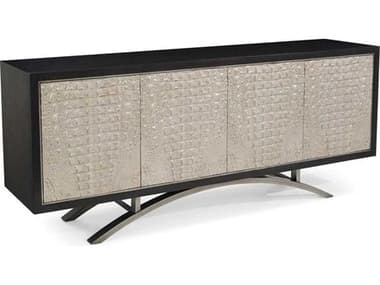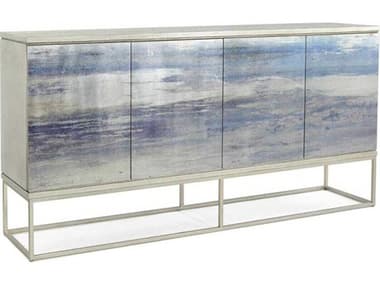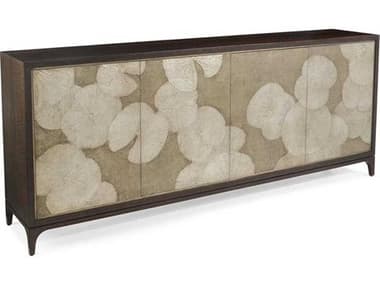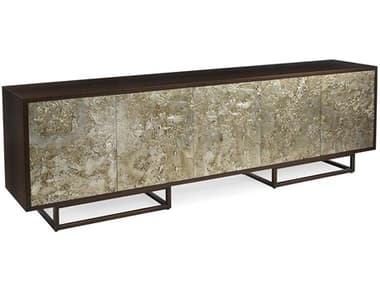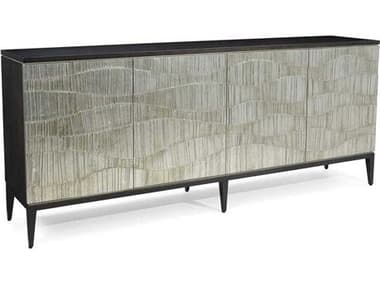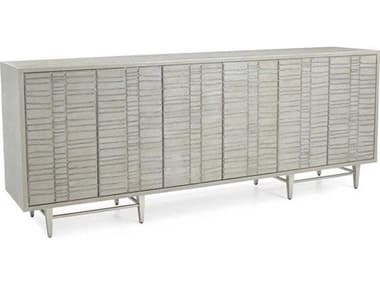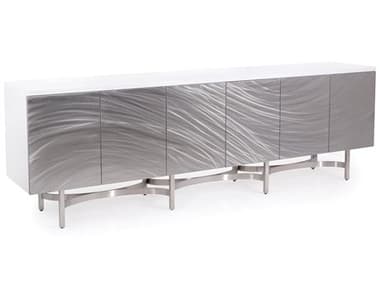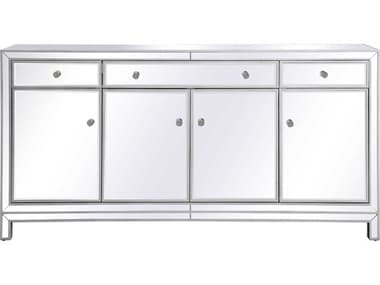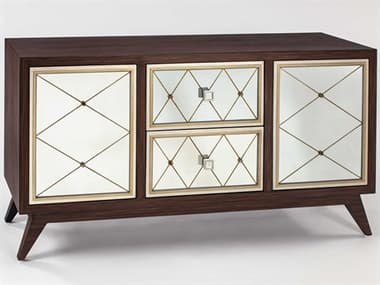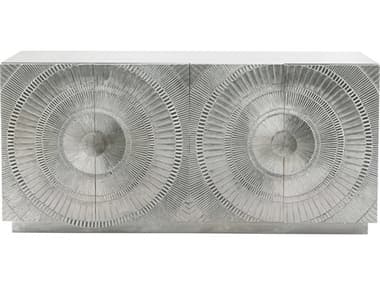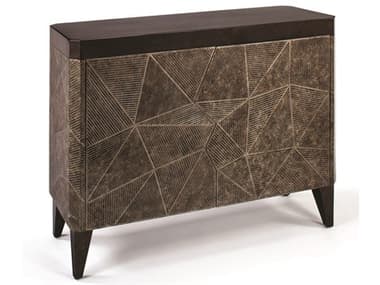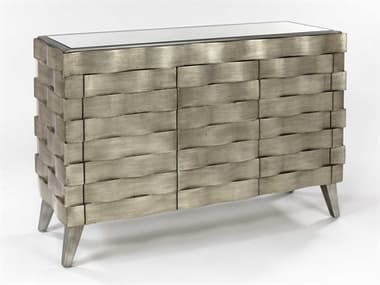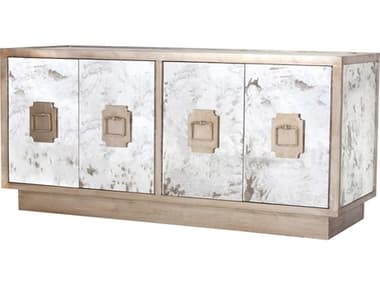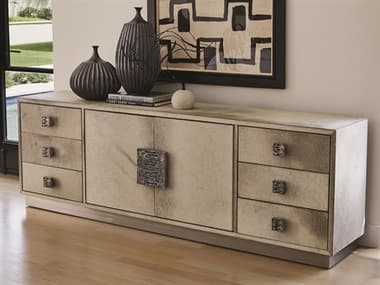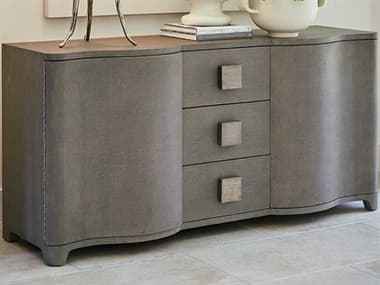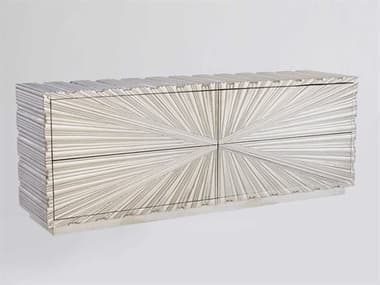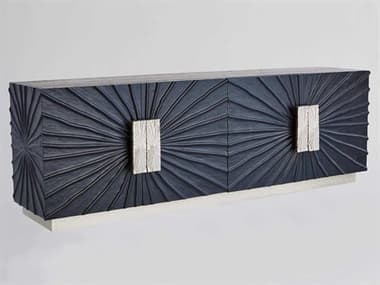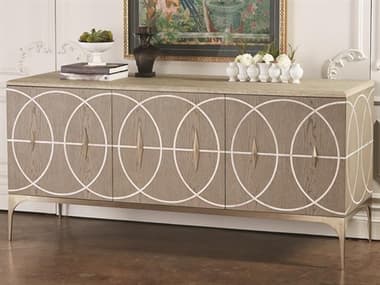
Very few pieces take away your breath like silver buffet tables sideboards. As the anchor of any room options in silver buffet tables sideboards show the style, both modern and classic, of the design direction. The silver in a buffet, table or sideboard can even have a chrome appearance that spans many different decades, from art deco to modern. Add in some stylish elements and tapered legs, and all of a sudden, you have a mid-century modern influence.
Here are some other furniture styles that silver buffet tables sideboards can easily blend into:
So, whether you are looking to use your silver buffet as an actual buffet, an entry table, a credenza, or a bar area, there is a style of silver sideboard that will fit your design.
Silver can be a general term when it comes to looking for a silver design in buffet, tables, and sideboards. Many other colors are available that have the same modern and slick feel as silver buffet tables sideboards. Think of brushed nickel, stainless steel, bronze, or champagne. Generally, these may be considered silver but have a more concentrated color that takes the style one step deeper.
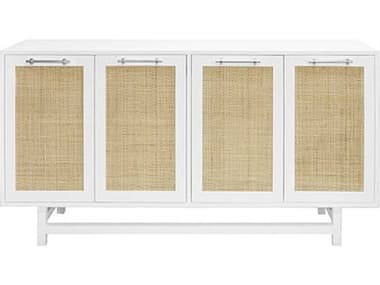
Because silver, mirror, chrome, and more can be such universal materials, there are a number of other furniture materials that can work with these colors for a completely unique piece. You'll find many silver buffet, tables, and sideboards that also contain brass, wood, veneer, distressed wood or driftwood, lacquer, fabric, and more.
You'll even see some with natural stone, including slate and agate. The sleekness of silver is an excellent contrast to the warmth and texture of these other materials. Trust high-end experts to create the perfect mix for your next buffet, table, or sideboards. Prices range from $1200 to $7500.