Introduction to Rocking Chairs
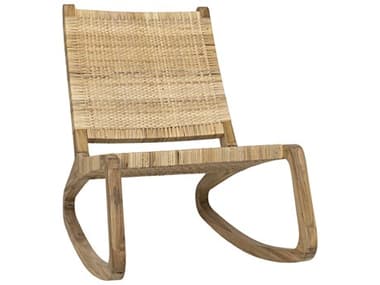
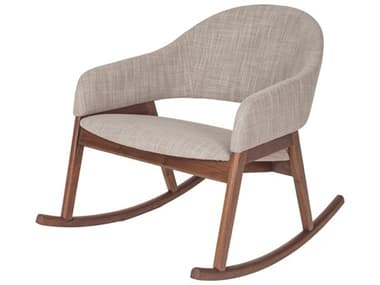
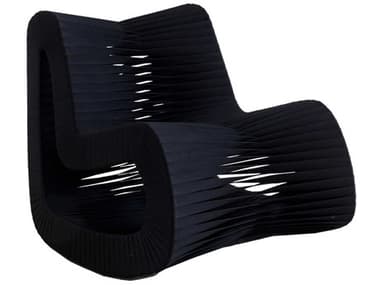
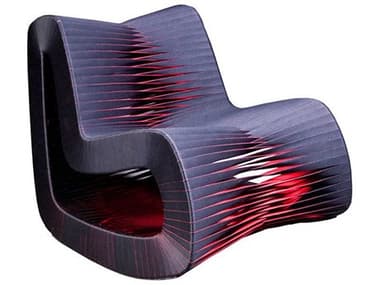
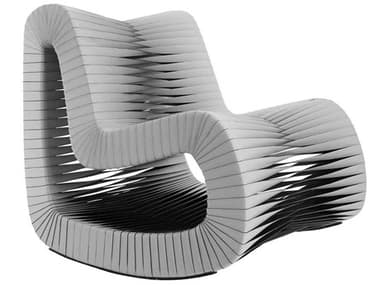
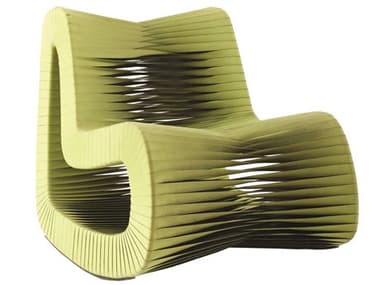
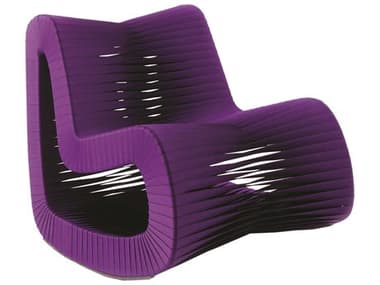
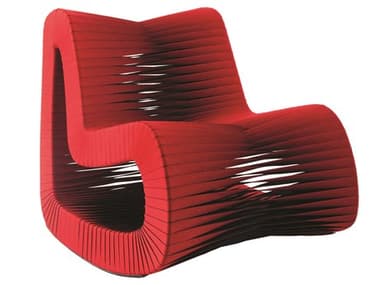
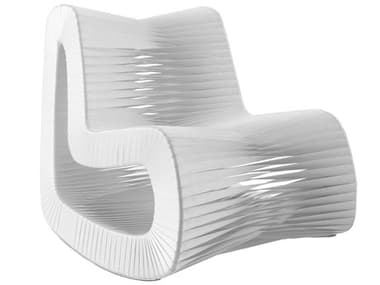
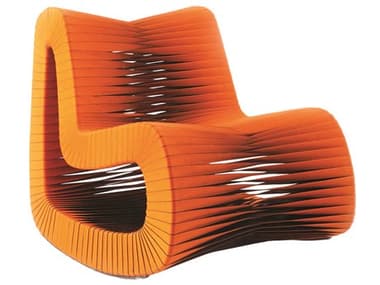
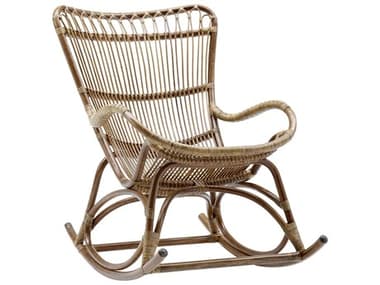
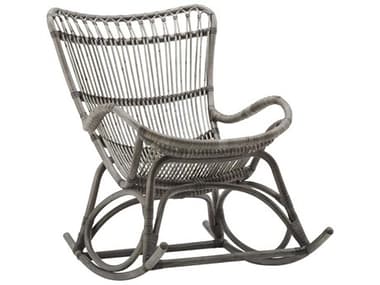
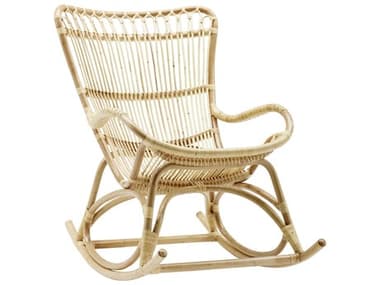
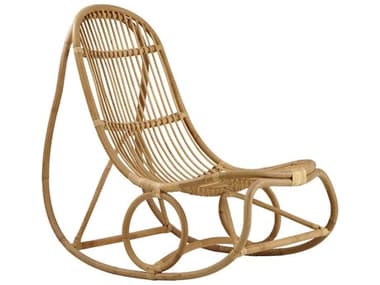
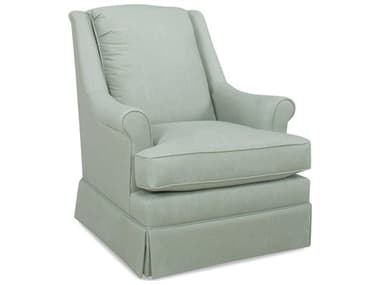
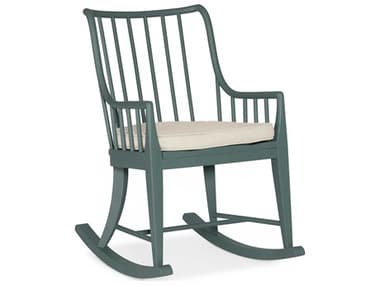
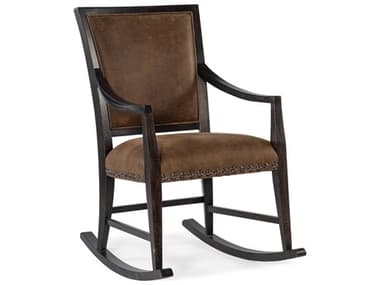
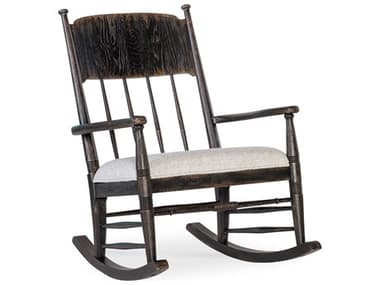
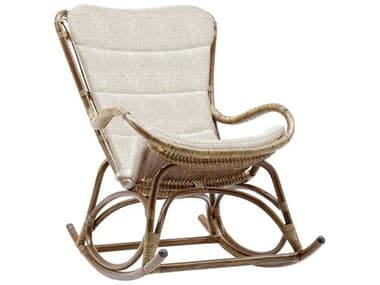
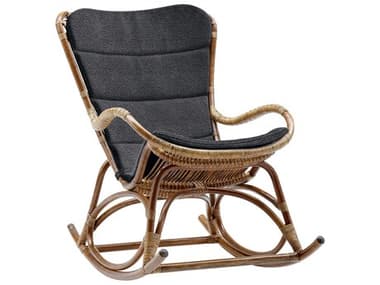
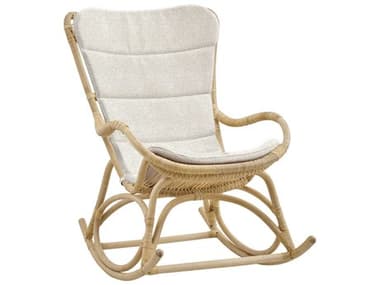
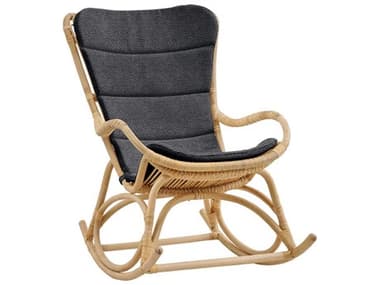
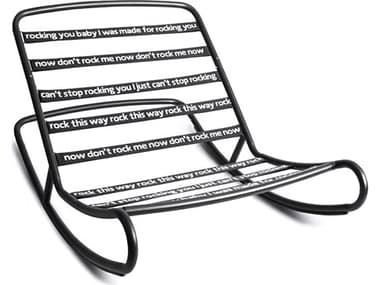
The gentle sway of a glider rocking chair proves to be an irresistible experience that beckons you to take a few extra moments to relax. Built as the ultimate in relaxed seating, something about a rocker chair just invites you to sit down and relax, making them the ideal piece of furniture to add to nearly any area of your home. A quaint rocking chair is the perfect whimsical addition to a living room, bedroom, or even outdoor space, like a porch or balcony. The steady movement feels like you’re being cradled as you are rocked back and forth, creating a sitting experience that is extremely calming and soothing. This all-American classic synthesizes the joys of resting and the innovation of modernism. While classic wooden rocking chairs can conjure up memories of grandmother’s knitting, today’s modern rocking chairs are made in a variety of styles that incorporate technological advances and a modern flourish to timeless design. After decorating with rocker chairs, you might never want to get in a stationary chair with legs again!
Different Styles of Rocking Chairs
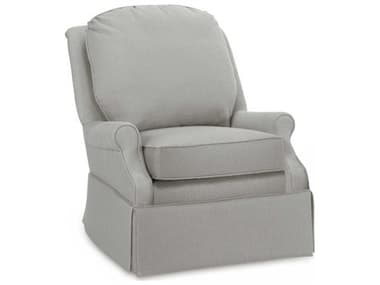
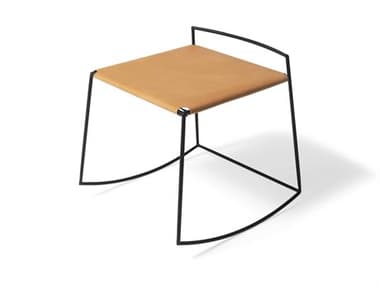
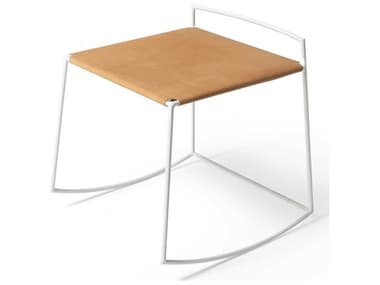
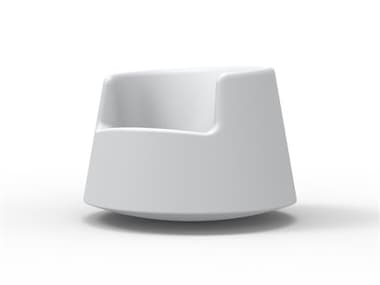
LuxeDecor has a variety of premium rocker chairs from top-quality brands, such as Howard Elliott, Stilnovo, Shiner International, and Uttermost, that combine quality, comfort, and style. While the wooden rocking chair remains a classic standard for seating, there are now more options to select from to suit your style and comfort preference. Upgrade and choose from a variety of upholstered models in casual and modern styles. For statement making comfort that won’t break the bank, most glider rocking chairs are affordably priced under $500. We like the fresh take by Stilnovo, whose mid-century inspiration thoroughly modernizes the rocker chair. The “Mid-Century Rocking Chair" provides a comfortably contoured body of durable polypropylene on a stainless steel base straddling ash hardwood sleighs, for seating that is funky and fashion-forward. Available in cherry red, lime green, cerulean blue, sunny yellow, and white, like white leather rocking chair, as well as, upholstered versions in grey and a quirky patchwork design, these chairs bring a pop of color and pattern to a space with retro flair.
Decorating With Rocking Chairs
If you’re in need of accent seating, whether in your bedroom or living room, before you default to the standard four-legged design, a rocker chair grants you the opportunity to liven up your space and add a bit more comfort. With over 75 models of glider rocking chairs available at LuxeDecor, in many sizes, fabrications, and styles, you’re bound to find just the right chair to suit your decorative needs. Get snuggled up in an Uttermost “Sandy High Back Rocking Chair", which is a white rocking chair that provides a warm and cozy place to kick back and read a book, knit, or jam out to some tunes, for a blissful afternoon.
To learn more information about accent chairs such as rocking chairs, including different upholstery materials, styles, and care, read LuxeDecor's Accent Chair Buying Guide.