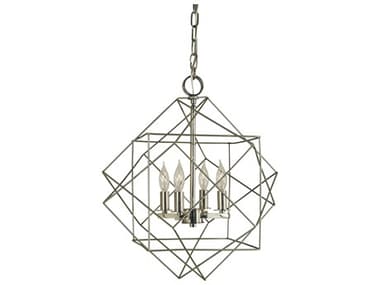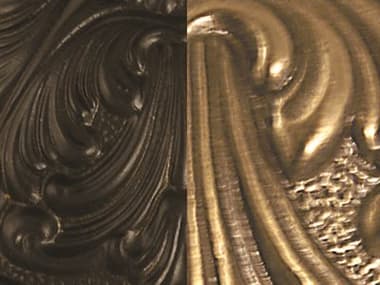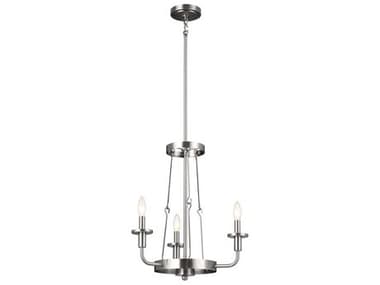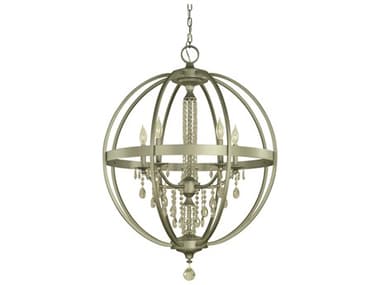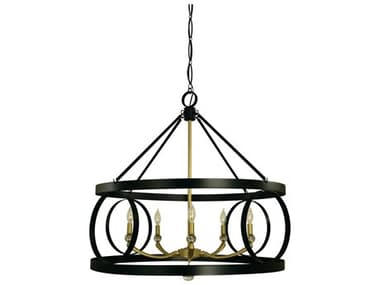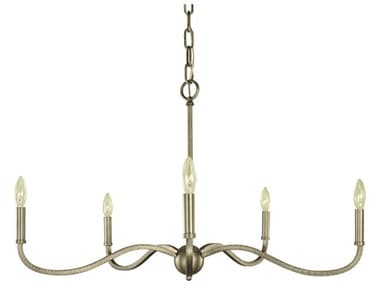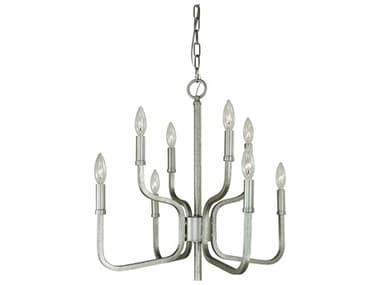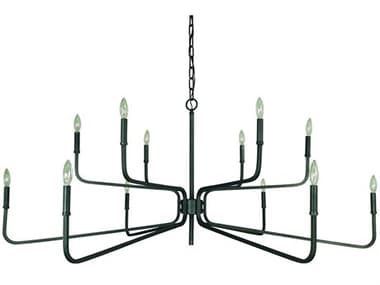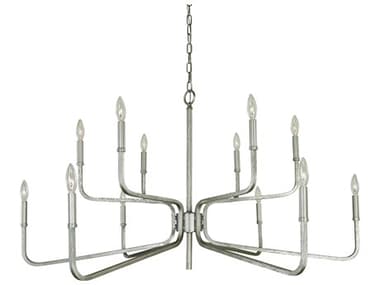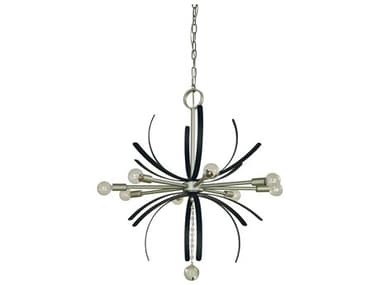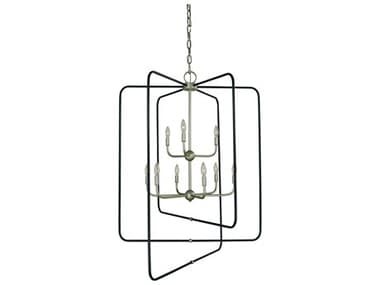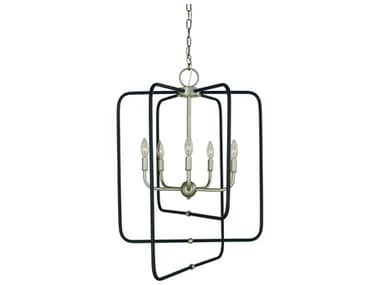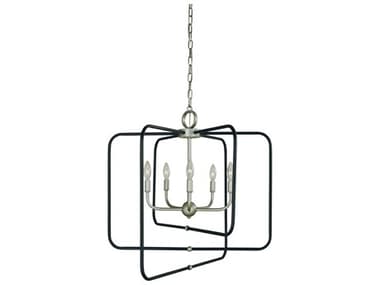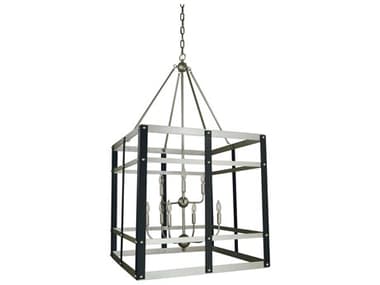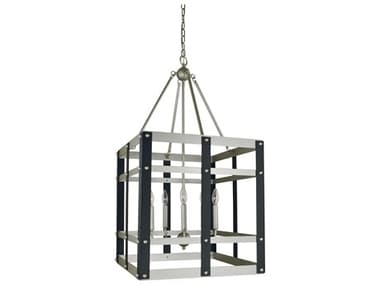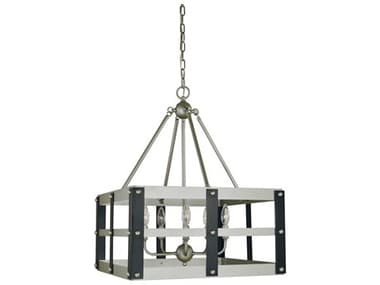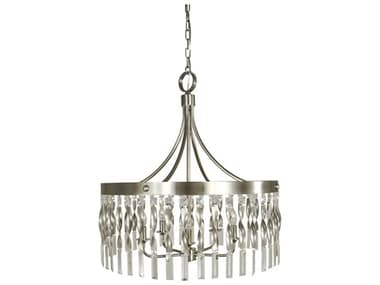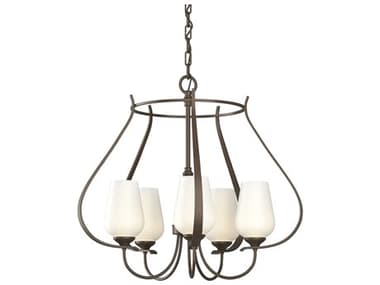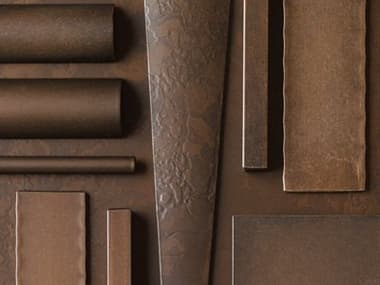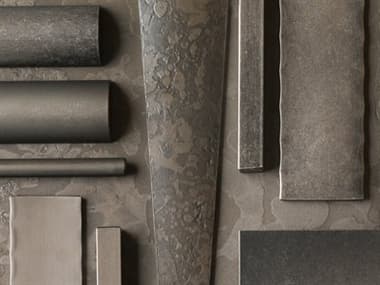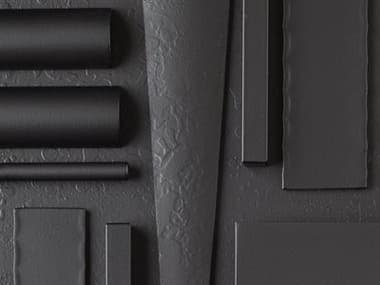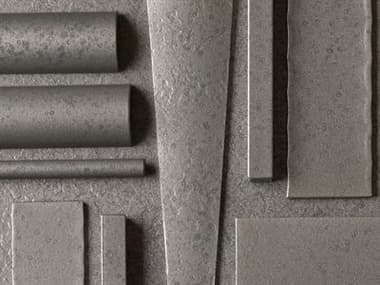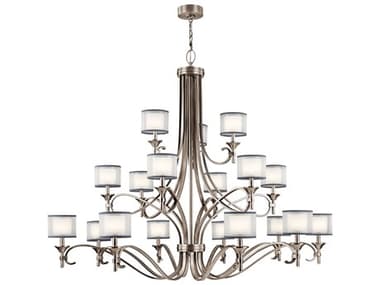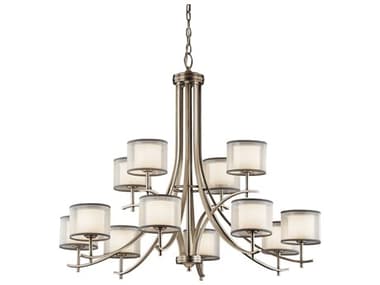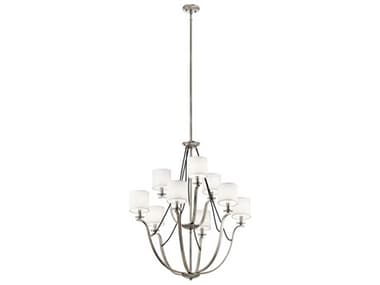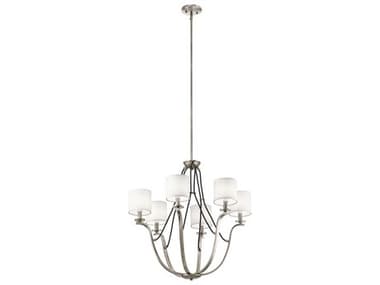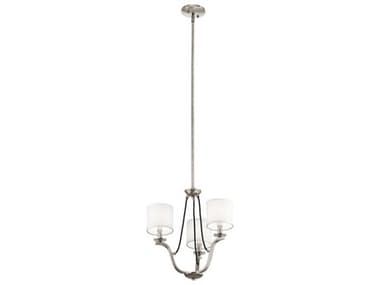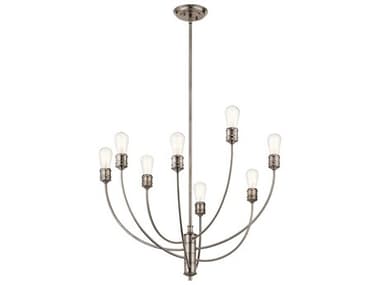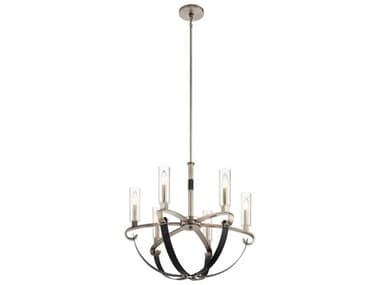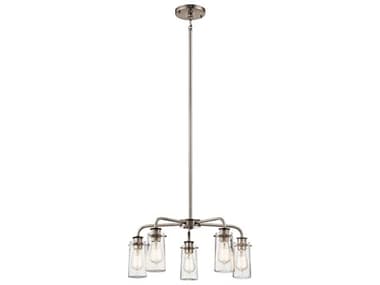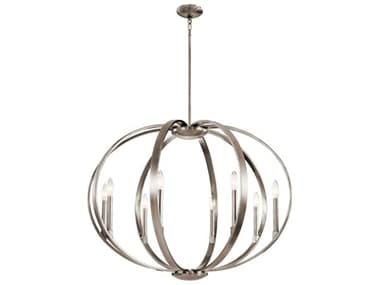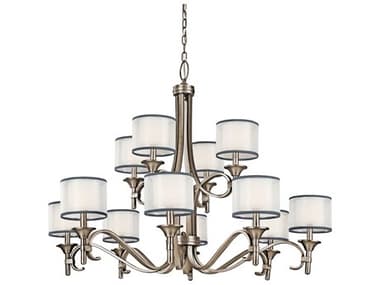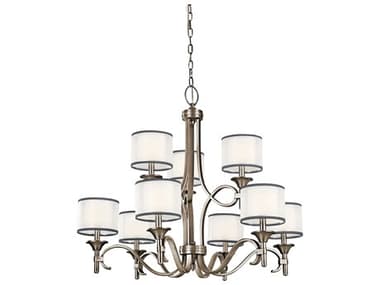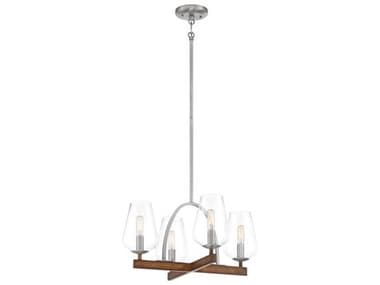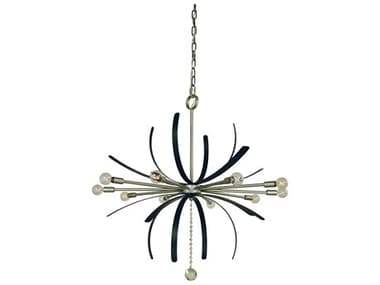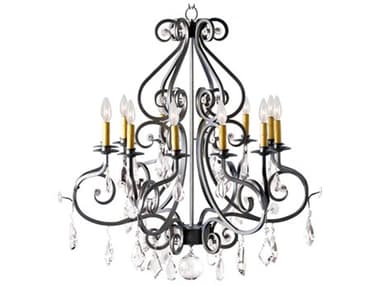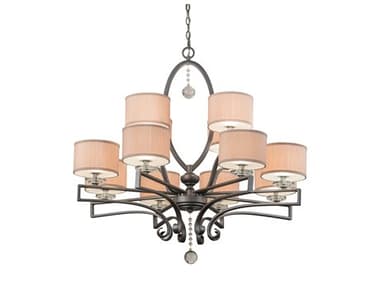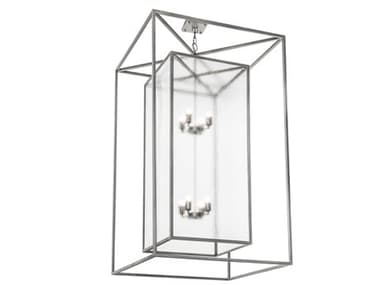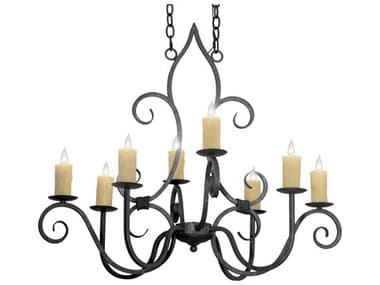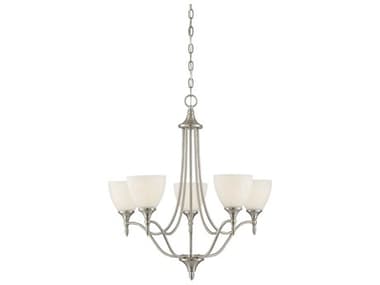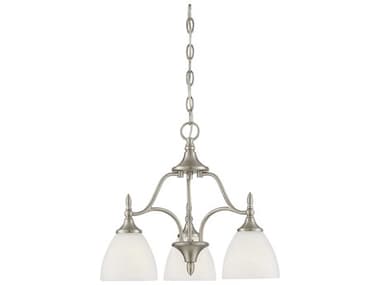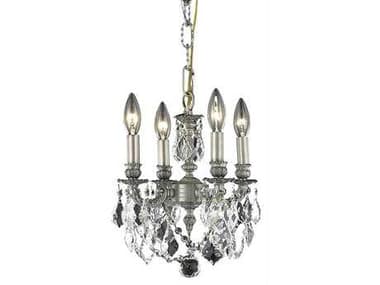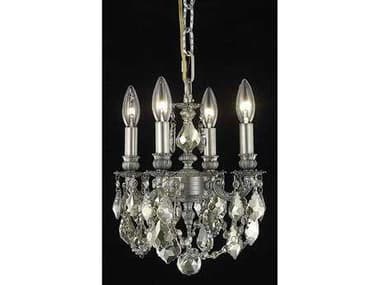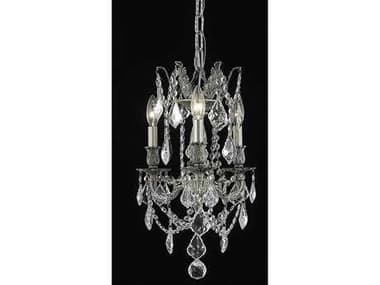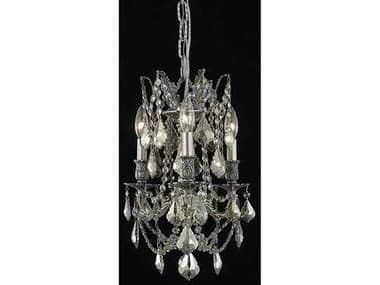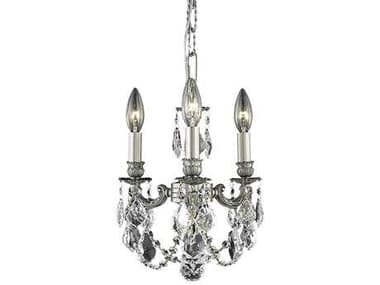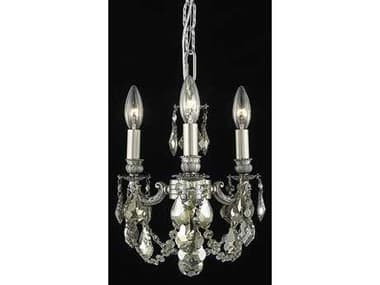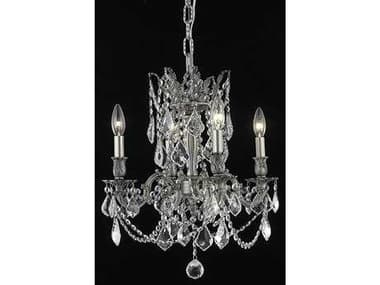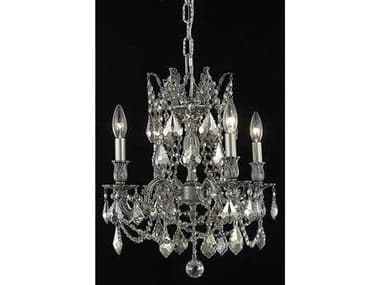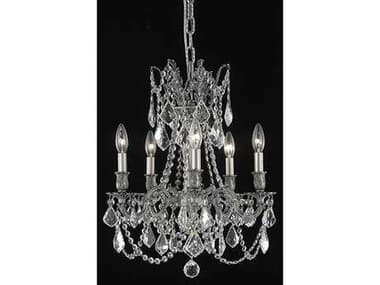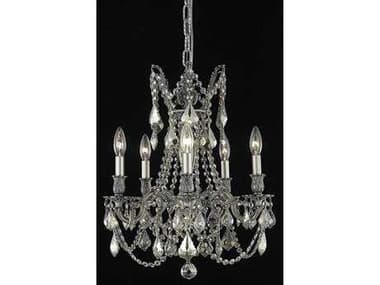
Pewter sits between brushed nickel and aged iron on the finish spectrum — warmer than polished metals, cooler than bronze or brass. That middle ground gives it unusual versatility. A luxury pewter chandelier pairs with both warm wood tones and cool grays, which is why it works so well in transitional spaces where a single metallic finish needs to carry the room.
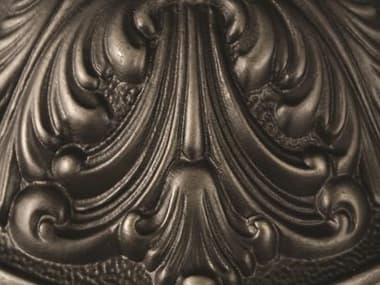
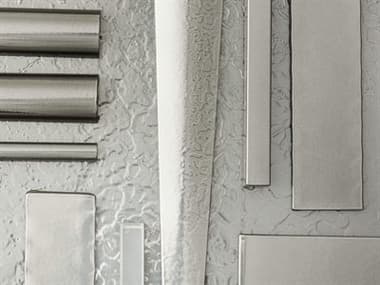
Unlike a nickel chandelier that reads bright and contemporary, pewter carries visible texture and a subtle patina. You get visual weight without the heaviness of wrought iron or the formality of polished silver. It's a refined choice that doesn't demand attention — it just holds it.


Our luxury pewter chandeliers span several configurations:
Many of these fixtures feature hand-finished pewter, meaning each piece has slight tonal variation. That's intentional — it gives the chandelier depth that a uniform spray-coat finish cannot replicate.
The standard rule: add the room's length and width in feet, then convert that number to inches for your chandelier's diameter. A 12×14 dining room calls for a fixture roughly 26 inches wide. For foyers, go slightly larger since the fixture is viewed from a distance.
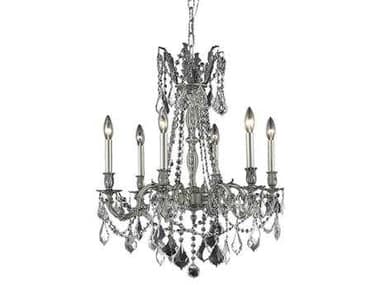
Hang dining chandeliers 30 to 34 inches above the table surface. In open foyers, allow at least 7 feet of clearance beneath the fixture. If your ceilings run above nine feet, add three inches of hanging height per additional foot of ceiling height.
Pewter's neutral tone means you don't need to match every hardware finish in the room. It coexists comfortably with oil-rubbed bronze, matte black, or brushed brass — especially in spaces with mixed metals already at play.
Pewter finishes are typically lacquered to preserve their patina, so they require less upkeep than raw metal fixtures. Dust with a soft, dry cloth every few weeks. Avoid ammonia-based cleaners, which can strip the protective coating and dull the surface over time. For fixtures with glass or crystal elements, a microfiber cloth dampened with diluted white vinegar handles water spots without leaving residue.
Choose LED-compatible bulbs in the 2700K range to complement pewter's warmth. Cooler color temperatures push the finish toward flat gray, while warm white light brings out its subtle silvery undertones. The right bulb choice makes the difference between a fixture that glows and one that merely hangs.