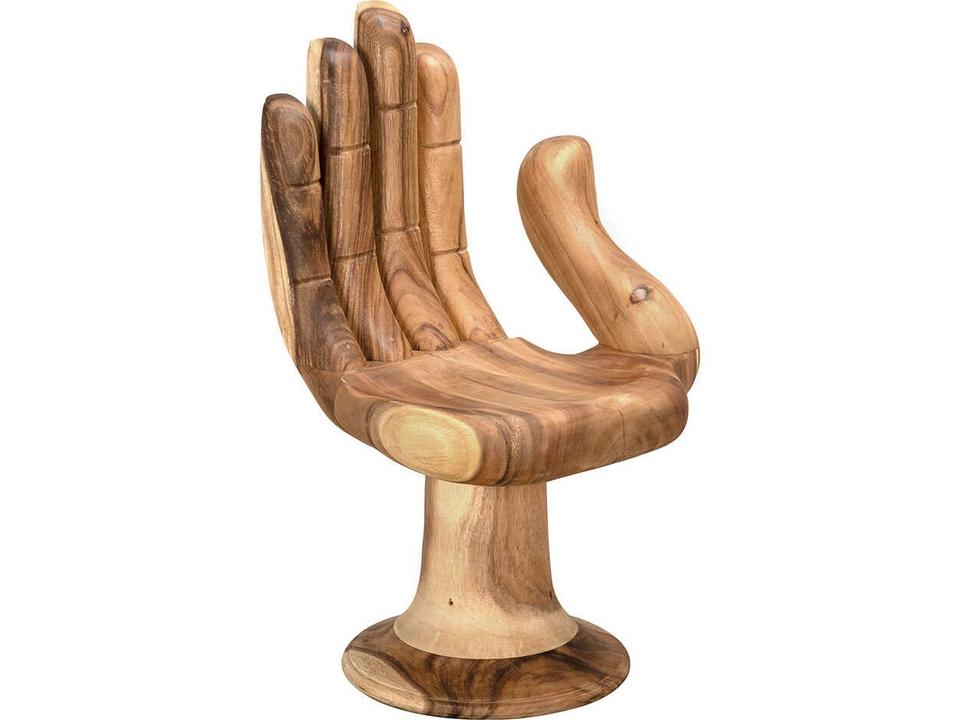
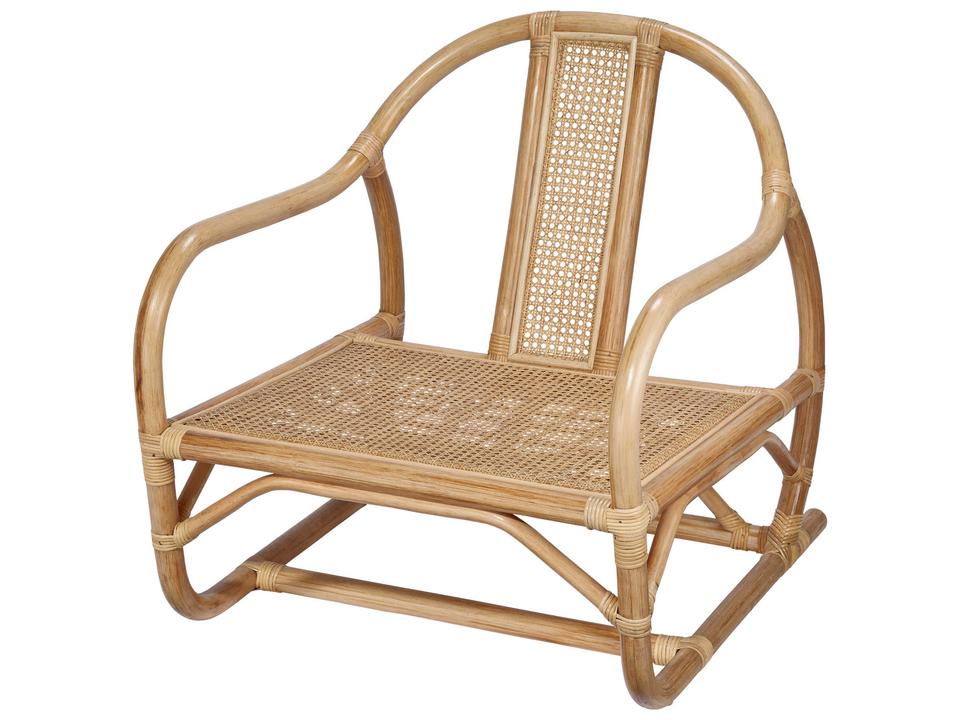
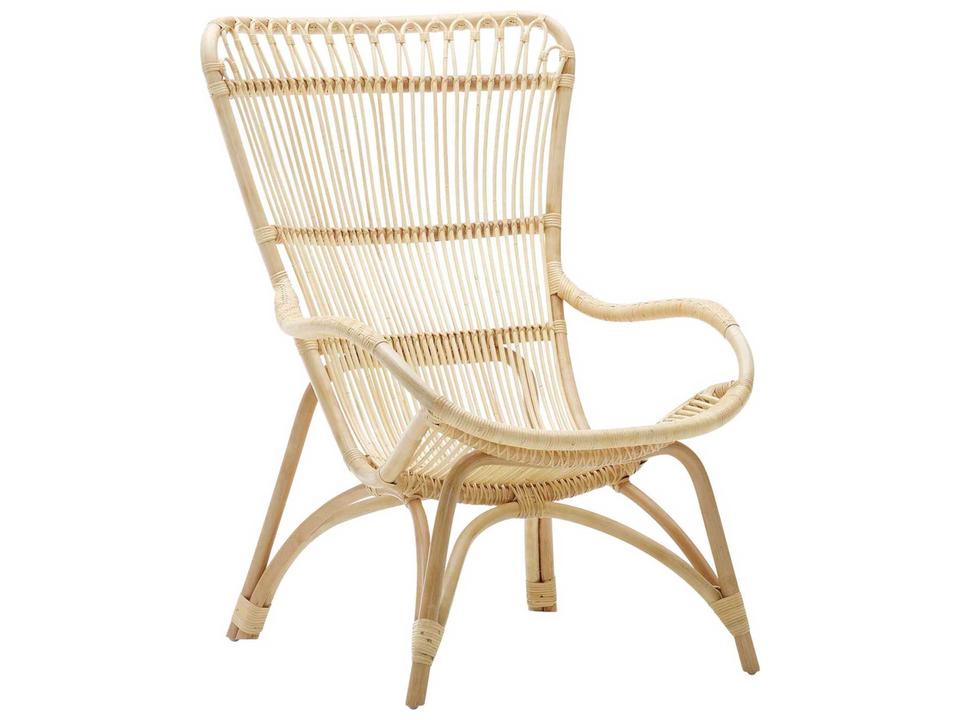
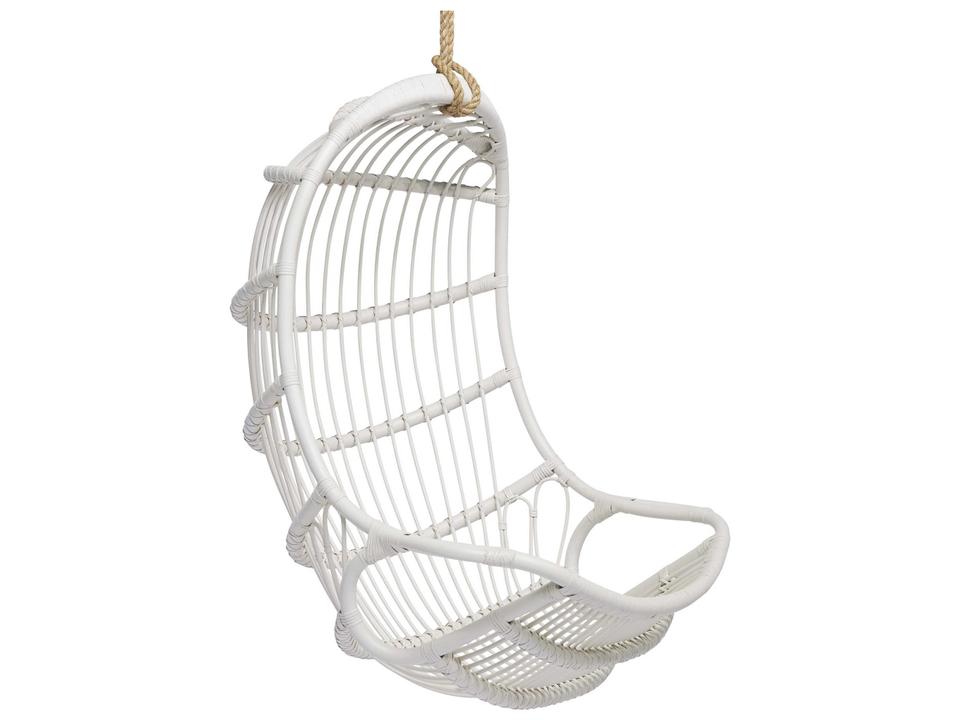
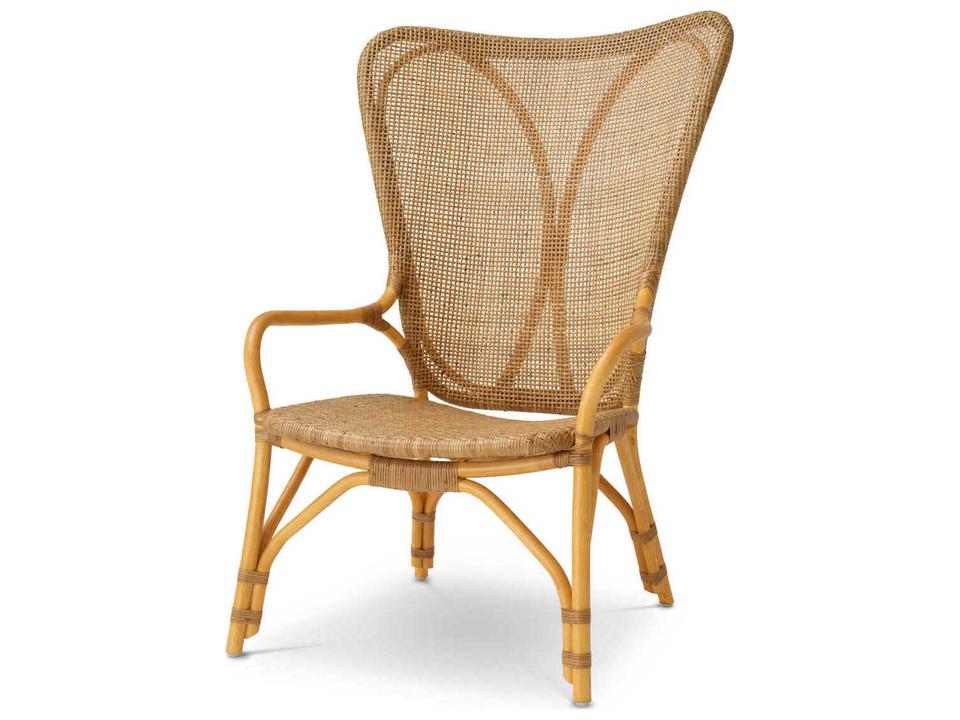
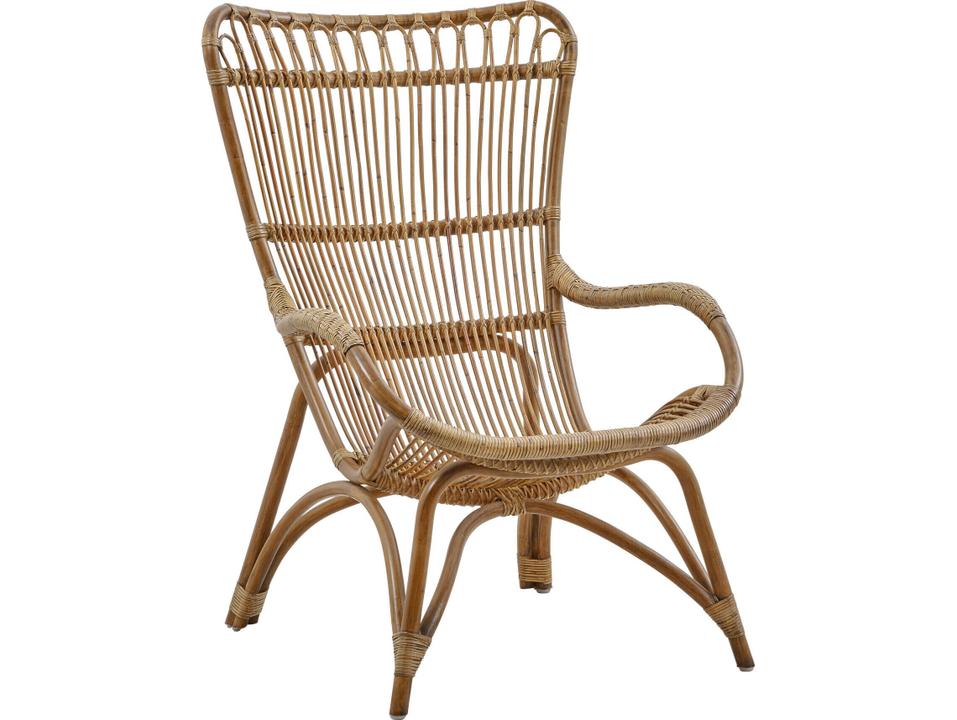
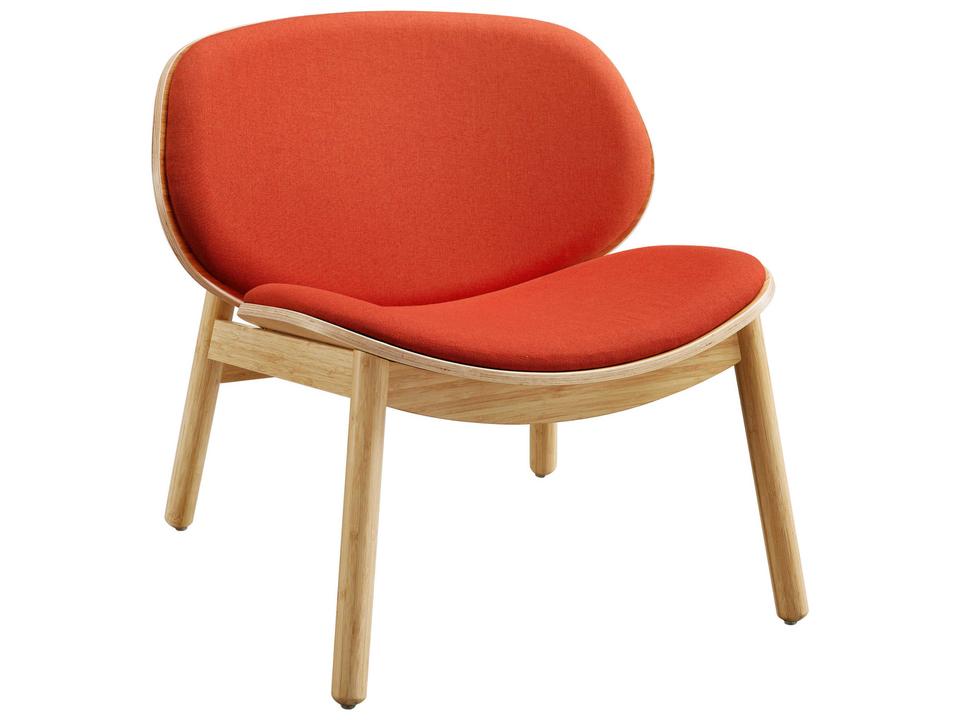
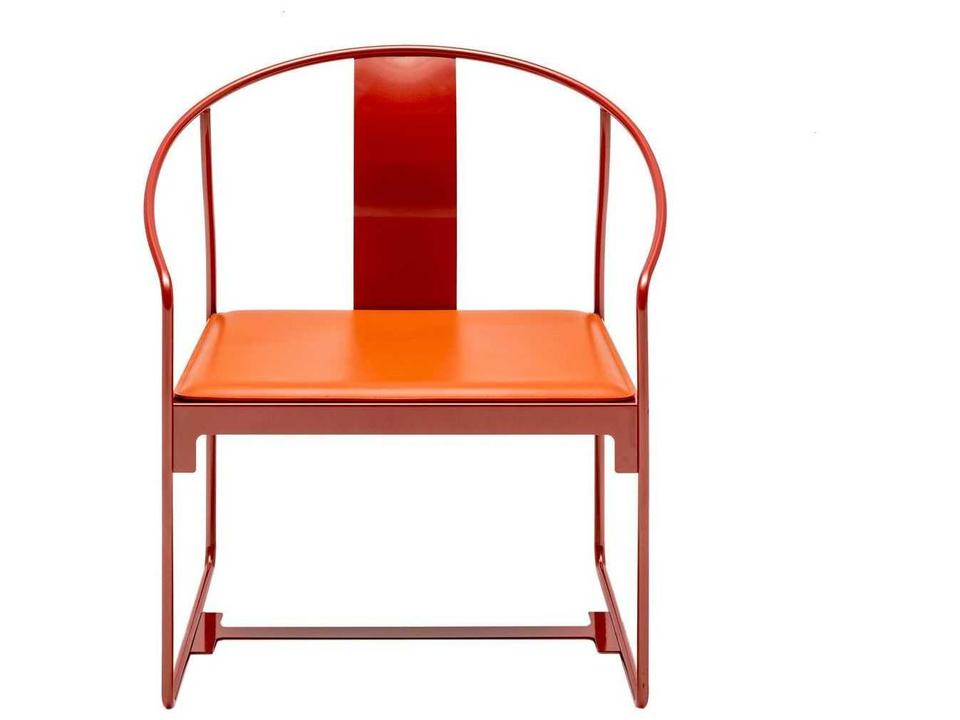
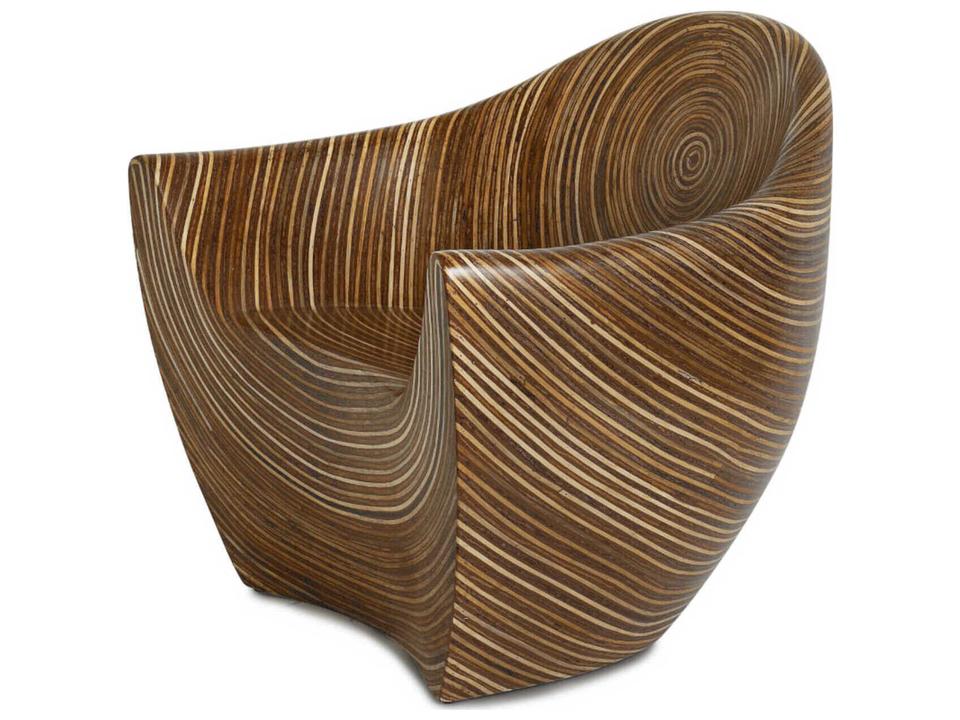
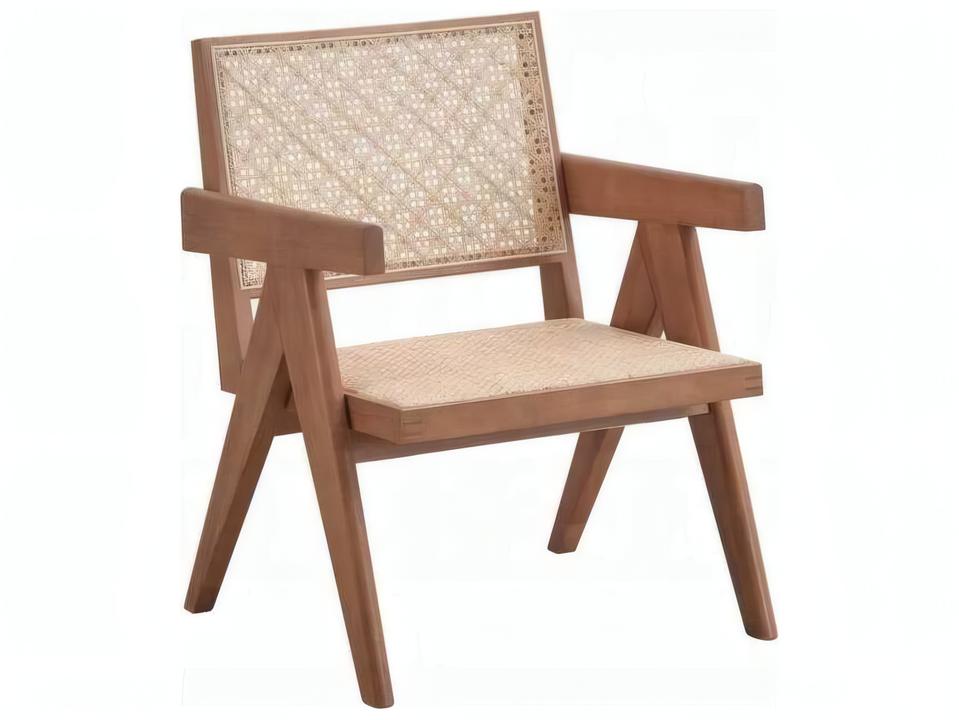
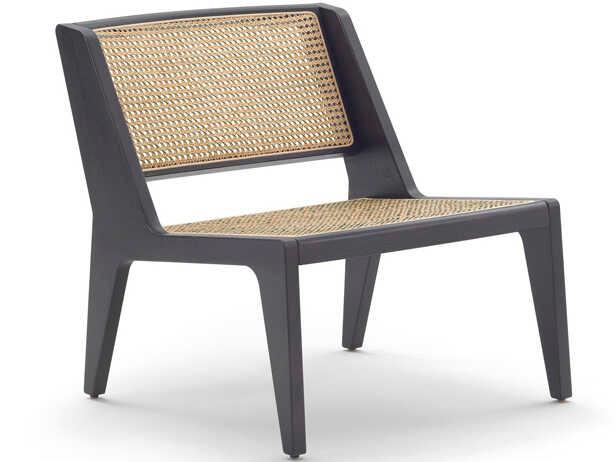
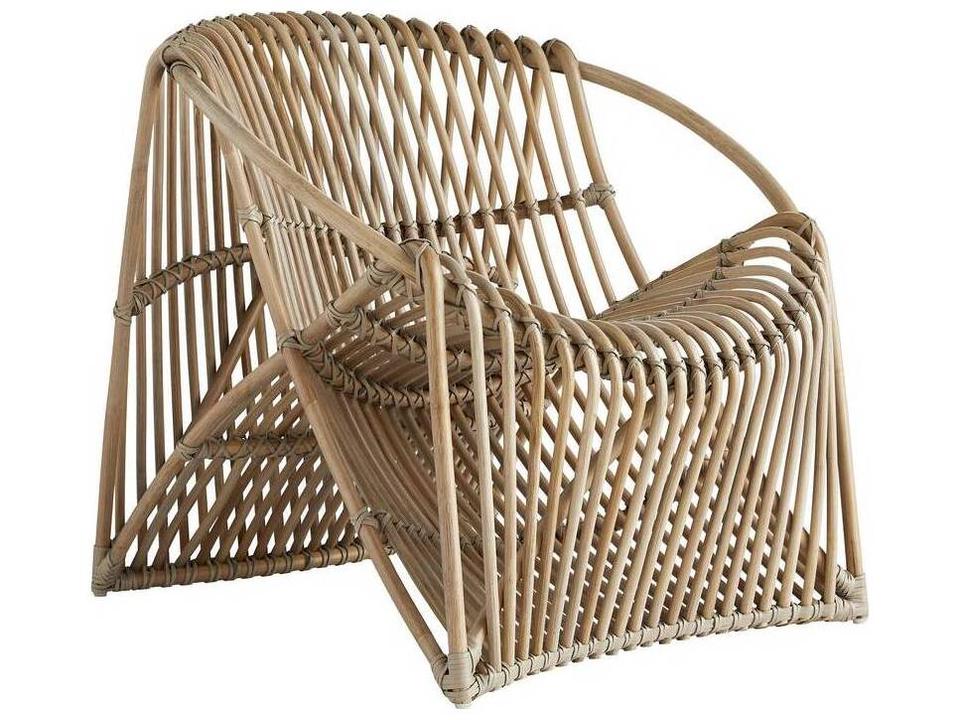
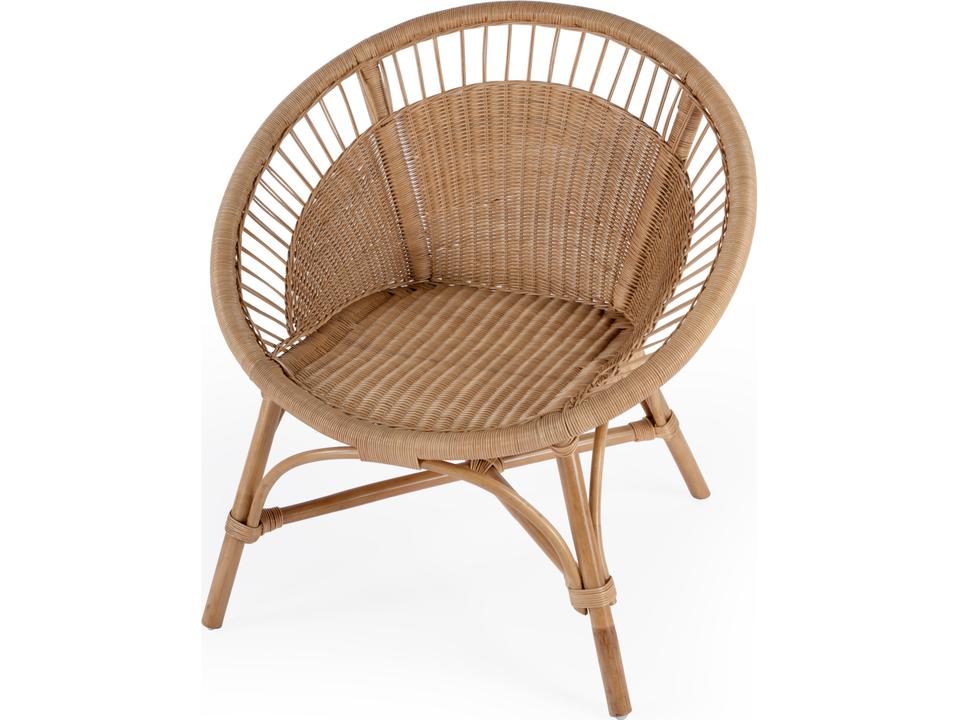
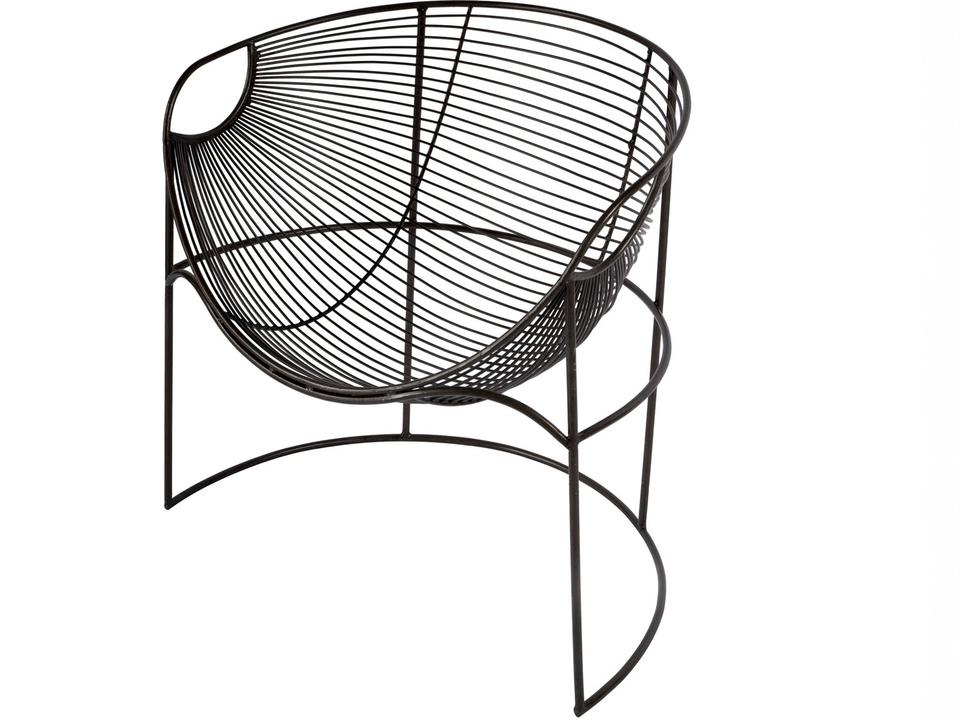
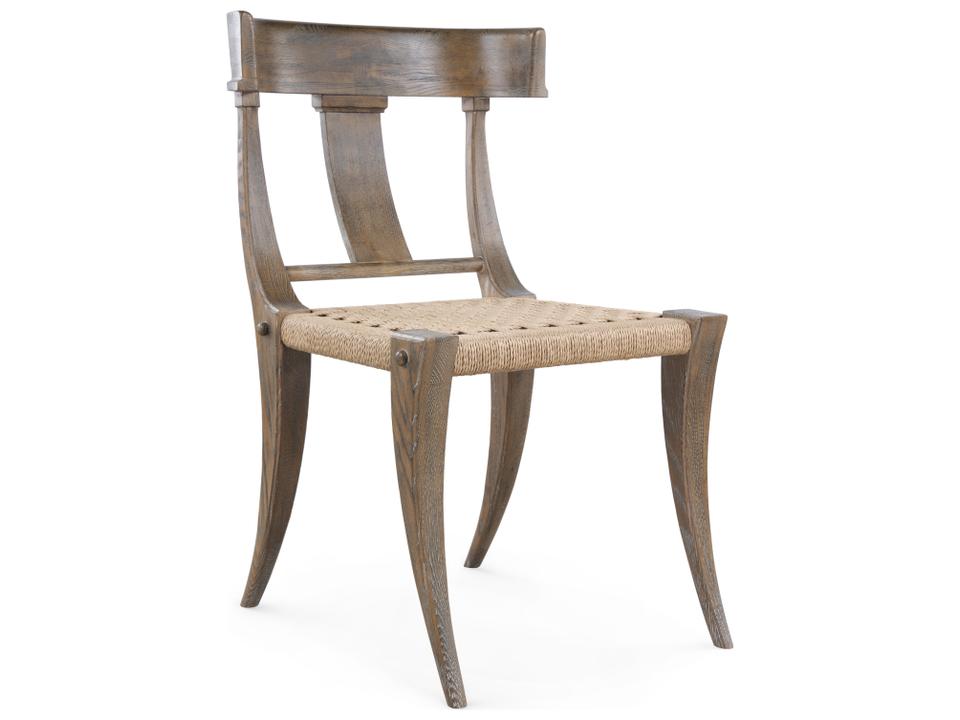
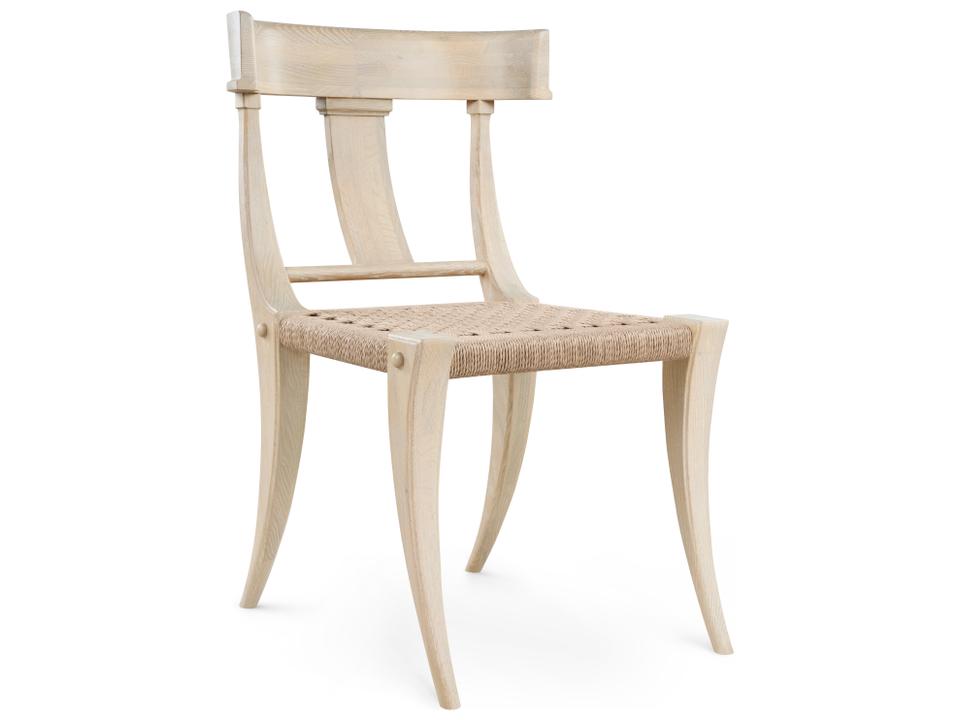
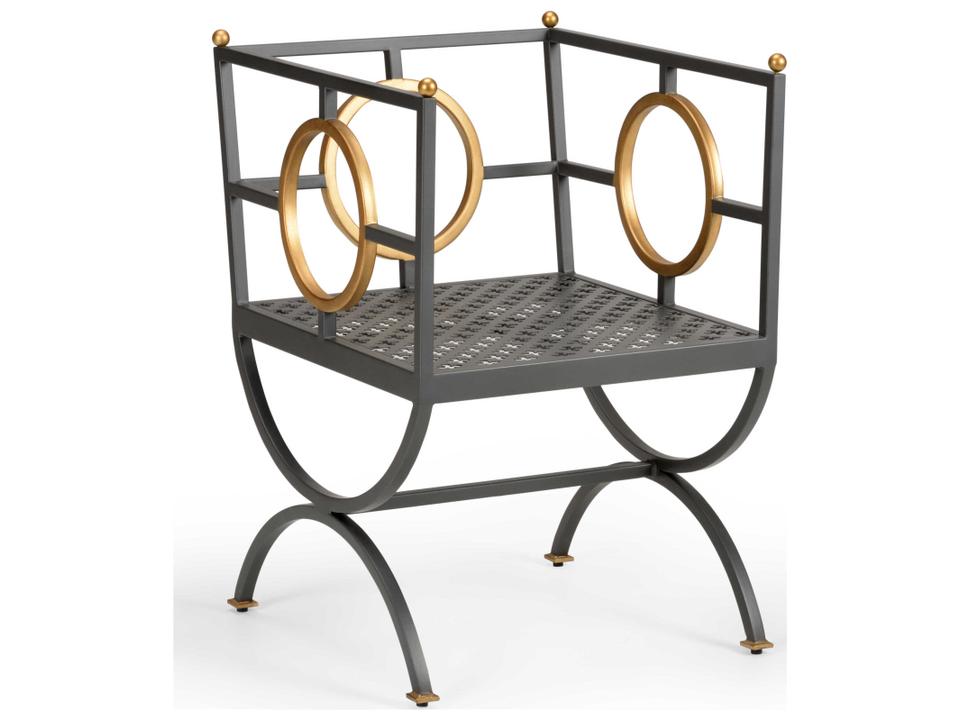
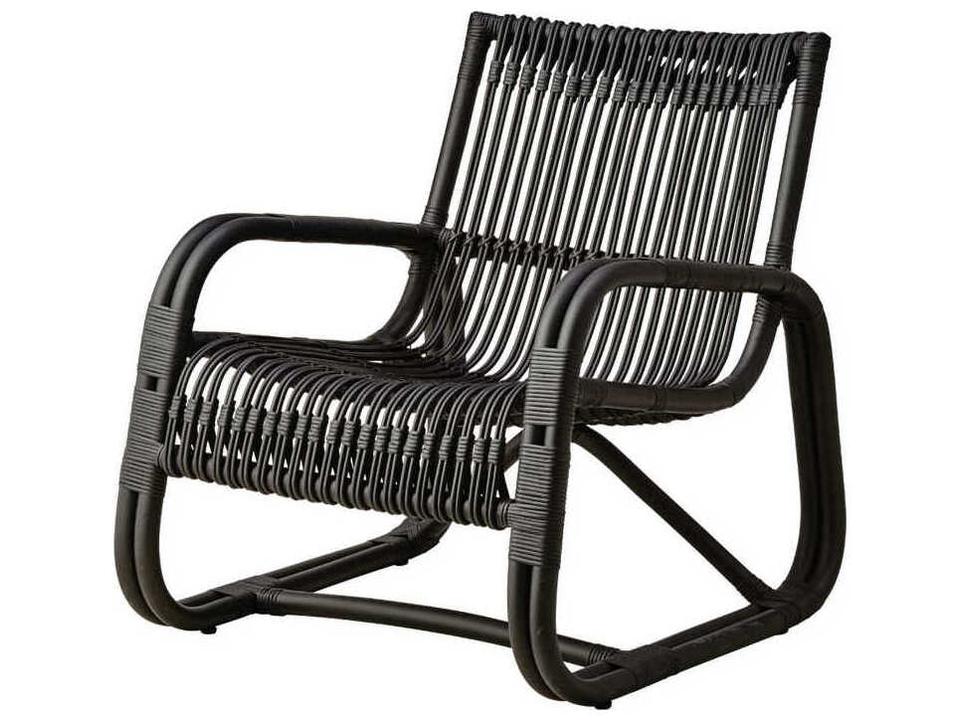
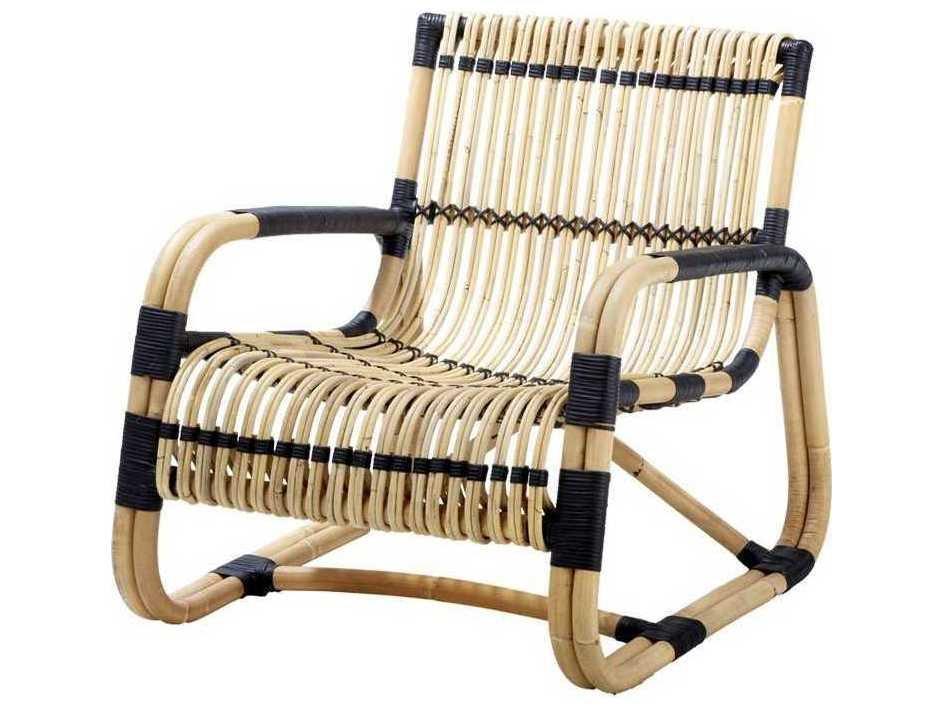
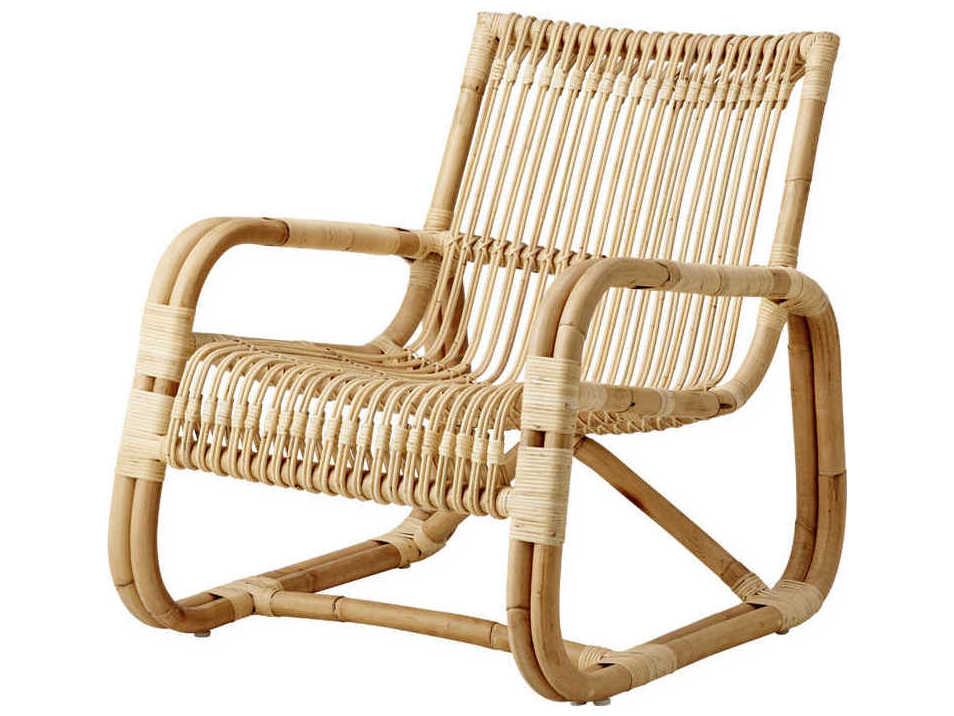
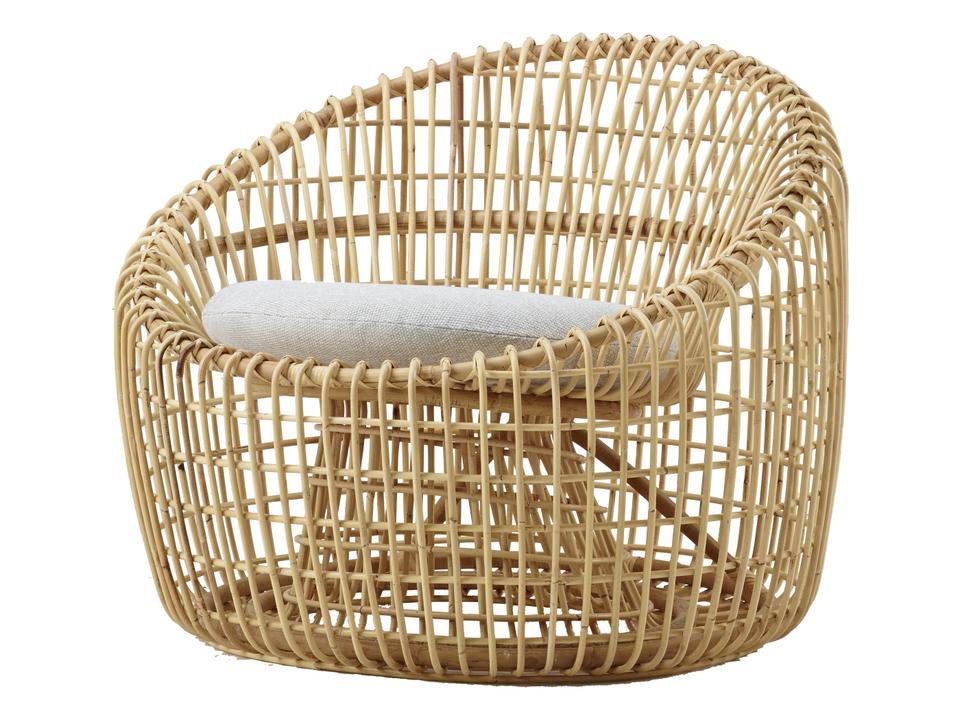
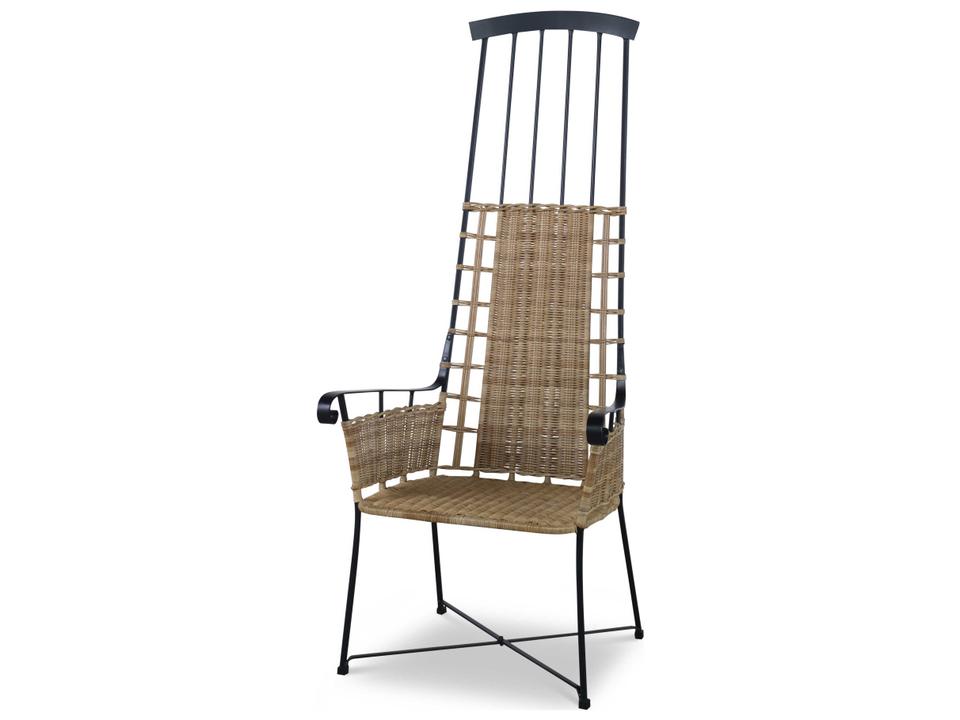
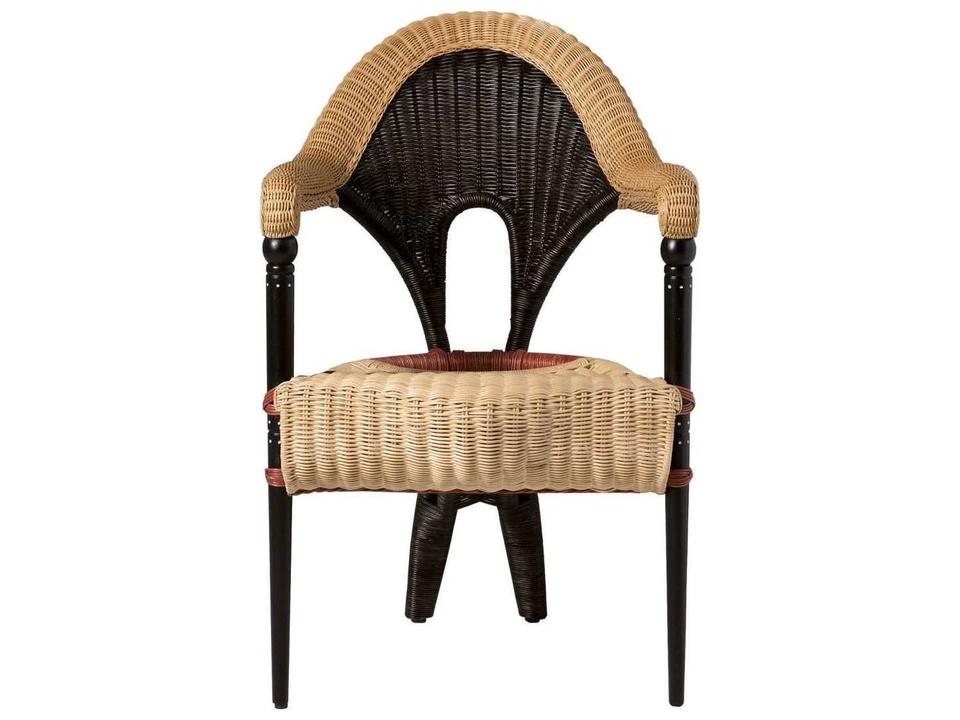
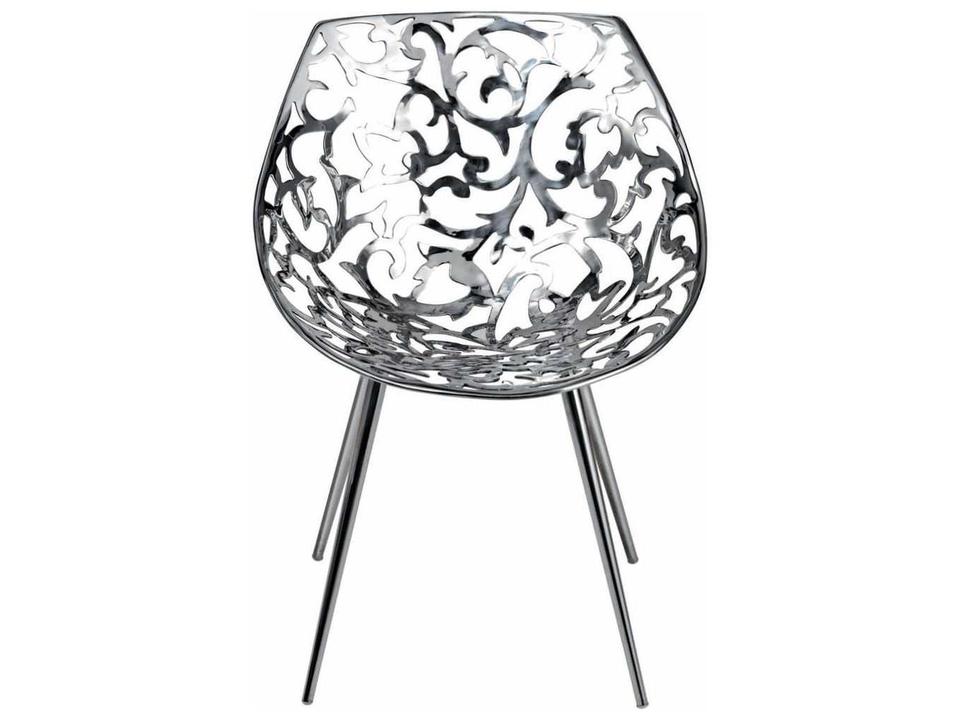
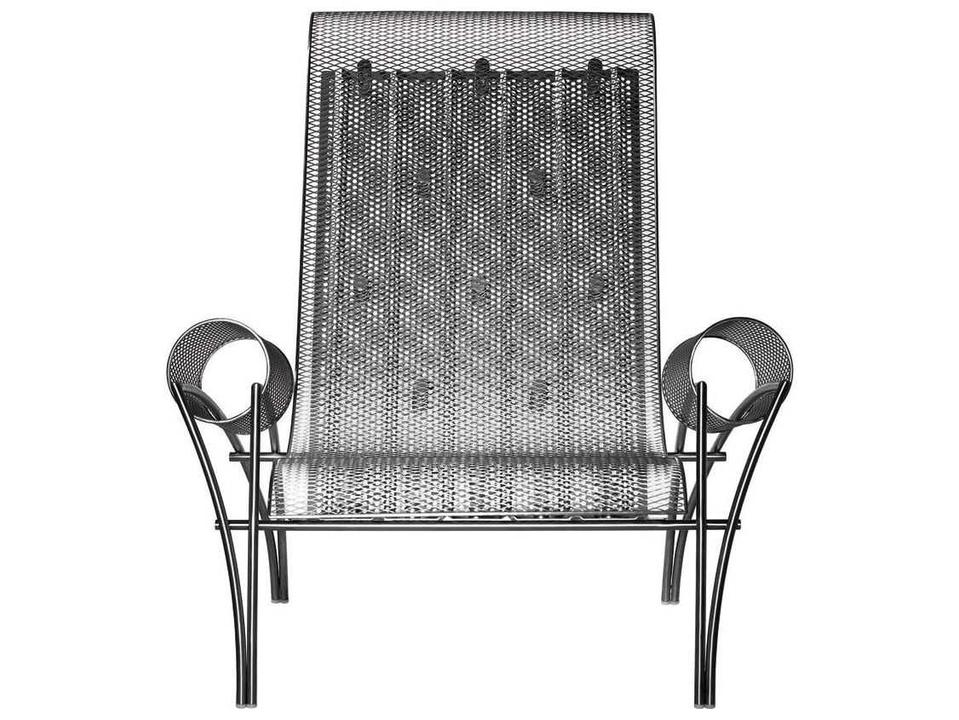
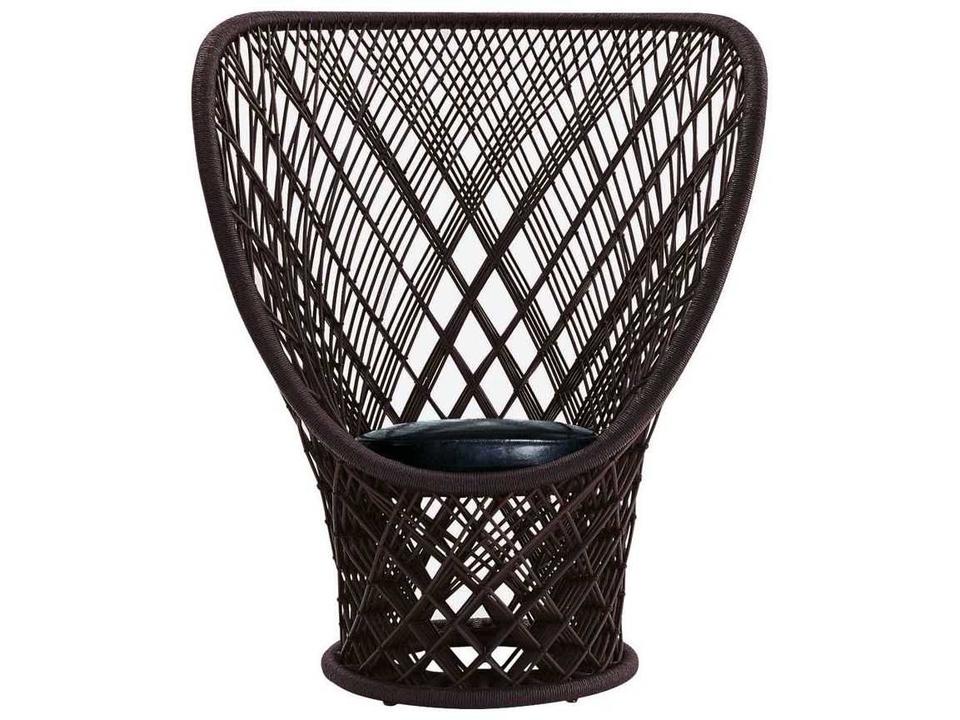
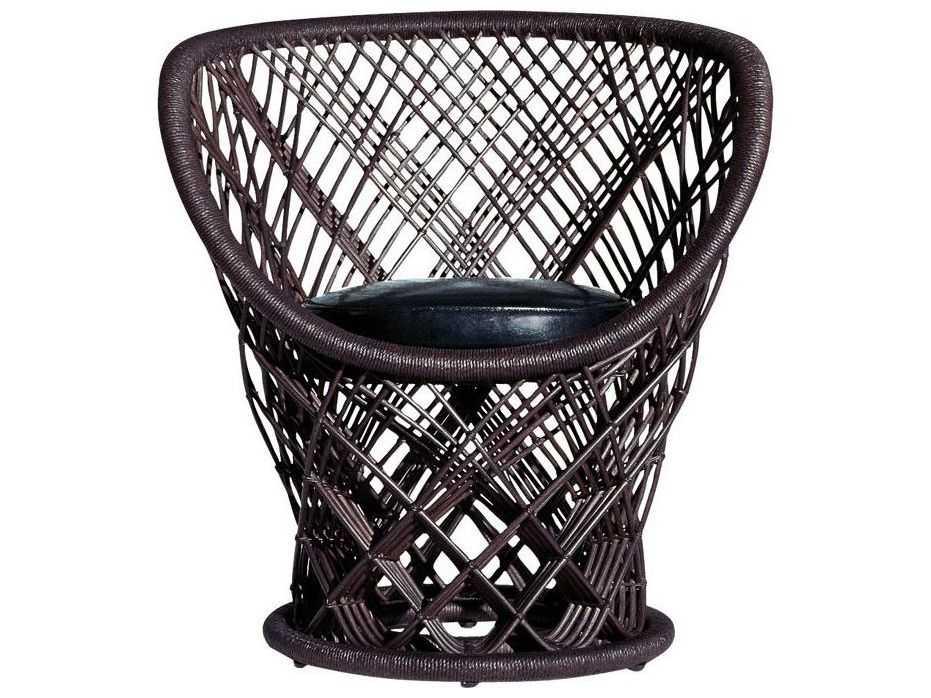
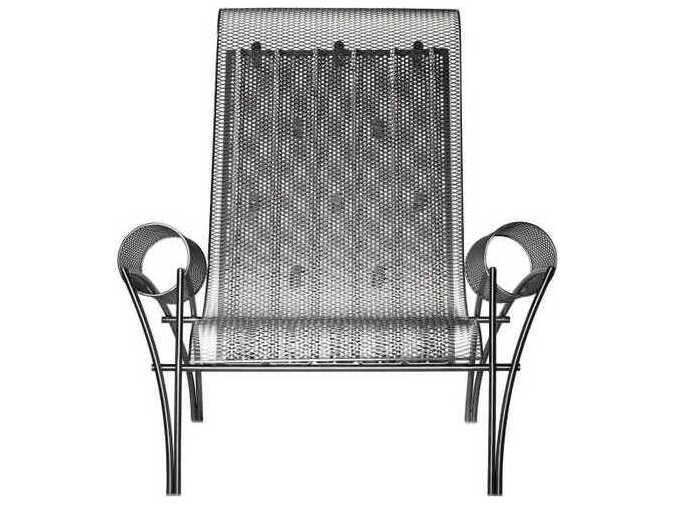
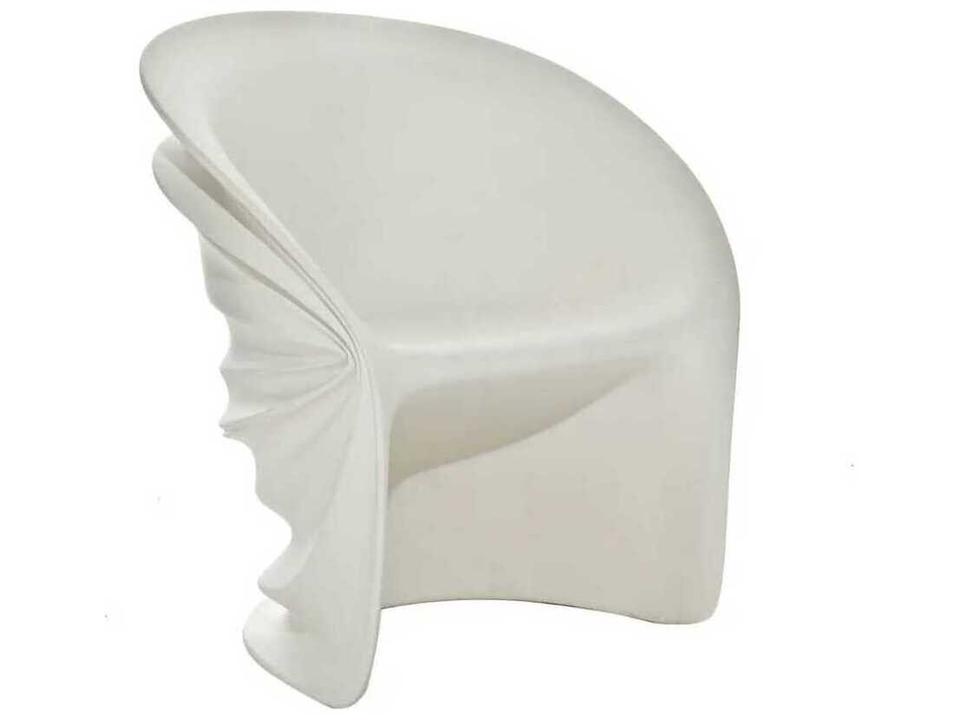
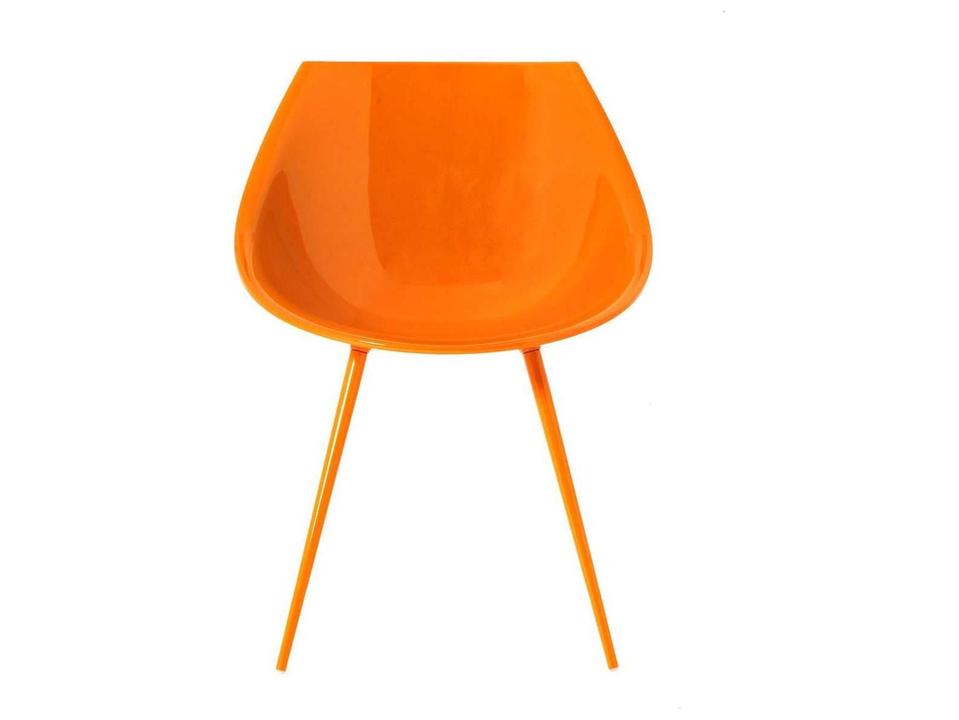
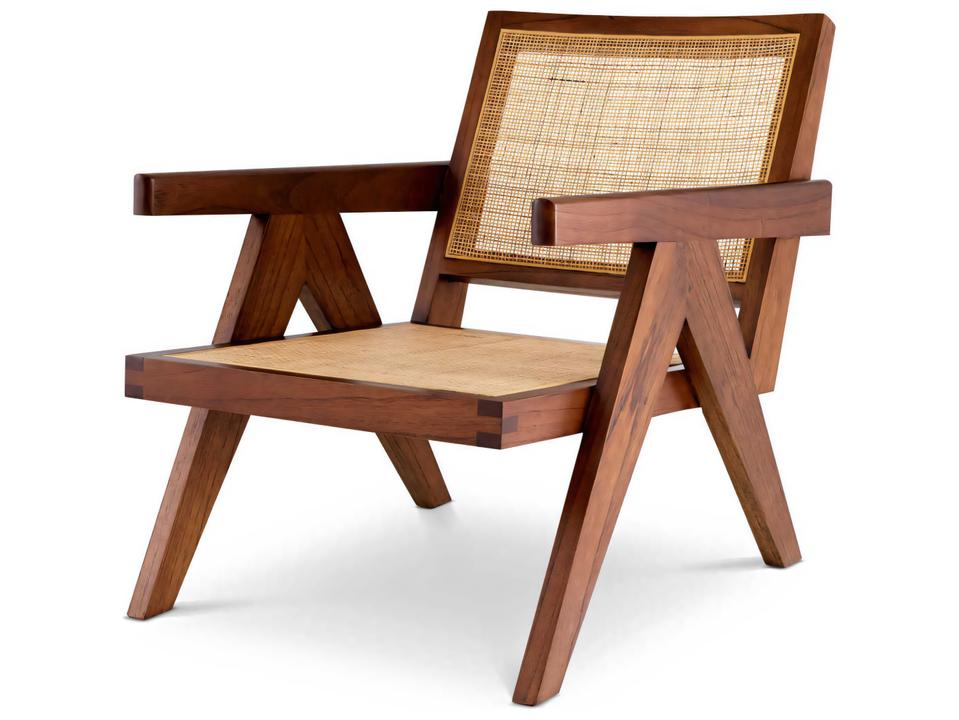
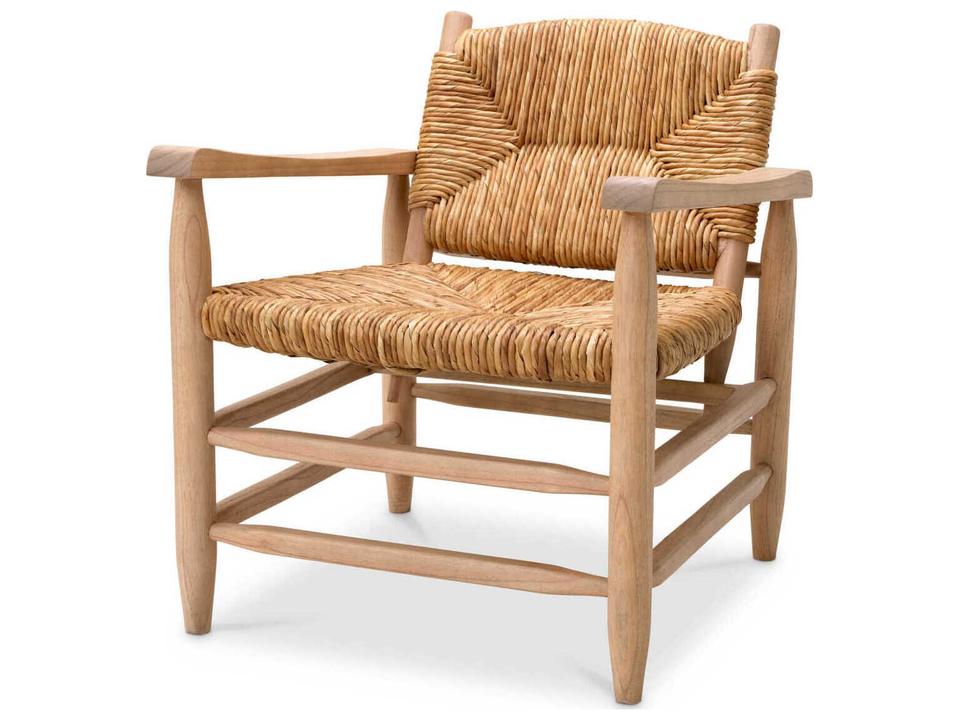
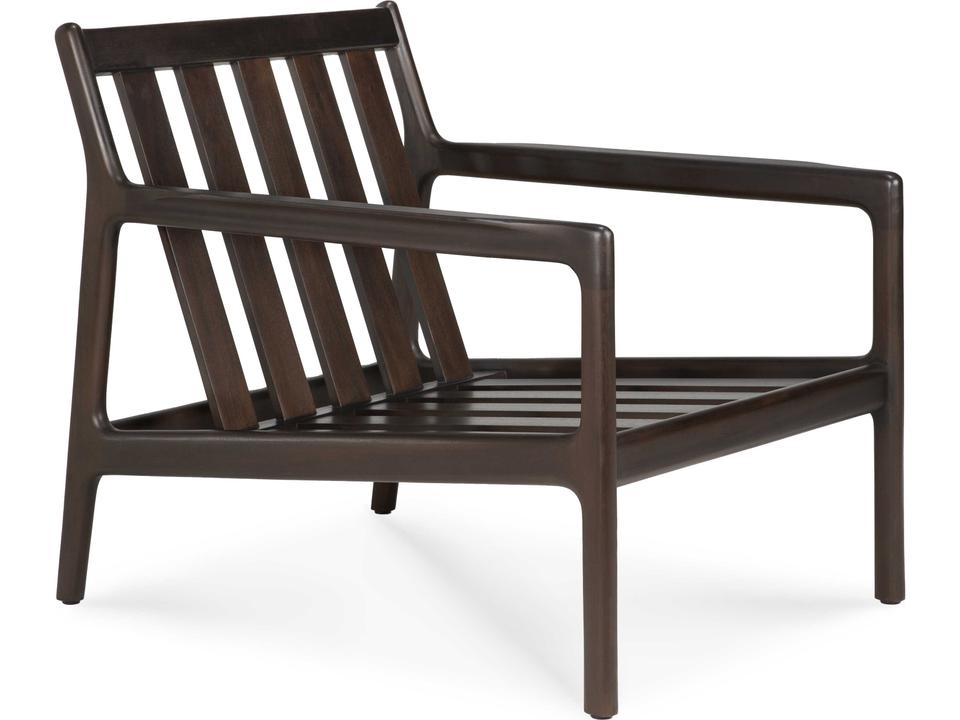
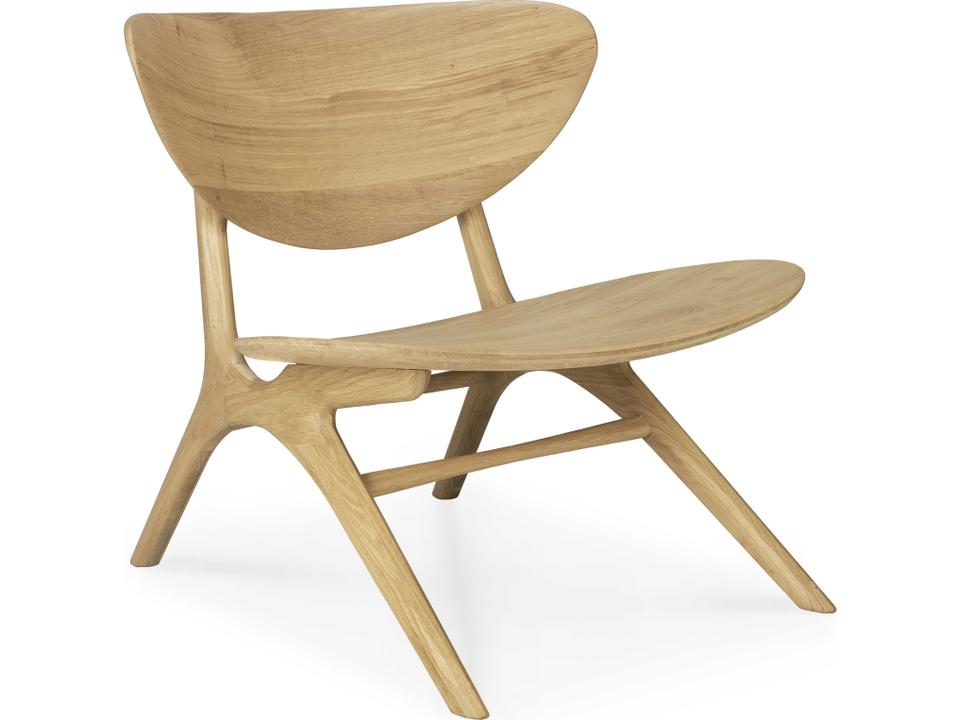
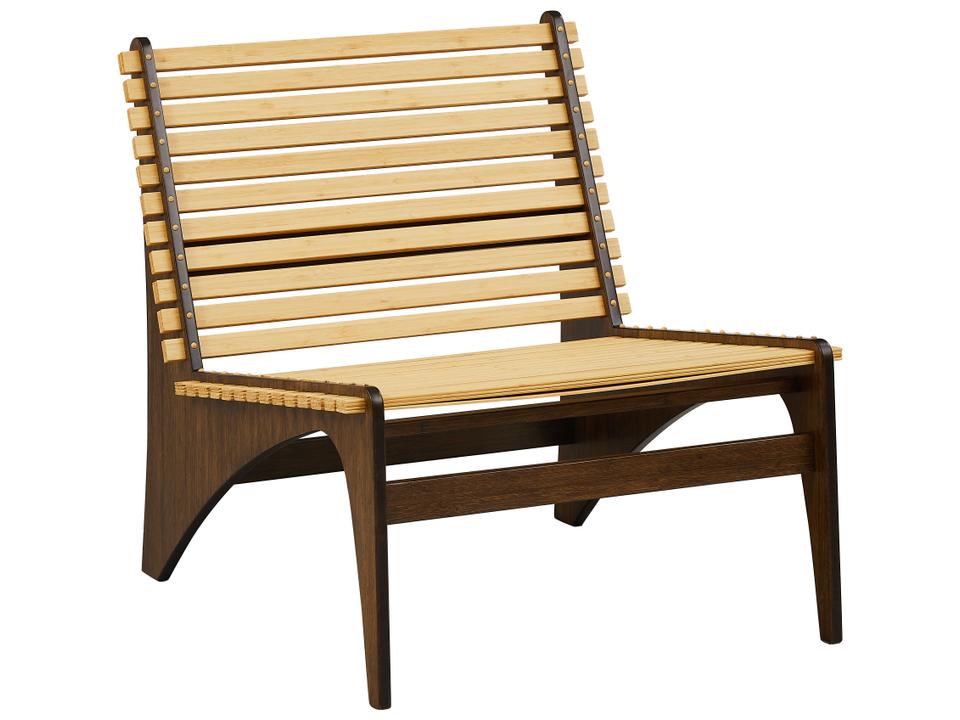
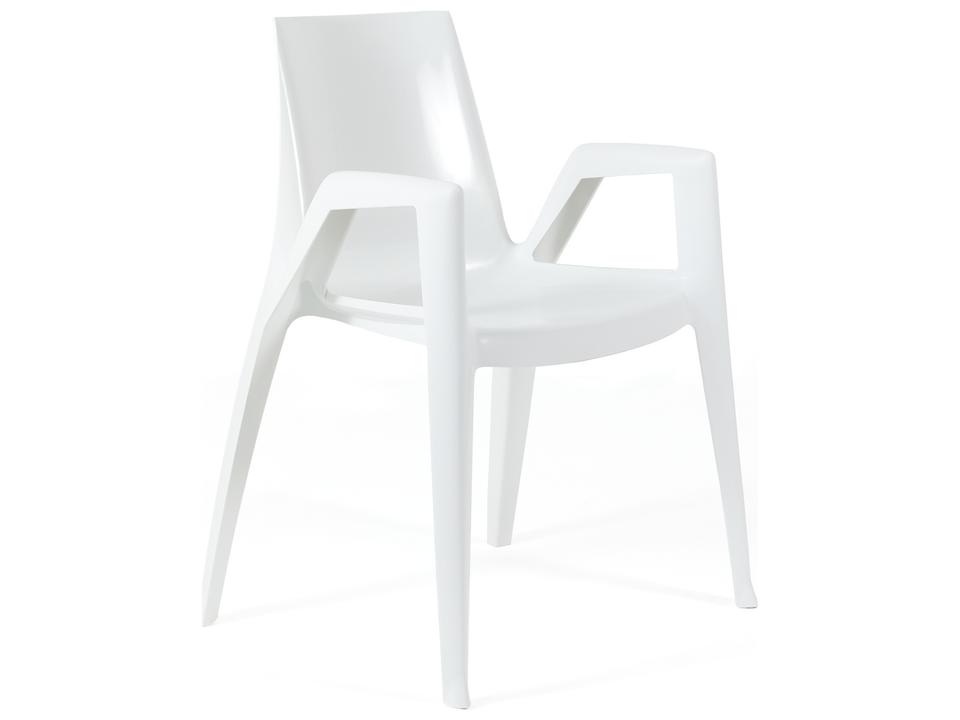
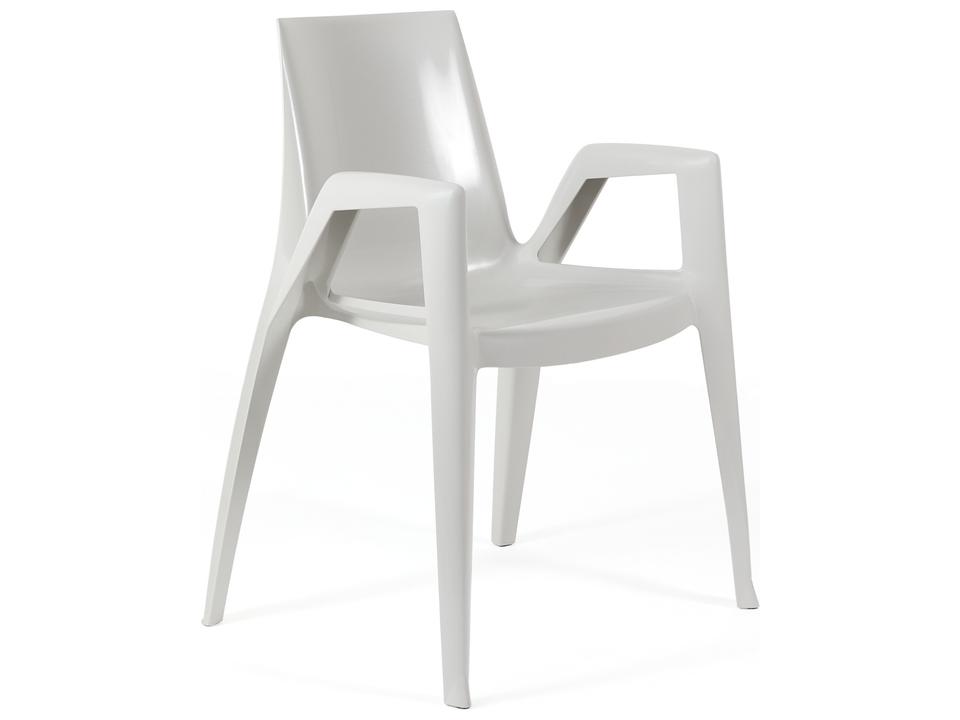
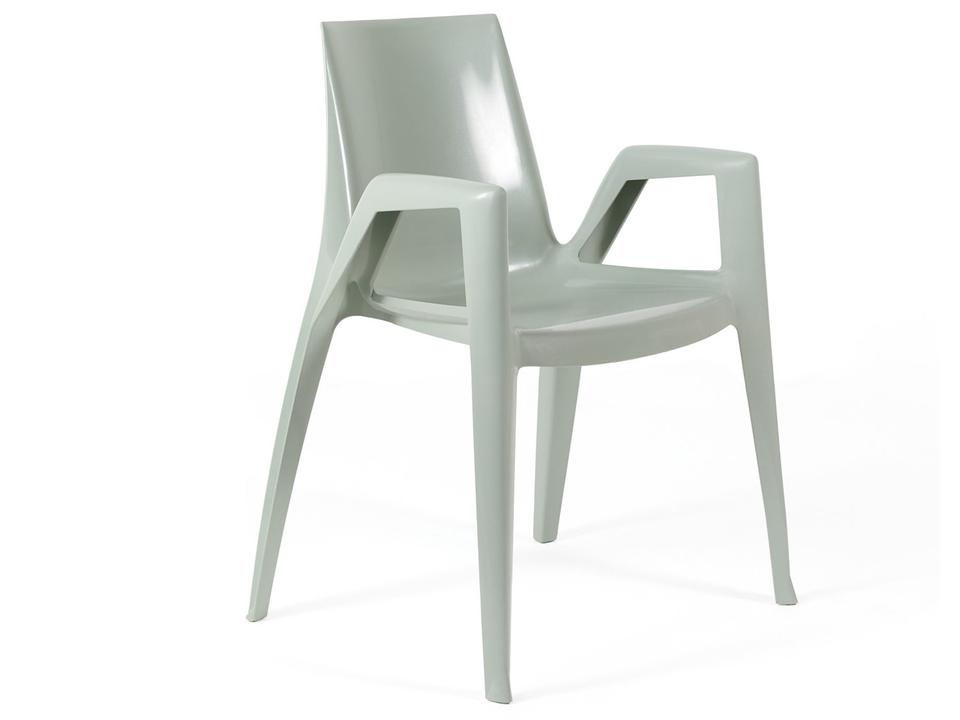
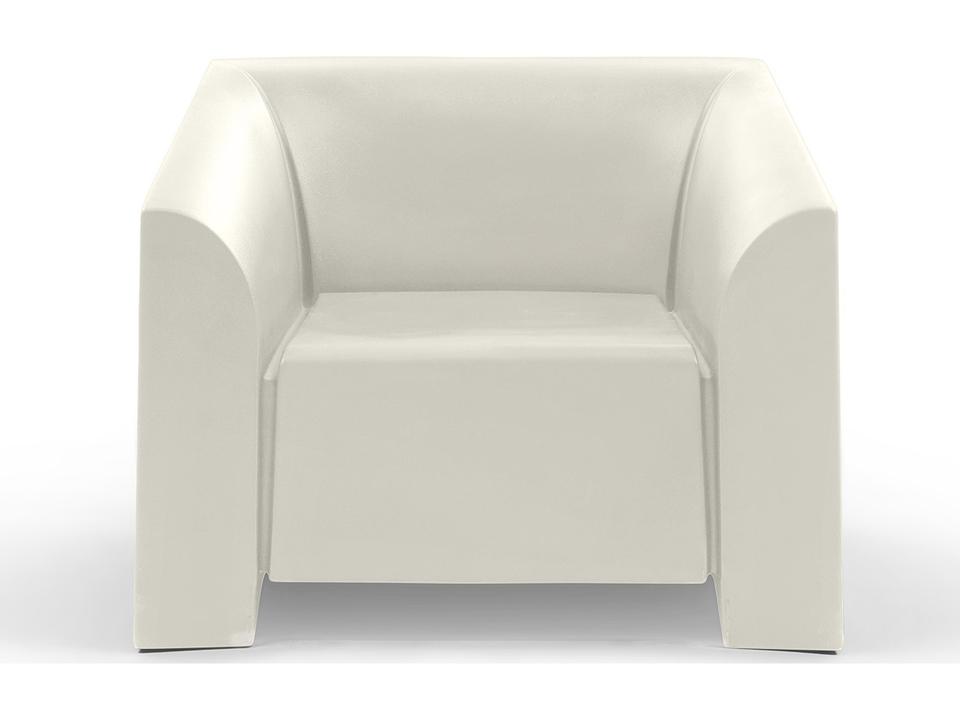
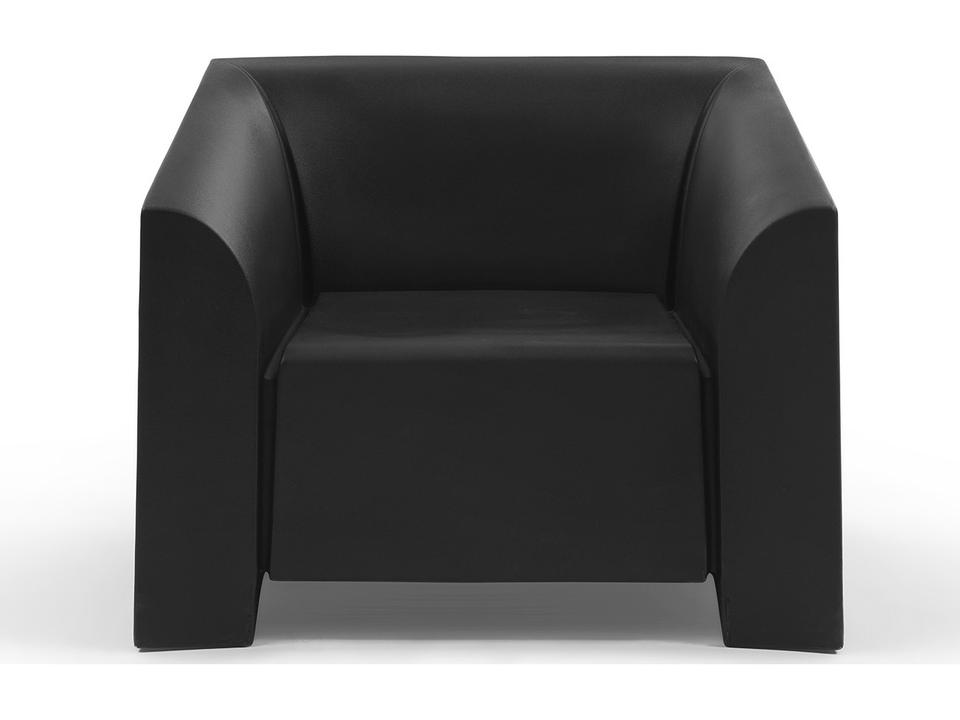
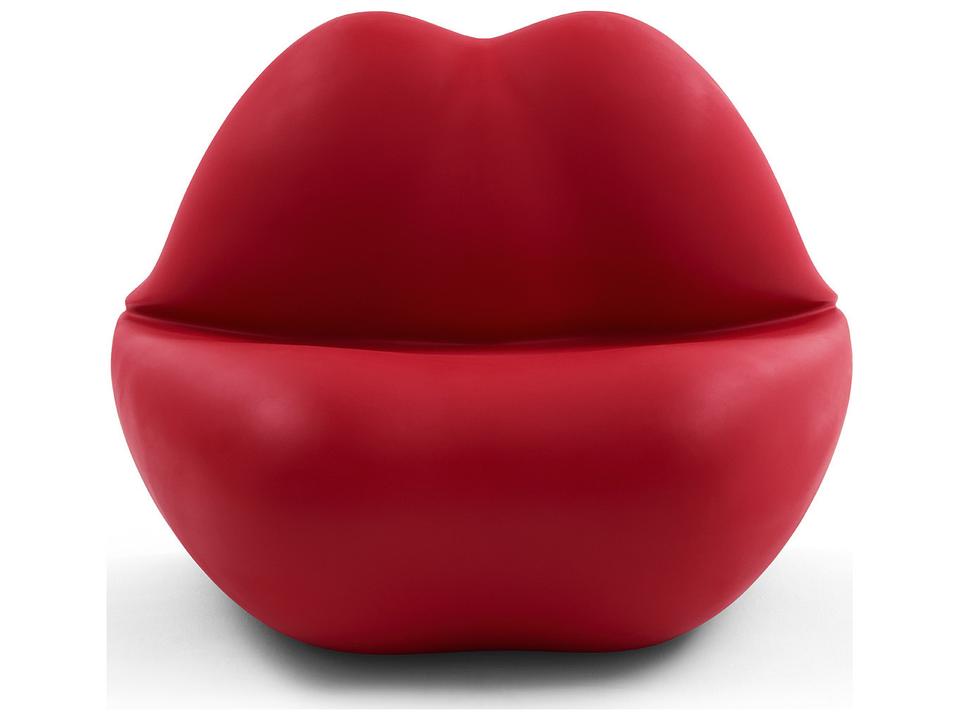
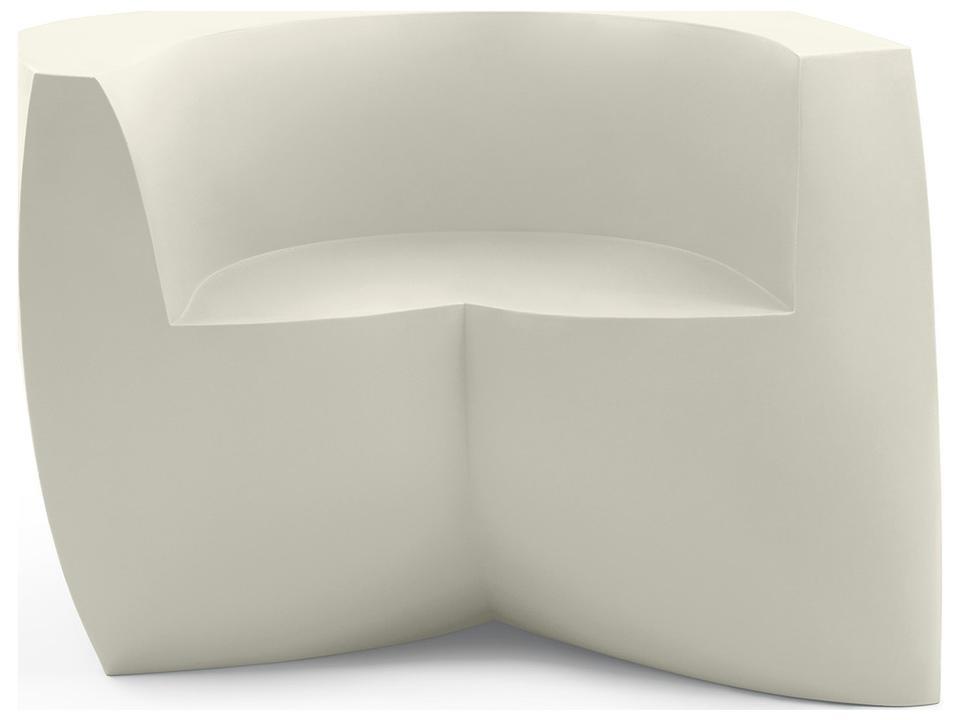
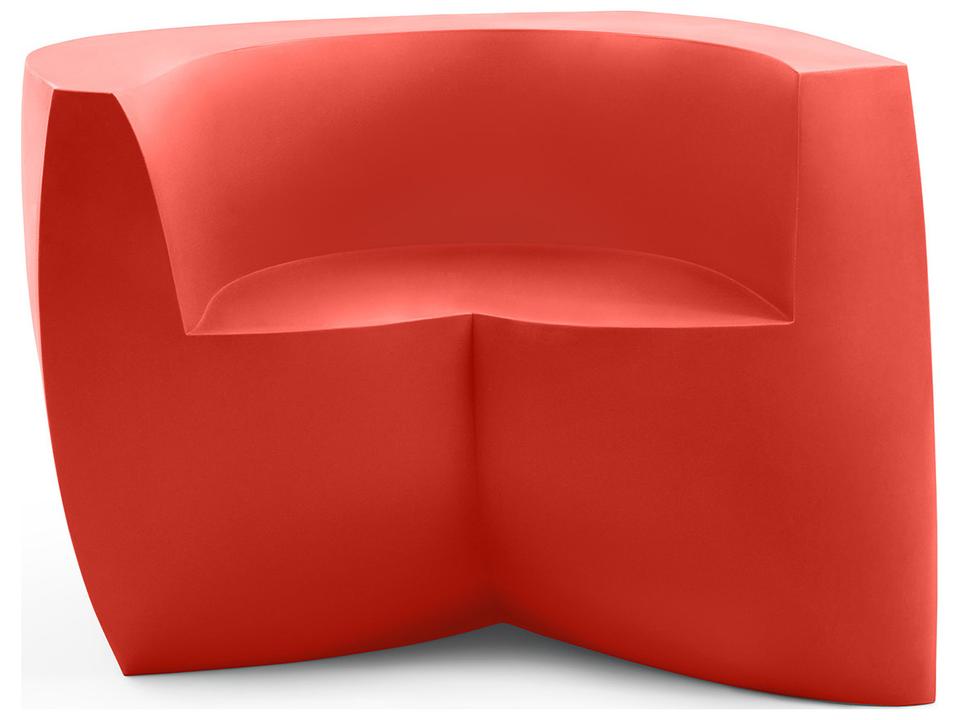
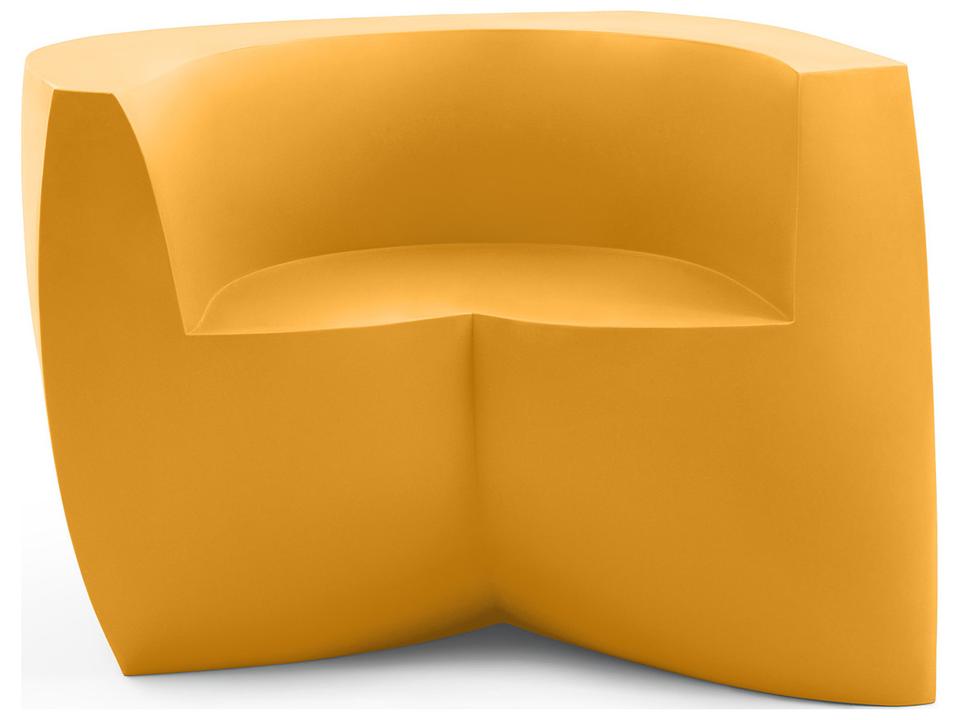
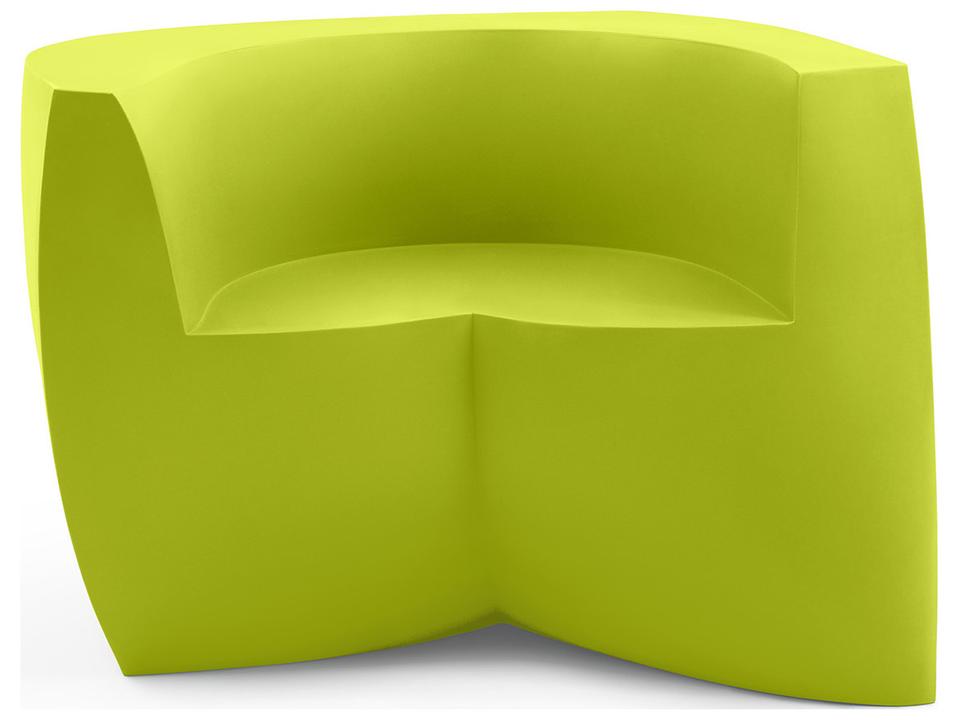
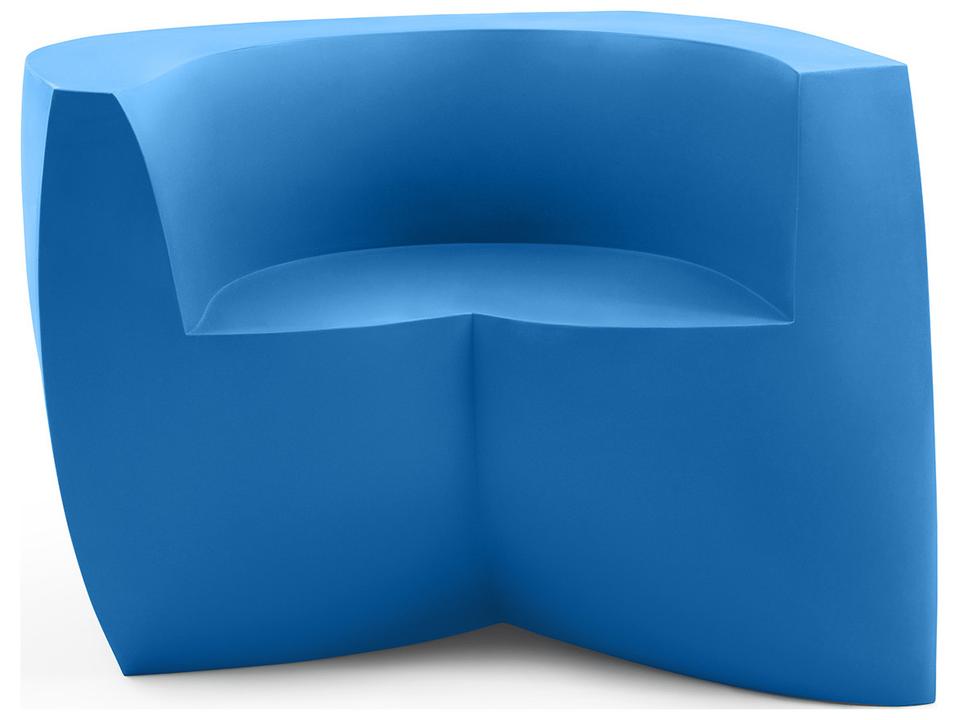
Each material in a not upholstered accent chair shapes the room differently. Solid hardwood — walnut, oak, mahogany — brings warmth, visible grain, and a traditional weight that suits studies and formal living rooms. Metal frames in iron, brass, or stainless steel skew modern and sculptural; they're lighter and easy to reposition between spaces. Rattan and wicker introduce organic texture, working beautifully in sunrooms, covered porches, and coastal interiors. Acrylic and lucite practically disappear visually, making them smart picks for smaller rooms where you need seating without added bulk.
Without fabric or cushioning, the chair's form does all the work. That's what draws buyers to luxury accent chairs in this category — every curve, joint, and finish detail stays fully visible. Maintenance is simple too. A damp cloth handles most cleaning, and there's no concern about stains, pet hair, or fabric wear over time.
Not upholstered accent chairs range from ornately carved wood side chairs to stripped-down wire-frame designs. Some of the most sought-after configurations:
Finish options vary widely. Brushed brass and matte black iron suit contemporary rooms. Painted or lacquered wood reads traditional or coastal depending on the palette. Clear acrylic blends with virtually anything.
Measure your intended spot before ordering — not just floor space, but ceiling height and the scale of nearby furniture. A tall, sculptural metal chair can overwhelm a low-ceilinged room. A delicate wire piece might disappear next to a deep sectional sofa.
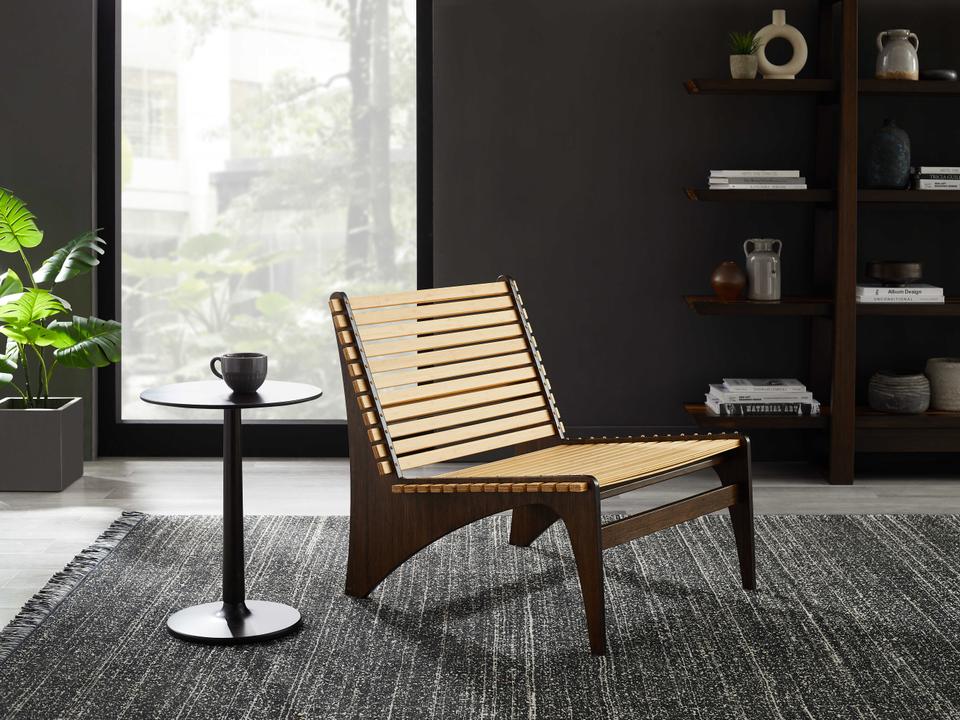
Seat height matters for comfort. Standard dining-height chairs sit around 17 to 19 inches at the seat. If a chair will see extended use for reading, working, or longer conversations, look for a contoured seat shape or plan to layer a throw cushion on top. A luxury accent chair paired with a small side table and a floor lamp creates a natural reading nook in any open corner. In an entryway, a single sculptural chair beside a console table makes a strong first impression without crowding the space.
Construction quality separates a luxury accent chair from a disposable one. On wood chairs, look for mortise-and-tenon or dowel joinery rather than stapled-and-glued connections. Metal chairs should have clean, smooth welds and a consistent powder-coat finish — it resists scratching far better than standard paint. Rattan should be tightly woven with no loose strands, supported by a solid hardwood or steel subframe underneath.
Weight is telling, too. A well-built wood or metal accent chair feels substantial when you lift it. Our curated collection includes designs from distinguished brands, ranging from around $350 to several thousand for hand-finished, limited-production pieces. Whether you're adding one bold statement to a living room or furnishing an entire sitting area, the right not upholstered accent chair delivers sculptural presence and real, everyday durability.