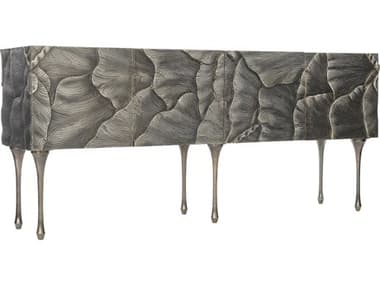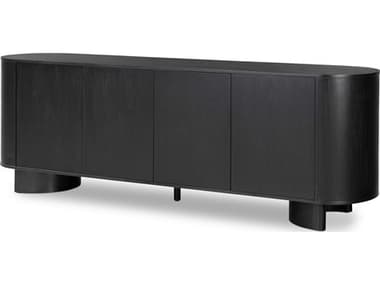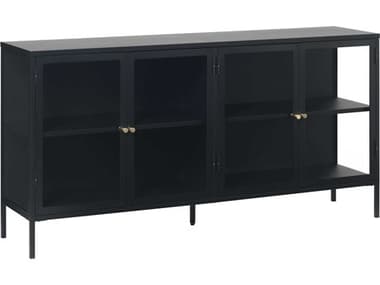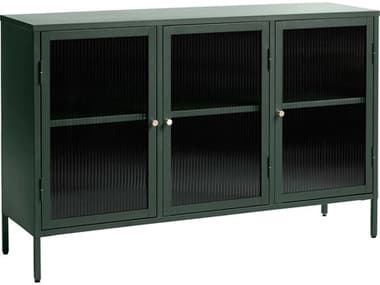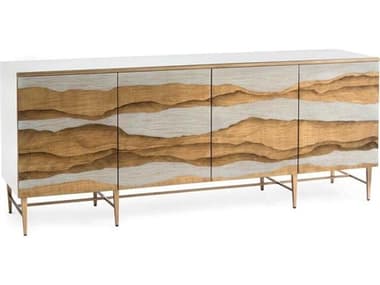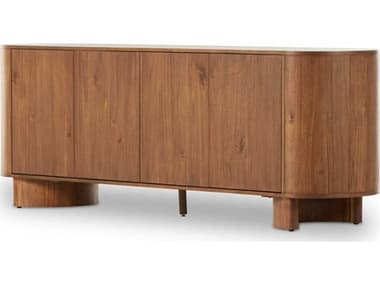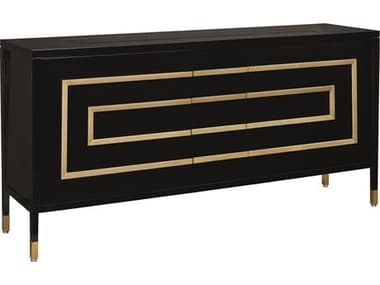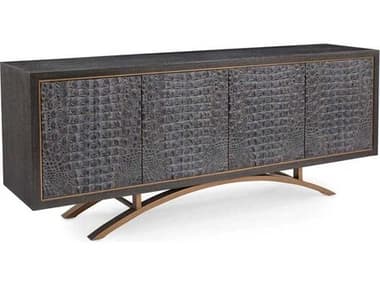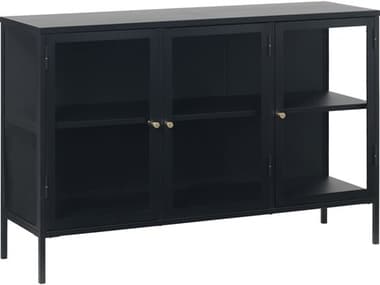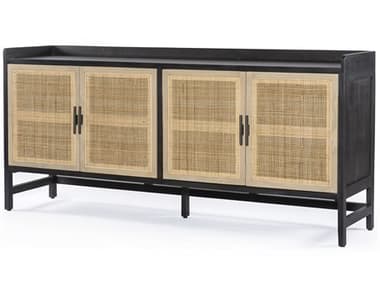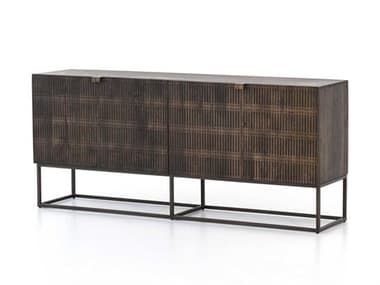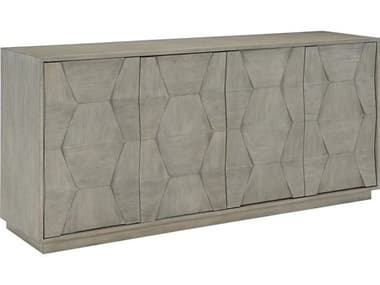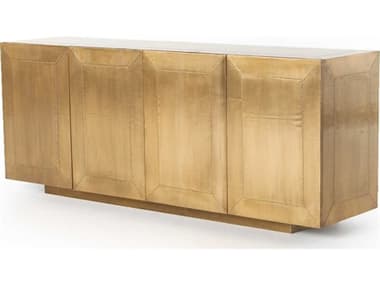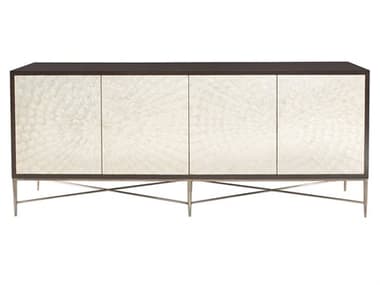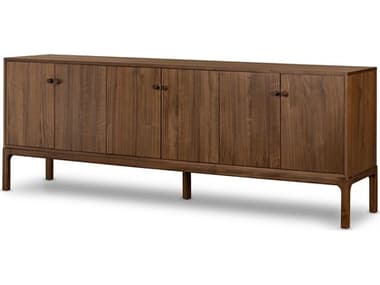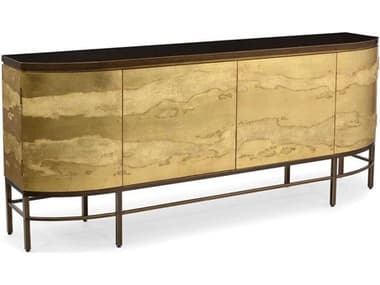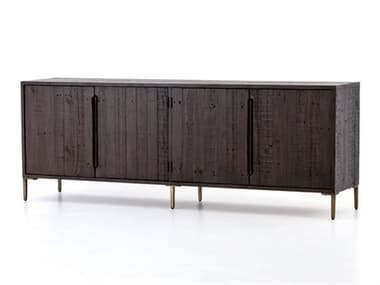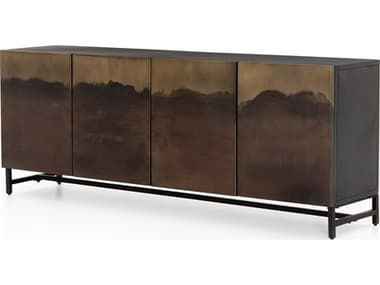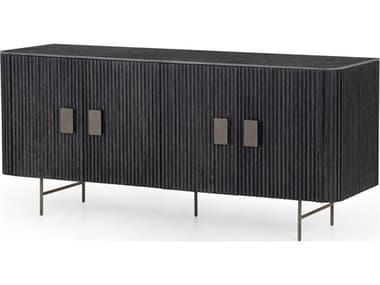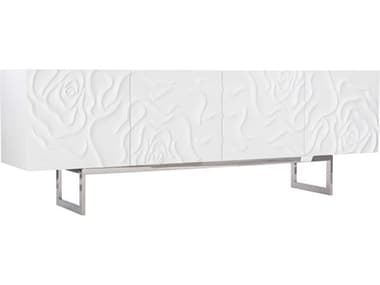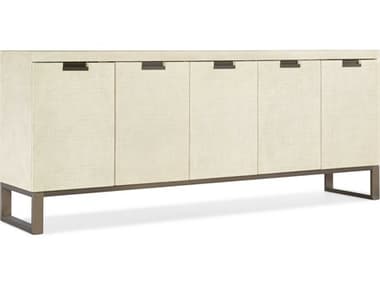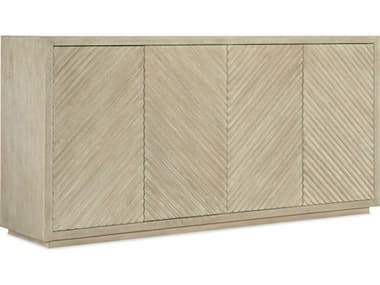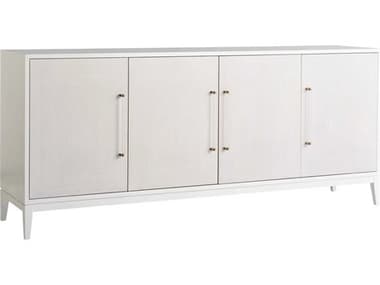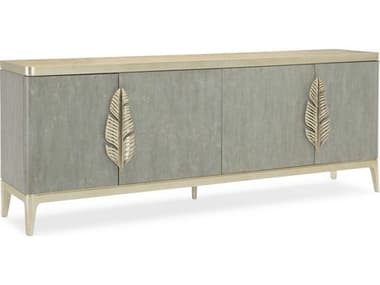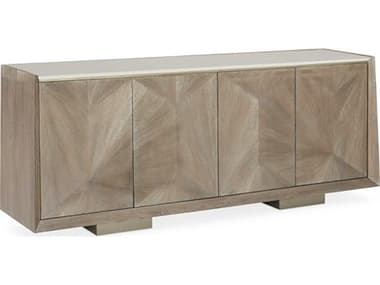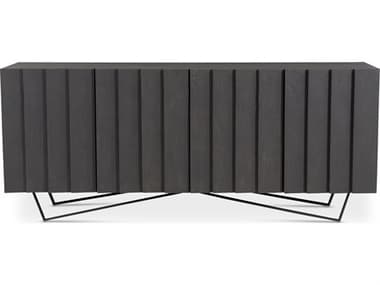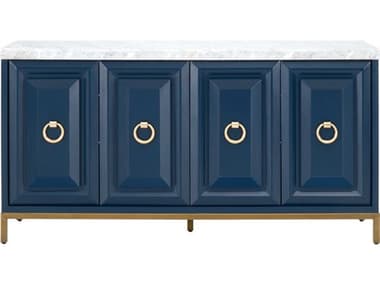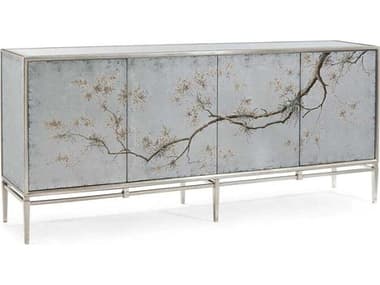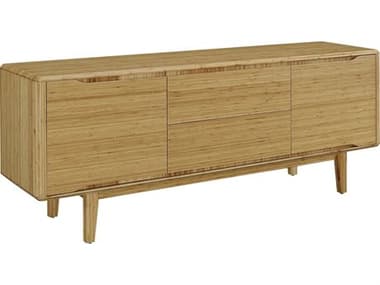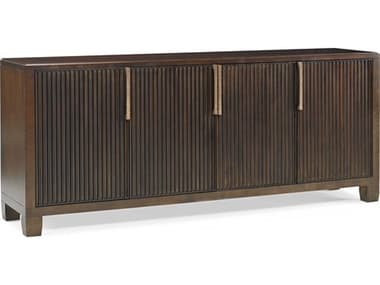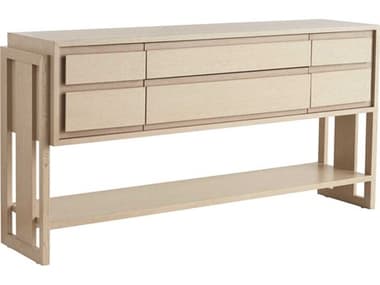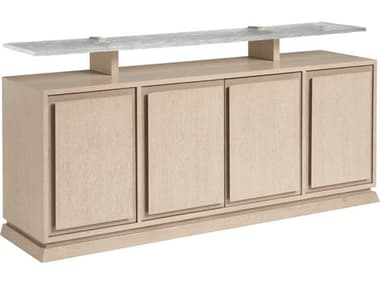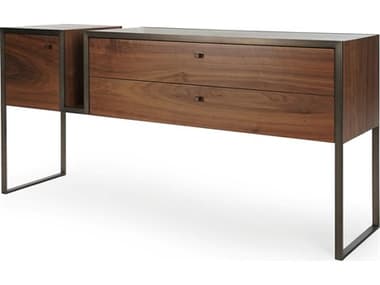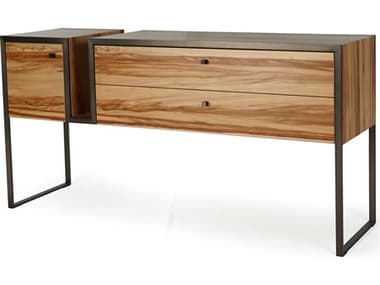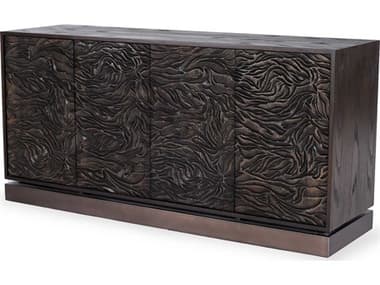
Are you struggling to serve your growing family at mealtime? Are barbeques a nightmare with fold-out tables that are never big enough for your spread of dishes? Perhaps you're looking to ramp up your dinner parties and impress your guests.
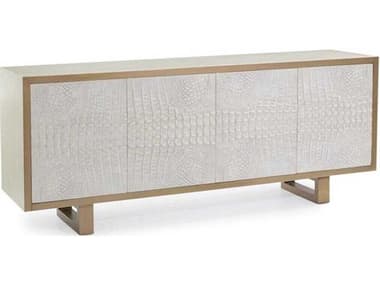
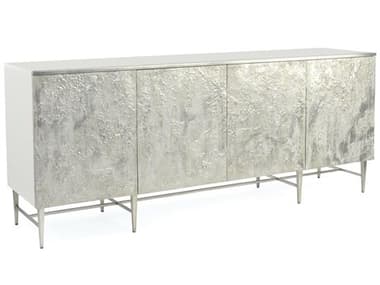
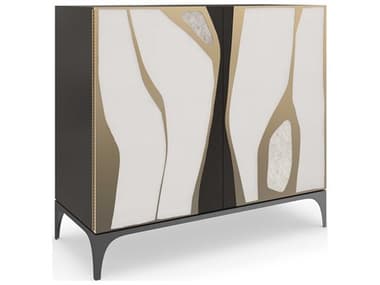
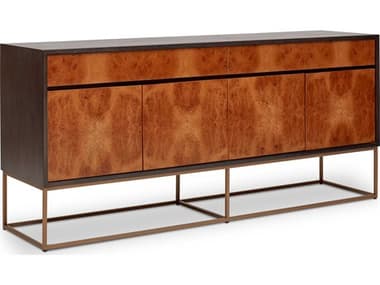
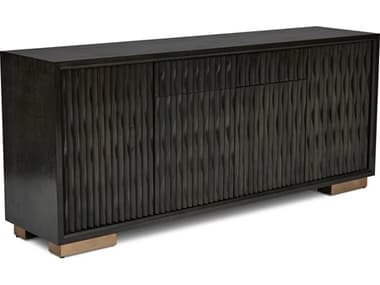
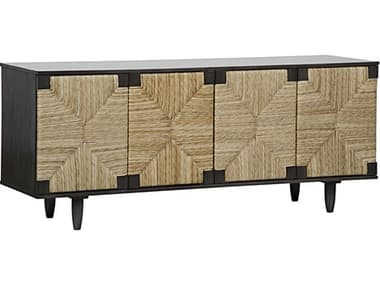
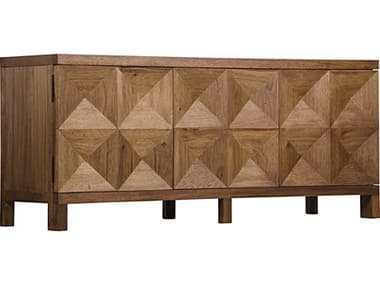
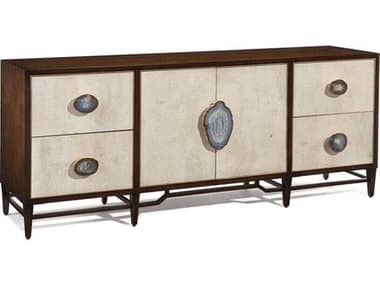
No matter what your dinner woes, these modern buffet tables, and sideboards are the solution. Make your life far easier by having all of your serving dishes, cutlery, and decor in one place. No more running around to find everything while hungry guests are waiting.
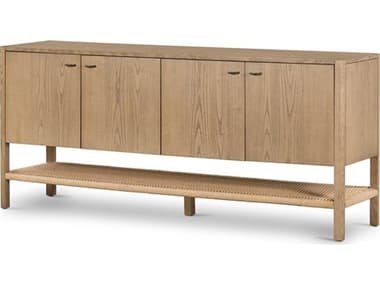
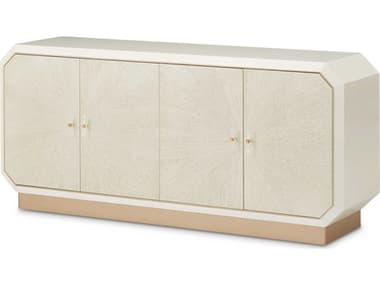
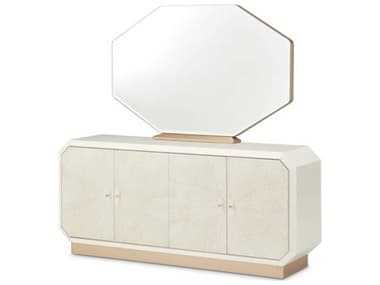
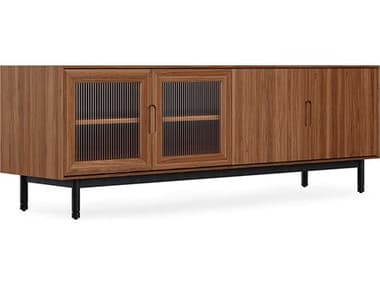
The Modern range of buffet tables and sideboards includes:
In addition to the clear benefit of storage space, simplicity, and organization at meal time, these buffet units and serving boards are feature pieces which accentuate the room and compliment your dining set.
The felt-lined drawers in some of our buffet units provide protection for your cutlery and serving utensils.
All of the pieces in this range provide a huge amount of additional storage space for serving dishes, cutlery, and table decor. The panels are made up of chipboard encased in MDF shell which is veneered or painted. This assembly reduces weight, but increases strength and durability.
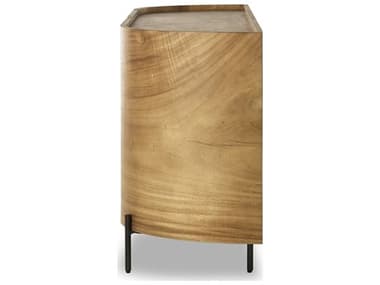
The buffet units and serving boards can be cleaned with a damp cloth, avoiding strong solvents which may damage the surface. With finishes on both front and back, these units can be positioned anywhere you require, making them a great room divider for open-plan kitchen/dining areas. These pieces are not just for dining rooms and they work just as well in lounges and even bedrooms.