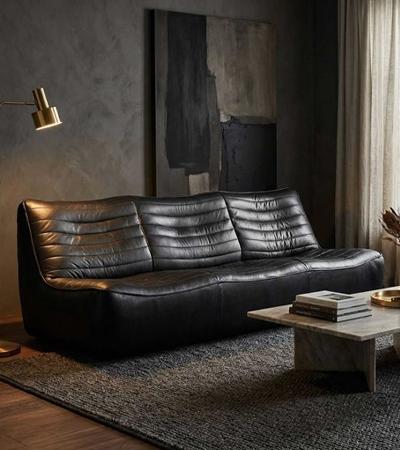
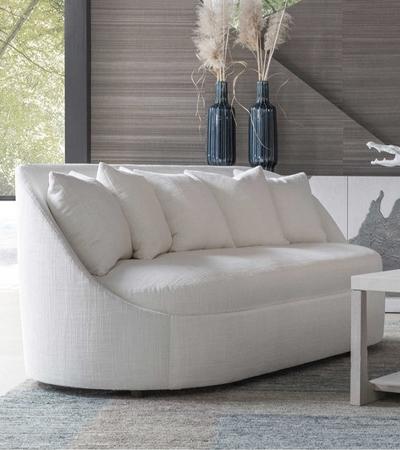
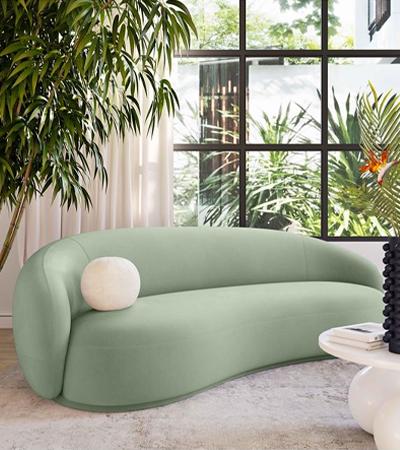
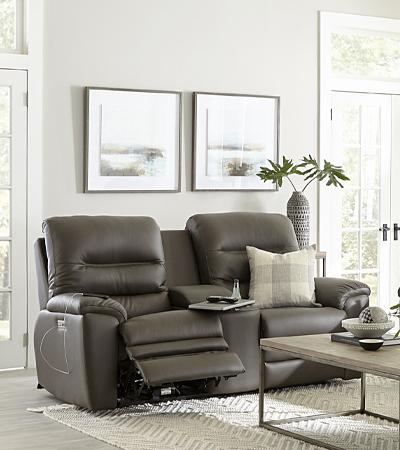
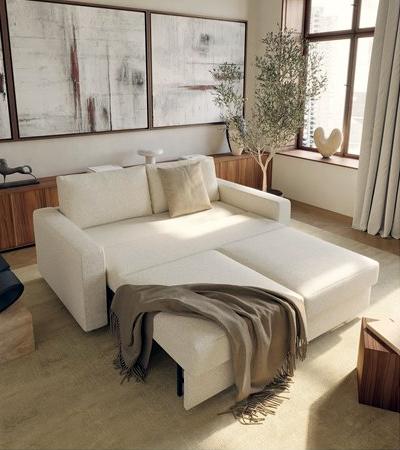
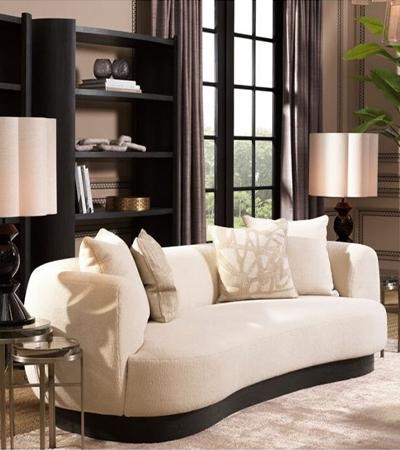
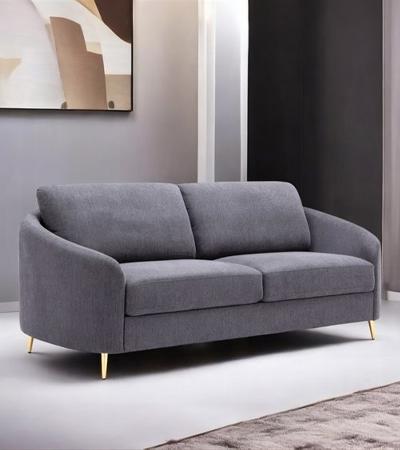
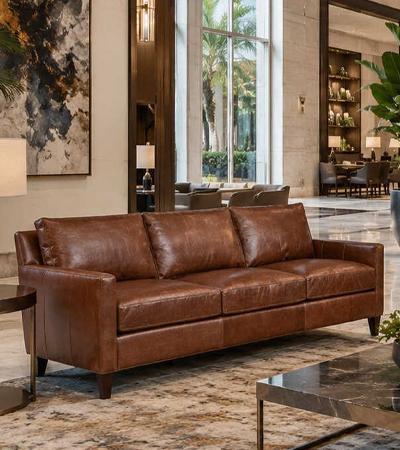
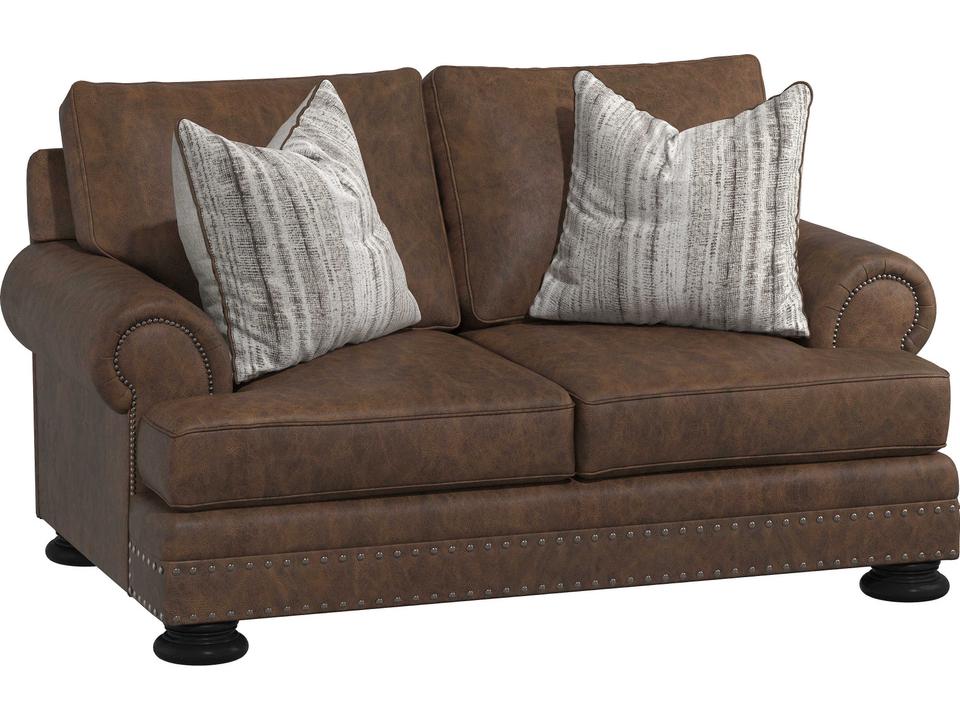
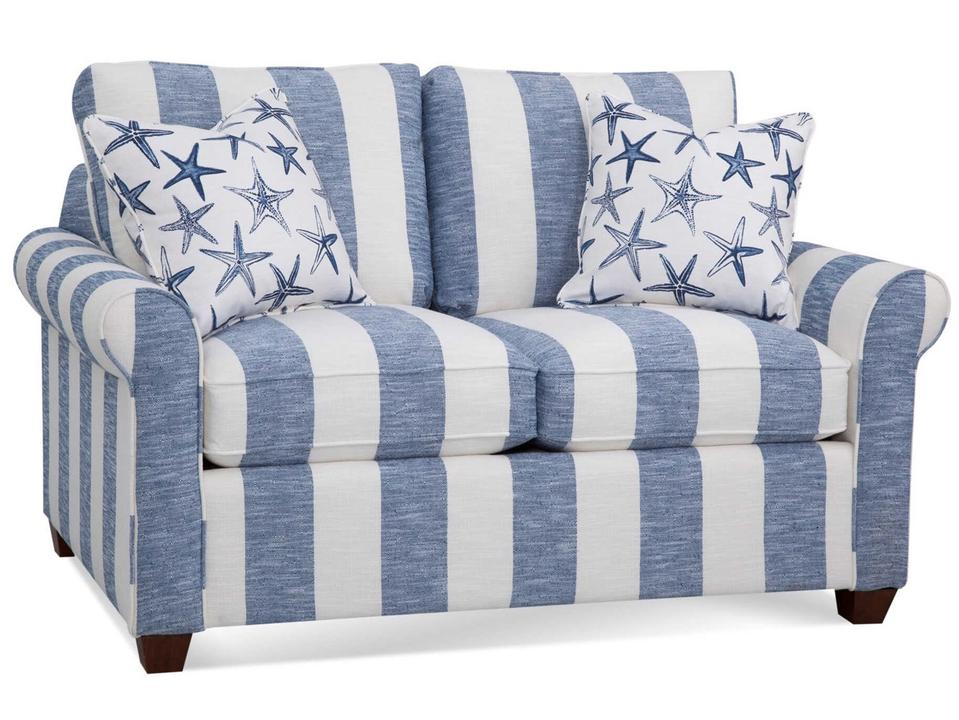
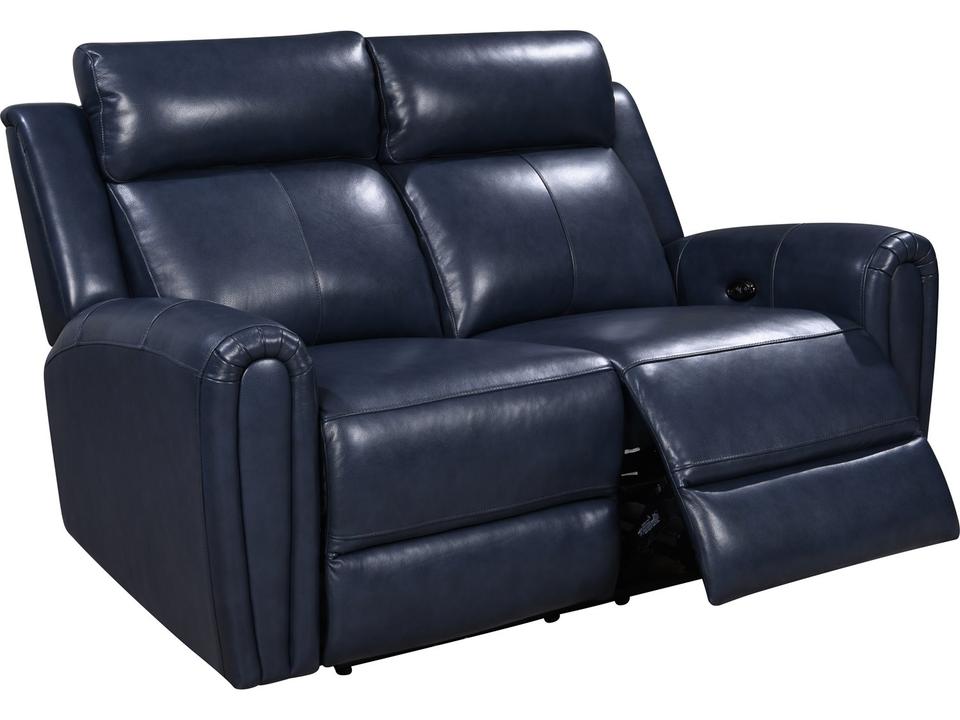
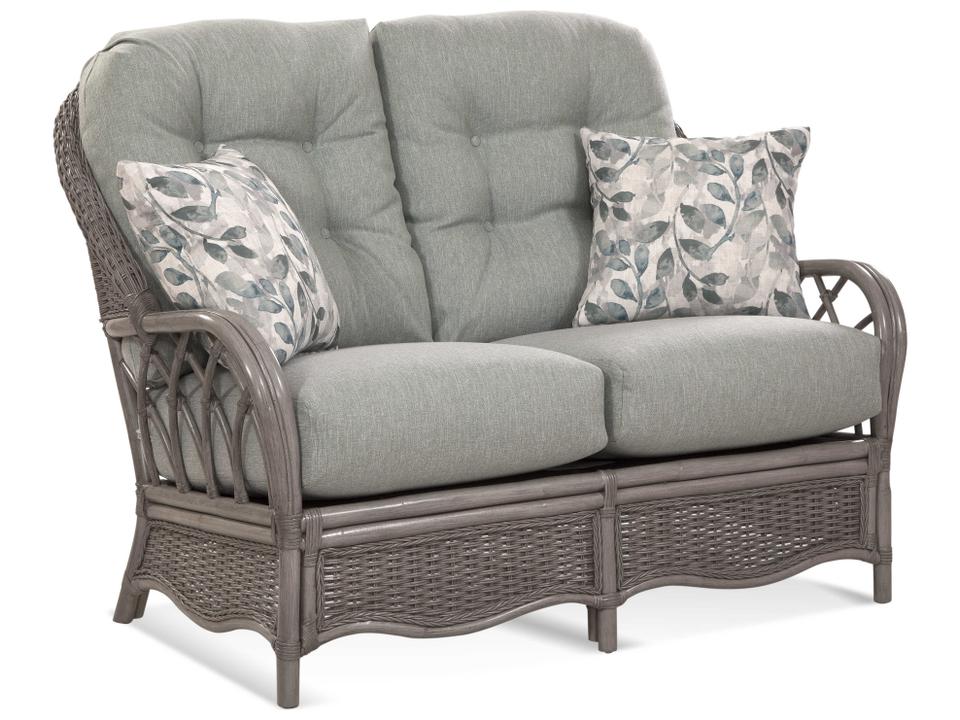
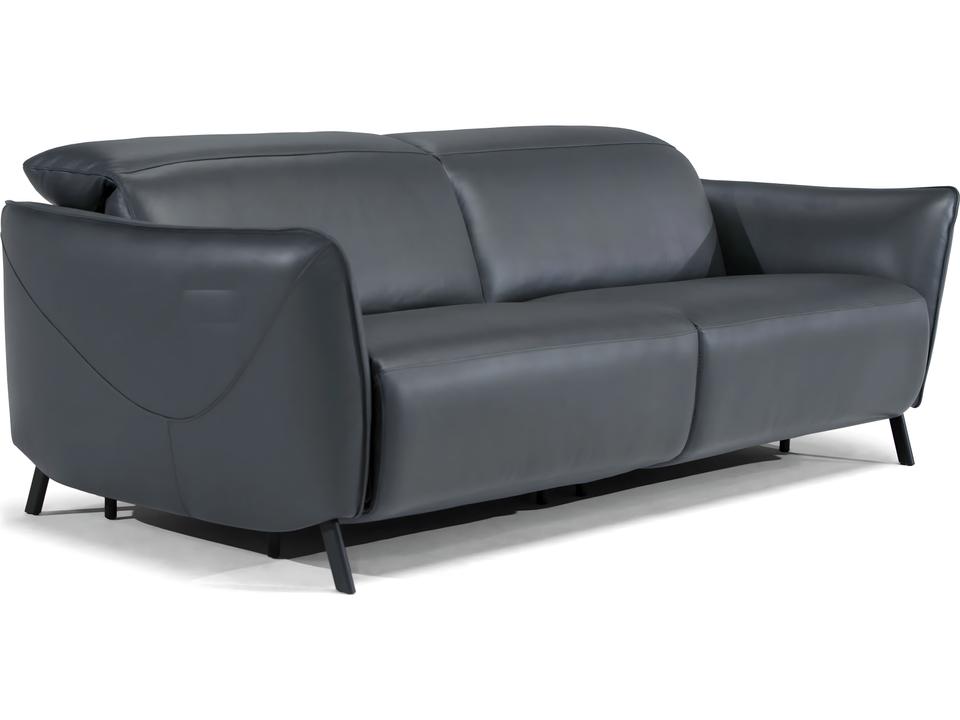
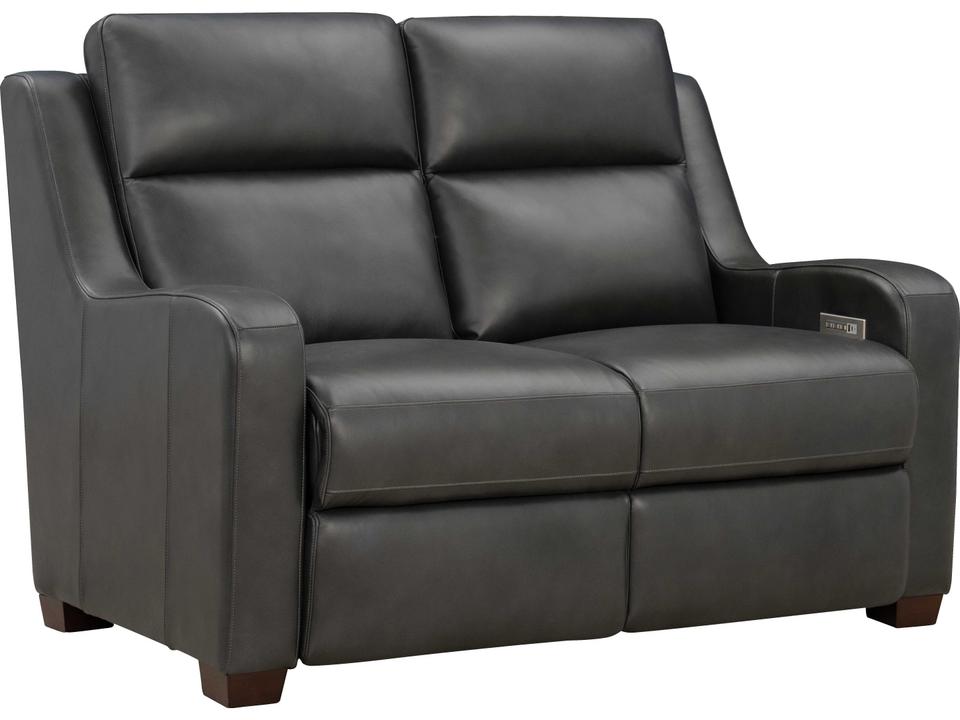
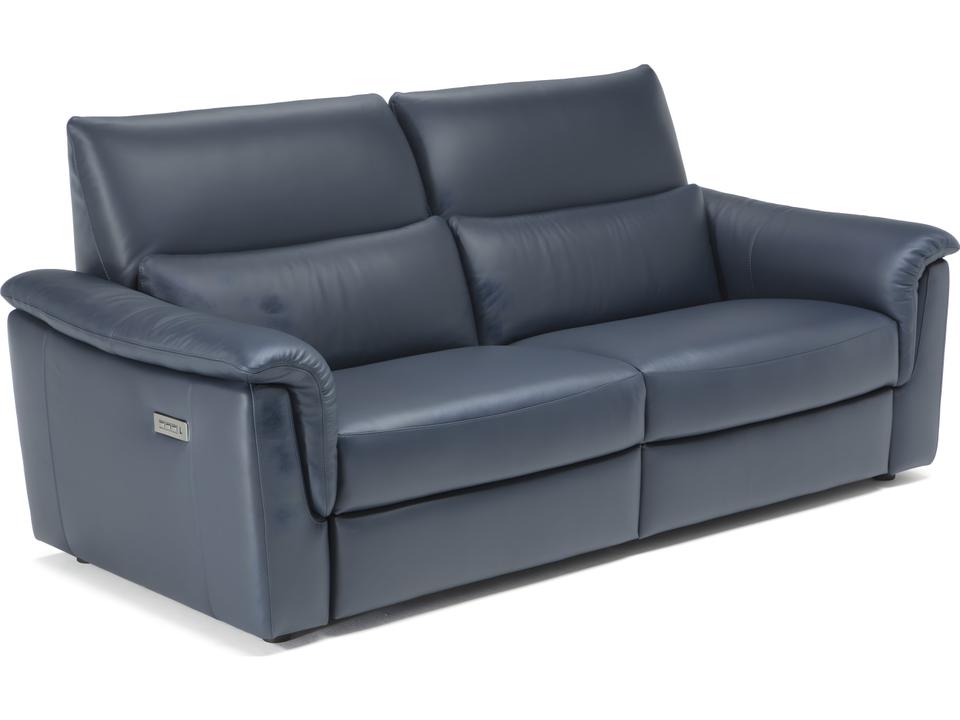
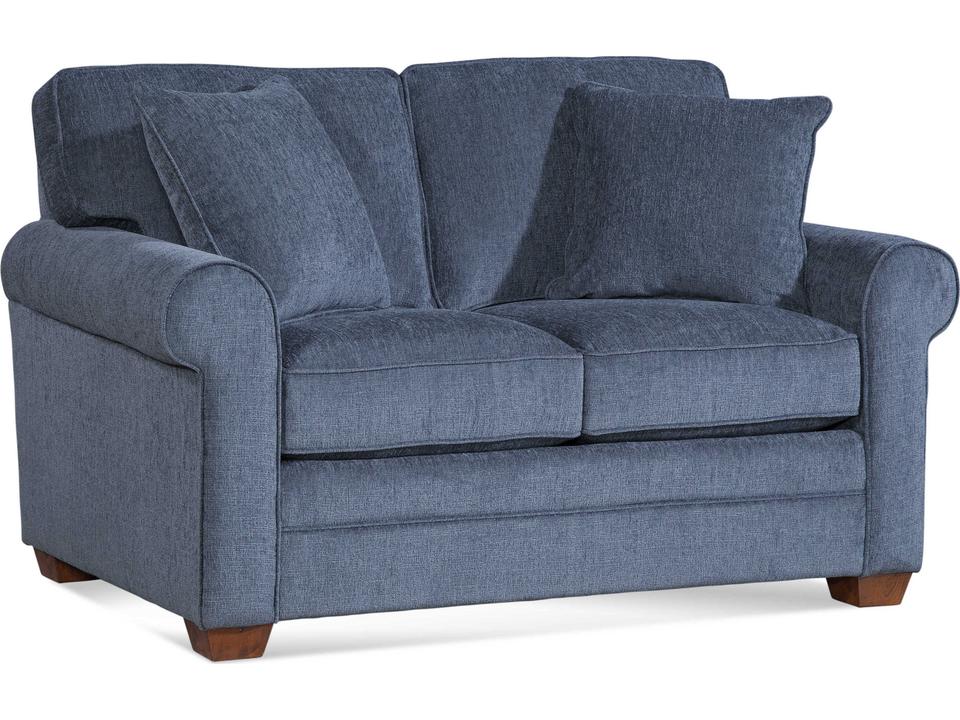
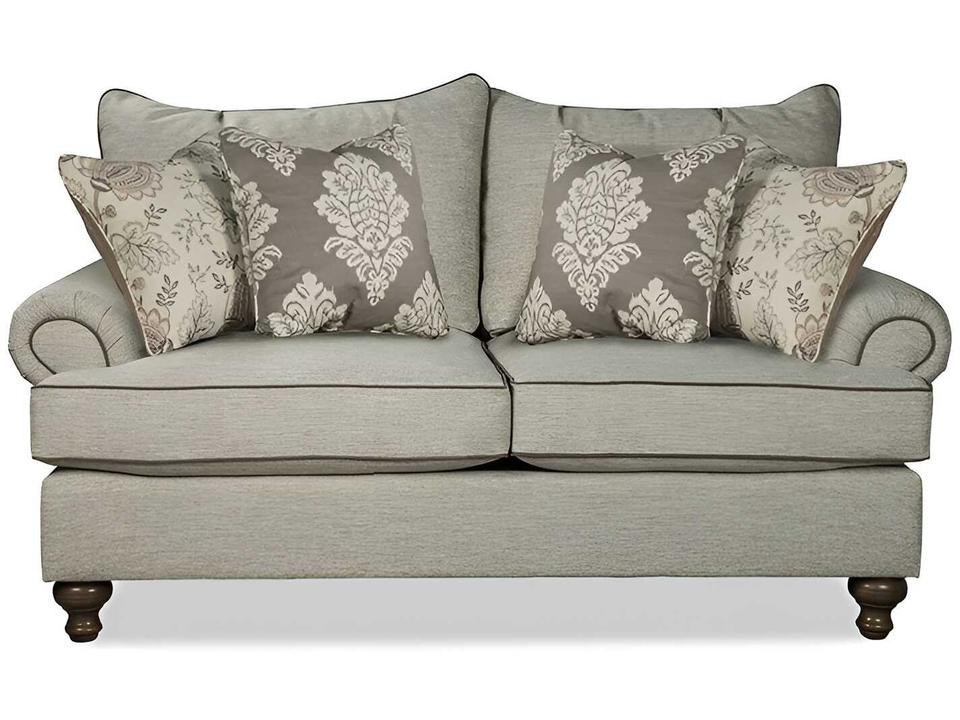
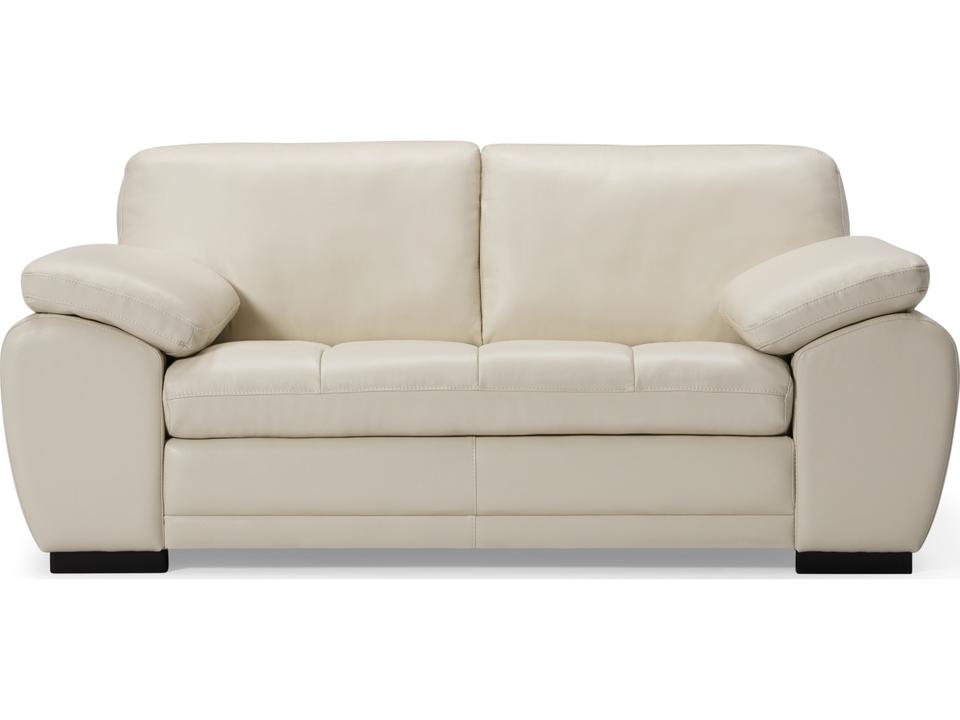
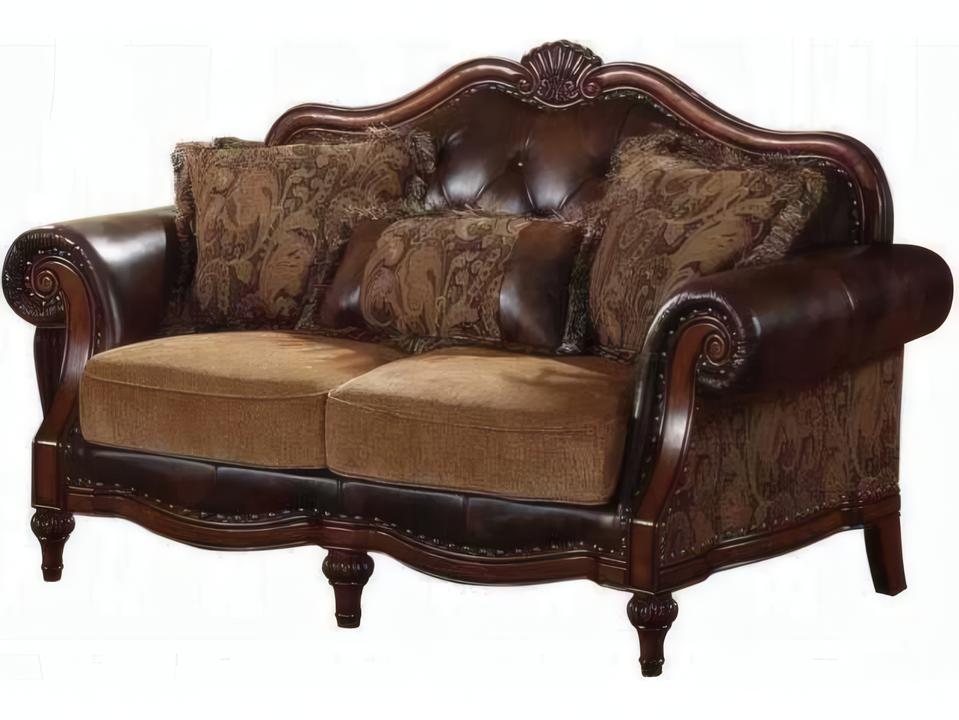
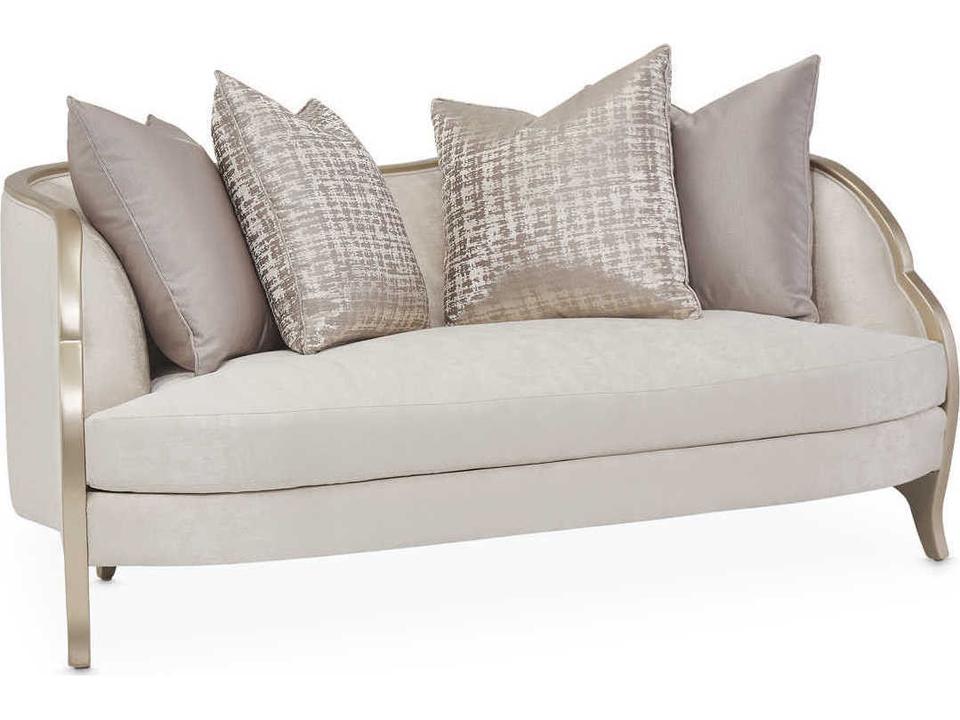
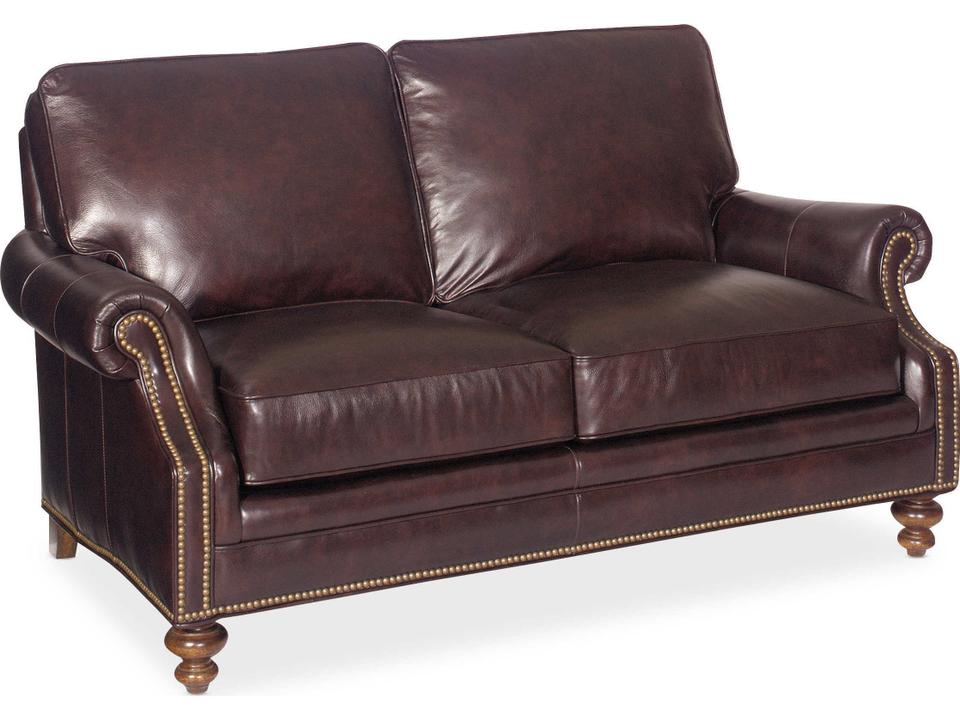
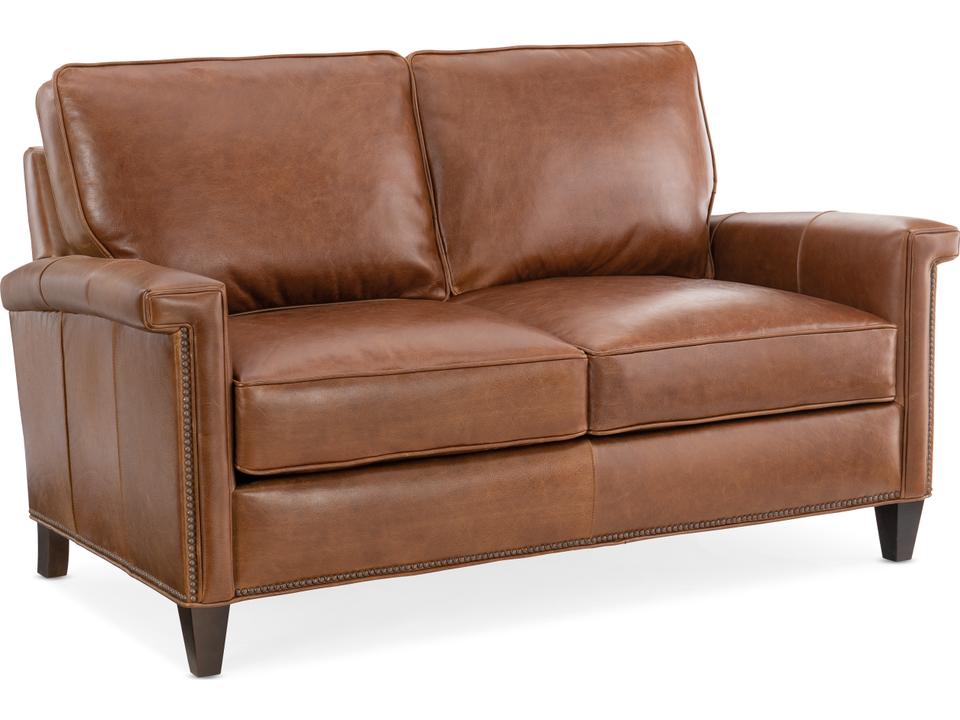
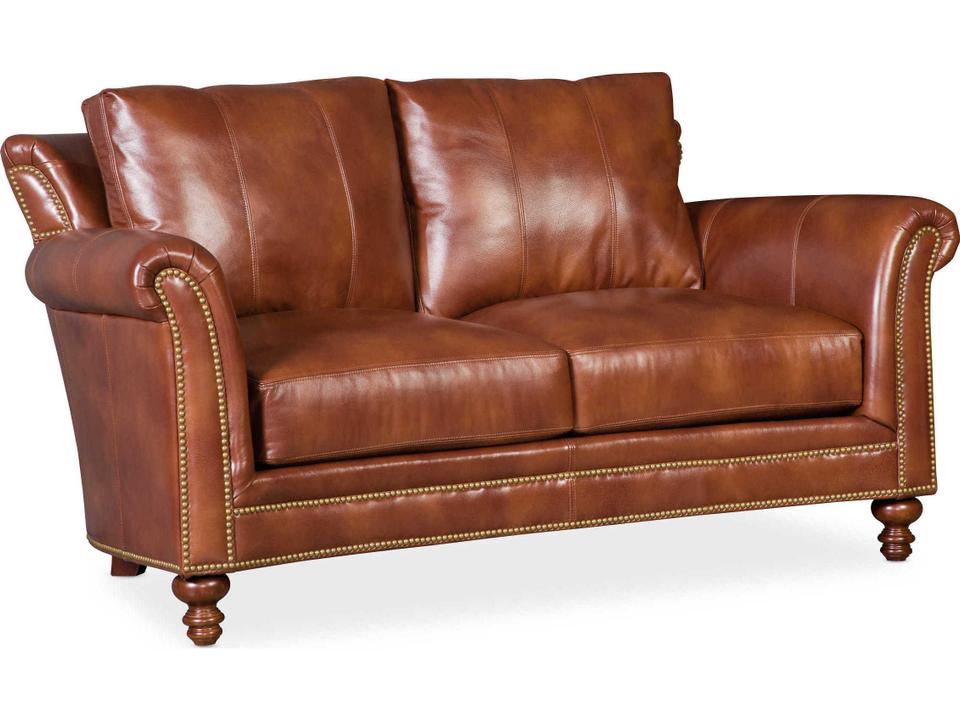
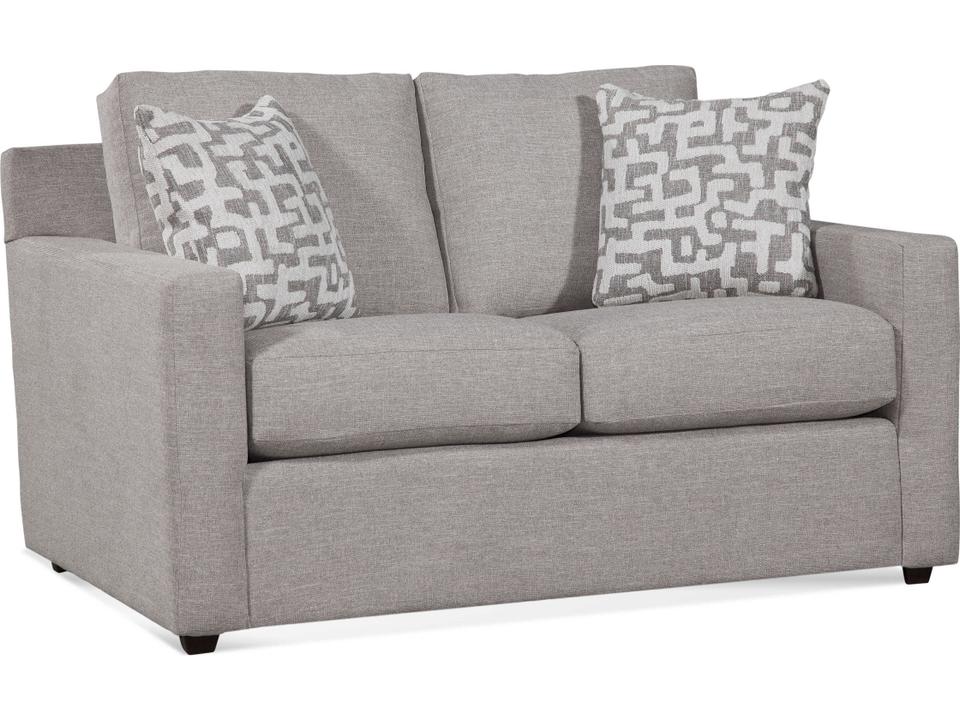
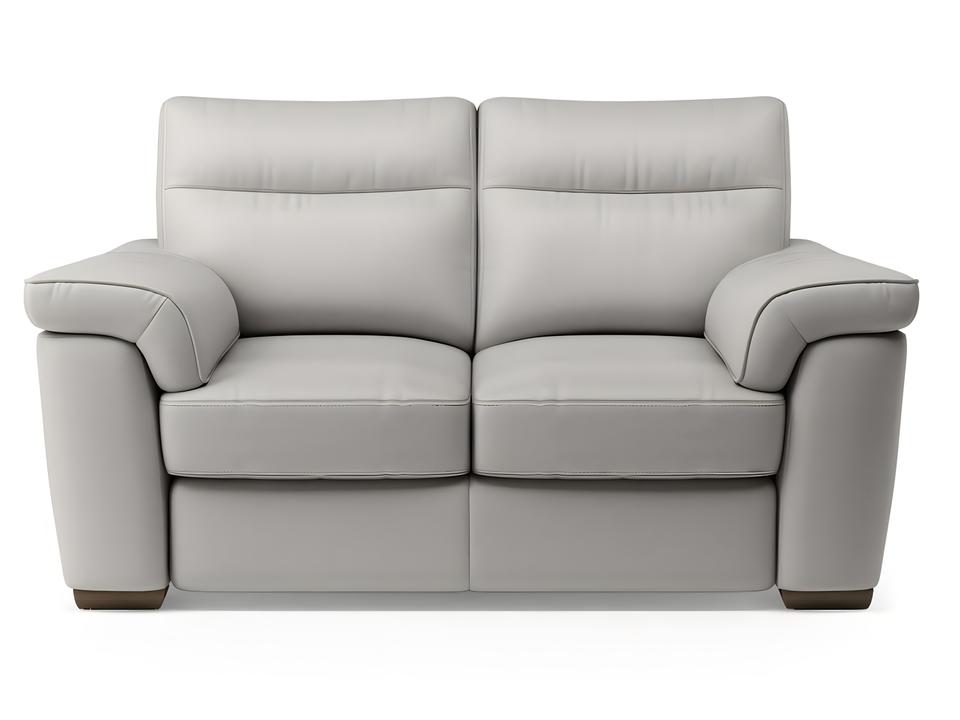
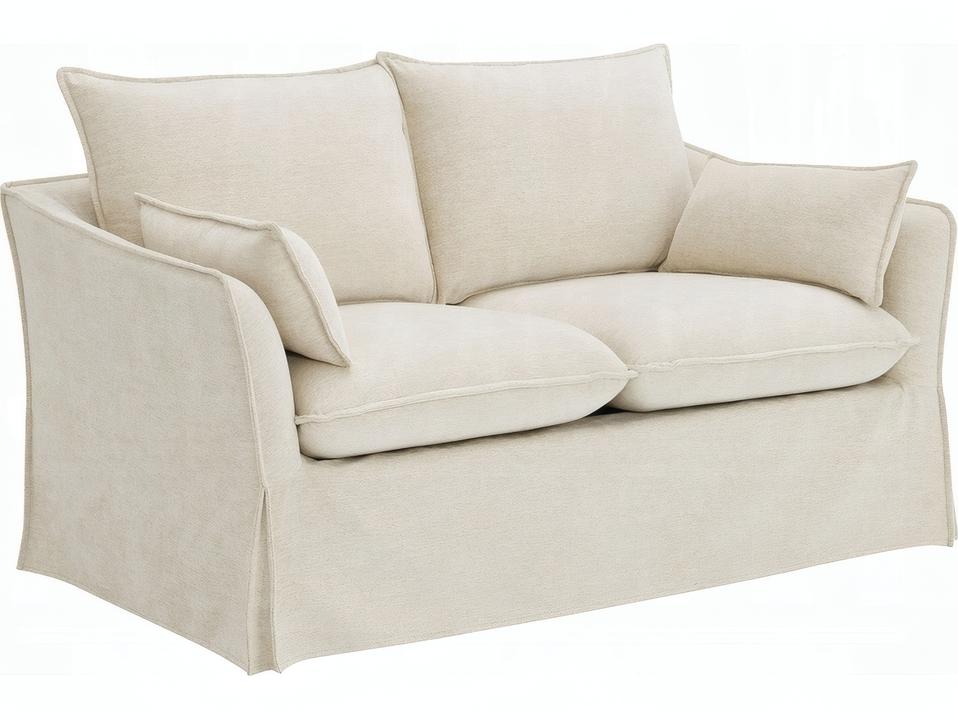
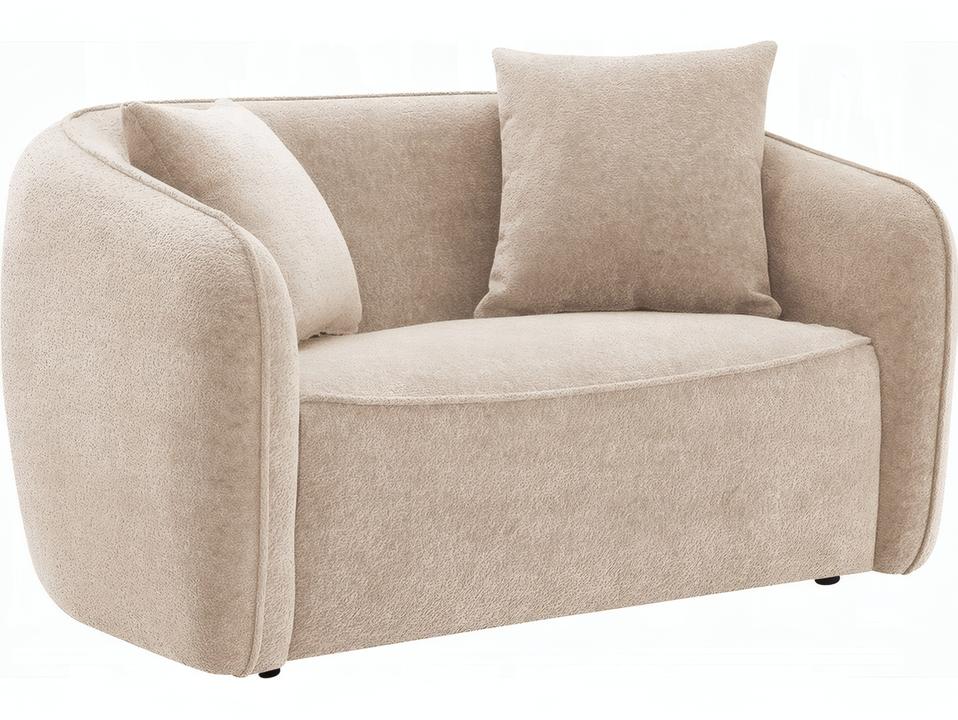
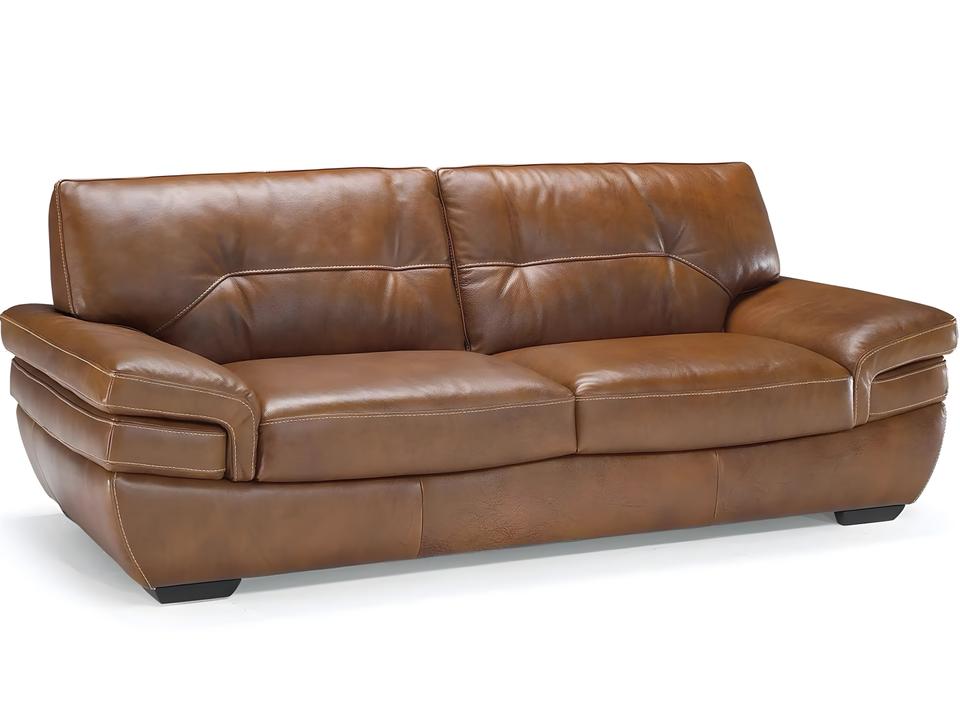
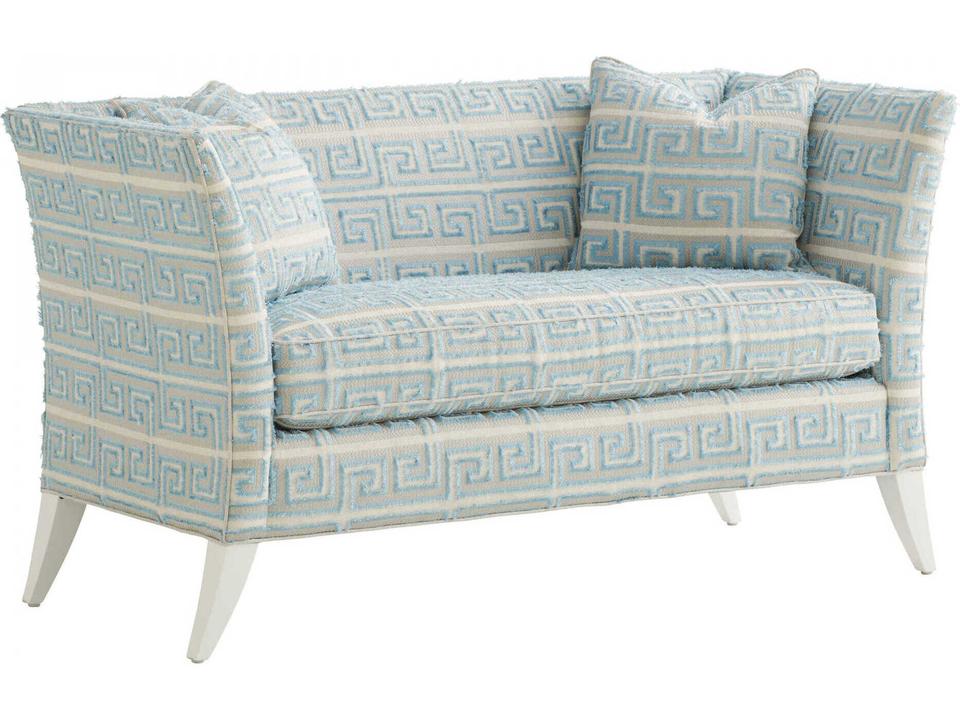
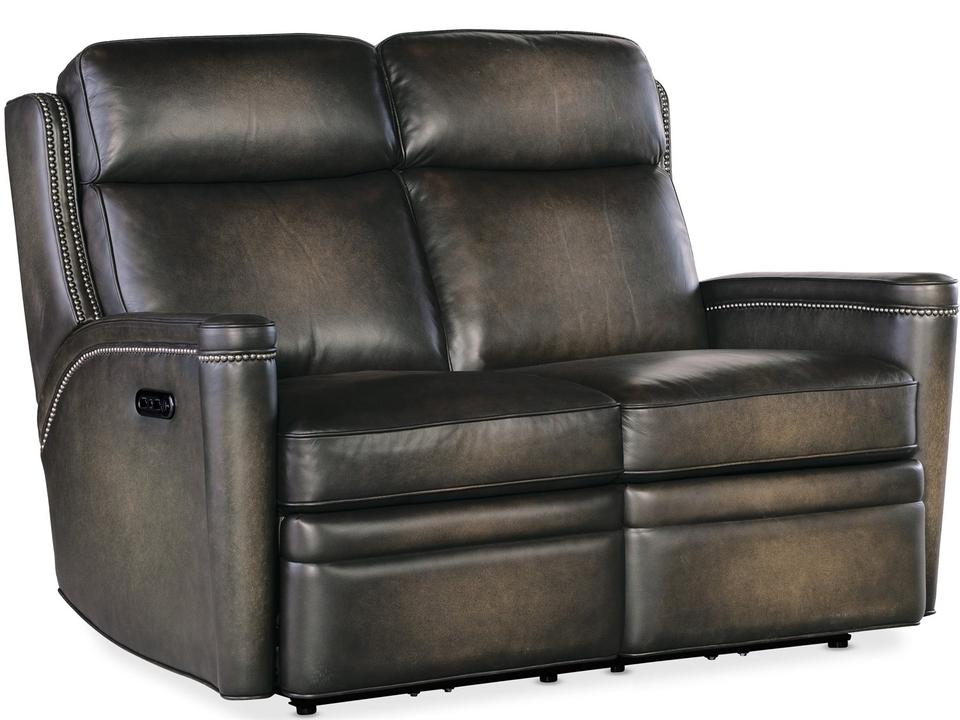
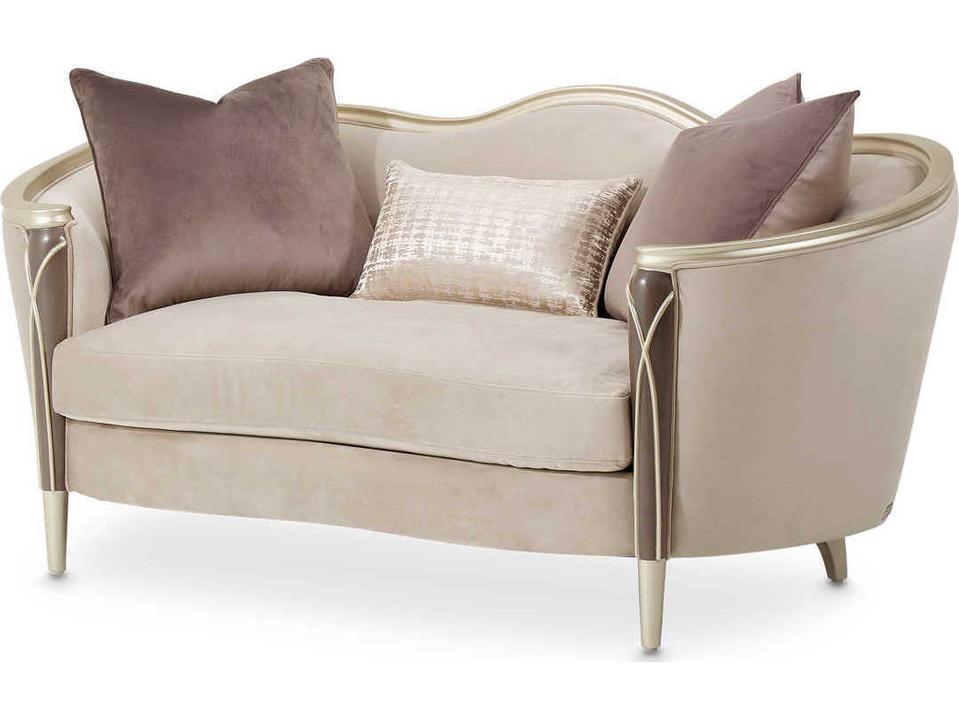
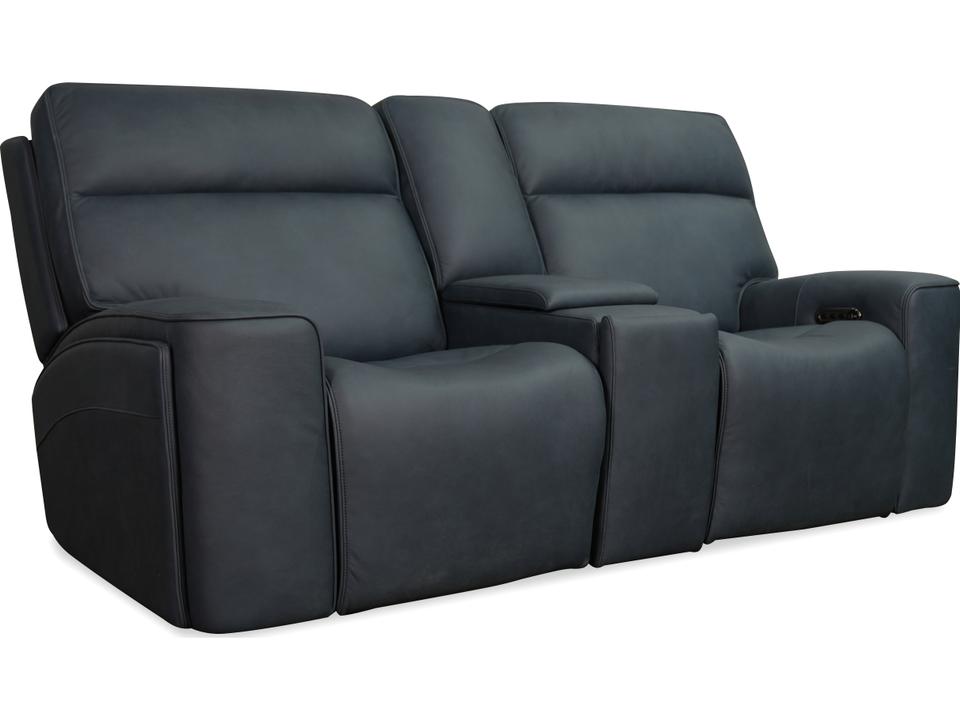
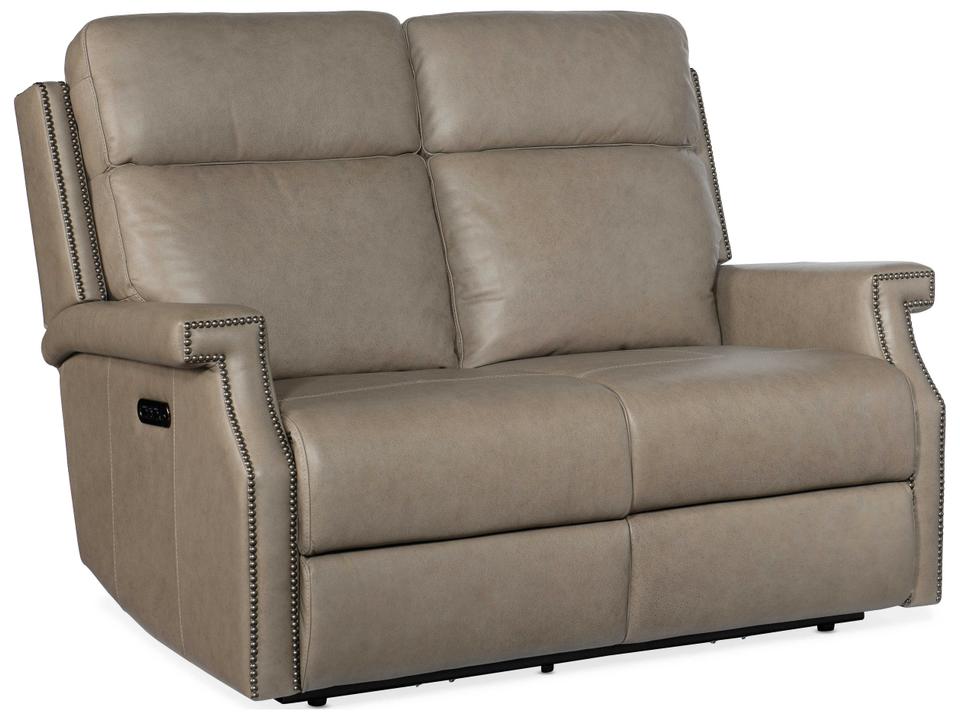
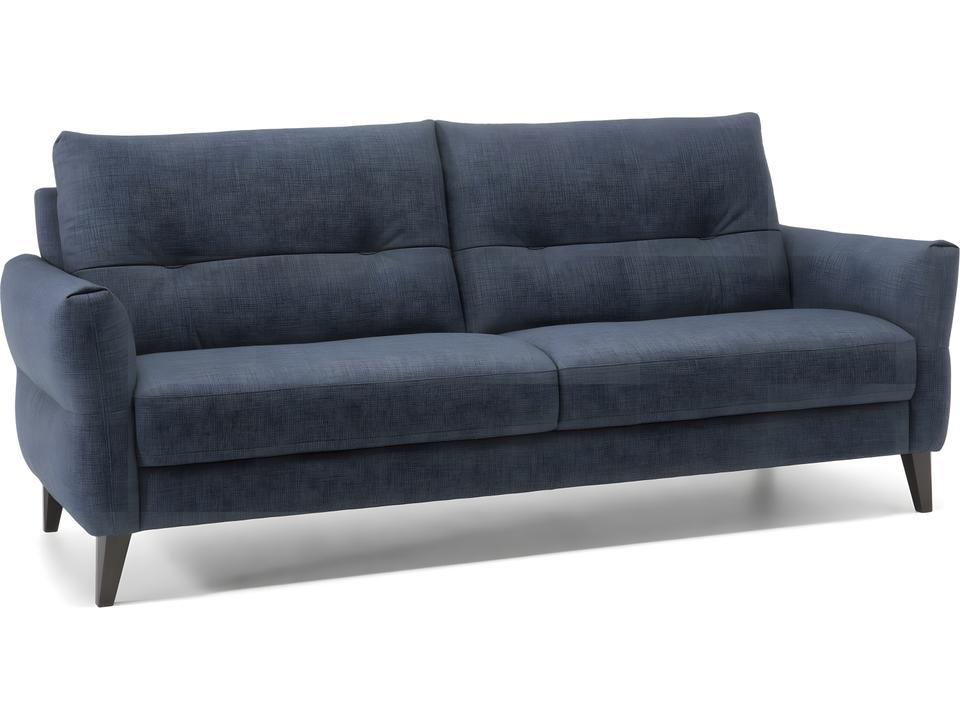
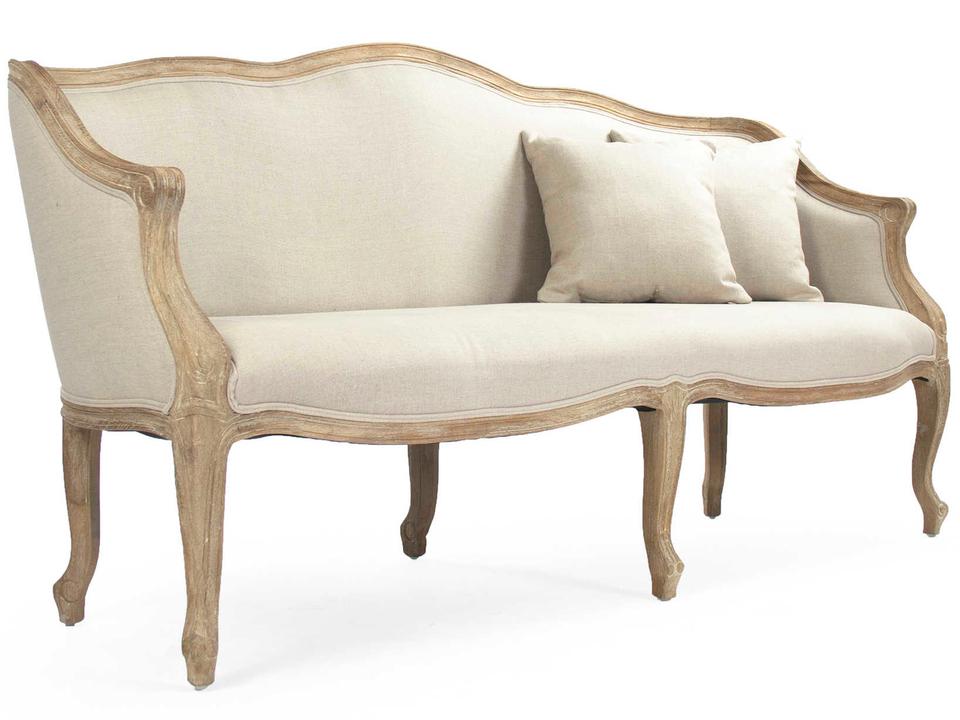
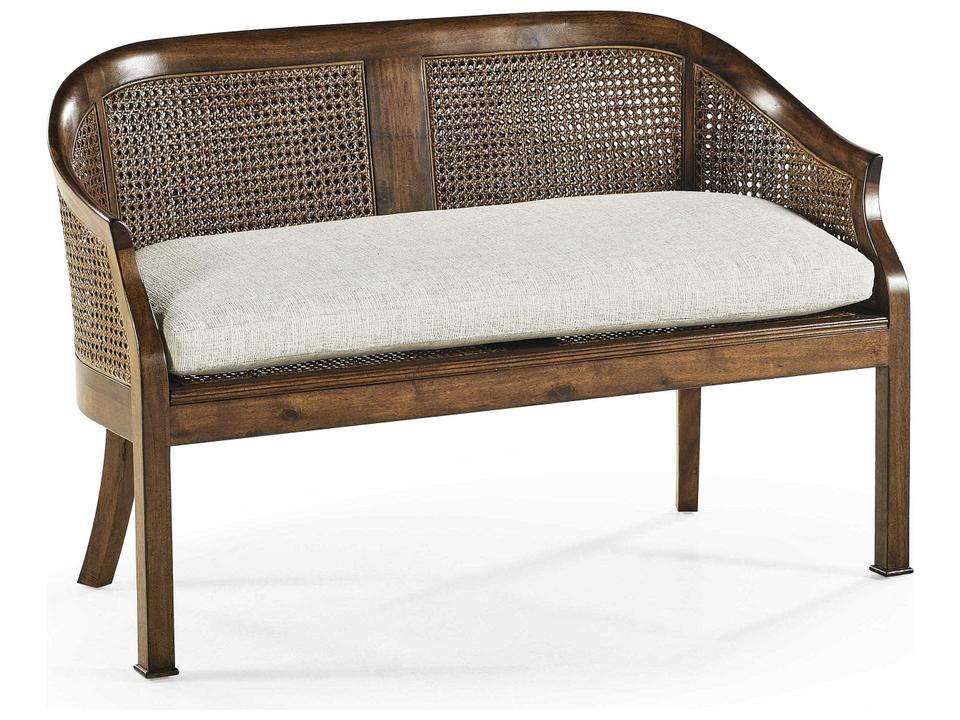
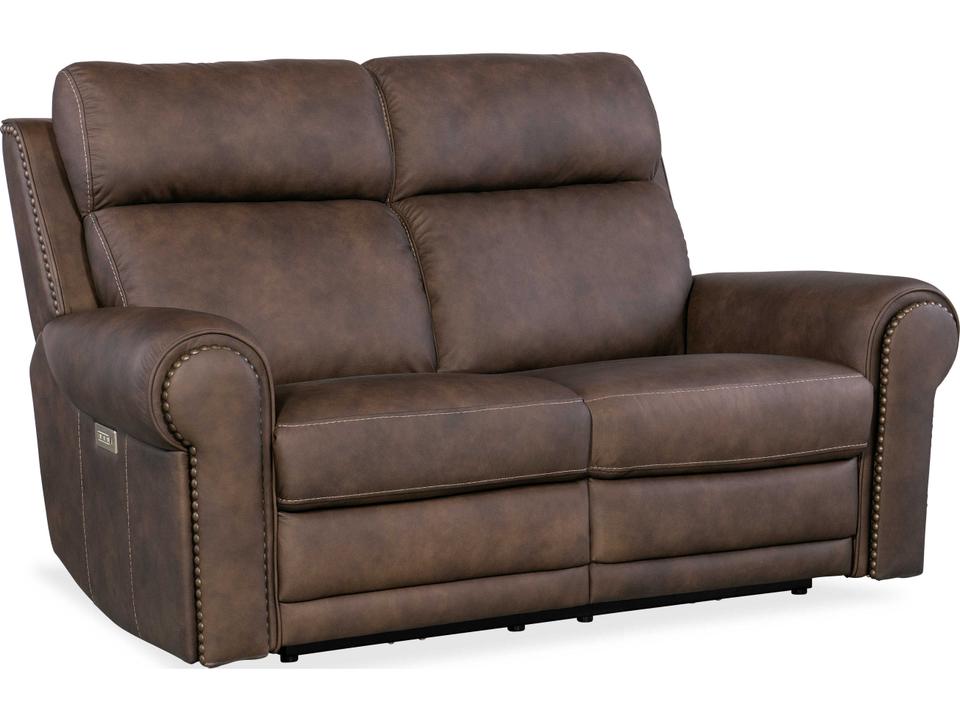
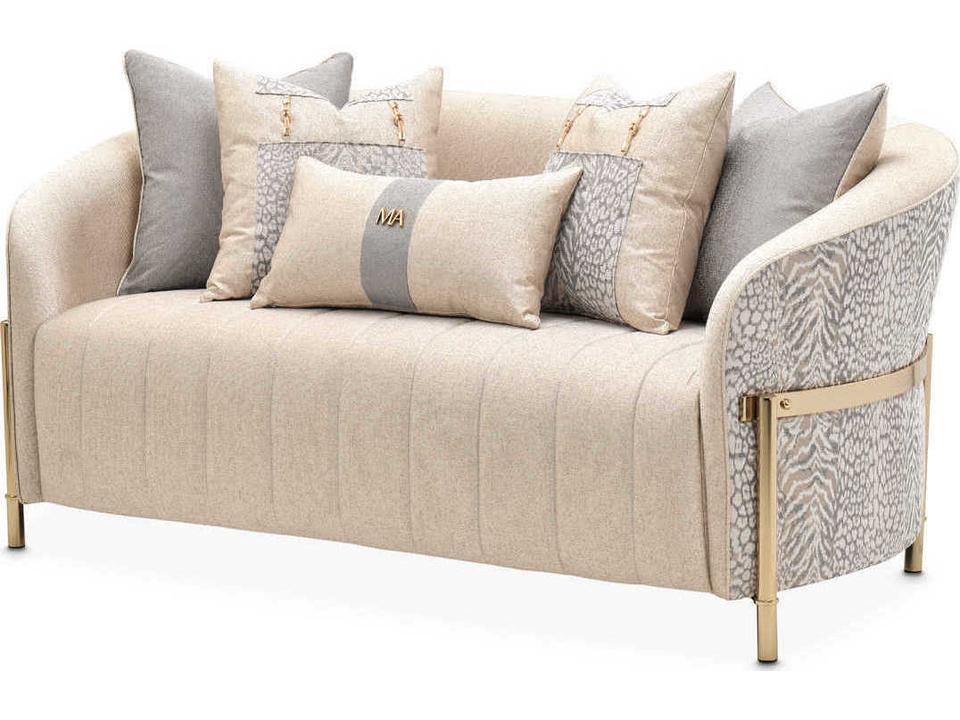
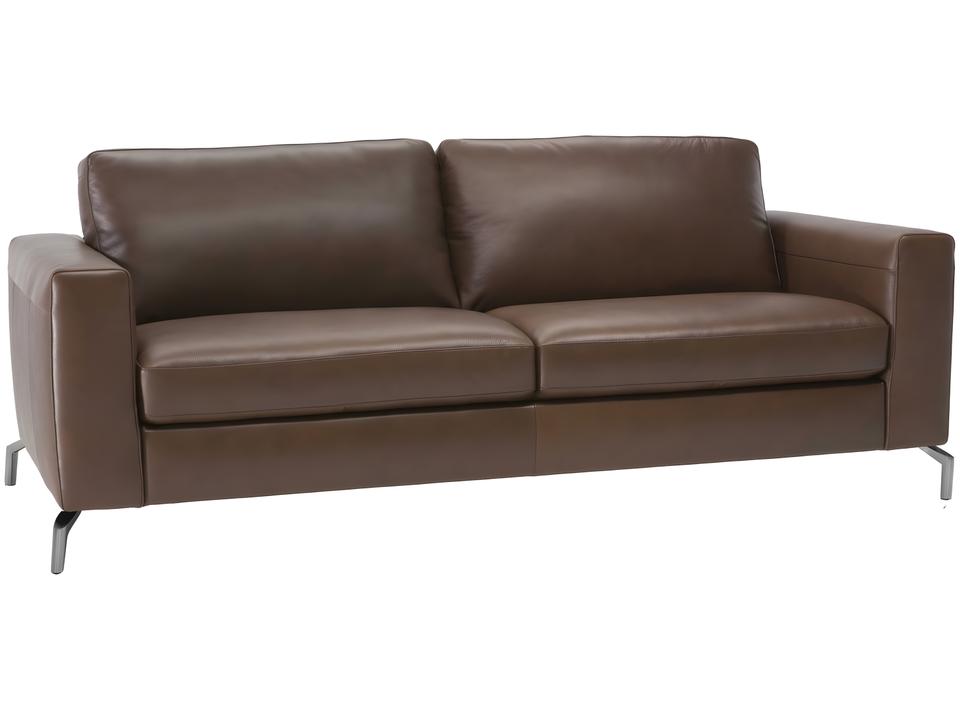
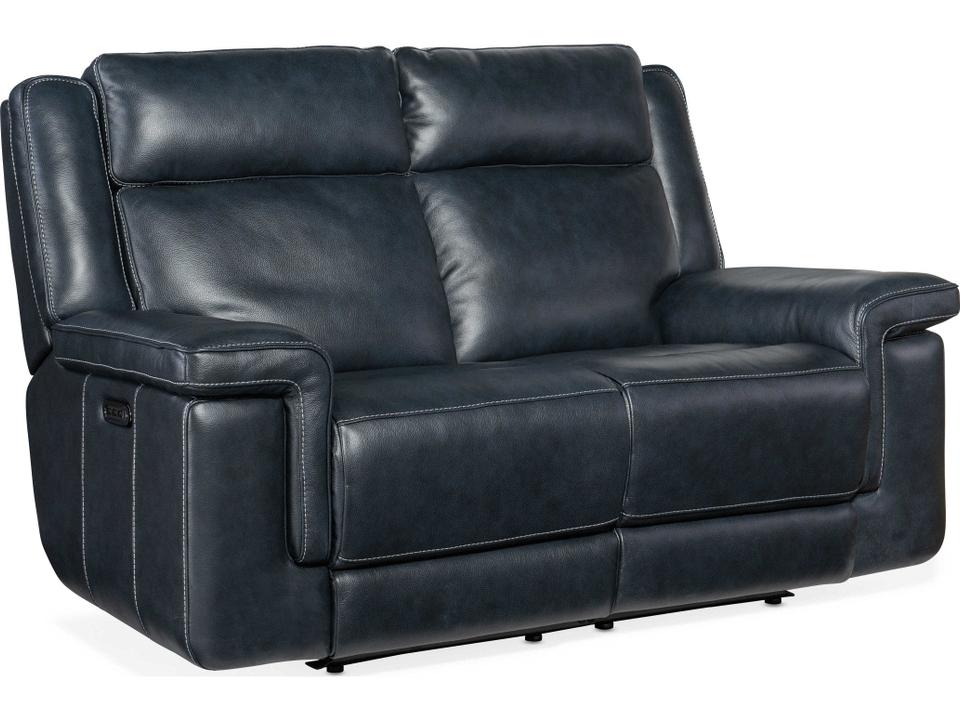
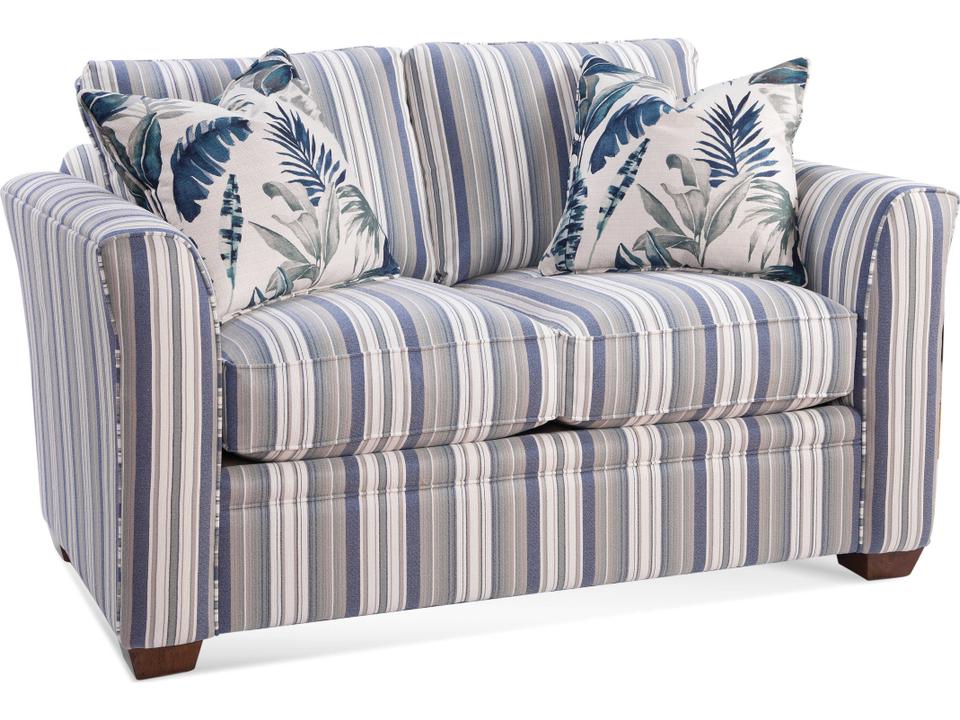
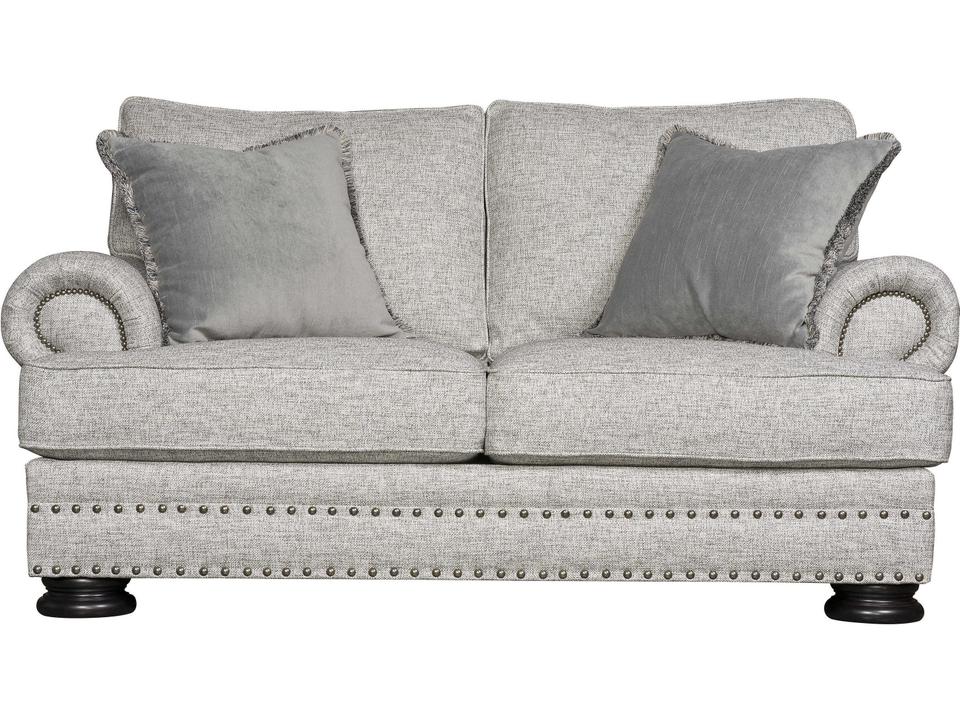
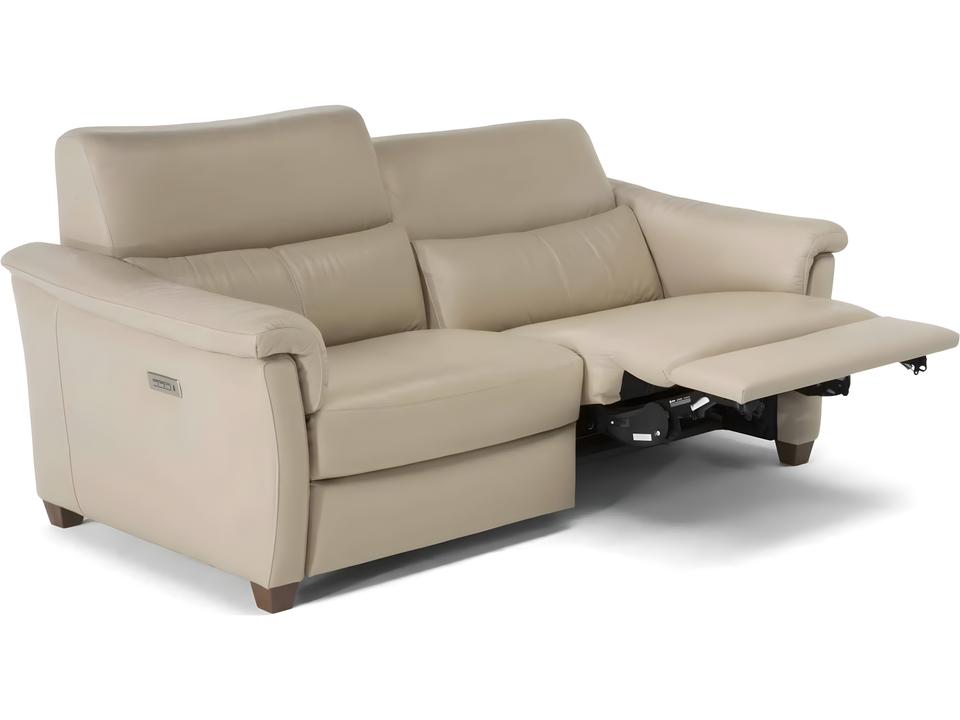
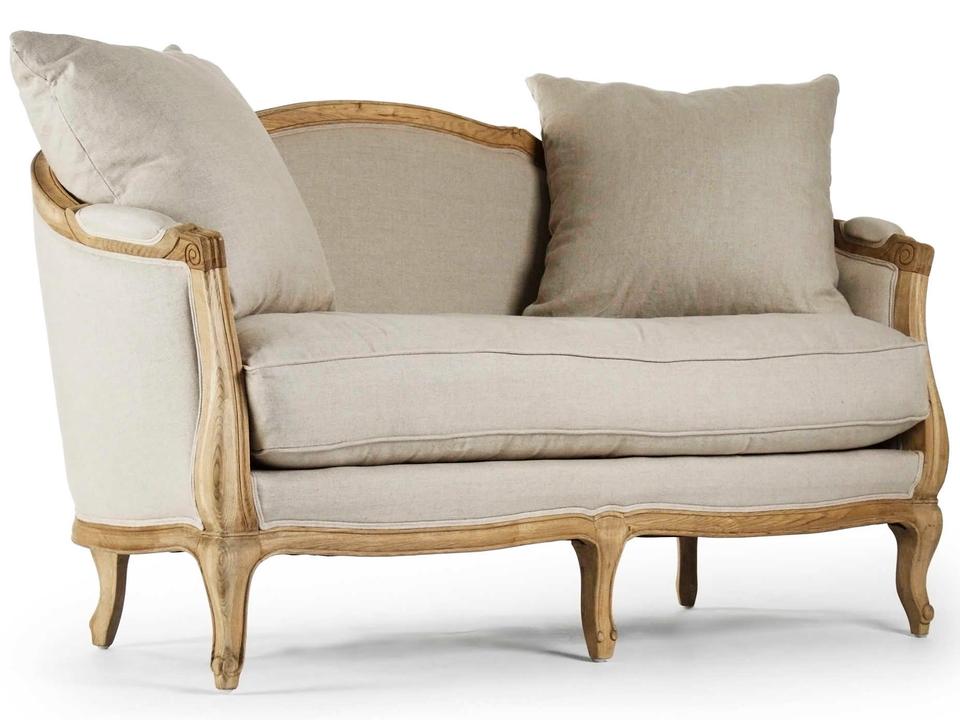
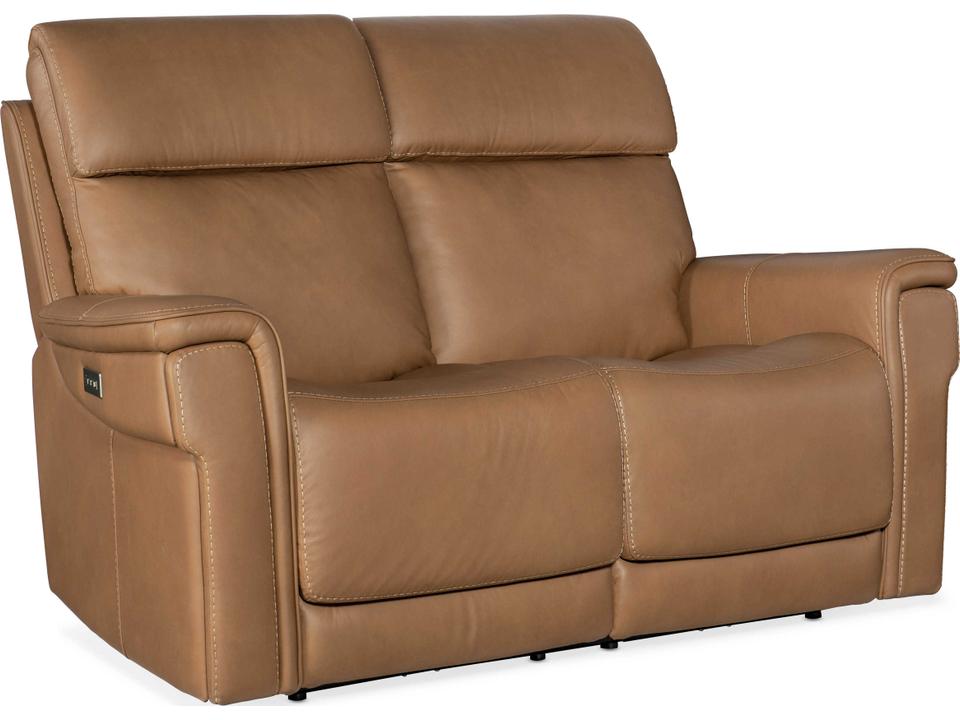
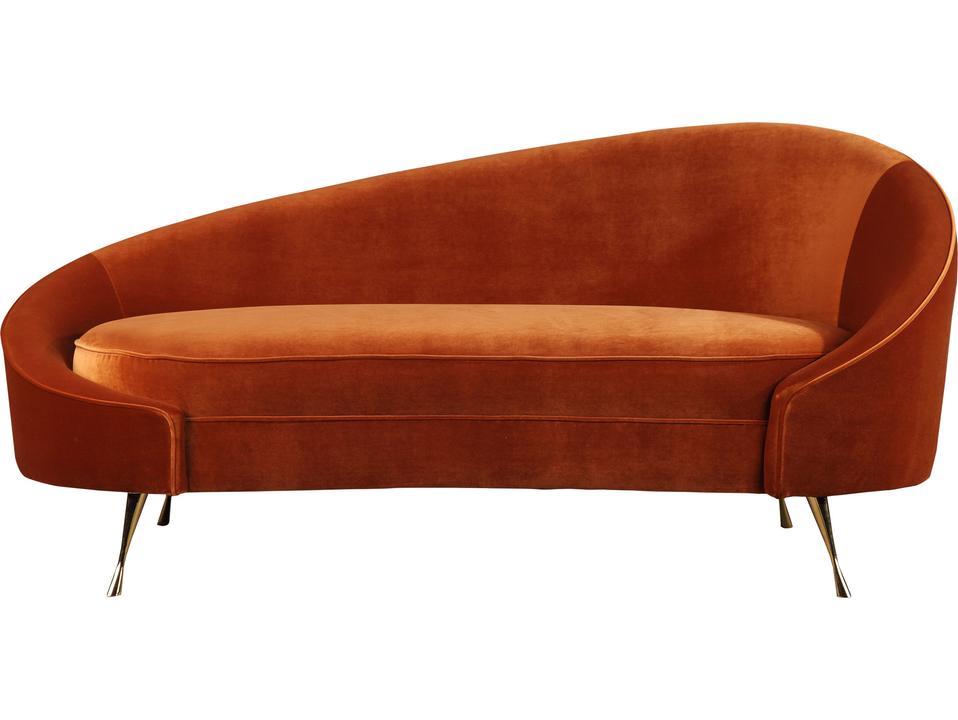
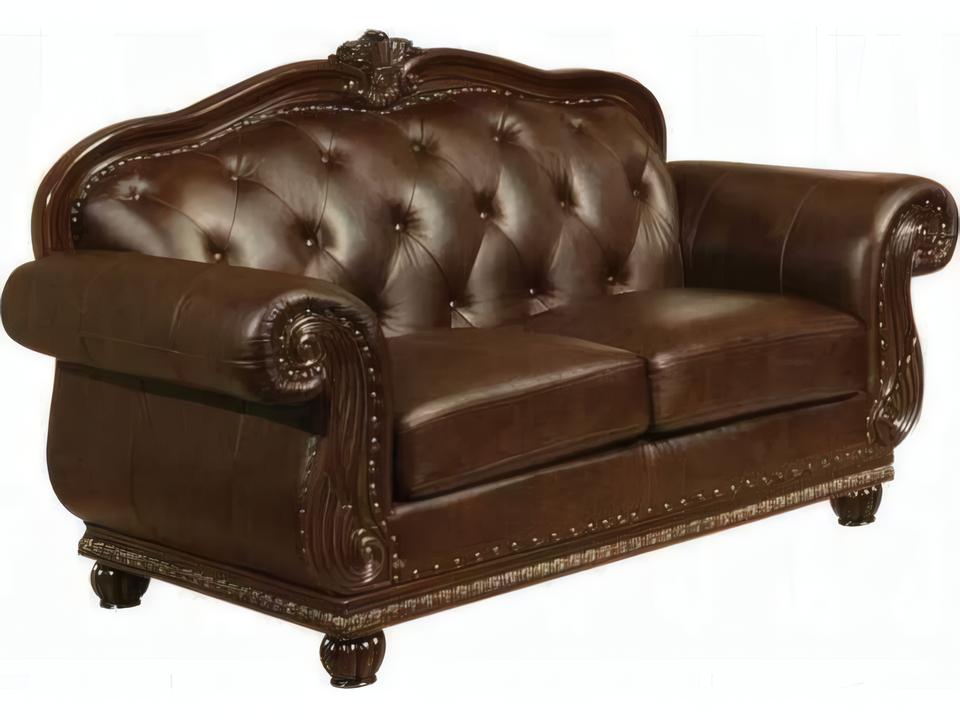
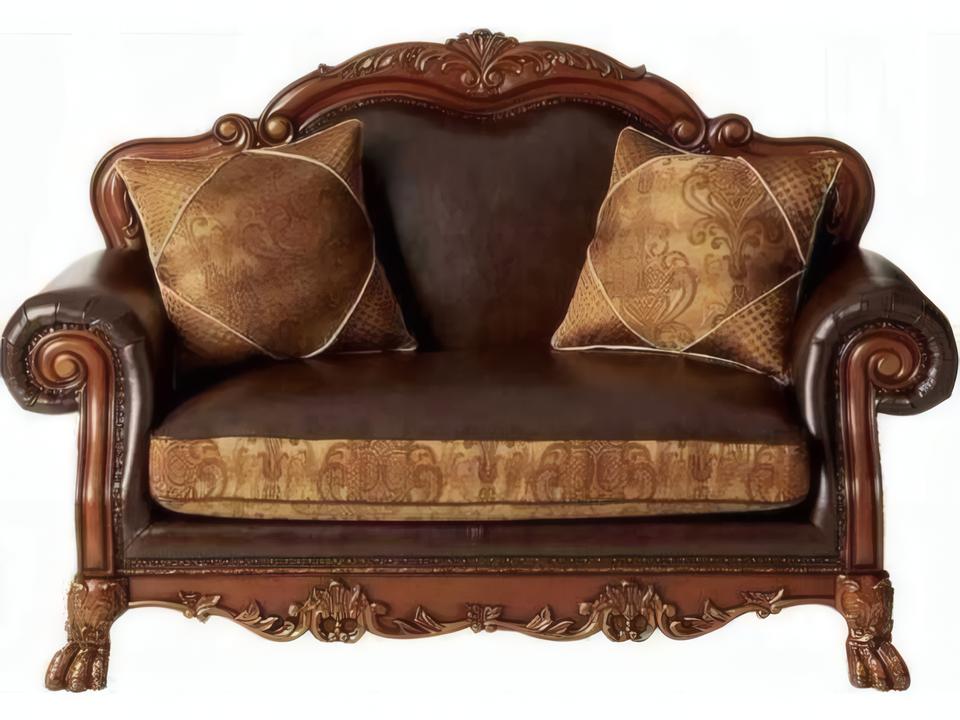
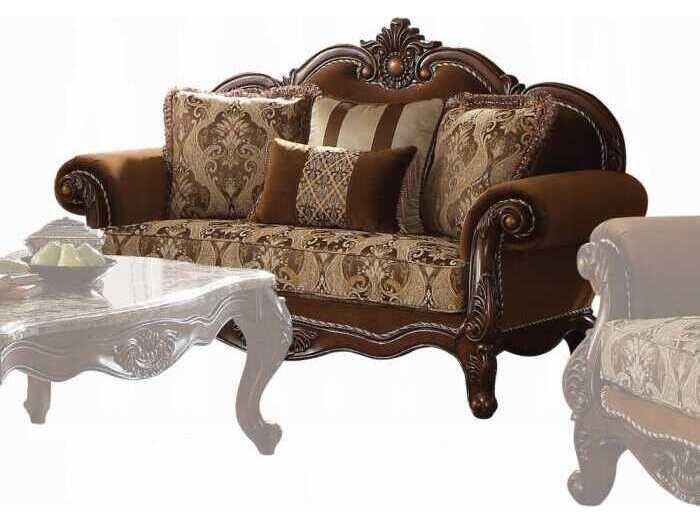
Most loveseats measure between 48 and 72 inches wide — roughly two seat cushions, fitting two adults side by side. That compact footprint makes them a smart choice for apartments, reading nooks, bedrooms, and layered seating plans where a full sofa would overwhelm the room. Our luxury loveseats range from tight-back settees to deep-cushioned recliners, but the first decision is always size. Measure your doorways before you commit. A 52-inch loveseat can still get stuck in a 30-inch door frame if the legs don't detach and the back profile is wide.
Depth matters as much as width. A standard seat depth of 20 to 22 inches works for most people, but if you prefer to curl up with your legs tucked beneath you, look for deeper seats in the 24-inch range. Seat height between 17 and 19 inches keeps things proportional to most coffee tables and side tables.
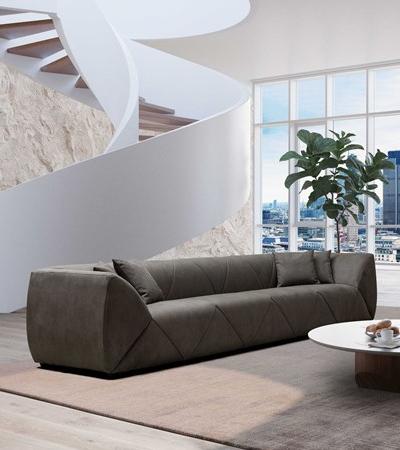
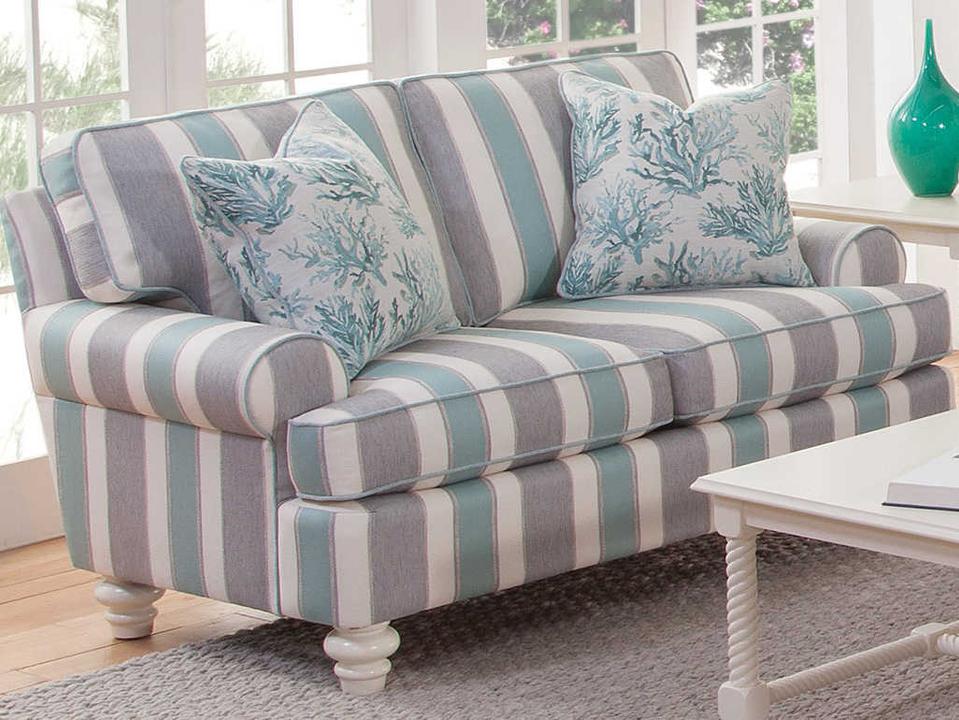
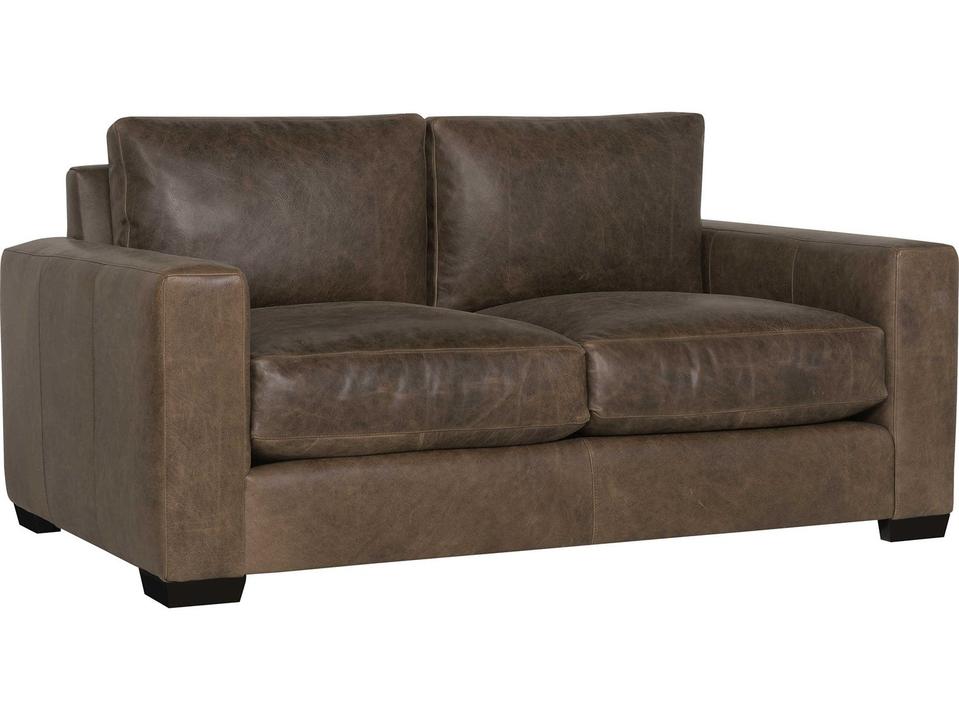
The upholstery you pick determines day-to-day maintenance more than anything else. Leather loveseats develop a patina over time and clean up quickly — a strong option for living rooms that see heavy use. Velvet adds visual richness and a soft hand, though it shows compression marks and may need regular brushing. Performance fabrics like Sunbrella and Crypton resist stains, moisture, and fading, making them well-suited for families with children or pets.
Underneath, the frame determines longevity. Kiln-dried hardwood frames — oak, maple, or birch — resist warping far better than engineered wood or pine. Corner-blocked joints and doweled connections at stress points keep the structure solid after years of daily use. For cushion fill, high-resilience foam wrapped in a down-feather blend offers the best balance of support and softness. Foam-only cushions hold their shape longer; all-down fills feel plush but need regular fluffing.
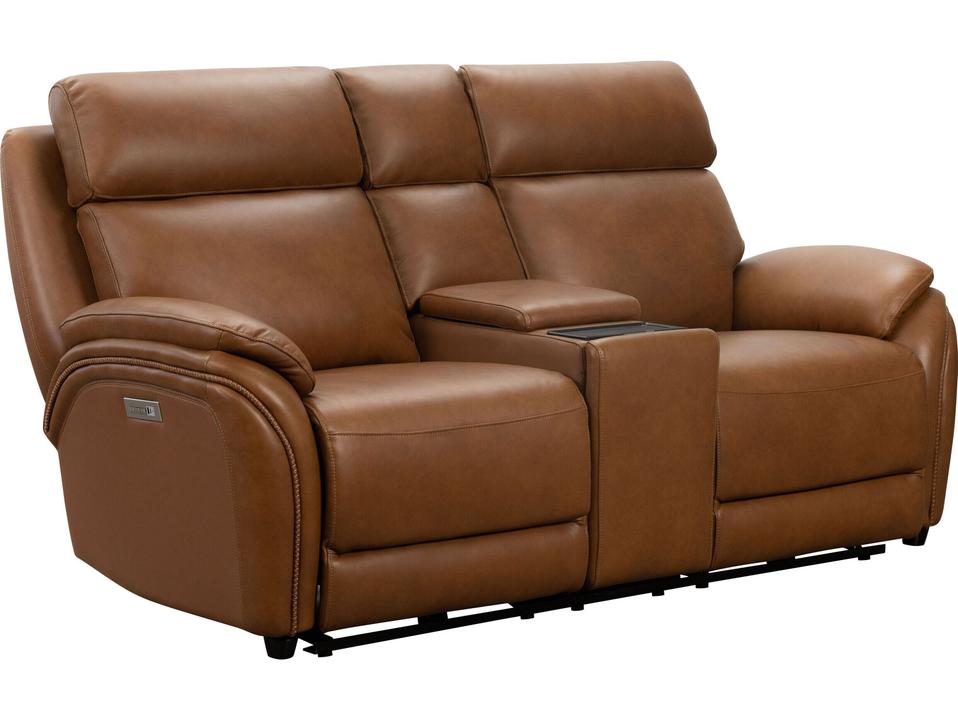
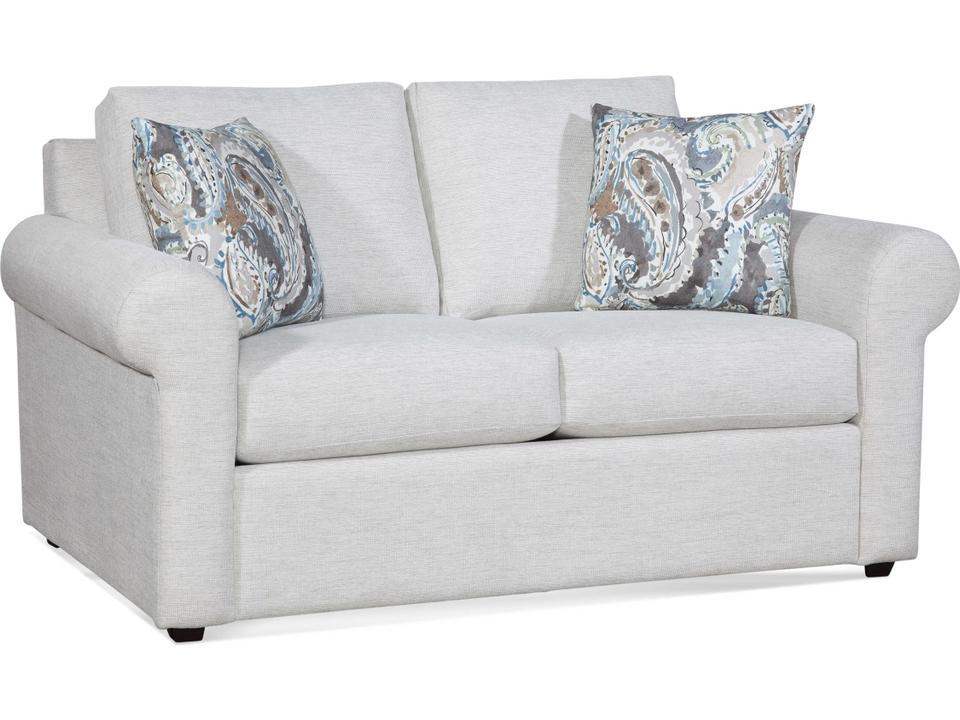
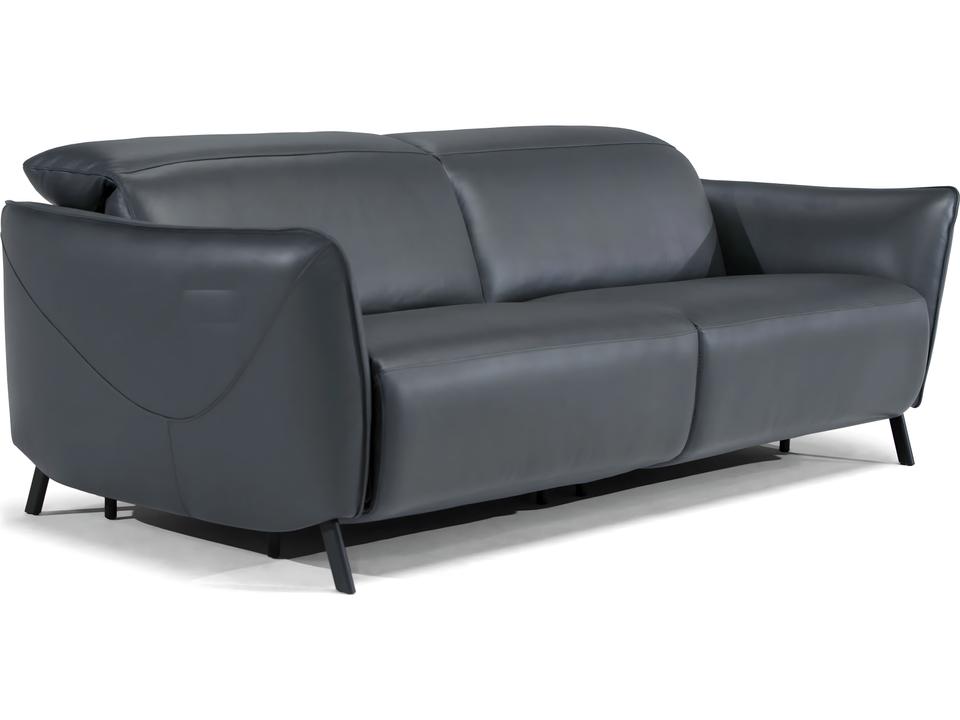
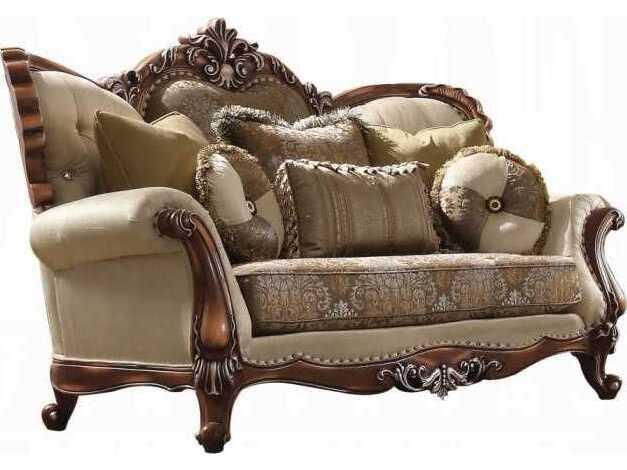
Loveseats come in more configurations than most buyers expect:
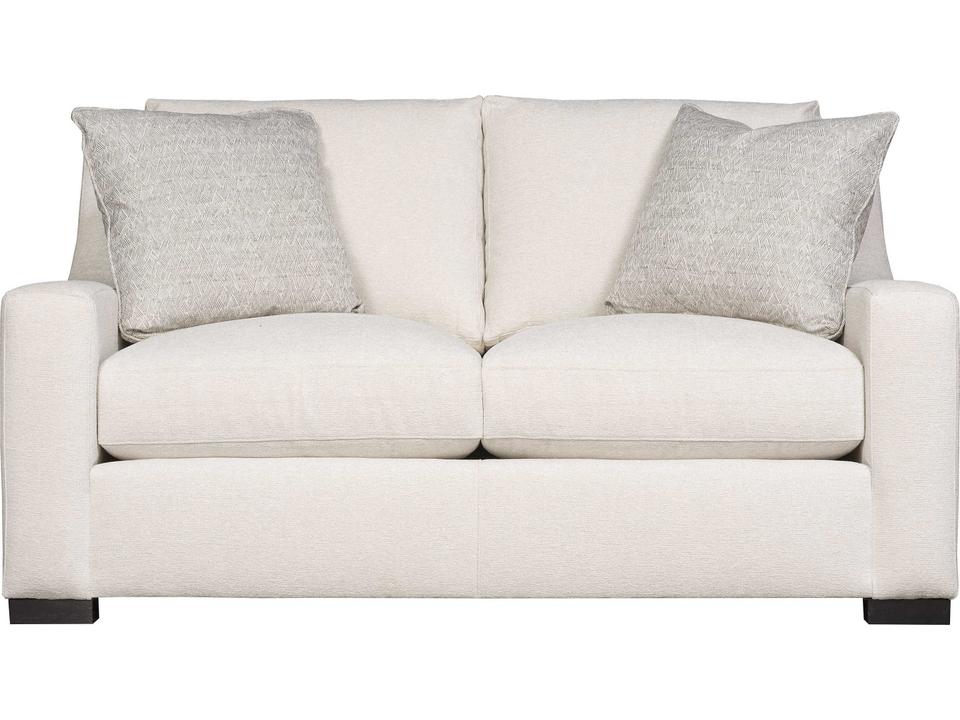
Back style changes the feel of the piece significantly. A tight back with no loose cushions reads more formal and holds a refined line. A pillow-back loveseat feels relaxed and casual. Open-back designs with exposed frames give a room visual breathing room — especially useful in smaller spaces where you want to avoid heaviness.
A loveseat pairs naturally with a full-size sofa in an L-shaped or facing arrangement. In smaller rooms, two matching loveseats across a coffee table create a balanced, conversational layout. For bedrooms and reading corners, a single loveseat angled near a window or floor lamp makes a comfortable retreat.
Arm style matters when coordinating with other furniture. Rolled arms lean traditional. Track arms and square profiles skew contemporary. Flared arms sit somewhere in between, working across most design directions. A luxury loveseat should feel intentional in the room — matching or complementing your existing seating in scale, not just color.
For outdoor loveseats, check the Martindale or Wyzenbeek abrasion rating on the fabric — 30,000 or more double rubs is the benchmark for outdoor durability. Teak and powder-coated aluminum frames handle moisture best, while all-weather wicker offers a softer, more residential look for covered patios and screened porches.