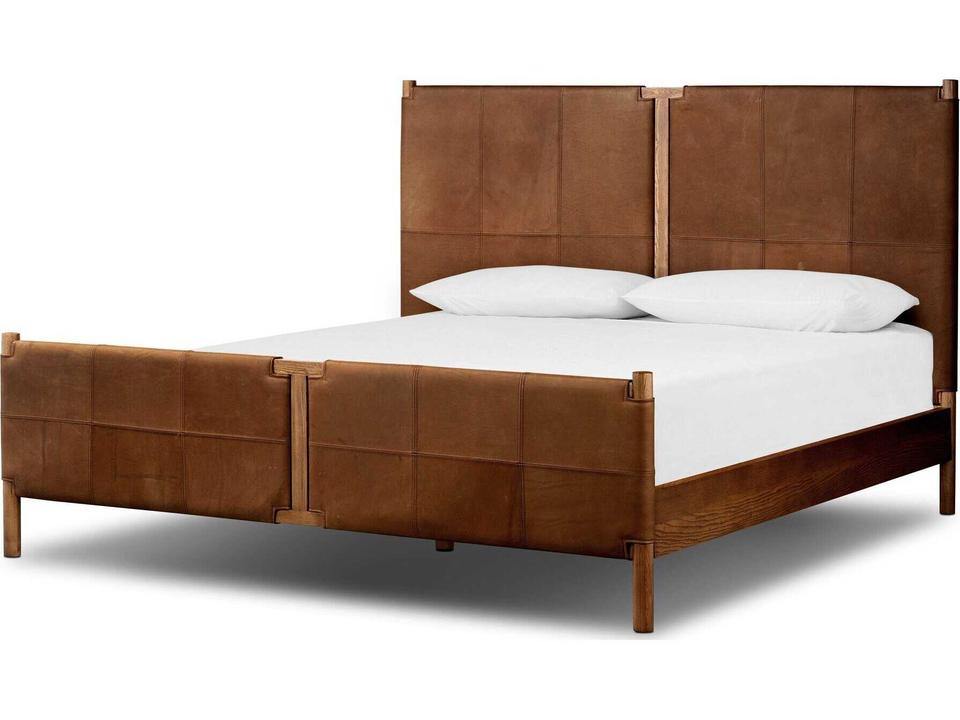
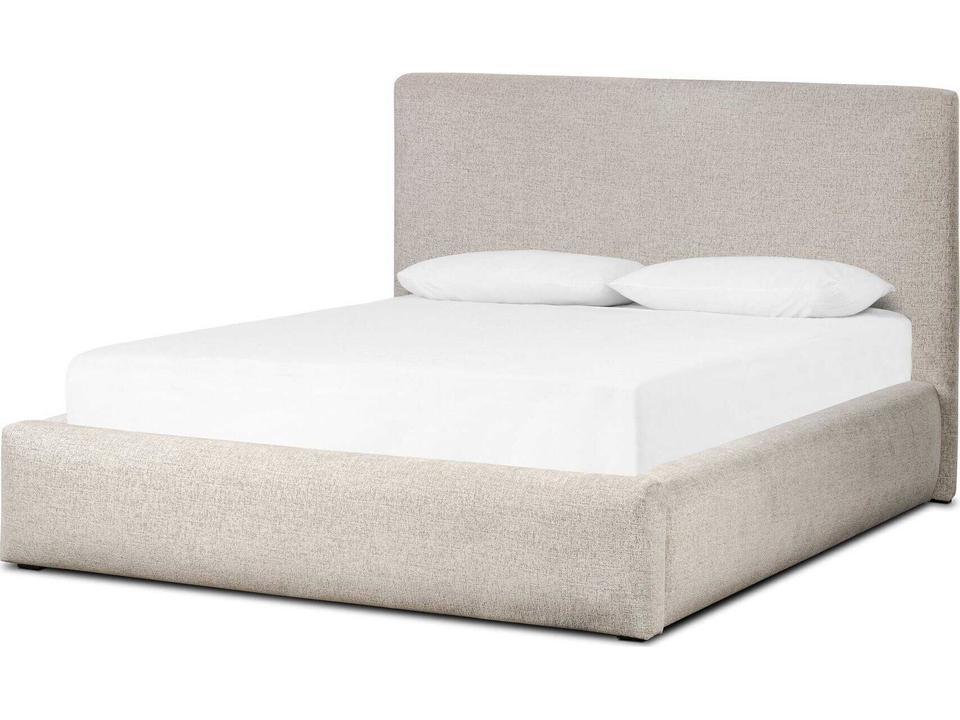
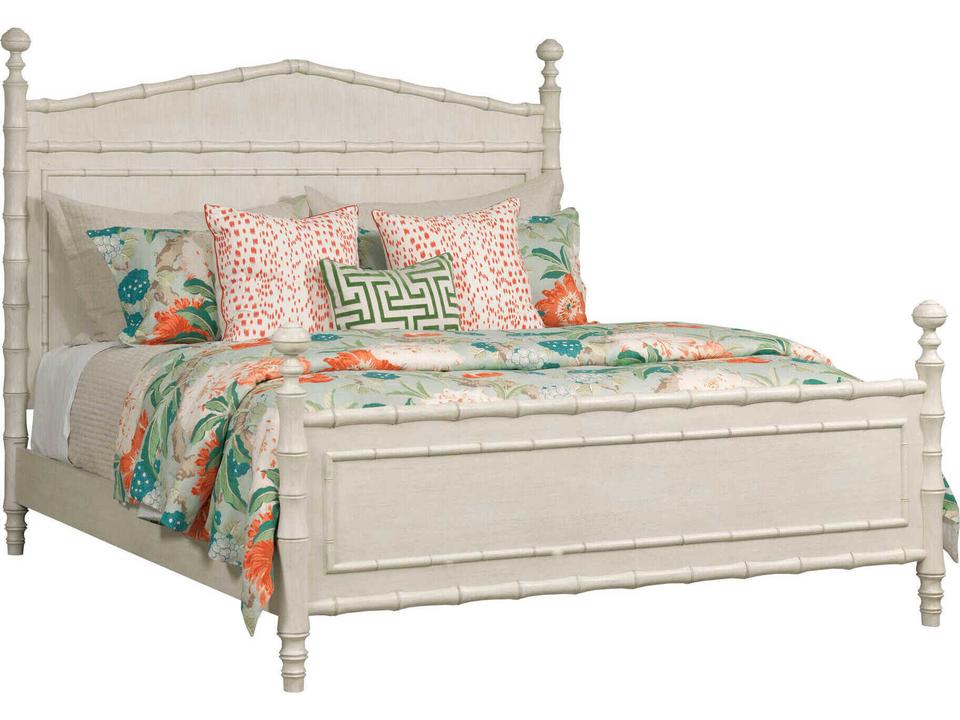
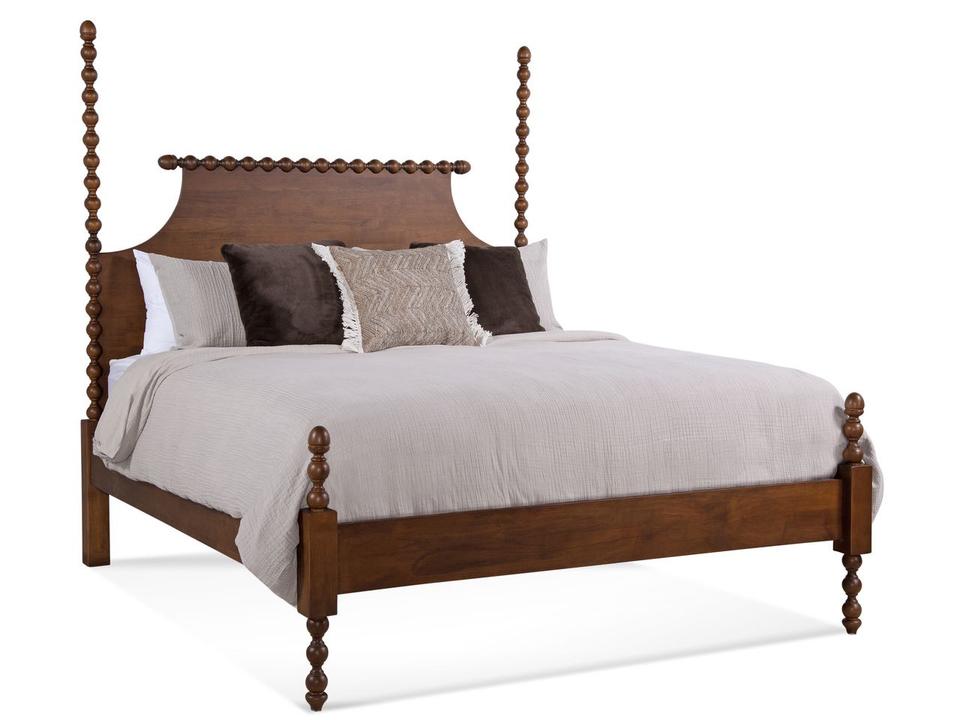
There's a physical difference you notice immediately. A king bed gives two sleepers 38 inches of personal width each — room to shift positions, stretch out, and sleep without waking each other up. But the bed also dominates your bedroom visually, which means headboard style, frame height, and material finish matter just as much as the sleeping surface. Getting this piece right makes everything else in the bedroom easier to coordinate.
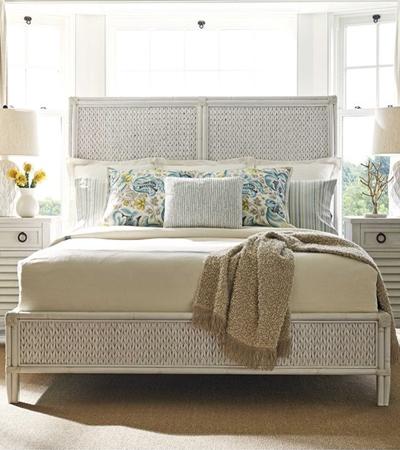
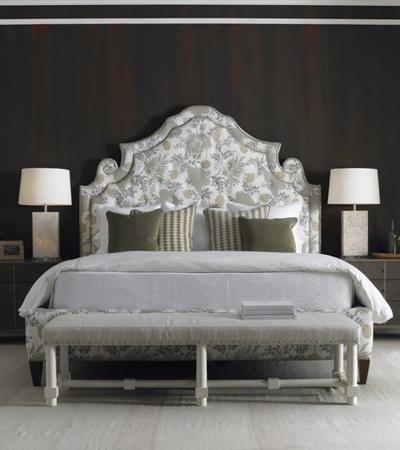
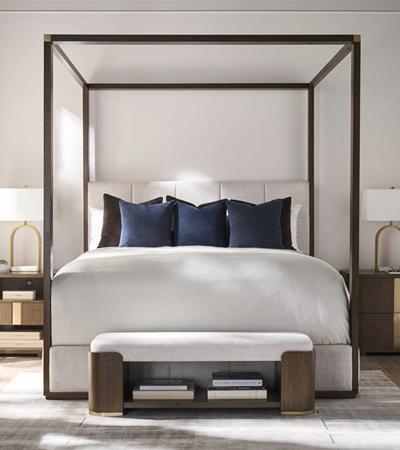
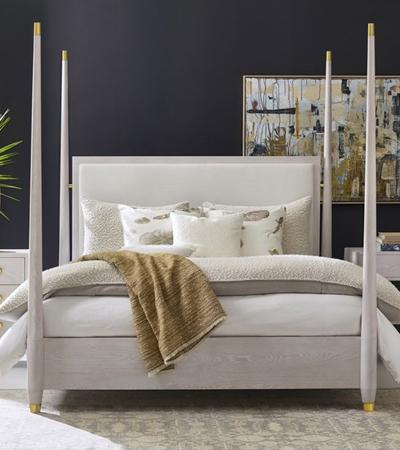
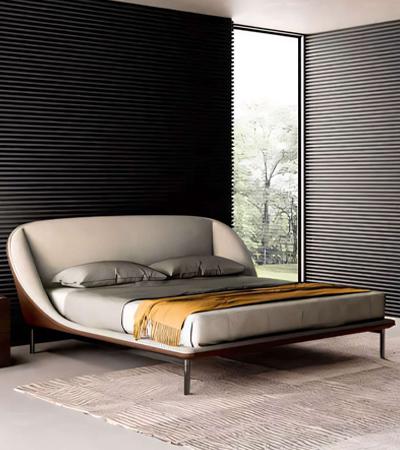
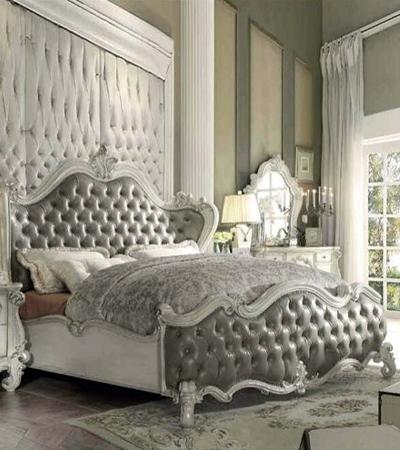
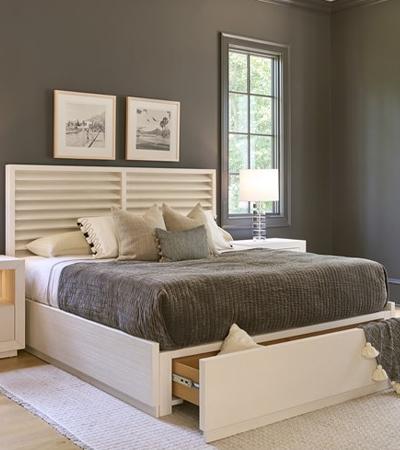
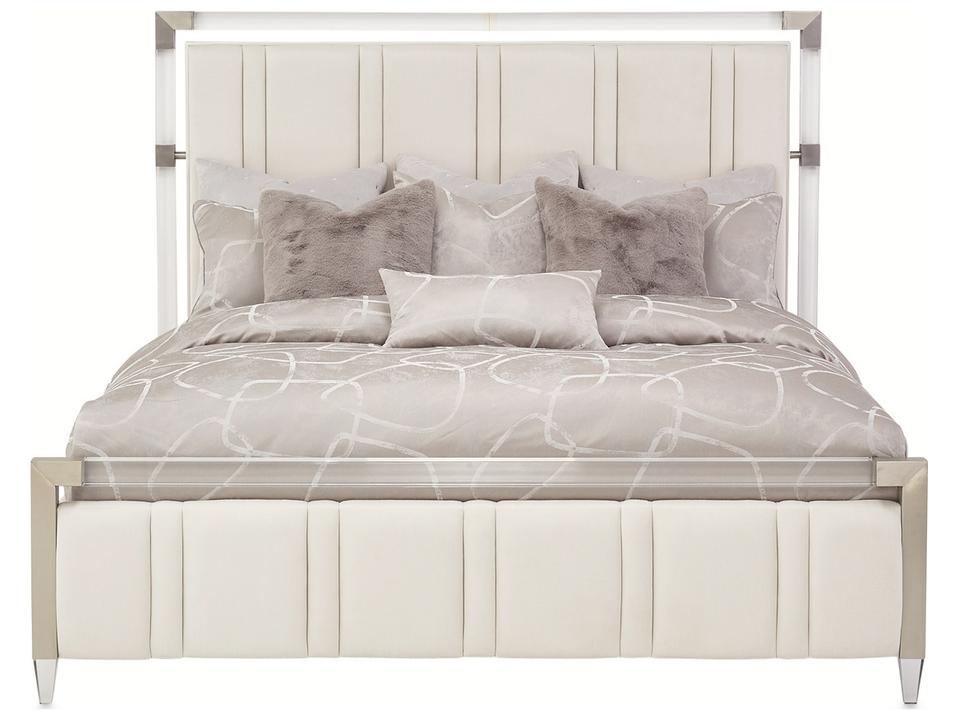
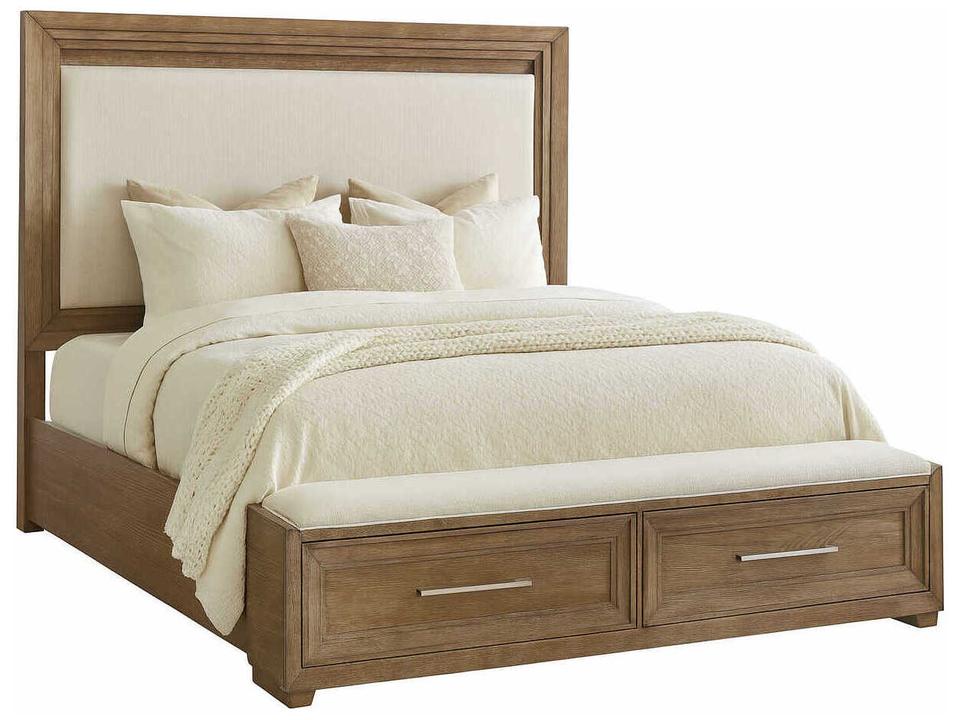
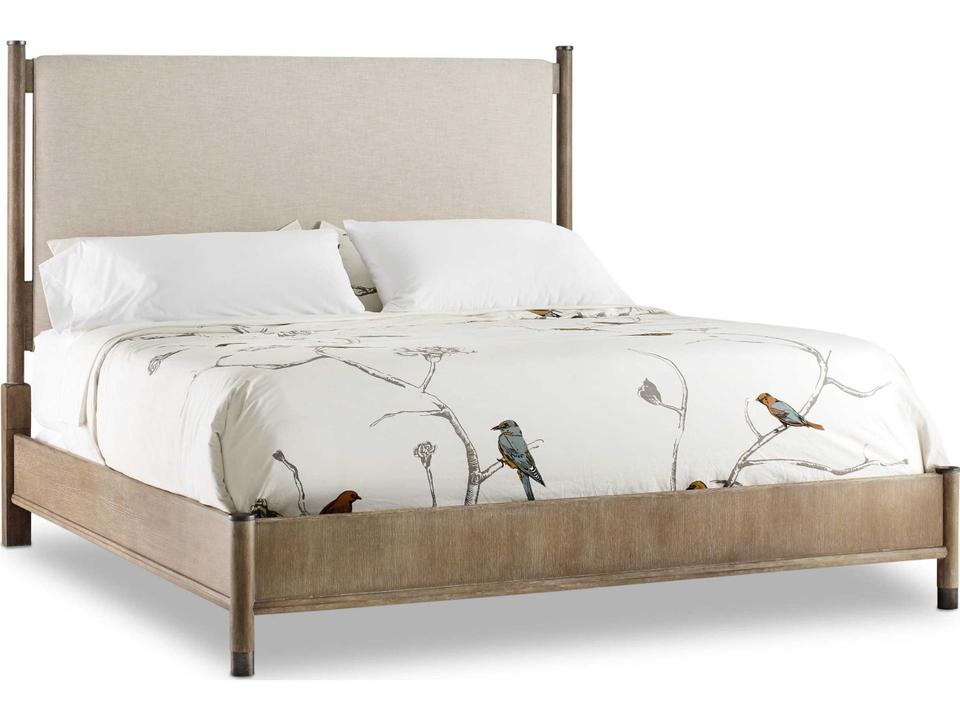
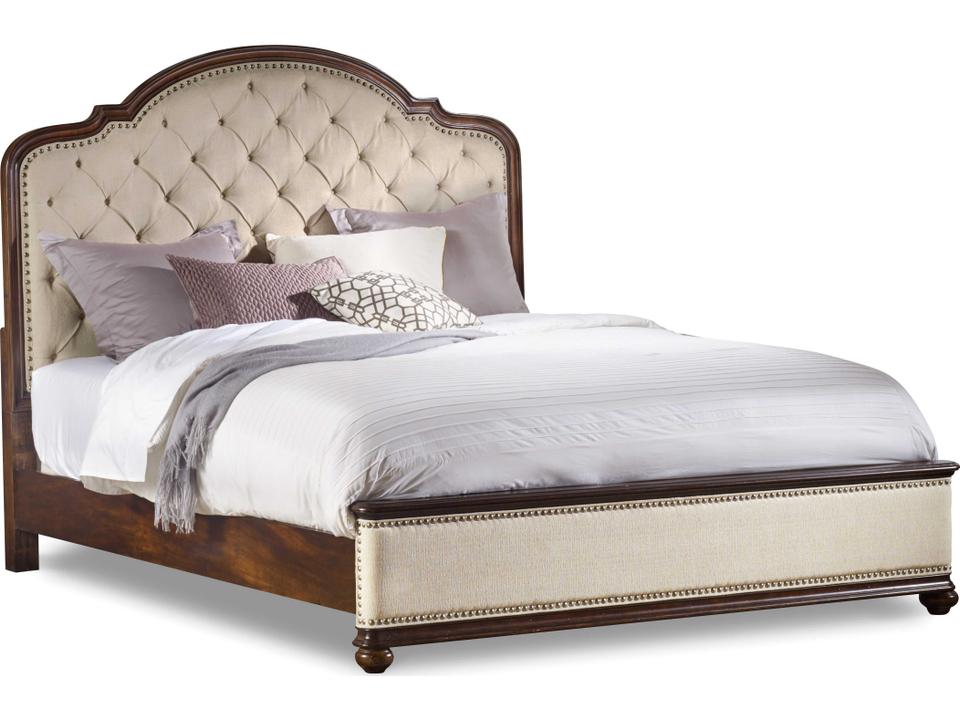
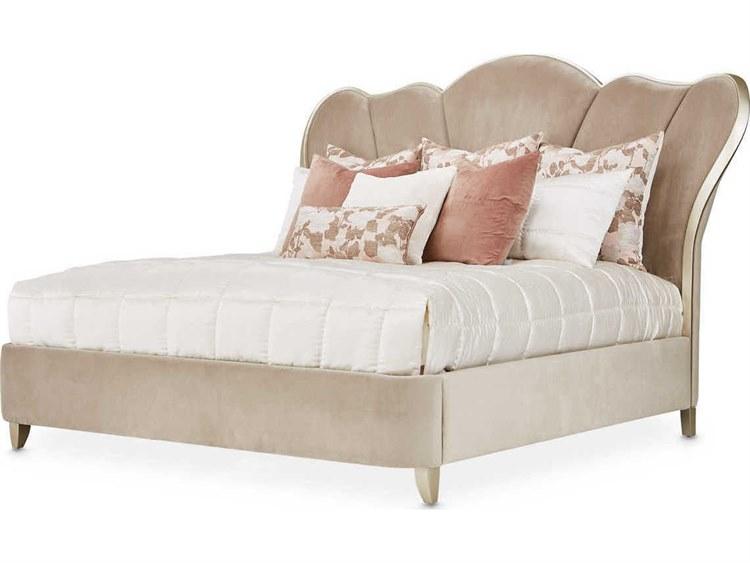
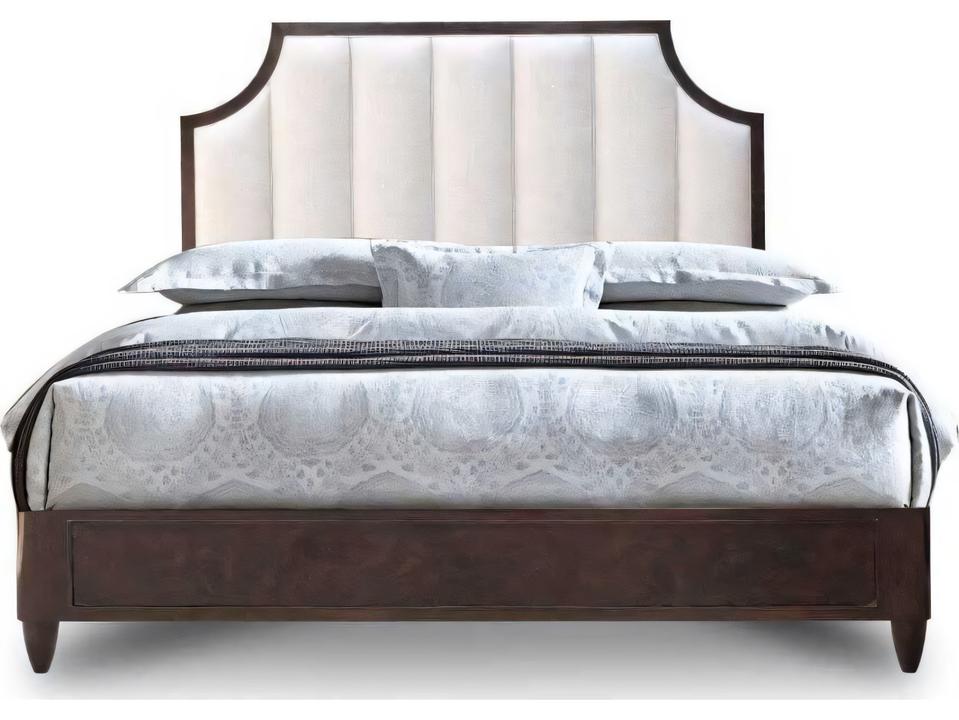
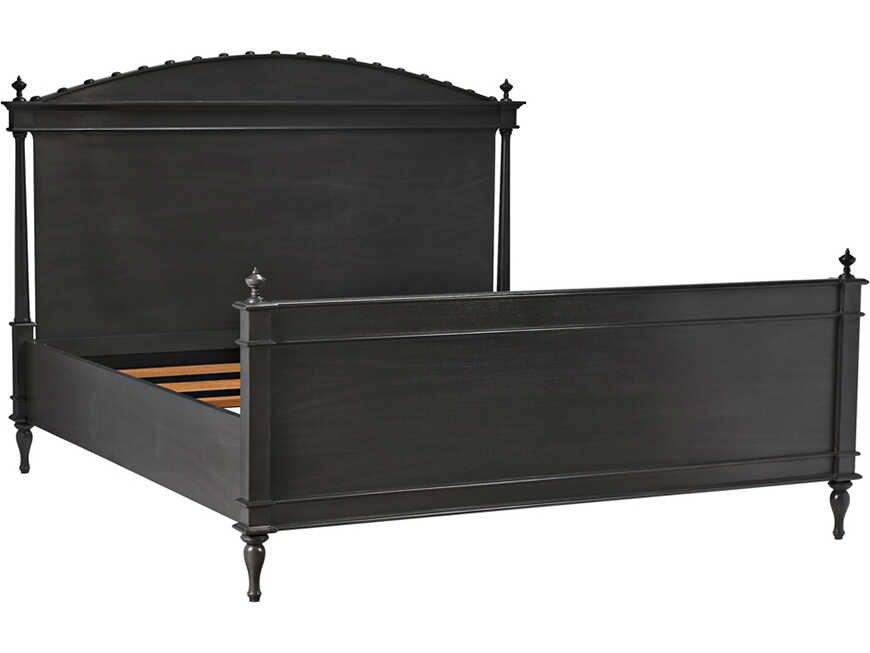
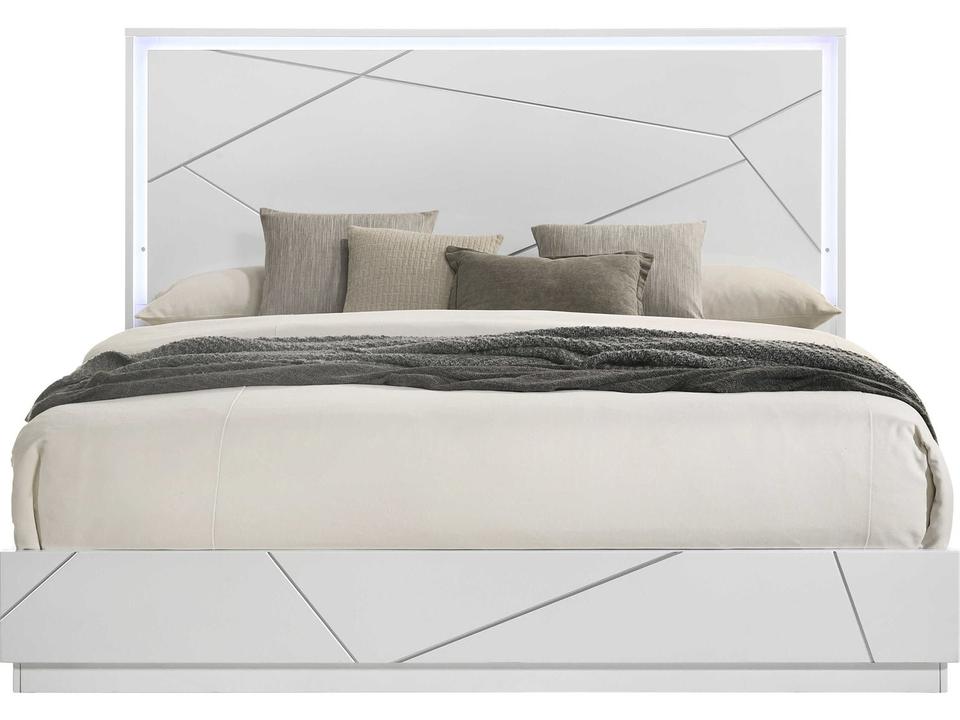
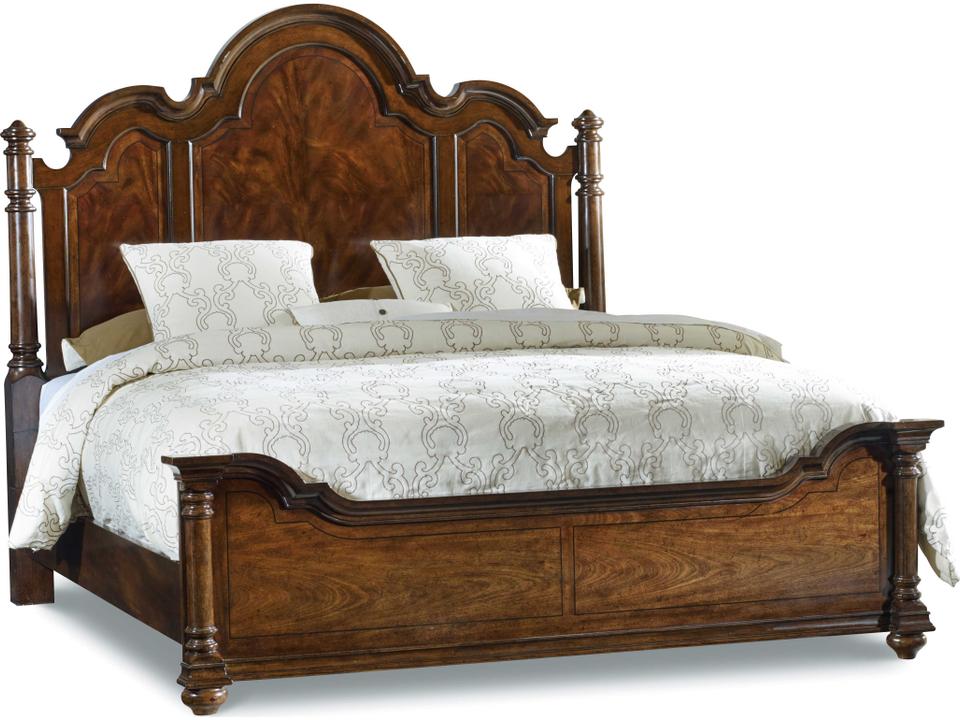
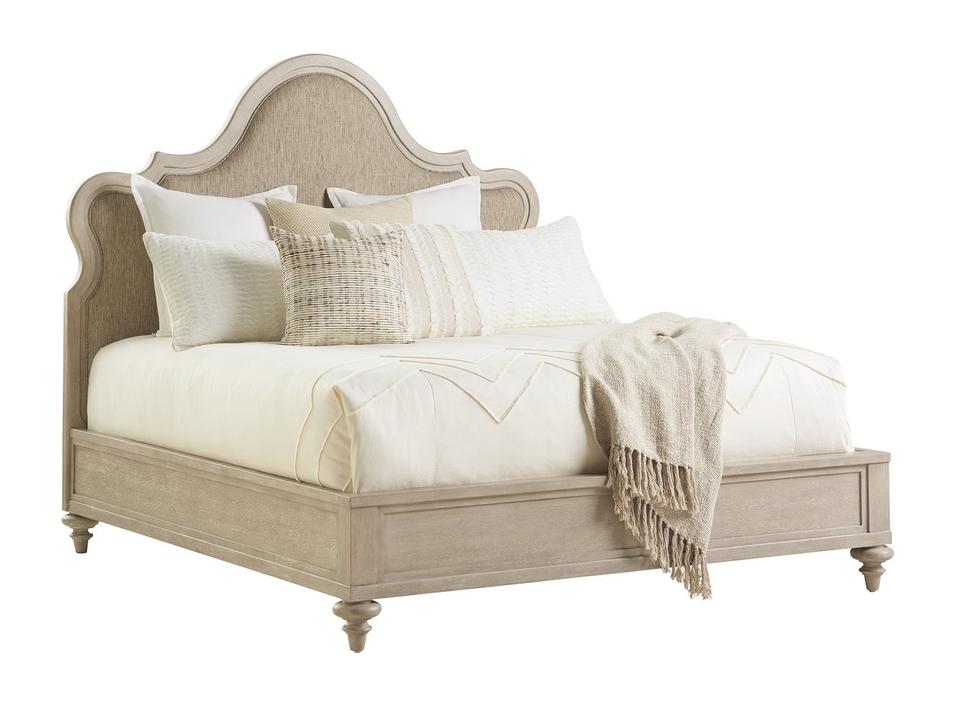
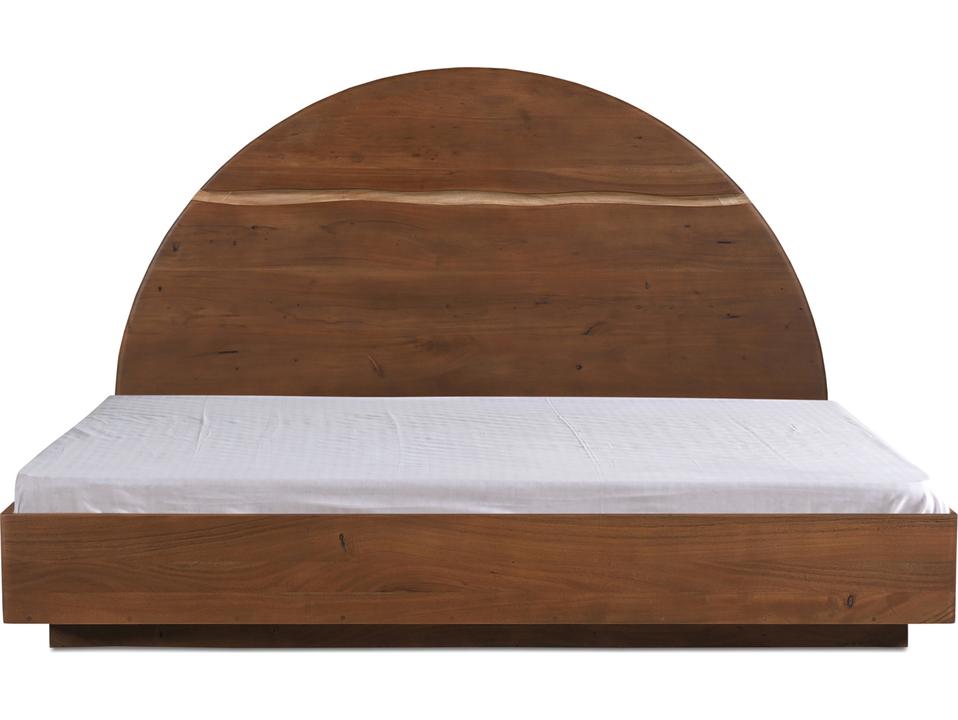
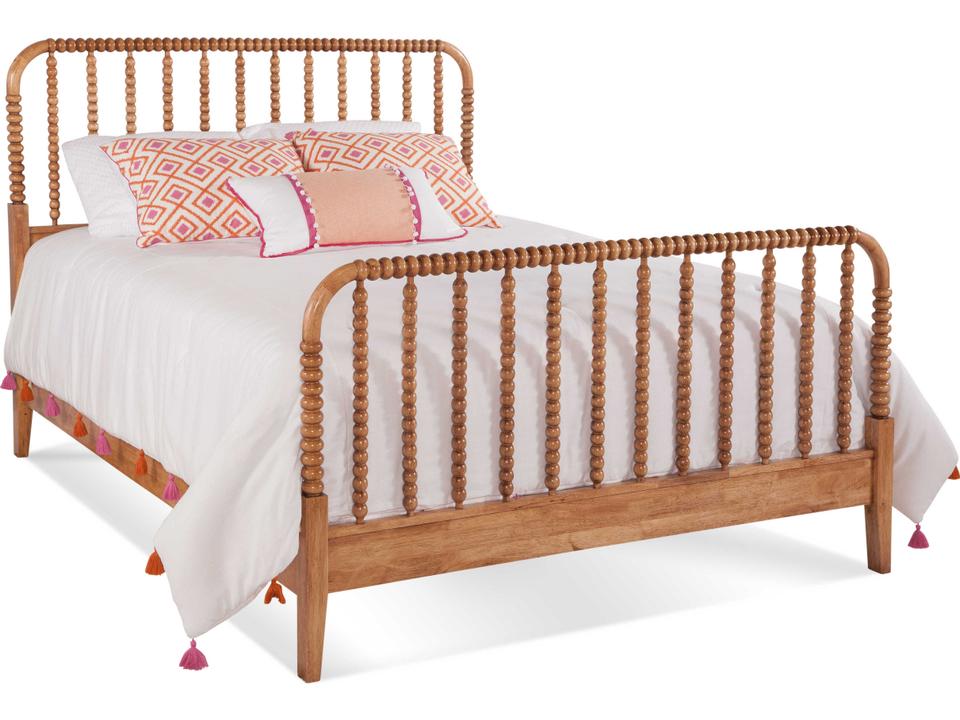
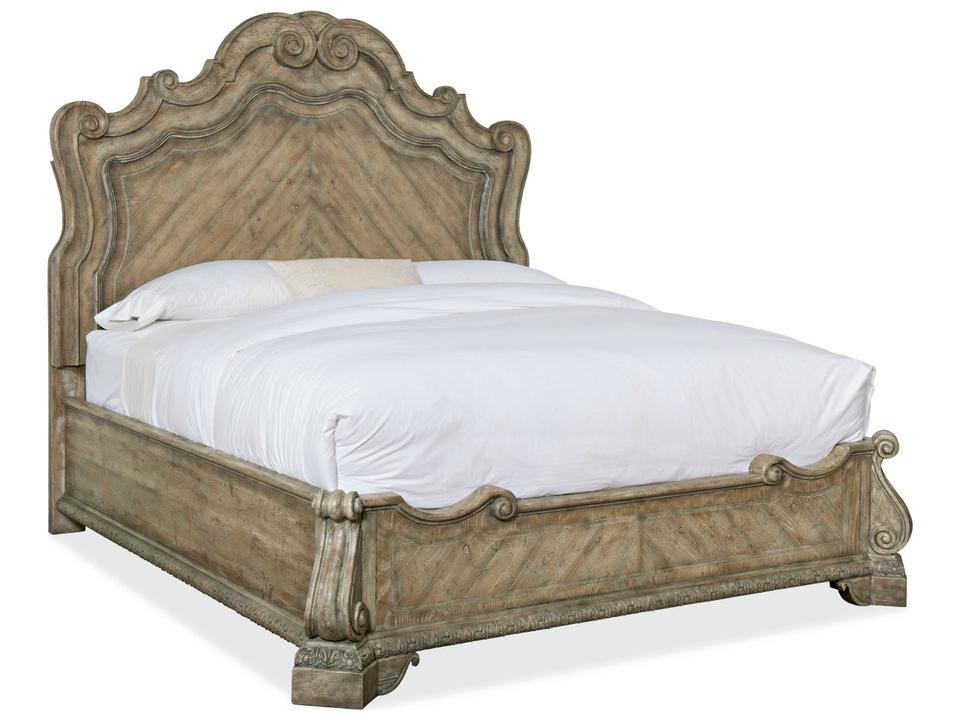
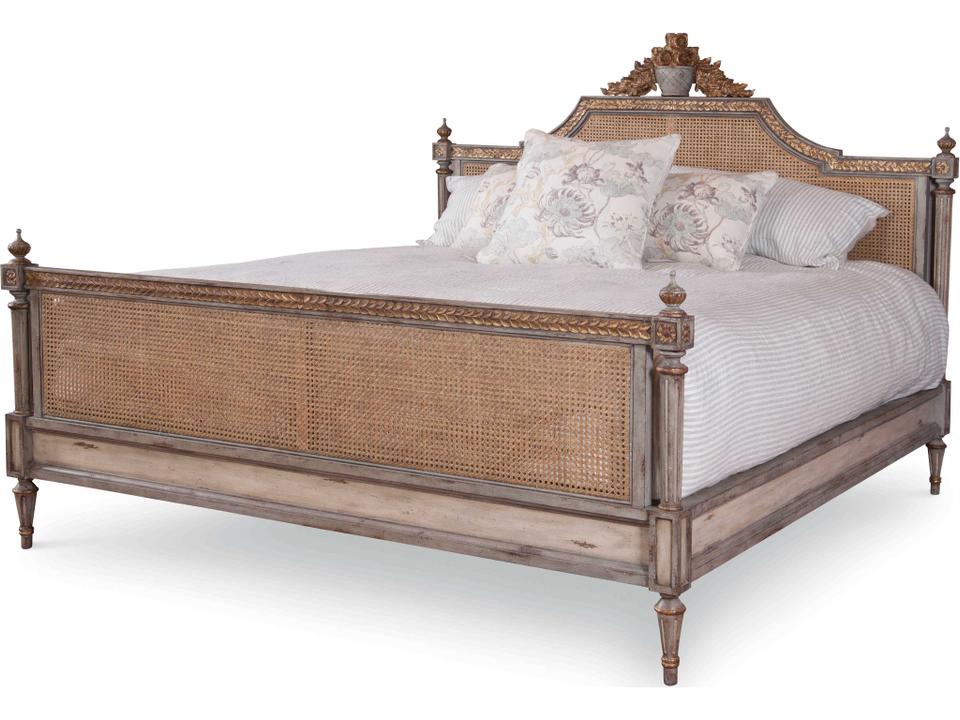
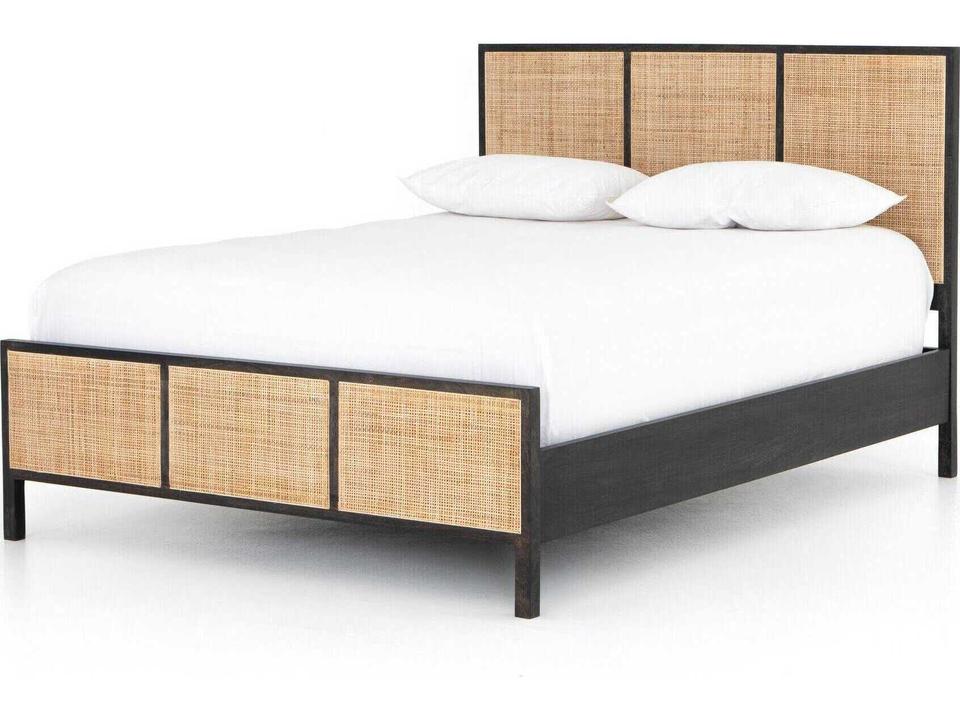
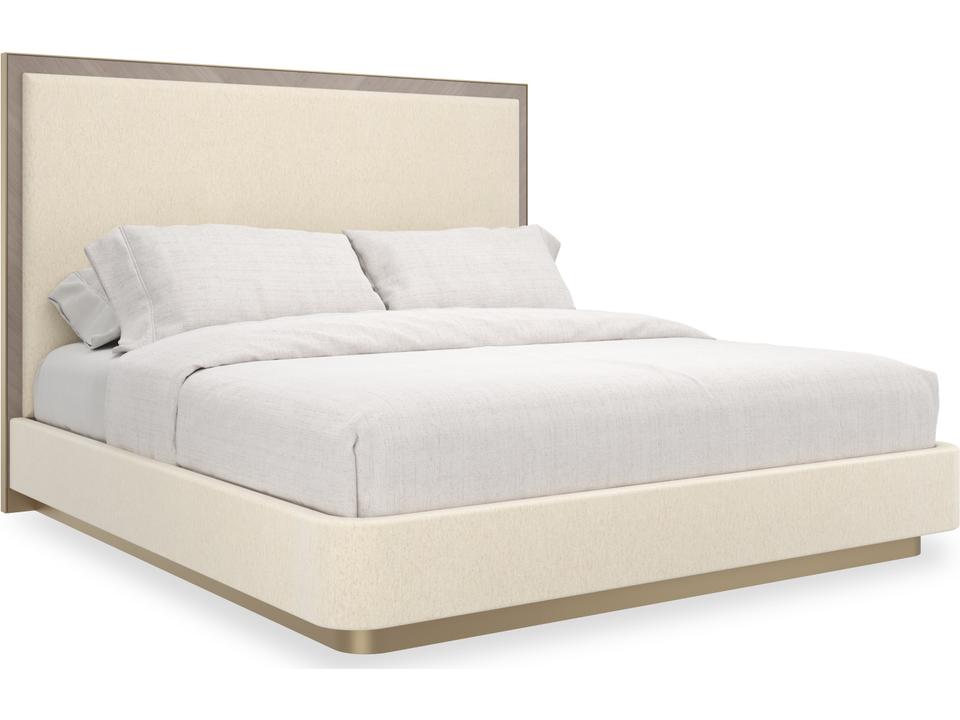
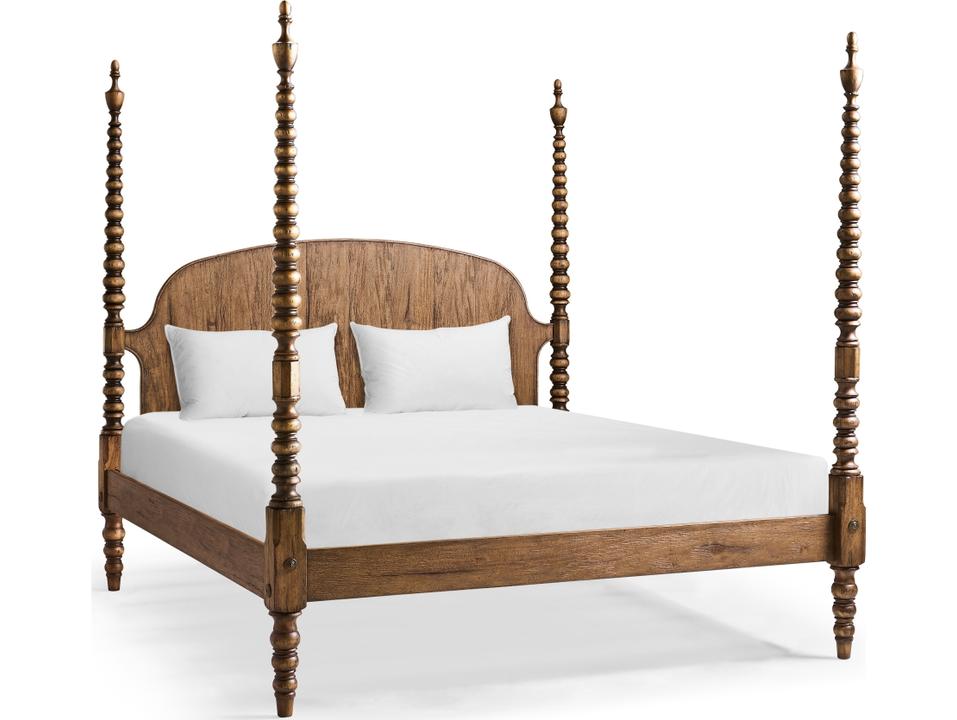
Our luxury king beds include upholstered panels, sleigh frames, four-poster designs, canopy beds, and low-profile platforms. You'll find traditional carved hardwood alongside contemporary channel-tufted designs, all from brands that build for long-term use and refined finishes.
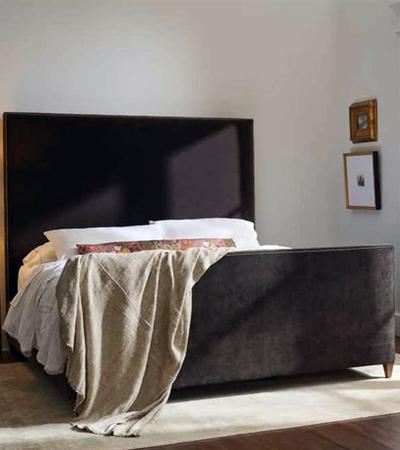
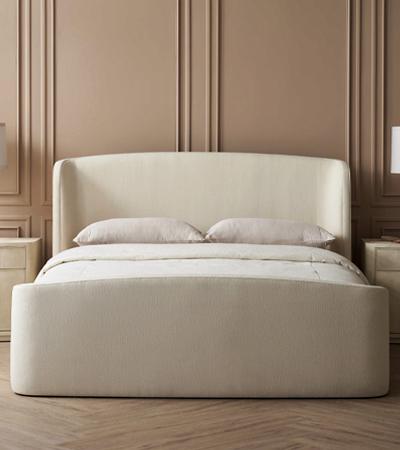
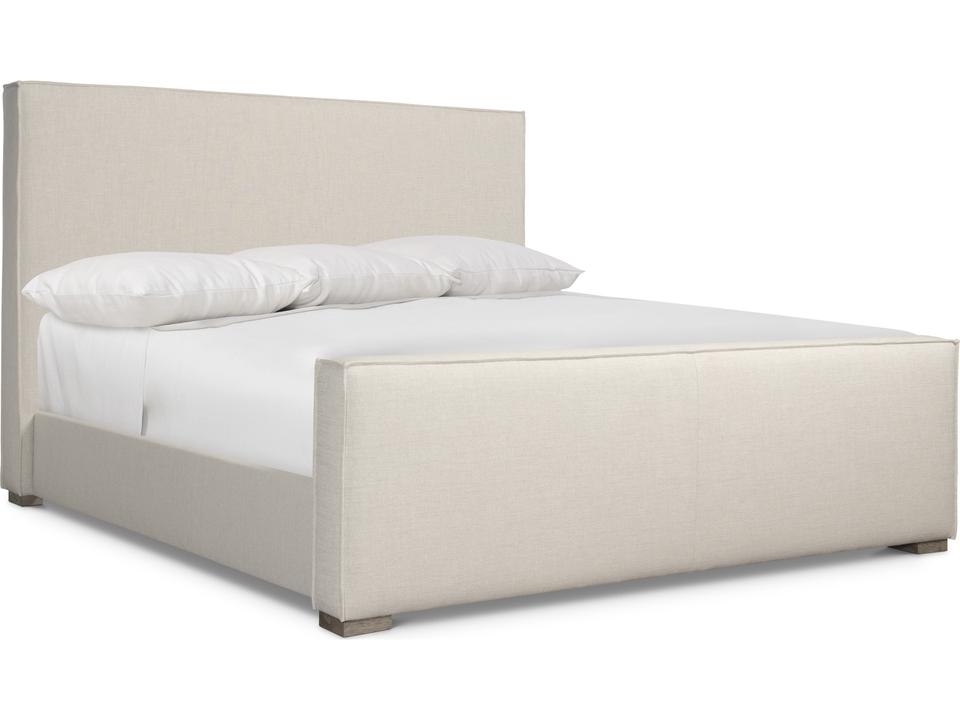
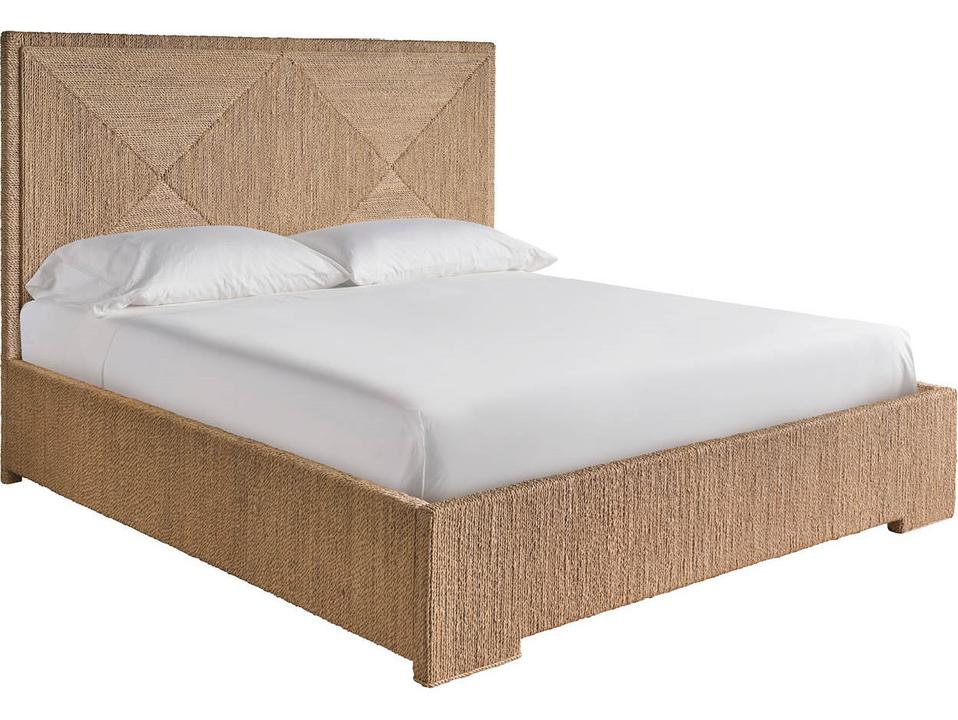
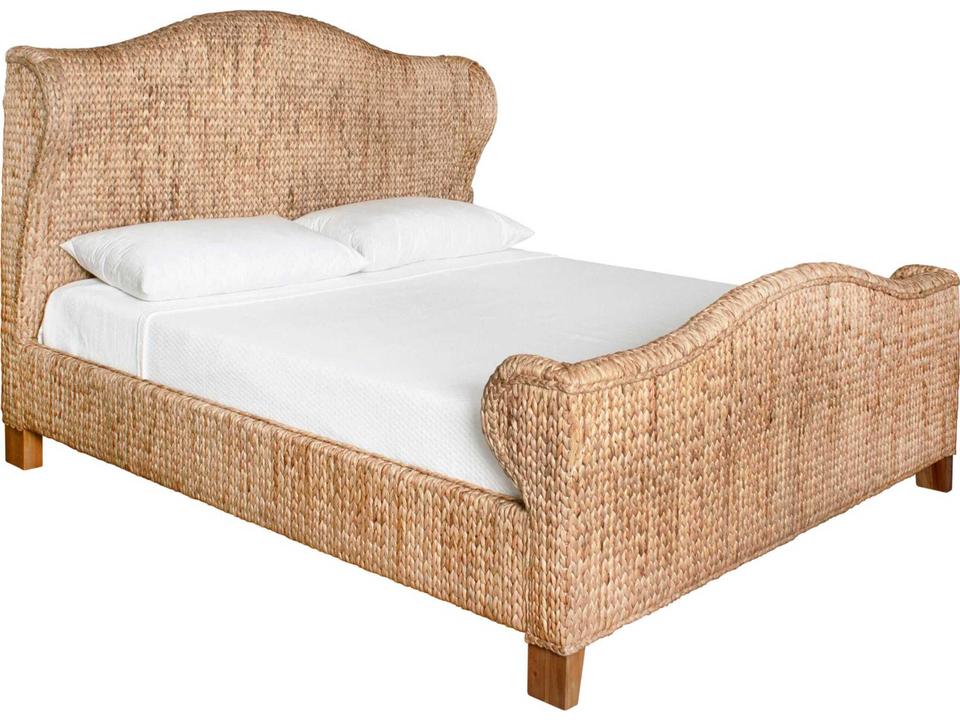
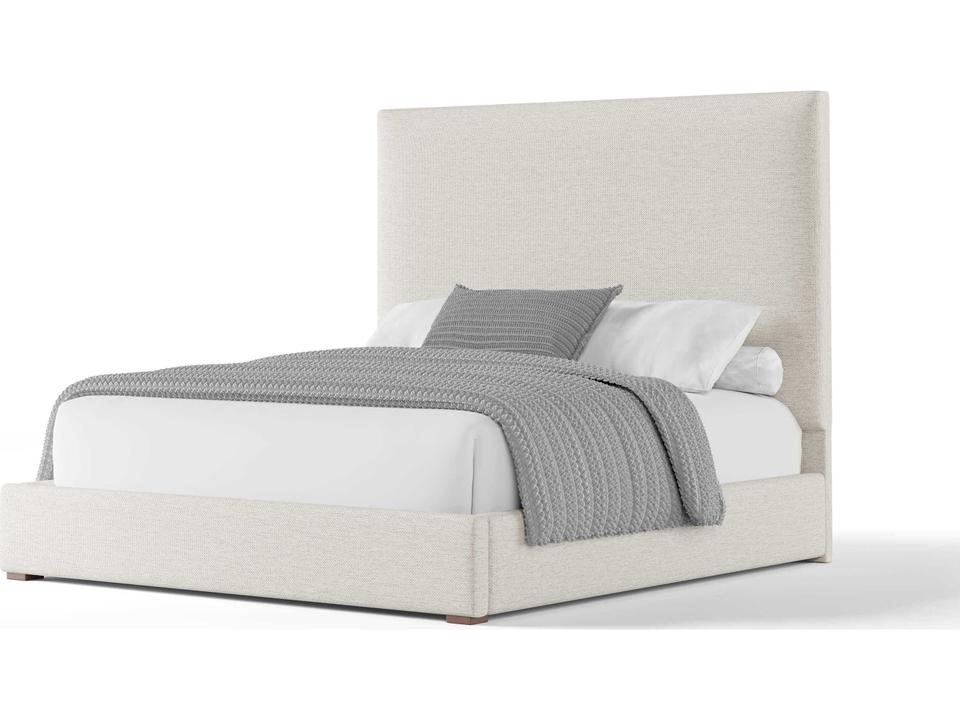
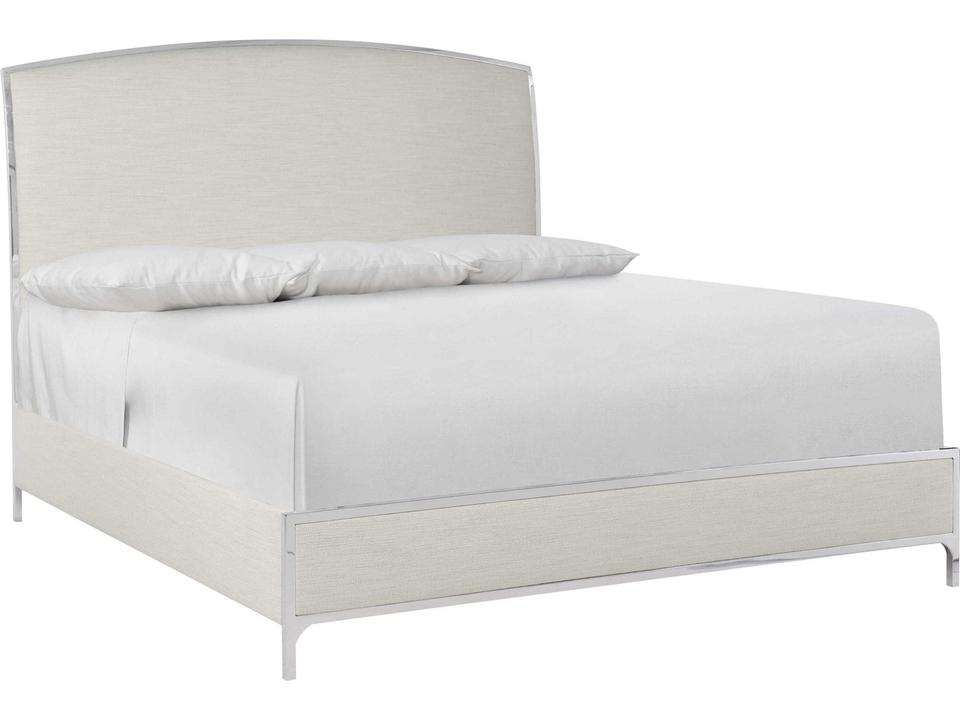
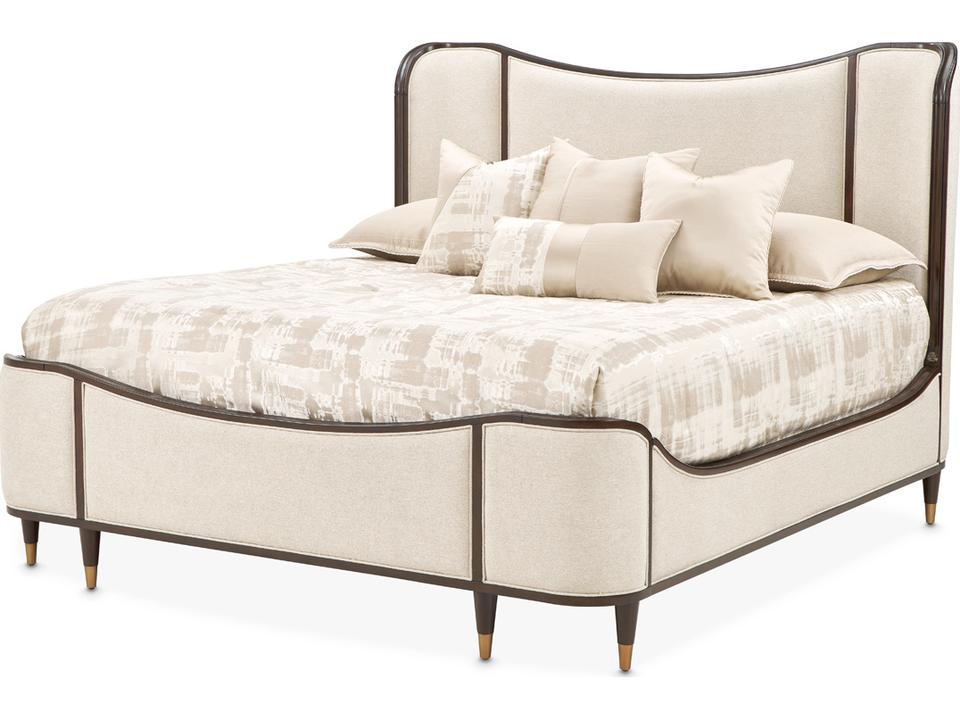
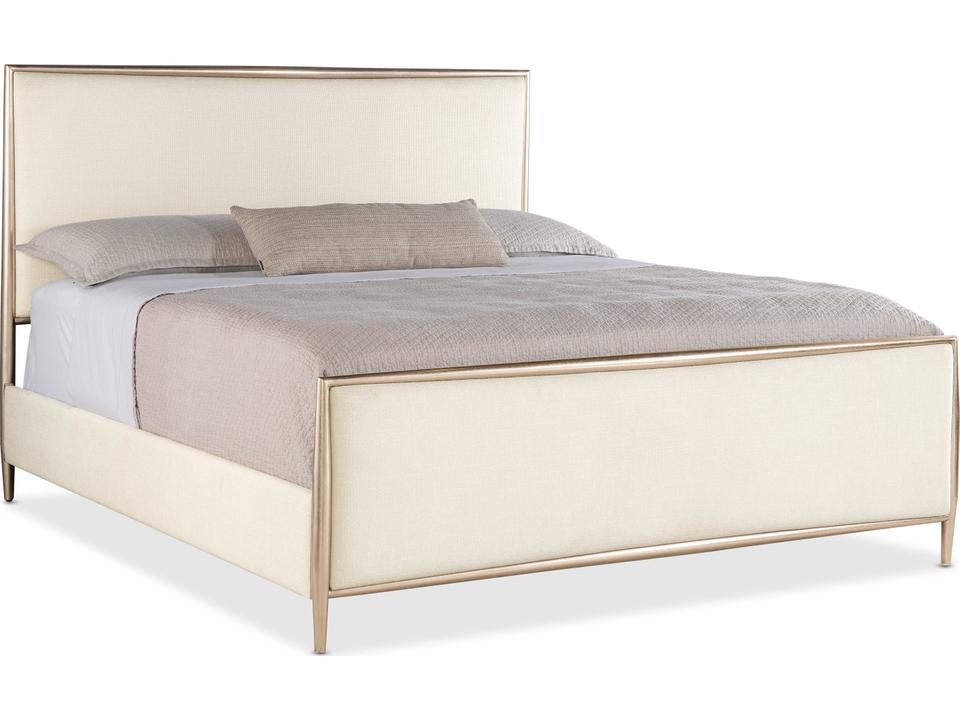
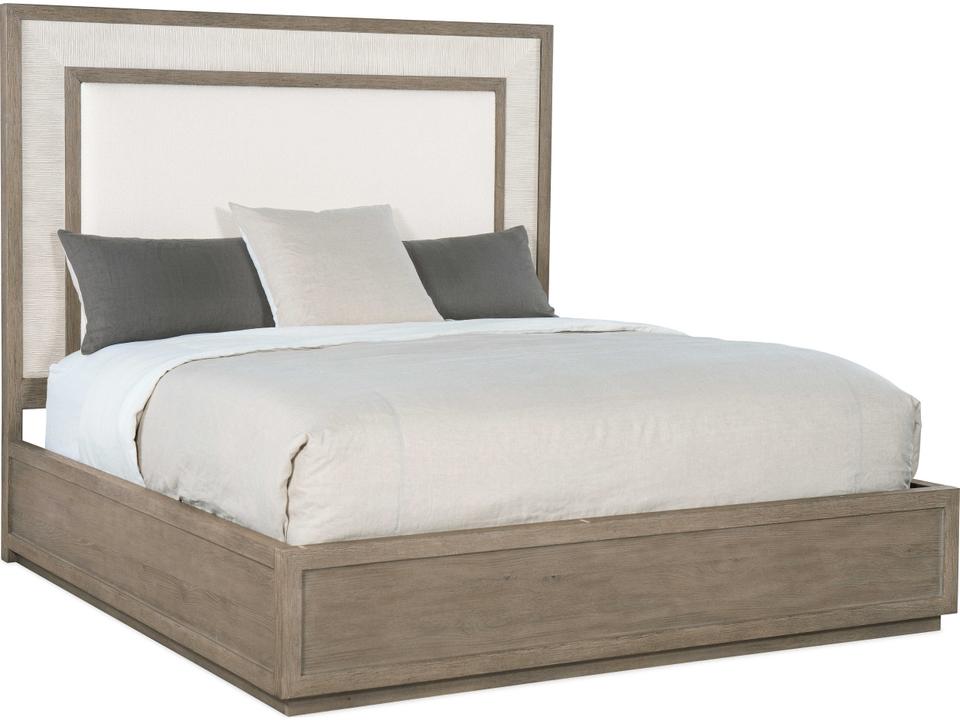
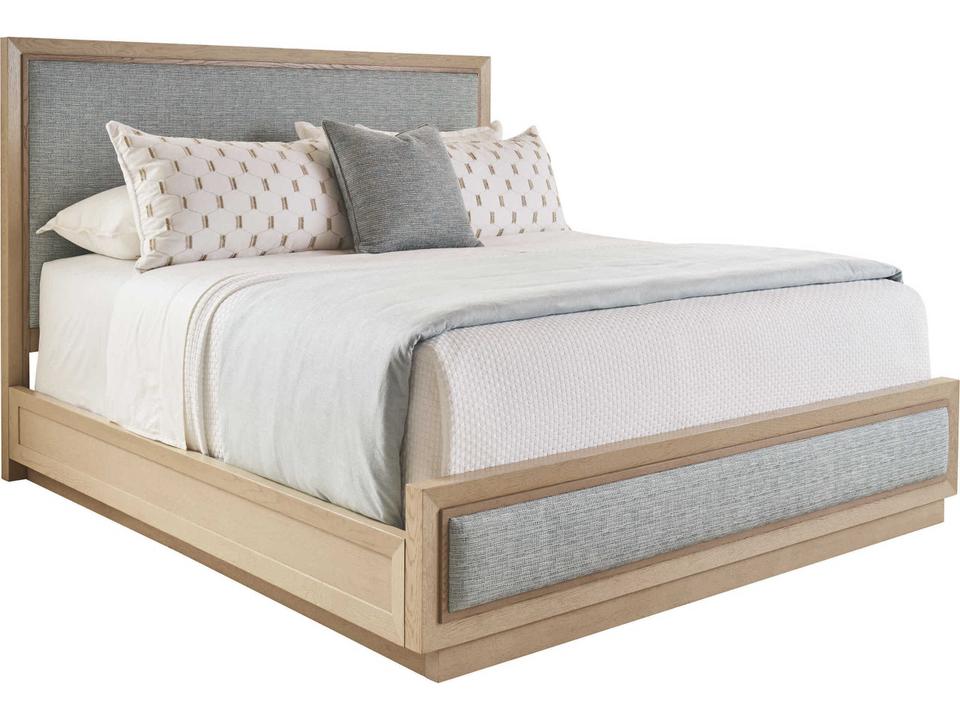
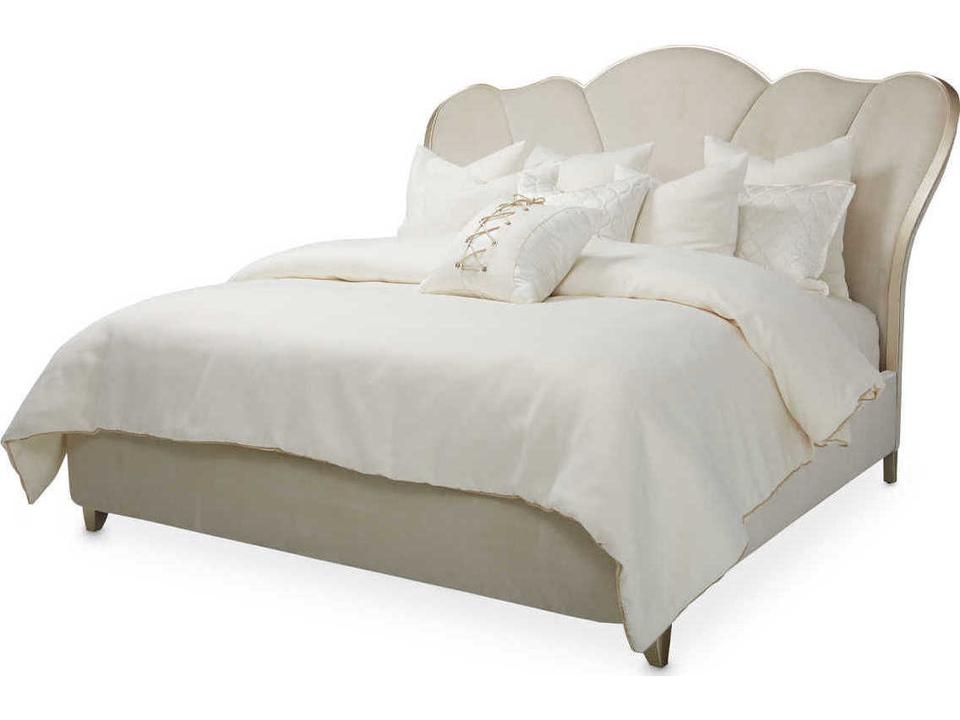
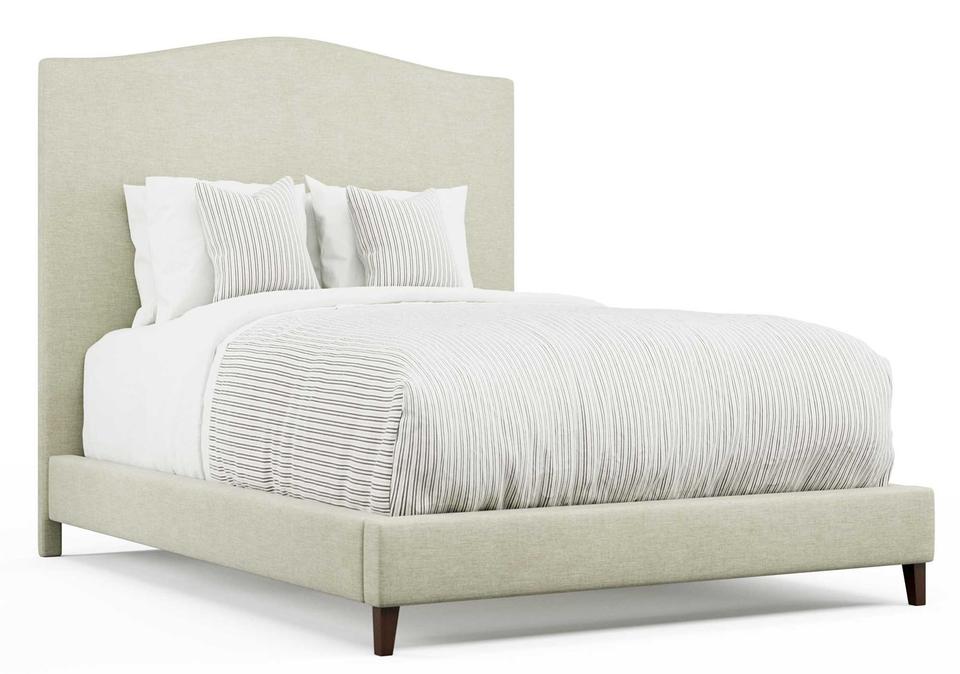
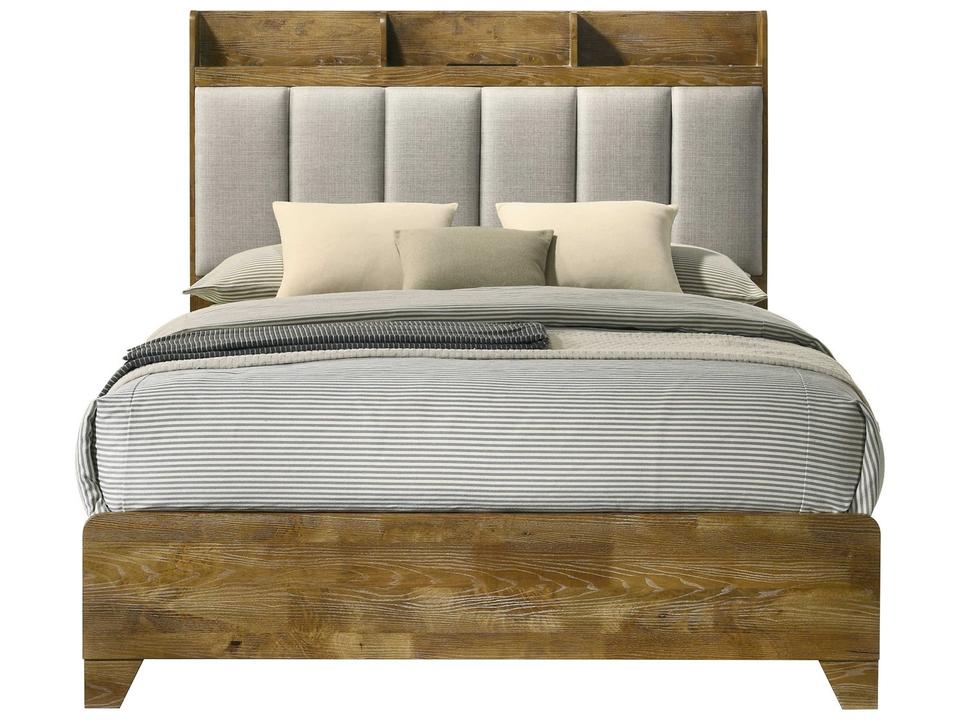
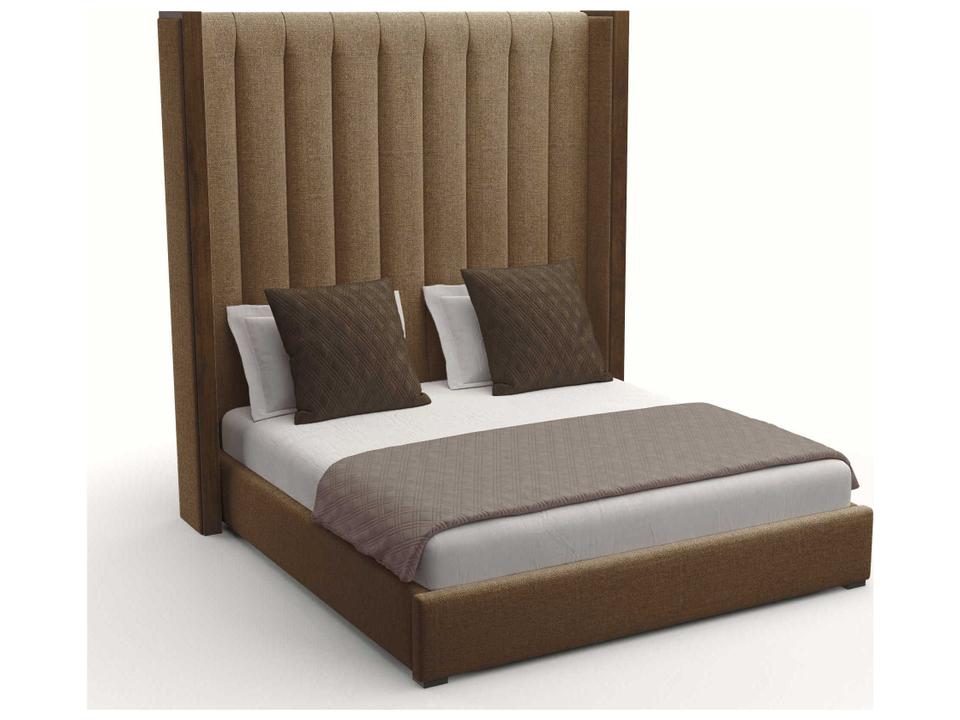
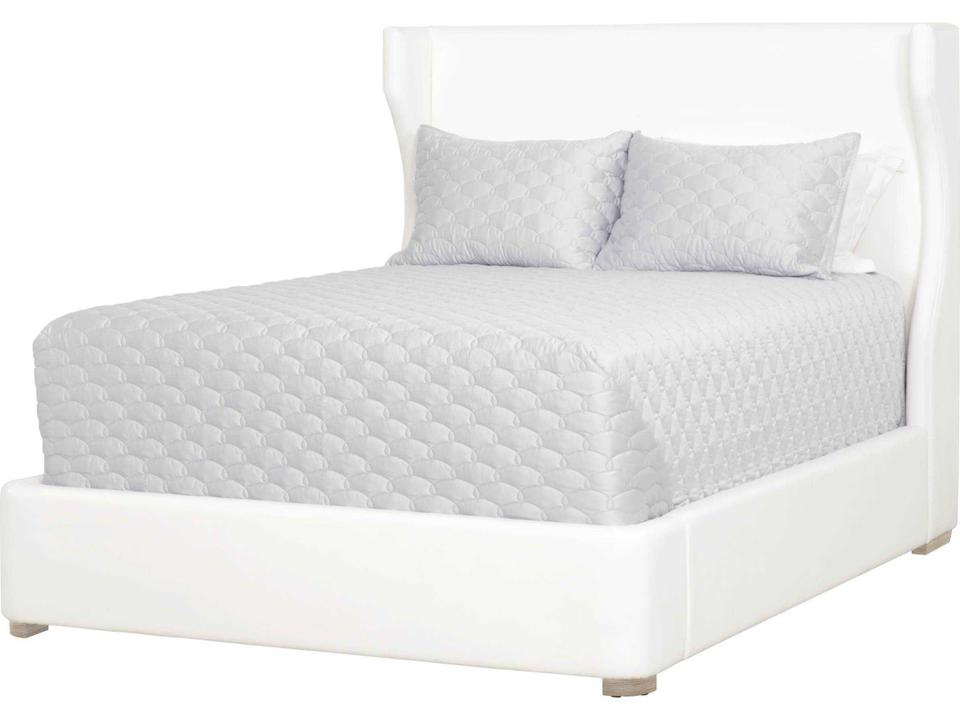
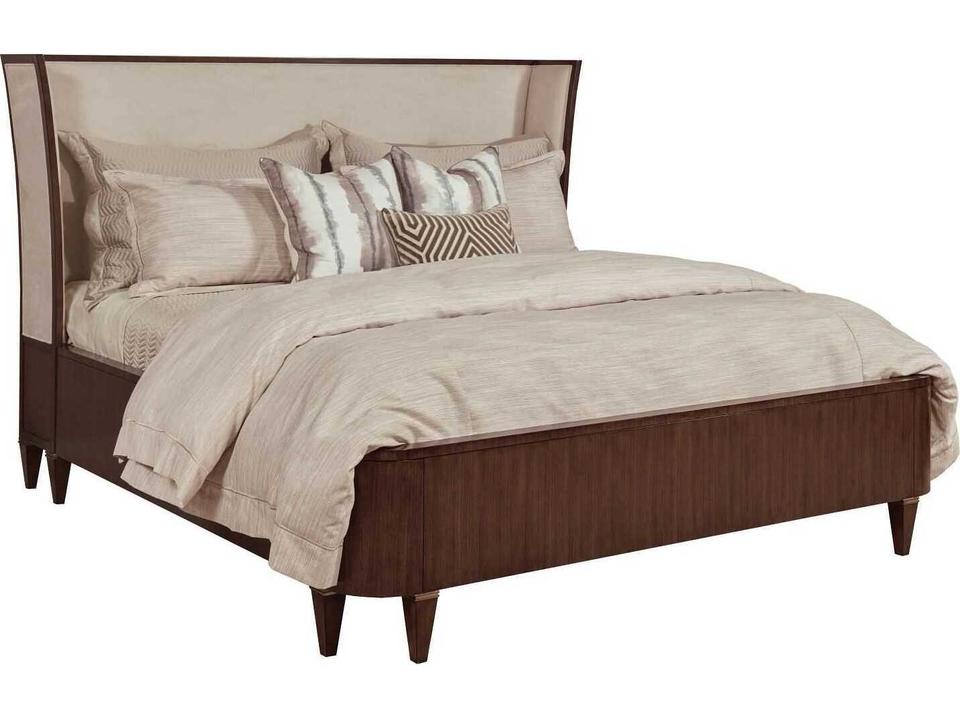
Upholstered panel beds pair a padded headboard — often tufted or channel-stitched in linen, velvet, or performance fabric — with a clean frame. They bring visual warmth without heavy furniture weight. Wingback variations add side panels that create a more enclosed, cocooned feel for reading in bed.
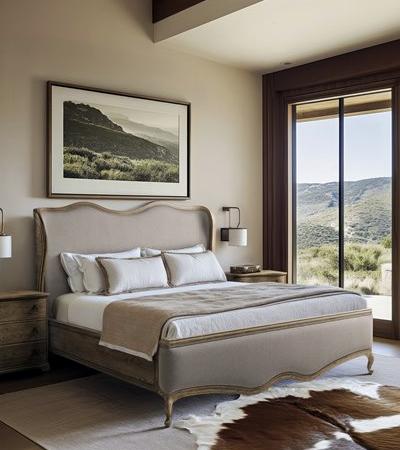
Sleigh beds curve at the headboard and footboard, giving the bed sculptural presence. These tend to be deeper frames — 10 to 14 inches off the floor — and look best in walnut, mahogany, or dark upholstered finishes with button tufting.
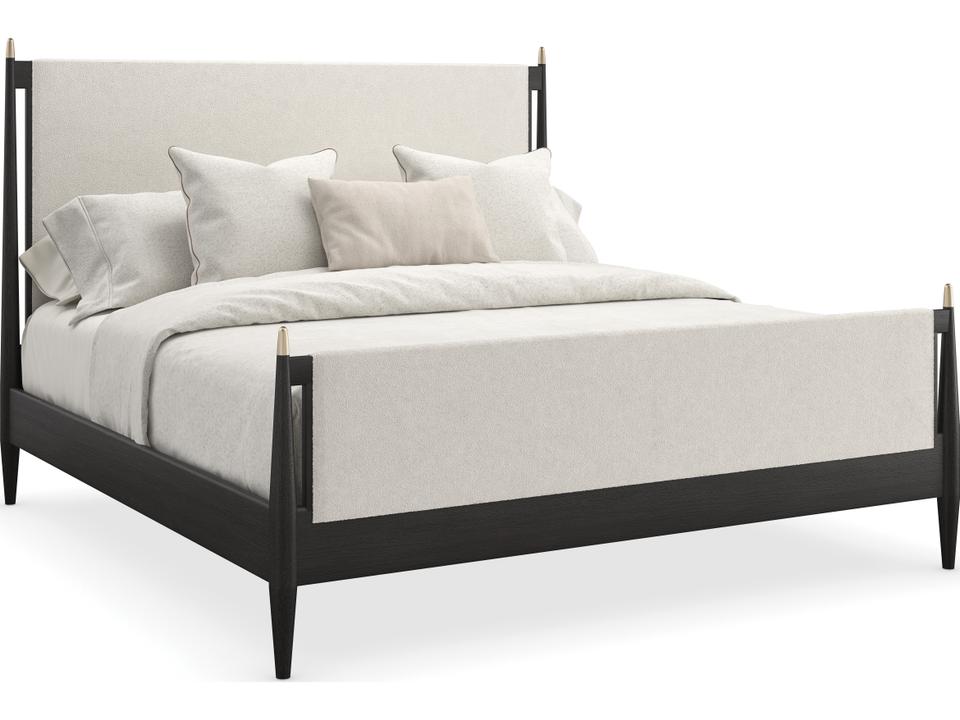
Poster and canopy beds suit rooms with tall ceilings. A king-size four-poster typically reaches 80 to 90 inches at the posts, so ceiling height is the first thing to measure. Canopy frames create architectural drama left bare or softened with draped fabric.
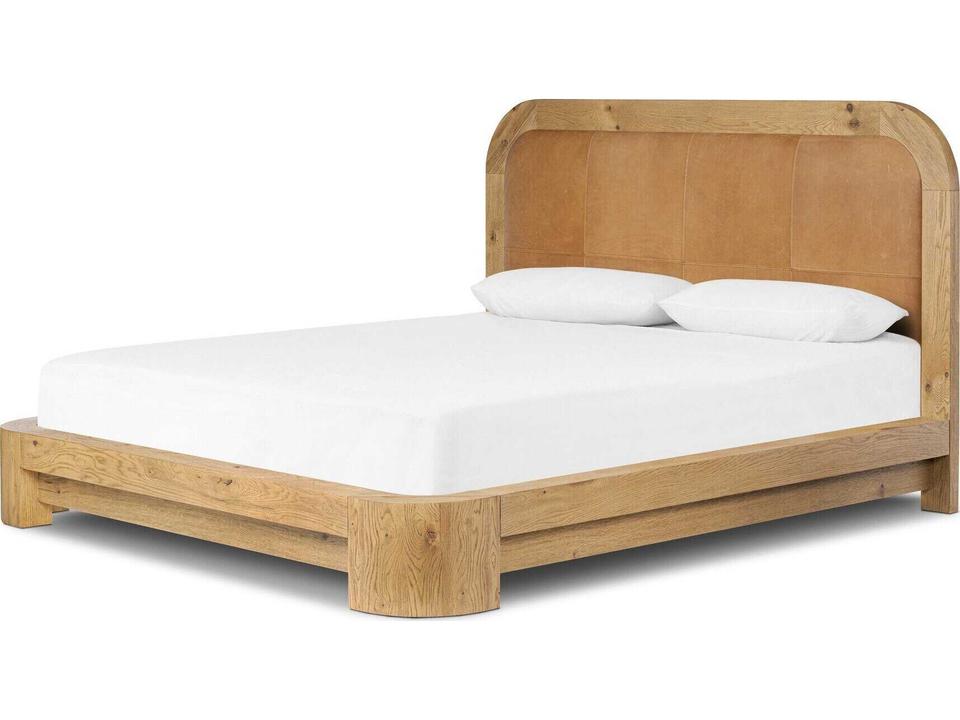
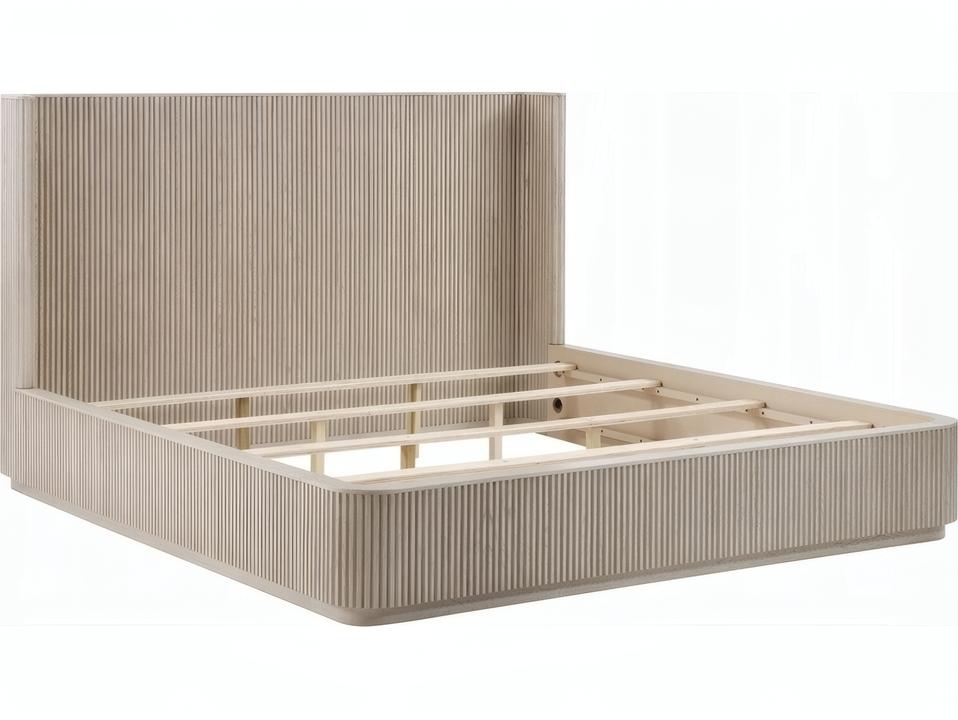
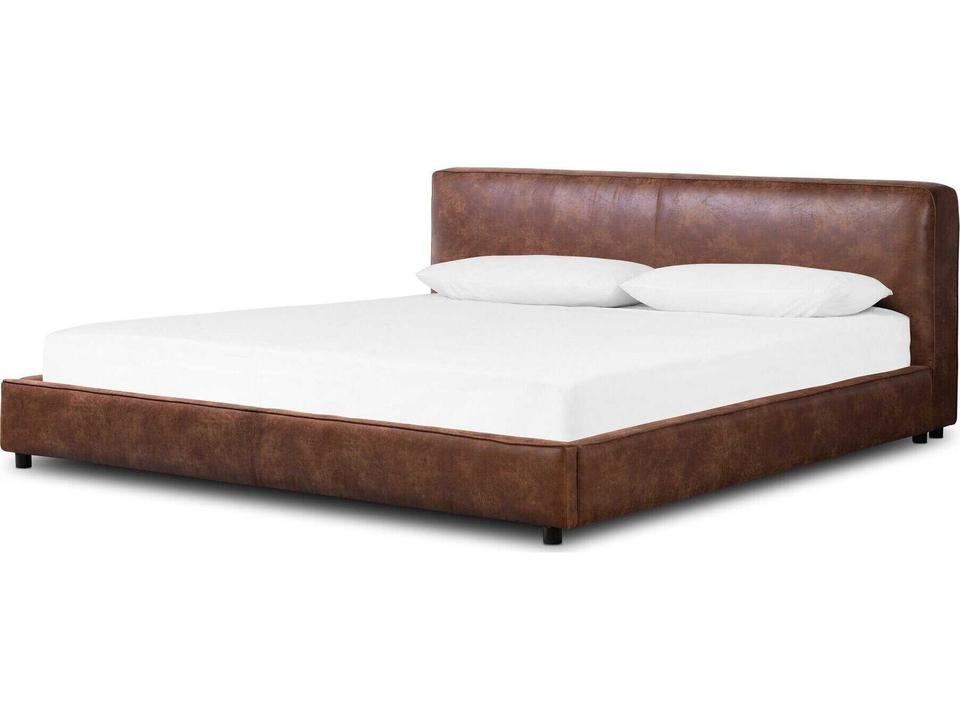
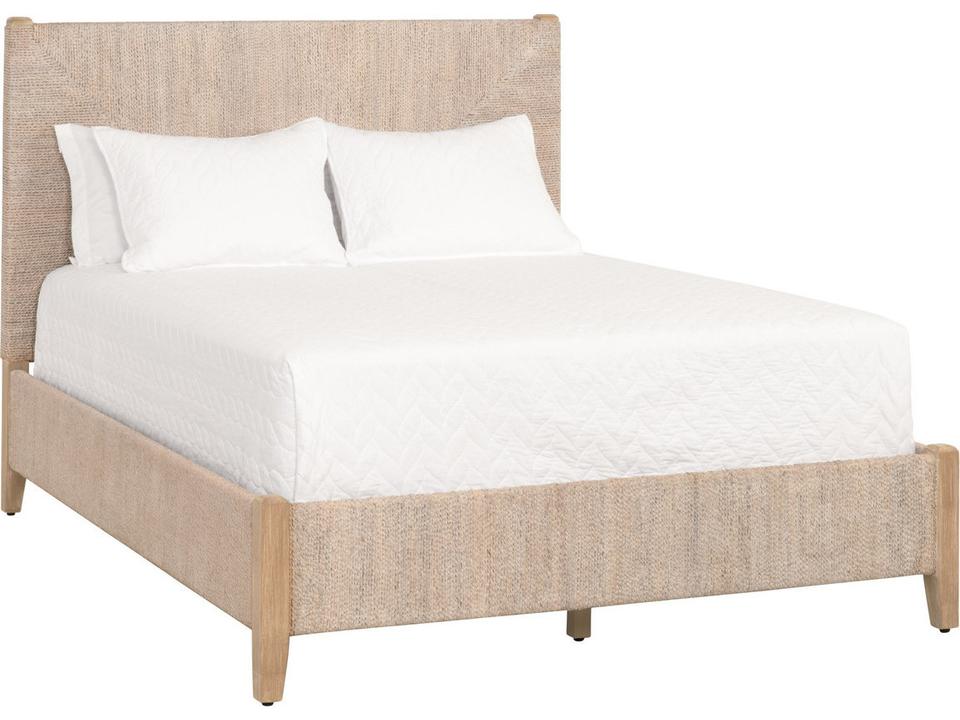
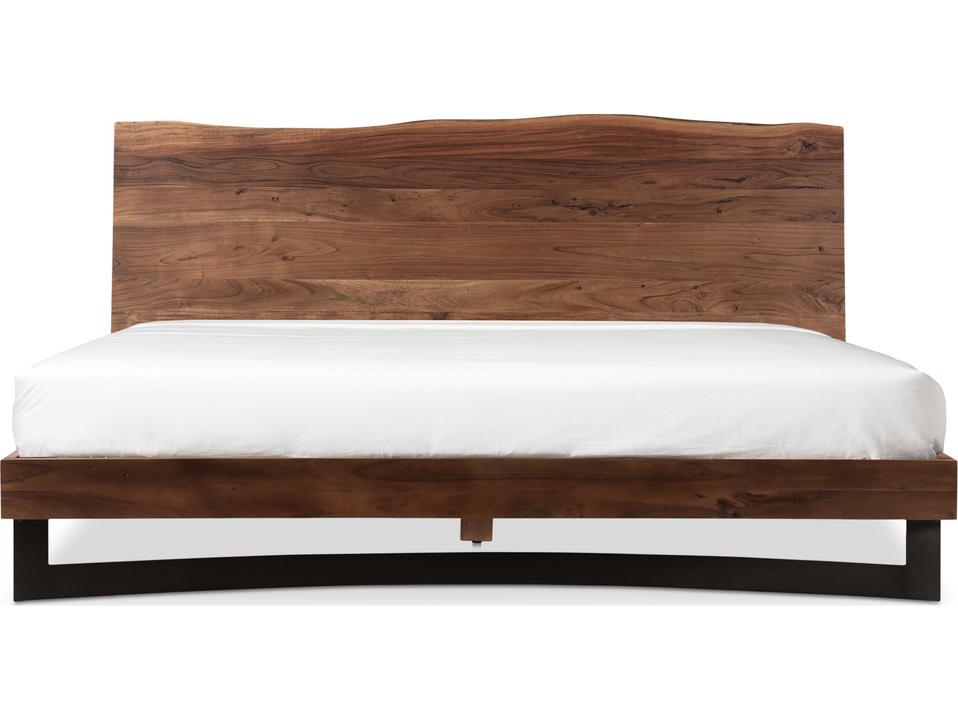
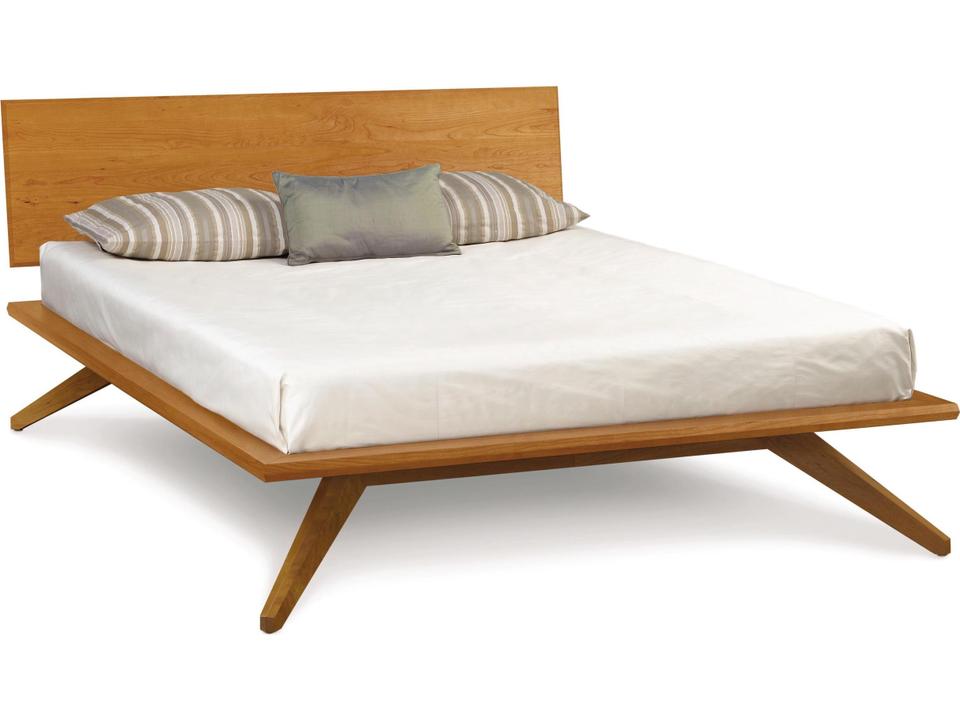
Platform beds sit low — usually 6 to 8 inches off the ground — with a slatted base that eliminates the need for a box spring. Clean lines, minimal mass. These read contemporary or mid-century.
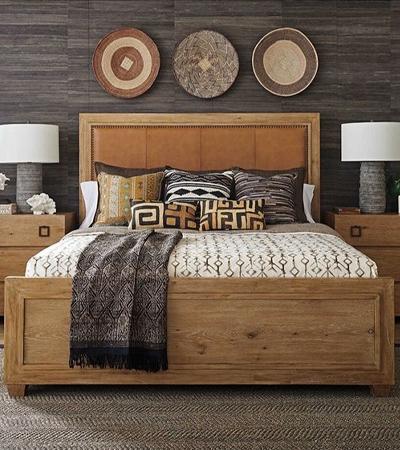
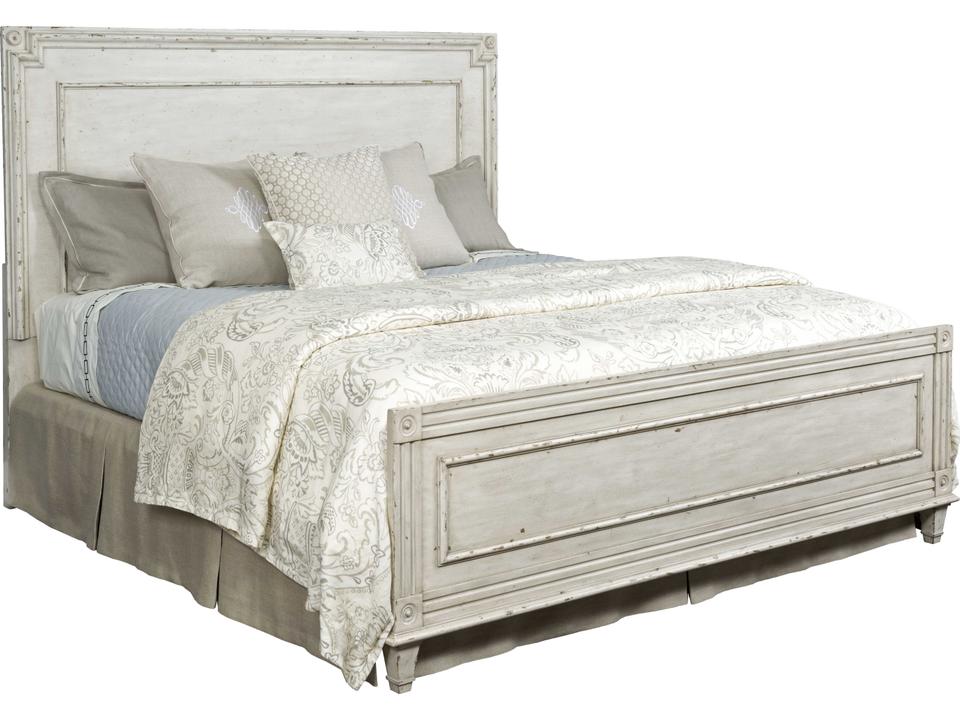
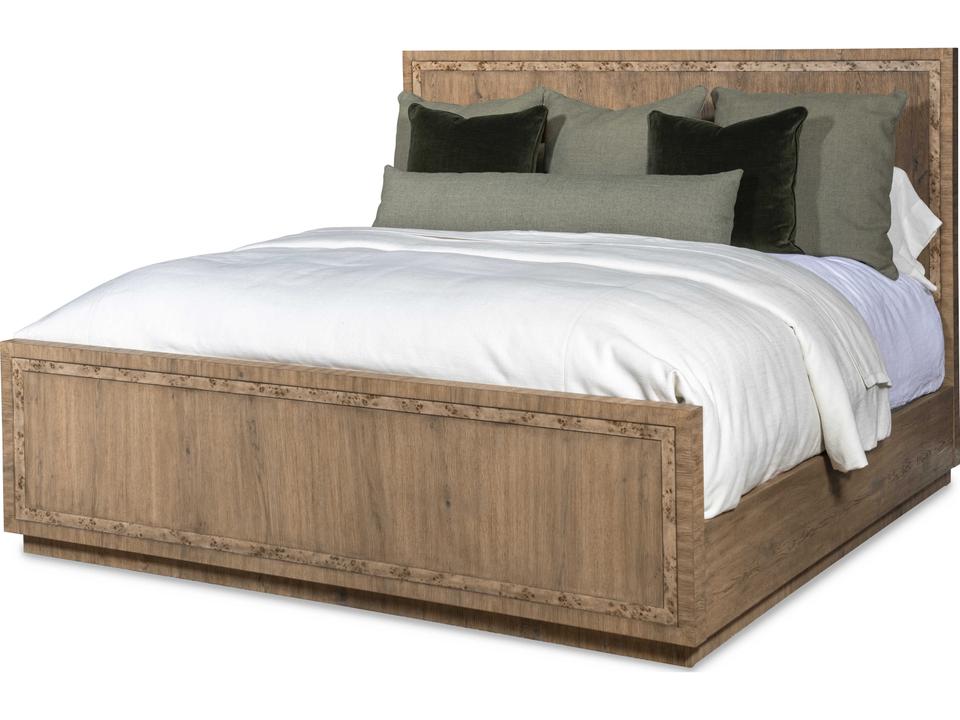
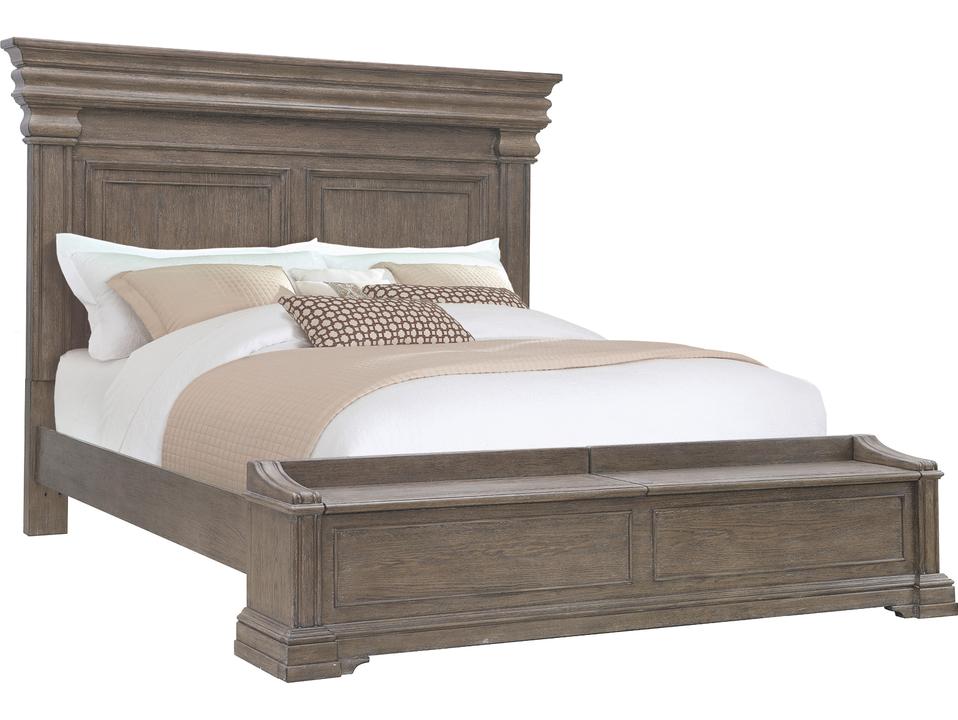
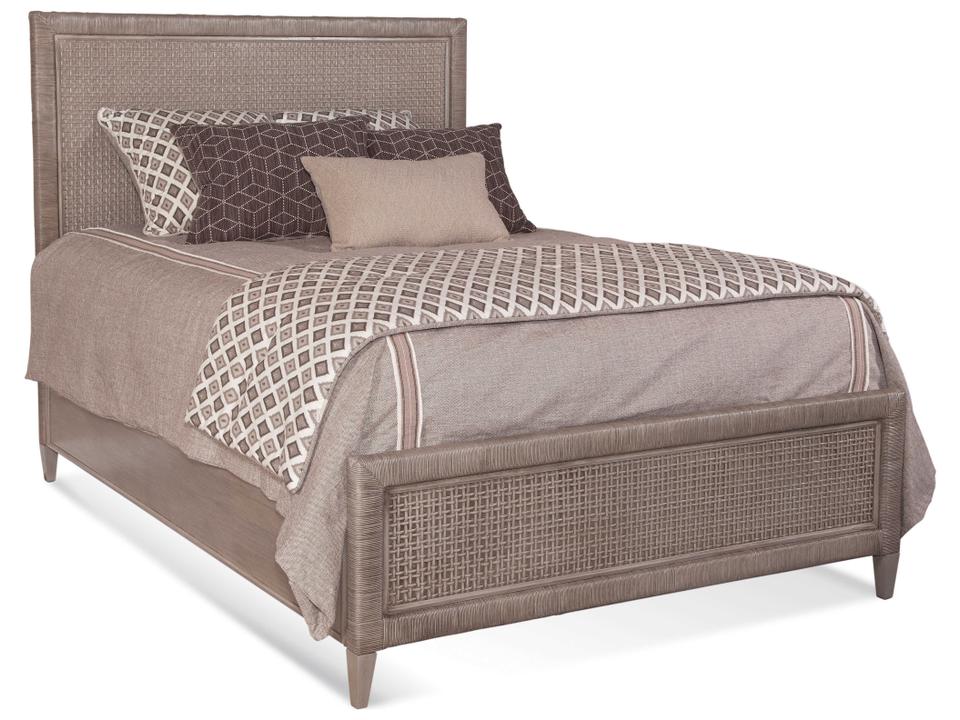
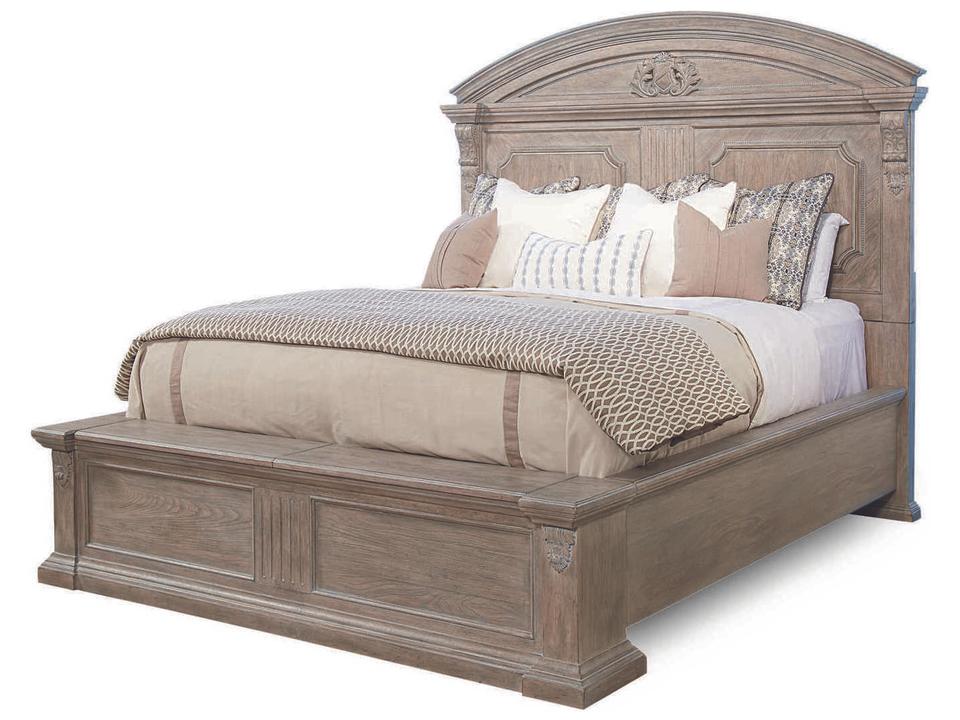
The frame is what lasts. Solid hardwood — birch, oak, ash, rubberwood — provides the best structural stability and takes carved or hand-applied finishes well. Many premium beds pair hardwood with select veneers on broad panels to prevent seasonal warping while maintaining visible wood grain.
Metal frames in wrought iron, brass, or powder-coated steel suit both traditional bedrooms and industrial-leaning aesthetics. Hand-forged metalwork shows slight surface variation — a sign of craftsmanship rather than mass production.
Upholstered frames use a kiln-dried hardwood skeleton wrapped in foam and fabric or leather. Quality indicators: corner-blocked joints, reinforced slat systems or heavy-gauge sinuous springs for mattress support, and multi-density foam that keeps its shape under the upholstery over years of daily use.
A standard king (76" × 80") needs at least a 12-by-12-foot room to accommodate nightstands and a walkway on three sides. California king (72" × 84") trades width for length — four inches narrower, four inches longer — better for taller sleepers or slightly narrower rooms.
Headboard height shapes the room more than most people realize. A low headboard (under 50 inches total) keeps things open and modern. A tall upholstered headboard (60–70 inches) creates a strong focal point, particularly useful in rooms with high ceilings that feel bare without vertical weight behind the bed.
Factor in your mattress depth. Many luxury mattresses run 12 to 16 inches thick, and paired with a standard-height frame, total bed height can exceed 30 inches. If you prefer a thick mattress, a platform or low-profile base keeps overall height from feeling too elevated for easy entry.