Loading products
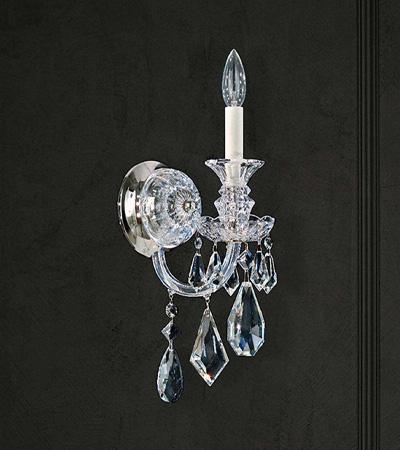
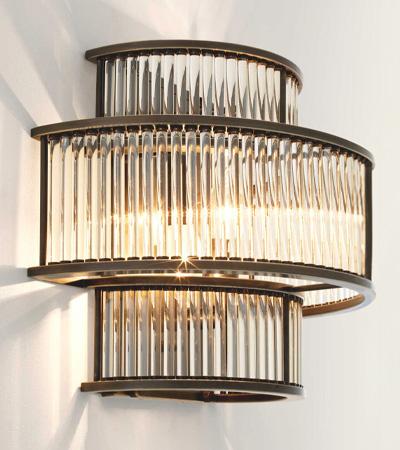
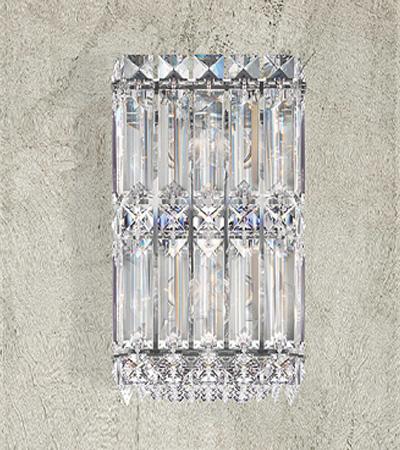
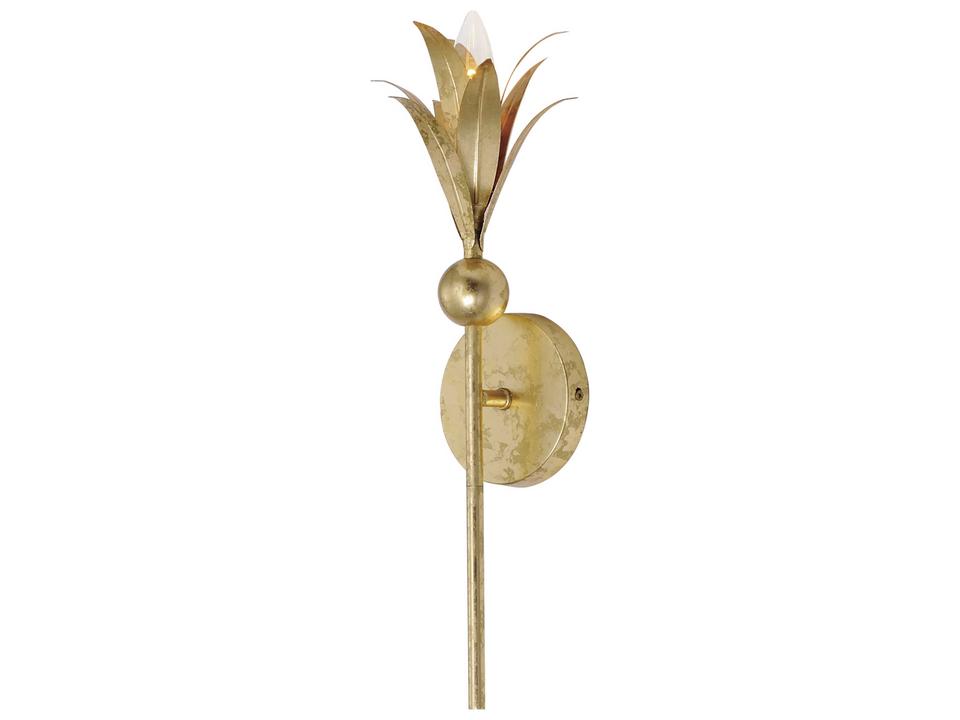
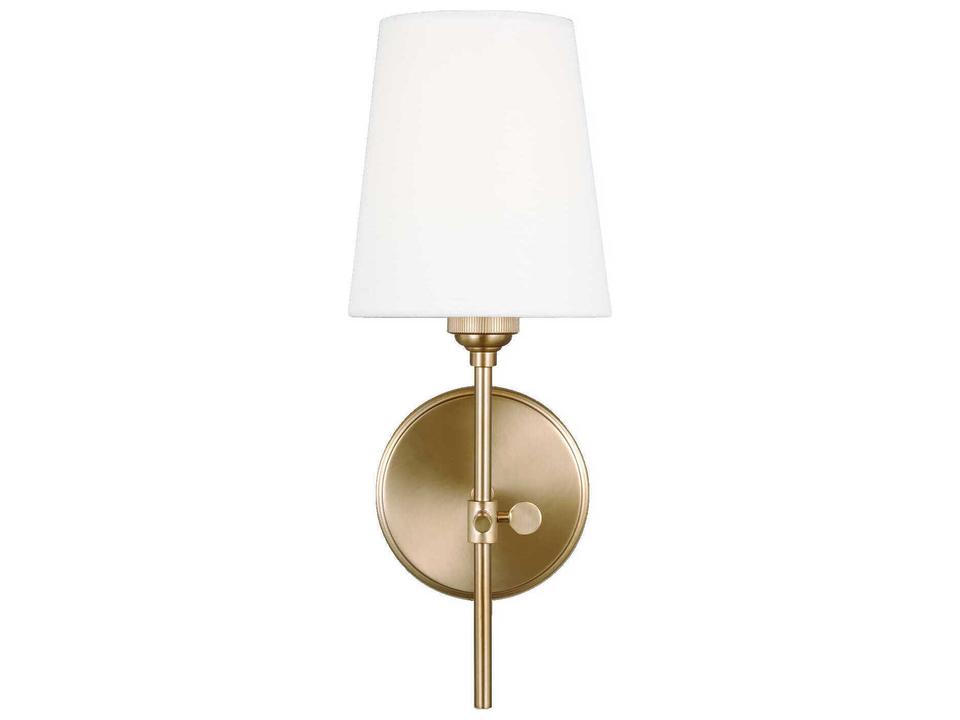
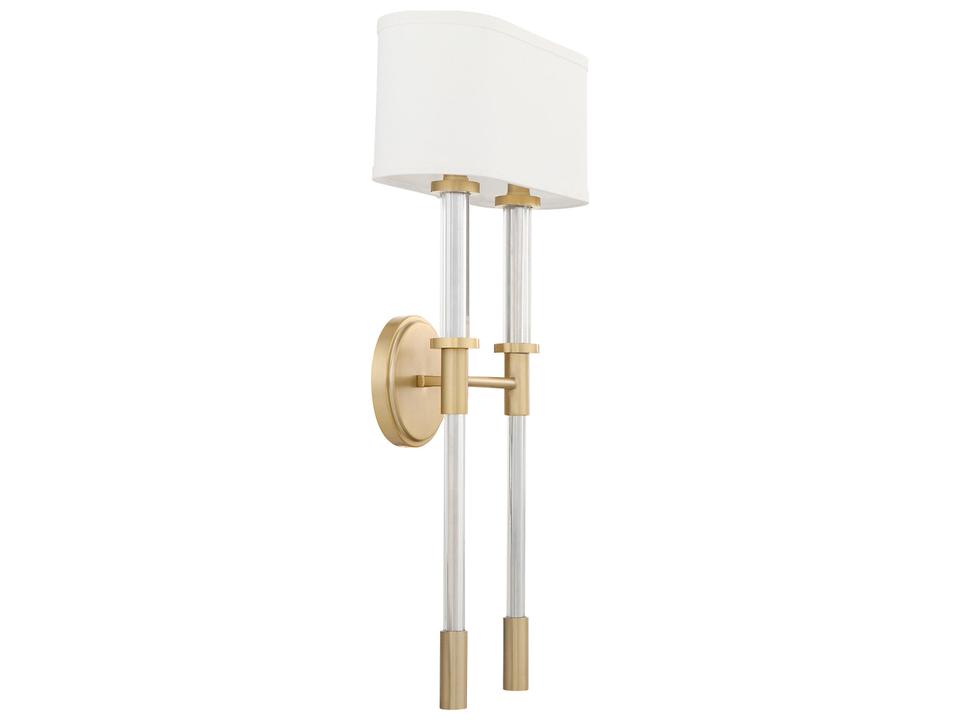
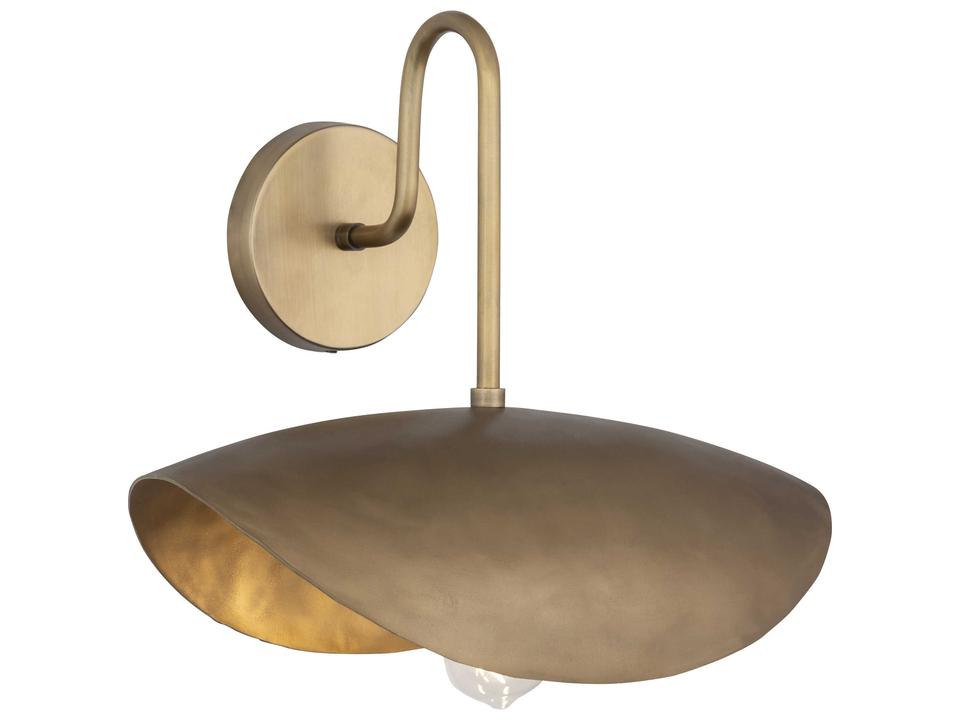
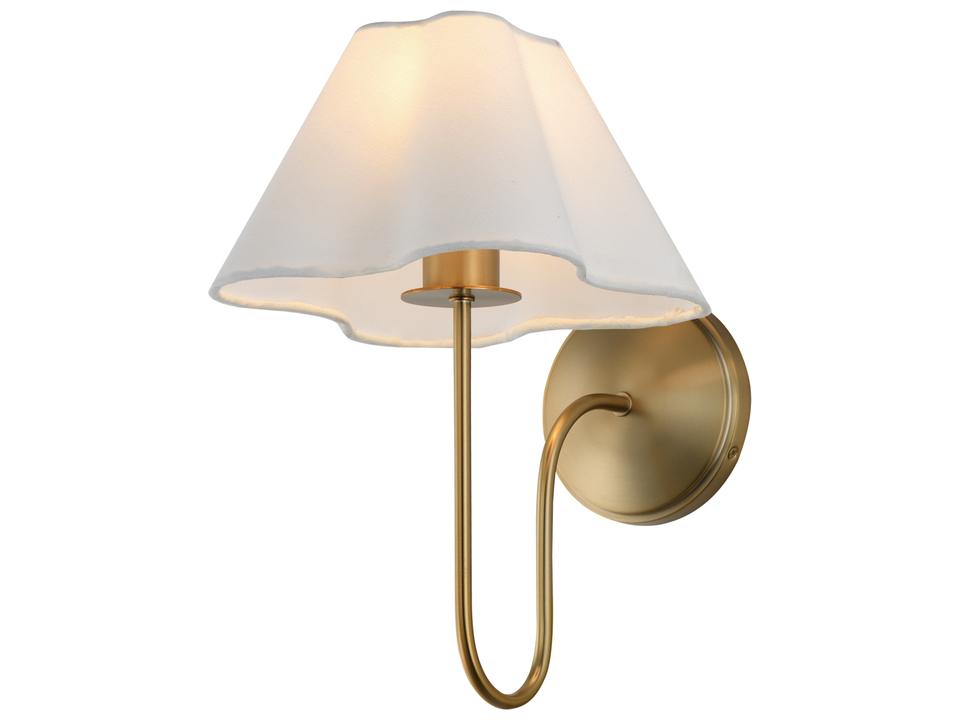
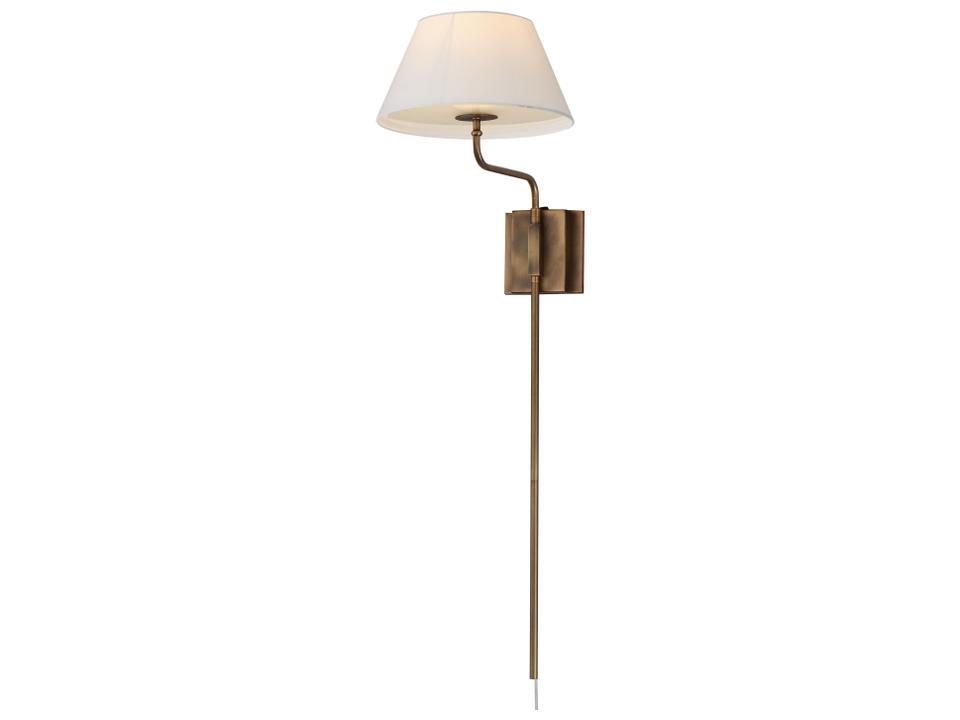
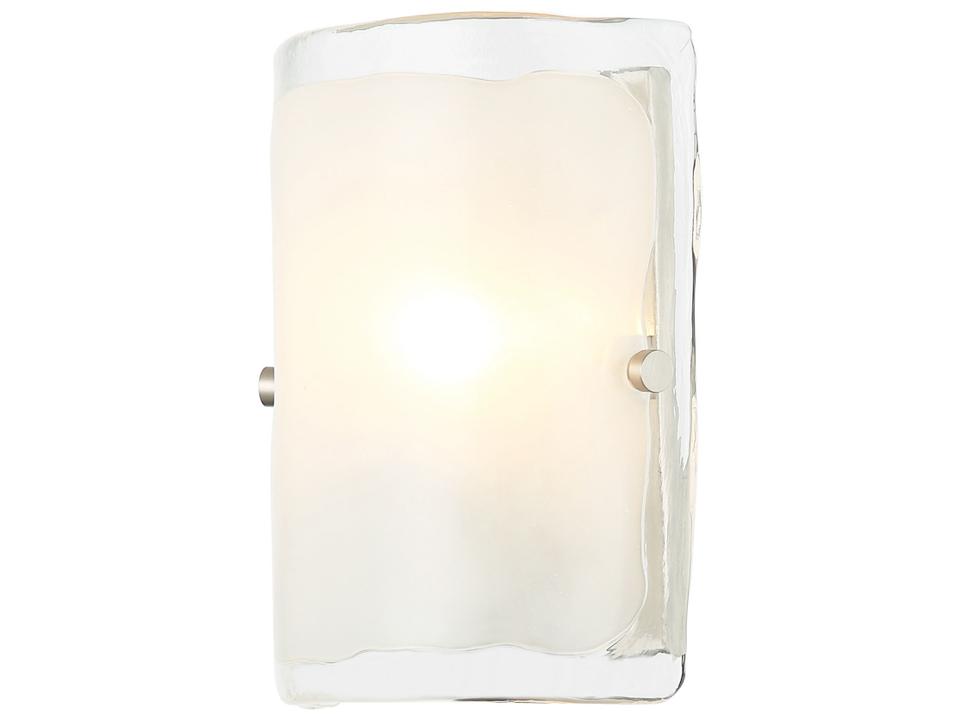
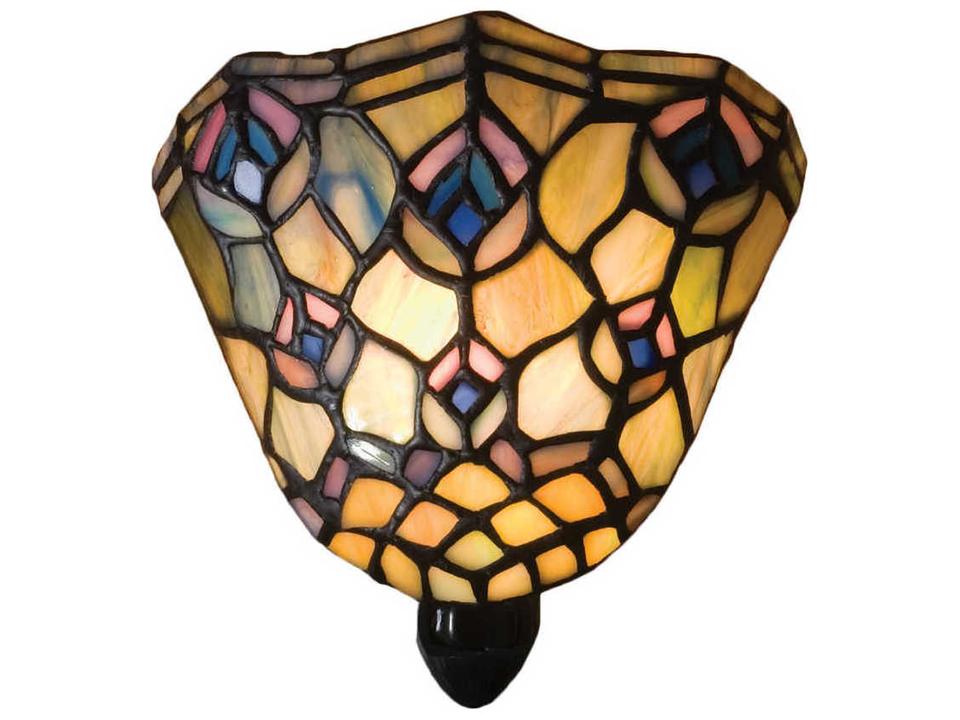
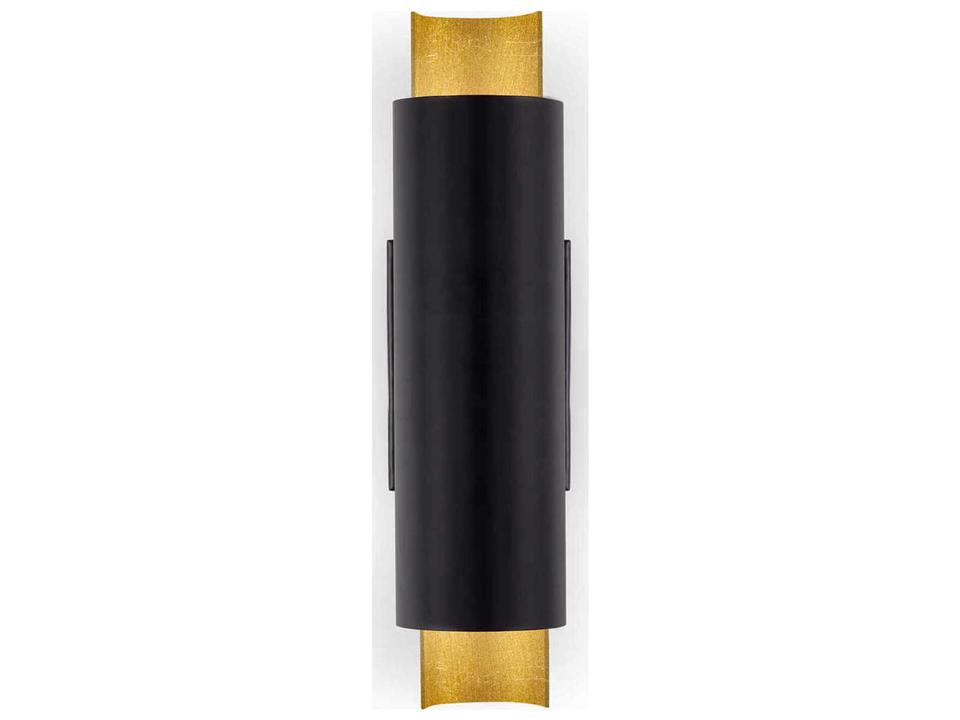
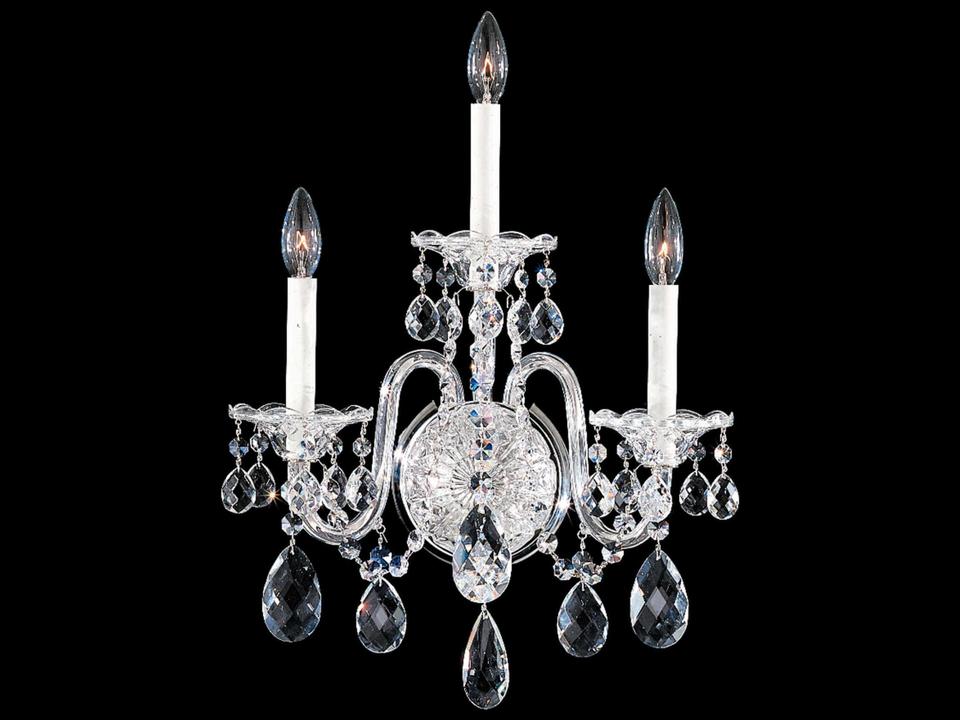
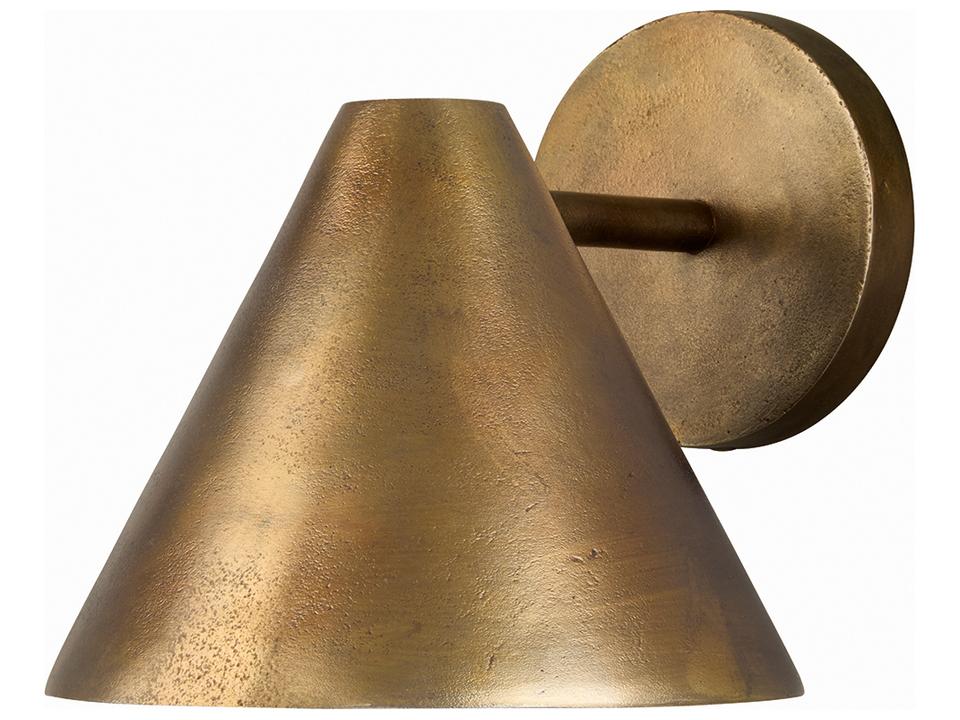
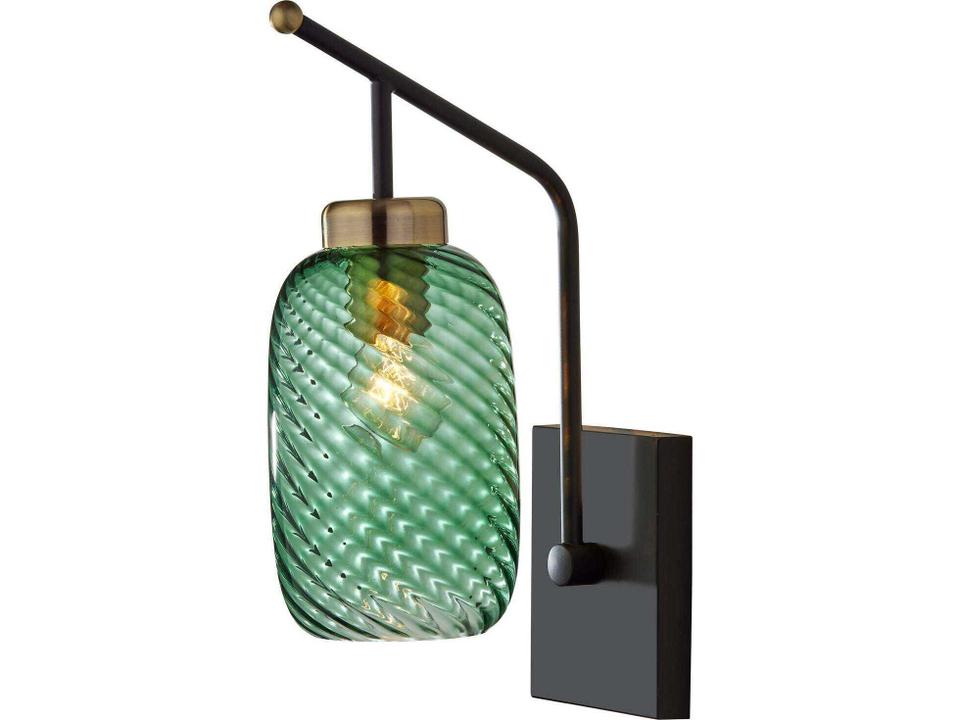
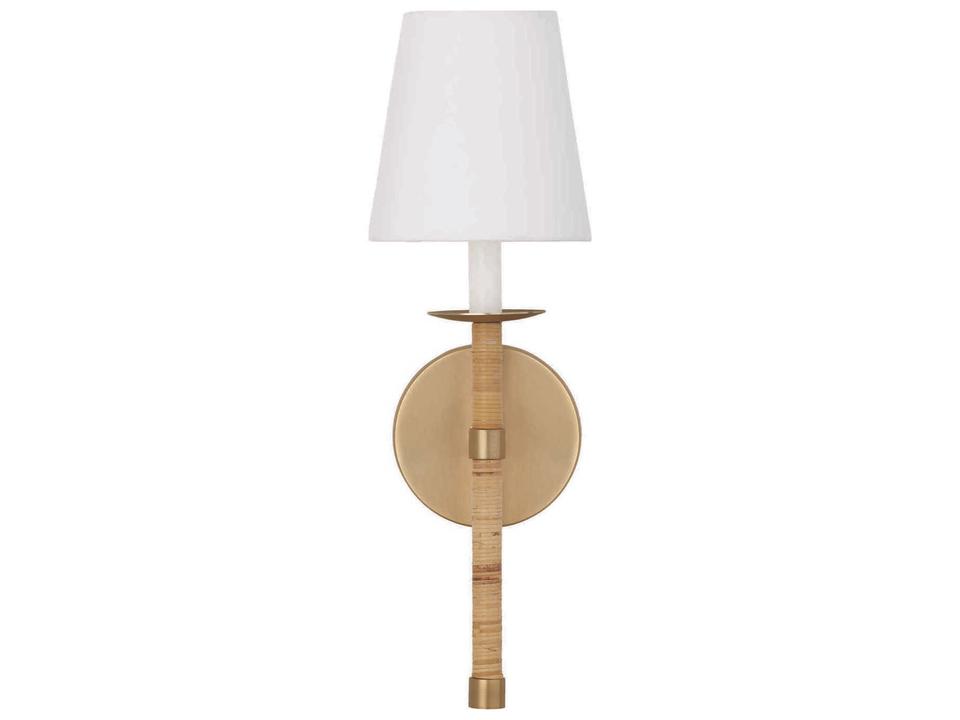
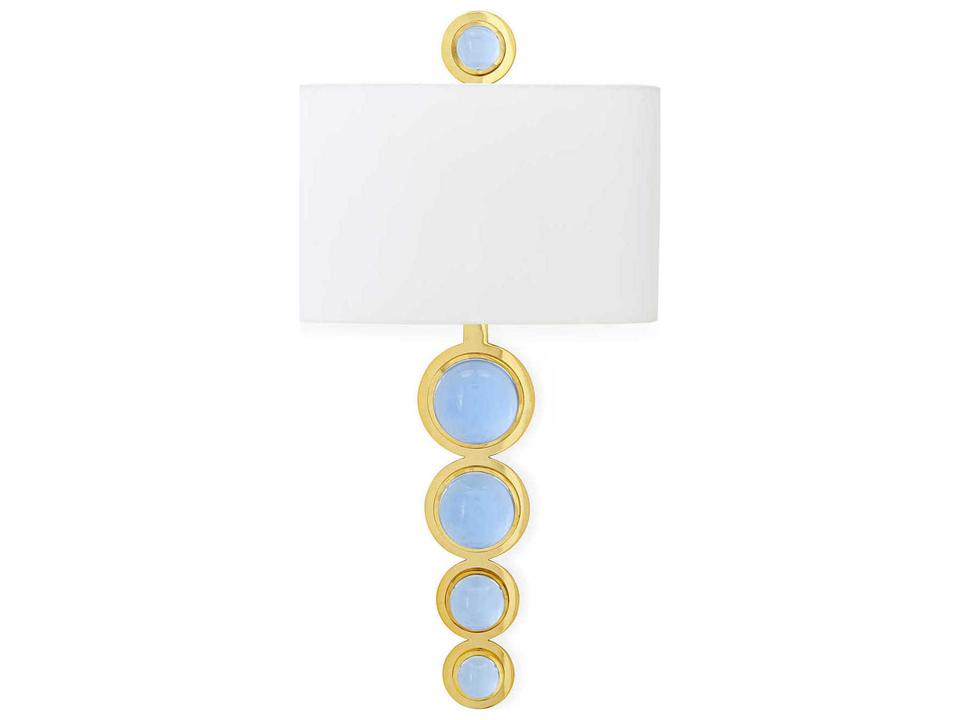
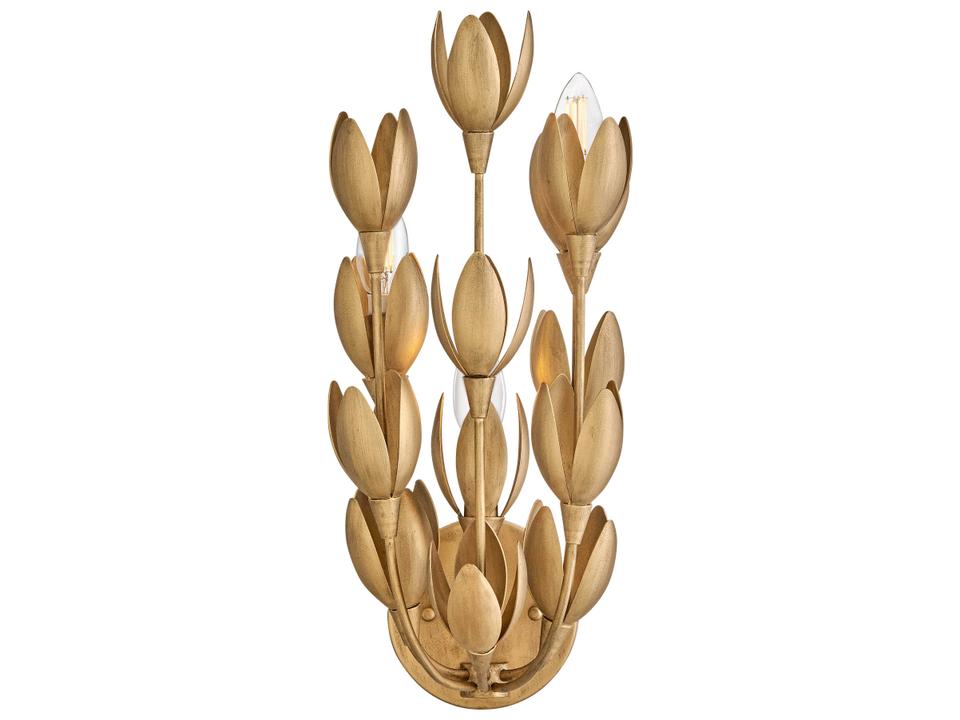
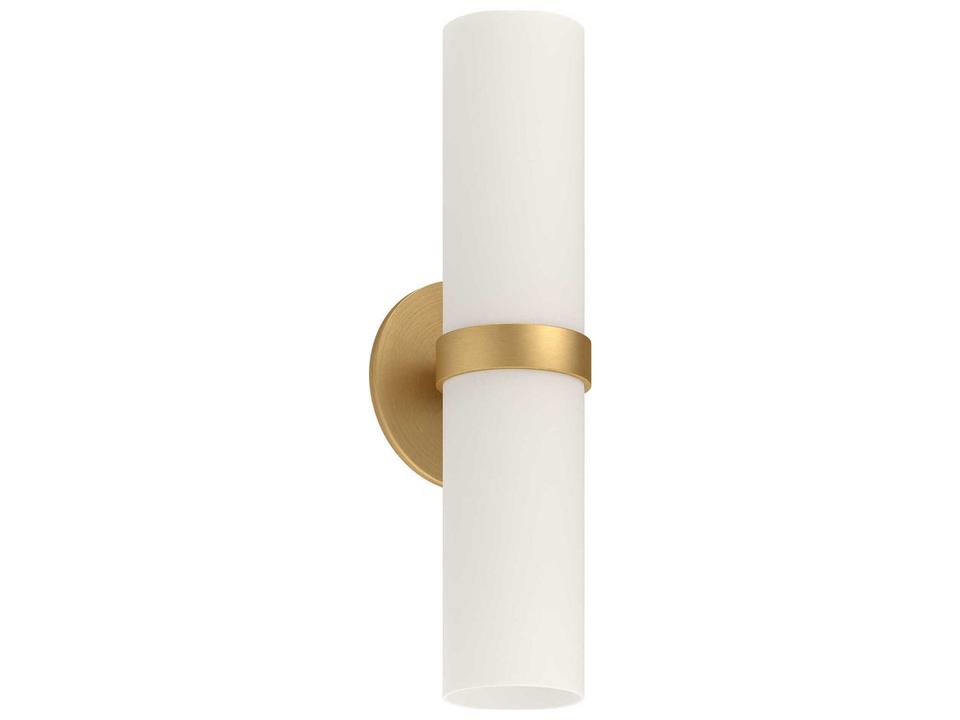
Bronze, polished nickel, brushed brass, aged iron — the finish on a dining room wall sconce does more work than most people realize. It determines whether your lighting reads warm or cool, formal or relaxed. Beyond the metal frame, shade materials range from hand-blown glass and etched opal diffusers to exposed filament designs with no shade at all. Crystal-dressed sconces add refraction and sparkle, catching candlelight from the table below. Each combination produces a different quality of light and a different visual weight on the wall.
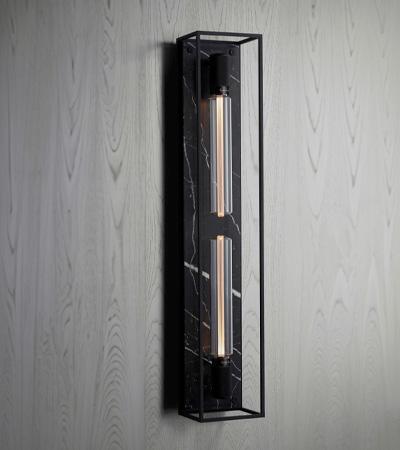
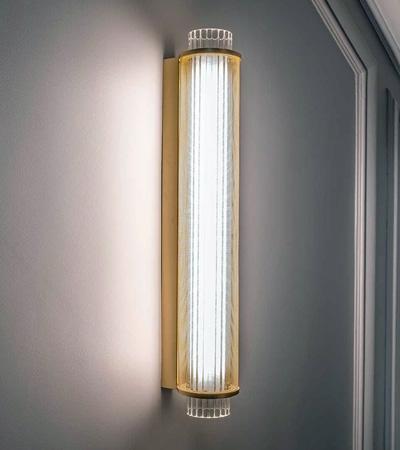
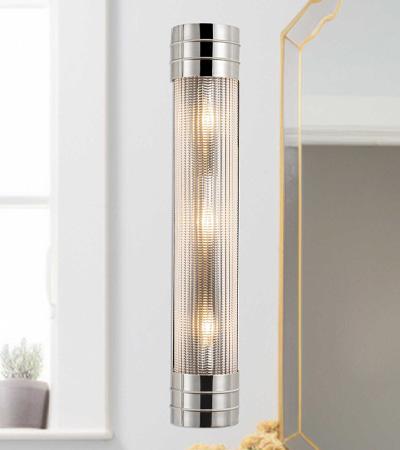
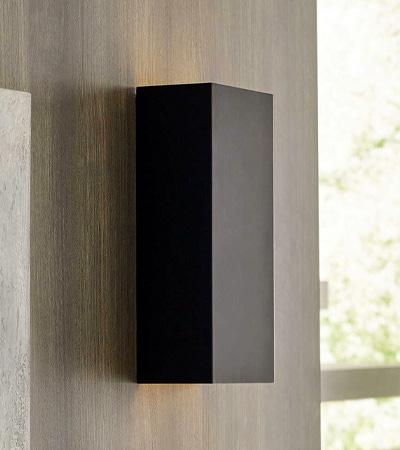
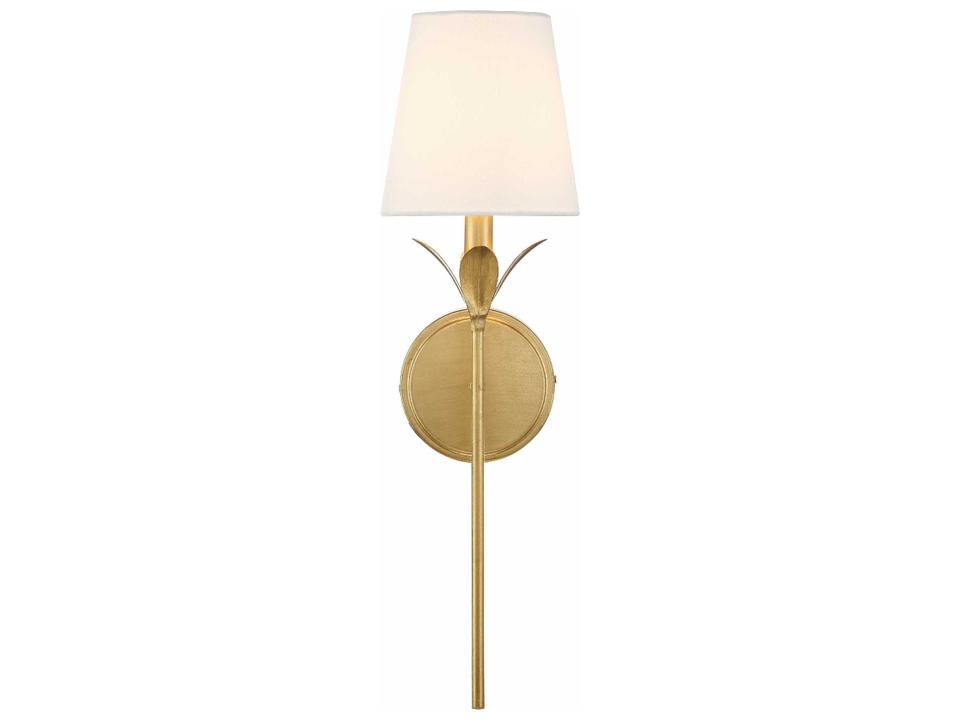
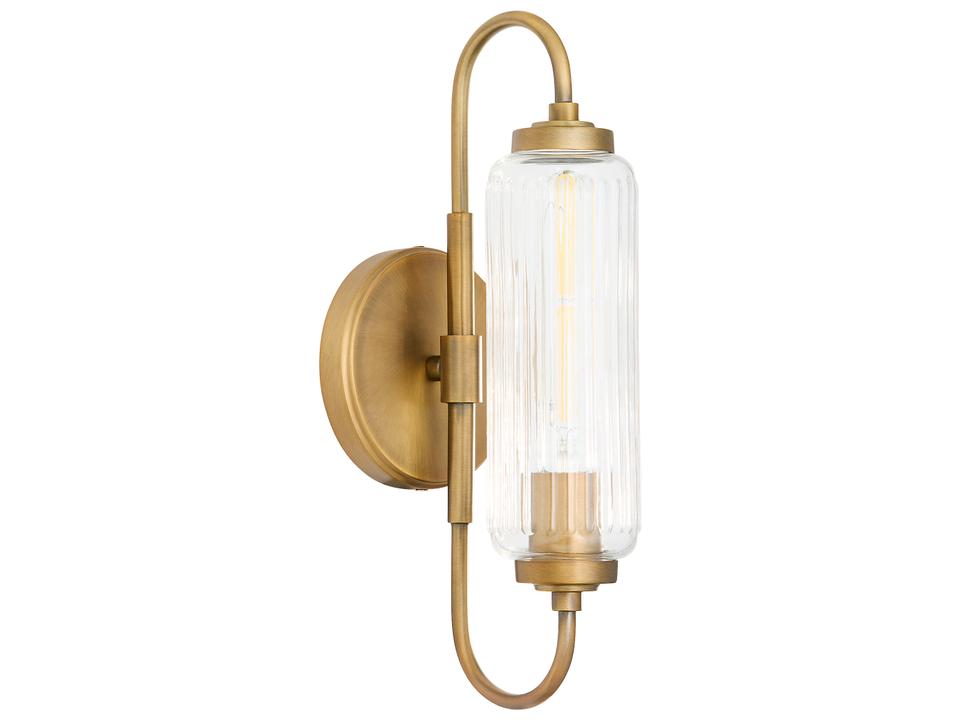
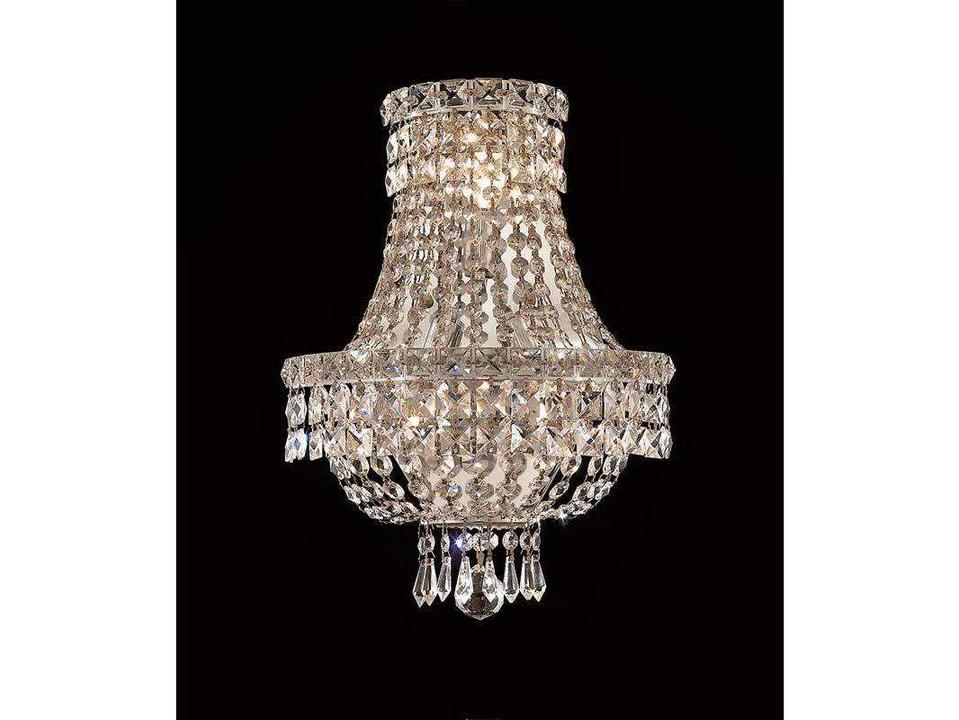
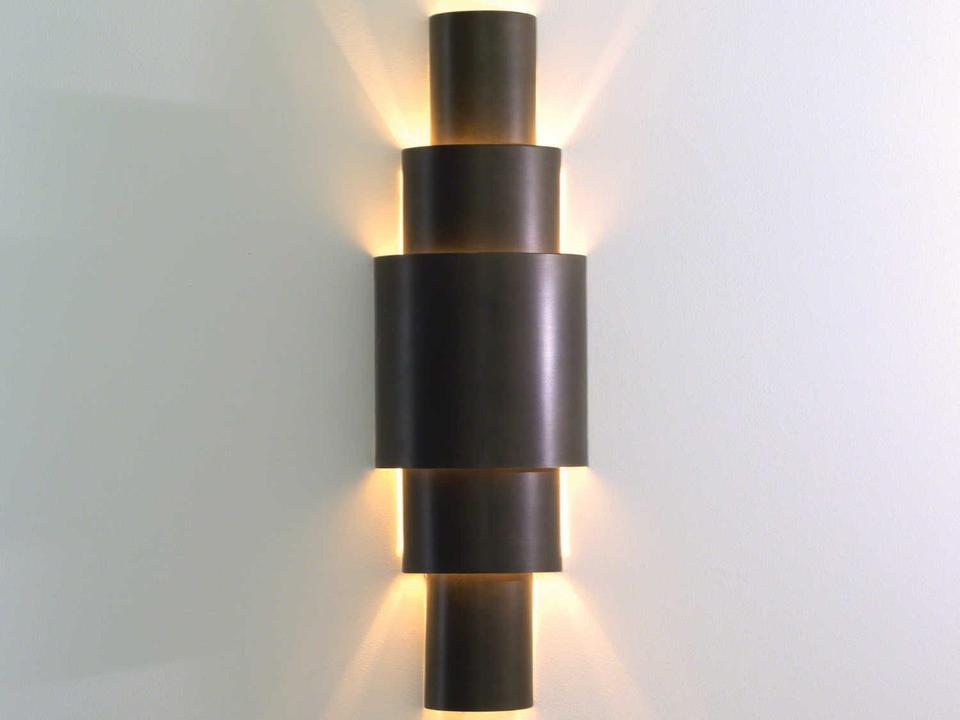
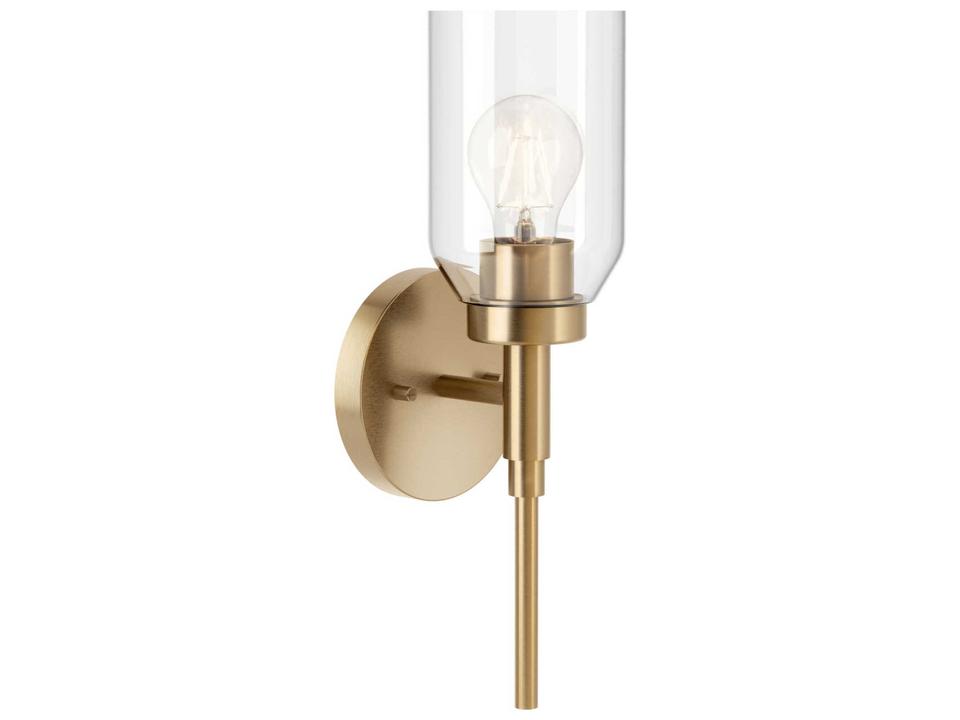
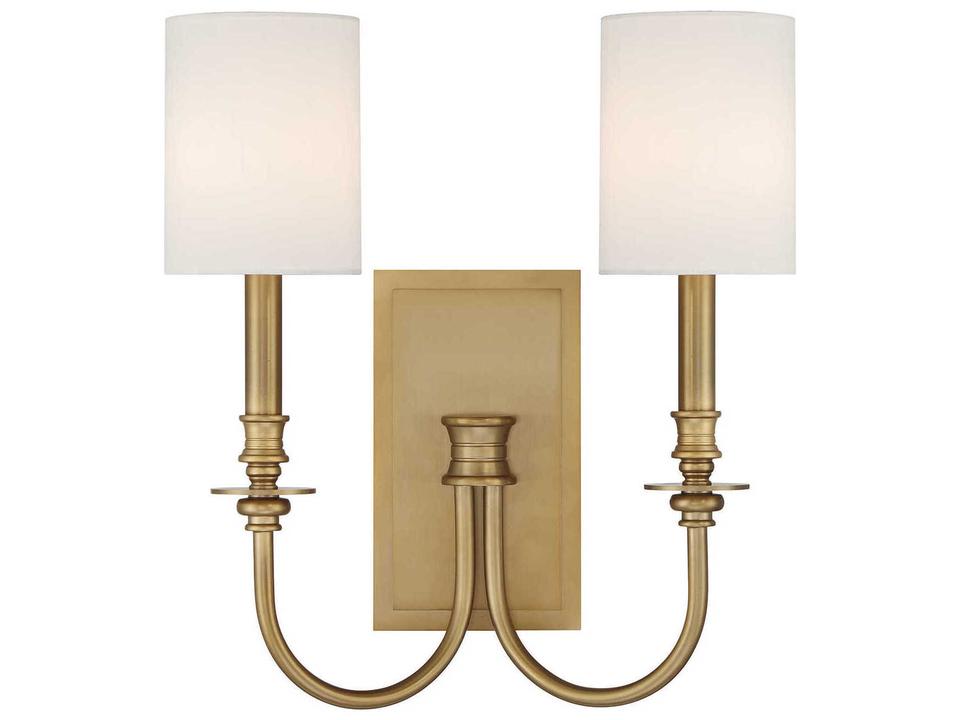
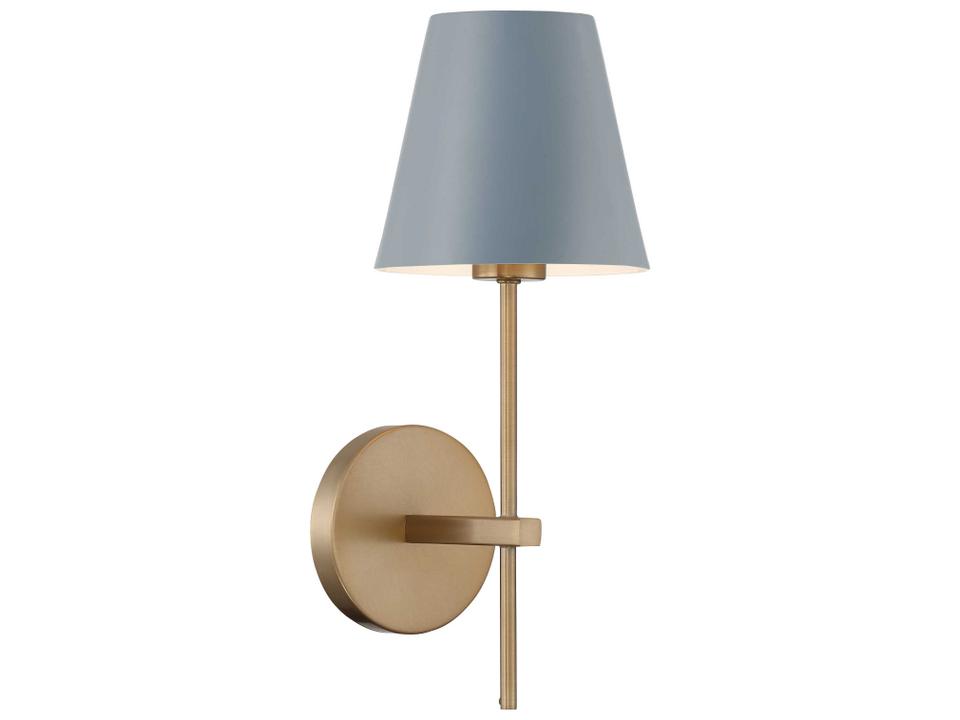
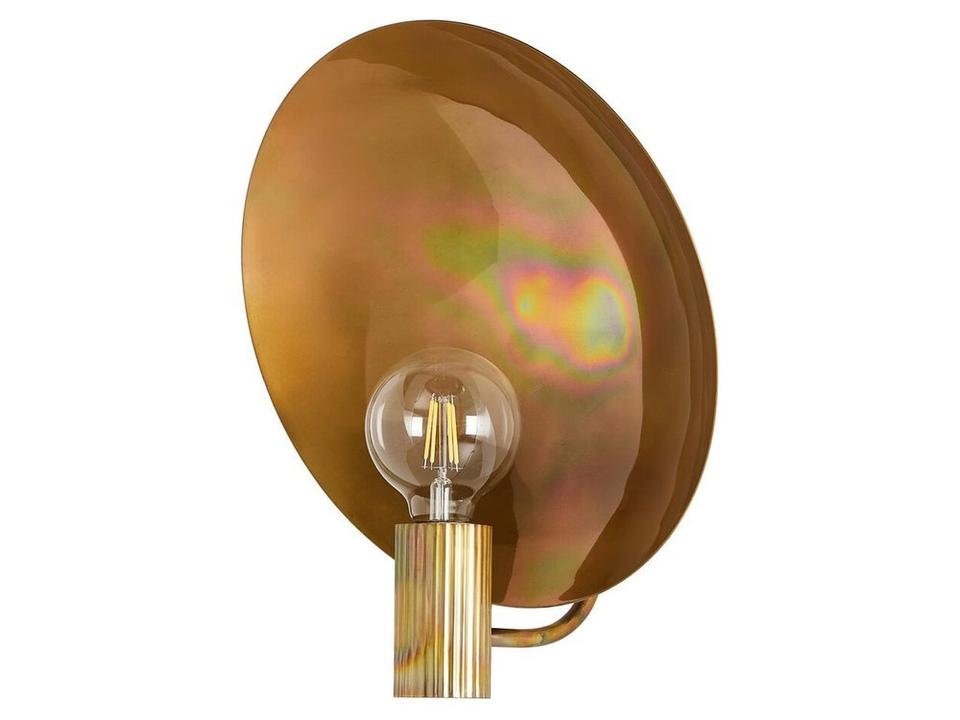
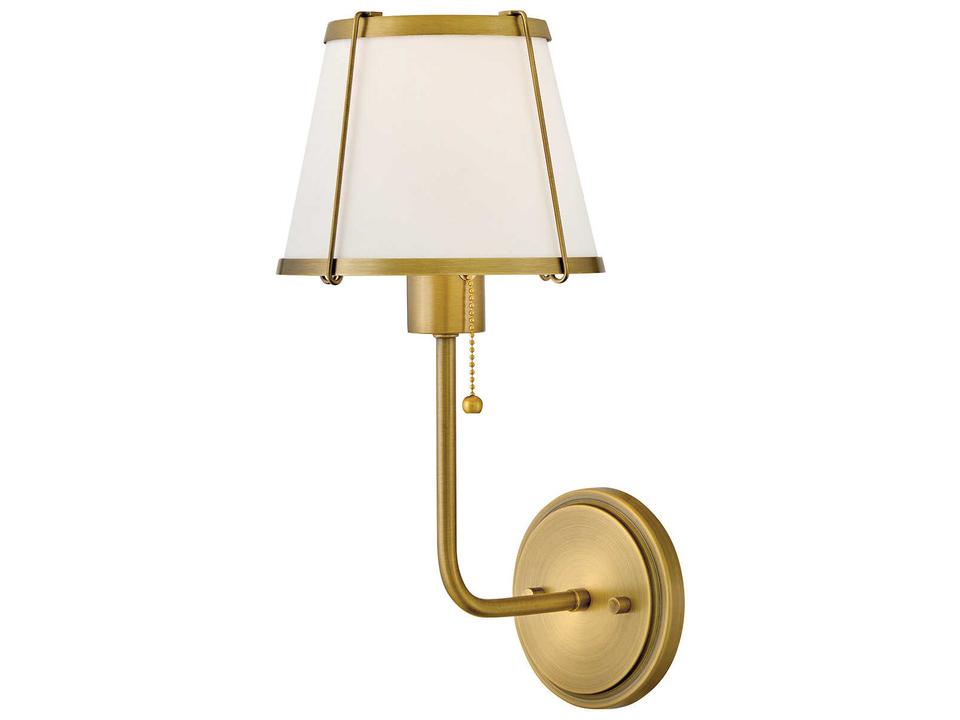
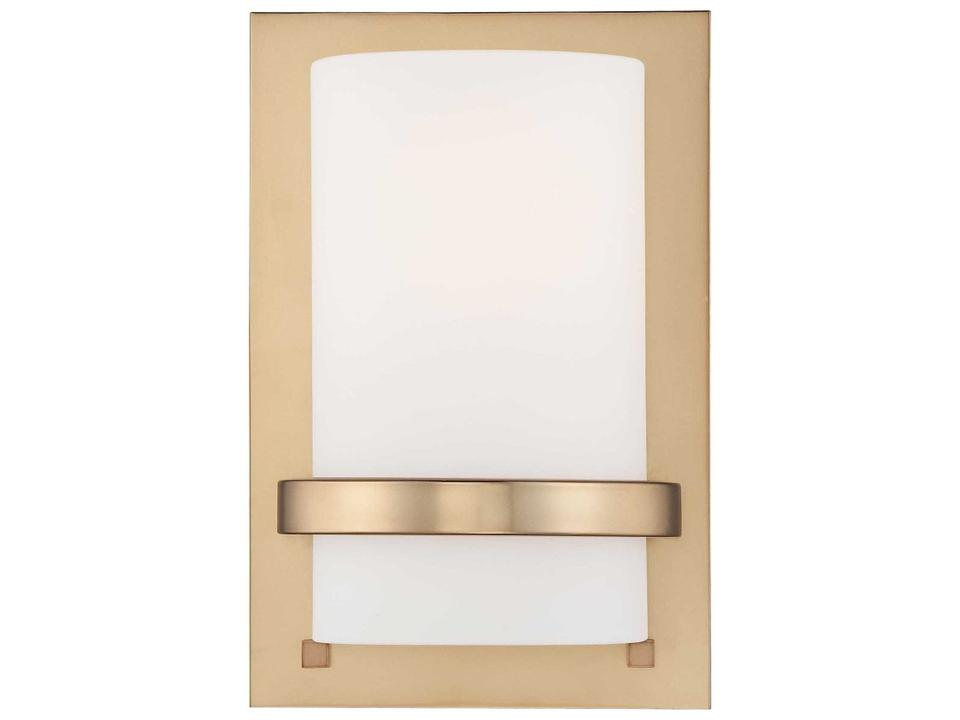
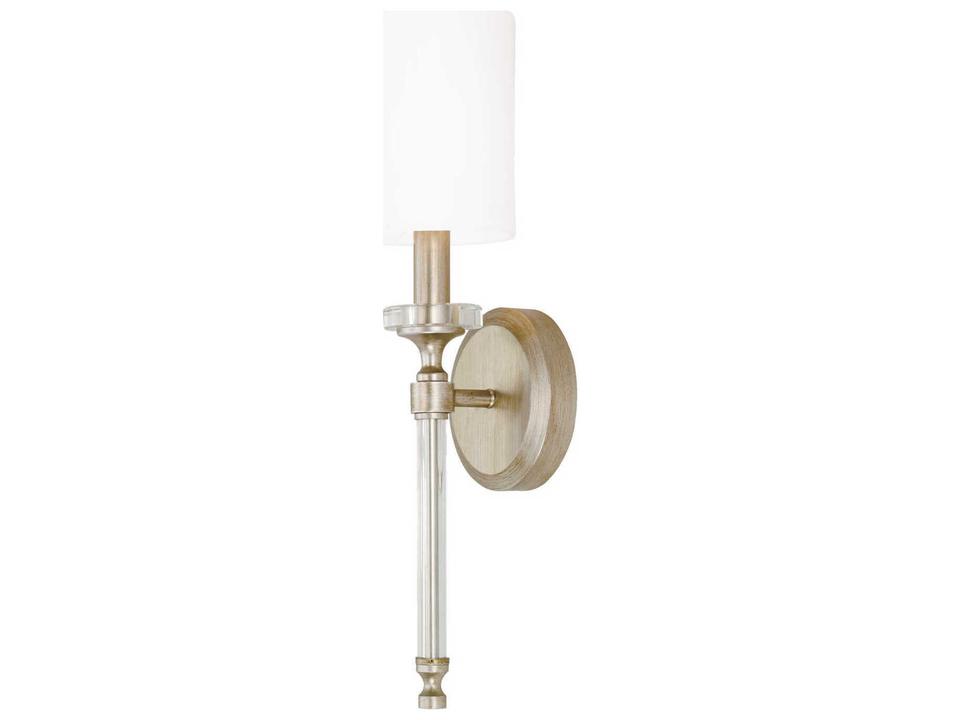
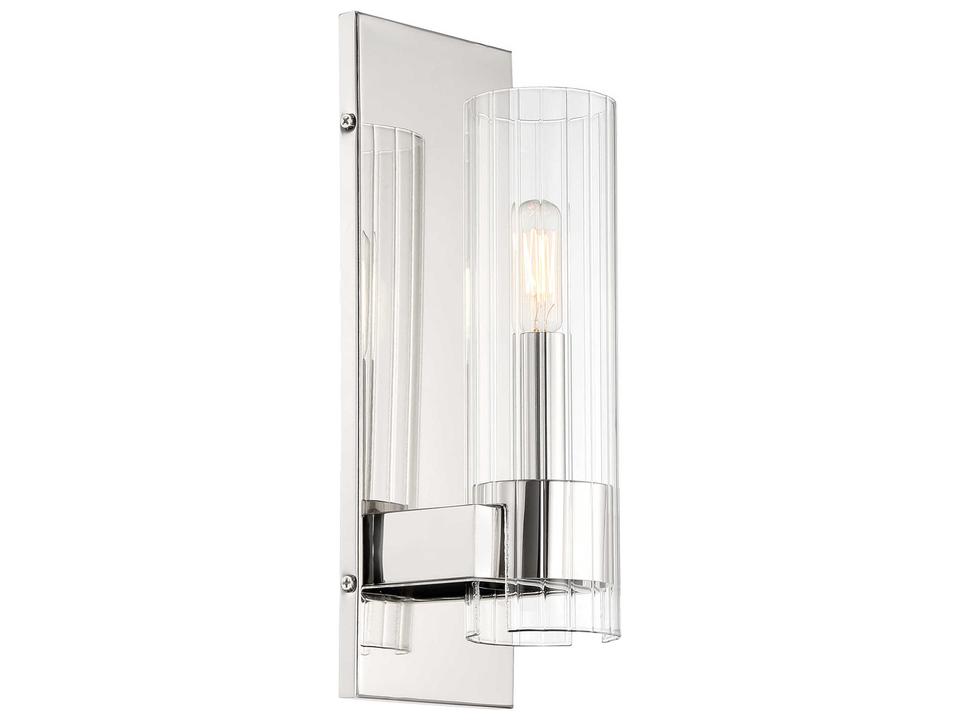
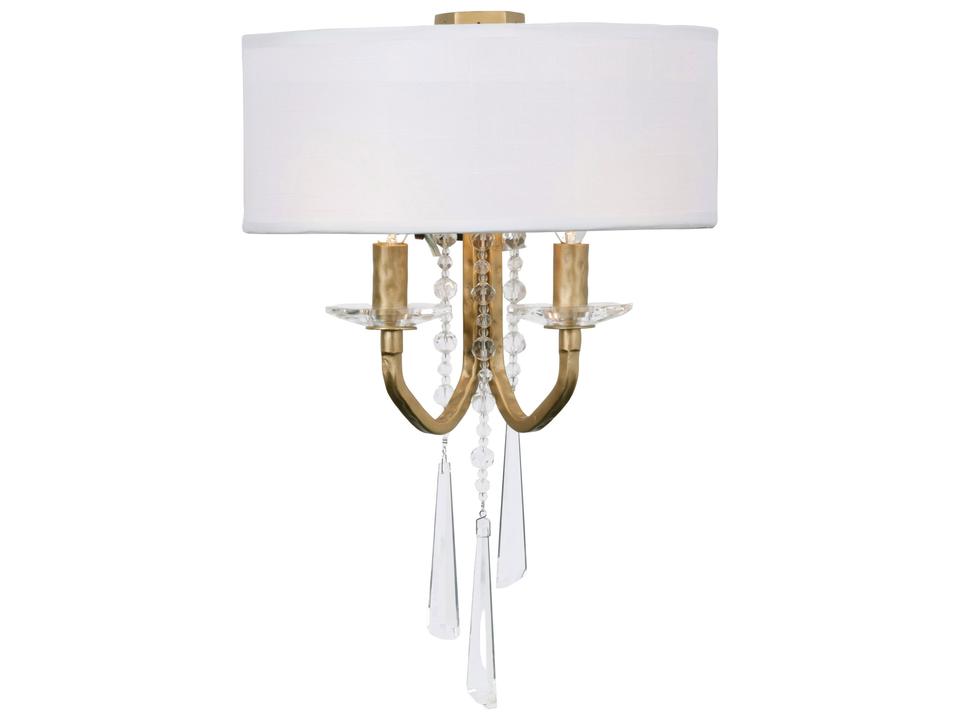
Our luxury dining room wall sconces span traditional candelabra silhouettes, transitional designs with clean lines and warm metals, and contemporary fixtures with geometric forms or minimal profiles. A pair of two-arm brass sconces flanking a sideboard creates symmetry and soft ambiance. For modern dining rooms, single-light fixtures with cylindrical glass shades or exposed Edison-style bulbs provide a pared-back look. If your space already features a crystal chandelier, consider coordinating with crystal-accented wall sconces to unify the room's lighting scheme.
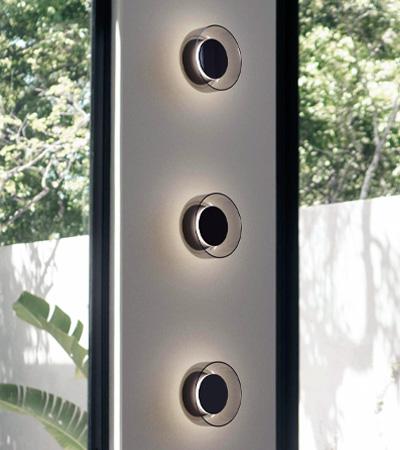
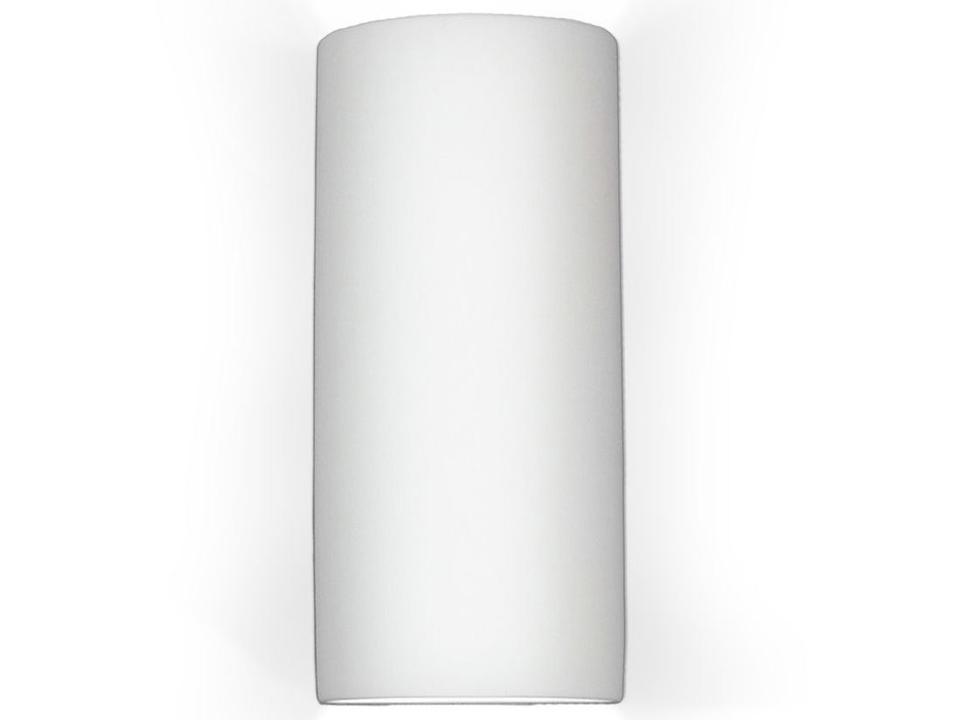
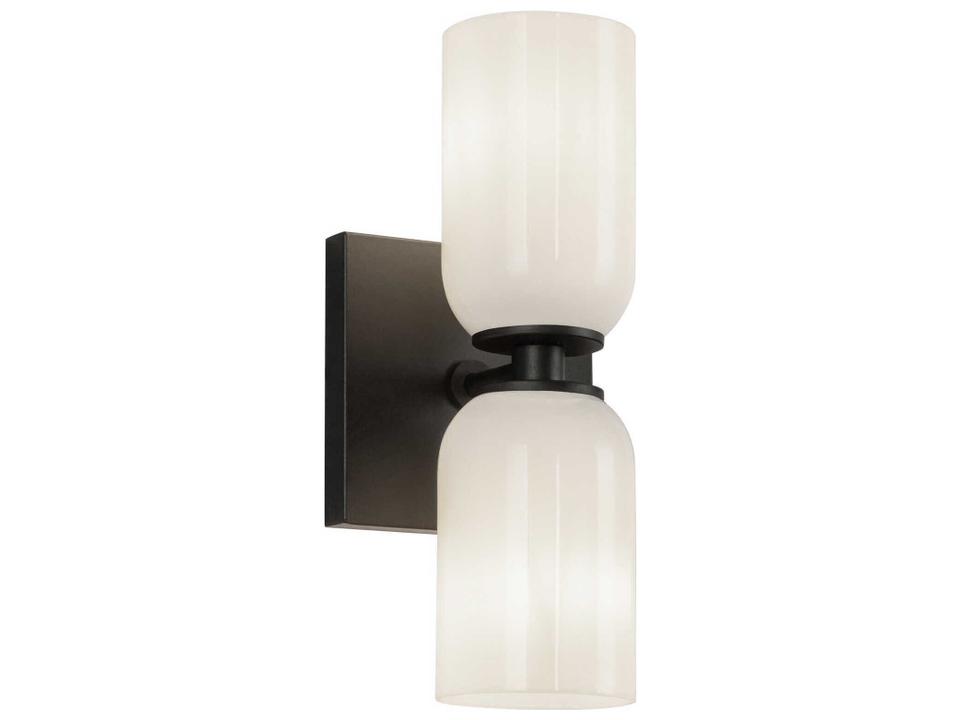
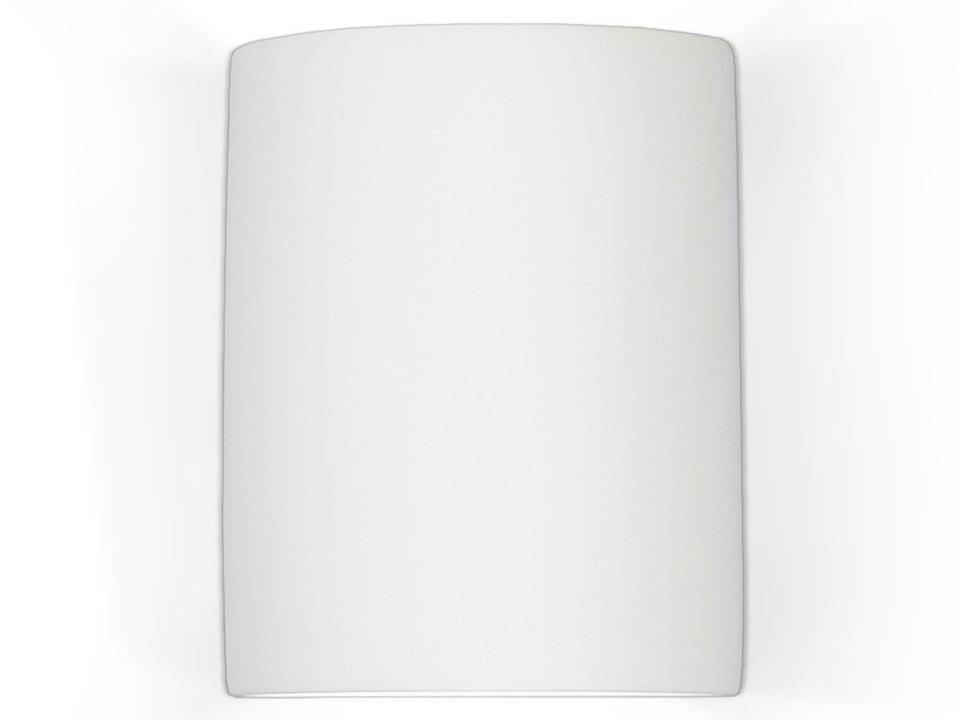
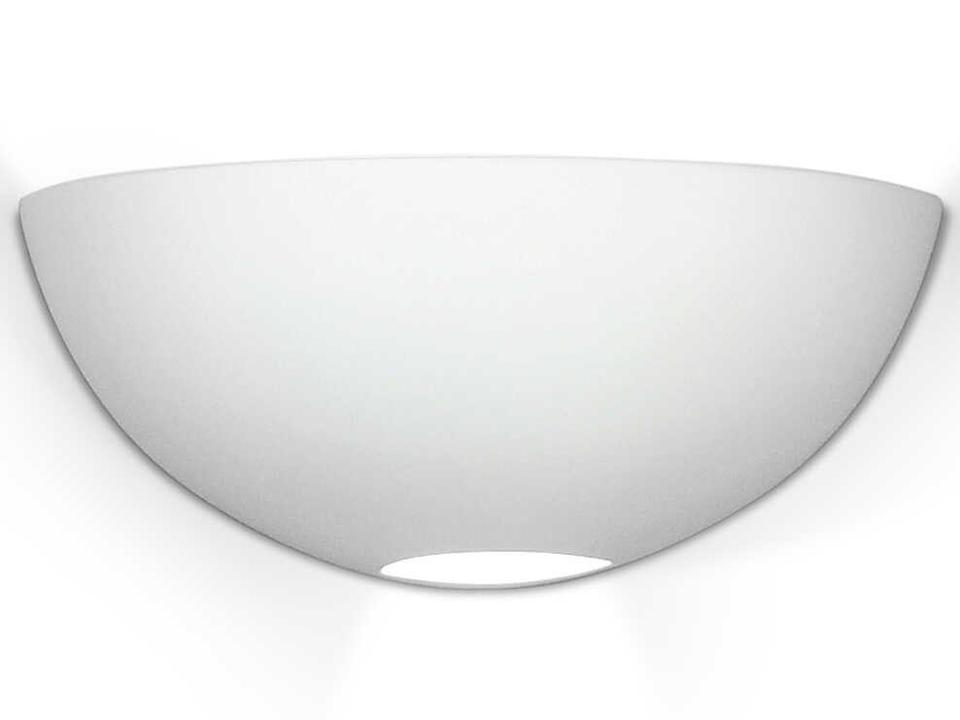
Minimalist designs hold their own too. The A19 Lighting Islands of Light Chios Two Light Wall Sconce is a clean ceramic fixture that suits contemporary dining areas without visual clutter.
Mount dining sconces at 60 to 66 inches from floor to fixture center — roughly eye level when seated. Space them 6 to 8 feet apart along a wall, or position a pair symmetrically flanking artwork, a mirror, or a buffet piece.
Wall sconces in a dining room typically serve as ambient or accent lighting, not primary illumination. A warm color temperature between 2700K and 3000K complements food and skin tones beautifully. If you plan to use dimmable bulbs — highly recommended for dining settings — verify the fixture is dimmer-compatible before ordering.
Match your sconces to existing metals in the room. If cabinet hardware and chandelier accents are brushed gold, choose wall sconces in satin brass. Mixing metals works — antique bronze alongside polished nickel — but keep the combination intentional, repeating each finish in at least two places for cohesion.
In rooms where the table sits near a wall, sconces can supplement a pendant or chandelier as supplementary light. In open-plan layouts, they help define the dining zone visually, separating it from kitchen or living areas. Mount them on the wall closest to the table for the most impact.
Whether you prefer refined crystal fixtures or streamlined contemporary profiles, luxury wall sconces bring layered light and considered design to a room built for gathering.