Loading products
Wool, polypropylene, and viscose each handle an animal print pattern differently — and each wears differently underfoot. Wool holds dye deeply, so a navy leopard print on wool reads rich and dimensional even years into daily use. Polypropylene resists staining and fading, making it a practical choice for high-traffic areas or homes with pets (fitting, given the motif). Viscose and art silk blends catch more light, lending a subtle sheen that brings zebra stripes or cheetah spots to life in formal rooms. The fiber you choose shapes both the look and the longevity of your luxury rug.
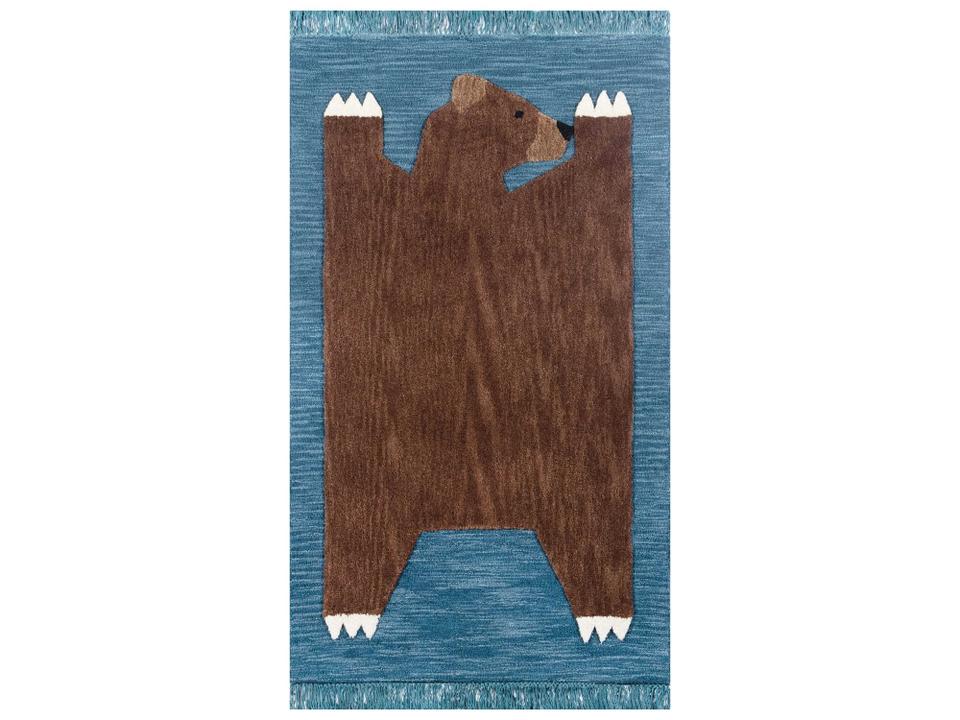
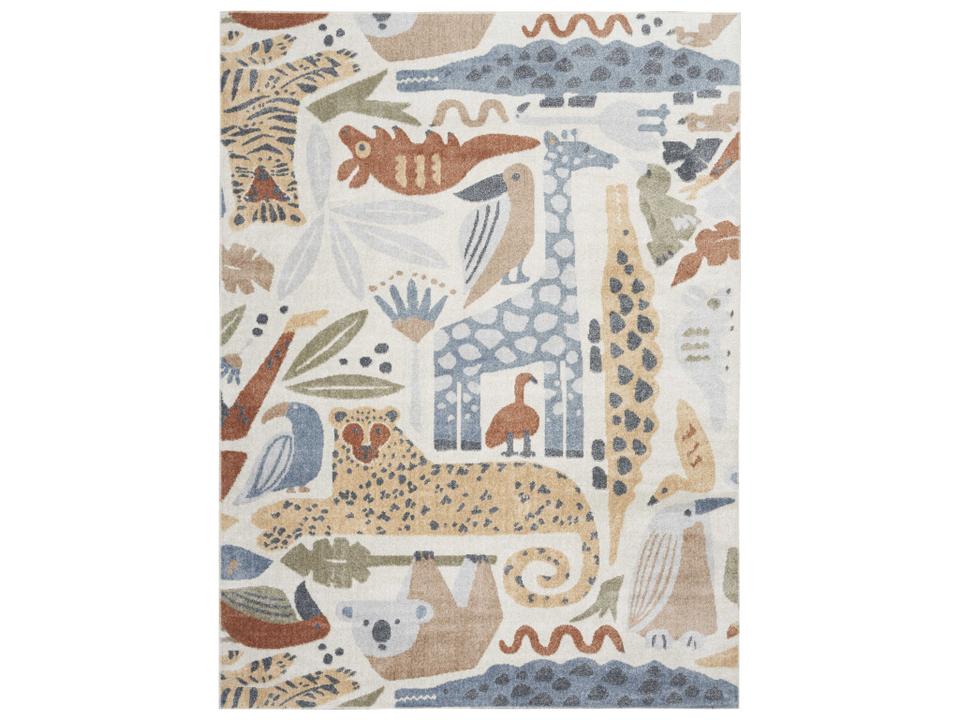
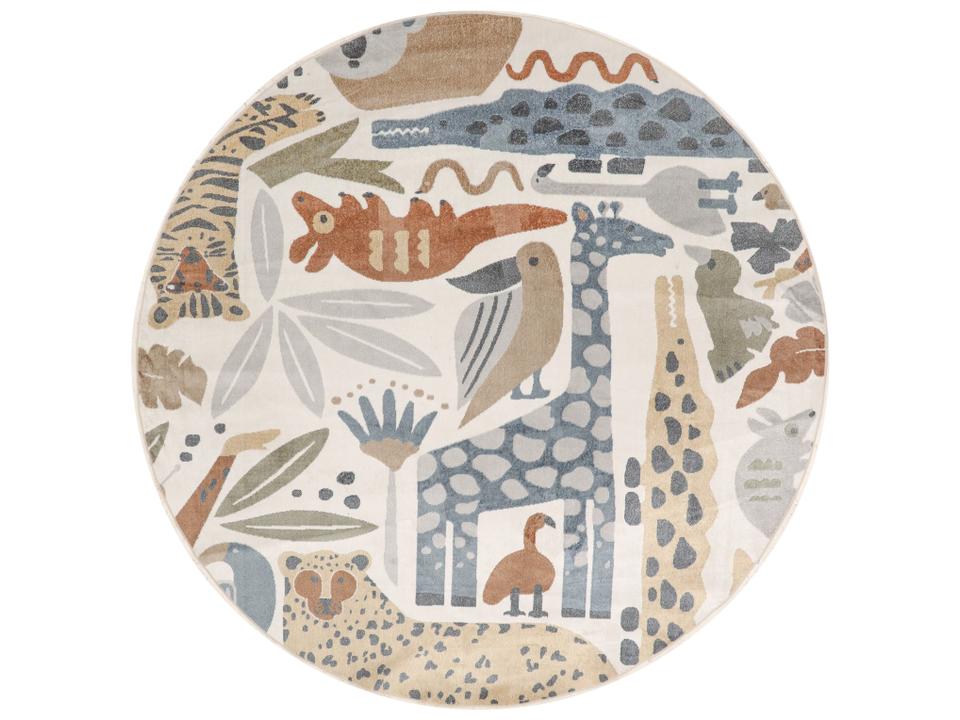
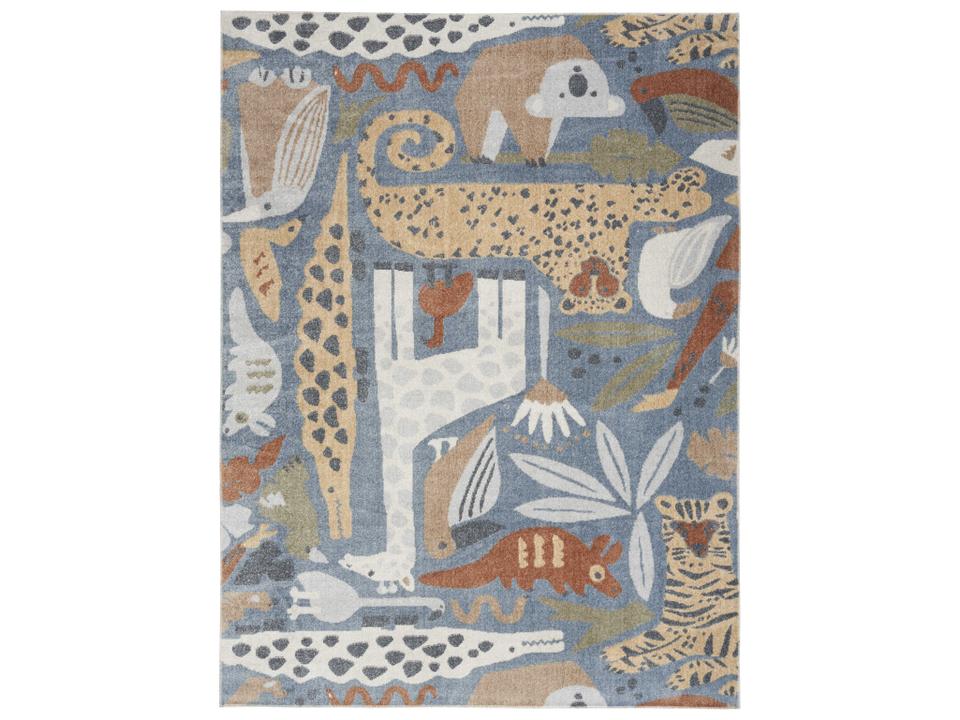
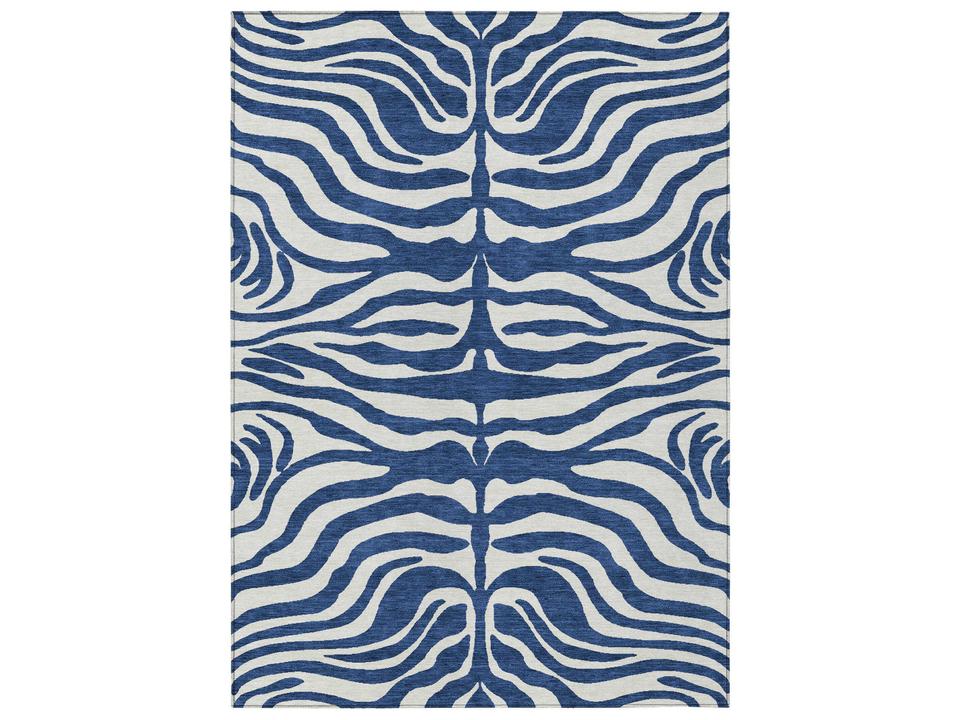
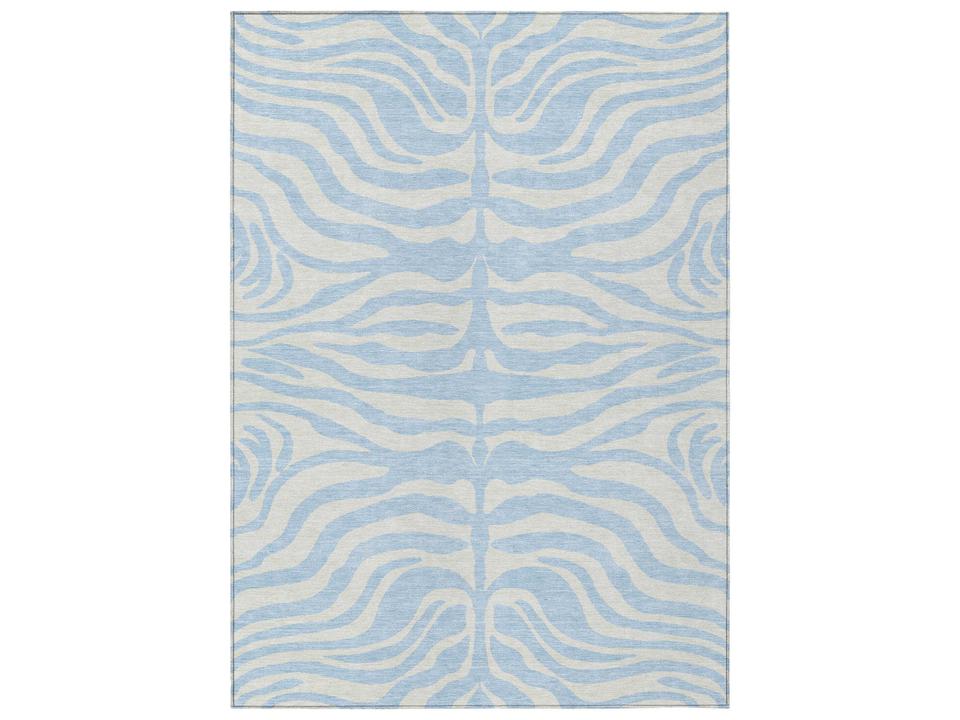
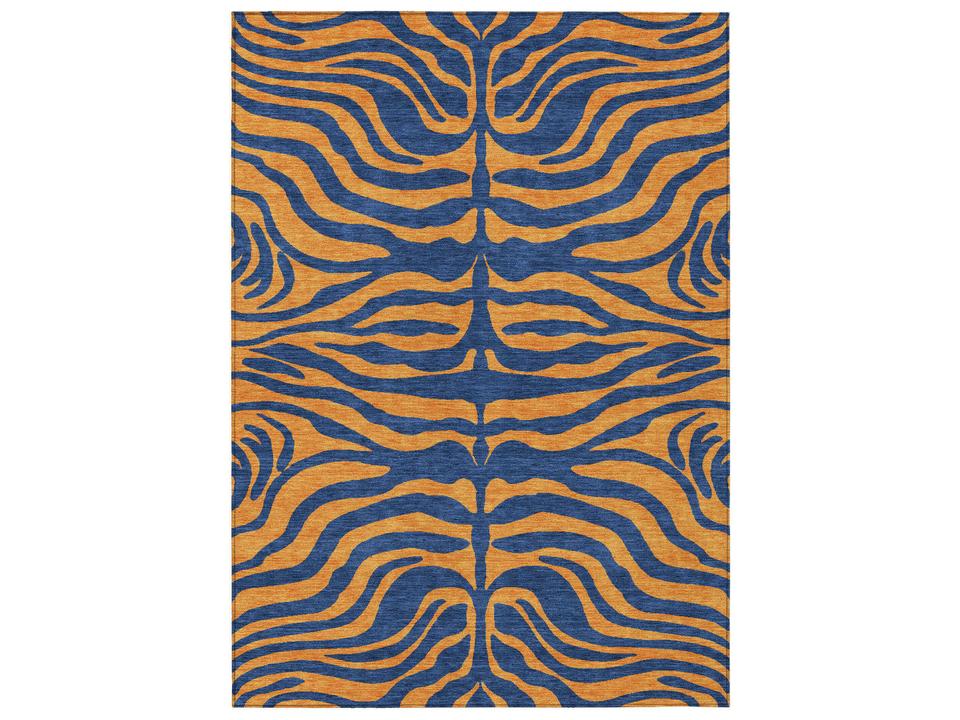
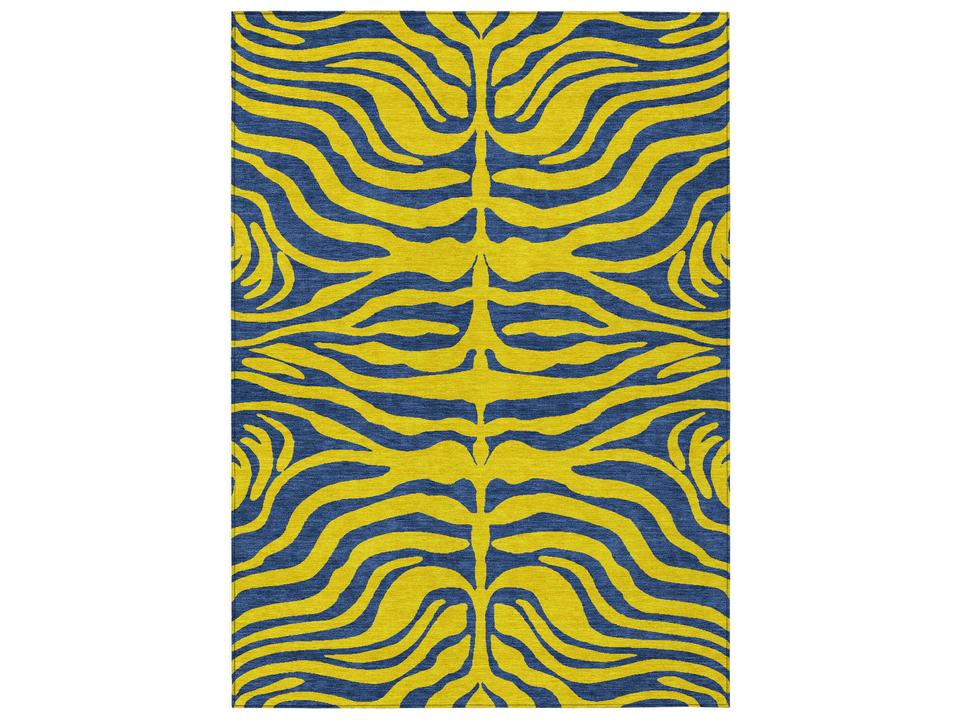
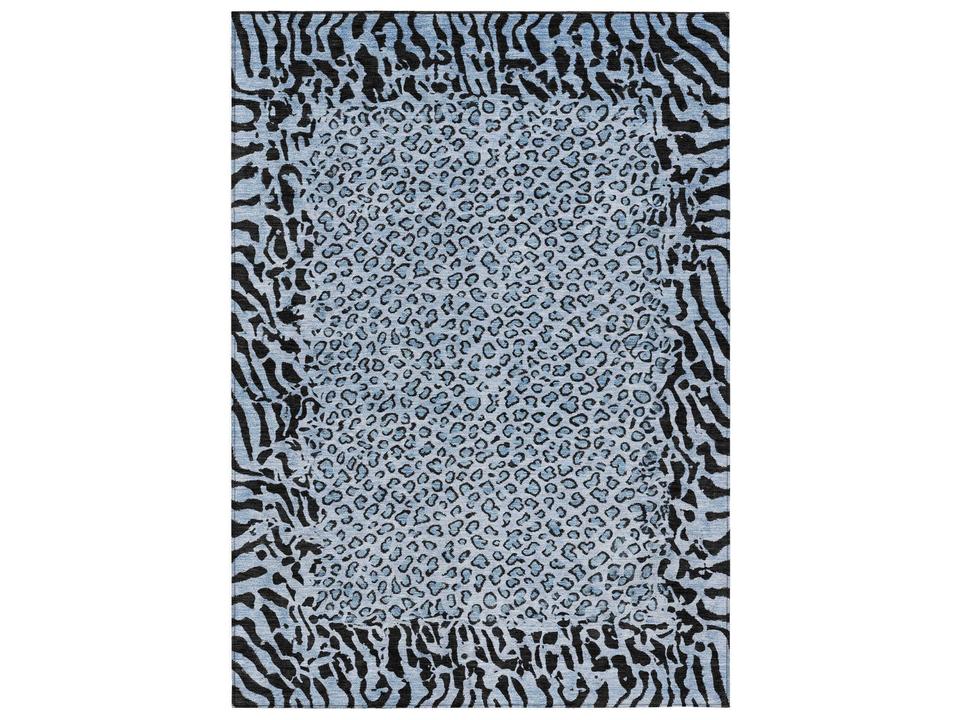
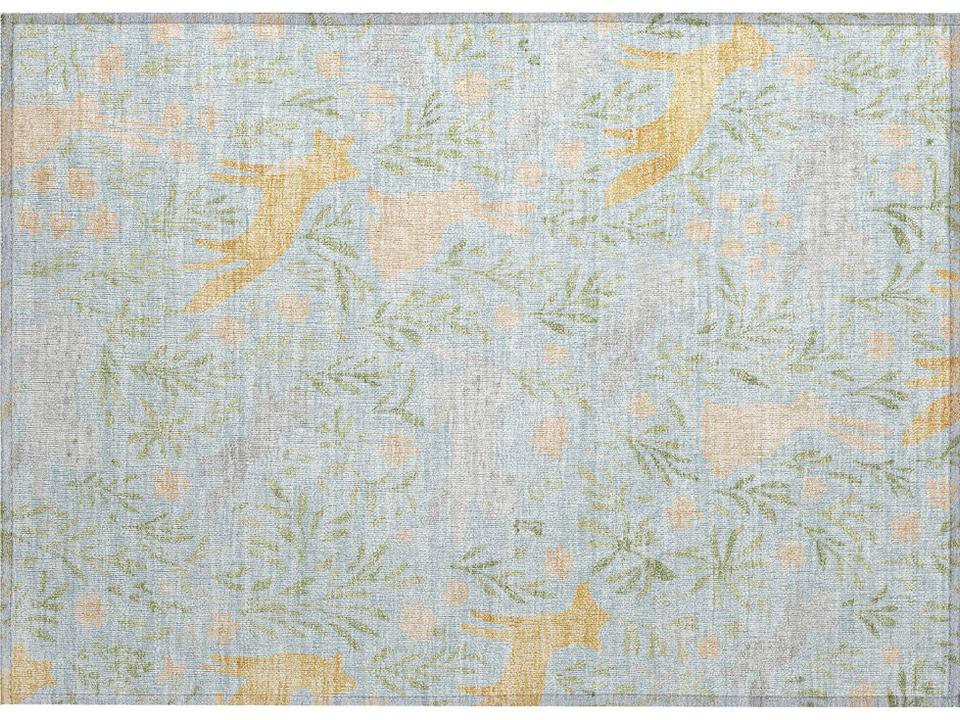
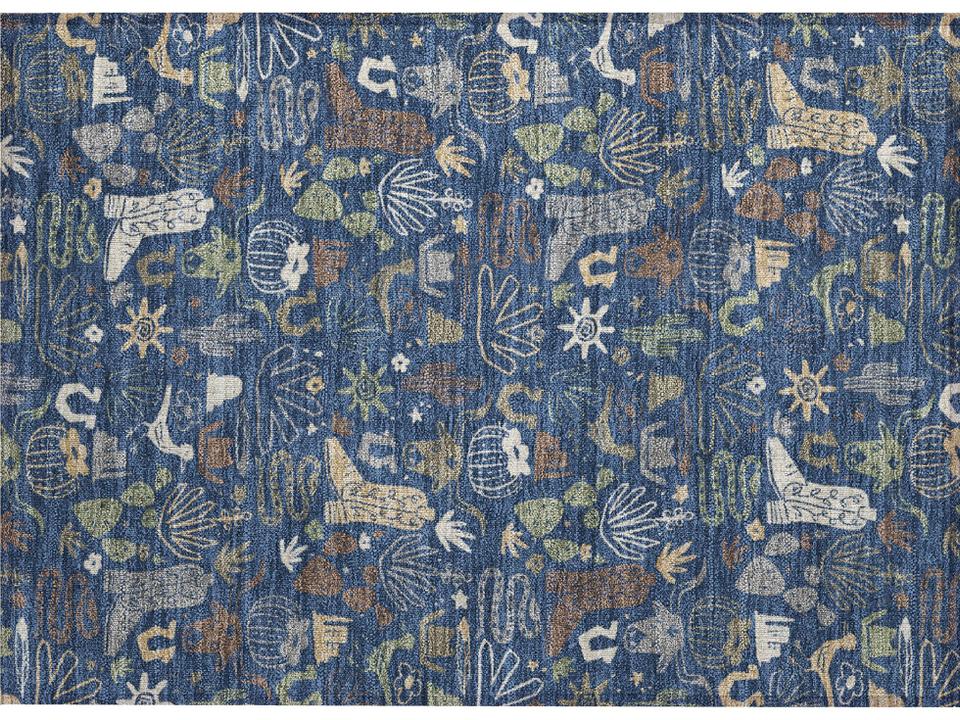
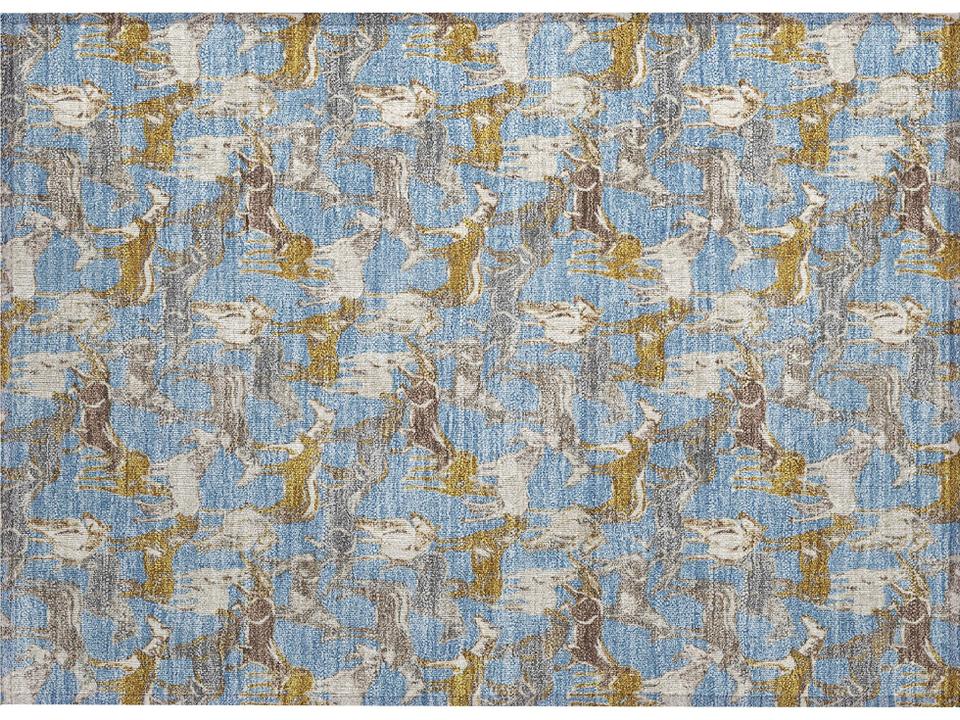
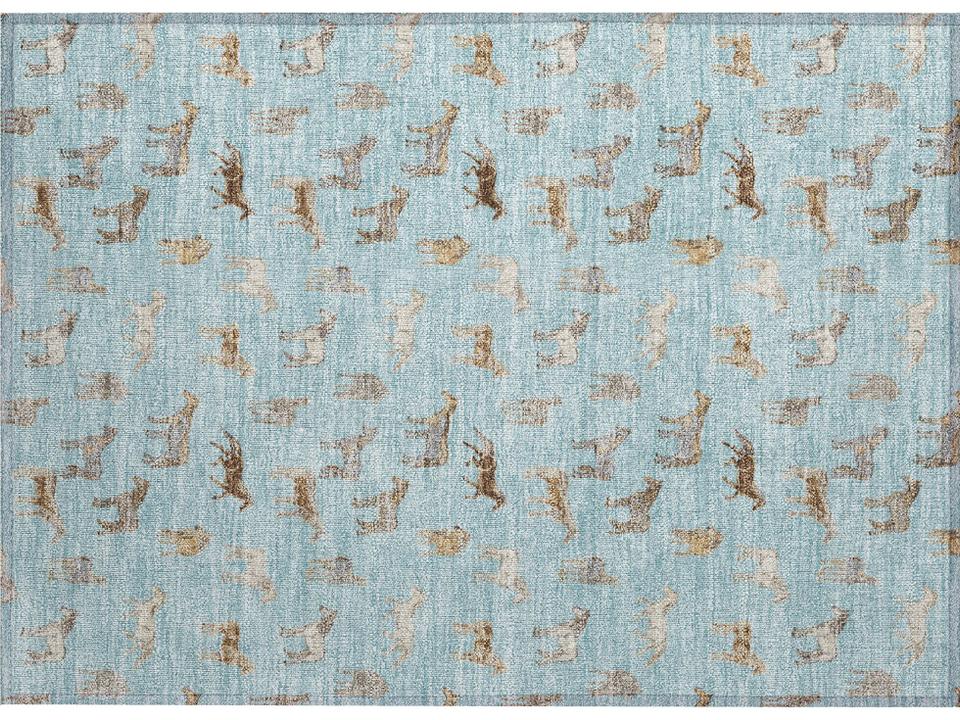
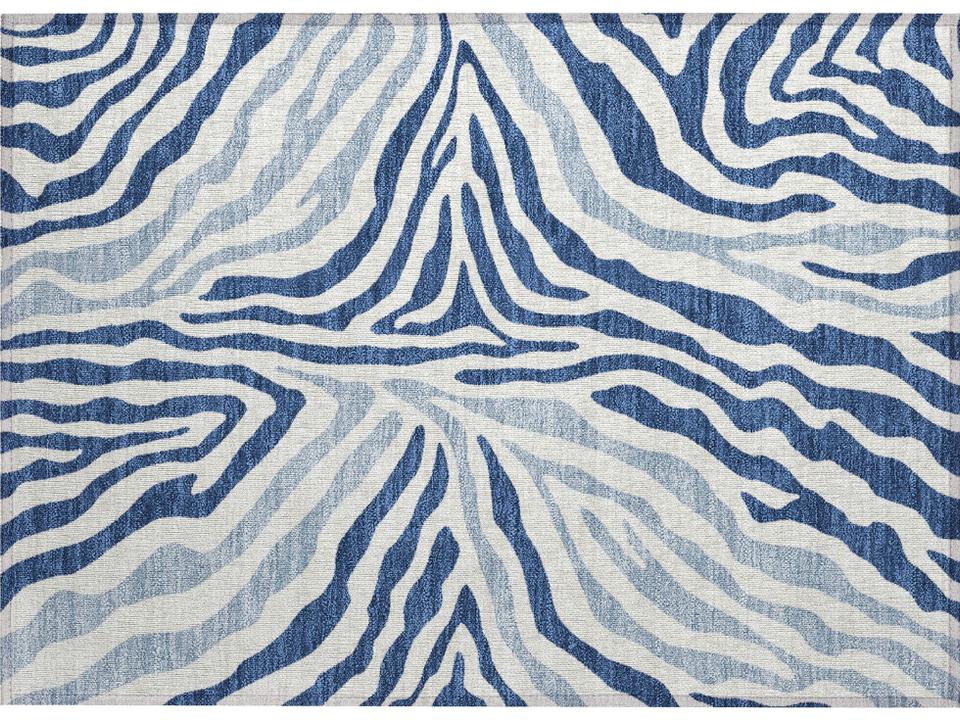
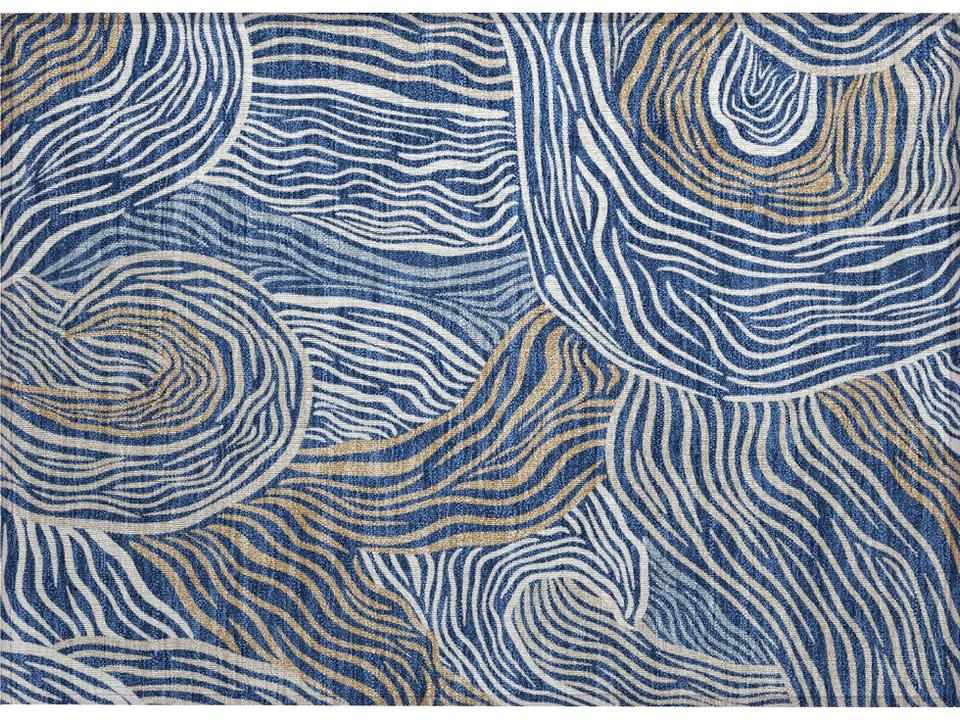
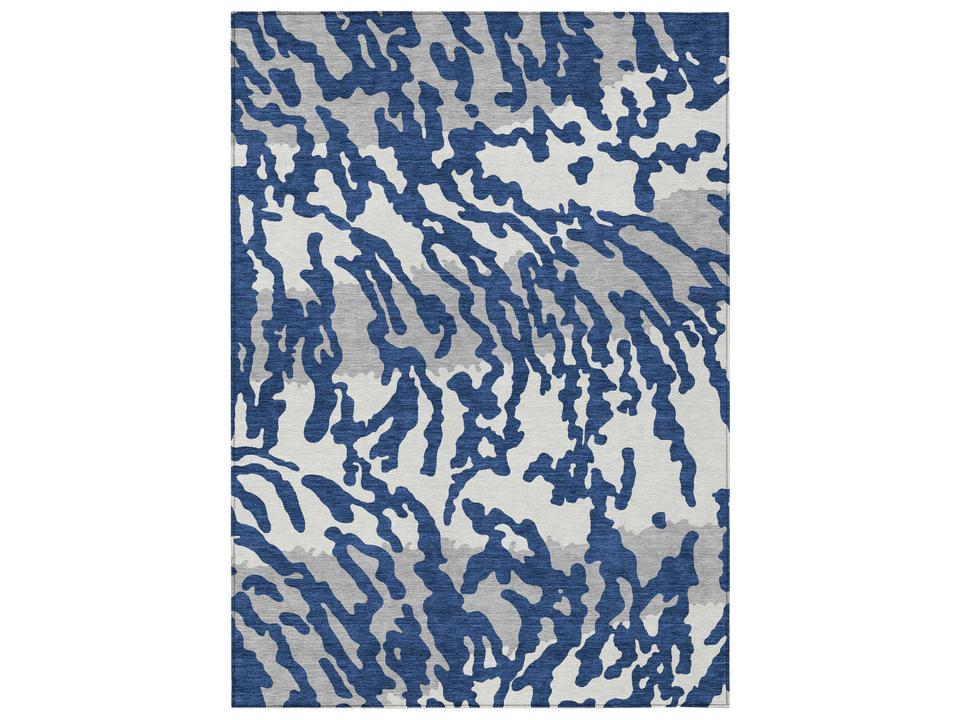
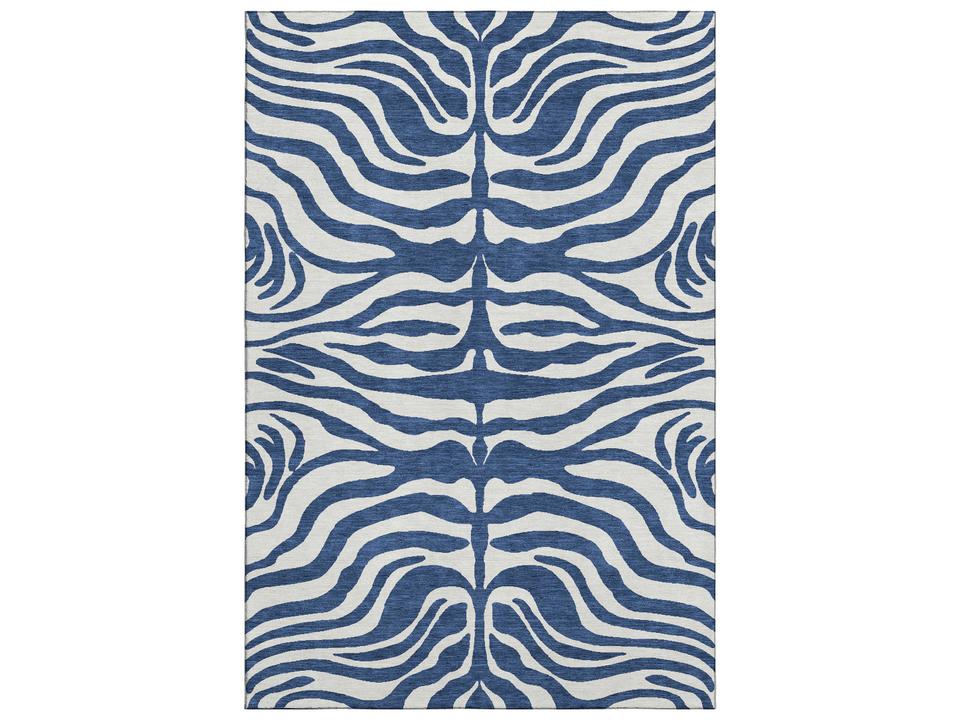
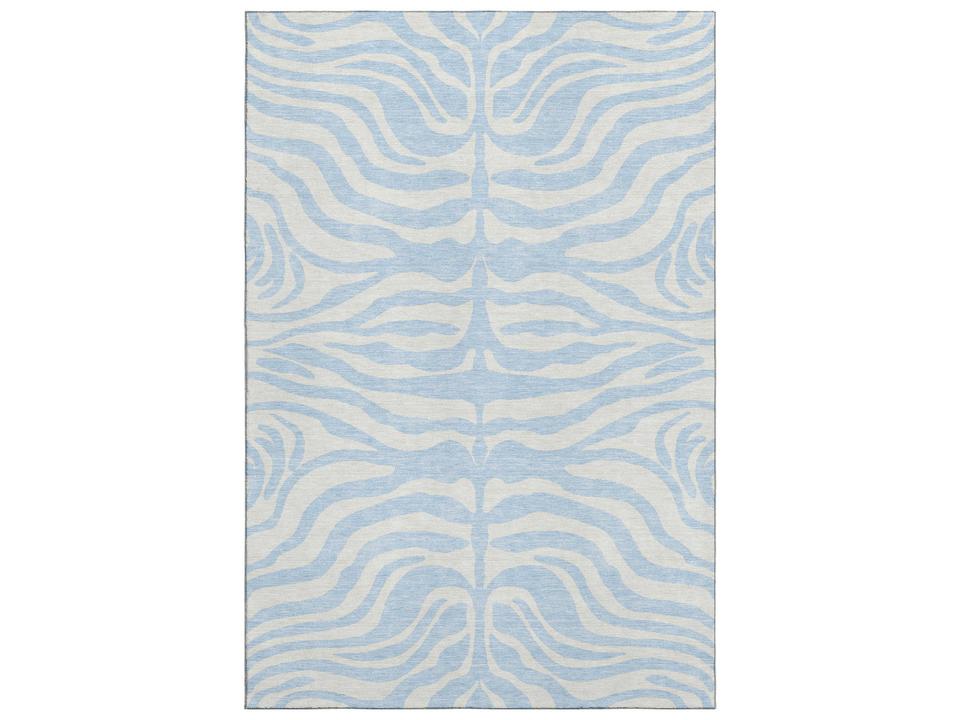
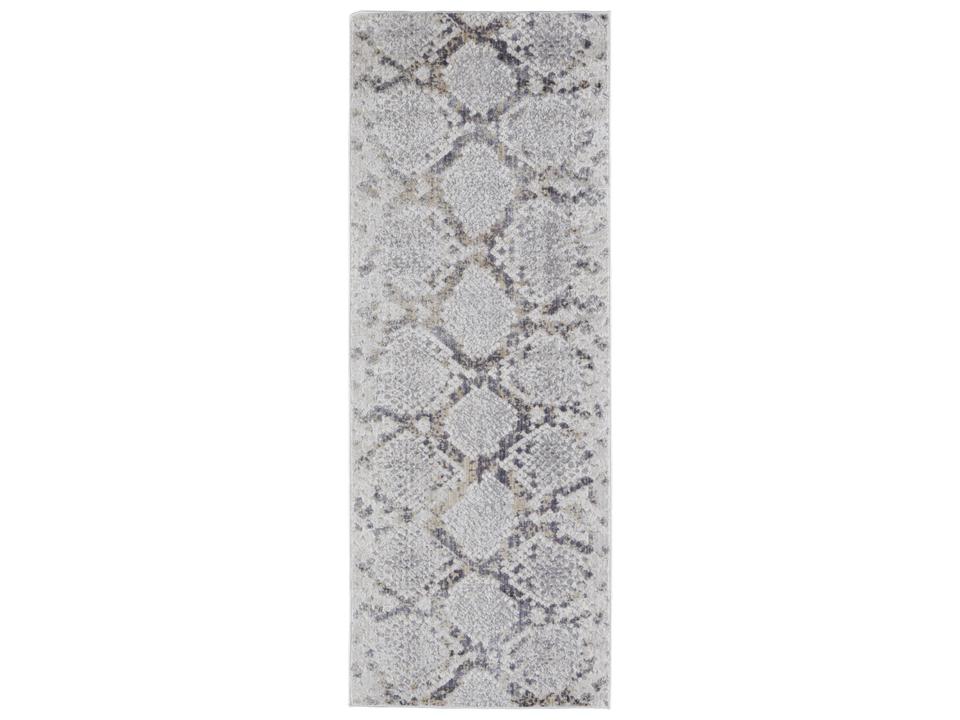
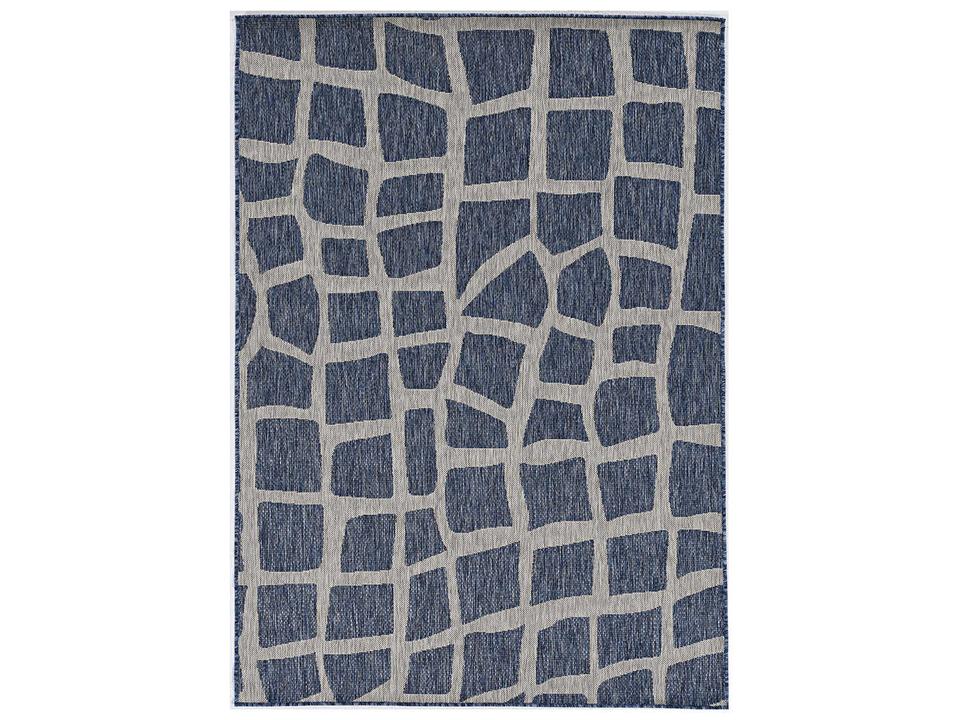
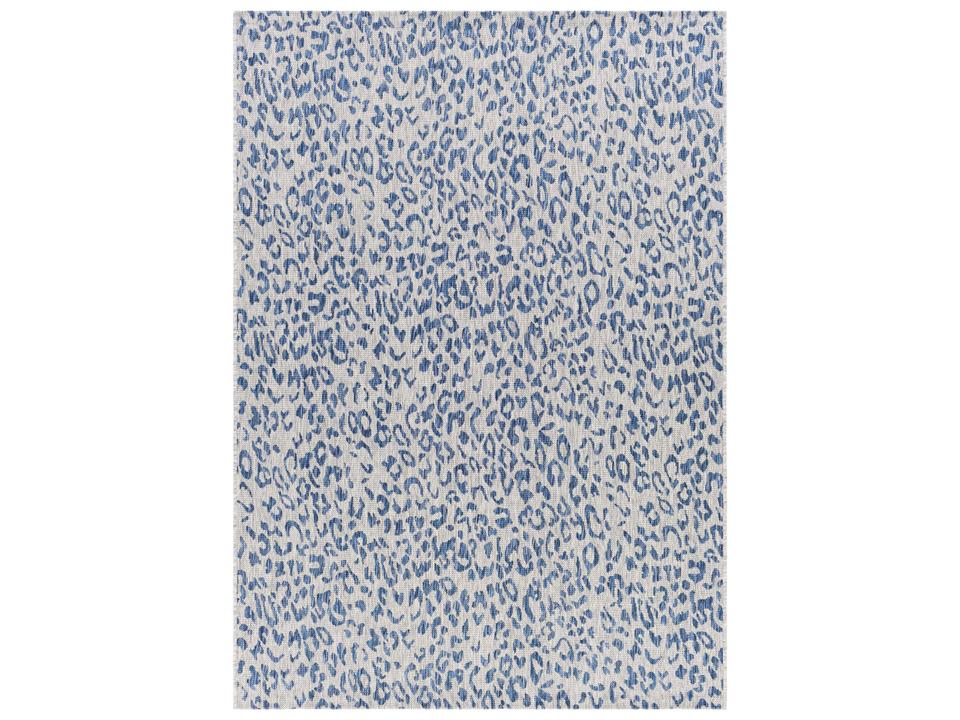
Blue animal prints range from deep navy leopard spots on cream to tonal cobalt-on-cobalt zebra stripes. Blue cools down what can otherwise read as a very warm, traditional pattern — it bridges classic animal motifs and contemporary room palettes. Teal and indigo versions work particularly well in coastal or modern interiors where a warmer brown-and-gold leopard might feel out of place.
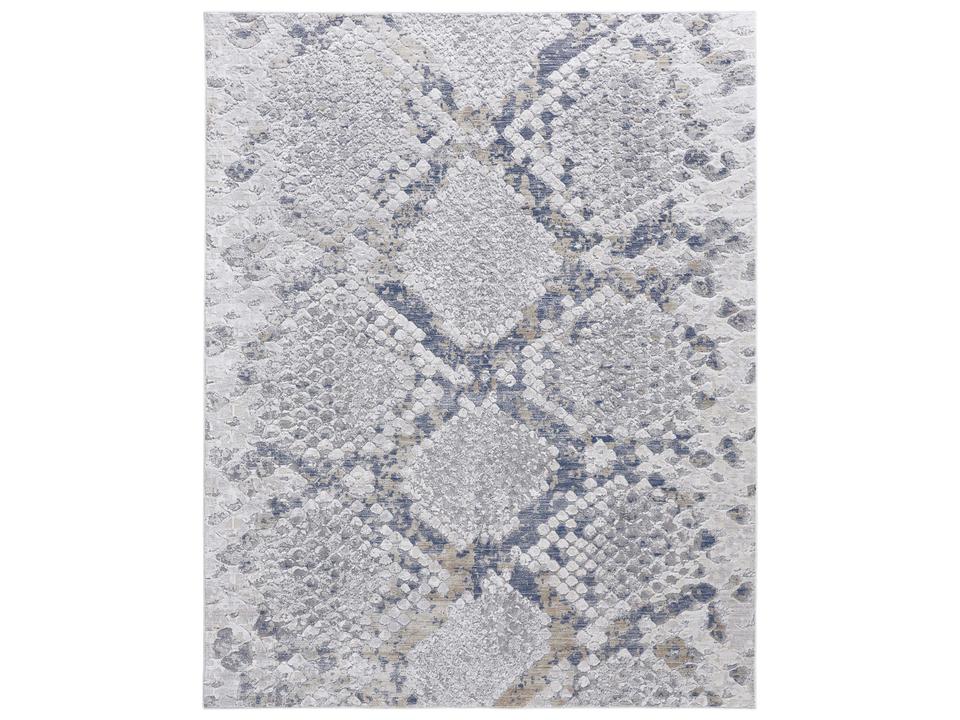
Pattern scale matters too. A large-scale zebra stripe creates bold movement across an open floor plan. A micro-scale cheetah print reads more like texture than pattern from across the room — useful when you want visual interest without overwhelming a smaller space.
For living rooms, choose a rug large enough that at least the front legs of your seating rest on it — typically an 8'×10' or 9'×12'. In bedrooms, a 5'×8' at the foot of the bed or runners on either side add softness and visual weight. Animal print rugs also make strong entryway statements in 3'×5' sizes.
Pile height affects how the print reads. Low-pile and flatweave constructions keep the pattern crisp and defined — ideal for dining rooms where chairs need to slide easily. Higher pile adds comfort but can blur finer details in the print. Consider a medium pile for a balance of clarity and softness.
If you're drawn to animal prints in other colorways, explore our collection of green animal print area rugs for an earthy alternative.
A luxury blue animal print rug pairs naturally with solid upholstery in cream, charcoal, or warm camel. The pattern already provides plenty of visual energy — let surrounding furniture stay quiet. Brass or gold-toned accents complement warmth in the print while working with the blue ground.
These rugs anchor an open seating arrangement or hold their own beneath a substantial coffee table. They also layer well over natural-fiber rugs like sisal or jute for added texture and dimension. Treat the animal print as your room's primary pattern and build around it rather than competing with it — solid drapes, minimal geometric pillows, and warm wood tones keep the space refined without fighting for attention.