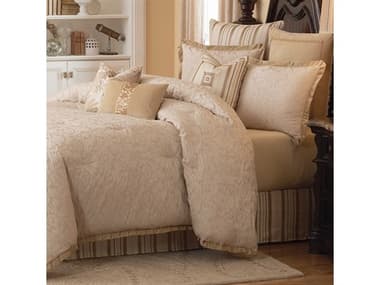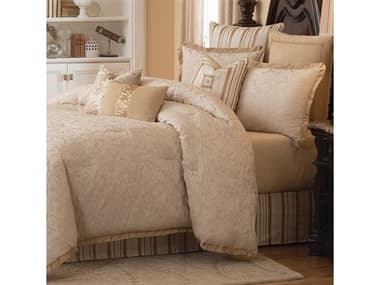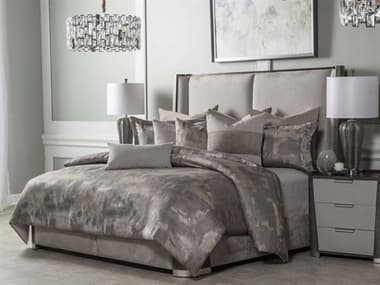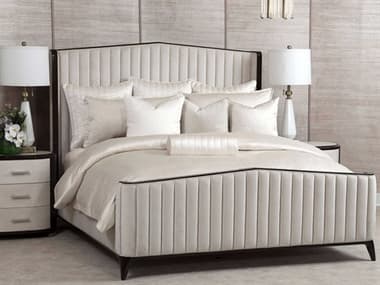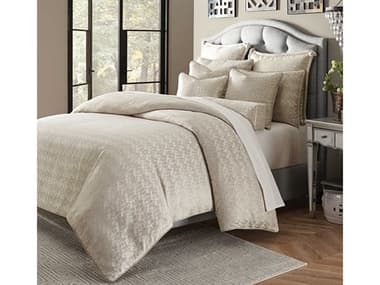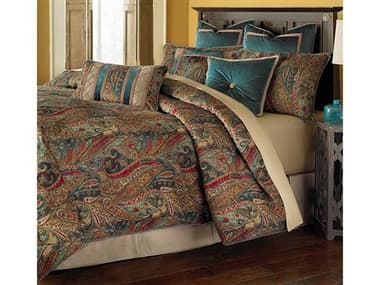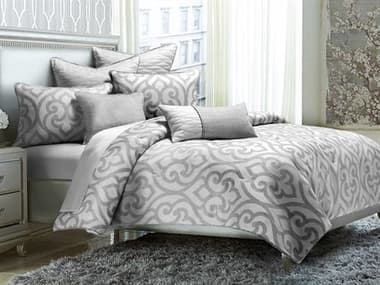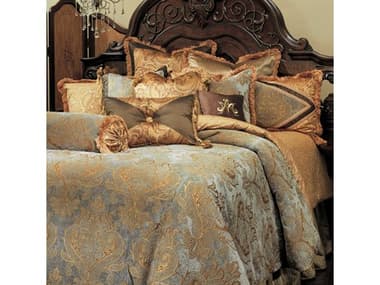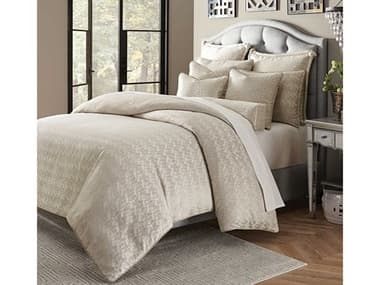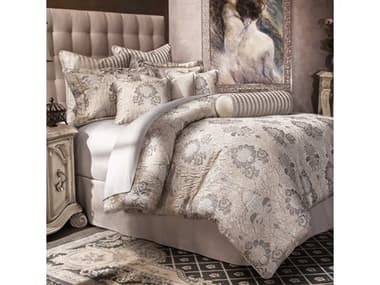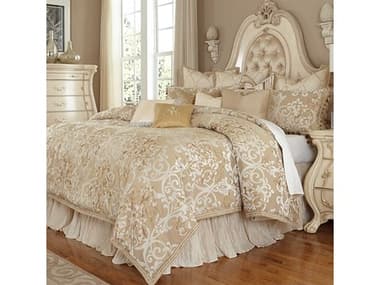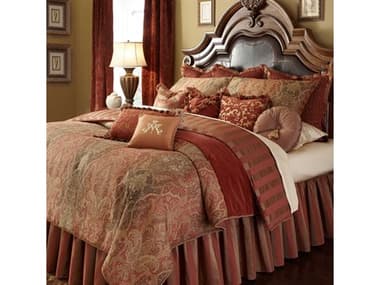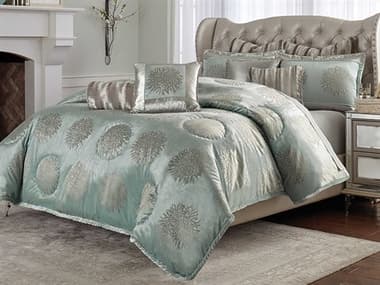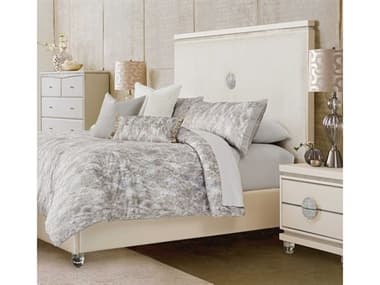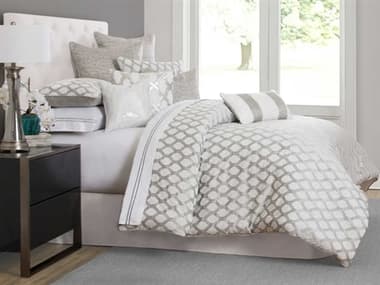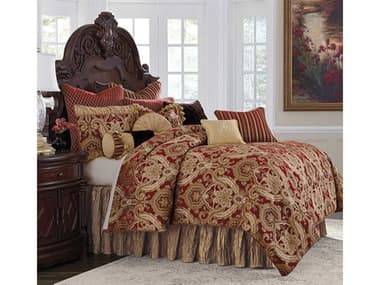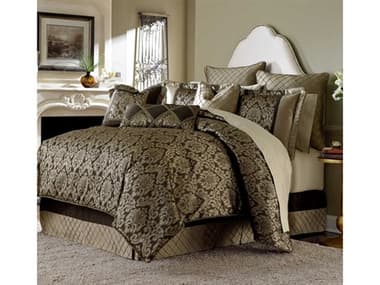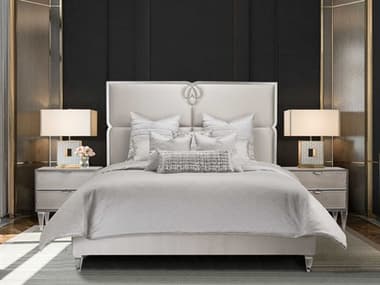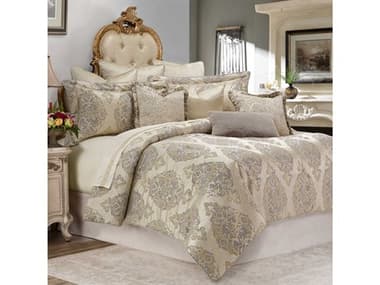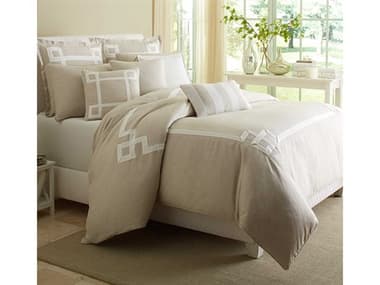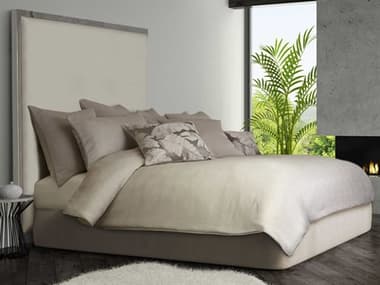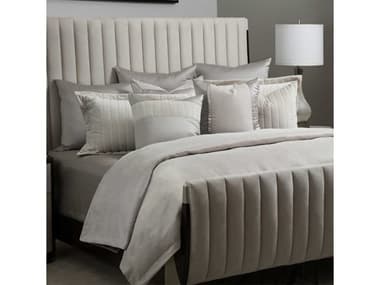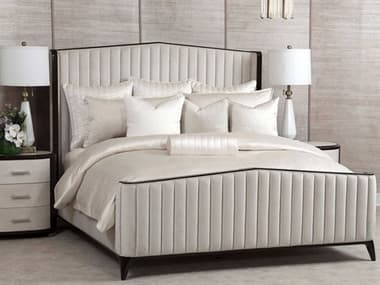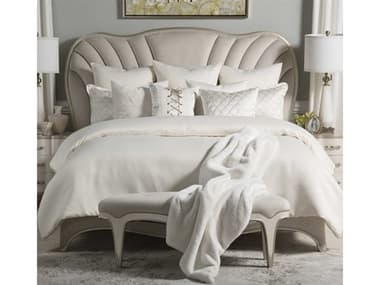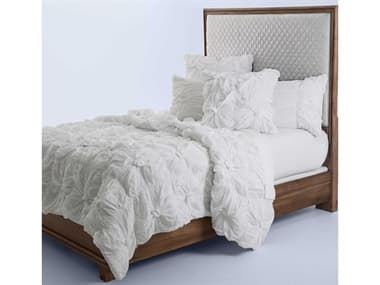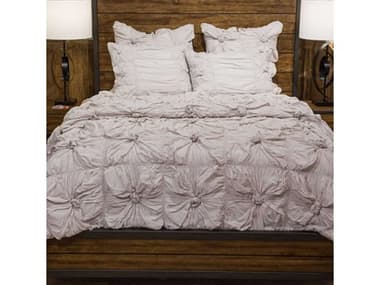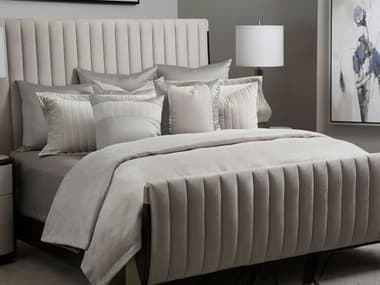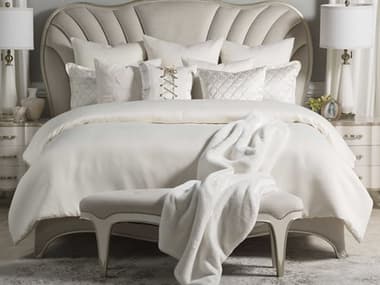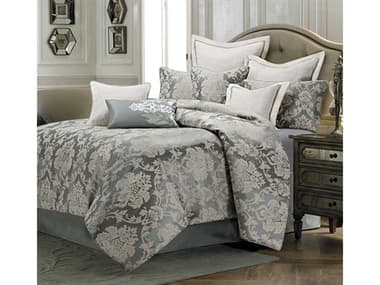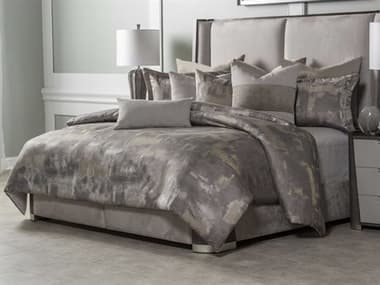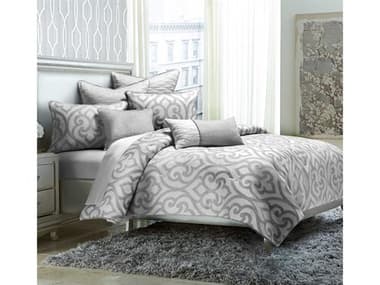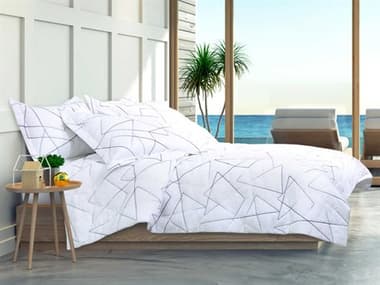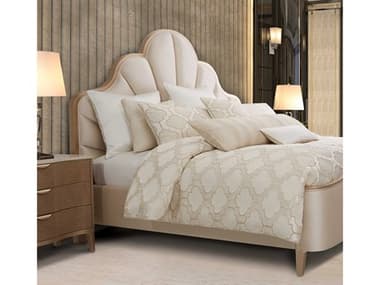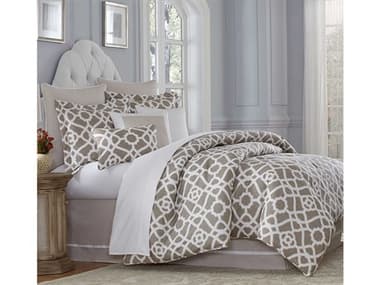
Bed comforter sets!
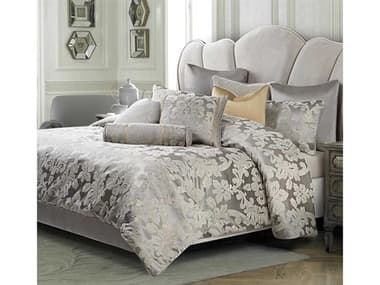
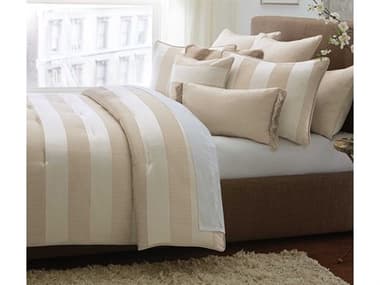
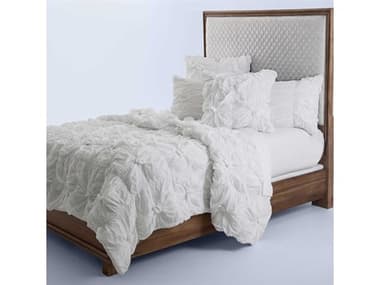
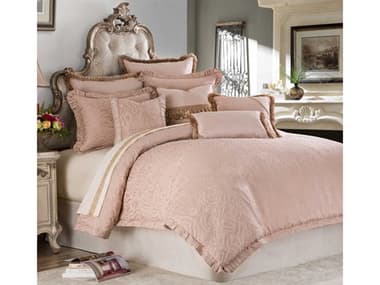
Staples in home bedding, bed comforter sets offer a variety of benefits. Equal parts stylish and functional, comforters provide additional warmth in the colder months, and are breathable in the warmer months. This breathability allows comforters to keep you from overheating by trapping your body heat within its filling. In addition to regulating your body heat and keeping you comfortable while you sleep, comforters are also an easy way to add a splash of color and pattern to any bedroom space.
Comforters are available at LuxeDecor in a variety of materials and styles which means there is something for virtually everyone.The brands at LuxeDecor only use the finest materials to fill their comforters and quality is their first priority, whether it’s natural down or synthetic. Down is the most efficient natural insulator in the world. The domestically grown Pure White Down used in the Eastern Accents comforters available at LuxeDecor contains light fluffy three-dimensional clusters that allows for warmth and comfort. For the sleeper who prefers man-made fibers, LuxeDecor carries comforters with a fill that imitates the loft and lightness of down. The faux down used is an ultra-fine microfiber that mimics down’s softness and resiliency offering a luxurious, water-resistant alternative with a completely hypoallergenic assurance. Many judge the quality of fabric purely by its thread count, which is the number of threads per square inch. The down-proof fabrics used in the making of the comforters at LuxeDecor, range between 230 to 440 thread count but more importantly, the long-staple yarn results in high quality textiles that are strong yet light in weight.
It is easy to decorate your bedroom with the wide range of sizes available at LuxeDecor including twin bed comforters, full bed comforters, queen bed comforters, and king bed comforters. Twin bed comforter sets and full size bed comforter sets are perfect for children, teen, and even college age young adults. Queen bed comforter sets and king size bed comforters are more appropriate for decorating master and guest bedrooms. To take your comforter up a notch, comforter covers are a great addition for anyone who wants to give their bedroom a major aesthetic boost. Duvet and comforter covers come in a variety of colors and pattern to easily match your style. Instead of worrying about washing the entire comforter, your cover can be simply thrown in the washing machine. Comforter covers also allow one to easily switch them according to moods and style preference.
For more information about bed comforters read LuxeDecor's Bedding Buying Guide to style a perfect sleep time space.