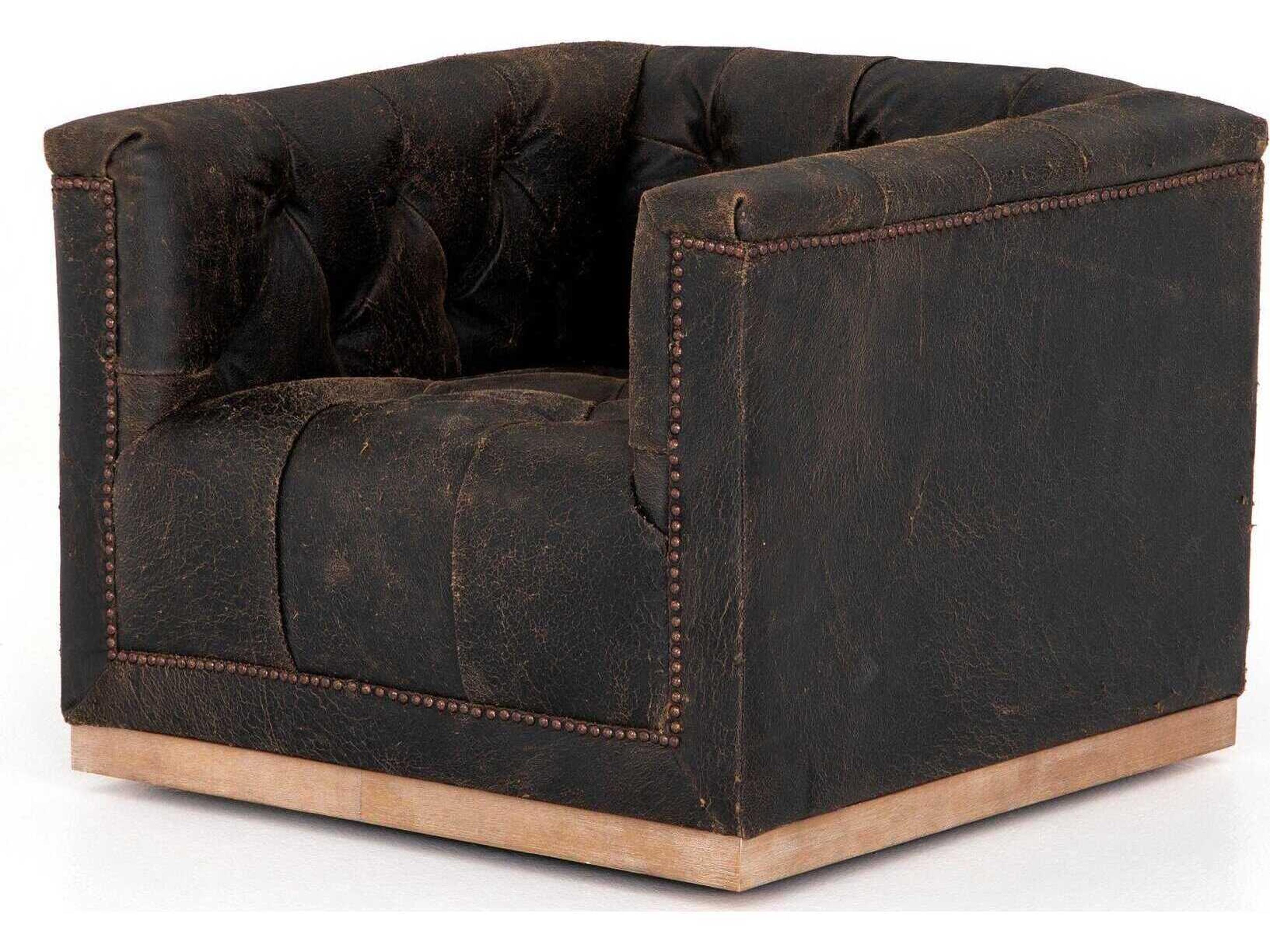
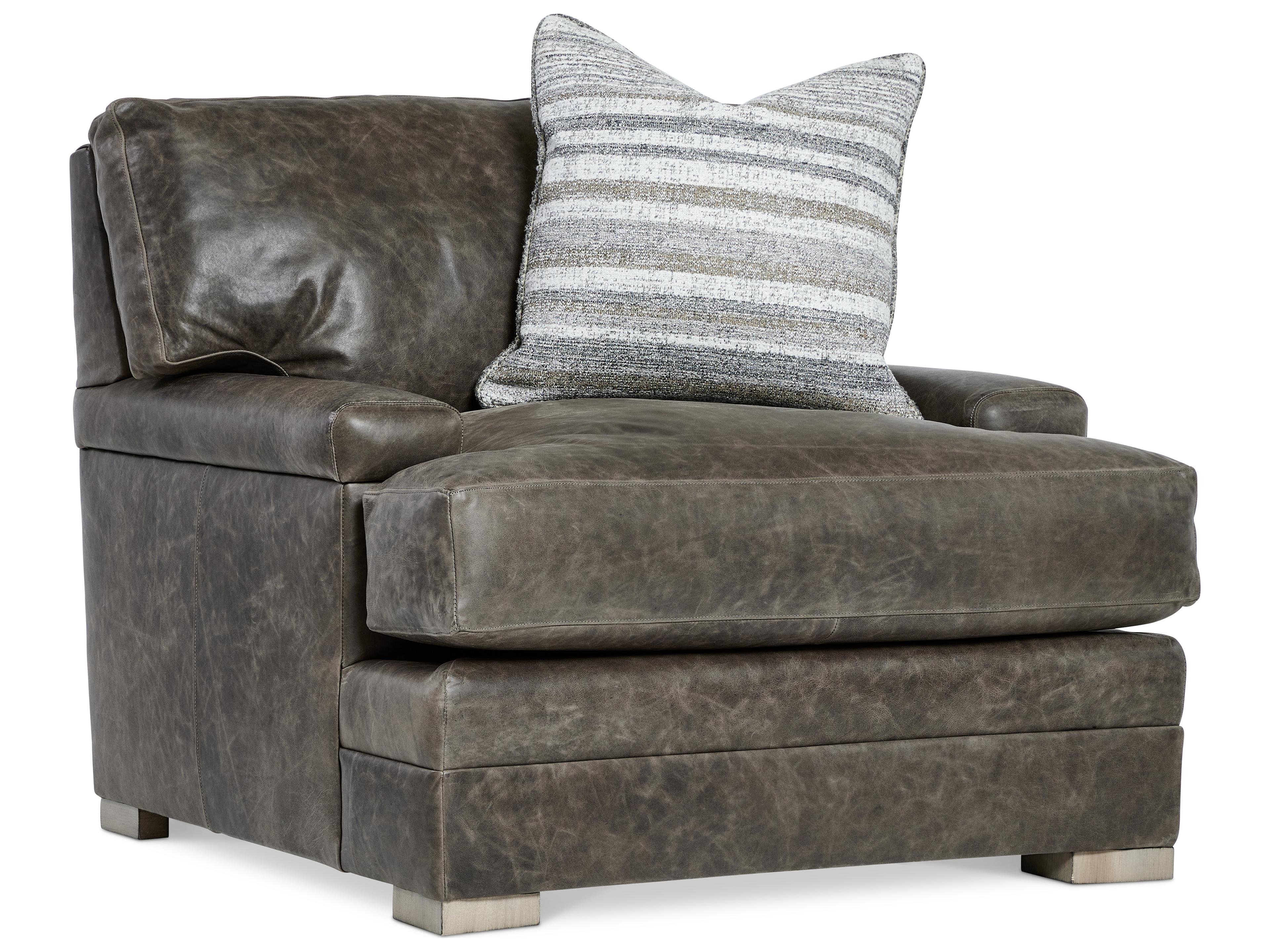
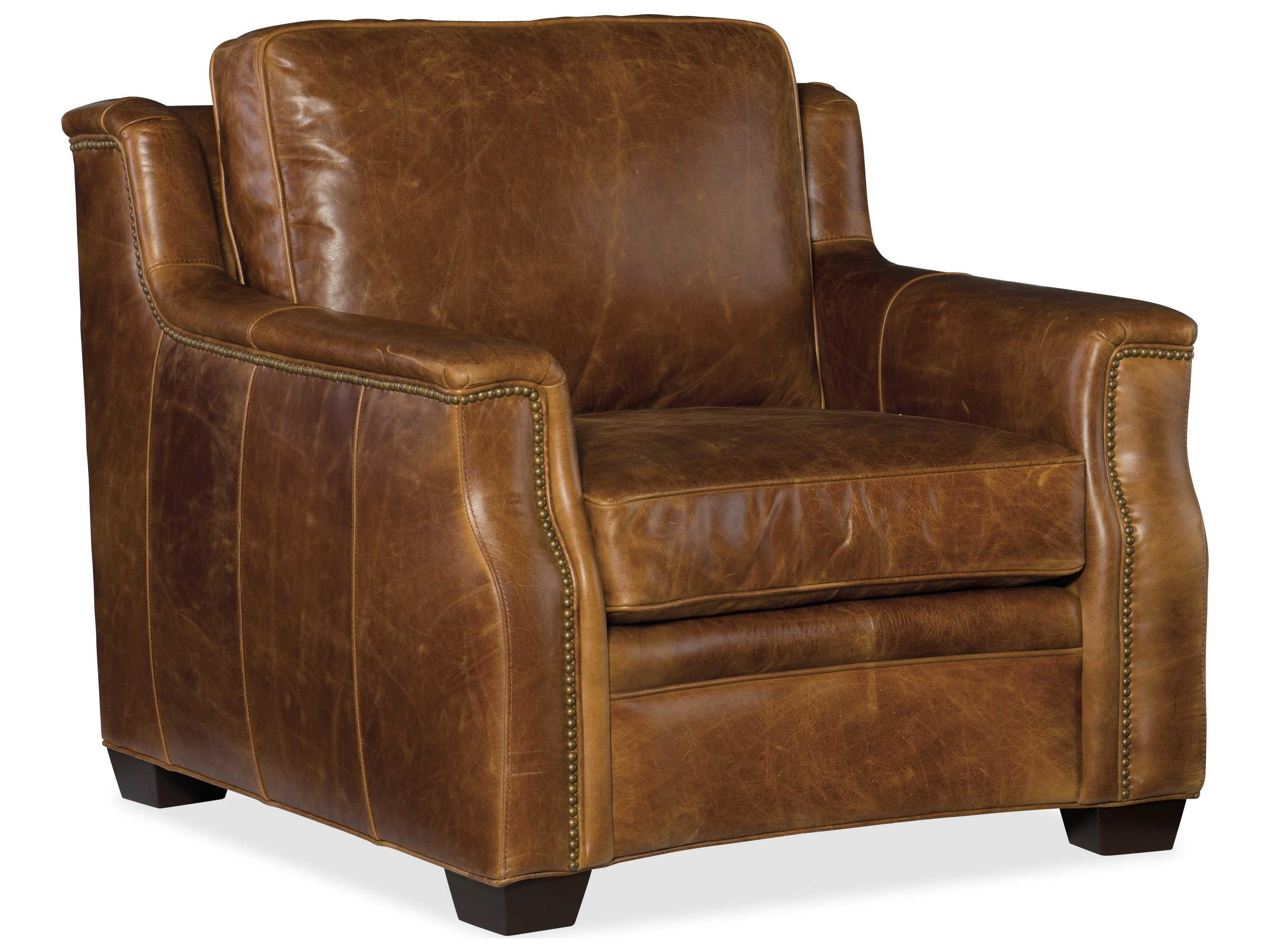
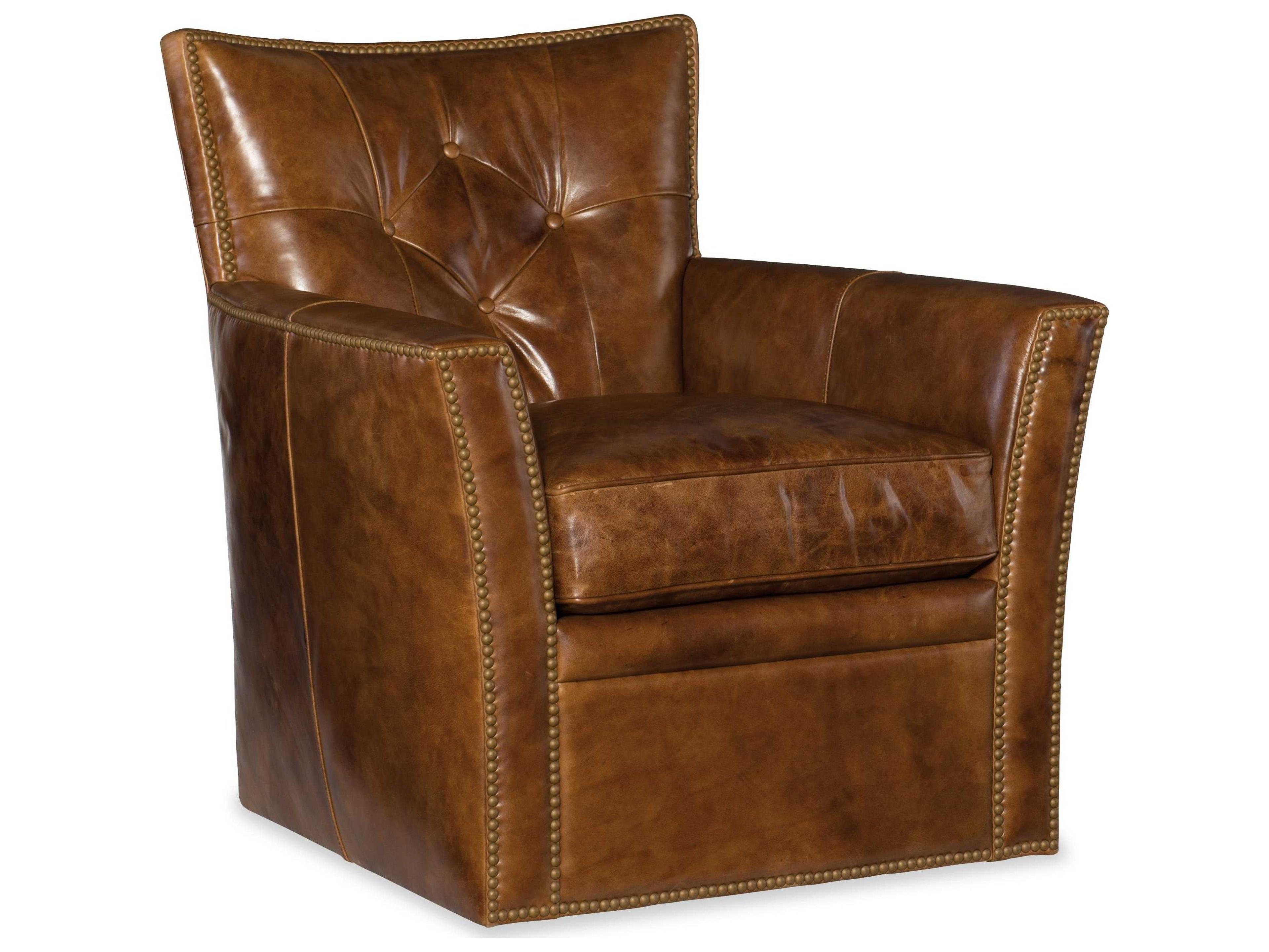
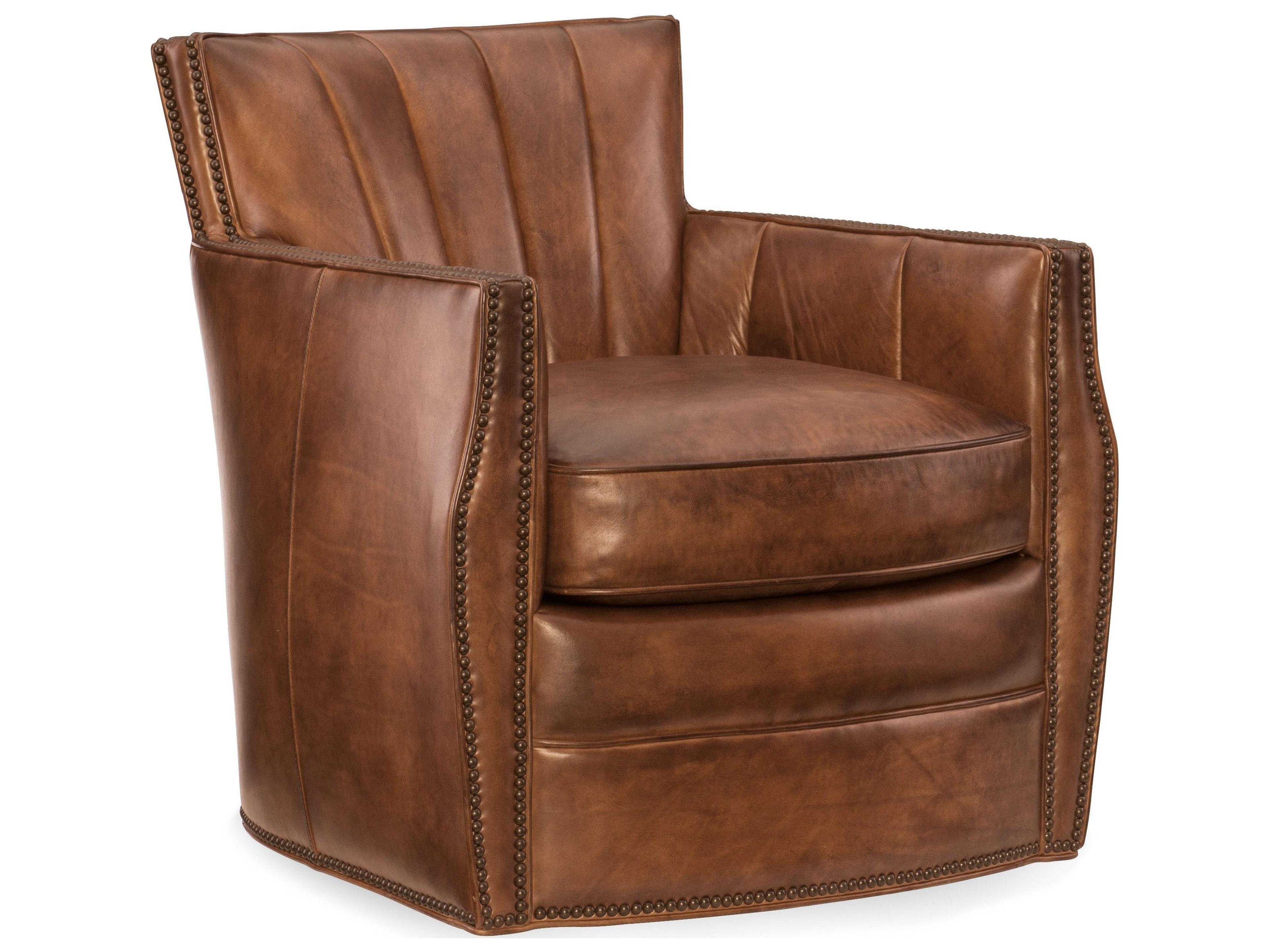
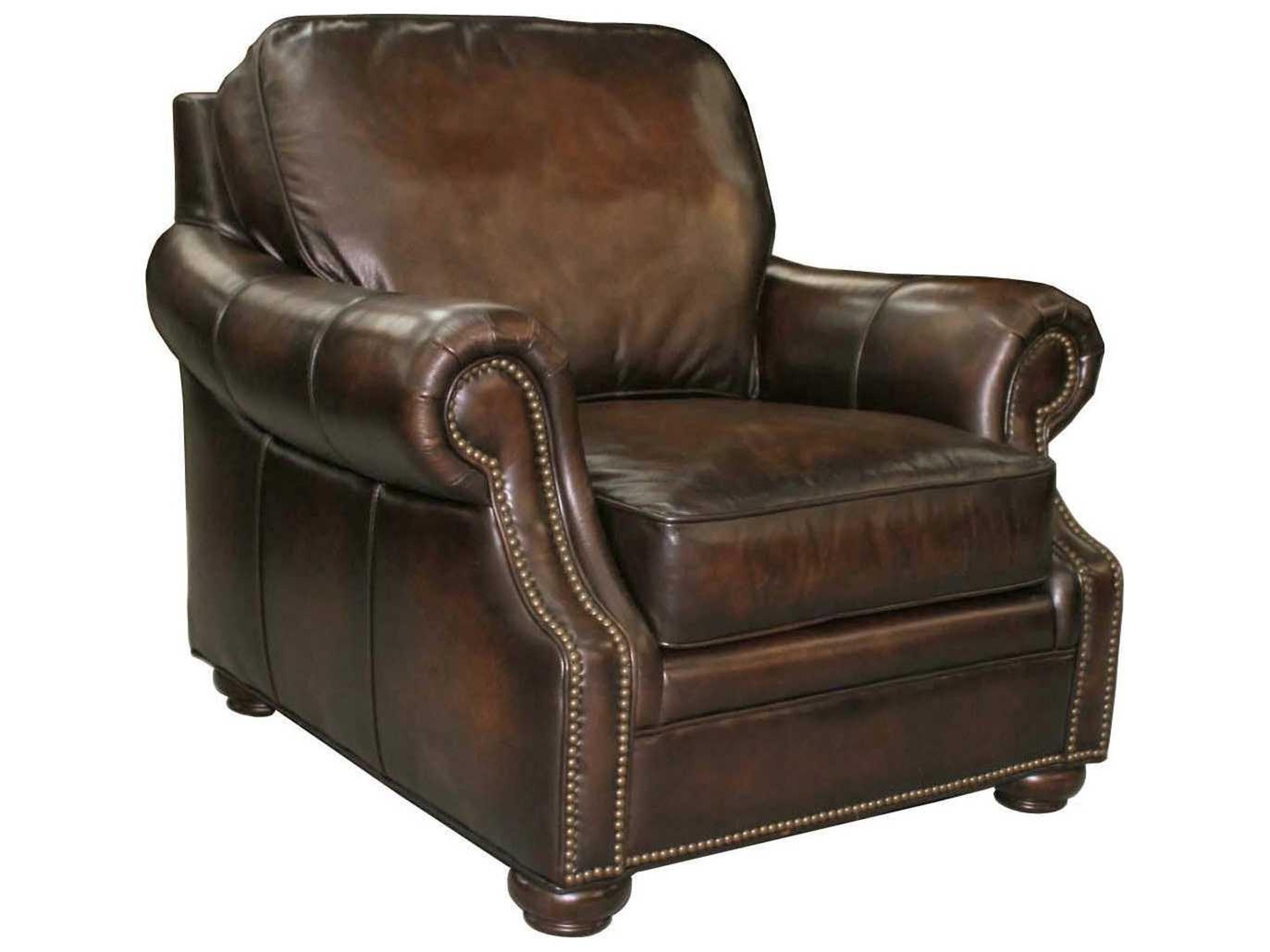
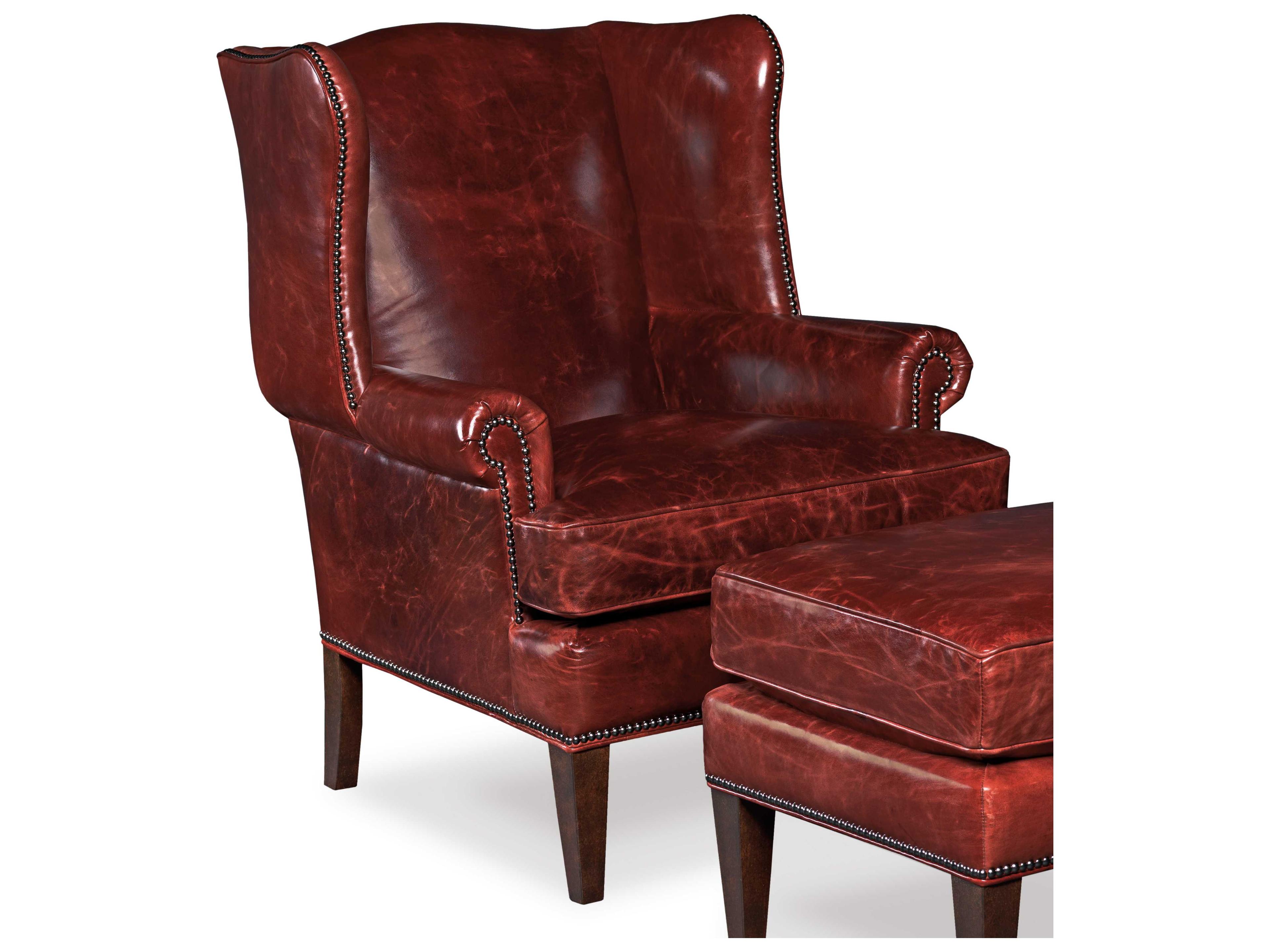
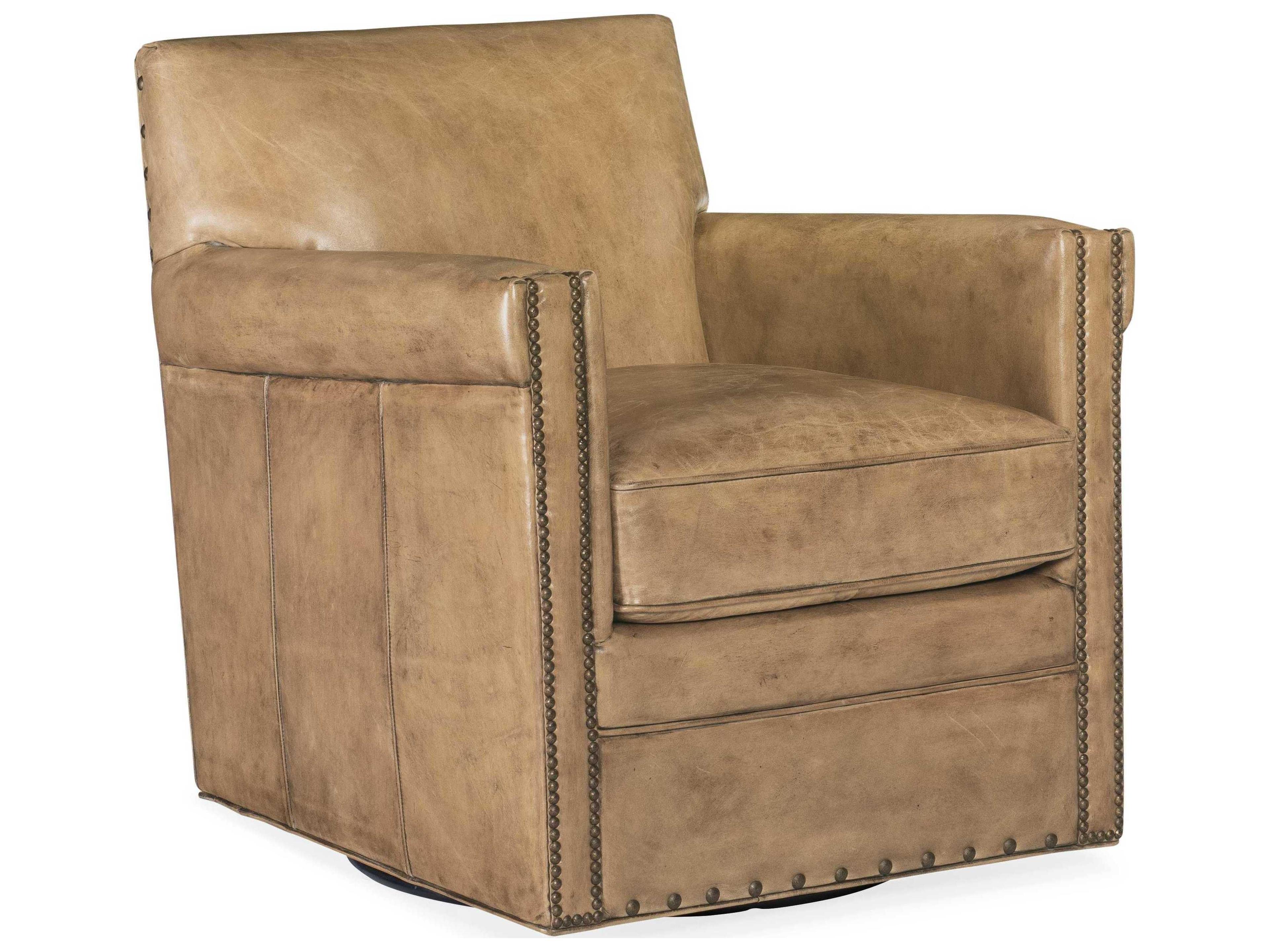
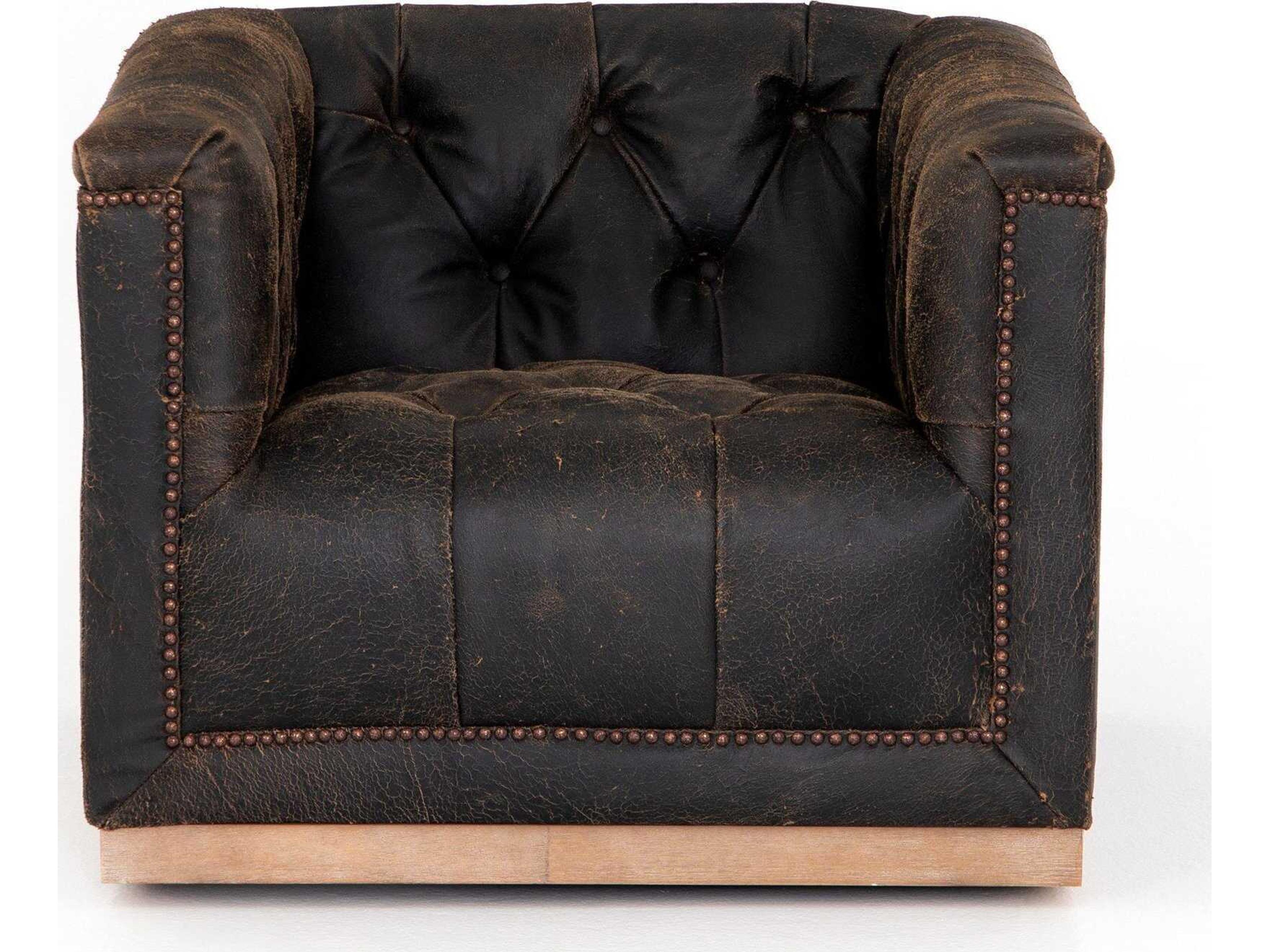
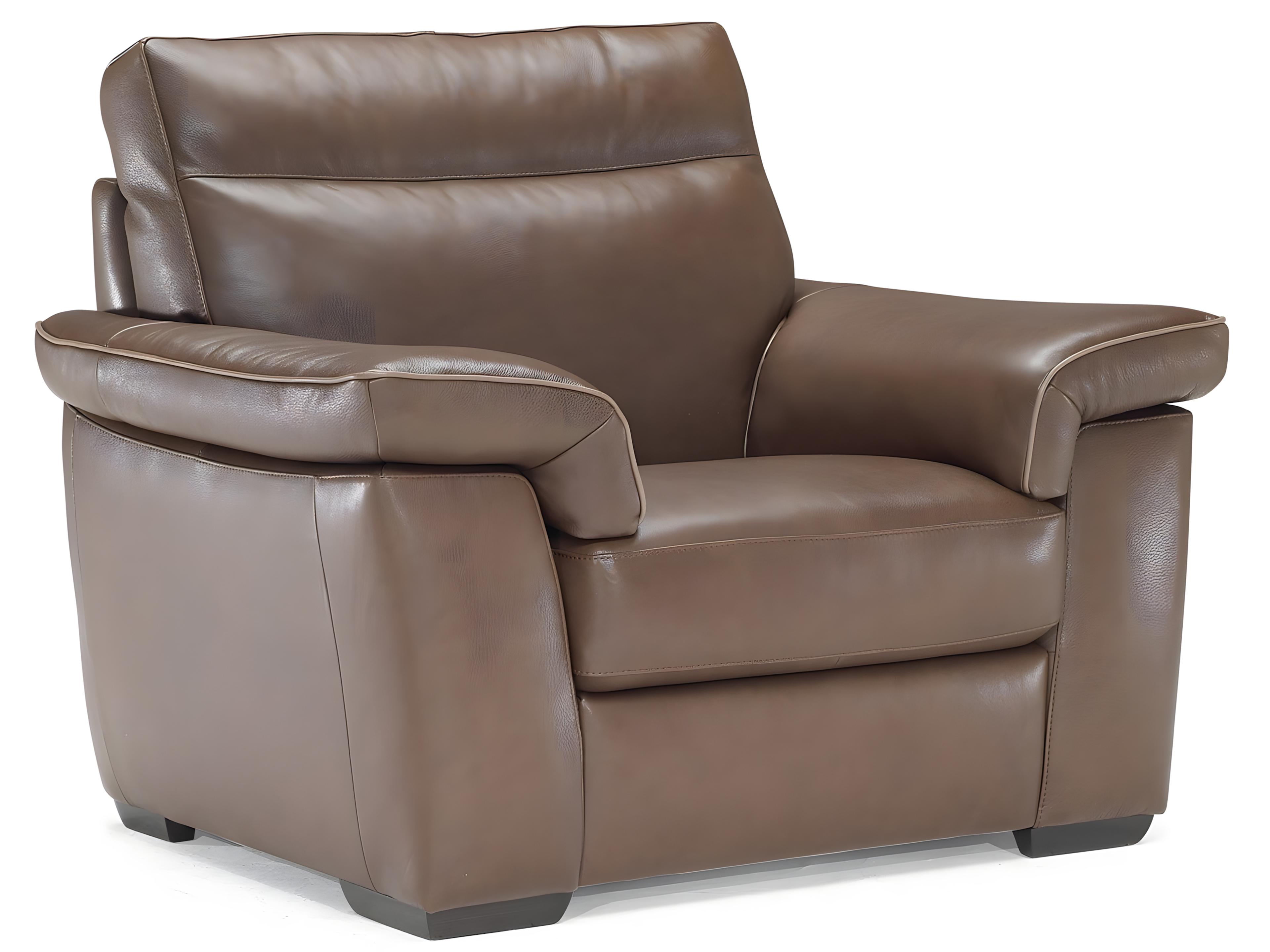
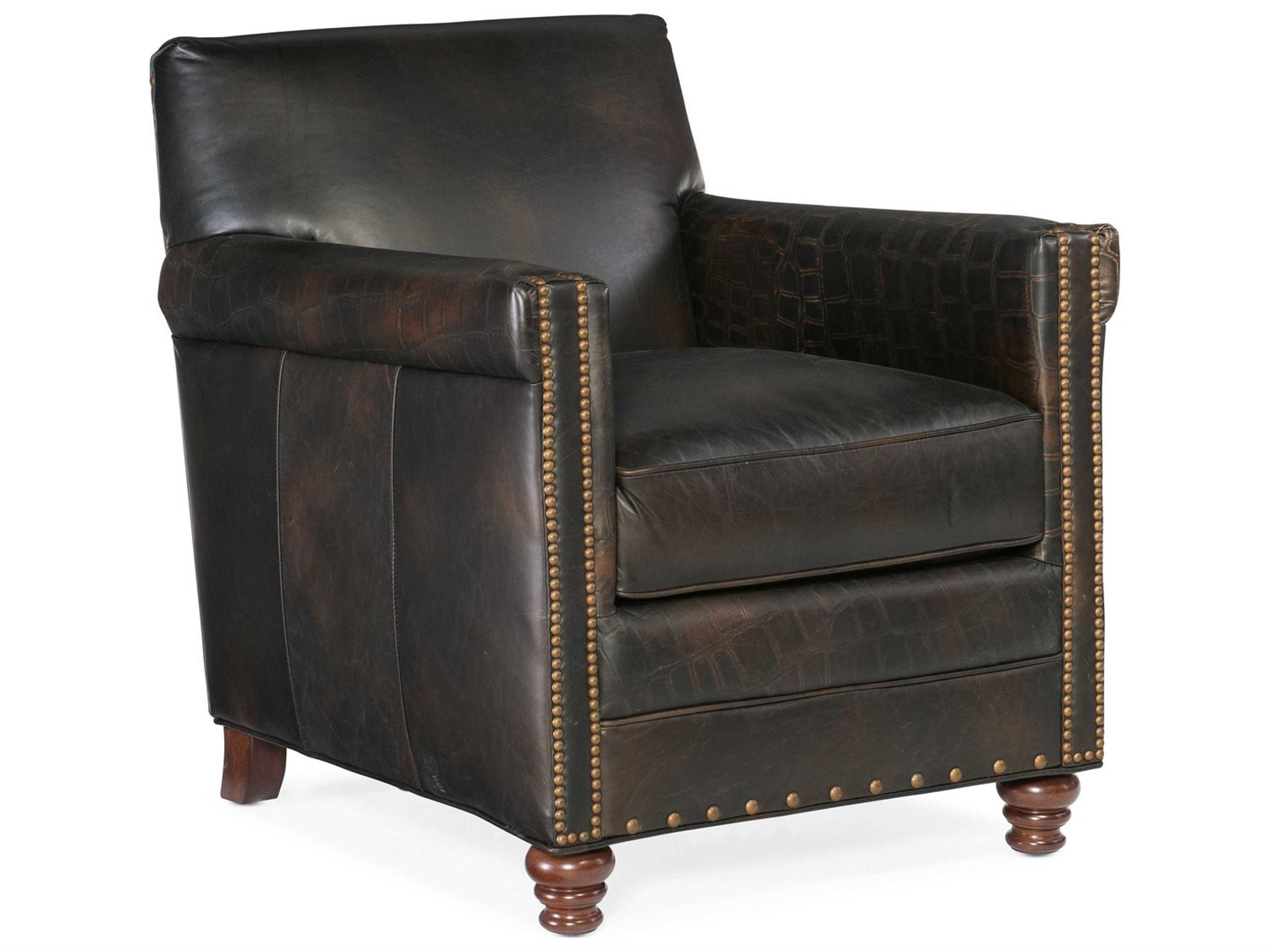
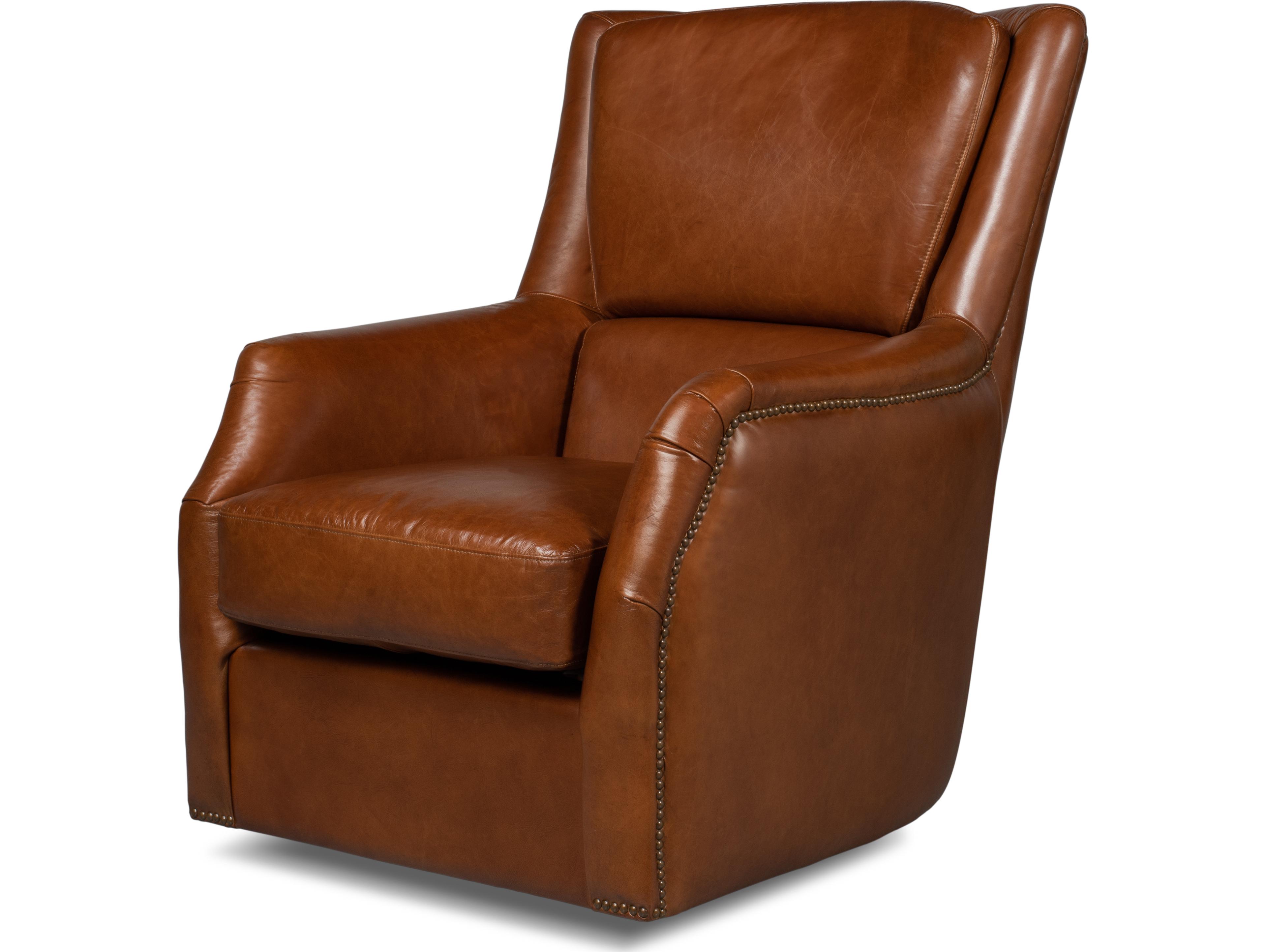
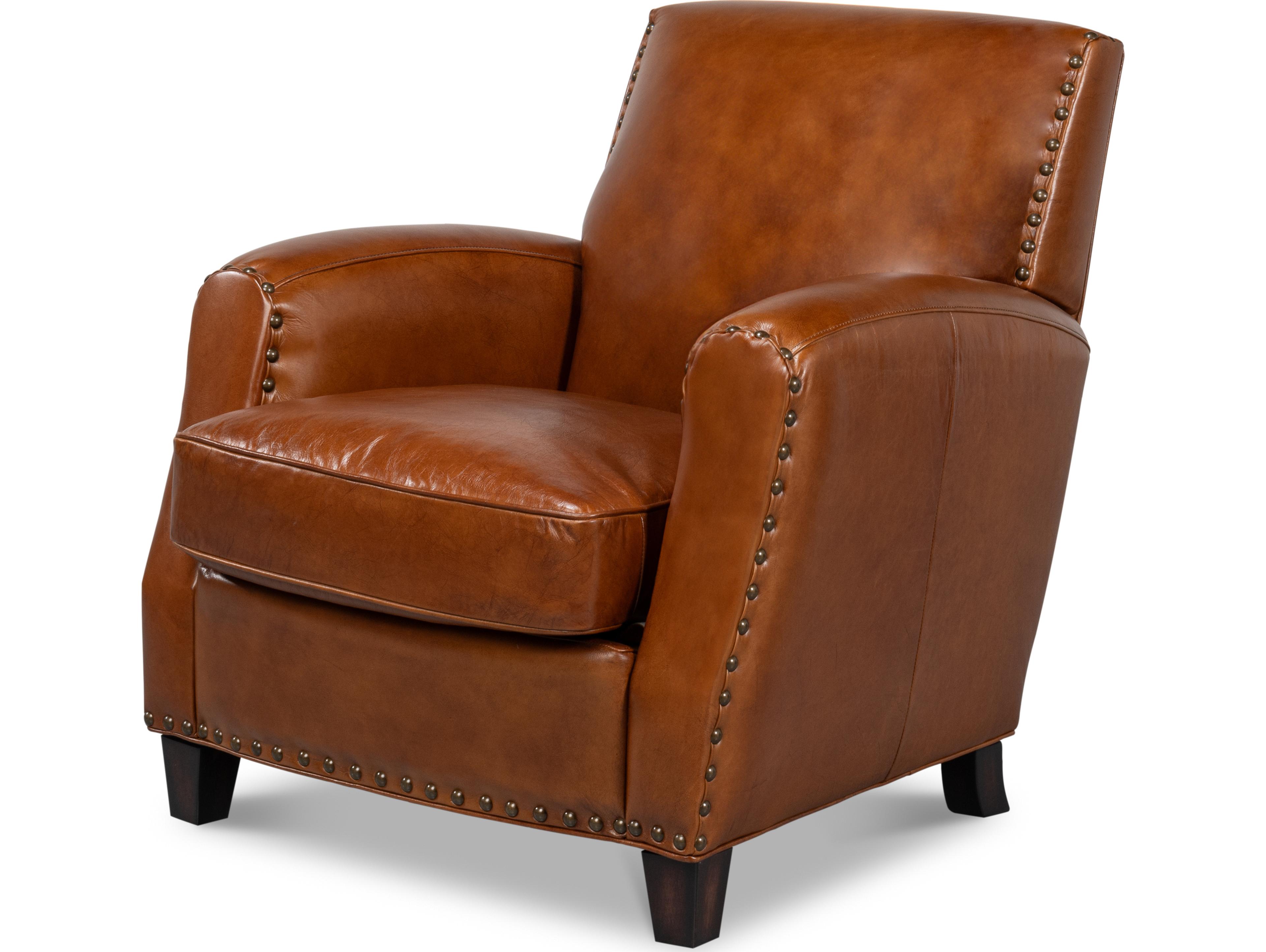
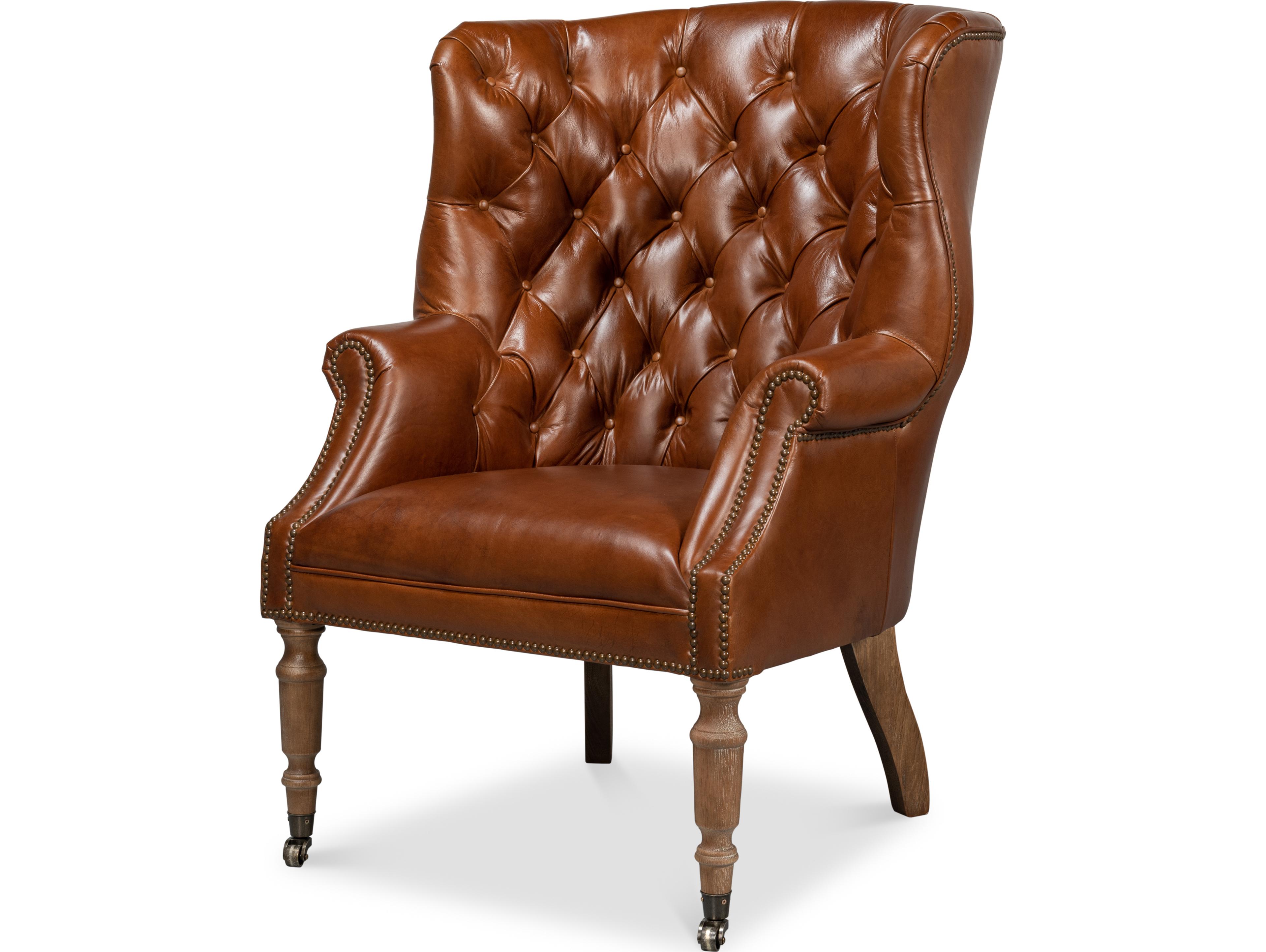
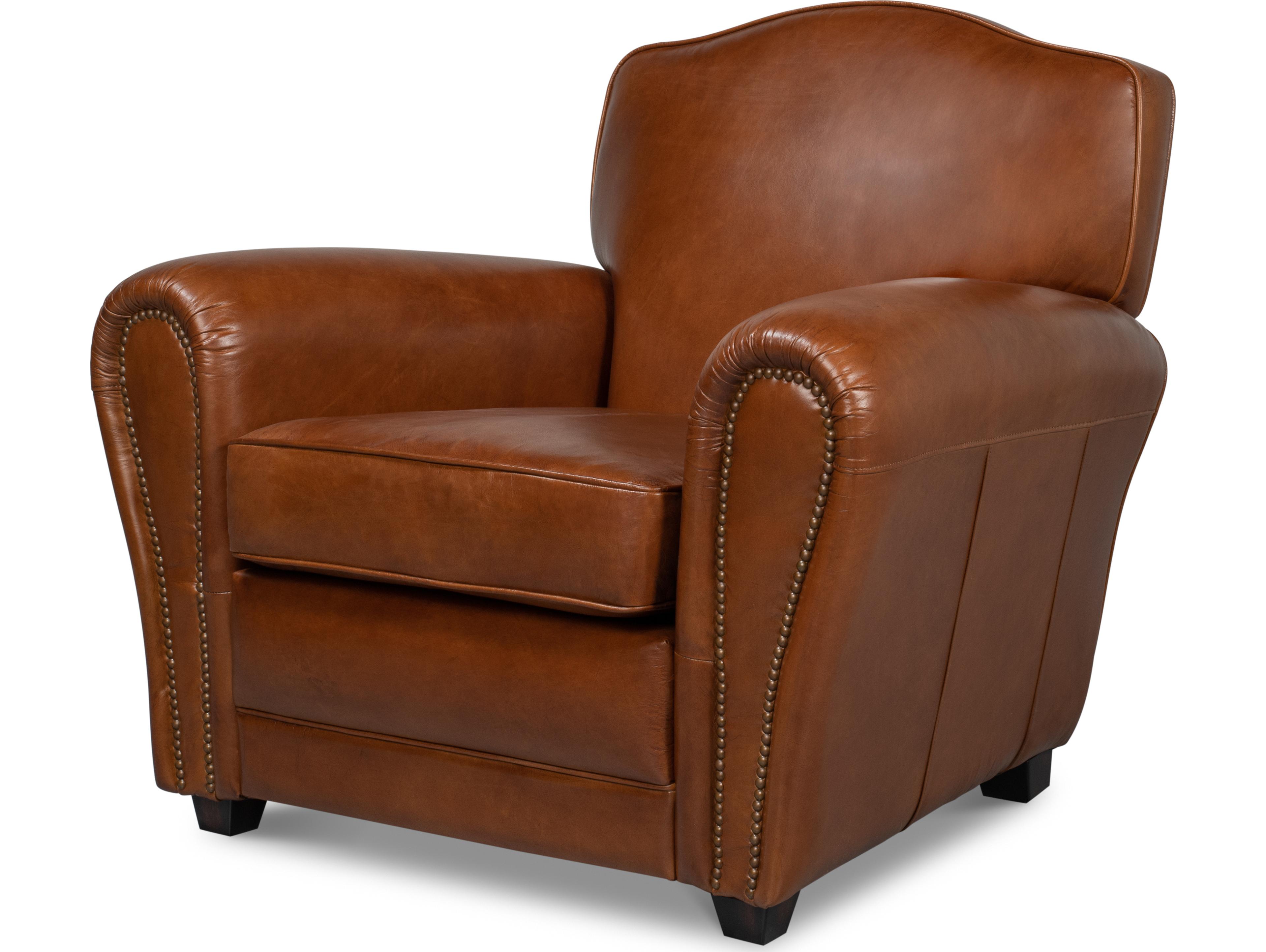
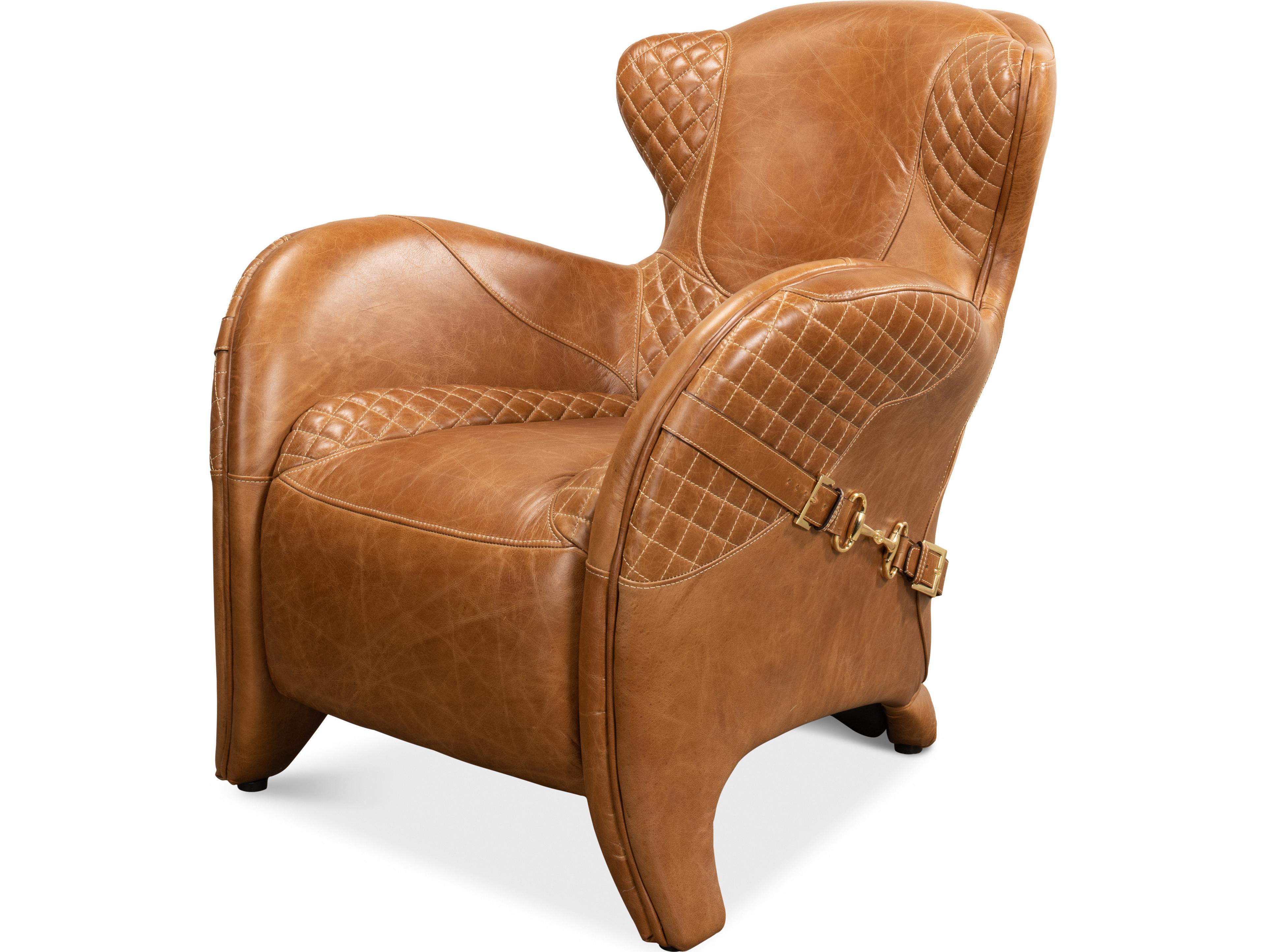
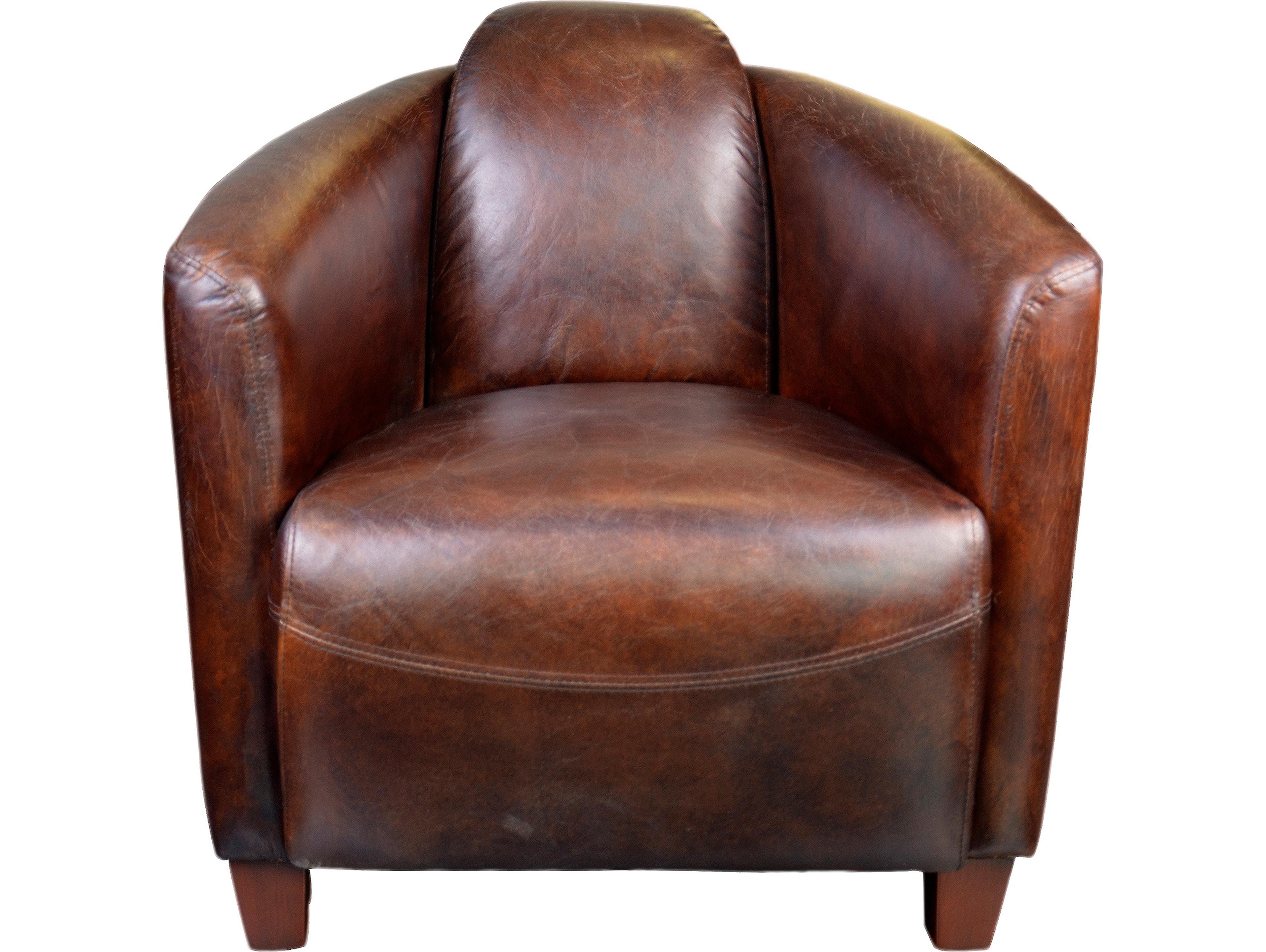
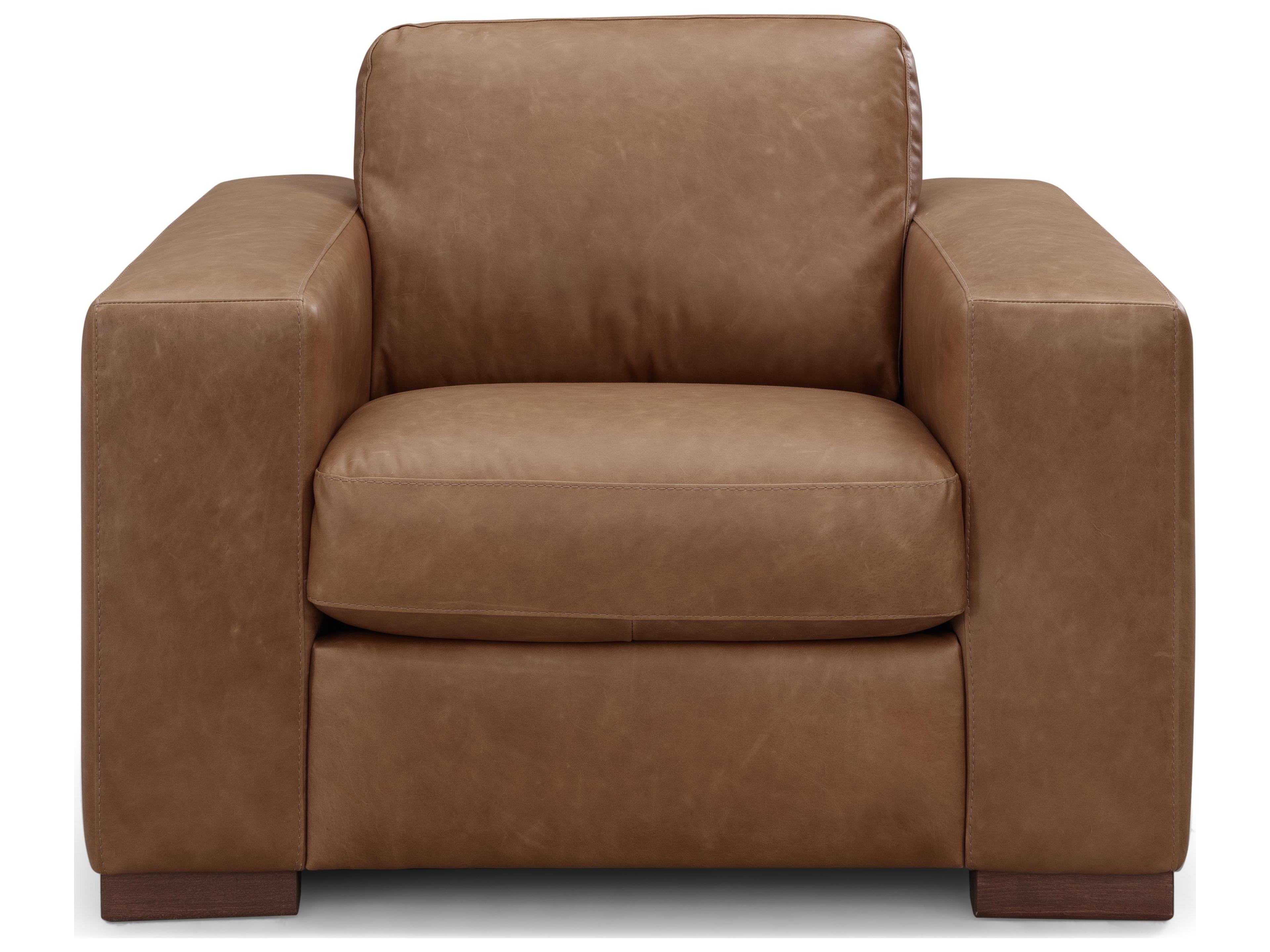
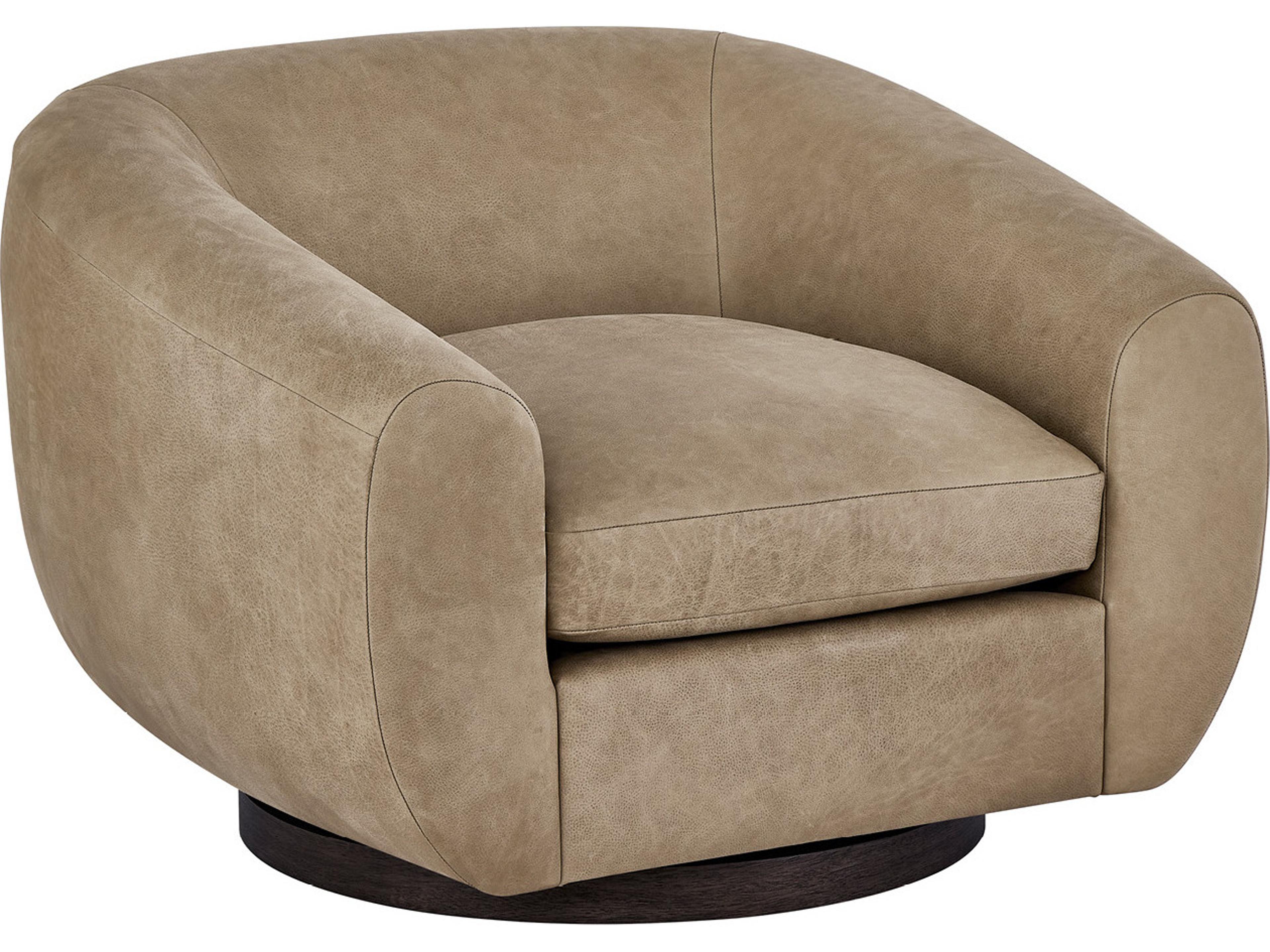
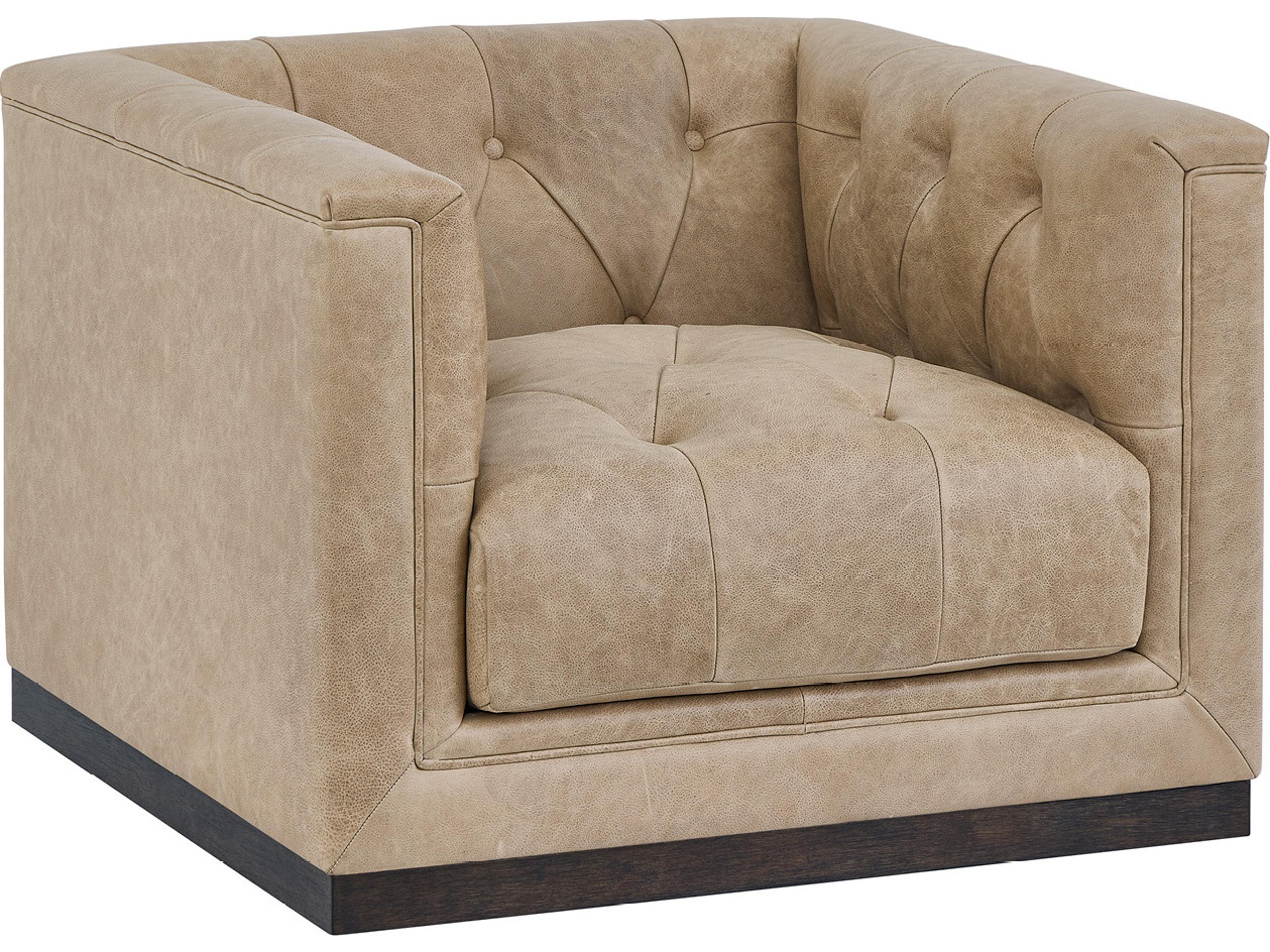
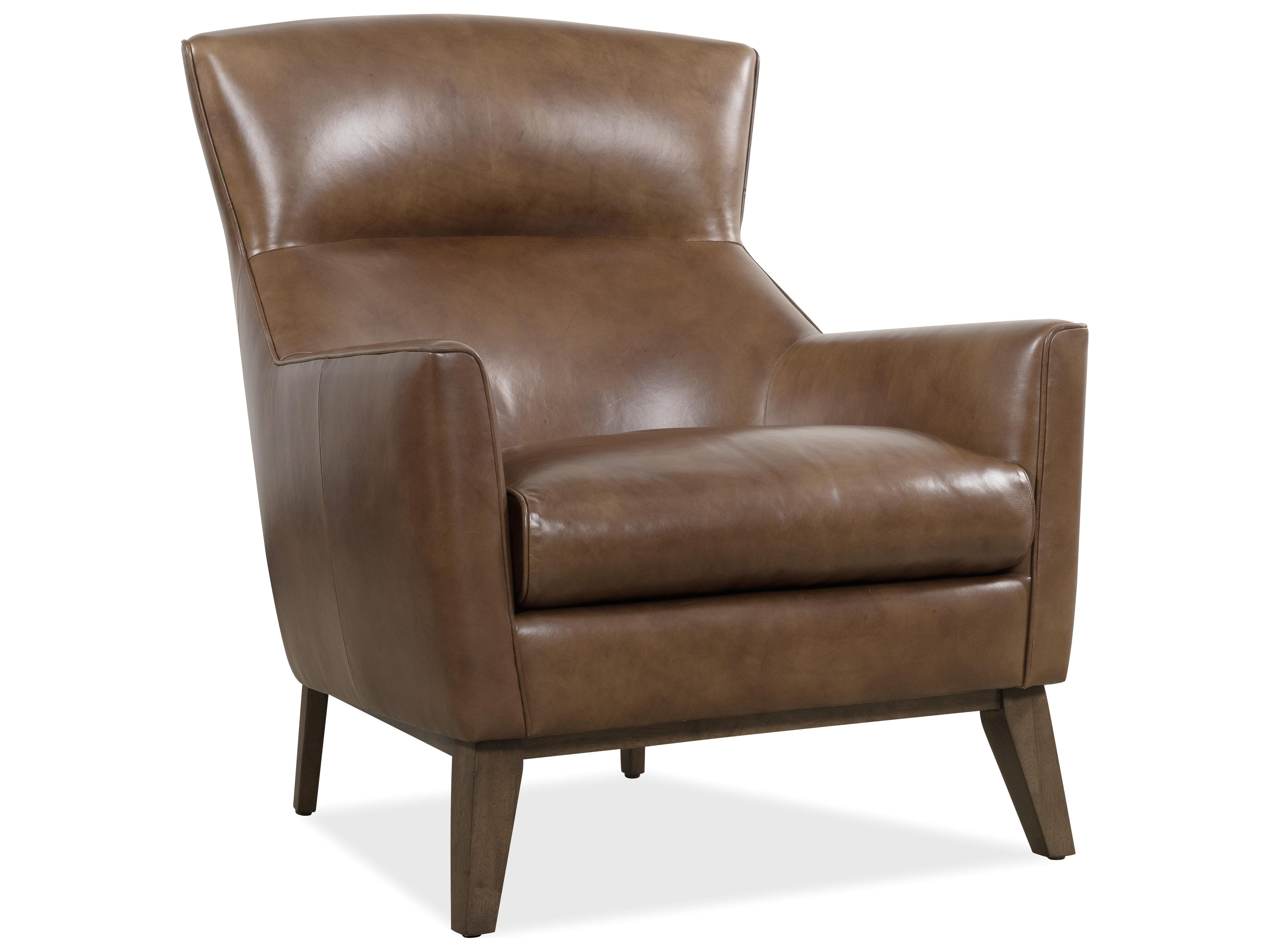
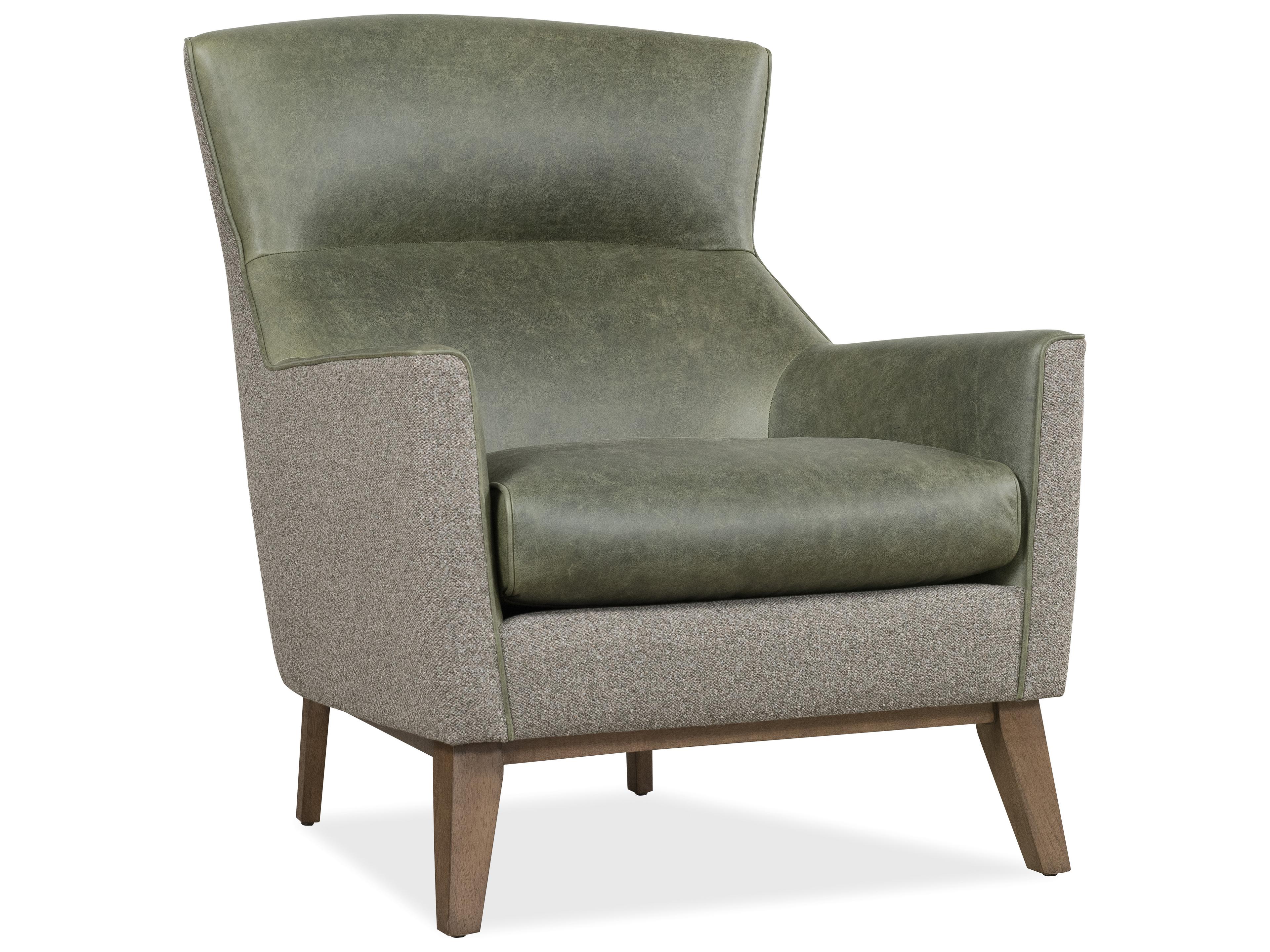
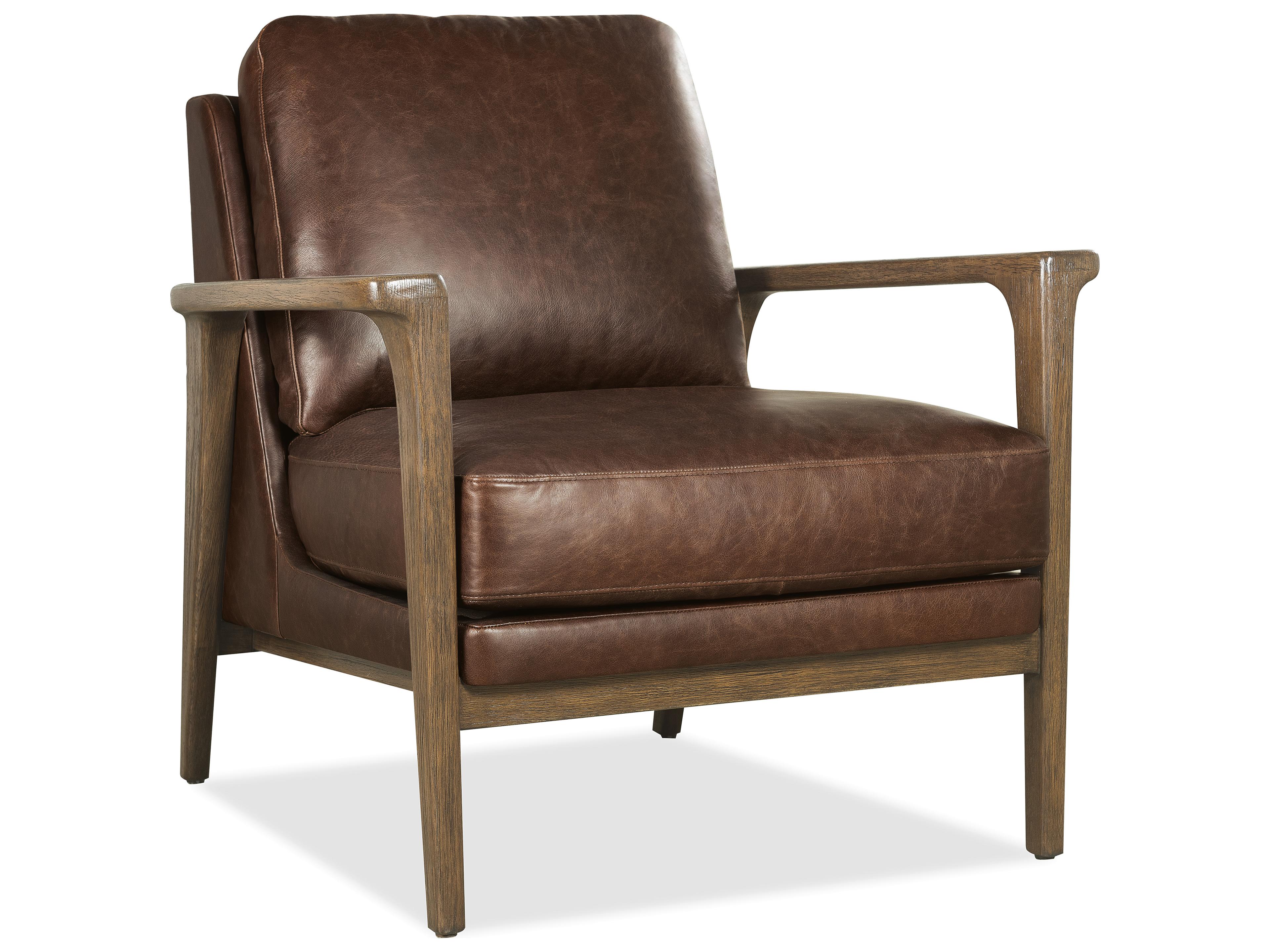
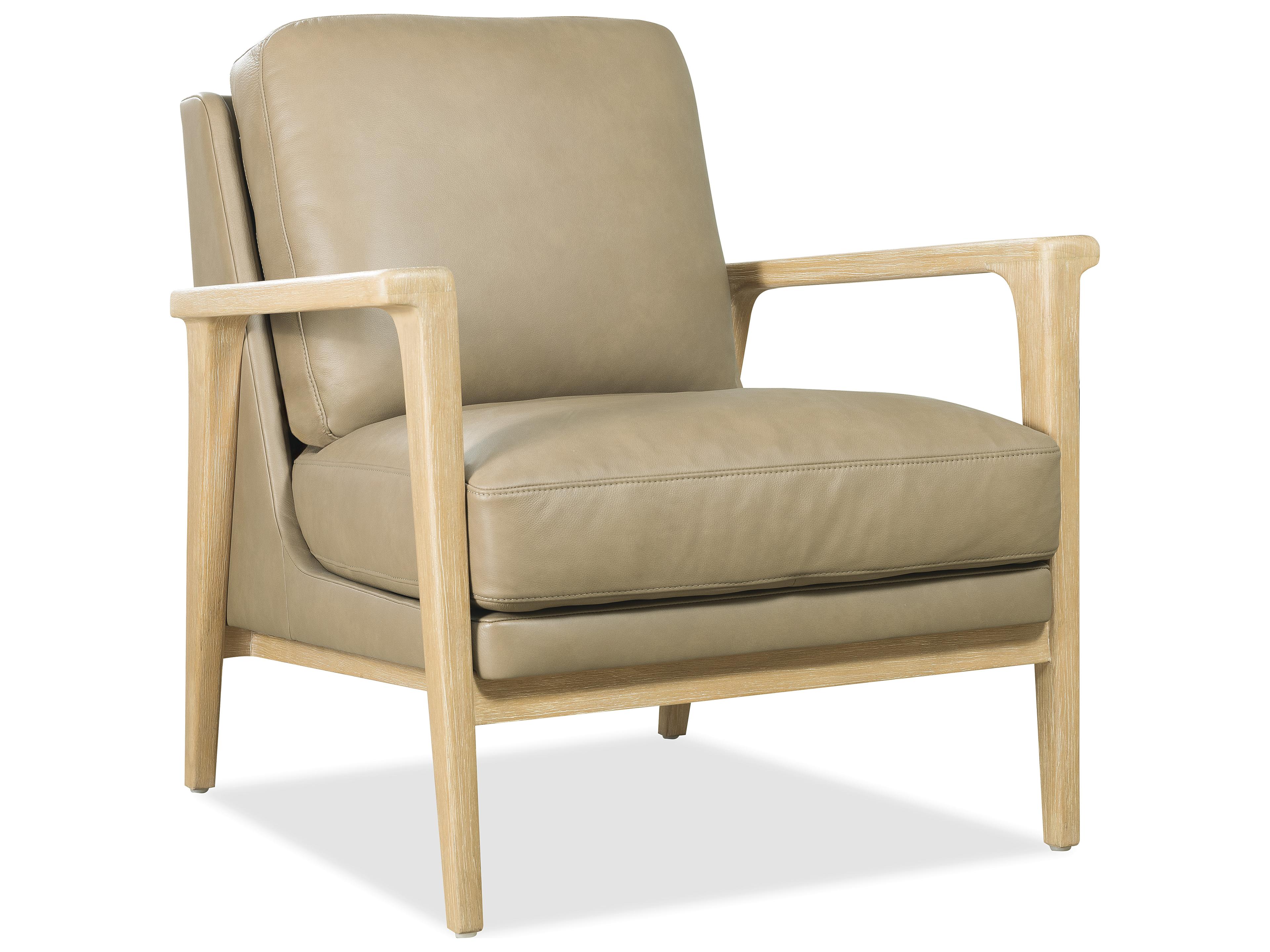
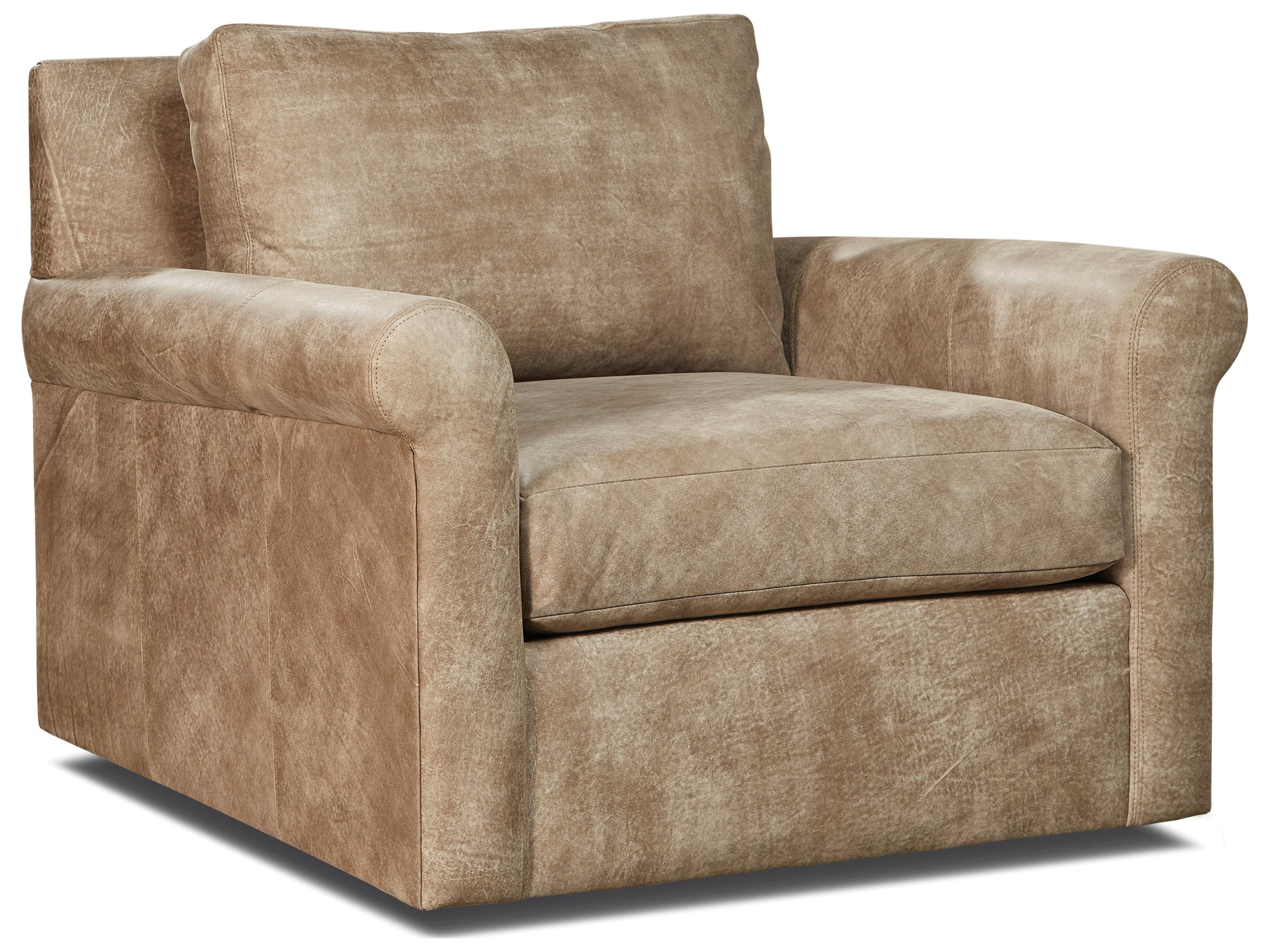
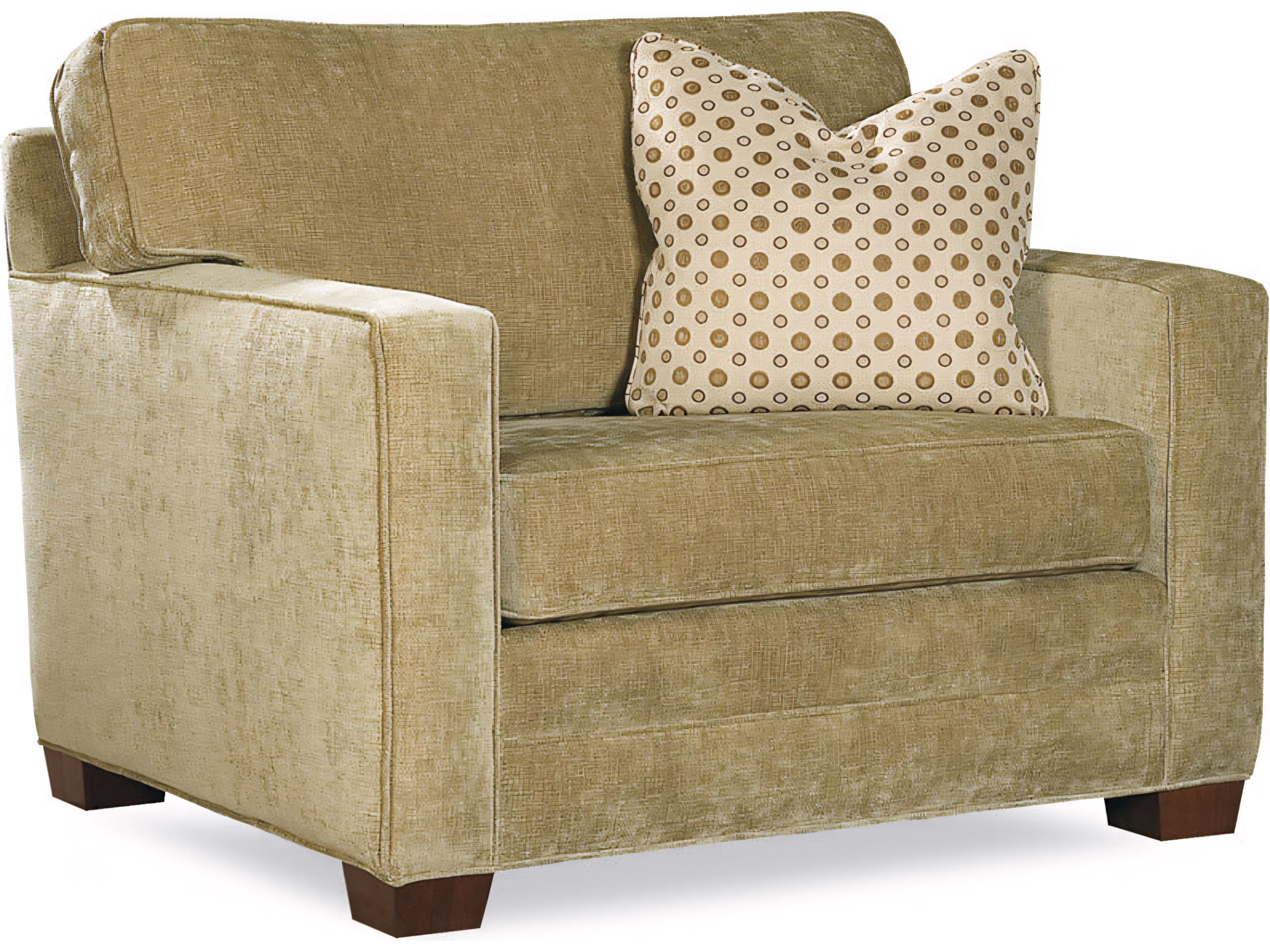
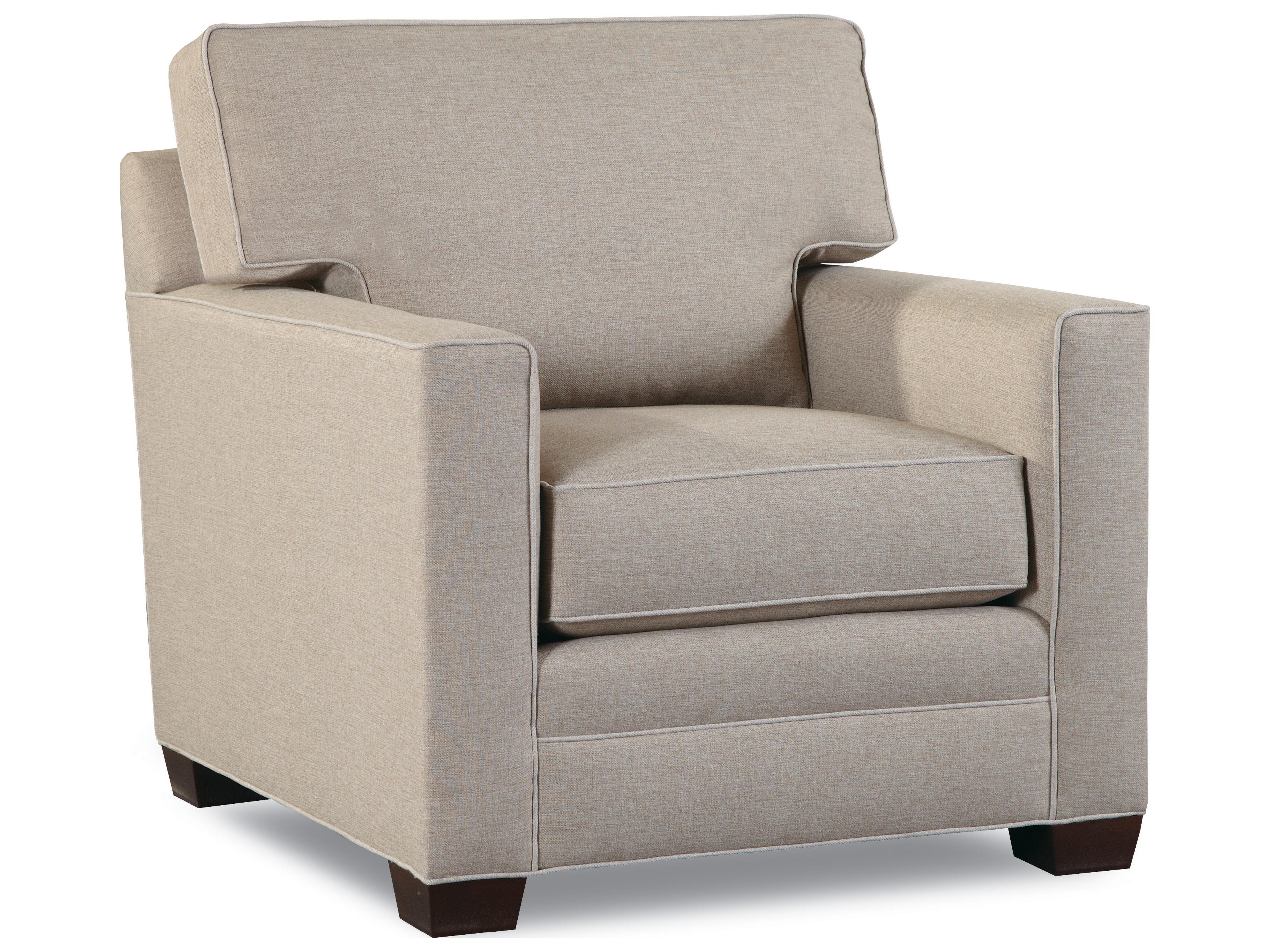
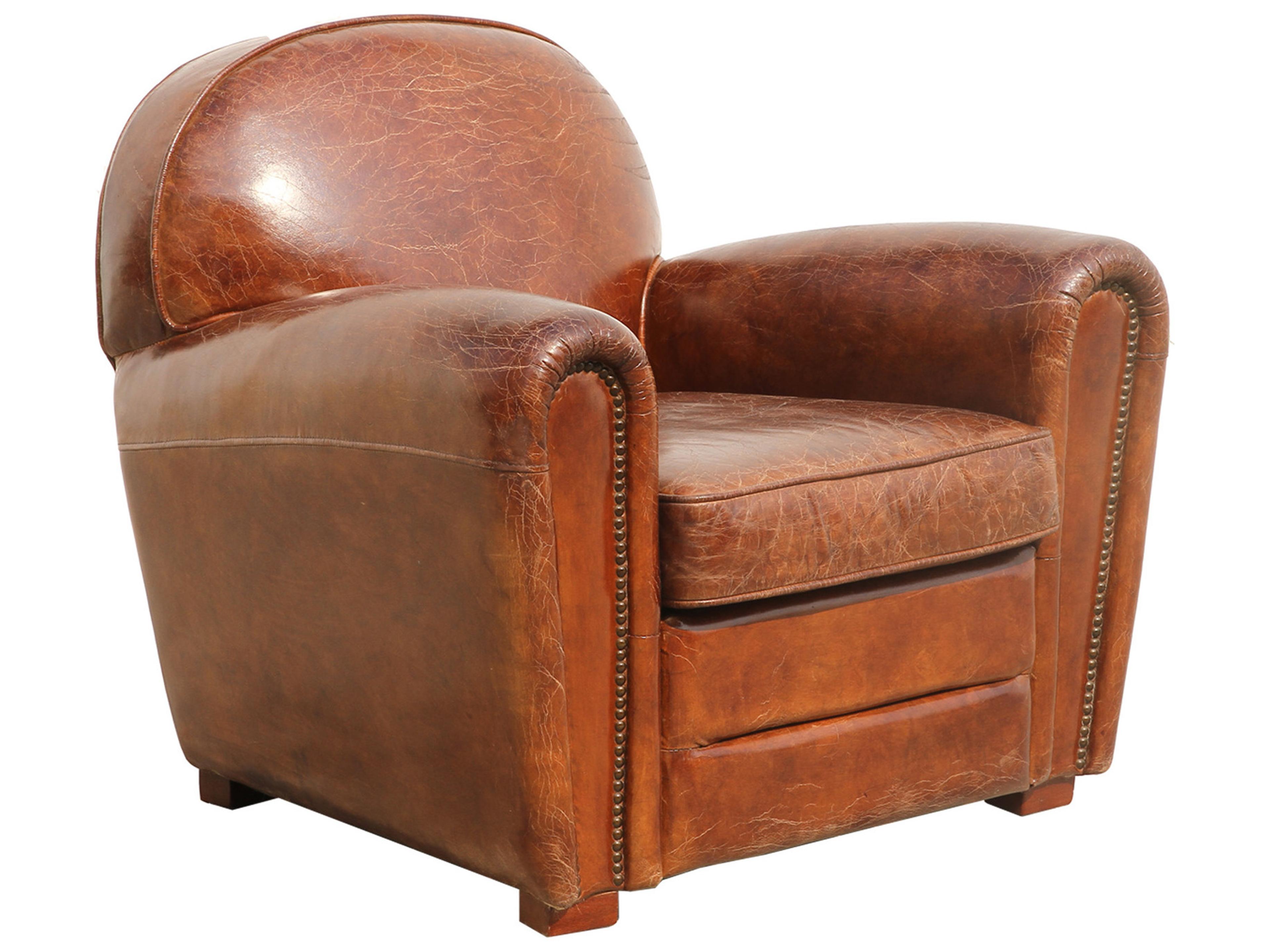
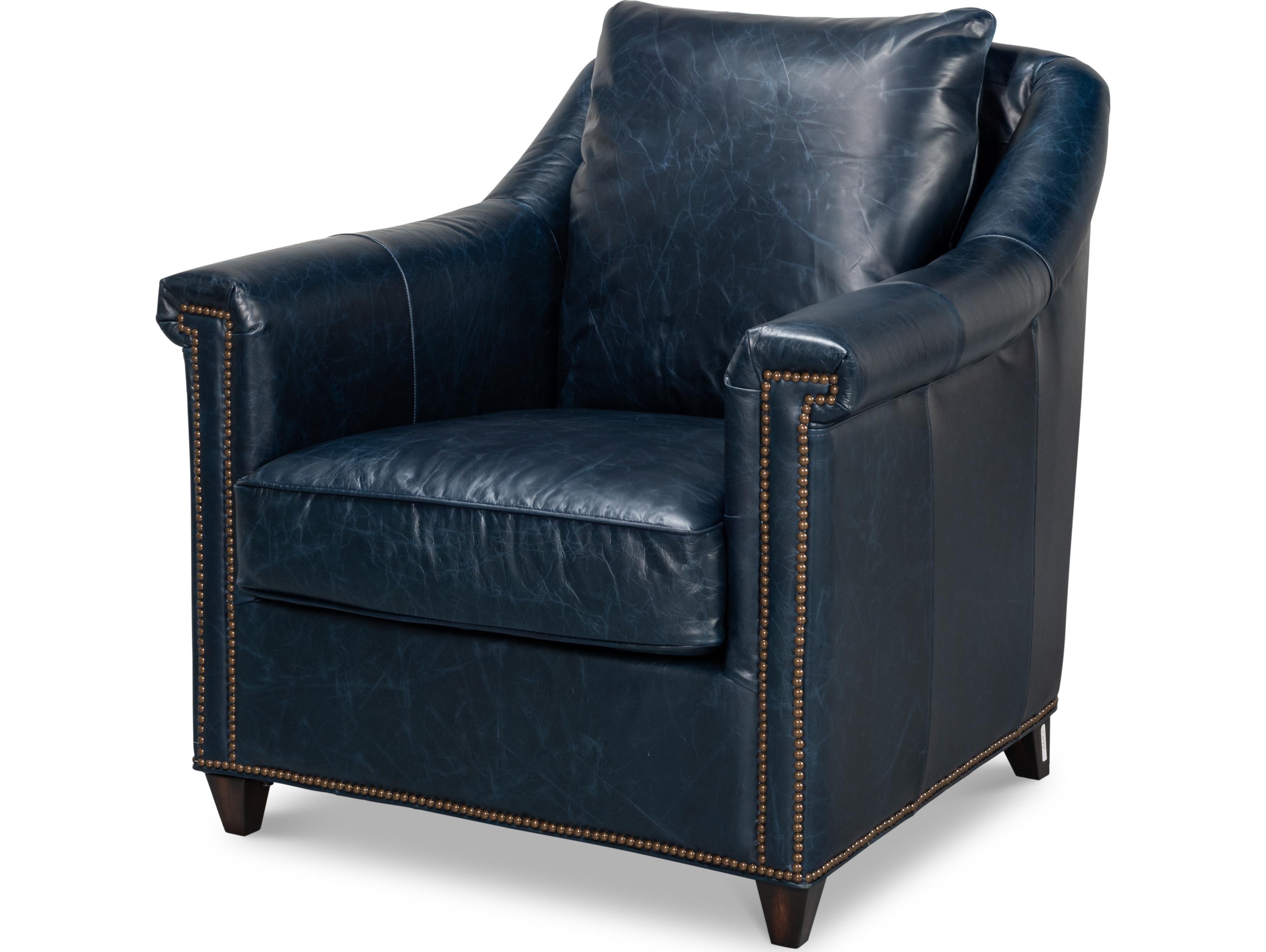
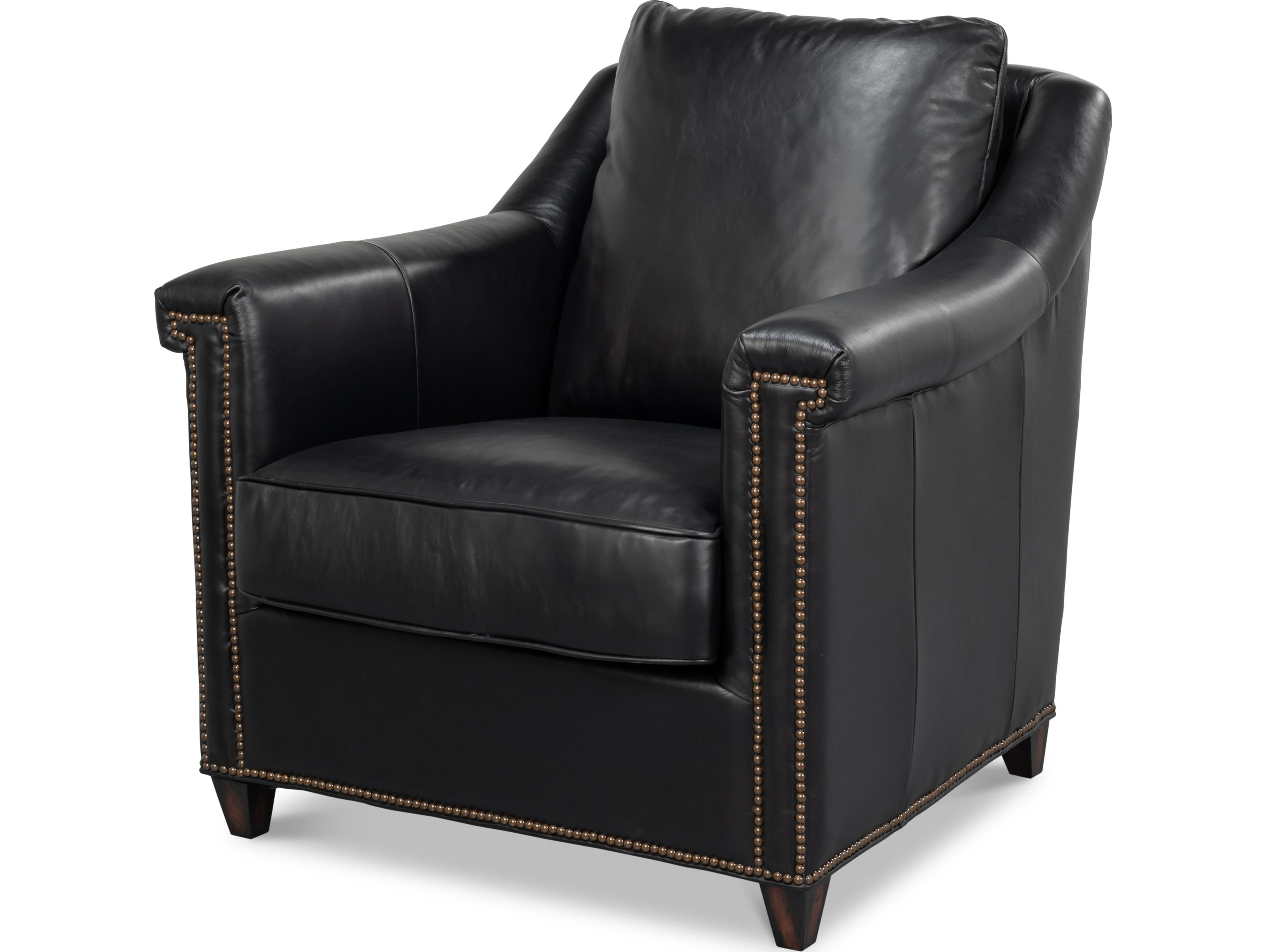
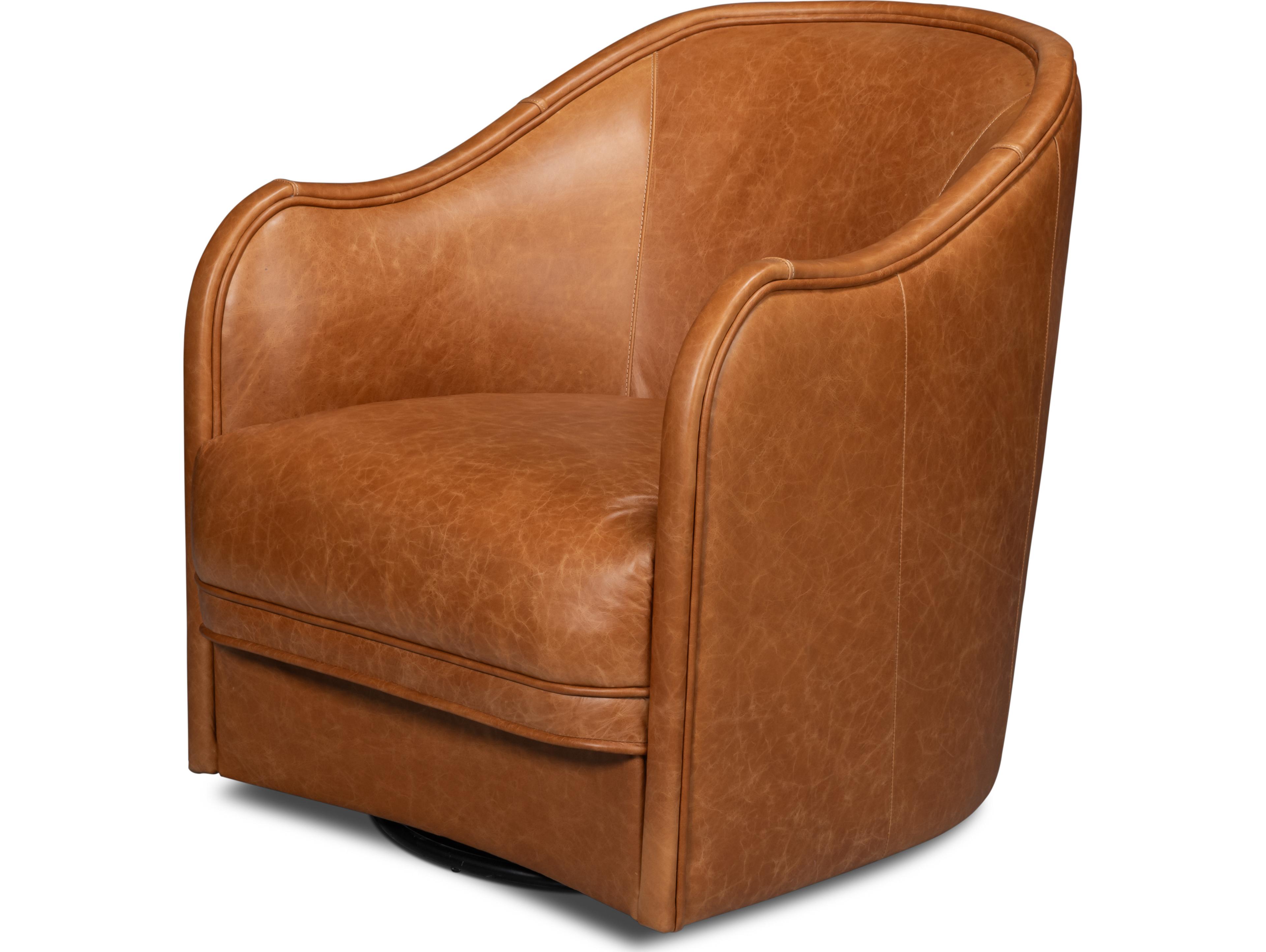
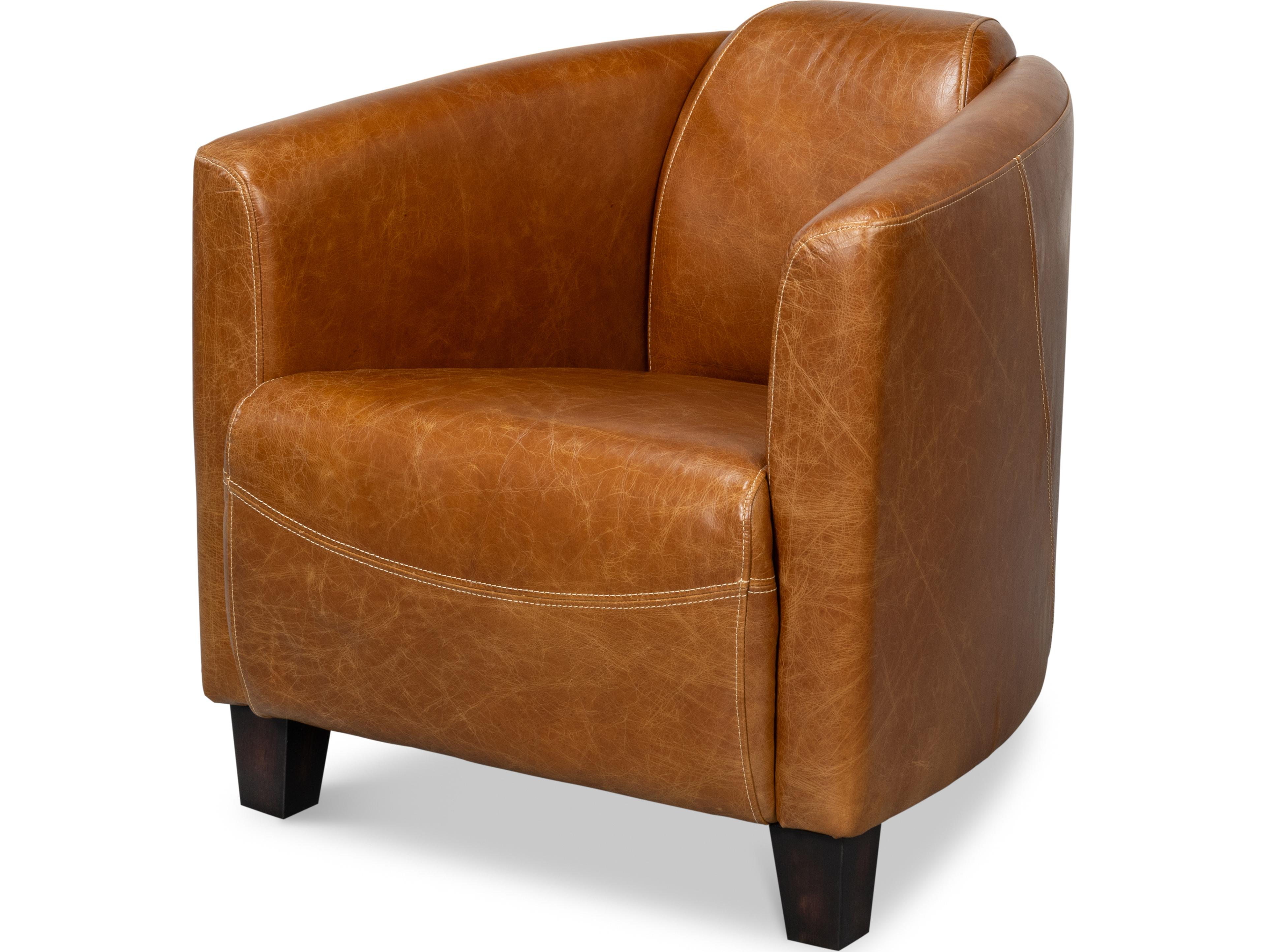
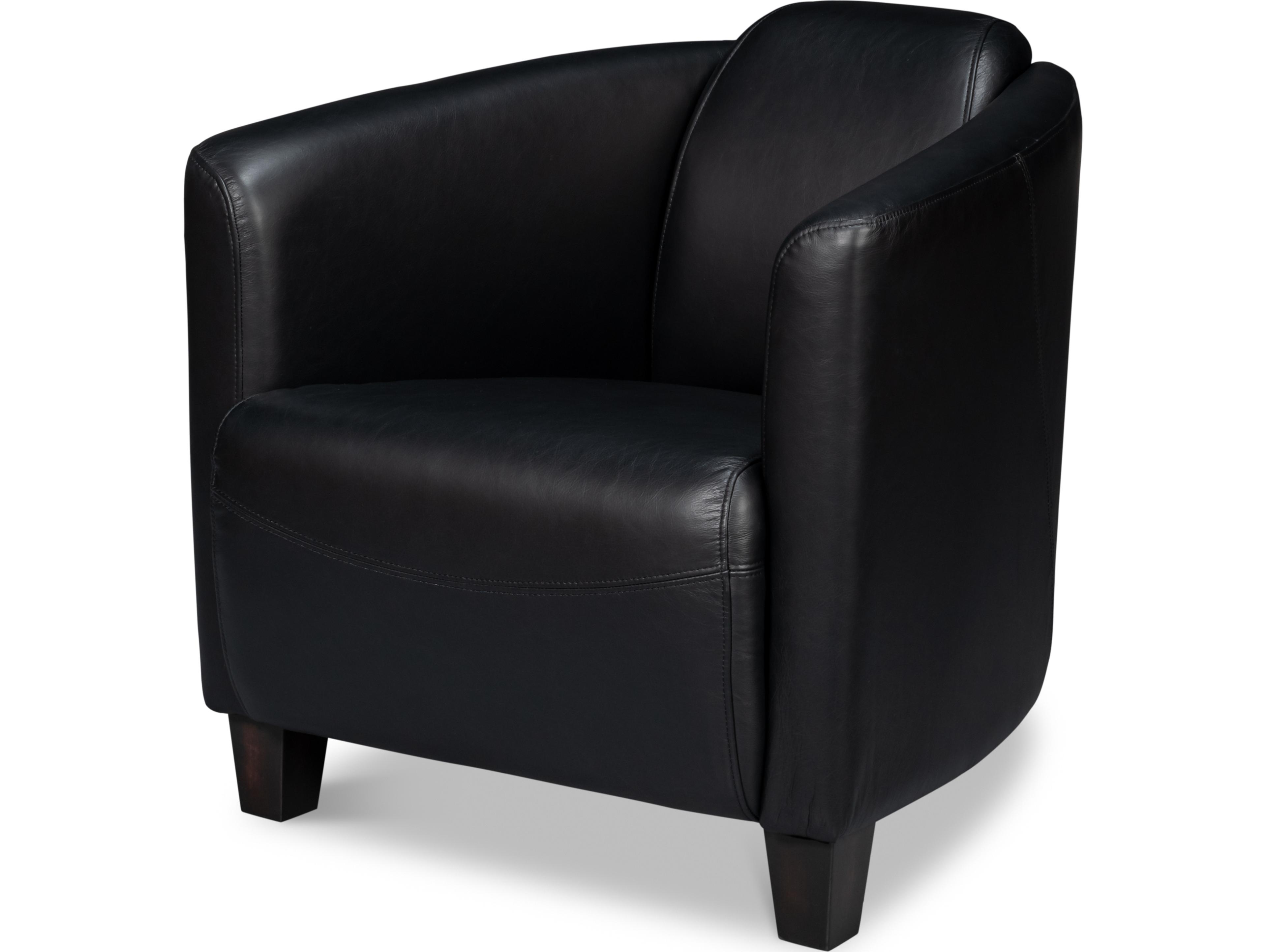
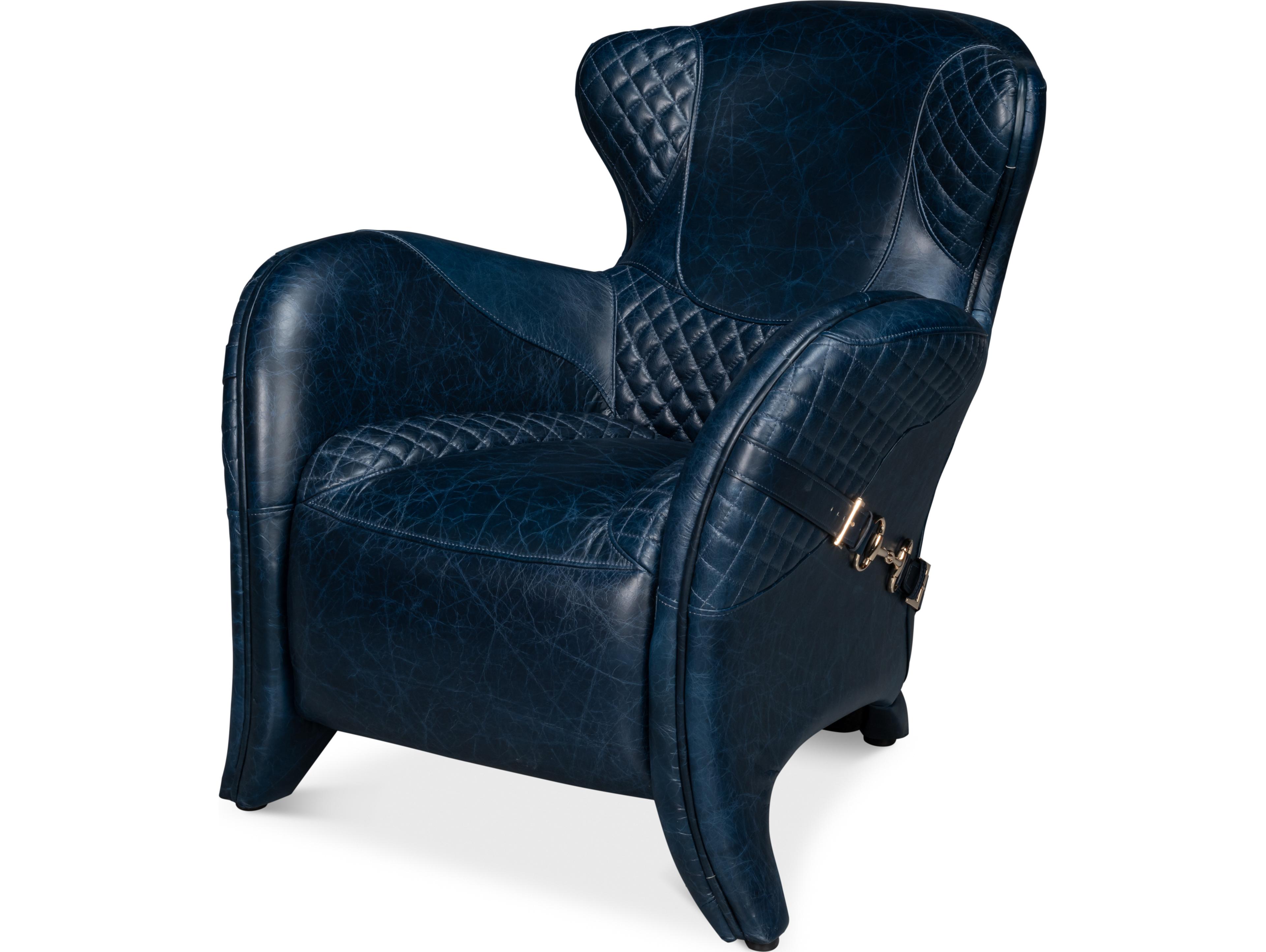
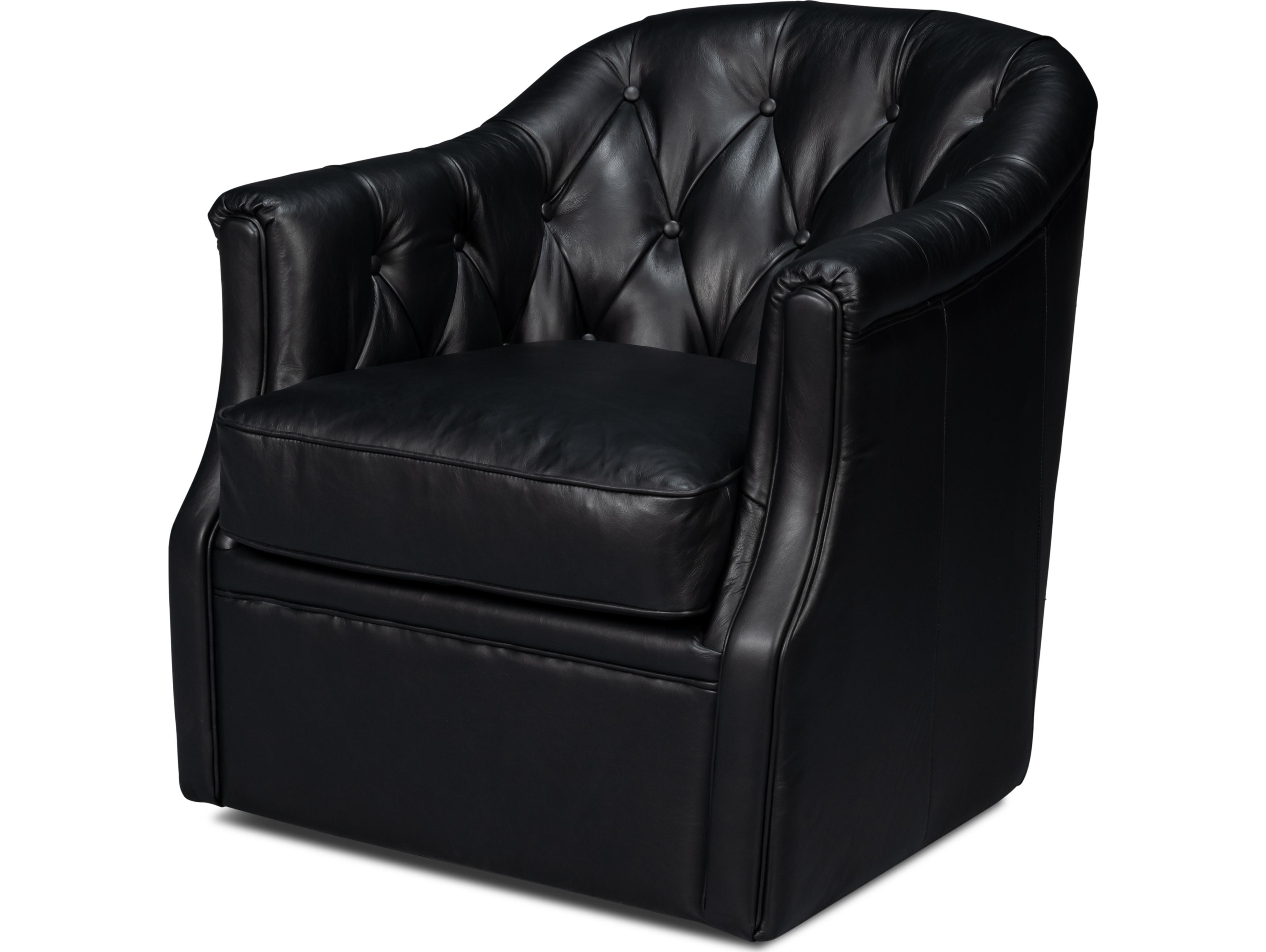
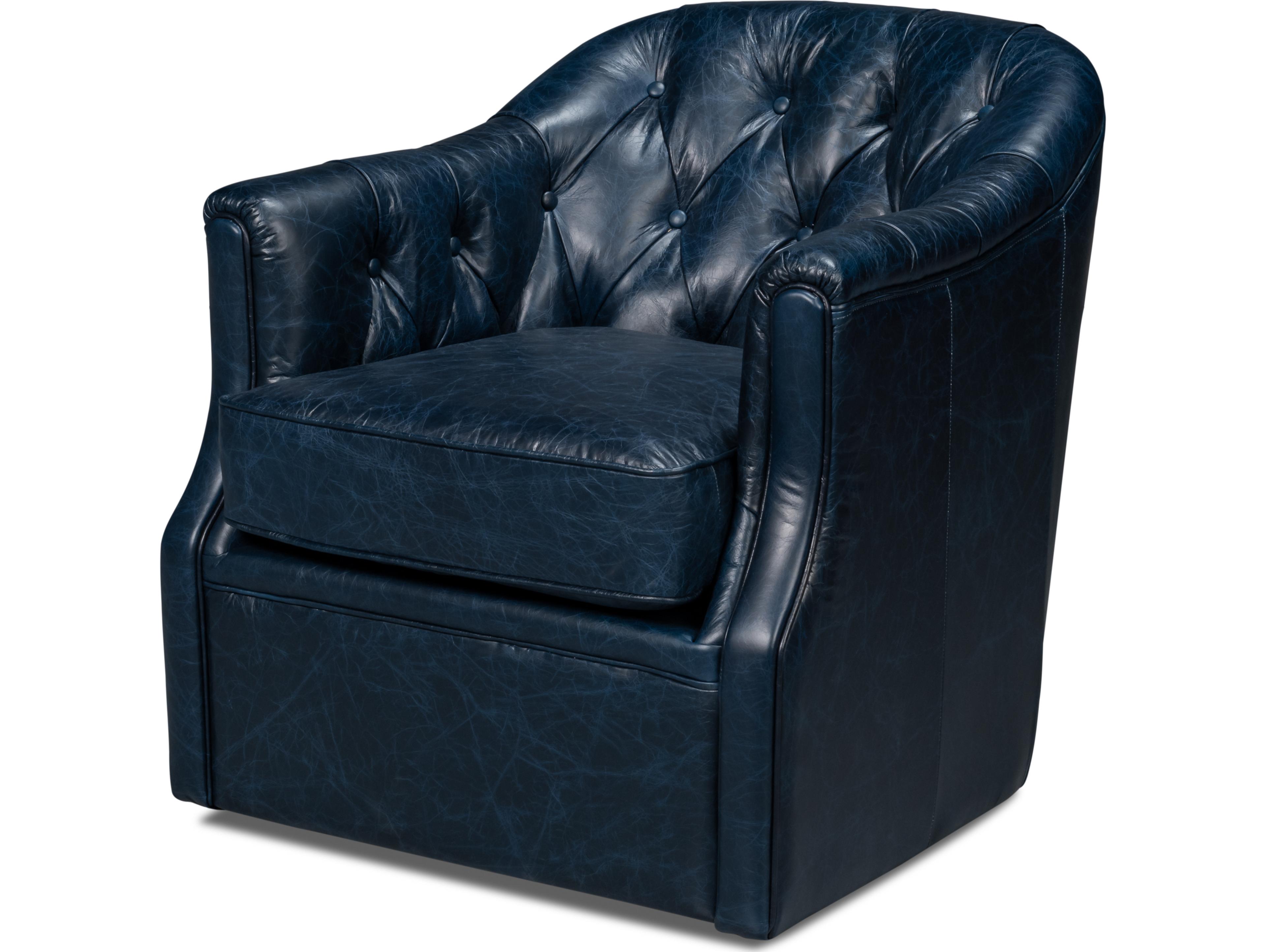
Picture a leather club chair beside a reading lamp and a low side table. That's not just a styling cliché — it's one of the most functional seating arrangements in a home. The deep seat and wide padded arms make a club chair comfortable for hours at a stretch, whether you're reading, having a conversation, or sitting quietly with a drink after dinner. Unlike thinner accent chairs built mostly for looks, a well-made leather club chair is designed to be used every day.
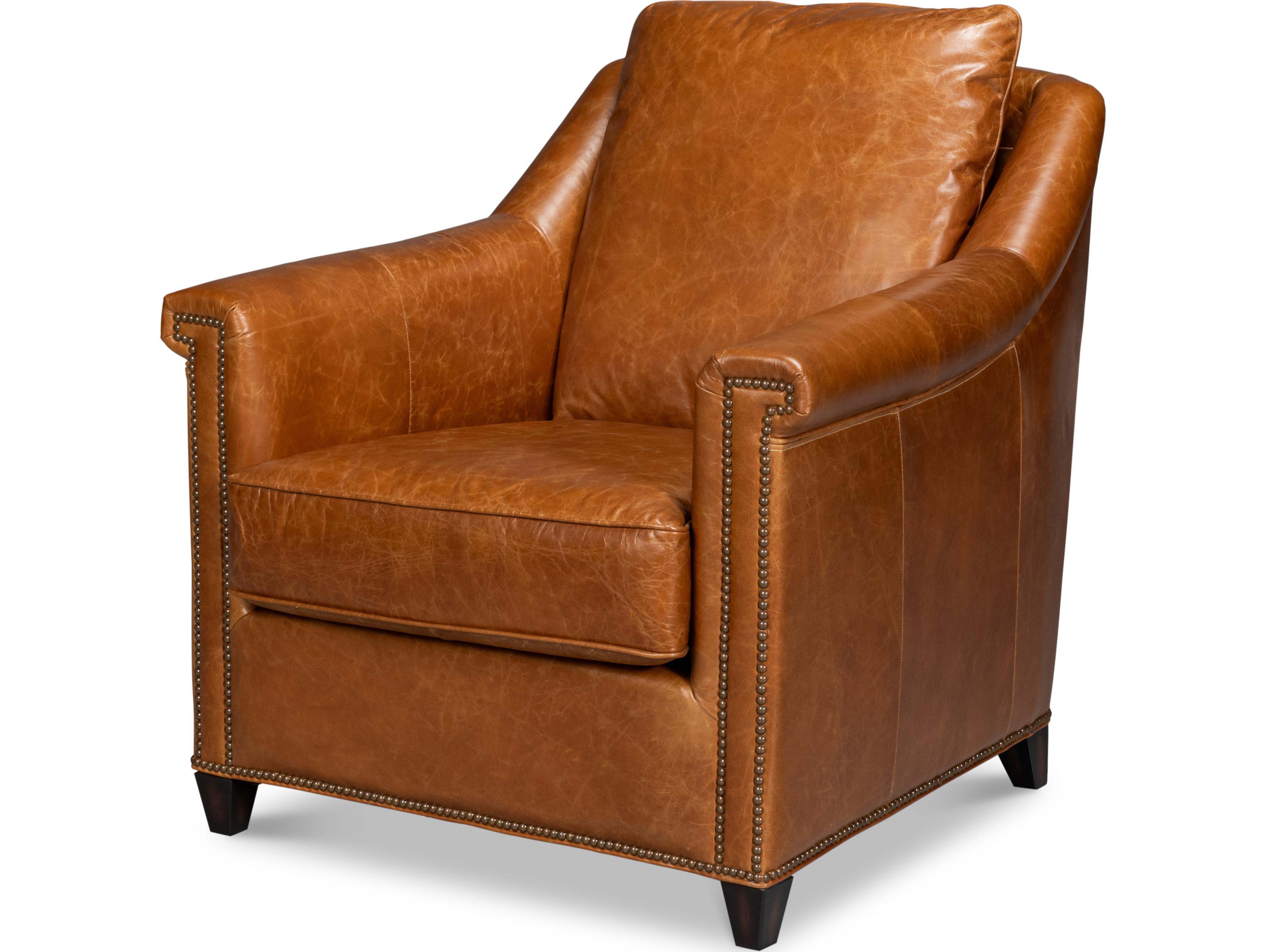
These chairs fit more rooms than most people expect. A compact club chair works naturally in a home office as an alternative seat during long calls. Pair two facing each other across a coffee table in the living room for an intimate conversation area. In a study or library, a single chair becomes the seat you return to every evening.
Full-grain leather is the top layer of the hide with its natural markings left intact. It develops a rich patina over years of use and softens with time. This is the most durable option and the one most closely associated with the classic club chair look. Top-grain leather has a more uniform finish — lightly sanded and sealed for added stain resistance. It's easier to maintain, especially in homes with children or pets.
Color matters practically, not just aesthetically. Darker hides in cognac, espresso, and black forgive everyday wear. Lighter tans and caramels show patina more dramatically — beautiful if you want that lived-in character, less forgiving if you don't. For a luxury leather club chair that ages gracefully, full-grain in a mid-tone brown is hard to beat.
The frame determines how long the chair lasts. Look for kiln-dried hardwood — oak, maple, or birch — joined with dowels and reinforced corner blocks rather than staples or particleboard. A solid hardwood frame won't creak or shift after years of daily use.
Cushion fill shapes how the chair feels from day one. High-density foam wrapped in down or polyester fiber gives a firm seat that doesn't bottom out, with a softer surface layer. All-down fills feel indulgent but need regular fluffing to hold their shape. Spring-down combinations split the difference well.
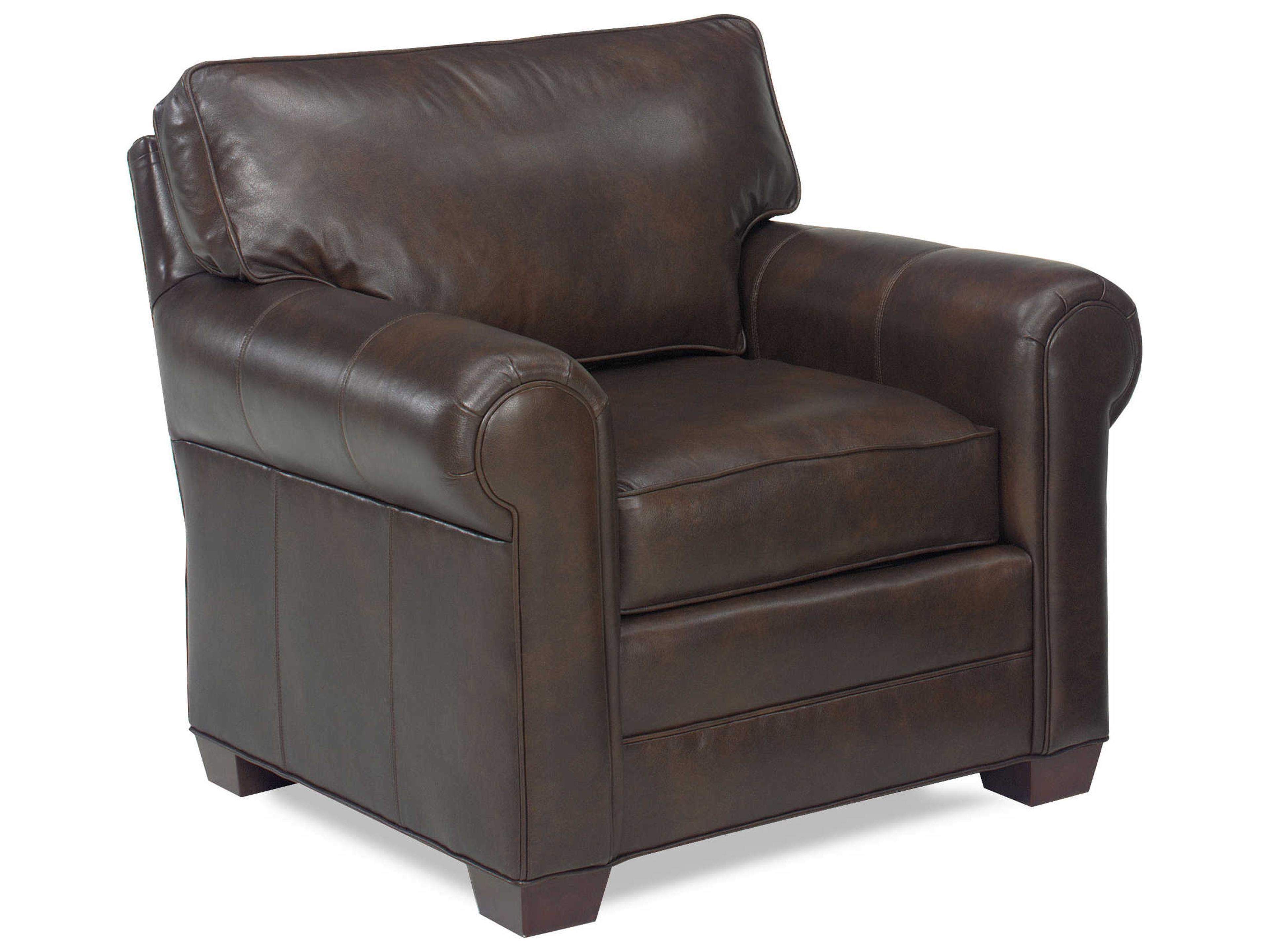
Pay attention to the arms — they define the club chair silhouette. They should be firm enough to rest a book or mug on, yet soft enough to lean against comfortably. The best examples use layered padding: a foam core with a fiber or down wrap on top.
Leather pairs well with almost any material palette. Set a brown leather club chair against a velvet sofa for textural contrast, or next to a wood-and-iron side table for a grounded, warm feel. In traditional rooms, rich leather works alongside oriental rugs and dark wood built-ins. In contemporary spaces, a chair in black or charcoal leather reads clean next to metal furnishings and lighter tones.
Scale matters more than style when placing club chairs. Most run 32 to 38 inches wide and 34 to 36 inches deep, so they need room to breathe. Leave at least 18 inches between the front of the chair and a coffee table for comfortable legroom. Smaller rooms call for apartment-scale options that keep proportions right without crowding the layout.
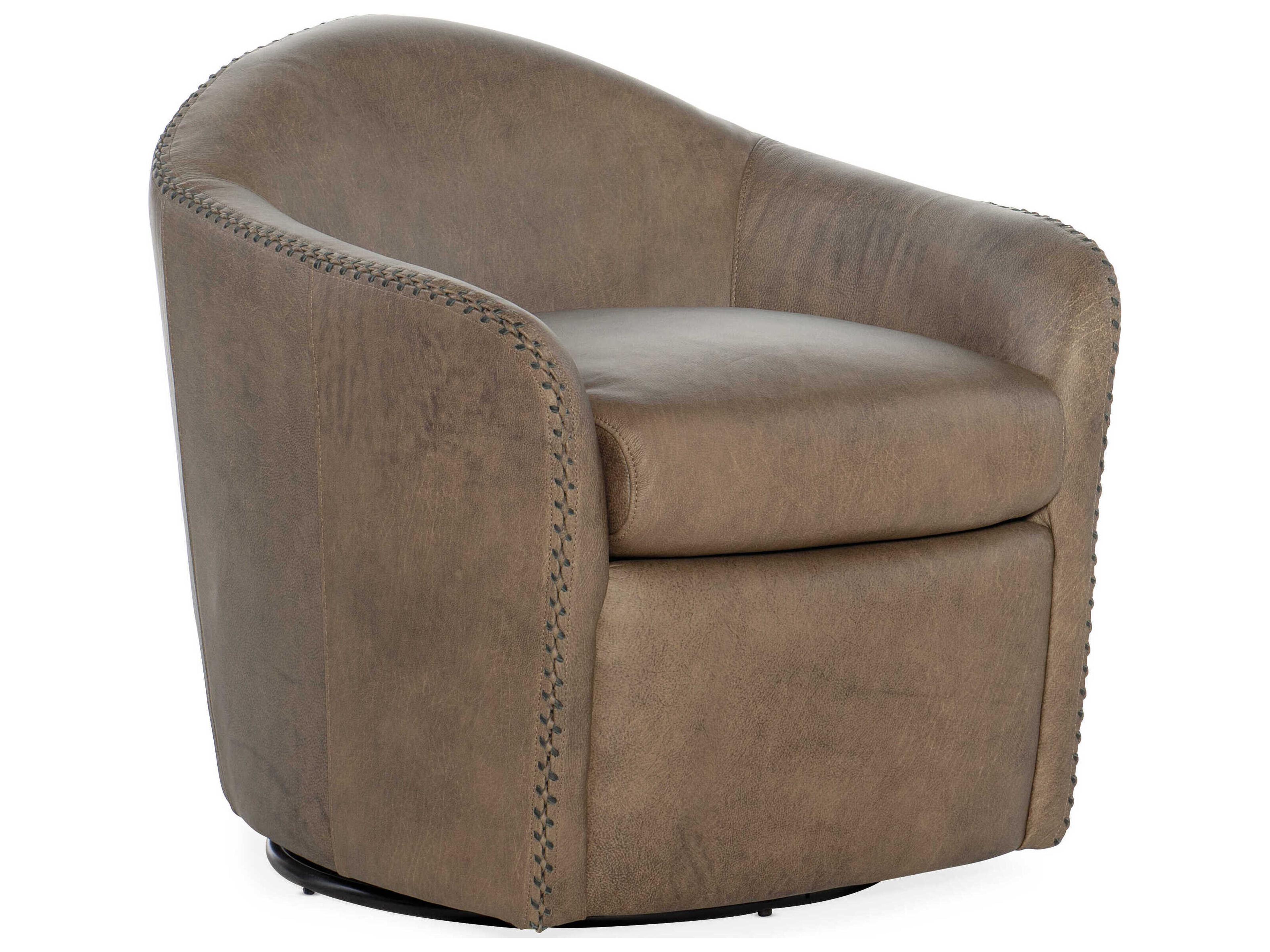
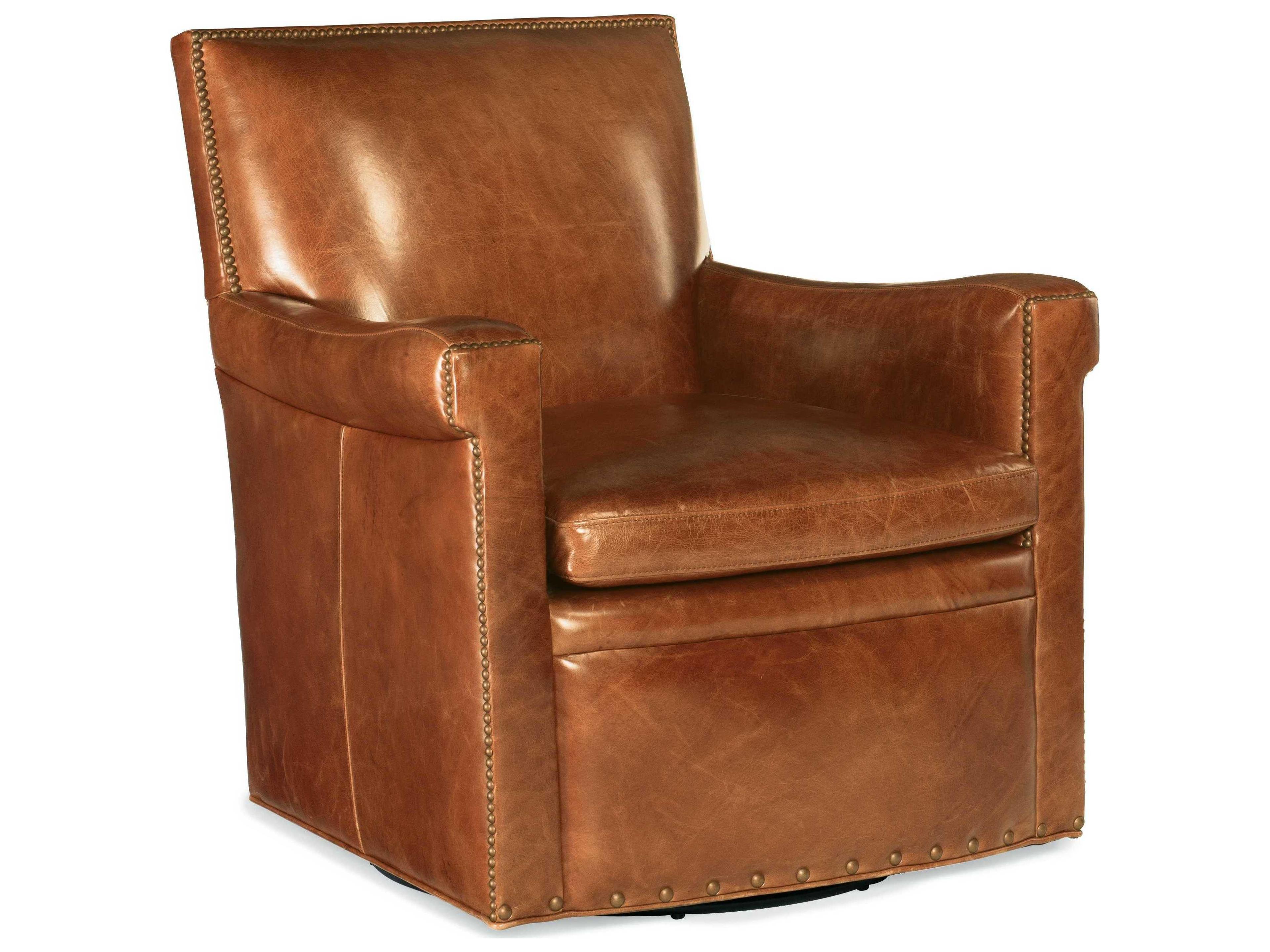
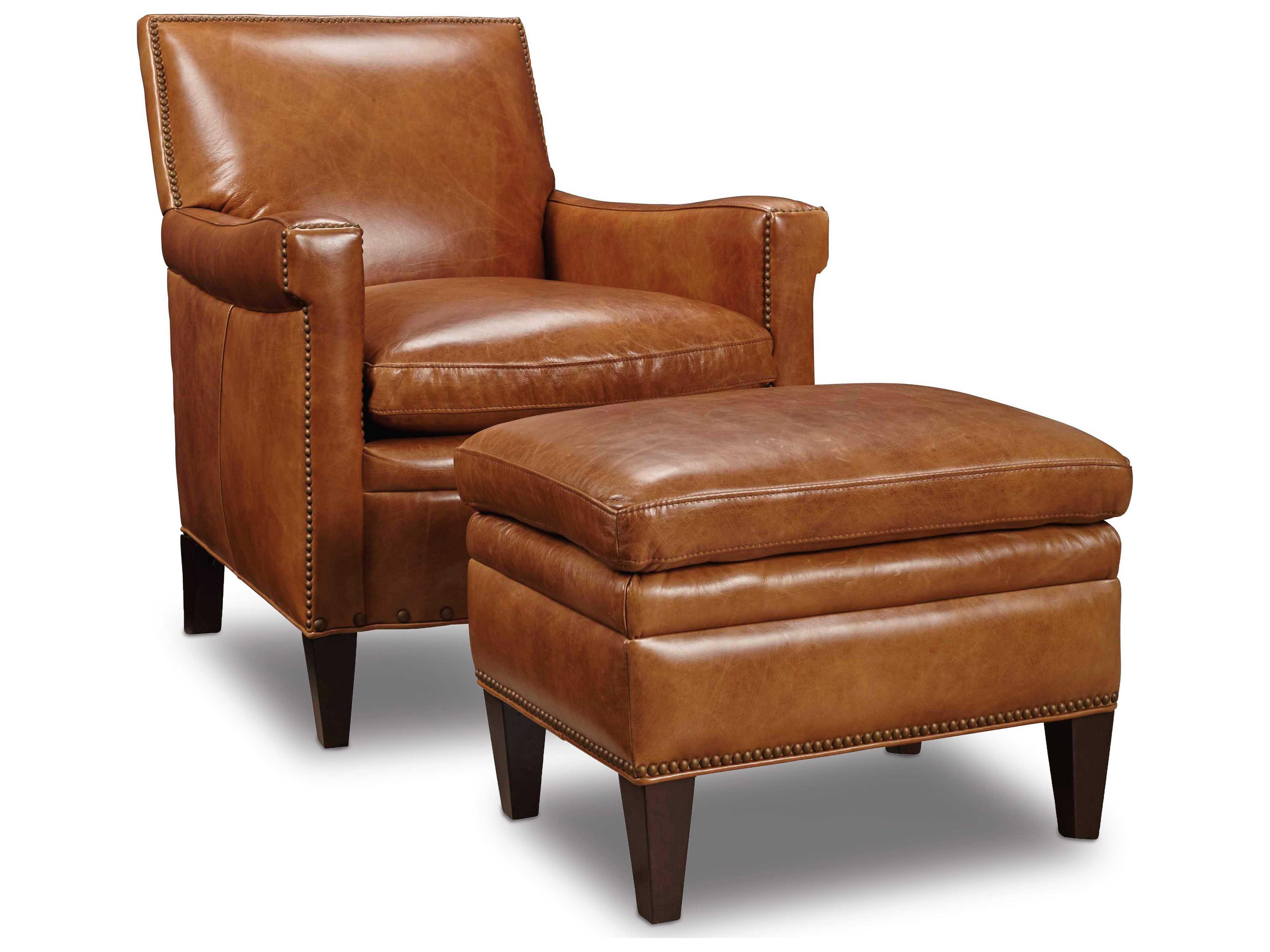
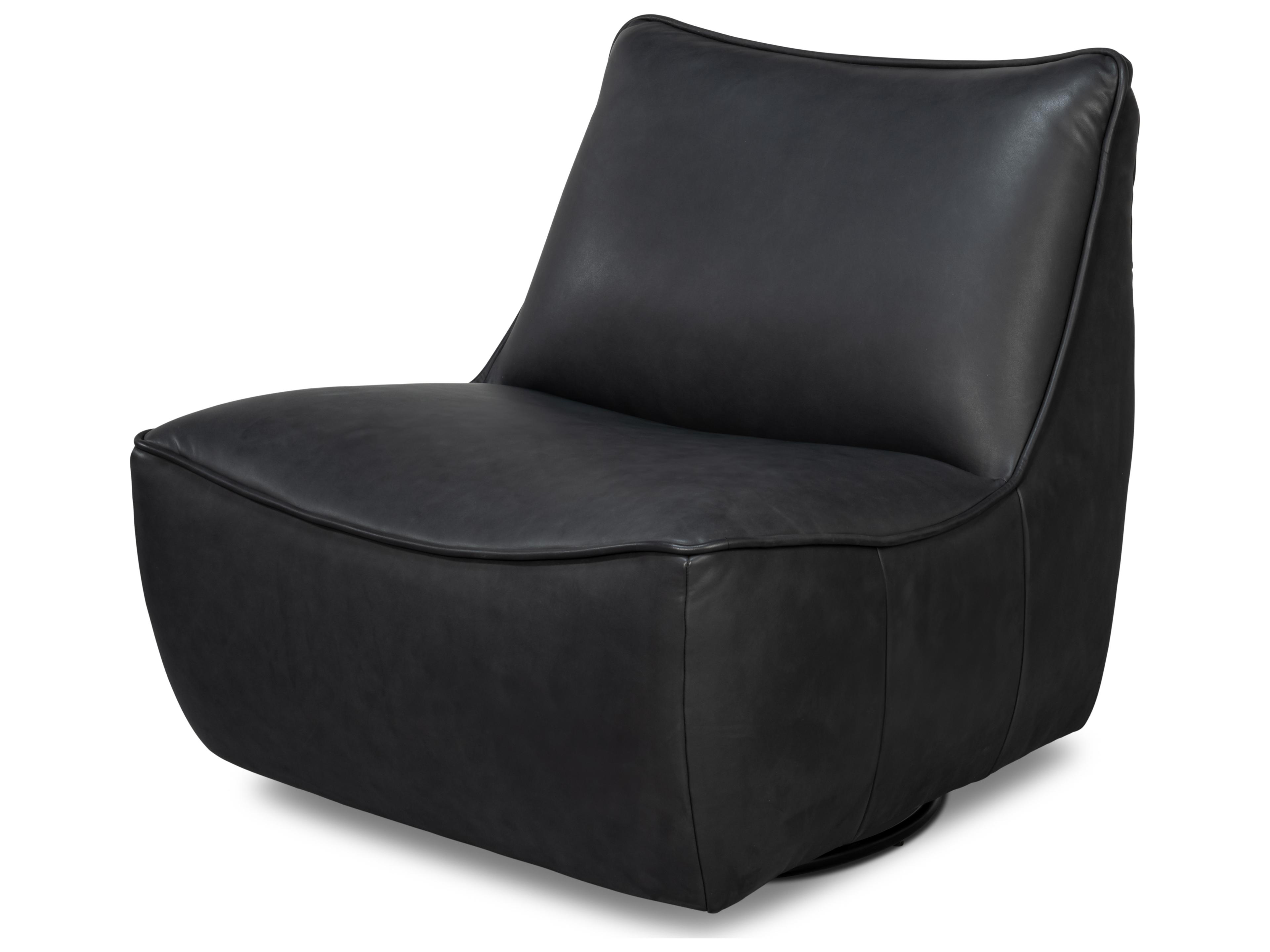
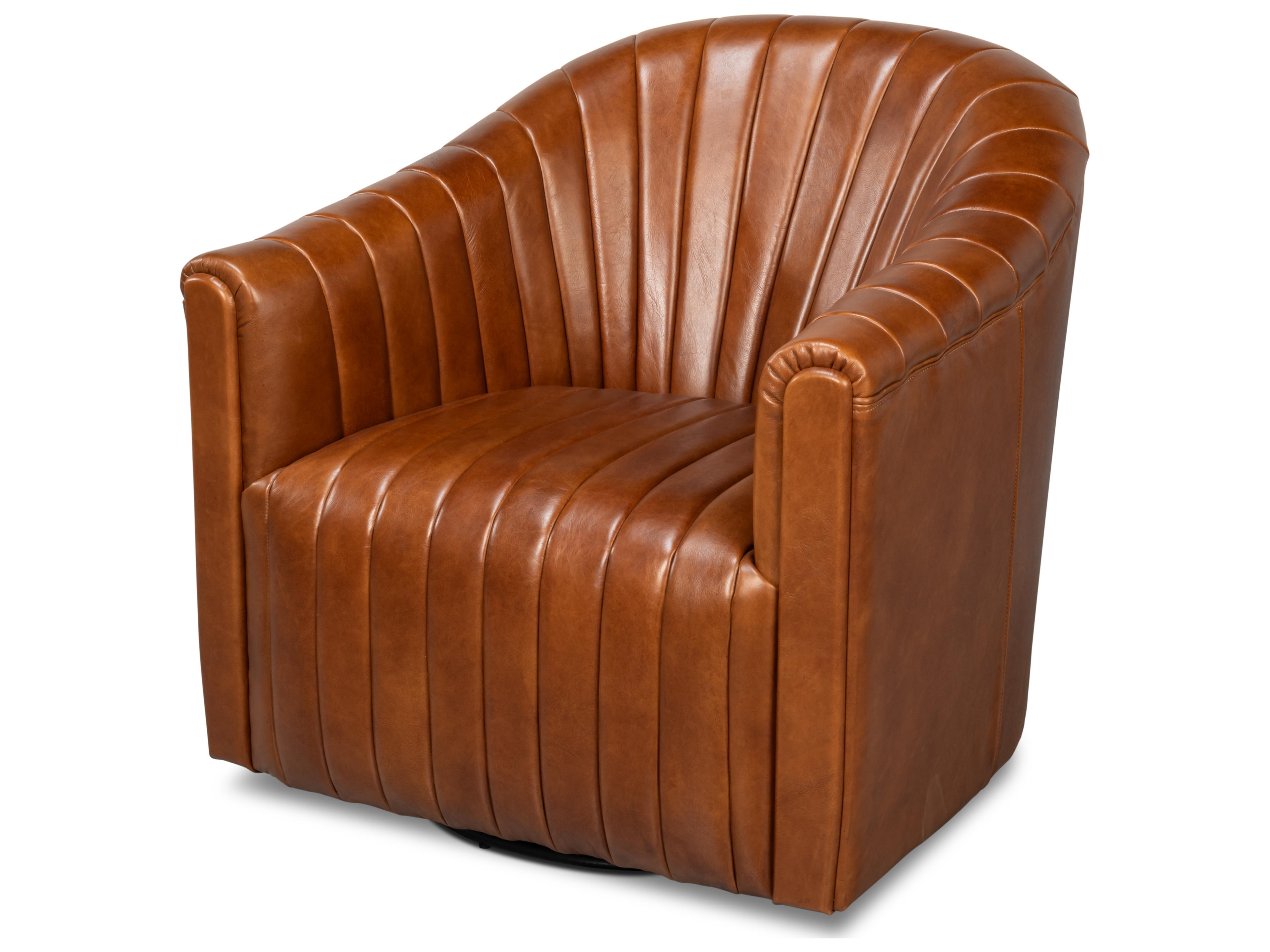
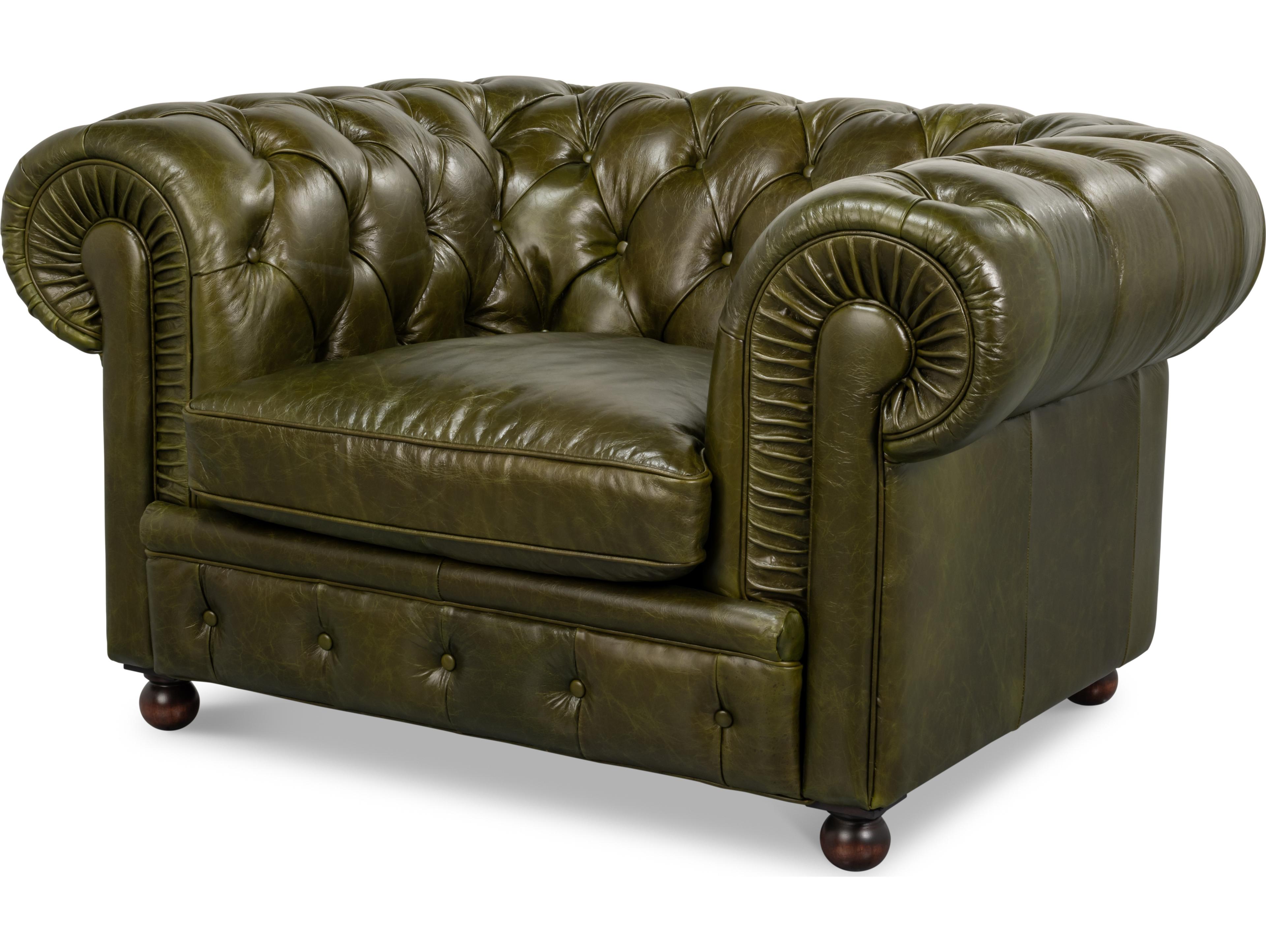
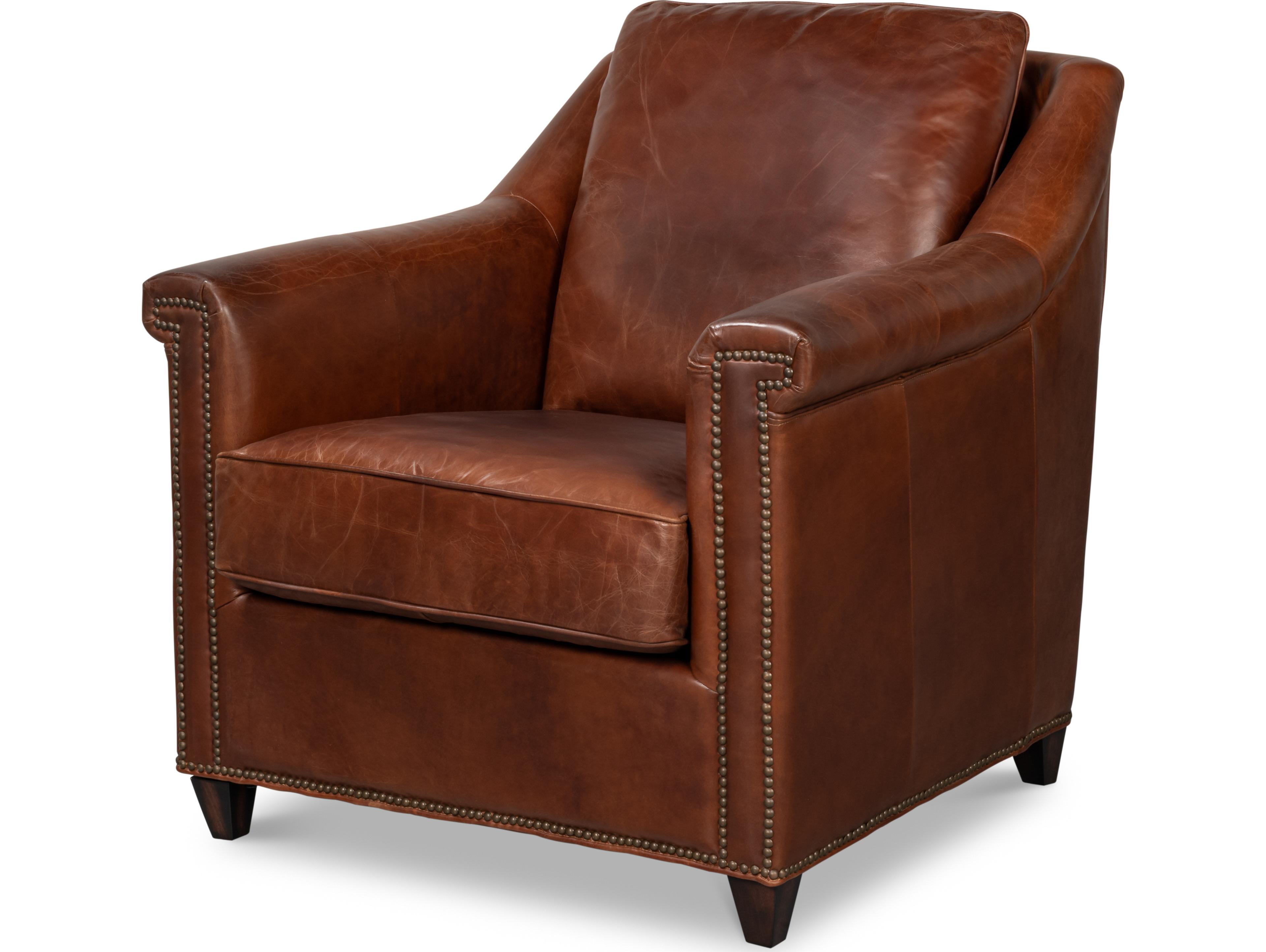
Our curated collection includes stationary, swivel, and wingback luxury leather club chairs from distinguished designers. Whether you're furnishing a reading nook with a single sophisticated chair or anchoring a sitting area with a matched pair, you'll find refined options across a range of leathers, finishes, and frame styles.