Chat now with a product specialist to assist with quotes or product questions.
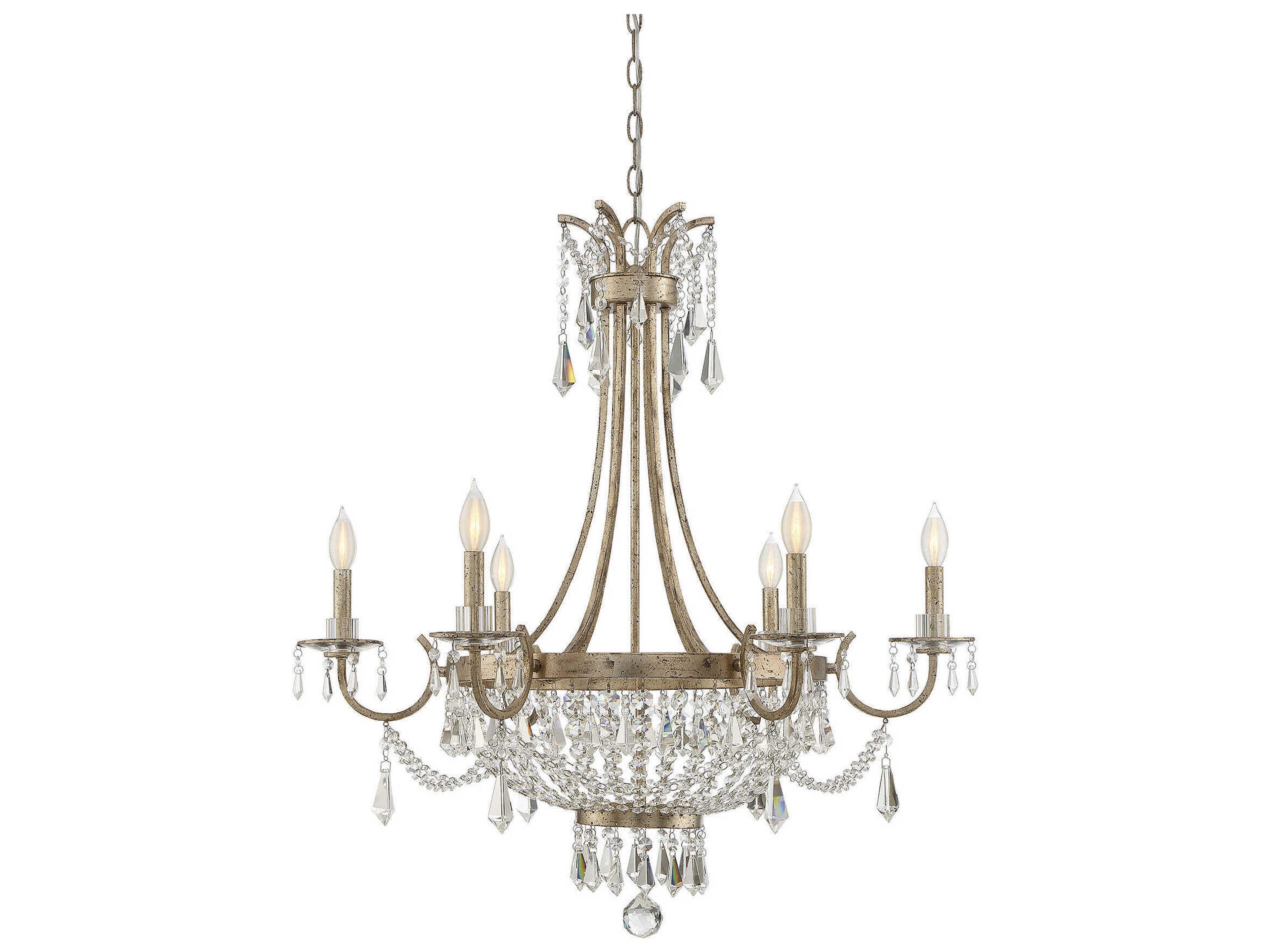
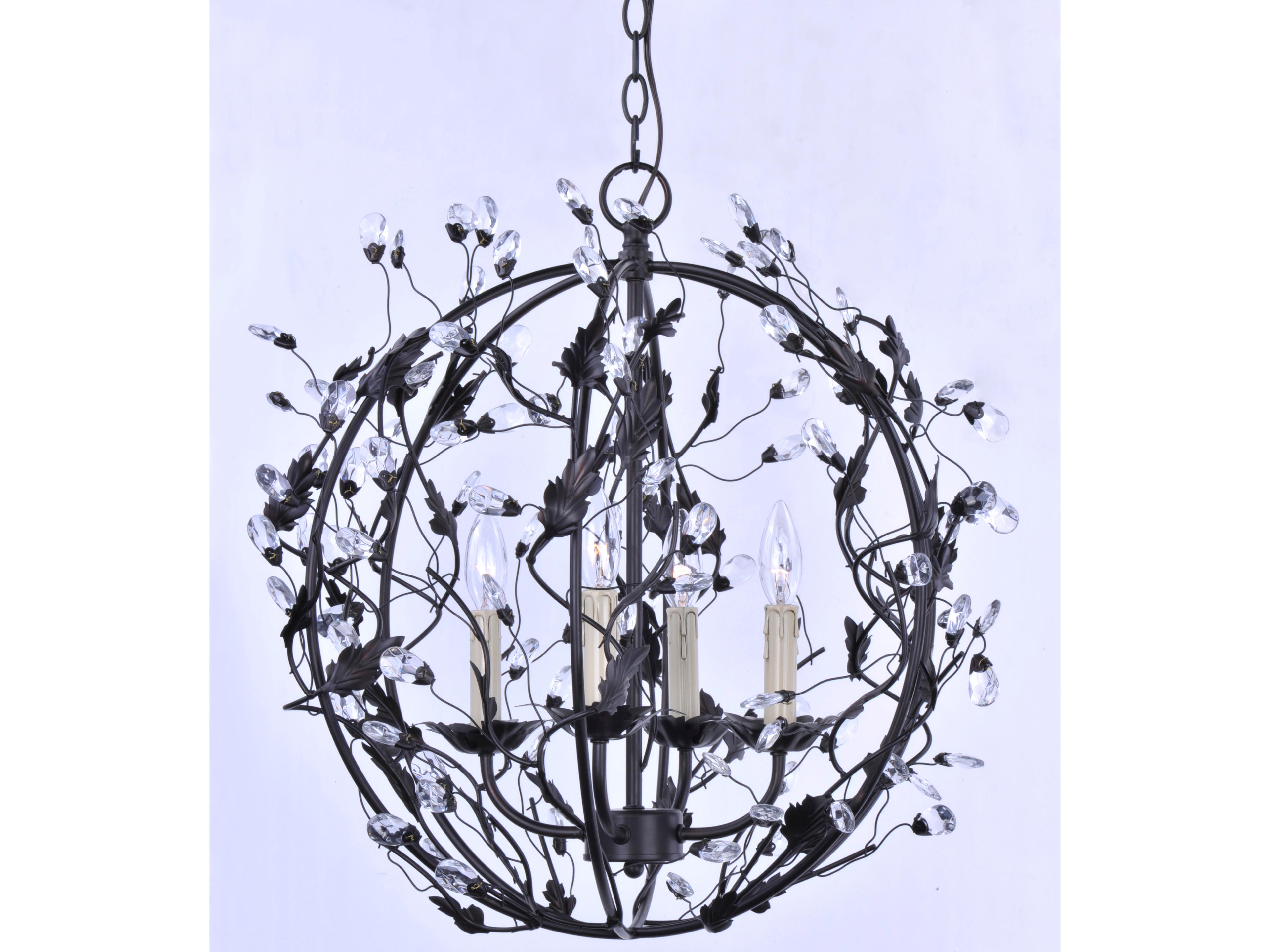
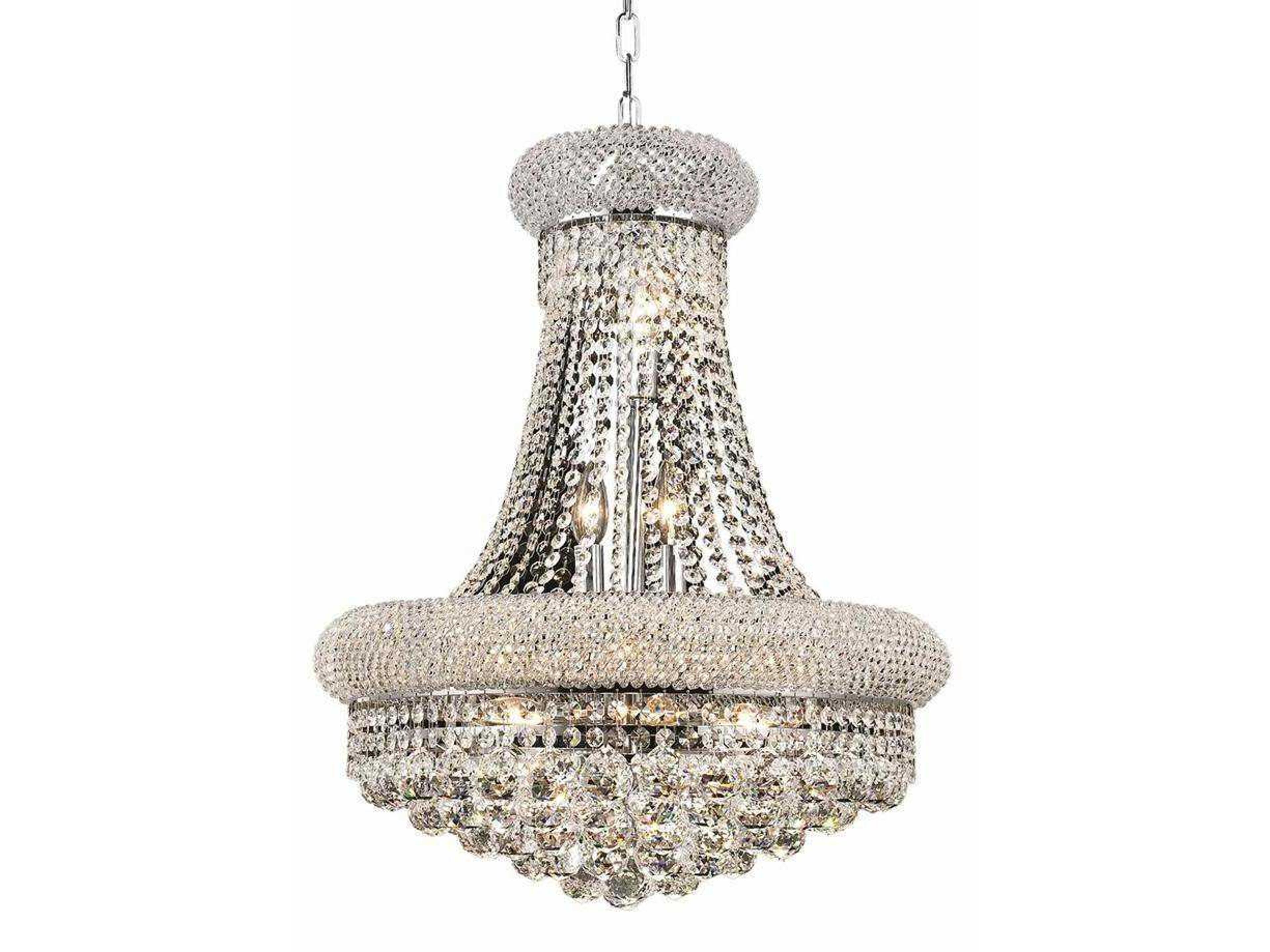
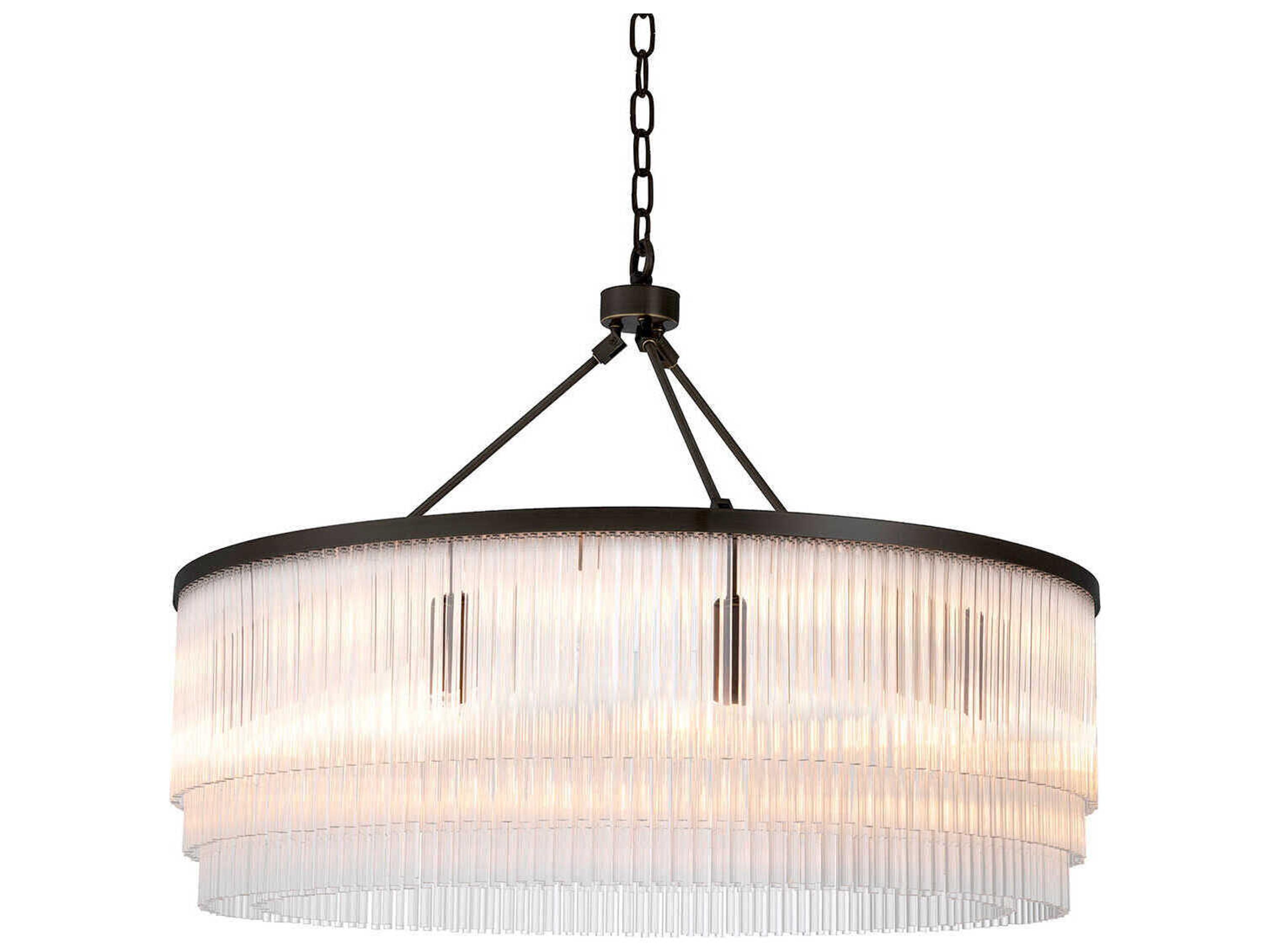
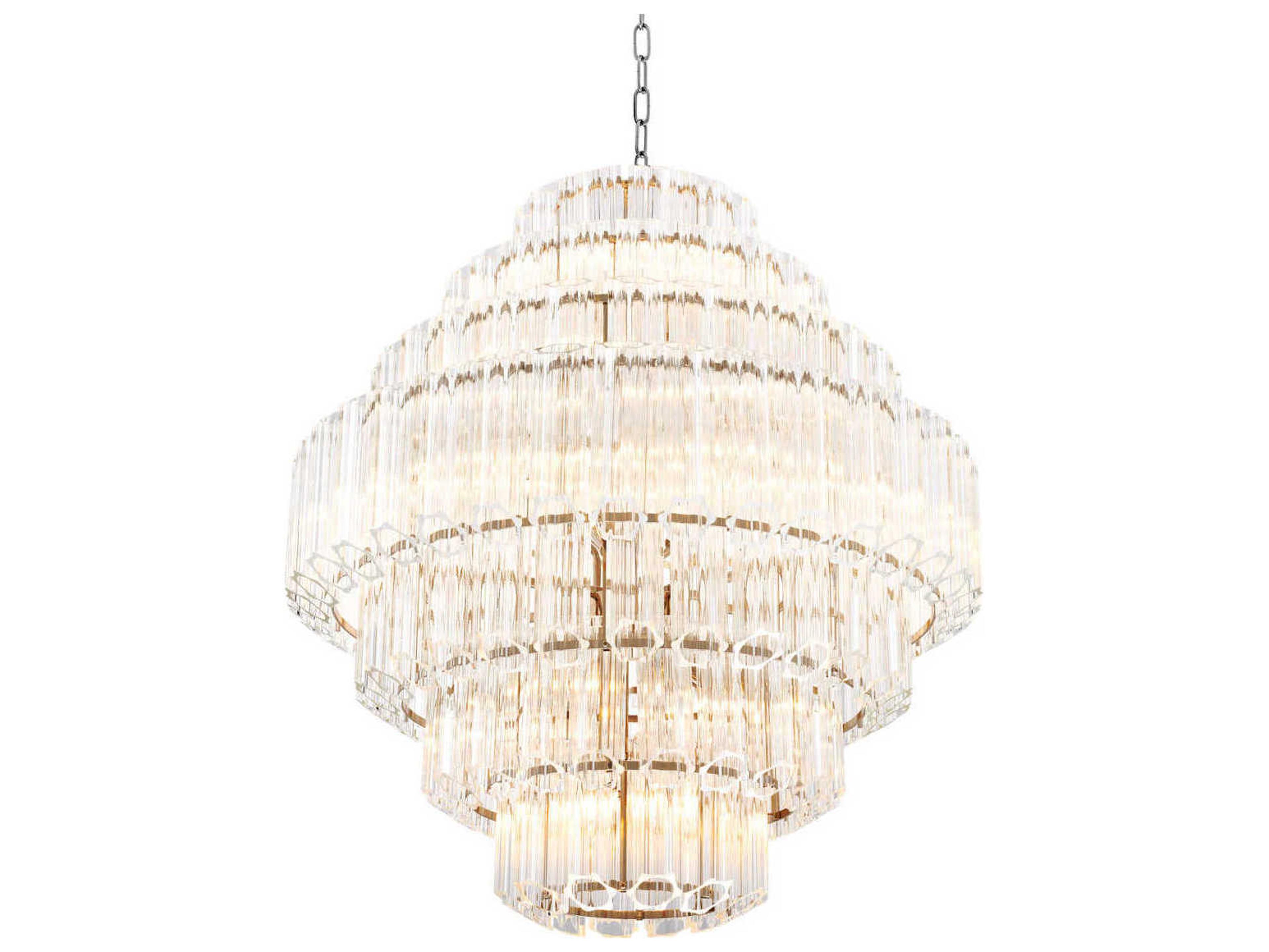
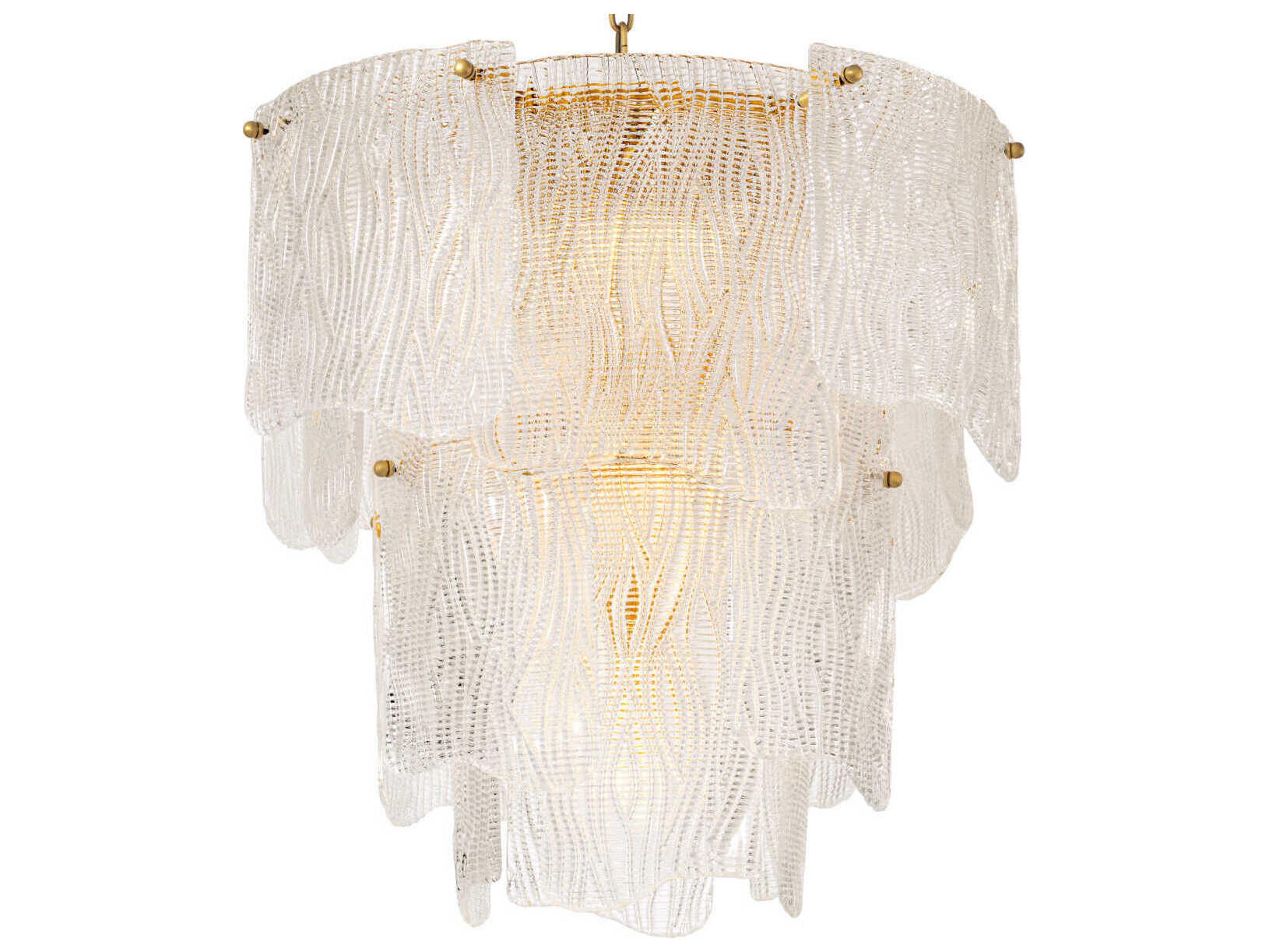
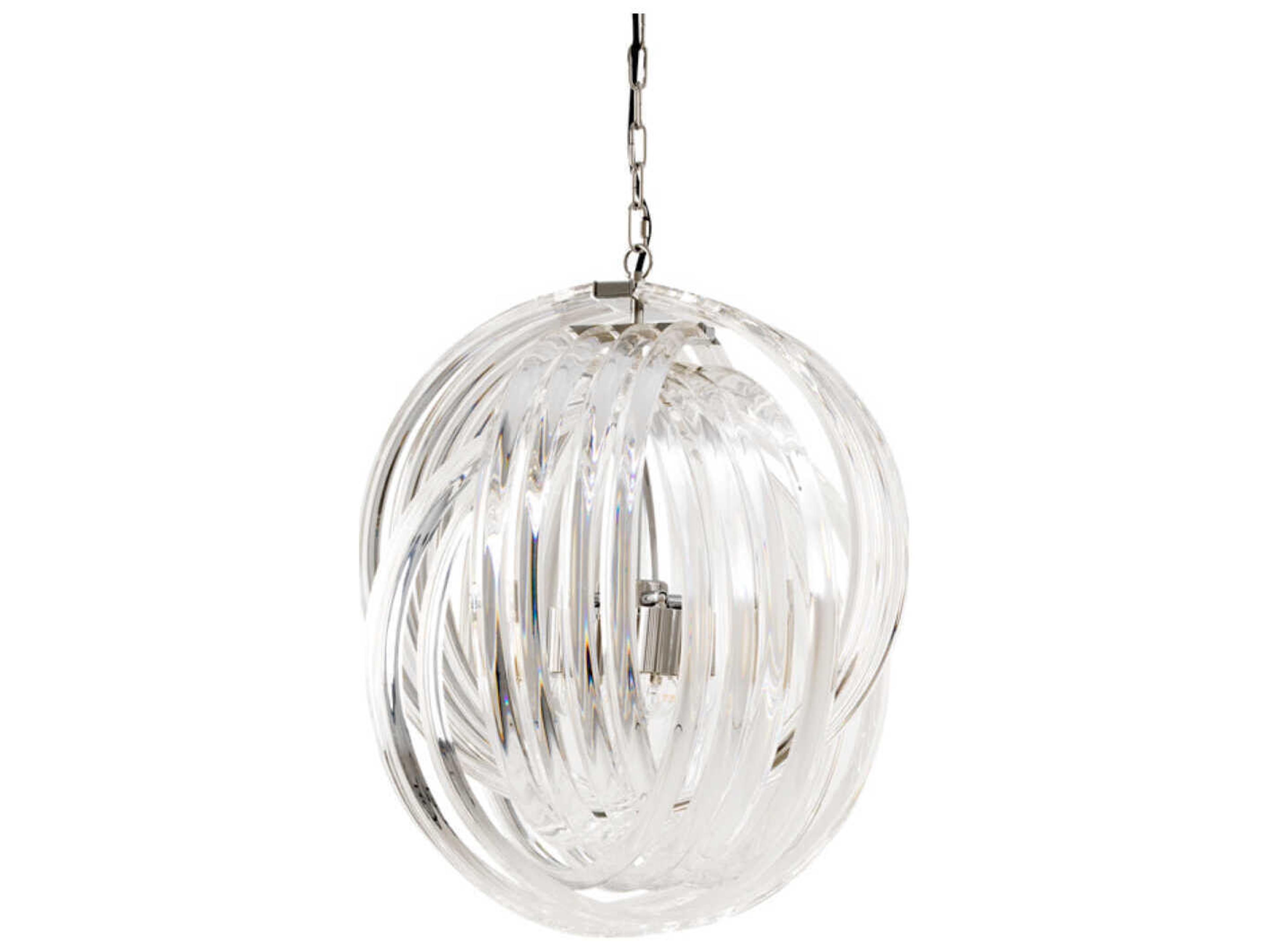
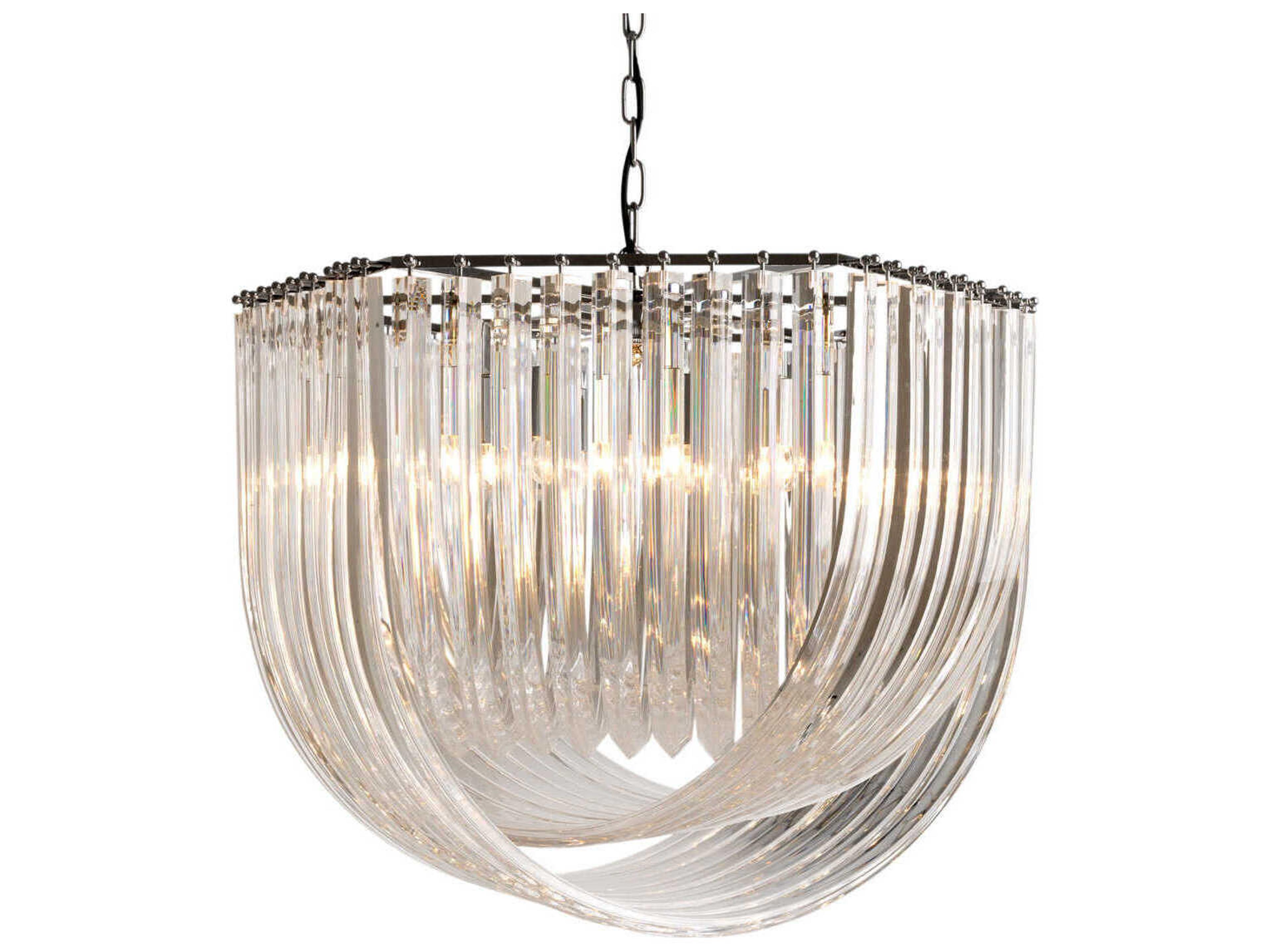
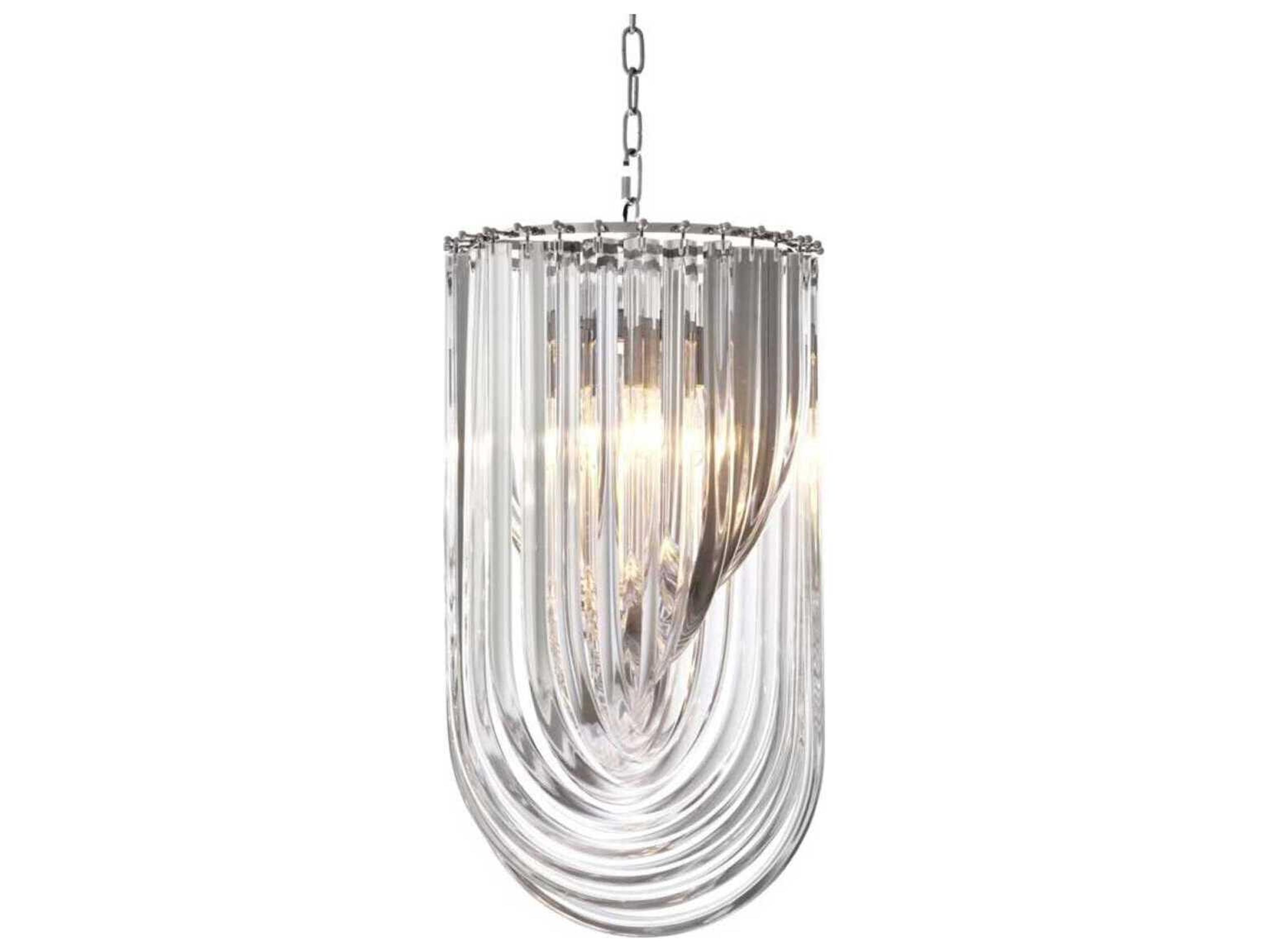
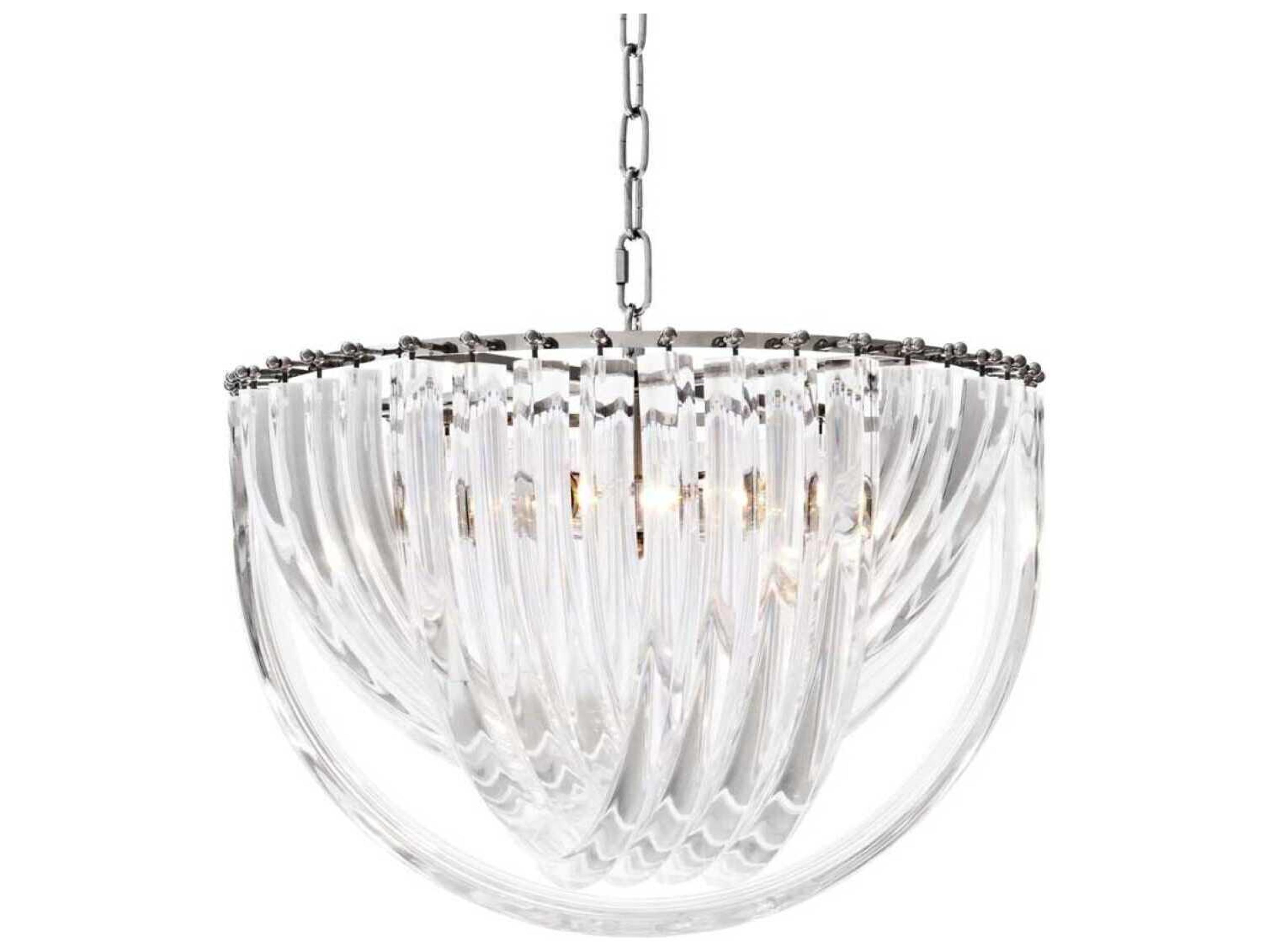
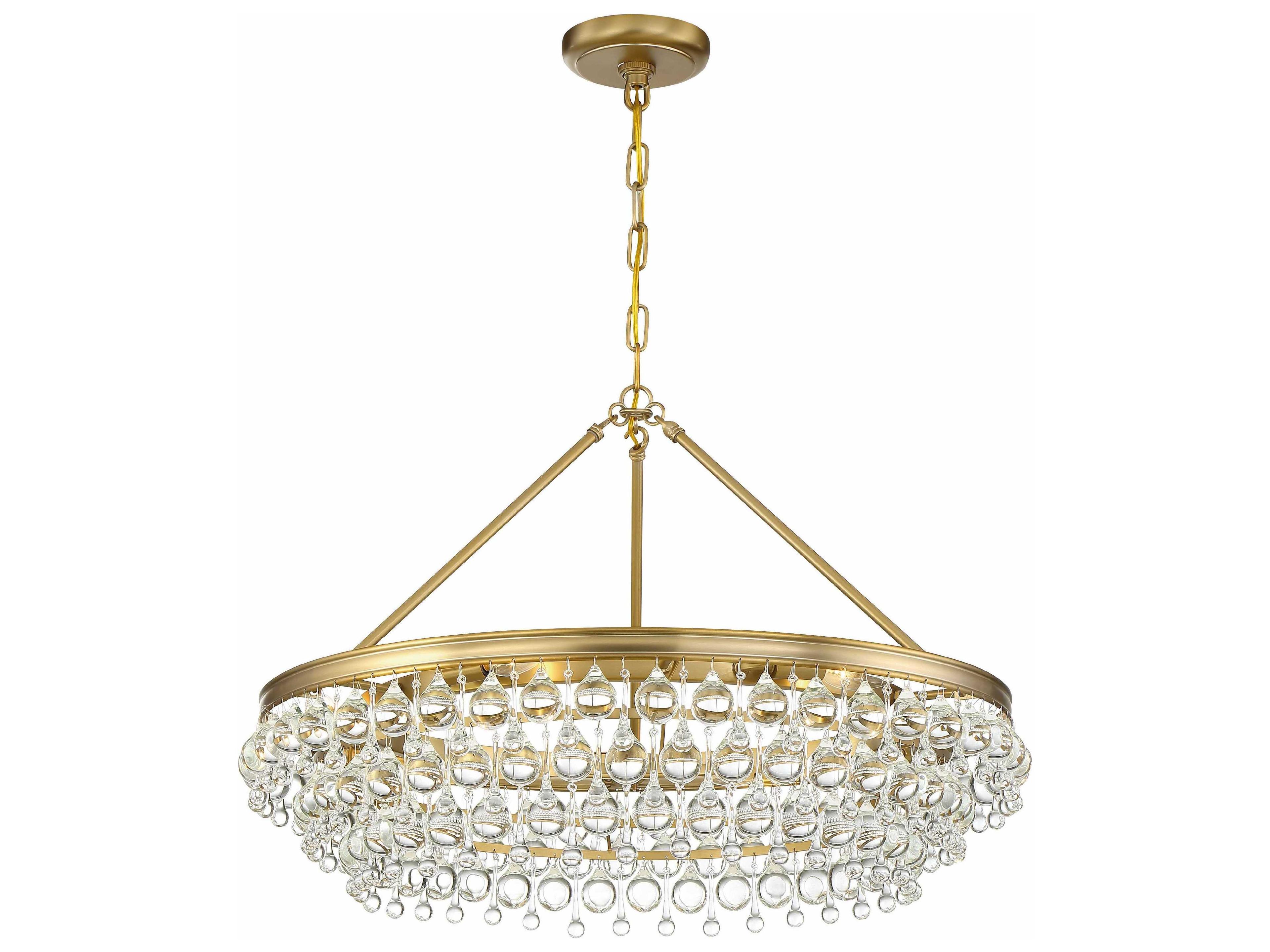
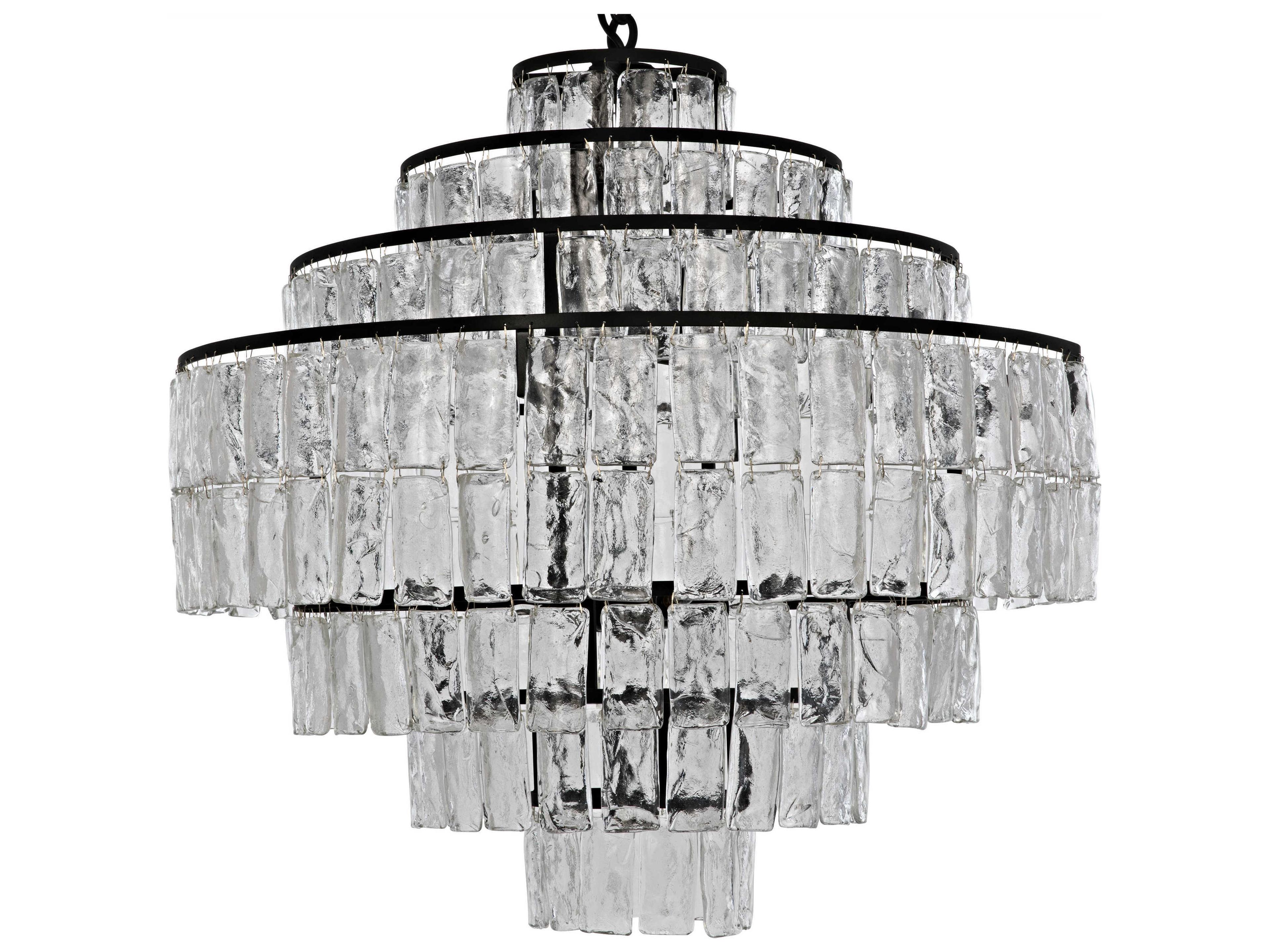
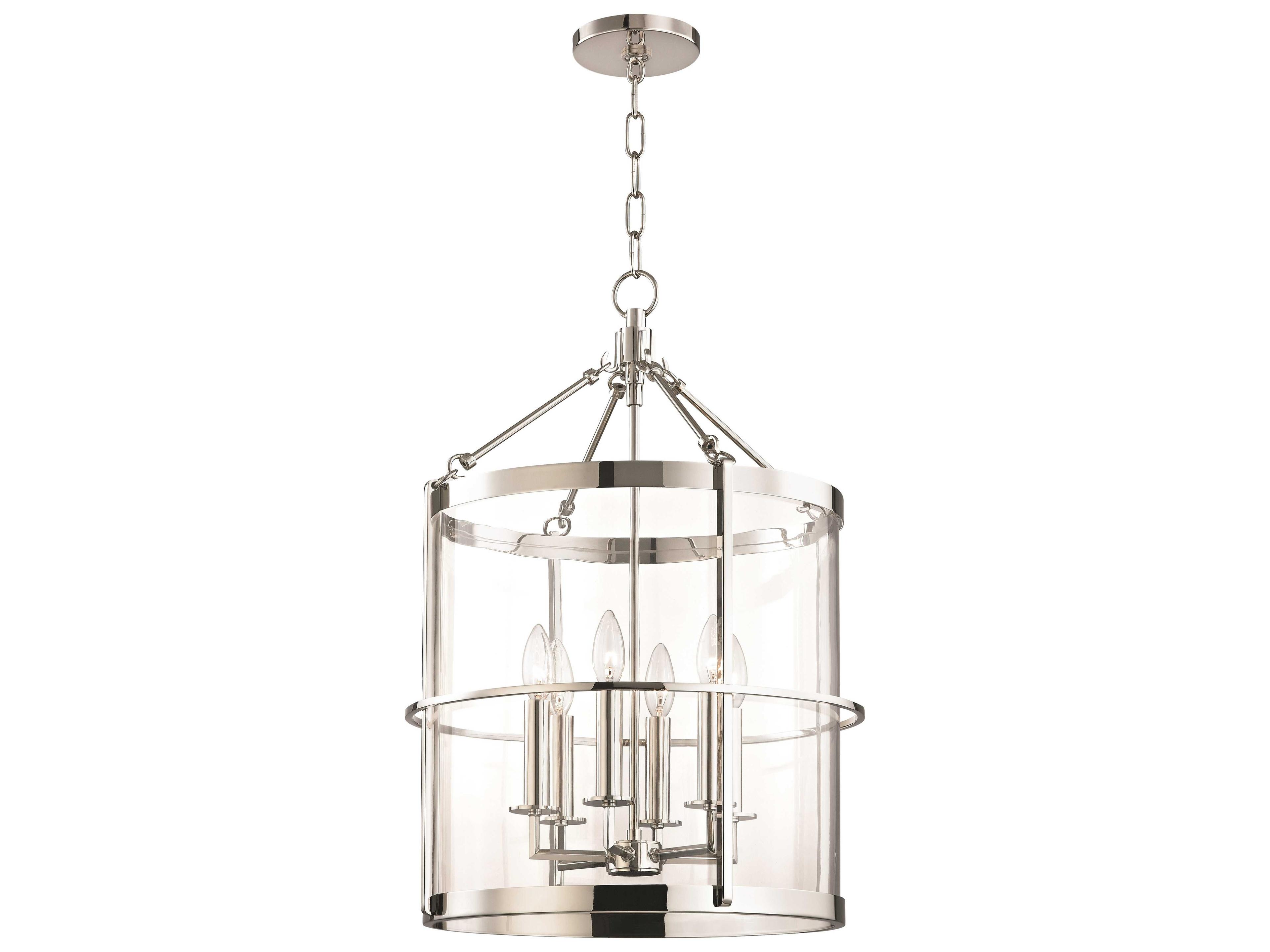
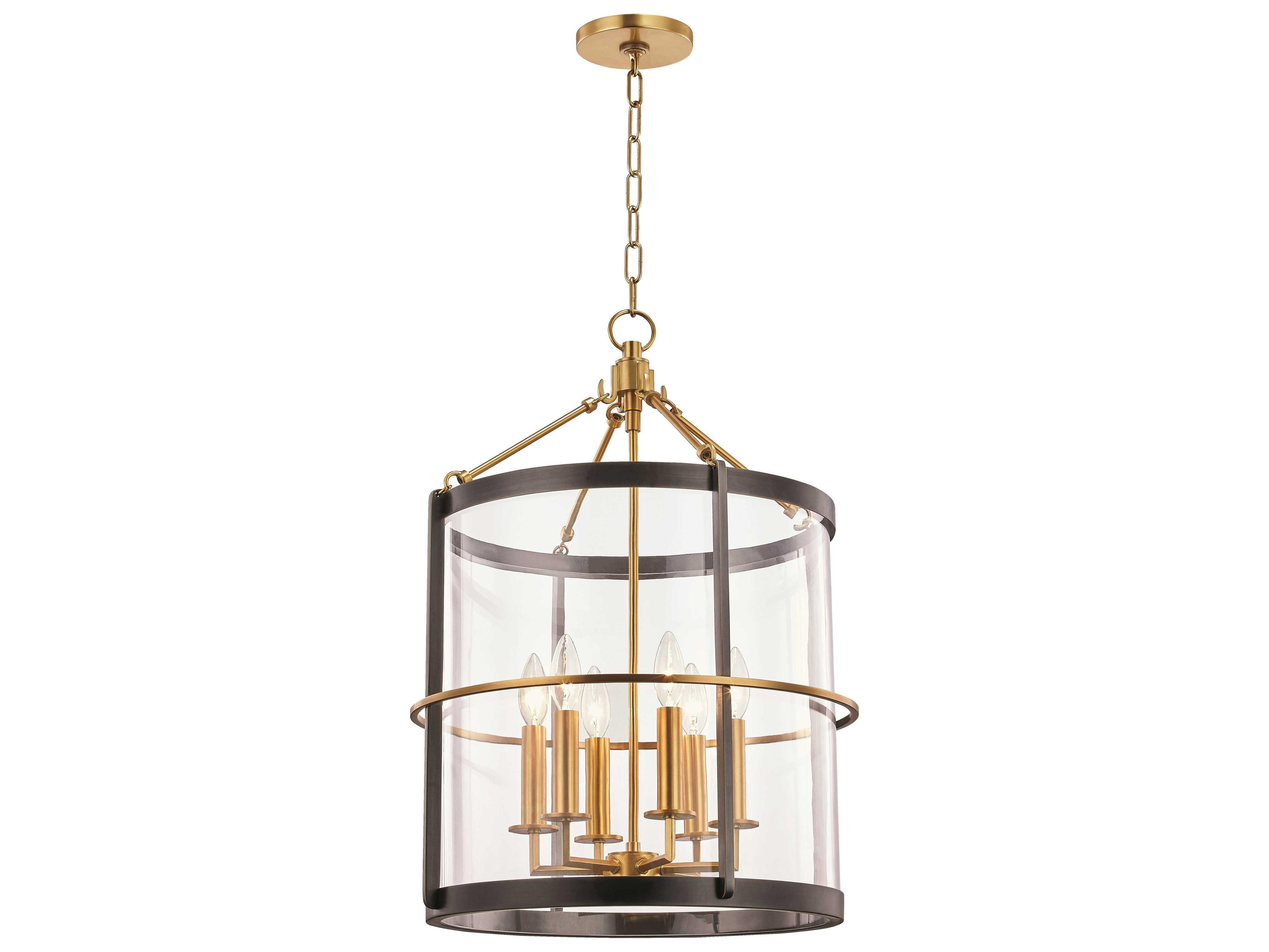
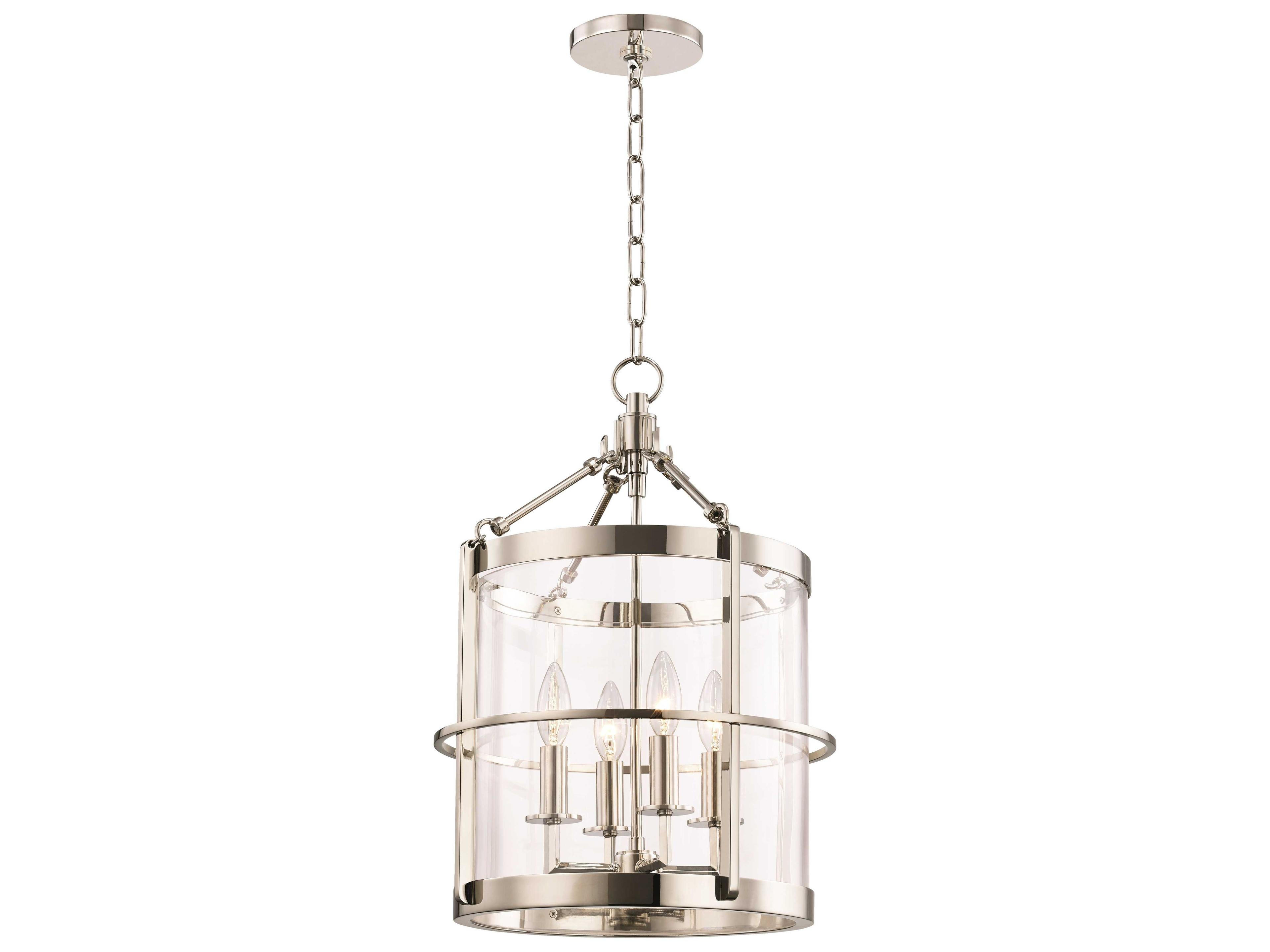
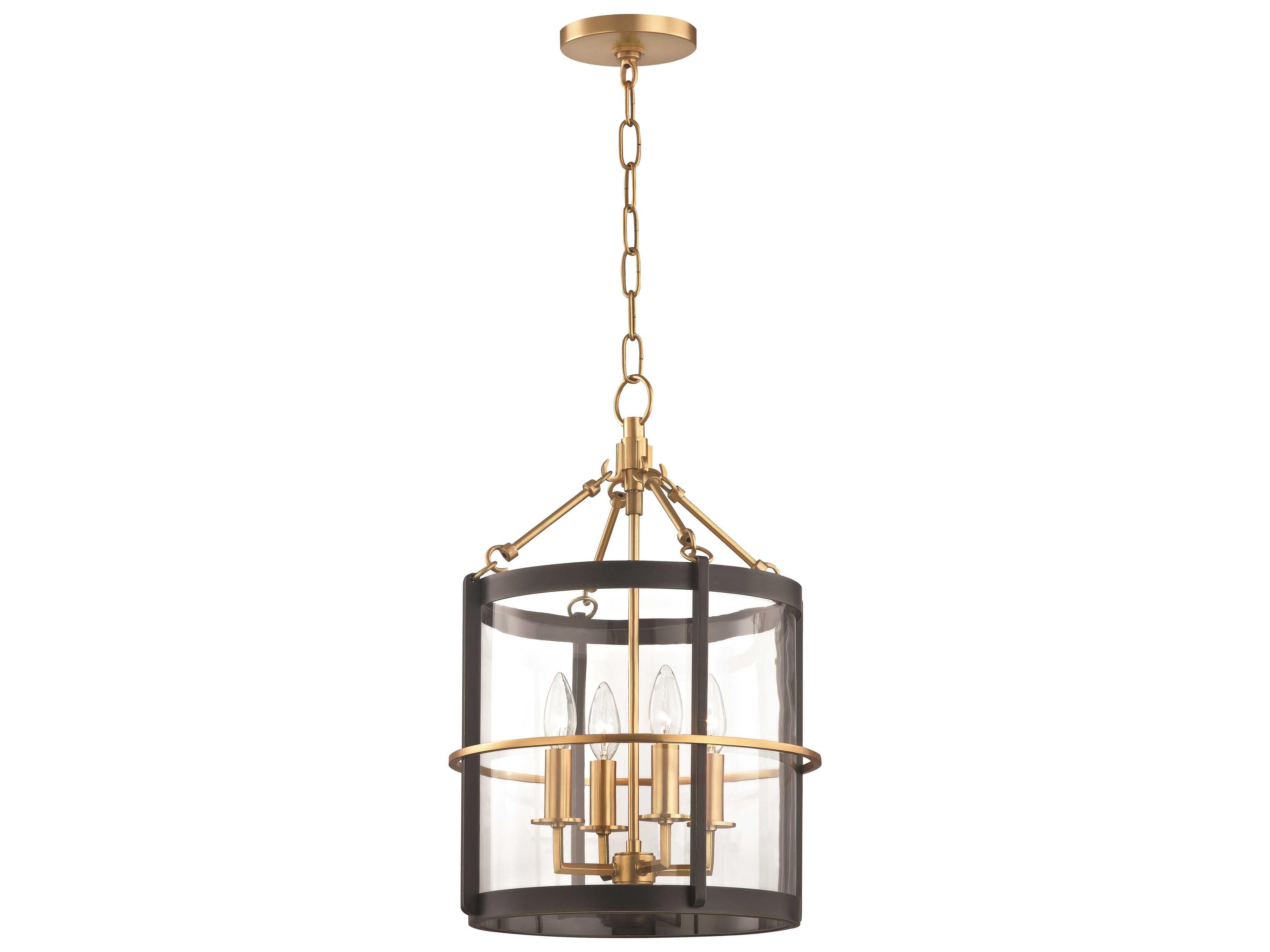
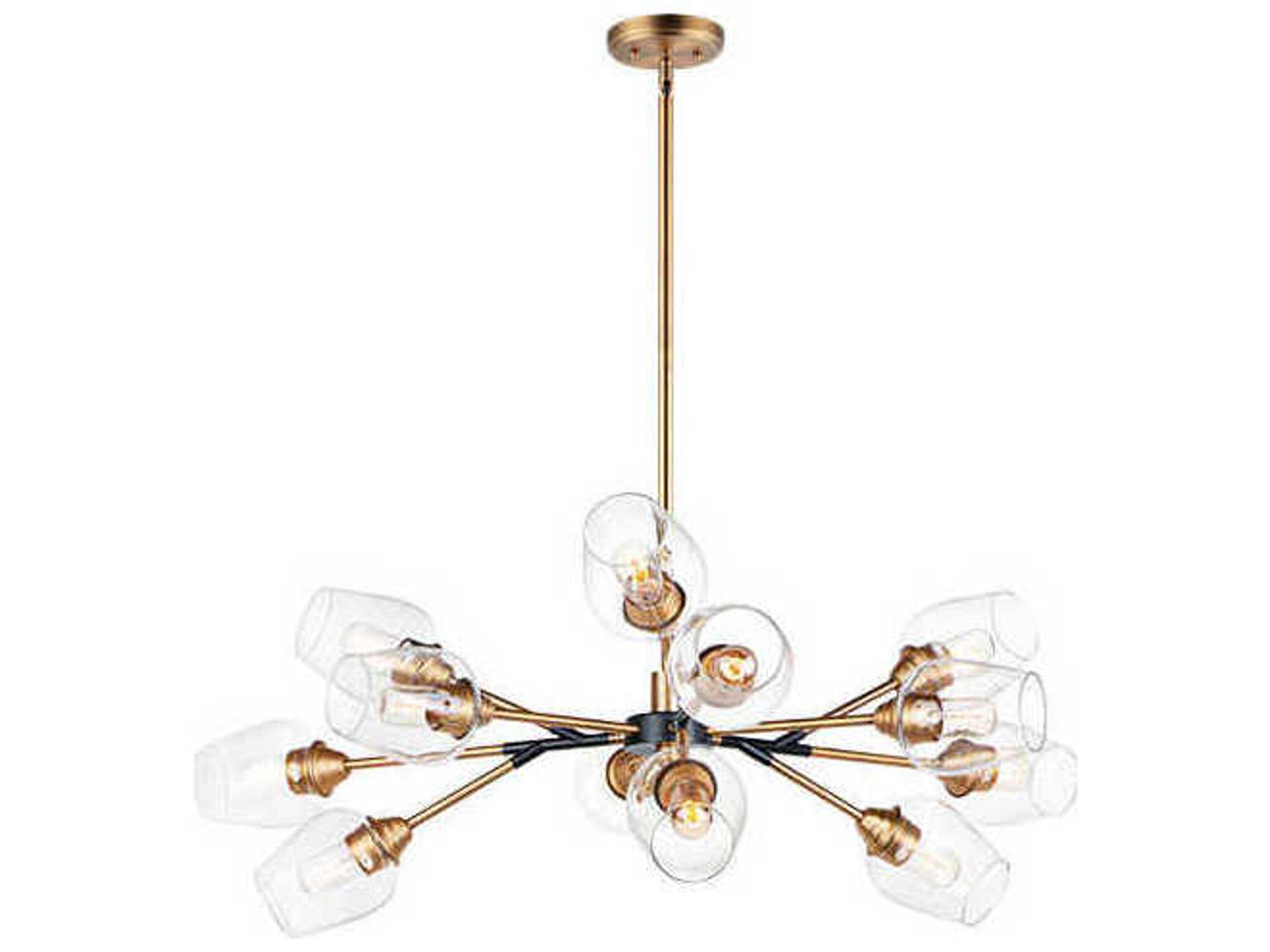
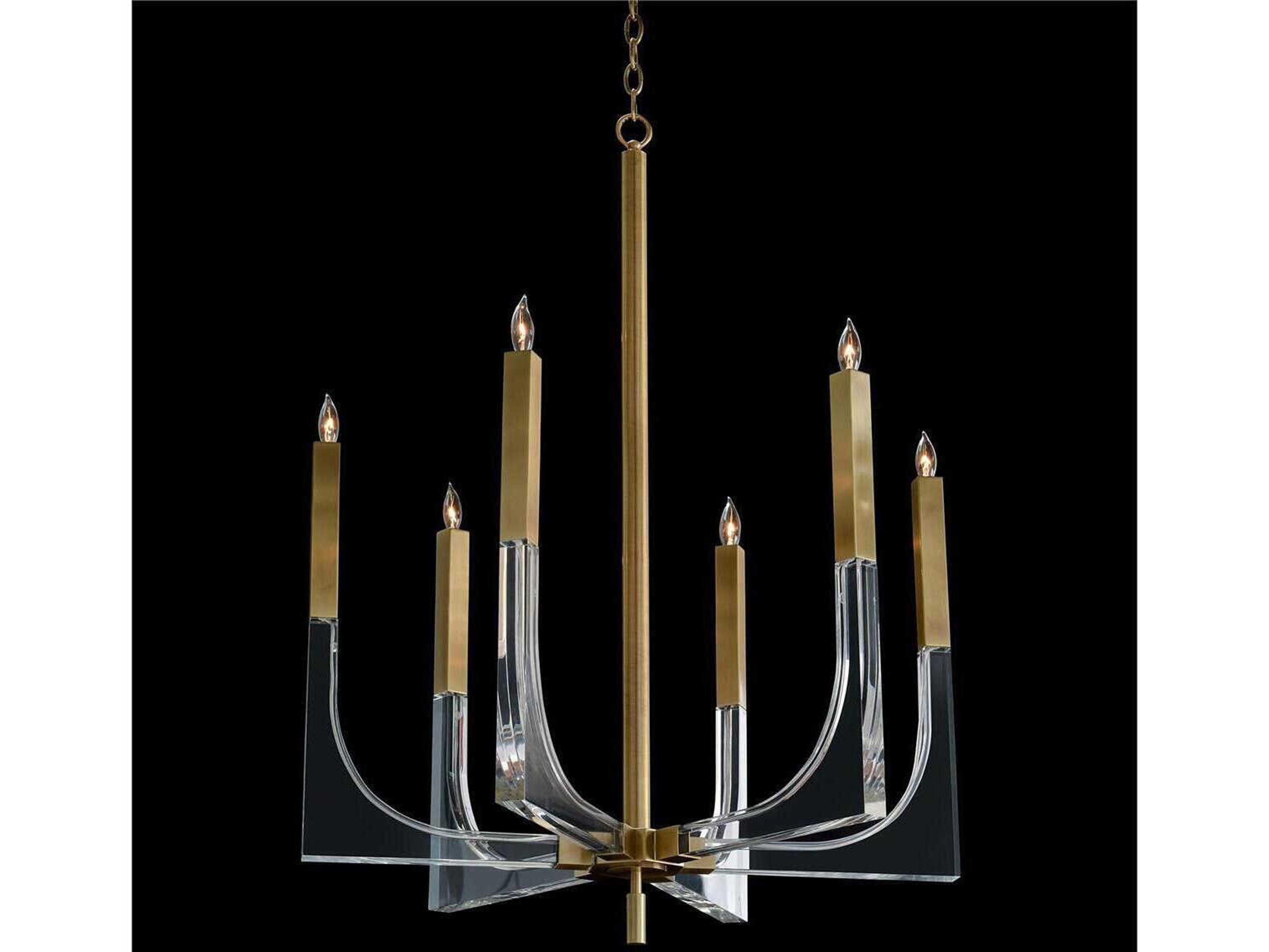
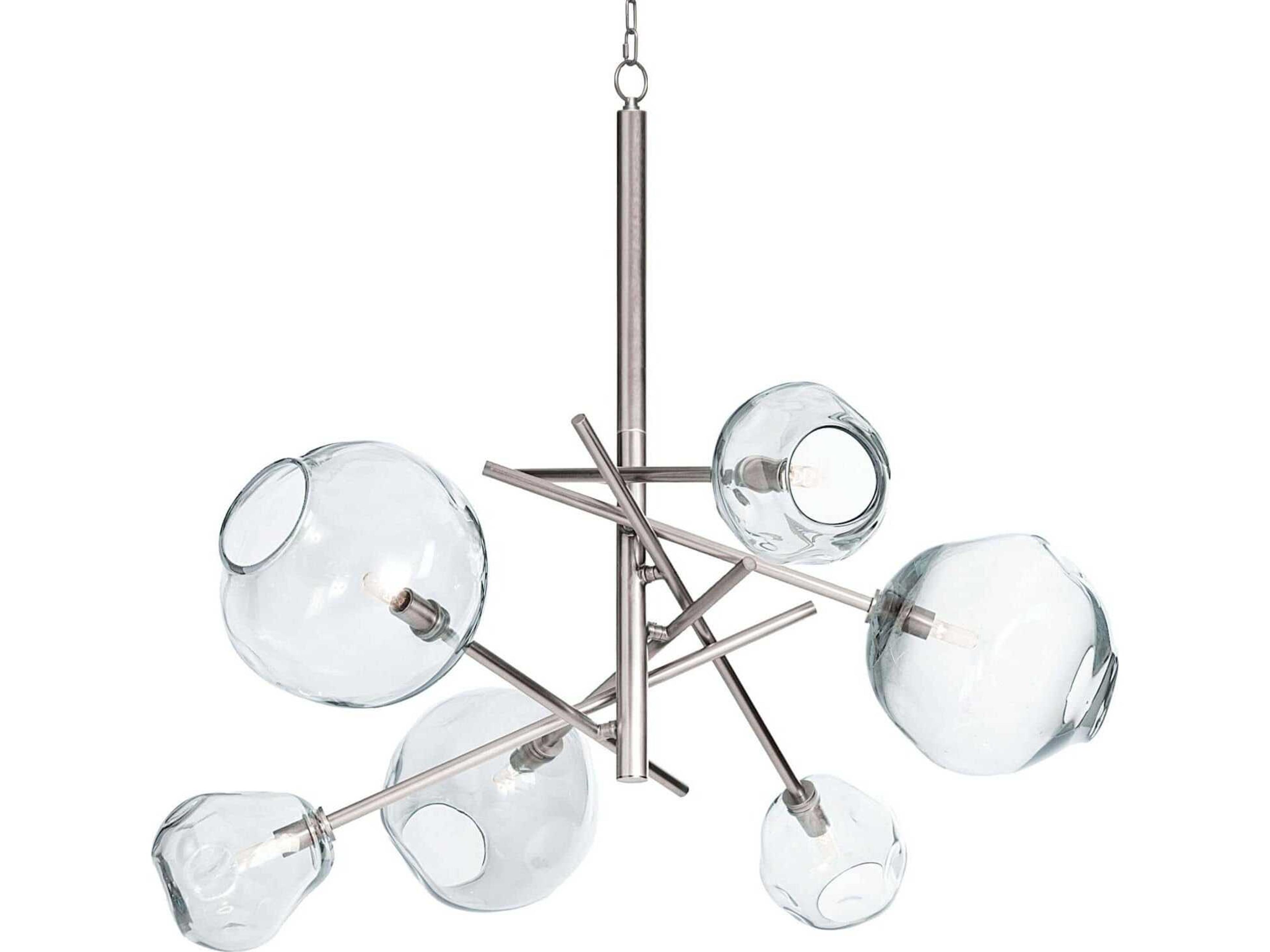
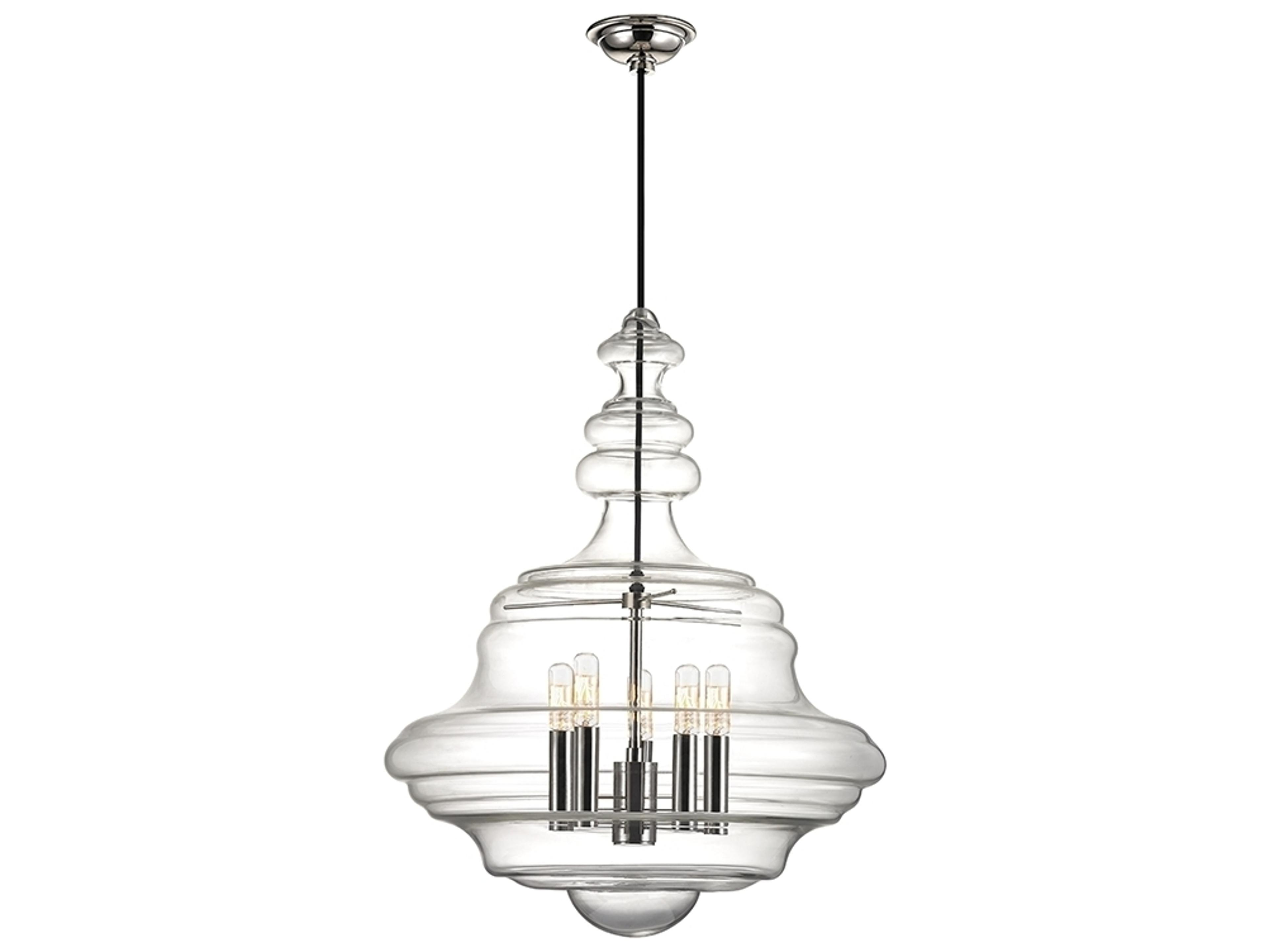
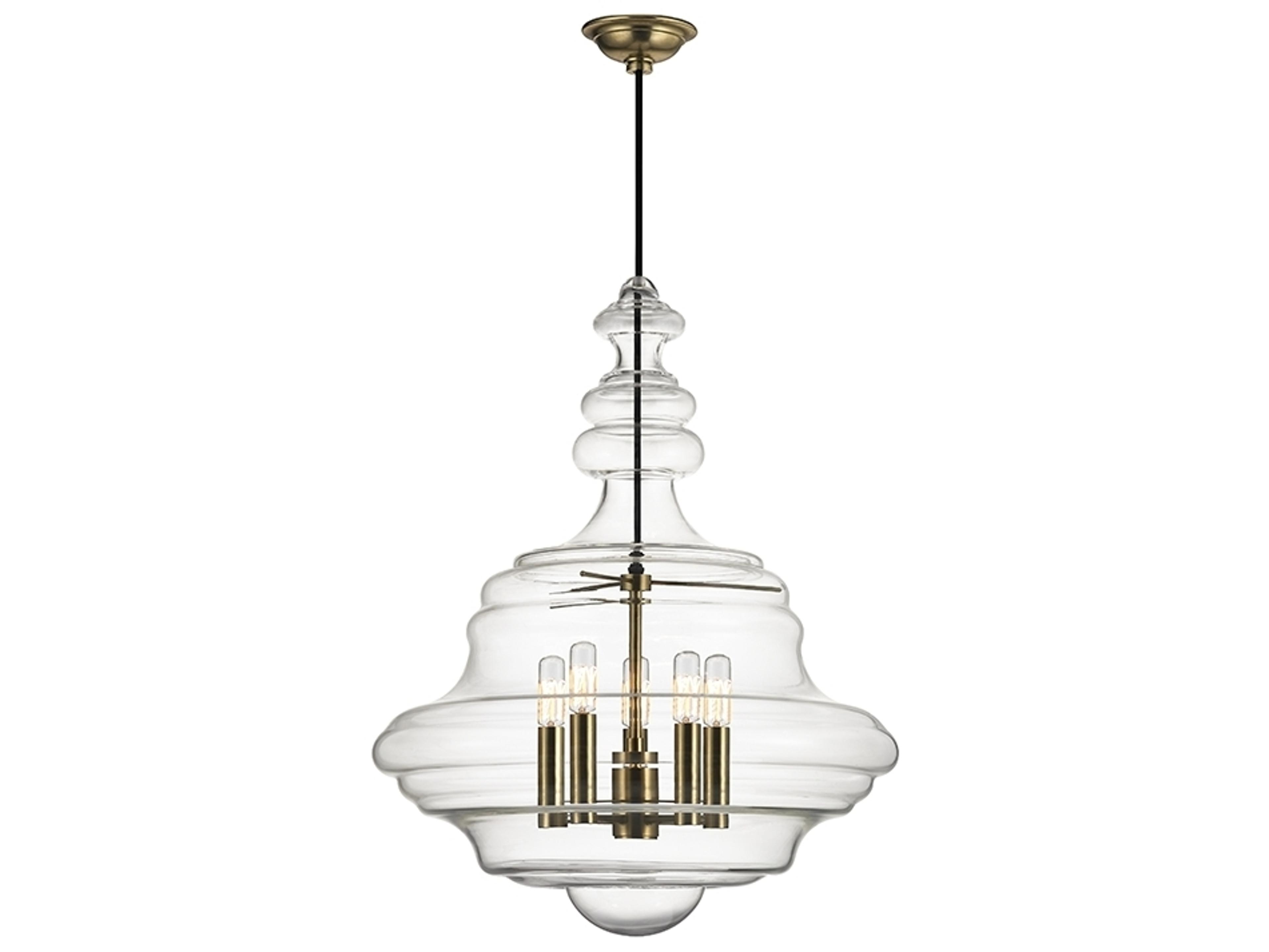
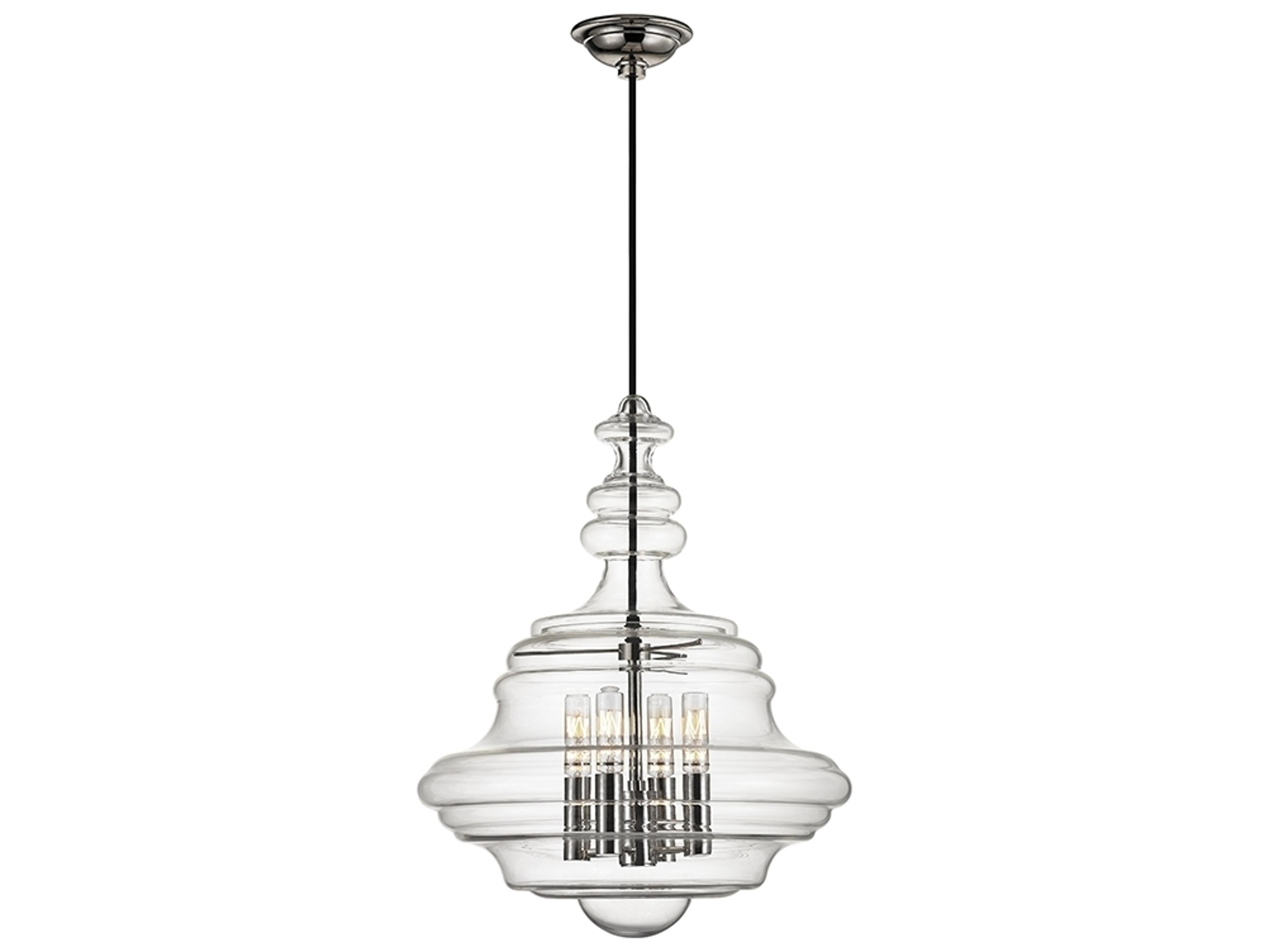
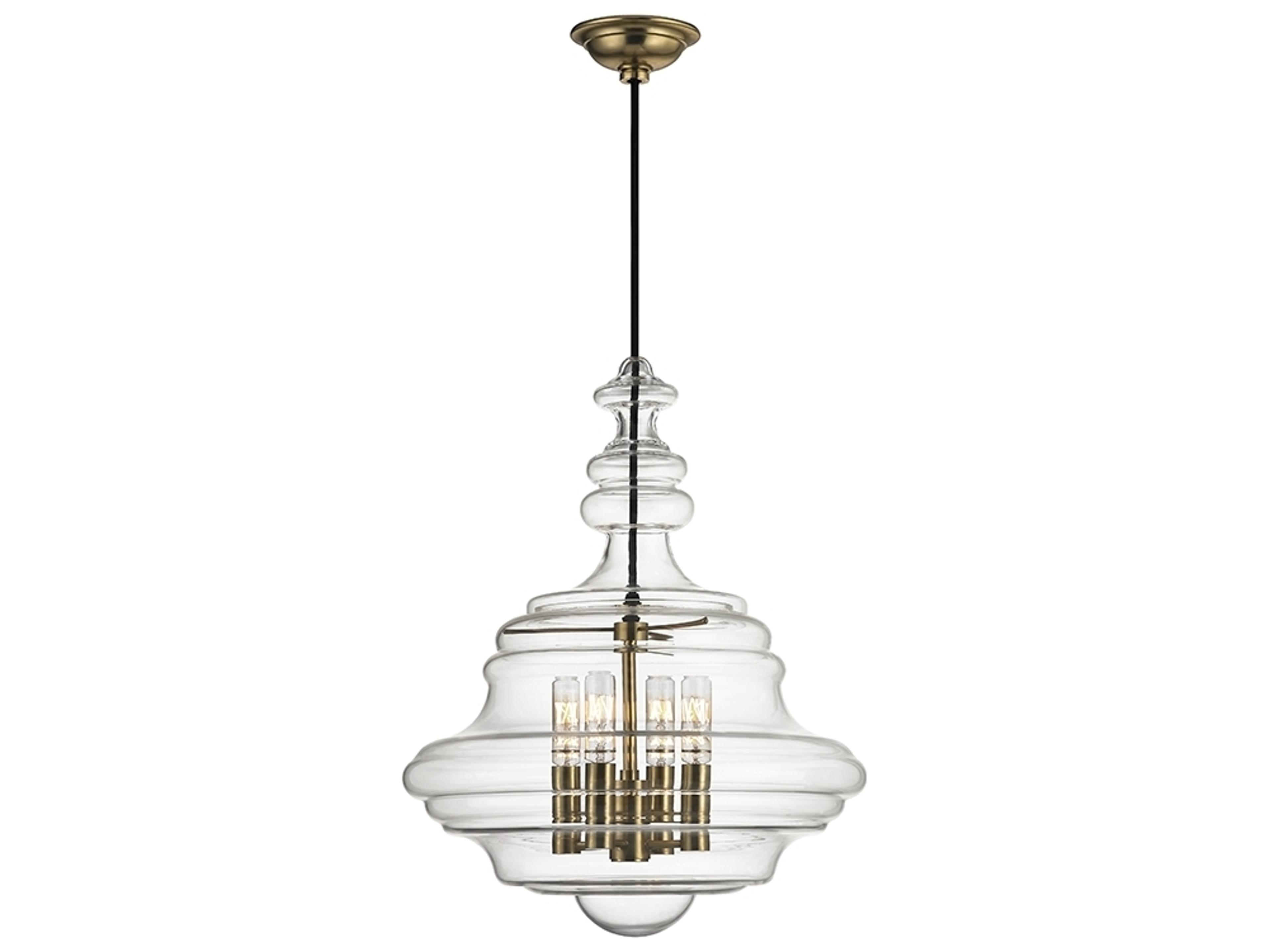
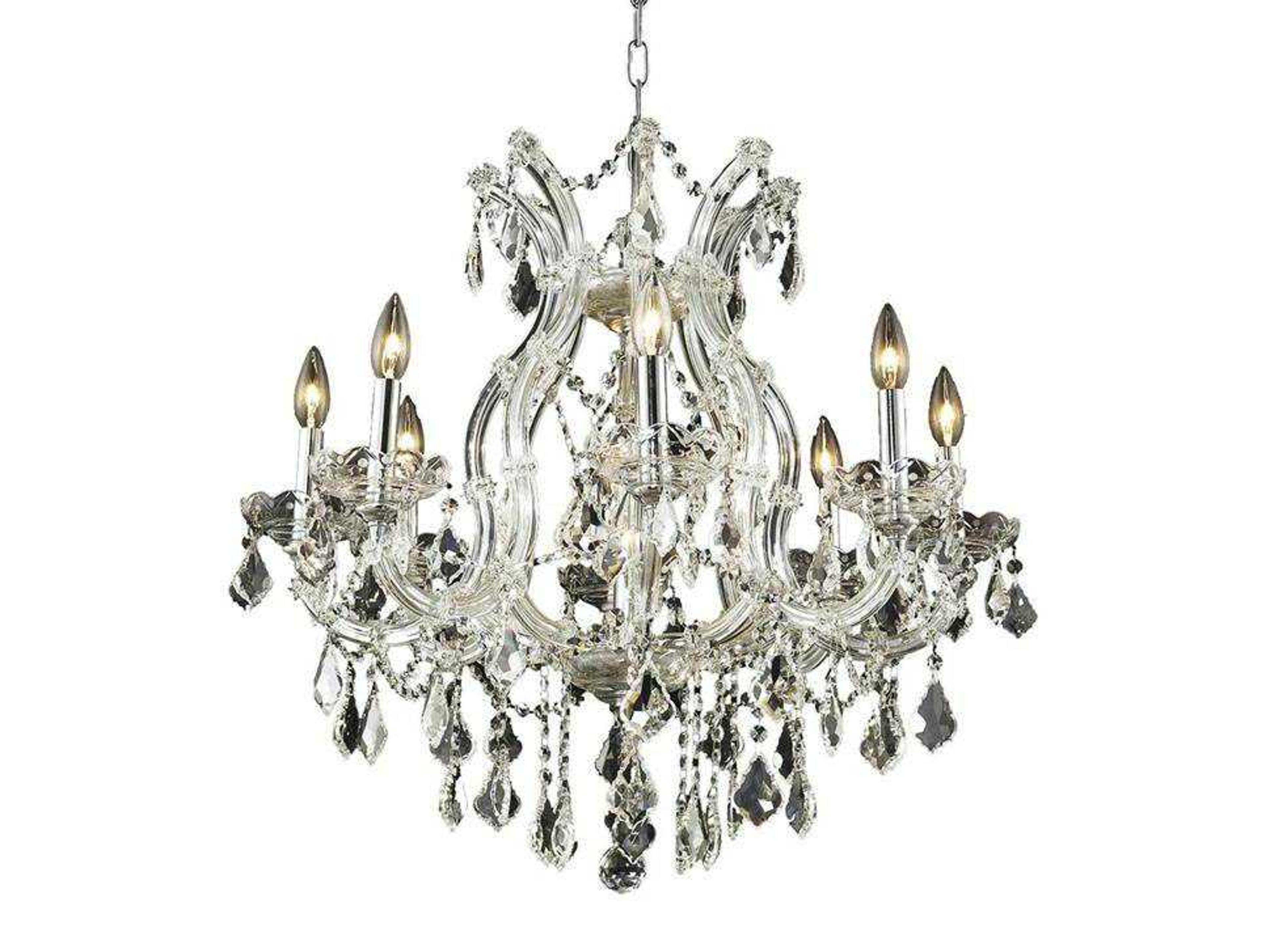
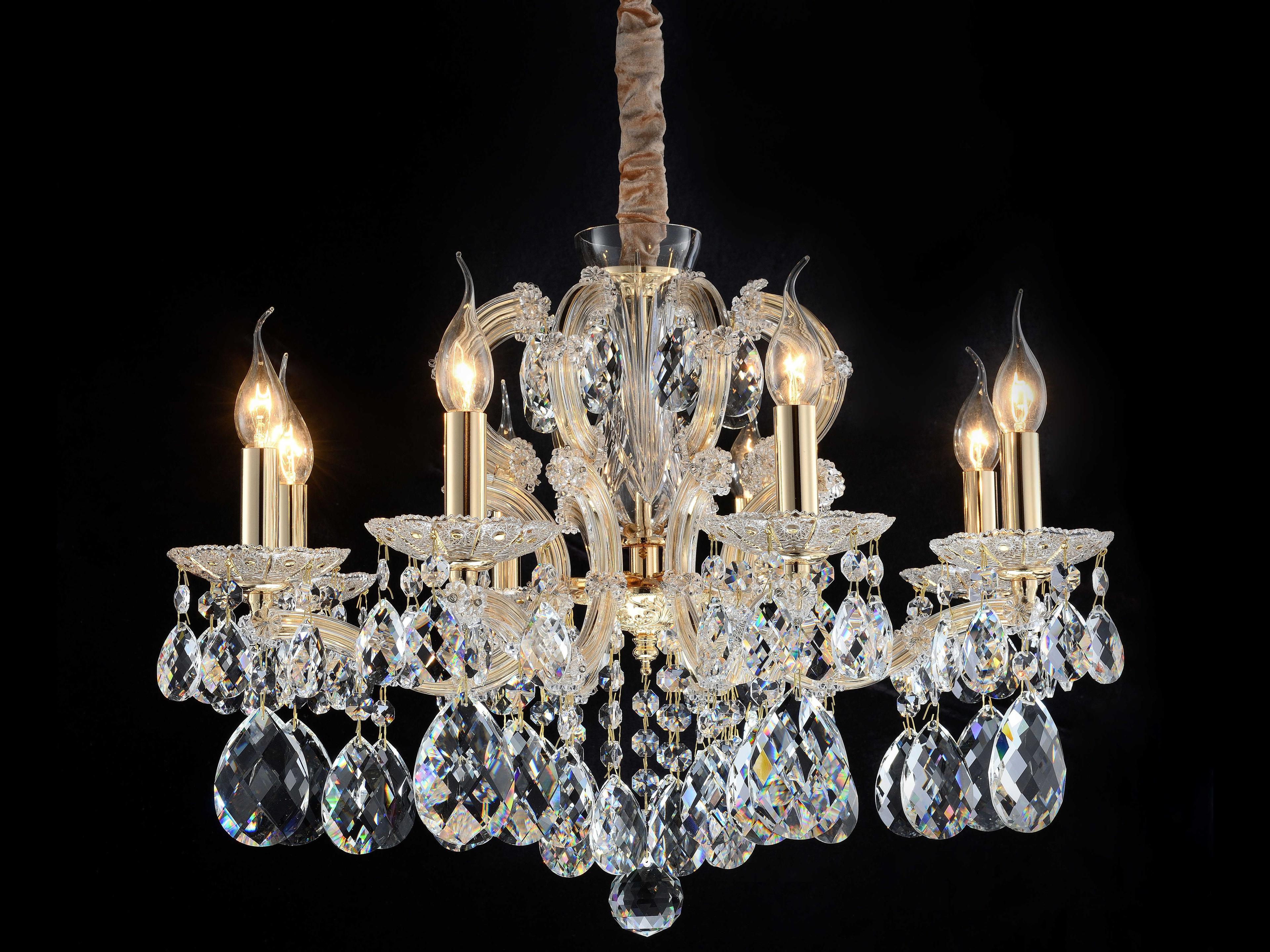
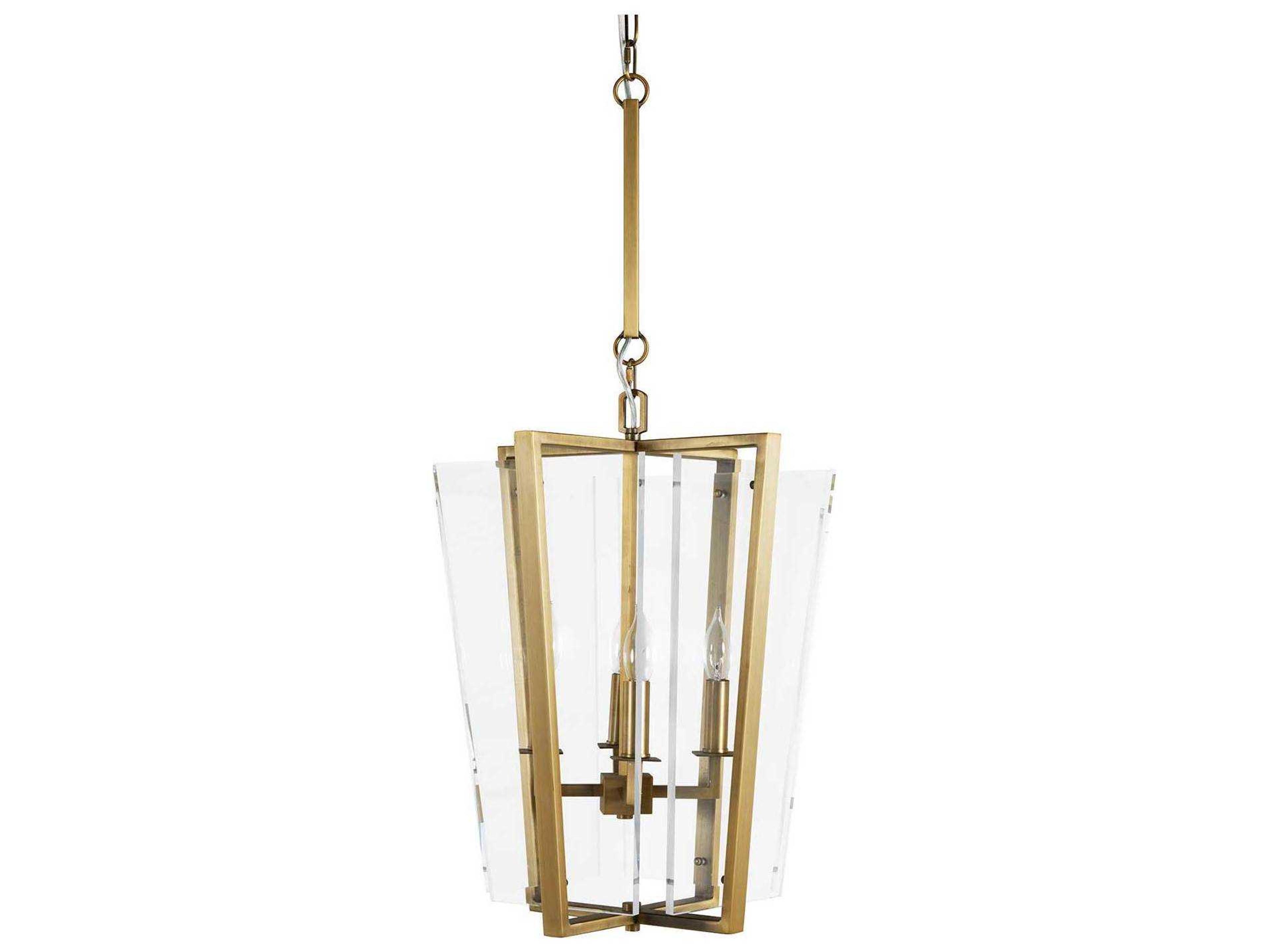
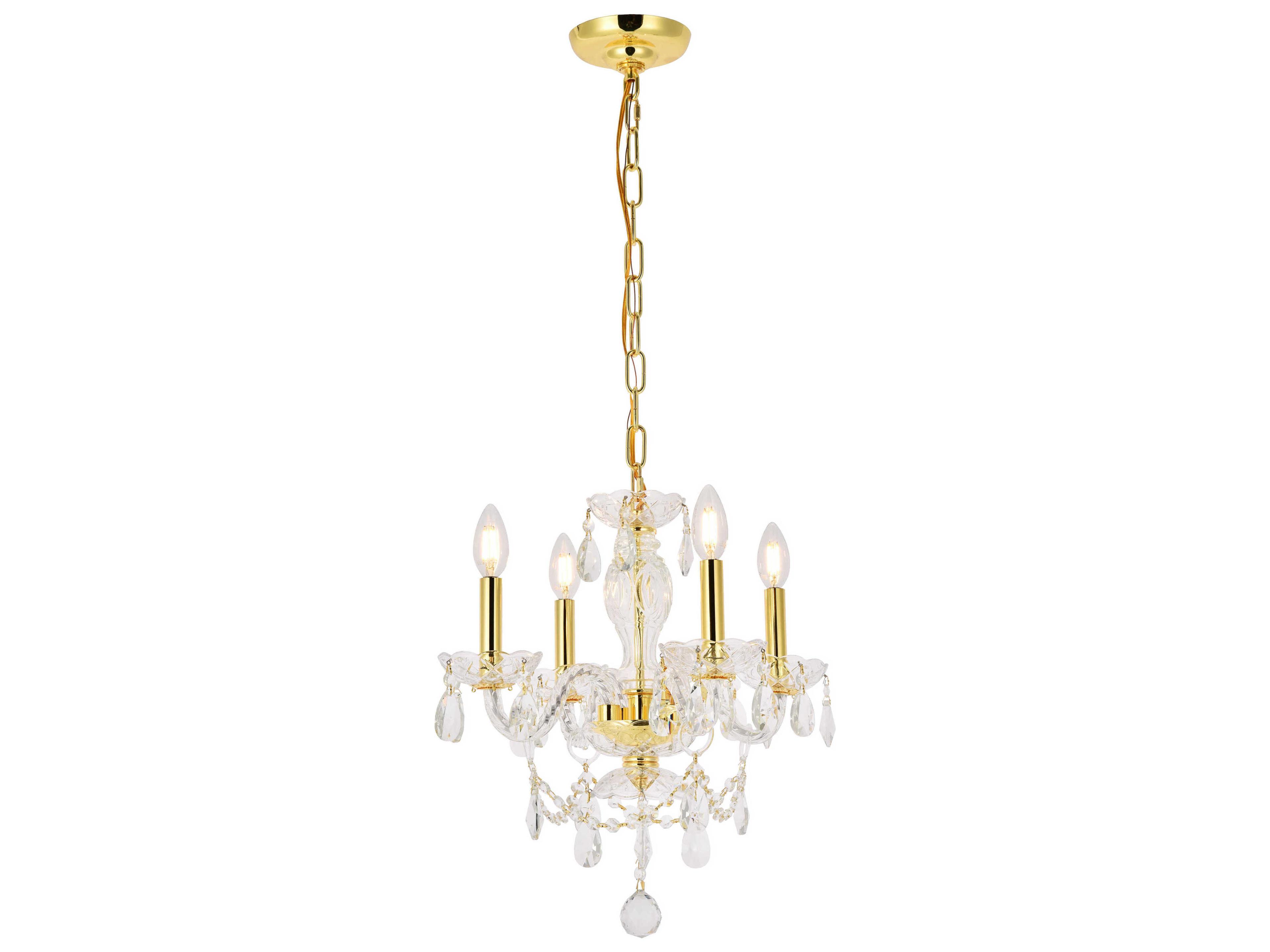
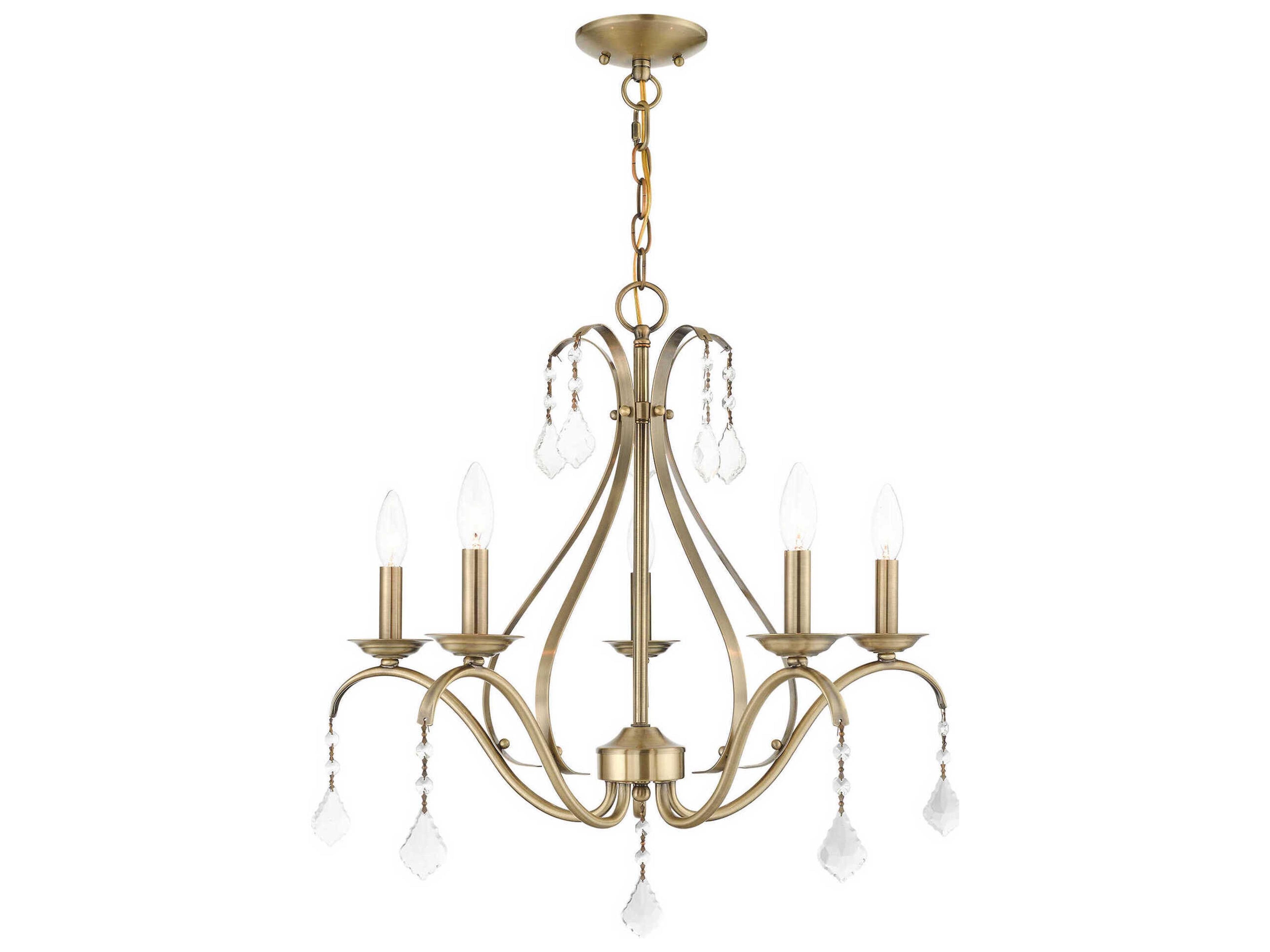
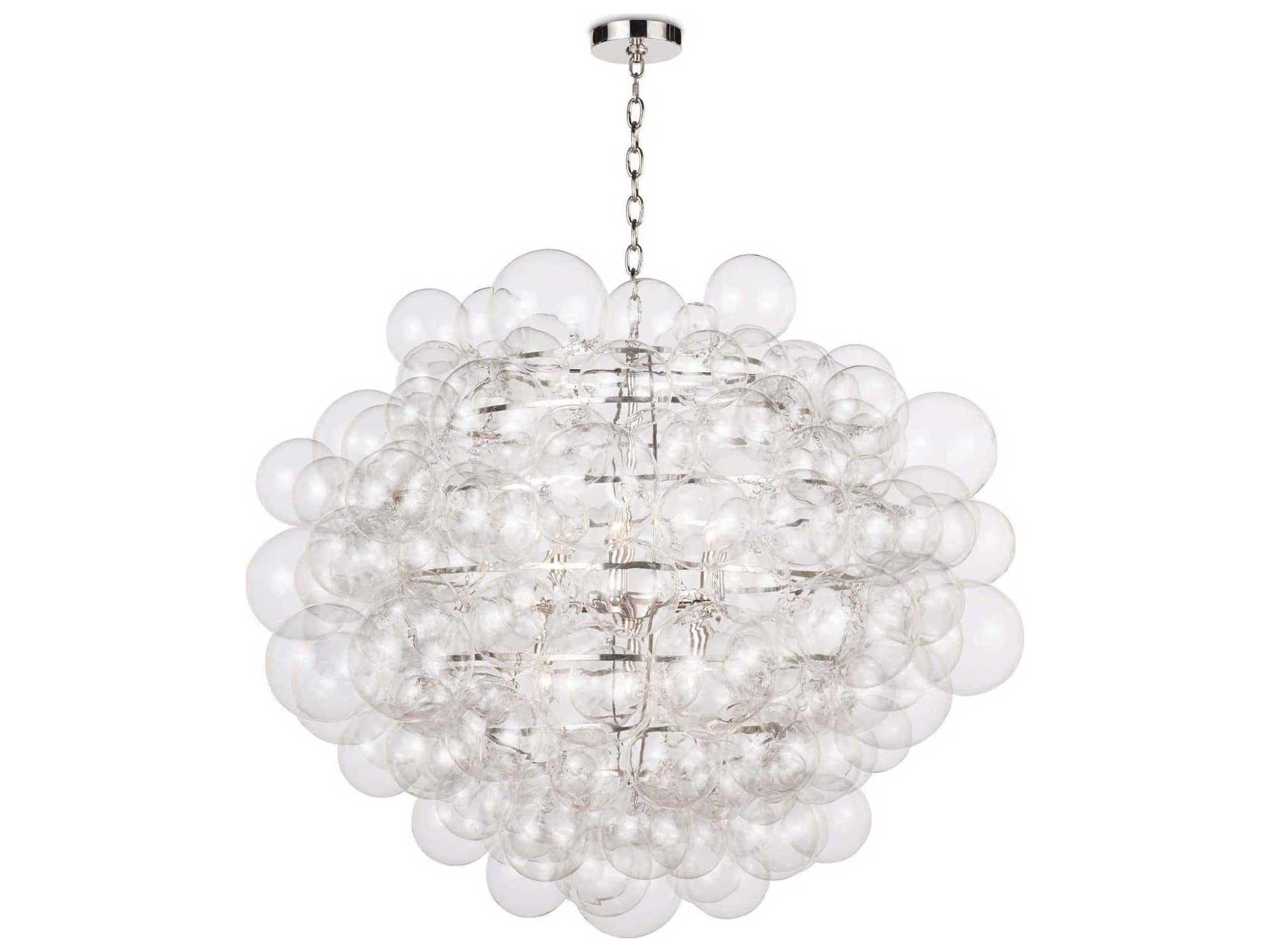
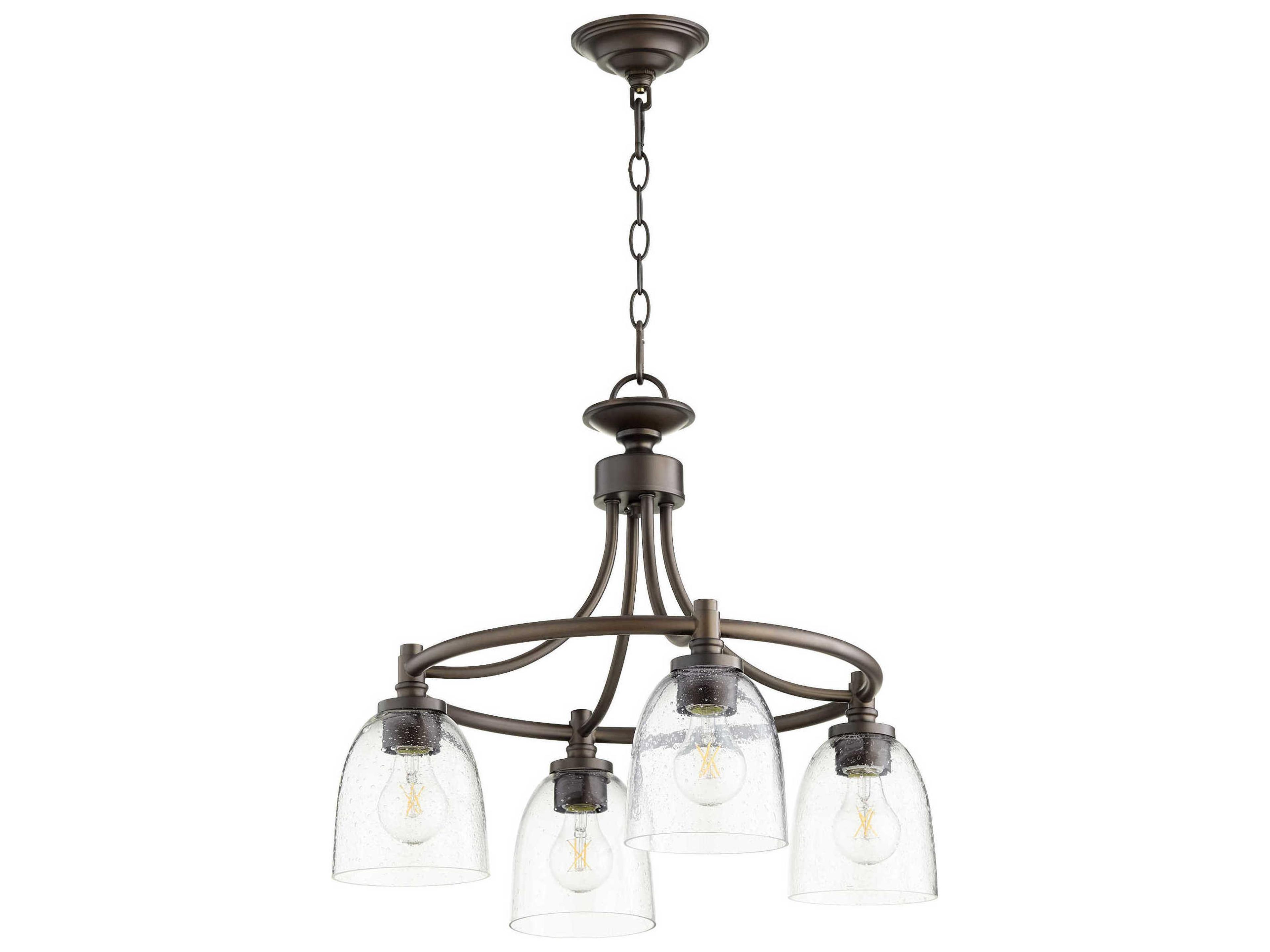
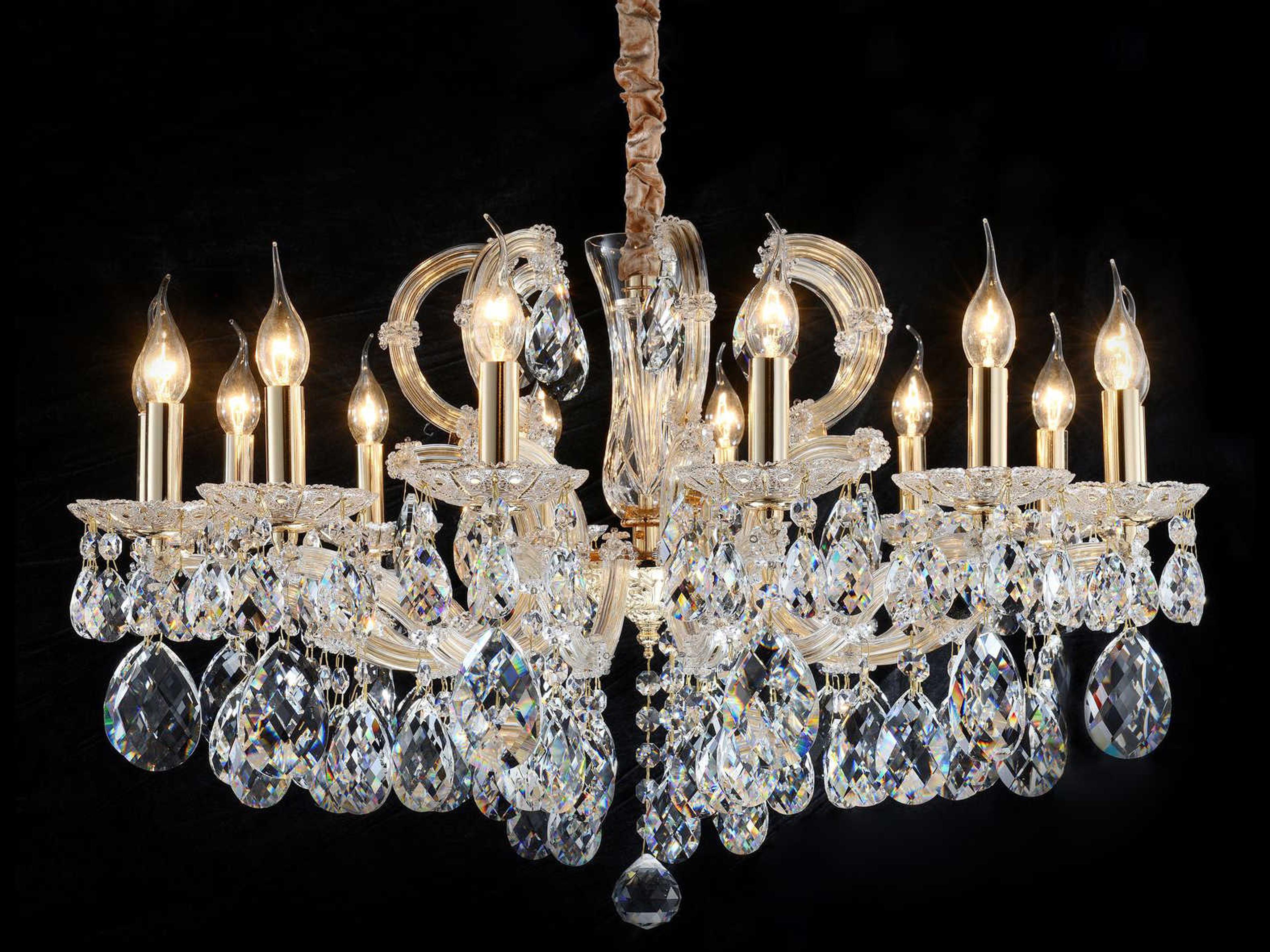
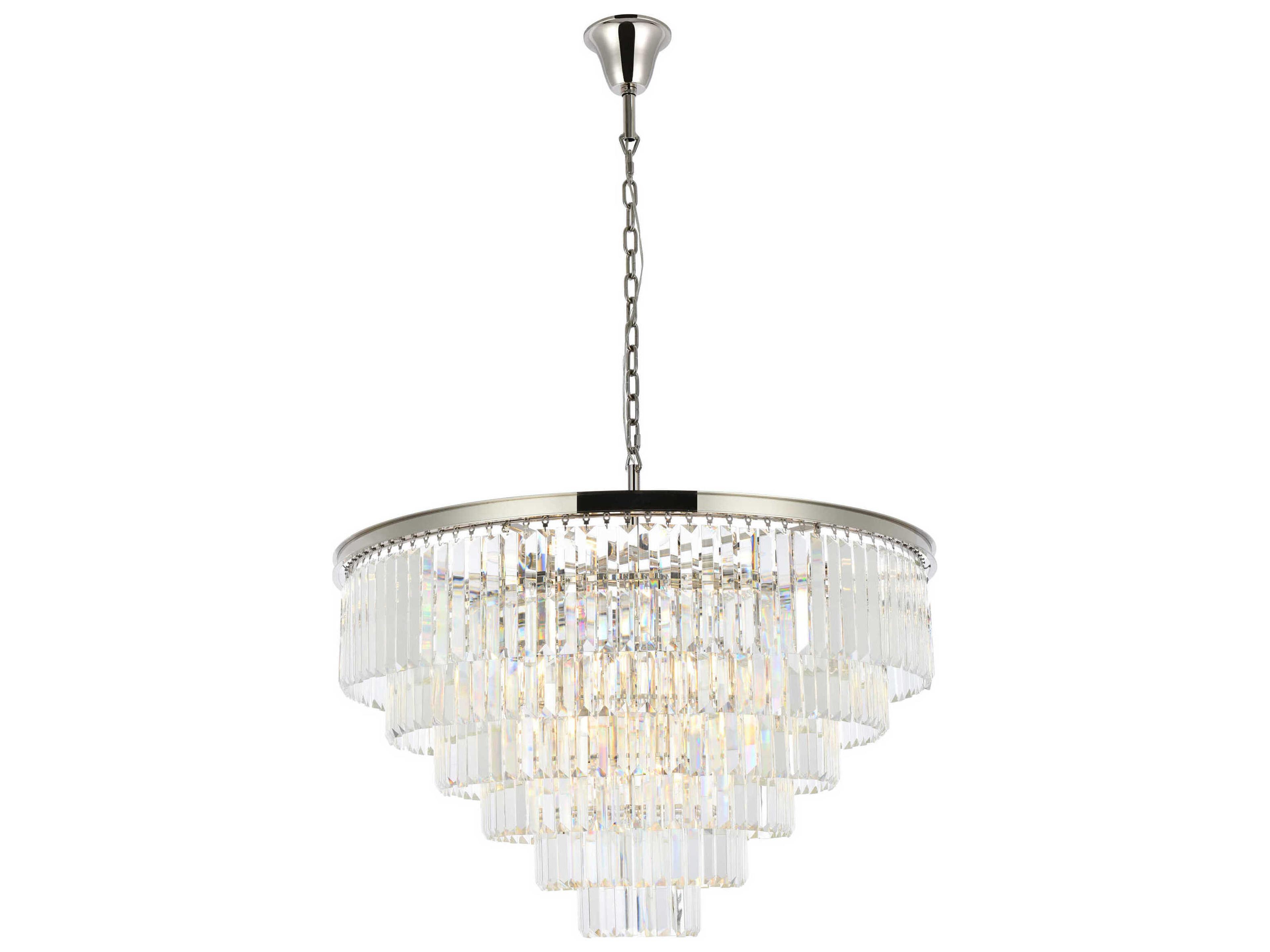
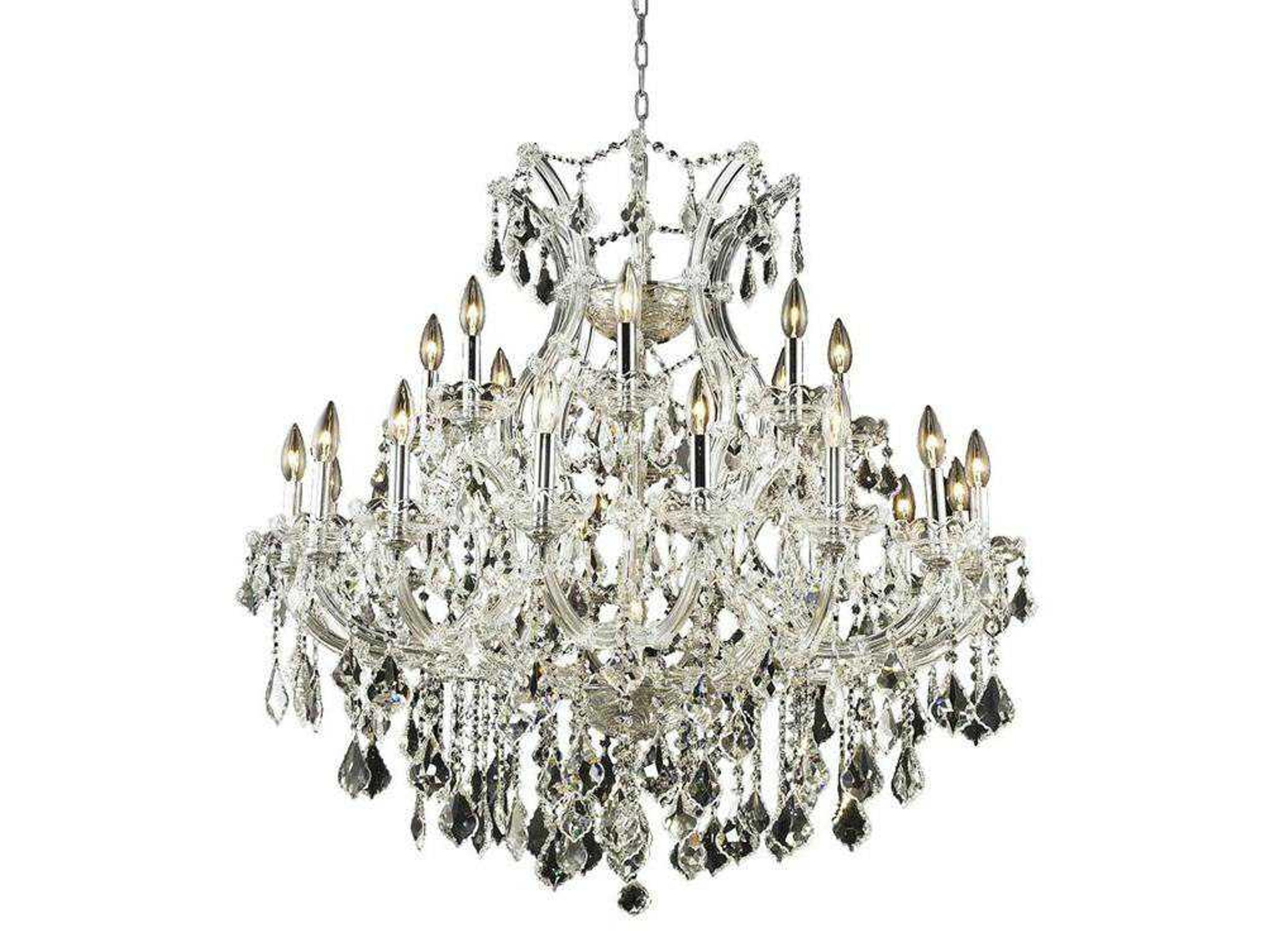
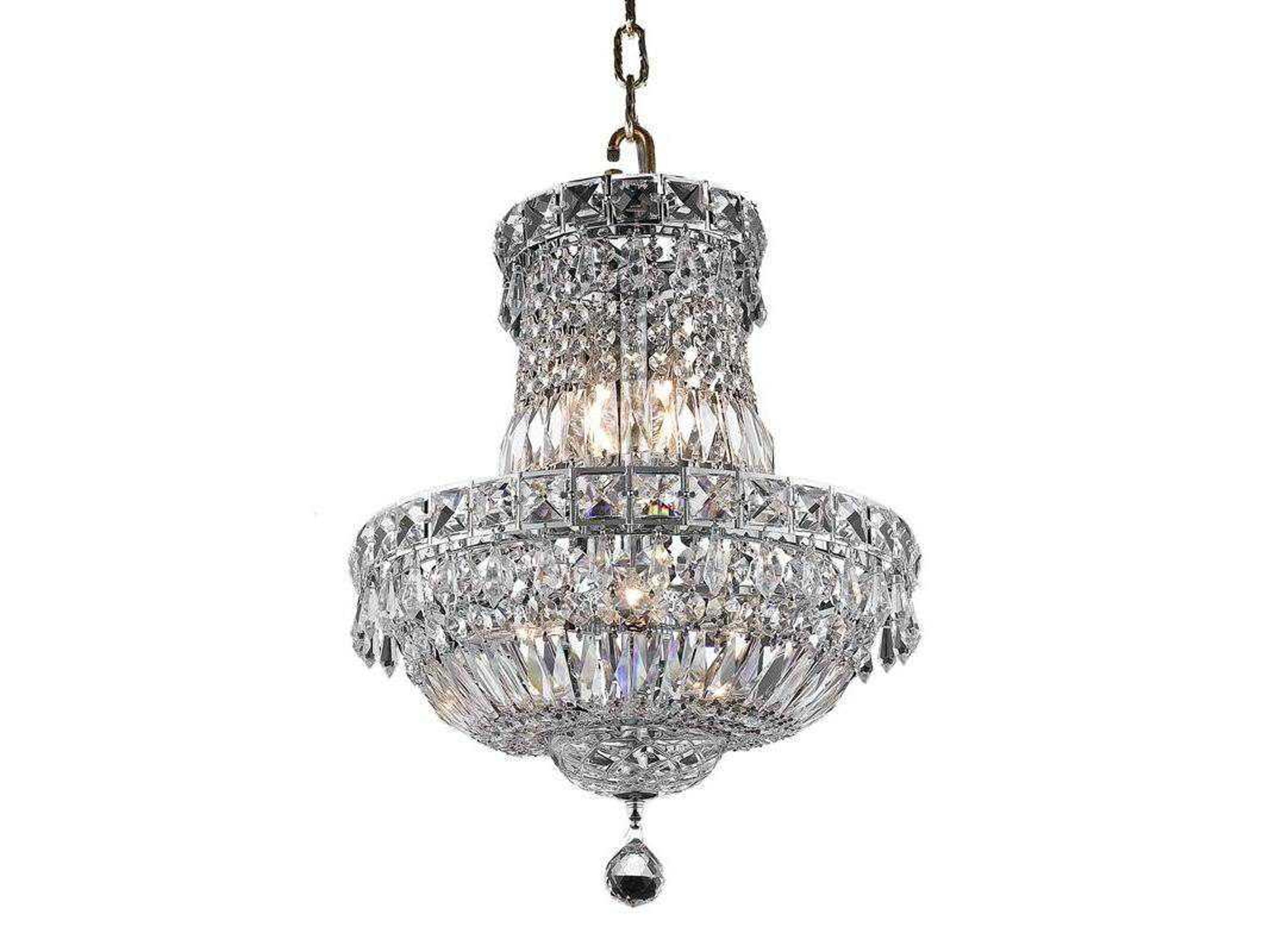
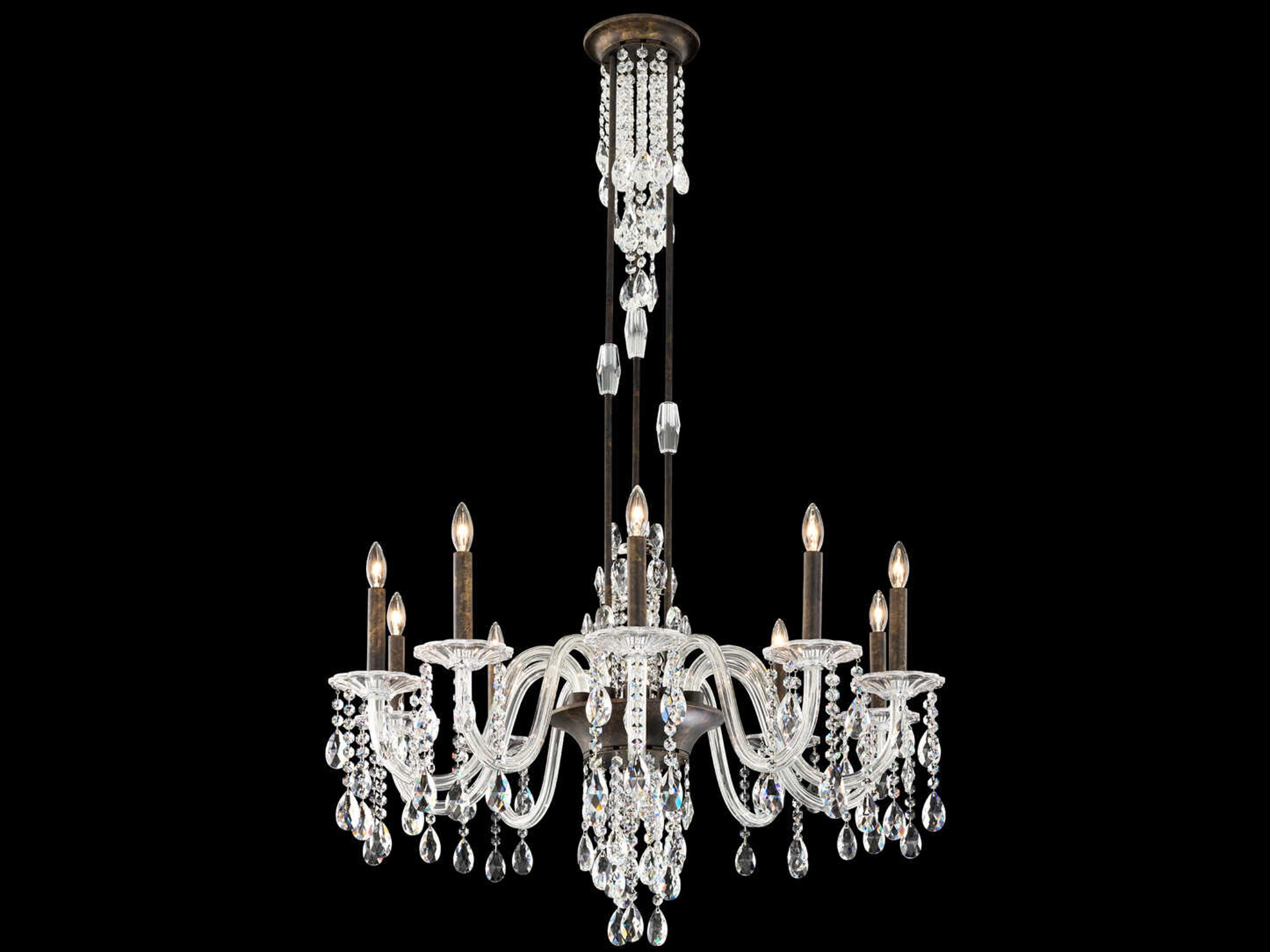
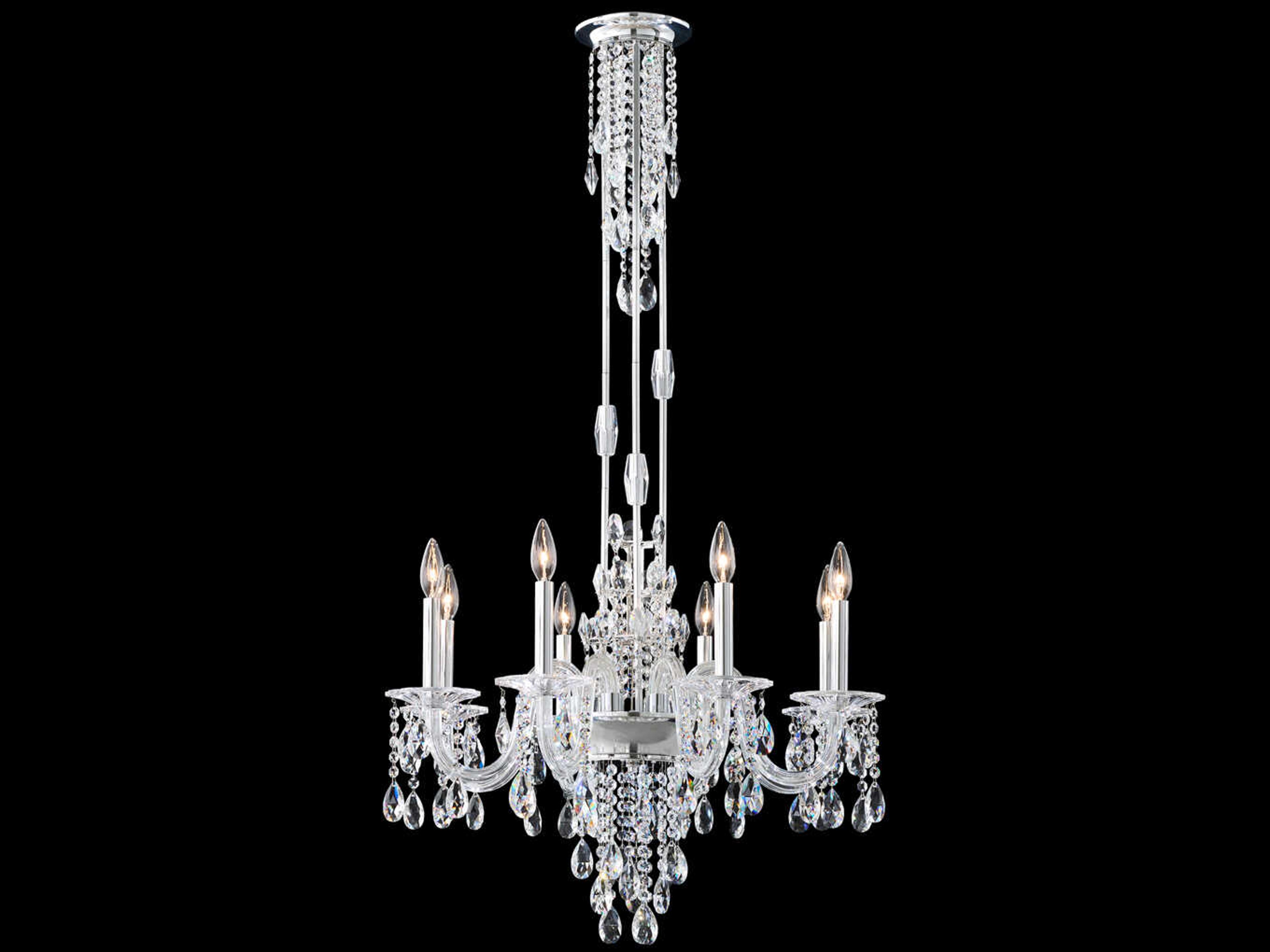
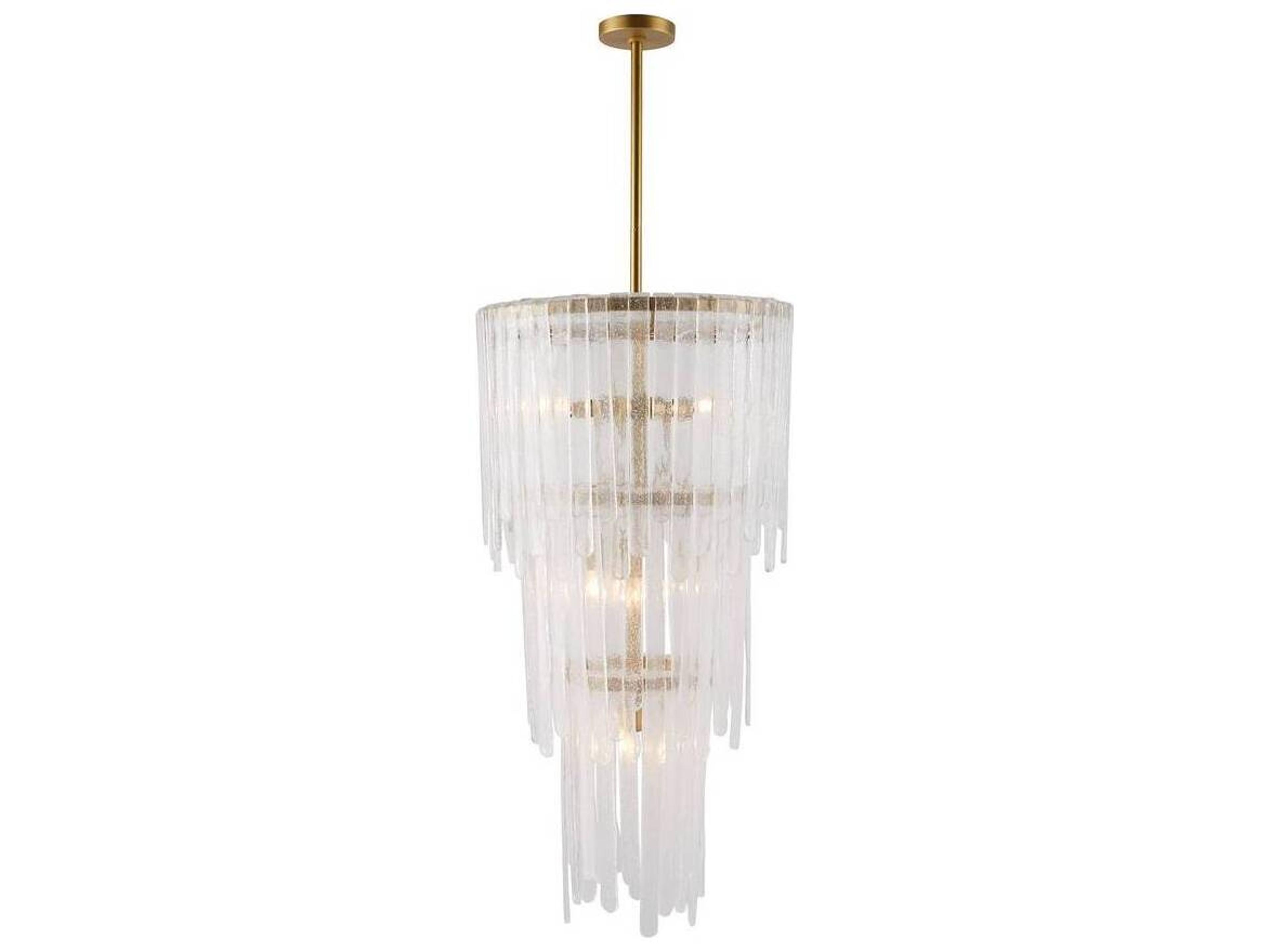
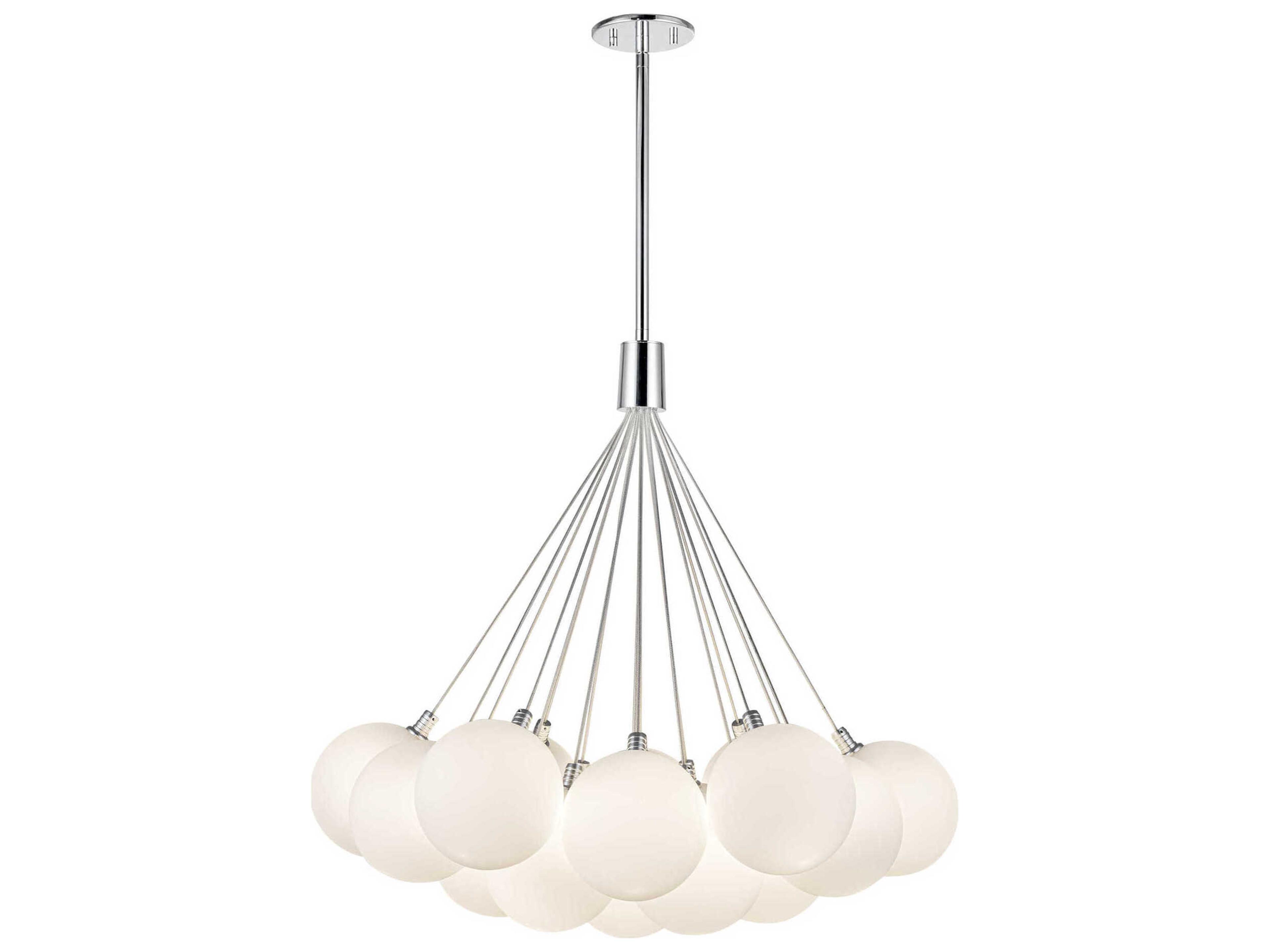
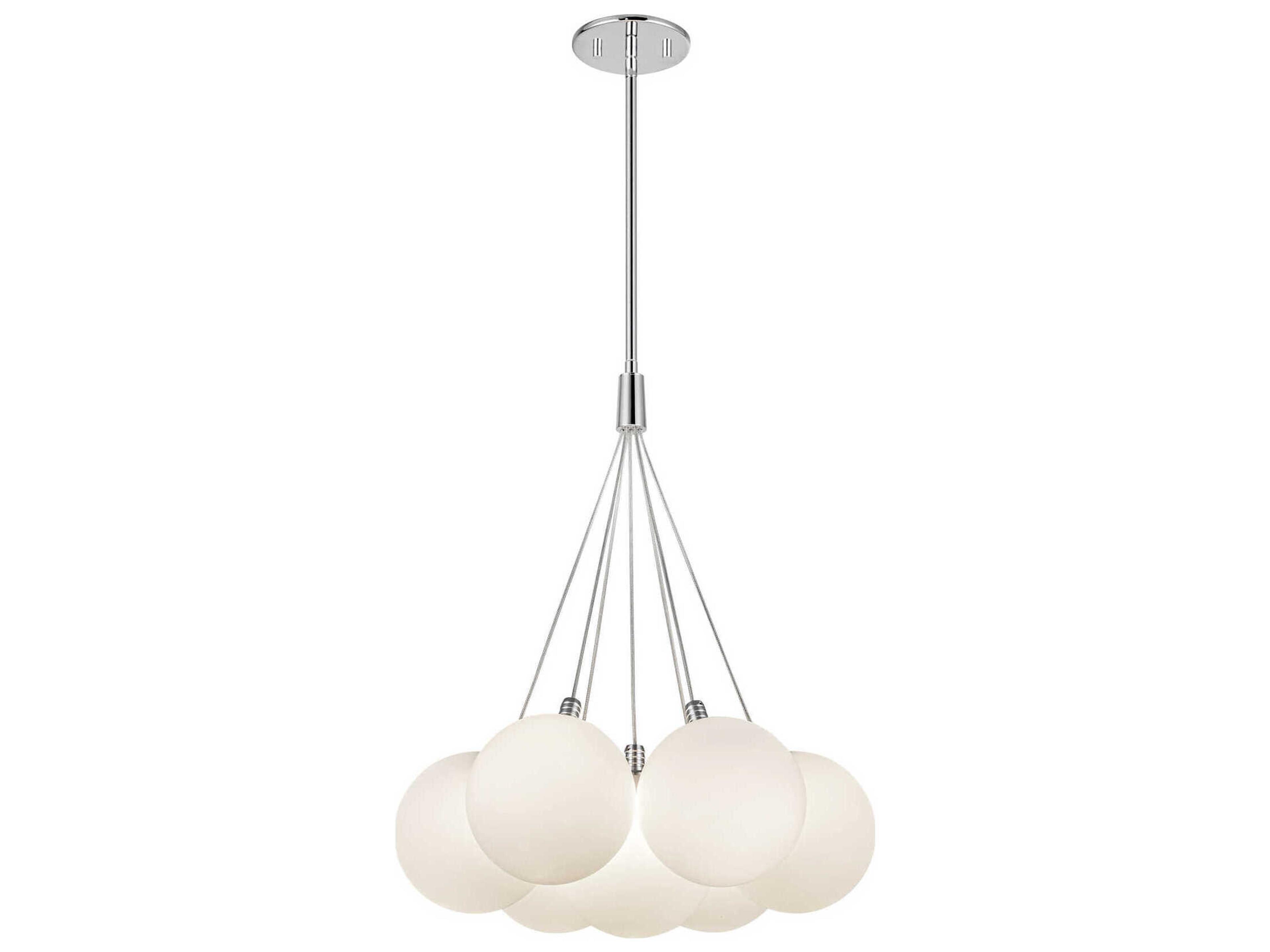
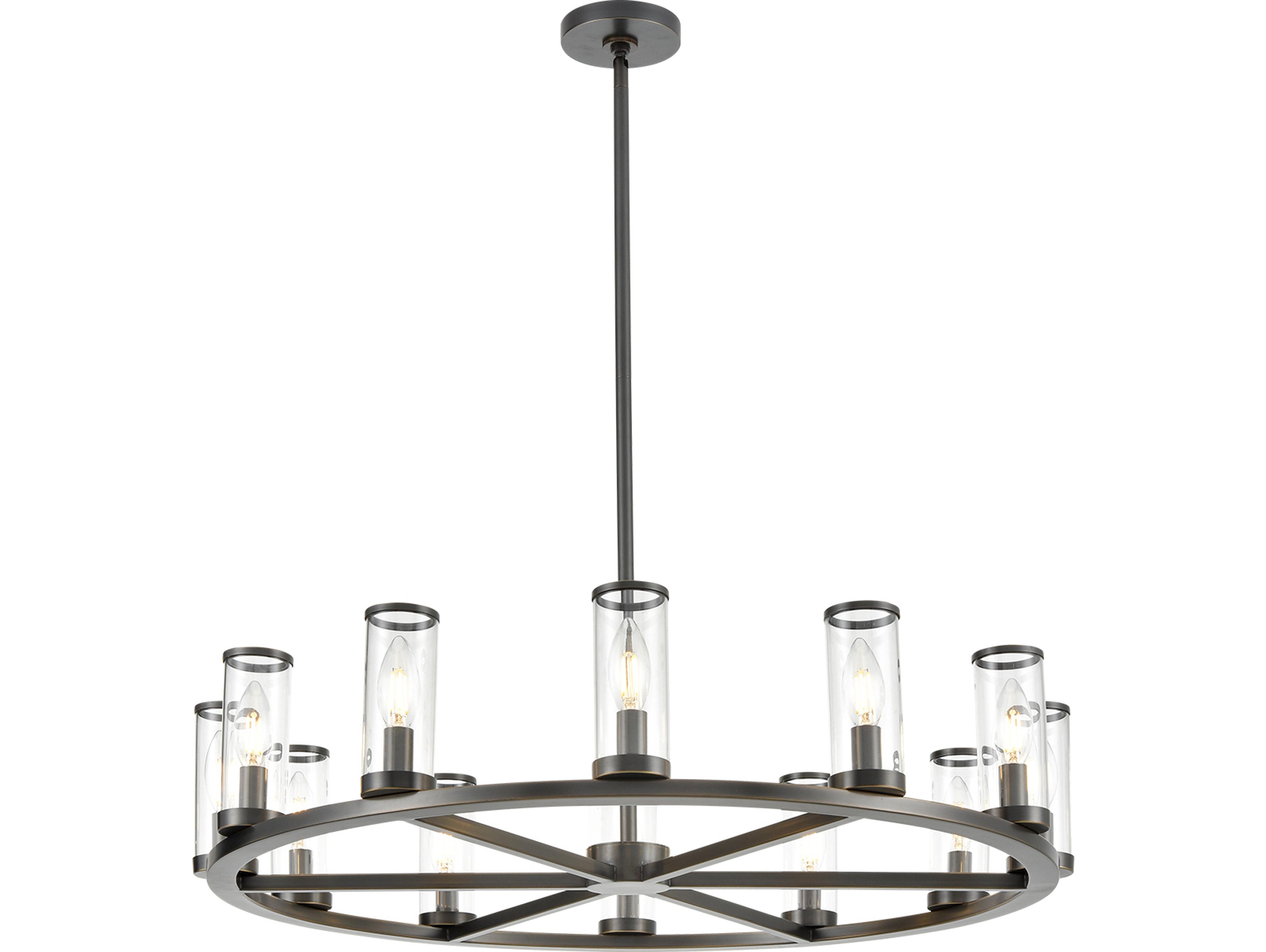
A transparent chandelier is the epitome of sophistication. It's like the glass key of lighting fixtures—pure, elegant, and just a bit magical. These chandeliers are made from materials like crystal, glass, and even acrylic, creating a modern and timeless look. They don't just light up a room; they transform it. When you walk into a room, a transparent chandelier looks like an opulent cloud of light and elegance suspended from the ceiling. But transparent chandeliers go beyond just looking cool, and here are three more reasons why you should get one.
Whether your home decor leans towards modern minimalism or you're all about that vintage vibe, the transparent chandelier fits in perfectly. Its see-through nature blends seamlessly into any decor style. Same as gray chandeliers, it blends in, yet it still stands out.
One of the best-kept secrets of the transparent chandelier is its ability to create the illusion of more space. Because it's clear, it doesn't impose on the room. Instead, it enhances the sense of openness and airiness. Perfect for smaller spaces where you want to avoid the cluttered look but still crave a touch of luxury.
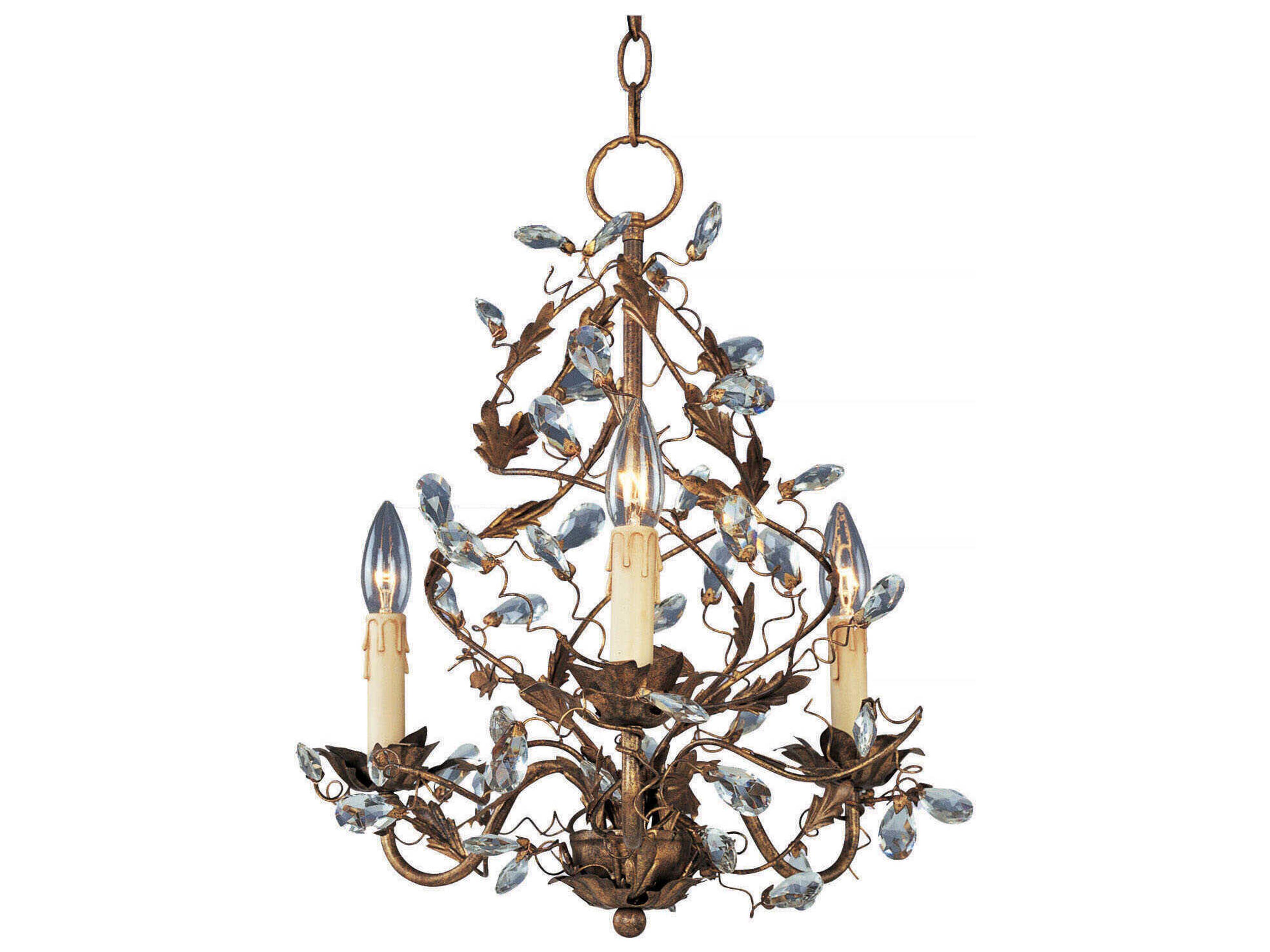
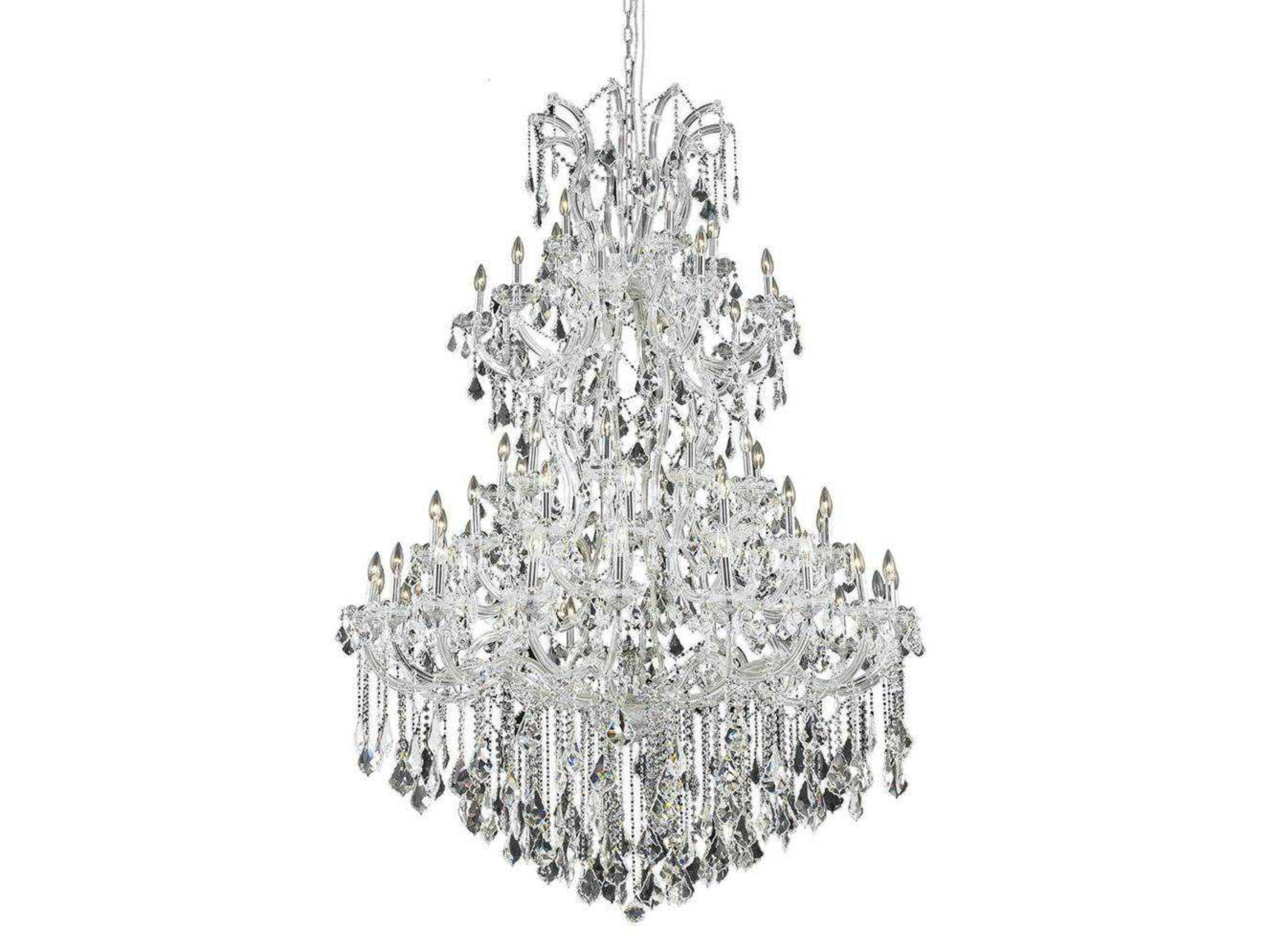
Transparent chandeliers don't just look good; they light up your space in the best way possible. The way light refracts through the crystals or glass creates a stunning effect, casting beautiful patterns and making the room feel warmer and more inviting. It's like having your own indoor light show without needing tickets.
Okay, maybe "a breeze" is a bit of an exaggeration, but hear me out. Transparent chandeliers, particularly those made from acrylic, are easier to clean than their traditional counterparts. You're back to sparkling brilliance with a quick wipe with a damp cloth and a bit of mild detergent. No more dusty light fixtures dragging down your home's style quotient.
In the world of home decor, the transparent chandelier is a game-changer. It's chic, versatile, and downright mesmerizing. If you want to elevate your space with a touch of class and a lot of sparkle, this crystal clear choice should be at the top of your list. So, let your home shine bright like a diamond, or in this case, a transparent chandelier.