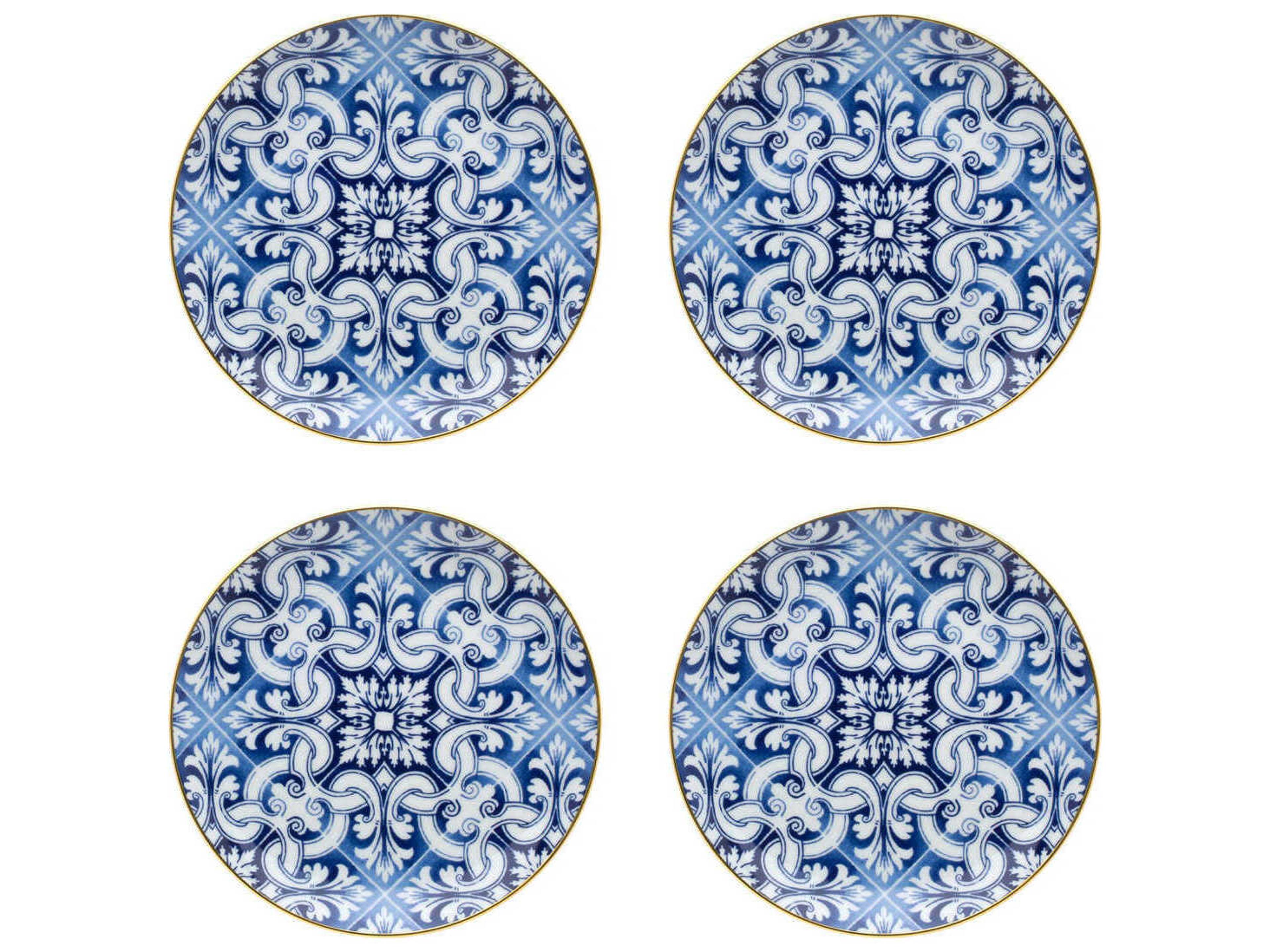
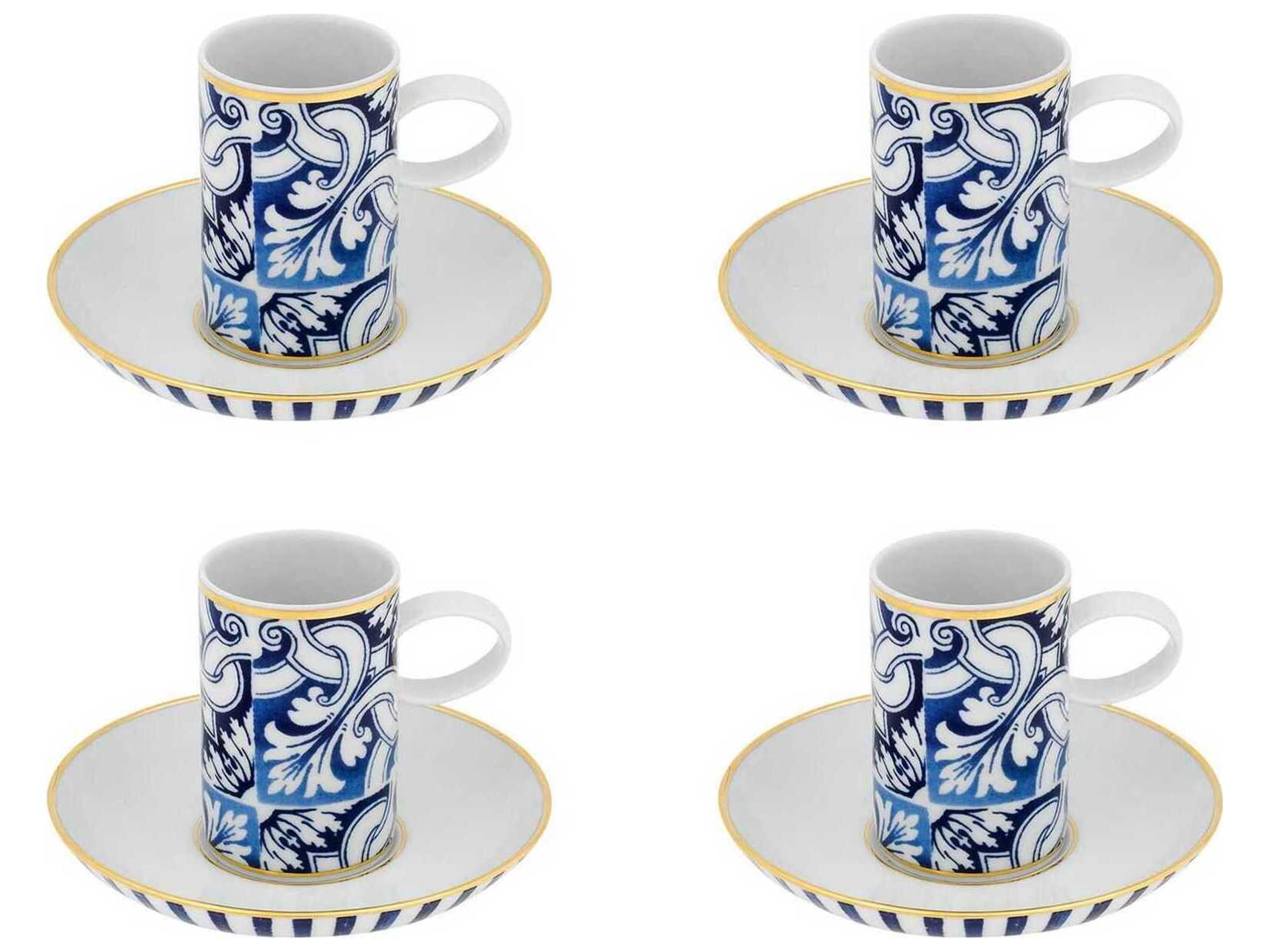
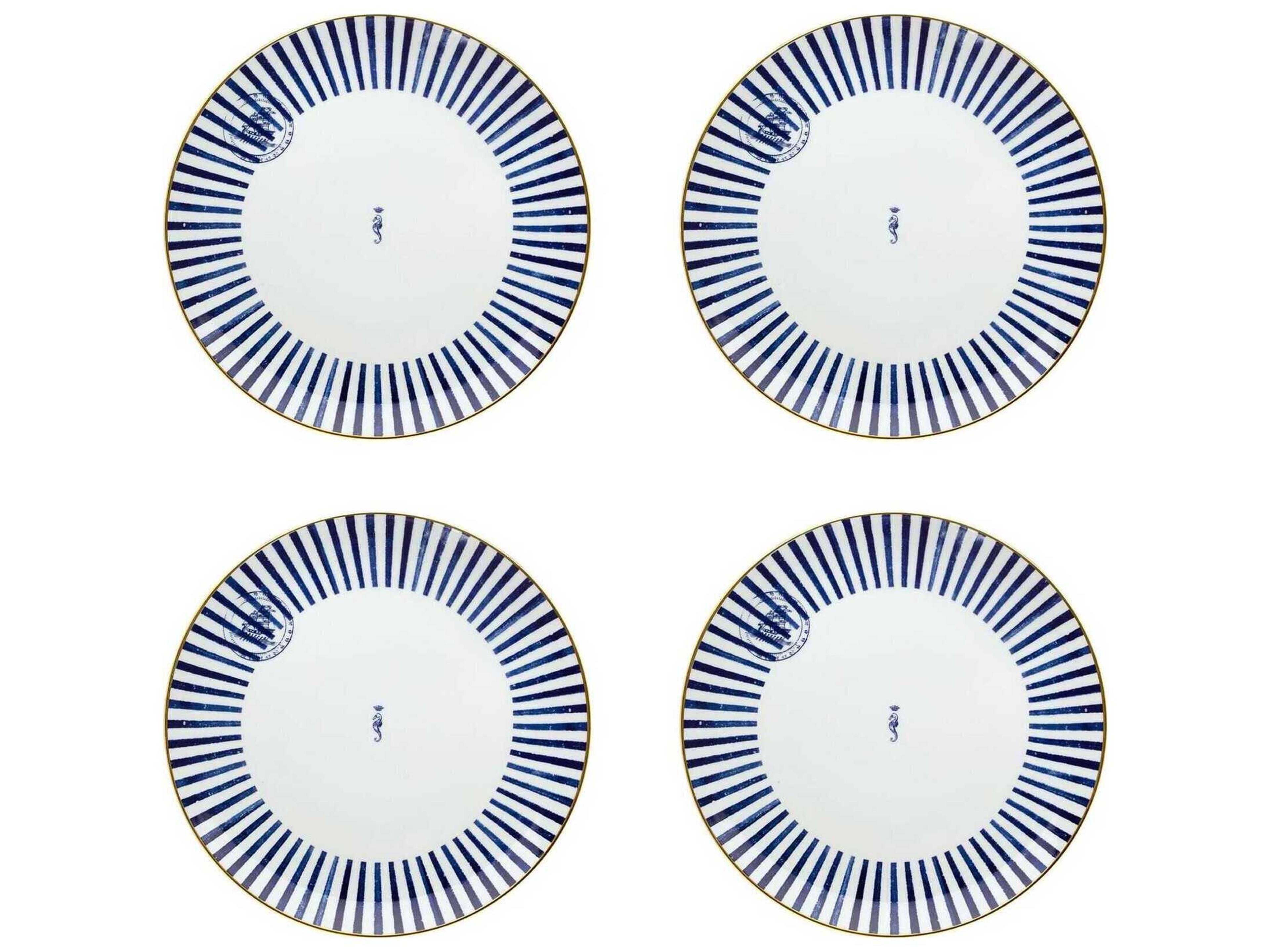
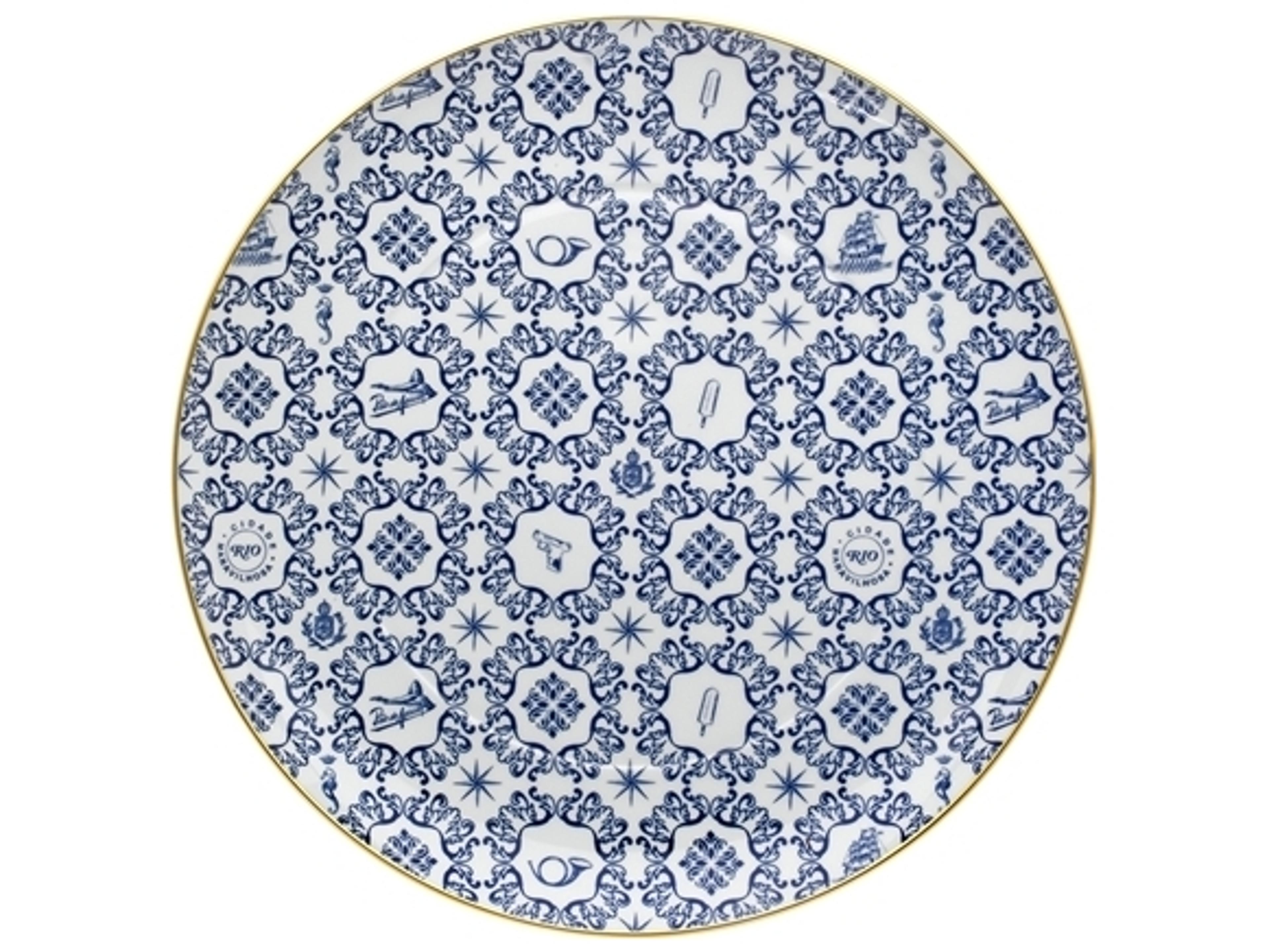
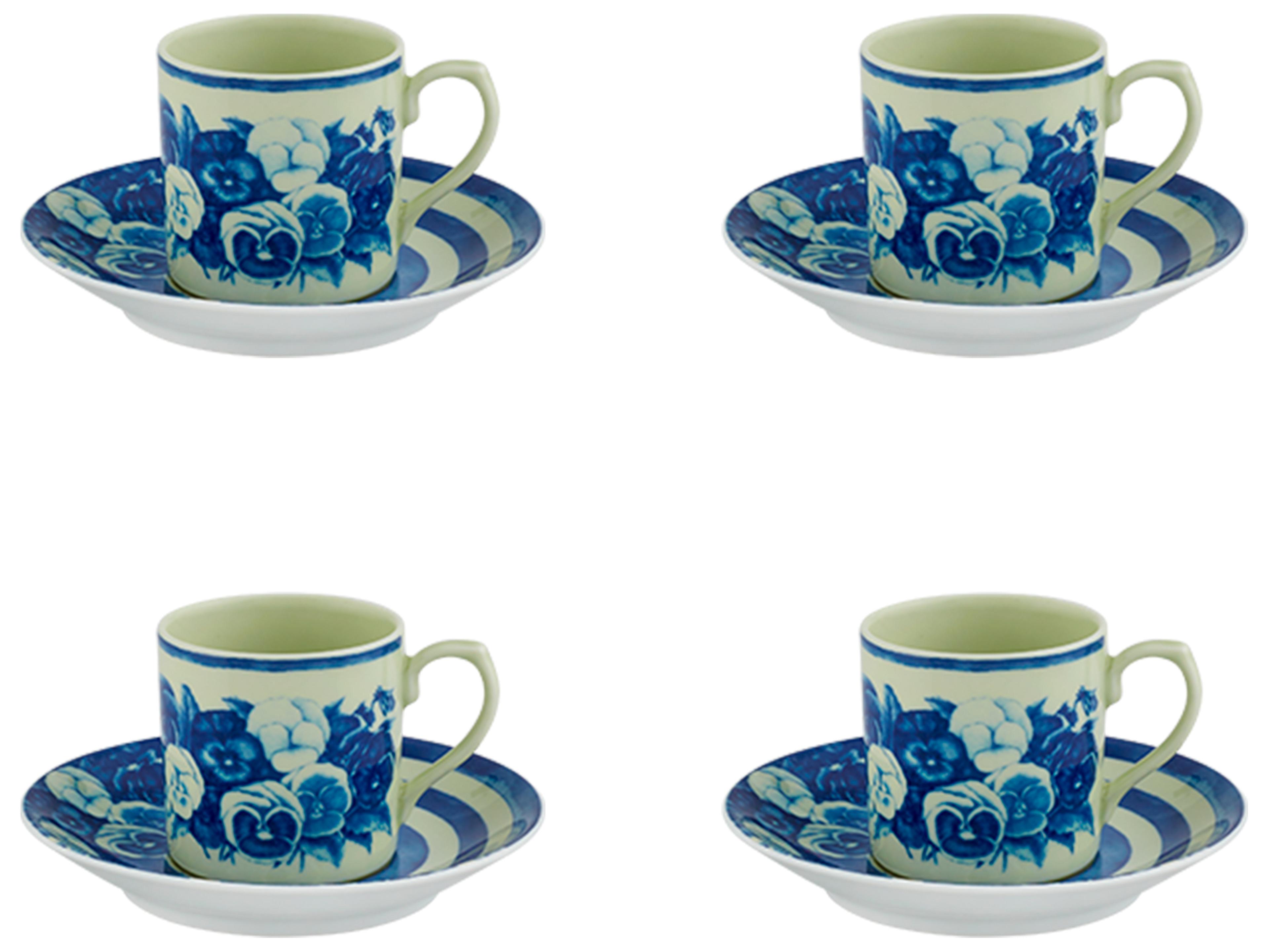
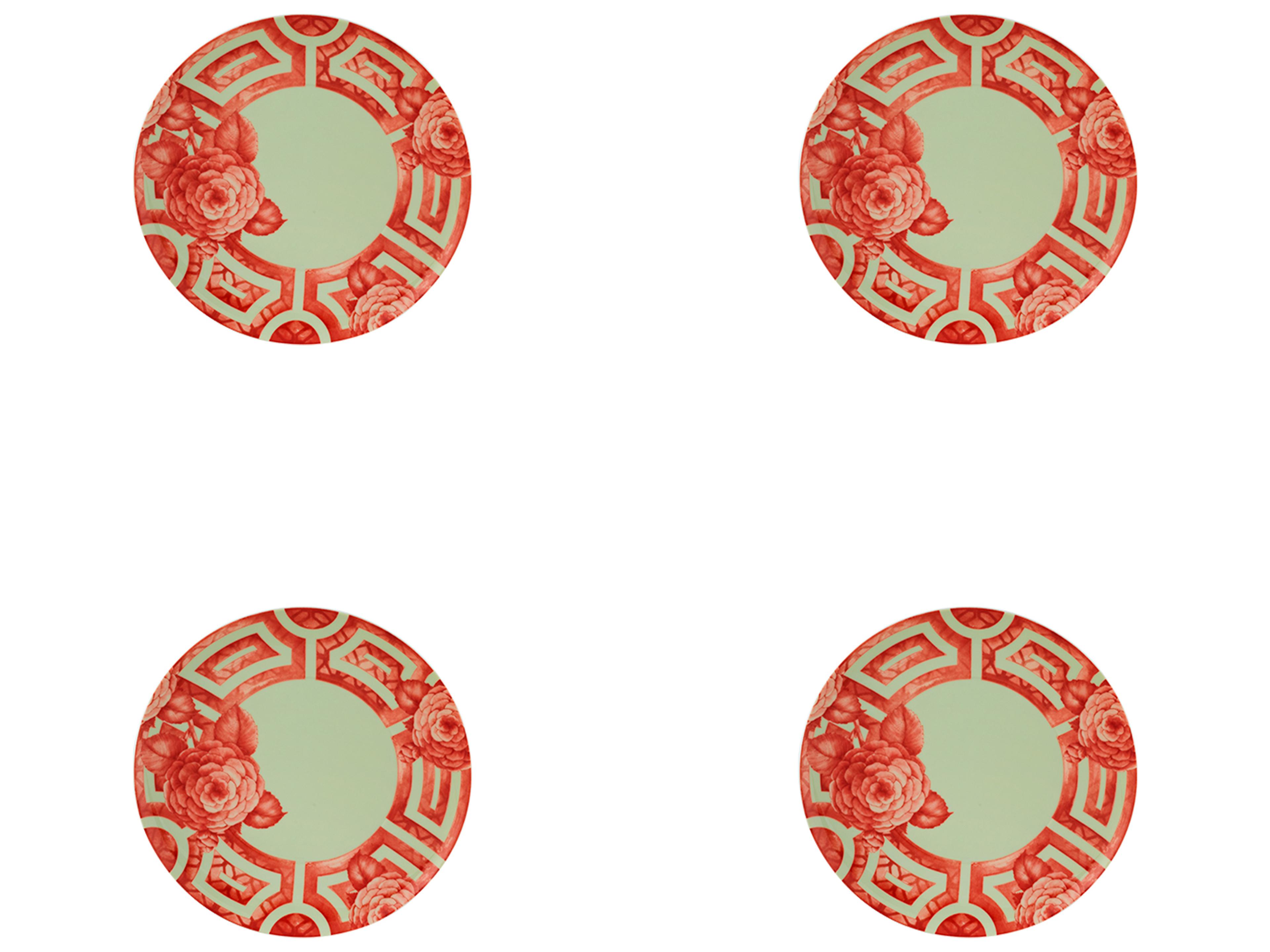
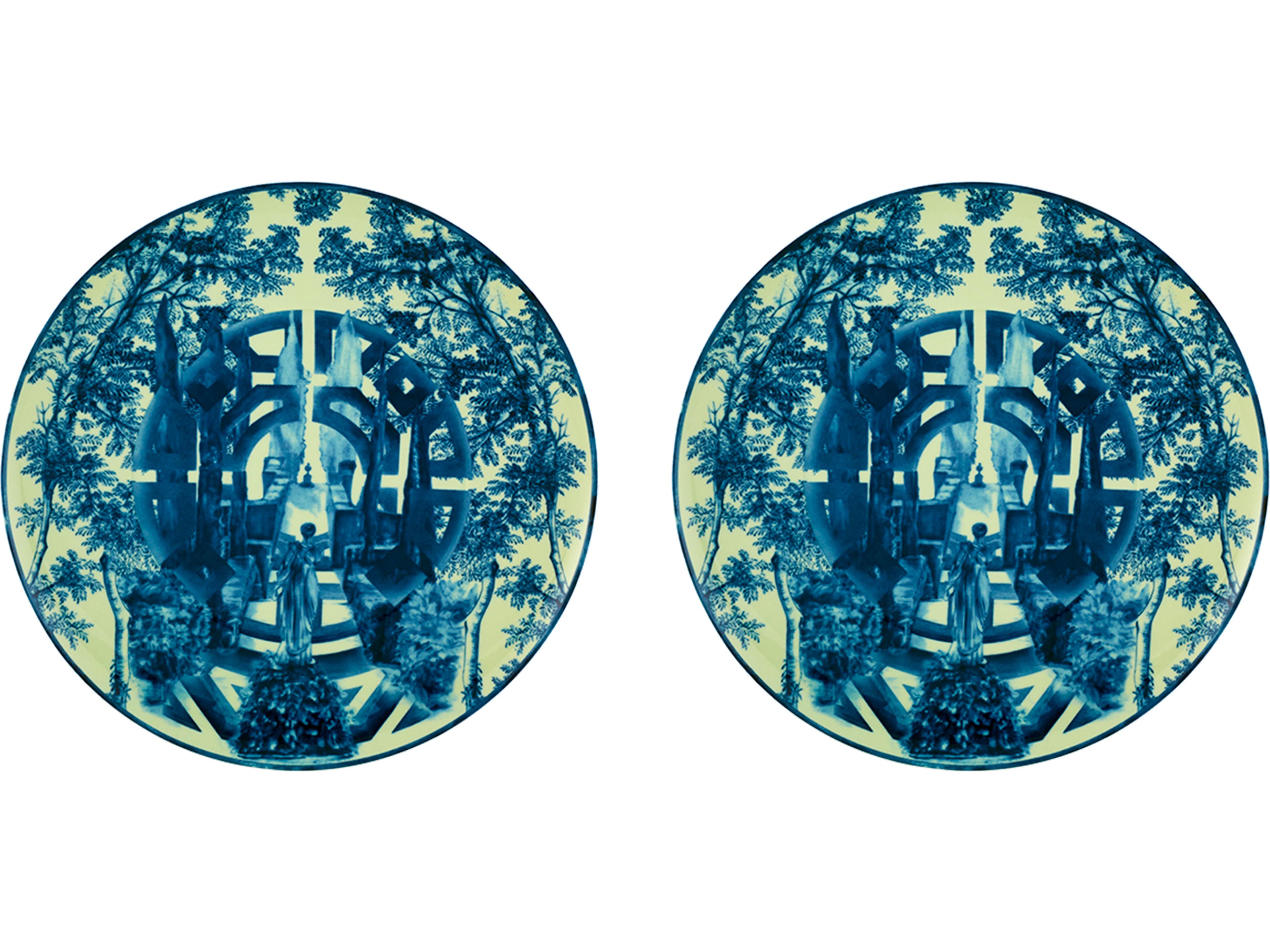
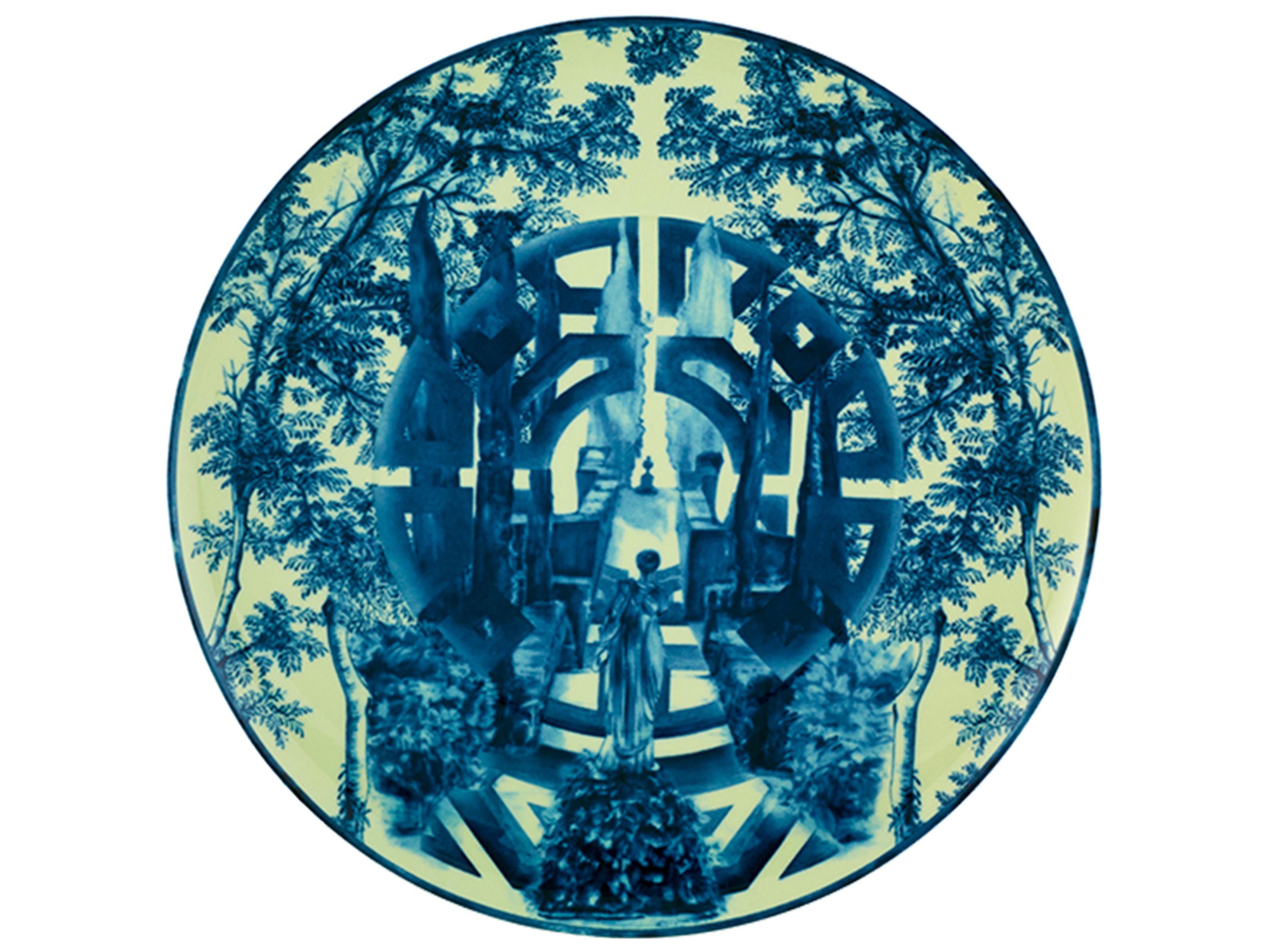
Chat now with a product specialist to assist with quotes or product questions.

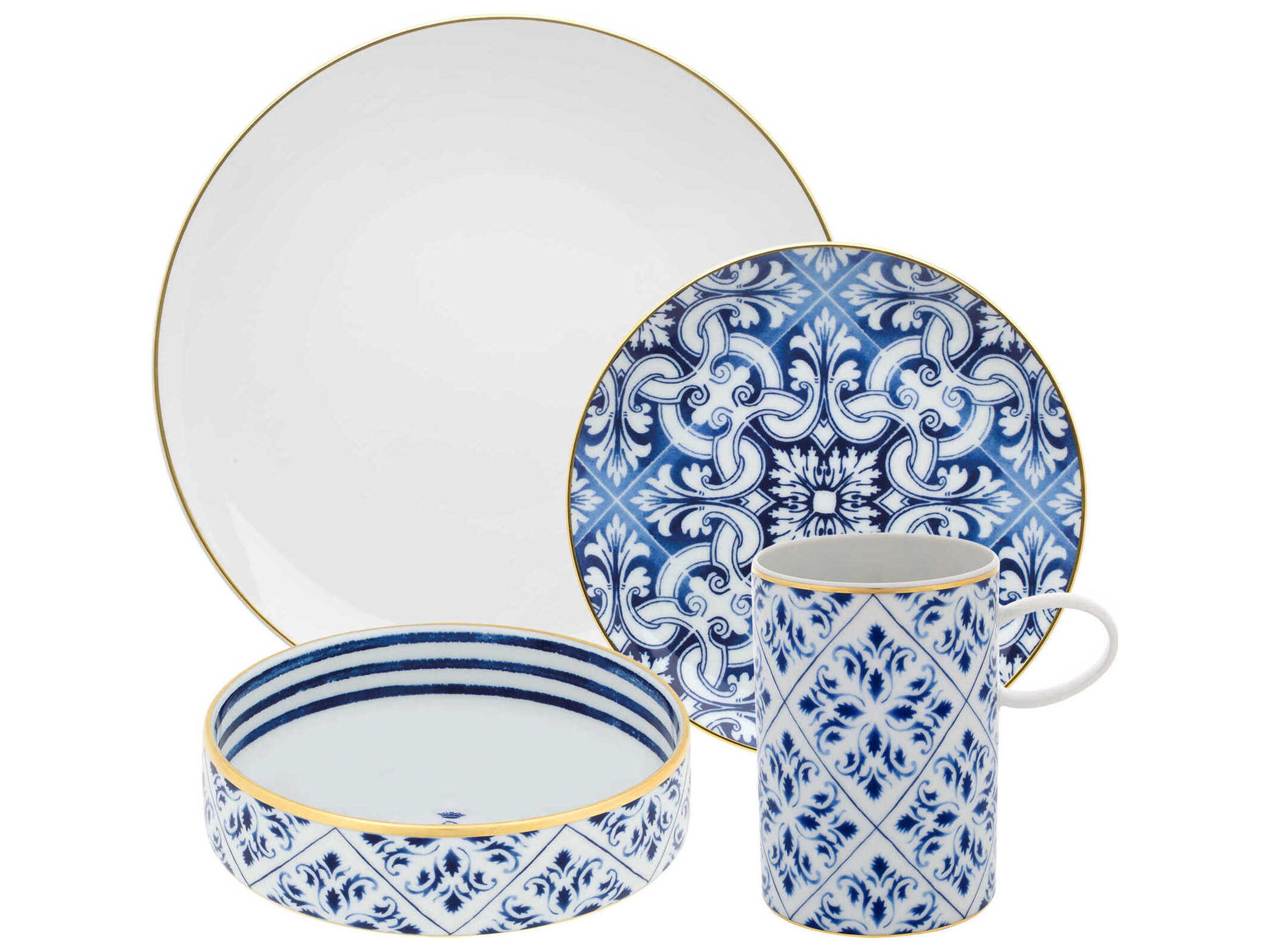
Since its founding in 1824, Vista Alegre has stood as a symbol of Portuguese artistry, innovation, and cultural heritage. Established by José Ferreira Pinto Basto, an ambitious entrepreneur and visionary, the Vista Alegre Porcelain Factory became the first industrial unit in Portugal dedicated to porcelain. Overcoming early challenges with persistence and foresight, the brand quickly rose to prominence, earning the title of Royal Factory only five years after its creation. This distinction signaled both industrial excellence and artistic mastery.
From its earliest days, Vista Alegre attracted international recognition, with showcases at the Crystal Palace in London and the Paris Universal Exhibition. The company’s dedication to craftsmanship, combined with technological innovation and collaborations with master artisans, elevated its reputation as one of Europe’s most prestigious porcelain manufacturers. Each era has marked a new evolution, from producing regal dinner services for Portuguese royalty to creating pieces celebrated on the global stage.
The brand’s story is also one of resilience. Through periods of economic difficulty, Vista Alegre adapted, embraced new artistic movements, and modernized production while never compromising its devotion to artistry. By the 20th century, Vista Alegre had become not only a factory but also a cultural institution. Its museum, art and development center, and collaborations with celebrated designers anchor its role as a guardian of Portuguese identity.
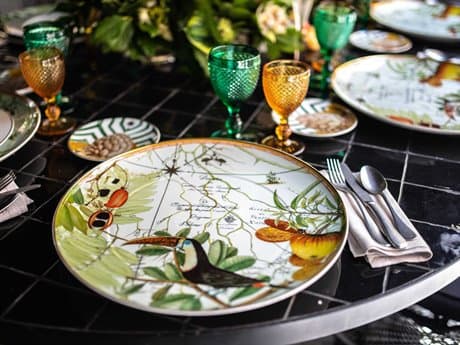
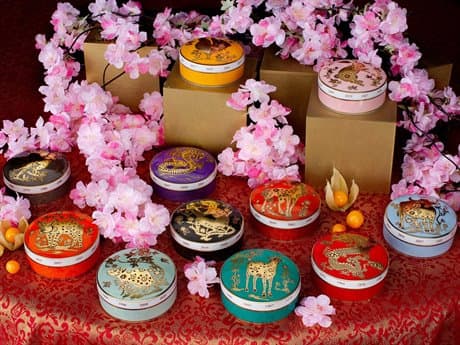
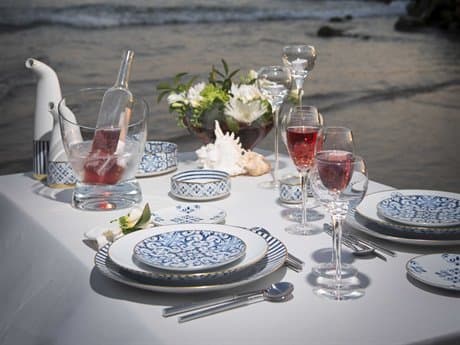
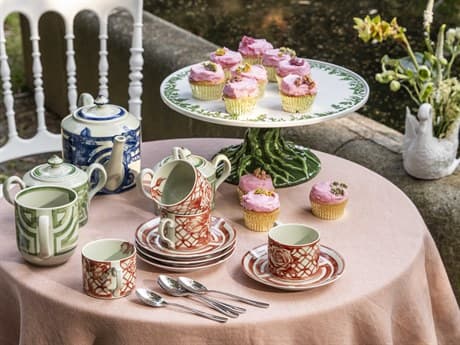
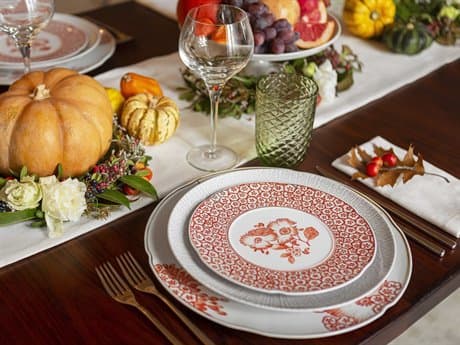
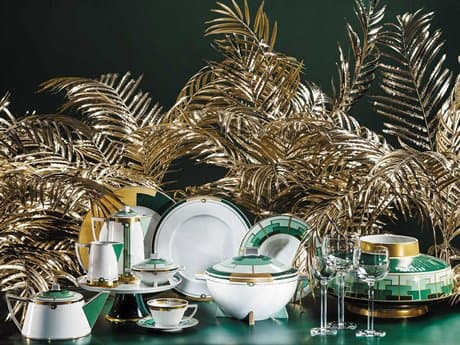
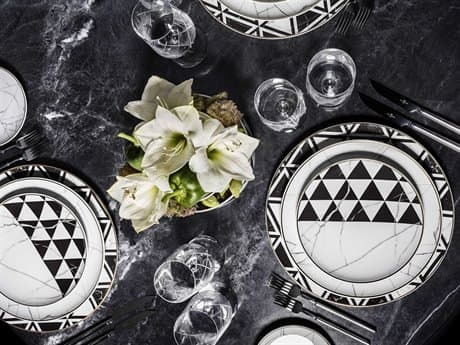
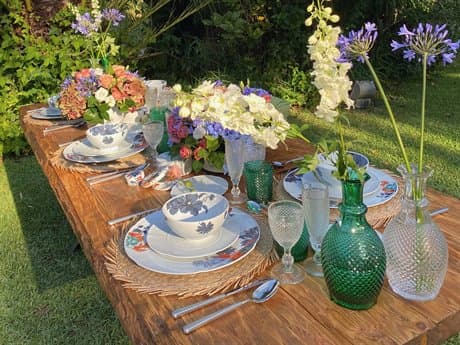
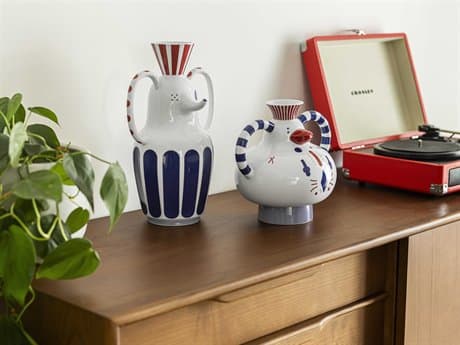
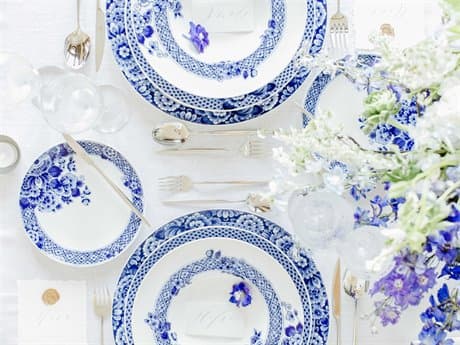
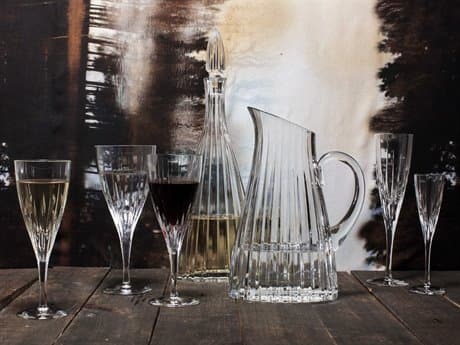
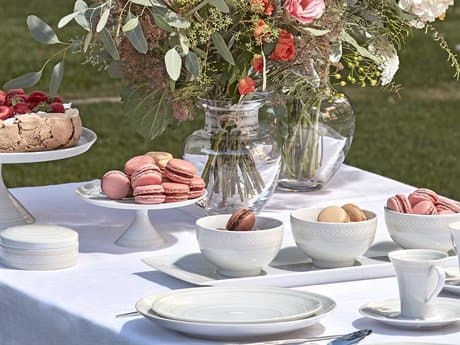
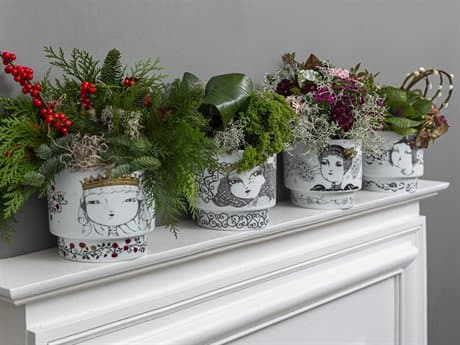
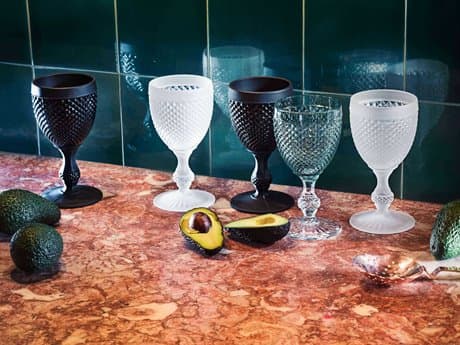
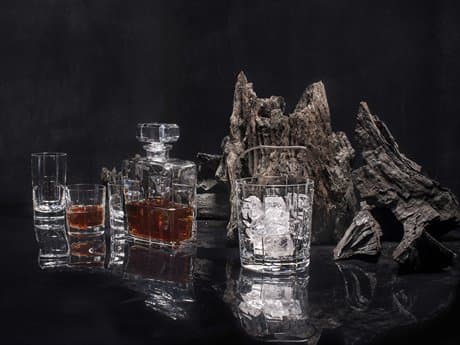
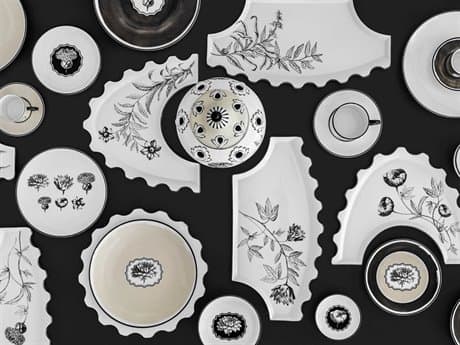
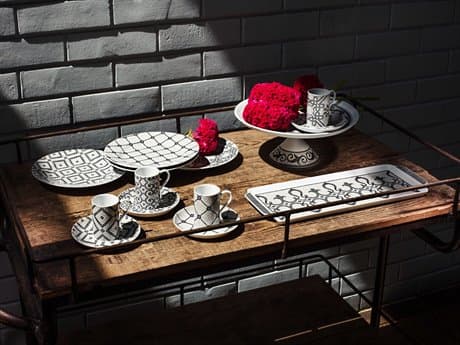
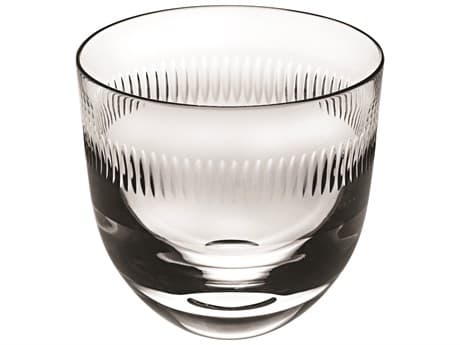
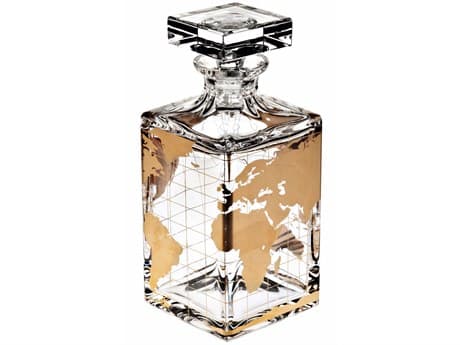
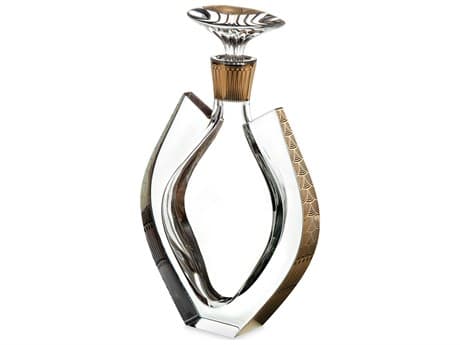
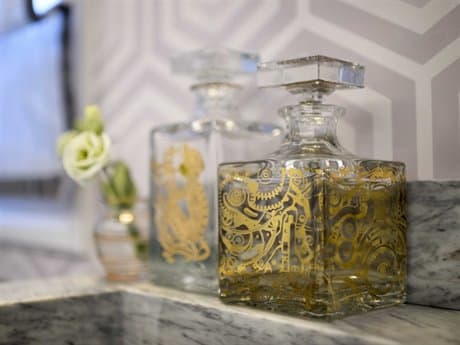
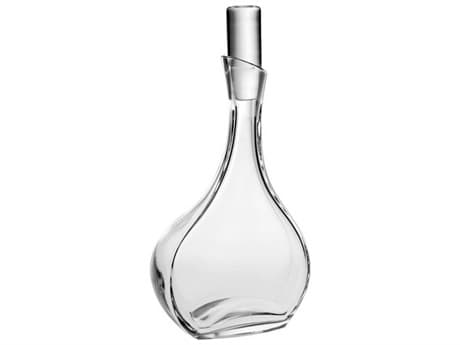
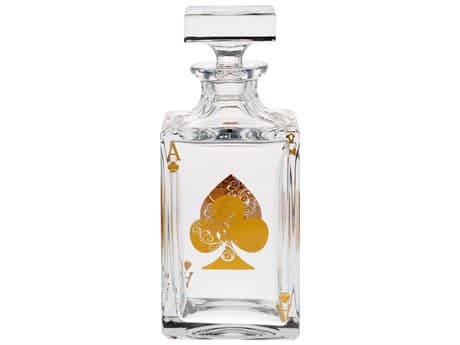
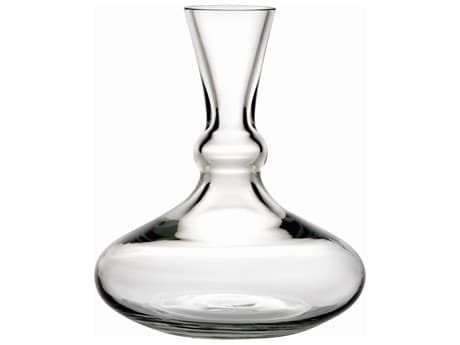
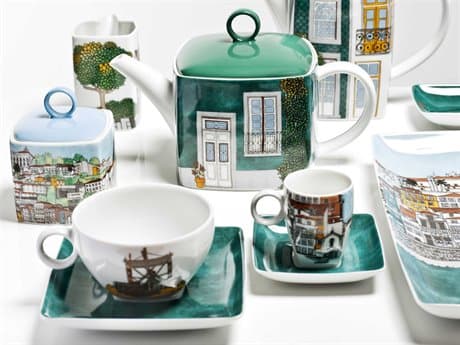
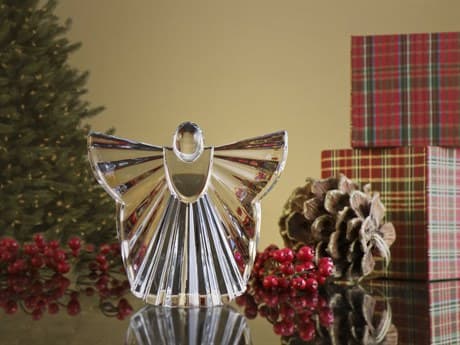
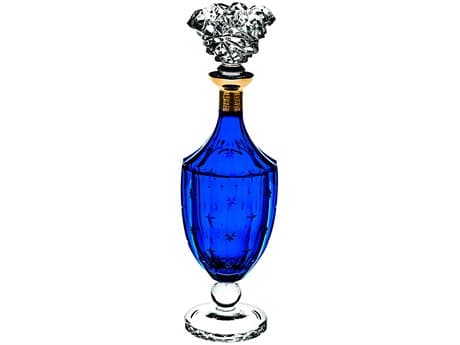
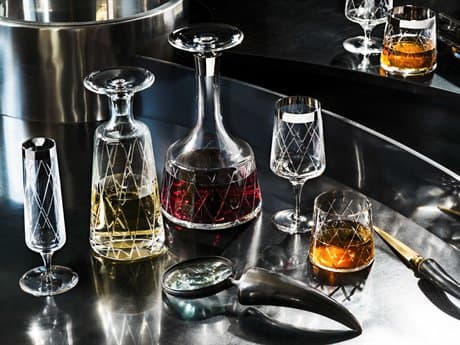
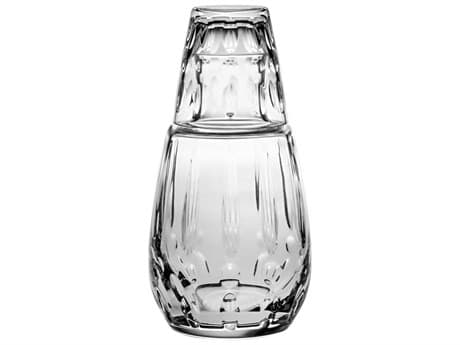
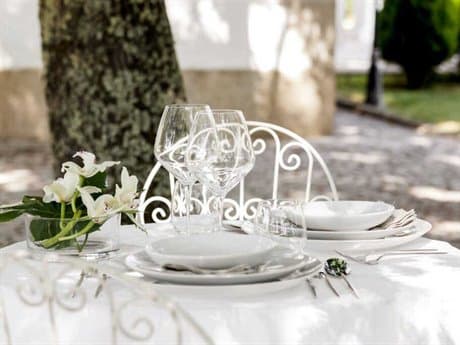
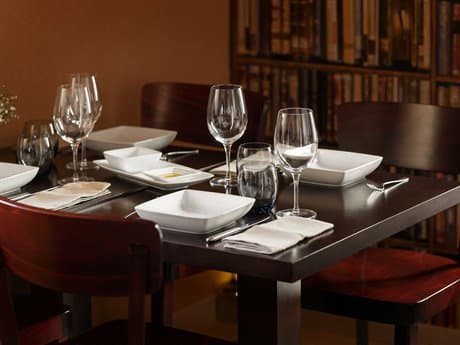
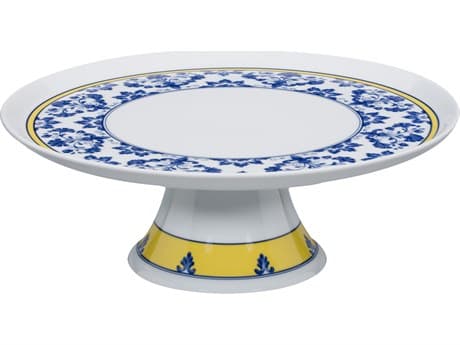
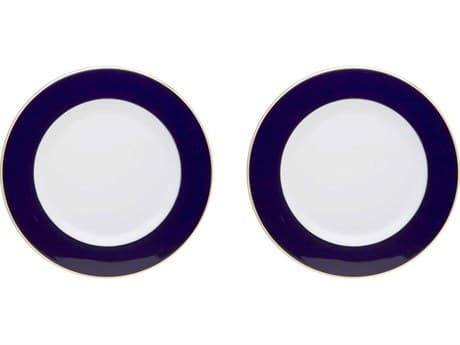
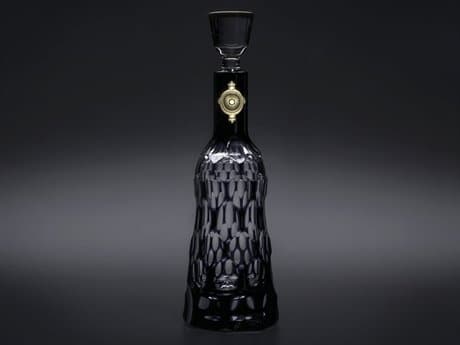
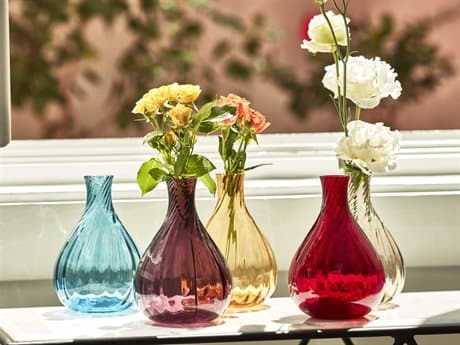
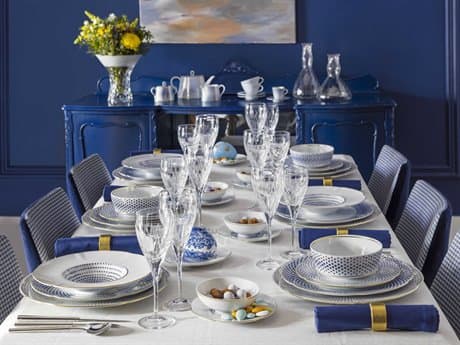
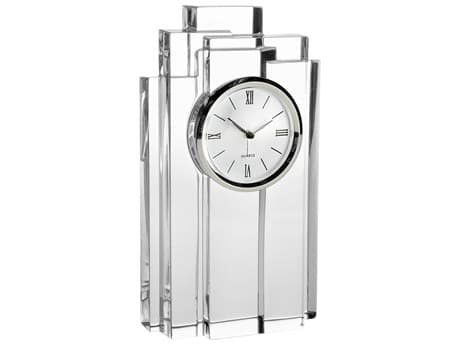
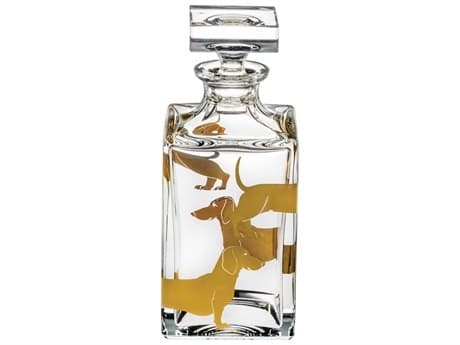
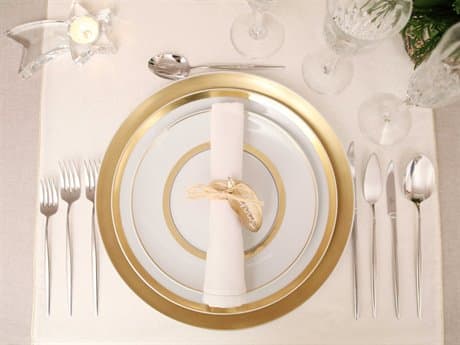
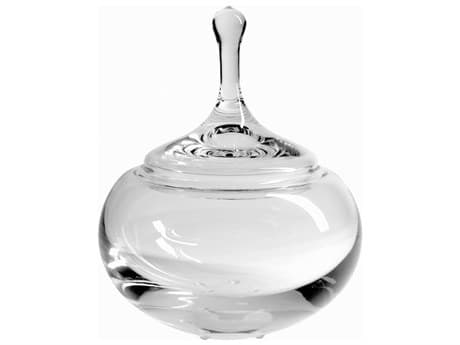
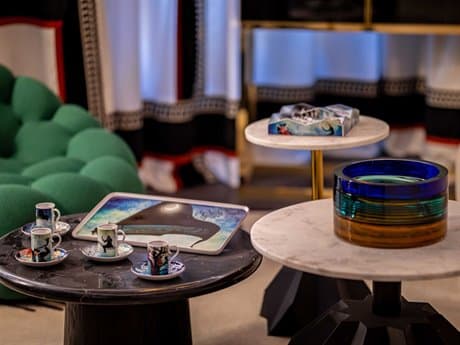
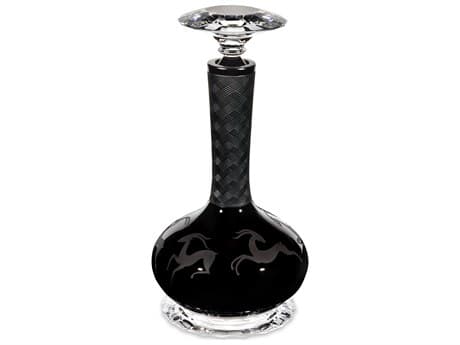
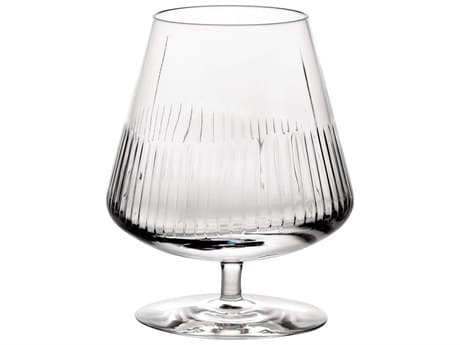
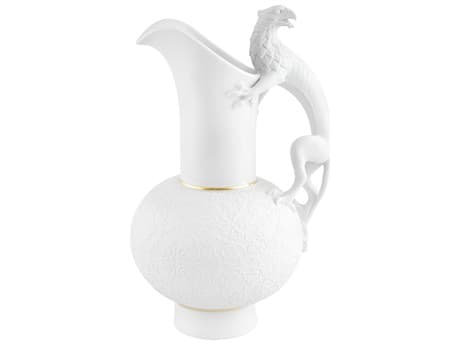
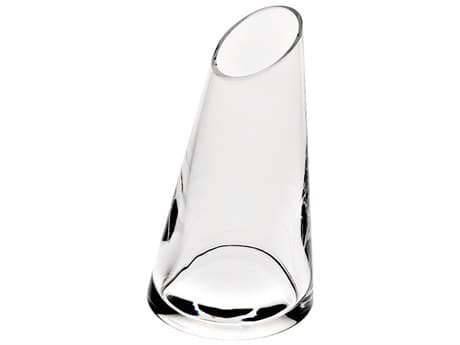
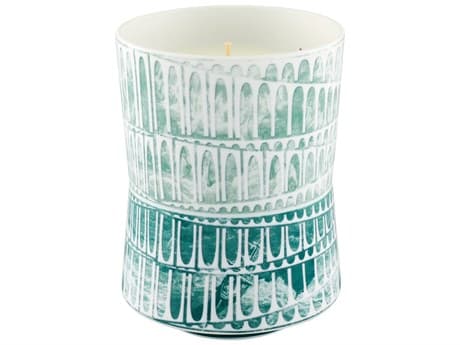
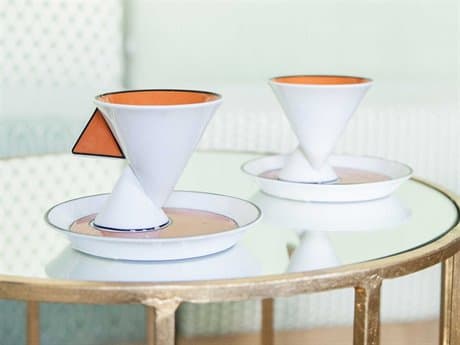
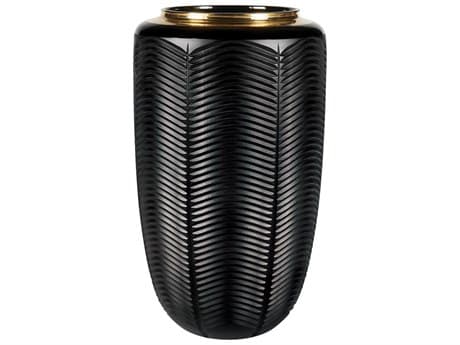
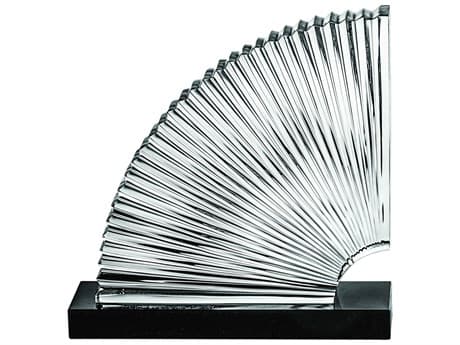
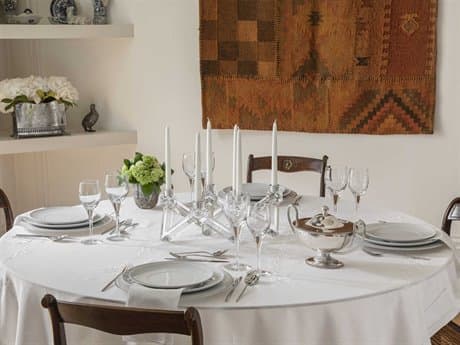
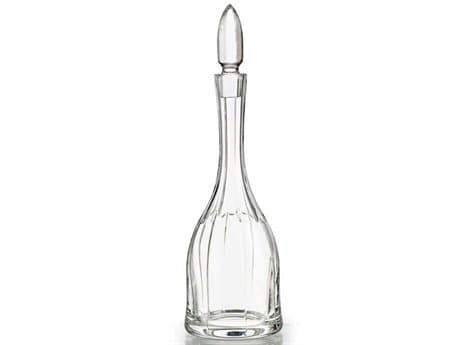
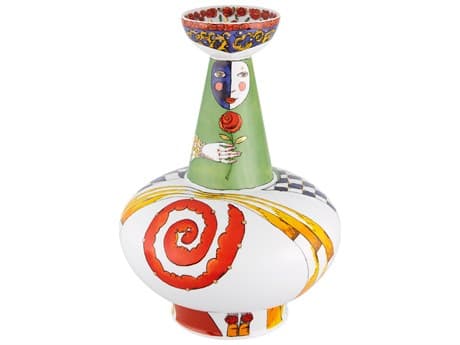
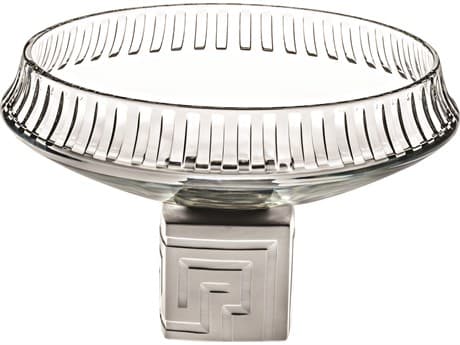
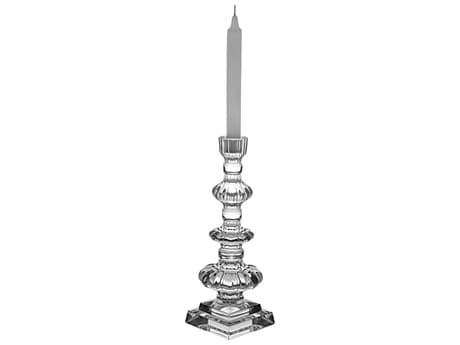
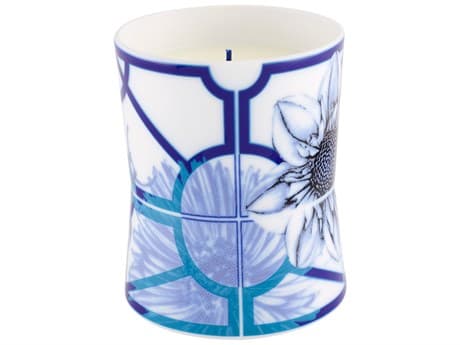
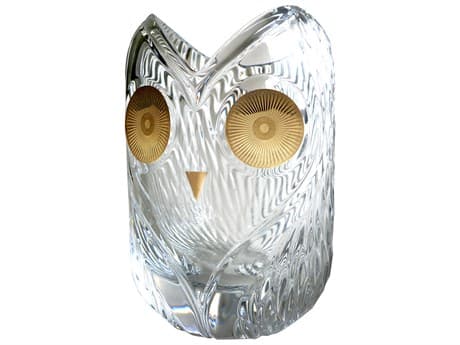
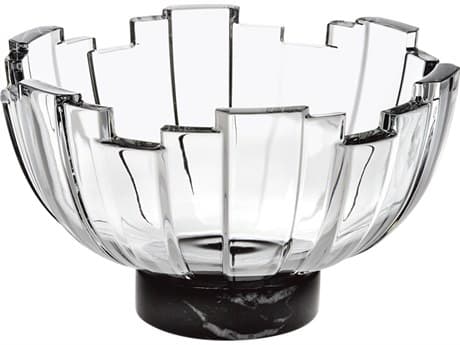
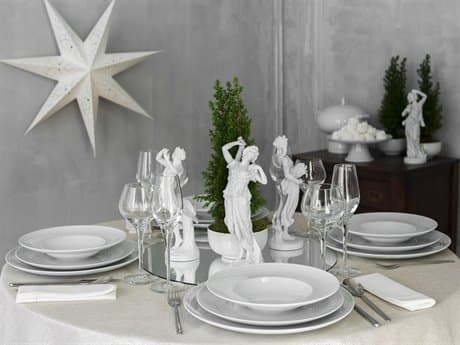
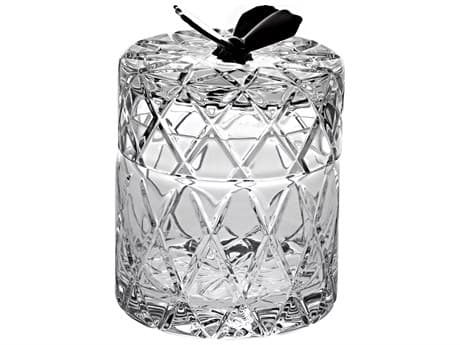
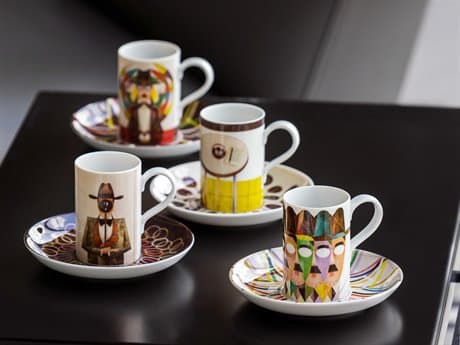
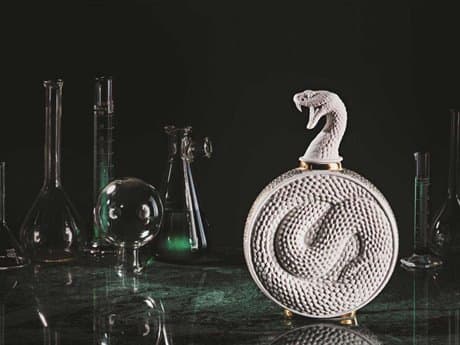
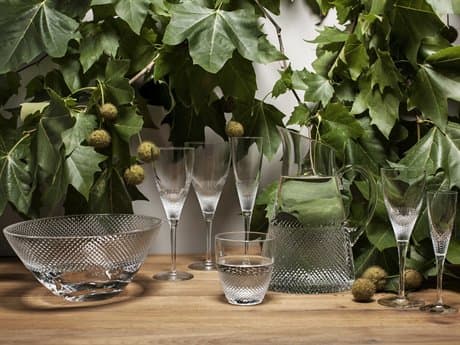
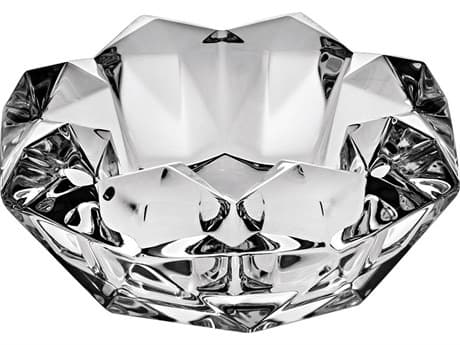
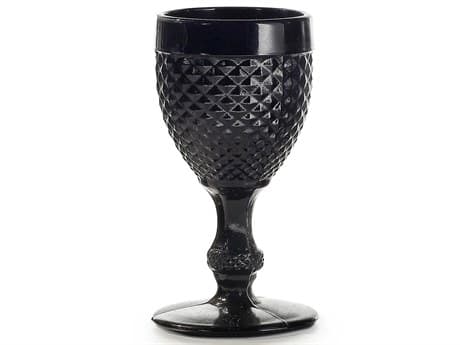
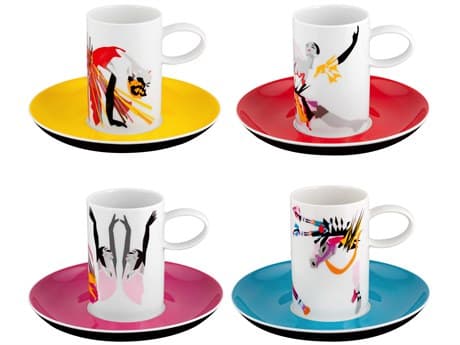
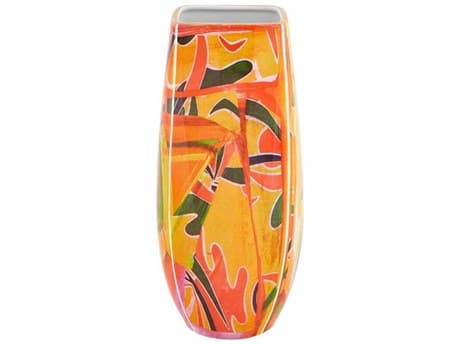
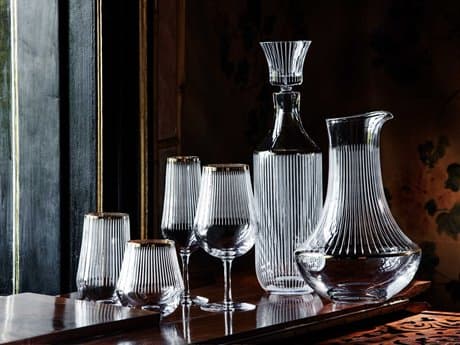
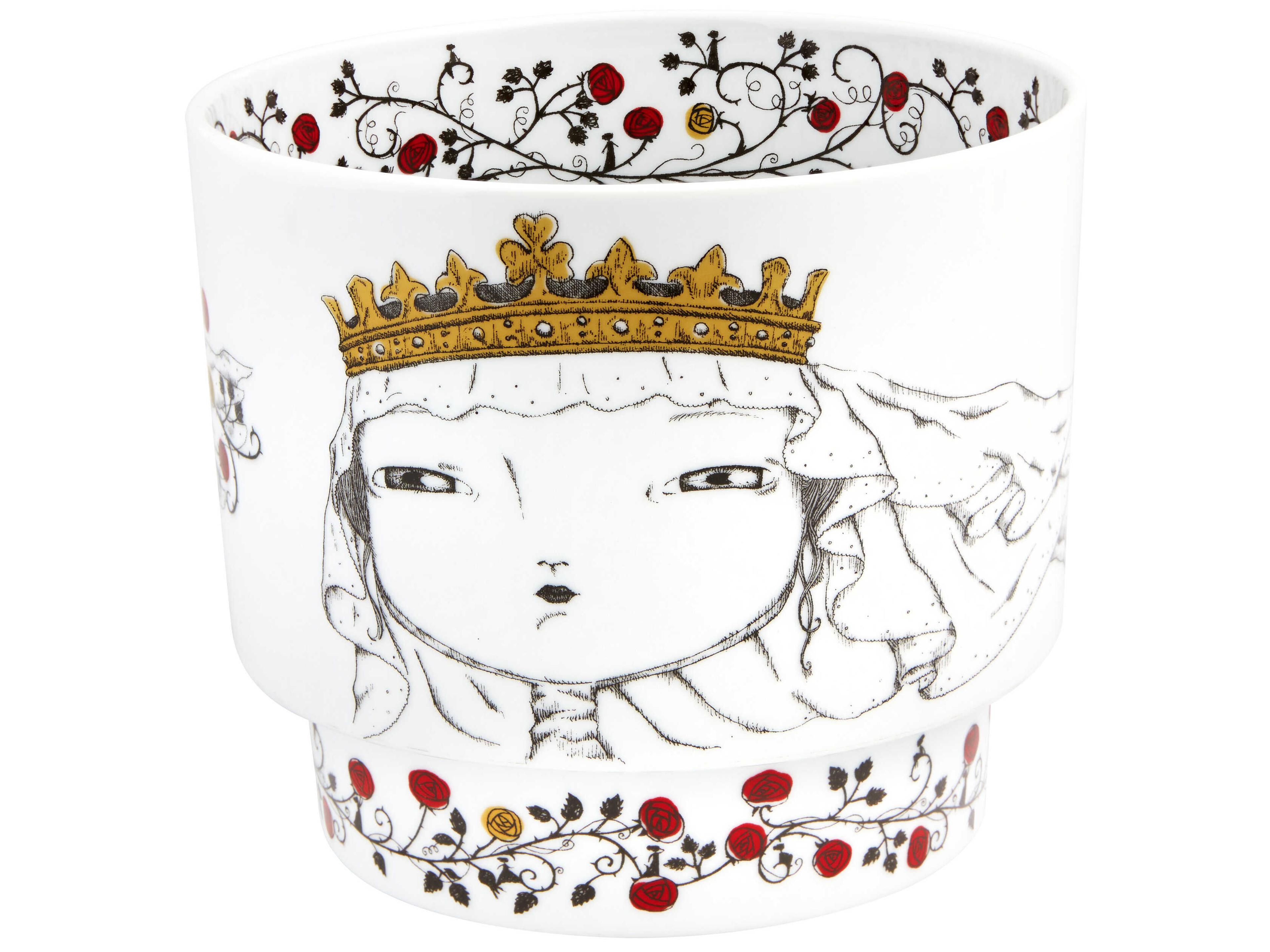
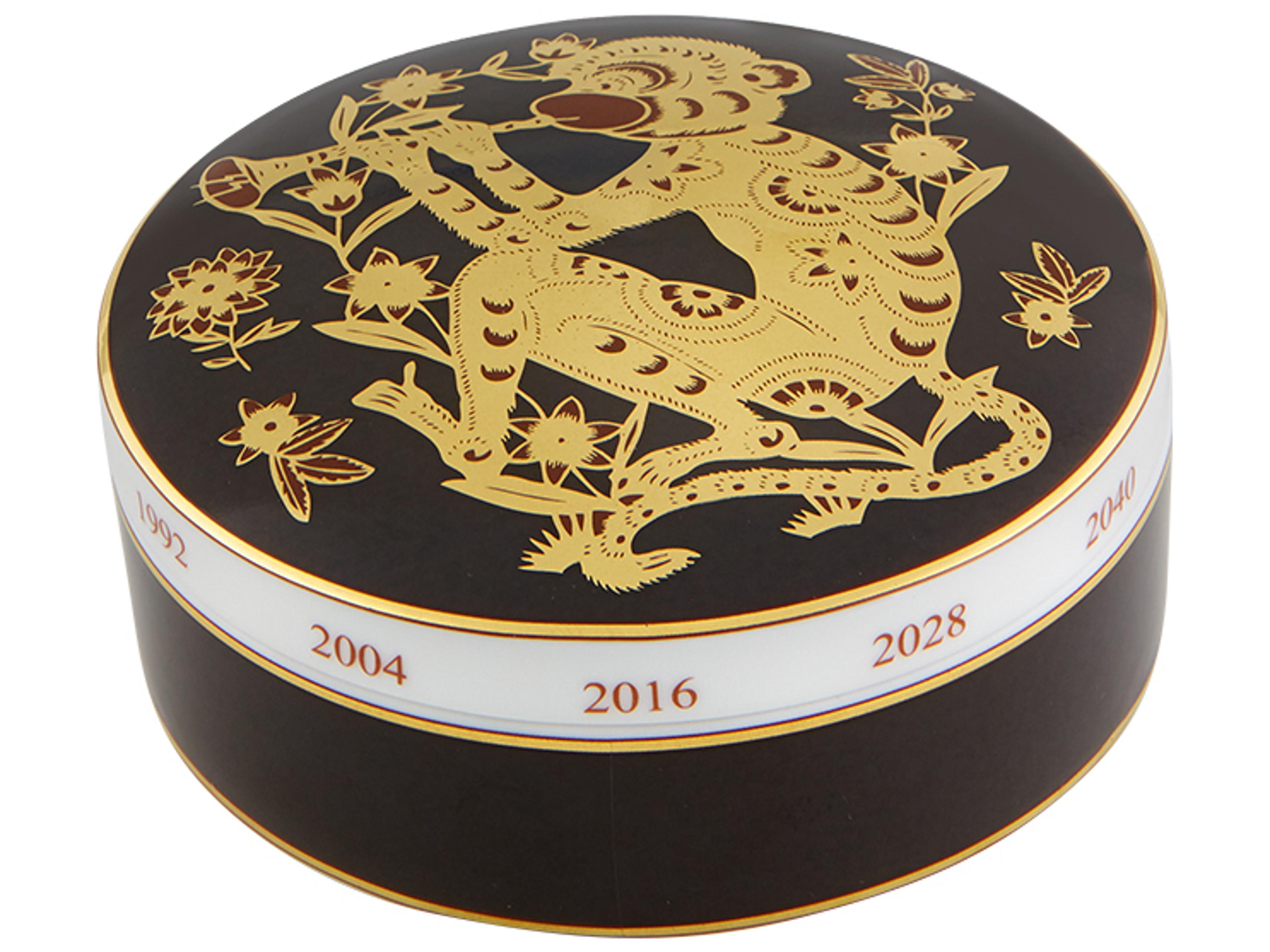
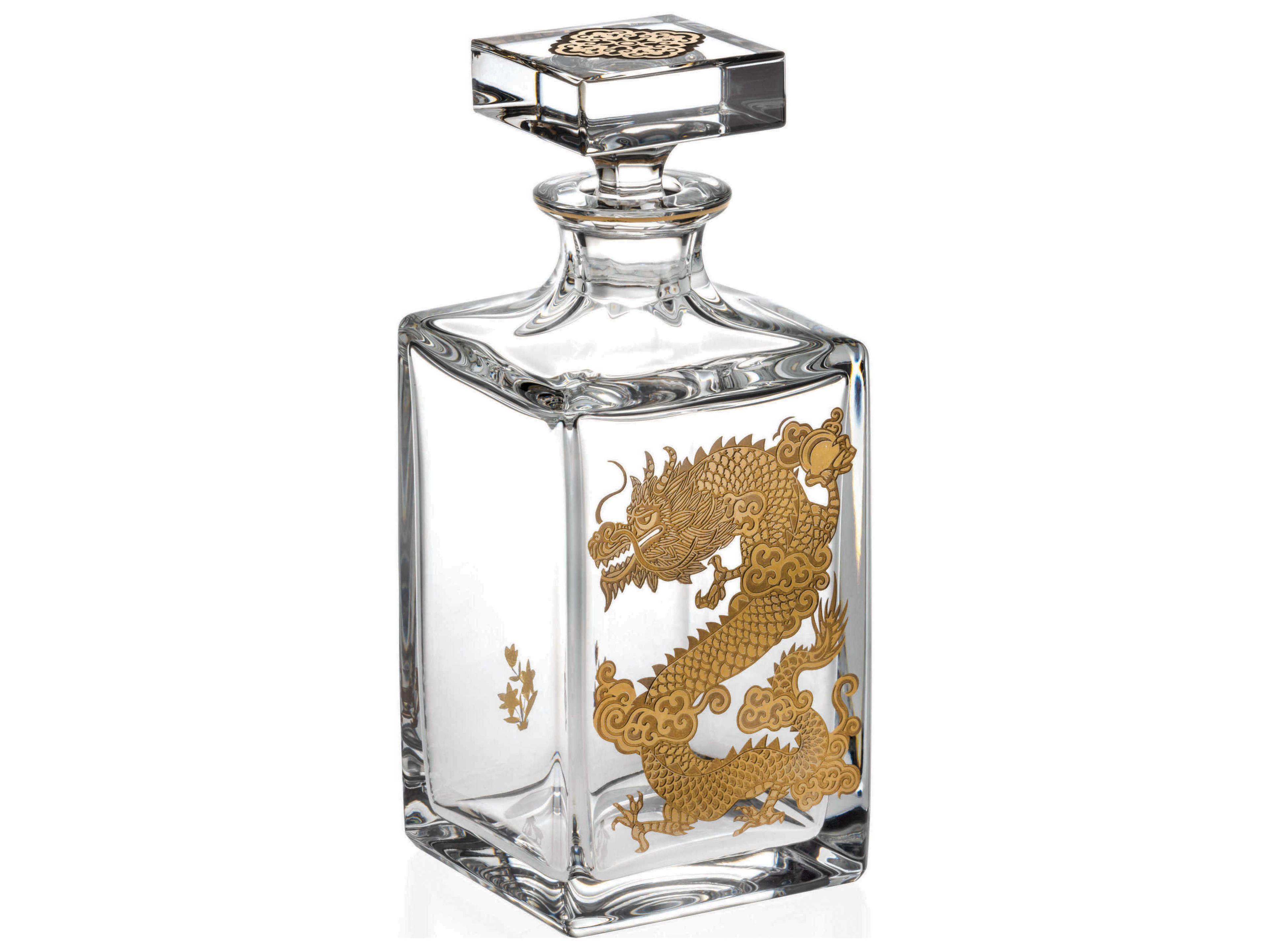
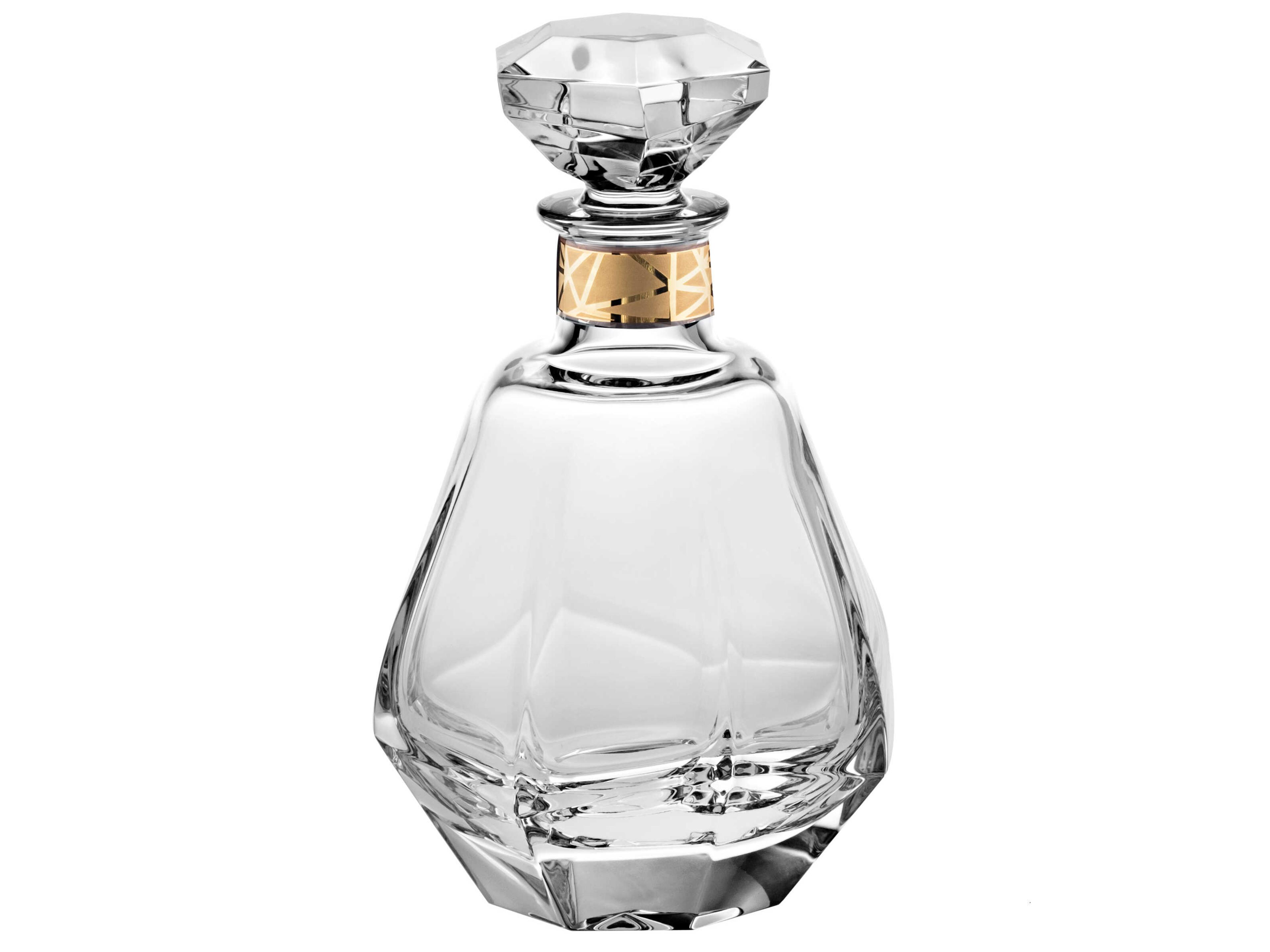
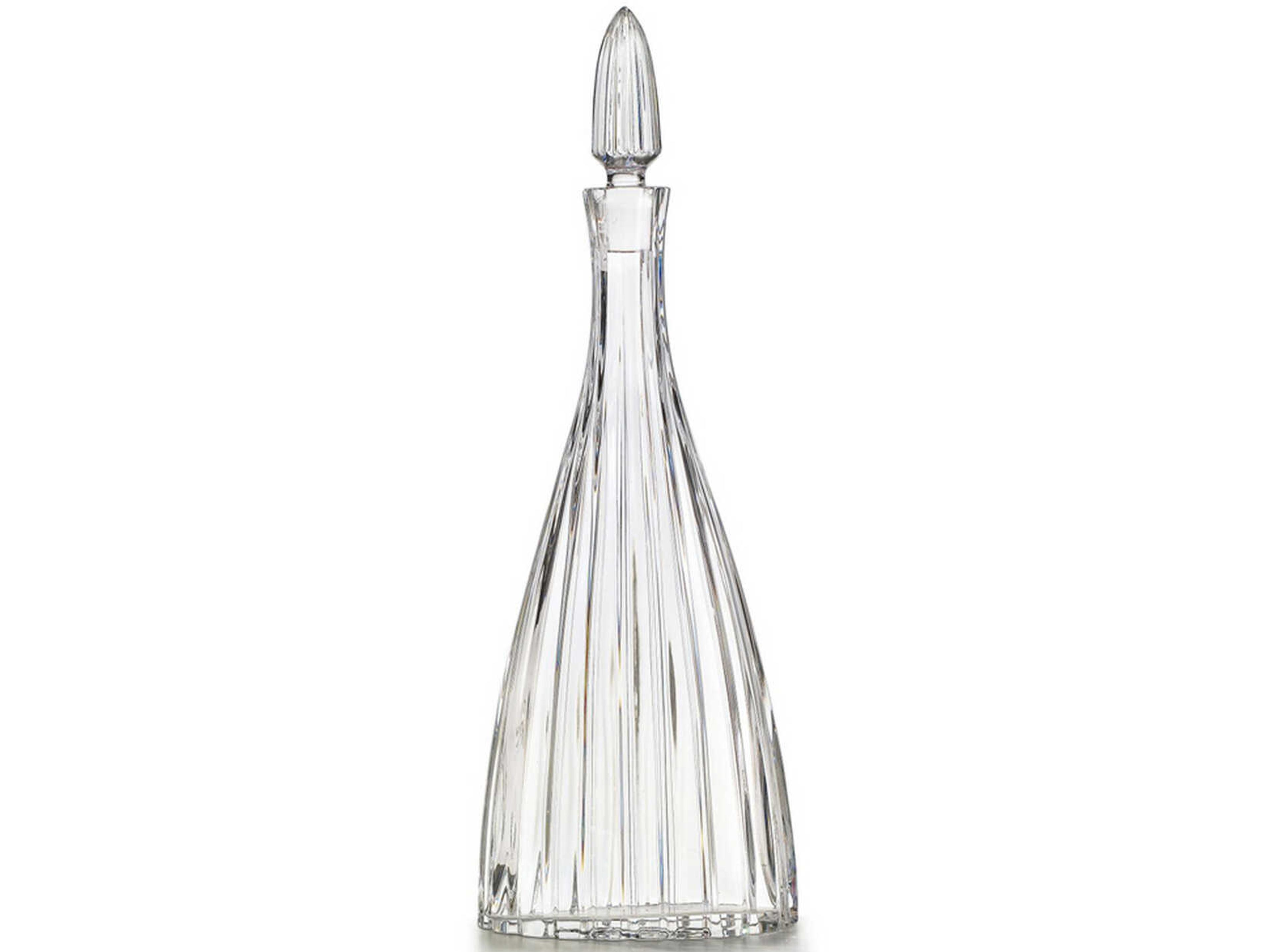
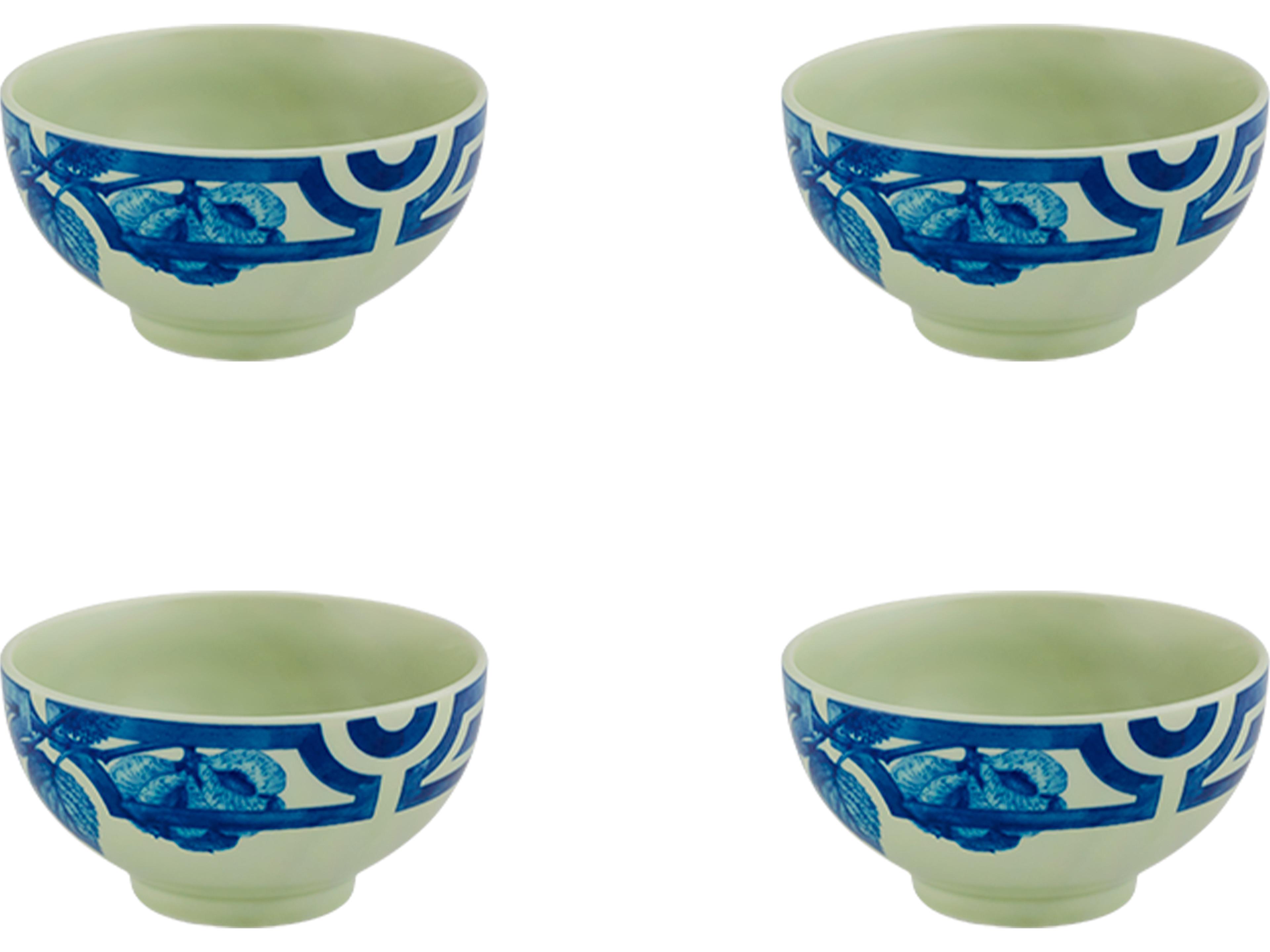
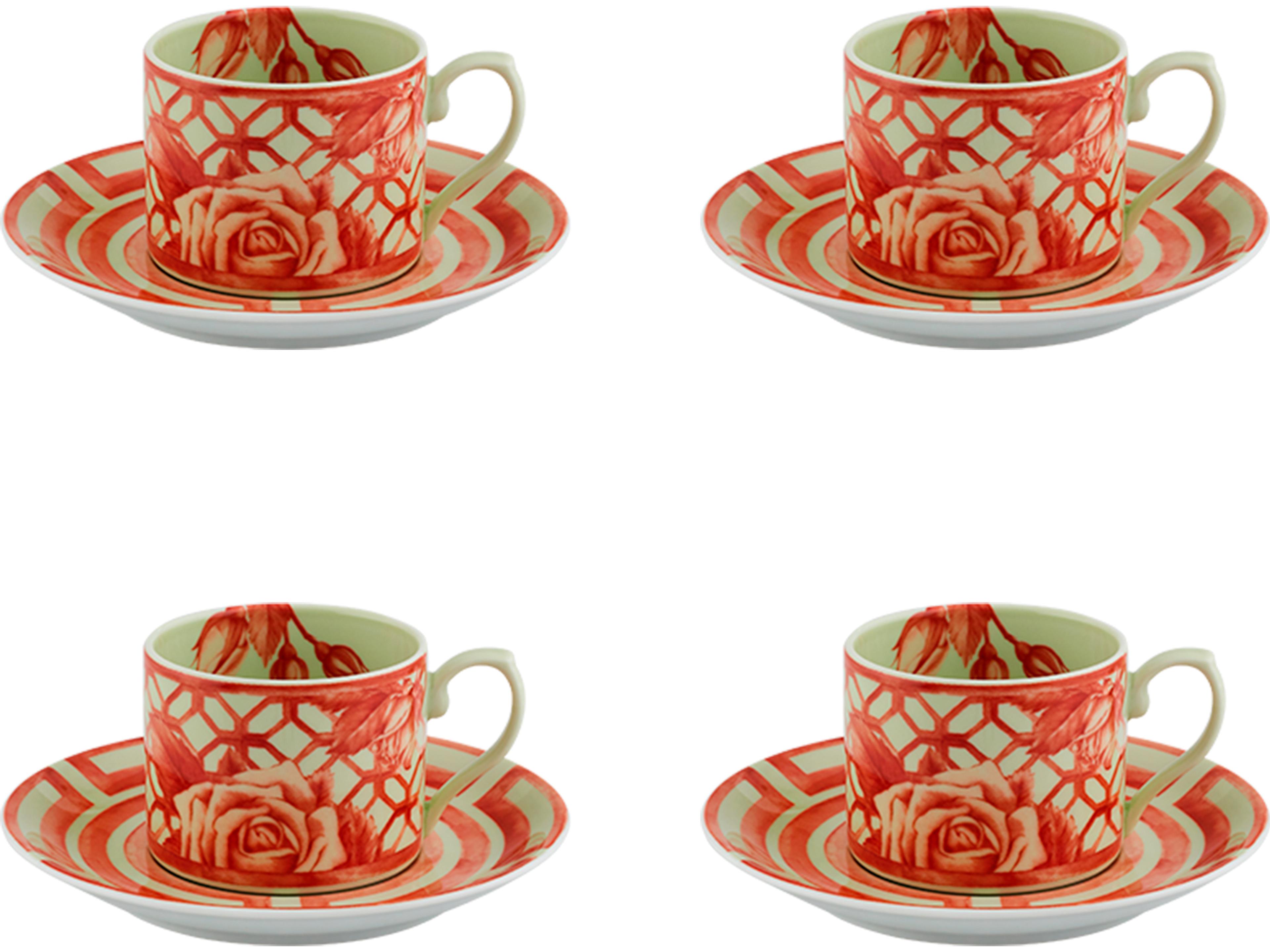
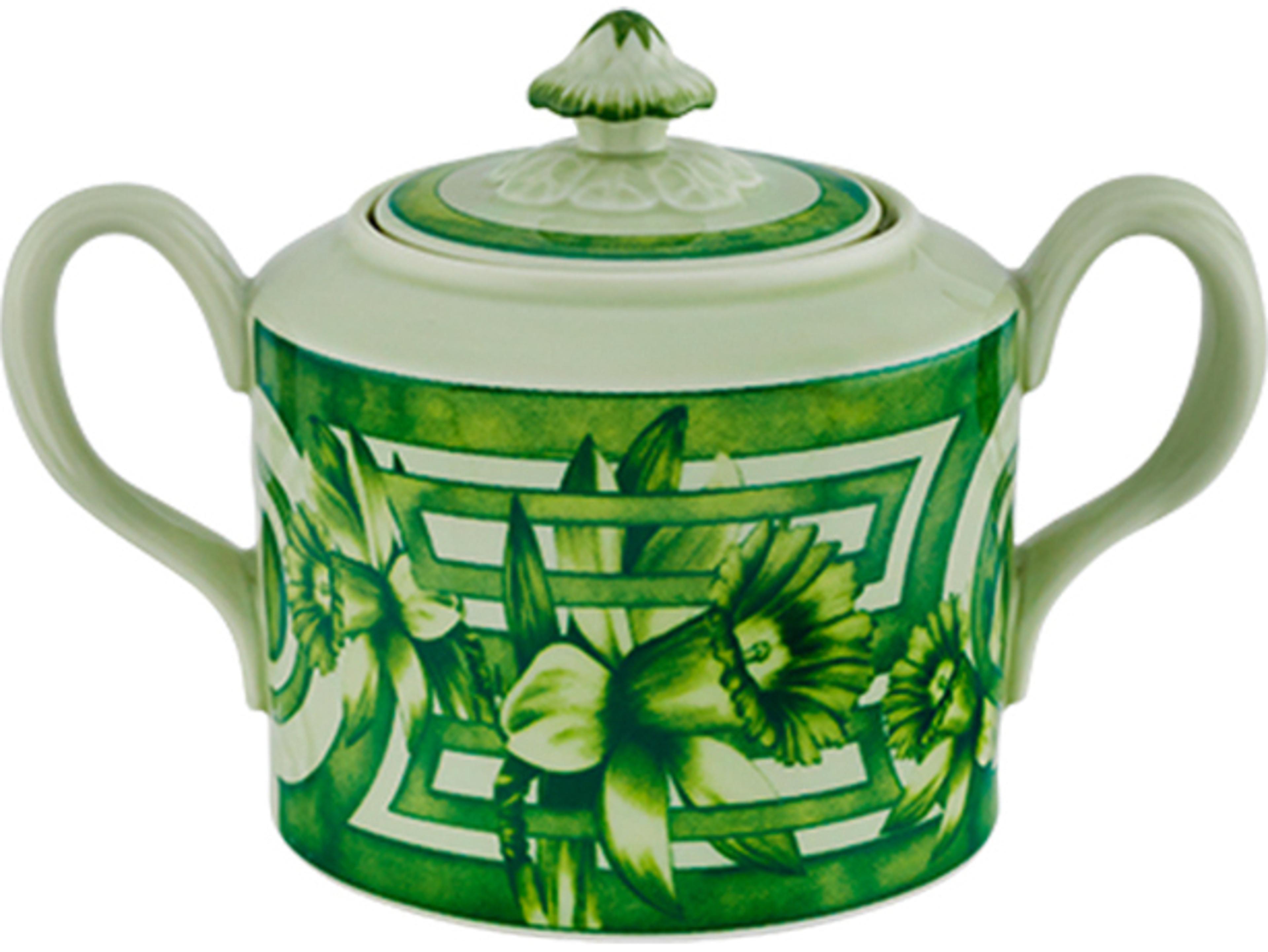
Today, as part of the Vista Alegre Atlantis Group, the brand continues to harmonize tradition and modernity. Known worldwide for its porcelain, crystal, glassware, and cutlery, Vista Alegre remains synonymous with sophistication, exclusivity, and timeless design. Its collections, whether classical or contemporary, embody the artistry of centuries-old craftsmanship enhanced by the creativity of renowned international designers.
More than a producer of fine tableware and decorative art, Vista Alegre is a custodian of Portuguese culture, carrying forward nearly two centuries of heritage with a modern spirit. It stands as one of Portugal’s few true luxury icons, celebrated globally for its ability to transform tradition into timeless works of art.