Chat now with a product specialist to assist with quotes or product questions.
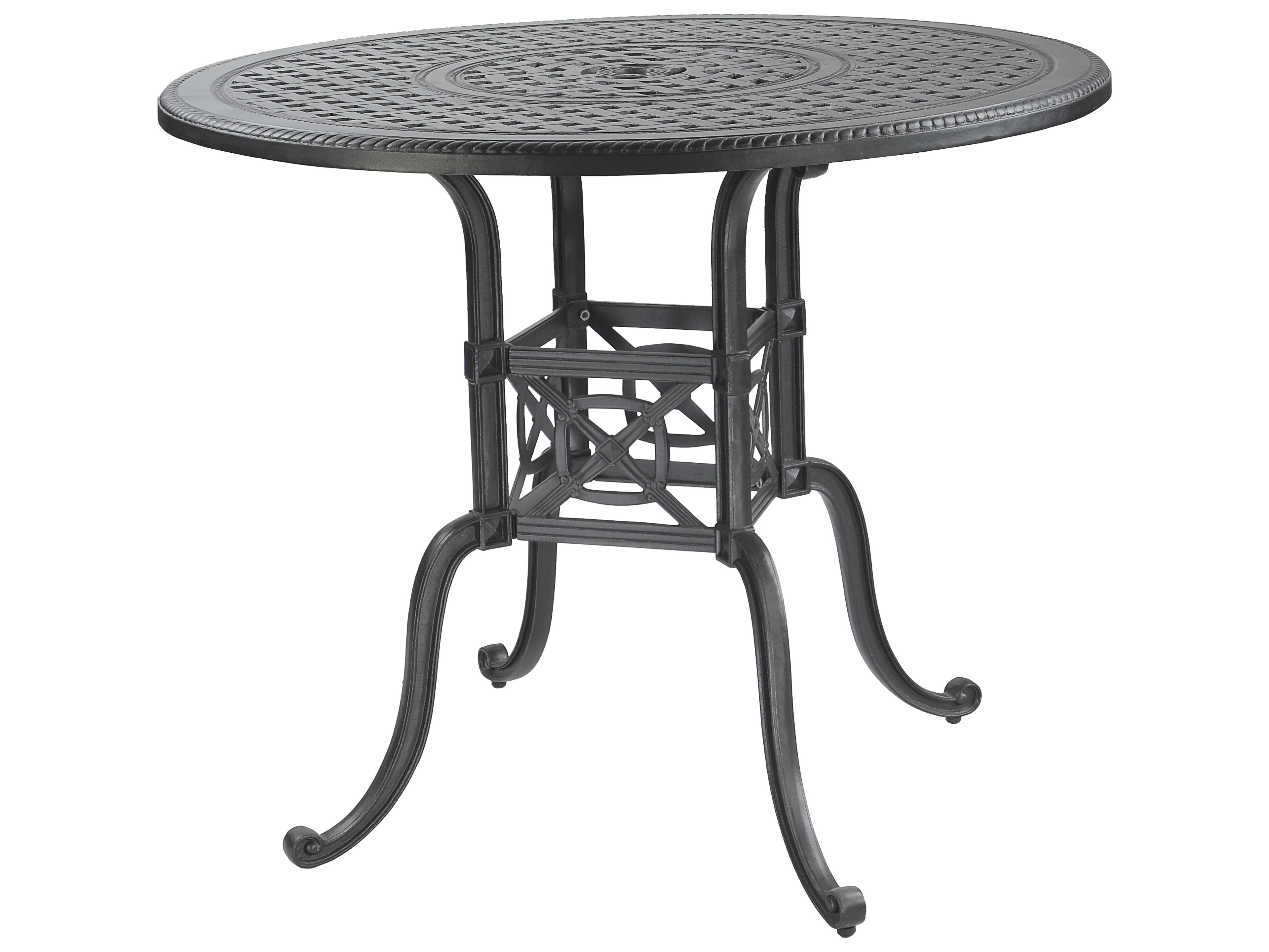
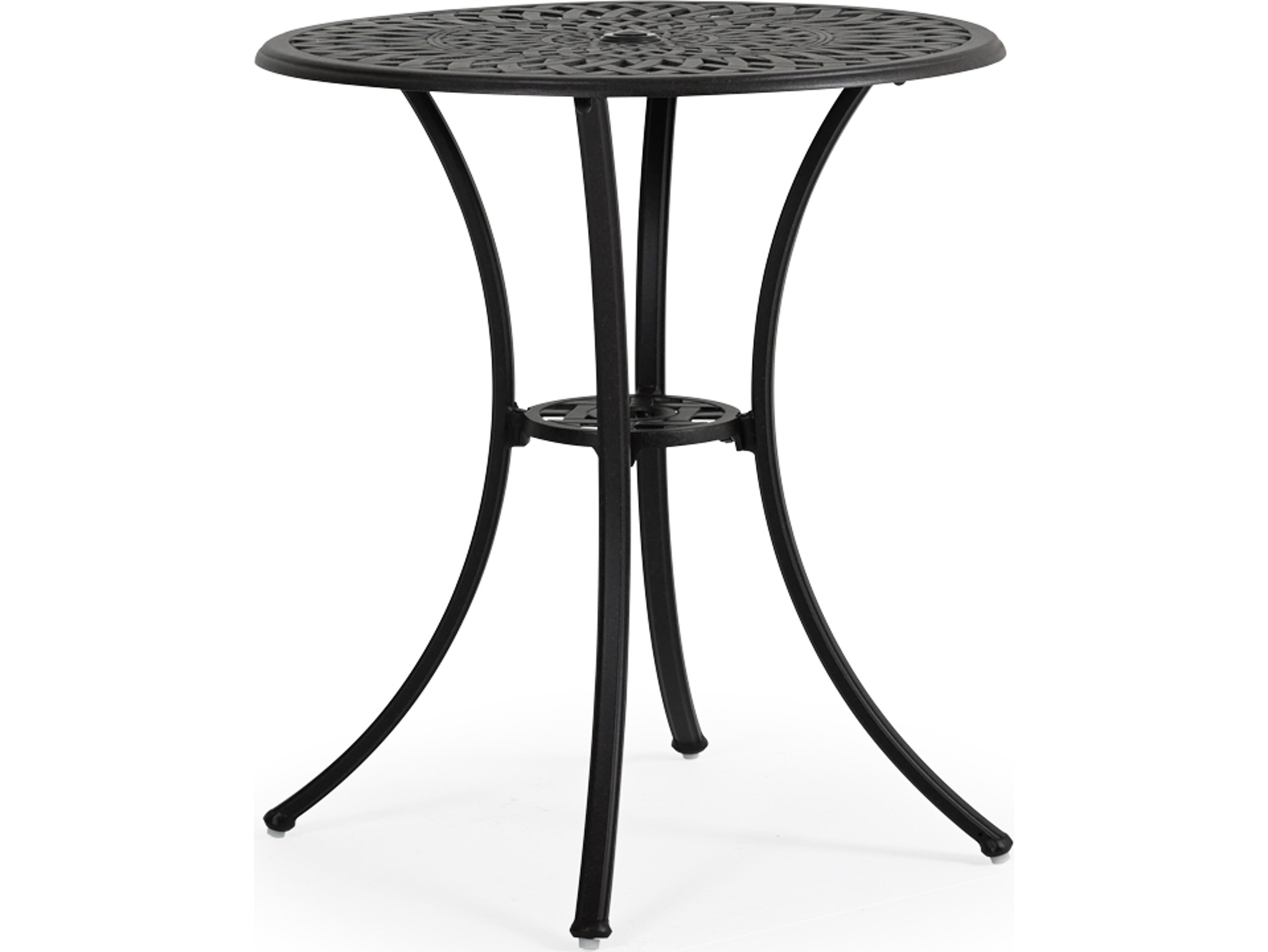
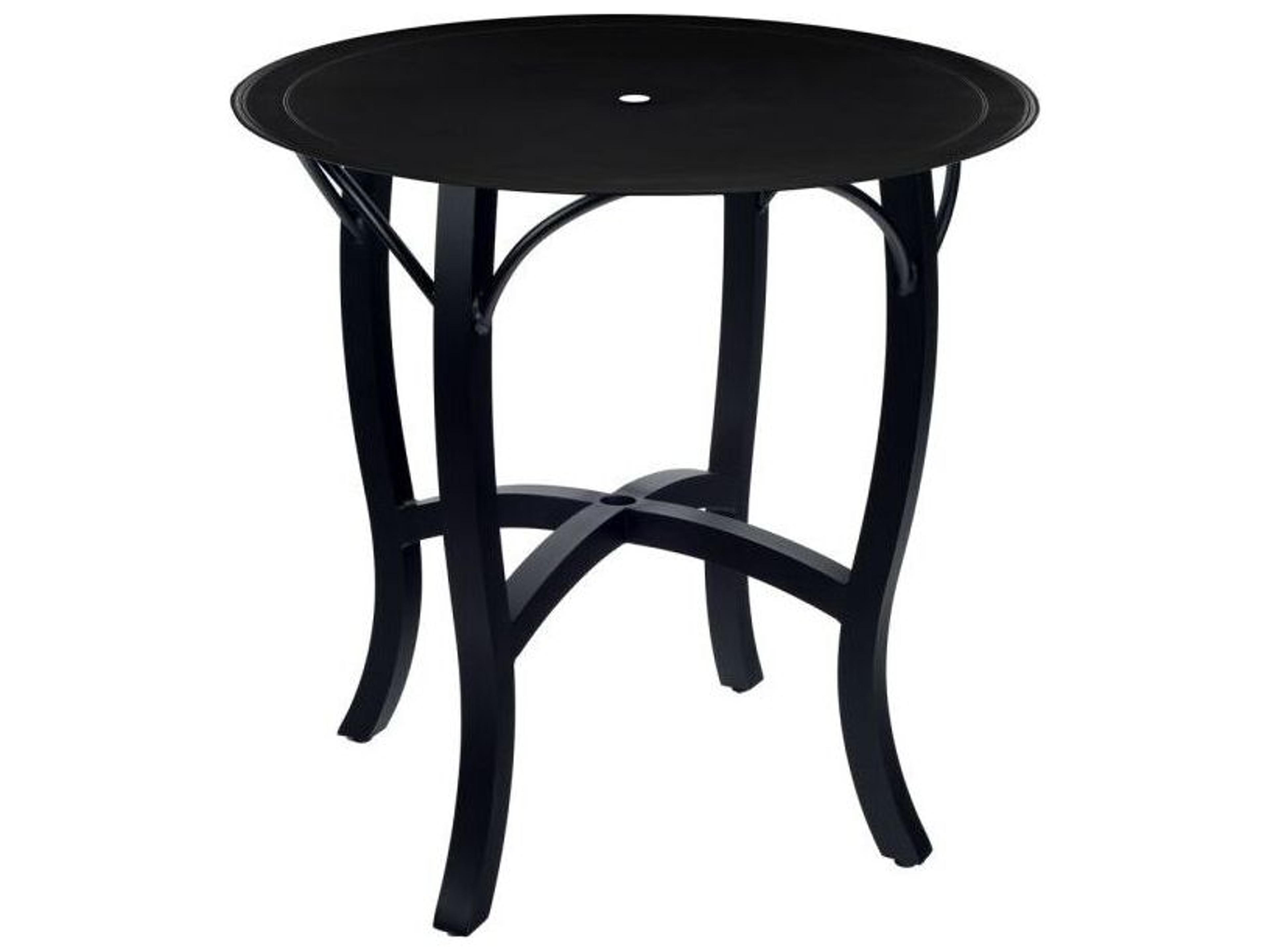
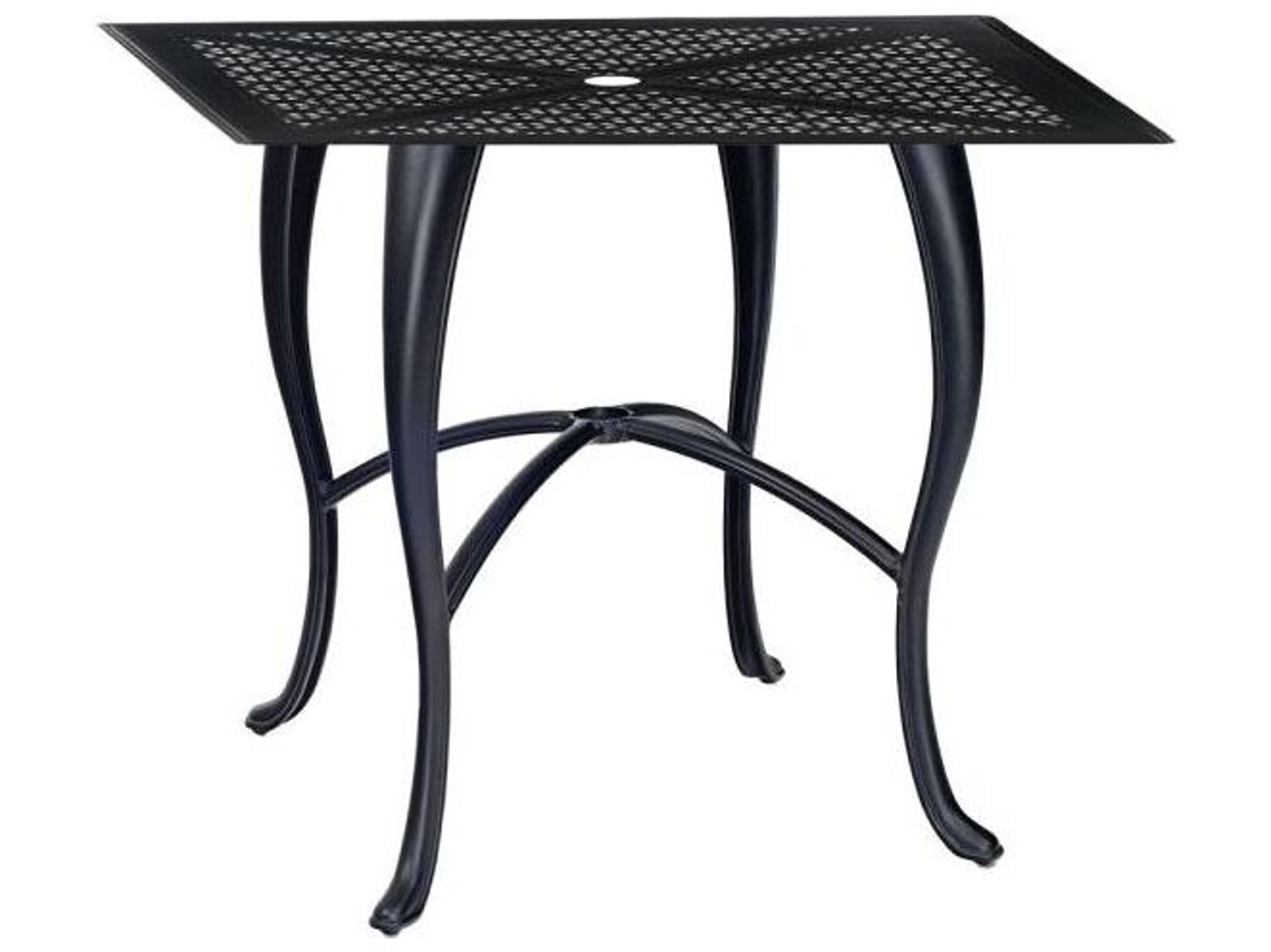
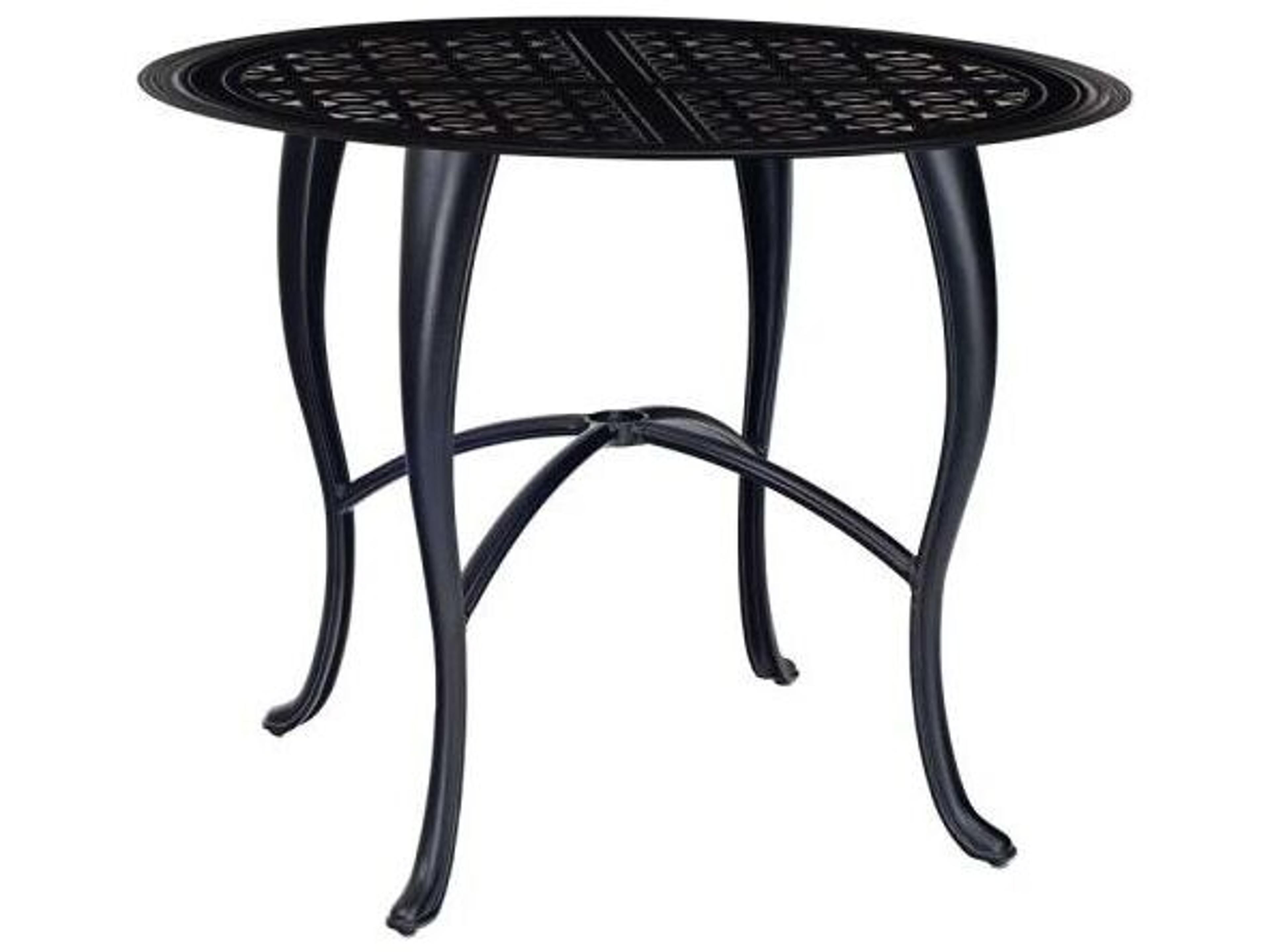
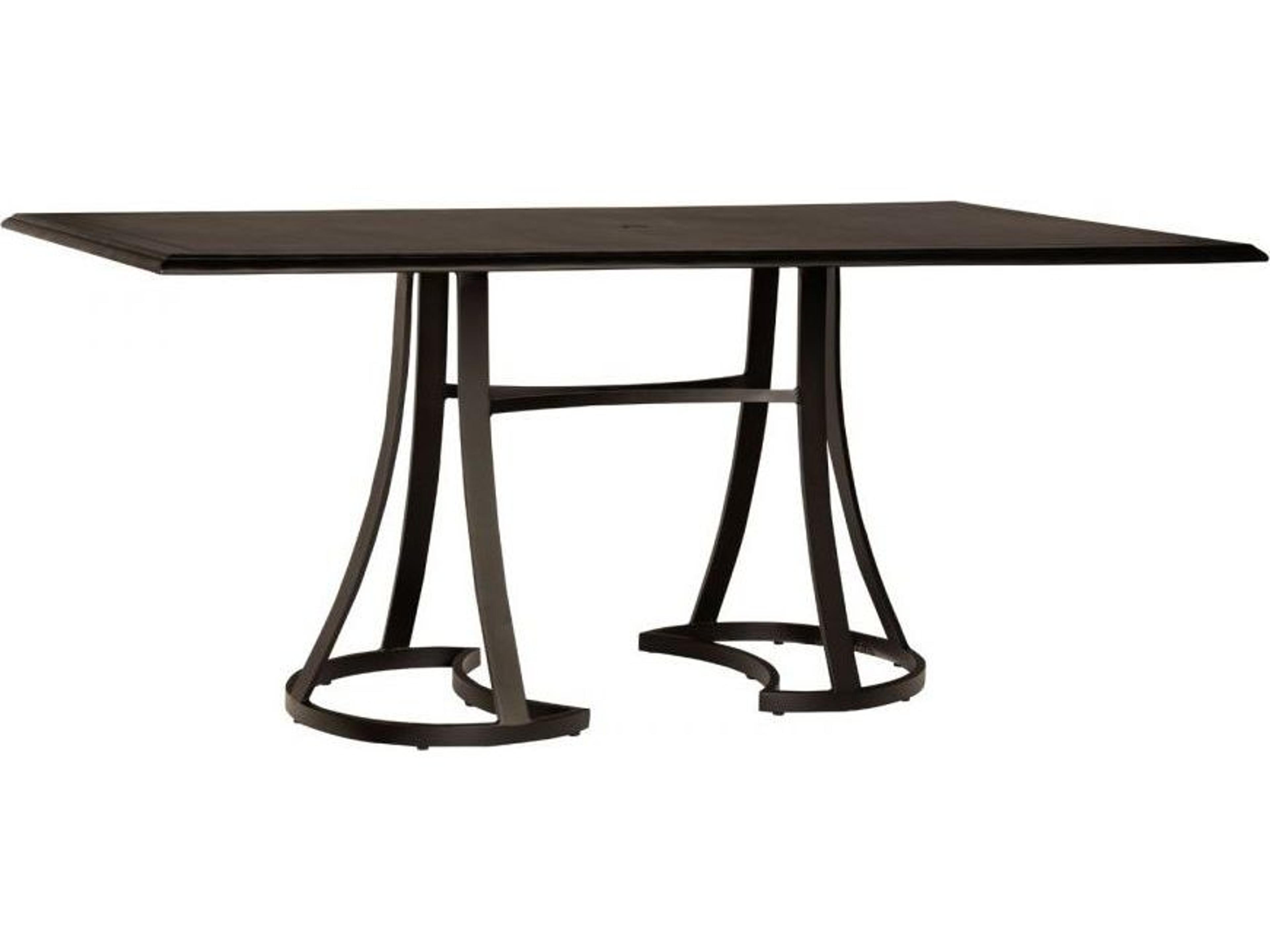
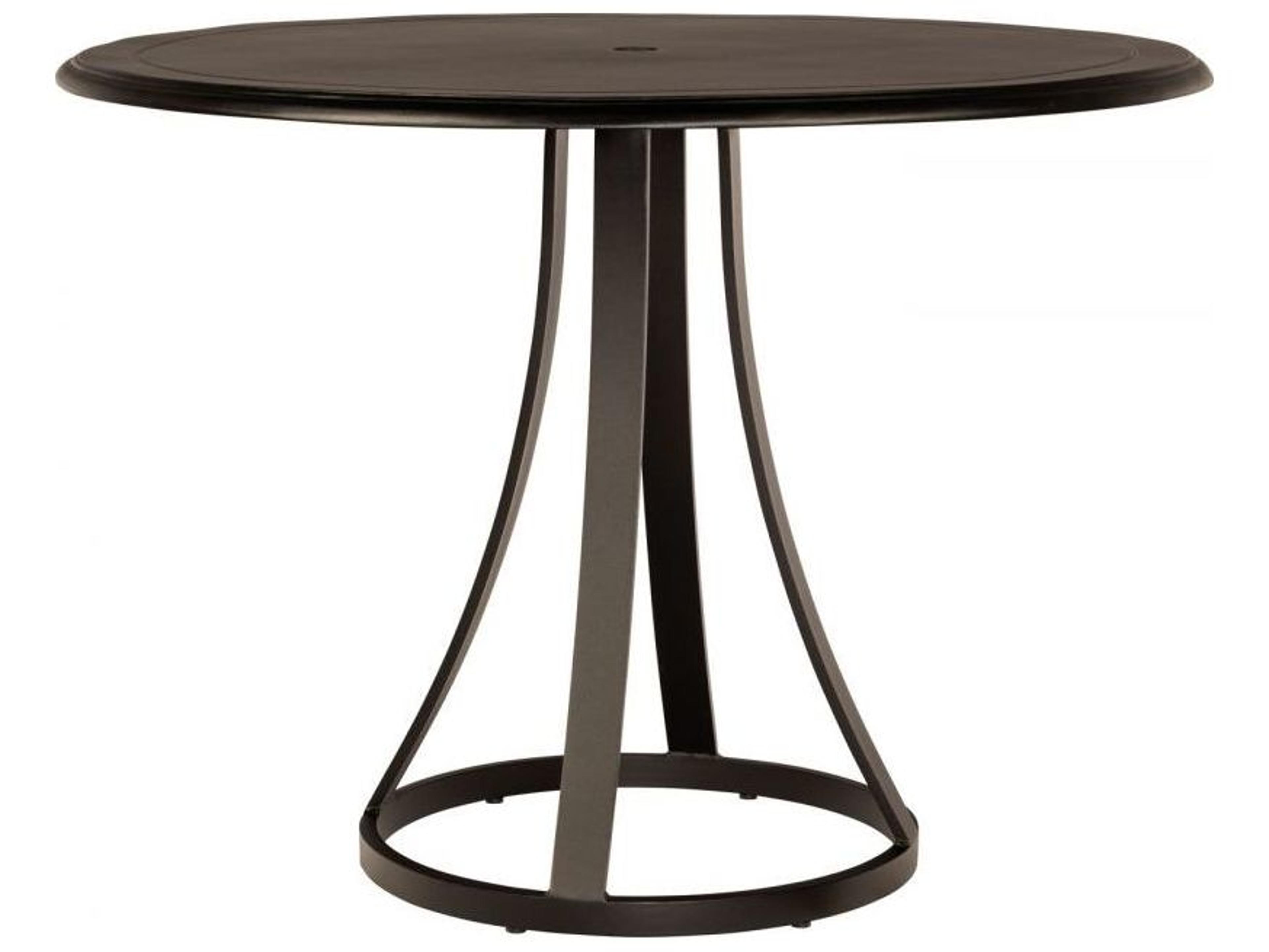
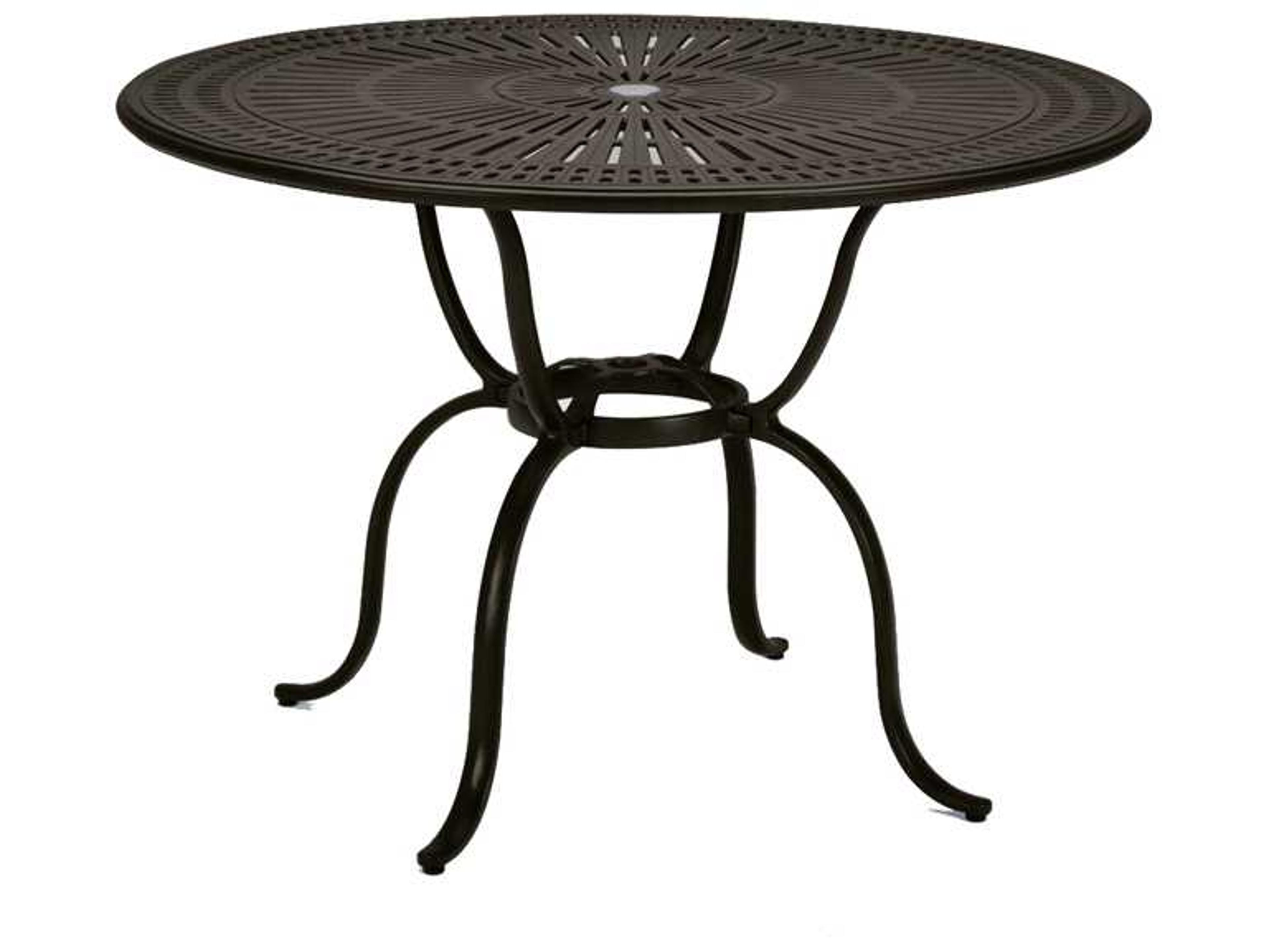
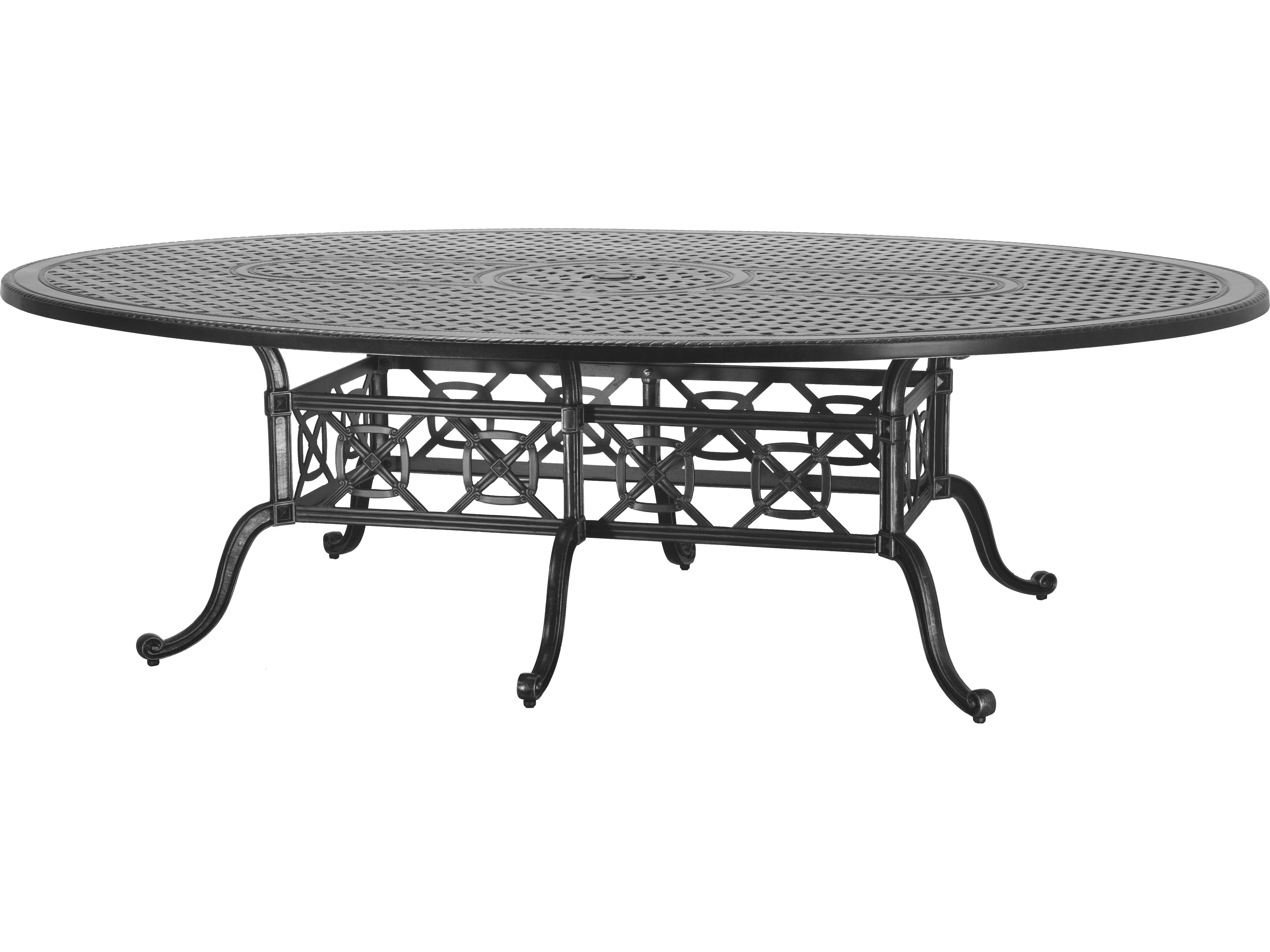
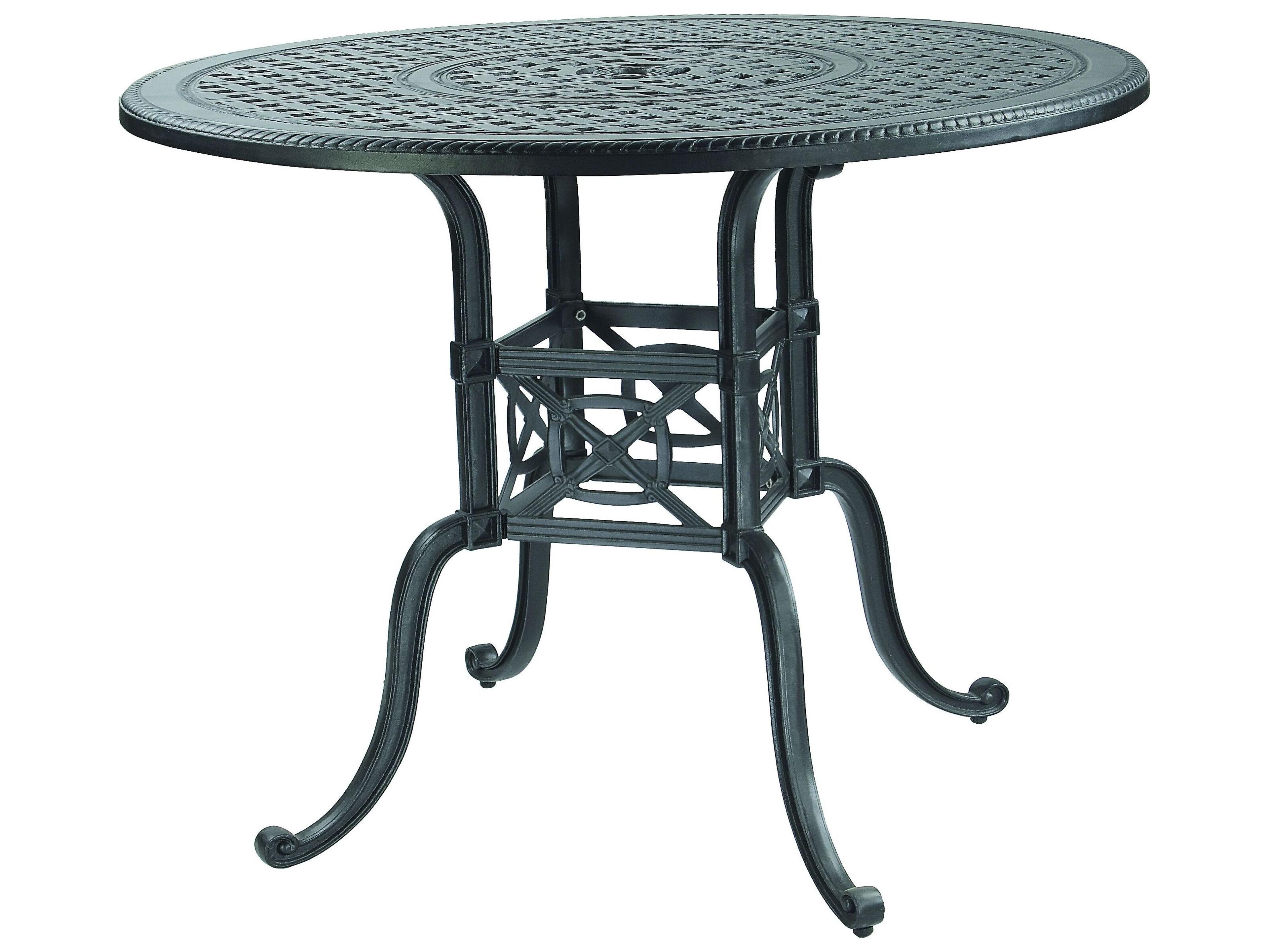
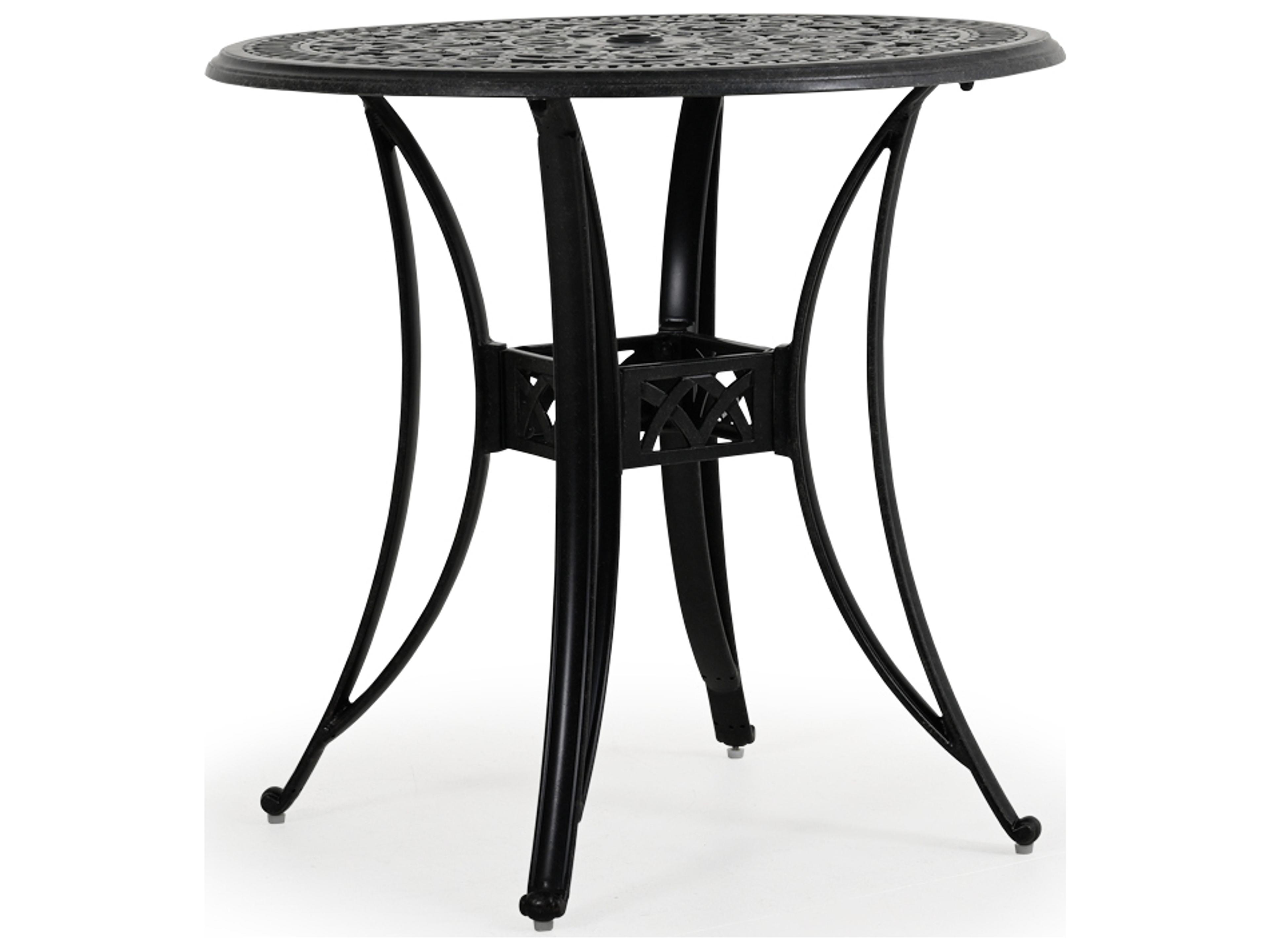
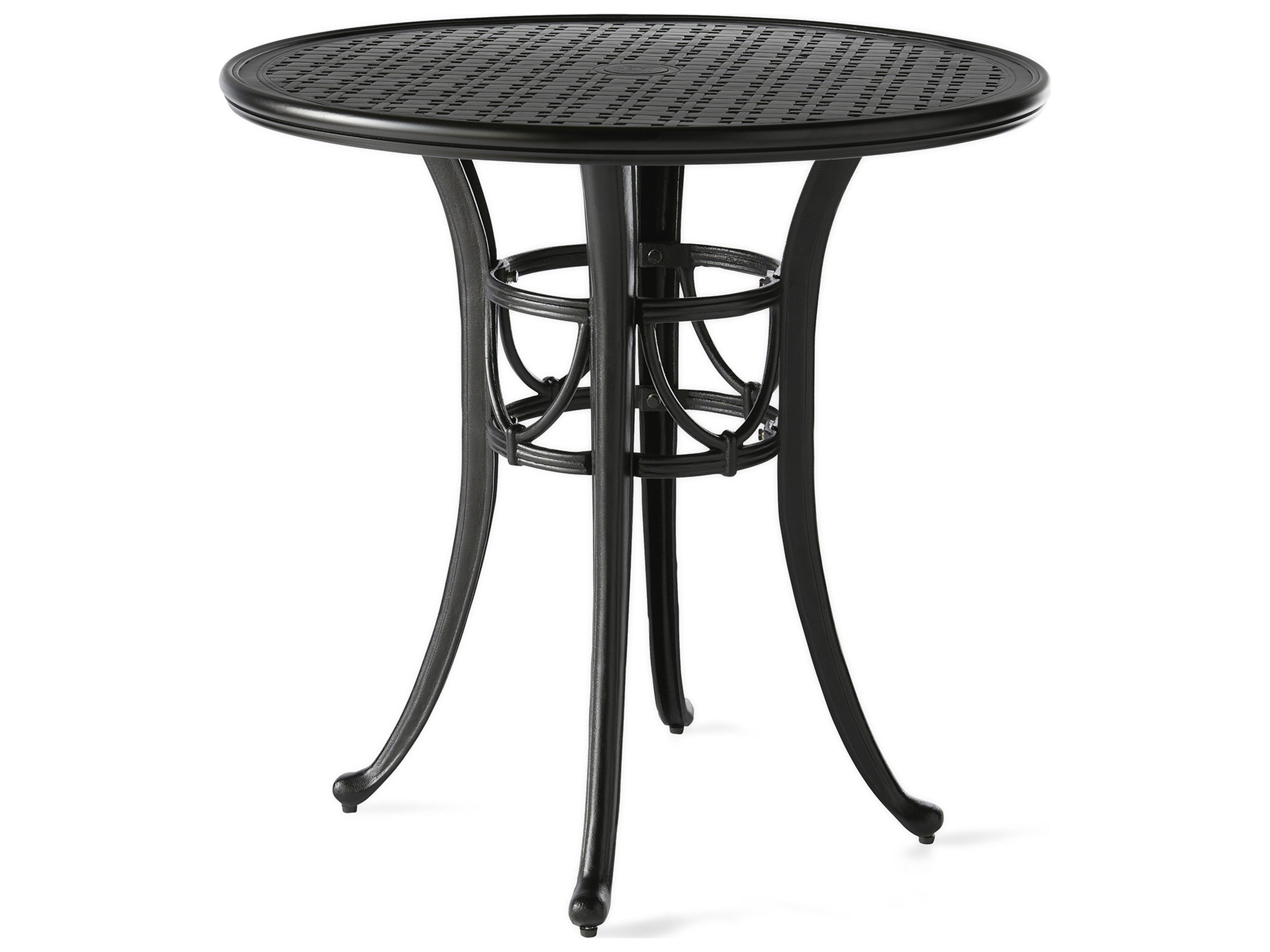
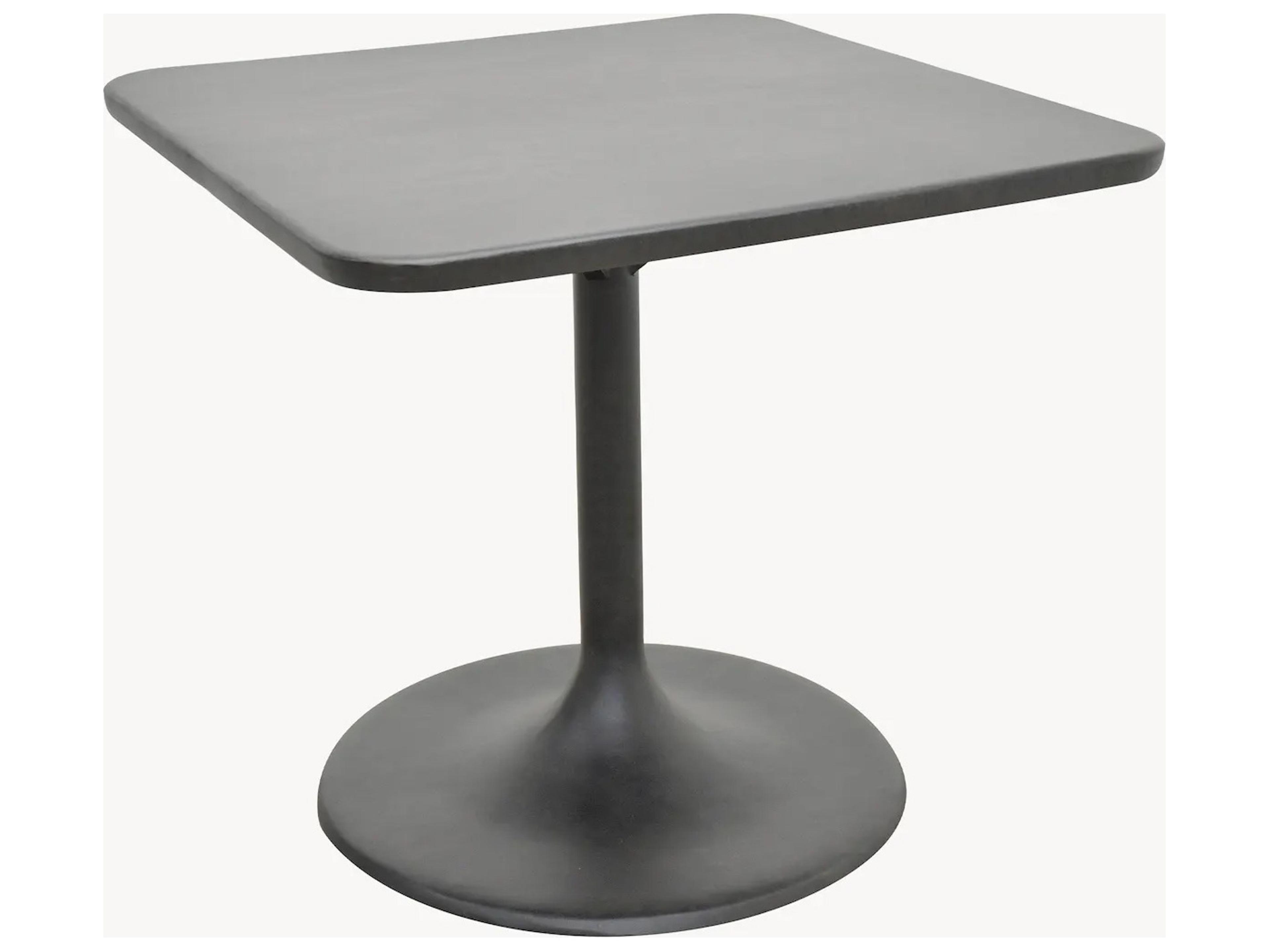
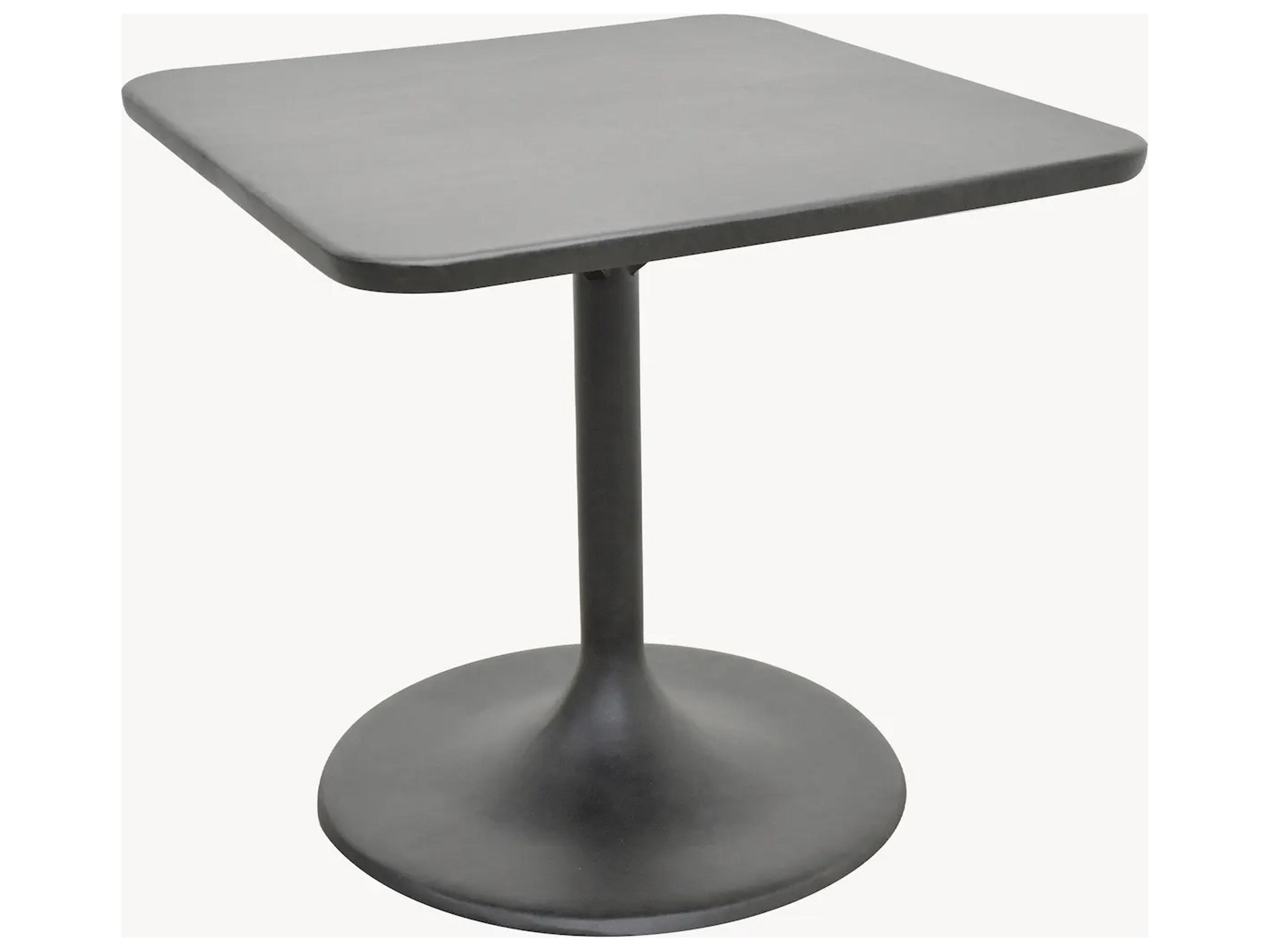
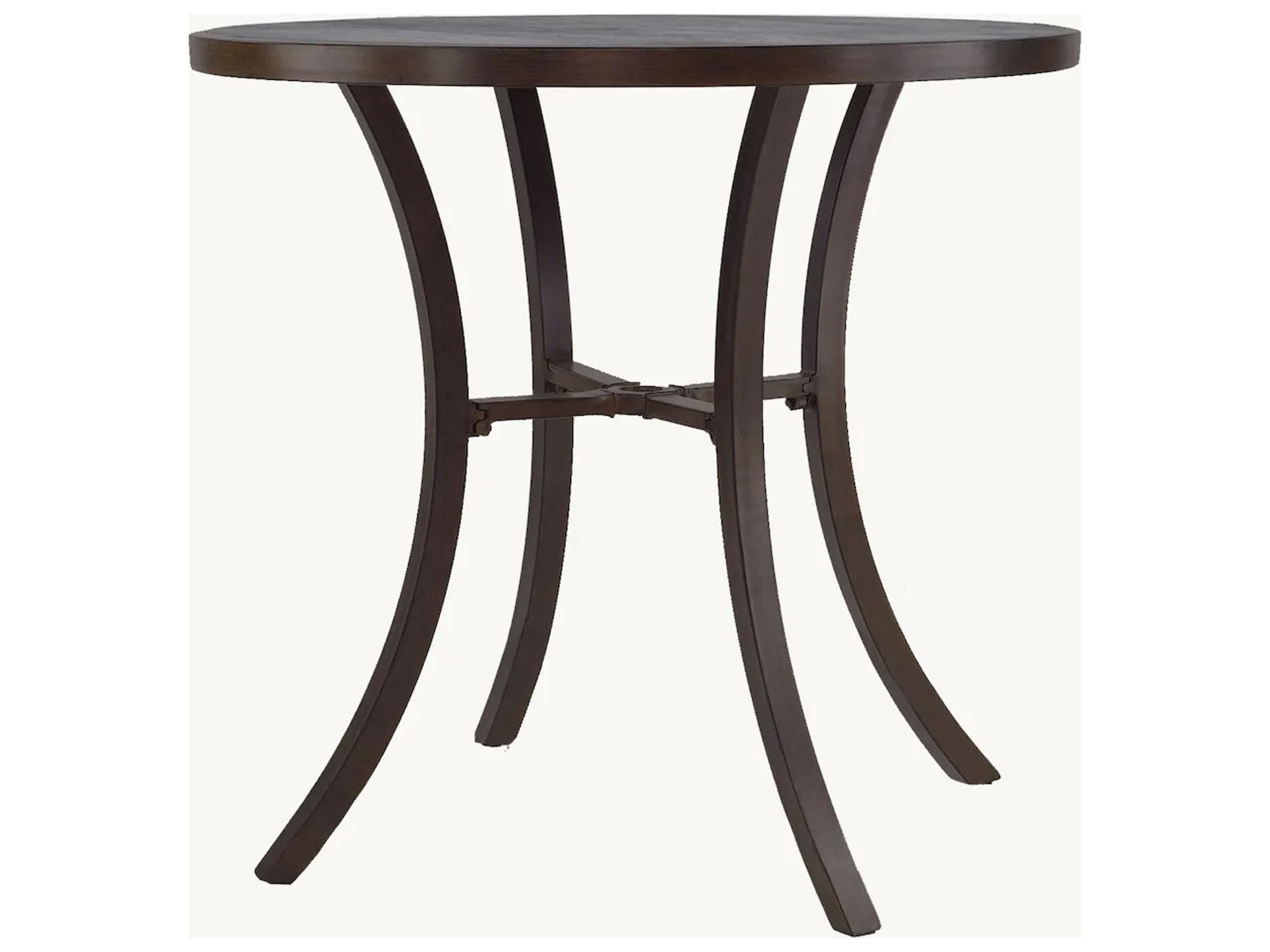
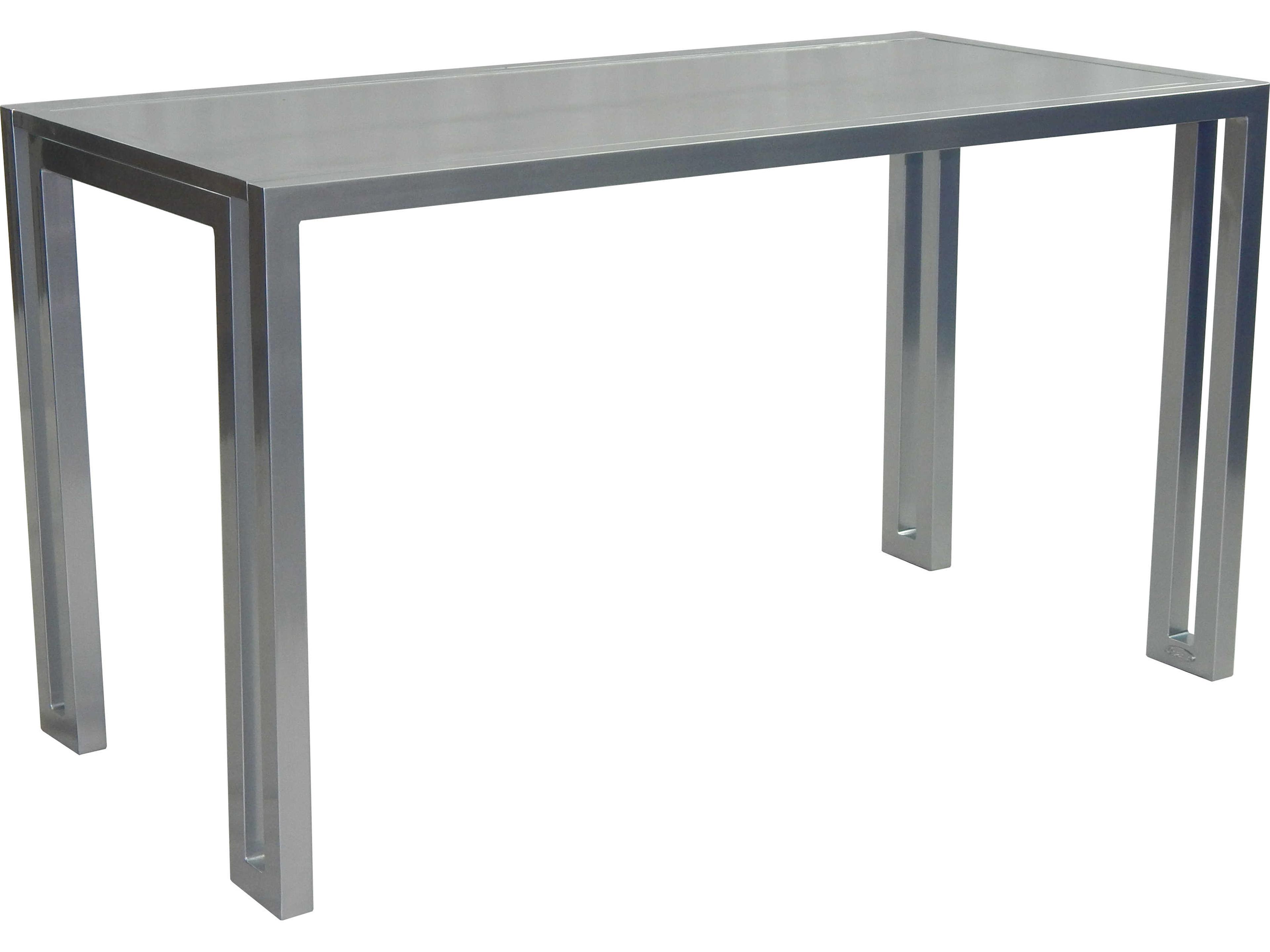
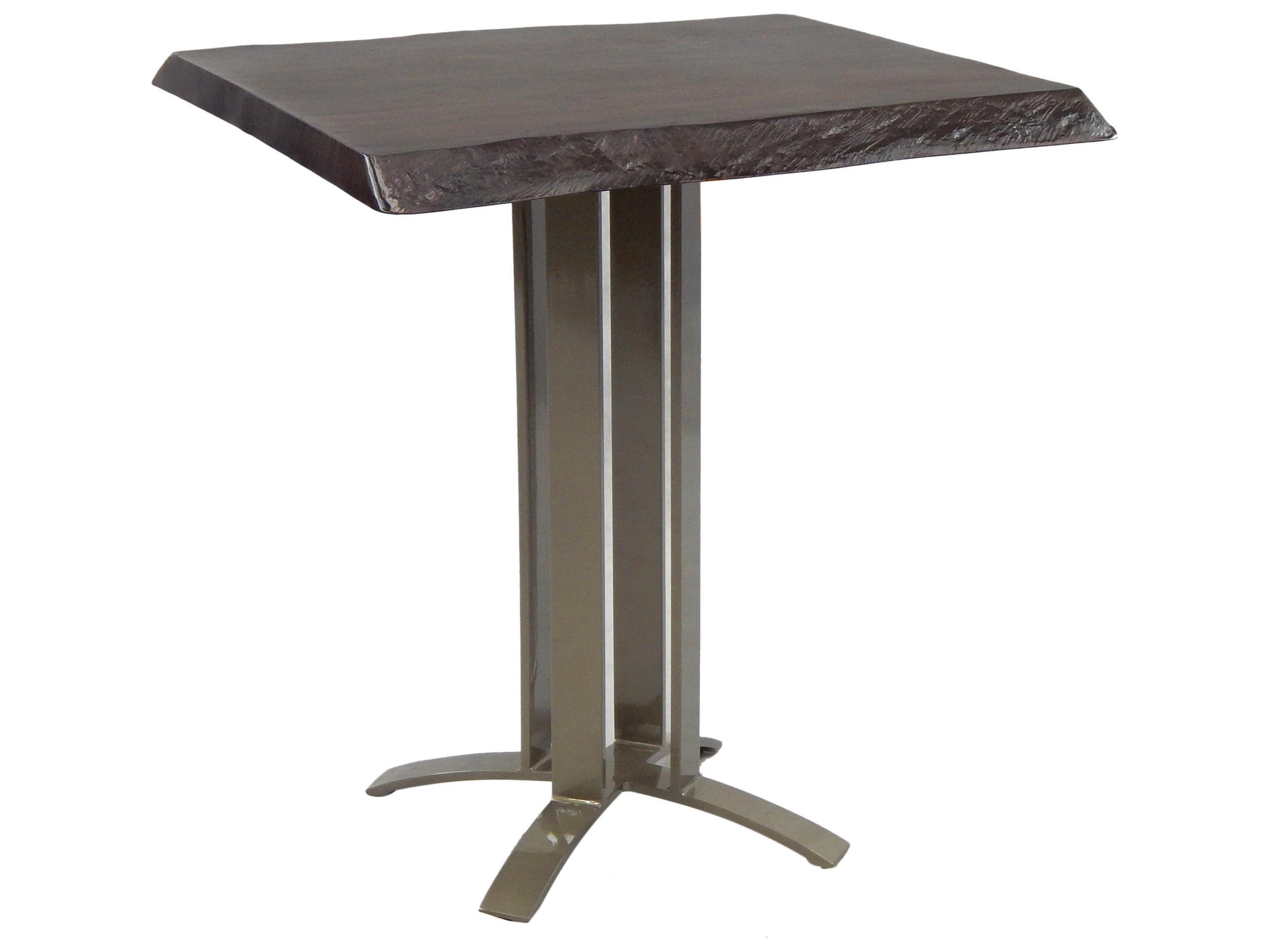
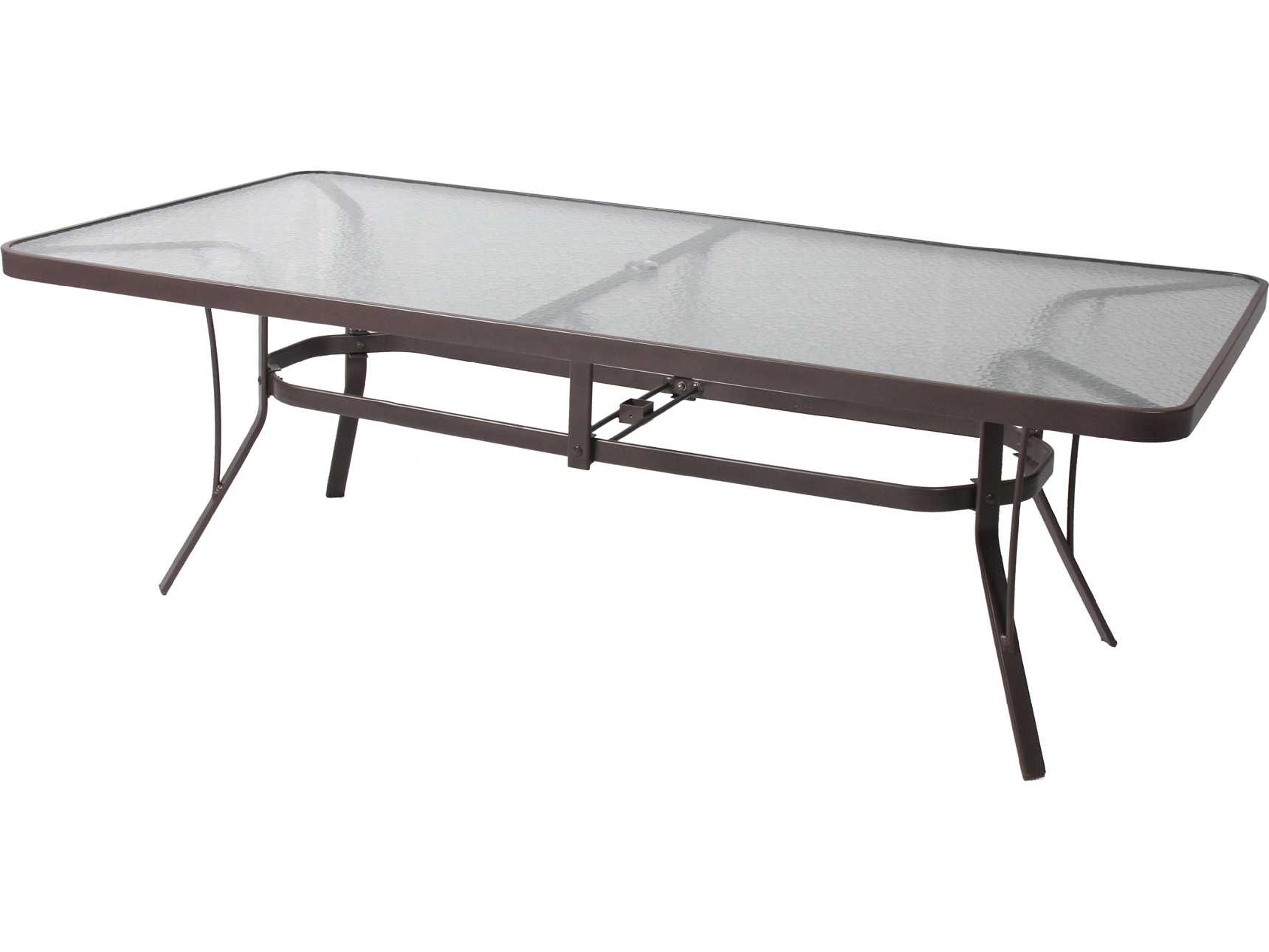
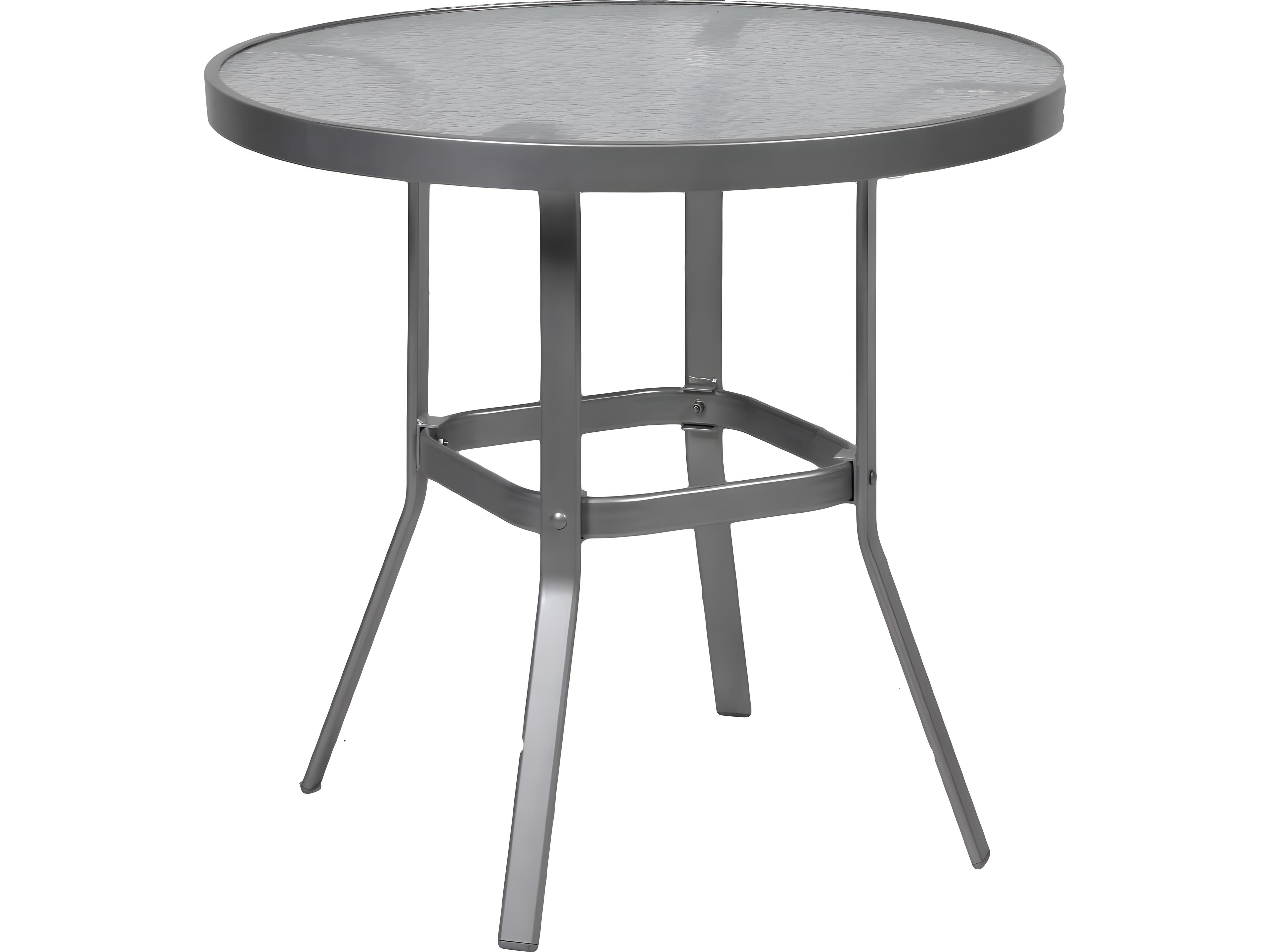
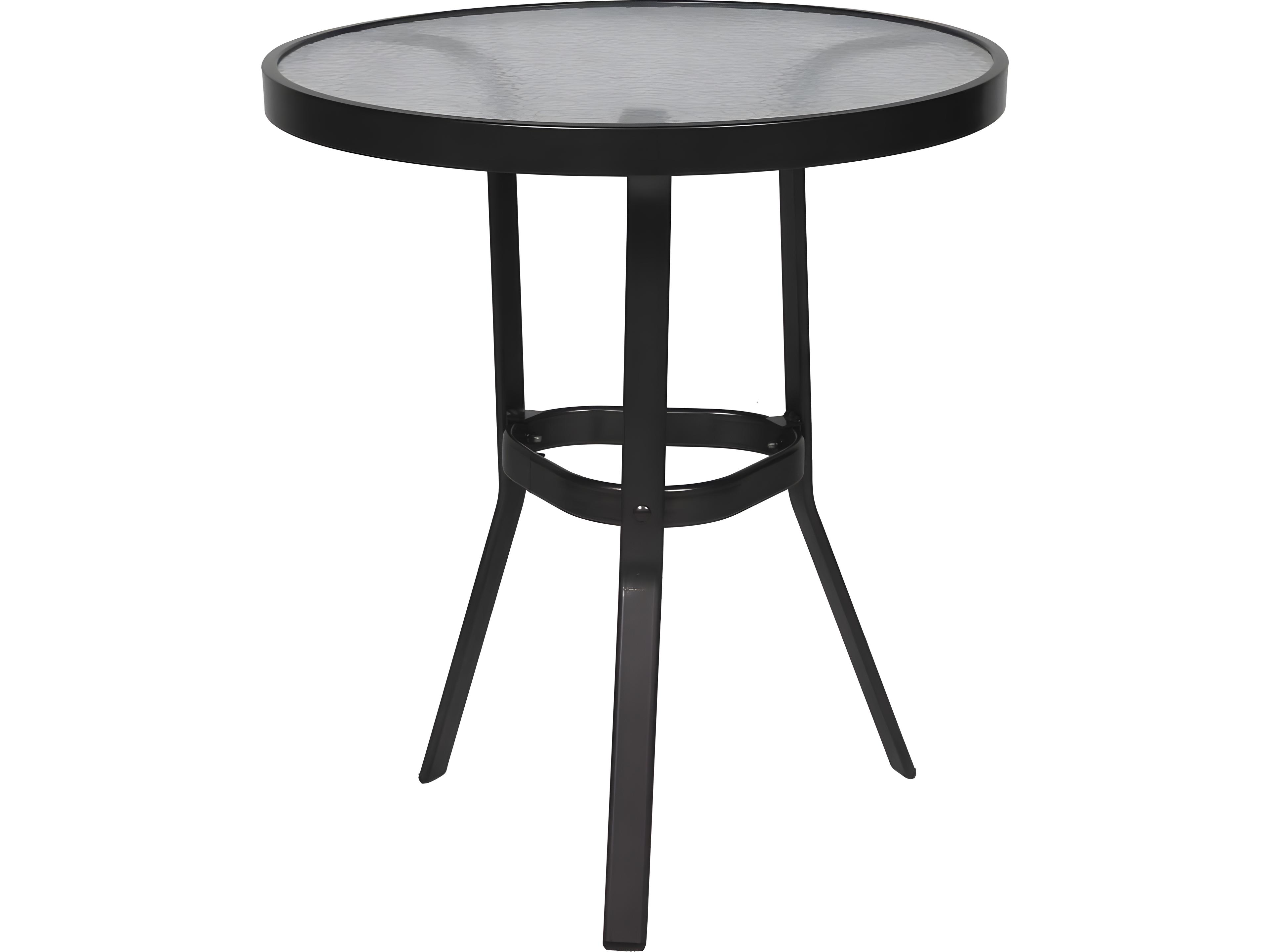
Cast aluminum patio furniture is both beautiful and functional, which is why our cast aluminum patio counter tables are perfect for any outdoor living space. There are many benefits and features available when purchasing our patio counter tables, making it possible to find the ideal addition to your existing patio design. When choosing a patio counter table, look no further; we have many options available, making it possible for you to find the perfect choice for your outdoor furniture needs.
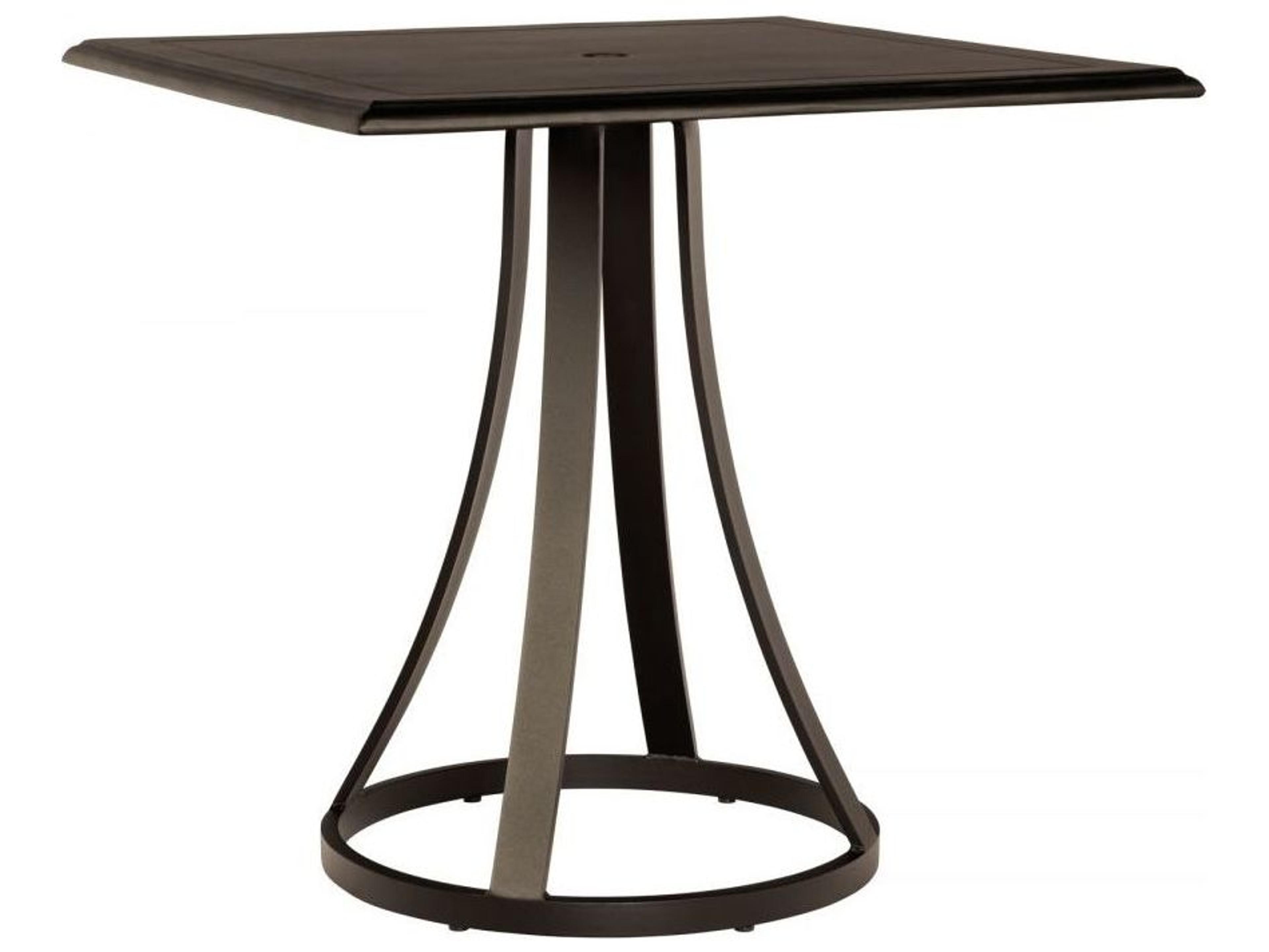
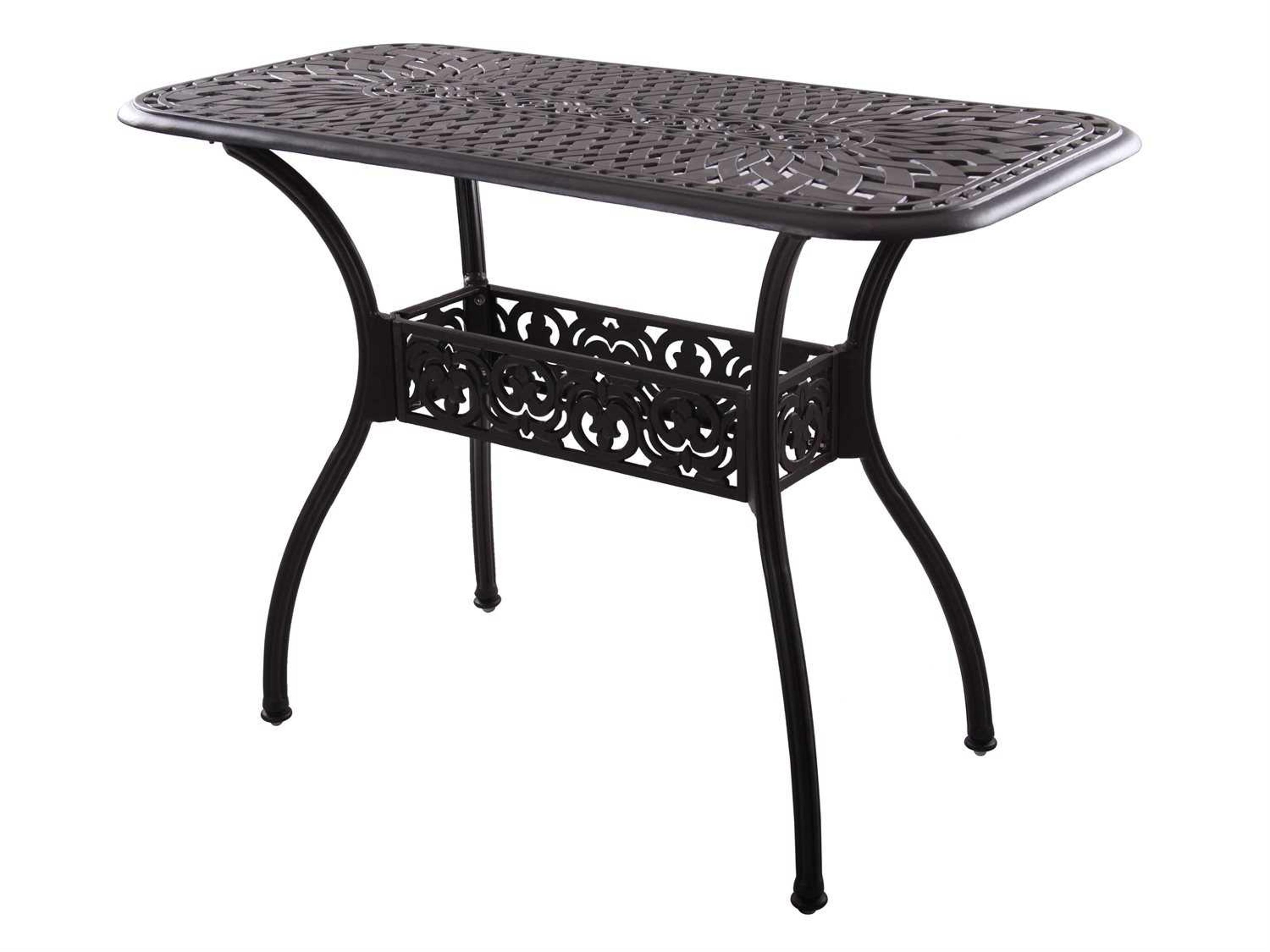
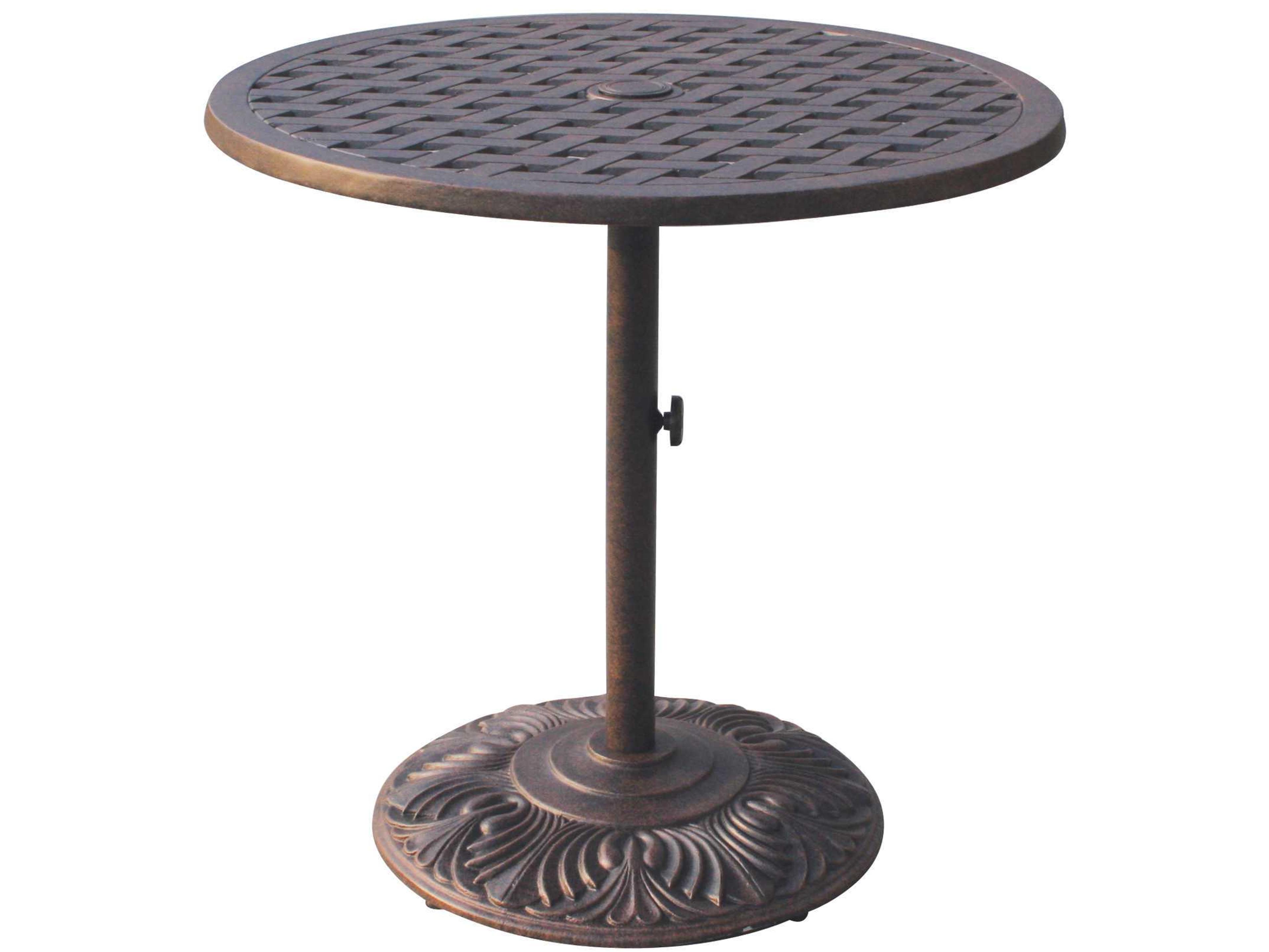
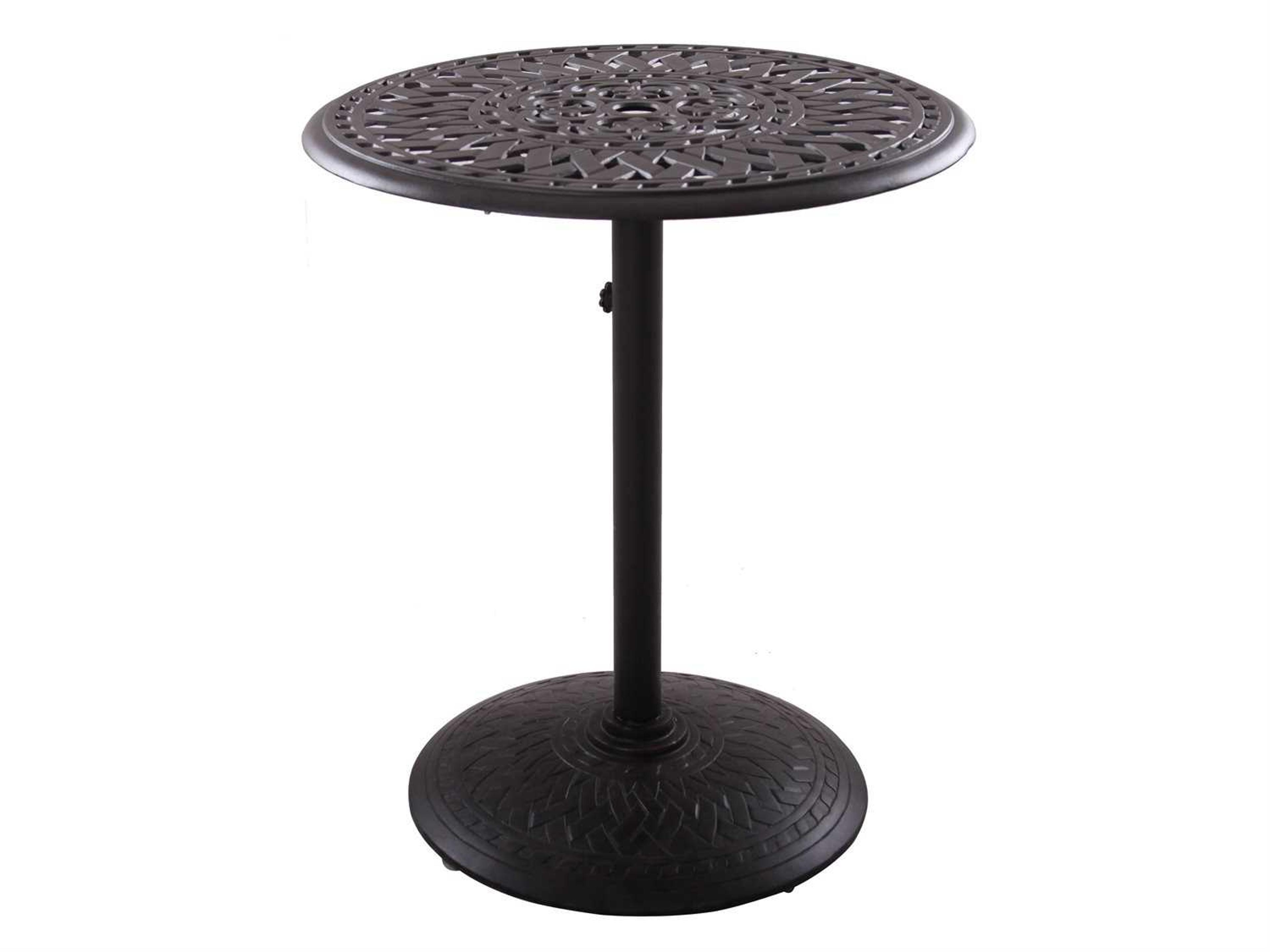
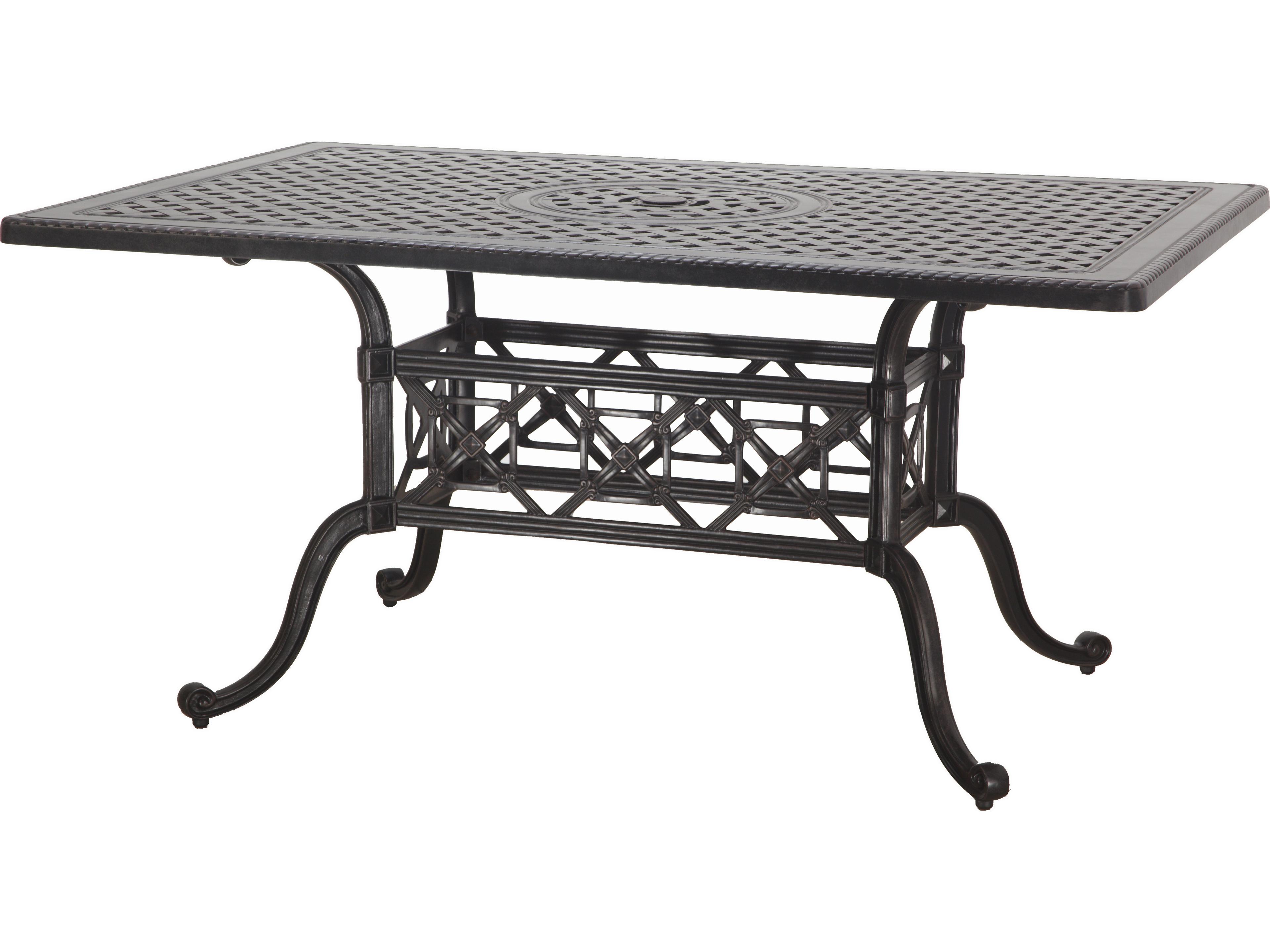
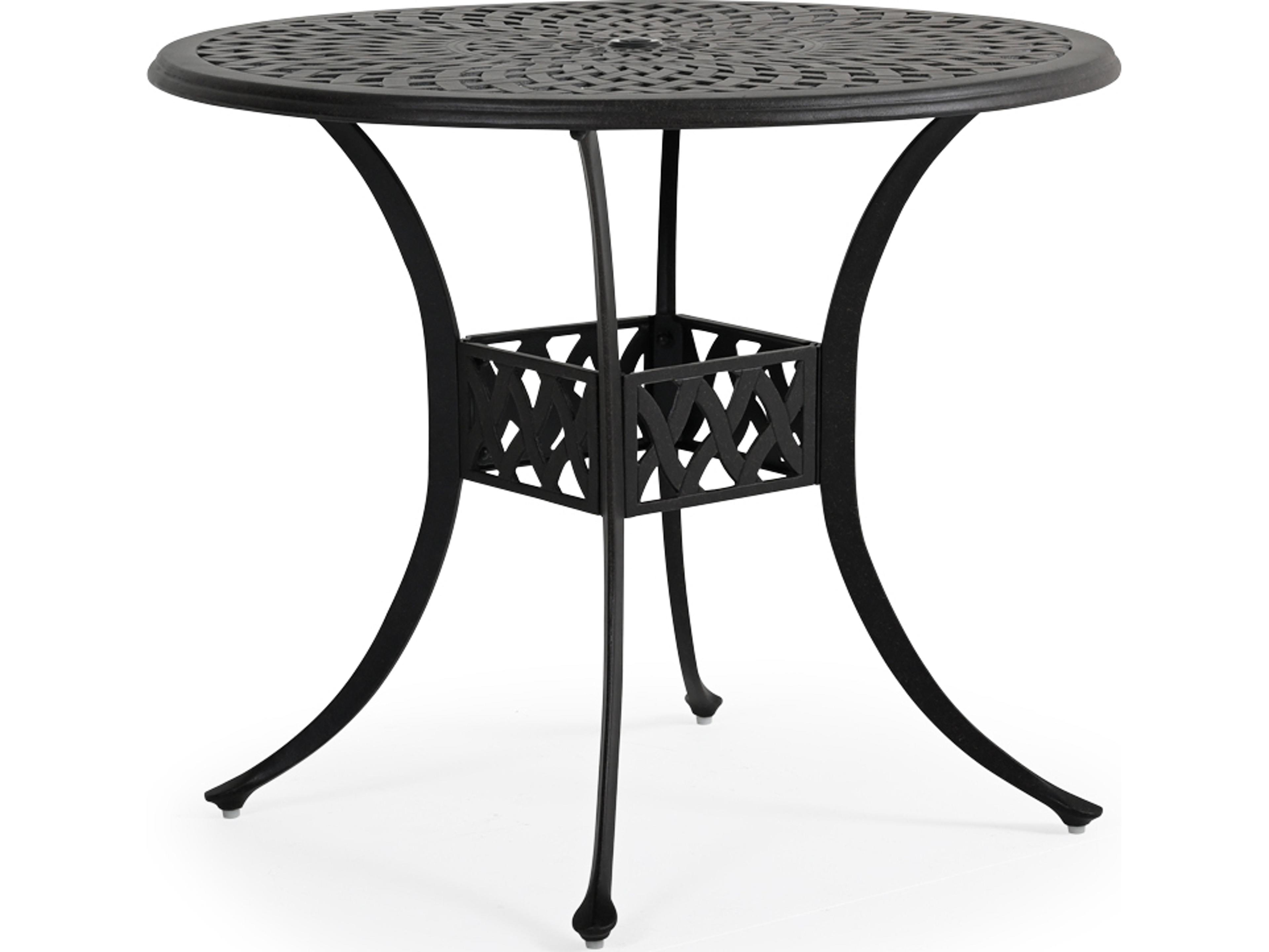
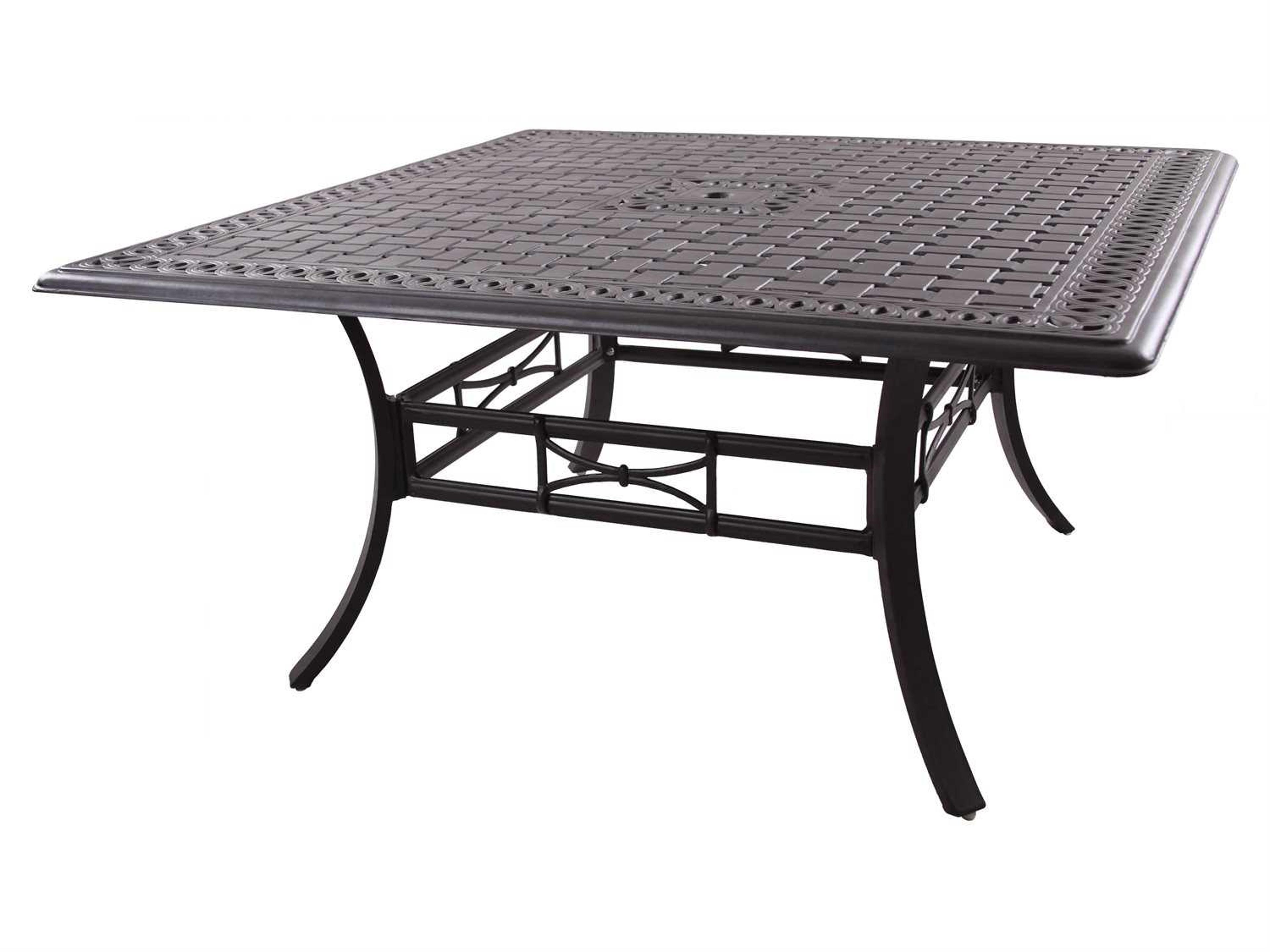
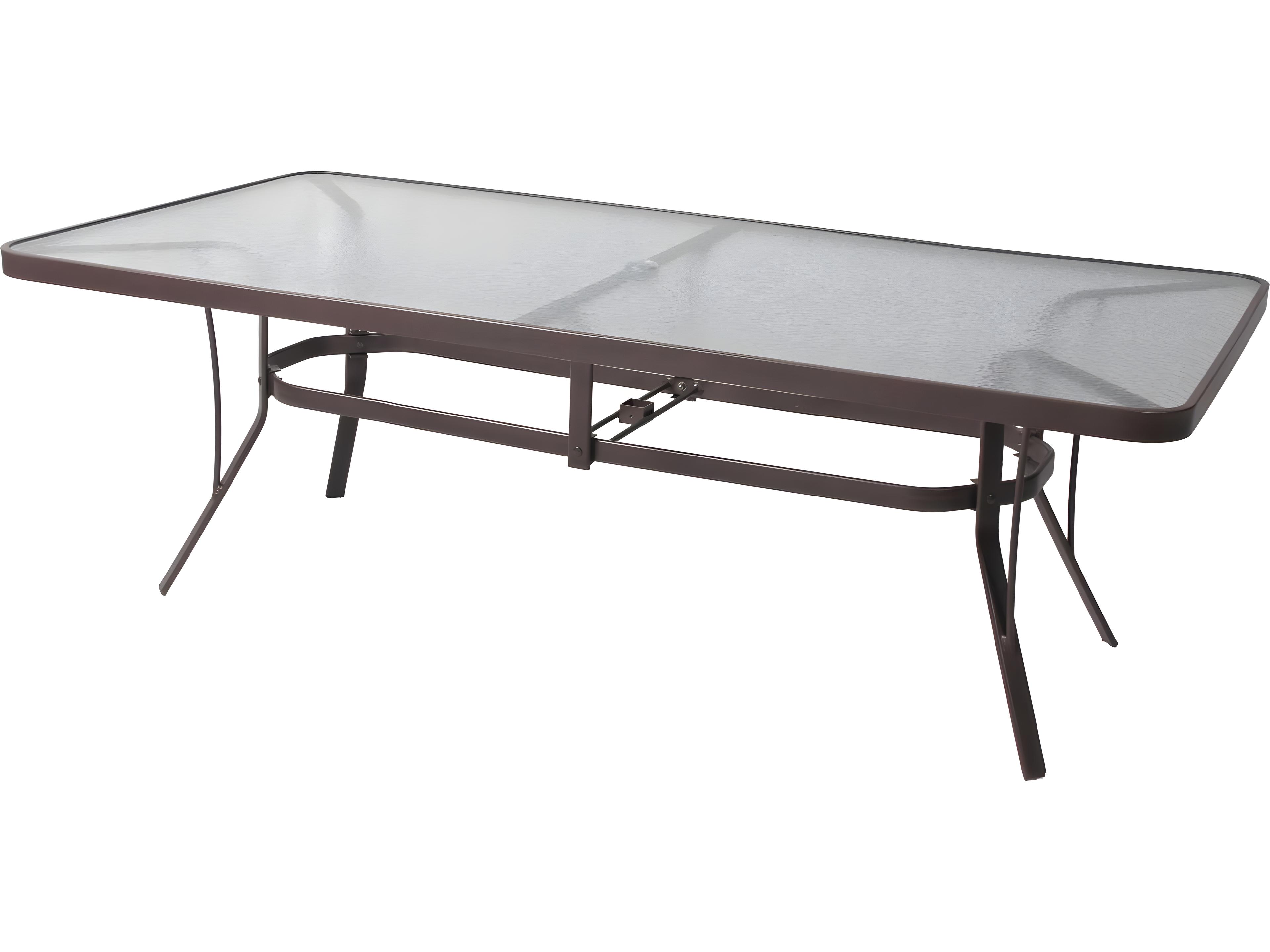
We have many outdoor patio counter tables available, including those made from cast aluminum. It doesn't matter if you are looking for a small table or a large table; our patio counter tables offer plenty of space for gathering outside or having a table to place other items. When needing an outdoor patio counter table, make sure to check out the options we have available. Some of those options include:
Unlike other outdoor furniture options, cast aluminum patio counter tables do not rust and provide a durable piece of outdoor furniture that will last for many years. You will love the versatility of these counter tables and experience a new piece of furniture that is perfect for any outdoor space. Our cast aluminum patio counter tables are the ideal way to improve your outdoor living space.
Cast aluminum patio counter tables are low-density, lightweight, and durable. Additionally, they are corrosion and weather-resistant. Our outdoor counter tables come in various finishes and provide you with a stylish and functional piece of outdoor furniture.